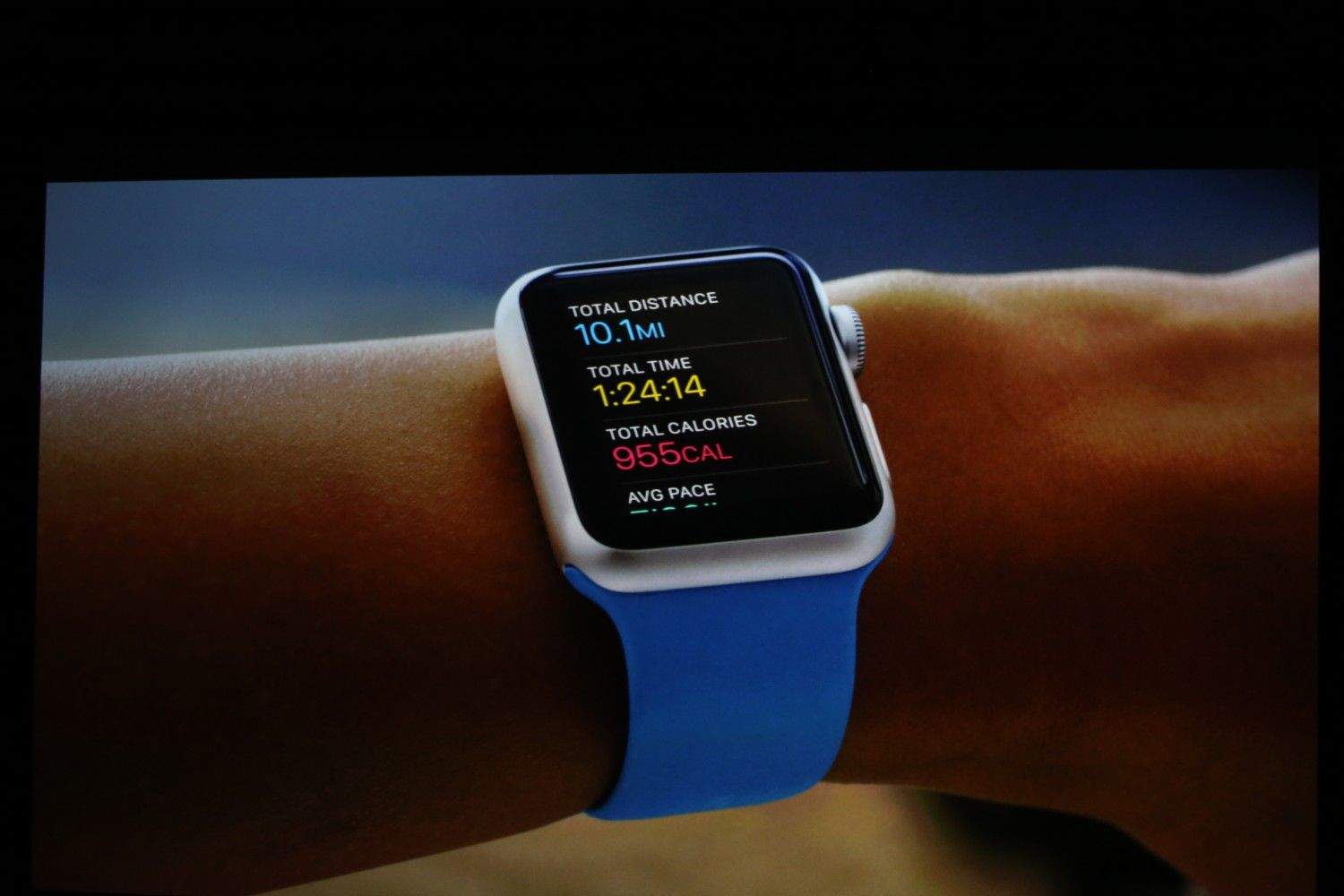
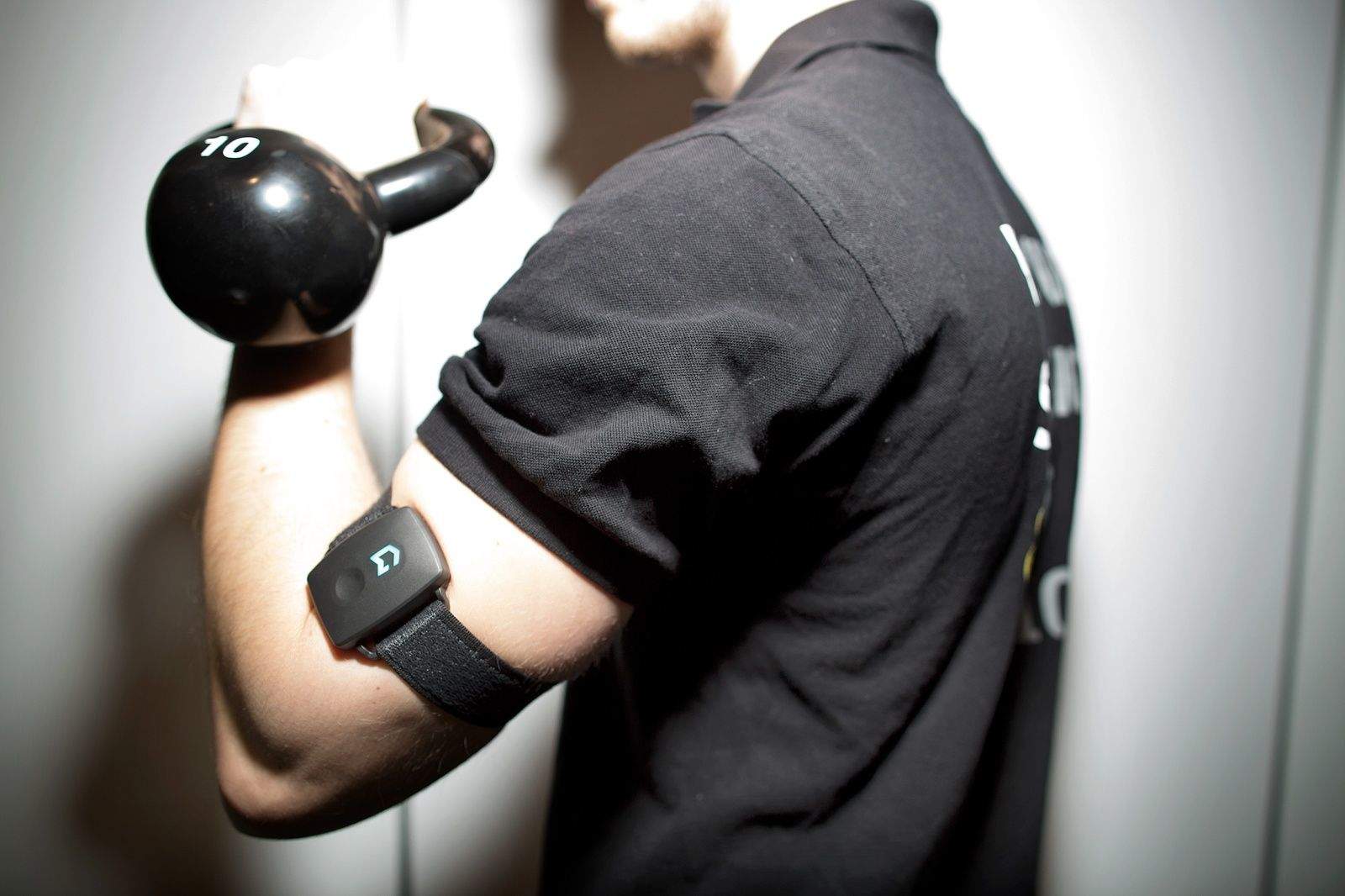
Your next personal trainer? Photo: Roberto Baldwin/The Next Web
One of the big selling points of wearable devices is that they will be able to help us keep track of various fitness metrics.
However, a new report claims smartphones are just as good (if not slightly better) at tracking physical activity as the most popular wearables on the market.
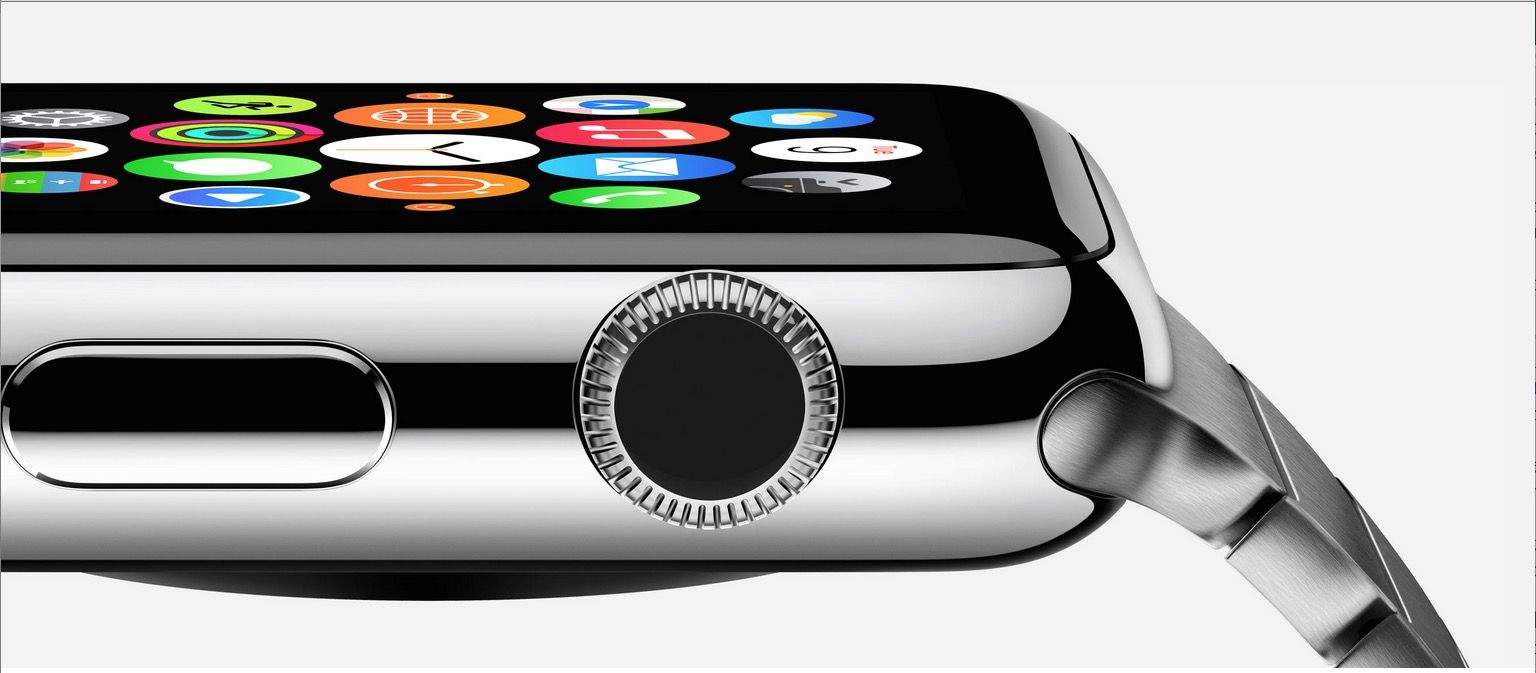
Apple Watch will ship in April, according to Tim Cook. Photo: Leander Kahney/Cult of Mac
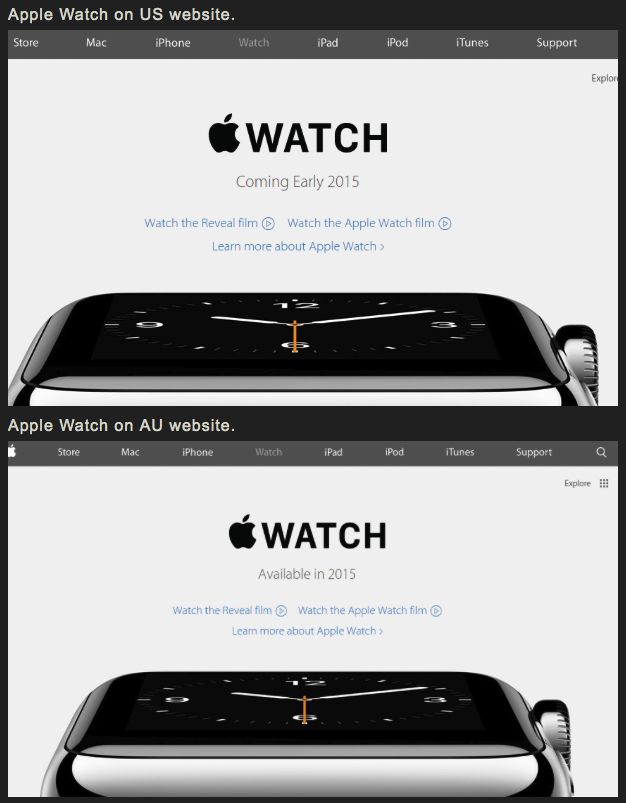
During today’s historic Apple earnings call, Tim Cook dropped a subtle bomb on Apple fans by revealing that the Apple Watch is slated to launch in April.
“I’m using it every day and I love it and I can’t live without it,” Cook said.
While he didn’t give a specific release date for the wearable, it’s the first time Apple’s narrowed down the launch beyond “early 2015.” Cook said Apple considers “early” to be sometime within the first four months of the year, so the Apple Watch is right on target.
With HoloLens, Microsoft enters the age of holographic computing. Photo: Microsoft Photo: Microsoft
Forget about spreadsheets and Word docs — Microsoft thinks the world is ready for holograms.
“We’re dreaming about holograms,” said Microsoft’s Alex Kipman as he introduced Windows Holographic and HoloLens, the company’s new wearable holographic computer. He showed off the device, which is strapped to the head and includes see-through lenses and an array of built-in sensors designed to bring high-def holograms into the real world.
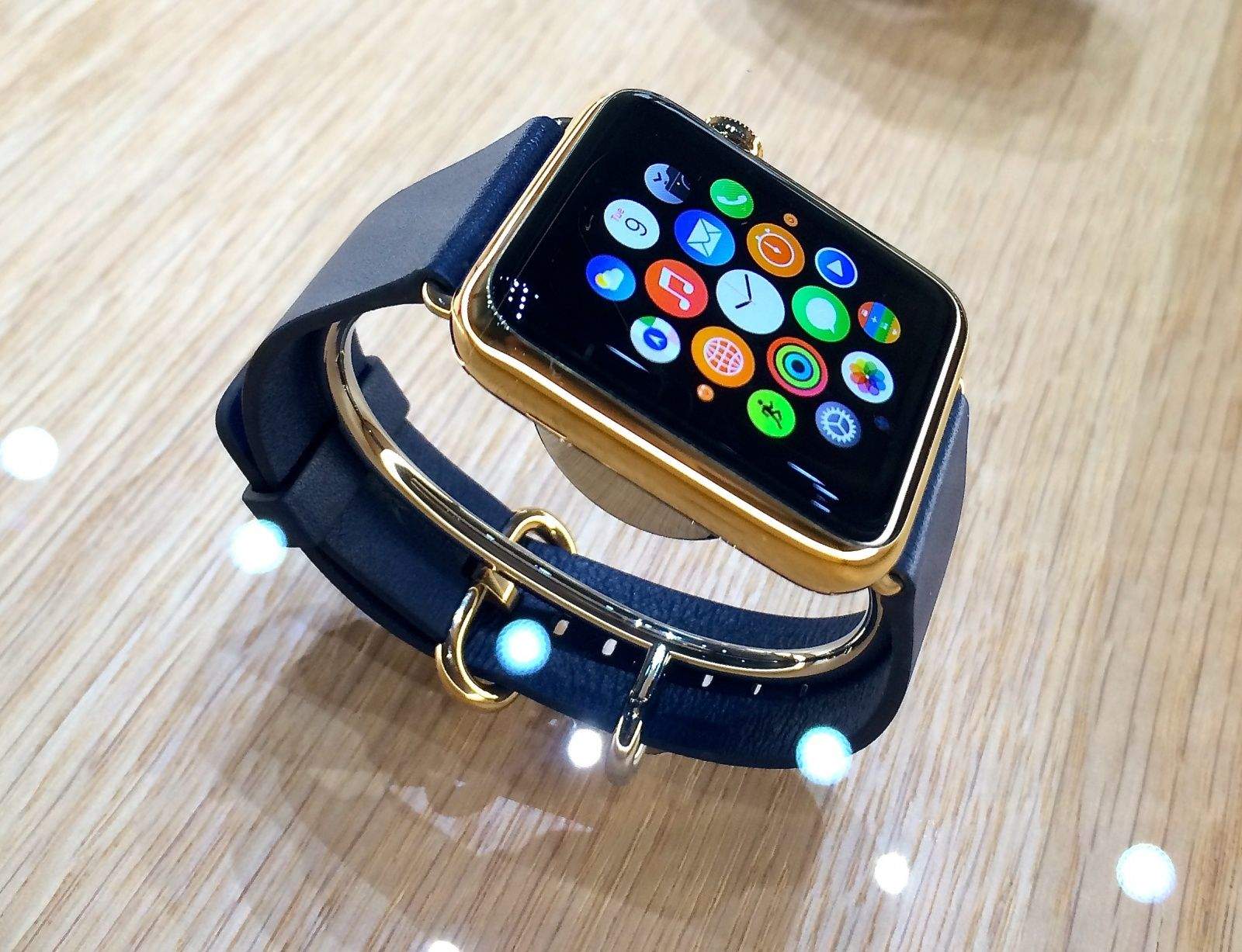
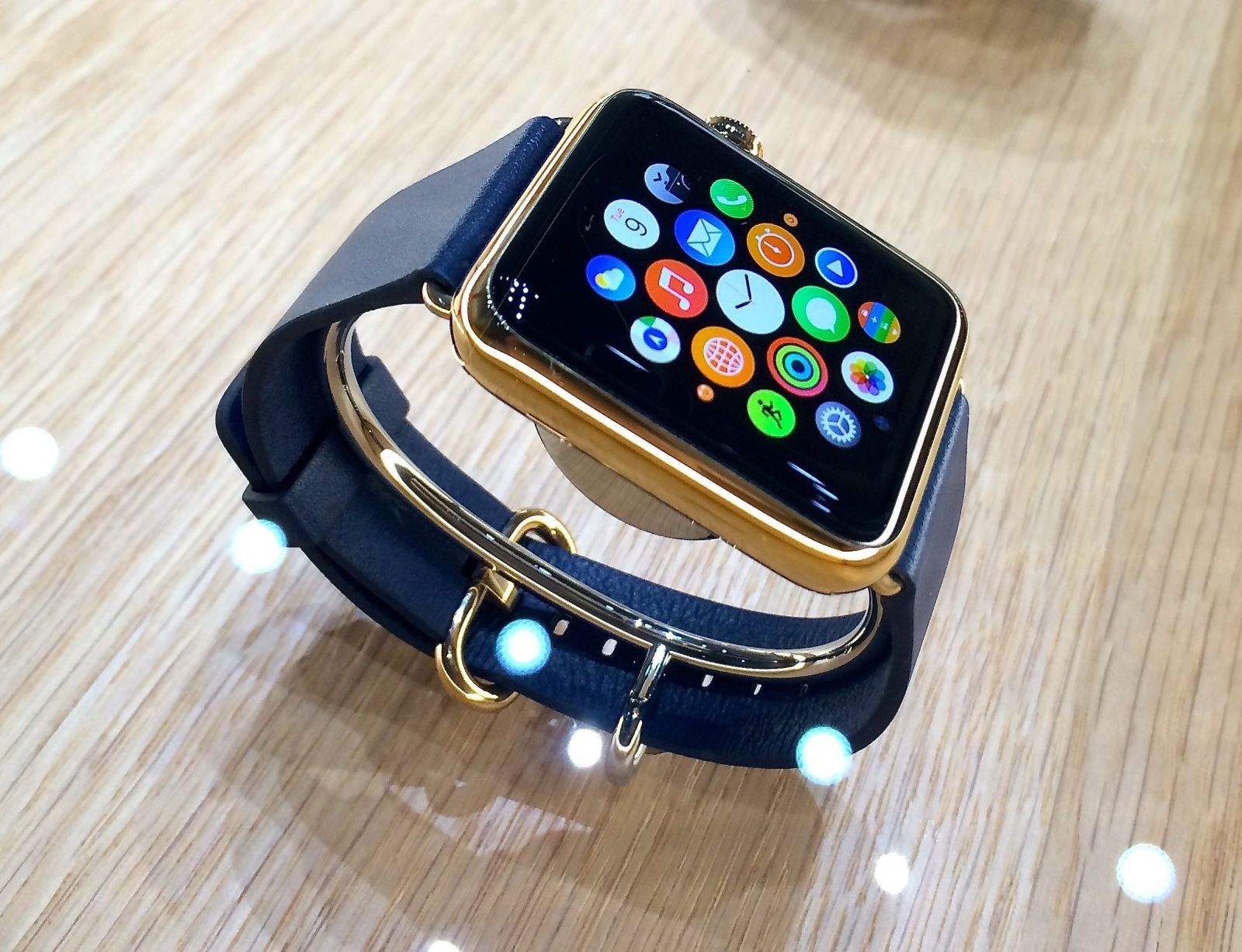
The closer we get to Apple Watch, the more advanced it looks in comparison to its competition. Photo: Leander Kahney/Cult of Mac
Ever since Tim Cook unveiled the Apple Watch last September, it’s been one disappointment after another as far as I’m concerned. Apple’s first wearable won’t come in the minimalist form factor of the fitness bracelets I love. Worse yet, the launch version of the fashion-forward device will lack GPS, suffer from underwhelming battery life and fail to offer truly native third-party apps.
For the first time, I realized I would not be buying an Apple product when it first hit the market. “It’s not worth lining up for,” I told my dad when he asked what I thought after the Apple Watch’s big reveal.
But a funny thing happened on the way to Apple Watch’s launch day, which is coming sometime this spring. And I’m not talking about the previously unthinkable — an Apple fan calling the Microsoft Band the best smartwatch on the planet. No, I’m talking about wading through an ungodly sea of really bad smartwatches at International CES earlier this month and seeing indisputable proof of just how innovative and disruptive Apple Watch actually will be.
Get stronger, go longer with a pelvic fitness program from Private Gym. Illustration: Private Gym
The promise of rock-hard abs is still not incentive enough to get many men to the gym. But promise a rock-hard — well, you know — and you might launch a boner-fide exercise craze.
The makers of Private Gym guarantee “100 percent satisfaction” for gents and their partners, thanks to a pelvic fitness program that includes a rather chunky-looking piece of wearable tech.
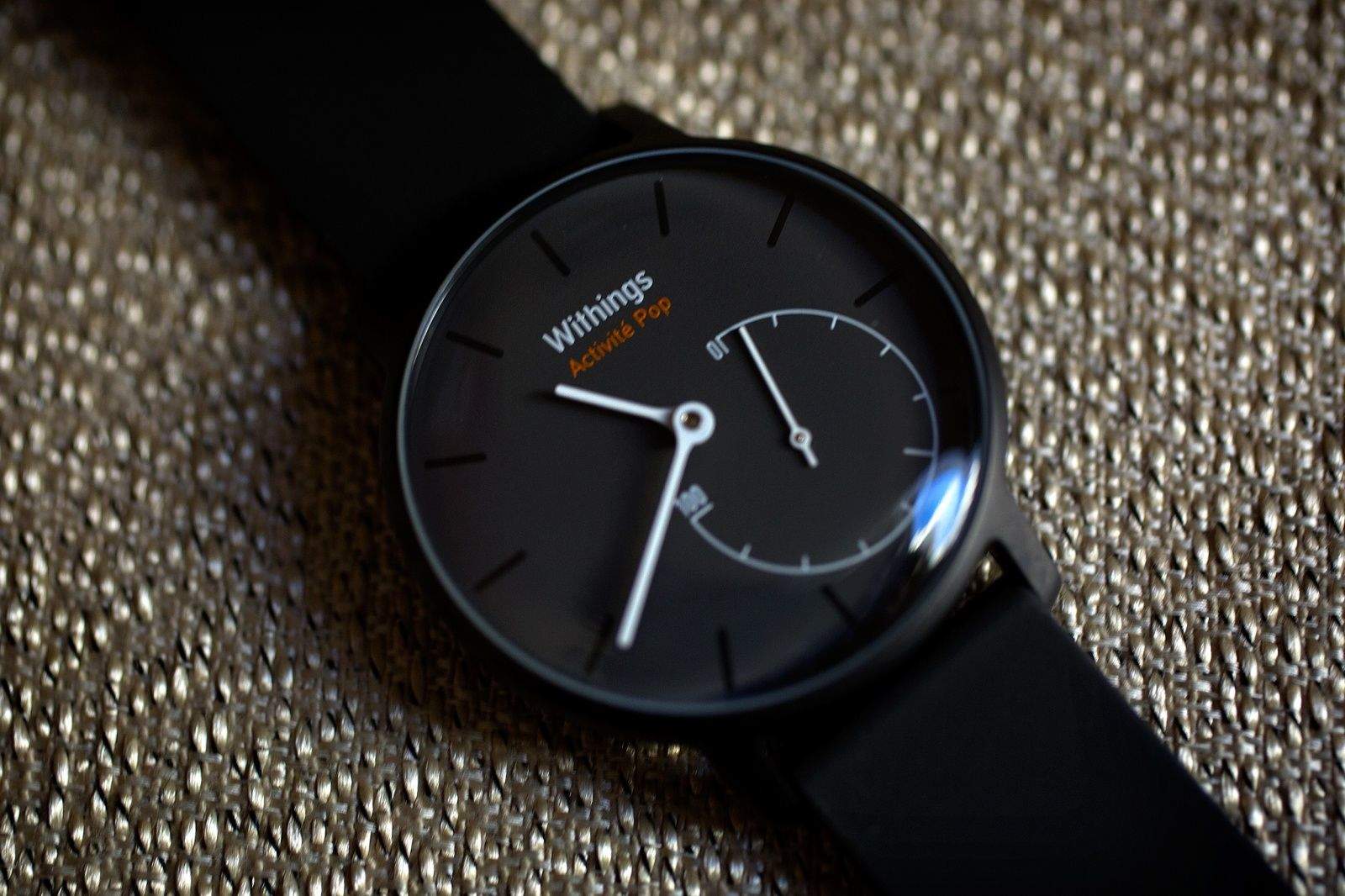
Withings smart watch is one of the best looking wearables around. Photo: Jim Merithew/Cult of Mac Photo:
LAS VEGAS — The problem with the state of smartwatches, beyond the sucky software, is that they’re all ugly. The Apple Watch might very well be the first wearable that not only works, but looks good too, although we won’t know for sure until the finished product is on our wrists this spring.
There were dozens and dozens of smartwatches displayed on the sprawling show floor at International CES last week, but the only one that looked good enough to adorn my wrist was the new Withings Activité Pop.
It doesn’t have all of the bells and whistles of fancier watches like the Samsung Galaxy Gear, but it’s not your average dumb watch either. And for now, just a smidgen smarter is smart enough.
The new Gymwatch wearable makes it easier to muscle up. Photo: Jim Merithew/Cult of Mac Photo:
Hitting the gym with my girlfriend is an embarrassing affair. Not because she lifts almost as much as me, but because she’s so much better at it, with the all the right form and stuff.
“Move your knees farther apart. No, no, no. Push on the balls of your feet.”
It gets tedious as she makes sure I use the proper technique every single time, but her gripes and coaching are about to get replaced by a new wearable called Gymwatch. It tracks all your movements in the gym to make sure you’re getting the most out of your lifting workouts.
These smart socks will fix your heel-striking woes. Photo: Jim Merithew/Cult of Mac Photo:
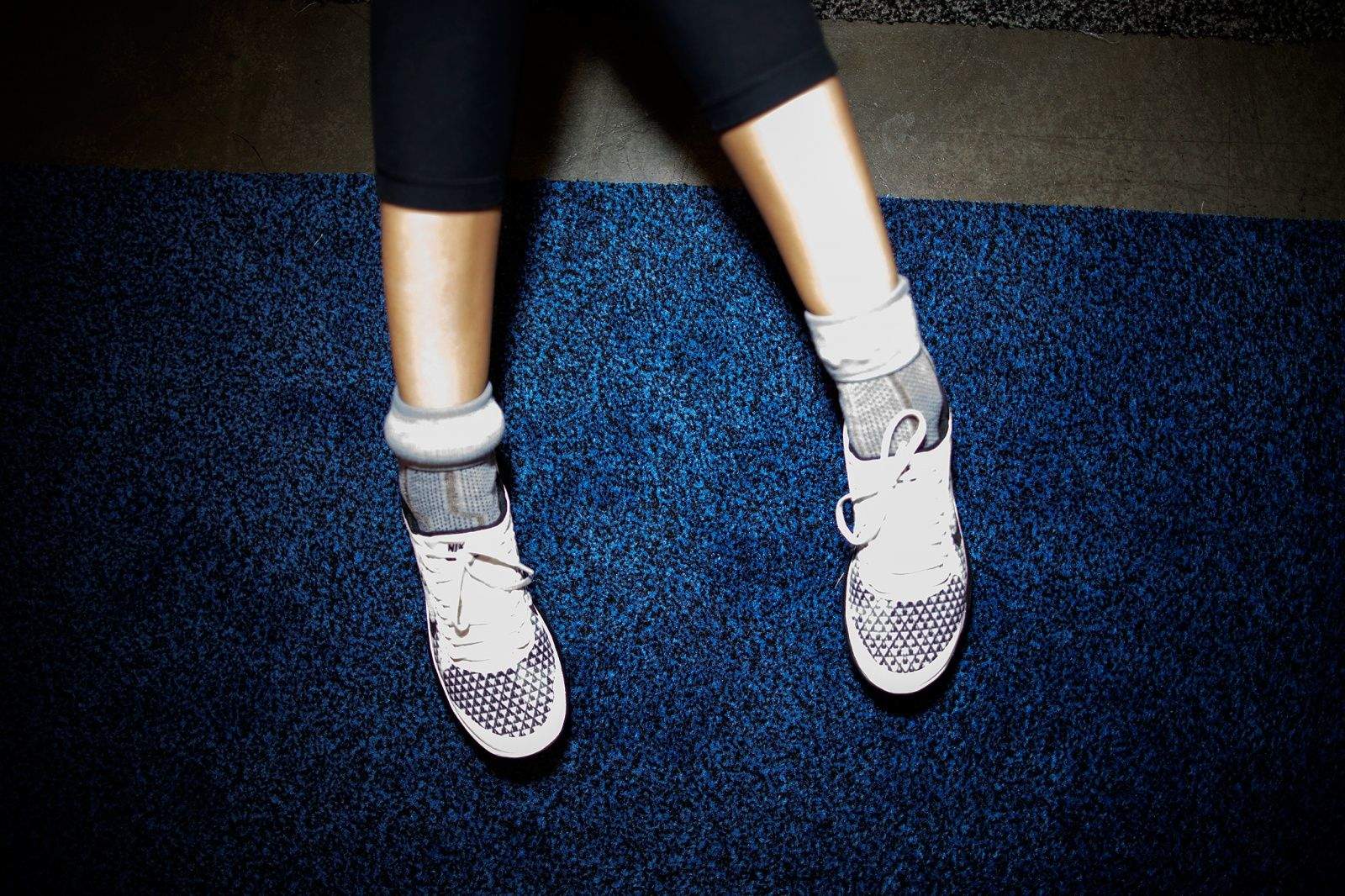
LAS VEGAS — Tons of wearables at International CES promise to help you get better at everything from brushing your teeth to perfecting your golf swing, but the last place we expected someone to toss a sensor was into our socks.
Sensoria’s Fitness Socks are aimed at transforming you into a better, injury-free runner by embedding three sensor pads into the bottom of the sock that track your stride, cadence and speed while you’re running. Coupled with the Sensoria mobile app, runners can now get direct feedback on their running style to correct things like heel striking to help them dominate their next 10k.
Going for great guns? Skulpt Aim measures and tracks your muscle mass and body fat. Photo: Jim Merithew/Cult of Mac Photo:
LAS VEGAS — If shedding some body fat is one of your New Year’s resolutions, you’re probably like me and looking for all the high-tech help you can get.
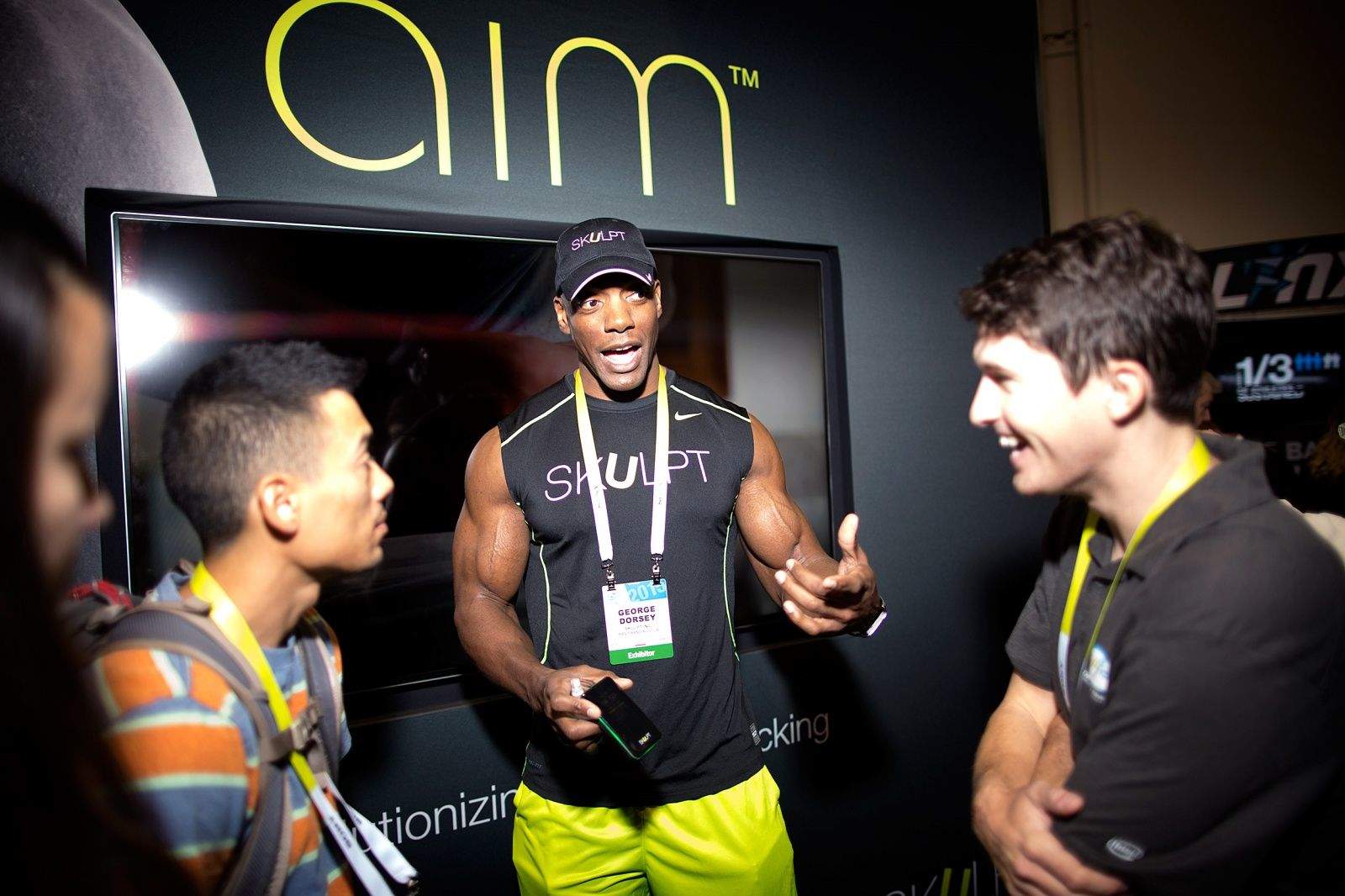
Activity trackers are great at logging exercise, but if you want to measure the actual progress your muscles are making, check out the Skulpt Aim — an iPod-size device that measures your body fat percentage.
The Skulpt Aim uses electroanalysis to not only determine how much excess fat you’re carrying around, but also your muscle quality. Just spritz a little water on the muscle you want to test, press the device firmly against your muscle, and within a few seconds, Aim spits out your score.
Wearables are now taking on concussions. Photo: Jim Merithew/Cult of Mac Photo:
LAS VEGAS — Football in America is under attack after the revelation that concussions cause serious brain damage rocked the NFL. Youth participation has plummeted in the last two years but the folks at Linx have a new solution that will help parents keep track of when their kids are getting pounded too hard on the field.
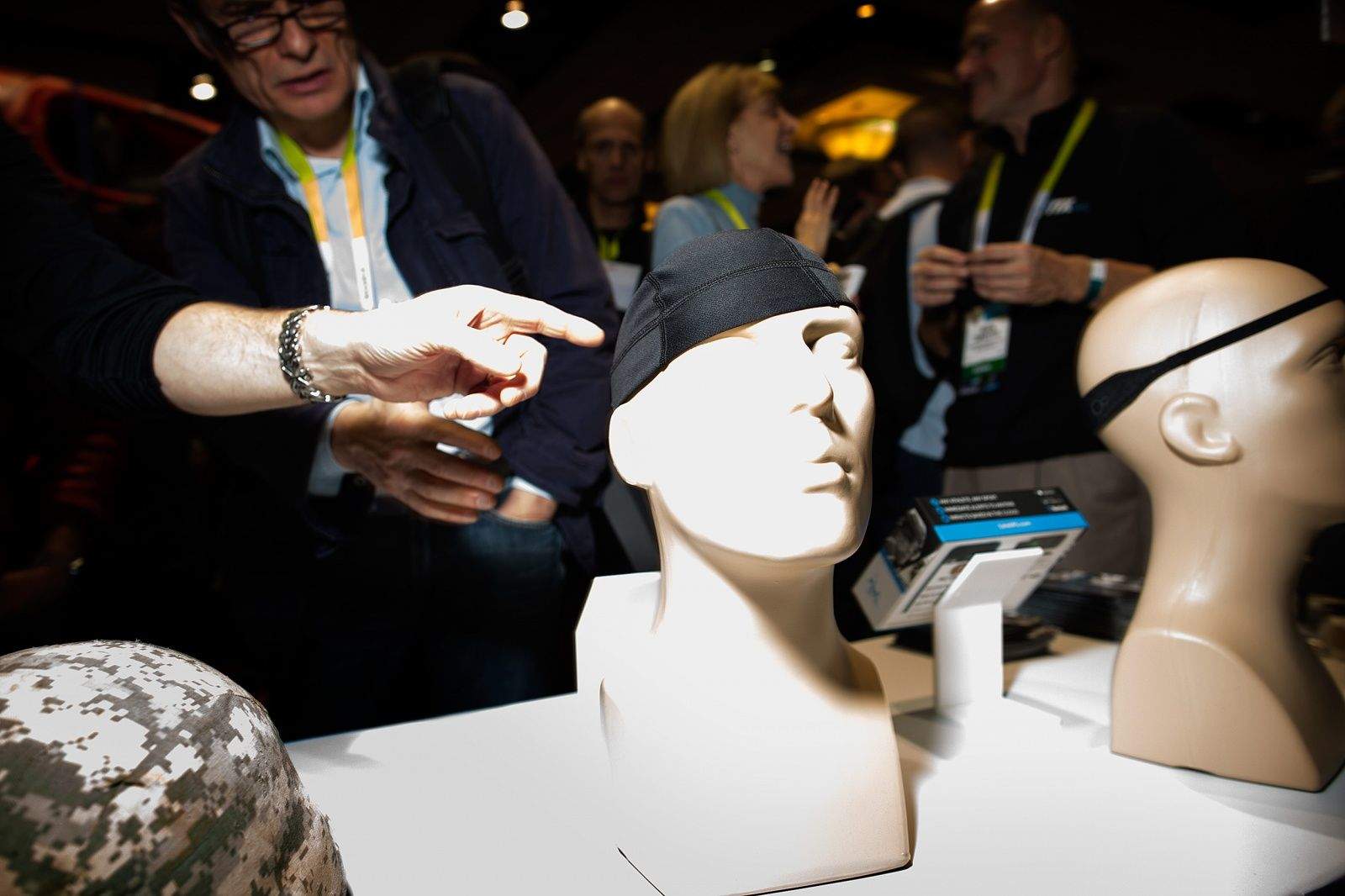
The Linx IAS sports monitor is a tiny Bluetooth sensor athletes can wear in a skull cap or headband to keep track of every impact on the field, no matter if they’re playing football, lacrosse, soccer, hockey or pretty much any other contact sport.
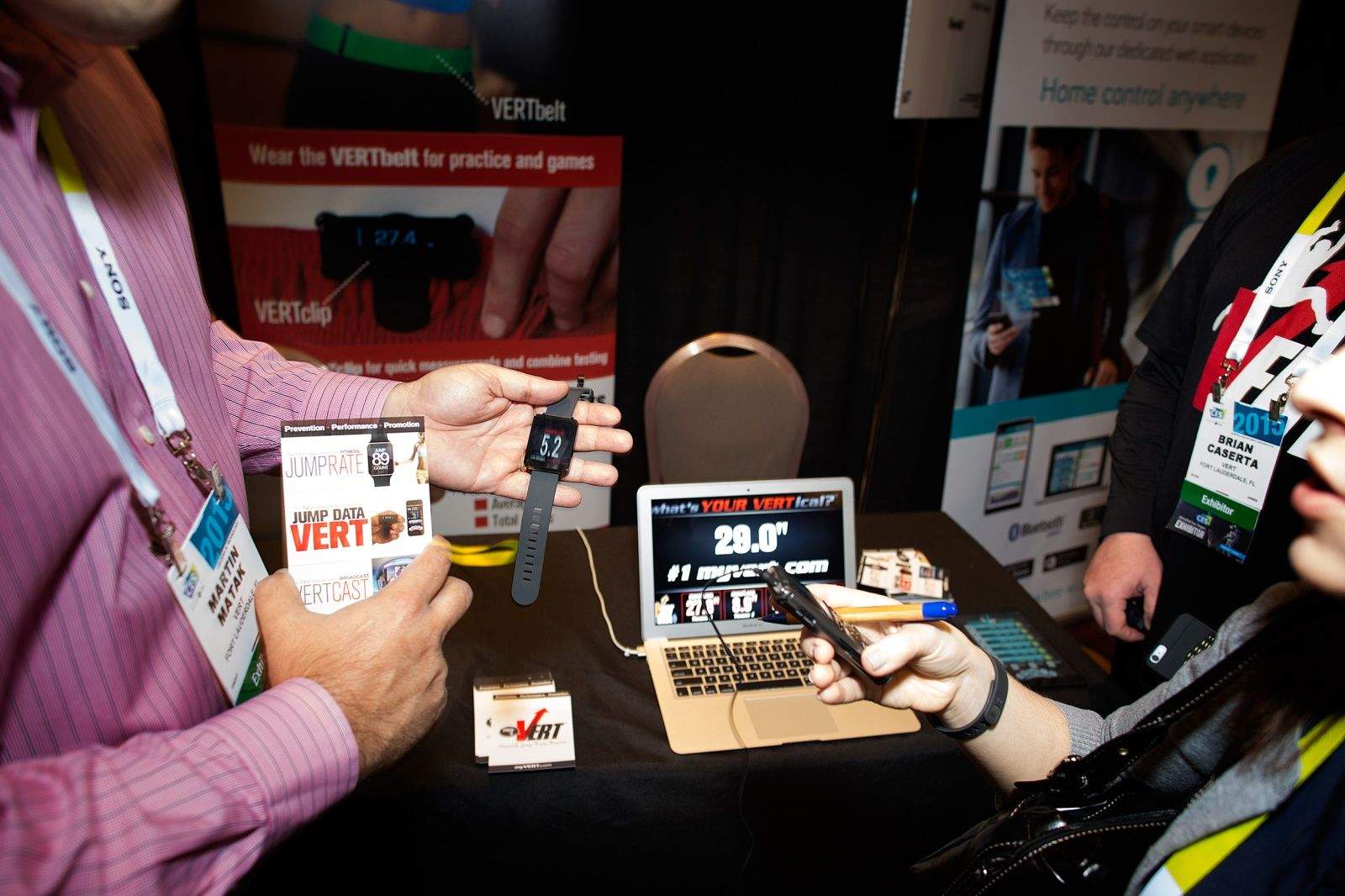
The VERT fitness sensor could be your secret weapon on the court. Photo: Jim Merithew/Cult of Mac
LAS VEGAS — I love basketball, but I have a weakness — I can’t jump.
I’ve hit the gym. I’ve tried jumping exercises.
None of it has worked, but a new fitness sensor called VERT might be the first wearable that finally helps me get above the rim, thanks to its workouts, which are designed to help you improve your leaping ability, while also preventing injuries on the court.
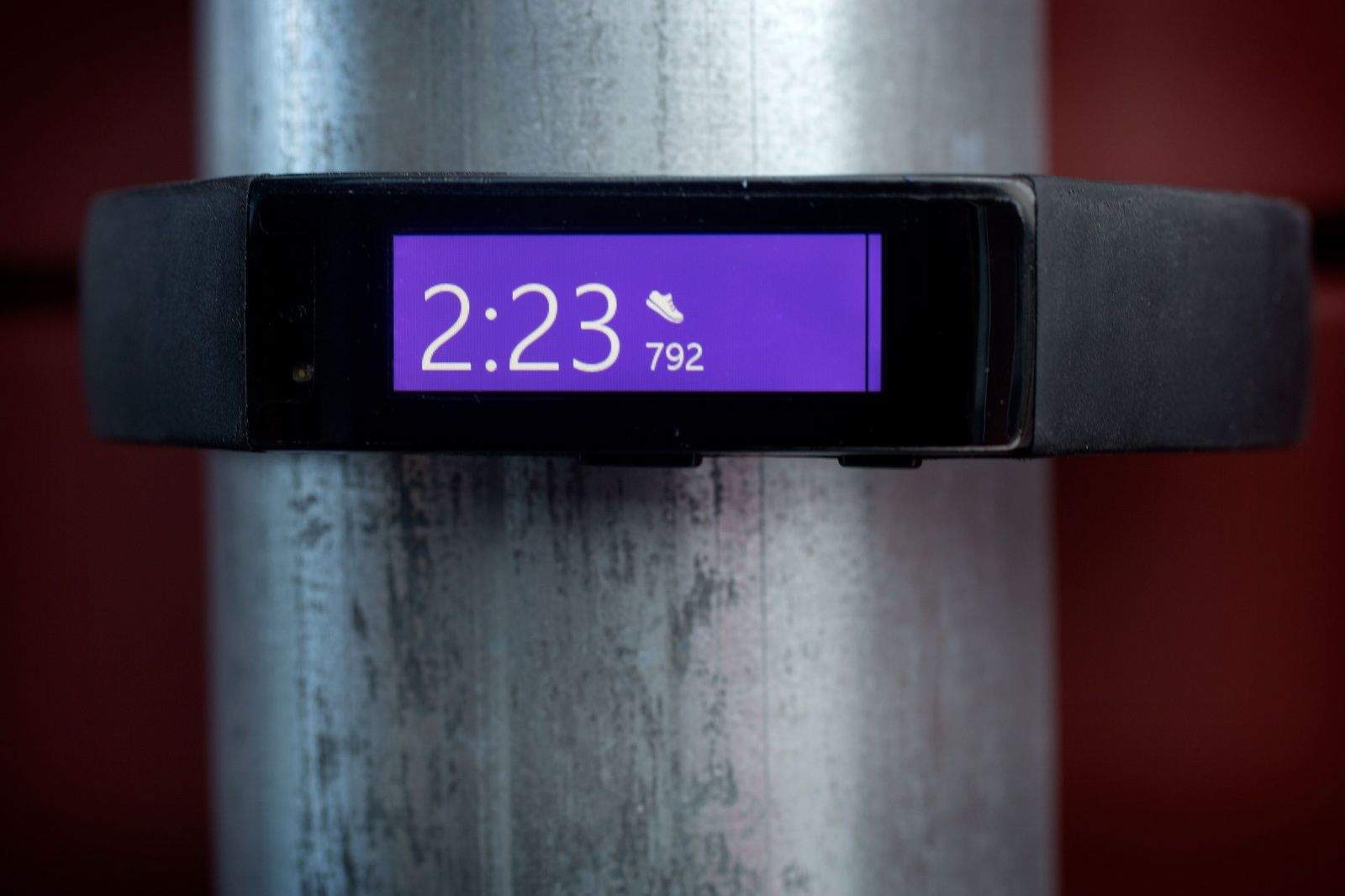
The Microsoft Band is an awesome gadget. Photo: Jim Merithew/Cult of Mac Photo:
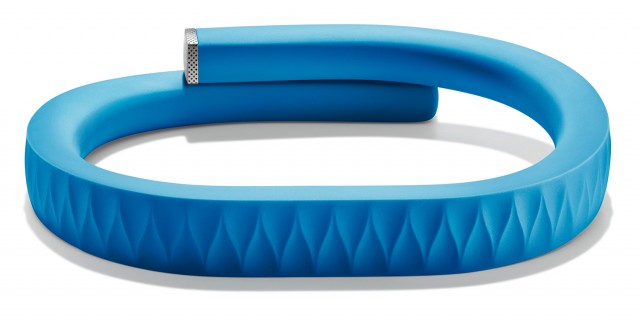
I’m really digging the Microsoft Band. I’ve worn various fitness trackers for a couple of years now, starting with the original Jawbone UP and most recently the new Fitbit Charge.
I’ve had mixed results with them, and none have became indispensable. The Microsoft Band, on the other hand, is rapidly becoming a fixture on my wrist. It’s a great omen for the Apple Watch, which is due in early 2015. The Apple Watch will be like the Microsoft Band on steroids, and if it works as well, it’s going to be awesome.
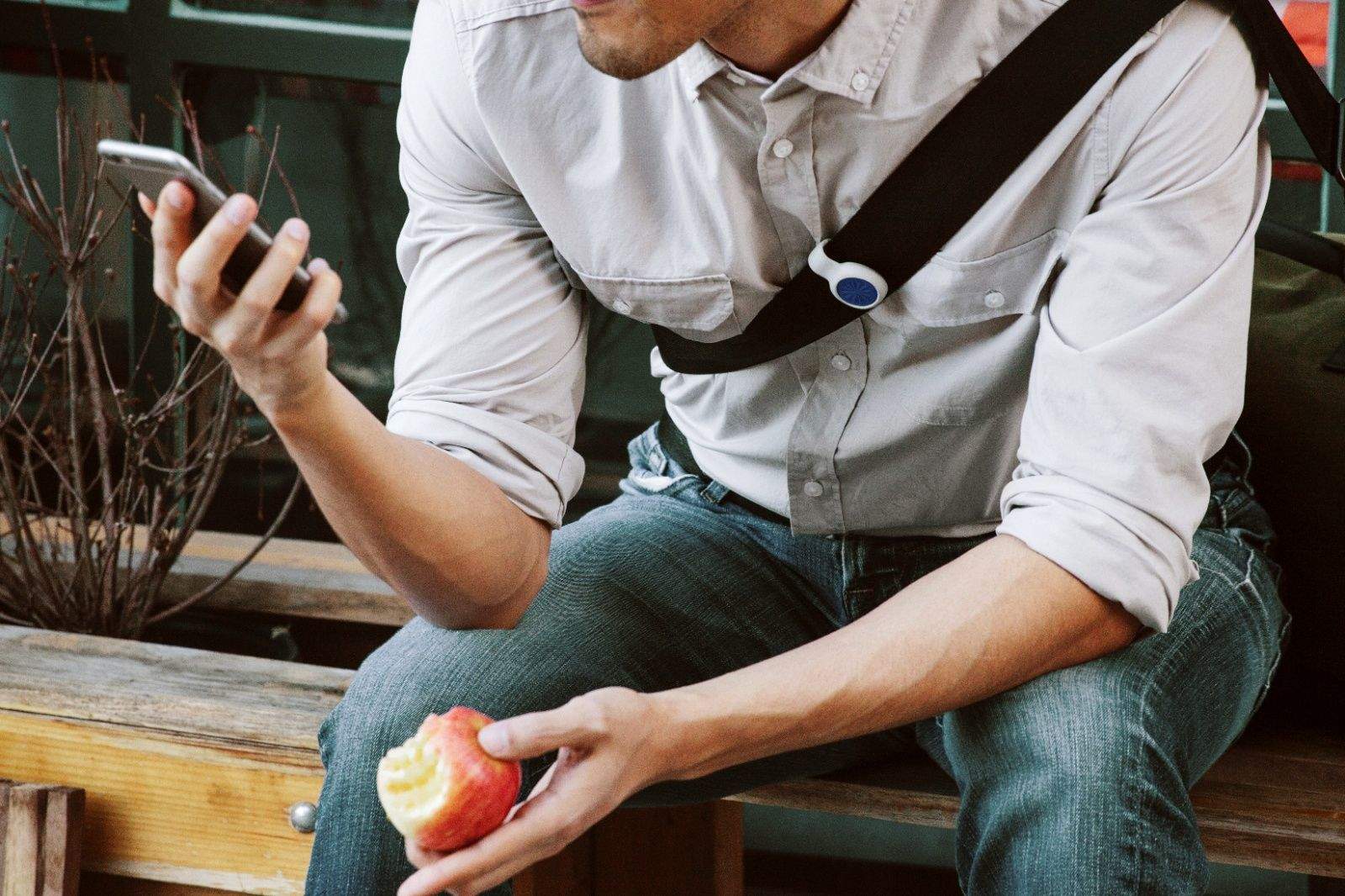
One of the neatest things about Jawbone's UP Move is just how versatile it is. You can clip it anywhere. Photo: Jawbone
One of the great things about the world of fitness trackers post-Apple Watch (or, at least, post-Apple Watch announcement) is that we’re seeing how different companies are trying to insure themselves against Cupertino’s high-end luxury lifestyle tracker.
Jawbone recently answered this question by launching its UP Move: It’s an entry-level fitness wearable that may lack the bells and whistles of the Apple Watch, but is also, at $49.99, shy a couple of zeroes in the price tag department.
Is that brain tissue on your dress? Photo: Neri Oxman
We’re still waiting to slap our wrist with Apple’s first wearable, but MIT Media Lab professor Neri Oxman has taken the wearables movement to a freaky new level by designing a new line of wearable structures that “grow” organically.
The project was a collaboration with the Mediated Matter Group and created four grown and 3-D-printed dresses that look like freakishly large organs growing outside the wearer’s body. To create the shape of the wearables, the team used a computational growth process inspired by natural growth behaviors. Each item starts as just a seed and then expands and refines its shape.
Take a look at these hypnotic growth variations MIT created:
The PYRO Fireshooter puts fireballs in the palm of your hand. Screengrab: Ellusionist
Smartwatches may have a lot of firepower, but what about a wearable that lets you shoot actual flames from your hands?
The PYRO Fireshooter puts fireballs right up your sleeve. It attaches to the underside of the wrist and contains four individually triggered barrels, each able to launch a fireball 10 feet.
Cupertino has its chic Apple Watch, Redmond has its Microsoft Band, and now Intel has unveiled its own female-friendly take on the wearable phenomenon with a $495 smart bracelet — which will allow users to receive and respond to text messages, emails and other notifications.
Called the MICA, the fashion-conscious bracelet boasts a sapphire 1.6-inch, 256 x 160 OLED curved screen on the inside of the wrist. As with the Apple Watch there are multiple styles available — ranging from black and white water snake skin, Chinese pearls, Madagascan lapis stones, South African tiger’s eye, and Russian obsidian.
The Apple Watch could trigger a drastic increase in wearable tech sales. Photo: Leander Kahney/Cult of Mac Photo: Leander Kahney/Cult of Mac
Apple’s great at hopping into new markets just as they’re set to explode, and it seems that the upcoming Apple Watch is no different.
Despite mixed reports about consumer interest, research firm IHS thinks demand for sensor-equipped wearable tech devices is going to see a major acceleration starting next year — largely thanks to Cupertino. Just how much of an increase are we talking about? Try 7x the size of the existing market by 2019, according to analysts.
“Similar to the iPhone and iPad, IHS expects the Apple Watch will set a de facto standard for sensor specifications in smartwatches,” says Jeremie Bouchaud, director and senior principal analyst, MEMS & Sensors. “Most other wearable [original equipment manufacturers] will follow Apple’s lead in [incorporating multiple sensors into devices] — or will add even more sensors to differentiate.”
Although we’ve yet to see a truly mass-market wearable device sweep the world, most people working in high tech believe that devices like smartwatches represent the next big frontier.
With that in mind, Samsung has debuted a potentially transformative creation at the ongoing InterBattery 2014 exhibition being held in Seoul, Korea: a rollable, flexible battery.
Although not too many details are known yet about the exact materials and structural design advances used to create it, it is reported that the battery can function even when bent in half, or rolled up into the shape of a paper cup.
Apple is still trying to work out the last few details of its first wearable, but with an early 2015 launch just months away, plans to manufacture and assemble the Apple Watch are being finalized. But AppleDaily reports production isn’t scheduled to ramp into high gear until January 2015.
To manufacture its first wearable, Apple has turned to its old partner Quanta Computer to churn out the first units, and they’re already hiring an army of assemblers for the hyped release.
How does a wearables company survive being Sherlocked? Jawbone has some ideas.
In the business world, Apple entering your product category is a little bit like a tsunami crashing into a home aquarium. What had previously seemed like a nice, small and self-contained ecosystem suddenly runs the risk of being obliterated by a giant wave-maker.
When Tim Cook announced the Apple Watch at Apple’s recent media event, the crowd went wild. But exciting as it was for consumers, it represents a seismic shift for the currently $330 million wearable tech industry.
Devices that can serve up smartphone notifications, track fitness goals and even advise us on health matters have the potential to be huge — but they’re not yet. That’s about to change, according to Juniper Research, which forecasts that wearable devices like smartwatches could hit sales of $19 billion by 2018.
What happens to Apple’s marketplace rivals as this sea change takes place? Cult of Mac did some digging to find out how companies like Jawbone and Fitbit plan to survive Apple’s smartwatch revolution.
Zoltan Csaki's high-tech clothing line is inspired by George Orwell's novel Nineteen Eighty-Four. (Picture: Kickstarter)
Particularly on the back of the recent iCloud account hacking scandal, smartphone security is something a lot of people are paying more attention to.
With that in mind, a London-based designer recently launched an intriguing Kickstarter campaign, to create a clothing label aimed at raising awareness about high-tech security.
The clothes are all cleverly constructed around a removable waterproof stealth pocket, made from police-grade shielding fabrics, designed to securely block all Cell, WiFi, GPS and RFID signals to ~100 dB.
For a company as secretive as Apple, one of the few ways you can learn anything about what it has planned next is to see who it has been hiring. High-profile hires say a lot about where Apple’s priorities are for the future.
Looking back at the hires Apple has brought on over the last year reveals something pretty obvious: it’s assembling a wearables and fashion dream team.
No one has seen a single hardware leak of the iWatch but that didn't stopped the rumor mill from going ape-shit crazy for Apple's future wearable device this week. We saw whispers of sweat sensors, problems with the feds, and even celebrity athletes testing Apple's future fitness device.
Once again, we're taking the black cloth off our crystal ball and shining it up to see if we can spot what Tim Cook really has in store for the future of Apple. Come see which rumors are guaranteed to materialize and which are about to vanish like ghosts.
Stare into our crystal ball to see past the rumors and into the future...
Brendan Nee, an engineer at Automatic Labs, designed an app to get people out of their cars, even though he doesn't have one to get into. Photos: Jim Merithew/Cult of Mac
SAN FRANCISCO — Brendan Nee is a walking contradiction. He’s car guru who doesn’t own one, a 21st-century geek with an 18th-century mustache who has come up with a novel bit of nagware that could help Americans get off their spreading behinds.
An engineer working on “smart car assistant” Automatic, he spends many of his weekends at hackathons and has a coder’s physique to show for it. In January, he won the Clinton Foundation Code4Health Codeathon by developing a working prototype of an app called Walkoff in just a weekend. A few months later, Nee and team rolled out a more polished version that mashes up the data Automatic pulls from cars with info gathered by a Jawbone Up fitness tracker, showing a user how much time they’re spending behind the wheel versus walking.
“Clearly, without an actual car, I’m not the ideal tester,” admits Nee. The closest he comes to owning a set of wheels is a retired public bus dubbed the PlayaPillar that he only rolls out for Burning Man.
If the reports ring true, Apple is about to embark on their largest acquisition ever, and the ramifications could be massive. On this episode of The CultCast, we dissect the Apple/Beats merger, and ask the questions: what could Apple possibly have planned for the world’s most popular headphone brand? Is new wearable headphone tech a part of Apple’s future? And most importantly, could the Doctor D-R-E be Apple’s next CEO? Strap on ya gats, ya’ll…
Have a few chuckles whilst we catch you up on each week’s best Apple stories! Stream or download new and past episodes of The CultCast now on your Mac or iDevice by subscribing on iTunes, or hit play below and let the audio adventure begin!
And thanks to Lynda.com for sponsoring this episode! Learn at your own pace from expert-taught video tutorials at Lynda.com.