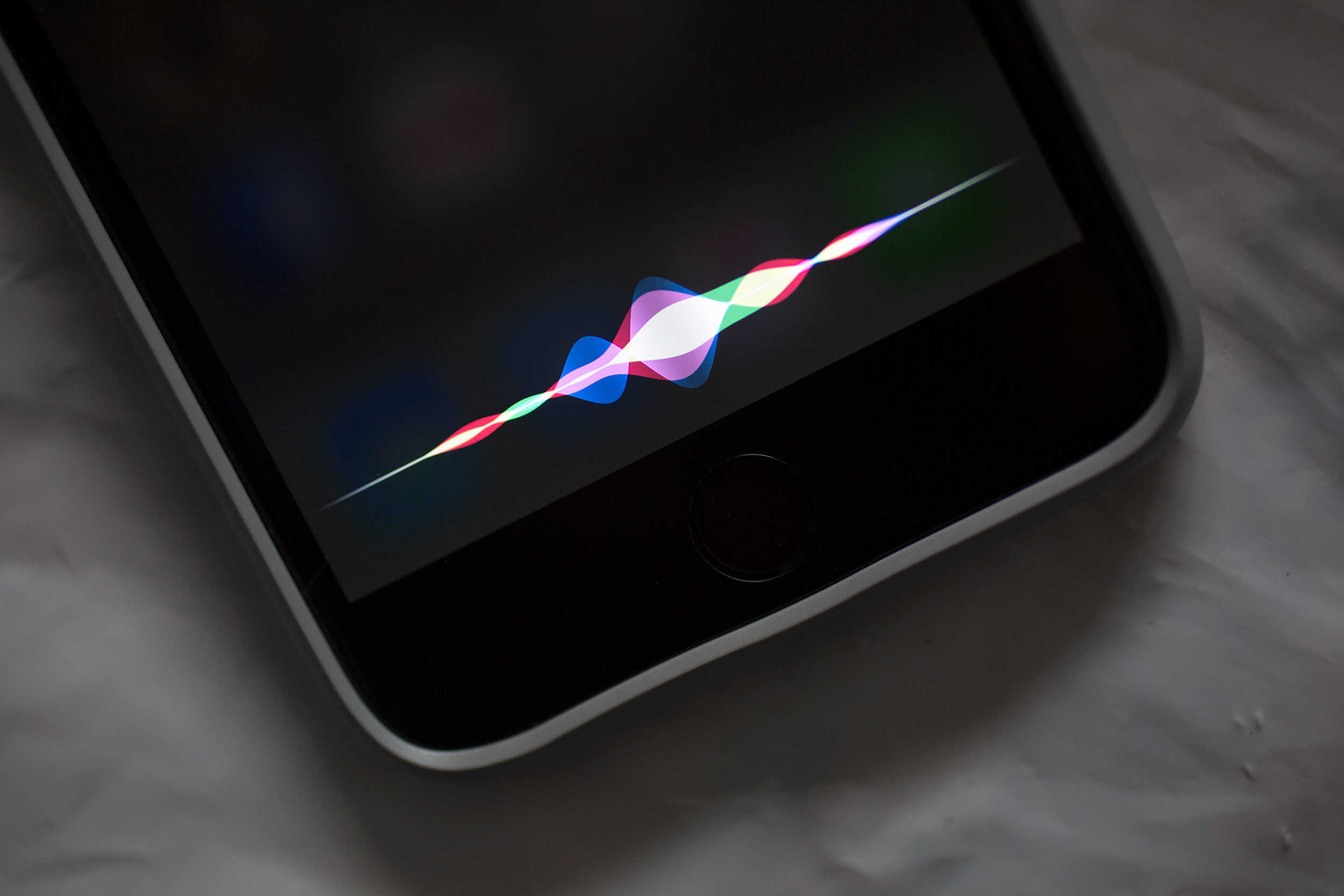
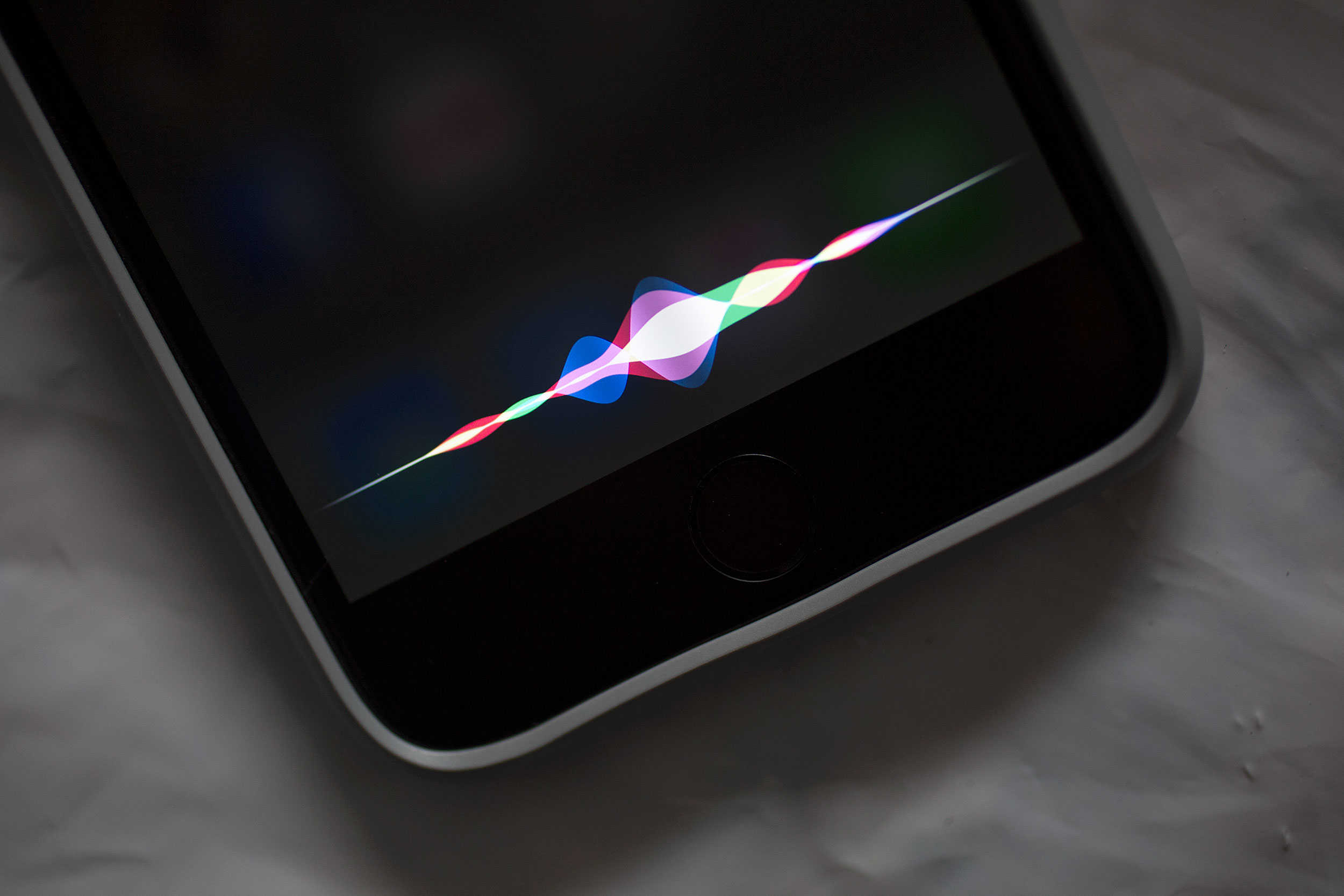
Q.ai technology could make Siri much easier to talk to. Image: ChatGPT/Cult of Mac
Apple just paid $2 billion for Q.ai, an AI company with technology that could dramatically enhance the Siri voice assistant. It’s a stealth-mode Israeli artificial intelligence startup that develops advanced technologies to improve human/computer communication beyond basic speech recognition.
It’s the second largest acquisition in Apple history.
Changing Siri's accent is easy. Photo: Cult of Mac
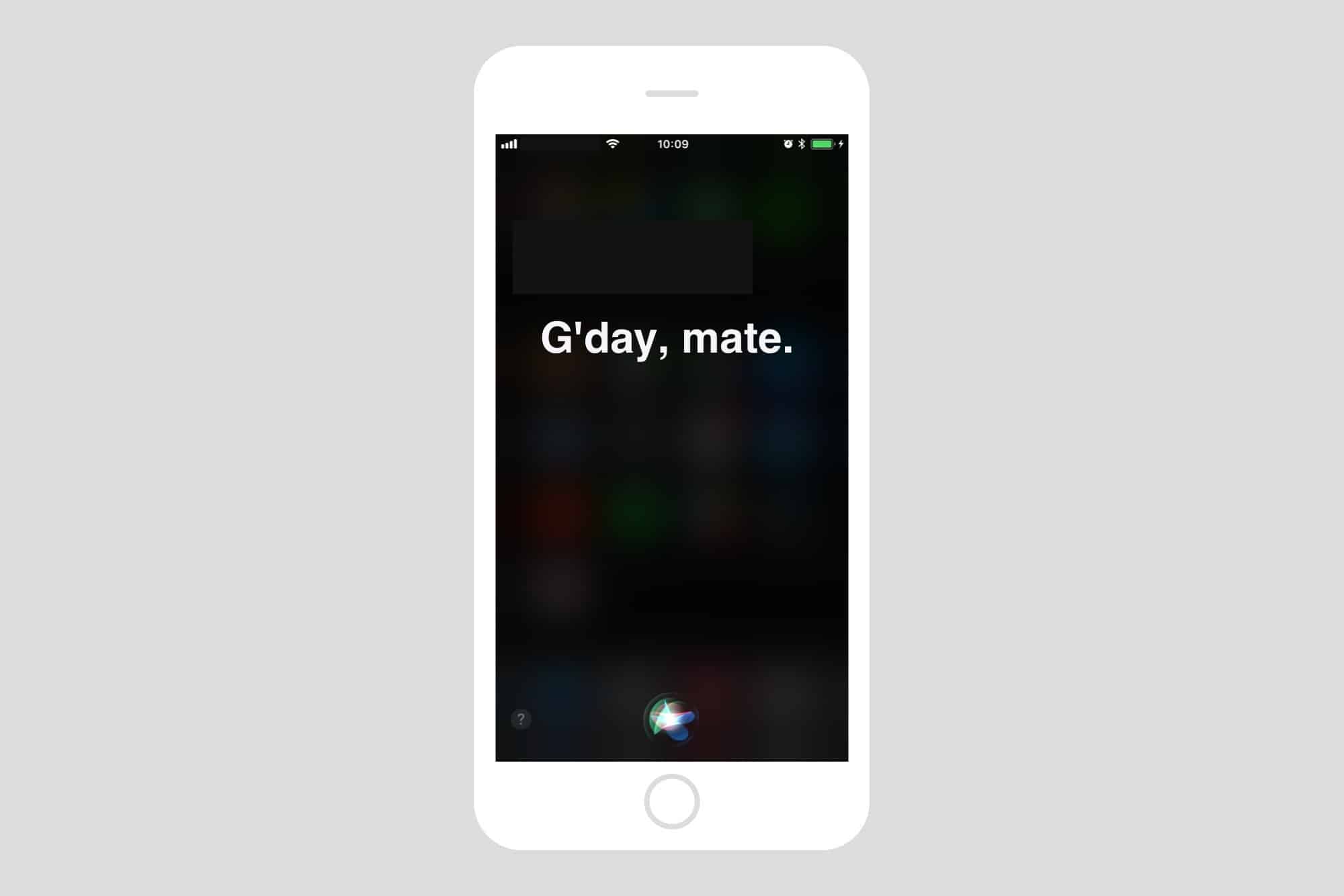
Most folks refer to Siri as “she,” but that’s not always true. The original British English Siri, for example, was male-only up until iOS 7.1 added a female version. And in the latest iOS 14.5 beta, a female Siri is not the default option.
No matter what, you don’t have to stick with your local version of Apple’s comically bad voice assistant. U.S. English speakers, for example, can currently choose from American, Australian, British, Indian, Irish and South African accents for Siri, and also pick male or female versions — with more voices coming soon.
So, if you’re a U.S. native who views the U.K. Standard English accent as quaint, cute, respectful, sexy or reproachful, it’s easy to set your iPhone or iPad to sound like a Brit or whatever you want. And your choice of Siri accent will follow you on all Apple devices logged into with your Apple ID. (In addition to iPhone and iPad, Siri works with just about everything now: Mac, AirPods, iPod, Apple Watch, CarPlay, HomePod and Apple TV.)
Sometimes Siri is listening when we don’t mean it to. Photo: Apple
It’s been widely reported that voice control systems like Amazon Alexa, Google Assistant and Apple Siri use people in their quality-improvement process, not just algorithms. But Siri and others might be accidentally overhearing to what we say more than we realize, and humans in the loop are getting an earful.
A new report warns that Apple contractors have heard “confidential medical information, drug deals, and recordings of couples having sex.”
Siri knows the name of your local pizza joint, making it much easier to get directions when you have a craving. Photo: Apple
Siri is quite good at recognizing what we say, but used to run into difficulties with the names of small businesses. That was until Apple developers found a way to make her much better at this task.
In fact, the new system is more than 40 percent less likely to come up with the wrong business name.
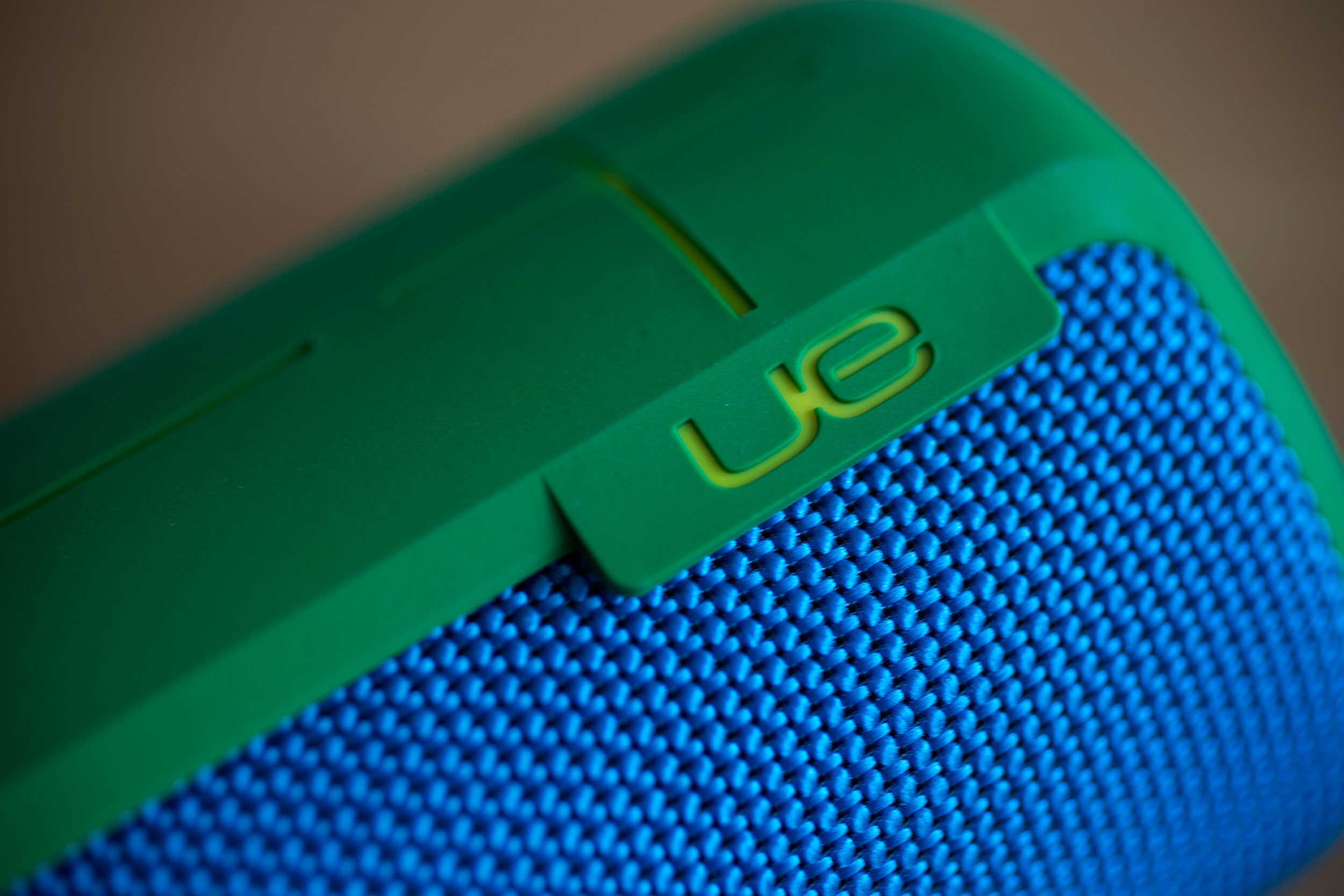
A firmware update lets you bark song requests at your Boom 2 speaker. But you'll have to push a button first. Photo: Jim Merithew/Cult of Mac
A firmware update to Ultimate Ears’ Bluetooth speakers lets you use simple voice commands to make song requests.
After you install the over-the-air update, just tap the Bluetooth button on the top of your paired Boom 2 or Megaboom speaker, then say something like, “Play ‘Iron Man’ by Black Sabbath.” Soon the track will play as if by magic.
Siri usage is climbing rapidly. Photo: Jim Merithew/Cult of Mac
Talking to your iPhone is commonplace these days, but getting Siri on your MacBook or iMac might seem like something out of a near-future like the one shown in Her by Spike Jones.
Siri on the desktop might not be as far out as it seems, though, if a new partnership between speech recognition company Sensory and Intel works out.
Hush it down, Siri. Hush it down. Photo: Jim Merithew/Cult of Mac
You know how it is: You press and hold the Home button to set a quick timer and Siri comes back all loud, “OK! Setting the timer! I’m in suspense!”
Or some such nonsense. Sure, you want to confirm that Siri’s not, say, adding an event to your calendar or calling your Aunt Tilly instead of setting a timer, but maybe you don’t need Apple’s AI helper to be all chatty about it.
Here’s how you can tamp down Siri’s sometimes-annoying banter.
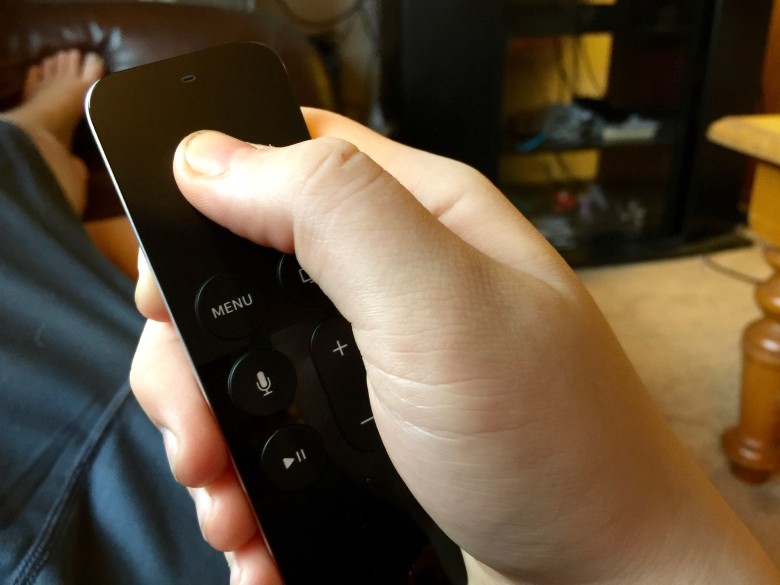
Siri's ability to recognize different voices could be big for technology like Apple TV. Photo: Rob LeFebvre/Cult of Mac
As Apple rolls out Siri beyond the iPhone and into shared devices like the iPad and, most recently, Apple TV, Cupertino’s engineers have been working on a way of letting its voice activation technology pick up individual users, and offer them customized options based on their past preferences.
Published today as the patent “User profiling for voice input processing,” the technology would allow Apple to make better use of Siri (and voice recognition in general) as it moves into new fields like home automation and vehicles.
New acoustic models make Google's voice search better than ever. Photo: Cult of Android
Google voice searches just got faster and more accurate, thanks to new acoustic models that provide better voice recognition, especially in noisy environments.
Whether you’re transcribing an interview, replying to emails, or writing the next Great American Novel, it’ll go a lot faster with Dragon Dictate speech recognition software for Mac.
Siri's usefulness has stood the test of time, but can 3D Touch? Photo: Apple
A Beijing court has ruled against Apple, upholding the validity of a patent for a “type of instant messaging chat bot system” held by a Chinese company.
Zhizhen Internet Technology sued Apple back in 2012, claiming that virtual assistant Siri was infringing on the Chinese company’s patented idea for a so-called Xiaoi Bot. The Chinese bot was patented in 2004 — two years before the first Siri-related patent filing was made.
Tuesday’s Beijing court ruling paves the way for Zhizhen to continue its case against Apple for intellectual property infringement. Apple’s defense? That it never heard of Zhizhen’s technology prior to creating Siri.
Apple has opened a new office in Boston that is working on beefing up Siri… and probably means that Cupertino wants to move away from relying on Nuance to provide Siri’s voice-recognition technology.
While speaking today at the All Things D conference, Nuance CEO Paul Ricci confirmed that Nuance does indeed help power the voice recognition service for Siri.
Since Siri’s launch in 2011, many people assumed that Apple had formed a partnership with Nuance, but neither company has officially confirmed the relationship.
During the his interview, Ricci was asked whether it’s his company’s fault if the iPhone doesn’t understand a user’s voice. Ricci confirmed that Nuance does power the voice part of Siri, but the company is not involved in speech-recognition efforts with Google.
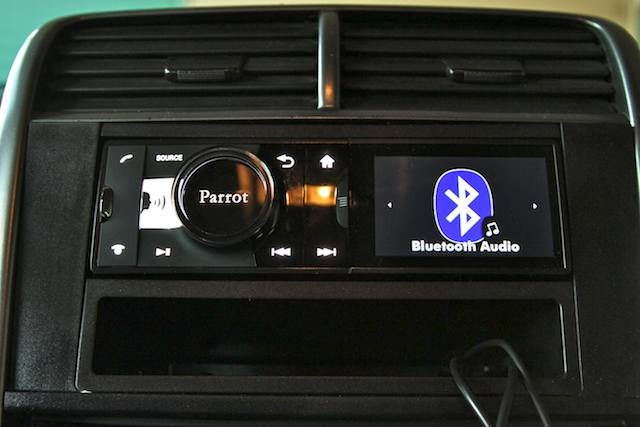
This is the original Parrot Asteroid Classic car stereo head-unit ($349), and it made quite a splash when it launched last year. The single-DIN, 4×55 watt receiver boasts a formidable array of features: Bluetooth connectivity, powerfully accurate voice recognition for both calls and music, a GPS receiver, a bright, 3.2-inch LED screen and a quiver of apps that run off its customized, upgradeable, early-vintage Android 1.5 OS (all of which require a data connection via a dongle).
Though this model was originally called the the Asteroid (no Classic), the Classic nomen was added to lessen confusion as three new models were announced a few months ago. However, the Asteroid Classic still very much in play; in fact, as this review goes live, the Classic is the only member of the Asteroid family currently available, as its new siblings haven’t shipped yet.
With its Android-based OS, you’d be forgiven if you thought the Asteroid Classic was more friendly to Android phones than the iPhone. In fact, the opposite is true, as I’ll explain later. And while it suffers from something that can probably be described as teething trouble, it’s still a lust-worthy system.
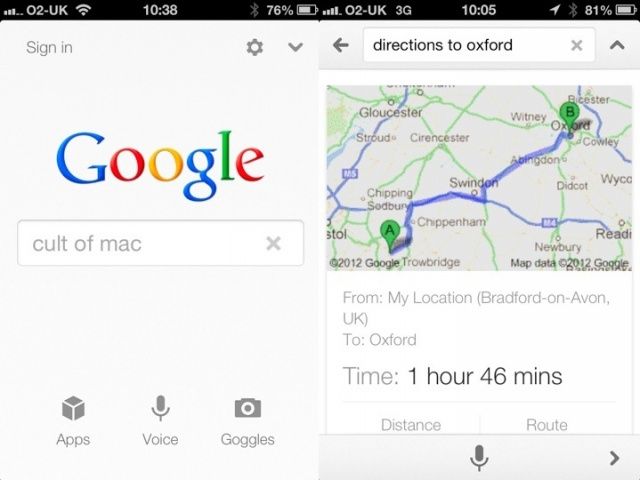
No matter how long it spent waiting for approval, Google’s updated search app for iOS was worth the wait. Is it a shameless Siri-clone for web search? Yes, pretty much? Is it fast, instantly usable, and useful? Oh yes. Oh yes it certainly is.
Siri will be able to give sports info in iOS 6 this fall.
Apple and Google haven’t exactly been been on the best of terms in recent years. The stock YouTube iOS app disappearing is a more recent example of the bad blood between the two companies. Google tried its best to sherlock Apple’s 3D technology in the iOS 6 Maps app, and many moves Apple and Google make can be seen as direct outcomes of the bad blood Steve Jobs spoke of when he vowed to wage thermonuclear war on Android.
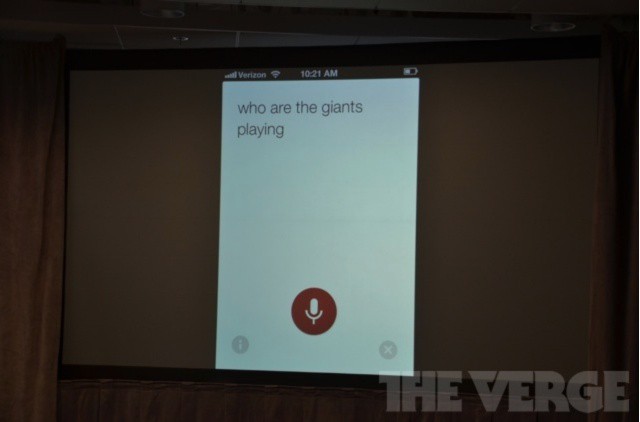
Apple and Google may hate each other, but that doesn’t mean they still don’t compete in the same markets. Today Google lifted the curtain on a major update that’s coming to its iOS Search app. The new version of the app will feature smart, contextual voice recognition that clearly mimics Apple’s own digital assistant, Siri.
Speaking at an interview at D: All Things Digital today with Walt Mossberg and Kara Swisher, Apple CEO Tim Cook hinted at some new directions for Siri.
“I think you’re going to be pleased with where we’re taking Siri.” Cook alluded to more breadth from the voice-enabled assistant, as well as admitting that there is more the technology could do.
Nuance, a speech recognition company that powers Apple’s Siri service, has launched a new voice-controlled platform for television sets called Dragon TV. The service allows you to navigate your way around different content by “speaking channel numbers, station names, show and movie names” using natural language.
It’s everything you’d expect a Siri-powered Apple TV to be.
Apple’s new Siri assistant has really revolutionized the way in which we interact with mobile devices using our voice. It’s no wonder, then, that rivals are scrambling to introduce their own alternatives. Google already has one for Android, according to some reports, called Majel, and it’ll debut during the first quarter of 2012.
Jan-Micheal Cart has made quite a name for himself designing impressive new concepts for the iOS operating system, such as the dynamic icons concept you see above, and an awesome system for implementing widgets which we covered back in May.
However, it seems it’s not just iOS users who have been impressed with Cart’s work. The Apple camp in Cupertino has also picked up on it, and they’ve hired him as an intern.
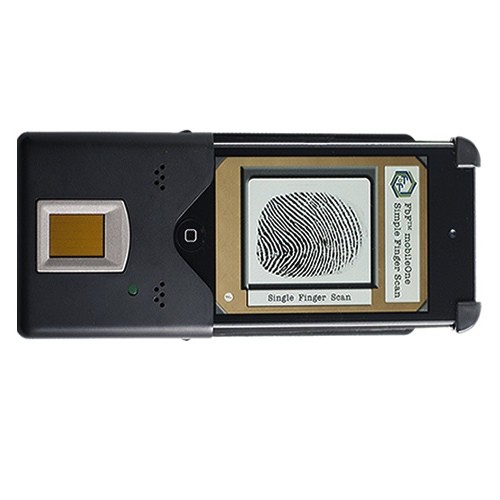
The MobileOne iPhone Fingerprint Device (Photo/Provided)
The next time you are pulled over by police you may encounter a familiar face: your iPhone. Faster than you can say “Book ’em, Dano,” Apple’s handset is quickly becoming law enforcement’s favorite tool for identifying unknown fingerprints. The iPhone’s touchscreen will even be enlisted by the FBI to spot terrorism suspects.
The BBC’s technology correspondent Rory Cellan-Jones wanted to find out which smartphone was the best listener, so he conducted a quick test of his own.
He spoke the same text into a Siri-equipped iPhone 4S and a Samsung Galaxy Tab, and compared the transcribed results.
Rumors have been that Apple will introduce enhanced voice recognition features in iOS 5. While such features have remained hidden in the developer betas of iOS 5, some have managed to dig into the software’s SDK and find evidence.
Now, it has been confirmed by an unnamed Apple employee that Nuance-based speech-to-text functionality in iOS 5 is very real, and it’s being tested at Apple right now.
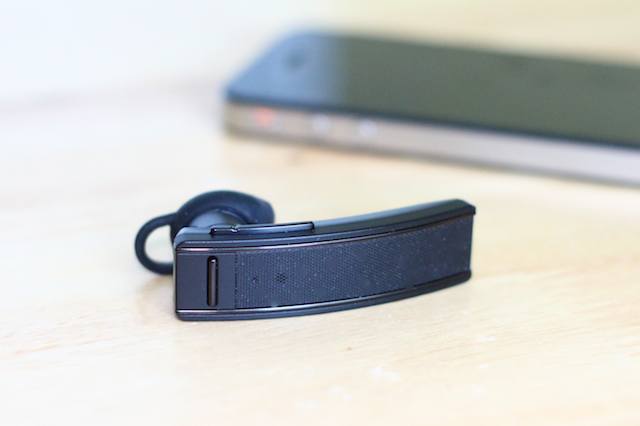
Although BlueAnt focuses exclusively on Bluetooth communication gadgets (and now earphones), they aren’t as well recognized as some of the other names coming up in our review, and they don’t proffer up a ton of offerings. In fact, they currently only offer five; with the BlueAnt Q2 Headset ($100) positioned as their marquis headset.