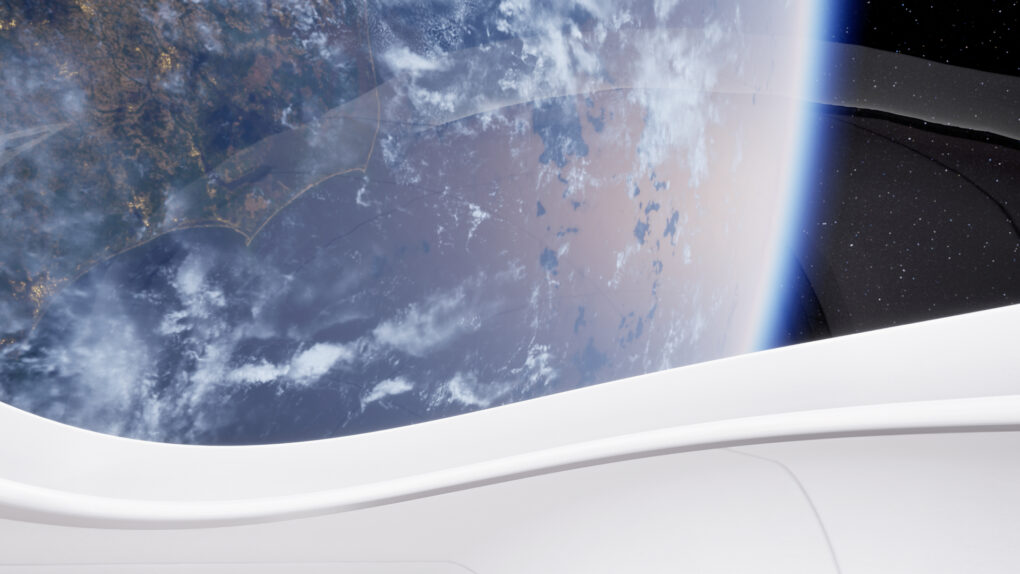
You can get the "overview effect," which is what astronauts experience seeing Earth from afar. Photo: Vast
The new Haven-1 VR app brings the Haven-1 commercial space station directly to Apple Vision Pro headsets, offering users an unprecedented, virtual-reality look inside humanity’s next frontier in space exploration, space technology company Vast said Wednesday.
So users of Vision Pro and other AR/VR headsets can now explore the world’s first commercial space station in VR.
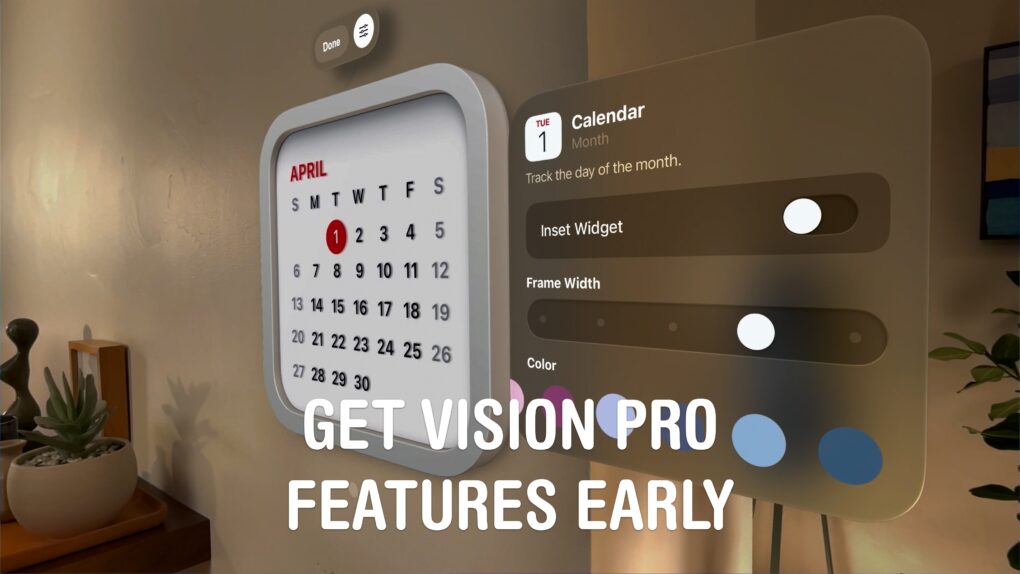
I want those spatial widgets! Image: Apple/D. Griffin Jones/Cult of Mac
You can download the visionOS 26 developer beta for free — right now. You can get a look at the exciting new spatial widgets coming to the Vision Pro before the update is shipped to everyone. Unlike other platforms, there is no public beta option, only the developer beta.
Of course, there are a few things you should look out for. Beta software can be buggy and can lead to data loss or apps that don’t work.
If you’re still sure you want to try it out, you should make sure you have a backup of your most important data with two copies of your photo library before you try installing. I’ll show you how.
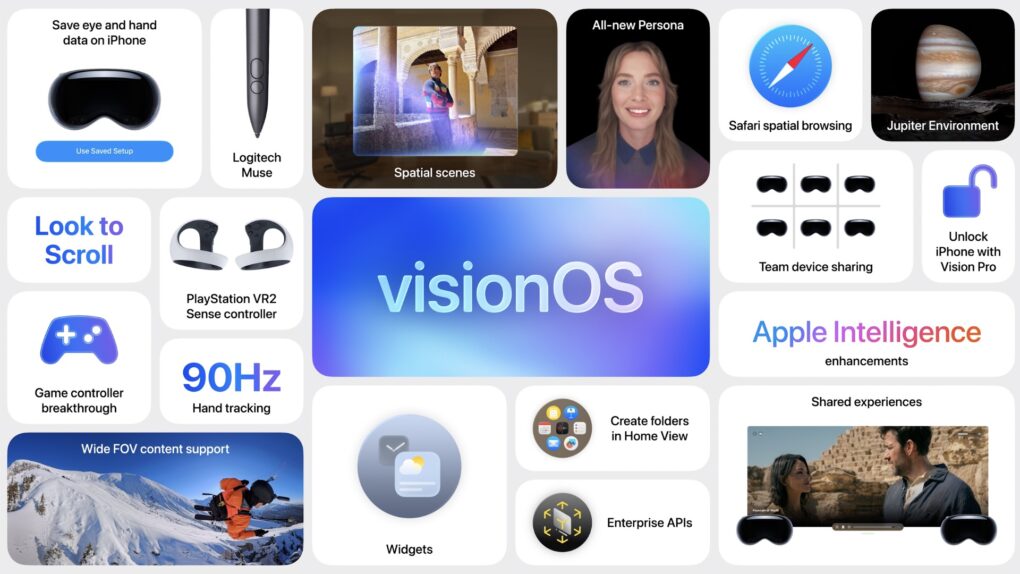
visionOS 26 adds many new spatial and sharing features. Image: Apple
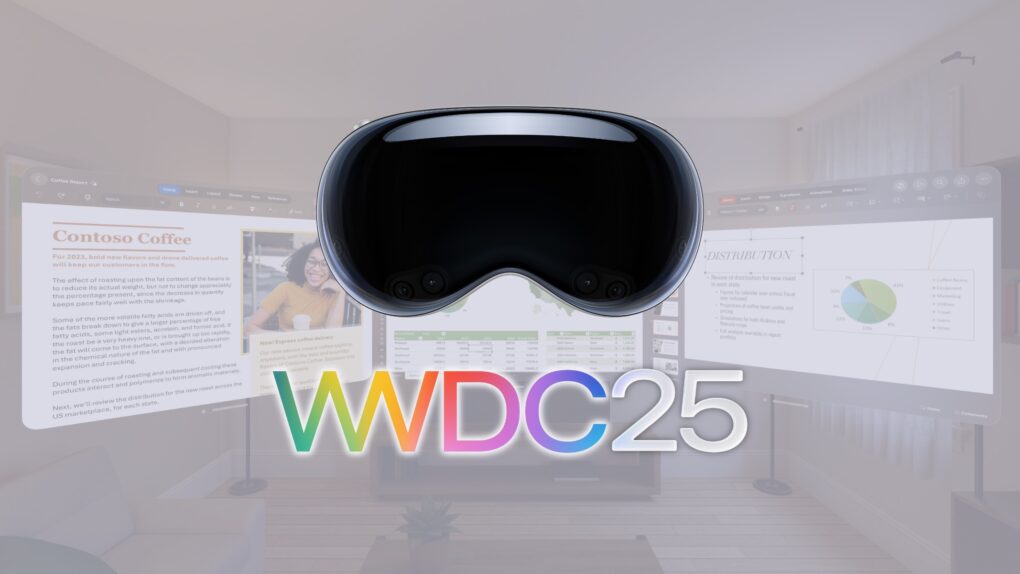
visionOS 26, the next major software release for the Apple Vision Pro, will bring spatial widgets, better Personas, new accessories, more integration with iPhone, more immersive content, Look to Scroll and so much more to the powerful headset.
Apple Vision Pro is “a revolutionary spatial computer that seamlessly blends digital content with the real world,” says Mike Rockwell, Apple’s vice president of the Vision Products Group. “With brand-new ways for Vision Pro owners to connect, explore, work together, and enjoy content,” visionOS 26 is a huge update.
Announced after iOS 26, watchOS 26 and macOS Tahoe at WWDC25 on Monday, visionOS 26 will be available today as a developer beta and will release publicly for everyone this fall.
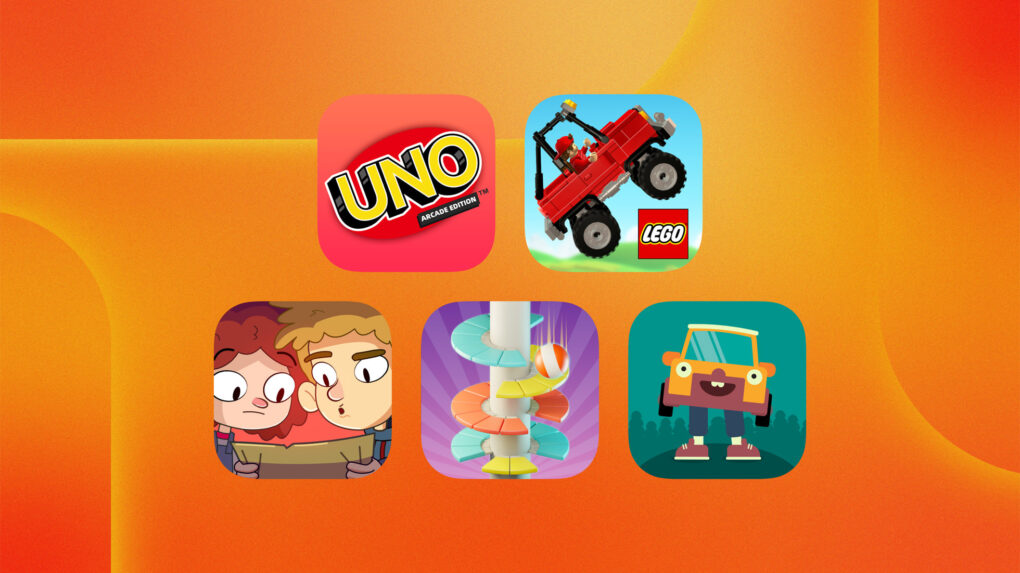
Apple Arcade adds five new titles in June, along with lots of updates to existing games. Photo: Apple
Apple Arcade expanded its growing library with five new games on June 5 and looks forward to four more in early July. They will offer subscribers fresh gaming experiences across iPhone, iPad, Mac, Apple TV and Vision Pro. And Vision Pro headset users will get to play a spatial-computing version of the comedy racing game What the Car?
The new titles include original releases and popular games making their debut on the subscription service. Plenty of existing games will get updates, too.
This could be a big year for Apple’s big new platform. Image: Apple/D. Griffin Jones/Cult of Mac
WWDC25 is a mere days away. While the hottest news is that iOS, macOS, watchOS and other platforms will get a visual redesign borrowed from visionOS, the question left unasked is … what’s coming to visionOS?
Rumors say there will be new advanced eye tracking features and support for VR hand controllers. But with a full twelve months of development, Apple probably has much more in store for its premium spatial computer.
Here’s what Apple may announce on Monday for the Vision Pro.
Apple TV+ viewers and Vision Pro users can watch the Bono documentary starting May 30. Photo: Apple TV+
The new documentary Bono: Stories of Surrender premieres Friday, May 30, on Apple TV+. And it simultaneously debuts as the first feature-length Immersive Video on the Vision Pro headset. In that format, it offers an 8K Spatial Audio experience that places viewers directly onstage with the U2 frontman in a 180-degree video environment. You can watch the trailer below.
The film offers viewers a bold and lyrical visual exploration of Bono’s acclaimed one-man show, providing unprecedented access to his personal journey as a musician, activist and family man, Apple TV+ said. The Vision Pro version’s title will be Bono: Stories of Surrender (Immersive).
Update 2:Bono: Stories of Surrender begins streaming Friday on Apple TV+. Whereas one review calls it “a heartfelt portrait of the U2 star,” another refers to its “rock star pomposity” and a third splits the difference: “A punch-to-the-guts stage show once you get past the Bono-ness of it all.”
Update 1: Apple TV+ posted a trailer for the Bono documentary film on YouTube Wednesday, available to watch below. For U2 and Bono fans, it’s sure to impart all the feels, as Bono jokes with the audience and tells stories about his upbringing and time with the band.
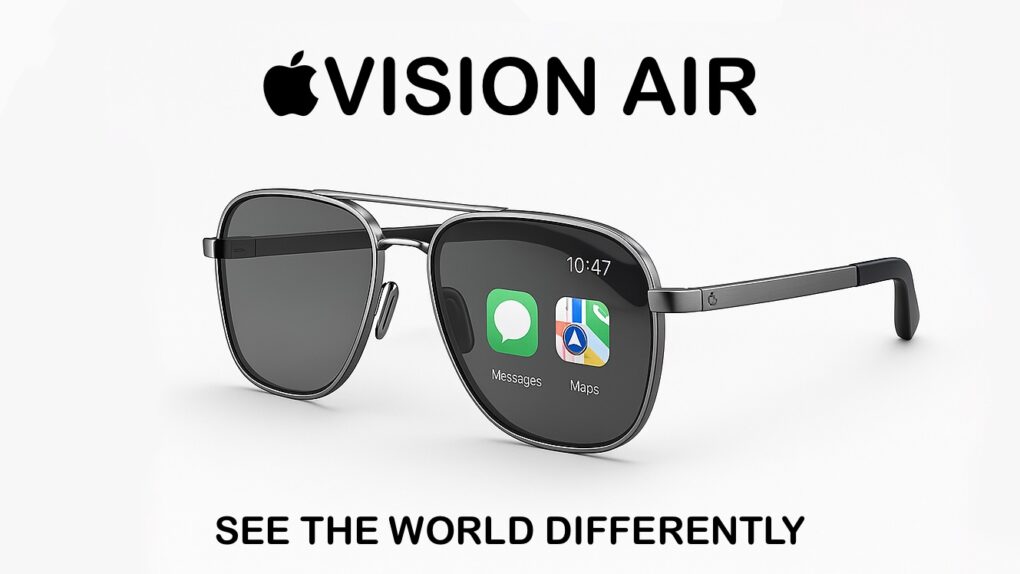
Apple Vision Air could be the iPhone replacement. Eventually. AI concept: ChatGPT/Cult of Mac
Apple makes the bestselling phone, smartwatch and wireless headphones, and is fantastically profitable as a result. But if it can’t develop the Next Big Thing, it could easily be out of business in 10 years. But there’s no cause for concern — Apple is already working on the product that’ll replace the iPhone: smart glasses.
Even better, Apple is taking two approaches for developing smart glasses, which should go a long way toward ensuring that it makes the definitive version of the must-have computer of the 2030s.
The next major update to visionOS could include eye scrolling, for navigating long lists and webpages entirely hands-free. The Vision Pro already uses eye- and hand-tracking for navigating its interface; if true, this would take it to the next level.
Scrolling is one of the most fundamental interactions with a smartphone. But it hasn’t translated as well to the Vision Pro, where you need to pinch two fingers together and move your hand.
If visionOS 3 lets you scroll simply by looking at the bottom of a window, that could be a powerful new feature of the headset.
The new head of Siri development has one job: make it stink less. AI image: ChatGPT/Cult of Mac
In a shake-up aimed at revitalizing Apple’s aging Siri voice assistant, the iPhone giant brought in Mike Rockwell to lead a comprehensive overhaul now in progress, according to a new report. First, the former head of Vision Pro software continues revitalizing the Siri leadership team in the Vision Pro team’s image.
A cutting-edge pair of AI sports glasses feature innovative audio technology from xMEMS Labs, the company said Tuesday. The new BleeqUp Ranger glasses, developed by Chinese startup BleeqUp, represents the first commercial use of a xMEMS solid state microtweeter in AI eyewear — but likely not the only one.
“xMEMS is proud to help power the next generation of AI wearables,” said Steven Bentley, VP of worldwide sales at xMEMS Labs. “The integration of Cowell into BleeqUp’s glasses not only showcases the high-fidelity performance of our MEMS speakers. We’re excited to help more companies accelerate their path to market with compact, high-performance audio solutions for AI glasses.”
Perhaps that, or the upcoming uses of xMEMS Labs’ Sycamore microspeaker, could signal a new direction for Apple if it revives its smart glasses project.
Leaker Kosutami posted this photo of a midnight blue connector for the upcoming headset. Photo: [email protected]
Apple may soon release a lighter, thinner version of its Vision Pro headset that may go by the name of “Vision Air,” according to multiple leaks Wednesday and Thursday from a semi-reliable source. The new device would represent a significant redesign focused on weight reduction while potentially offering a more affordable alternative to the $3,500 Vision Pro. And it might come in a bluish-black color rather than Vision Pro’s silver.
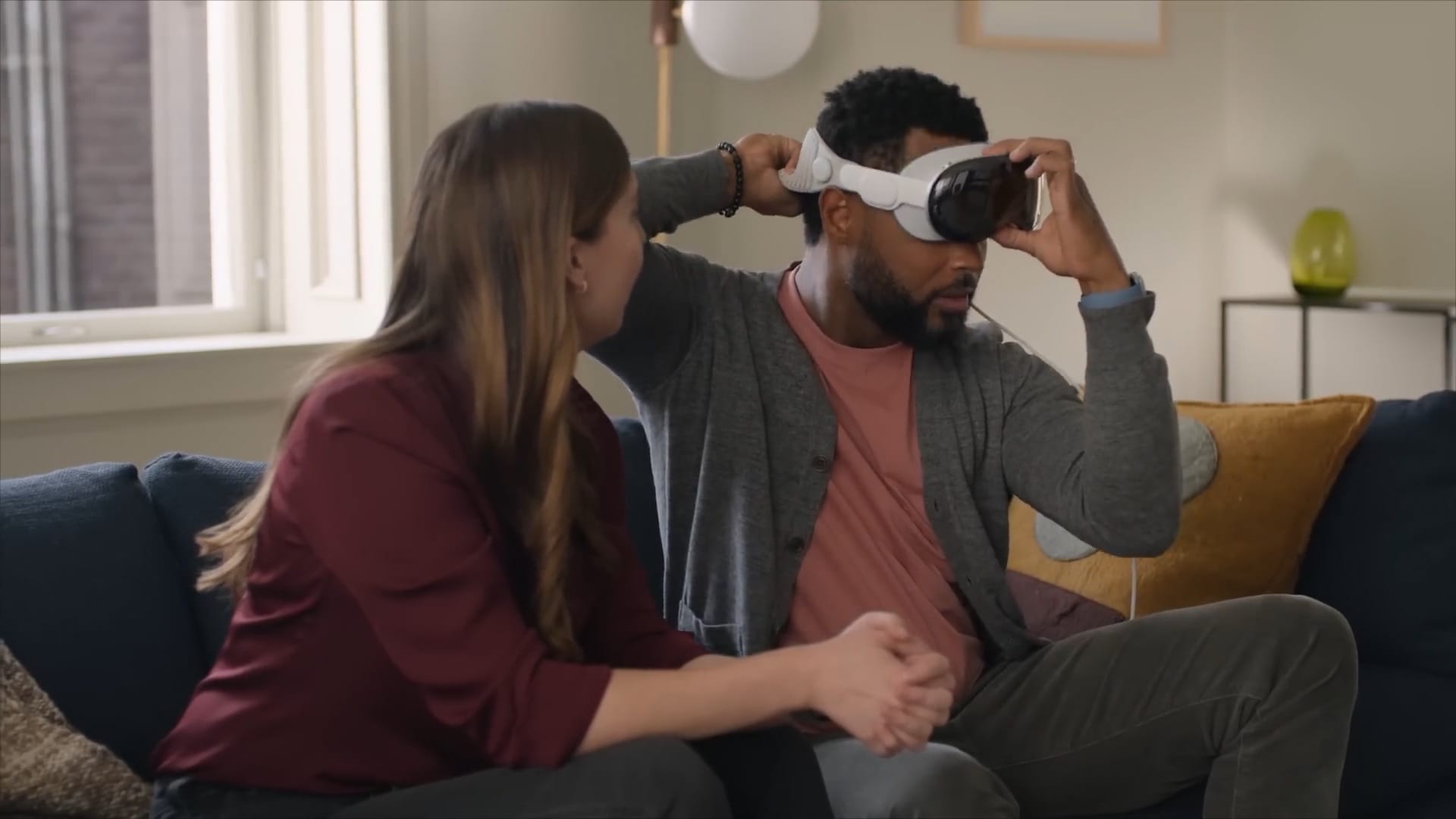
Vision Pro Guest mode is how you can share your Vision Pro with someone else. Because if you own one of Apple’s new AR/VR headsets, everyone you know is inevitably going to want to try it on. That’s where Vision Pro Guest Mode comes in.
With the release of visionOS 2.4 and iOS 18.4, setting up Guest Mode is much easier than before. The old way still works — but to make sharing your headset more seamless, you should follow the instructions below. There’s a little bit of setup, but then it should be smooth sailing.
This is how to set up a guest user on Vision Pro. Keep reading or watch our video.
Apple Intelligence Writing Tools help users rewrite, proofread and summarize text nearly everywhere they write. Photo: Apple
Apple rolled out its visionOS 2.4 update as a bit of a surprise Monday. It marks a significant spatial computing platform update, introducing Apple Intelligence features and new content discovery tools for Vision Pro users.
We don't recommend banging your head while wearing a Vision Pro. Image: Apple
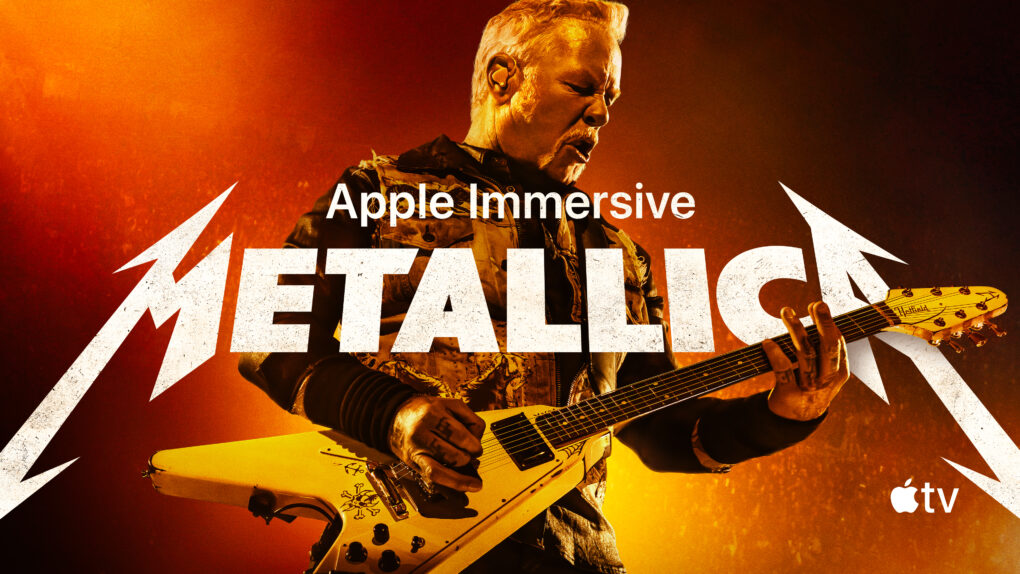
Apple’s new immersive concert video Metallica will give Vision Pro owners a unique experience of one of the band’s pulse-pounding shows. Filmed during the band’s M72 World Tour, it captures three Metallica songs in ultra-high-resolution, 180-degree video and Spatial Audio.
In a press release Tuesday, Metallica drummer Lars Ulrich described the immersive video as a revolutionary twist on the standard concert film.
“Game-changing is putting it lightly,” Ulrich said. “Seeing our concert like that, along with the energy of the Mexico City fans — it’s very immersive, and it’s super-fun. We’ve always been interested in pushing the boundaries, and Metallica on Apple Vision Pro is exactly that.”
Will Apple Intelligence make Vision Pro more useful? Photo: D. Griffin Jones/Cult of Mac
A major visionOS update in April will add Apple Intelligence to the Vision Pro. It will reportedly also introduce an updated guest mode and a new spatial content app.
Apple will roll out these features with visionOS 2.4 in April. The beta will drop as early as the week beginning February 16th.
Another big Apple project bites the dust. AI image: Midjourney/Cult of Mac
This week on Cult of Mac’s podcast: Apple pulls the plug on a secret AR glasses project. What does this mean for Vision Pro?
Also on The CultCast:
Erfon discusses the pros and cons of the 13-inch iPad Pro.
Apple’s latest earnings call yields some astonishing factoids.
Apple still plans to fix Siri — and to roll out the delayed CarPlay 2.
We end with a laugh at one of the craziest iPhone cases we’ve ever seen.
Listen to this week’s episode of The CultCast in the Podcasts app or your favorite podcast app. (Be sure to subscribe and leave us a review if you like it!) Or watch the video live stream, embedded below.
Suddenly, Apple's AR glasses project goes the way of Apple Car. Photo: Jon Prosser/Front Page Tech
In a significant shift in its augmented reality strategy, Apple suddenly discontinued development of its lightweight AR glasses project this week, according to a new report Friday. This marks another adjustment in the company’s pursuit of mainstream wearable technology. The project, known internally as N107, aimed to create normal-looking glasses with built-in displays that would connect to Mac computers.
Vision Pro can replace lots of expensive screens in surgery and elsewhere in healthcare. Photo: Sharp HealthCare
Healthcare leaders from 10 countries gathered in San Diego on Thursday to explore Apple’s Vision Pro for surgery and other medical uses, and especially how it can further transform medical procedures and patient care, according to a new report.
The 300-person summit, hosted by Sharp HealthCare, marks another milestone in the device’s adoption by medical institutions since its 2024 launch, almost exactly a year ago. While broader public discussion of the headset tends to pine for a cheaper version, healthcare pros seem over the moon about how cheap $3,500 per unit is compared to their usual gear.
Apple needs smart glasses or it risks getting left behind. Concept: Taeyeon Kim
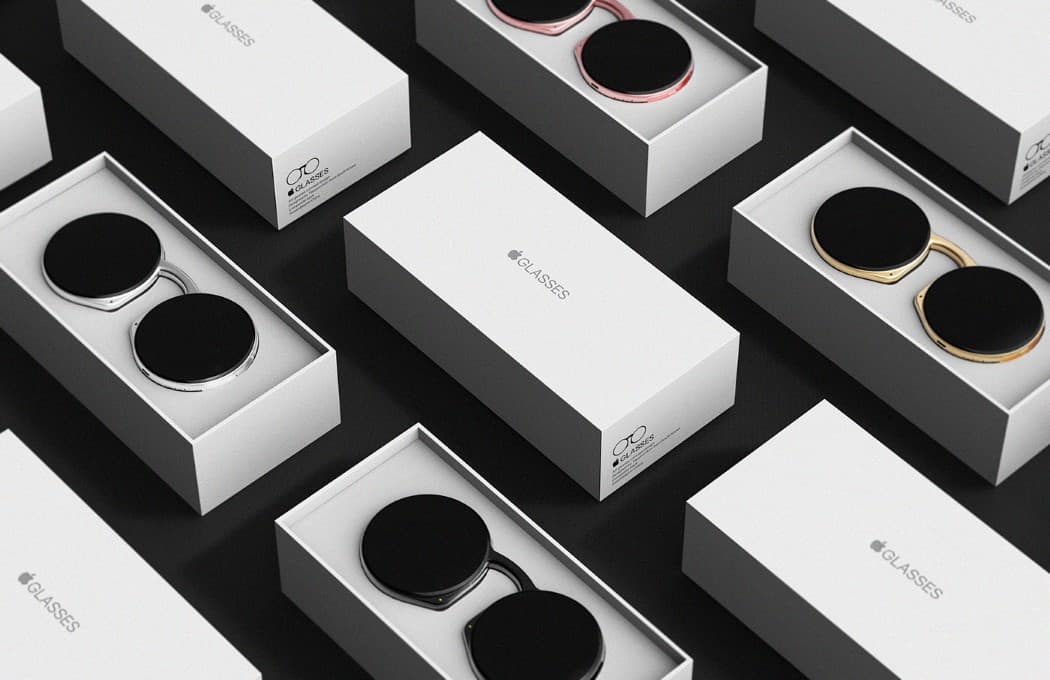
It’s time for Apple to get into smart glasses. This is an emerging product category that combines AI, cameras and audio… three components that the iPhone-maker is either already expert at or is working hard to improve.
Apple Glasses could be critical for the company long term because it would be an important step toward someday making the Vision Pro AR headset into a viable product.
Will there be any big Vision Pro news next year? Surprisingly so. Image: D. Griffin Jones/Cult of Mac
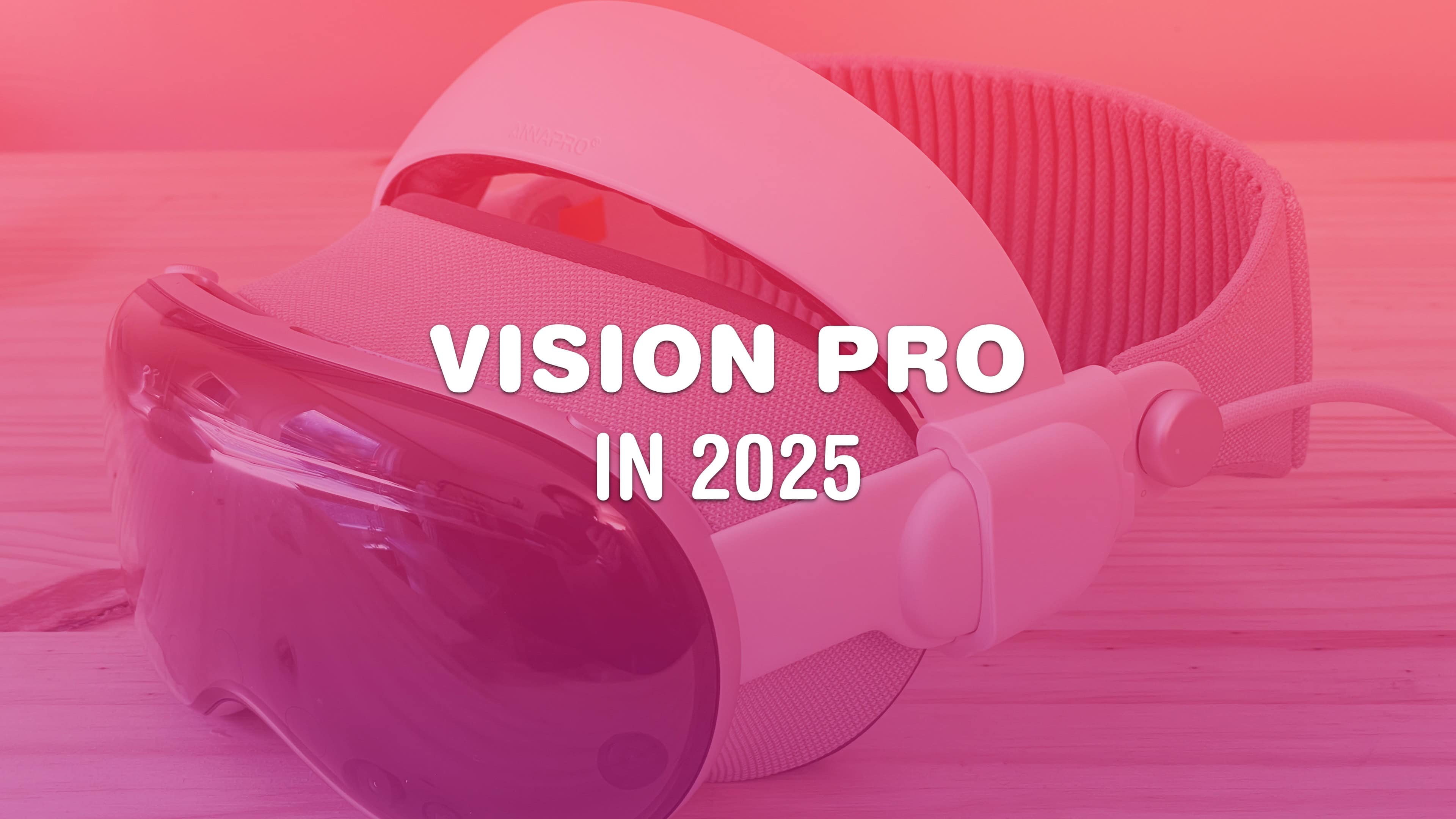
Will 2025 be a big year for Apple’s exciting new Vision Pro platform? With a fast new chip, a major software upgrade and more jaw-dropping content, there could be a lot in store for the AR/VR headset next year.
The fledgling device is likely to get worthy new hardware upgrades — and maybe even a price drop. visionOS 3, the next major software update, will have had a full 12 months in the oven. That means it could be a substantial release. And as production of 3D immersive content continues to get easier, there may finally be a lot more spatial video to watch on the headset. In fact, that could turn out to be the device’s killer app.
Apple plans to make the MacBook Pro of our dreams. Just don't hold your breath. AI image: Image Playground/Cult of Mac
This week on Cult of Mac’s podcast: According to the latest Apple rumors, the 5G OLED MacBooks we’ve been anticipating forever are finally on the way … in 2026.
Also on The CultCast:
A quick rundown of some of the fun new features in iOS 18.2.
Apple Watch Ultra 3 might gain a feature that could save your bacon in an emergency. Plus, Cupertino’s still working on another potentially lifesaving feature we’ve been waiting on for years.
And we wrap up with the first installment of our top picks for the best stuff of 2024.
Listen to this week’s episode of The CultCast in the Podcasts app or your favorite podcast app. (Be sure to subscribe and leave us a review if you like it!) Or watch the video live stream, embedded below.
Here's what Google and Samsung's Android XR headset might look like. Photo: Google and Samsung
In a strategic move that could reshape the mixed-reality landscape, Google and Samsung announced a partnership Thursday to develop a new mixed-reality headset running on the Android XR operating system, according to a new report. Clearly, the Google and Samsung Android XR headset directly challenges Apple’s Vision Pro and Meta’s headsets in the premium market.
The collaboration aims to create a more accessible and diverse ecosystem for extended reality (XR) devices, potentially offering buyers, including Apple users, alternative options in the growing mixed-reality space. More competition could impact both features and pricing, of course.
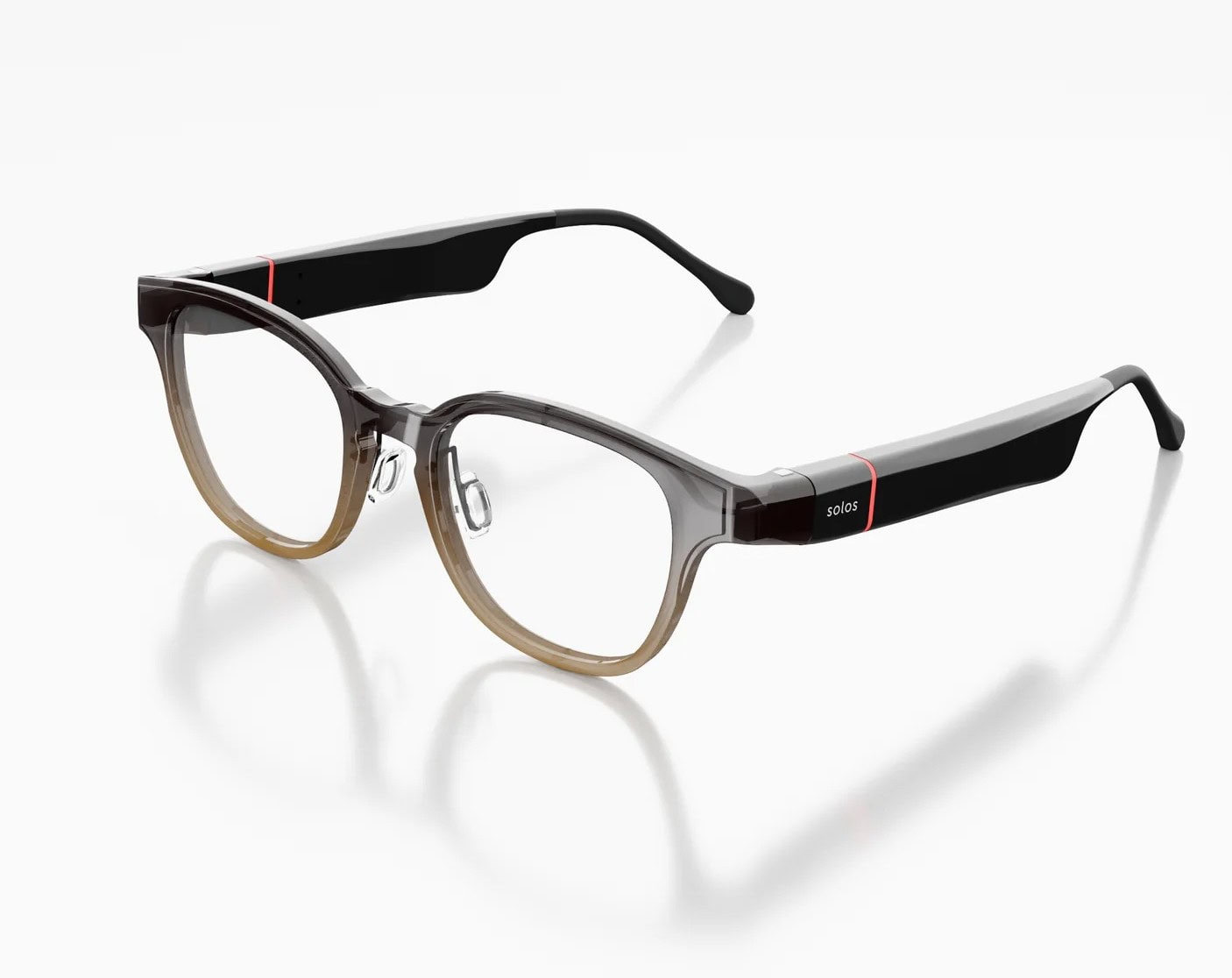
The modular hinge system lets you have cameras onboard or not. Photo: Solos
The new Solos AirGo Vision smart glasses released Tuesday pair with ChatGPT artificial intelligence as a direct competitor to Meta’s Ray-Ban smart glasses. Both cost a relatively affordable $300 or under. And the new entrant introduce several innovative features, including a modular design that addresses privacy concerns common with camera-equipped wearables.
“We promised to deliver on allowing consumers to have control of their experience with AI and smart technology, particularly with privacy options in mind,” said Solos co-founder Kenneth Fan. “That’s why we developed frames that can easily be changed to decide when and where a camera may be appropriate without sacrificing any of the fun features.”
Apple's Vision Pro headset is a top innovation for 2024, the publication said. Photo: Popular Science
Popular Science magazine named Apple’s Vision Pro headset one of its innovations of the year among new 2024 gadgets on Monday. Despite its considerable price tag and initial market challenges, the device’s revolutionary approach to augmented reality sets it apart from competitors.
“The device has its own hurdles to clear, but after just a few minutes of using it, it was clear that it’s something different, important, and honestly pretty amazing,” the magazine wrote.