But what about Qualcomm? Photo: Ste Smith/Cult of Mac
Apple is preparing to team up with Intel for the upcoming iPhone 7, according to sources familiar with its plans. The chip maker is expected to supply up to 50 percent of Apple’s LTE modems for the new device.
TSMC is building Apple's next-gen iPhone chips. Photo: Apple
From the sound of things, Apple is focusing a lot of attention on next year’s iPhone launch as the biggest handset refresh since 2014’s iPhone 6 and 6 Plus.
Alongside OLED displays, wireless charging, an all-glass enclosure and a lack of physical home button, the iPhone 7s (or possibly iPhone 8 if certain rumors are to be believed) will also include a next-next-gen A11 chip. And Apple’s already working on it.
TSMC is looking likely to be Apple's sole A10 manufacturer. Photo: Apple
There’s a lot of talk about slowing iPhone sales, but you wouldn’t get that impression from the manufacturer set to build Apple’s A10 chips for the upcoming iPhone 7.
According to a new report, Taiwan Semiconductor Manufacturing Company is doubling its monthly output capacity from 40,000 12-inch wafers in February to a whopping 80,000 in March.
TSMC is keen to gain an advantage over Samsung. Photo: Apple
TSMC is reportedly the only manufacturer set to build A10 chips for the upcoming iPhone 7 — and it’s spending the money necessary to not only fulfil Apple’s orders this year, but hopefully to secure future A-series chip orders, as well.
Taiwan Semiconductor Manufacturing Company (TSMC) might be on course to take over 100 percent of Apple’s A10 chip orders, but that’s not to say that it’s entirely without problems right now.
According to a new report, a recent earthquake which hit one of TSMC’s factories in southern Taiwan caused more damage than initially thought: with resulting wafer shipments for the first quarter of 2016 likely to fall as a result.
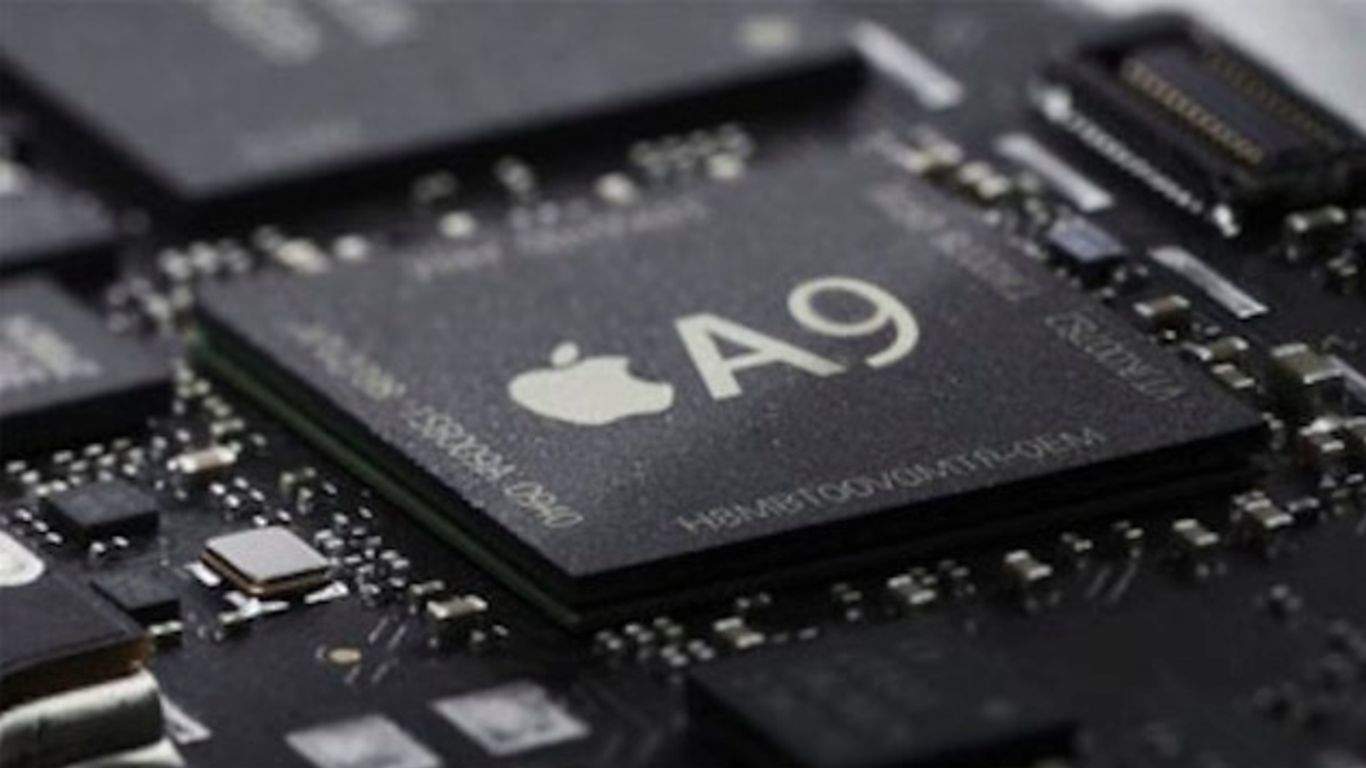
Taiwan Semiconductor Manufacturing Co. (TSMC), a.k.a. the world’s largest contract chip maker and one of Apple’s two suppliers for the present-gen A9 chip, has announced that its 2015 earnings were the highest in its 29-year history.
Contrasting with reports of developers said to be suffering the effects of weakened Apple orders, TSMC has thrived on the back of the iPhone 6 and 6s — with $9.15 billion in net profits this year alone, representing a 16.2 percent annual increase.
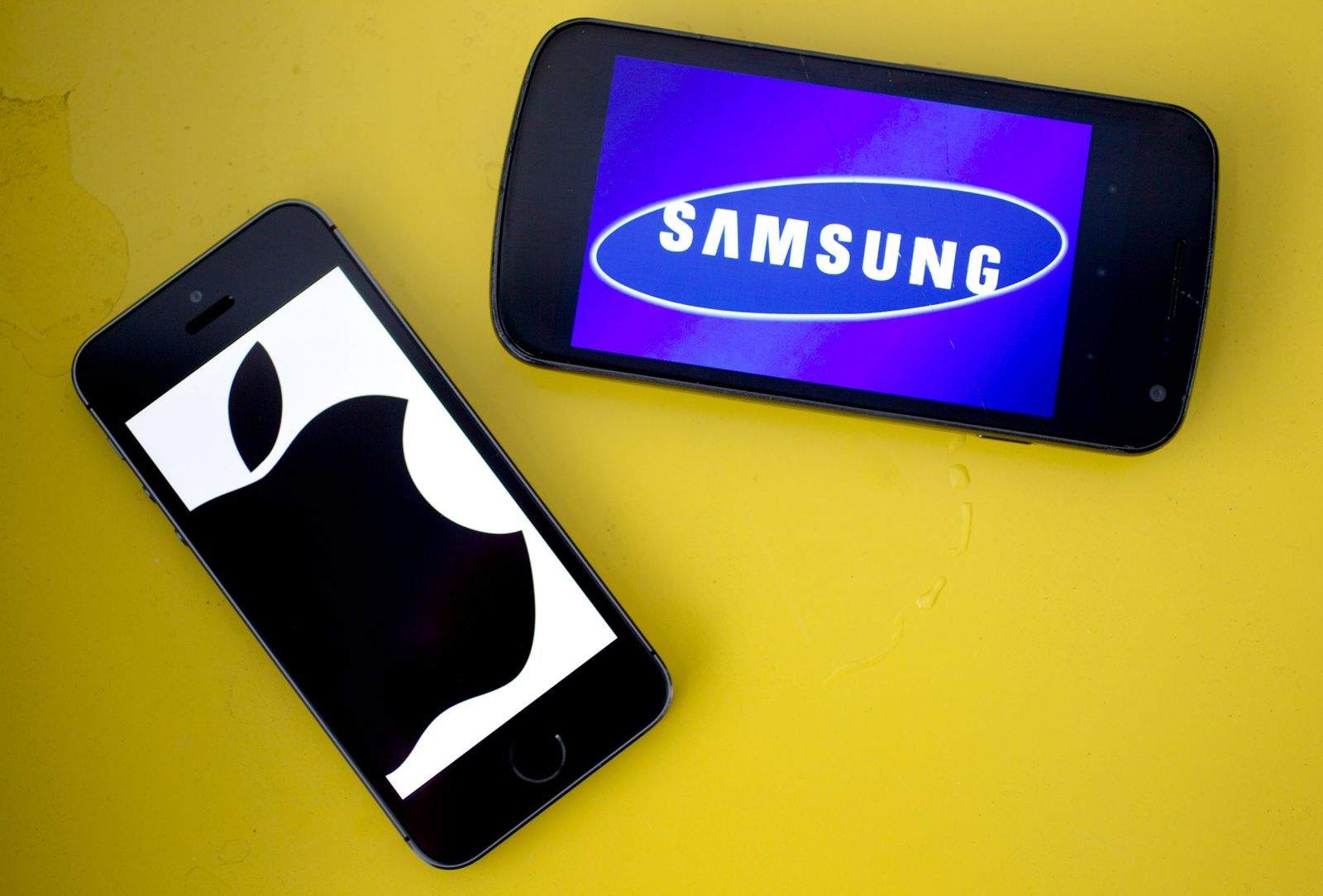
Samsung may be passed over for iPhone 7 chip orders. Photo: Cult of Mac
After the “chipgate” event of the iPhone 6s — in which Samsung-manufactured A9 processors were rumored to perform worse than those built by Taiwan Semiconductor Manufacturing Company (TSMC) — a new report suggests that Apple may give its South Korean frenemy the boot, and award 100 percent of its iPhone 7 A10 chip orders to TSMC.
Has Chipgate gotten Samsung the boot? Photo: Apple
Apple will snub Samsung and call upon TSMC to exclusively produce all of its next-generation A10 processors for 2016’s iOS devices, according to a new report. It’s thought Apple considers TSMC’s chips to be superior to Samsung’s in performance and efficiency.
Which chip is in your iPhone 6s? Photo: techfast Lunch & Dinner/YouTube
Heading to social media to vent about Chipgate, some iPhone 6s owners are upset to discover that not all A9 chips are created equal.
Worse, some feel duped by Apple, which used two vendors to supply different versions of the chips in “identical” phones. Others worry about reports of inferior battery life — and some are thinking seriously about returning their new iPhones. Still others are playing the latest Apple controversy for laughs.
Chipgate won't drain your battery, says Apple. Photo: Apple
The Chipgate controversy upsetting iPhone 6s owners over the past 48 hours is completely overblown, Apple said this afternoon, claiming battery life on iPhone 6s units varies only slightly.
iPhone 6s and iPhone 6s Plus owners have discovered that devices with a TSMC A9 chip get considerably better battery performance than ones sporting an A9 made by Samsung, based on GeekBench 3 scores and some real-world testing. However, Apple says that “manufactured lab tests” that continuously run a heavy workload don’t represent the iPhone 6s’ true capabilities.
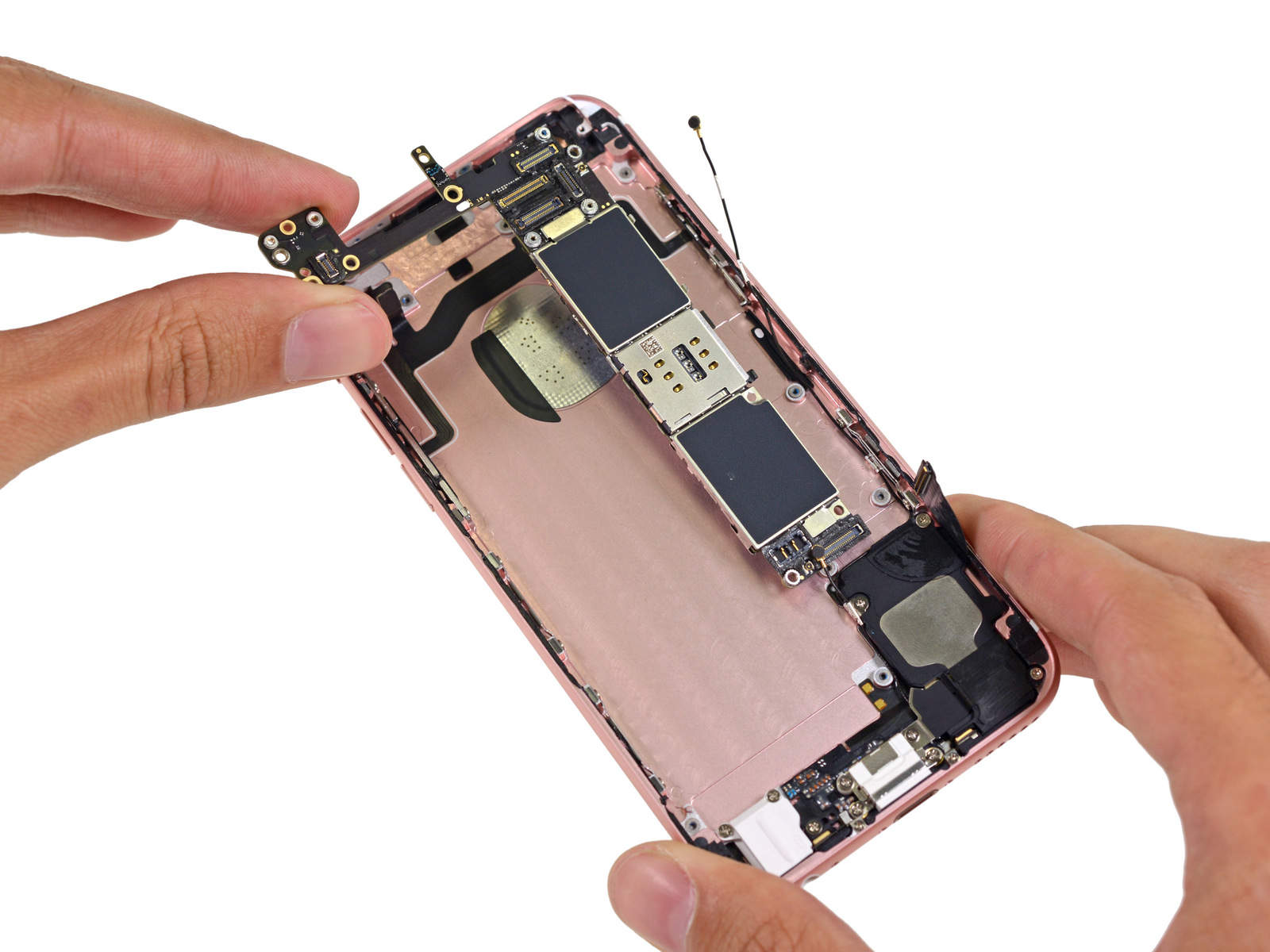
Pegatron will team up with an Indonesian manufacturer.. Photo: iFixit
iPhone 6s units with a TSMC A9 processor score two hours’ better battery life over those with Samsung chips in GeekBench test scores, but real-world gains of the “good” chip might be much less significant.
Several YouTubers have put the iPhone 6s TSMC and Samsung A9 chips to the test in real-world scenarios to get to the truth of Chipgate — and what they discovered was quite surprising.
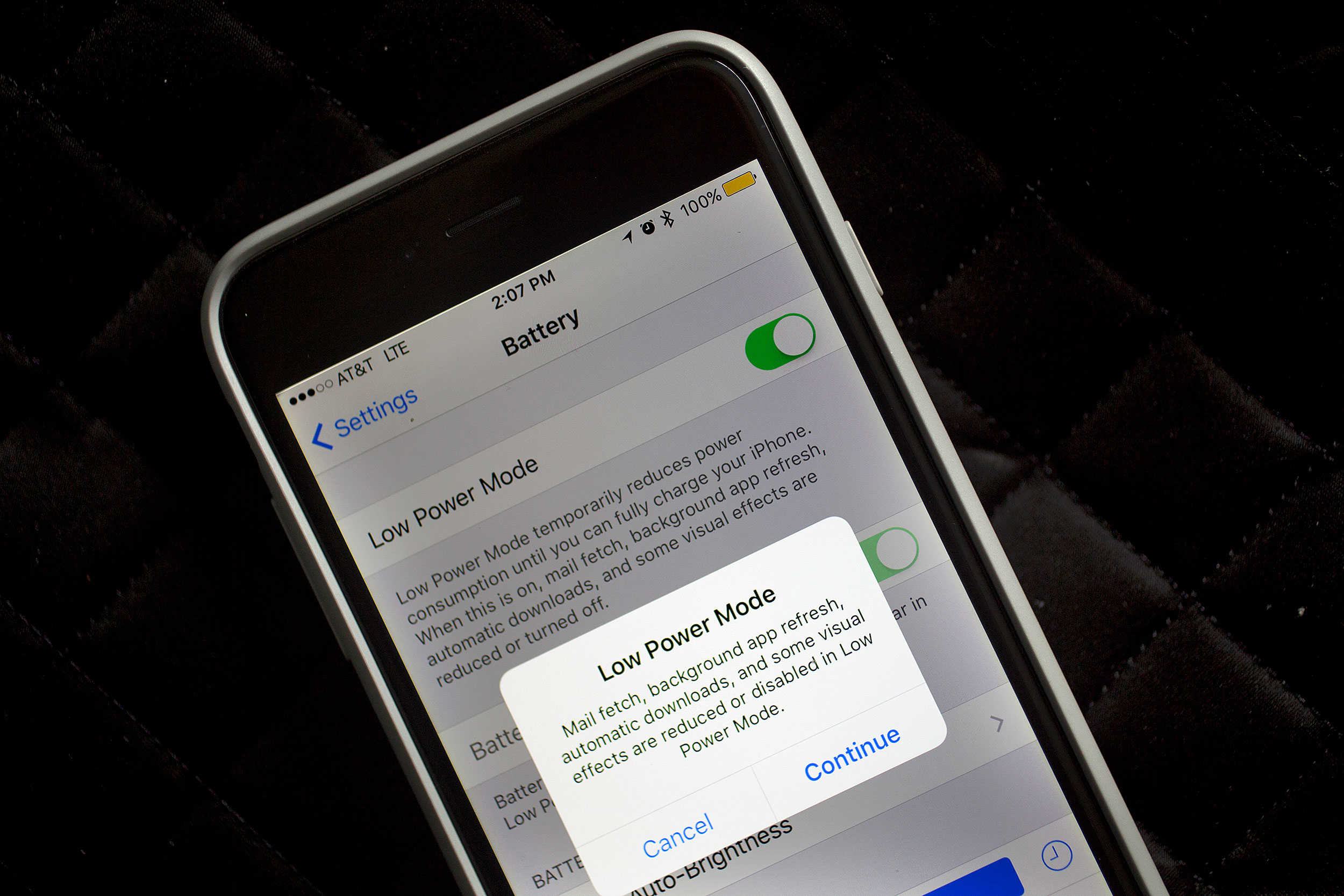
The new Low Battery Mode in iOS 9 means your device will last even longer than before. Photo: Jim Merithew/Cult of Mac
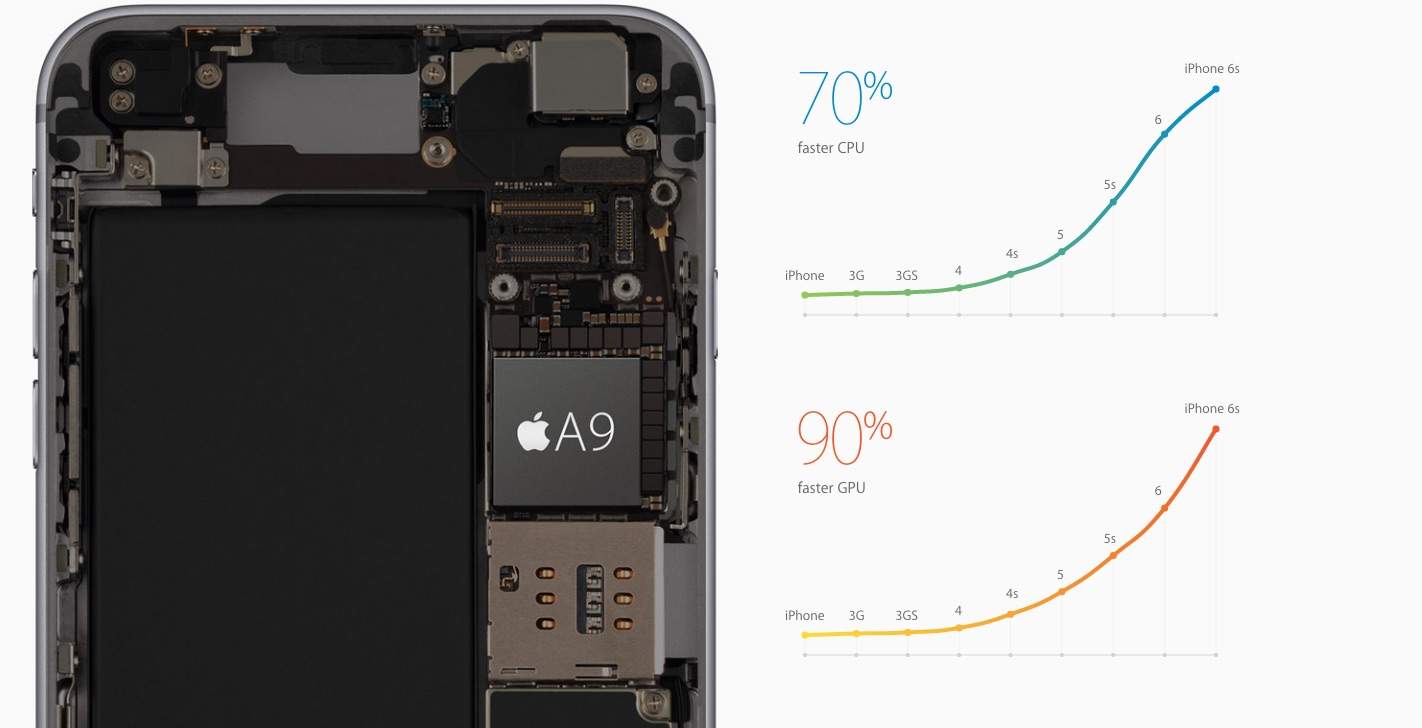
A new controversy is brewing online after it’s been revealed that not all iPhone 6s units get the same amount of battery life. The apparent culprit? The new A9 processors, which power Apple’s latest iPhones and were sourced by two chip manufacturers.
If you think the A9 processor is fast, wait 'til you see the A10. Photo: Apple
The iPhone 6s is the fastest smartphone on the planet, but according to a new rumor, Apple is planning to make a huge leap with its A10 processor in the iPhone 7 that will turn the device into an unbelievable speed machine.
It seems a bit early to start talking about the iPhone 7’s processor when the 6s hasn’t even gone on sale yet, however, the Apple rumor mill has spit out a rumor claiming Apple’s A10 processor will boast 6 cores.
The iPhone 6s isn’t even out yet, but already reports are claiming that Apple has awarded its A10 processor orders for the next eagerly-anticipated iPhone upgrade, the iPhone 7.
The winning company if you believe said rumors? None other than Taiwan Semiconductor Manufacturing Company — the manufacturer said to be making half of Apple’s A9 chips for the iPhone 6s.
Do we believe it? Count me in the “skeptical” pile.
The battle to win Apple's chip orders is hotter than ever. Photo: Apple
Taiwan’s top court ruled in favor of Taiwan Semiconductor Manufacturing Company in a lawsuit involving a former employee who allegedly leaked trade secrets to Samsung.
The accused party — TSMC’s former senior director of R&D, Liang Mong-song — allegedly helped Samsung catch up in the chip-fabrication business and win orders for Apple’s A-series processors..
Breaking news! Apple's shrewd when it comes to driving a bargain! Photo: Jim Merithew/Cult of Mac
Apple is playing off TSMC against Samsung to negotiate better prices for its A9 chips for the iPhone 6s and 6s Plus, according to a new report.
Competition between TSMC and Samsung to win Apple’s business has been fierce over the past year, with the conflict even going as far as a lawsuit over the alleged leaking of trade secrets.
With both companies having the 14/16nm FinFET process capacity to build A9 chips to Apple’s specifications, Apple is reportedly asking both sides to cut their prices — or potentially lose out on future business.
A9 chips are on the way. Photo: Fabrizio Sciami/Flickr CC
Having spent the best part of 2015 battling over who would win orders from Apple, TSMC and Samsung have both started volume production of the new A9 chips for the upcoming iPhone 6s, according to a new report.
The first Apple devices to boast A9 chips aren’t even out yet, and already manufacturers are fighting it out to get a piece of the next-next-gen A10 order action — which are likely to make their debut with the iPhone 7 in 2016.
Having come dangerously close to losing out on A9 orders entirely, TSMC is reportedly wasting no time in investing in the right equipment to wow Apple into handing over its order book for the A10 chips.
Foxconn is no fan of Samsung. Photo: Jim Merithew/Cult of Mac Photo: Jim Merithew/Cult of Mac
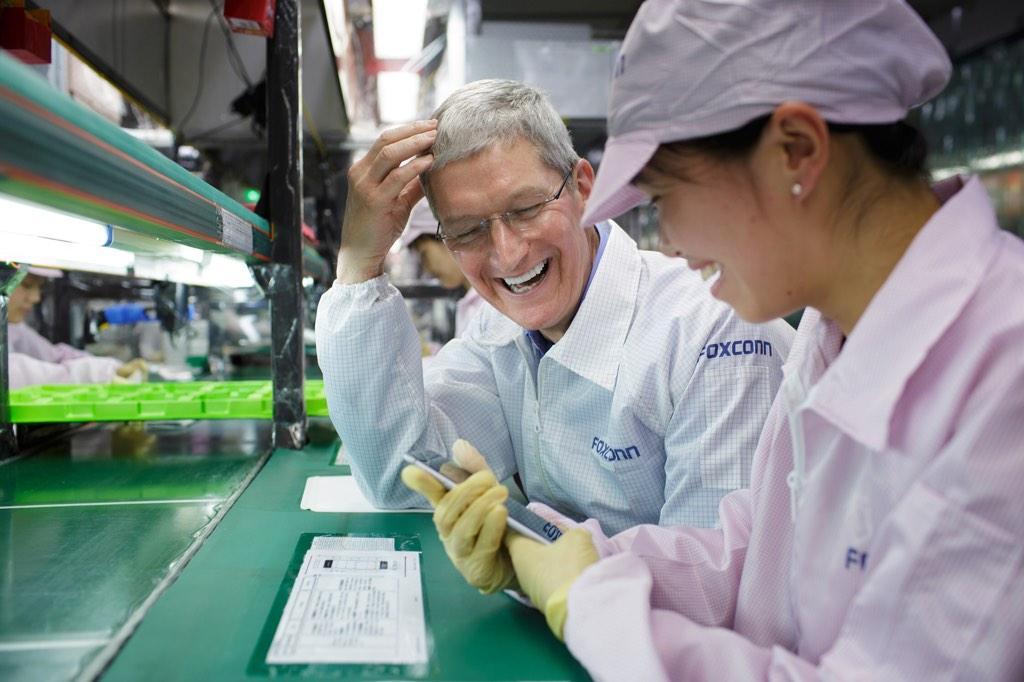
Foxconn’s CEO Terry Gou is no fan of Samsung. In fact, according to a new report, he’s been trying to use his influence as Apple’s biggest manufacturing partner to get Apple to lessen its dependency on Samsung — while a giving a shot to other companies.
The reason? He thinks Taiwanese manufacturers need to work together to overcome the growing threat of the South Korean tech giant, which could potentially swallow all of their jobs.
Samsung appears to have won the A9 chip order war. Photo: Apple
The battle over who will manufacture the A9 chip for Apple’s next-gen iPhone has reportedly come to a close, with Apple giving the nod to long-time frenemy Samsung instead of current A8 chipmaker Taiwan Semiconductor Manufacturing Co. (TSMC).
Samsung might finally be kicked the curb when it comes to who gets the lion’s share of Apple’s chipmaking business. According to analysts Olivia and Rick Hsu from Daiwa Securities, Taiwan Semiconductor Manufacturing Co. (TSMC) is likely to snap up 70 percent of all Apple’s A9 and A9X orders, leaving rival chipmaker Samsung out in the (relative) cold.
The reason for this is reportedly the “superior yield” and “manufacturing excellence in mass-production” exhibited by TSMC, which will get it a large percentage of the A9 orders, and all of the A9x orders for the next generation iPad.
Samsung stealing technology? Say it ain't so! Photo: Apple
Knowing how much is at stake, things can get pretty vicious when you’re a manufacturer with a shot at providing Apple with vital components for its next generation iPhone.
We’ve known for some time that Taiwan Semiconductor Manufacturing Co. and Samsung have been battling it out over who gets picked by Apple to make its forthcoming A9 processors — with Samsung apparently having the advantage currently, due to offering Apple a better deal financially.
TSMC isn’t taking this lying down, however. In fact, the company is currently suing an ex-employee who allegedly leaked R&D secrets to Samsung; thereby allowing it to both catch up in the chip fabrication business.
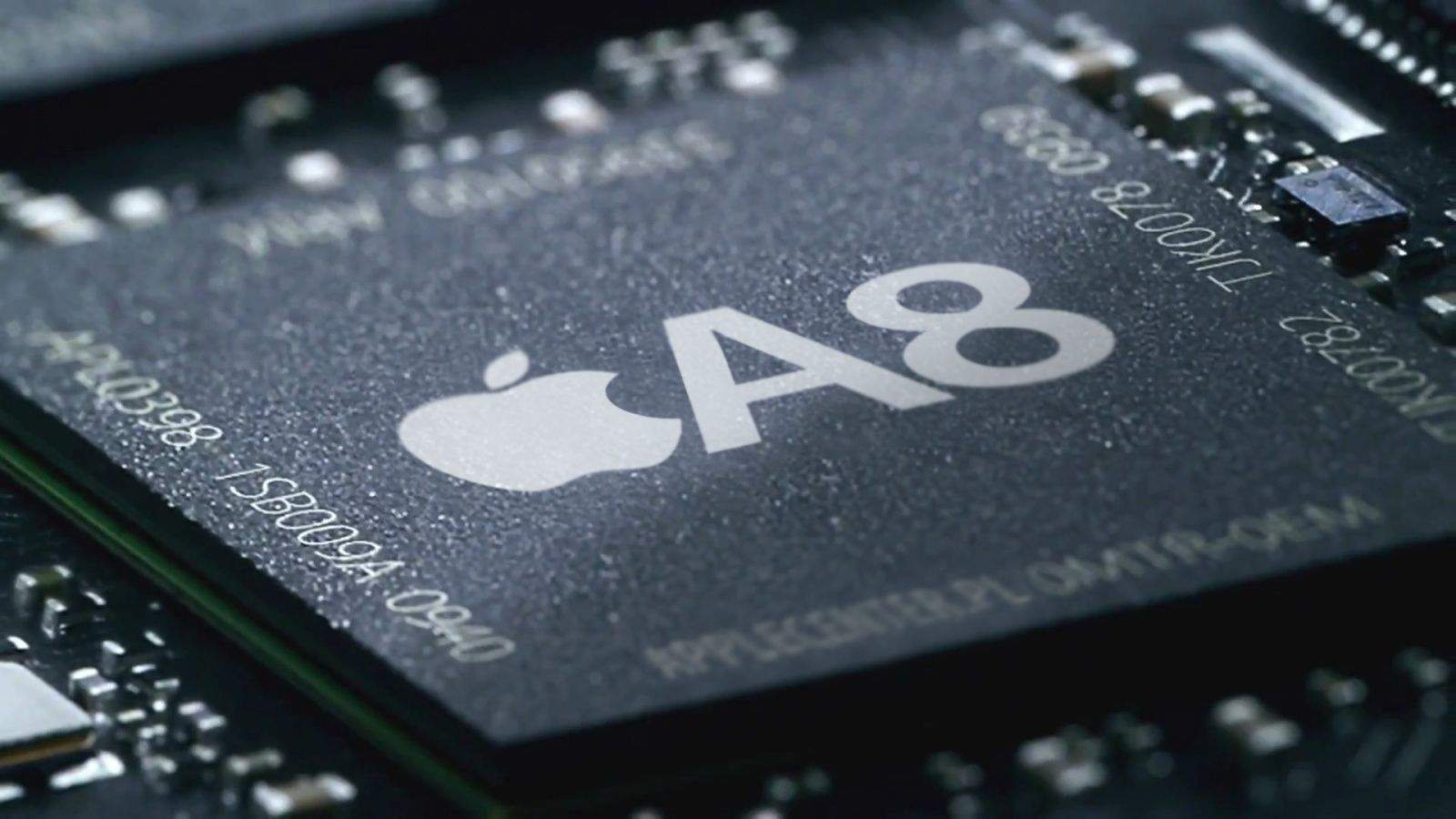
Apple's A8 processor violated University of Wisconsin's patent. Photo: Apple
Apple has been trying to wean itself from being dependent on Samsung’s smartphone components for years, but breaking up is proving nearly impossible to do.
According to a report from Recode, Apple is turning back to Samsung to make the next-generation A9 processors that will make their way into the iPhone and iPad later this year.
The next iPhone's processor will be made in Taiwan. Photo: Jim Merithew/Cult of Mac Photo:
The iPhone 6 has barely been on the market for three months but the iPhone 6S rumor mill is starting to heat up with a battle brewing between Taiwan Semiconductor Manufacturing Co (TSMC) and Samsung to become the main supplier of the next-gen A9 processors.
Last month a Digitimes rumor claimed Samsung already locked up A9 chip production, but according to the Taipei Times, TSMC will continue to be the main supplier of Apple’s processors slated to the next generation of iPhones and iPads in 2015.
Researchers at the Market Intelligence and Consulting Institute (MIC) say that while the two companies have similar capabilities, TSMC is poised to win the order thanks to it’s better yields.
Is it too early to start thinking about the iPhone 7? Not for Apple's suppliers it's not. Fabrizio Sciami/Flickr CC Photo: Fabrizio Sciami/Flickr CC
Samsung will snap up the majority of the next generation iPhone A9 chip orders, while Taiwan Semiconductor Manufacturing Company (TSMC) will manufacture the chips for the next iPad devices, according to a new report coming out of China.
This differs from the current iPhone 6 devices, where TSMC is reportedly responsible for producing the A8 chips thanks to a deal inked in 2013.
Although it was previously reported that the two companies were locked in a tussle to pick up the Apple orders, Samsung apparently beat out TSMC by quoting Apple lower prices for the 14nm FinFET process production. Samsung has upped its game to secure Apple orders following its posted dismal Q3 earnings, which were down a whopping 60 percent in operating profit from the same period in 2013.