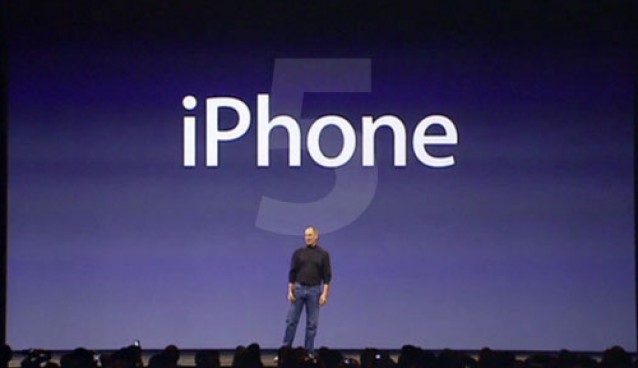
It seems reasonable by now to expect Apple’s iPhone 5 to launch this September. Considering all the speculation we’ve waded through over the past few months, a September launch has certainly been the most consistent claim. And while we’re no closer to an exact launch date, the China Times pinpoints the second week of September for the launch of the fifth-generation device, and later this fall for the launch of the iPad 3.
Rumor has it that Apple is already working on a new method of charging our iPhones for 2012, and many believe the company may introduce wireless magnetic charging using technology developed by WiTricity. But according to a report from DigiTimes, future iOS devices may absorb all the energy they need from the sun.
Apple’s latest line of Mac mini compact desktops offer some pretty impressive specifications. What with those latest Intel Core i5 and i7 processors and the opportunity to grab a solid-state drive with a custom build, you can get a super speedy mini if you have the money.
One thing you can’t get for your new machine, no matter have much money you have, is 16GB of RAM… at least not from Apple.
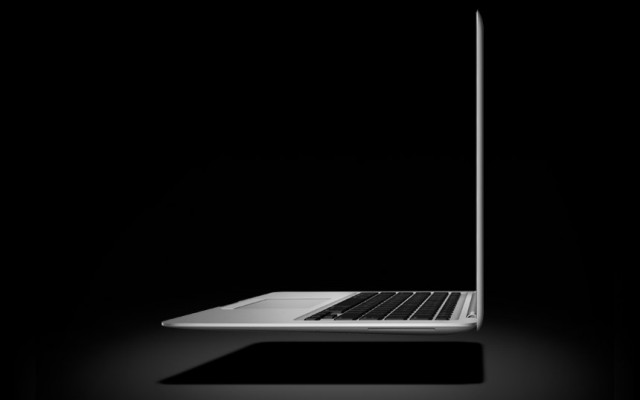
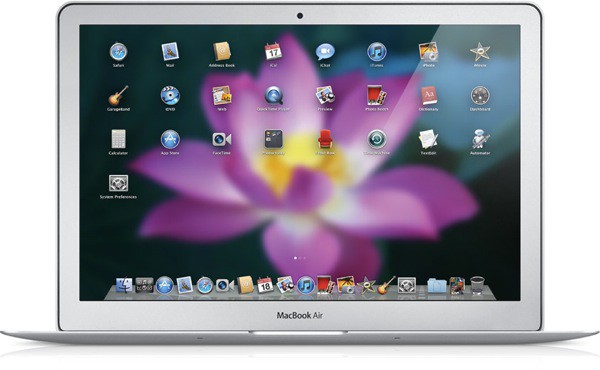
Hot on the heels of the new MacBook Air, Apple looks to already be working on a mysterious, “ultra-thin” 15-inch Macbook to add to the mix.
Not much is known about what this upcoming notebook from Apple will be like, but the MacBook Pro line hasn’t seen a refresh since February. Could it be an Air-style MBP?
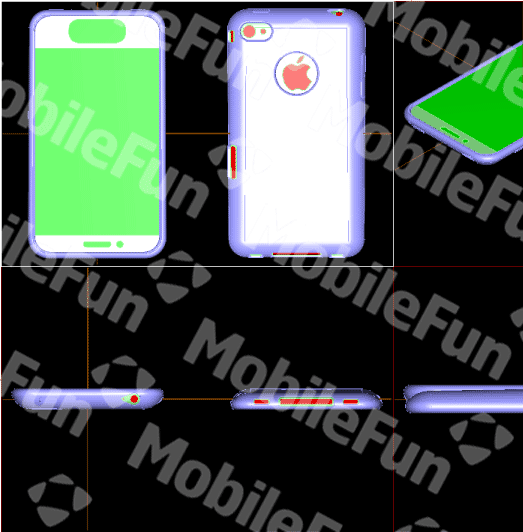
Prototype case designs coming out of Chinese accessory makers based upon leaked Foxconn intelligence are painting a dramatic picture of the next iPhone. If these leaks are right, the iPhone 5 won’t be a mere iPhone 4S, but rather a radical new device that not only boasts a curved, more ergonomic design and a larger display, but also revolutionizes one of the core aspects of the iOS experience… it totally gets rid of the Home button.
OS X Lion is being hailed by many as the most secure operating system yet, not just from Apple, but in total. In particular, its FileVault encryption rewrite is being widely hailed as one of the most secure, low-overhead ways yet to keep your data safe.
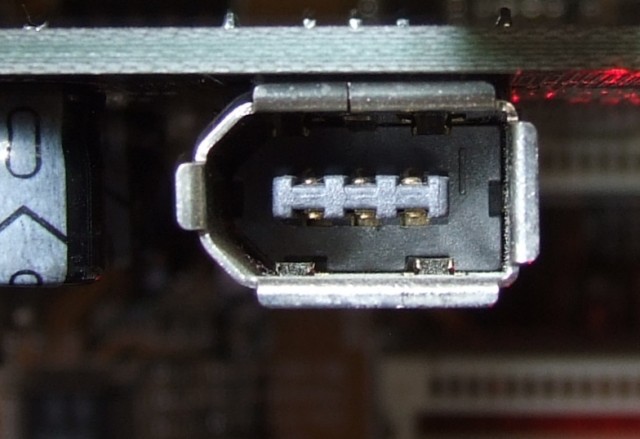
But behind all the talk, there’s a huge security hole in OS X Lion that has been present at least since Snow Leopard. Any Mac with a Firewire port is vulnerable to it, and it’s so easy to exploit that any hacker with physical access to your computer can get your password within minutes.
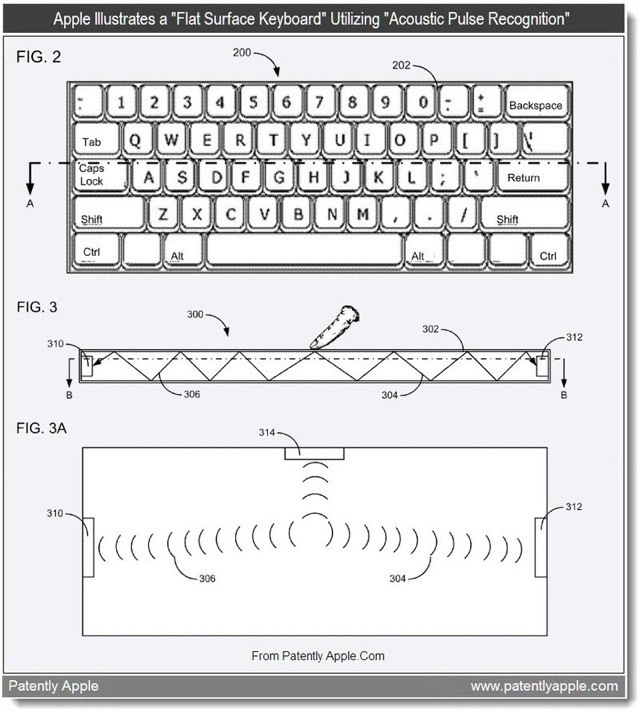
The latest patent to surface from the Cupertino camp shows Apple has been working on a physical keyboard that does away with physical keys. That’s right — a keyboard, much like the one you might have in front of you now, but without keys. Instead, you’ll use piezoelectrics, haptic feedback and acoustic pulse recognition to type.
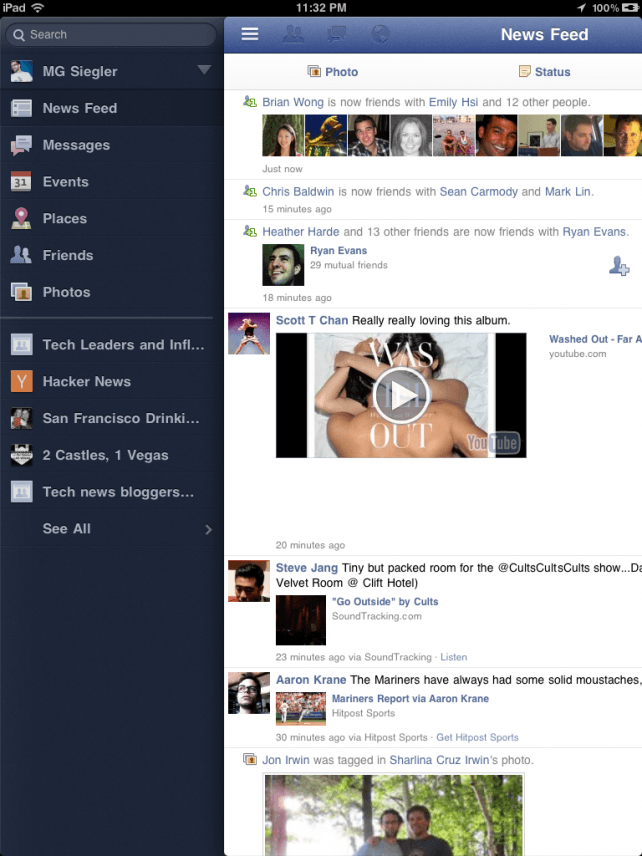
It was revealed yesterday that the long-awaited Facebook app for iPad was already here — not in the App Store, but hidden away inside the Facebook app for iPhone. We published details on how to install the app on your iPad, but soon after the news spread, Facebook decided to block access to those using the app before its public release.
Fortunately, as is often the case with these things, jailbreakers have provided a workaround — a new tweak called FaceForward that reactivates the official Facebook app for iPad.
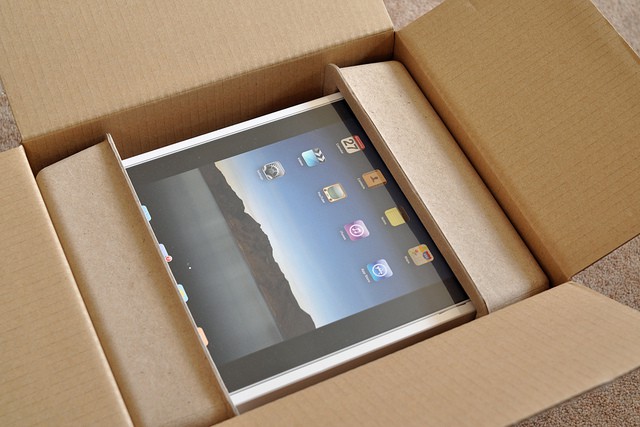
Image used under Creative Commons license, from Flickr user: hddod
The staggering success of Apple’s iPad has inevitably spawned a myriad of wannabe devices from a large number of electronics manufacturers. While many of these tablets are yet to really compete with Apple’s tablet, the Cupertino company is still preparing itself for a worthy adversary by “adjusting the cost structure” of the iPad 3.
Apple’s latest iOS 4 update dropped yesterday, which “fixes a security vulnerability with certificate validation.” Jailbreakers were initially advised not to update to the latest firmware, but as long as you’re happy with a tethered jailbreak for the foreseeable future, you’re safe to go ahead and update your device and then jailbreak with the latest RedSn0w release.
On Friday, July 29, you can first learn more about the mobile camera that made those point-and-shoots practically obsolete, then head out into the streets of San Francisco with the experts to shoot.
Dan Marcolina, who wrote a well-received book on iPhone photography called iPhone Obsessed and Knox Bronson, founder of P1xels, hub of the iPhoneography movement, will be talking on “Phone Art: The Exploding Digital Inevitable in Technology, Technique, and Culture.”
The pair will discuss with participants the global community of photographers united by these handy devices and some of the more interesting issues around the evolution of the medium and working with apps.
Afterwards, you can take part in a mobile photo walk (caveat: no regular cameras allowed) with Marcolina and Bronson through iconic Union Square.
Events are free but space is limited, you can sign up here.
One of the hallmark user features in OS X Lion is the iOS-like Launchpad. From the Launchpad, you can view, open, organize, and manage all of your Mac apps just like the iPhone and iPad.
While some may love Launchpad, many have voiced complaints over the confusing nature of how Launchpad handles Mac apps. In this post, we’ll show you how to completely clean out your Launchpad and start over.
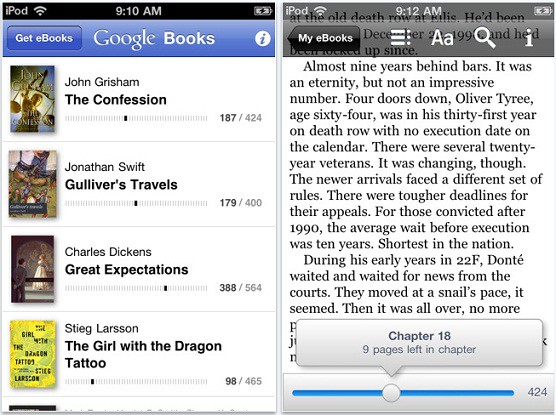
Not much else to say: right on the heels of our story that Google Books had been kicked off the App Store for failing to comply with Apple’s new in-app purchasing rules, Amazon has removed a link to its outside e-store, now fully complying with Apple’s rules.
It’s looking increasingly likely as the weeks go on that Apple’s fifth-generation iPhone will launch this September, and strengthening all that speculation is a new report that claims AT&T is now beginning to communicate launch plans to its staff.
Apple has just seemingly banned its first big name app for not playing along with Apple’s revised In-App Purchase rules, as Google’s official Google Books app, which contained a prominent web link to an outside e-store, has disappeared from the App Store. If it has happened to Google, will Amazon’s Kindle app be the next app to disappear?
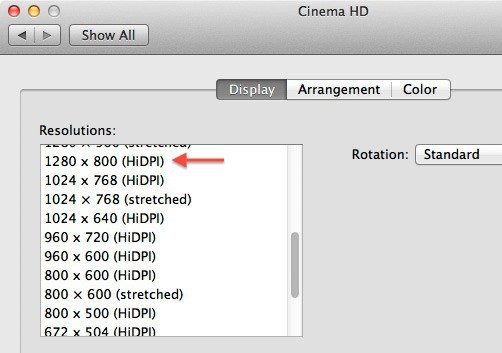
We haven’t even seen the first retina display iPad yet, but just as Apple’s been baking double-sized assets for an iPad HD into iOS since iOS 4, OS X Lion lays down some groundwork for the first Retina Display iMacs and MacBooks.
Many of us are patiently awaiting the official Facebook app for the iPad to hit the App Store, having tried a number of third-party alternatives that just aren’t quite as good as the official app for the iPhone. Well now the Facebook app for iPad is here — but it’s hidden inside the iPhone app and you’ll need to do a bit of tinkering to install it.
Those impressively fake Apple stores in Kunming, China, were undoubtedly destined for doom after they enjoyed global fame last week. Two of the five stores have already been shut down, but surprisingly, Apple has had nothing to do with it.
Developers running iOS 5 on their Apple mobile devices have been able to fiddle with iCloud since shortly after it was announced at WWDC in June. However, without iCloud on their Mac as well, they to sync your bookmarks, calendars, photo stream, and documents. Until now!
I’ve been in denial for a while, but it hit me so hard yesterday that I finally have to admit it: I’m an Apple fanboy. Once you hear my story, you’ll agree that if it can happen to me, it can happen to anyone.
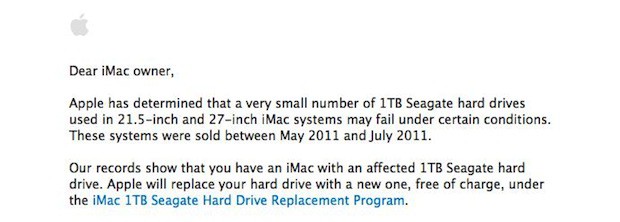
Apple has announced that a “very small number” of 1TB Seagate hard drives used in 21.5-inch and 27-inch iMac systems may fail under certain conditions. The problem only applies to systems that were sold between May 2011 and July 2011. My own 27-inch iMac purchased in June 2011 is affected by this recall.
For complete information about the recall click the read link.
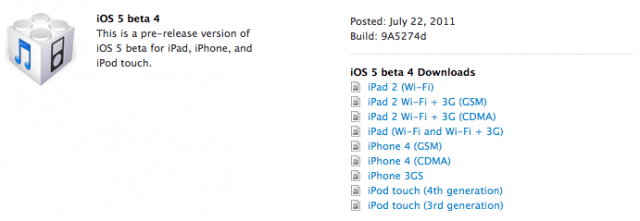
Apple has proved once again that Fridays are still work days by dropping iOS 5 Beta 4. Developers can now download the latest iOS 5 beta in Apple’s dev channel, and, for the first time, through the miracle of over-the-air updates.
Those on iOS 5 Beta 3 should be able to wirelessly upgrade to Beta 4.
Still worried about MacDefender? That’s nothing: a new security vulnerability in MacBook batteries means that it’s possible that future hackers won’t just try to steal your credit card numbers, but might actually cause your computer to meltdown instead.