 March 12, 2010: Apple passes Walmart and investment firm Berkshire Hathaway in value to take third place in market capitalization among publicly listed U.S. companies. The Apple market cap soars past $200 billion, fueled by intense excitement over the first-generation iPad.
Things look good for the company as it guns for powerhouses ExxonMobil and Microsoft.

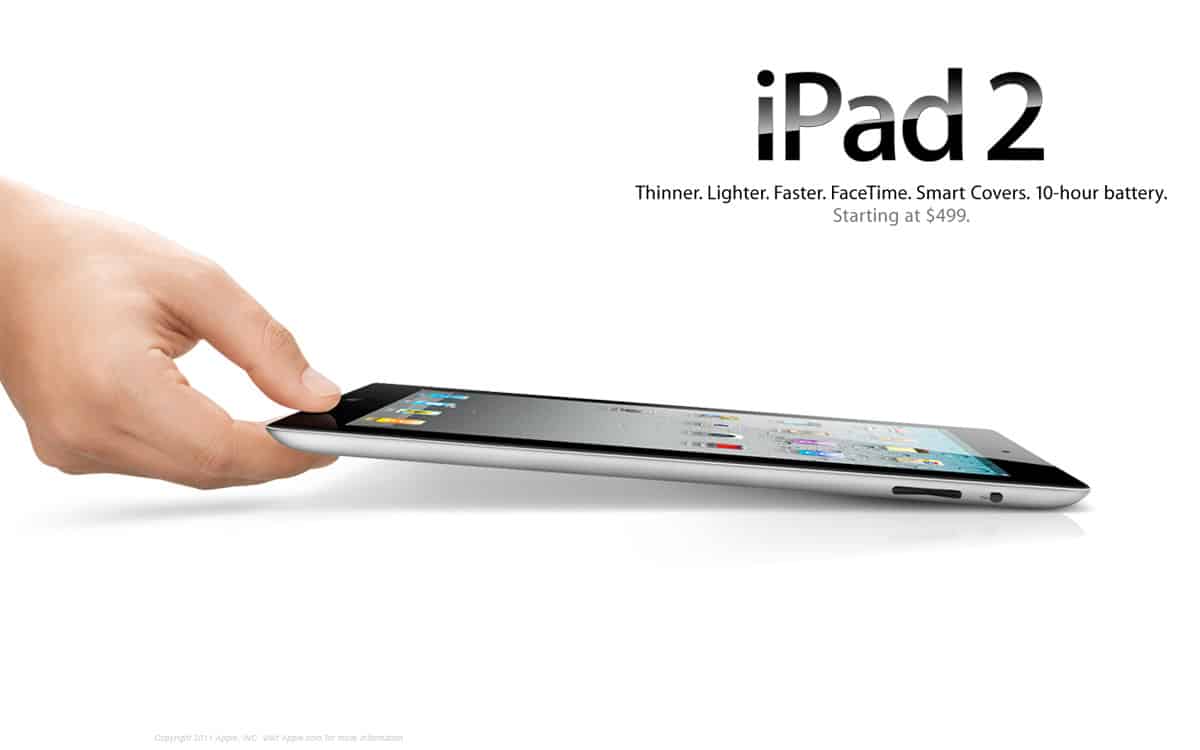
 March 11, 2011: How do you follow up your biggest product debut ever? That’s the question Apple needs to answer as the iPad 2 launch date arrives.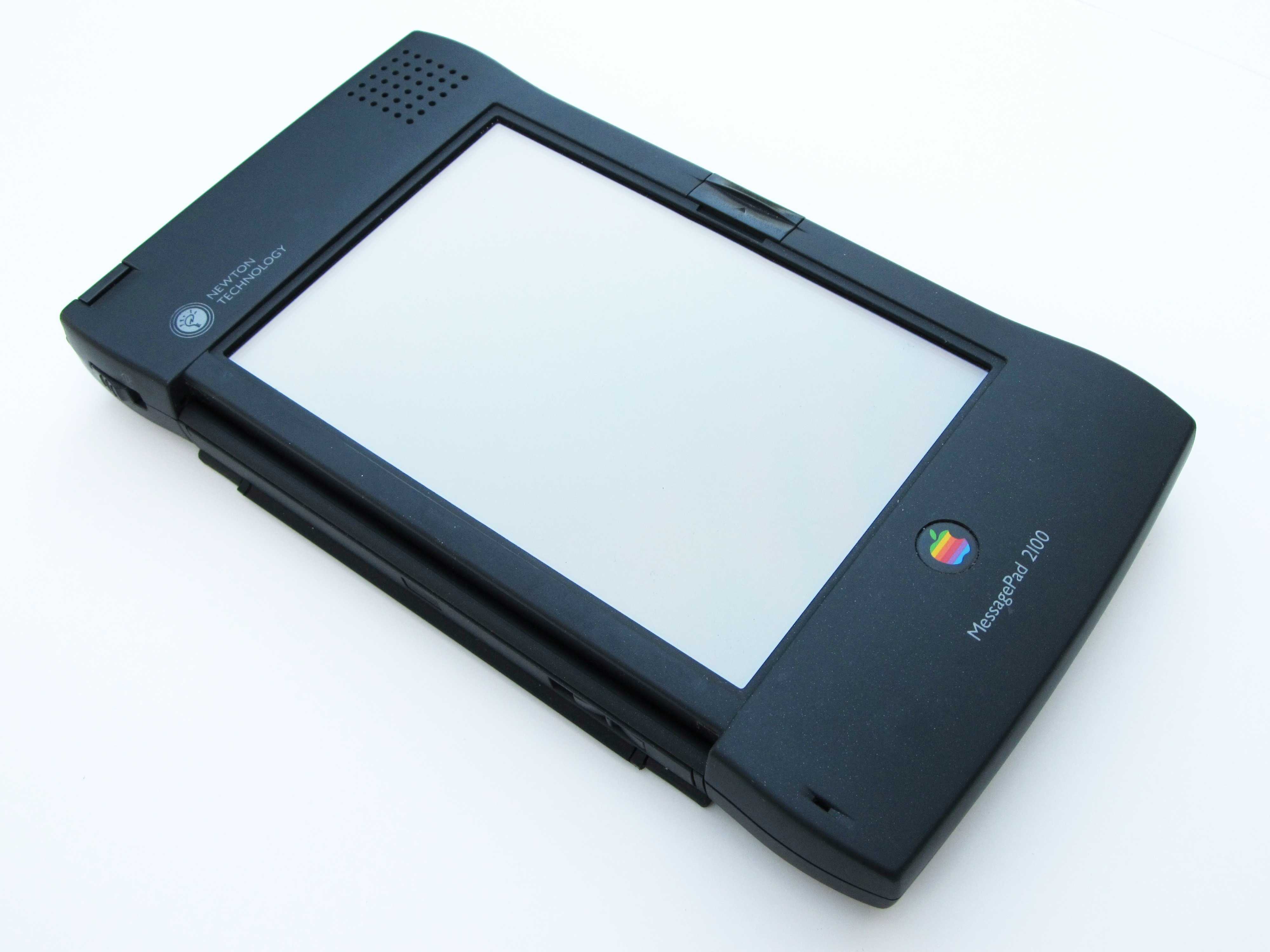
 March 10, 2004: Apple sends out a survey to select Apple customers, claiming that it is considering relaunching the Newton MessagePad.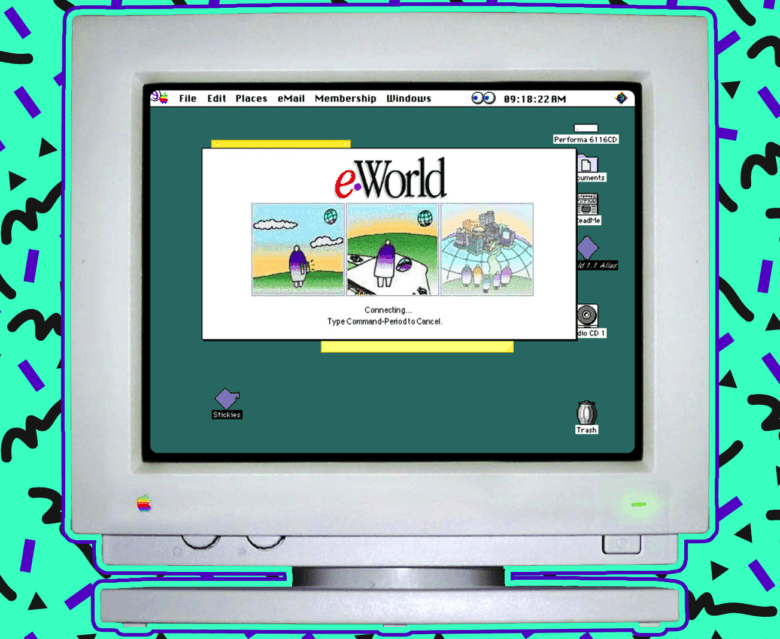
 March 9, 1996: Apple confirms that it will shut down its eWorld online service at the end of the month.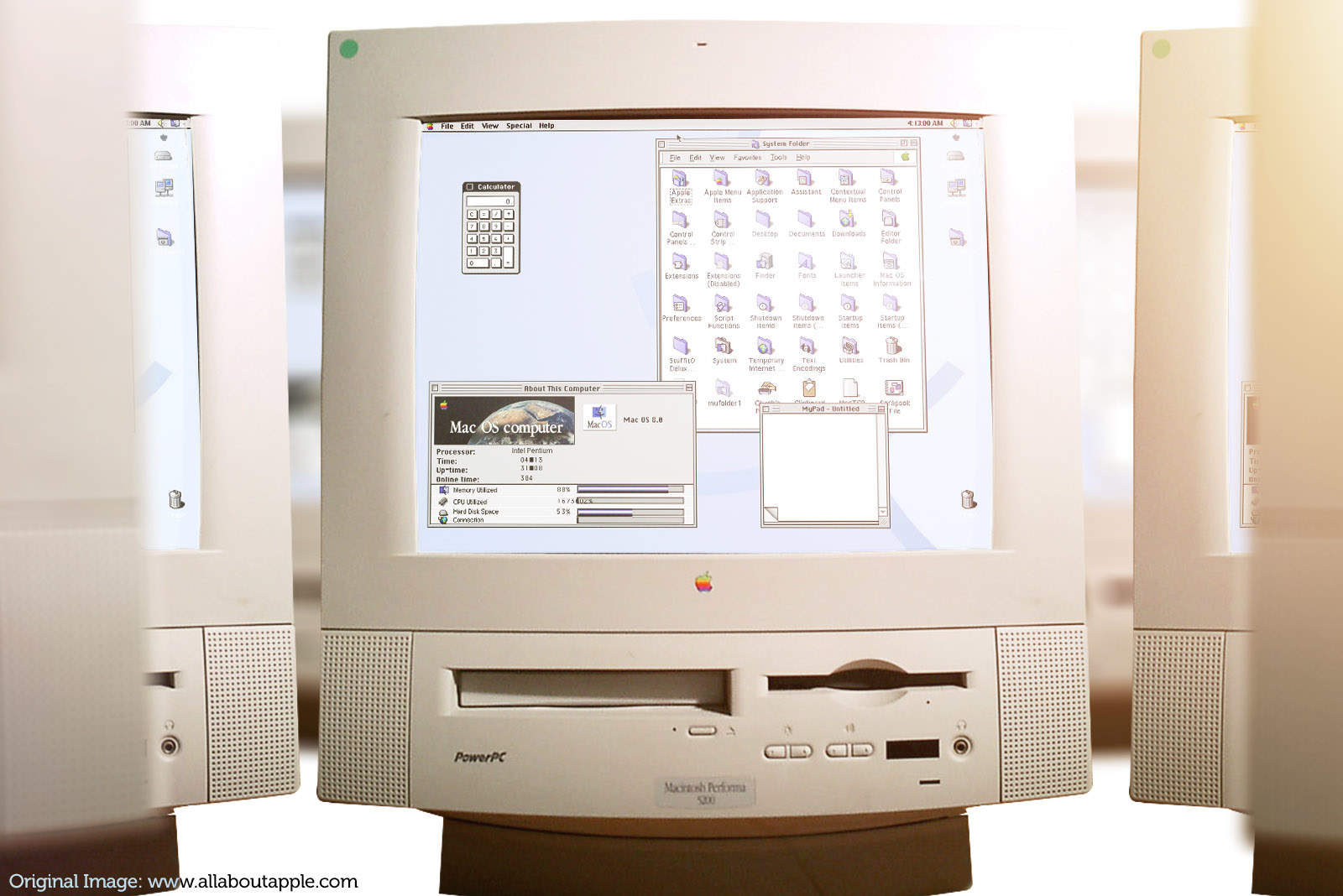
 March 8, 1997: Apple renames the forthcoming Mac OS 7.7 update, calling it “Mac OS 8.” It’s more than just a name change, though: It’s a sneaky sucker punch that ultimately knocks out Mac clones.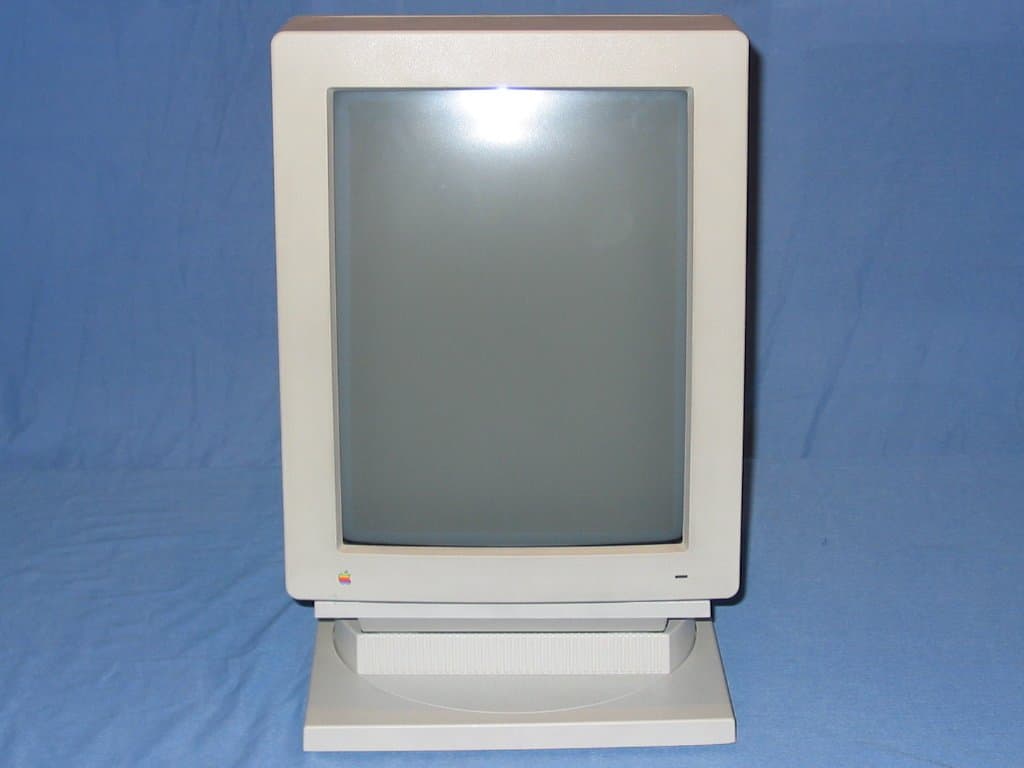
 March 7, 1989: Apple introduces the Macintosh Portrait Display, a 15-inch vertical grayscale monitor designed to show full pages on a single screen. Intended for word processing and desktop publishing, the $1,099 monitor (plus $599 for an additional video card to run it) works with any Macintosh.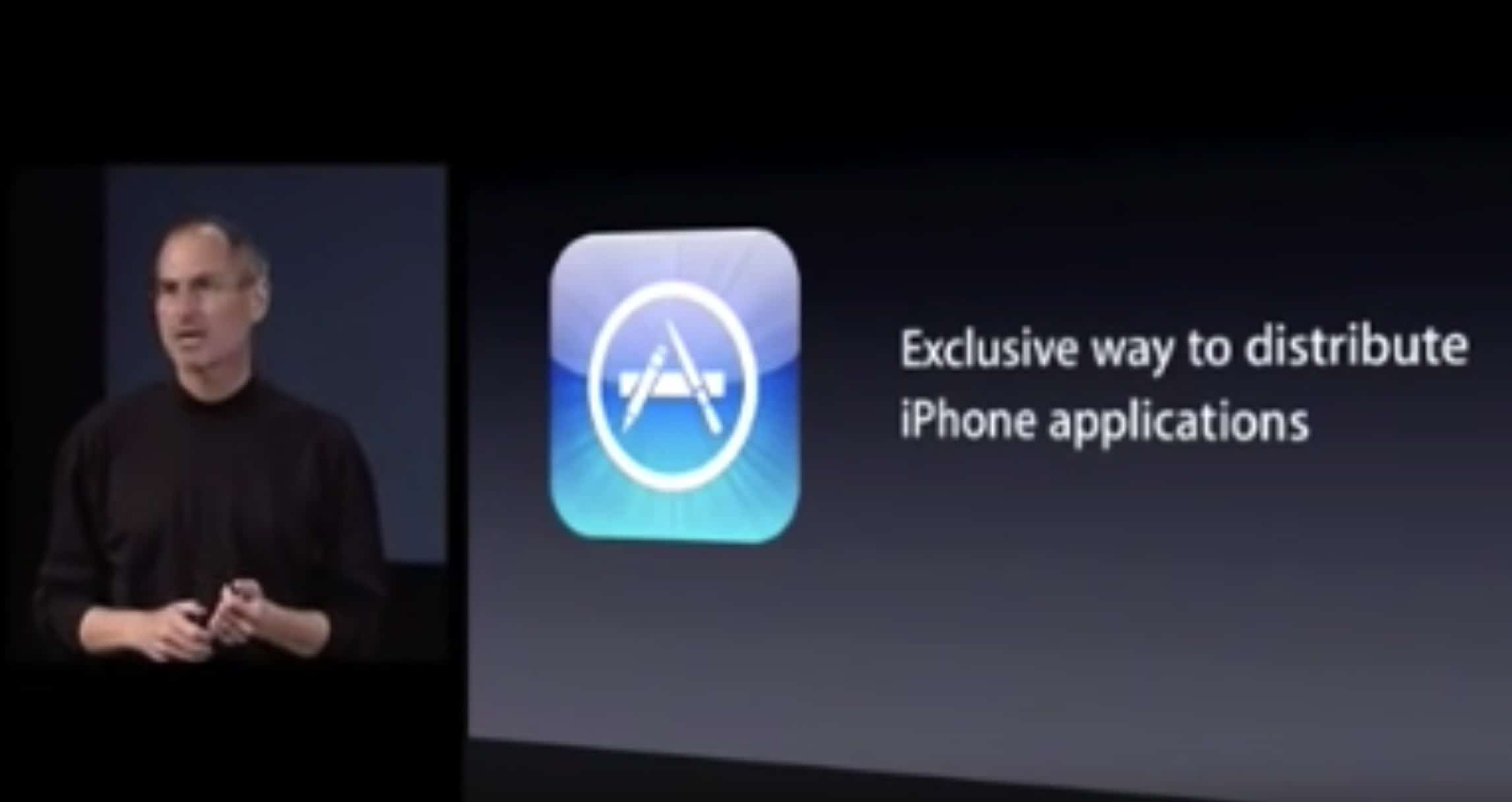
 March 6, 2008: Apple releases the iPhone software development kit, finally allowing coders to start creating native mobile apps for the new smartphone. The iPhone SDK gives developers the tools they need to unlock the new smartphone’s potential.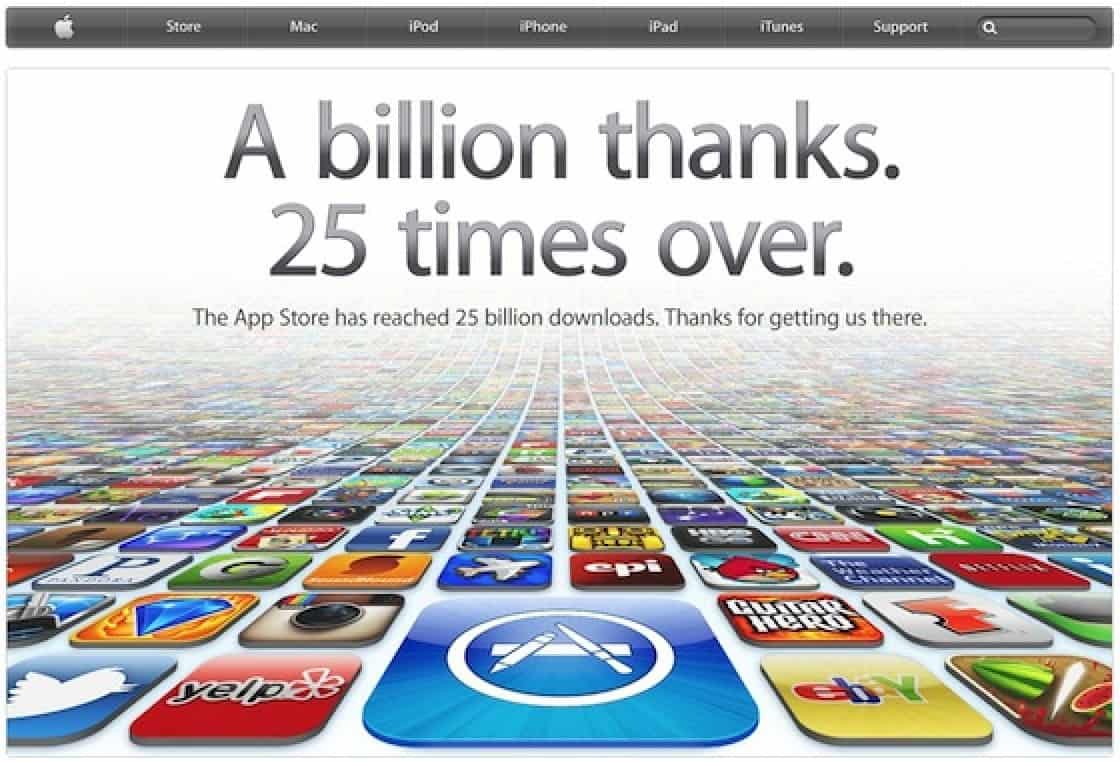
 March 5, 2012: Apple reaches a staggering milestone, with 25 billion apps downloaded from the iOS App Store. The company celebrates with a giveaway titled the “25 Billion App Countdown.”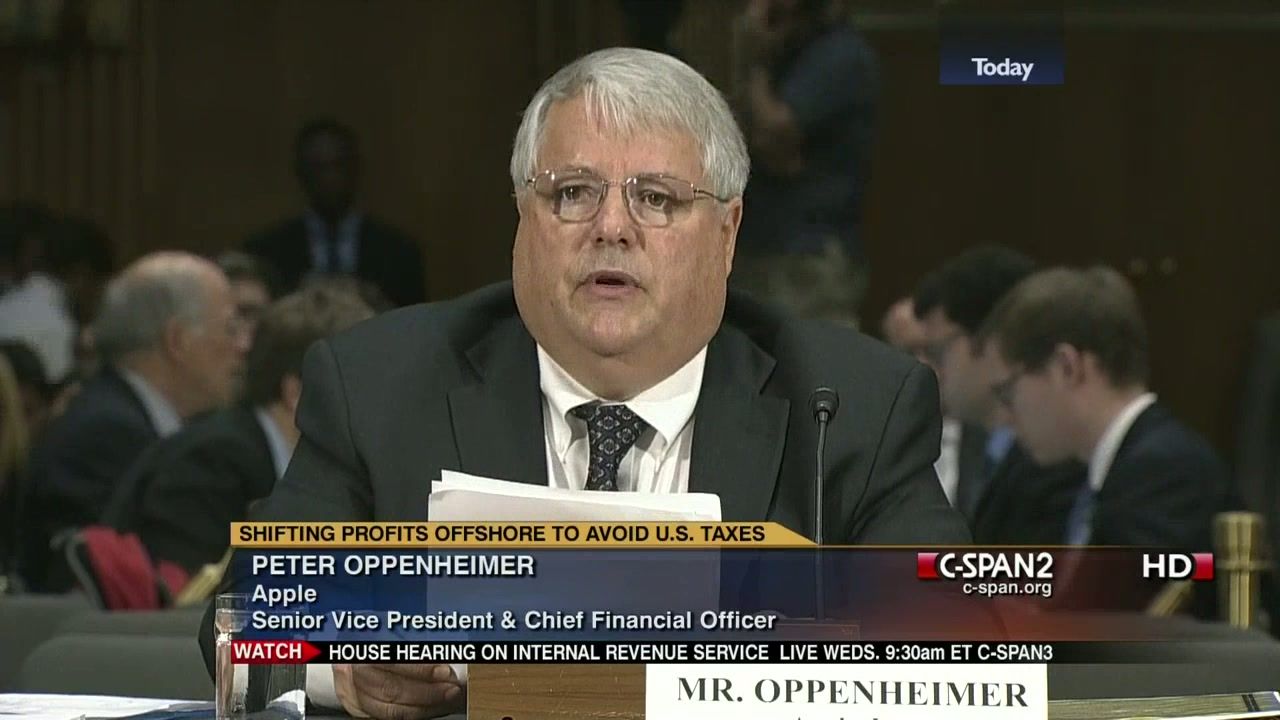
 March 4, 2014: Peter Oppenheimer, the Apple chief financial officer who presided over a decade of skyrocketing growth, steps down from the company.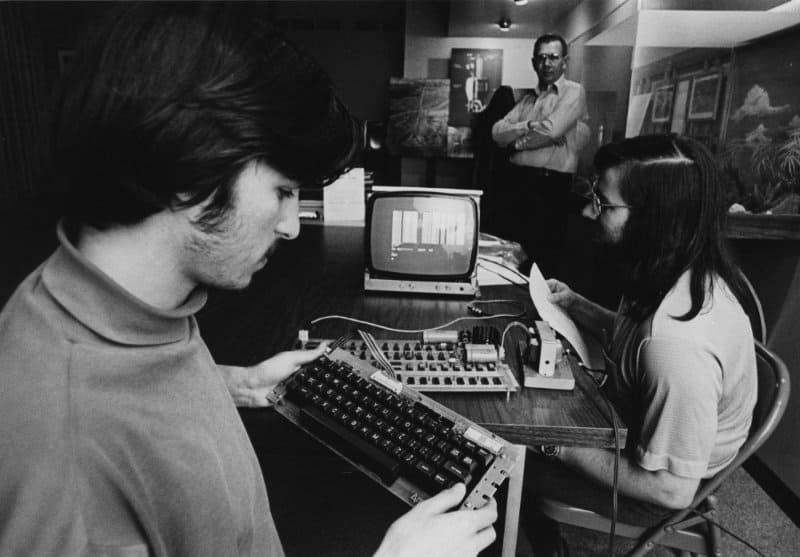
 March 3, 1975: The Homebrew Computer Club, a hobbyist group that will help spark the personal computing revolution, holds its first meeting in Menlo Park, California.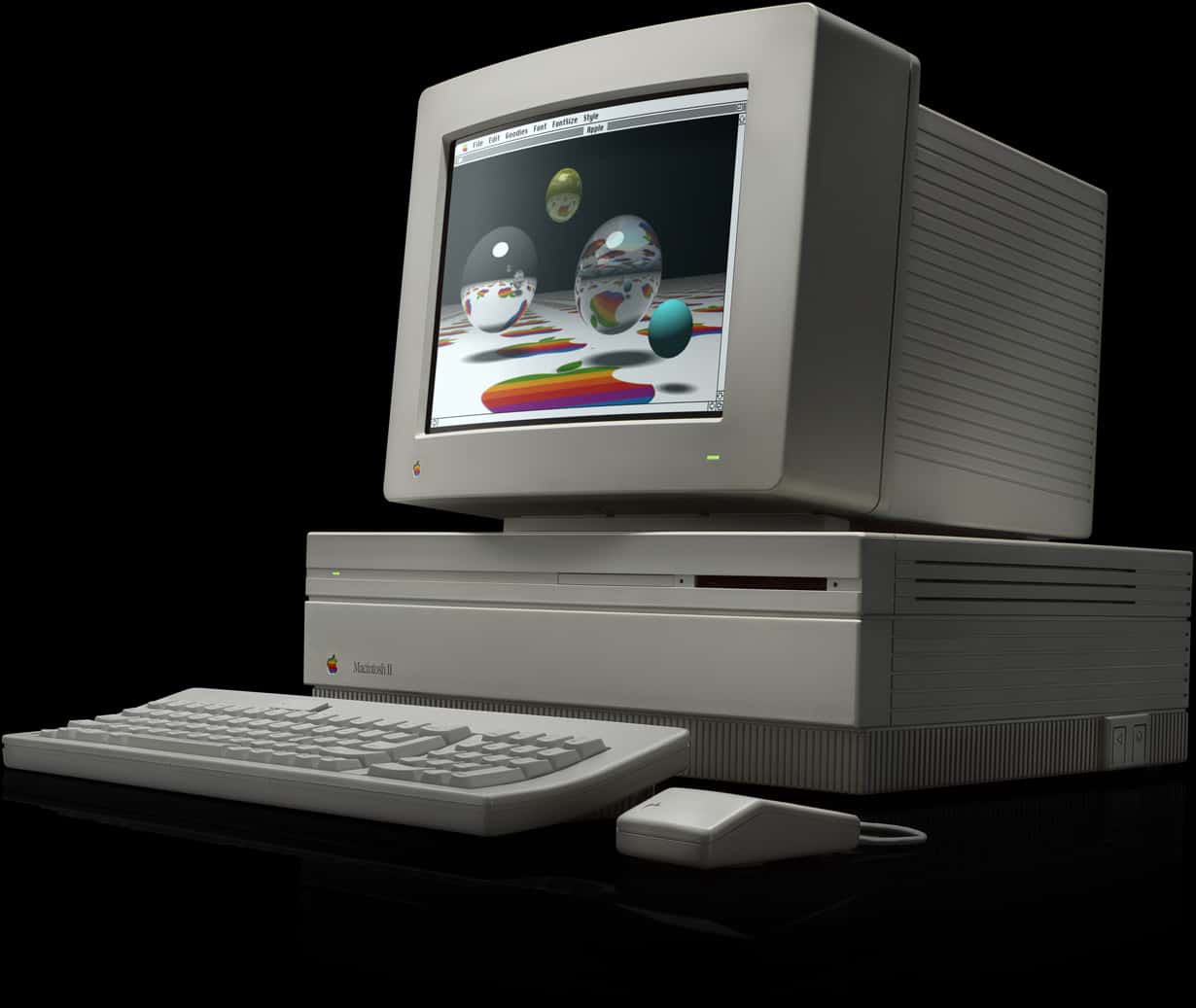
 March 2, 1987: Three years after releasing the original Macintosh 128K, Apple launches a proper sequel, the almighty Macintosh II.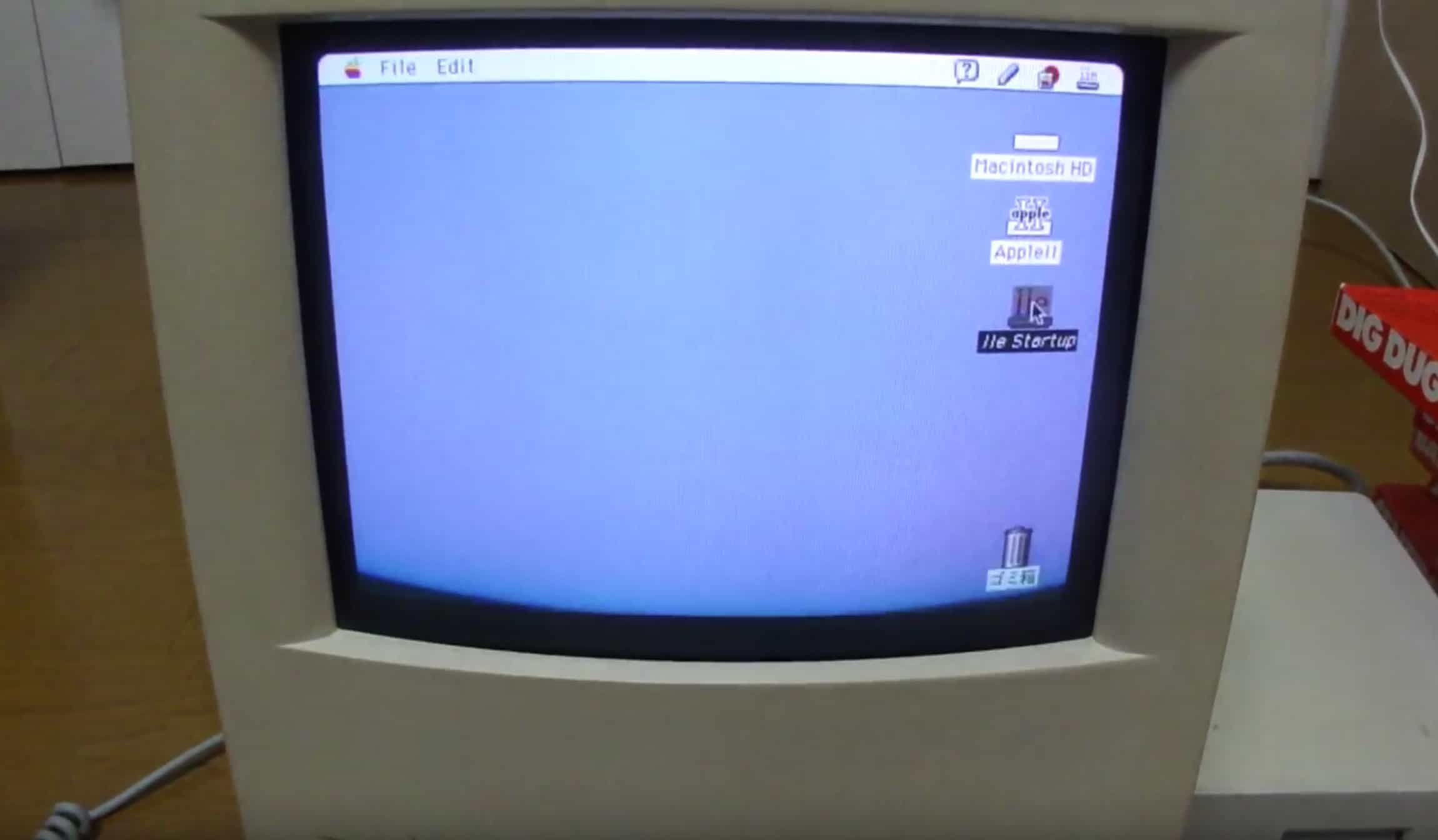
 March 1, 1991: Apple introduces the Apple IIe Card, a $199 peripheral that lets users turn Macs into fully functioning Apple IIe computers.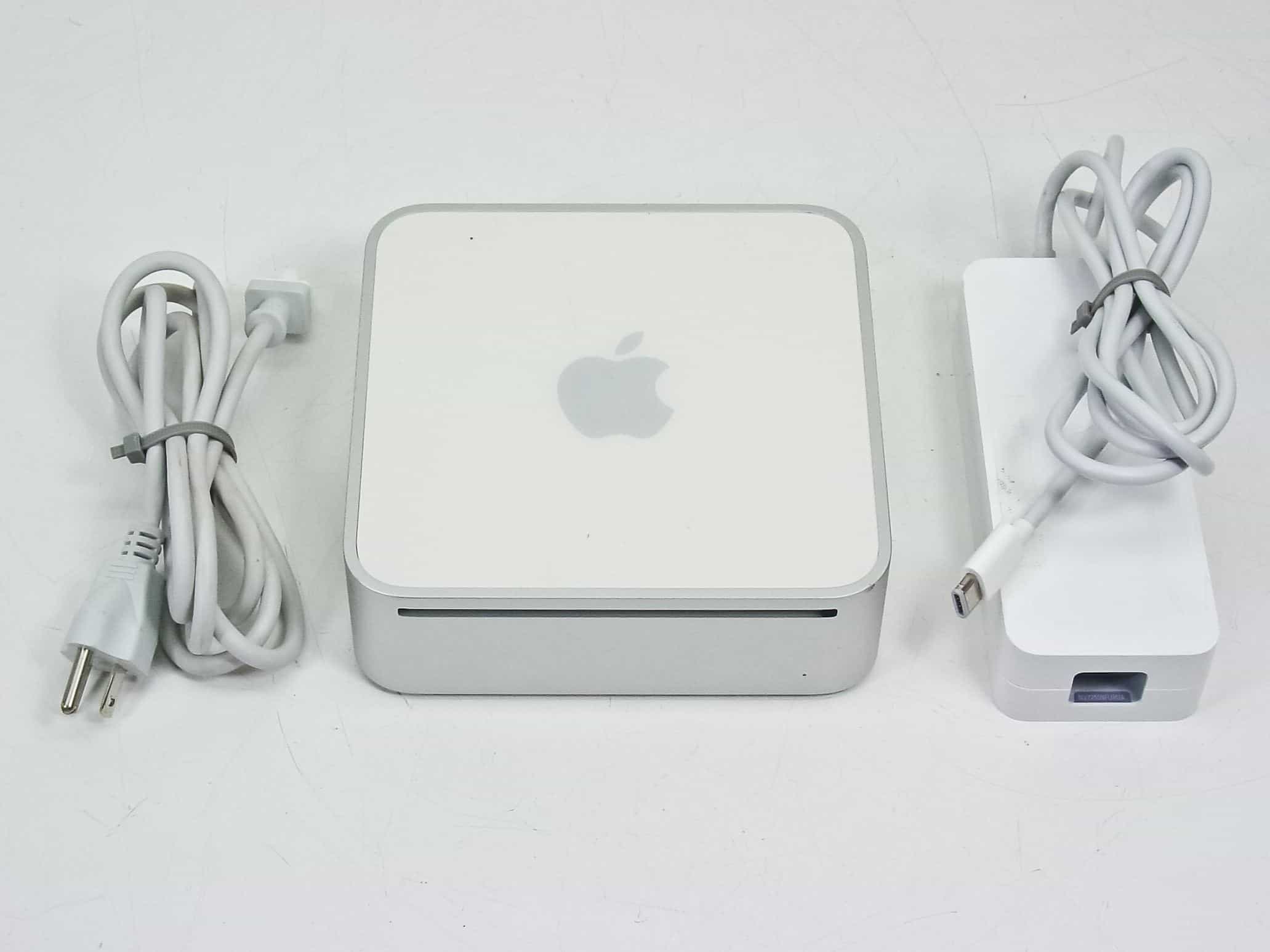
 February 28, 2006: Apple introduces an upgraded Mac mini, an affordable computer powered by an Intel processor.
 February 27, 1998: Apple discontinues work on the Newton MessagePad product line, the series of personal digital assistants the company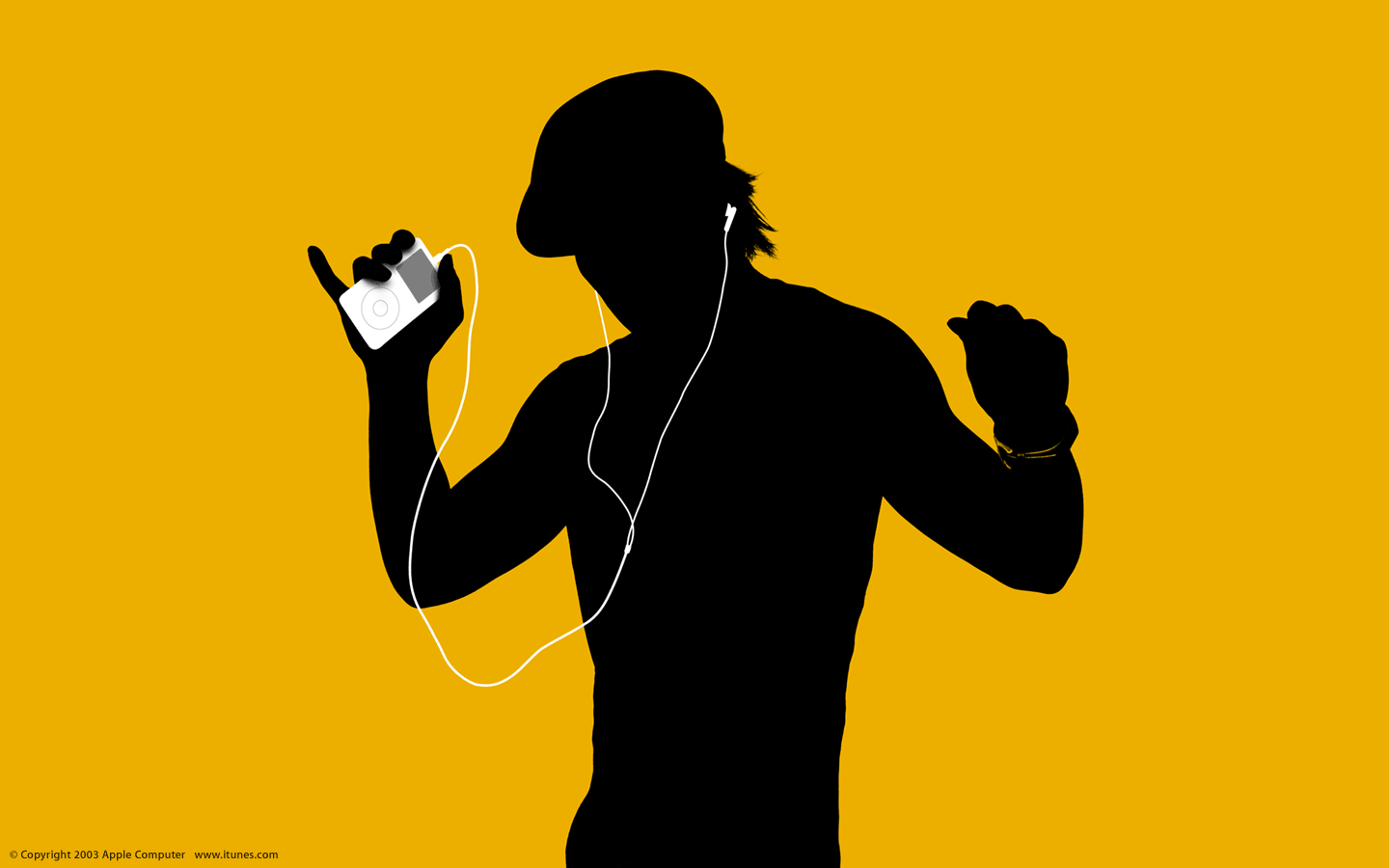
 February 26, 2008: Less than five years after launching, the iTunes Music Store becomes the No. 2 music retailer in the United States, second only to Walmart.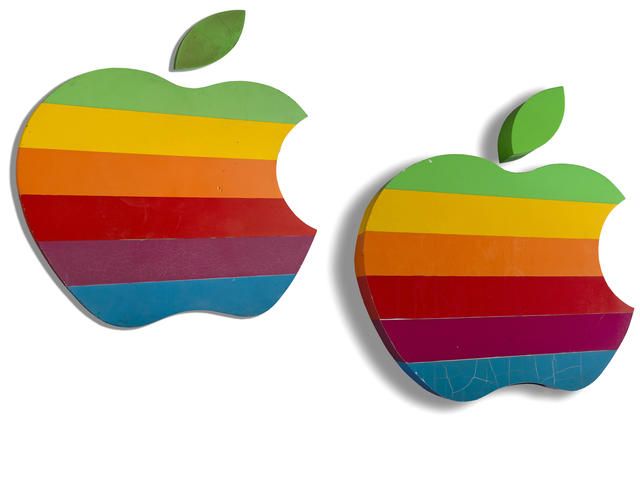
 February 25, 1981: Original Apple CEO Michael Scott oversees a mass firing of employees, then holds a massive party. The Apple layoffs follow a hiring boom that led to what Scott called a “bozo explosion” at the company. They also stand as an early sign that the fun startup culture of Apple’s early days are gone forever.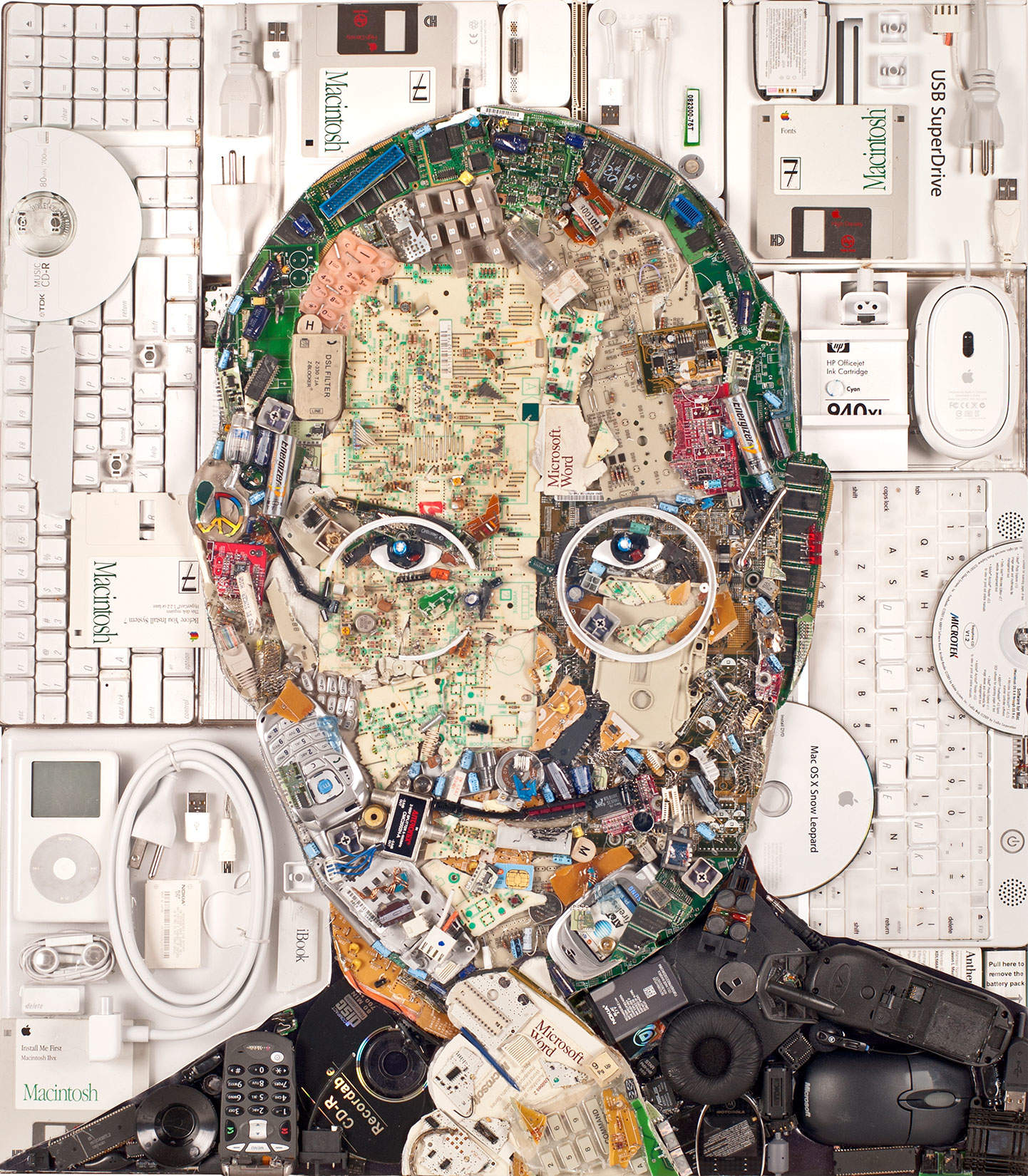
 February 24, 1955: Steve Jobs is born in San Francisco. He will go on to co-found Apple and become one of the most important figures in the history of consumer technology. He’s also probably a big part of why you’re reading this website right now.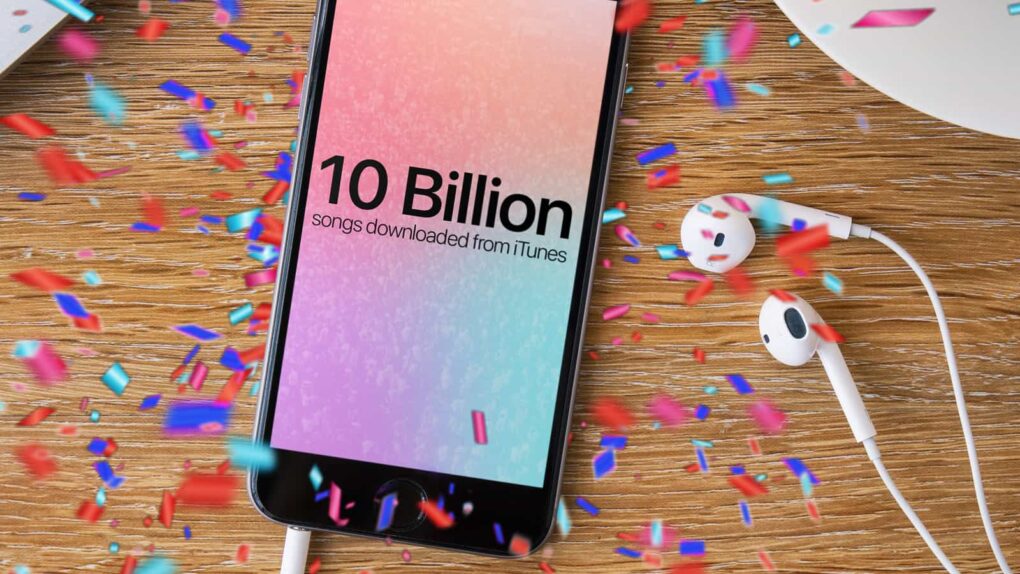
 February 23, 2010: The iTunes Store officially passes the 10 billion music downloads mark, reaching a major milestone. The 10 billionth purchase? “Guess Things Happen That Way” by Johnny Cash.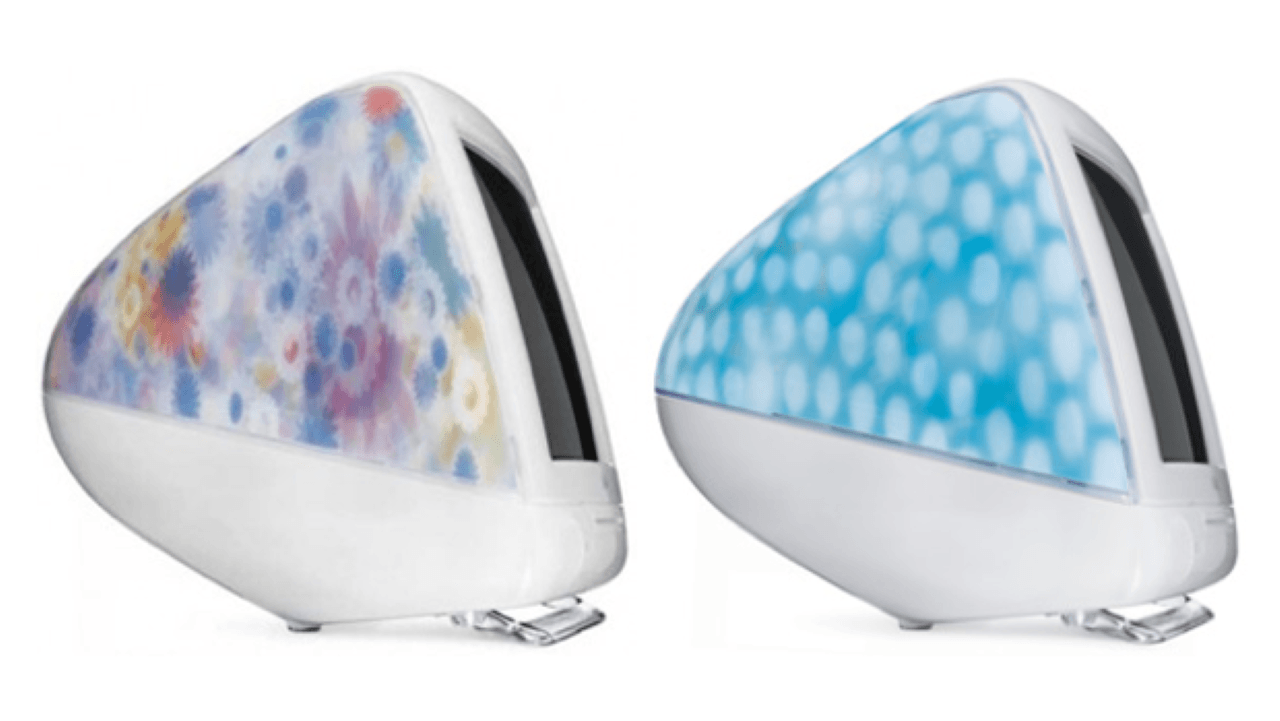
 February 22, 2001: The iMac Special Edition, sporting wild designs that would make a hippie happy, puts a wacky face on the colorful computer that saved Apple’s bacon at the turn of the century. The Flower Power iMac and Blue Dalmatian iMac evoke tie-dye shirts and other unconventional ’60s-era imagery.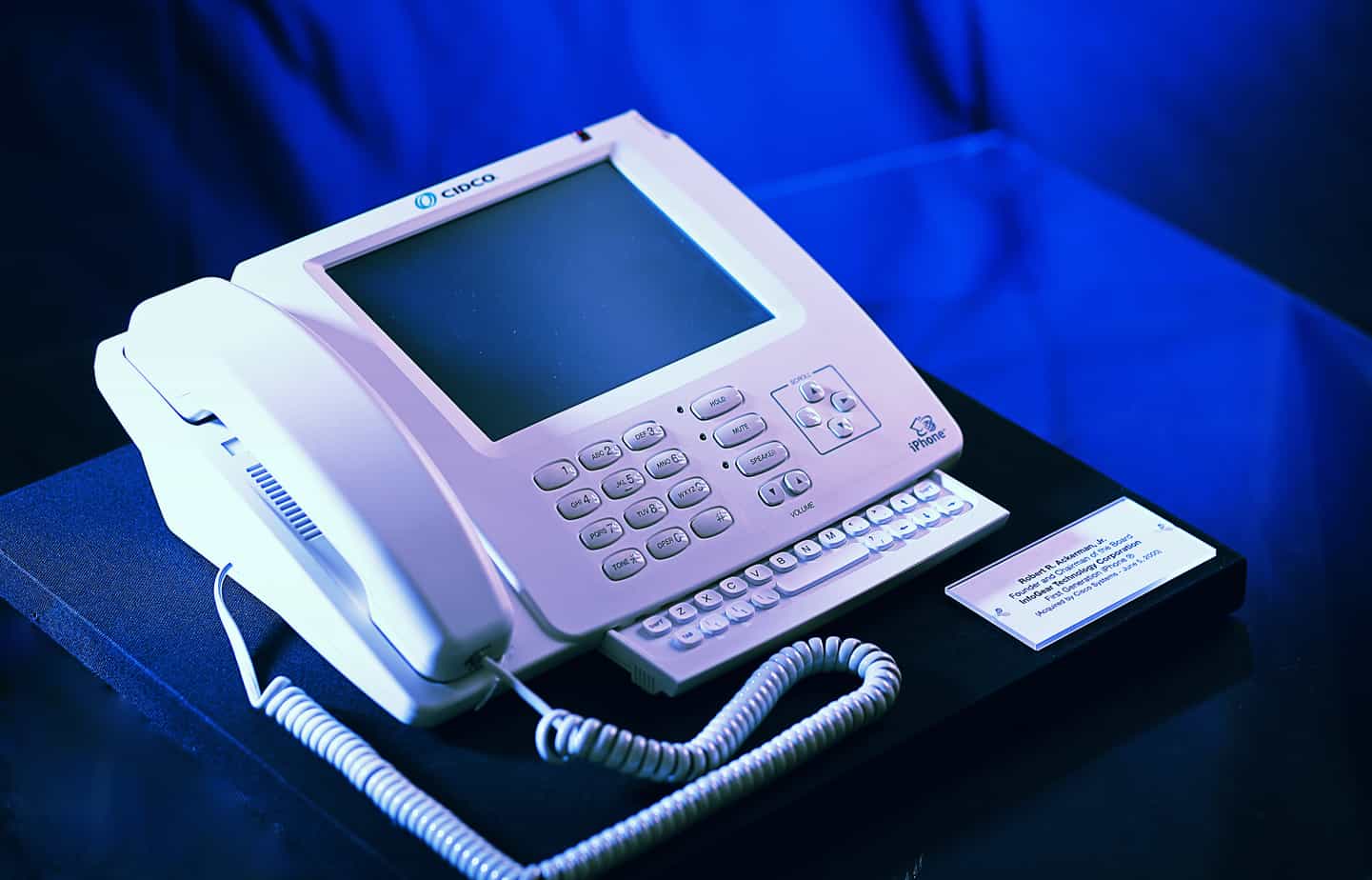
 February 21, 2007: Apple comes to an agreement with Cisco over the iPhone trademark, which Cisco legally owns but Apple wants to use.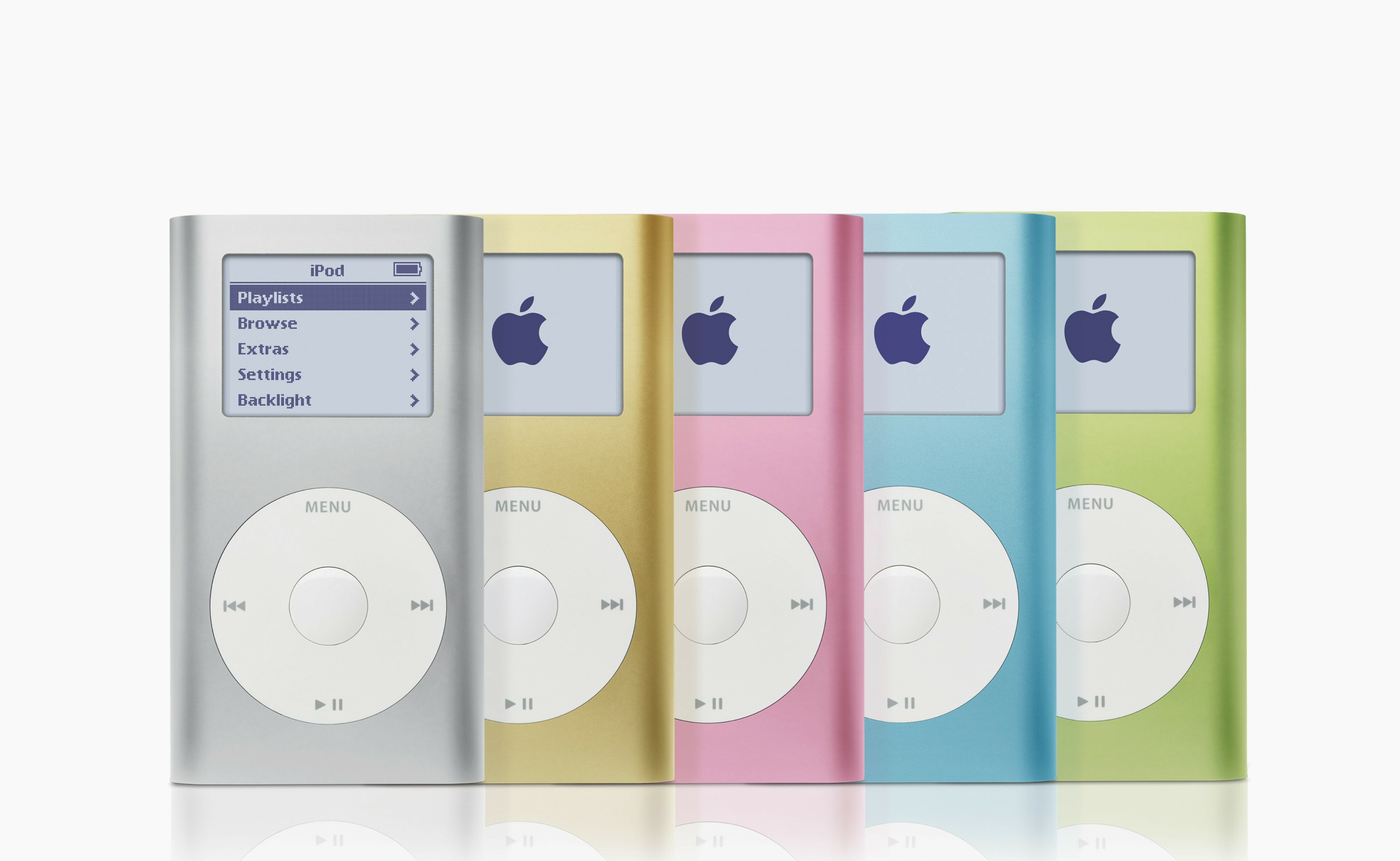
 February 20, 2004: Music goes small as the iPod mini launch brings the reimagined digital audio player to Apple stores.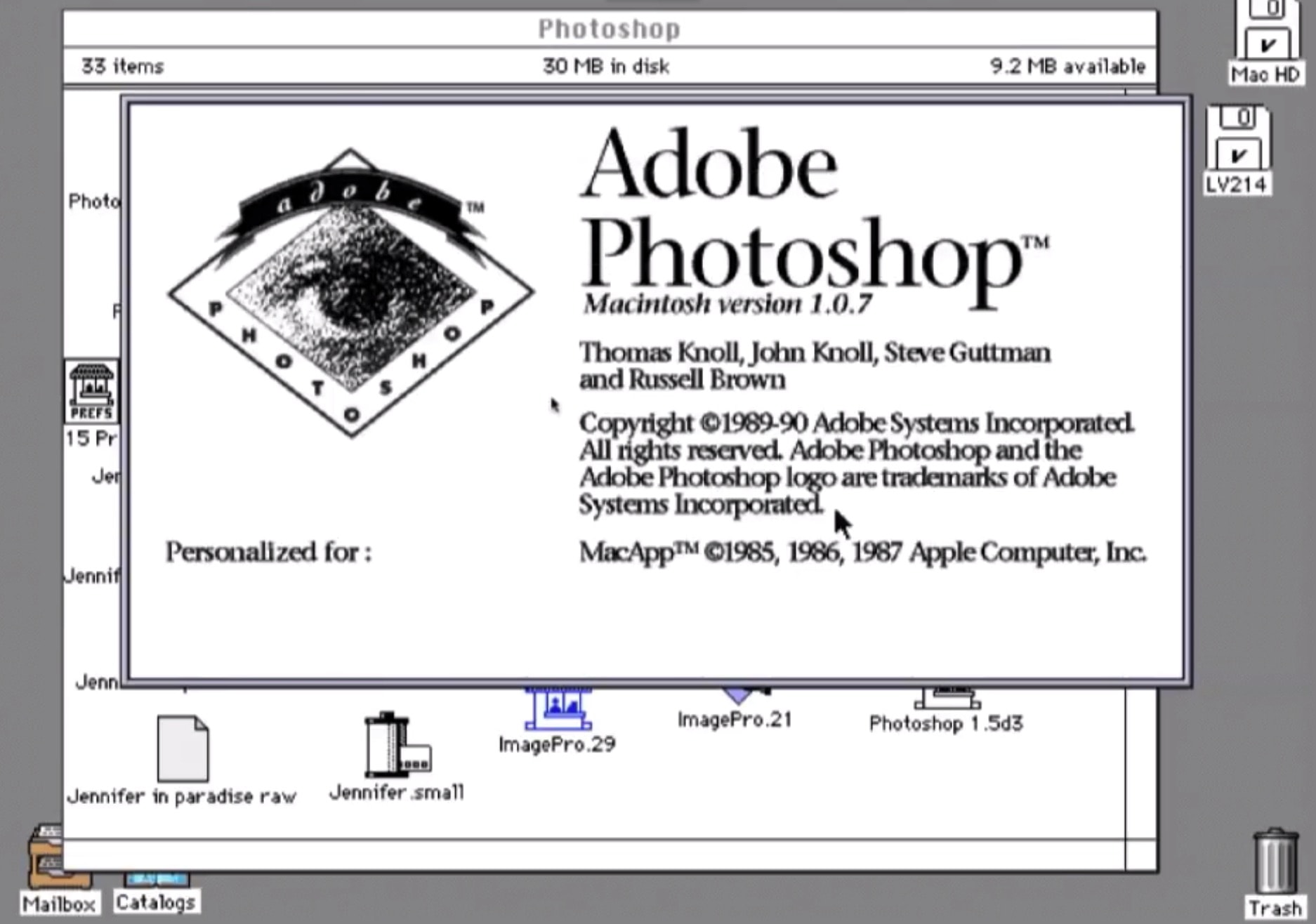
 February 19, 1990: Adobe Systems ships the first commercial version of its soon-to-be-iconic Photoshop photo editing software. The Photoshop launch, exclusively on the Macintosh, gives users powerful new tools for tweaking digital images.
 February 18, 2004: Apple CEO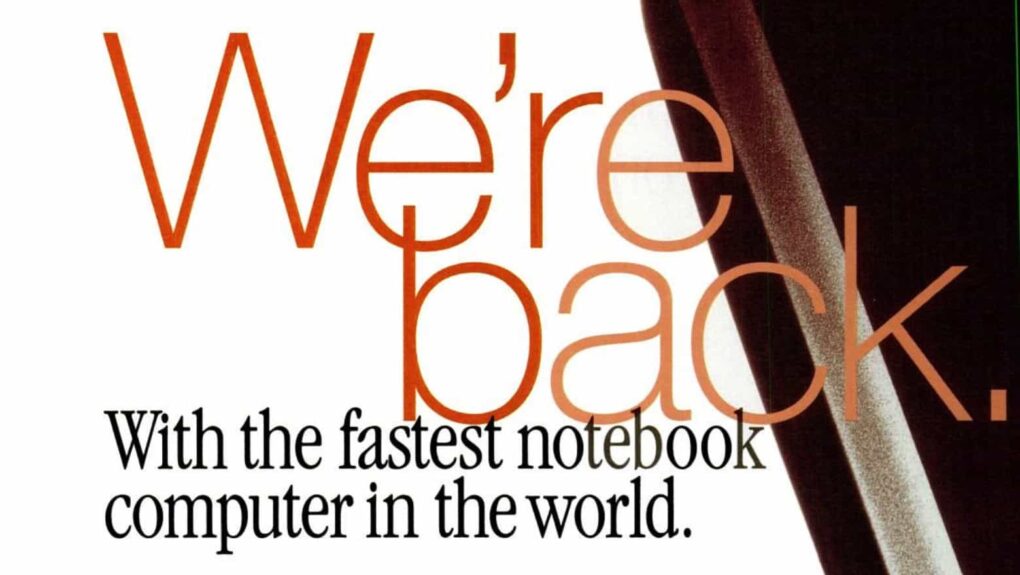
 February 17, 1997: Apple launches the PowerBook 3400, a laptop the company calls the fastest portable computer in the world.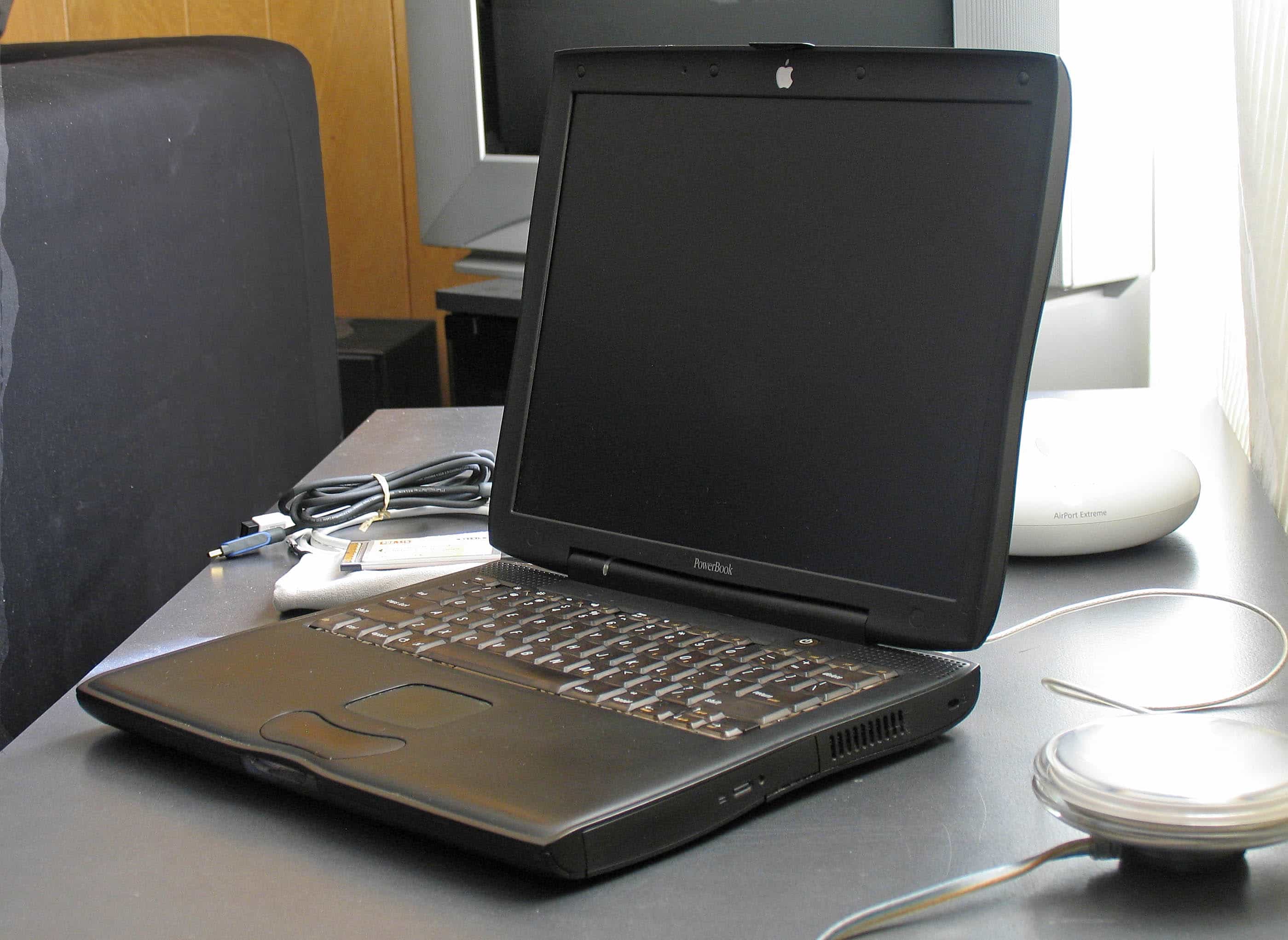
 February 16, 2000: Apple introduces the “Pismo” PowerBook, the finest of its G3 laptops. In the view of many, it’s one of the best Apple laptops ever.