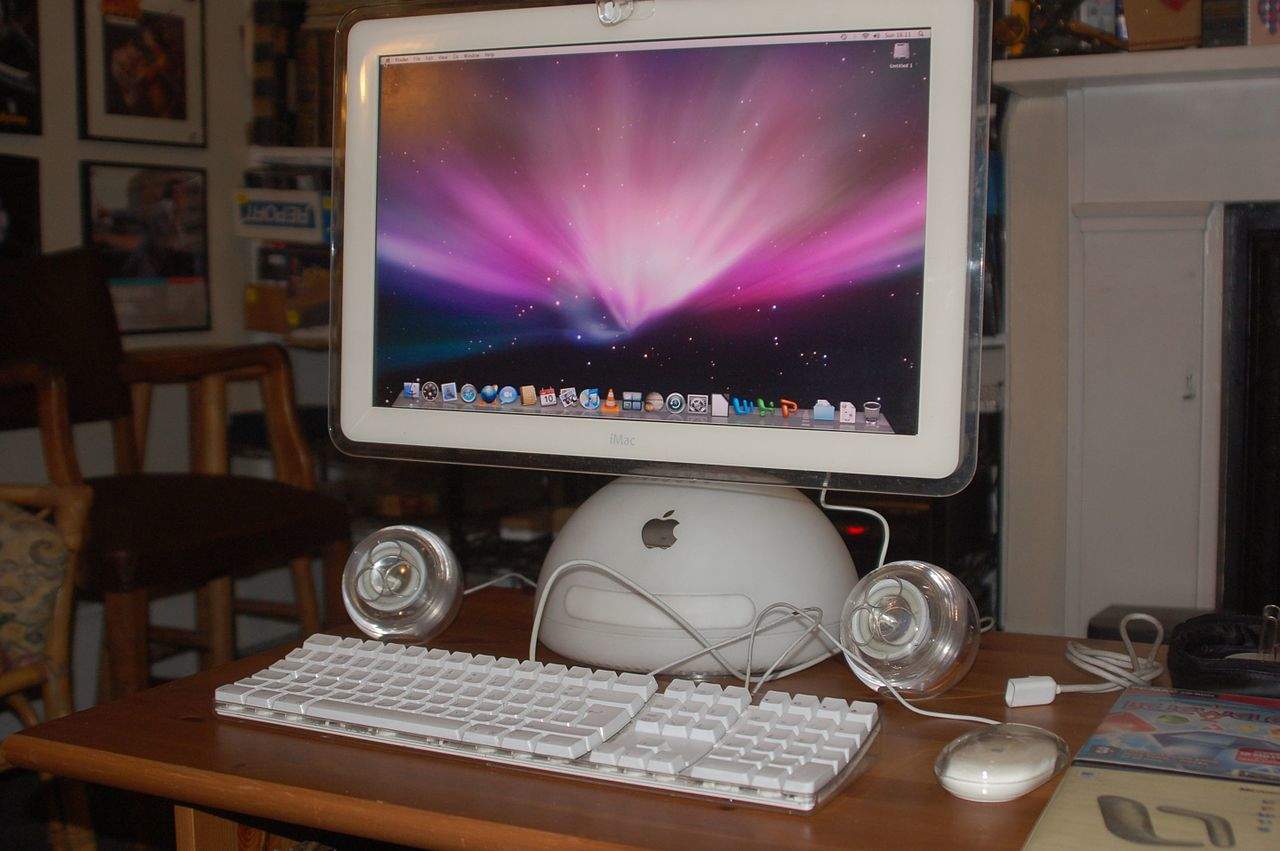
Apple's 20-inch iMac G4 in all its glory. Photo: Wikipedia CC
November 18, 2003: Apple debuts a new iMac G4 sporting a 20-inch screen, the company’s biggest flat-panel all-in-one computer ever.
The introduction makes an already superb Mac even better. Somehow, though, the additional screen real estate makes the new Mac weigh twice as much as the 17-inch model.
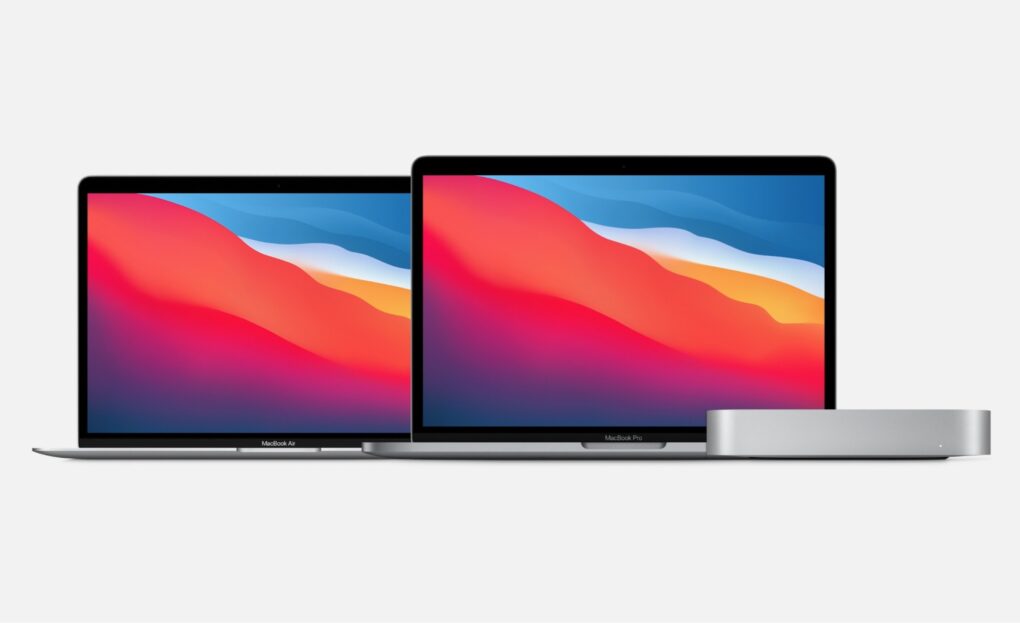
The first three M1 Macs: the MacBook Air, MacBook Pro and Mac mini. Image: Apple
November 17, 2020: Apple releases the first three Macs powered by the company’s new M1 chip. The Apple silicon processor sparks a renaissance at Apple, with the excellent new computers surprising nearly everyone with their bold mix of power and efficiency.
The switch to Apple silicon could not have come soon enough for Apple. The era of Intel-powered Macs began promisingly enough, but went out with a long whimper. The stark contrast in Apple’s commitment to the platform, and the unbelievable value the new Mac models offered, made the Apple silicon era a golden age for the Mac.
Steve Jobs sweet-talked an audio company exec to land the name "Macintosh." Photo: Apple
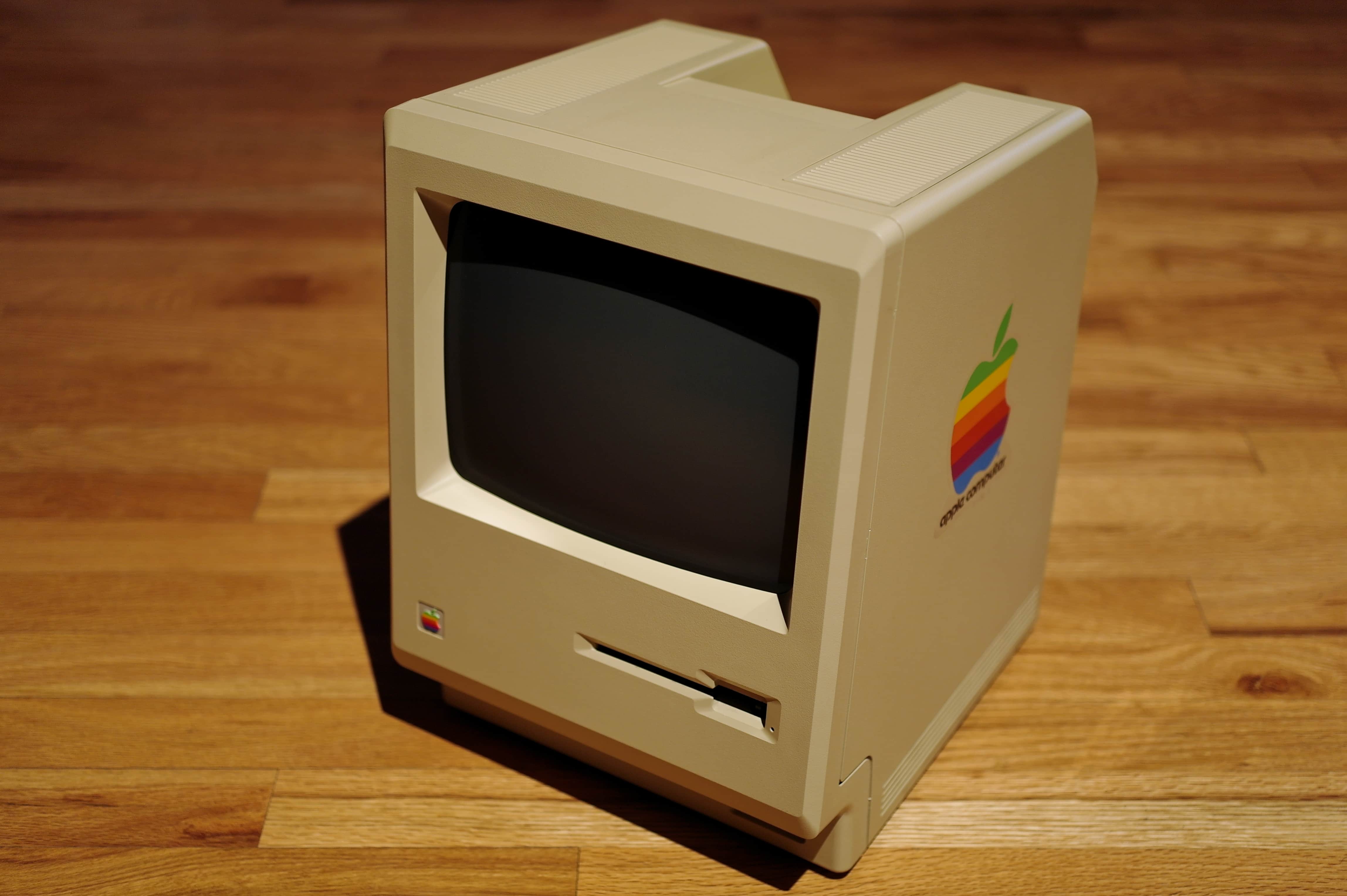
November 16, 1982: Intent on giving his company’s upcoming personal computer a memorable name, Apple co-founder Steve Jobs pens an impassioned plea to audio company McIntosh Laboratory. In the letter, he asks permission to use the name “Macintosh.”
You can probably guess how the resulting discussions turned out!
November 15, 1990: Cupertino wins a design patent for the Apple Extended Keyboard II, arguably the greatest computer keyboard of all time.
Delivering the perfect combination of durability, feel and a pleasing click-clack sound, the Extended Keyboard II will become a mainstay of pro-grade Apple setups during the early 1990s — and perhaps the best-loved keyboard in Apple history. Courtesy of an ADB-to-USB adapter, some people continue to use these input devices today.
Goodbye, in-flight magazines! Photo: Jim Merithew/Cult of Mac
November 14, 2006: Apple teams up with a slew of airlines to offer the “first seamless integration” between iPods and in-flight entertainment systems.
A special dock will let iPod owners use the devices to play music and videos on planes’ seat-back displays. The plan promises to rid the world of old-fashioned in-flight movies and printed magazines.
The never-ending battle between Apple and Samsung takes another turn. Photo: Killian Bell/Cult of Mac
November 13, 2013: Apple and Samsung head back to court to determine how much the Korean company must pay for having copied the iPhone. Cupertino asks Samsung for $379 million in damages for ripping off key iPhone technical and design features.
Apple arrives at that number based on estimated lost profits, royalty rates and the $3.5 billion worth of copyright-infringing devices Samsung sold during the period in question.
Apple Cafes were set to sweep the world. They didn't. Image: Apple/Mega Bytes International
November 12, 1996: Apple lays out a wild plan to get into the restaurant business, saying it will open a chain of Apple Cafes with a touchscreen point-of-sale system. A bit like the company’s future retail stores — but without the computers and iPhones for sale — the Apple restaurants would open in cities around the world.
The first, Apple says, will be a 15,000-square-foot restaurant in Los Angeles, opening in late 1997.
The iPad Pro was a big step forward for the iPad. Photo: Leander Kahney/Cult of Mac
November 11, 2015: Apple’s first iPad Pro goes on sale after months of speculation about the giant-size tablet.
With its much larger screen, professional-oriented targeting and dreaded (optional) stylus, the 12.9-inch iPad Pro represents Apple CEO Tim Cook’s cleanest break yet from Steve Jobs’ vision for iOS devices.
This is how Windows 1.0 looked when it shipped. Screenshot: Microsoft
November 10, 1983: Microsoft tells the world about an upcoming product called Windows that will bring the graphical user interface to IBM PCs. Although Microsoft’s announcement about the new operating system comes shortly before Apple launches the Mac, Windows 1.0 won’t actually ship until November 1985, earning it an early reputation as “vaporware.”
At the time, Apple doesn’t view Windows as much of a threat. That doesn’t take long to change, however.
Apple's innovative "Test Drive a Macintosh" ad campaign urged potential customers to take a Mac for a spin. Photo: Apple
November 8, 1984: After initial Mac sales prove disappointing, Apple CEO John Sculley dreams up the “Test Drive a Macintosh” marketing campaign to encourage people to give the revolutionary new computer a chance.
The promotional strategy advises people to drop into their local retailer and “borrow” a Macintosh for 24 hours. The idea is that, by the time potential customers need to return the Mac, they will have built up a bond with it — and realized they can’t live without one of Apple’s computers.
While 200,000 would-be customers take advantage of the offer, Apple dealers absolutely hate it.
The MessagePad 2100 was the last hurrah for Apple's Newton line. Photo: Moparx
November 7, 1997: Apple releases the Newton MessagePad 2100, the last and best iteration of the company’s early line of handheld devices.
Among its improvements over previous generations, the MessagePad 2100 packs expanded memory, enhanced speed and upgraded communications software. Nevertheless, the Newton’s fate is sealed. Apple CEO Steve Jobs, freshly returned to the company, will scrap the product line within months.
iTunes coming to Windows proved a smart move for Apple. Photo: Apple
November 6, 2003: After porting iTunes to Windows, Apple sets a new record for digital music sales: a massive 1.5 million downloads in one week.
Bringing the iTunes Music Store to PC users opens up a new, lucrative market for Apple. The record-breaking sales clock in at five times more than the 300,000 downloads that peer-to-peer file-sharing service Napster achieved in its debut week (remember it?). And 1.5 million is more than double the 600,000 iTunes downloads per week Apple reported selling to Mac users prior to the Windows release.
Steve Jobs was rounding out a brilliant 10 years at Apple. Photo: Stanford University
November 5, 2009:Fortune magazine names Steve Jobs “CEO of the decade.” The accolade comes just four months after Jobs returned to Apple after undergoing a liver transplant.
The business publication credits Jobs with transforming multiple industries, as well as continuing Apple’s meteoric rise. These achievements seem particularly noteworthy considering the tough economic conditions of the 2008 financial crash.
Desiring more control over how Macs got sold, Apple turned to CompUSA. Photo: Coolcaesar/Wikipedia CC
November 4, 1997: Apple unveils its plan to open small “store within a store” areas inside CompUSA outlets around the United States. Apple-trained employees will staff these mini-stores and sing the praises of the Mac and other Apple products.
The move gives Cupertino more control over the way its products are displayed and demoed to consumers. While ultimately disappointing, Apple’s CompUSA experiment paves the way for the flagship Apple Stores that will launch four years later and become the world’s most profitable retail outlets.
The Mac App Store opens its doors to developers. Photo: Apple
November 3, 2010: Apple prepares to launch the Mac App Store, publicly accepting app submissions from registered developers — and kicking off a gold rush among coders.
After witnessing the enormous sums of money raked in by early entrants in the iOS App Store, the easy-to-use digital storefront that revolutionized software distribution on the iPhone, developers flood Apple with new Mac apps.
The iPad mini made a big splash for such a tiny device. Photo: Apple
November 2, 2012: The first iPad mini goes on sale, shrinking both the size and the price tag of Apple’s groundbreaking tablet computer.
With a reduced screen size of 7.9 inches – instead of the then-standard 9.7 inches – the original iPad mini is the fifth iPad to be released by Apple. Critics hail Apple’s most affordable iPad ever, although some people complain about the tablet’s lack of a Retina display.
The iPhone was immediately recognized as a breakthrough device. Photo: Time
November 1, 2007: Six months after Steve Jobs showed it off, the original iPhone becomes Time magazine’s “best invention of the year.”
The iPhone stands out from the rest of 2007’s gadget pack, which includes the Nikon Coolpix S51c digital camera, the Netgear SPH200W Wi-Fi Phone and the Samsung P2 music player. Remember those? (Yeah, we thought not.)
Artists like Kanye West helped drive music video downloads past 1 million in less than 20 days. Photo: Rodrigo Ferrari/Flickr CC
October 31, 2005: Less than three weeks after launching video downloads with iTunes 6, Apple reveals that it has already sold more than 1 million music videos.
Apple’s dive into the online digital video market — with 2,000 music videos, Pixar short films and a selection of hit TV shows for $1.99 — looks like the logical next step after selling individual songs on iTunes. Passing the 1 million download benchmark so quickly suggests the plan is a roaring success.
The iPhone 3GS arrives in China, without Wi-Fi. Photo: Apple
October 30, 2009: Two years after launching in the United States, the iPhone finally goes on sale in China, giving Apple a chance to reach the world’s largest market.
Regulatory hurdles previously blocked Apple’s access to China, including restrictions on Wi-Fi functionality. With those problems solved, Apple offers the iPhone 3GS to the country’s 1.3 billion people, most of whom do not yet own smartphones.
The disastrous Apple Maps showed Scott Forstall the way out of Cupertino. Photo: Apple
October 29, 2012: Scott Forstall, Apple’s senior vice president of iOS software, is fired from the company after the disastrous Apple Maps launch. After Forstall is ousted, Apple divvies up the roles he previously handled among other high-level execs.
Design chief Jony Ive assumes leadership of the Human Interface team. Craig Federighi becomes head of iOS software. Eddy Cue takes control of Maps and Siri. And Bob Mansfield “unretires” to lead a new technology group.
French industrial architect Philippe Starck designed Steve Jobs' $118 million yacht. Photo: photostephan.eu/Wikimedia CC
October 28, 2012: More than a year after Apple CEO Steve Jobs’ death, the luxury yacht he commissioned is shown off for the first time, launched from a shipyard in North Holland. Called Venus, the distinctive-looking yacht was one of the big personal projects Jobs pursued in his final years.
As Jobs told biographer Walter Isaacson, “I have to keep going on it. If I don’t, it’s an admission that I’m about to die.”
Sadly, Jobs never lived to see the finished vessel.
At the turn of the century, some observers accused Steve Jobs of failing one of Apple's most popular markets. Photo: Ste Smith/Cult of Mac
October 27, 1999: Dell Computer overtakes Apple in the educational market, stealing Cupertino’s crown as the top company selling computers to U.S. schools. Dell’s cheap Windows PCs make sense for schools looking to buy computers without breaking the bank.
Apple CEO Steve Jobs, still in the process of rebuilding Apple after its near-collapse in the 1990s, faces heavy criticism for ignoring one of the company’s strongest markets.
The iPod Photo brought us one step closer to the iPhone. Photo: Apple
October 26, 2004: Apple debuts the iPod Photo, a device capable of putting not just 15,000 songs in your pocket, but also 25,000 photographs. The new device “lets you take your entire music and photo library with you wherever you go,” Apple says.
It is the first iPod to offer a color screen and the ability to display digital images and album cover art. The iPod Photo represents a big step forward in the functionality of Apple’s iconic music player.
October 25, 2003: Mac OS X Panther arrives on Macintosh computers, bringing several useful new features and making Safari Apple’s default web browser for the first time.
The new Exposé feature in OS X Panther lets Mac users instantly view all open windows at once. And the new iChat AV allows people to talk with audio and video as well as text.
People couldn't wait to discover Steve Jobs' next move. Image: Newsweek
October 24, 1988: Three years after leaving Apple, Steve Jobs prepares to launch the NeXT Computer, a machine he hopes will cement his reputation as a tech genius and blow away the machines produced by Cupertino.
The new NeXT Computer receives a wave of positive publicity. Fawning stories show exactly what the 33-year-old Jobs has been working on — and what’s coming next.
 November 18, 2003: Apple debuts a new iMac G4 sporting a 20-inch screen, the company’s biggest flat-panel all-in-one computer ever.

 November 16, 1982: Intent on giving his company’s upcoming personal computer a memorable name, Apple co-founder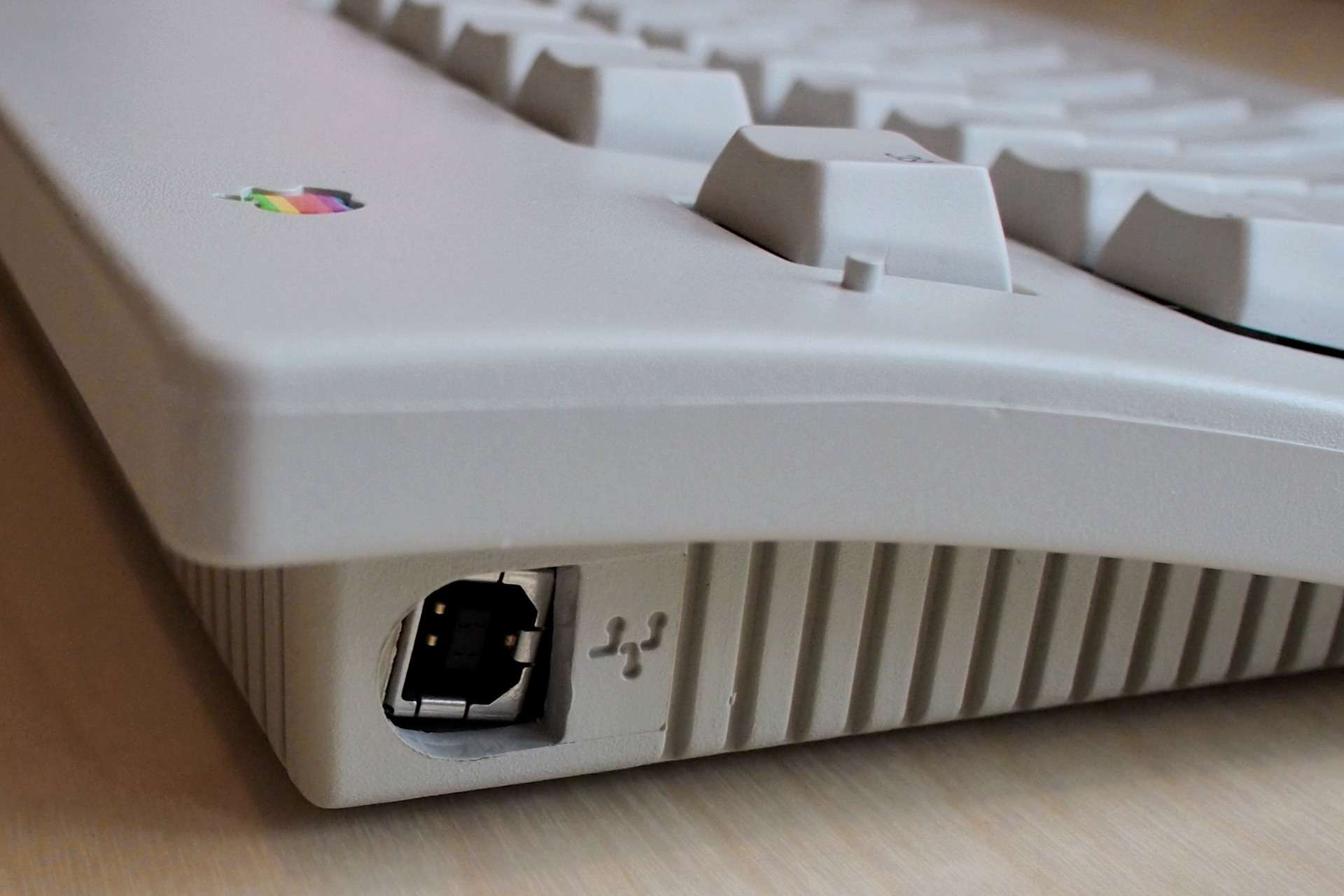
 November 15, 1990: Cupertino wins a design patent for the Apple Extended Keyboard II, arguably the greatest computer keyboard of all time.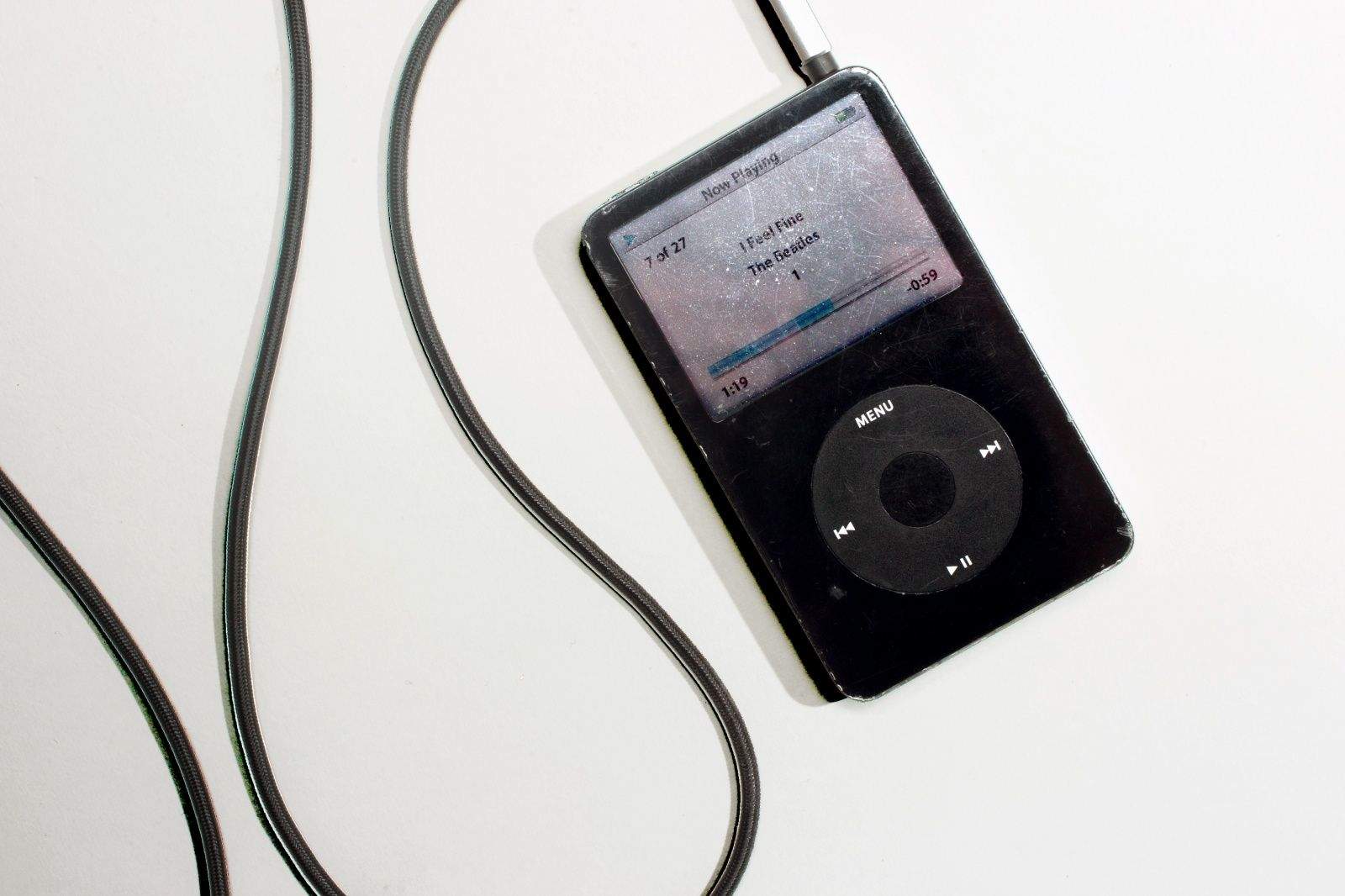
 November 14, 2006: Apple teams up with a slew of airlines to offer the “first seamless integration” between iPods and in-flight entertainment systems.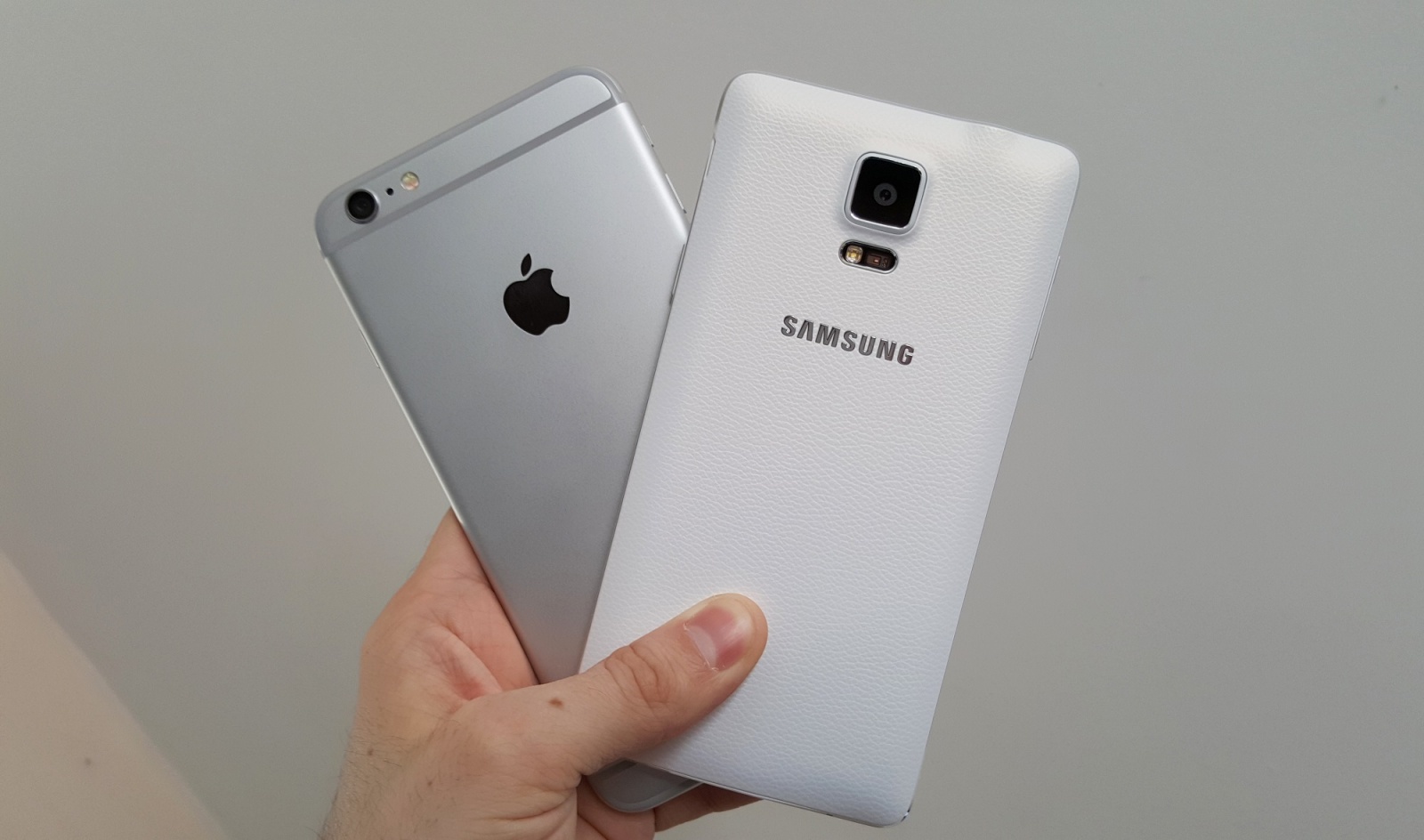
 November 13, 2013: Apple and Samsung head back to court to determine how much the Korean company must pay for having copied the
 November 12, 1996: Apple lays out a wild plan to get into the restaurant business, saying it will open a chain of Apple Cafes with a touchscreen point-of-sale system. A bit like the company’s future retail stores — but without the computers and iPhones for sale — the Apple restaurants would open in cities around the world.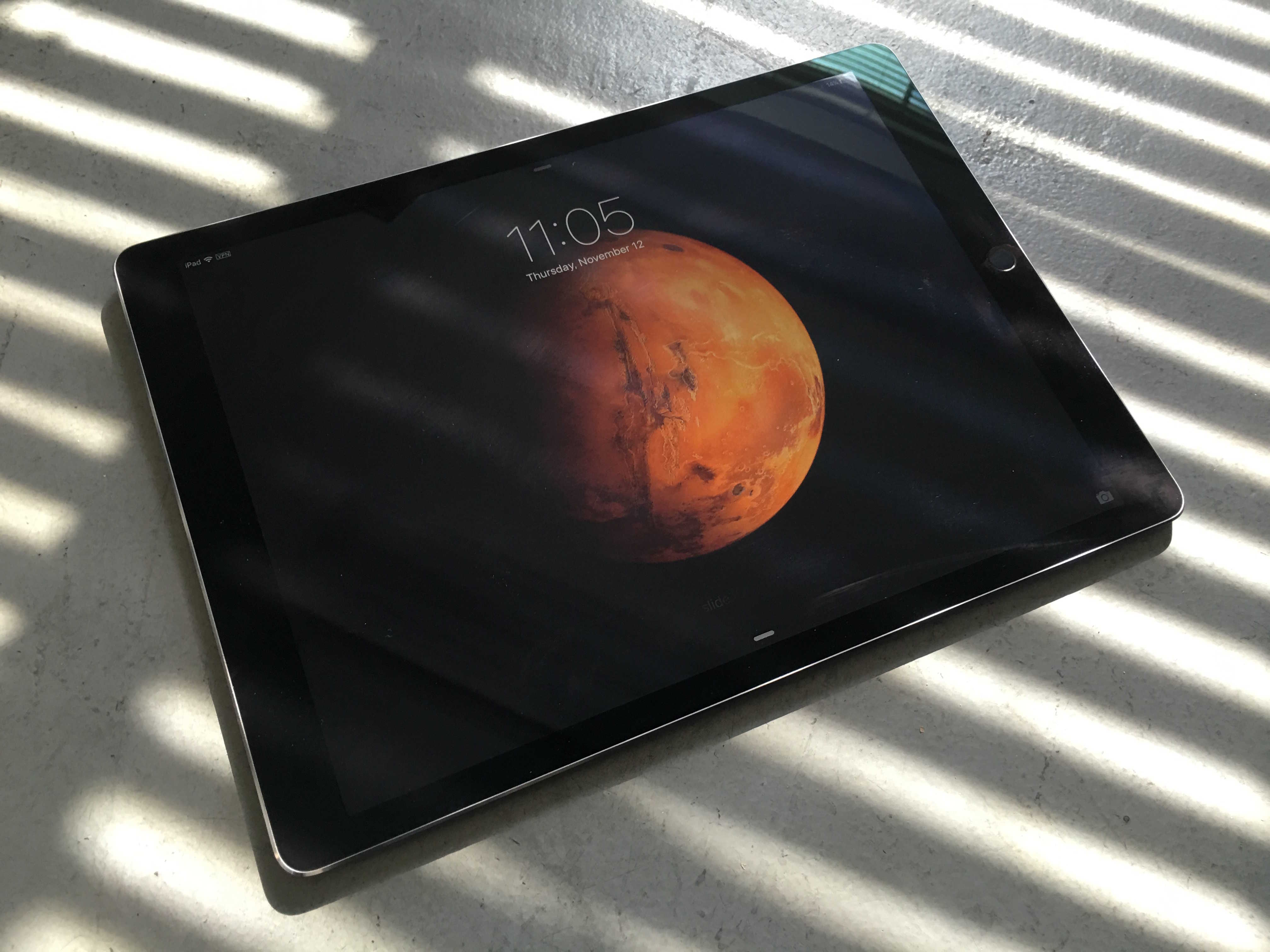
 November 11, 2015: Apple’s first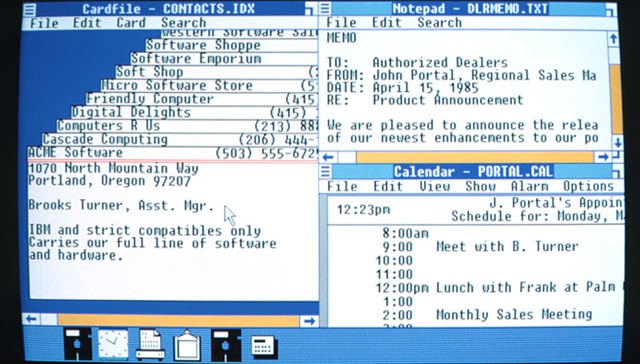
 November 10, 1983: Microsoft tells the world about an upcoming product called Windows that will bring the graphical user interface to IBM PCs. Although Microsoft’s announcement about the new operating system comes shortly before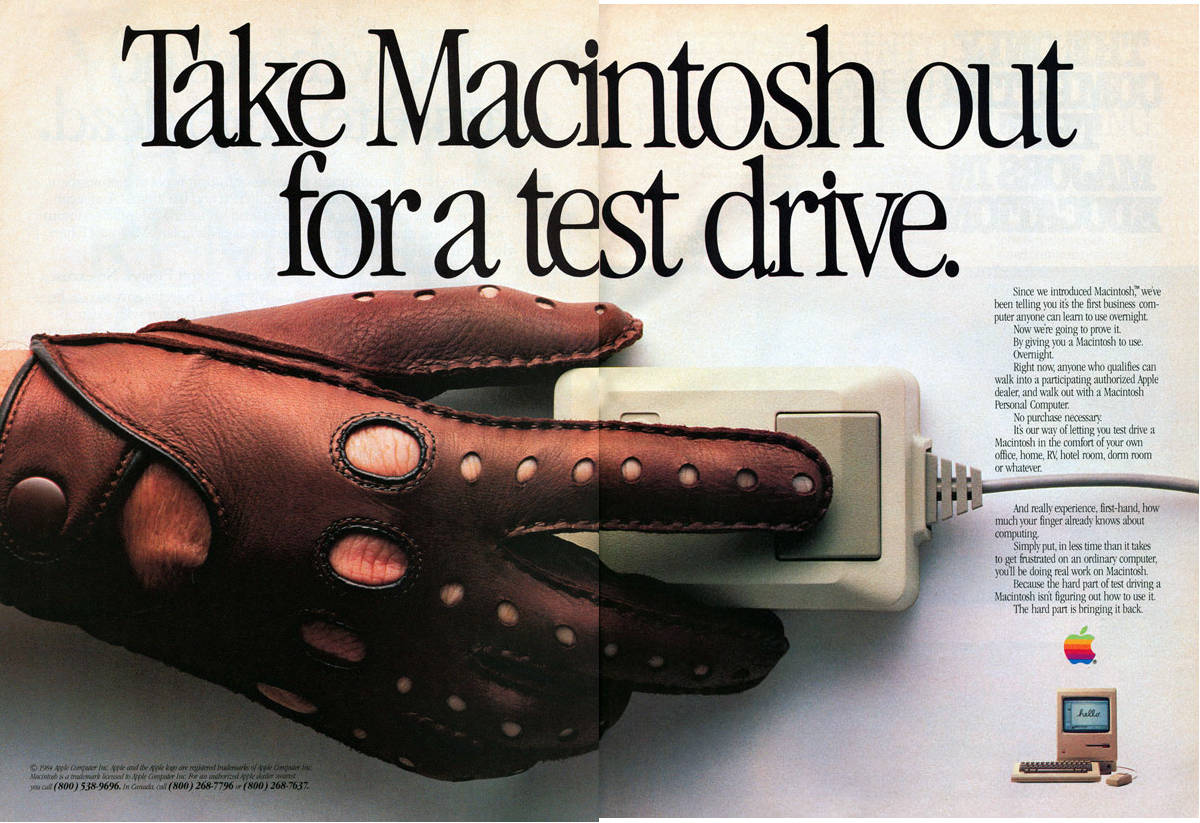
 November 8, 1984: After initial Mac sales prove disappointing, Apple CEO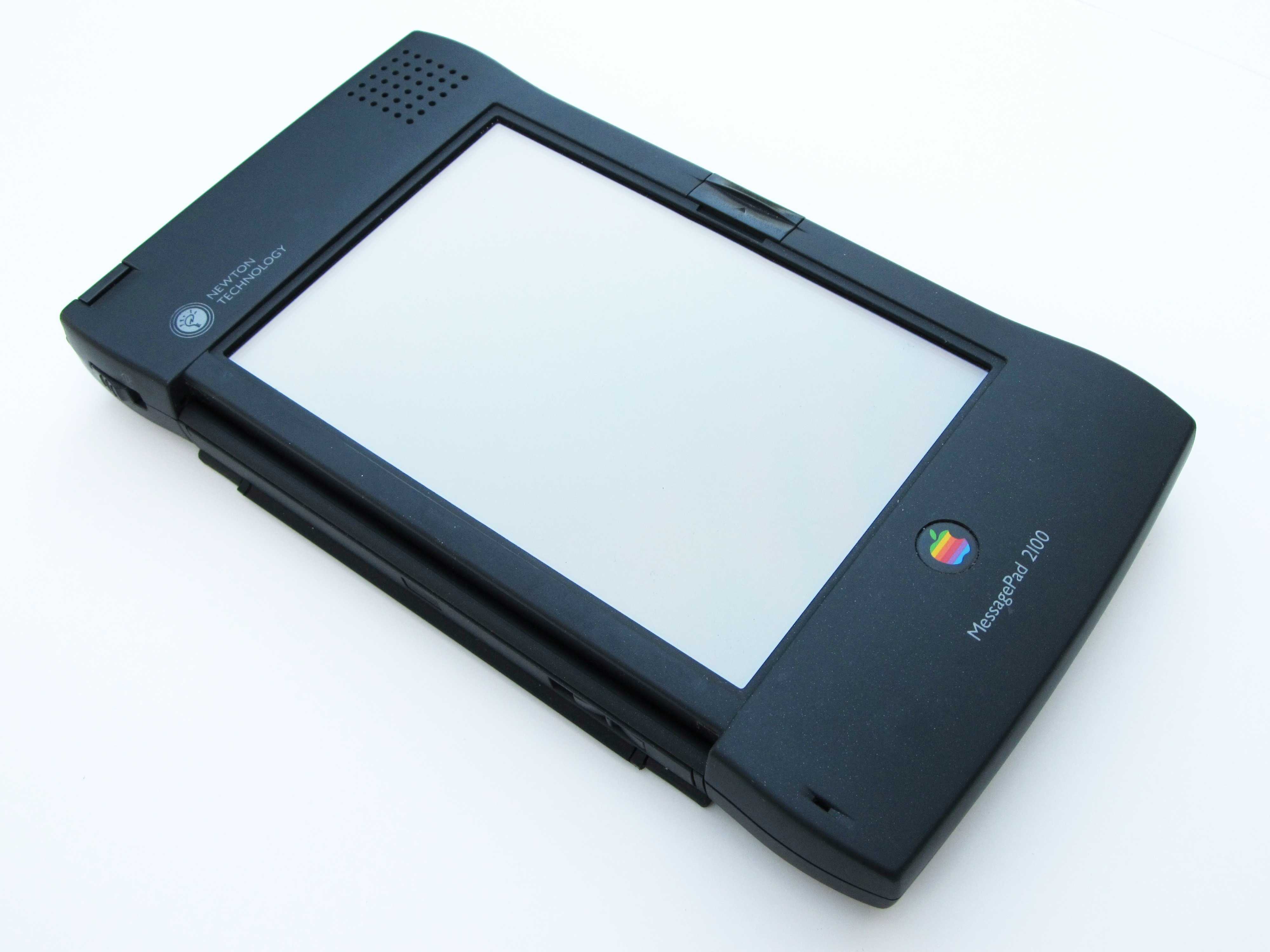
 November 7, 1997: Apple releases the Newton MessagePad 2100, the last and best iteration of the company’s early line of handheld devices.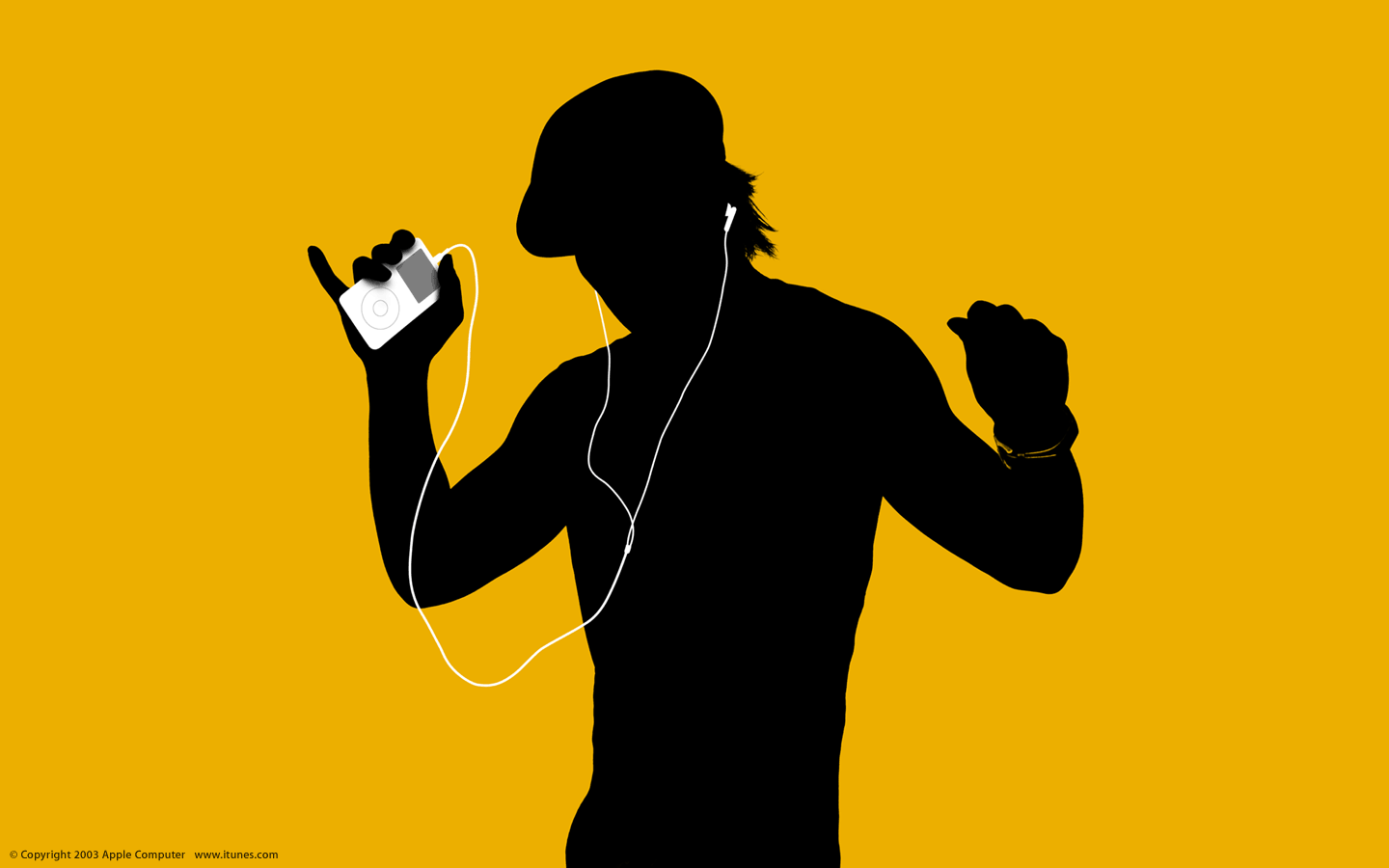
 November 6, 2003: After porting iTunes to Windows, Apple sets a new record for digital music sales: a massive 1.5 million downloads in one week.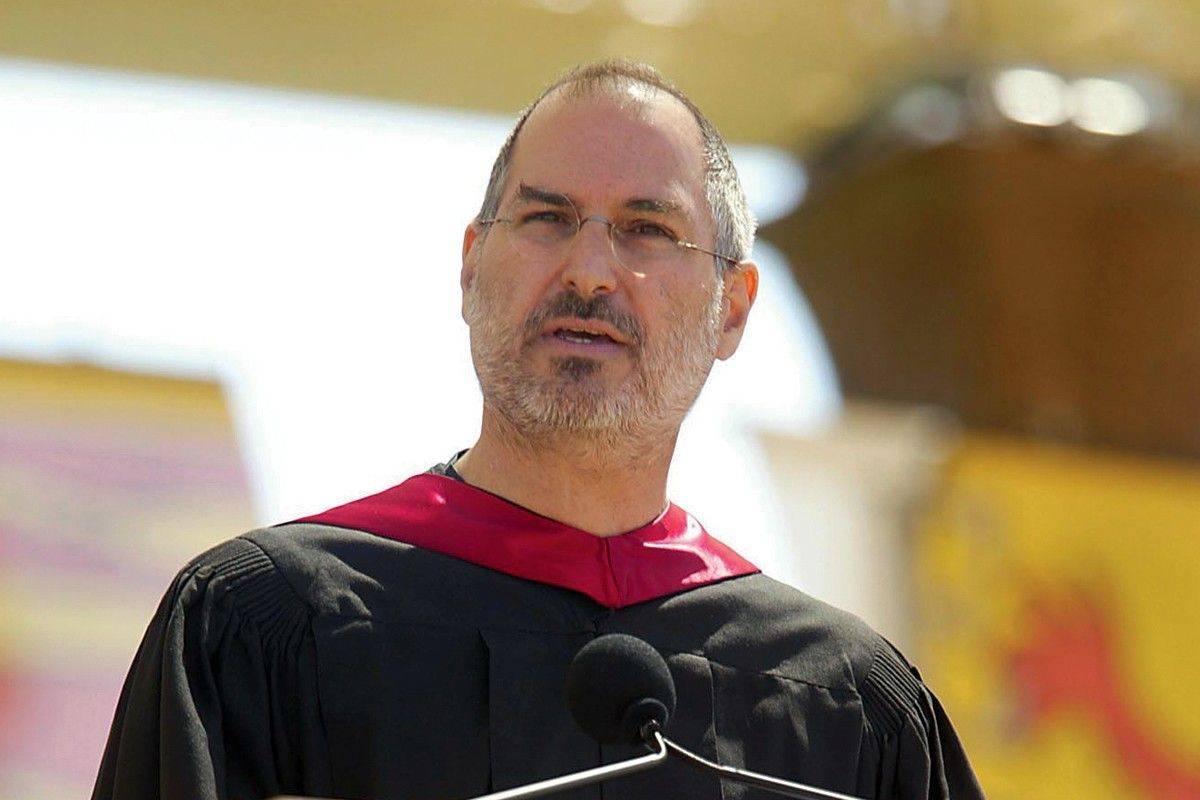
 November 5, 2009: Fortune magazine names Steve Jobs “CEO of the decade.” The accolade comes just four months after Jobs returned to Apple after
 November 4, 1997: Apple unveils its plan to open small “store within a store” areas inside CompUSA outlets around the United States. Apple-trained employees will staff these mini-stores and sing the praises of the Mac and other Apple products.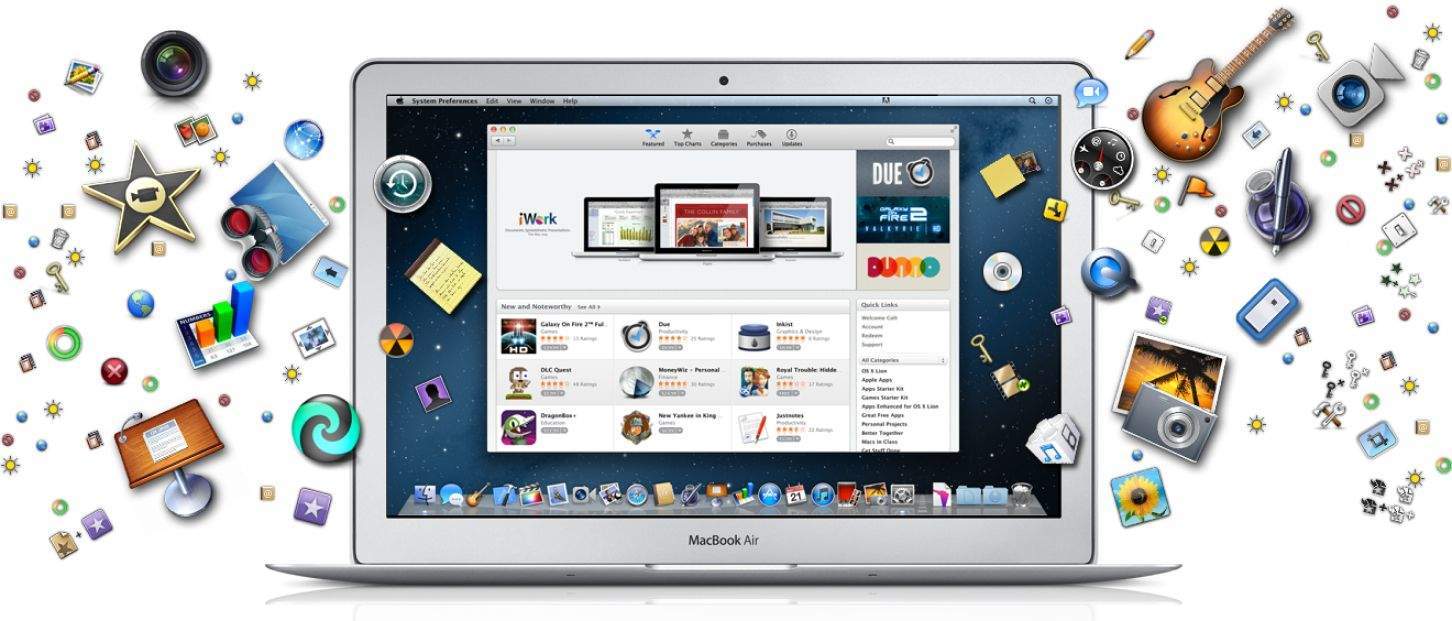
 November 3, 2010: Apple prepares to launch the Mac App Store, publicly accepting app submissions from registered developers — and kicking off a gold rush among coders.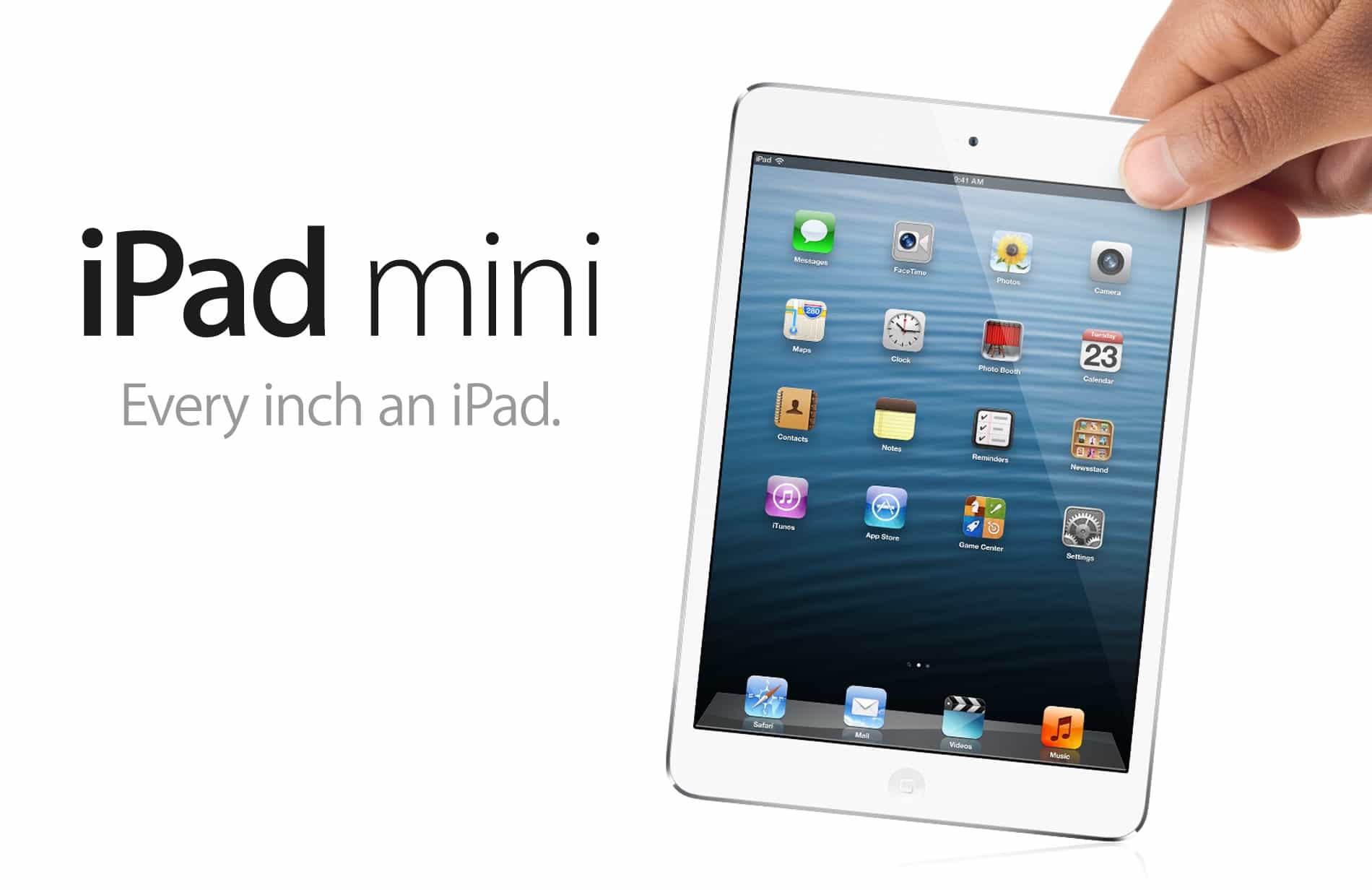
 November 2, 2012: The first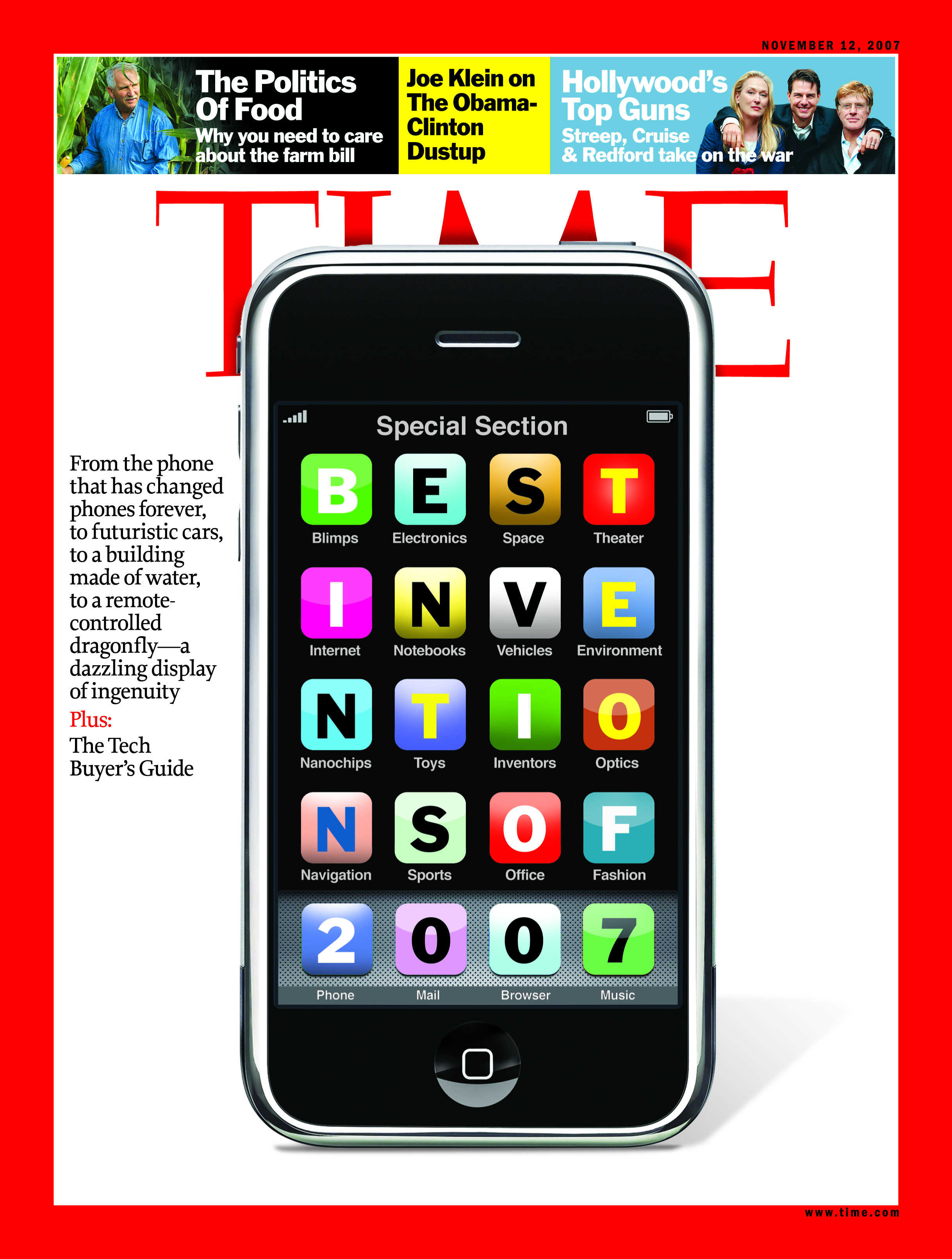
 November 1, 2007: Six months after Steve Jobs showed it off, the original iPhone becomes Time magazine’s “best invention of the year.”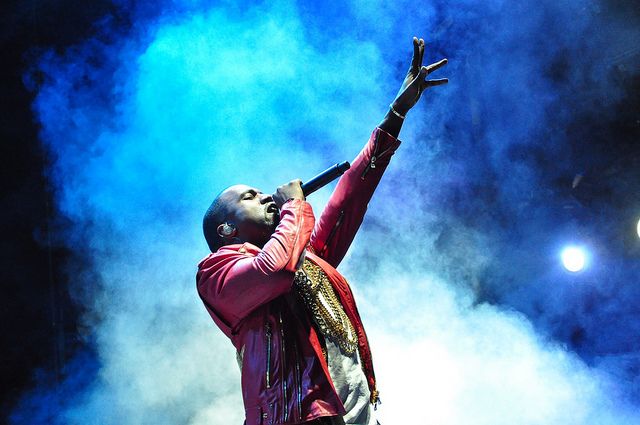
 October 31, 2005: Less than three weeks after launching video downloads with iTunes 6, Apple reveals that it has already sold more than 1 million music videos.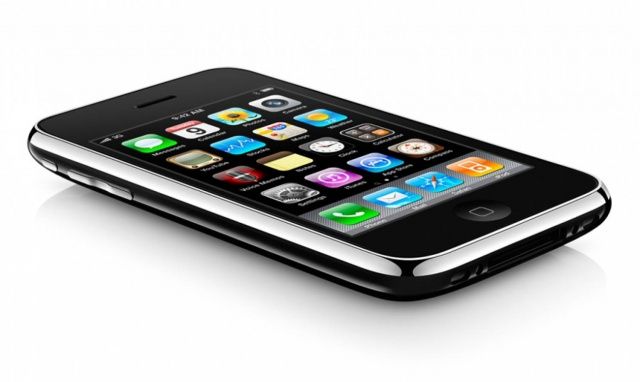
 October 30, 2009: Two years after launching in the United States, the
 October 29, 2012: Scott Forstall, Apple’s senior vice president of iOS software, is fired from the company after the disastrous Apple Maps launch. After Forstall is ousted, Apple divvies up the roles he previously handled among other high-level execs.
 October 28, 2012: More than a year after Apple CEO
 October 27, 1999: Dell Computer overtakes Apple in the educational market, stealing Cupertino’s crown as the top company selling computers to U.S. schools. Dell’s cheap Windows PCs make sense for schools looking to buy computers without breaking the bank.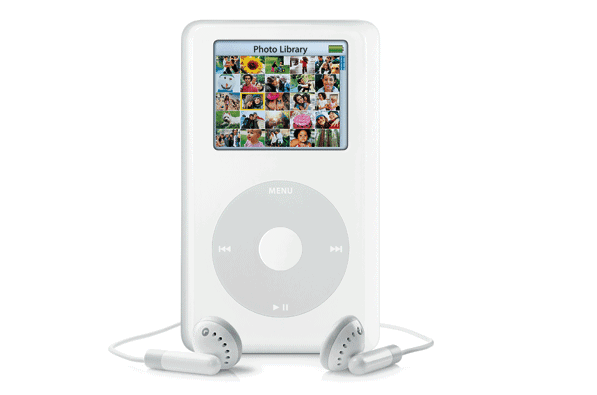
 October 26, 2004: Apple debuts the iPod Photo, a device capable of putting not just 15,000 songs in your pocket, but also 25,000 photographs. The new device “lets you take your entire music and photo library with you wherever you go,” Apple says.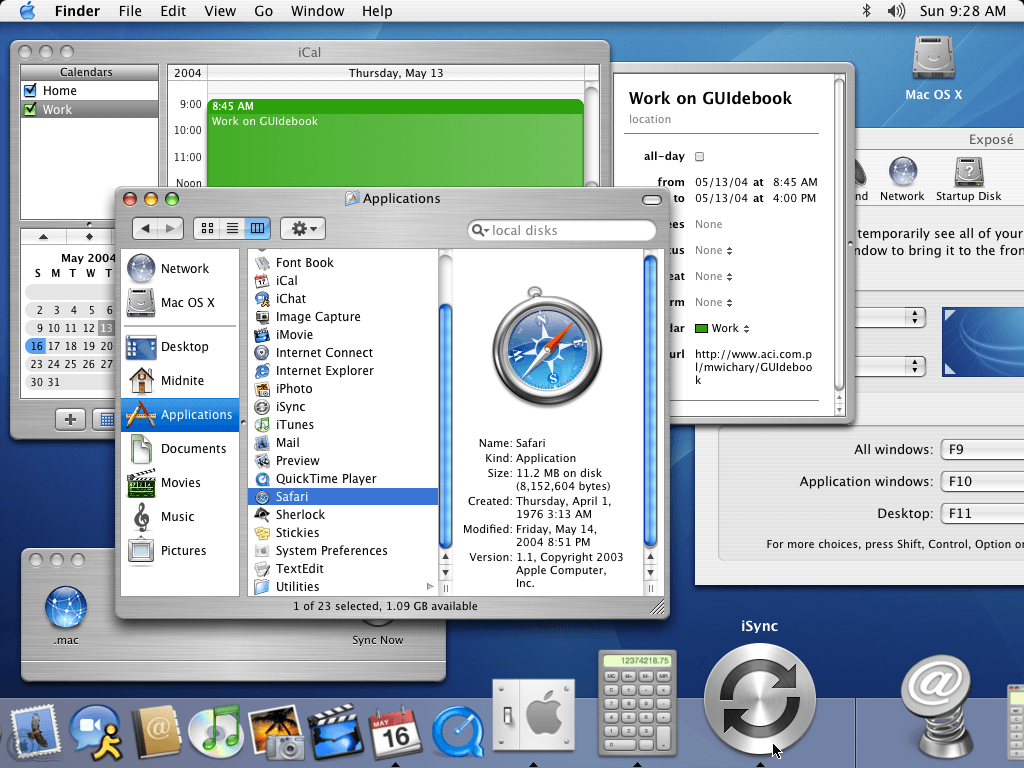
 October 25, 2003: Mac OS X Panther arrives on Macintosh computers, bringing several useful new features and making Safari Apple’s default web browser for the first time.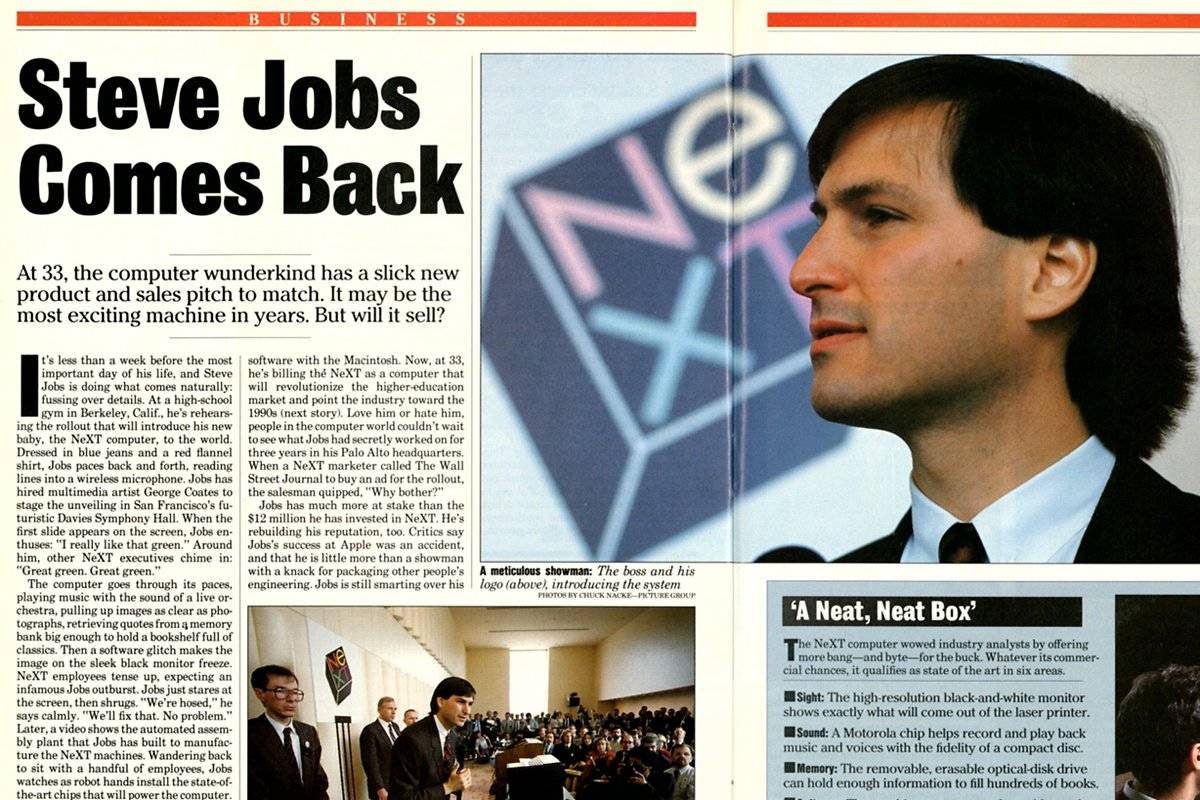
 October 24, 1988: Three years