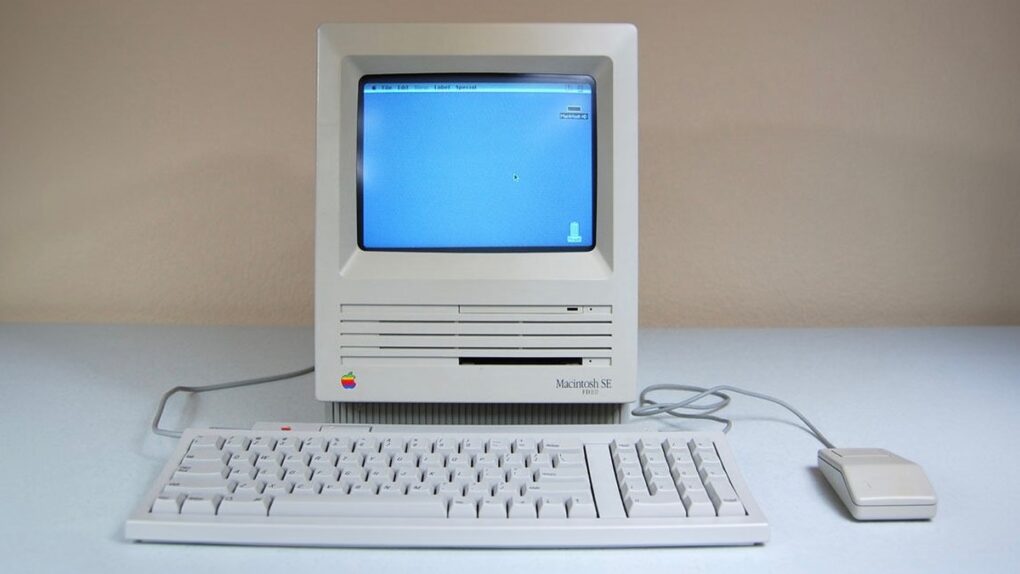
 August 1, 1989: Apple gives the Macintosh SE a storage bump, courtesy of the new SuperDrive in the new Mac SE FDHD. The high-density floppy disks the SuperDrive uses offer an astonishing (for the time) 1.4MB of storage.
In terms of portable storage, it’s a big step up for most Mac owners. The HD floppy disks compare very favorably to the 400KB single-sided double-density (SSDD) disks and 800KB double-sided double-density (DDSD) disks in use at the time.

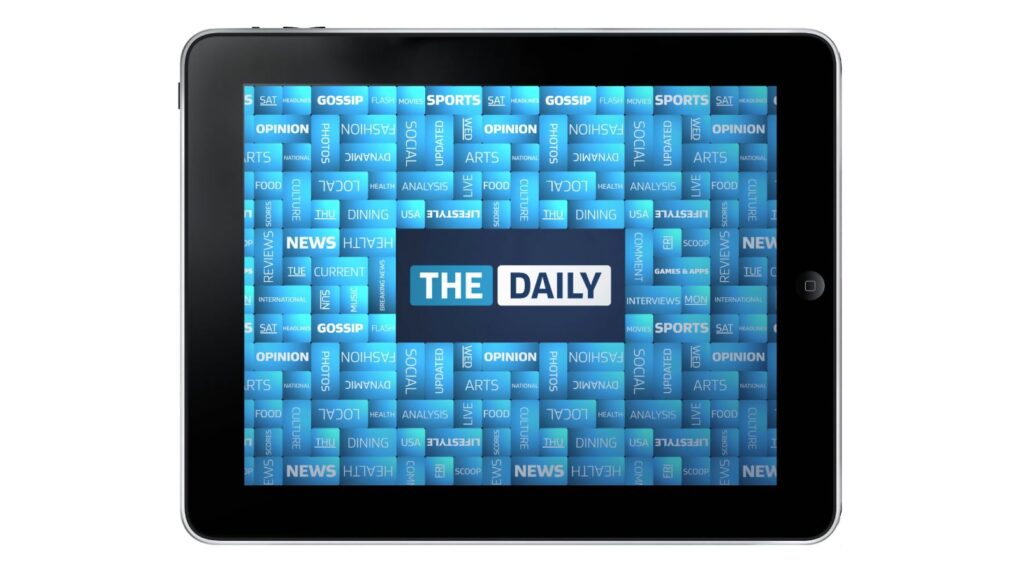
 July 31, 2012: The Daily, the world’s first iPad-only newspaper, lays off almost a third of its staff, signaling the demise of a bold publishing experiment.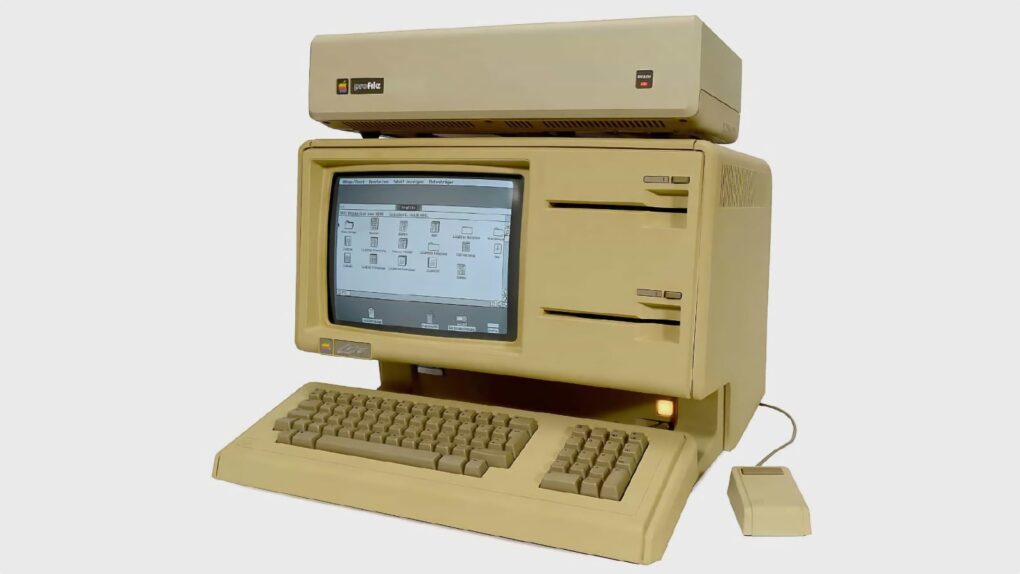
 July 30, 1979: Apple engineers begin work on the Lisa computer, the company’s first machine to come with a graphical user interface and mouse.
 July 29, 1993: Apple releases the Macintosh Centris 660av, a computer packed with innovative audiovisual features. These include an AppleVision monitor with microphone and speakers, and a port that can work as a modem with a telecom adapter. It also comes with PlainTalk, the first Apple software to recognize and synthesize speech.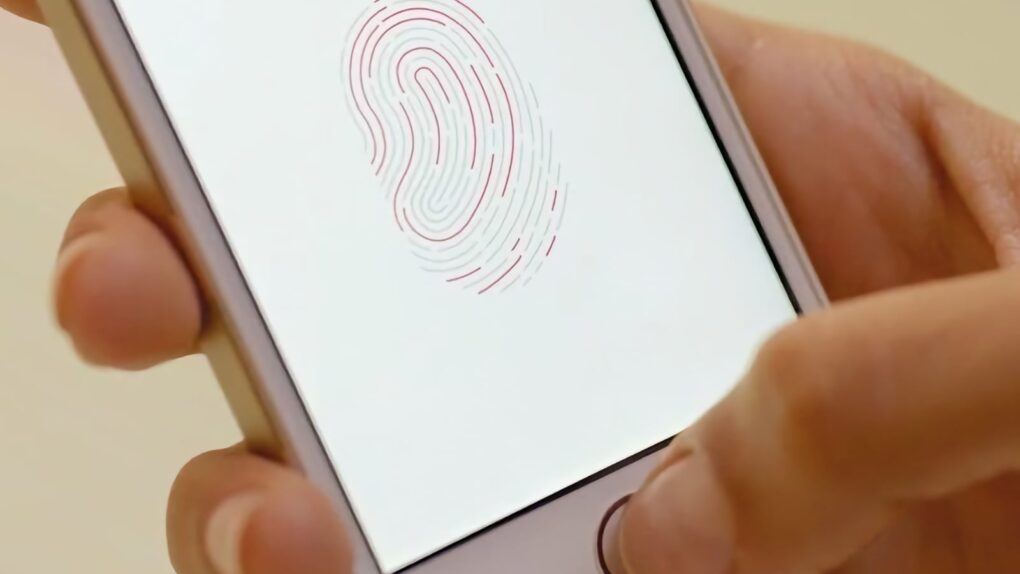
 July 28, 2012: Apple buys biometrics company AuthenTec, acquiring the technology that will power Touch ID for authentication and secure payments on the iPhone and other devices.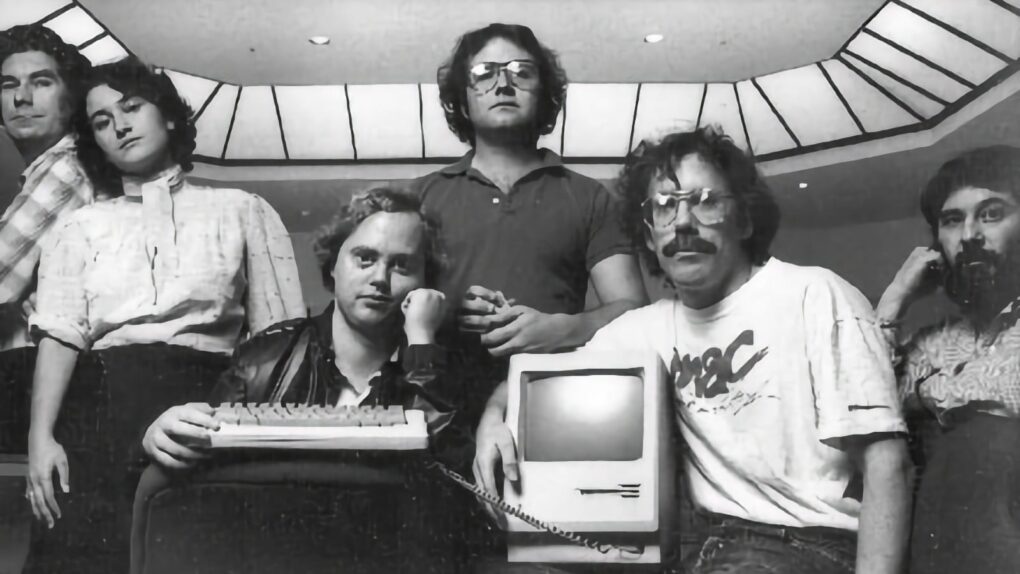
 July 27, 1955: Joanna Hoffman, who will join the original Macintosh and NeXT teams and become Steve Jobs’ first right-hand woman, is born in Poland.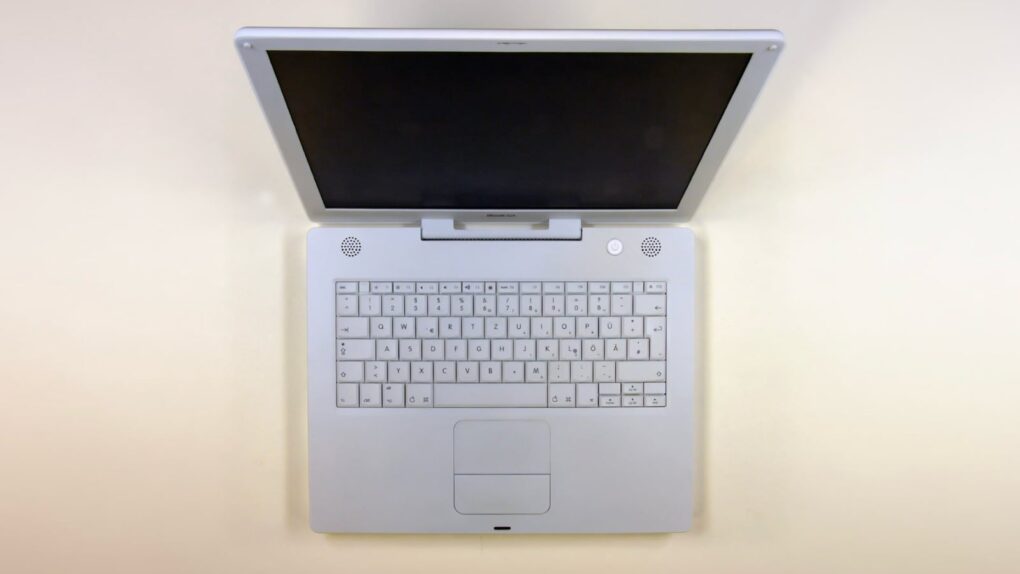
 July 26, 2005: Apple debuts the opaque white iBook G4, the last of its laptops to launch under the iBook name.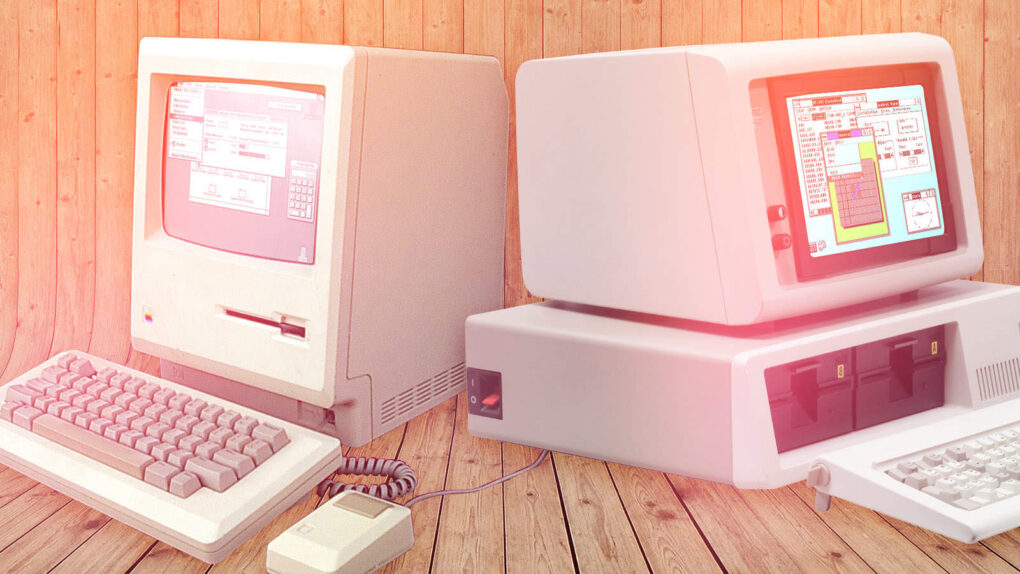
 July 25, 1989: Apple suffers a major setback in its copyright-infringement lawsuit against Microsoft for allegedly stealing the Mac’s “look and feel” to create Windows.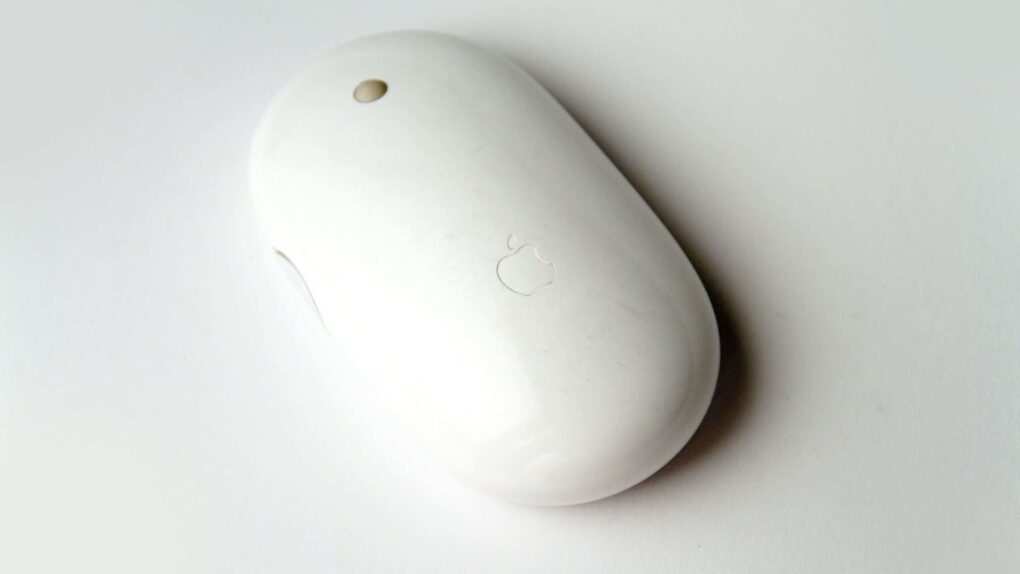
 July 24, 2006: The world gets its first glimpse of Apple’s new wireless Mighty Mouse, a multibutton Bluetooth device with super-accurate laser tracking.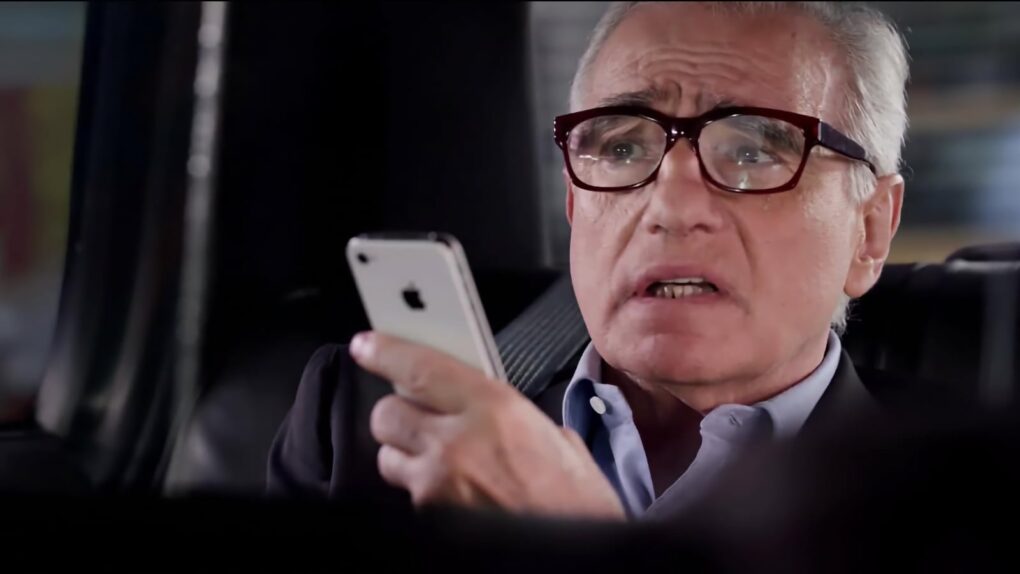
 July 23, 2012: Looking for the perfect spokesman for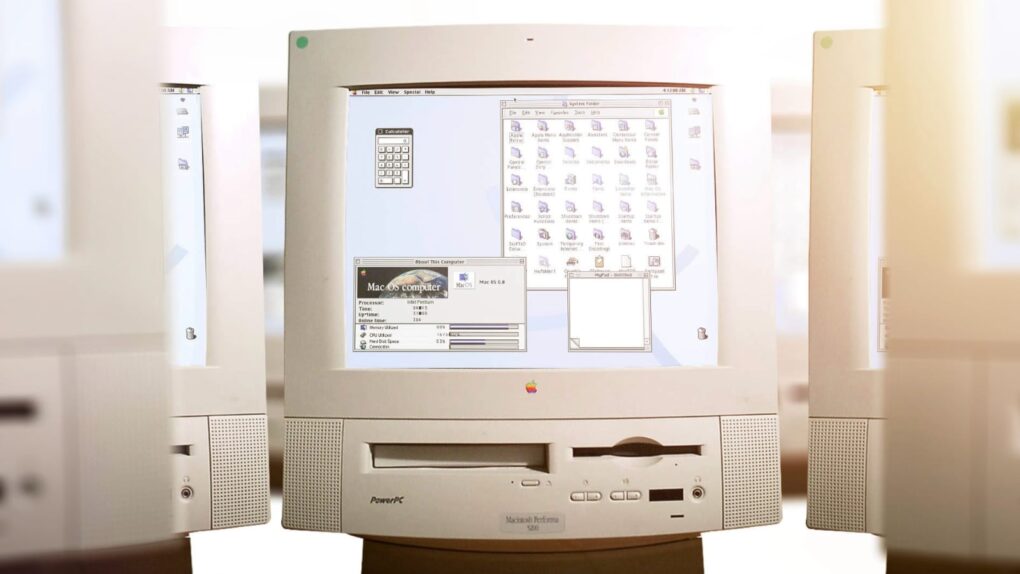
 July 22, 1997: Apple launches Mac OS 8, its next-gen operating system for Macintosh computers. The OS introduces a new three-dimensional look and makes surfing the internet easier than ever.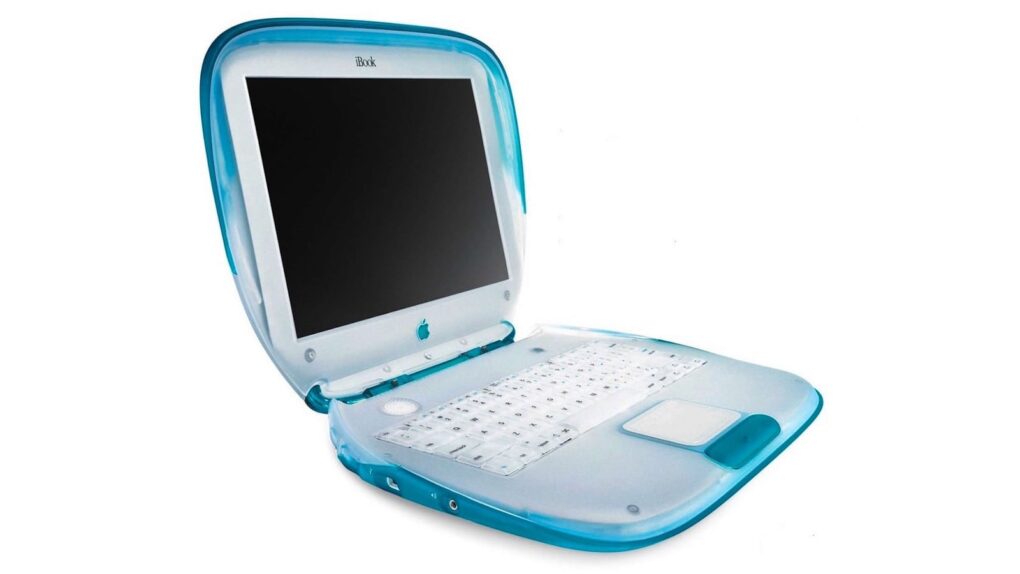
 July 21, 1999: The iBook, Apple’s colorful clamshell laptop that’s a hybrid of the iMac and the PowerBook, arrives and launches a Wi-Fi revolution.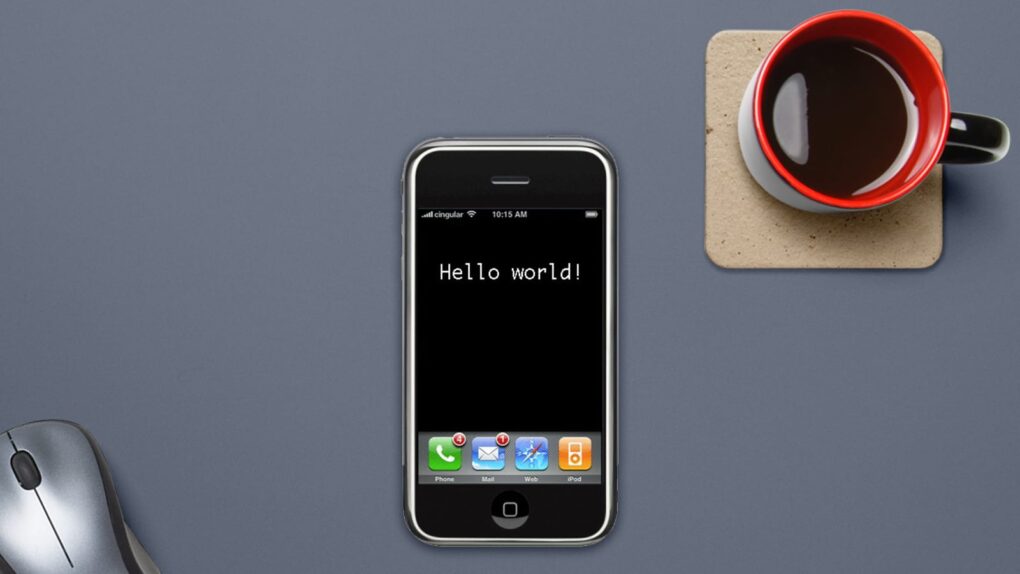
 July 20, 2007: Just a month after the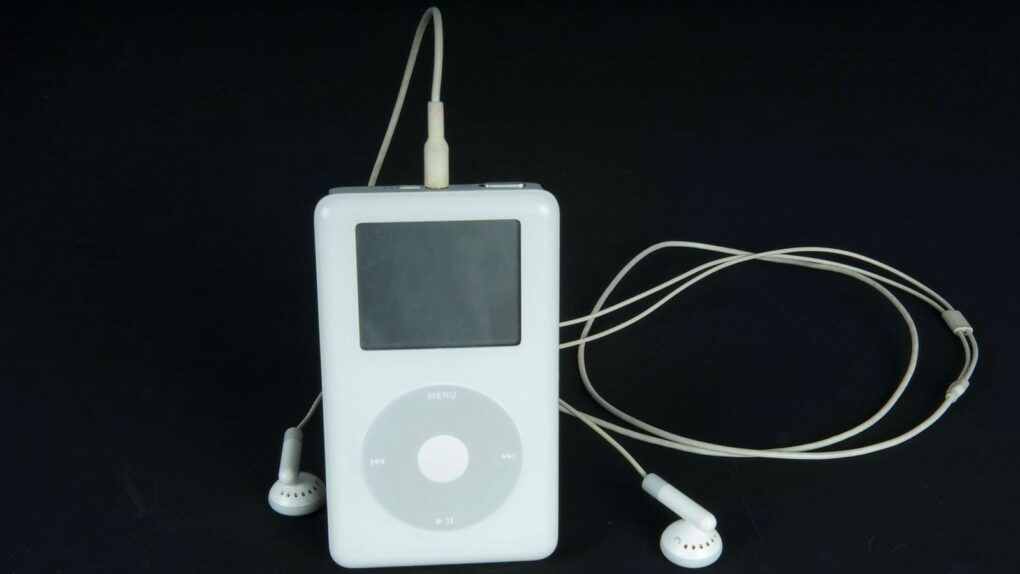
 July 19, 2004: The fourth-generation iPod brings neat innovations to the popular audio device, including the Click Wheel interface recently introduced on the iPod mini.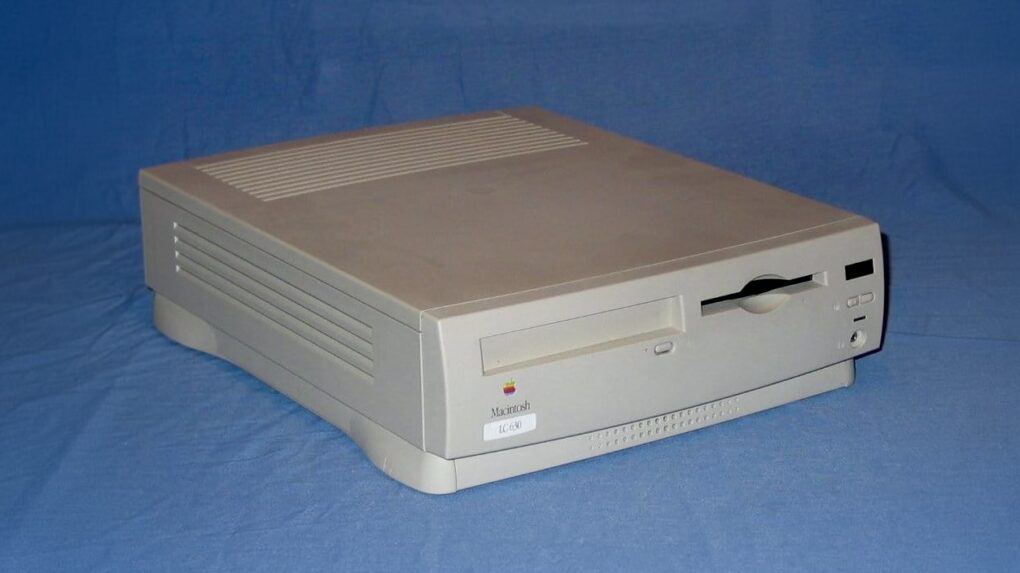
 July 18, 1994: Apple launches the Quadra, LC and Performa 630 Macintoshes, three similar computers with slight differences tailored for the professional, educational and home markets. Aimed at multimedia use, the new 630 series Macs bring innovative hardware and software at a much more affordable price than previous Apple computers.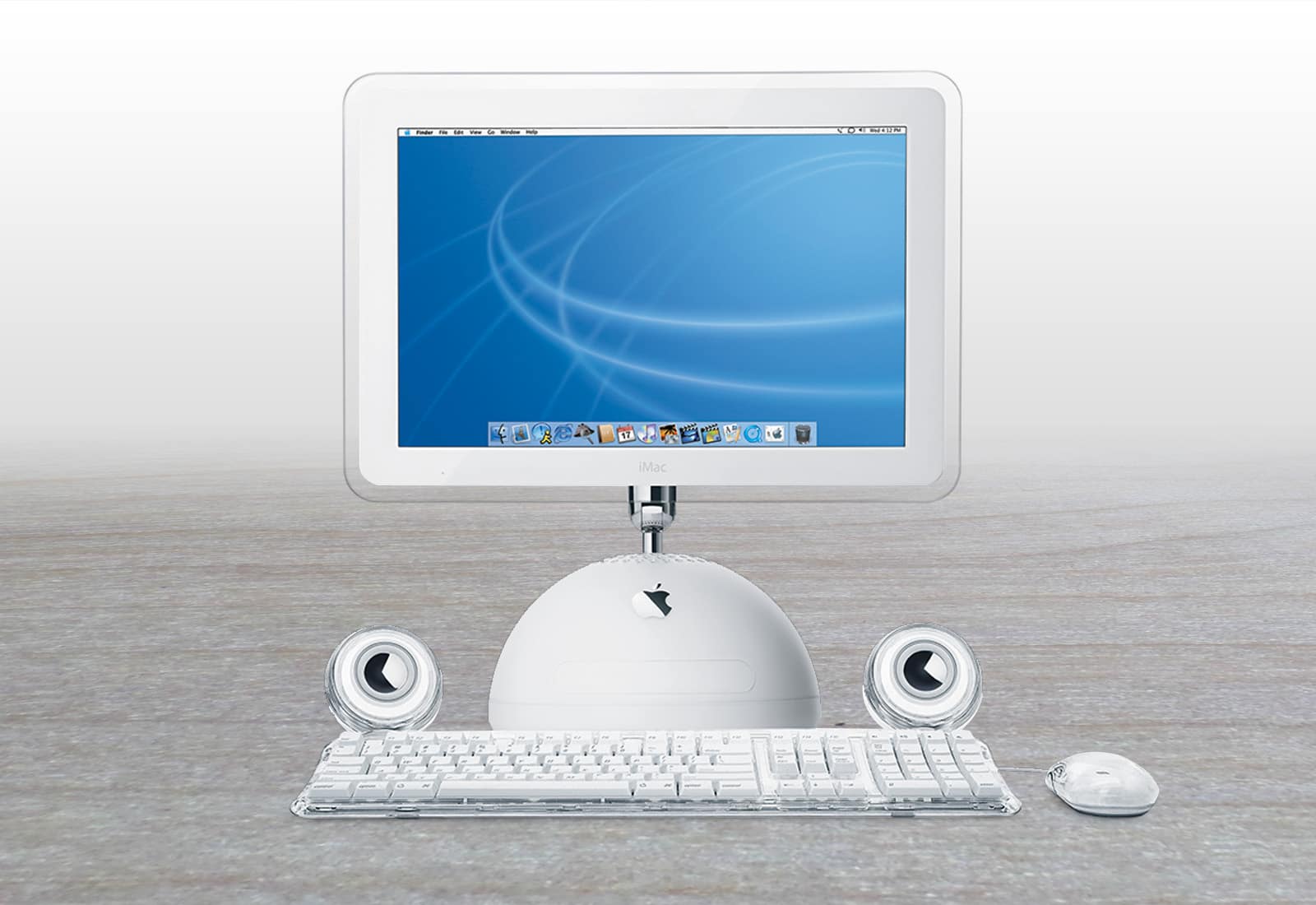
 July 17, 2002: Apple ships a new super-sized iMac G4 with a 17-inch widescreen LCD display that becomes the envy of many computer users at the time.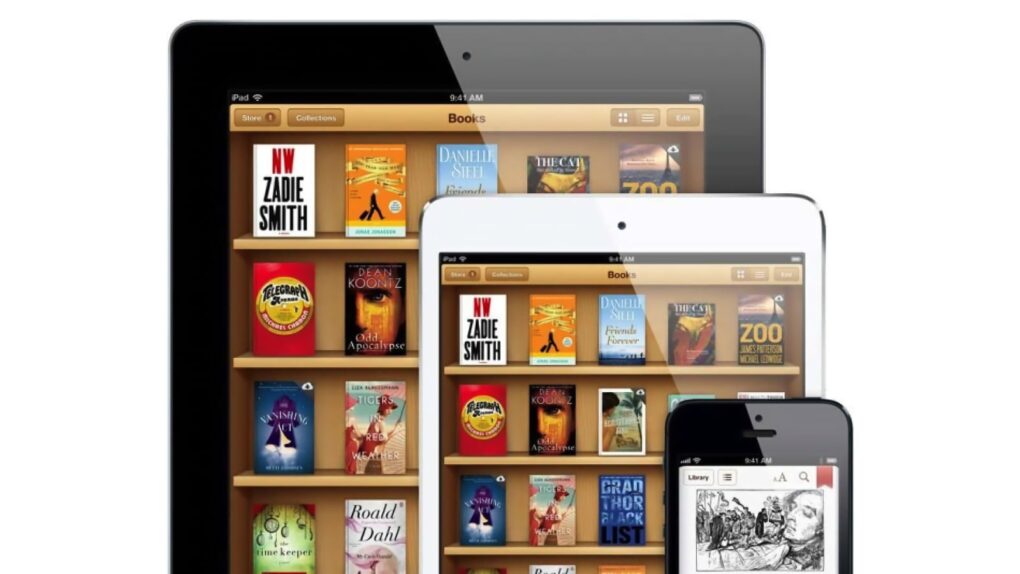
 July 16, 2014: Apple agrees to pay $450 million to resolve the Department of Justice’s antitrust case against the company over e-book pricing in the iBooks Store. In the e-books lawsuit, Apple stands accused of conspiring with five major book publishers to fix prices on digital books.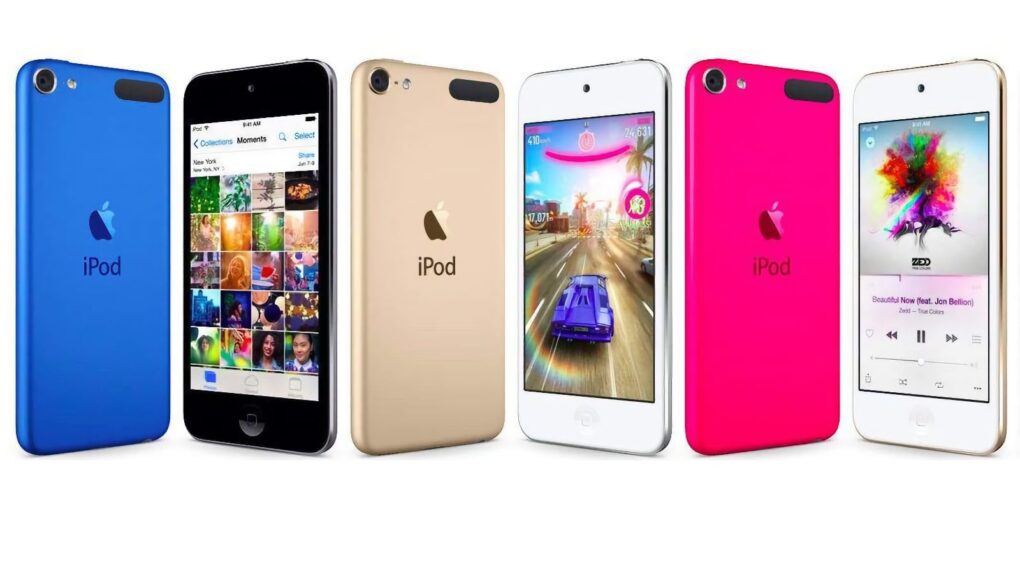
 July 15, 2015: Apple introduces the sixth-generation iPod touch, attempting to prove that there’s still a place for the humble music player in the crazy, crazy world of iPhones and Apple Watches.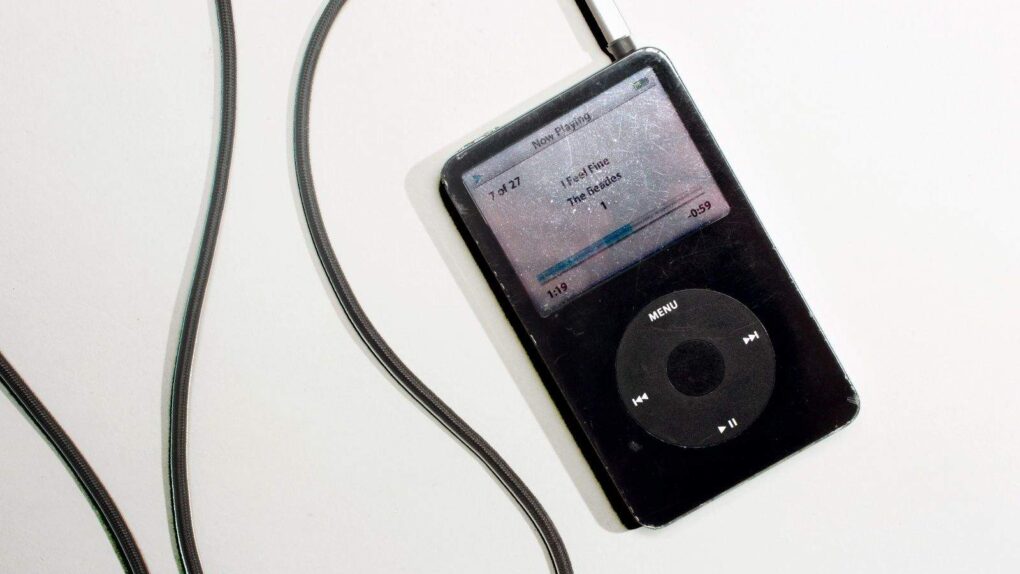
 July 14, 1995: The MP3 file format receives its official name as the new .bit file extension gets changed to .mp3. The technology allows the compression of a standard CD audio file to one-tenth its original size, courtesy of some smart algorithms. The format will revolutionize the music industry — and put Apple on the road to world dominance with the iPod.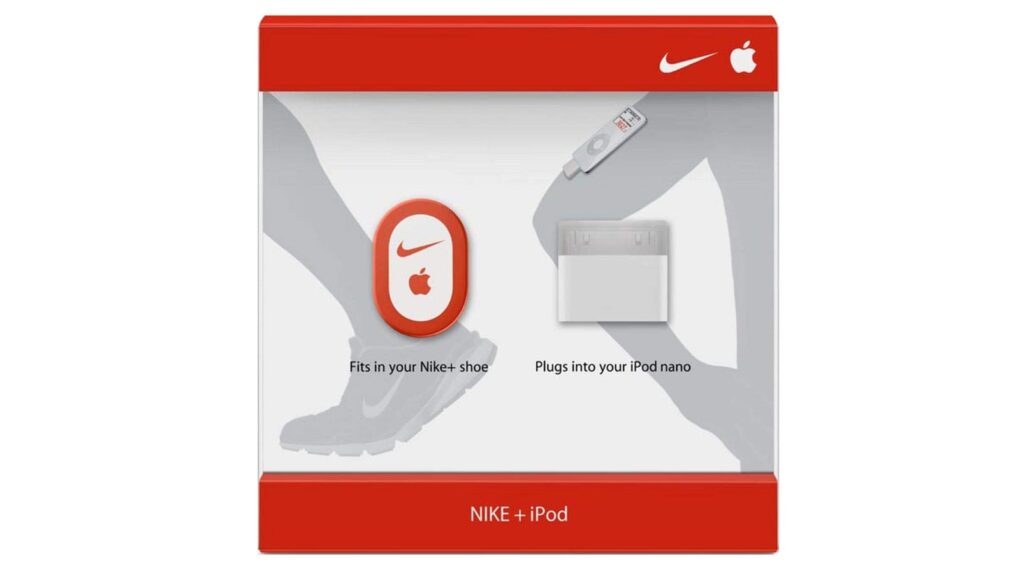
 July 13, 2006: Apple releases its first activity tracker, the Nike+iPod Sport Kit, which combines Cupertino’s popular music player with a smart pedometer that fits in a shoe.
 July 12, 2010: The iPhone 4 suffers a major blow when respected trade publication Consumer Reports says it can’t, in good faith, recommend the new Apple smartphone.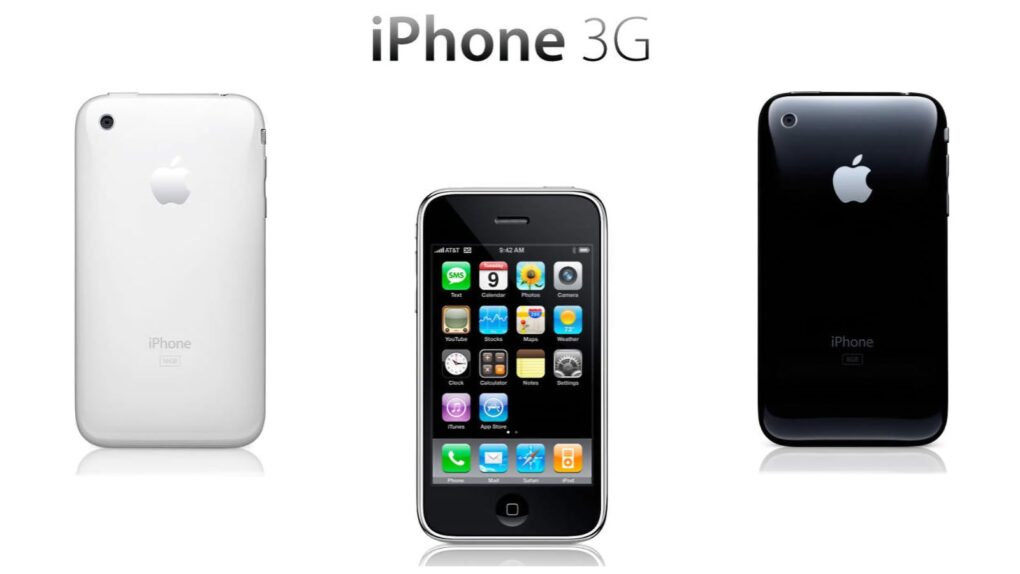
 July 11, 2008: The iPhone 3G goes on sale. Expectations for the smartphone sequel run high, and Apple delivers with the addition of GPS, faster 3G data and a higher-quality build. The iPhone 3G launch also brings a new mobile operating system packed with features.
 July 10, 2008: Apple launches the App Store, an online hub that lets iPhone owners browse and download apps made by third-party developers. Transforming the iPhone from a locked-down platform to a generative one, the App Store means that every iPhone user can have his or her own “killer app” depending on the software they want — from social networking to composing music to playing games.
 July 9, 2001: Apple earns the title of No. 1 computer manufacturer in the education market, with twice as many machines in schools as runner-up Dell Computer.
 July 8, 1997: