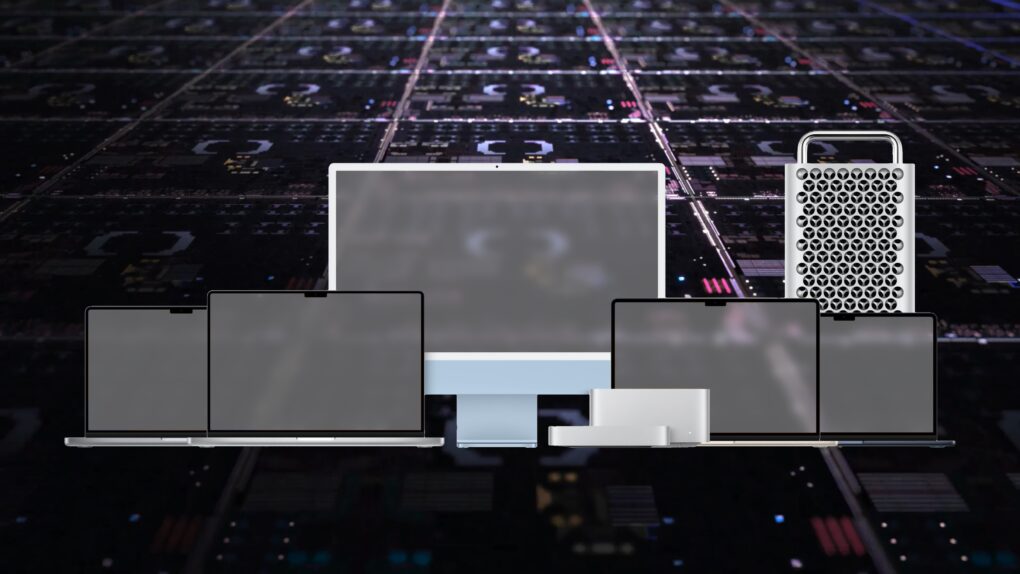
Not too long ago, the Mac was in a truly bad place — and then Apple silicon came along and radically reinvented the computer. With Apple’s destiny entirely within its own hands, rather than hamstrung by Intel processors, we’ve seen what Cupertino is capable of: delivering absolute computing magic on a regular, annual cycle, across its entire lineup.
With the first three Apple silicon Macs turning 5 on November 17, it’s worth reflecting on how the past half-decade has radically reinvented the Mac.
Why Apple silicon is a revolution the Mac desperately needed
The iPhone is Apple’s moneymaker, averaging about half of overall revenue. However, to those of us who cut our teeth and make a living on the Mac, the company’s lineup of laptop and desktop computers remains at the core of the cult. (It’s in the name.)
That made the Mac’s fall from grace all the more tragic, Just a few years ago, the Mac prosumer market offered virtually no good choices. Then the Apple silicon M-series chips arrived. The Mac’s subsequent resurgence was epic to watch, as reviewers couldn’t stop raving about — much less believing — the power that Apple silicon put in our hands.
Suddenly, the Mac was unbeatable. Apple silicon offered a devastating combo of serious processing power and incredible efficiency.
The Mac was in serious trouble
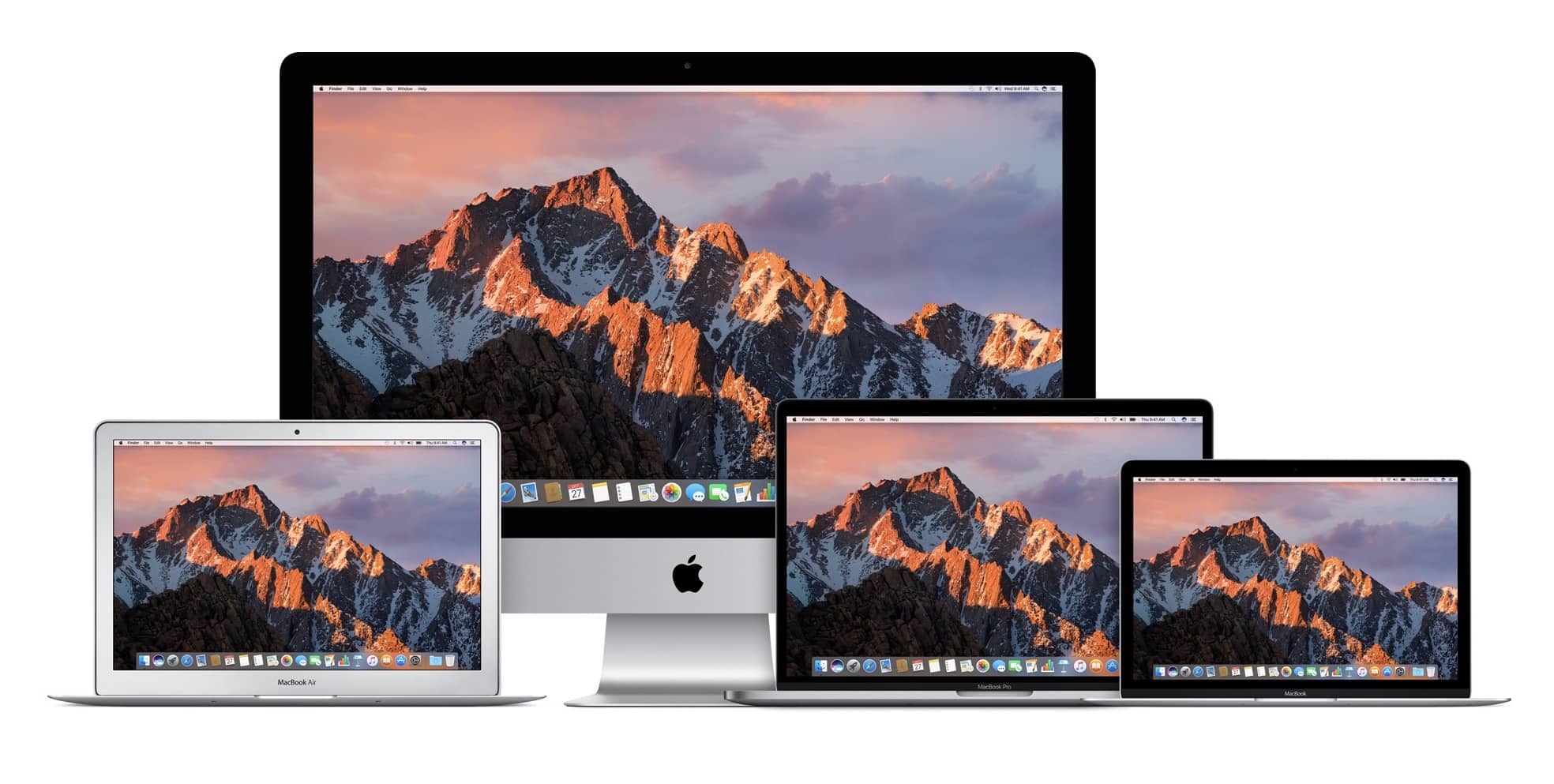
Photo: Apple
As Intel lost its industry dominance in the 2010s, the chipmaker’s fall from grace hit the Mac extra hard. Apple’s computers were entirely dependent on Intel’s chips, which barely improved over a decade and ran too hot while drawing too much power.
Every Mac product line experienced unexpected pitfalls or something to avoid.
A sad state of affairs
Take a look at the state of things in November 2017:
- It had been more than two years since the MacBook Air was “updated” to the same processor as before — the only change being a slightly higher clock speed — and it still didn’t come with a Retina display.
- The 12-inch MacBook, Apple’s failed attempt at replacing the MacBook Air, had just received its last update. It was still too hot and slow for its fanless chassis, USB-C wasn’t popular enough yet to serve as its one and only port, and that butterfly keyboard was starting to show some problems.
- The Mac mini had not been updated in three years, so its Intel Core processor was four generations behind. It would go another full year before it would be touched.
- The base model iMac still came with a spinning hard drive and a non-Retina 21.5-inch display.
- Apple was a month away from shipping the iMac Pro, an excellent computer … that would then go more than three years without a single update.
- The cylindrical Mac Pro had not been touched in nearly four years, with its dual-GPU design backing Apple into a thermal corner. It would be more than two years until the next Mac Pro shipped.
At that point, the MacBook Pro was the only Mac benefiting from annual updates. Each new model offered only a marginal improvement over the last. Each promised to fix the flawed butterfly keyboard but failed. And all of them committed to the Touch Bar (which didn’t catch on with users). None of them came with HDMI ports, SD card slots or MagSafe.
A new golden age
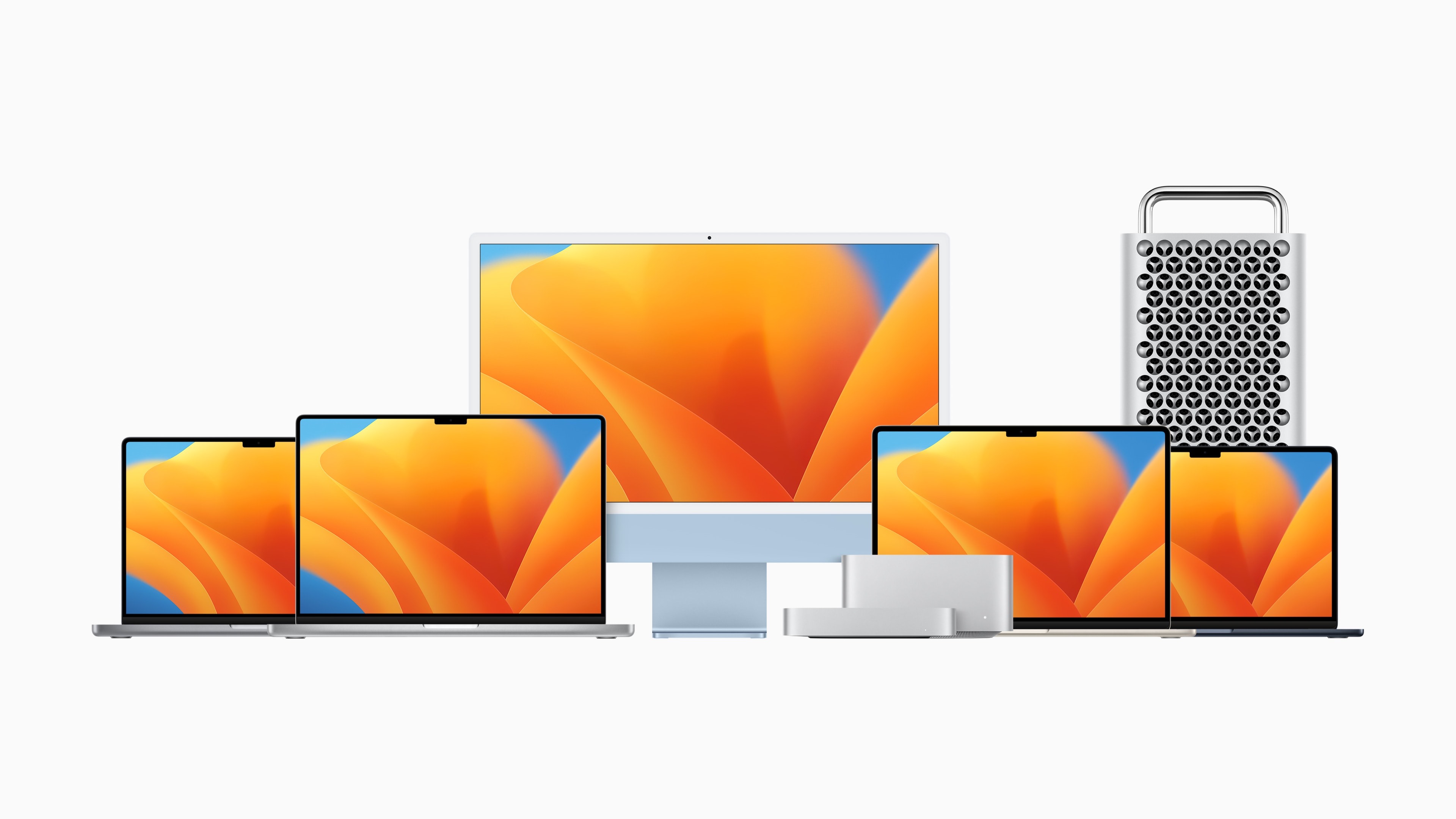
Photo: Apple
Luckily, Apple silicon came to the rescue. What excellent times we live in!
In 2020, the lowest of low points turned around fast when the M1 chip arrived. And every year since, Apple has delivered a new M-series chip with industry-leading performance. Even a “slow” year like the M5 generation comes with 15% faster CPU performance — improvements we would have killed for in the bad old days of Intel.
Every MacBook Air and MacBook Pro gets every chip update. We have battery life that simply does not quit: It feels like today’s MacBooks run forever. The designs are renowned for their balance of portability and functionality.
The desktop Macs occasionally skip a generation of M-series chips. But any worries of the Mac being left behind is a long-gone memory. Apple even added a new desktop Mac to the lineup, the Mac Studio.
Every Apple silicon Mac is a great Mac
There’s no more fear of buying the wrong Mac. The base models offer the best value in the industry. You don’t need to warn people, “Wait wait, not that one, it doesn’t have enough memory” or “You’ll really want to upgrade the processor if you can afford it.”
If anything, we’re blessed with too much power. As more work moves to the web, a lot of people really don’t need a 10-core CPU, 153 GB/s of memory bandwidth, hardware ray tracing and Thunderbolt 5. Rumor has it that Apple is about to make its cheapest MacBook ever to address this very situation, opening up the Mac to more people than ever before.
Well, there’s one exception … so far
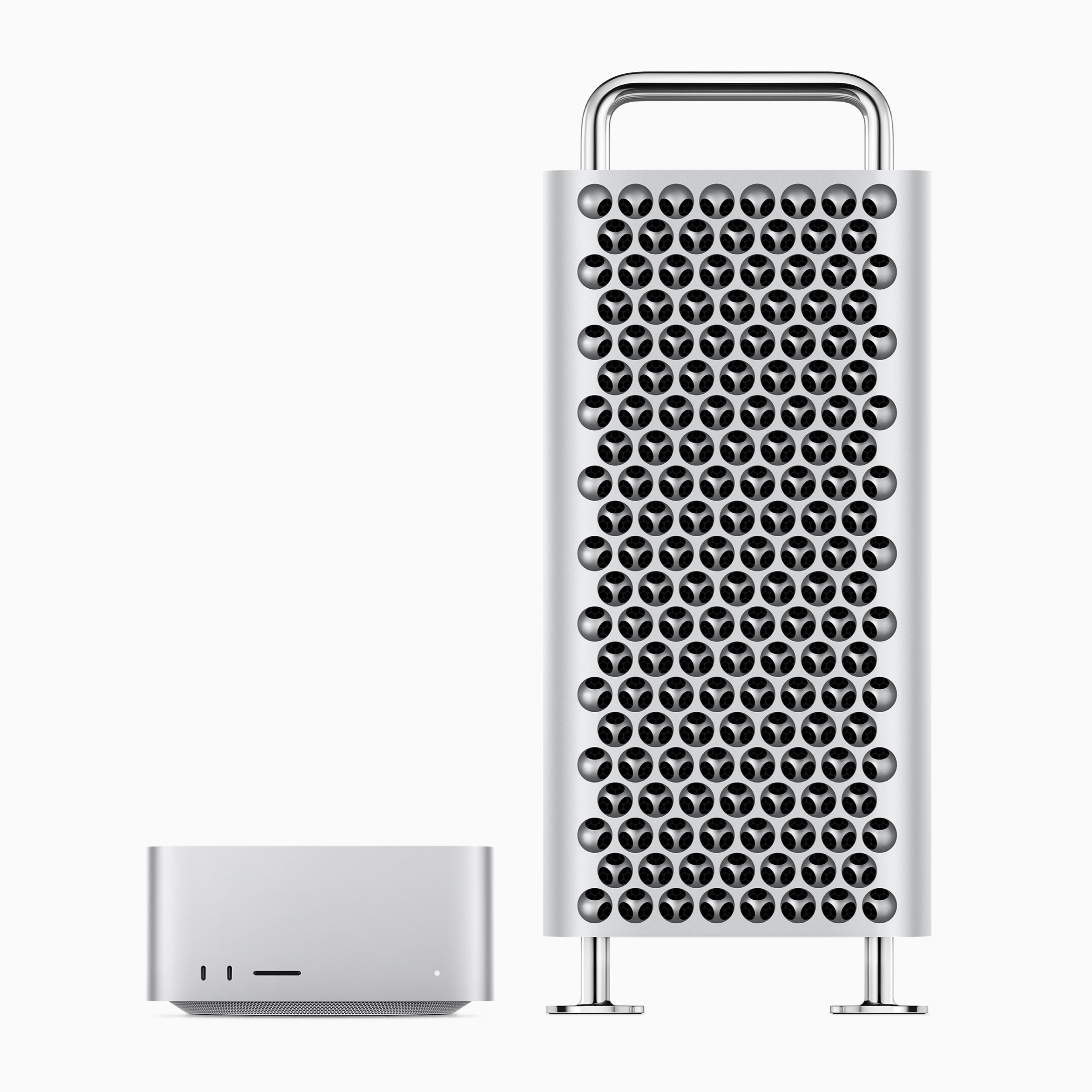
Image: Apple
Unfortunately, there’s one outlier in this golden scenario. Apple silicon still hasn’t solved the problem of what to do with the Mac Pro.
The Ultra chip is seemingly the upper limit of Apple’s fabrication prowess. Apple silicon’s unified design would make an even larger chip too big and too expensive to fabricate. That would drive the price up too high to make a return on the investment, considering the Mac Pro is a low-volume seller. As such, the Mac Pro is basically a more expensive Mac Studio with card slots that can’t even be filled with GPUs.
Hope for the future: Wafer-level multi-chip modules
But still, there’s a glimmer of hope. The next stage in silicon fabrication beyond multi-dye packaging is wafer-level multi-chip modules (WMCMs). This could allow Apple to easily scale its existing designs to higher-power specs.
Rather than fabricate some gigantic chip with a 64-core CPU, 256-core GPU and 64-core Neural Engine, Apple could individually fabricate smaller blocks of each that could be pieced together into one chip. This is similar to how Apple joins two Max chips into one Ultra chip, but on a smaller and more modular scale.
With that in place, Apple could take the Mac Pro further, creating a bespoke machine with unimaginable multicore power. One that takes full advantage of its large case and powerful cooling system. If a MacBook Pro can render 8K ProRes video in Final Cut Pro without spinning up its fans on its all-day battery life, imagine what you could do with a full tower computer with 16 times the number of cores, three full-size fans, a gigantic heat sink and as much power as it needs.
There’s even a fresh new market of people, with seemingly all the money in the world to burn, ready to take advantage of its unified memory architecture.
The biggest revolution ever … since the last one
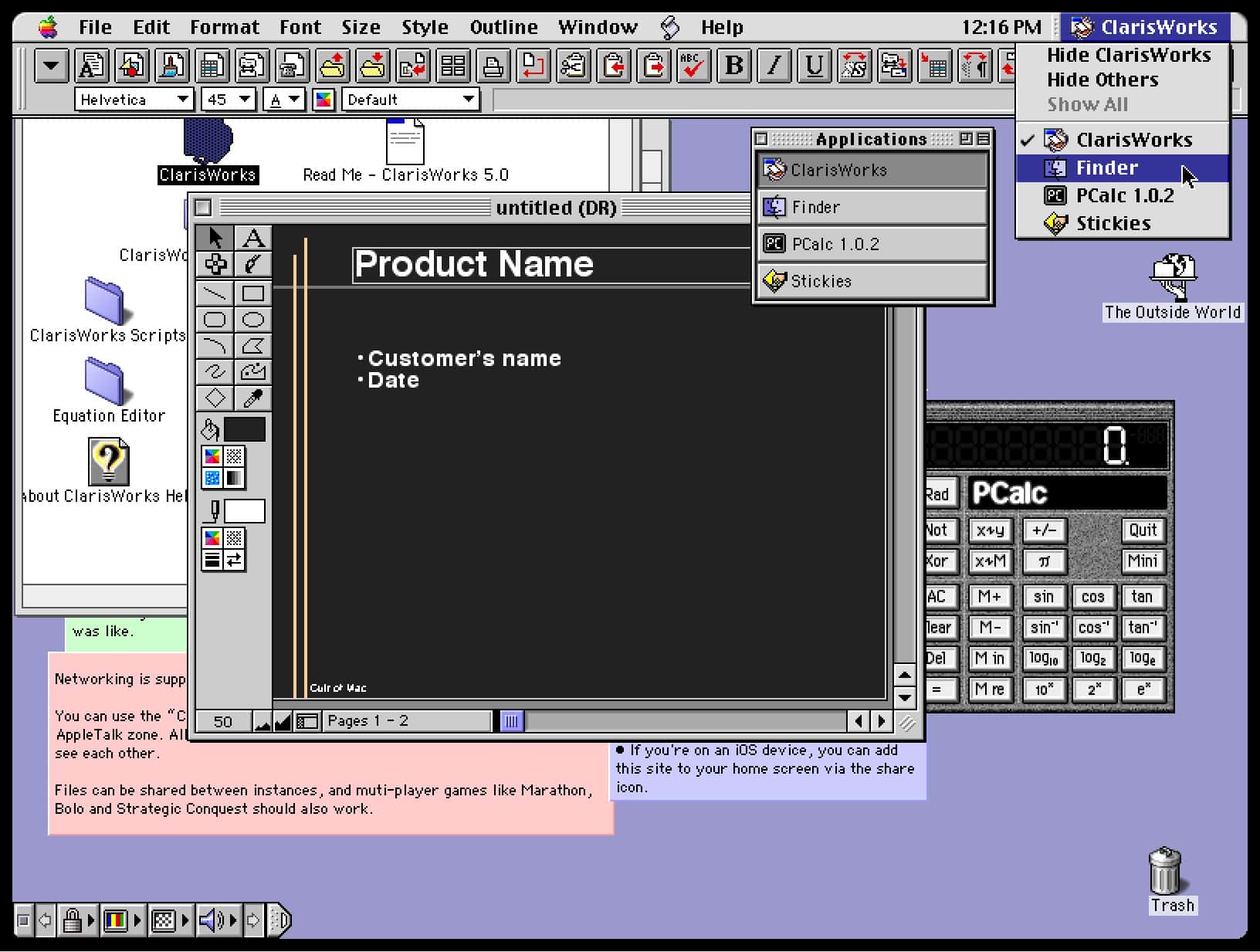
Screenshot: D. Griffin Jones/Cult of Mac
This isn’t the first time the Mac has weathered a major storm. The last major turning point came around 25 years ago, when Mac OS X shipped on March 24, 2001.
Mac OS was in a bad state in the mid-to-late 1990s. While Windows 95 was busy taking over the world, the Mac was stuck with a creaky, unreliable operating system without protected memory and true multitasking.
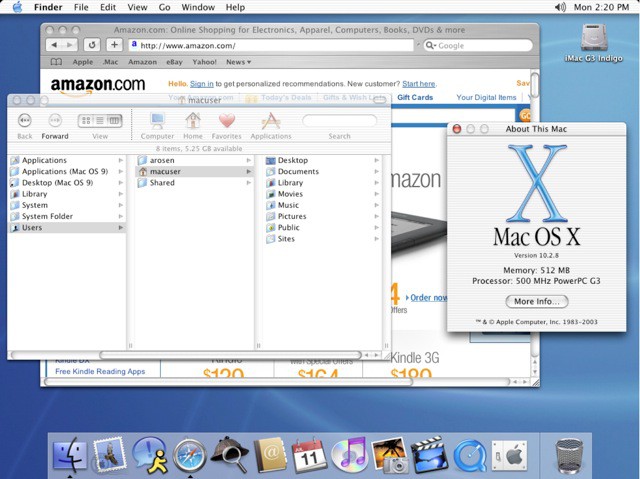
Photo: Apple
Mac OS X, built on a solid UNIX foundation, carried the Mac into the 21st century. It now forms the core of every operating system Apple ships today.
There are a lot of parallels to these stories. Just as Apple rebuilt its software to carry it into the future, Apple built a hardware foundation that will continue to power its products for many more years to come.
The Mac’s resurgence the last five years is nothing short of extraordinary. And with Cupertino trying its hand at manufacturing even more kinds of chips, from Wi-Fi and Bluetooth to cellular modems, there’s more yet to look forward to.

D. Griffin Jones was a writer, podcaster and video producer for Cult of Mac. Griffin has been a passionate computer enthusiast since 2002, when he got his first PC — but since getting a Mac in 2008, he hasn’t turned back. His skills in graphic and web design, along with video and podcast editing, are self-taught over 20+ years. Griffin has a bachelor’s degree in computer science and has written several (unpublished) apps for Mac and iOS. His collection of old computers is made up of 40+ desktops, laptops, PDAs and devices, dating back to the early ’80s.
Griffin writes for his personal blog, Extra Ordinary, and is currently looking for work.