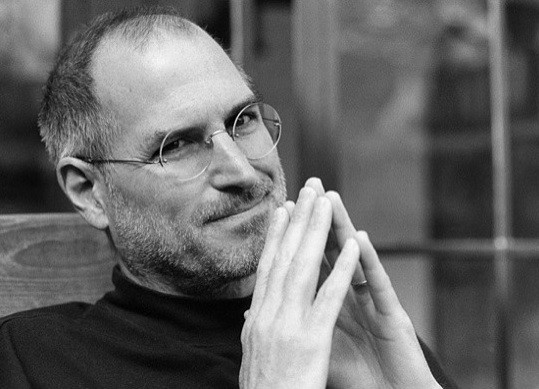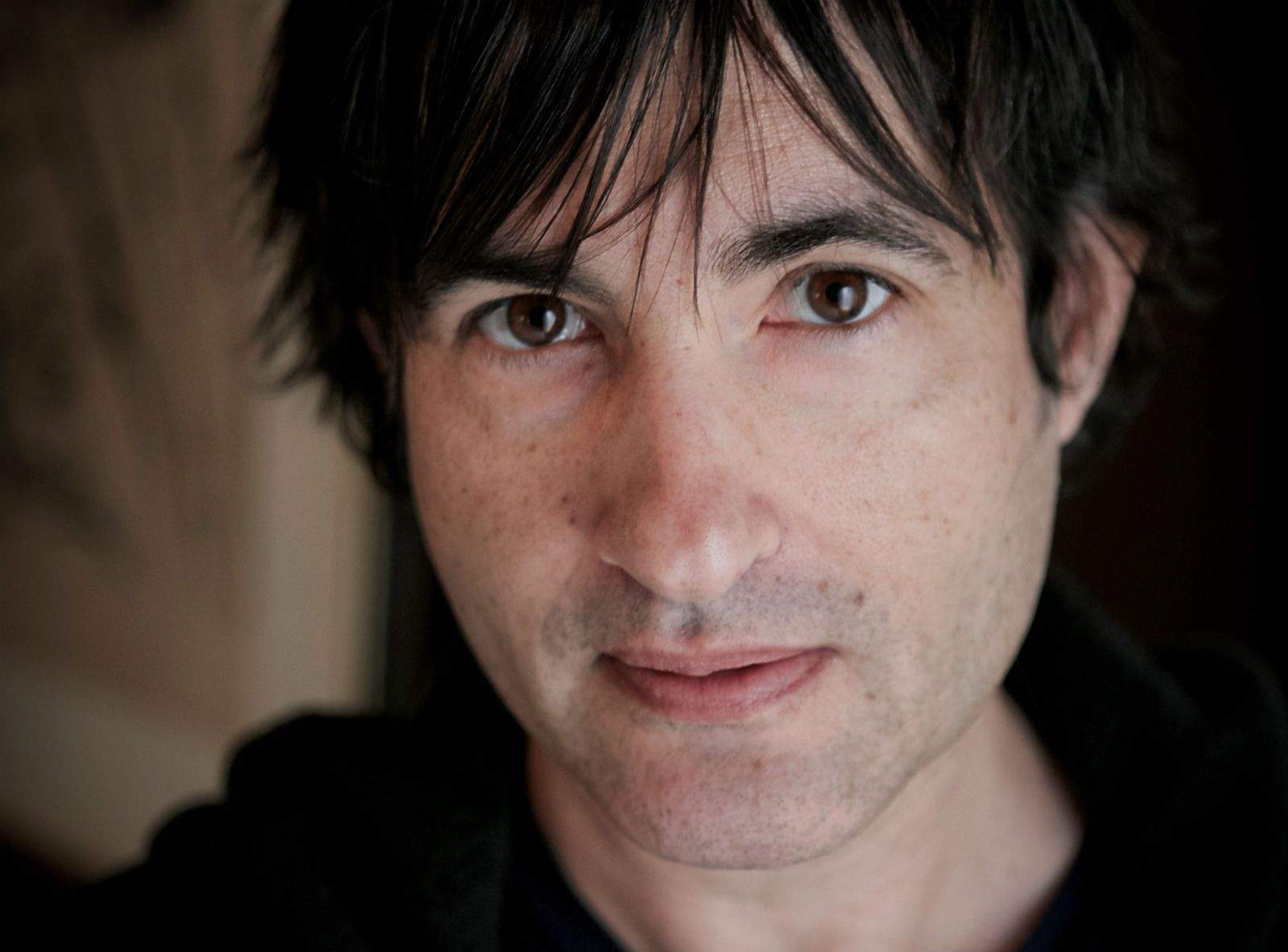
SAN FRANCISCO, CA — Andrew Stone, an indie NeXT developer who worked with Steve Jobs for almost a quarter century, believes that Jobs would’ve never let Apple be a part of the United States National Security surveillance program PRISM.
“Intel Inside.” It’s been called one of the best campaigns to ever come out of Silicon Valley’s Mad Men, and it turned a relatively unknown maker of microprocessors into a $100 billion dollar company, and a household name. All this, thanks to a blue sticker slapped on every Intel PC or laptop.
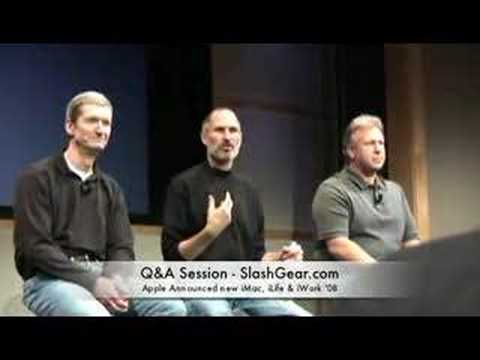
Every Intel PC or laptop except Apple’s, that is. Even when Cupertino transitioned to Intel processors in 2006, Apple refused to put ‘Intel Inside’ stickers on their new Macs and MacBooks. And with characteristic bluntness, Steve Jobs had no problem explaining why when asked about it back in August 2007, right after the first aluminum iMac was introduced. For the latest updates and insights, check out Intel news today.
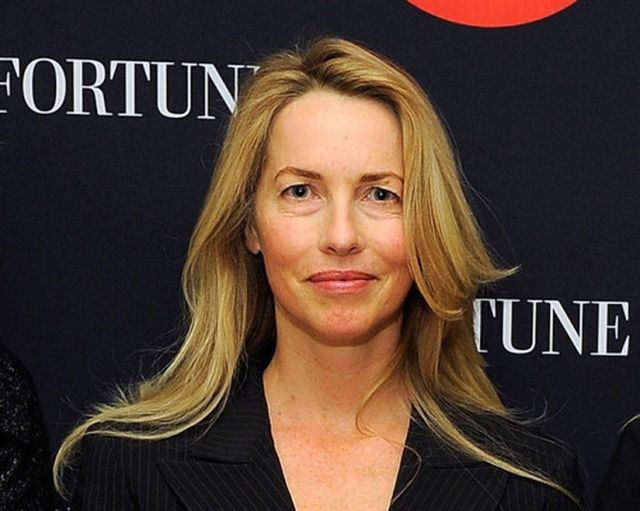
Breaking her silence on her husband and his legacy, Steve Jobs’s widow Laurene Powell Jobs appeared on Rock Center with Brian Williams on Friday to say that Jobs’s “legacy is beautiful for me to live with.” If you’re curious about was steve jobs married, this article provides an excellent overview of his life and relationships.
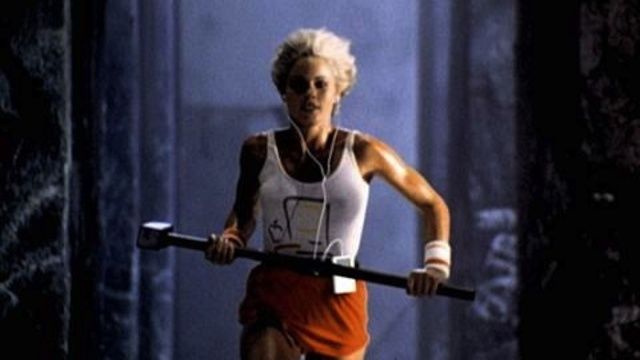
Apple made a “dent in the universe” with its 1984 Super Bowl ad for the upcoming Macintosh.
At least that was Steve Jobs’ intention, according to the opening scene of The Pirates of Silicon Valley.
Whether all this universe denting was just Jobs’ reality distortion field or an actual change in human culture depends on your corporate loyalties, or lack thereof.
Any debate over the cultural impact of the Macintosh really boils down to how much of the graphical user interface revolution was determined or influenced by Apple, and how much of it would have happened regardless.
Because there’s no question that the shift from command-line computing to WIMP computing (windows, icons, menus and pointing-devices) radically changed the world, leading, for example, to the web, which is the dominant WIMP interface to the formerly command-line Internet.
WIMP computing also enabled powerful new tools for software programming, design (of everything), animation and a bazillion other things.
WIMP computing, and to some extent the Macintosh itself, really did make a dent in the universe, but not in the way most people imagine.
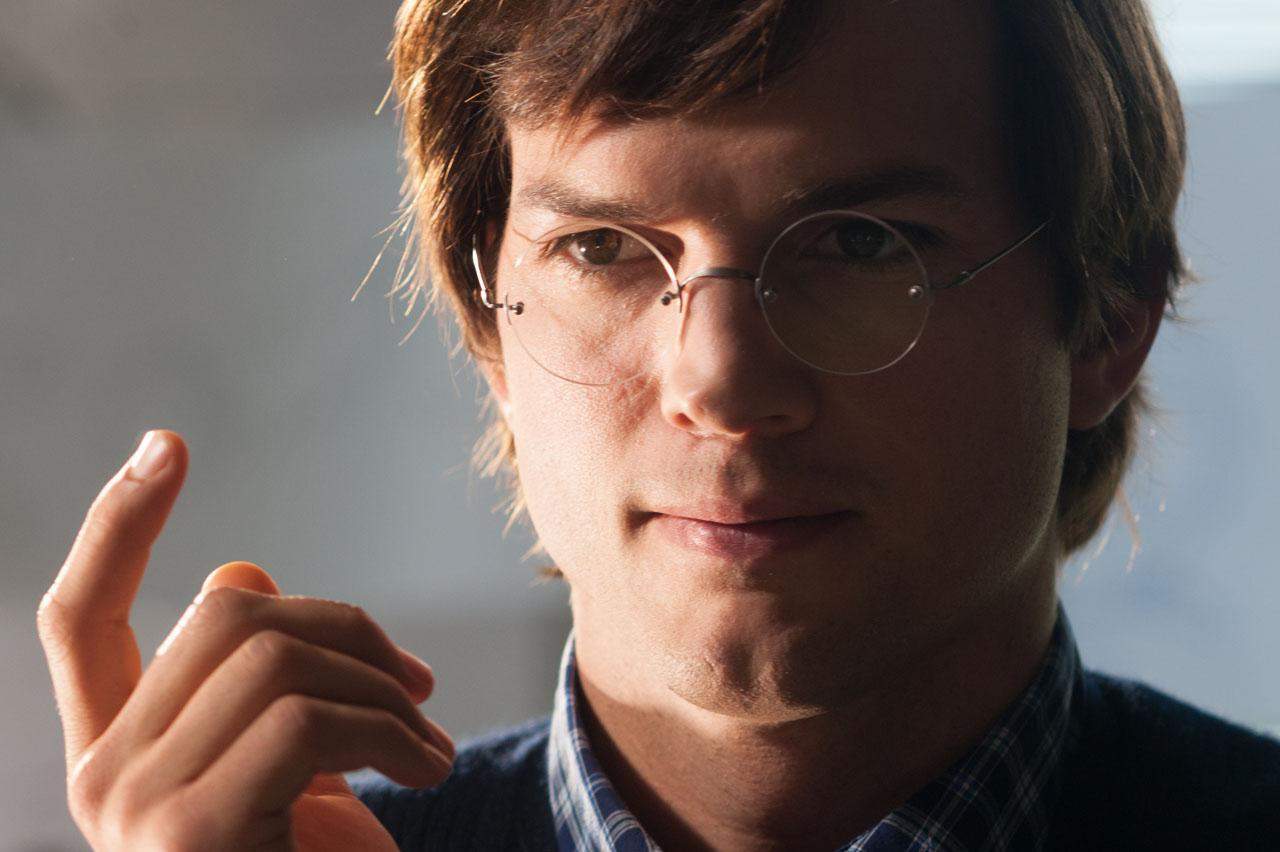
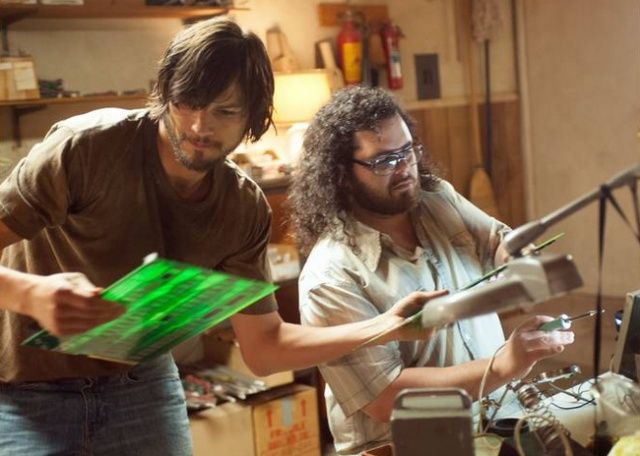
USA Today published a couple of new stills from the upcoming movie, Jobs,which has actor Ashton Kutcher playing Apple co-founder and CEO Steve Jobs and Josh Gad playing co-founder Steve Wozniak.
The movie will premier January 26 at the Sundance Film Festival and hits theaters in April.
Over at his blog, Don Melton — the guy behind Safari and WebKit — has a fascinating post up about the many possible names Apple CEO Steve Jobs tested on friends and colleagues for the company’s web browser before settling on “Safari.”
They were all terrible. “Freedom” was one strong candidate, among other terrible options like “Alexander” and “iBrowse.”
Steve Jobs has changed the world four times, by my reckoning. One year after his death, is the world different? What is his legacy? Is it the company that he started, journeyed outward from in disgrace, and ultimately returned to in triumph? How about the devices he had an enthusiastic hand in bringing to market? The business of music and film? What is the world now that it would not have been without Steve Jobs?
It’s all of those things, of course. Jobs’ legacy is not something we can distill into a simple slogan or tagline. Steve Jobs worked for a world in which the design, manufacture, and marketing of consumer electronics enhances our lives in a very human way.
Let me explain.
According to Enderle Group analyst Rob Enderle, Apple might walk out a celebrity during the iPhone 5 event on September 12.
Why? First of all, because Enderle thinks that so many details about the iPhone 5 have already leaked out that no one’s going to bother watching the event.
Trip Chowdhry, the Managing Director of Equity Research at Global Equities Research, told a financial writer a few months ago that Apple’s biggest challenge without founder Steve Jobs is that Apple lacks a “unified force.” In order to become unified again, Apple would need a “supernatural person” overseeing things.
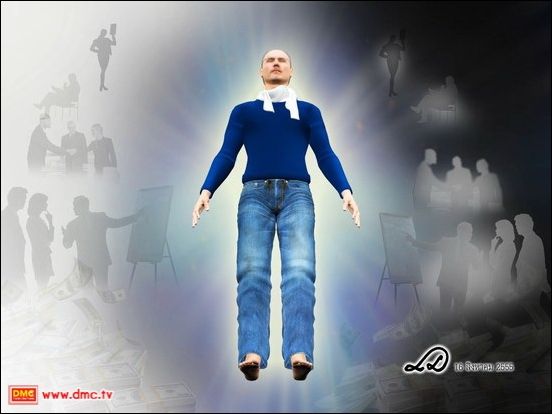
But according to Thai Buddhists, they may have exactly that — the reincarnated spirit of Steve Jobs himself, who they say is living in a “mystical glass palace hovering above his old office at Apple’s Cupertino, California headquarters,” according to The Wall Street Journal.
I’ll tell you in this post more about Jobs’ so-called reincarnation, and also about several ghosts caught haunting various Apple products. (And I’m not talking about problems with the MacBook Pro Retina screens.)
Here’s all the spooky stuff that’s going on.
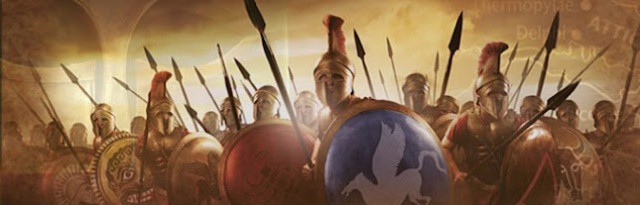
Google and Apple are the Athens and Sparta of the tech industry. It’s in the DNA of both companies to rule the tech world. They will battle each other for supremacy and, in the process, greatly diminish each other’s power and reach. United, they could accomplish anything. But they will not be united. They will become increasingly divided.
It’s a Greek tragedy unfolding before our very eyes.
Apple founder Steve Jobs died more than seven months ago. All kinds of people are lining up to hijack his memory for their own purposes. It’s time to stop. If you’re wondering where is steve jobs buried?, you can read more about it here.
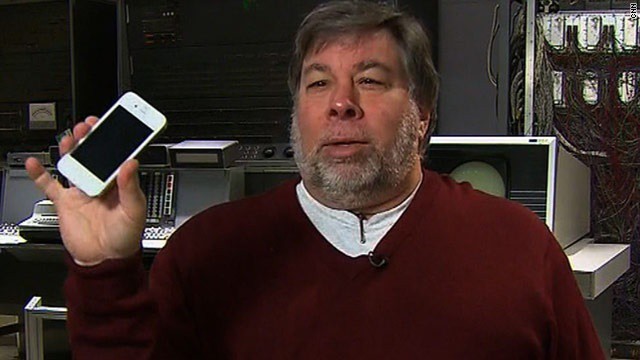
Despite his love for the iPhone and its iOS operating system, Apple co-founder Steve Wozniak surprisingly feels that Windows Phone apps are “more beautiful” than their counterparts on Android and iOS, and jokes that Steve Jobs may have been reincarnated inside Microsoft.
Woz also revealed that he favours Windows Phone over Android, but that iOS is still his number one choice.
Apple’s recent quarterly earnings demonstrated insane success. As a result, failing companies like Sony and JC Penney have suddenly reorganized their missions to copy Apple.
Unfortunately, they will fail, because they don’t understand why Apple succeeds.
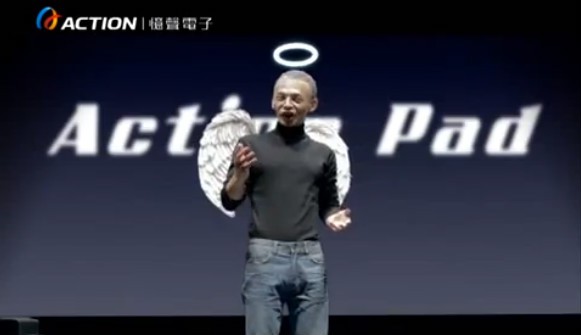
A TV commercial in Taiwan shows an actor dressed like Steve Jobs, but with wings and a halo, onstage introducing a new product. It’s not an Apple product, but a competitor to the iPad called the “Action Pad” from Action Electronics.
In the ad, the translation says: Introducing the next generation of the pad.” The commercial closes with the line: “Thank God, I can finally play another pad.”
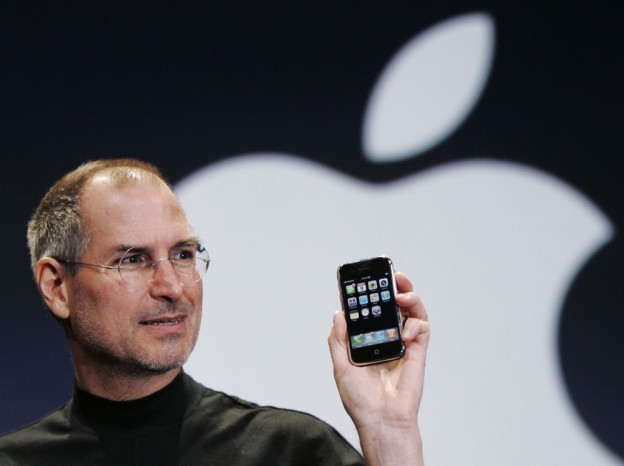
Steve Jobs unveiled the iPhone at Macworld on January 9, 2007, to thunderous applause. The revolutionary phone — a product that has now made Apple the top smartphone manufacturer in the world — then went on sale June 29, 2007, to long lines of eager customers and fanboys.
Several years later, Jobs announced that the iPhone’s software would be called “iOS.” These two names, iPhone and iOS, have not only become a part of Apple’s core, but also staple, household names worldwide.
Most people don’t know, however, the story of how Steve Jobs took both names from an enterprise/infrastructure company by the name of Cisco. Took? Well,
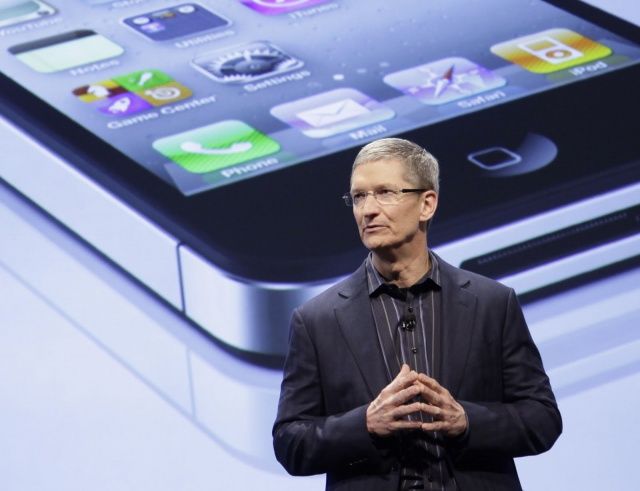
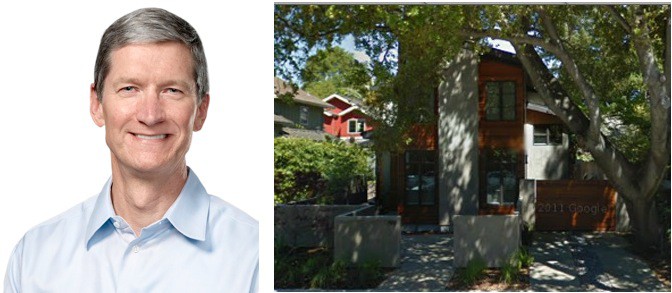
Tim Cook is one of the world’s top CEOs, but you wouldn’t know that by where he lays his head at night. The recently appointed head of Apple Inc. lives in a 2,400-square-foot, relatively modest home in Palo Alto, California.
The four-bedroom condo boasts a tiny yard and small adjunct section of real estate in the back. Not much for a man who was recently awarded a $378 million stock incentive.
It’s a well-known fact that the late Steve Jobs was obsessed with simplicity and aesthetics, two traits that he drove into the core of Apple and will outlive him. What’s been less clear until his passing is how much those traits, his worldview, and the business that defines his legacy came from a lifelong affection for and interest in all things Japan.
Japanese tech journalist Hayashi Nobuyuki, who has covered Apple for years does a brilliant job chronicling Steve’s love of Japan in a piece for Nippon.com that I can’t recommend highly enough. A few of the tidbits can also be found in Walter Isaacson’s biography, but there are plenty of surprises to be had, as well. In particular, the stories of his vacations in Kyoto, the artisans and designers whose products he bought with regularity, and the time when he threatened to renounce the world and become a monk.
It’s a nice, pleasant read, perfect to enjoy with a cup of green tea and a headache. Happy New Year, everyone!
A famous Apple campaign goes: “Here’s to the crazy ones.” Of course the crazy ones usually get institutionalized. And that’s exactly what has happened to Apple. It seems that in recent weeks, Apple has been or announced plans to be, institutionalized.
Apple, which represents the newest of the new, both aesthetically and technologically, is embracing the old. Here’s what I’m talking about.
Westboro Baptist Church vs. Cupertino
We could subtitle this the “Steve Jobs” edition, his death in October gave rise to any number of oddball tributes and events. The most disturbing? The hatefulcrazy congregation of Westboro Baptist Church staged a series of protests in an attempt to mar Jobs memorials held in Apple’s home town on Oct. 19. The Kansas-based group announced via iPhone that they would stage a hate fest. True to form, they held up their nasty banners outside the Apple campus and at Cupertino High but were met with counter protesters determined not to let them ruin the day.
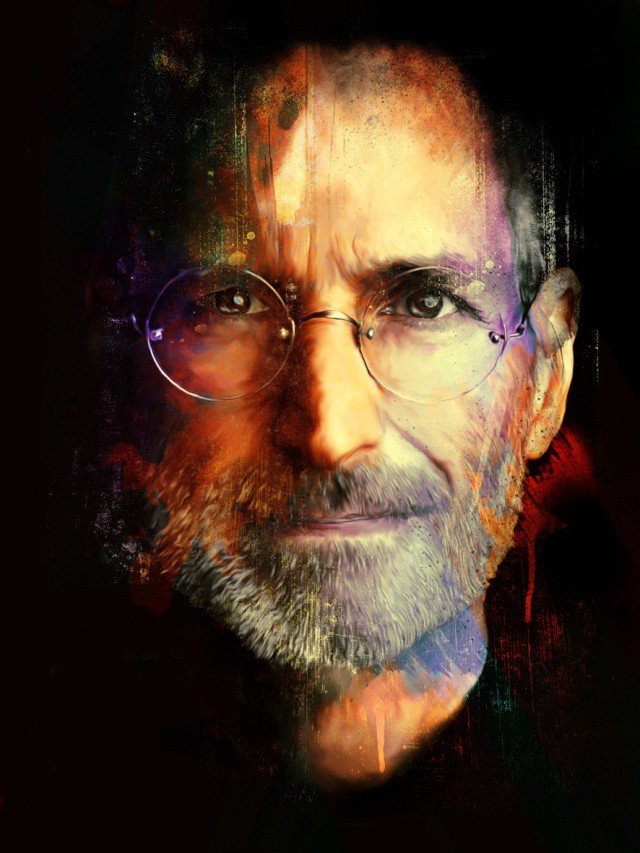
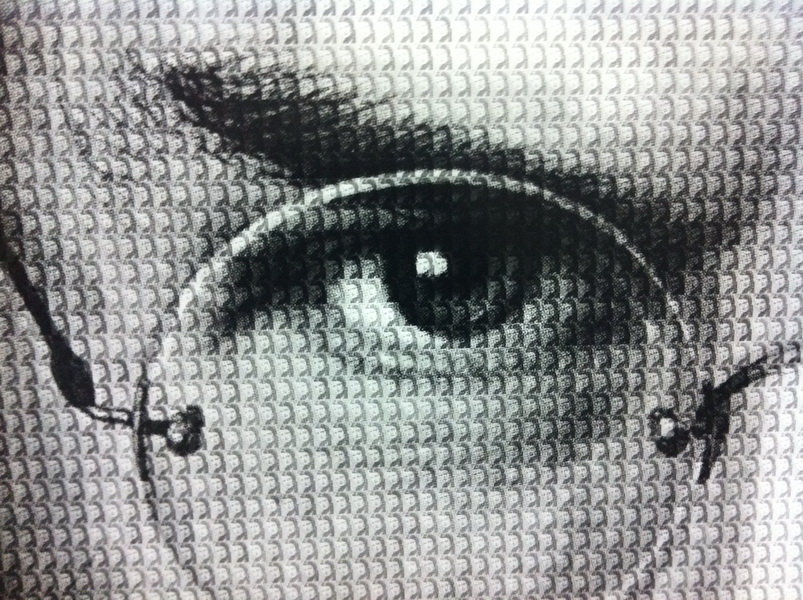
Artist David Datuna created a striking portrait of Steve Jobs titled “Viewpoint of Millions.” Shown at the recent international art fair Scope Miami, it became one of the most expensive art pieces sold at the fair, fetching $210,000.
It was created from a background pattern of thousands of miniature images of author/philosopher Ayn Rand; the large format iconic portrait rests under a wall of optical lenses made from nearly 80,000 parts.
There have been a countless articles and even books about how you might channel Steve Jobs trademark style for presentations, but you’d have a hard time finding videos of all of those talks in one spot.
Enter Stevenote.tv. It’s a labor of love from web designer Fabio Fiss, who thought it would be a fitting tribute to the late Apple co-founder to gather all of his public appearances by topic in one place.
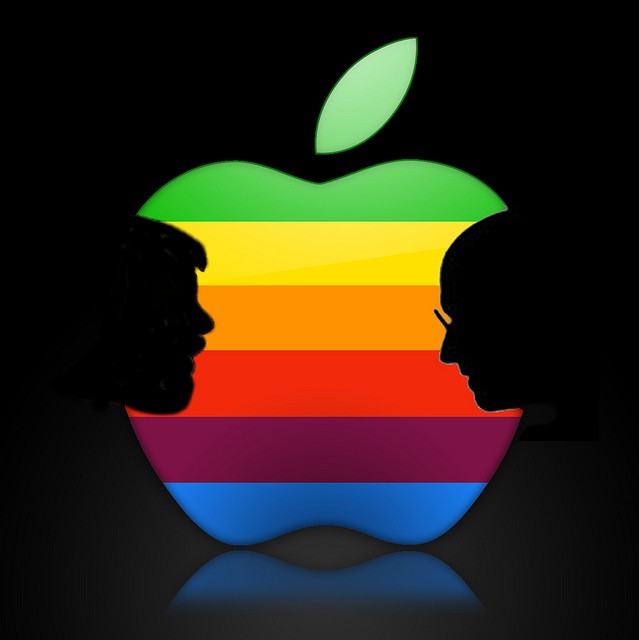
Love this portrait of Apple co-founders Steve Wozniak and Steve Jobs silhouetted in an old-school Apple logo. It brings to mind the early days of the Cupertino company and its humble beginnings.
It’s the handiwork of Laurent Bourrelly who was inspired by Jonathan Mak’s iconic black-and-white image of Jobs that spurred a media storm.
“I thought Woz deserved as much props as Jobs,” he said.
Let’s hope this re-imagined logo ignites less controversy.
Via Flickr
A high school in Bulgaria is reportedly going to dump Lenin as its namesake for Steve Jobs. And if it does, it probably won’t be the first school named after the Apple co-founder.
If reports are to be believed, a technical secondary school in Bulgaria would topple communist politician Vladimir Ilyich Lenin as its namesake in favor of the symbolic innovation and insight offered by Steve Jobs. (Or a famous scientist. The decision hasn’t been made, yet.)
Watch Steve Jobs: One Last Thing on PBS. See more from PBS.
Did you miss the Steve Jobs documentary Steve Jobs: One Last Thing that aired last night on PBS or the UK’s Channel 4? Those nice guys over at public broadcasting have slung the whole movie up online for streaming, free.
Walter Isaacson’s warts-n-genius biography of Steve Jobs is a publishing sensation – over 380,000 copies sold in the U.S. alone in the six days since its October 24 launch.
Not surprisingly, pirated versions of the ebook are also a hit.