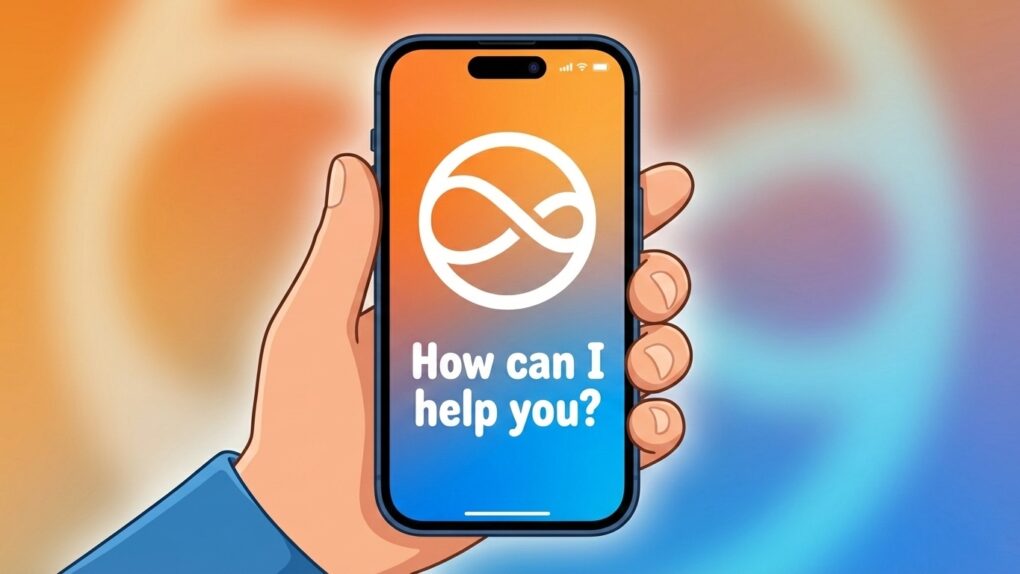
What if Siri was actually (gasp!) useful? Image: Google Gemini/Cult of Mac
Forget the old, nearly useless Siri — Apple reportedly plans to upgrade the iPhone’s voice assistant into an AI-powered chatbot with iOS 27. Users will supposedly be able to converse with the new Siri, not just give it orders.
If true, this will let Apple compete directly against Android and Windows computers with built-in AI chatbots.
If Steve Jobs were here, he'd sign off on the Apple/Google partnership to add Gemini to Siri. AI mage: ChatGPT/Cult of Mac
The fact that Google Gemini will power the revamped Siri is drawing criticism from people convinced that Apple should have developed its own AI in-house to bring the voice assistant up to speed.
Some of the critics seem to think Apple always made its own software before now. Therefore they regard the deal with Google as a major policy shift — and a sign of weakness that would horrify Apple co-founder Steve Jobs.
No. Just … no. These critics will be shocked to learn that many Apple products are built on top of tech developed outside the company … and often, it was Steve Jobs who did it!
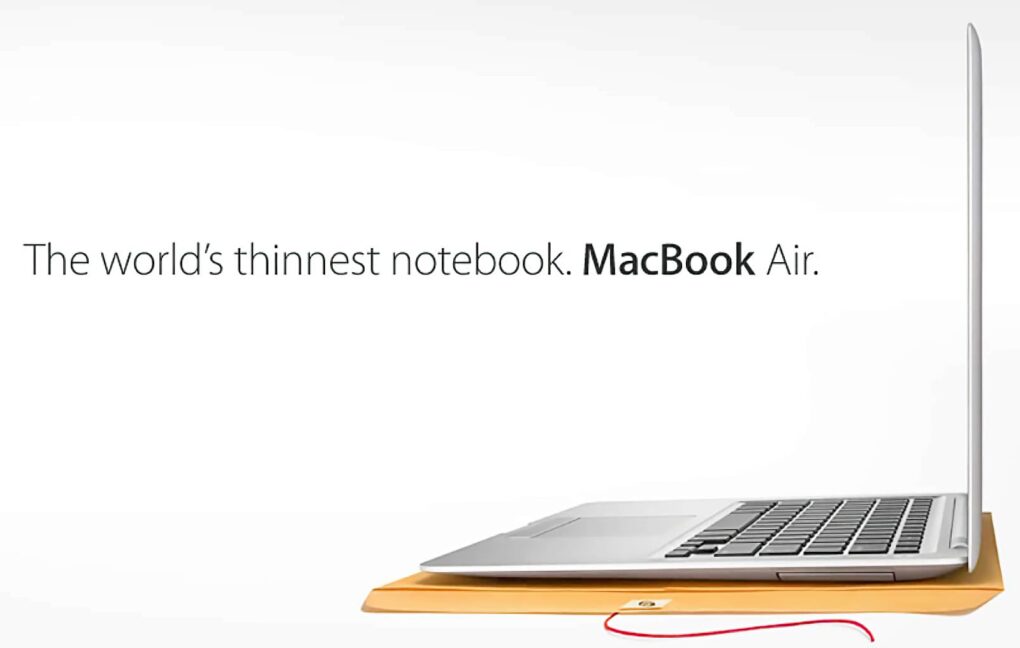
A plain manila envelope became a key stage prop for selling the MacBook Air. Photo: Apple
January 15, 2008: Apple CEO Steve Jobs shows off the first MacBook Air at the Macworld conference in San Francisco, calling the revolutionary computer the “world’s thinnest notebook.”
The 13.3-inch laptop measures only 0.76 inches at its thickest point and 0.16 inches at its tapered thinnest. It also boasts a unibody aluminum design, thanks to an Apple engineering breakthrough that allows the crafting of a complicated computer case from a single block of finely machined metal.
In a brilliant piece of showmanship during the MacBook Air launch, Jobs pulls the super-slim laptop out of a standard interoffice envelope. (You can watch his keynote introducing the MacBook Air below.)
Gemini-powered Siri won't carry Google branding. AI Image: ChatGPT
With Google’s Gemini AI working behind the scenes, the next-gen Siri will finally be able to deliver on some of Apple’s promises. The updated voice assistant will be able to answer questions it can’t currently handle, perform everyday tasks like booking travel, and even dabble in the dicey arena of providing emotional support to people during difficult moments.
A new report from The Information sheds additional light on how Apple will use Gemini to improve Siri.
No longer just a rumor, Google Gemini will be at the heart of Apple's AI-infused Siri. Image: Apple/Google/Cult of Mac
Google’s Gemini AI is set to power the long-promised overhaul of Apple’s Siri voice assistant, turning months of speculation into confirmation after Apple made the partnership official in a statement released Monday.
Apple worked for years on its own large language models to provide Siri with a much-needed intelligence boost. But in the end, Cupertino had to outsource the AI technology to Google, another tech giant with which it both competes and cooperates.
The original MacBook Pro brought innovative features (and stirred up a bit of controversy). Photo: Apple
January 10, 2006: Steve Jobs unveils the original 15-inch MacBook Pro, Apple’s thinnest, fastest and lightest laptop yet.
Building on the previous PowerBook G4 laptop, the new laptop adds dual-core Intel processors for the first time. The MacBook Pro immediately makes waves in the tech community. And did we mention its awesome MagSafe connector?
Reps & Sets works on iPad, iPhone, and Apple Watch.
Reps & Sets 26 is a brand-new strength training app designed exclusively for iPhone, iPad and Apple Watch. It was developed by a long-time Cult of Mac contributor: me, Graham Bower.
Reps & Sets 26 isn’t just another generic cross-platform fitness app. I made it Apple-exclusive, to take full advantage of the latest OS 26 technologies like CloudKit, SwiftUI and HealthKit, to deliver a truly native experience. And right now, it’s a free download. Perfect timing for your New Year’s resolutions. Get Reps & Sets 26 now, and get ripped in 2026.
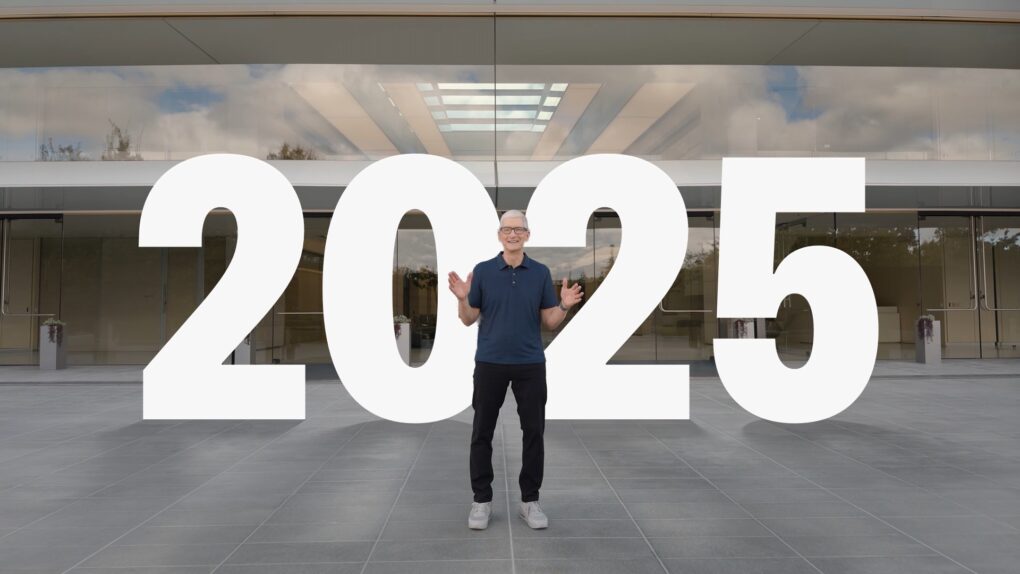
This was a big year. Photo: Apple/D. Griffin Jones/Cult of Mac
2025 was a big year for Apple. In this end-of-year roundup, we gathered up the most consequential news, groundbreaking rumors and biggest surprises of the last 12 months.
There were plenty of leaks — in fact, the entire iPhone 17 lineup was exhaustively shown off in the months leading up to September. We also knew most of the other product releases, from the MacBook Air and iPad Air to MacBook Pro and Vision Pro, would consist of simple spec bumps.
But there were tons of curveballs, too. Tariffs rattled Apple’s international supply chain. The Blood Oxygen app for Apple Watch made a sudden return. And no one was expecting a UI redesign quite like Liquid Glass.
Find great ways to maximize AirPods Pro 3 through new or simply improved features. Photo: D. Griffin Jones/Cult of Mac
Your AirPods Pro 3 aren’t just another pair of wireless earbuds — they’re your gateway to more productive workdays, more immersive entertainment experiences and even refined fitness tracking without Apple Watch.
Whether you’re crushing deadlines from your home office, unwinding with your favorite playlist, or going for a run, you can maximize AirPods Pro 3 through features that transform how you interact with audio throughout your day.
The iMac Pro made quite splash in 2017, and there are occasional calls to bring it back. Photo: Apple
December 14, 2017: The much-anticipated iMac Pro finally reaches customers many months after Apple’s announced the product. With a built-in 27-inch, 5K display and an Intel Xeon processor, the high-end desktop combines the features of an iMac and a Mac Pro.
It is beautiful and far more powerful than earlier iMacs, but is destined to stay in Apple’s product lineup only a relatively short time.


 January 15, 2008: Apple CEO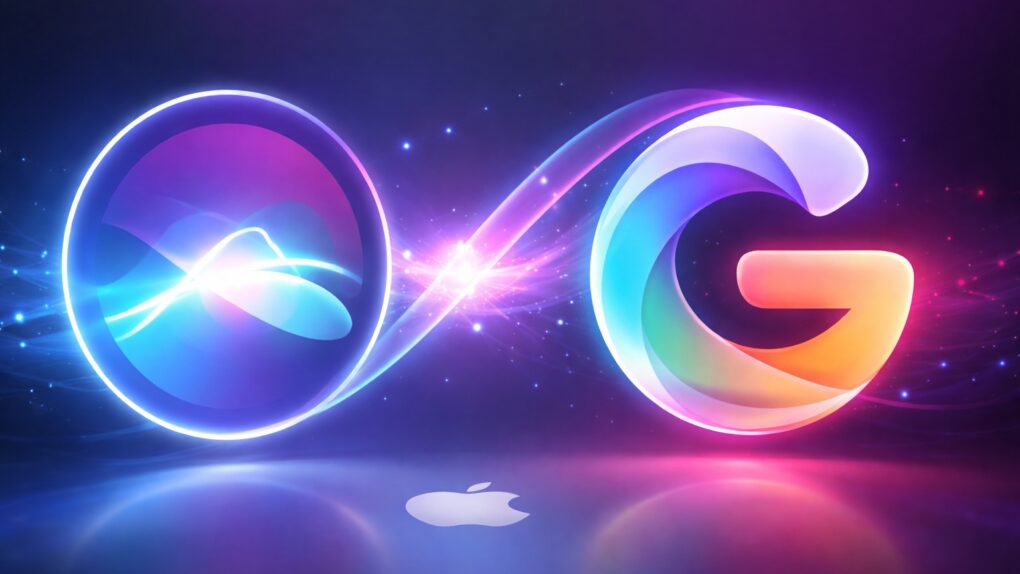
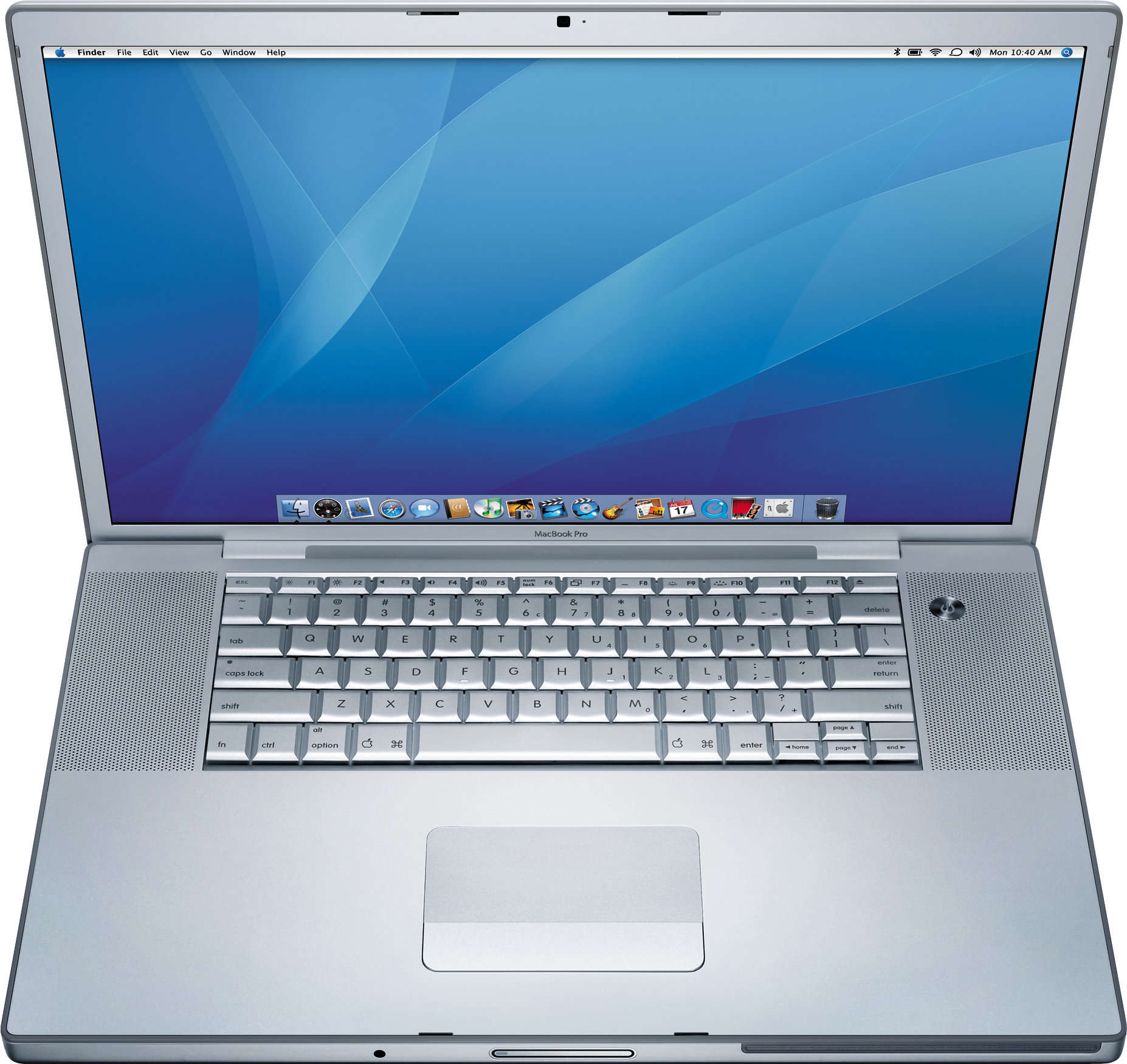
 January 10, 2006: Steve Jobs unveils the original 15-inch MacBook Pro, Apple’s thinnest, fastest and lightest laptop yet.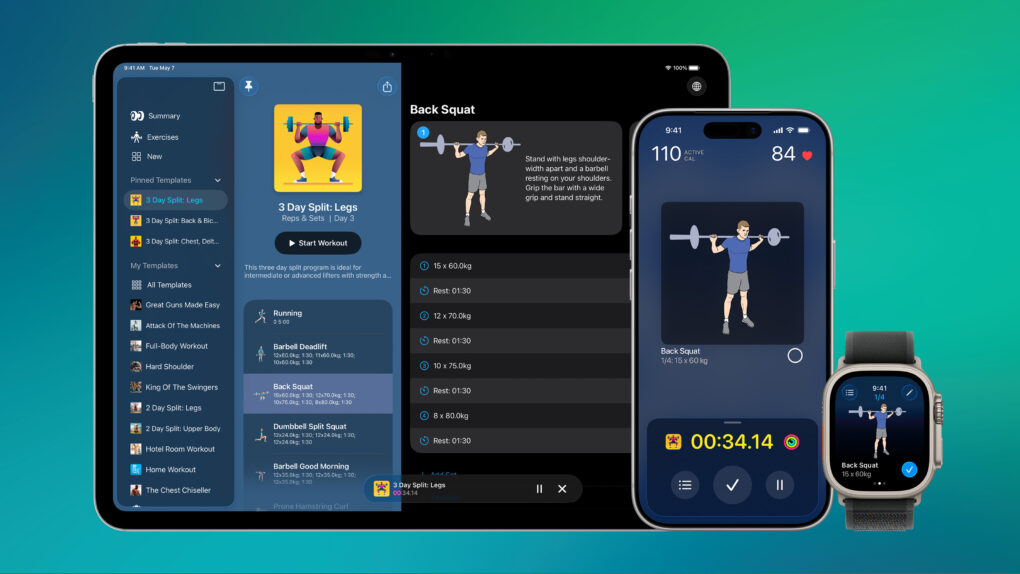

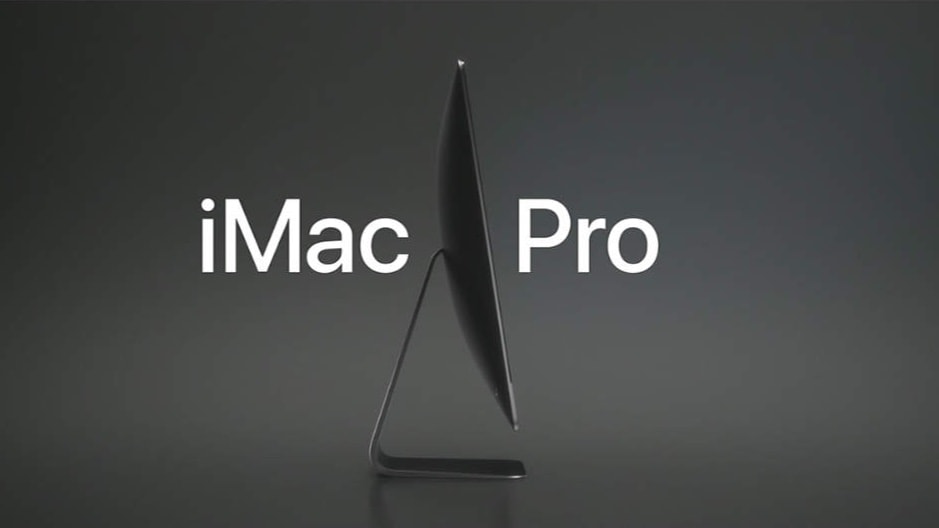
 December 14, 2017: The much-anticipated iMac Pro finally reaches customers many months after Apple’s announced the product. With a built-in 27-inch, 5K display and an Intel Xeon processor, the high-end desktop combines the features of an iMac and a Mac Pro.