A lot of rumors are swirling that Apple plans on radically updating its MacBook Air line-up this year. Impressively, Apple is said to be readying a thinner, lighter, 12-inch MacBook Air with Retina Display for release later this year.
Now a new report suggests that Apple will be releasing new MacBook Airs as early as next week. Could this be the 12-inch Retina model everyone’s been anticipating? Sadly, no. We’re going to have to wait a few months yet for that.
Queue the spy music, cause on this week’s CultCast, our very own Buster Heine sneaks into Apple’s under-construction Arizona Sapphire Crystal factory and reports back what he’s found. Plus, WWDC dishes out golden tickets like they’re Willy Wonka; what you can do about HeartBleed; all that’s been revealed in the ongoing Apple V. Samsung trial; and you asked, so we answer: why we love Apple but would never want to work there.
Hem and haw your way through each week’s best Apple stories! Stream or download new and past episodes of The CultCast now on your Mac or iDevice by subscribing on iTunes, or hit play below and let the audio adventure begin!
And our thanks to iFixit for supporting this episode. You’ve seen iFixit’s amazing tear downs of the hottest tech and gadgets, but did you know you can use their free step-by-step repair guides to fix virtually anything? Check them out at iFixit.com/cultcast, and save $10 off their excellent Pro Tech Toolkit with code “CultCast” at checkout.
You may have heard that Comcast wants to buy Time Warner. In a proposal published today that pitches the merger to the FCC, Comcast drops a hint about Apple’s future plans for the TV.
Although by no means a definite indication beyond the previous rumors that something new is coming, Comcast says that Apple is working on a set-top box. Given that Apple and Comcast have been in talks, the cable giant would be in a position to know.
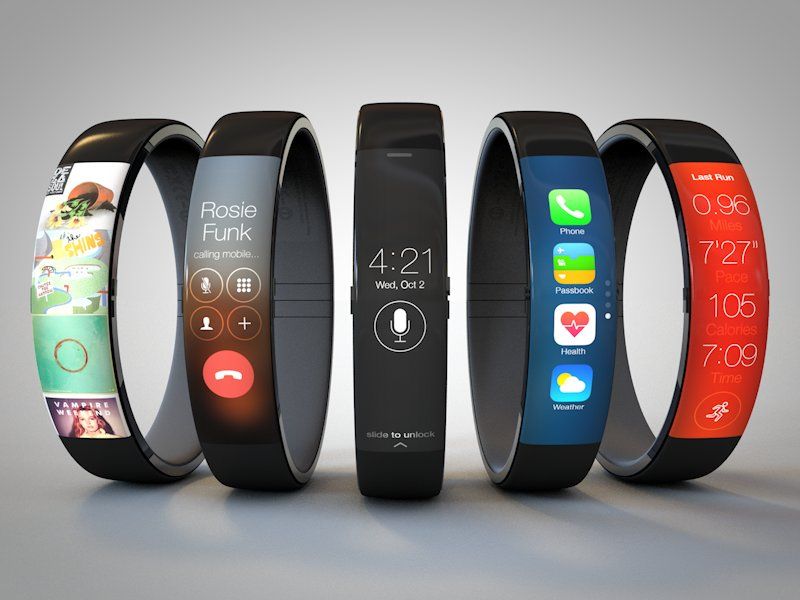
A new report out of China says that Apple’s long-awaited iWatch could debut as early as summer this year, sometime after WWDC, and ship 65M units to start. But how far can it be trusted?
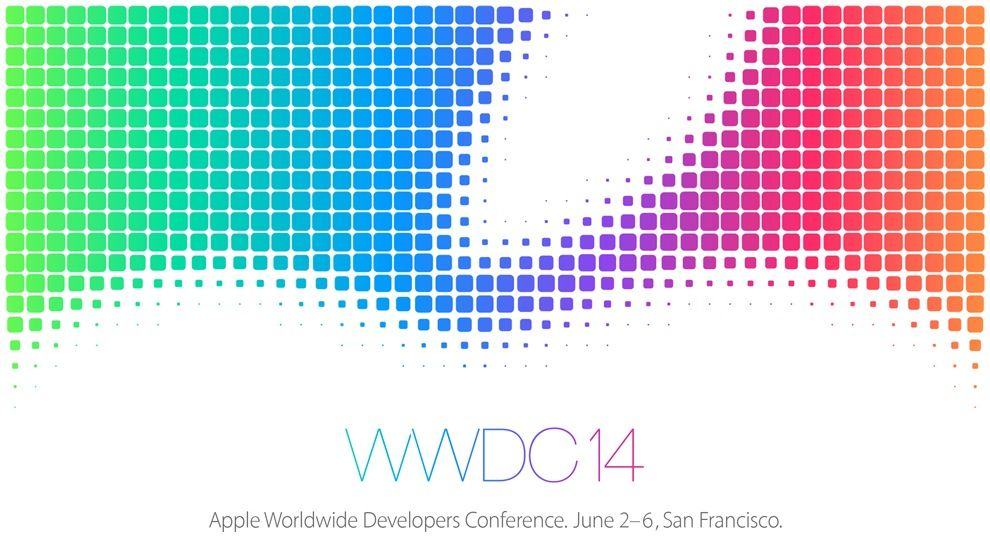
Apple has today announced that this year’s Worldwide Developers Conference will kick off on June 2 at Moscone West in San Francisco. The five-day conference will give us a glimpse at “the future of iOS and OS X,” and the star of the show will almost certainly be iOS 8.
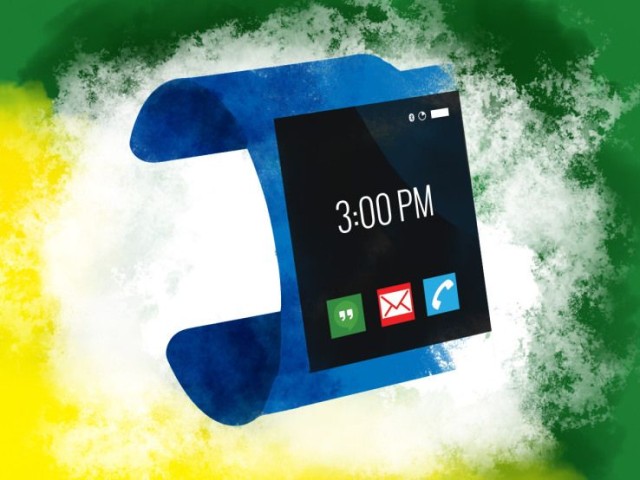
Google has settled on the specs of its first Android-powered smartwatch, and could be preparing to launch it in June… around the same time rumors suggest Apple might announce the iWatch.
Ever since the iPad arrived in 2010, analysts and Apple fans alike have been eagerly awaiting the next “big” Apple product.
With CarPlay, they may have finally found it.
Thanks to a cabal of major car manufacturers opening their doors to Apple, the Cupertino company has the opportunity to revolutionize the way we drive and interact with our cars.
Previously known as iOS in the Car, CarPlay drove most of the media buzz when it debuted at the recent International Geneva Motor Show. Sitting behind the wheel of a Ferrari, a family-friendly FF four-seater with skis in the back, veteran auto journalist Jennifer Clark says that the integration was as smart and seamless as you’d expect from Apple.
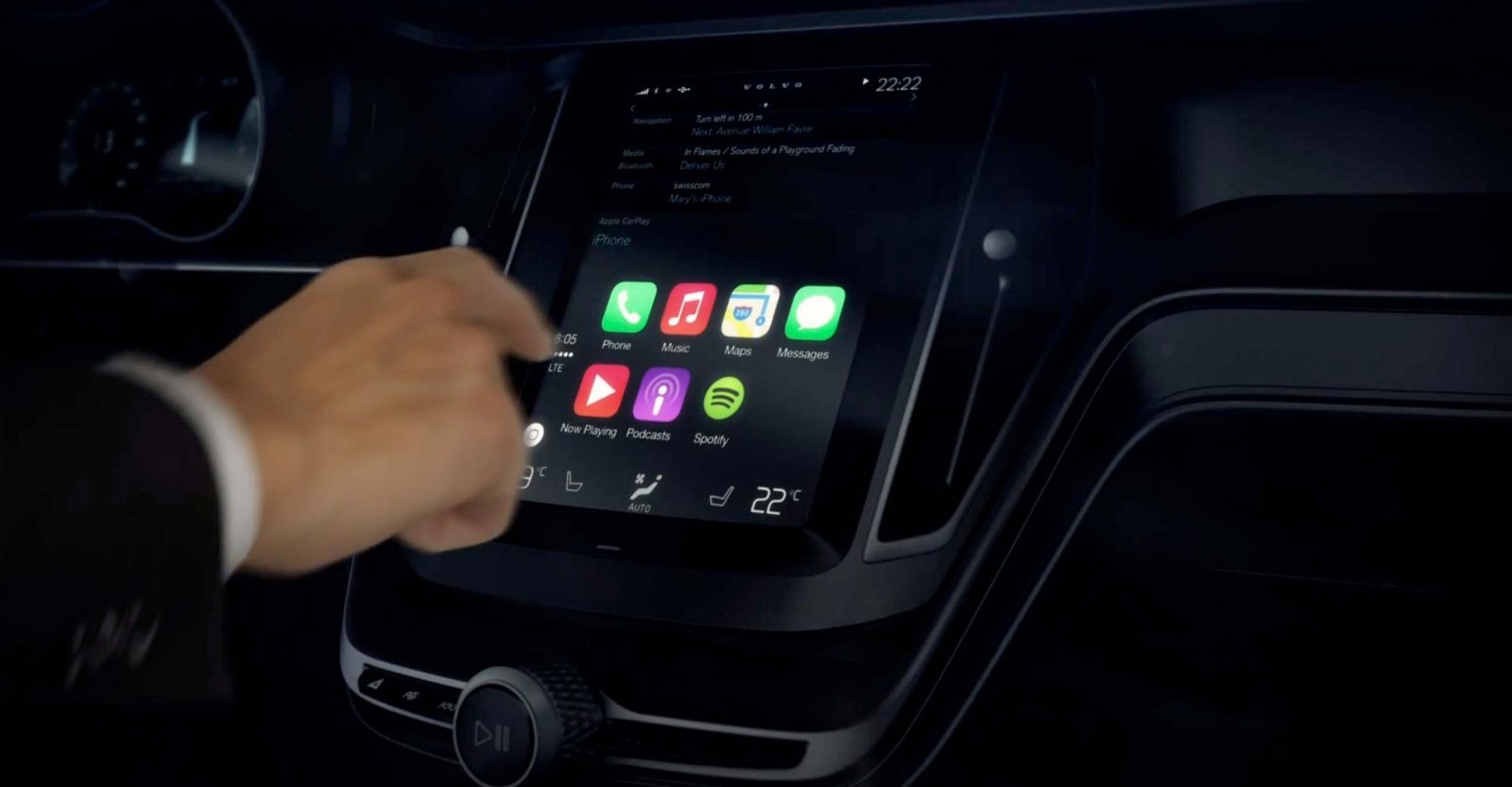
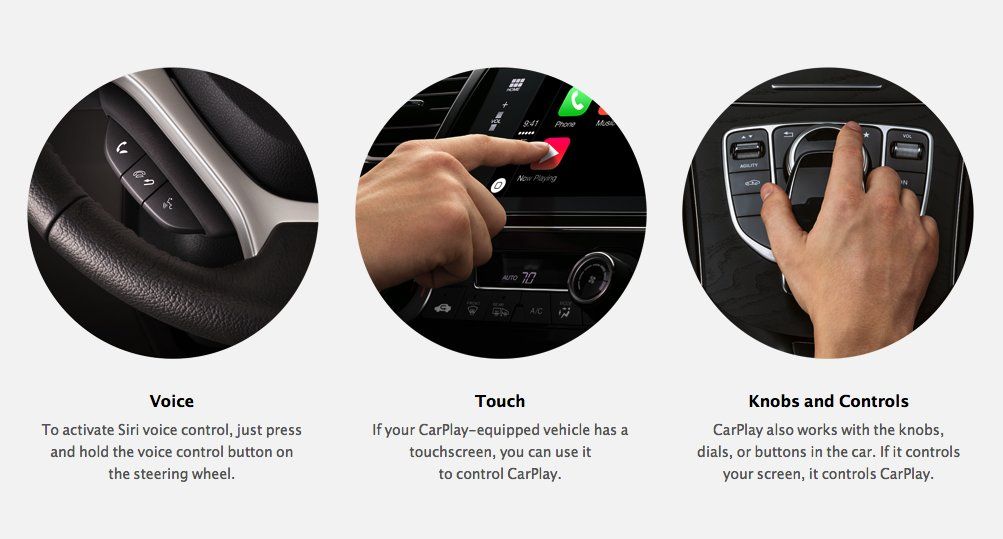
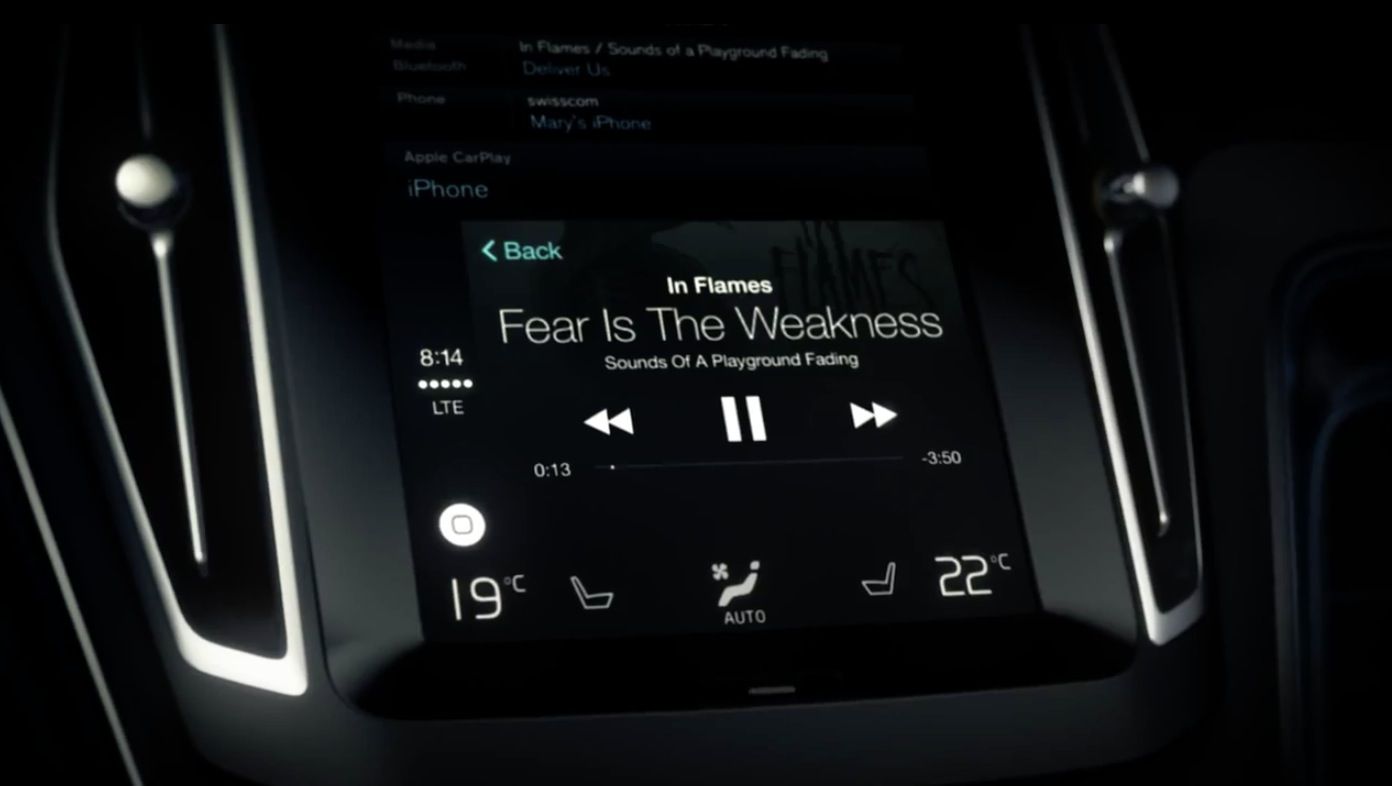
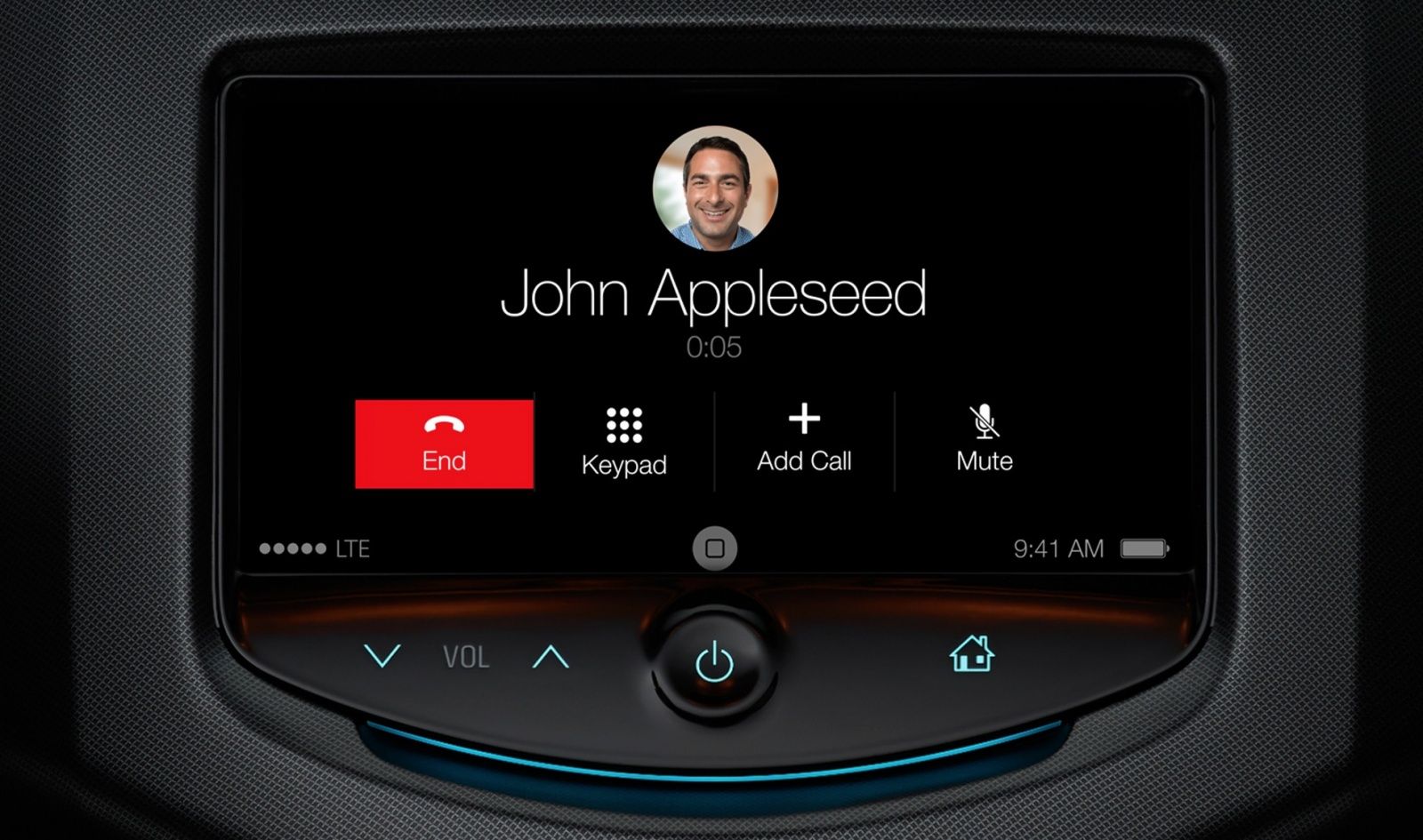
Here’s how it works: the iPhone plugs into a jack inside the central armrest, and with the press of a button, the familiar Apple icons appear on the car’s entertainment screen. The driver or passenger can active the phone, messaging, podcasts, music or map icons either my button, by touchscreen or by Siri voice command.
By creating a version of dashboard iOS that allows your iPhone to connect with the existing in-car infotainment systems used by Ferrari, Mercedes-Benz, Volvo, and others, Apple can tap into the fast-growing connected car market — predicted to be worth $131.9 billion by 2019.
Much like Apple TV provided a streamlined solution to TV viewers begging for a better interface, so CarPlay represents Apple’s gambit at taking an idea that has been around for years (the in-car infotainment system) and making it better.
CarPlay transfers many of the UI elements of iOS to the dashboard.
There is currently a lot of misinformation about CarPlay — from Apple’s relationship with automakers, to the suggestion that it’s working side-by-side with BlackBerry on the QNX software platform which has been the glue holding various in-car infotainment systems together for years.
CarPlay isn’t a case of Apple licensing a system to manufacturers, but rather an add-on for what is already in your car. It’s not a whole new technology, but a way to better integrate the iPhone into the system currently in place: overriding it only if you have an iPhone, AND this iPhone is plugged in.
“Connectivity to smartphones and other mobile devices is a key strength of QNX Software Systems’ platform for car infotainment systems, and many automakers and tier one automotive suppliers use our platform to implement smartphone/head-unit integration in their vehicles,” a spokesperson for QNX confirmed to Cult of Mac. “We have a long-standing partnership with Apple to ensure high-quality in-car connectivity to their devices, and this partnership extends to compatibility support for Apple CarPlay.”
But while CarPlay could be thought of as a glorified iPhone app, Apple is taking it very seriously indeed.
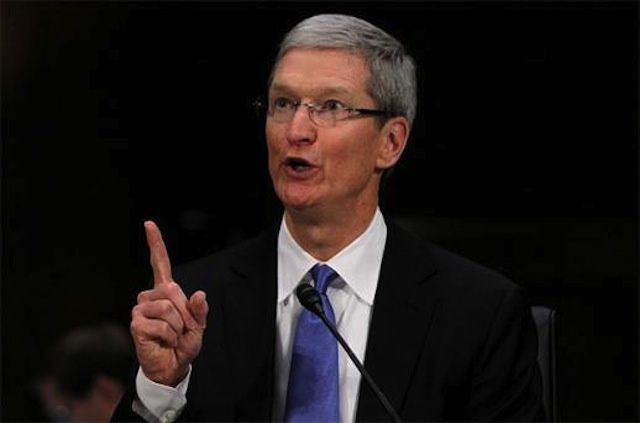
“Having something in the automobile is very, very important; it’s something that people want and I think that Apple can do this in a unique way better than anyone else,” said Tim Cook during the Q3 earnings call in 2013 — describing it as a “key focus for us.”
Tim Cook called CarPlay a “key focus” for Apple.
Why exactly Apple is so keen is obvious: because as potential users nearly all spend hours in the car in week — valuable hours (both to us and Apple) that we could better use engaging with iOS devices.
The average one-way daily commute for workers across the U.S. is 25.5 minutes, while a 2011 survey carried out by the U.S. Census Bureau claiming that 79.9 percent of workers travel to work alone by car. We’re buying more cars, too — the number of car sales in the U.S. have increased by 1 million vehicles every twelve months.
This isn’t an area that is new to Apple, but one that it has been working toward for at least a decade.
“You have to go back to the iPod,” veteran Apple analyst Horace Dediu of Asymco told Cult of Mac. “By about 2004, its use in the car was very much sought after, because users wanted to get music in their vehicles. We had the standard CD players, but the idea was that if you had a thousand songs in your pocket you should also be able to get them to play in your vehicle. Already by 2003 and 2004 Apple was reaching out to car makers regarding this, and after just a few years, they were making claims that between 70 percent and 90 percent of cars manufactured in the United States had the iPod as a supported product.”
In 2010, while Steve Jobs was still at the helm, Apple launched its iPod Out service with iOS 4.0, which let users pair their iPods with their in-car entertainment systems, and which quickly gained the support of 35 car manufacturers.
Two years later, in 2012, Apple and Mercedes-Benz announced that Siri would be put into the A-Class Mercedes Benz line — giving drivers the ability to use the apps on their iPhones via voice commands. Known as Drive Kit Plus, the program works in conjunction with Mercedes-Benz’s Digital DriveStyle App.
CarPlay was announced during the opening keynote at WWDC last June, under the clunkier moniker iOS in the car, with the idea that it will be coming to a dashboard near you from 2014 onward.
Third-party apps are still lingering question when it comes to how smart your car will become with Apple. So far, the only companies that Apple has provided a private API for include Spotify, Beats Radio, iHeartRadio, and Stitcher. These are all popular streaming music and podcast services, designed to replace old fashioned radio.
Currently CarPlay is very much like current Apple TV, or the iPhone in its early years — offering a select few apps from a smaller number of big companies, but no larger app ecosystem. It is not yet clear whether Apple will pursue this route.
“As a third-party developer we don’t currently have access to CarPlay,” says Michael O’Shea, CEO of Abalta Technologies, and 22 years of experience in the car infotainment field. “But clearly the door has already been opened to some — which suggests that it might be opened a bit wider over time.”
Opening CarPlay to third-party developers could trigger a driving app revolution, just as happened for mobile devices when Steve Jobs opened the App Store to iPhone developers in July 2008.
But it could also create problems: just how much “play” — and the consequences of distracted driving — will be allowed in the system?
For now, CarPlay features Siri-guided apps that don’t require the user to keep looking away from the road at the in-car screen. How would Apple ensure that low distraction factor for all third-party apps? Unlike an iOS app designed to be as attention-grabbing as possible, what obligation does Apple have to ensure the safety of drivers using the system?
“Technically and operationally, Apple has the ability to create a certification process that ensures that apps conform to certain guidelines, but along with that comes potential liability,” O’Shea says.
“I’m not sure this is going to be as open as [current iOS devices] where you can have any app you want on your home screen,” says analyst Horace Dediu. “Apple may want to restrict the type of functionality to maybe just music or navigation. The app opportunity is exciting, but cars are also hazardous environments that can kill you if you don’t do the right thing. I don’t think it’s going to be opened up as much for developers to take real estate on the screen. I think Apple will take a more cautious approach.”
With Google also entering the car infotainment space, we have a repeat of the smartphone war. Photo: Google/Apple
Currently CarPlay is a car accessory. But what happens if Apple is able to switch this around so that the system plays a far more central role in the driving experience — making cars truly smart?
The quantified car could be used not just for navigating, answering messages, and accessing music — but also controlling the extra features in your car and analyzing your driving habits, improving fuel mileage and nudging you to get the brakes checked. These “nudges” are already incorporated in some car systems, like the Toyota Prius.
It’s already possible to make CarPlay a tool for accessing some of the information that is currently reserved for car mechanics — relating to diagnostic info from your engine about metrics like fuel consumption or potential faults you may be experiencing. This is already the functionality of a tool like smart driving assistant Automatic, which plugs into your car’s standard OSB-II data port, and connects your car to your iPhone via Bluetooth.
This would also present Apple a valuable tool for gathering user data.
“The way that we drive can tell companies a lot about us,” says Michael O’Shea. ”Where do you go? What do you do while you’re traveling there? What do purchase along the way, and at what time? All of these are questions that can be invaluable from an analytics perspective. It’s an enticing area for companies for that very reason.” Although this might be more the remit of Google — who have continually exhibited their enthusiasm for gathering and monetizing user data — Apple could use these behavioral insights to help push engagement with the Apple ecosystem and beyond.
Apple isn’t the only A-list tech company working in the in-car infotainment space. Microsoft has been pushing its Windows Embedded Automotive 7 system, designed as a platform for automakers and suppliers to deliver a Microsoft in-car experience aimed at drivers. Google is also a new entrant into this field, but it made a big announcement at this year’s CES regarding the Open Automotive Alliance, which is a partnership with Audi, General Motors, Honda, and Hyundai to put an Android OS in cars this year. This alliance would result in automakers having access to an open ecosystem that would allow programmers to easily create new apps designed specifically tailored to in-car use.
CarPlay also faces competition from companies already working in the infotainment field, such as satellite-radio broadcaster Sirius XM — which has made a number of recent acquisitions showing their determination not to lose their competitive edge. In August 2013, the company acquired connected-vehicle services business Agero Inc. for $530 million, allowing Sirius to provide in-car Web-connected services related to security and real-time navigation.
Apple has the name, reputation, and (from what we’ve seen so far) the goods, to make a major dent in the in-car infotainment area.
Questions about how much control car companies are willing to cede will have to play out, but CarPlay certainly looks a whole lot better than some of the dismal offerings already out there.
Apple’s surprise announcement of CarPlay turned a lot of heads. Bizarrely running on Blackberry’s QNX platform, of all things, CarPlay will launch through partnerships with Volvo, Mercedes, and Ferrari. But how hard will it be for other developers to add CarPlay support to their apps?
The good news is the answer is: ‘not very.’ But the bad news is, Apple’s the gatekeeper to when that happens, and they won’t open up access until they are convinced CarPlay is safe.
Spotify is one of the select launch partners for Apple's CarPlay. (image courtesy of Volvo)
This week Apple announced CarPlay, a rebranding of ‘iOS in the Car’ from WWDC last summer. The software is an extension of iOS that is designed for hands-free use of Siri, Apple Maps, Phone, Messages, and services like iTunes Radio.
While Apple’s focus with CarPlay is clearly on its own apps and services, the company has chosen to launch with four “select third-party audio apps.” It’s good news for the chosen four, but how Apple plans to work with other developers on CarPlay integration in the future remains unclear.
Apple will launch “iOS in the Car” with Ferrari, Mercedes-Benz, and Volvo as partners at the Geneva Motor Show next week, according to the Financial Times.
While Apple has said that it has more than a dozen automobile manufacturers on board, the company is reportedly choosing to launch with the three aforementioned brands only. Apple executive Eddy Cue is a member of Ferrari’s board of directors.
Originally unveiled alongside iOS 7 at WWDC last summer, iOS in the Car is Apple’s interface for dash displays in vehicles. The extension of iOS lets the user navigate using Maps, make phone calls, control music, and use Siri without needing to touch an iPhone in the car.
Apple has said that iOS in the Car is a “key focus” for the company in 2014. A redesigned interface for iOS in the Car was discovered in iOS 7 last month. Automobile makers like Honda have been preparing their newer cars for the software with large touchscreens.