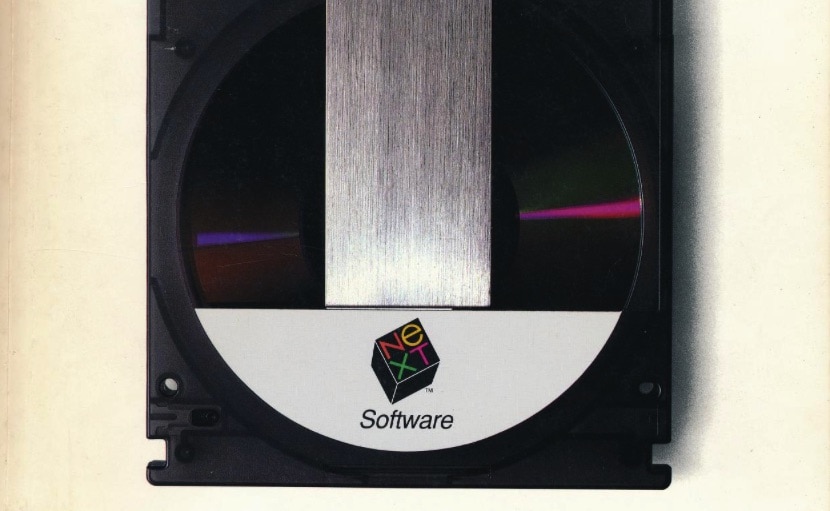
Can this really have been 30 years ago? Photo: NeXT
Looking for a dose of Monday nostalgia? If so, then you might enjoy checking out the 1989 fall catalog for NeXT, the company started by Steve Jobs during his years outside Apple.
Loving scanned by amateur computer historian Kevin Savetz, it’s a fun look at computing 30 years ago.
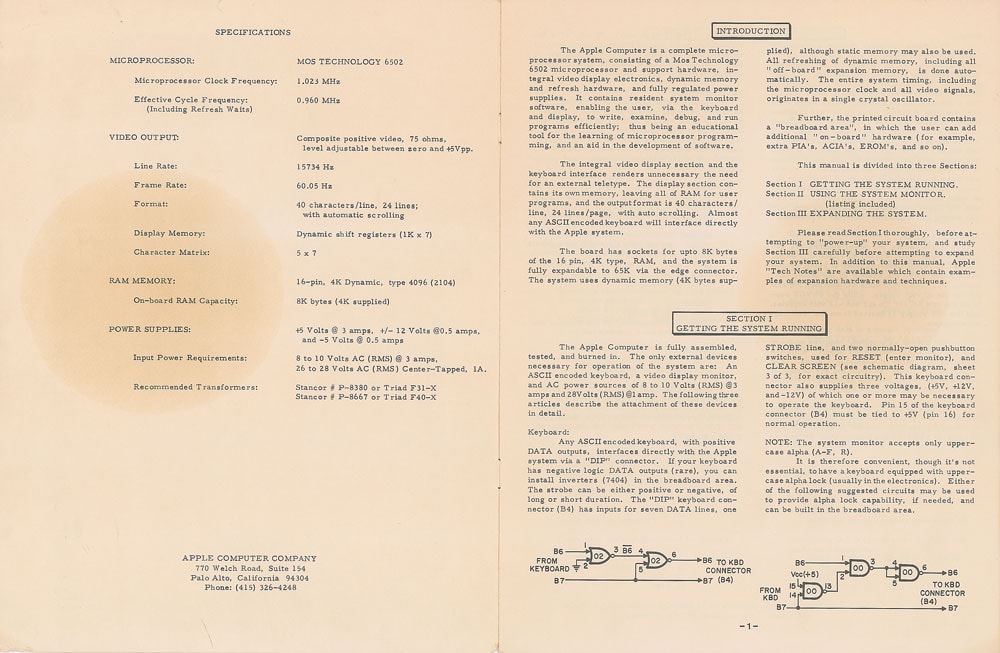
This original Apple-1 user manual is slightly stained but it’s still worth quite a bit. Photo: RR Auction
Bidding was apparently hot and heavy for a computer manual for the Apple-1, this company’s very first computer. In a multi-day online auction for this rare bit of tech history, the top bid was under $10,000 only a few days ago but in the end the document sold for $12,956.
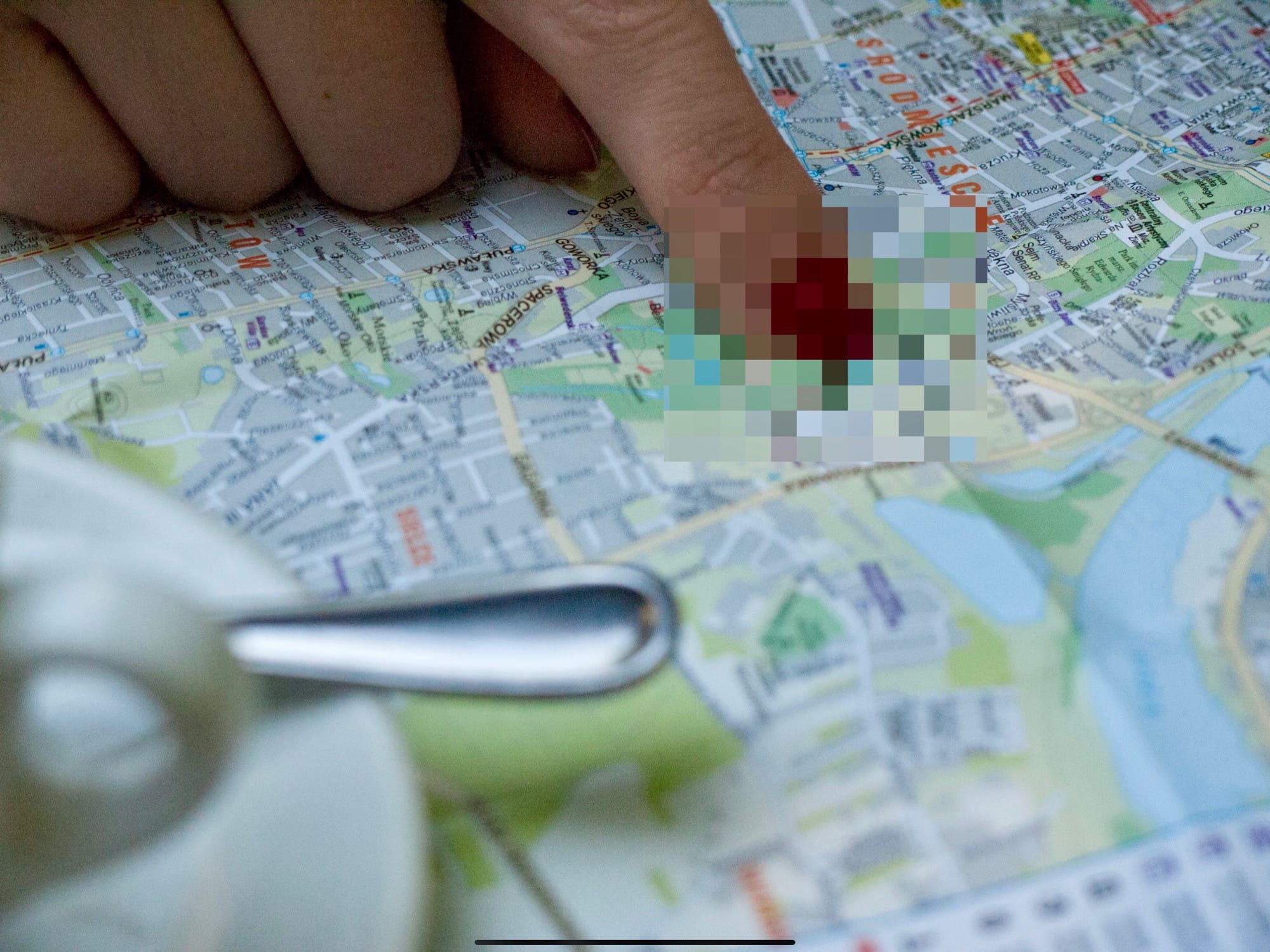
iOS 13 keeps your location private. Photo: Charlie Sorrel/Cult of Mac
When you send a photo to somebody in iOS 12 or earlier, you also share that photo’s location. If you upload a picture to a classified ad or auction site, you potentially show everyone exactly where you live. And if you send a photo to a friend or family member, they may share that image publicly (on Facebook, for instance) — and share your home address along with the picture.
In iOS 13, you can disable location sharing for any photo you share. Some annoying limits hurt this new feature, and you have to remember to do it every time you share an image or video, but it’s still a lot better than what we have in iOS 12.
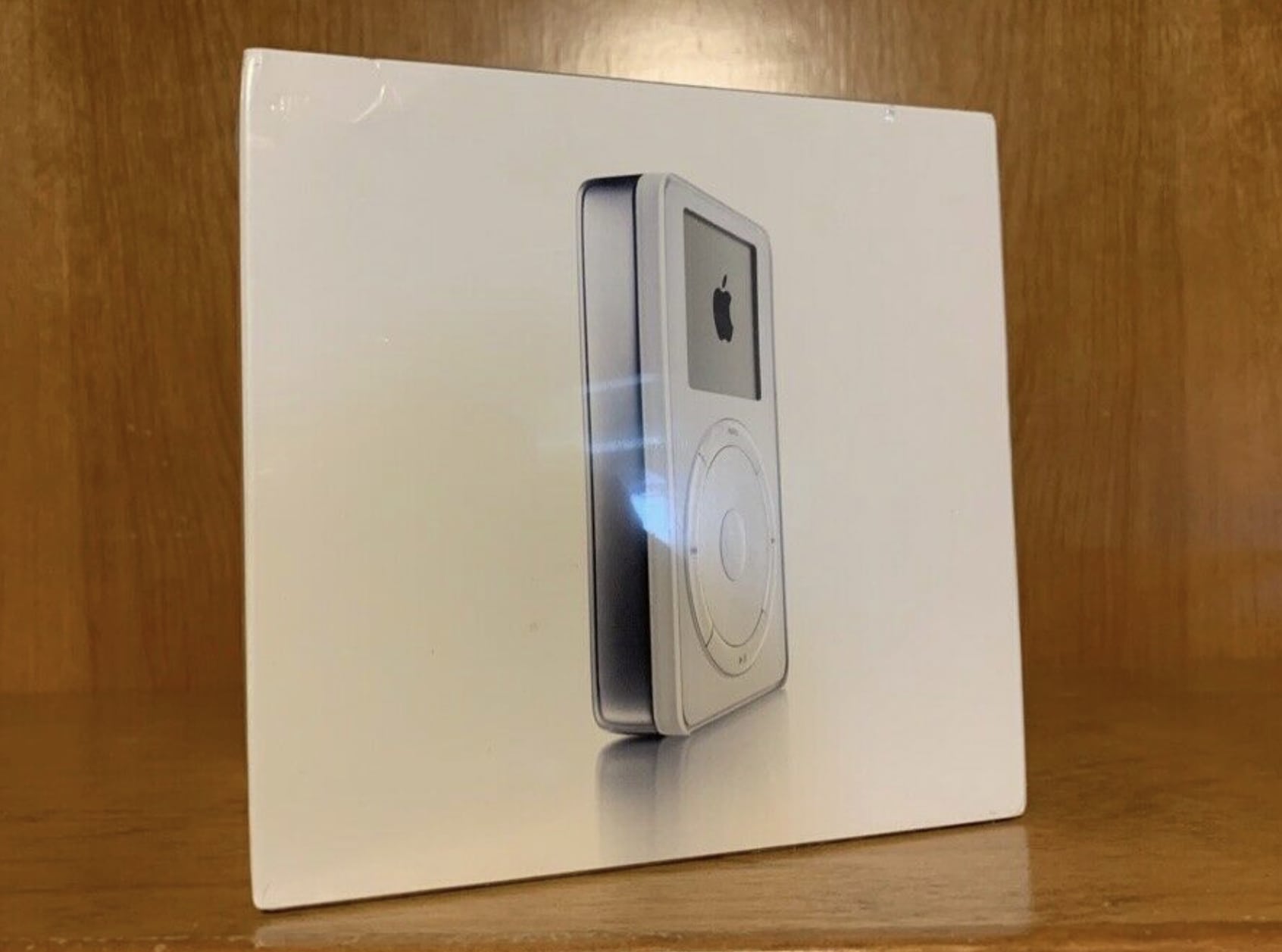
Apple devices famously hold their value well, and if they’ve never been used, they can fetch a lot more than they originally cost. But would you pay $19,995 for a classic iPod?
That’s exactly how much one eBay seller is asking for a first-generation unit that comes in its “unopened original box.”
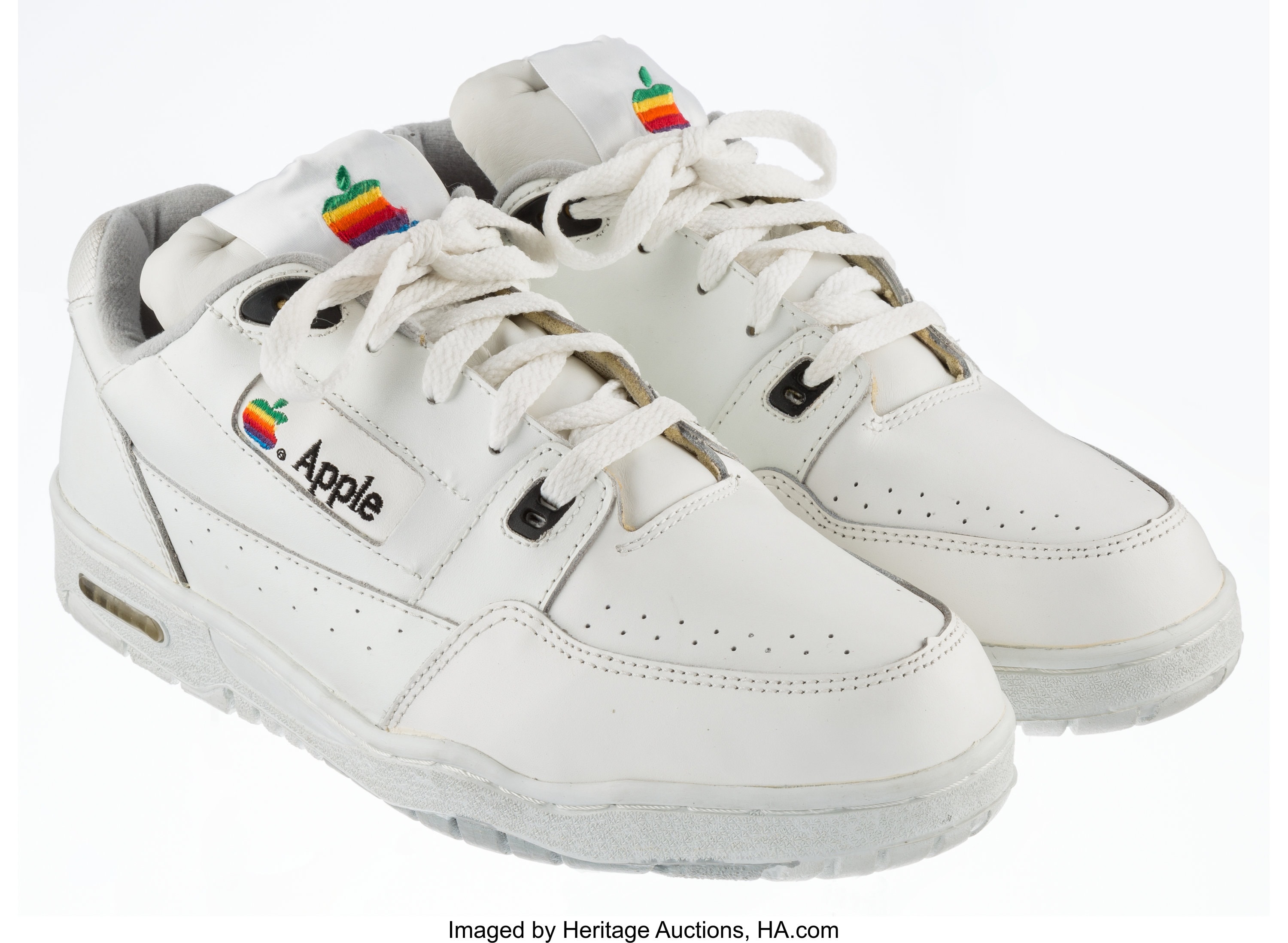
These Apple sneakers sell for big bucks. New shoes that salute the originals are a more affordable option. Photo: Heritage Auction
The Apple-branded sneakers given to employees in the early 1990s have become collectors’ items priced well out of the range of ordinary consumers.
But two companies known for making cutting-edge footwear have come together to create shoes reminiscent of Apple’s original that can be purchased today.
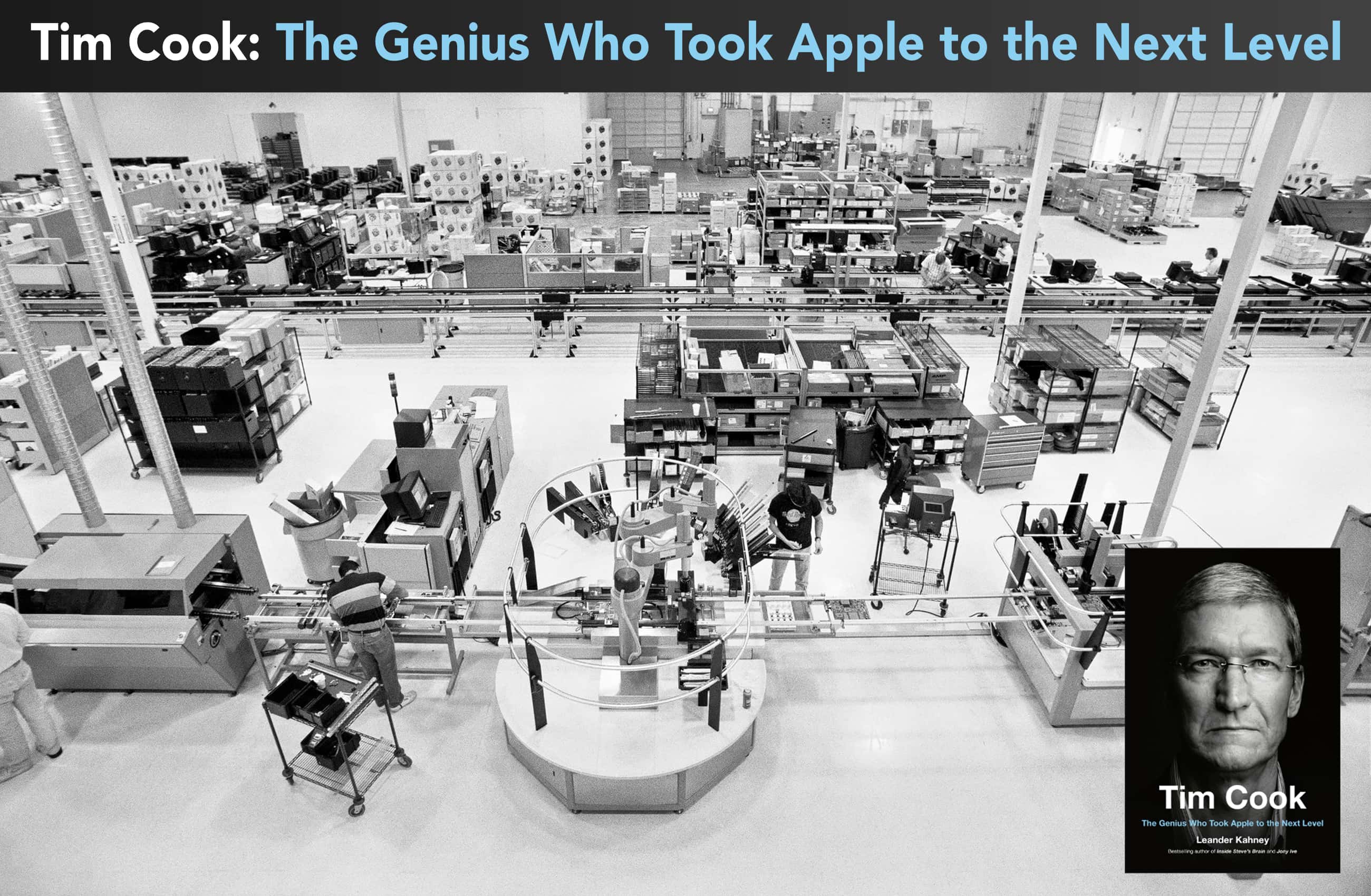
In 1990, Steve Jobs built another highly-automated factory, where robots did almost all of the assembly of NeXT computers. Photo: Terrence McCarthy, used with permission.
This post was going to be part of my new book, Tim Cook: The Genius Who Took Apple to the Next Level, but was cut for length or continuity. Over the next week or so, we will be publishing several more sections that were cut, focusing mostly on Apple’s manufacturing operations.
This is Part 2 of a two-part section on Apple’s misadventures in manufacturing. Part I is here.
Steve Jobs carried his dream of end-to-end control over manufacturing to NeXT, the company that Jobs founded after being booted out of Apple in 1985. It was here that he learned a tough lesson about manufacturing: that sometimes it’s more trouble than it is worth. Or, perhaps more kindly, that great manufacturing capabilities mean nothing if you don’t have a product people want to buy.
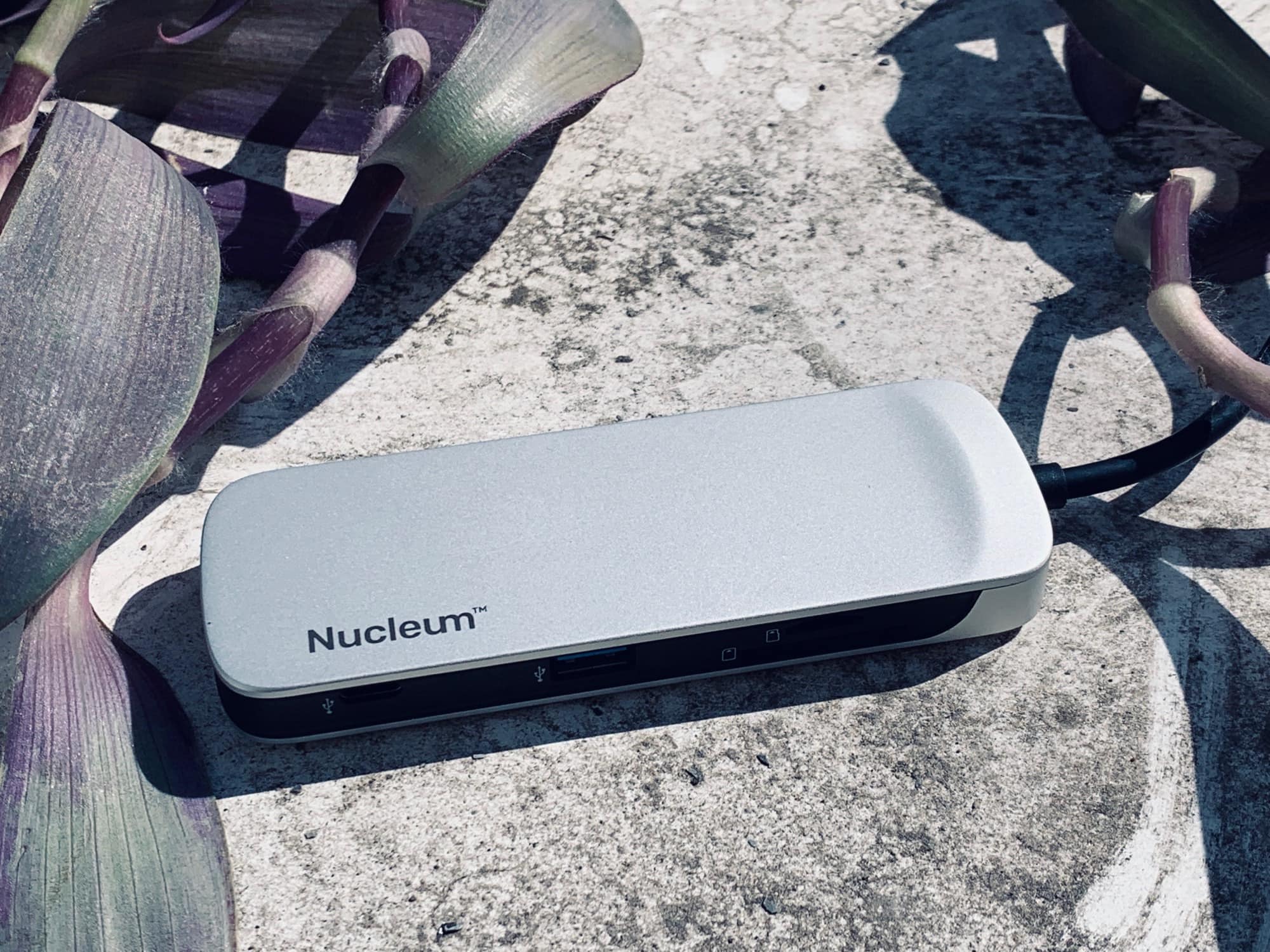
The sun finally came out, so I took this photo outside. Photo: Charlie Sorrel/Cult of Mac
Ever since I got a 2018 iPad Pro last year, I’ve gone through a drawerful of USB-C hubs. And finally, I’ve found one that works. Or rather, one that works without any odd, annoying or inexplicable behavior. It’s the Kingston Nucleum, it doesn’t have quite enough ports, and it’s just great.
Removing geodata won’t always protect a photo’s location Photo: Charlie Sorrel/Cult of Mac
Did you know that every photo you send via iMessage, or other messaging services like WhatsApp, contains all that photo’s location data? If you snap a picture in your home, anyone who’s receives that photo will be able to see where you took it on a map.
The same goes for uploading images to online auction sites, or internet forums. The good news is that it’s easy to sanitize your images with Shortcuts.
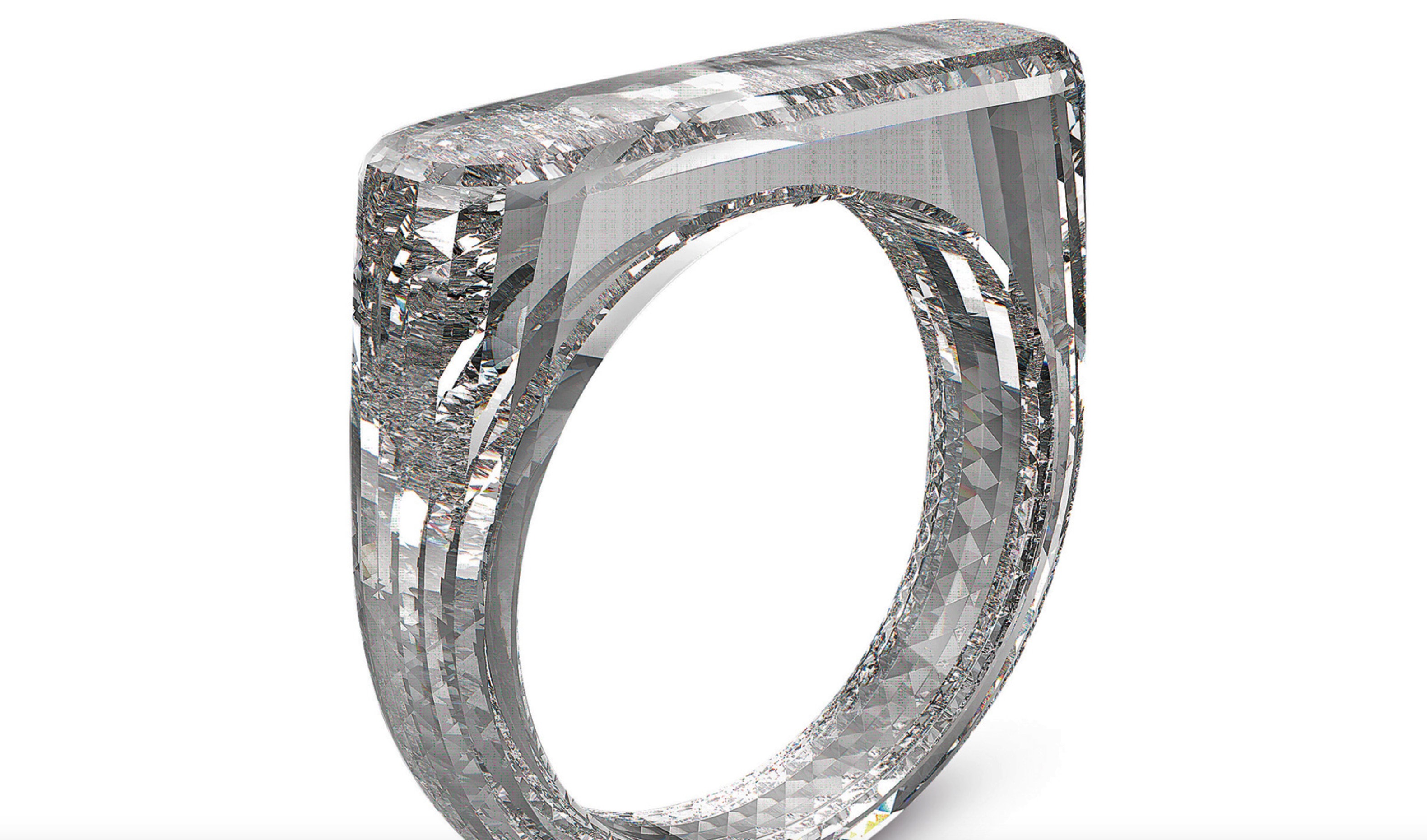
A one-piece diamond ring looks spectacular. But it'll sure as heck cost you! Photo: Sotheby's
Want to show your Apple-loving significant other that you really care about them? If so — and you happen to have $150,000-$250,000 at your disposal — you might want to participate in a new Sotheby’s auction for a diamond ring designed by none other than Sir Jony Ive and BFF Marc Newson.
The one-of-a-kind ring was designed to raise money for (RED), a charity that raises money to fight HIV and AIDS in Africa. Over the years, Apple has raised millions of dollars for the charity — and Ive has had the chance to design one-off objects such as minimalist desks in the process.