It’s been a banner year for iOS apps. From smart photo-editing tools to music-generating apps, Apple and third-party developers alike brought some serious heat to the App Store. We’ve combed through our home screens to pick out the best iOS apps of 2016.
In previous years, Apple ran the events for just one day. Photo: Apple
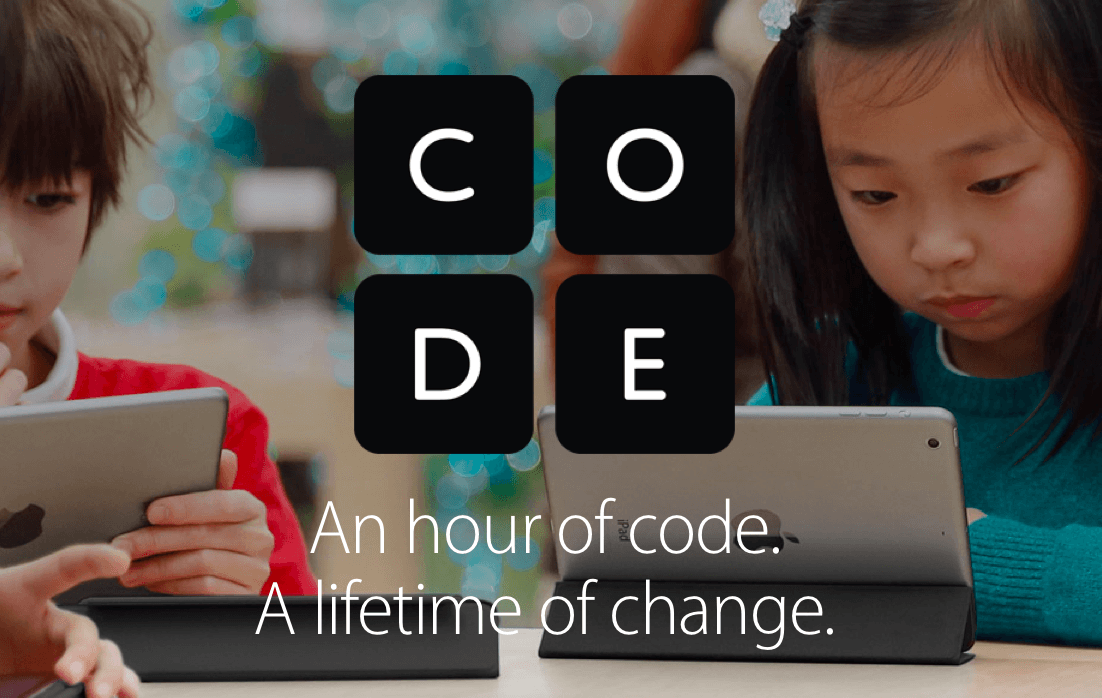
Apple has officially opened registration for its free “Hour of Code” workshops, which this year will run every day for a week at around 500 Apple stores around the world.
In previous years, Apple has offered just one day of workshops for its introduction to programming events, produced in partnership with Code.org.
Apple just posted its WWDC 2016 keynote video. Photo: Apple
Didn’t have time to catch Apple’s huge keynote this morning? You could go back through Cult of Mac’s liveblog to relive all the action. Or if you’d prefer the real thing, Apple just posted a video of the two-hour event on its homepage.
The new video covers all of the changes that Apple unveiled today for iOS 10, macOS Sierra, watchOS 3, and some new Apple TV software too. Apple topped off the event with a video celebrating developers who took their first step into coding with Apple’s Swift programming language.
Apple steps up its assault on enterprise. Photo: Jim Merithew/Cult of Mac
Apple is teaming up with SAP to “revolutionize” mobile working for enterprise customers.
The partnership will see native apps for iPhone and iPad combined with the SAP HANA platform, plus a new iOS SDK and training academy that will help developers build new apps tailored to their business needs.
Friday Night Fights returns! Photo: Jim Merithew/Cult of Android
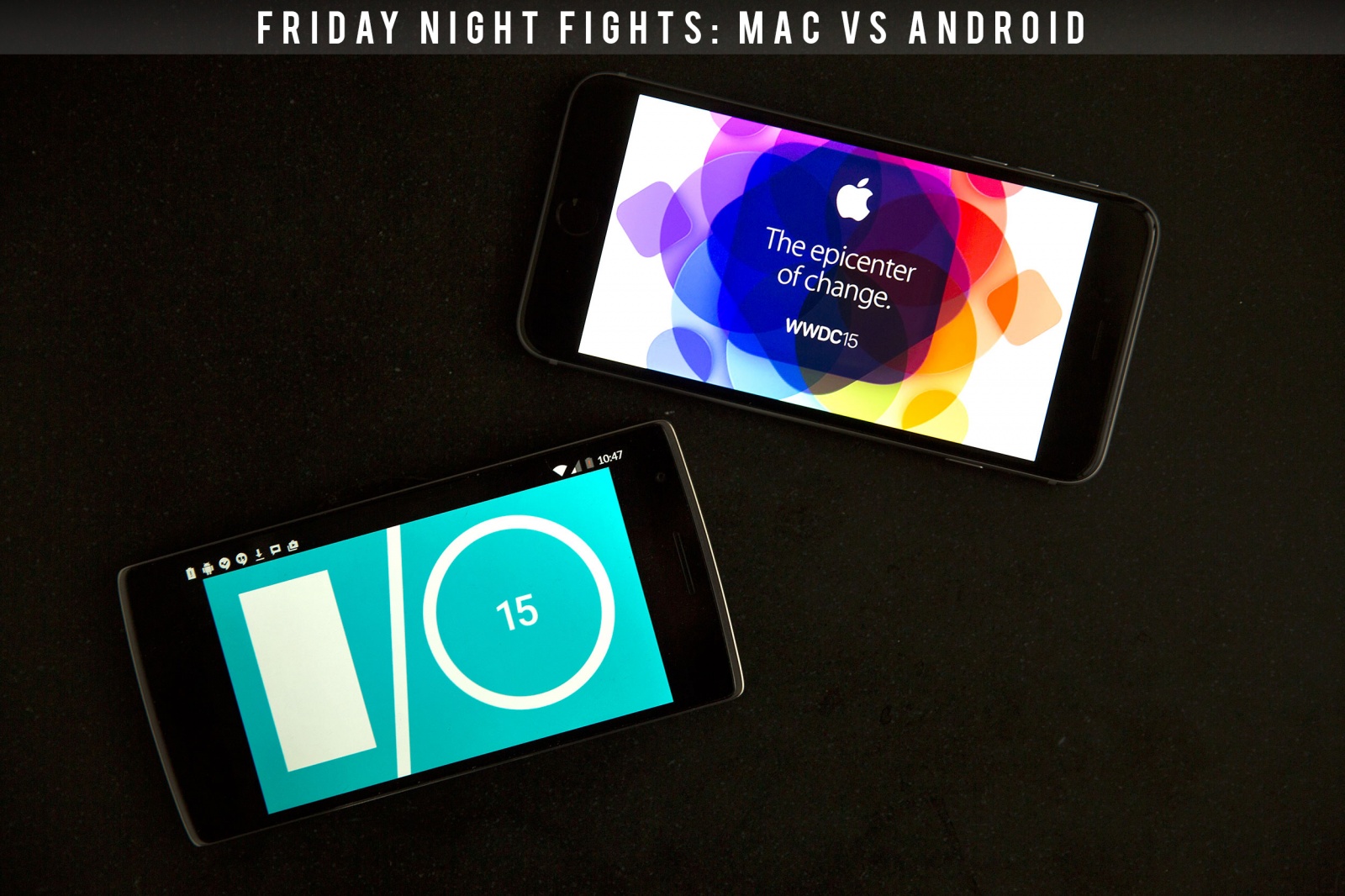
Dueling developer events Google I/O and Apple’s Worldwide Developers Conference will happen in the next couple of months, which makes this an exciting time of year for Apple and Android fans.
Both events attract a lot of attention — they’re two of the biggest software-focused conferences in tech — and getting a ticket to either one is nearly impossible.
But which is better? Find out what we think in this week’s Friday Night Fight with Cult of Android versus Cult of Mac!
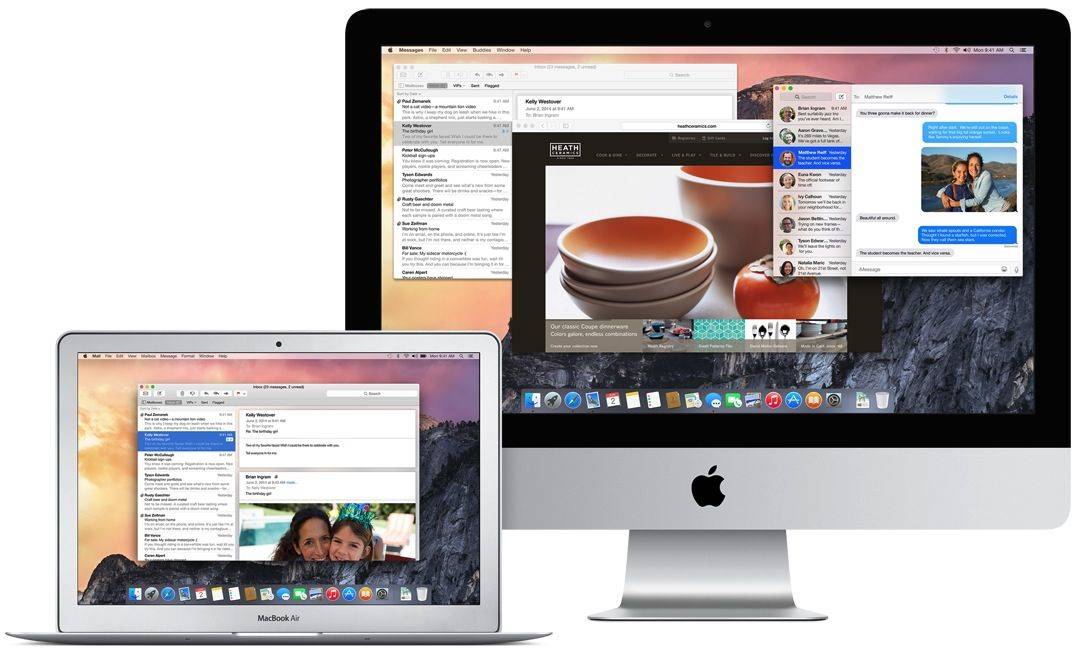
Apple seeded the seventh beta of OS X Yosemite to developer this afternoon with build 6A280n. The release comes ahead of Yosemite’s wide release this fall, and while the seed note doesn’t mention any new features, it looks like Apple’s engineers have been busy squashing bugs.
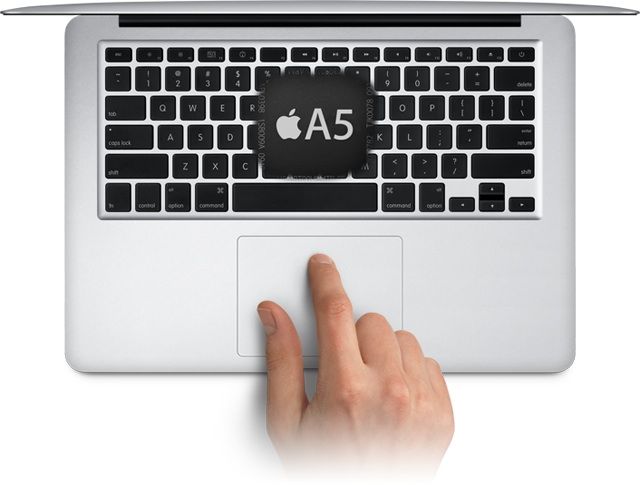
Over the years, I’ve seen rumor after rumor that Apple would eventually abandon Intel chips in favor of ARM chips. And time after time, I’ve refuted those arguments, saying that a Mac running ARM processors is not likely to happen anytime soon.
But maybe I’m wrong. Former Apple executive Jean-Louis Gassée — himself a longtime skeptic of Apple’s transition to ARM chips for its desktop and laptop computers — says he’s recently been convinced, and even believes that Apple could release ARM-based Macs as soon as 2016.
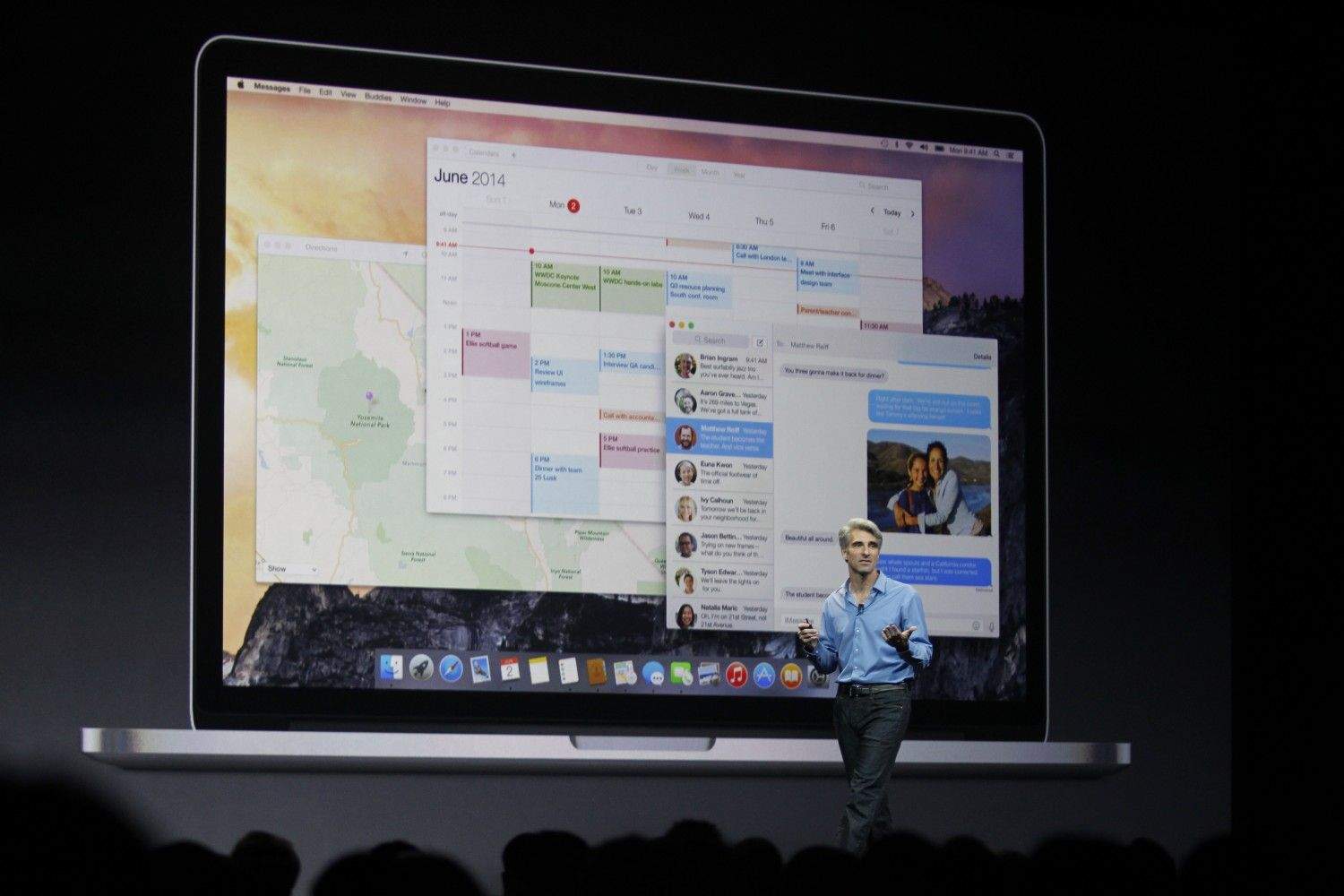
Craig Federighi, Apple's senior vice president of software engineering, unveils OS X Yosemite to the world at WWDC 2014. Photo: Roberto Baldwin/The Next Web
With iOS 8 and OS X Yosemite, Apple is finally showing us its idea of how we’ll compute in the future. Perhaps not surprisingly, this pristine vision of our computing destiny — unveiled after years of secret, patient and painstaking development — aligns perfectly with how we currently use our computers and mobile devices.
The keynote at this year’s Worldwide Developers Conference earlier this month not only showed off a new way to think about computing, based on data not devices, but also silenced pretty much every criticism leveled at the company over the past few years.
Let’s take a look at Apple’s new way of doing things, which fulfills Steve Jobs’ post-PC plan by minimizing the importance of the Mac.
A new Apple Developer Center is coming to Berlin. It's the first of its kind in Europe. This is the auditorium. Photo: Apple
Apple will open a new Developer Center in Berlin later this year. It’s the first of its kind on the continent and its fifth worldwide, the iPhone giant said Wednesday.
“Europe is home to an extraordinary community of developers who are building apps that create connections, encourage creativity and drive innovation,” said Susan Prescott, Apple’s vice president of Worldwide Developer Relations. “We have always believed that when developers have the right tools and resources to do their best work, incredible things follow. That belief is what this center is built on, and we look forward to seeing what the community continues to develop.”
The latest Vision Pro headset boosts processing power and improves comfort. Photo: Leander Kahney/Cult of Mac
Nvidia’s RTX graphics cards — the kind already sitting inside many Windows PCs and workstations — can now stream high-fidelity, immersive content directly to an Apple Vision Pro headset via Nvidia CloudXR. It’s a collaboration the two companies announced Tuesday at Nvidia’s GTC conference in San Jose.
 It’s been a banner year for iOS apps. From smart photo-editing tools to music-generating apps, Apple and third-party developers alike brought some serious heat to the App Store. We’ve combed through our home screens to pick out the best iOS apps of 2016.