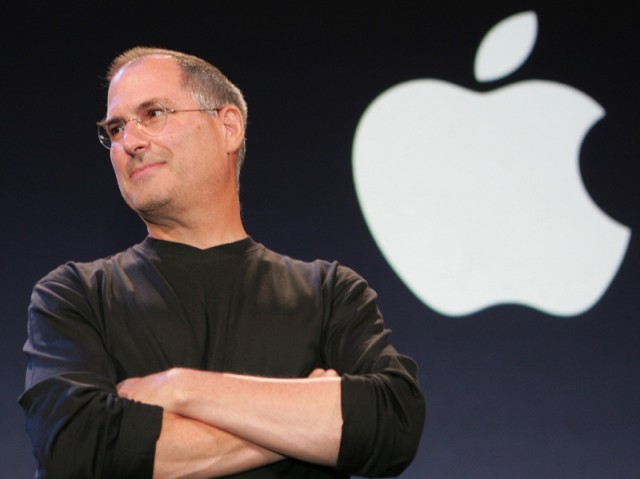
Steve Jobs has always been considered the heart and soul of Apple. He’s the man that has brought us Apple’s most successful products of the last decade, including the iPod, the iPhone and the iPad. He’s been the face of Apple for years, and he’s seen as an industry innovator and pioneer.
Since his third medical leave of absence in January of this year, Jobs has begun to slowly let go of the reins at Apple. He’s still very much in control, but the ‘Age of Jobs’ is drawing to an end.
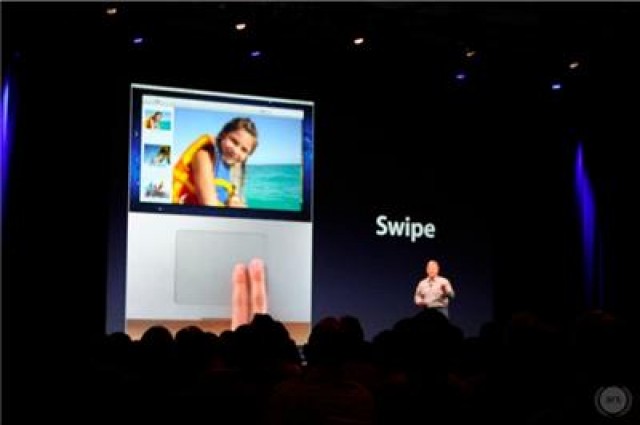
As Phil Schiller takes the stage to talk about Lion, one thing’s for sure: OS X is doing better as a platform than it ever has.
As an install base, there’s now over 54 million users around the world. In fact, it’s doing better than ever. The last quarter, the PC market actually shrank 1 percent while the Mac went up 28%
The Mac has outgrown the industry every quarter for the past half decade.
Most of those sales are notebooks. 73% of all Mac sales are MacBooks.
Why are MacBooks so popular? It’s because OS X is the heart of Mac, and it’s ten years old today, and has evolved to become refined, powerful and beautiful.
Today, OS X evolves again into a Lion, with over 250 new features. But we’re only going to talk about a few of them.
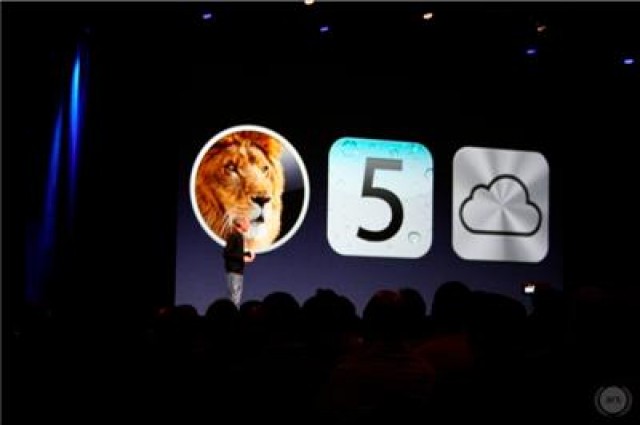
“If the hardware is the brain and the sinew of our products, the software is their soul,” says Steve Jobs. “This year, we’re here to talk about the soul across three separate products.”
Those three things? Lion, iOS 5 and iCloud.
“Let’s start with Lion,” says Jobs, making way for Phil Schiller and Craig Federighi to take the stage.
It seems only fitting the “father” of Mac OS X would take the software’s 10th anniversary for his exit. Betrand Serlet, Apple’s senior vice president of Mac software Engineering, and a long-time Steve Jobs associate, Wednesday announced he’s leaving the tech giant. His replacement has shepherded the next-generation of MacOS X — 10.7 “Lion” which includes greater ties to Apple’s mobile iOS platform.
Serlet, who holds a Computer Science doctorate, announced he wants to “focus less on products and more on science.” He described the upcoming Mac 10.7 as “a great release and the transition should be seamless.” Craig Federighi, Apple’s vice president of Mac Software Engineering, demonstrated Mac OS X 10.7 Lion to the media in late 2010.
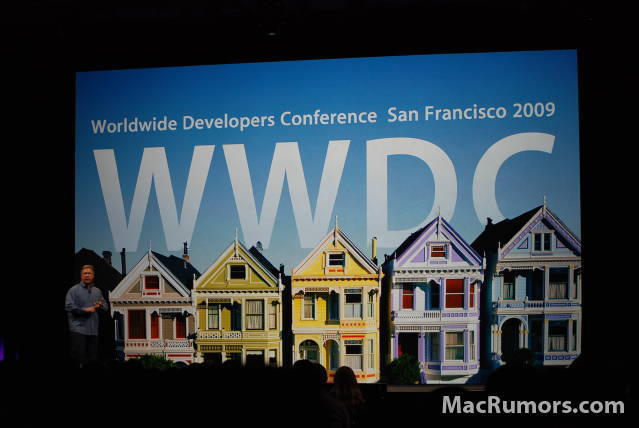
If there’s any reason for a business to shun Macs and the iPhone after Monday’s upgrade announcements at WWDC, it’s got to be because the IT department is on the take or it simply doesn’t want its employees to use the best computers and smartphone on the market.
Perhaps flying under the radar among major announcements of upgrades to the company’s notebook computer line, Apple offers with OS X Snow Leopard — and the new iPhone OS 3.0 — significant improvements to a few areas of special interest to business customers that should enable Apple’s devices to make greater inroads to acceptance in the enterprise market.
Chief among them, of course is new seamless integration with Exchange, the Microsoft mail/contacts/calendar service used by the vast preponderance of enterprise customers today.
The WWDC demo by Craig Federighi, VP of Mac OS Engineering Monday showed how easy it is to add an Exchange account using Snow Leopard, with the OS supporting auto-discovery of Exchange servers, with all email/folders/to-do lists being automatically populated and Spotlight immediately able to search all data. Quicklook even lets users preview MS Office documents through Mail, even when Office isn’t installed on the Mac.
Event invitations can be accepted or denied right through Mail. iCal and Address Book automatically have all appropriate data once Mail is setup. One or more contacts can be dragged & dropped into iCal to automatically create a meeting and Calendar events support resource allocation, including people’s schedules and room availability.
What more does the IT department want?
How about data encryption for the iPhone, the ability to locate a user’s mobile device on a Google map using the new Find My iPhone service on MobileMe and remote secure data wipe for phones that are truly lost?
Apple has always been looked upon by enterprise interests as a maker of things for creatives and other ‘unserious’ users, but Monday’s announcements surely throw down a gauntlet in the matter of those who are serious about their computing and communications going forward.
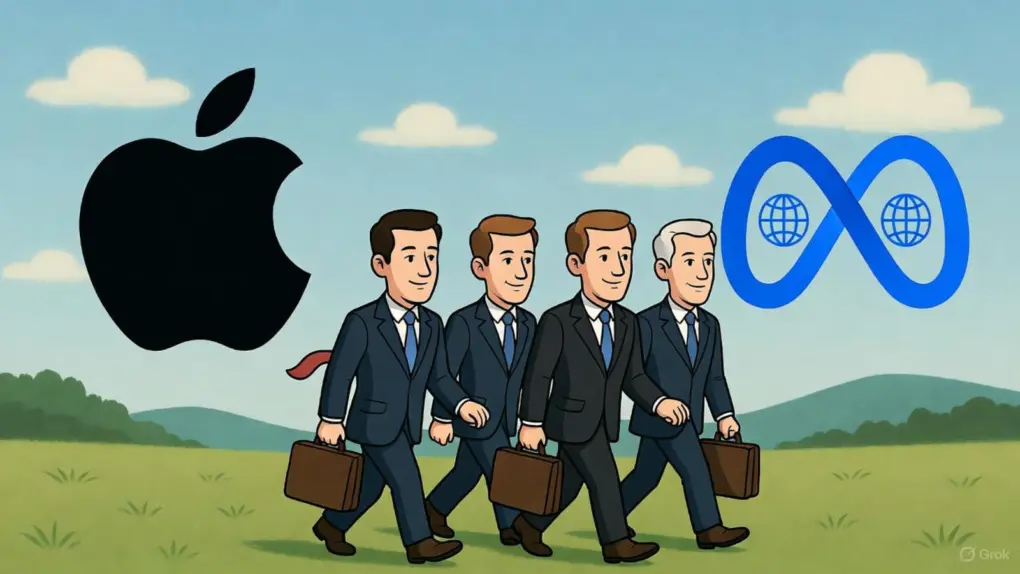
Four top executives migrated from Apple to Meta in 2025 -- part of a larger exodus. AI image: Grok/Cult of Mac
In 2025 an unprecedented talent exodus decimated Apple’s leadership ranks, with Meta Platforms emerging as the primary beneficiary of the iPhone maker’s retention struggles. The social media giant has successfully lured away four high-profile executives from Apple’s artificial intelligence and design divisions, raising serious questions about the Cupertino company’s competitive position in the rapidly evolving AI landscape. Find out more about the top executives left Apple for Meta below.
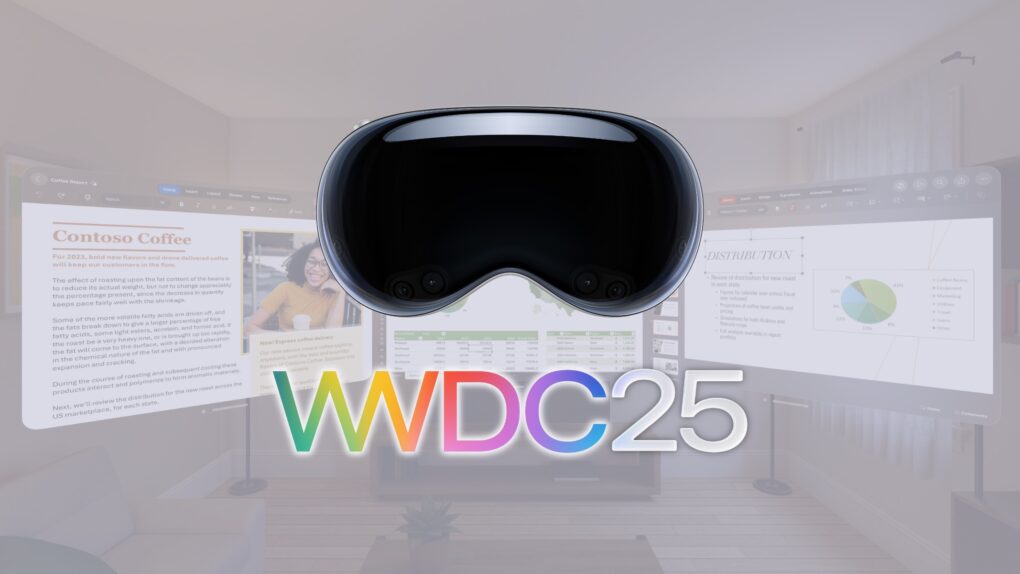
This could be a big year for Apple’s big new platform. Image: Apple/D. Griffin Jones/Cult of Mac
WWDC25 is a mere days away. While the hottest news is that iOS, macOS, watchOS and other platforms will get a visual redesign borrowed from visionOS, the question left unasked is … what’s coming to visionOS?
Rumors say there will be new advanced eye tracking features and support for VR hand controllers. But with a full twelve months of development, Apple probably has much more in store for its premium spatial computer.
Here’s what Apple may announce on Monday for the Vision Pro.
Surface leaves Apple, one of several executives to recently do so. Photo: Medtronic
As of Wednesday, Chief People Officer Carol Surface leaves Apple, the latest in a string of executives to do so. And she’s going after an unusually short two years of service for a top executive, according to a new report.
Other executive departures and role shifts include like Luca Maestri stepping down as CFO and longtime engineering exec Dan Riccio retiring.
The deceptive iOS trojan GoldPickaxe steals facial-recognition and more to get at your money. Photo: Pexels-Kamal-Hayit
For the first time, an iOS trojan has been spotted in the wild. Adapted from a well-known Android trojan, GoldDigger, the new malware is called GoldPickaxe, according to a new report. And it steals an iPhone user’s facial recognition data to go after money in banking and other financial apps. We’ll show you how below.
The EU is making it easy for hackers to get malware onto iPhones. Graphic: Ed Hardy/Cult of Mac
Criminals around the world are surely celebrating news that Apple is being forced by the European Union to enable iPhone to install applications from outside the App Store. The move will allow hackers to release a fresh tidal wave of malware, hoping to slip it onto iOS handsets. iPhone users will be forced to fend off attempts to trick them into installing this malware virtually every day.
And well-known, unscrupulous companies will take advantage of the new security hole, too.