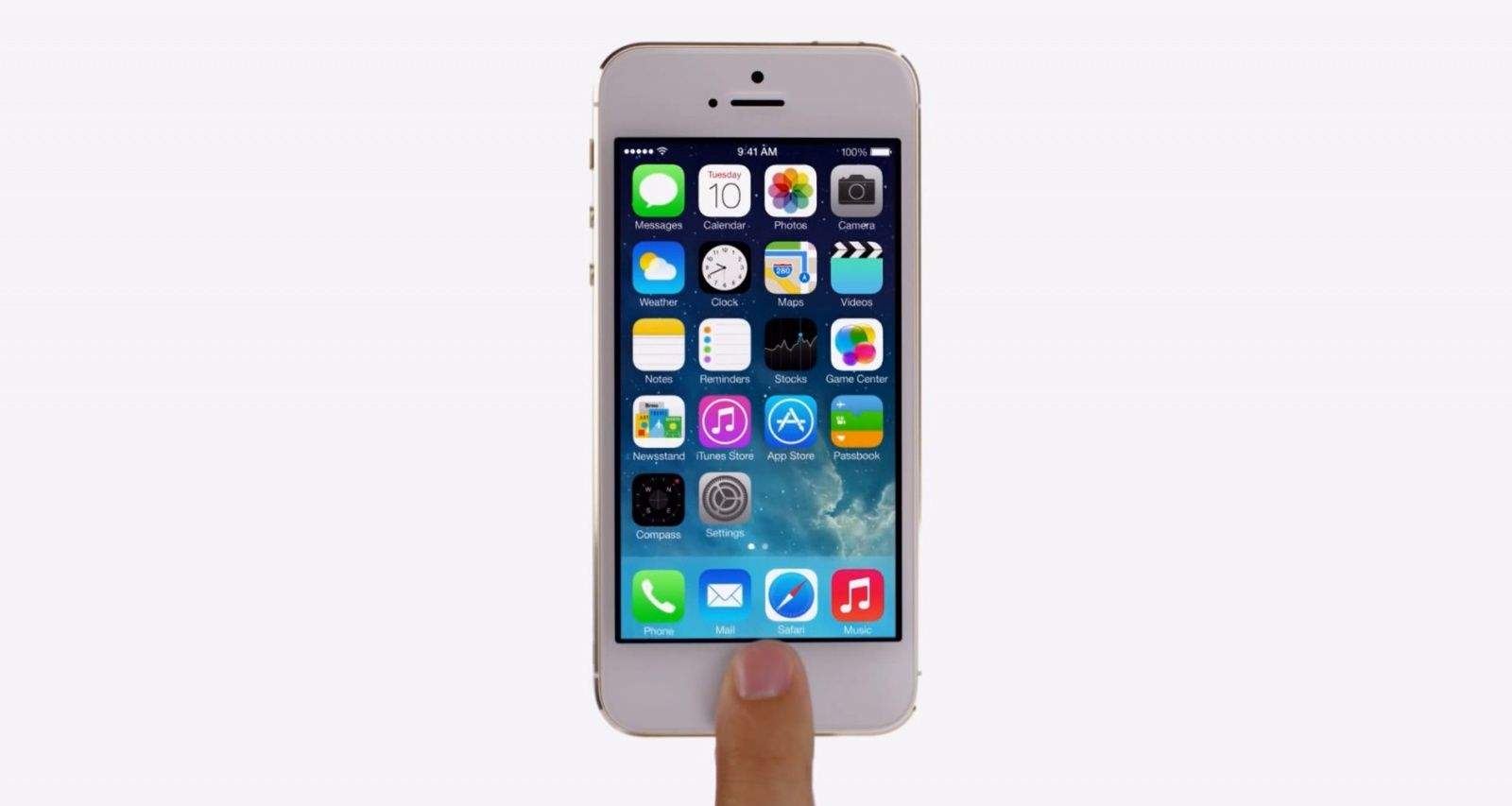
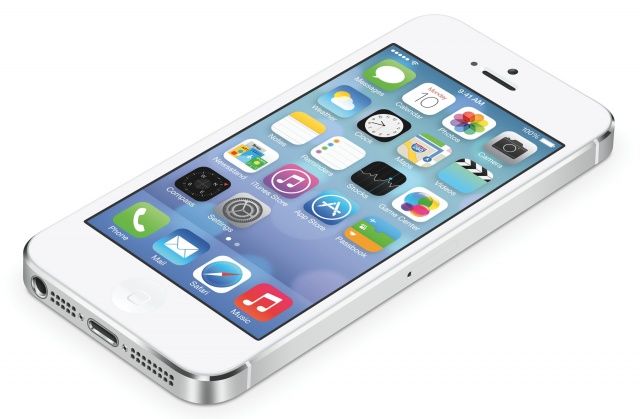
There’s no question that the iPhone 5S and iOS 7 together make for the best phone ever made.
The din of offhand, dismissive criticism from the Android fan base that Apple never innovates should be silenced, at least for awhile, given that Apple now sells the only dual-tone LED flash; the only 64-bit mobile CPU; the only 64-bit OS; the fastest touch-screen performance phones by far; the only wide-scale deployment of Multipath TCP; and the only useful, usable and widely used fingerprint scanner ever placed on any consumer electronics device.
Yes, there’s plenty of petty grousing. And who knows what competitors will ship tomorrow?
But today, it’s clear that Apple rules the smartphone market.
The Android fan critics now also have to contend with a razor sharp, concise rebuttal to the cacophony of general criticism of Apple by Apple VP Craig Federighi: “New is easy. Right is hard.” He said that after referring to Samsung by saying that Apple “didn’t start opportunistically with 10 bits of technology that we could try to find a use for to add to our features list.” Ouch!
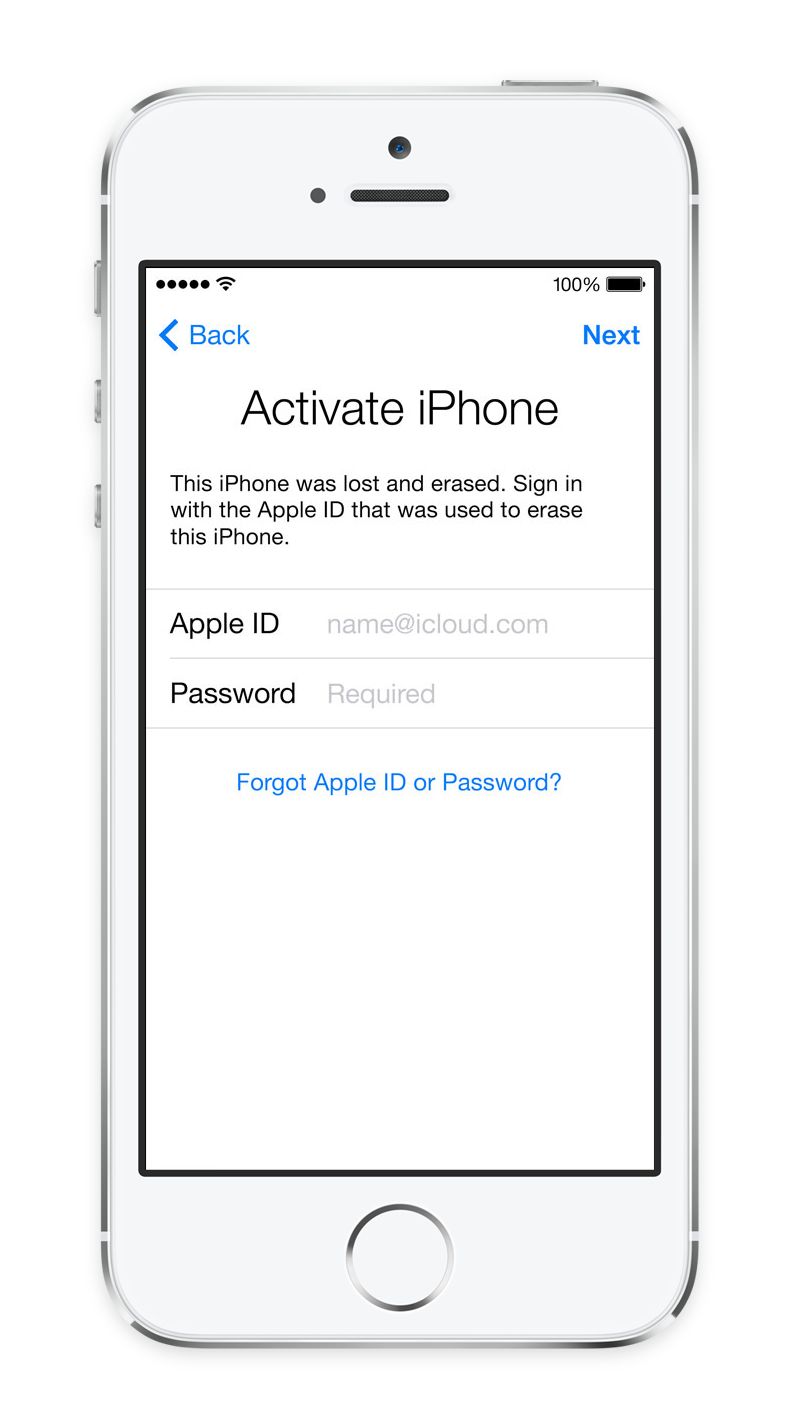
Unfortunately, iOS 7 is going to cause some huge problems that nobody is talking about yet, but will do when the unwanted bricking epidemic starts.
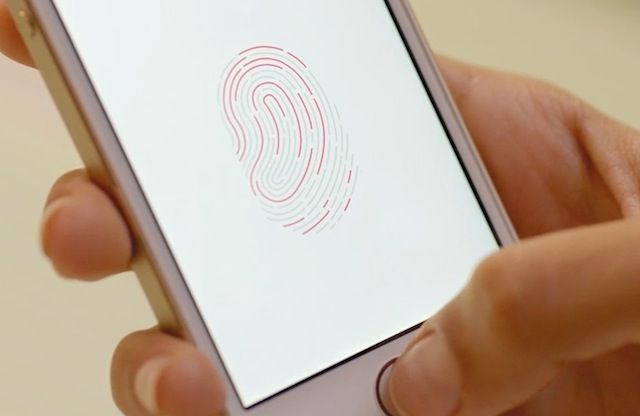
U.S. Senator Al Franken has been very vocal about his Apple opinions for years, and this time he’s sent a letter to Tim Cook regarding Touch ID in the iPhone 5s.
Franken has “substantial privacy questions” when it comes to Touch ID’s security, and given the recent NSA findings, his concerns come at a time when the American public’s questioning of online security has heightened.
There’s a conspiracy among some Apple watchers: the ‘iOS-ification’ of the Mac.
The past couple versions of OS X, specifically Mountain Lion, have proven that Apple is not afraid to bring features from its mobile operating system to the desktop. Sometimes the borrowing is incredibly blatant, like the Mac version of Reminders, and sometimes the trend is more subtle, like when Apple inverted scrolling in OS X Lion to recreate the “natural” scrolling experience from a touchscreen.
Before the June unveiling of OS X Mavericks, it would not have been farfetched to look at the evolution of OS X and iOS and draw the conclusion that the two were becoming more alike. Now that we’ve seen Mavericks, it’s clear that OS X isn’t getting more iOS-ified like everyone feared. The two platforms are headed in different directions and while they share similarities, Apple does not appear to be on a mission of convergence. Cupertino has decreed that never the twain shall meet.
The Walled Garden
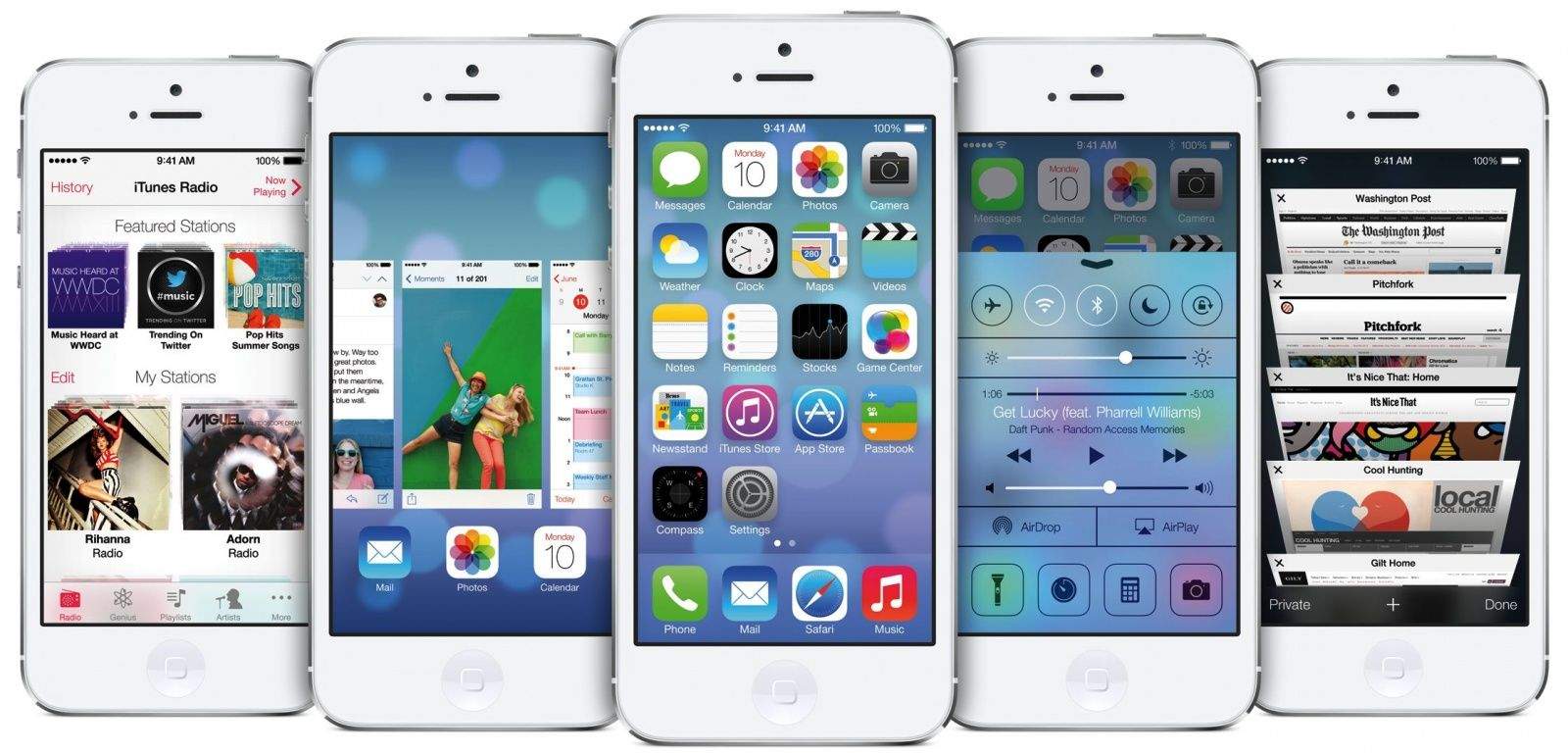
Compare iOS 7 to Mavericks, and the untrained eye could be led to believe that the two operating systems were designed by separate companies. iOS 7 is full of bright, unrestrained colors and abstract interface elements, while Mavericks largely still looks like the OS X we know and love. There are plenty of great improvements in Mavericks, but the general aesthetic of the OS is by no means a radical departure from Mountain Lion. Mavericks remains grounded, while iOS has been set free to soar into a new world of design.
“Mavericks remains grounded, while iOS has been set free to soar into a new world of design.”
To Apple, iOS is the software used by its largest and most profitable customer base: iPhone, iPad and iPod touch owners. iOS is designed to appeal to the masses and offer a consistent experience from one device to the next. iOS 7’s aesthetic design may be incredibly different, even jarring, to users of past iOS versions, but the core philosophy behind the platform hasn’t changed in 2013.
Unlike OS X, the file system in iOS is totally invisible. You can send media and certain files in-between certain apps, but there’s nothing like a Finder equivalent—no ability to open a zip file’s contents like you can on the Mac. The innards of what composes iOS are kept hidden so you don’t sweat the small stuff, or more importantly, do something damaging to the smartphone you rely on every day.
Each iOS app is sandboxed, meaning that it is forced to operate within a silo of its own under Apple’s rules. App Store apps have limited ability to talk to each another and they definitely can’t take over all of the OS, like Facebook Home on Android. An analogy that’s commonly used is a walled garden. You can enjoy the experience, just respect the boundaries.
Apple approaches iOS in a fundamentally different way than OS X, and that’s a good thing for the future of the Mac.
“PCs are going to be like trucks.”
“PCs are going to be like trucks,” said Steve Jobs, hitting the nail on the head way back in 2010. Like the car industry has been revolutionized by the automatic transmission, power steering, and hybrids, the world of traditional desktop computers has been upturned by smartphones and tablets. “Trucks” will always be needed, just not as much. The Mac is still a cornerstone for Apple. It will never have the huge install base of iOS, but that doesn’t make it any less important. Since when has Apple only cared about taking as much market share as possible?
Mavericks is the first wave of a new age for OS X.
The recently unveiled Mavericks continues to bridge the gap between iOS with a couple of additions, like iBooks and Maps. But then there’s also plenty of new features for power users, like enhanced support for multiple displays, Finder Tabs, Timer Coalescing for more efficient CPU management, and App Nap for managing power. Apple has historically been about connecting the familiar with new, groundbreaking technology.
Word on the street is that Apple has given Mavericks less attention in recent months to devote resources to polishing up iOS 7 in time for its Worldwide Developers Conference (WWDC). That may explain why iOS 7 looks so different and Mavericks is more of an incremental upgrade to OS X. Now that Jony Ive is in charge of all software design at Apple, he surely has more tinkering to do with OS X if he wants to unify the company’s design language across platforms. He’s already stripped out most the garnish textures with Mavericks (“No cows were harmed in the making of this virtual interface,” said Apple’s Craig Federighi at WWDC), but there’s a lot of needed change for OS X to truly be ushered into the era of Ive.
“The Mac is still a cornerstone for Apple.”
That doesn’t mean OS X will eventually dissolve into iOS, at least not for decades to come. While explaining the reasoning behind naming OS X 10.9 “Mavericks” on stage at WWDC, Federighi said, “We’re really excited about the future of the Mac, and we want a set of names that will carry us for the next 10 years.” Future versions of OS X will be named after special places to Apple in California. OS X is an inspirational product for the company and it has its own vision.
This is the first time in several years that Apple’s mobile and desktop platforms look so different from one another. Will our concept of “desktop computers” not exist years down the road? Thanks to the rapid pace of innovation in the tablet industry, probably. Will underpinnings of OS X fade into obscurity as the platform is phased out by iOS? Certainly not.
It’s nice to know that iOS and OS X can co-exist in the post-PC era. The future remains bright and full of possibilities.
With the launch of iOS 7 yesterday Apple made some bold steps to ditch the rich textures, shadowing, and other skeuomorphic elements that have been a staple on the iPhone since 2007.
Thanks to the departure of iOS Software Chief Scott Forstall back in October, Sir Jony Ive was given a bigger role in iOS software development, so to hype up the launch of Jony’s first software masterpiece, he and Apple’s new SVP of Software Engineering, Craig Federighi, sat down with USA Today to give some details on what went into the creation of iOS 7.
According to Jony, the decision to strip iOS of all its shadows and physical references was pretty easy once they got Forstall out the door:
After announcing the new iPhone 5s and iPhone 5c at an event on its Cupertino campus on Tuesday, Apple released its first ads for both devices. One of them — the iPhone 5c one — was shown during the keynote, but the two iPhone 5s clips, which show off its fingerprint sensor and improved camera, were not.
But don’t worry, Apple’s uploaded all three to YouTube, so you can enjoy them when you want, as much as you want, in high definition.
Tim Cook and company rocked today’s keynote. As expected, the iPhone 5s was announced with a new processor, fingerprint sensor and motion chip alongside the new cost-conscious and brightly-colored iPhone 5c.
Craig Frederhigi spent some time on Jony Ive’s upcoming iOS 7, running through the main features, most of which we’d heard back at WWDC in June, including Control Center, Search anywhere, more textured ringtones and the like.
The two new models of iPhone were the focus of today’s event. CEO Tim Cook said that the iPhone business was getting so big they decided to replace the iPhone 5 with two new models. The iPhone 5c looks to aim directly at kids and perhaps budget-conscious consumers with bright colors and the ability to purchase contrasting soft rubber cases. The iPhone 5s is a tour-de-force of new technology, including the much-anticipated fingerprint sensor, Touch ID, and the new A7 and M7 chips.
The keynote was even more densely packed with info, of course, so we’ve broken everything down into tasty, bite-size nuggets of information so you can get essentials of what happened today without having to read 30,000 different blog posts.
Here’s everything that Apple announced at today’s keynote:
If you haven’t already watched Apple’s WWDC keynote, it’s probably because you just haven’t found the time. At just under two hours long, it’s not something you can just slip into your day. But you can now watch it at your leisure on any of your electronics devices because Apple just uploaded the entire thing to YouTube.
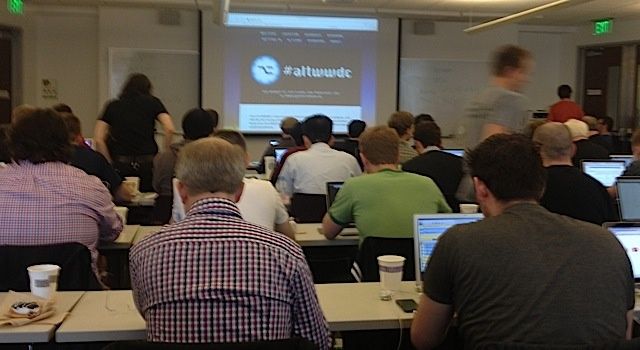
SAN FRANCISCO, CA — Apple has been holding developer conferences for almost a quarter century, so it’s not surprising that the AltWWDC Keynote breakfast is less like Ugly Betty’s anti-prom and more like a midnight run of “The Rocky Horror Picture Show.”
Apple’s software guy, Craig Federighi, joked about calling the next version of OS X “Sea Lion” today at WWDC. He said the company didn’t want to delay the release due to a “lack of cat names.”
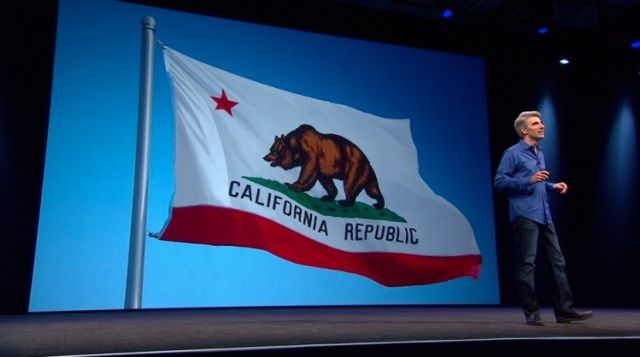
So instead, Apple is taking a new direction. Cat names are no more. Now OS X will be named after aspects of California, the state where Apple is based.
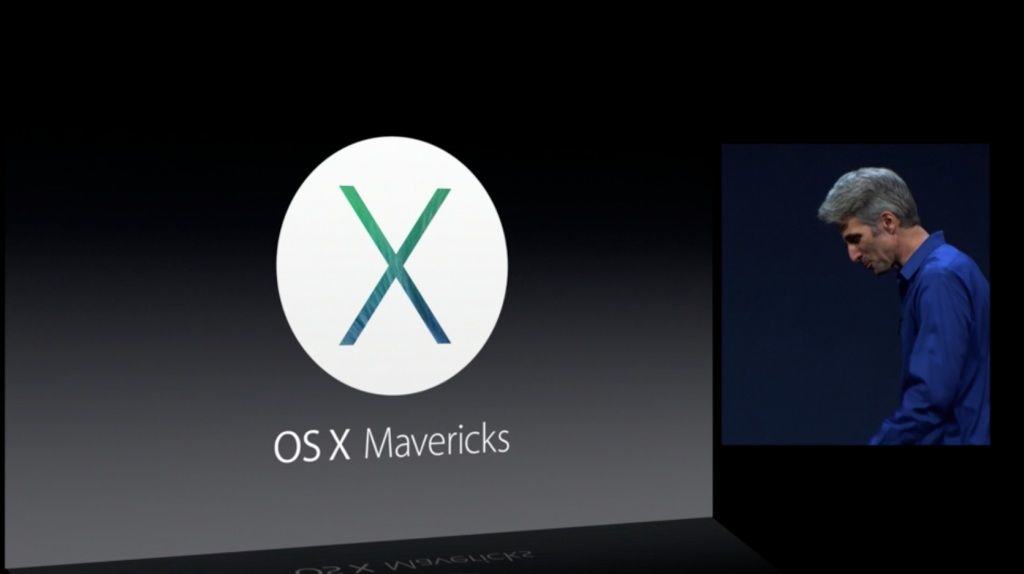
“We went to our backyard” for OS X 10.9, said Federighi. Enter OS X Mavericks.