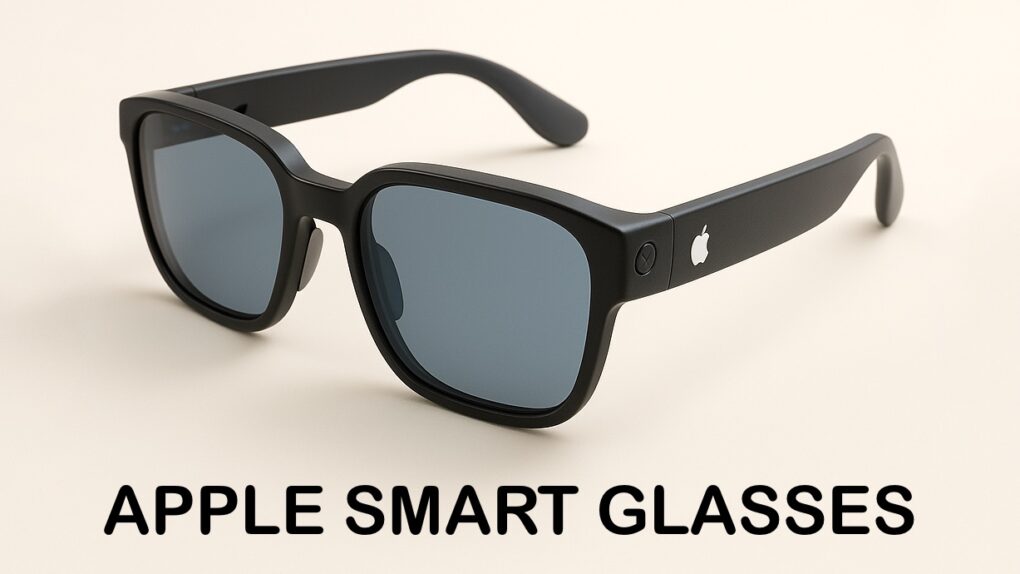
A comprehensive suite of new Apple accessibility upgrades relying on Apple silicon and machine learning to enhance usability across products and services will launch later this year, the iPhone giant said Tuesday.
The innovations aim to make Apple devices more usable for people with various disabilities. Those include visual impairments, hearing loss, mobility challenges and cognitive differences.
“At Apple, accessibility is part of our DNA,” said Tim Cook, Apple’s CEO. “Making technology for everyone is a priority for all of us, and we’re proud of the innovations we’re sharing this year. That includes tools to help people access crucial information, explore the world around them, and do what they love.”

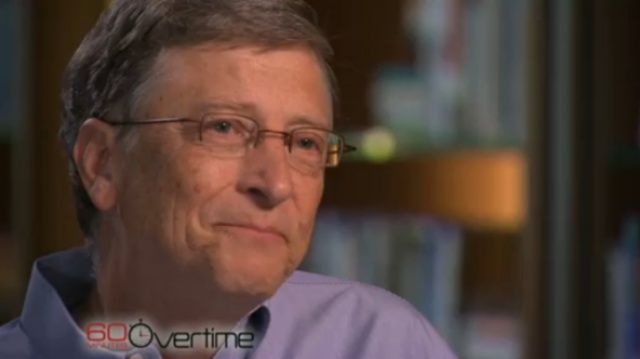
 May 12, 2005: Longtime Apple frenemy Bill Gates tells a German newspaper that Apple may have hit it big with the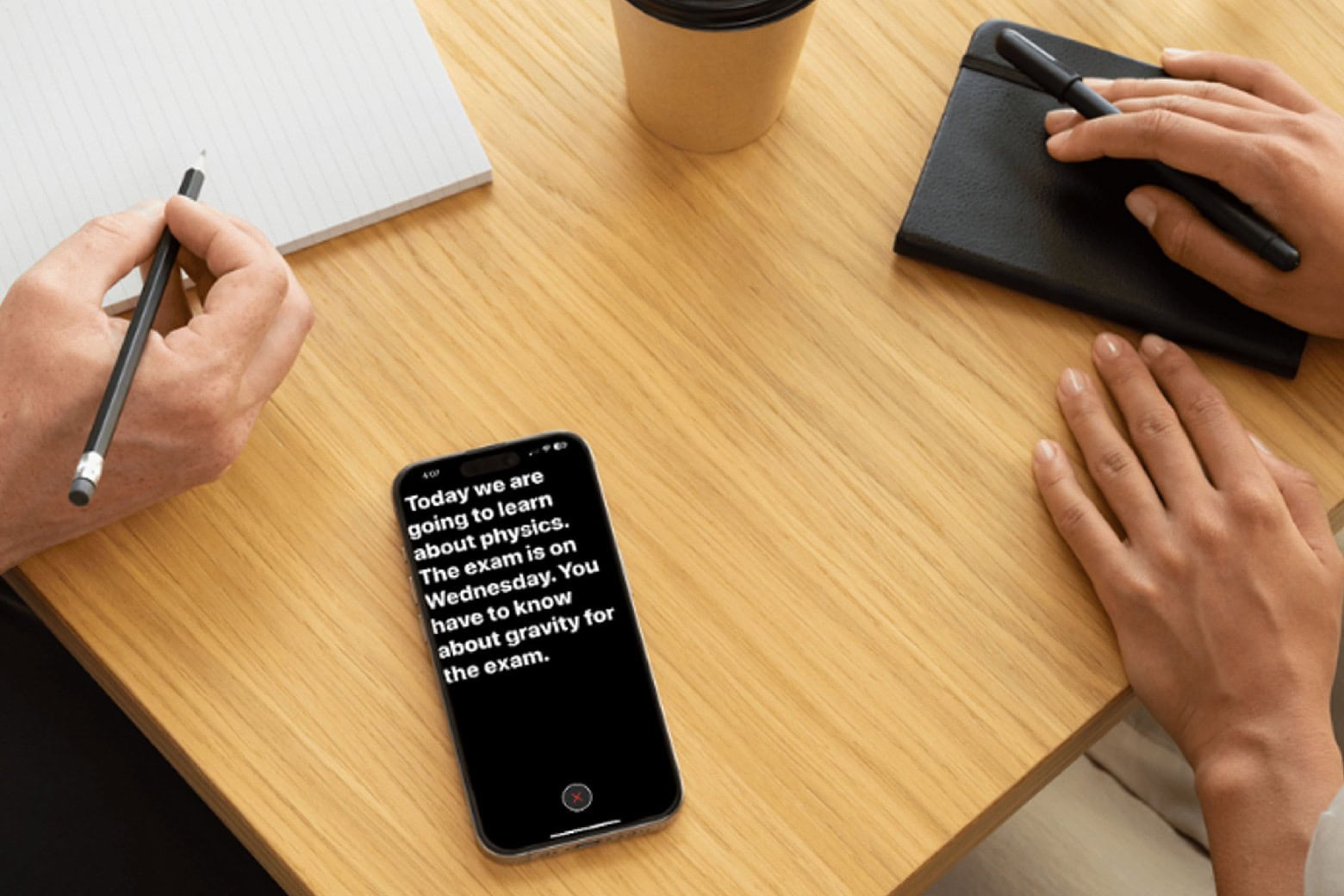
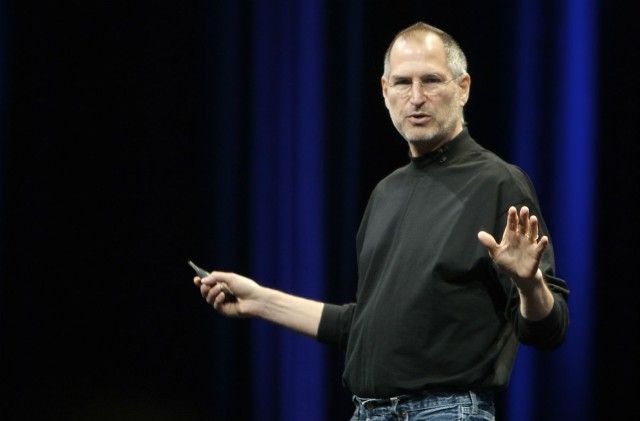
 May 11, 1998: As part of his mission to turn Apple around, CEO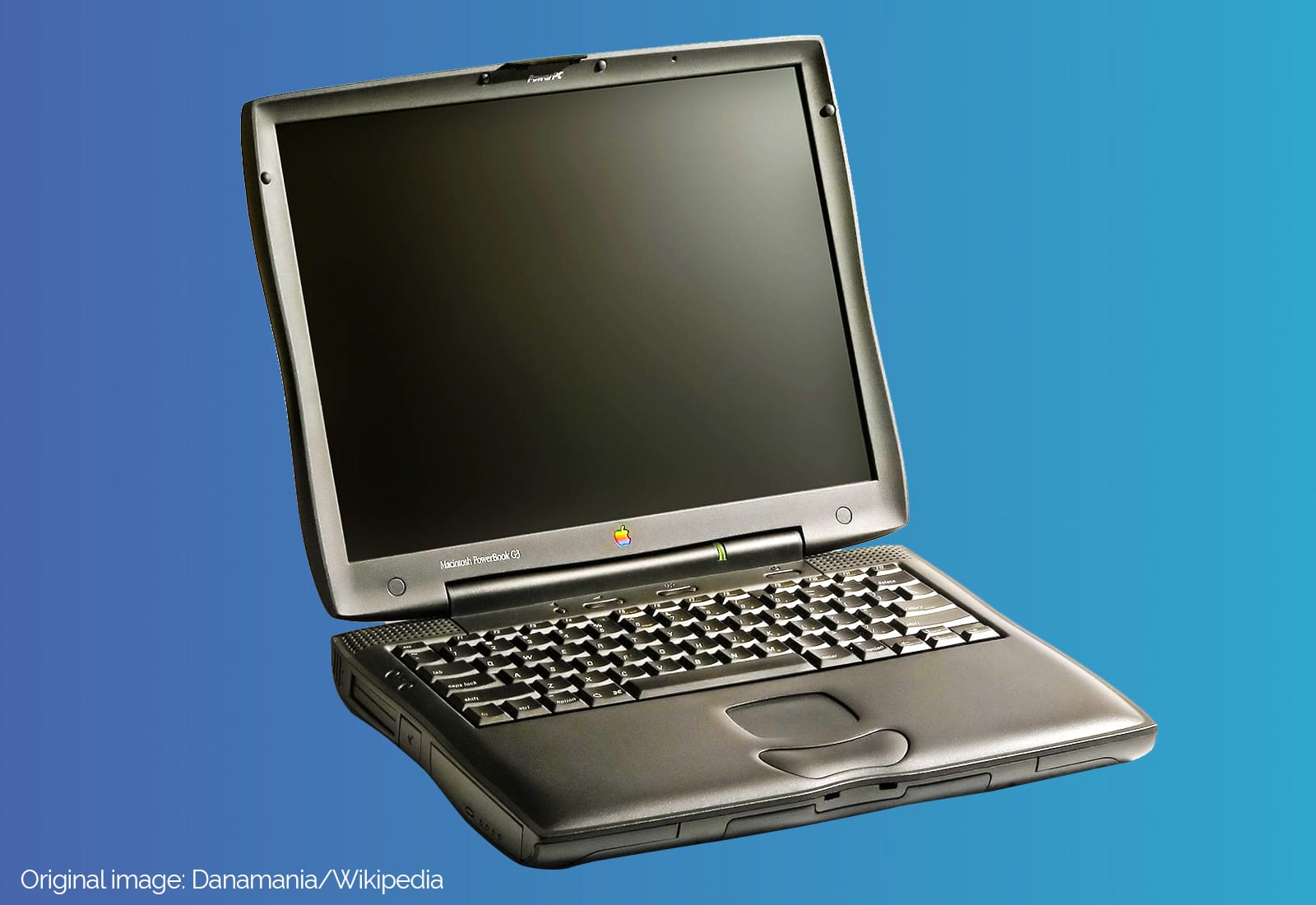
 May 10, 1999: The third-generation PowerBook G3 comes in 20% slimmer and 2 pounds lighter than its predecessor, but most people remember the laptop for its “bronze” keyboard. Although it doesn’t get a new name to distinguish it from previous laptops in the lineup, fans call it “Lombard” after Apple’s internal code name (or simply the “PowerBook G3 Bronze Keyboard”).

 May 9, 2005: Apple quietly begins selling music videos in the