This is Mou, a rather cute little text editor that you might like to check out if you ever use Markdown to format stuff for publishing on the web. Or even if you don’t.
Mou Makes Light Work Of Markdown And Other Text Tasks [Review]
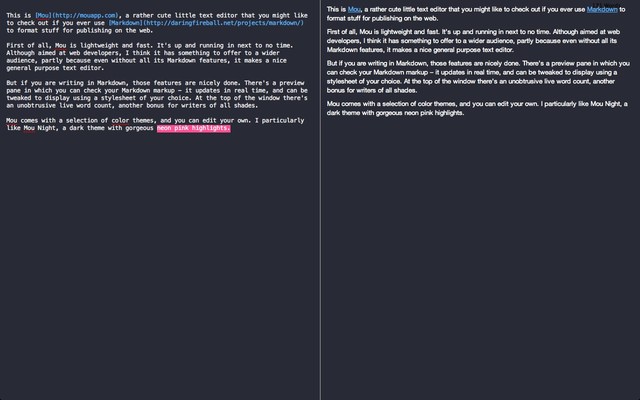

This is Mou, a rather cute little text editor that you might like to check out if you ever use Markdown to format stuff for publishing on the web. Or even if you don’t.
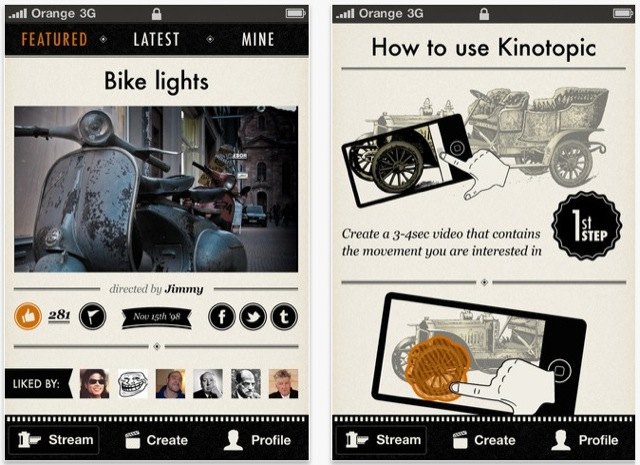
The idea behind Kinotopic is to capture those little moving moments with Harry Potter-esque animated photos.
Wait – animated photos? I mean animated gifs, right? Well, yes and no.
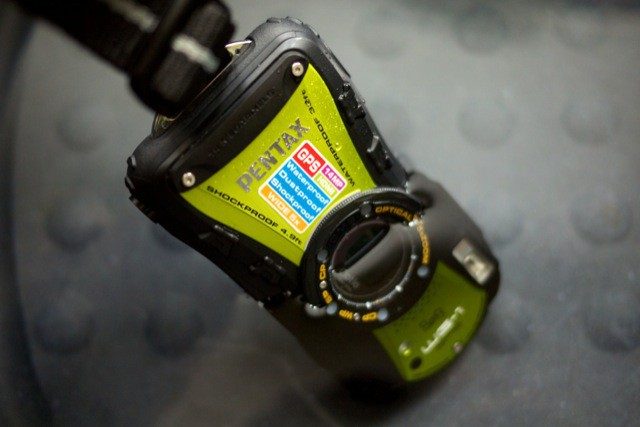
The Pentax WG-1 GPS ($350) is a waterproof, shockproof location-aware camera.
If you’ve never tried a waterproof camera before, it can be quite a jarring experience. Every fibre of your soul tells you that you shouldn’t put electronic gadgets in water, so immersing this beast feels decidedly like the wrong thing to do.
As soon as you’ve done it, though, there’s a rush of delight as you press the on button and the screen lights up, and everything just works as if it were out on dry land.

This is FlickrBucket, a cute one-dollar uploading utility I found on the Mac App Store this week.
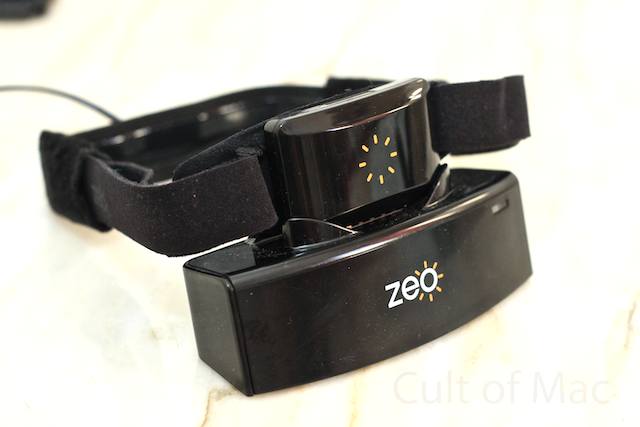
The idea behind the Zeo Sleep Manager Mobile ($99) is that the quality of your sleep affects your health in a bigger way than we generally recognize, and that measuring the amount of time we sleep and its quality — then quantifying that sleep with a number on a 100-point scale — will give us the information we need to improve our sleep, and ultimately our health.

All this time, people have blindly taken the Birds’ word for it, and joined them in their campaign of violence against the pigs. Nobody thought to ask the pigs for their side of the story. Until now.

Here’s a treat for Indiana Jones fans. It’s called Temple Run, it’s free on the iOS App Store, and it gives you the chance to relive your Indy treasure-hunting dreams.
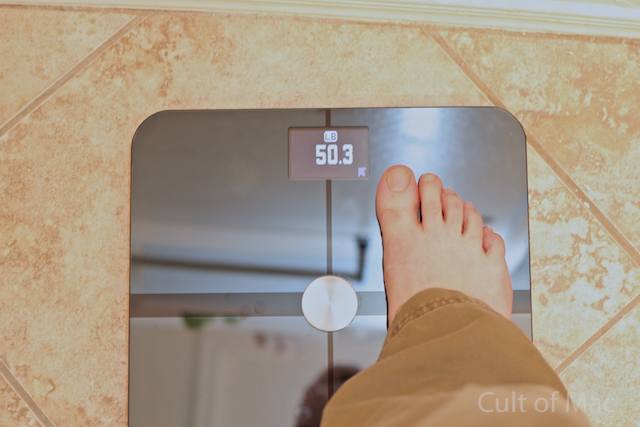
Despite all our 21st-century technical wizardry, one of the easiest and least expensive ways to get a very basic idea of physical health is through a metric that’s been used for a very long time: body weight.
The Withings WiFi Body Scale ($160) takes this concept to the next level in many ways, including allowing you access to all your data on a gorgeously designed iOS app. It also adds an even more important metric, body fat percentage, and goes a long way to erasing many of the pitfalls using a simple scale can lead to — and it does this all while remaining incredibly easy to use. In fact, it might be the most effective tool I’ve used to keep healthy.
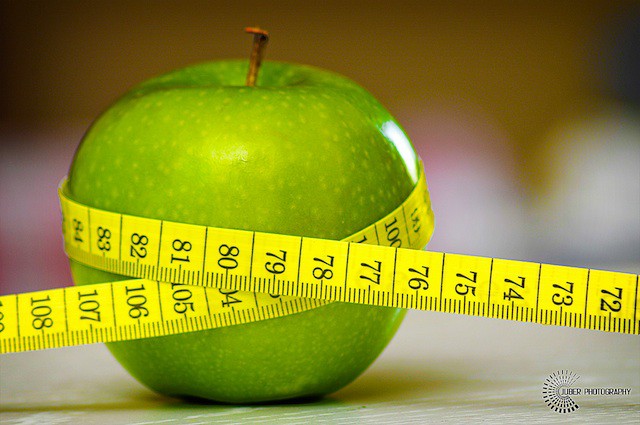
This is it, people — this is the year your New Year’s resolution to get fit really takes hold. This year, you’re going to stick it, and we’re going to show you how.
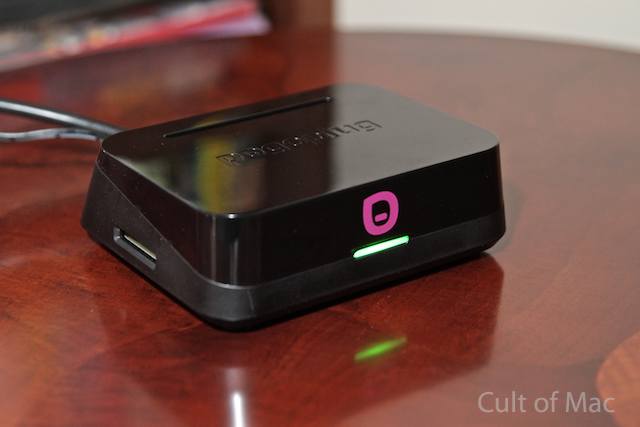
Launched a few weeks ago, the Pogoplug Series 4 ($100) is Cloud Engines’ latest attempt at making their network-attached storage device as ubiquitous as the microwave oven. Like its predecessors, the S4 allows you to attach a hard drive or flash drive to create your own cloud, which you can use to stream media, share files or create slideshows, all of which can be accessed over the Internet and shared with others. Additionally, it can also be used for remote backup.
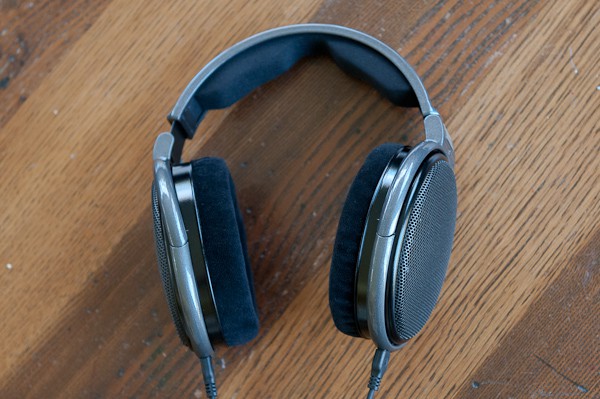
The Sennheiser HD 650’s ($500) audio performance is among the best available, but they won’t be worth their high price tag unless you’re willing to listen to them correctly, and for some, the hassle may not be worth it.
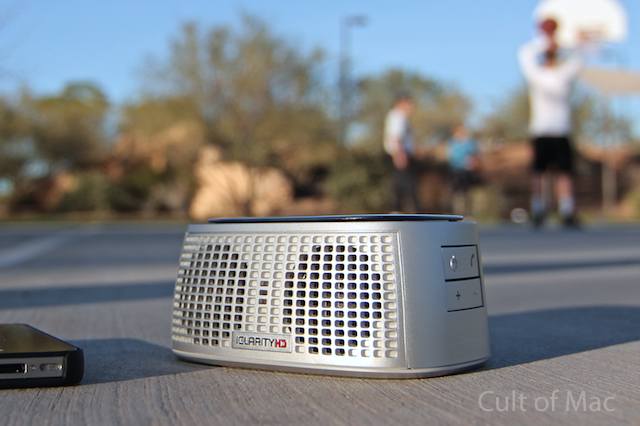
Seems like there’s been an explosion of small, portable, Bluetooth speakers onto store shelves this last year — the most popular or well-known of which is probably the Jawbone JamBox — from the advance notices we’ve seen, in a few weeks the Consumer Electronics Show in Vegas will herald a whole new crop of the little tribbles.
Monster’s take on the concept is the Monster iClarityHD Precision Micro Bluetooth Speaker 100 ($100). And like pretty much everything the company puts out, the iClarity is bassy and L-O-U-D.
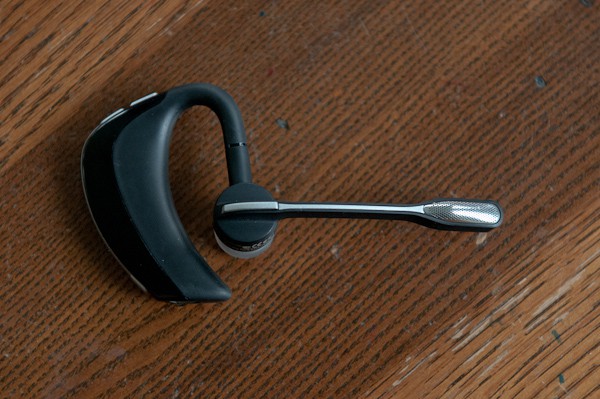
If you’re ready to make the leap to hands-free talking, or are looking to upgrade from an older bluetooth headset, the Plantronics Voyager Pro+ ($99) is one of the best headsets on the market and is worthy of your dollars. But beware, its voluminous size may leave some sheepish, wishing for a more discreet unit.
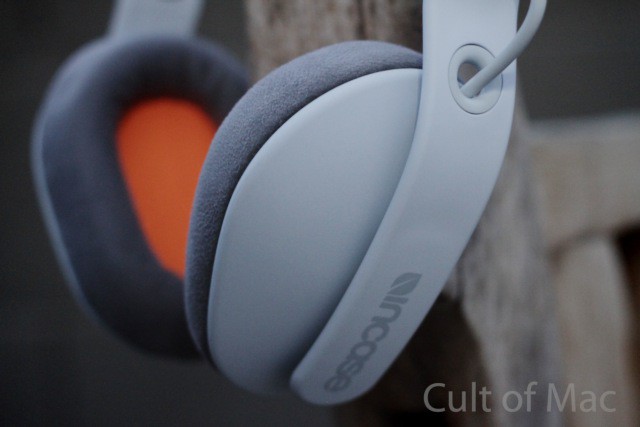
We’re all familiar with Apple’s iconic white earbuds, and those of us who’ve popped for their $80 canalbuds are familiar with how Apple makes higher-end earphones. But Apple doesn’t make headphones — If they did, would they be like the new Incase Sonic ($150) set?
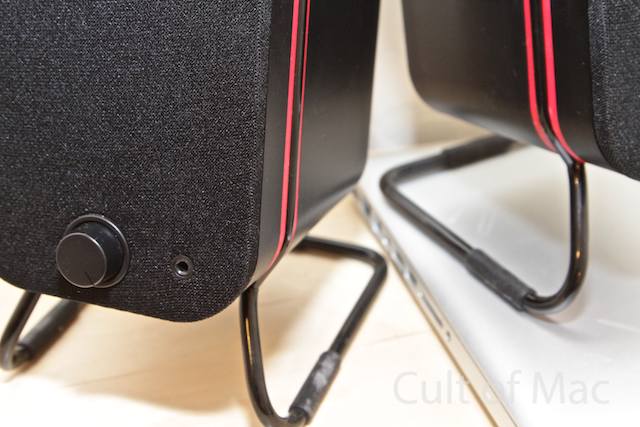
After the critical success of Audyssey’s South of Market dock last year, Audyssey eventually released their next product, the Lower East Side Media Speakers ($250), in October of this year.
This time, Audyssey has dropped the radical approach to design it used for the SOMA dock — with its unusual, back-to-back speaker configuration — in favor of a much more conventional, yet still attractive, form. Audyssey left three things unchanged though: Like the SOMA, the LES speakers exhibit a good deal of quality, and incorporate what Audyssey calls their “Smart Speaker” technology. And like the SOMA, these speakers are a bit pricier than their contemporaries. So the question is: Do they deliver?
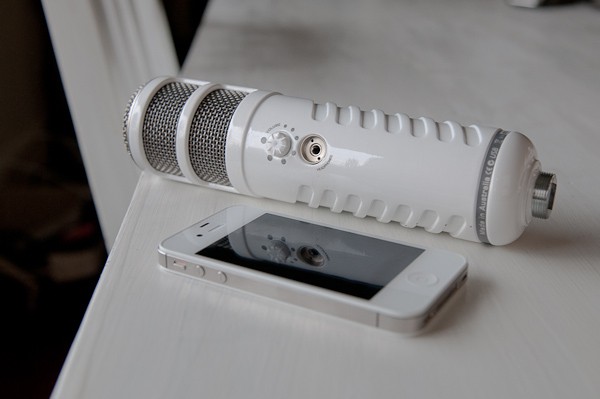
If you’ve spent much time podcasting, Skyping, recording any kind of audio on your Mac, you’ve no doubt found its built-in microphone woefully inadequate. Well if you’re ready to toss down some Benjamins for an upgrade, the Rode Podcaster Microphone ($230) is a rich-sounding, easy-to-use option you should consider.
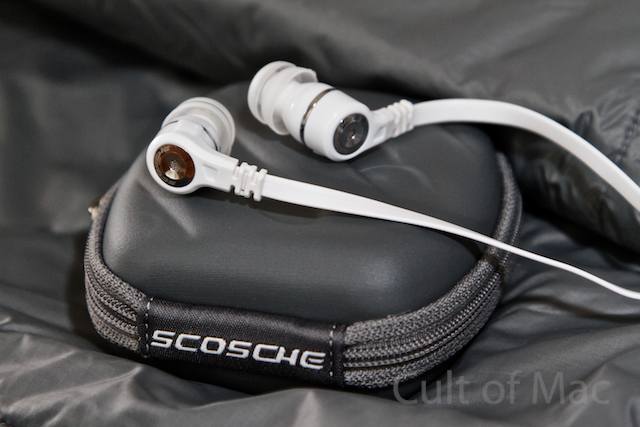
Let’s get two big facts out the way right now: Yes, these Scosche IEM856m canalphones ($250) look a little like several of the canalphones in Monster’s lineup (eg. the Beats Tour), mostly because of the flat, ribbon-like cable; no, they’re not anything like any of the Monster earphones they somewhat resemble. In fact, one big detail makes them very different from almost any other IEM on the market.
Do you really need to spend a lot of money to get grade-A photo-editing tricks? Apparently not. With Snapheal ($20), developer MacPhun has taken arguably the coolest Photoshop feature in recent years, made it dead-easy to use and packaged it with all the basic photo-editing tools you’ll need — and more. And all for a fraction of what it should cost.
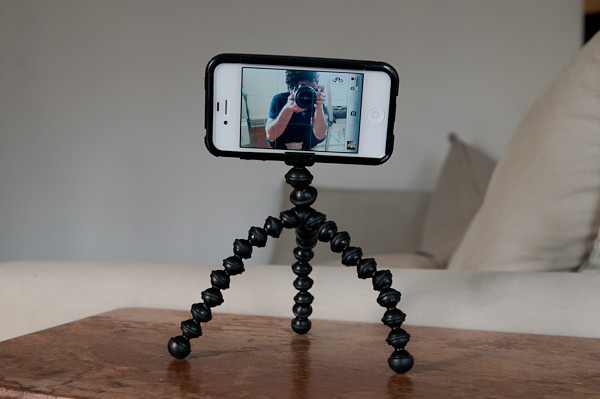
As a photographer and podcaster, I’m a big Joby fan. Their tripods are generally high quality, incredibly flexible, and as functional as they are fun. The Joby GorillaMobile Tripod for the iPhone 4/4S ($40) is definitely worthy of much the same praise, but an issue I have with its build quality and price leave me with a raised eyebrow.
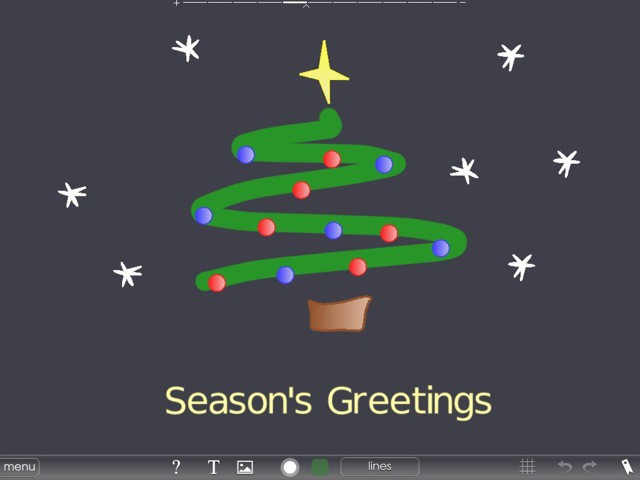
Shared Paper is a lovely iPad app for making and sharing presentations on a huge scrollable canvas.

Solar Walk is an excellent educational app about space and everything in it. With Earth as your home base, you wander the Solar System, cruising the planets and moons and making discoveries along the way.
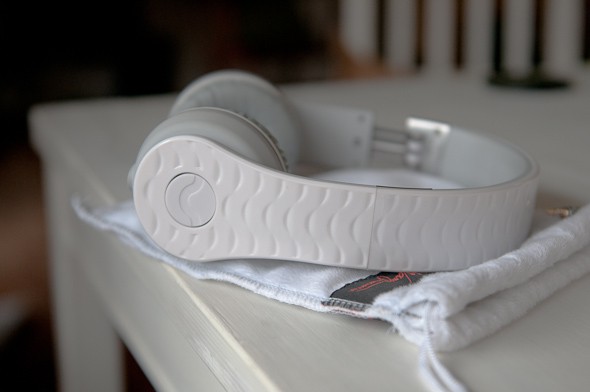
Now, I’m no audiophile — I don’t buy speakers made from rare woods and rich leathers — but I know what I like, and I like the Fanny Wang On-Ear Headphones ($170).
Originally released around last year’s CES, the Fanny Wang On-Ear Wangs, from sound to design, were built to compete squarely with the Dr. Dre Beats Solo On-Ear Headphones ($200) by Monster. So do they make the cut? Or are they wiggity wiggity wack?
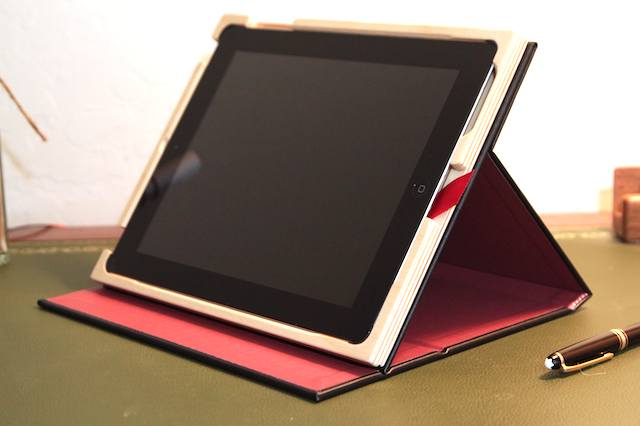
It could easily be imagined that the bookbinding industry is struggling to survive these days. As books cross over in ever-increasing numbers into the digital world, the demand for physical books have disappeared — and with it, the niche crafts that help create them. Ironic, then, that what’s breathing life into the industry now is that which began to kill it: e-books, e-readers and tablets (and in this case, the iPad 2 specifically).
Like the FieldFolio case Killian reviewed last week, Pad & Quill’s Contega Case for iPad 2 ($90) is a devilishly handsome iPad case that harnesses the mystic craft of bookbinding to create a stylish book-like home for the iPad 2. Unlike the FieldFolio though, Pad & Quill has given the Contega a large dose of practicality.
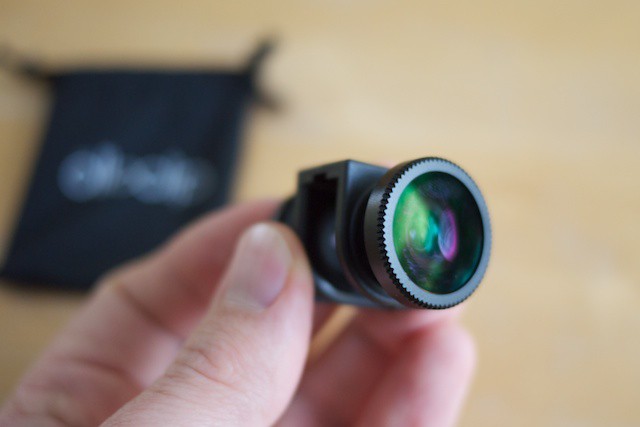
The Olloclip ($70) is a clip-on device for iPhone 4 and 4S which gives the built-in camera lens a little more flexibility for wide angle and close-up shots.
It includes three lenses. At one end, the largest of the three is the fisheye. At the other end you have a general-purpose wide angle. Unscrew this, and you uncover a tiny macro lens nestling underneath.