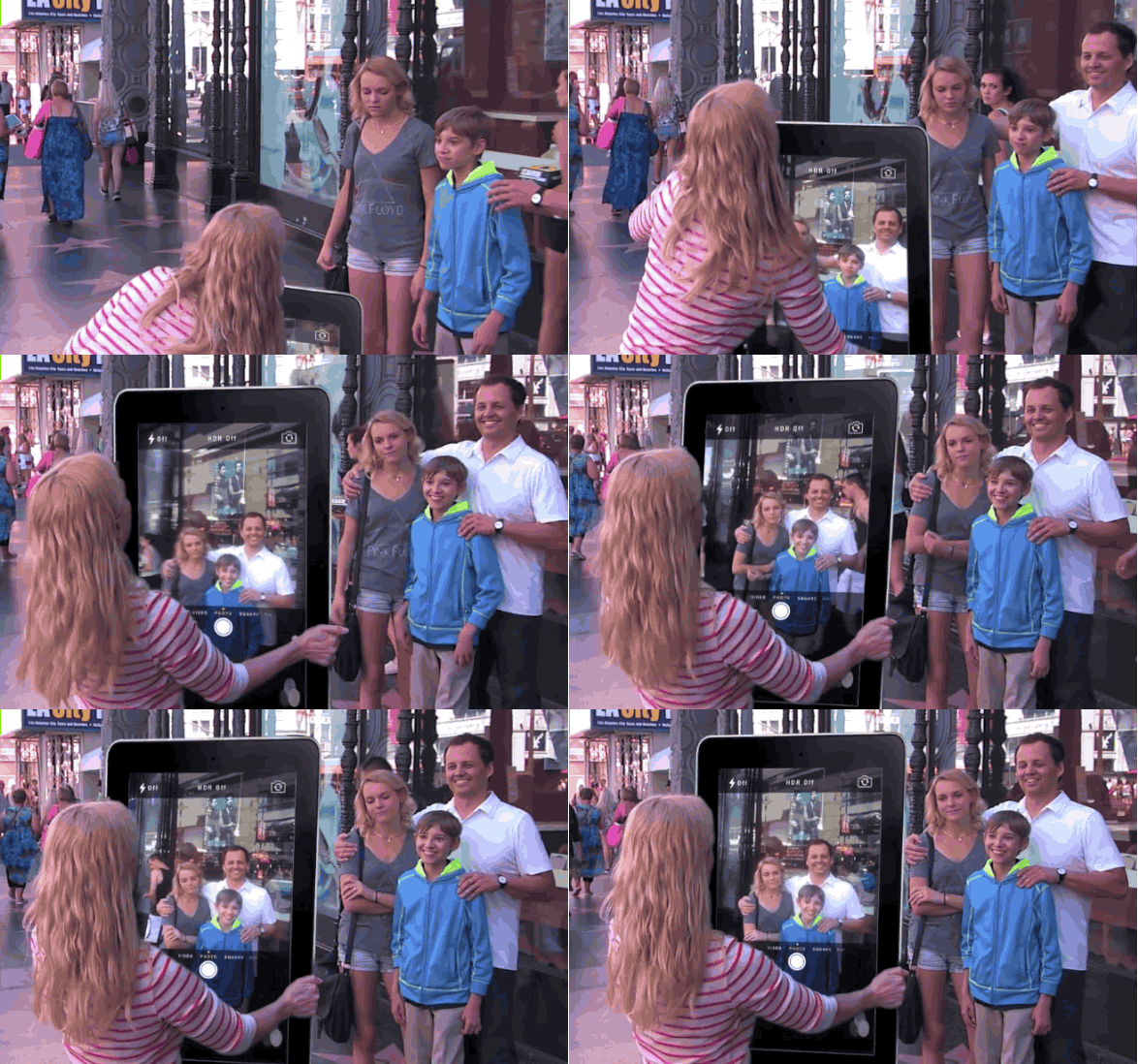
Jimmy Kimmel recently parodied the idea of a larger iPad on his show, while also admitting he'd buy it in a heartbeat.
Every nerd loves a good Apple rumor, and late night show host Jimmy Kimmel is no exception. Jimmy has a history of pranking street walkers with fake Apple products with some hilarious results, but in his latest sketch tackling rumors of a 12.9-inch iPad, Jimmy takes to the streets again to show just how ridiculous you’re going to look when Apple’s gigantic tablet is released next year.
This image might prove the iPhone 6 has a 1334 x 750 display.
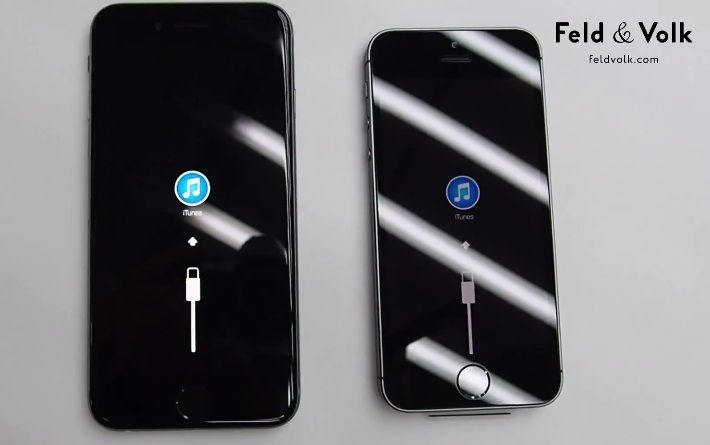
iPhone 6 components have been leaking out of China like a broken fire hydrant, and while we’ve joked that someone could probably make a working iPhone out of all them, the guys at Feld and Volk actually went and did it.
Using parts sourced from their suppliers in China, the Russian luxury iPhone modifiers have assembled an iPhone 6 using a leaked case, logic board, display, true-tone flash and camera, and then connected the hacked-together device to iTunes just to see what would happen. To their surprise the device booted up, but couldn’t connect to the software update servers.
The iPhone 6’s NFC chip has been spotted for the first time, according to images of an supposedly leaked iPhone 6 logic board that’s been fully assembled with Apple’s next-generation A8 processor, NFC chip, and another chip from Avago Technologies.
Previous leaks have shown the iPhone 6’s bare logic board, but the images from Feld & Volk give us our first look at some of the new chips. The new 2Ghz dual-core A8 chip is expected supposed to be much faster and smaller than the A7 in the iPhone 5s.
Here’s a shot of the NXP’s tiny NFC chip that could also make an appearance on the iWatch:
Recode, the same publication that nailed the September 9th Apple event date weeks ago, is now saying that the iWatch won’t be ready to ship until early 2015.
Tim Cook says we must "recommit to achieving [MLK's] vision". (Picture: Wikipedia)
On the 51st anniversary of Martin Luther King Jr.’s powerful “I Have A Dream” speech, Tim Cook has tweeted to celebrate the life of the African-American civil rights leader and activist.
Describing King’s stirring words, delivered in 1963 from the steps of the Lincoln Memorial in Washington, D.C., as “the speech of my lifetime,” Cook notes that “we must recommit to achieving his vision.”
It’s Friday at last. That means the last day of the work week, start of the weekend, and time to kick back and relax. It also means it’s time for Freebie Friday at Cult of Mac Deals.
Yep, Cult of Mac Deals is offering a whole whack of cool stuff to entertain and make your life easier for absolutely zero cash. That means you can use your cash on other things, like your weekend! Better hurry though, because they can’t keep these deals around forever.
Apple made its iPhone 6 announcement official this week by sending invitations to an event on September 9th, but that's not going to stop the rumor mill from churning out new juicy tidbits of Apple gossip.
This week we’re back behind our crystal ball trying to divine the true meaning of the Apple universe and its endless rumors. Will NFC really land on the iPhone 6? Is a gigantic 13-inch iPad coming soon? And is the 5.5-inch iPhone 6 really just a ghost toying with our appetite for more pixels?
Step up to the crystal ball and see past the rumors and into the future…
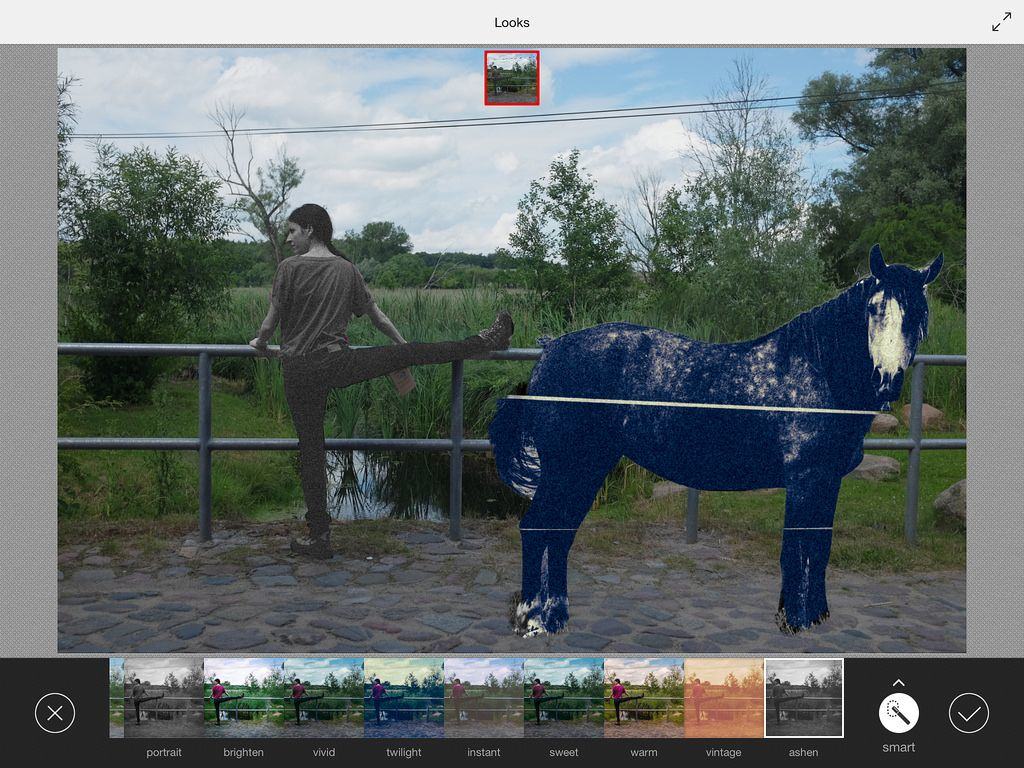
A new update to Photoshop Mix has just helped polish some of the app’s rough edges. The new version adds support for a much-needed Undo/Redo function, as well as local saving, Dropbox support, swapping images, and more.
The one thing Popcorn Time doesn’t have is an iPhone or iPad app. But that’s all about to change, and Popcorn Time for iOS could land within the next couple of days.
Facebook is experimenting with a feature allowing you to more easily search through old posts.
As more and more of our lives are lived on social media, the importance of being able to efficiently search through content is greater than ever.
With that in mind, Facebook is currently user-testing a new feature letting mobile users sift through old posts by friends using keywords — allowing them to more easily find content that would otherwise be lost.
The feature, which only counts for posts you’re allowed to see (meaning that private posts won’t show up) has currently only been rolled out to a select few, but will likely be officially added into an update of the Facebook iOS app in the near future.
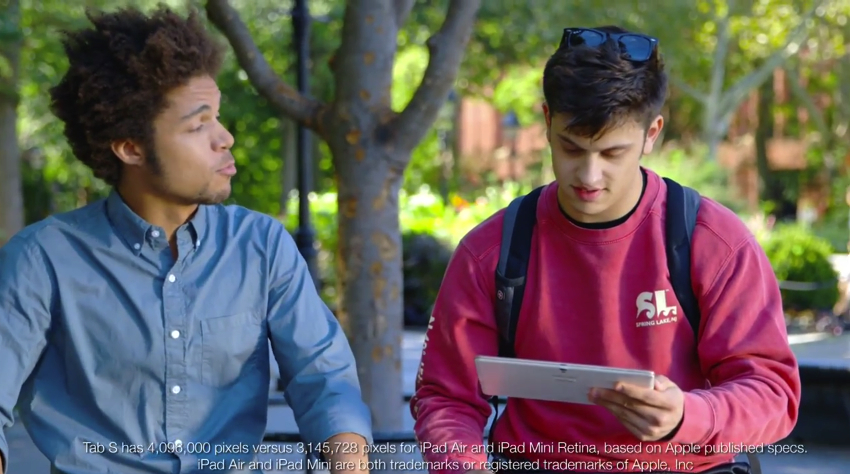
Samsung can’t go for long without feeling the need to lash out at Apple with a new ad. This time it’s the recently-launched Galaxy Tab S tablet, which is the center of a “Hands-On” commercial, showing a Samsung spokesman going around New York City, letting “random” members of the public pick between the new Galaxy Tab S and iPad Air.
And — wouldn’t you know it (this being a Samsung commercial and all) — the comments come down heavily in favor of Samsung!
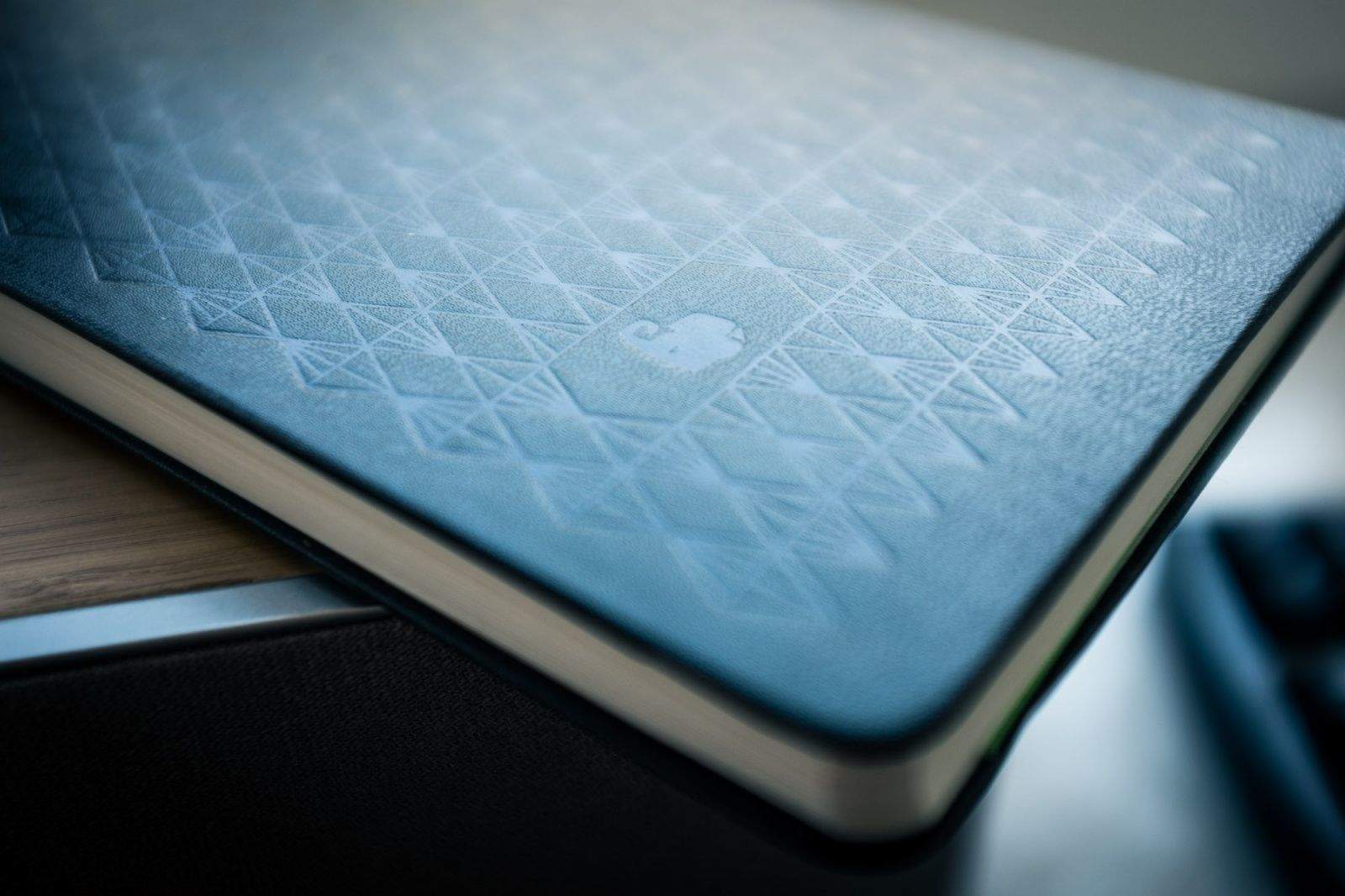
It's worth buying this book just for the pattern embossed on the cover. Photos: Charlie Sorrel/Cult of Mac
What’s the difference between a businessperson and a regular person? According to Evernote, a businessperson has secrets, whereas a regular person is happy to share everything. This somewhat cynical take is a pretty good model of the world, and it is embodied in the Evernote Business Notebook, a “collabo” with Moleskine that lets you snap/scan a photo of your pages into Evernote, and selectively share the result.
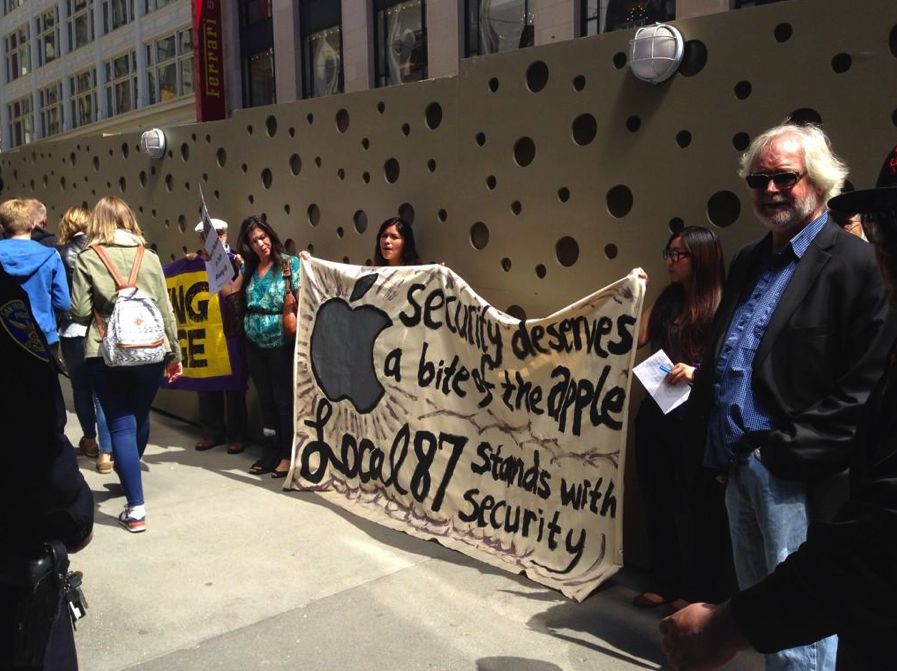
Protestors blocked the door of Apple's flagship San Francisco retail store for around an hour. Picture: Julia Carrie Wong
A protest involving around 50 people blocked customers from entering the main doors of Apple’s flagship San Francisco Union Square retail store yesterday.
The protest was related to service employees claiming to be underpaid. Organized by the Service Employees International Union (SEIU), they staged a sit-in for nearly an hour. While the Apple Store remained opened during this time, customers had to enter through a side door.
One of the protestors, describing himself as an Apple security guard, decried the firm for its lack of job protection. “If [security officers] miss a day of work, they don’t know if they’ll have the job the next day,” he told Business Insider.
If you’re a Chrome user, good news: the latest beta version of Google’s excellent web browser finally takes full-advantage of the speed and performance boosts of your Mac’s 64-bit chip. Prepare for a speedier, more stable web browsing experience. And more new features besides.
Apple isn't replacing all iPhone 5 devices suffering from short battery life. Photo: Apple
Earlier this week it was announced that Apple was replacing certain iPhone 5 models, sold between September 2012 and January 2013, due to a problem related to the devices’ battery life.
According to certain customers, however, things are not quite as straightforward as they may seem.
Some users, who fulfilled the criteria in terms of their iPhone 5 serial number, were still denied the free device replacement after Apple added additional tests. One iPhone user in Queensland, Australia said that she was told by an Apple Store employee that while the battery was “borderline” defective (it allegedly ran for only a couple of hours after charging) it was “not close enough” to warrant a free replacement. The customer was then asked for $99 in order for the Apple staffer to install a new battery.
Angry Birds developer Rovio has a new CEO, who hopes to restore this freemium title to its previous glory. Photo: Rovio
Are we seeing the collapse of freemium game makers as the monster money spinners they were a year or so back?
Following the recent news that the recently-public Candy Crush Saga maker King had posted a disappointing quarter in terms of revenue, now the CEO of Angry Birds dev Rovio has announced that he is stepping down for similar reasons.
CEO Mikael Hed says he is “passing the hoodie” to new CEO Pekka Rantala, who recently joined Rovio after serving as head of Finnish drinks maker Hartwall.
“It has been an amazing ride and in the coming months I will be very happy to pass the hoodie to Pekka Rantala, who will take Rovio to the next level,” Hed noted in a statement. “Pekka is known to be a great leader with experience building successful global consumer brands. I will continue to play an active role and will support Pekka in any way I can to ensure Rovio’s continued success.”
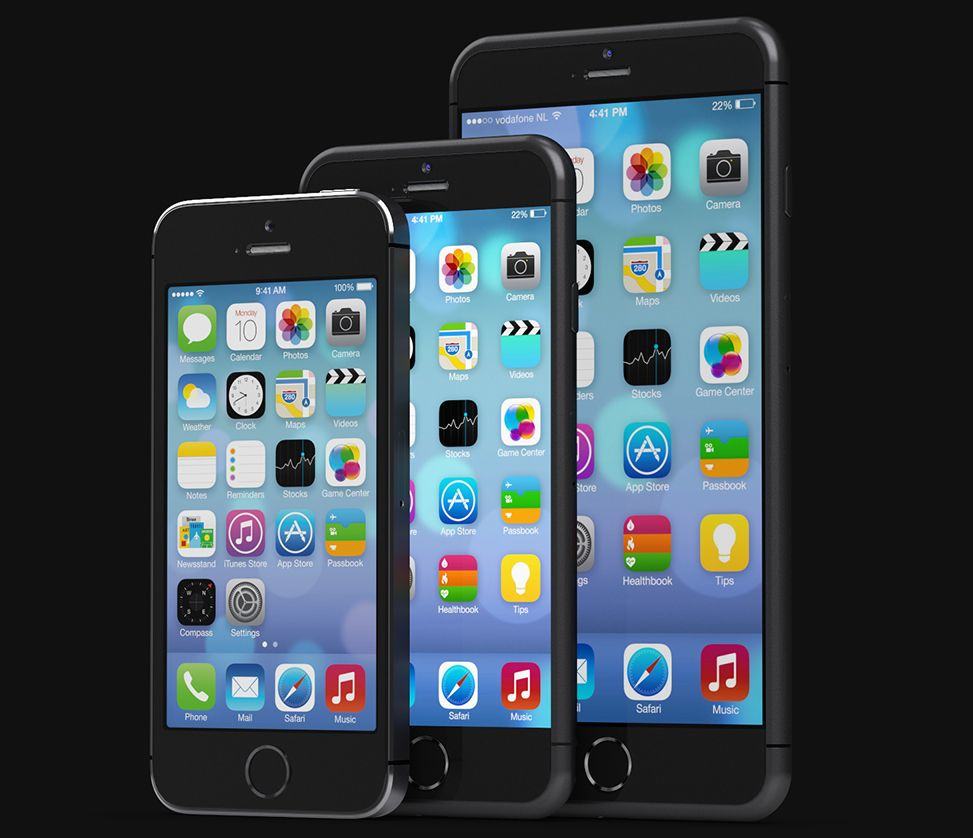
If you’re expecting the upcoming 4.7-inch iPhone 6 and 5.5-inch iPhone 6L to cost the same as an iPhone 5s, think again. That extra display could be coming at a $50 premium, according to a new report.
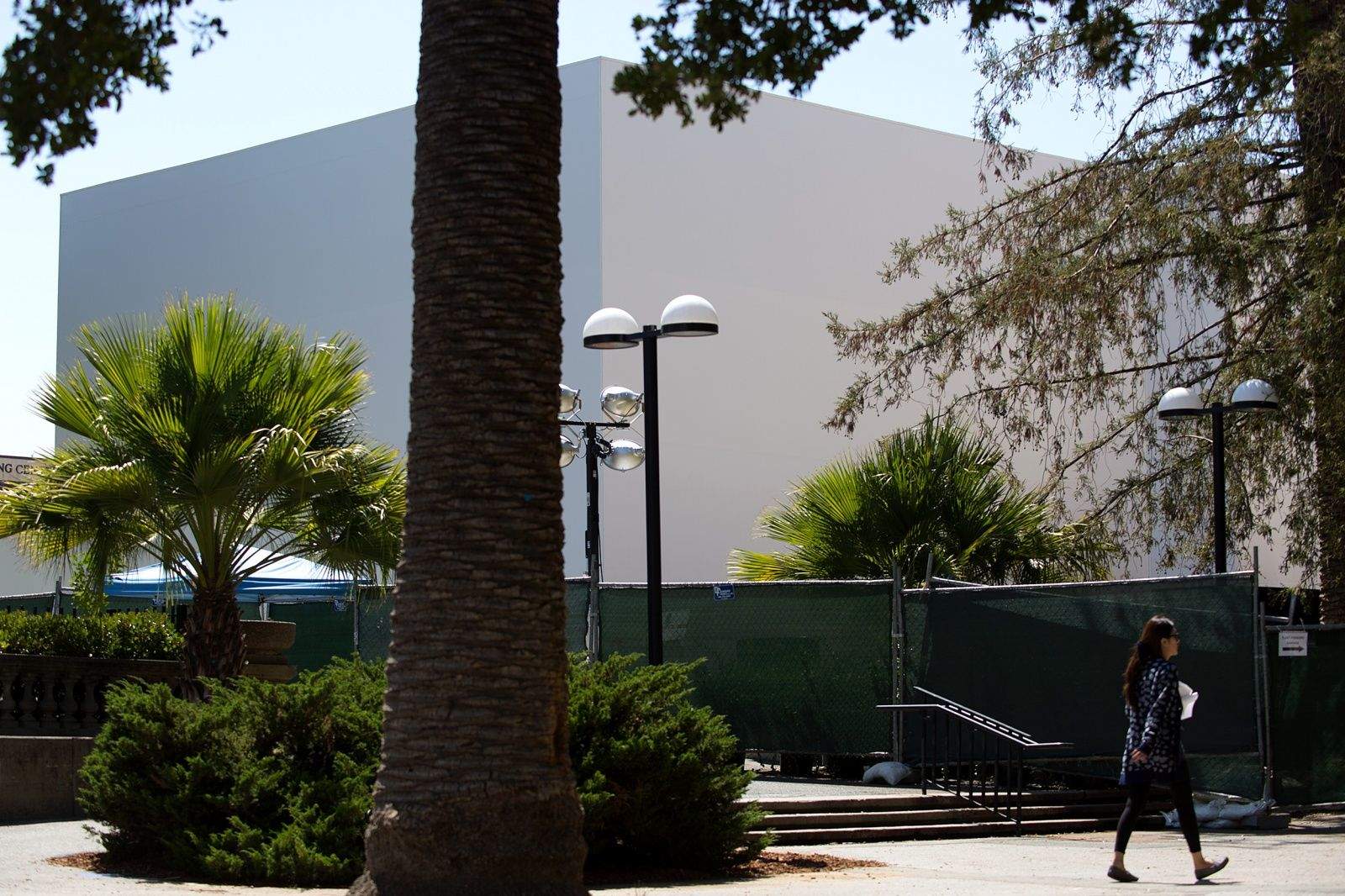
No one can fill a big white box quite like Apple. We can imagine the iDevice of our dreams jumping out of this one: Will it be the iPhone 6? Or how about the long-awaited iWatch? Perhaps it will be something totally new that the rumor mill hasn't even dreamed up yet.
All photos: Jim Merithew/Cult of Mac. Additional reporting by Nicole Martinelli.
The official unveiling of the iPhone 6 has finally been announced for September 9th, and while the iWatch has been rumored to make a surprise appearance at the event, “informed sources” out of China report that Apple’s 5.5-inch iPhone 6 won’t be seen at the Flint Center for performing arts.
Chinese tech blog IT168 Mobile reports that Apple’s upcoming event will launch two new iPhones, but we will only see a 4.7-inch iPhone 6, plus a new 8GB iPhone 5s to presumably to replace the iPhone 5c.
Corroborating an earlier story by Recode, Bloomberg’s own sources are confirming that new iPhones and an Apple wearable will share the stage.
Given that Apple has promised new “product categories” this year akin to the original iPhone and iPad launch, it seems odd that there won’t be a separate Apple event dedicated to its wearable strategy. Sharing an event gives Apple the opportunity to pitch the iWatch—or whatever it’s called—as an accessory to the iPhone. And that could ultimately be better for Apple’s bottom line.
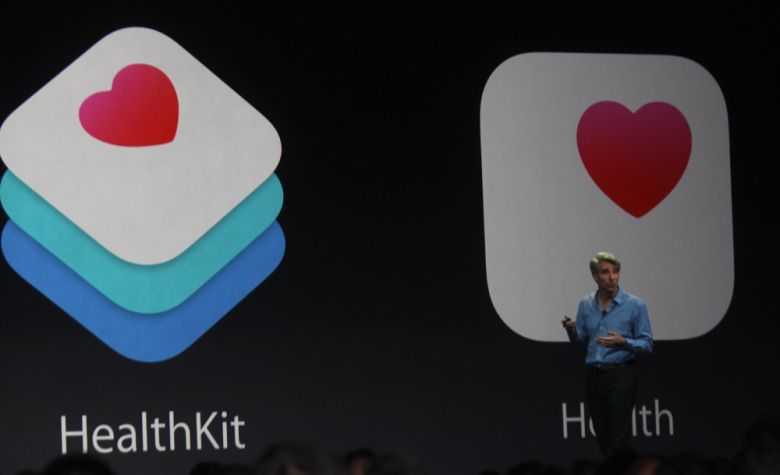
Apple has modified HealthKit's privacy policy to ensure that your data is safe from advertisers.
Apple may view its mobile health push as a “moral obligation,” but for it to really become the tech leader in this area it’s going to need to ensure that it has user trust on its side.
That may help explain why — ahead of the September 9 event many predict will see the unveiling of the long-awaited iWatch — Apple has taken the opportunity to update its HealthKit privacy policy to ensure that developers keep user data away from advertisers and data brokers.
CloudApp touts itself as your “clipboard in the cloud,” and today it received a major update.
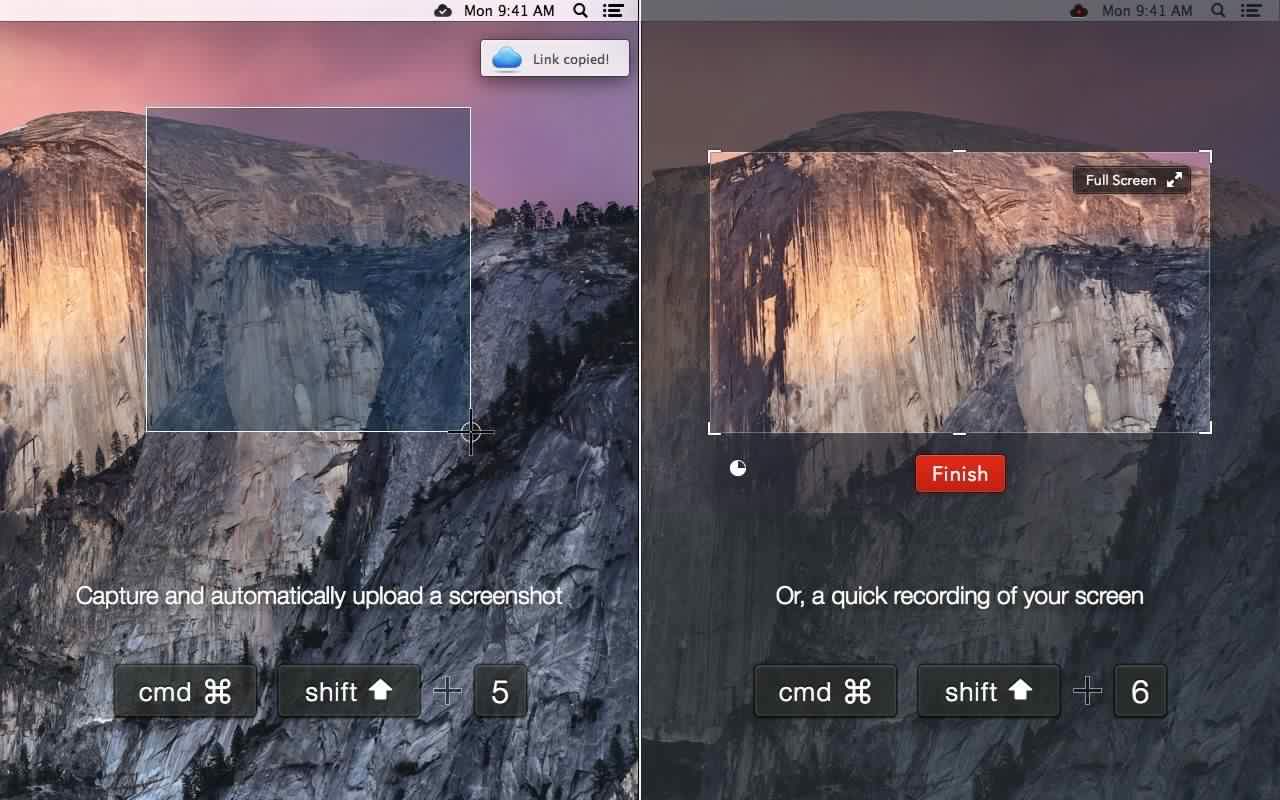
In case you’re unfamiliar, CloudApp is a menubar app for the Mac that can upload just about anything copied to your clipboard with a keyboard shortcut. It then creates a shortened URL for sharing and lets you track how many hits the link has received.
CloudApp 3.0 is now the easiest way to make animated GIFs on the Mac, thanks to a new feature called Cloud Motion. The CloudApp team has also revamped its pricing for paid plans along with a brand new way for teams to collaborate using the app.
The man tipped to take over Samsung as chairman was the only Samsung executive invited to attend Jobs’ 2011 memorial service.
46-year-old Lee Jae Yong is the son of current Samsung chairman Lee Kun-hee, who suffered a major heart attack in May this year.
While relatively little is known about Lee Jae Yong he is considered to be the executive responsible for helping build the relationship with Apple that sees Samsung supply components for Apple devices, dating back to the iPod.
Though the iPhone 5s has been very successful, its minor updates from the iPhone 5 have left me wanting more. In fact, I’ve created quite the wish list for the next-generation iPhone.
We’ll know soon enough exactly what the next version of this revolutionary smartphone will look like: Apple recently confirmed a press event for September 9. In today’s video, I’ll show you my top six wishes for the iPhone 6 — and look at just how close some of these could be to coming true, according to all the latest leaks and rumors.
Apple’s decision to host its biggest event of the year at the Flint Center in Cupertino, rather than the Yerba Buena Center for the Arts in San Francisco, has caught the notice of many Apple fans.
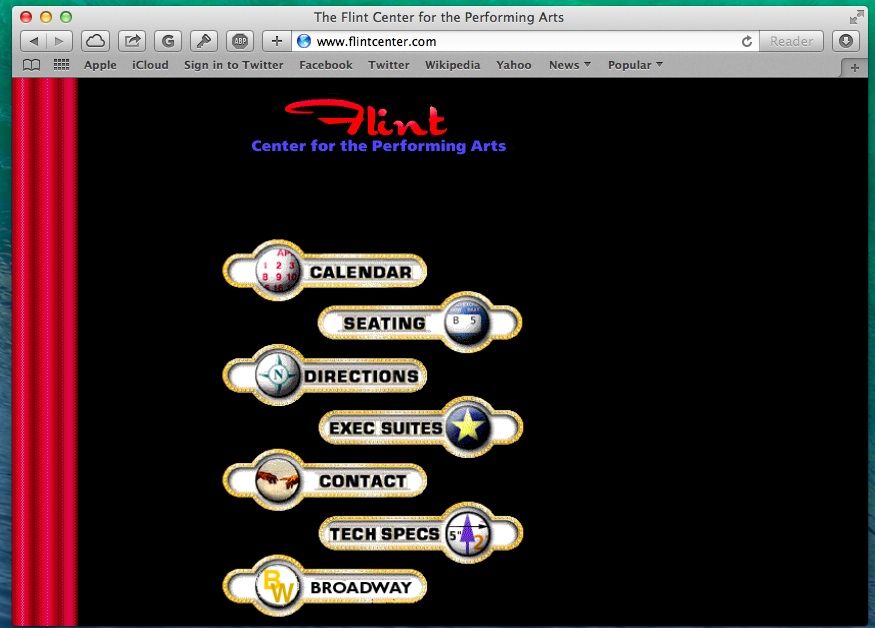
Only three Apple events have been held at the Flint Center for the Performing Arts, including the introductions of the Macintosh in 1984 and the Bondi Blue iMac in 1998. That’s also about the last time the Flint Center updated its website.