Yes, it even does clouds and lightning. Gif: Evan Killham/Cult of Mac (via Ken Kawamoto)
The best way to check the weather is usually pulling up an app or website, turning on a TV, or simply going to a window and looking outside. But what if you had a gorgeous device on your desk that could actually show you what’s going on out there?
Tempescope is that pretty little thing; it simulates present and future weather conditions inside of a clear acrylic case.
Facebook may be telling people where you are. Photo: Jim Merithew/Cult of Mac
Anyone you exchange messages with via Facebook Messenger could know where you’ve been at any point. Chatted with your boss? He could use a newly discovered hack to figure out your sick days weren’t spent at home.
Facebook intern Aran Khanna found he could figure out where his friends were going daily with a bit of code, based solely on whether he had Facebook Messenger conversations with them. It even worked with people he wasn’t Facebook friends with if he had been in the same Facebook Messenger chat group.
He calls this code Marauders Map, and anyone can use it. Luckily, it’s fairly simple to hide your location from potential stalkers.
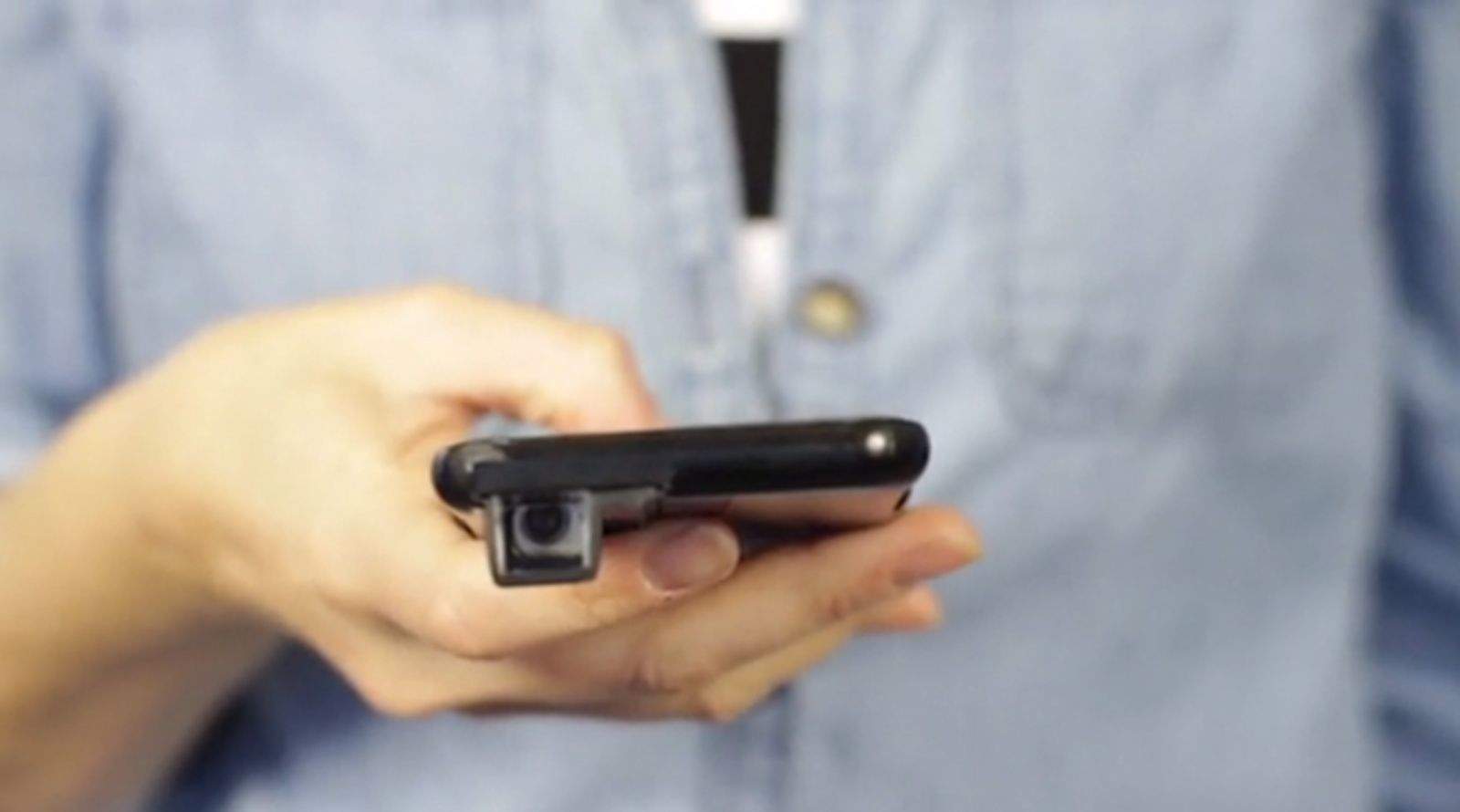
Take photos unobtrusively with people around you thinking you're checking your messages. Photo: COVR
Stop taking pictures of your “stupid face,” Thomas Hurst says. Think history, legacy and every day, unposed moments.
Hurst believes he has the tool to help you make more meaningful photos and the veteran photojournalist is trying to raise $25,000 on Kickstarter to bring the COVR you need to snap candid photos with your iPhone 6.
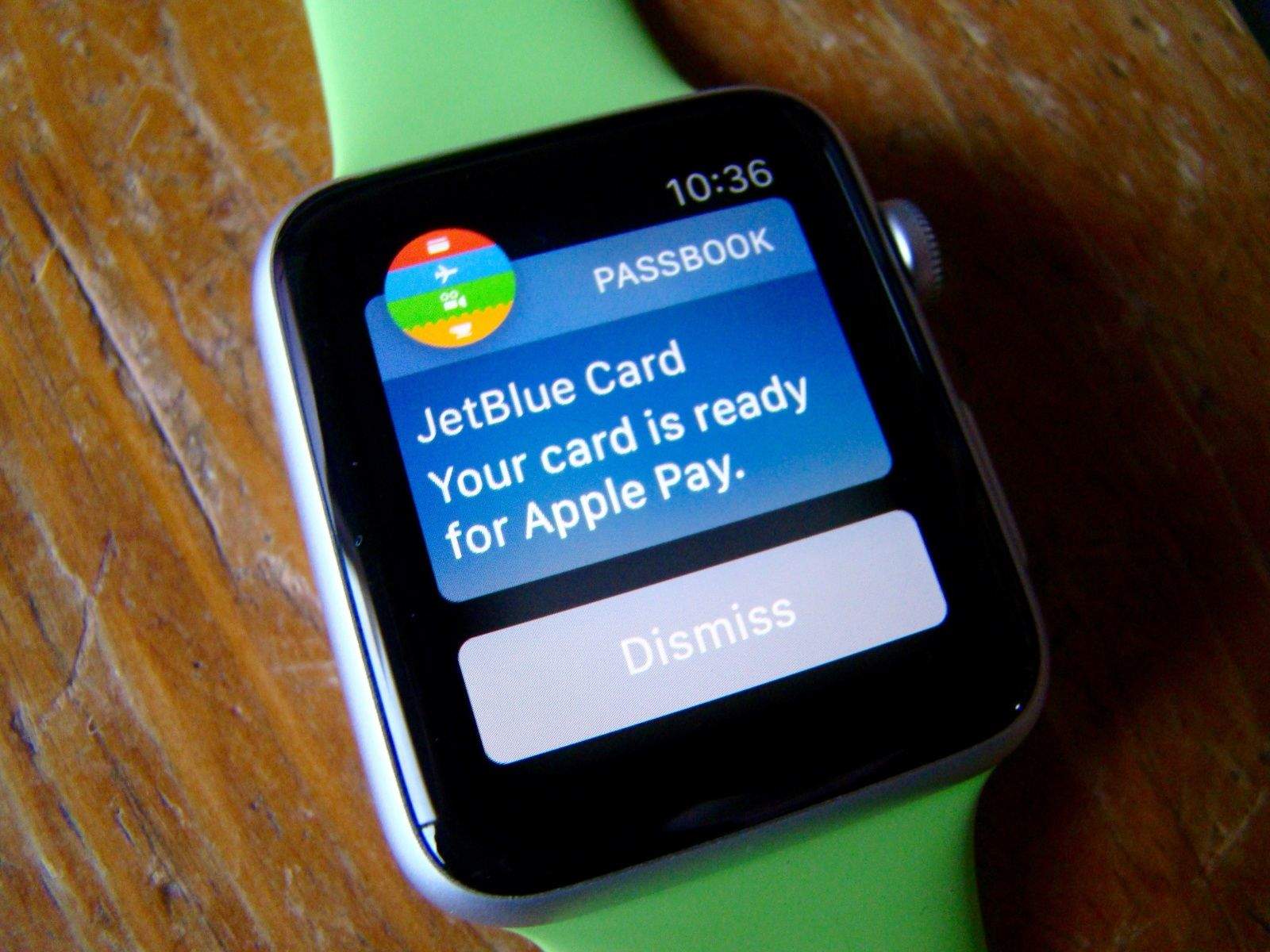
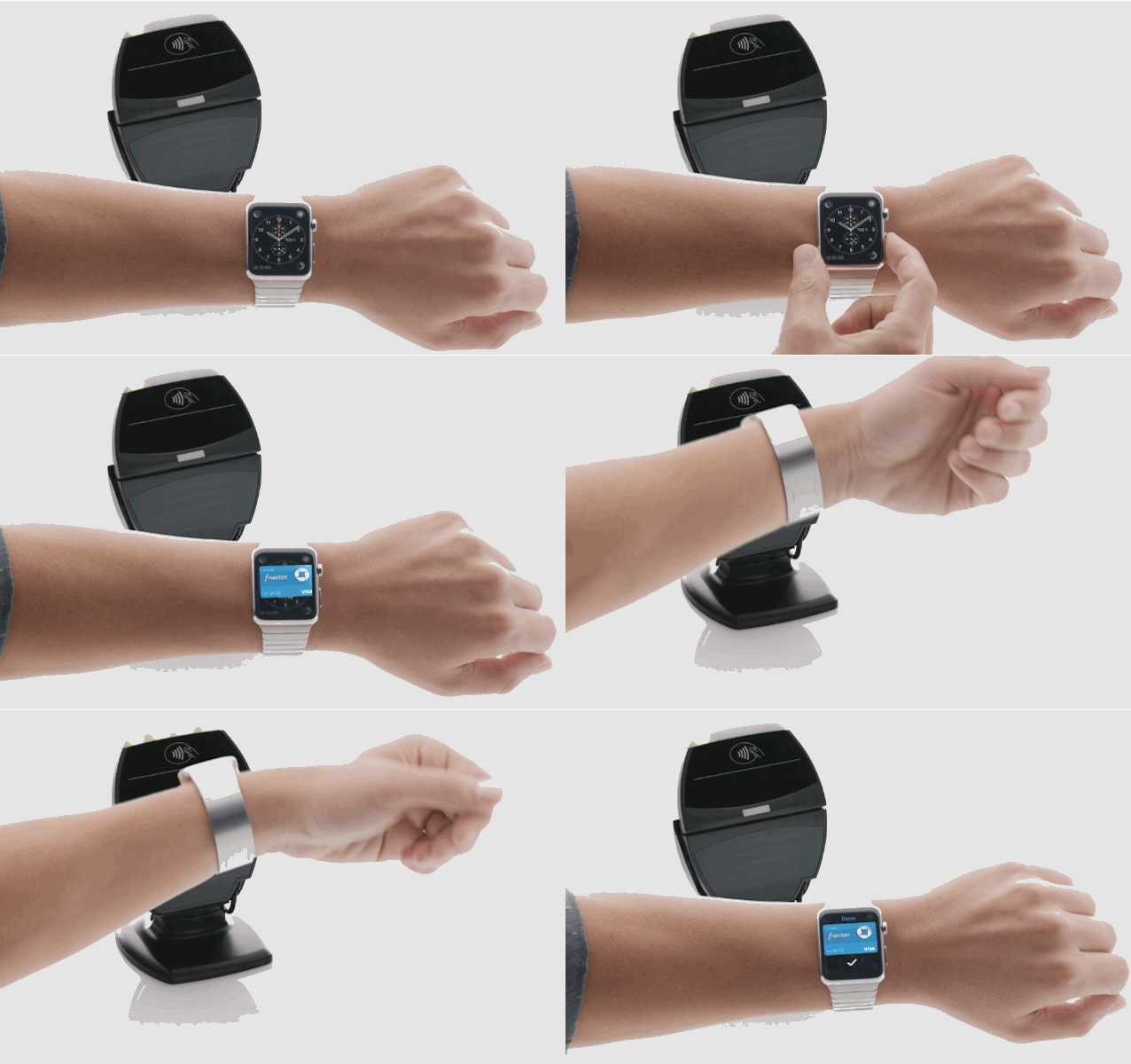
Apple Pay on Apple Watch. Photo: Rob LeFebvre/Cult of Mac
If a retailer asks for the last four digits of your credit card, but you’ve used Apple Pay, you might be out of luck if you use the actual digits off your plastic rectangle.
Every time you give a retailer or waiter your credit or debit card to pay for goods or services, the actual account number is there for them to steal. When you use Apple Pay, however, those numbers are hidden behind a unique “Device Account Number,” which is assigned, encrypted, and stored on a dedicated chip on your iPhone or Apple Watch. They don’t even get stored on Apple’s servers.
Finding that Device number, though, can be tricky. Here’s how.
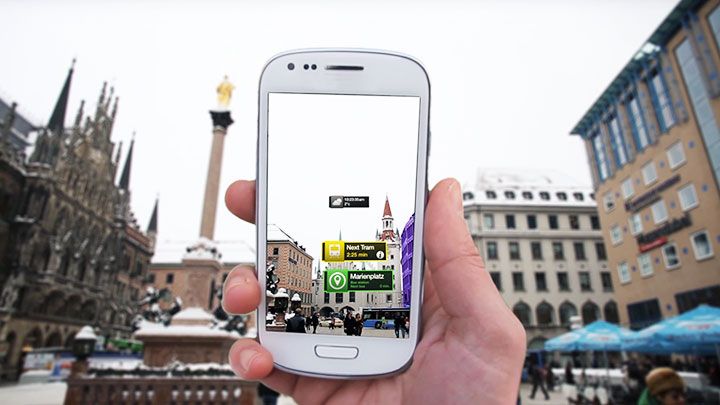
Apple has finalized an acquisition for the augmented reality company Metaio in a move that could soon bring the German firm’s AR tech to iOS and other Apple devices.
Metaio, which specializes in creating augmented reality tools for other businesses as well as other computer vision solutions, mysteriously announced last night that it would stop selling its services, but filings with the German government reveal that the company has transferred all of its shares over to Apple.
From smartphones to the Internet of Things, Google wants to be woven into the fabric of our lives.
The company detailed some of its latest hardware and software projects — some truly innovative, some strictly playing catch-up — during the annual Google I/O developer conference Thursday.
From the iterative improvements coming in Android M to the blue-sky thinking of Project Brillo, everything plays into Mountain View’s master plan, which Sundar Pichai, Google’s senior vice president in charge of Android, Chrome and apps described as “putting technology and computer science to work on important problems that users face” — and doing it “at scale for everyone in the world.”
Google’s goals are similar to Apple’s: Both companies are trying to integrate their products (and possibly their worldviews) into every facet of our lives to make tech personal and useful. In many ways, Google’s approach is far more ambitious.
Here are the six things you need to know from the Google I/O 2015 keynote.
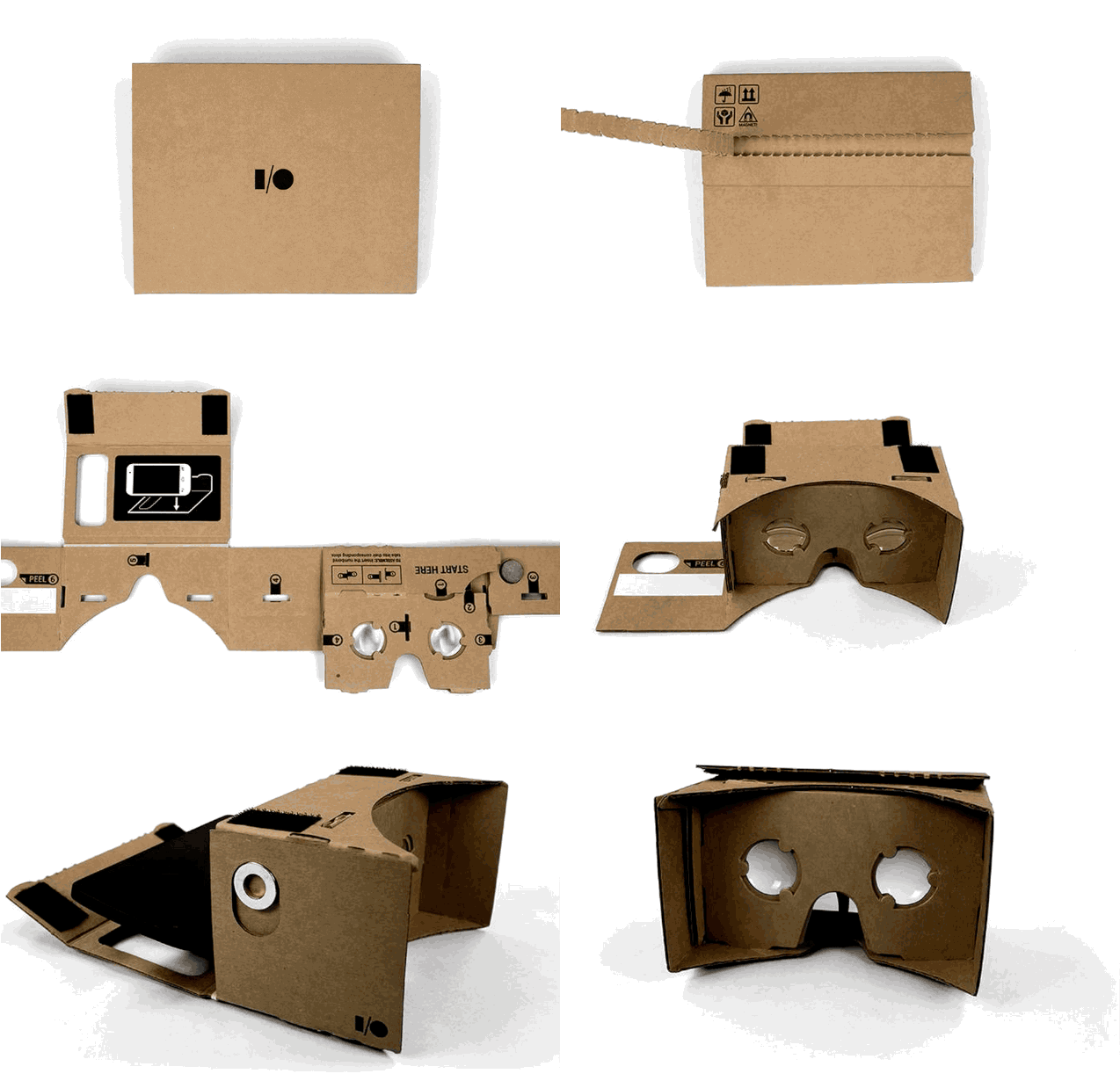
I can’t wait for the virtual reality future to finally go mainstream, but with company’s like Oculus talking about charging people over $1,500 for an entire Rift package, VR is virtually out of my price-range. Thankfully, Google is coming up with an easy-to-use VR solution that’s not only as cheap as a piece of cardboard, it works on Android and iOS too.
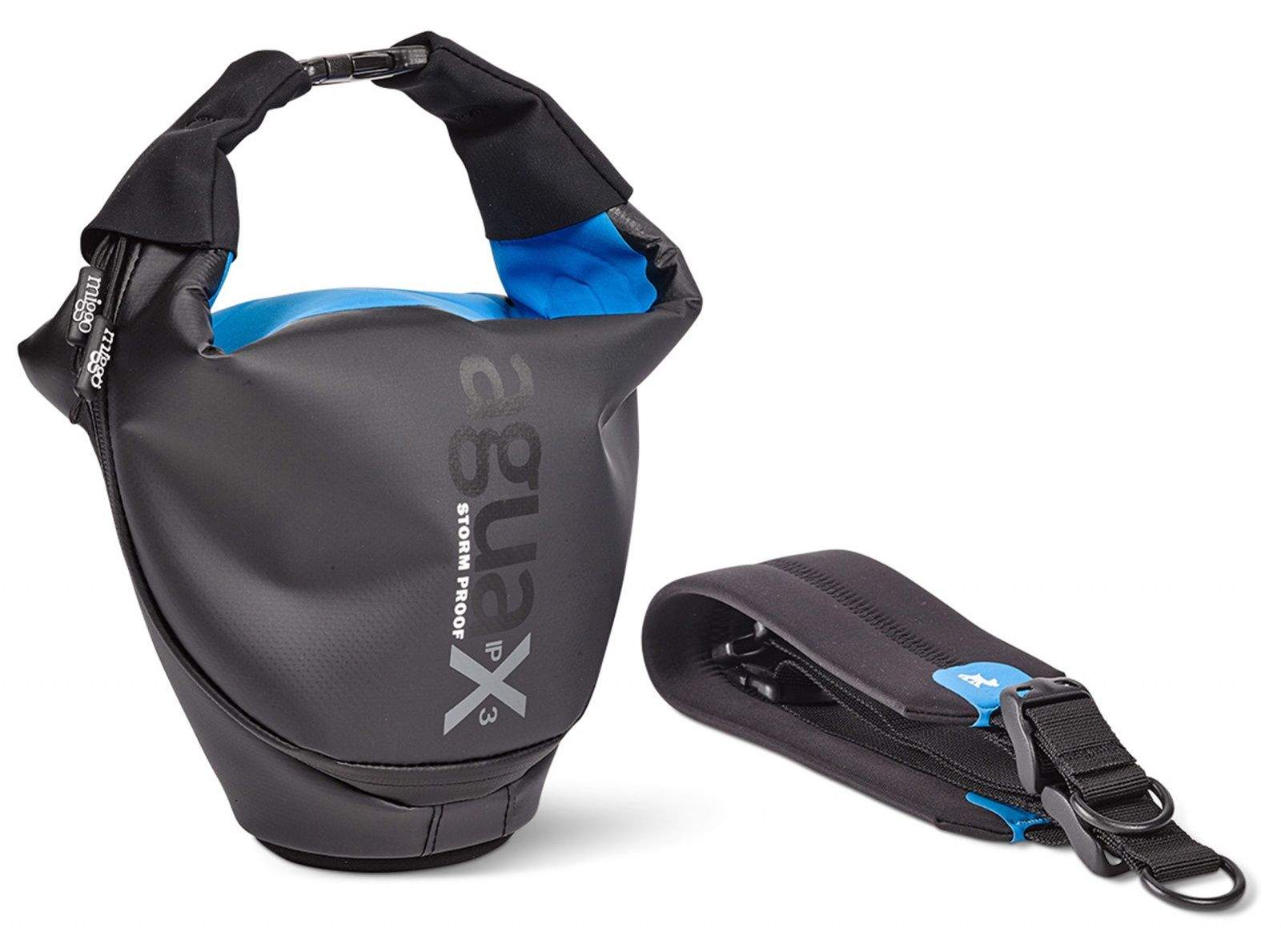
The designers of the Agua bag say it will keep a camera and small lens dry in any weather. Photo: miggo
When a camera bag claims to be water resistant, it feels a little like the brand is hedging its bets. It will protect your gear up to a point.
But the designers at miggo have a bag they declare confidently is storm-proof and all-weather. They even say with certainty the ironically named Agua will remain protective for five minutes in rain falling at 10 liters a minute with up to 22,000 pounds of force.
If you’re in a Biblical hard rain, you may have bigger problems then keeping your camera dry. miggo just wants you to feel comfortable with Agua if you’re out on a typical rainy day.
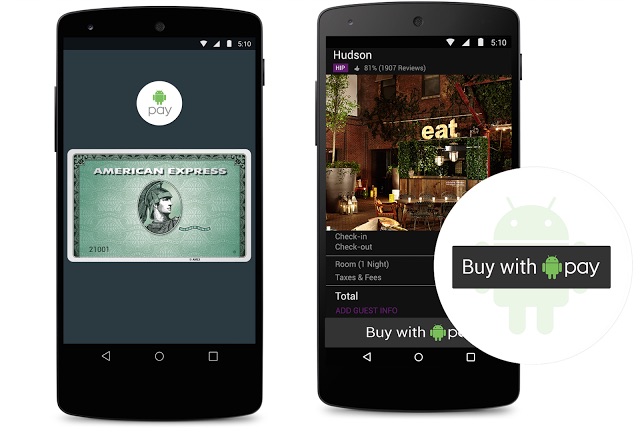
Google’s first attempt to revolutionize mobile payments didn’t work out so well. Nearly four years after introducing Google Wallet, the company announced at Google IO this morning that it’s replacing its first mobile wallet solution with a new app called Android Pay, and it basically works just like Apple Pay.
Google Now is about to get far more powerful, thanks to a promising new feature called Now on Tap that leverages contextual search to offer quick answers to quick questions from within various apps.
“We’re working on a new capability to assist you in the moment — right when you need it, wherever you are on the phone,” said Google Now product manager Aparna Chennapragada as she previewed the impressive new functionality during Thursday’s kickoff keynote at Google I/O 2015.
For instance, asking, “What’s his real name?” while listening to a Skrillex track could return the DJ’s name from within a music app, making Google’s hive mind more accessible than ever. (FYI it’s Sonny John Moore.)
Organizing the flood of photos and videos we all have is the central challenge of today’s photos apps.
Director of Photos for Google, Anil Sabharwal, took the stage Thursday morning at the annual I/O conference to detail the company’s new offering that aims to solve this problem: Google Photos.
While initial screenshots on stage looked quite a bit like Apple’s own Photos app, the functionality of Google Photos uses machine learning and algorithms to create what may be turn out to be the most useful way to store and share your photos.
If you’re in and about New York after June 13 you’ll have an extra Apple Store to check out, since that marks the date when Apple will open its new retail location on Manhattan’s Upper East Side.
Signage was put up overnight, revealing that customers have just over two weeks to wait until construction is finished on the impressive 4,000-square foot upmarket retail outlet.
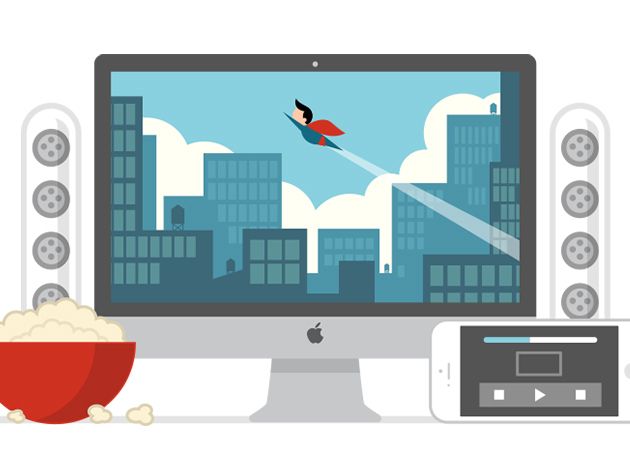
Want to show off your vacation photos on a larger screen than your phone? Or quickly pull up a presentation that’s only on your friend’s iPad? We’ve all at some point wished there was a simple solution for streaming videos, apps, and games from a phone to a Mac or PC. Well, the AirServer is it—and we have it for $9.99 at Cult of Mac Deals.
Sherish is a simple app that automatically backs up your photos and lets you be selective on who sees your photos. Photo: Sherish
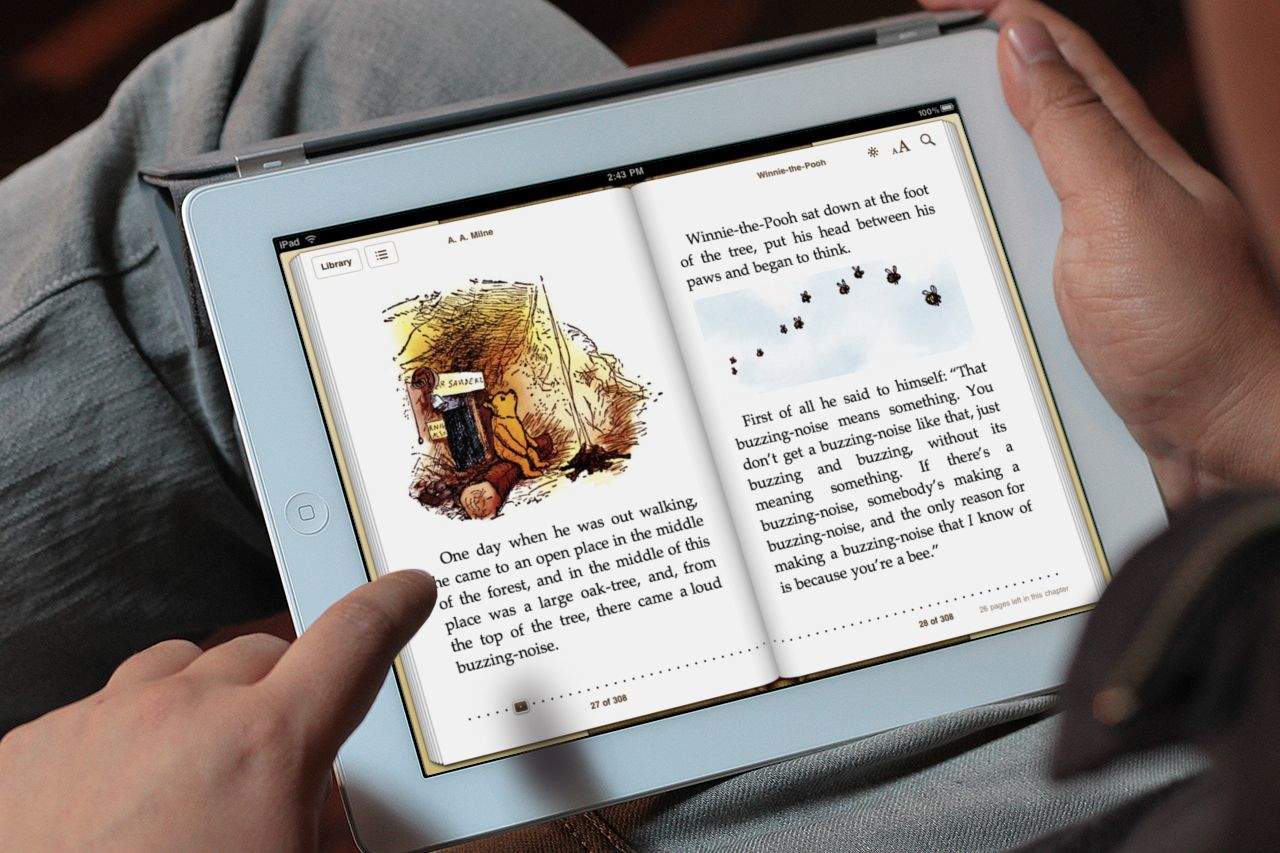
The best camera is the one that is with you, so the saying goes. But if that is indeed your iPhone, what is the best photo app? You have several thousand from which to choose.
This can be particularly maddening to older generations, for whom robust digital living seems foreign and frightening. They like the ease of the smartphone camera, but they just want to share their pictures with a few people and store securely without all the extras, like locators, timelines or random followers.
Sherish – an iOS app whose name combines the words share and cherish – was developed for the older user who just wants a few functions, a couple of screens, easy album management and, of course, privacy.
Apple can't ditch its ebook compliance monitor. Photo: Apple
Apple just can’t get rid of its shady antitrust compliance monitor.
After making another appeal to the 2nd U.S. Circuit Court of Appeals in New York to disqualify Michael Bromwich as its monitor, Apple was rejected by the federal court this morning, even though the judge said Apple’s allegations against Bromwich ‘give pause.’
Google is expected to announce Android Pay, its new Apple Pay competitor, during its I/O keynote today. But before the service is official, the company has inadvertently confirmed its arrival with a whole bunch of Android Pay signs that are dotted around Moscone West.
This photograph was made in the early 1900s using the Autochrome process, which starts with dyed potato starch. Photo: Mervyn O’Gorman
The potato is one of the least colorful of the good Lord’s creations. But somehow, two French inventors figured out how the dud spud could help put color in our photographs using a process they called Autochrome.
Before brothers Louis and Auguste Lumiere tinkered with taters, photographers were shooting three different pictures of the same scene through colored filters — red, blue and green — and then sandwiching the images for projection.
In 1904, the Lumieres pulverized potatoes into a starchy powder, which they then divided into three separate batches for dying violet-blue, green and orange-red. When mixed together and applied to a glass plate, the microscopic grains of potato filtered the light, creating a negative that could produce a color photo. That was Autochrome.
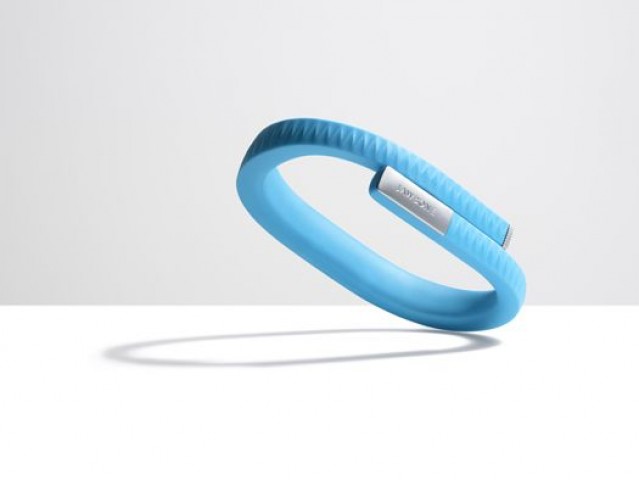
Once, Jawbone was king of the fitness tracking set. Then, after a series of missteps and disastrous, half-baked product launches, Jawbone’s popularity waned in favor of Fitbit.
Now, of course, the Apple Watch rules the roost, but Jawbone and Fitbit are still at war… and Jawbone just dragged it all into the courts.
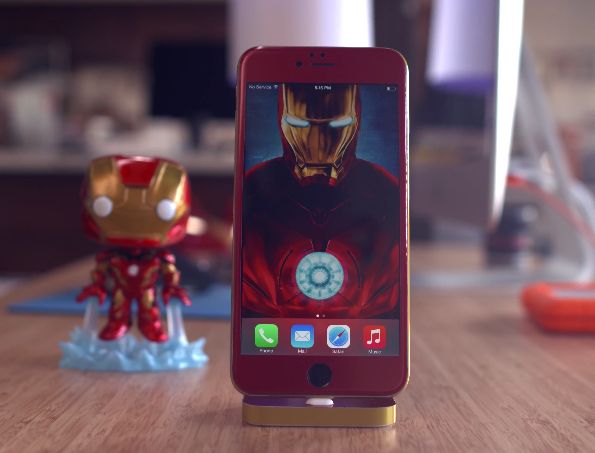
When Samsung dropped its Iron Man-themed Samsung Galaxy S6 Edge variant, I had a feeling I’ve never experienced in my days as an iPhone owner: Android envy.
Fortunately that brief emotional response can now be banished to the furthest limits of the Negative Zone courtesy of this gorgeous, metallic-flake-finish “Hero Collection” adhesive skin for the iPhone 6 and 6 Plus.
No, it’s not Tony Stark’s titanium alloy, but in so far as it gives your iPhone the familiar metallic red-and-gold look associated with everyone’s favorite billionaire philanthropist superhero, it’s pretty darn good.
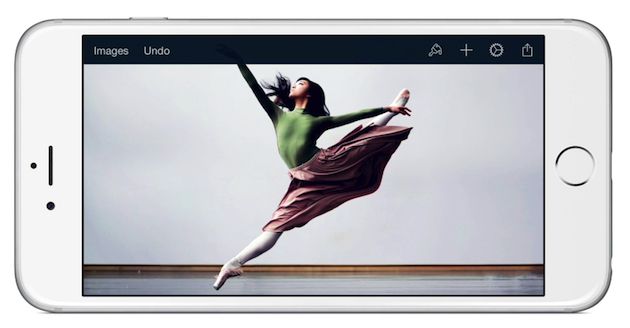
As one of the best Photoshop competitors on Mac and iPad, the superb photo editing tool Pixelmator is finally available for iPhone.
Promising to be more powerful than other iPhone image editing apps, Pixelmator’s universal app boasts support for layers, in-depth color adjustments, pro-level photo retouching, real-time photo warping, and even digital painting.
Apple's Eddy Cue and Beats co-founder Jimmy Iovine discuss the Beats acquisition shortly after the announcement last year. Photo: Pete Mall/Re/code
The rumor mill continues to churn about what the hell Apple is going to do with Beats Music. It’s been a year since Apple paid $3 billion to acquire the upstart music service and headphone maker, but we are no closer to understanding why Cupertino laid out the cash.
When Apple purchased Beats Music and Beats Electronics, it did so with a splash it generally reserves for the unveiling of a game-changing product like the Apple Watch. Since then, it’s basically been crickets.
It is clear Apple has a way to go to compete in the streaming music game against Spotify, Pandora and the other services scrambling to get a piece of the music industry pie. But what form will Apple’s next music play take?
If you’re sick of not being able to just swipe your iPhone or Apple Watch in front of a terminal at Target, here’s some welcome news: Target plans on rolling out Apple Pay terminals at the chain of mega stores soon.
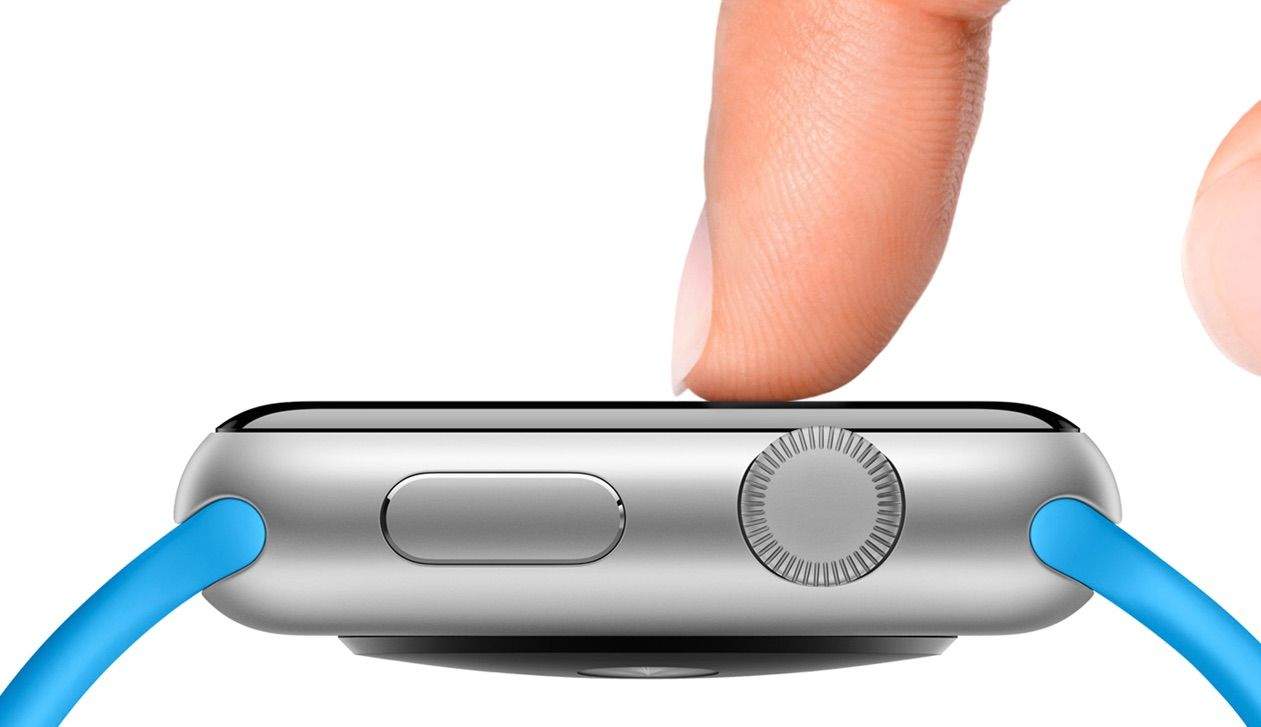
Apple Watch-style Force Touch is coming to both iPhone models this September. Photo: Apple
Every report we’ve heard suggests that Force Touch is practically a lock for Apple’s next-generation iPhones, but a rumor coming out of Taiwan claims that the feature was originally planned as a handset exclusive for the iPhone 6s Plus.
According to supply chain sources, the iPhone 6s Plus alone was originally designed to include Force Touch sensors, although Apple has since changed its mind and decided to incorporate the technology into both the 6s Plus and smaller 6s.
That’s certainly good news if — like the majority of customers — you plan to buy the smaller 4.7-inch iPhone 6s, but still want to take advantage of the latest Apple tech.
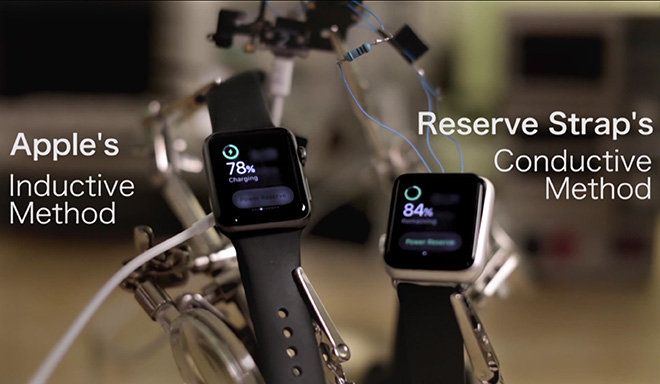
The 6-pin diagnostic port on the Apple Watch charges it faster than induction. Photo: Reserve Strap
The “secret” developer port on the Apple Watch has yet to be harnessed by third-party developers, but it definitely possesses cool powers, as this new video shows: The tiny port hidden by the Apple Watch band can actually charge your device faster than normal.
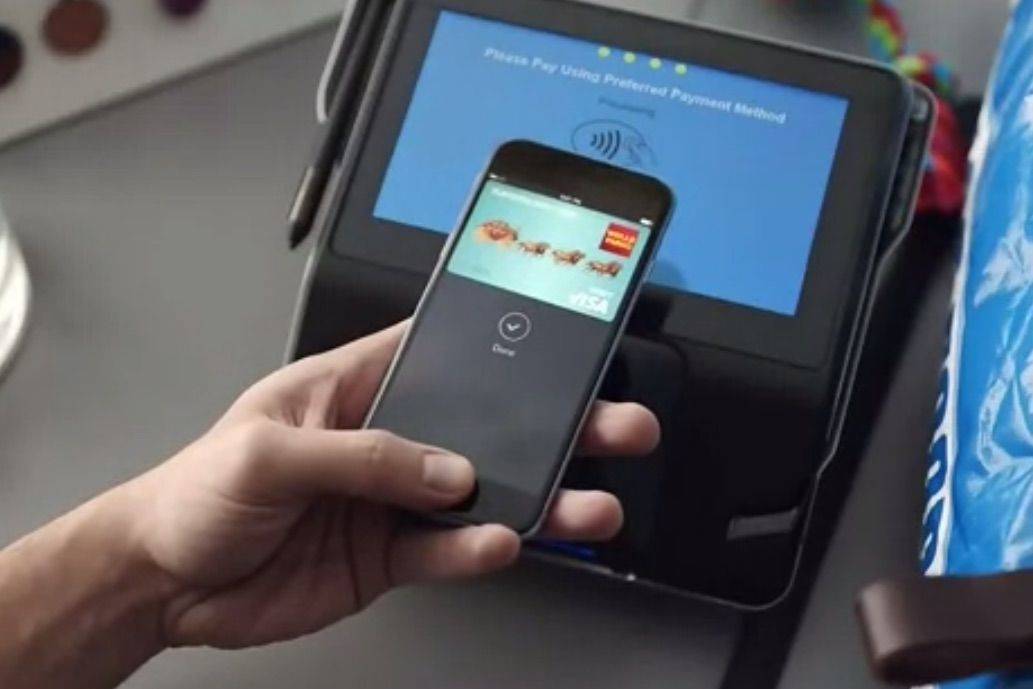
Apple Pay is about to give you an extra reason to get on board. Photo: Wells Fargo
In case you hadn’t noticed, Apple is pretty darn keen on making Apple Pay into the de facto mobile payments solution.
With that in mind, the company is reportedly set to announce a new Apple Pay Rewards Program at next month’s Worldwide Developers Conference, offering exclusive perks to customers who use the service, while driving people to return to participating merchants.