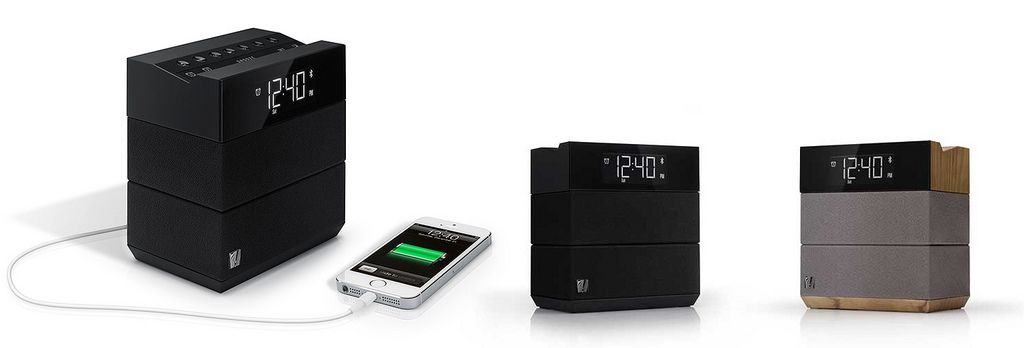
Sound Freaq’s Sound Rise is an old-fashioned concept wedded to new-fangled function. It’s a clock radio (remember those?) that plugs into your iPhone and charges it while sucking the sound out of your music library or favorite streaming apps.
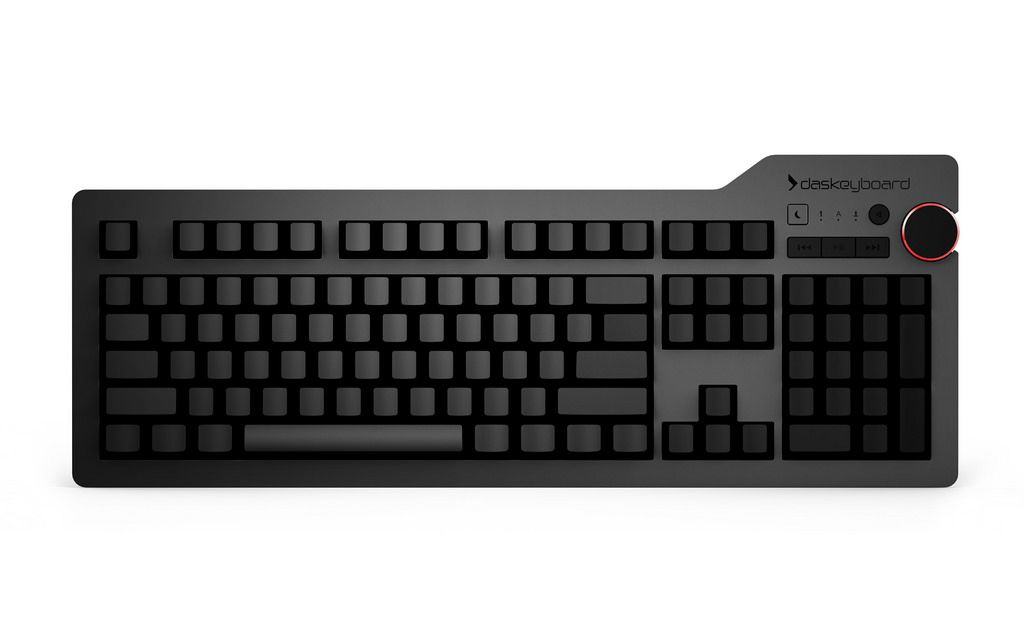
Here’s the Das Keyboard 4, possibly the most bad-ass clacky keyboard in existence. No keycap markings, USB 3.0, Cherry MX switches and a huge knob. All that plus Das’s trademark feature: it’s as big as a boat. A “Das Boat” if you will.
Elgato’s Thunderbolt Dock has a few unique features that are appropriate for a company that makes video accessories for Apple devices. First, there’s an HDMI port around back, and second, the USB ports put out enough juice to charge your iPad at a decent speed.
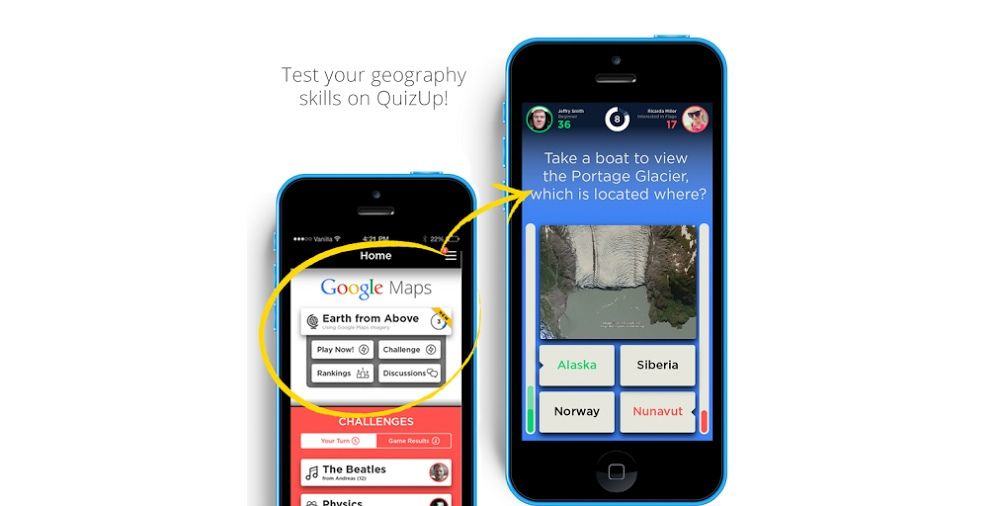
As the old song goes, “Google Maps and QuizUp, sitting in a tree, now both visible from low-Earth orbit.” It’s not catchy, but it is true – now the super-addictive trivia game has a Google Maps channel.
This little baby launched its Kickstarter on April 1st, but as it’s still there a few days later (and as Brian from Pad&Quill says it’s legit) it’s time for a write-up. The Micro Field Bag is a miniaturized version of the Field Bag, the heavy monster I reviewed a few weeks back. It’s tiny, cute, and built for the iPhone.
Imagine slapping your nightstand to snooze your iPhone’s alarm. Or rapping on the kitchen countertop to flip recipe book pages so your flour-coated hands don’t mess up the iPad’s screen. These scenarios could soon be real: XTouch is a new technology that essentially turns any solid surface into an input device for an iPad or iPhone.
Borderlands 2. BioShock Infinite. Civilization V. Just a few of the AAA titles hit with deep discounts at Aspyr’s GameAgent game store as the platform celebrates reaching 100,000 members. How deep? All the above-mentioned titles can be had at 75 percent off. Even non-Aspyr titles like Napoleon: Total War and XCOM: Enemy Unknown will be discounted, though at only (only!) half-off.
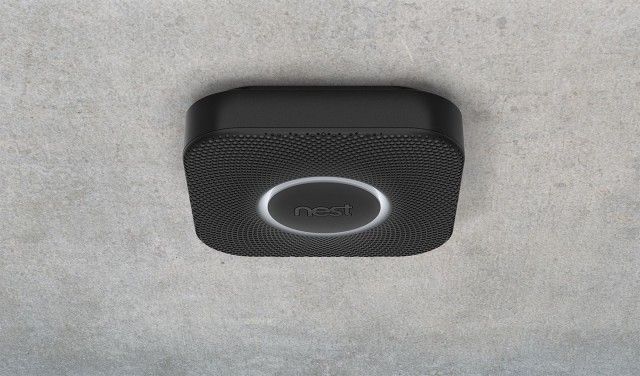
Like Nests’s futuristic thermostat, its iPhone-controlled smoke/carbon monoxide detector looked like the perfect replacement for the antiquated systems used in most homes today. It turns out that the Nest Protect was a little too good to be true.
Since the device went on sale in November of last year, Nest has discovered that one of the Protect’s hallmark features can malfunction. And that happens to create big safety concerns. Until the issue is resolved, Nest Protect sales have halted.
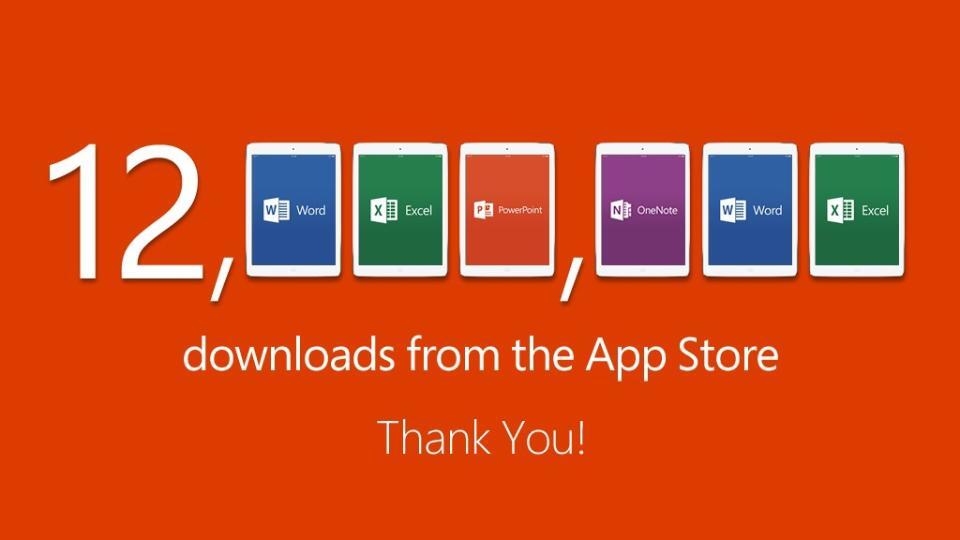
For those who thought Office for iPad was too late to the party, the numbers tell a different story. Today Microsoft announced that Word, PowerPoint, Excel, and OneNote combined have been downloaded a staggering 12 million times in one week.
If you doubt that number, then just take a look at the App Store charts.
Vine has added video messaging. After today’s update, video messages (or VMs) can be sent to friends on Vine or through SMS and email.
A six-second message can be sent to more than one person, but not as cleanly as Instagram Direct works. A new conversation thread will be opened for each person you send to, meaning you have to send the same video multiple times.
Among tech companies, Apple has the smallest presence in Congress
Apple’s thermonuclear war on Android has thrown the company into the courtroom more times in the last five years than ever before, so in an effort to make U.S. patent laws bend to its will, Apple has joined forces with some some of its old enemies, IBM and Microsoft to form a U.S. lobbying supergroup to fight patent trolls and push new legislation through congress.
Today Facebook Messenger was updated with the ability to make free voice calls over WiFi both domestically and internationally. Making calls over a cellular connection uses data. The features works similar to FaceTime Audio, which is natively baked into all iOS devices and Macs.
Facebook Messenger technically added VOIP (voice over IP) calling in January 2013, but the feature has been limited to the US, UK, and Canada until now. Facebook users with the Messenger iOS app installed can be called with a new phone icon at the top right of a conversation thread. The calling interface looks almost identical to Apple’s stock Phone app in iOS 7.1.
Messenger was recently updated with group messaging and forwarding. After WhatsApp was bought by Facebook earlier this year, it was revealed that VOIP calling is coming to that app as well in the coming months.
Sure, we all love a good game of Civilization V, but we also all know that the epic turn-based strategy can really suck up our time.
That’s one of the reasons we’re so excited about Hero Generations, a Rogue-like strategy game with a unique, personal question at its core: what will you do with the limited time you have left?
You’ll have plenty of choices, but your character will age one year for each turn in the game. If you want to truly influence the kingdom, you’ll need to find a mate, settle down, and have a child.
Your offspring, then, becomes the next controllable character in the game, with all the experience and items that you amassed before you died.
If that doesn’t intrigue you, I’m not sure what will.
Your game may be great, but languish in a cobwebbed corner of the iTunes store. That was almost the fate of Little Inferno, an original downloadable game launched in 2012 by indie outfit Tomorrow Corporation. They made some mistakes — big and small — that all devs hope to avoid.
One of the many cool things at the Game Developers Conference each year is the post-mortem talk, a look at what a game did well, or not so well, by the developers who made the game. This year, we were lucky to hear a talk about Little Inferno and the mistakes the team made along the way.
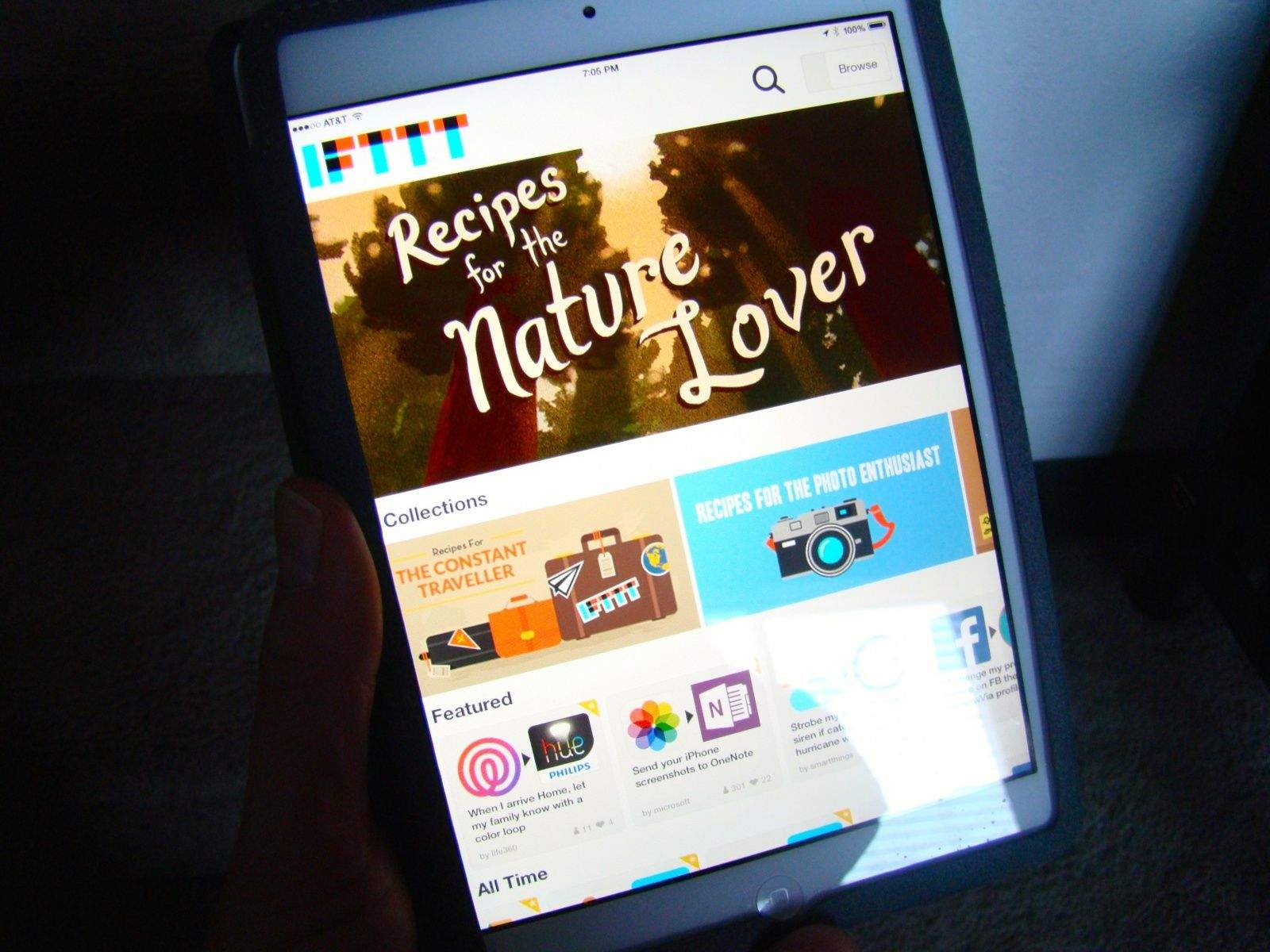
If you haven’t been using If This, Then That (IFTTT) on your iPhone or iPad, you really ought to be.
It’s a really amazing way to connect up all the things you do on your devices, putting them together in new ways for new uses.
Want to send all your iOS photos to OneNote or Evernote? There’s a recipe for that. How about making your Phillips Hue lightbulbs flash a specific color when you pull up into your driveway? There’s an IFTTT recipe for that, too.
Chances are, if you can think of it, you can make it happen, connecting different services and apps like Facebook, Twitter, Instagram, your iOS Photos app, location services, and the like in fantastically useful new ways.
There’s a new update for the iOS app, and it’s got some pretty spectacular new stuff to check out.
The iPad is four years old today and my mom hates it. Maybe not hate. Dislikes. Loathes. I don’t know the right word but for two weeks it sat in Apple’s pristine white box, unwrapped, unlocked, setup and then discarded; snuggling in its brown leather SmartCover completely untouched.
After dismissing it as “just a big iPhone” it’s grown on her in four months, just like it’s grown on us since 2010. Now it’s the only place she watches YouTube, looks at pictures, reads websites, FaceTimes and gets down on Solitaire like Kim Jong-un at a nuclear buffet.
It’s the best damn thing to ever happen for children with tech-illiterate parents.
Apple has today announced that this year’s Worldwide Developers Conference will kick off on June 2 at Moscone West in San Francisco. The five-day conference will give us a glimpse at “the future of iOS and OS X,” and the star of the show will almost certainly be iOS 8.
Quick, think of two classic game franchises that make perfect sense as a mash-up! Give up? How about Street Fighter II and Flappy Bird? Not convinced of the brilliance of this idea? Well too bad — someone’s done it anyway.
Joining the plethora of Flappy Bird clones to arrive in the App Store since Dong Nguyen’s hit original, Street Flapper lets you take your favorite Street Fighter characters and guide them through an “endurance training” setup composed of the stretchy arms and legs of character Dhalsim.
The year might only be three months old but there’s already a contender for ‘most visually striking iOS game of 2014.’
Launched today, Monument Valley looks to combine the gameplay of hit indie game Fez with the brain-twisting art of M.C. Escher.
As can be seen from the above trailer it looks stunningly beautiful, and with developers Ustwo (the team responsible for Whale Trail and Blip Blup) behind it, hopefully the gameplay will be every bit as great. The trailer depicts Princess Ida climbing through landscapes of shifting geometric shapes, optical illusions, and hidden paths — all the while avoiding and outsmarting the enigmatic Crow People.
When Pebble’s last iOS update essentially bricked the smart watch, leaving it capable of only (shock horror) telling the time, we knew that something needed to be done in a hurry.
Fortunately Pebble realized that too, since the company has rushed out a new update for its official iOS app — fixing the bug users had complained about which stopped the Pebble from connecting to an iPhone via Bluetooth.
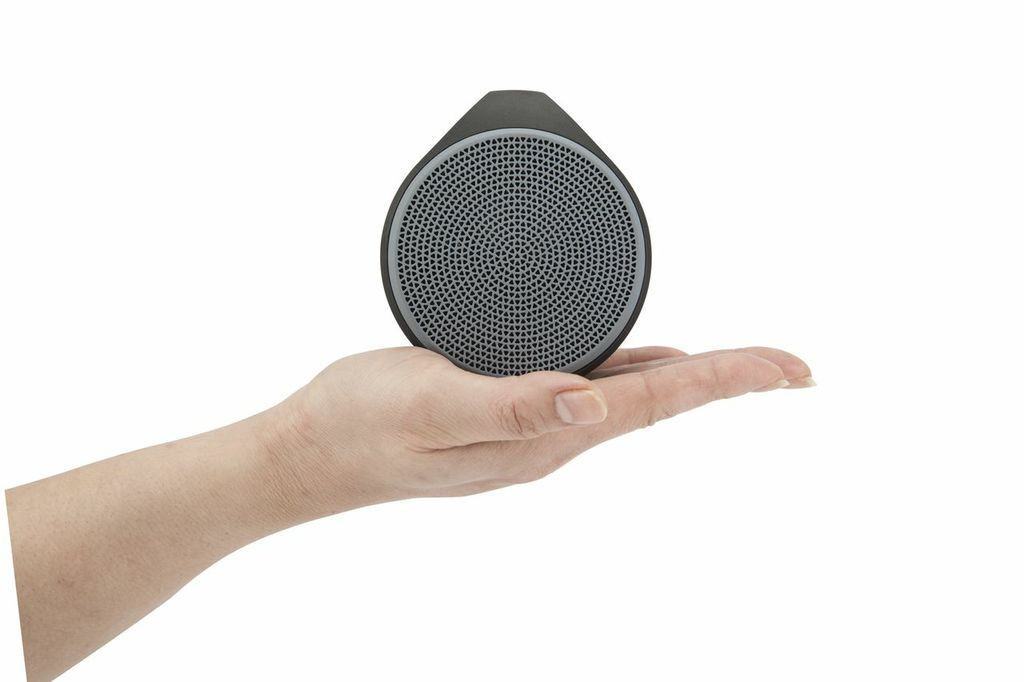
Logitech’s cool-looking X100 “donut” speaker has a few things going for it. First, it’s small. Second, it’s cheap, and third, it has a hole in it that looks totally satisfying to stick your finger in and wiggle it around.
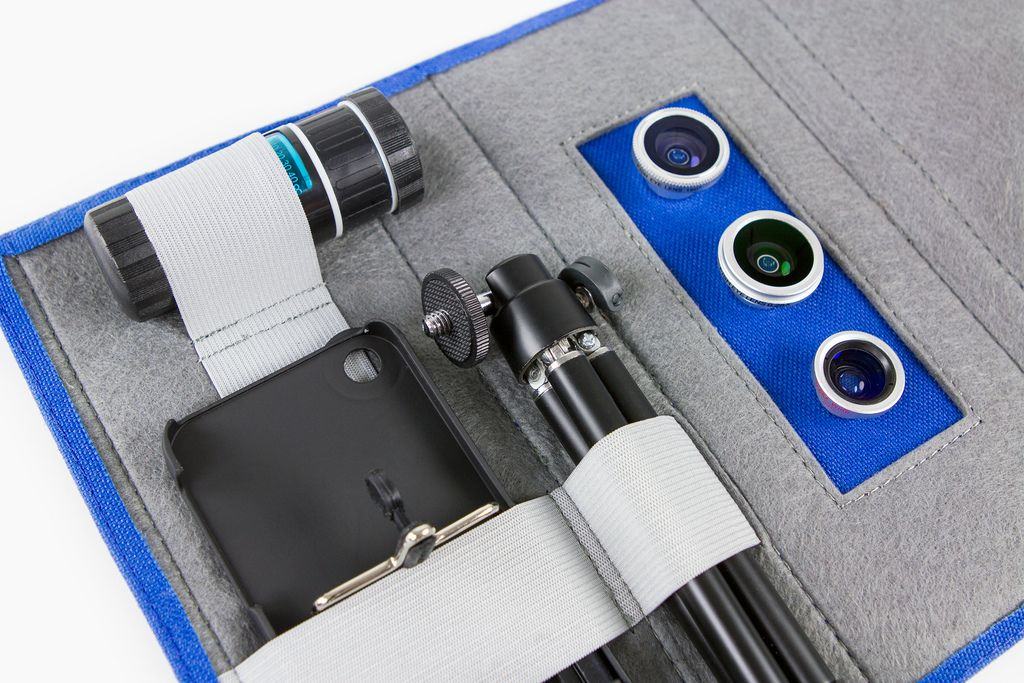
Photojojo’s new iPhone Lens Wallet is a safe place to store the entire Photojojo lens lineup, and it’s small enough that it can live in your daily murse/purse. It even holds a tripod, and can be bought either empty or fully loaded.
Spotify seems to have solved one major problem with its apps. Until now, the music streaming service has been focussed on playlists, forcing you to organize your music in order to “save” it for later.
Compare this to Rdio, which concentrates on albums and songs, letting your save them to an iTunes-like collection.
Spotify now offers “Your Music,” which is pretty much a copy of Rdio’s collections, and is a very welcome addition.
Lensbaby’s new iPhone lens looks awesome. Or it would, if it didn’t attach with magnets. Yes, it’s a super-strong magnet and might therefore avoid the problem suffered by all other magnetically-attached iPhone lenses: they are hell to keep aligned.
But you still have to glue a metal ring onto the back of your iPhone.
Apple is awarded a lot of patents, many of which it never does much more than sit on top of. After all, in the high stakes (and highly litigious) world of mobile, it’s better to patent a potential innovation than let a potential enemy do so.
Even so, today was a banner day for Apple. In just a single day, Apple was granted a whopping fifty-one different patents, ranging from older products like the unibody MacBook Pro to some much wilder stuff, like a possible 3D Apple TV remote control system.