
 Everybody expects Apple’s Siri voice assistant to get a big AI-powered makeover Monday at WWDC26. But there’s more to the picture, in that Apple Intelligence and Visual Intelligence will see a bunch of separate new features, too, according to rumors rounded up in a new report Friday.
New Apple Intelligence features beyond Siri
Apple heads into its annual Worldwide Developers Conference with something to prove. After showcasing AI features at WWDC24 — many of which still have not arrived — WWDC26 gives Apple a chance to make good on those promises.
During the WWDC26 keynote on Monday, the company will reveal one of its more ambitious software updates in years. And when it comes to artificial intelligence, it’s not just about supercharging Siri. We should see a sweeping expansion of its Apple Intelligence platform set to touch nearly every corner of iOS 27, as outlined by Bloomberg‘s Mark Gurman.
From a redesigned approach to visual understanding to AI-powered photo editing and smarter browser organization, the company pushes artificial intelligence well beyond Siri’s traditional domain.
Visual Intelligence gets a prominent new home

Photo: Apple
One of the more significant structural shifts in iOS 27 involves Visual Intelligence, Apple’s tool for identifying objects, extracting information and connecting the camera to outside services like ChatGPT and Google Search.
Apple plans to move it out of its current home — largely anchored to the iPhone’s physical Camera Control — and embed it directly into a new Siri option within the Camera app. The goal is to put the feature in front of more users, more often.
The feature itself will likely also expand. It will gain the ability to read nutrition labels and pull in contact information from business cards or other printed sources. That adds to its existing capabilities around plant identification, calendar event extraction and image-based search.
A new generation of AI photo editing

Photo: Anastasiya Badun/Pexels
Apple will introduce a suite of AI-driven photo tools that go well beyond the Clean Up feature it debuted in 2024 — a tool the company is also substantially rebuilding after widespread complaints that it frequently failed to remove objects cleanly, Gurman said.
New among the additions is the Extend feature. It lets users push the borders of a photo outward and fill the newly created space with AI-generated content that matches the existing scene. Someone photographing a building up close could expand the frame to reveal the surrounding street. Users control both the amount and direction of the expansion by dragging the image’s edges.
A companion tool called Reframe targets spatial photography — the 3D image format Apple developed for its Vision Pro headset. It lets photographers adjust the apparent angle of a shot after the fact, shifting a subject’s orientation without needing to retake the image.
Another tool, Enhance, will handle more general improvements to overall image quality and color.
Apple also is testing natural language photo editing. That’s the ability to ask, by voice or text, for specific changes like a crop or a color adjustment. That capability may not land in the initial iOS 27 release, but it’s in development.
Safari gets smarter about tab chaos

Mockup: Rajesh Pandey/Cult of Mac
Anyone who has accumulated dozens of open browser tabs will welcome what Apple is building for Safari. A new Organize Tabs feature will automatically sort open tabs into thematic clusters — grouping together shopping, travel, work and other categories without any manual effort from the user.
The feature should come to iOS 27, iPadOS 27, visionOS 27 and macOS 27.
Genmoji and Image Playground level up
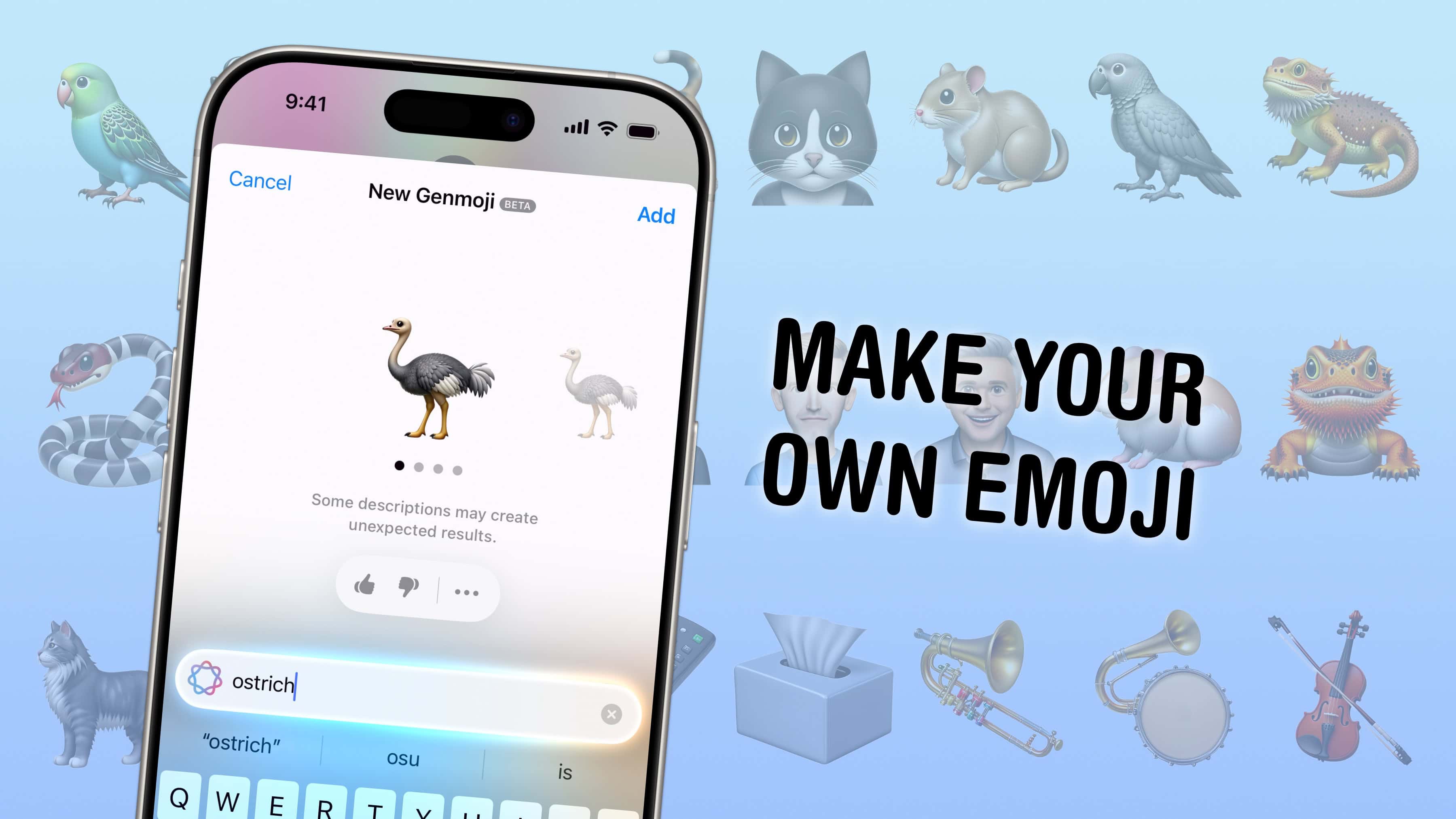
Image: D. Griffin Jones/Cult of Mac
Apple’s custom emoji generator, Genmoji, is gaining a more proactive dimension. A new Suggested Genmoji option will analyze a user’s photo library and commonly typed phrases to automatically generate personalized emoji without the user having to initiate the process.
The same AI image-generation engine will work with the wallpaper picker. That lets users describe a scene and generate a custom Home Screen background directly from the settings menu.
Shortcuts learns to speak plain English
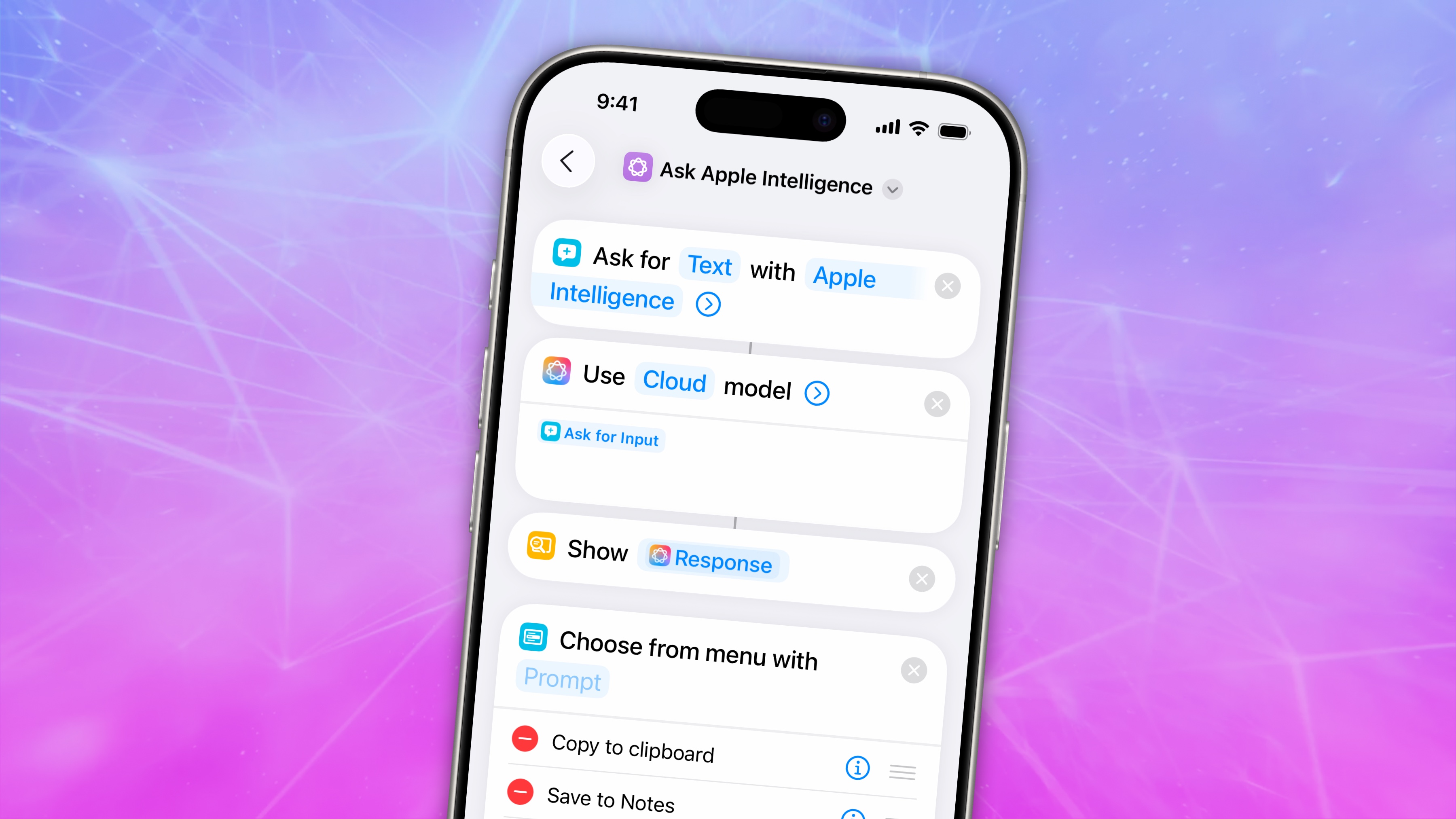
Image: D. Griffin Jones/Cult of Mac
The Shortcuts app, which lets users build automations ranging from simple reminders to multi-step workflows, should get a natural language upgrade.
So rather than constructing each step manually, users can type a description of what they want a shortcut to do and let Apple’s AI handle the rest. It’s a change that could open the feature to a far wider audience than the power users who currently navigate its step-by-step interface.
A new grammar layer and third-party AI access
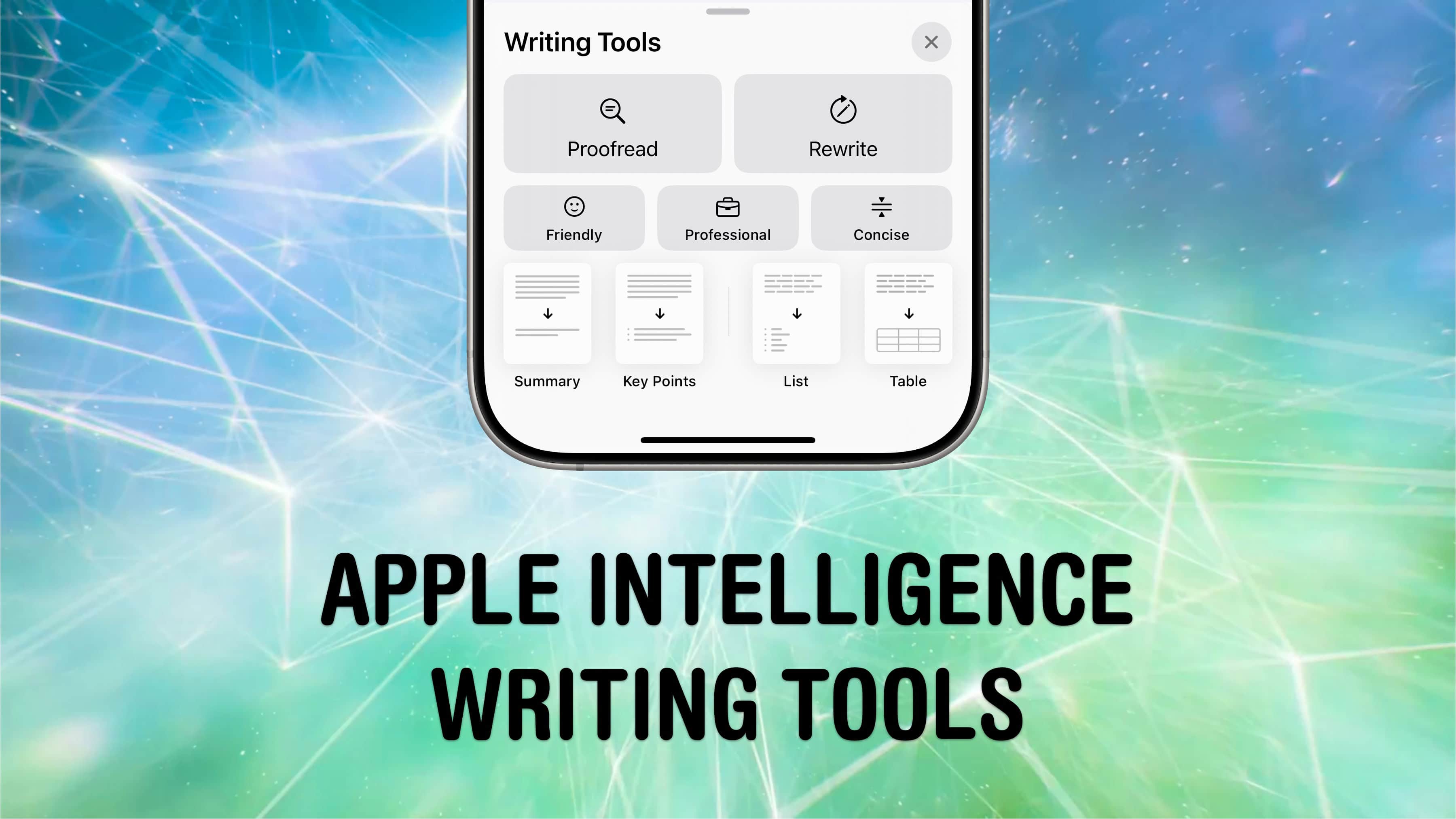
Image: D. Griffin Jones/Cult of Mac
iOS 27 will introduce a systemwide grammar checker that goes further than the current spelling and autocorrect tools, offering a more comprehensive layer of writing assistance across apps.
On the developer side, Apple is preparing to open its core AI capabilities — including the image generation inside Image Playground and the Writing Tools text features — to third-party AI providers.
“Developers will be able to more easily integrate AI into their apps using a new system called CoreAI,” Gurman wrote. “And makers of artificial intelligence agents will be able to tap into Siri and Apple’s in-house AI apps and offerings.”
Siri currently connects only to ChatGPT, but the change will allow users to install alternatives through standard App Store apps. Apple has reportedly tested the integration with both Claude and Google’s Gemini.
Health AI features delayed
A range of health-focused AI tools originally conceived as part of an internal initiative called Mulberry, including improved blood sugar tracking and camera-based workout monitoring, are not expected to appear in the first release of iOS 27. Apple may announce them separately, potentially after WWDC26, according to Gurman.
- See also: What to expect from iOS 27 at WWDC26

David Snow, an expert on Apple hardware and software, writes on a variety of technological and cultural topics for Cult of Mac. They include Apple news, technology buying guides, and features about computer setups and Apple TV shows and movies.
With 30 years of experience covering technology and other subjects, he has written and edited for numerous print and online publications, including CMP Media, TechTV.com, CNET, Wired News, Red Herring magazine, Law.com, The National Law Journal and Law Technology News magazine. Among other roles, he served as executive editor of the Law.com network of websites and editorial director, technology, for ALM Media.
Snow graduated with a B.A. from Syracuse University with majors in magazine journalism and psychology. While there, he worked as a reporter for The Daily Orange newspaper and associate editor of Equal Time magazine.
Founder of the blog At the Waterline, he can be reached on X (formerly Twitter) via @atthewaterline and on Mastodon via @dsnow.


One response to “Beyond Siri: New Apple Intelligence features to expect at WWDC26”
This is the problem with Apple and I am Apple to the core, they over promise and under deliver. They tout the things they are doing and cannot do them. This causes others to move ahead by years. Siri should have be revamped or folded years ago. And the shortcuts app requires a degree in coding. If these upcoming changes do not make the iphone better I will be switching to the Pixel.