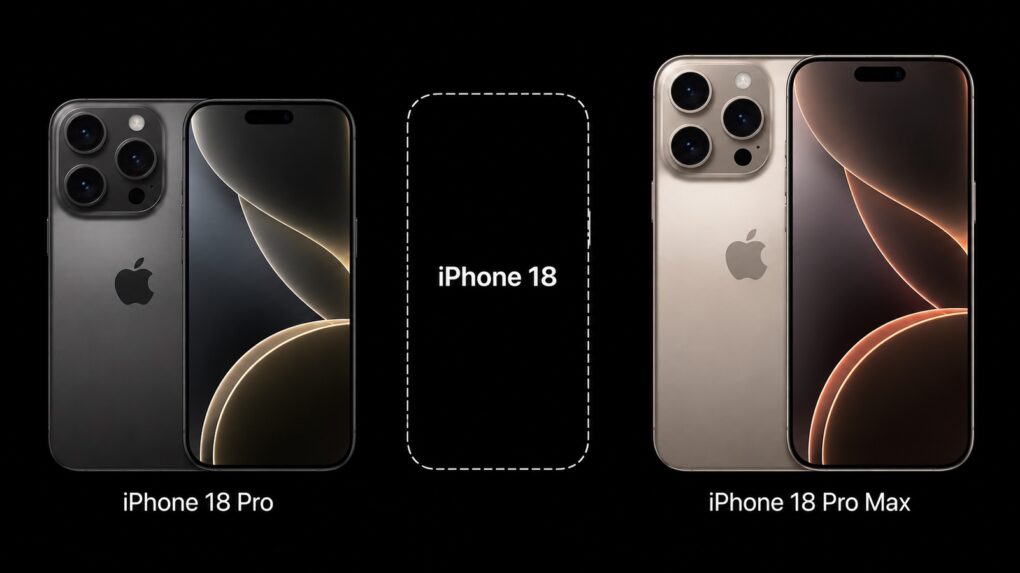
Apple could make dramatic changes to its iPhone release strategy. The major shift: the iPhone 18 release date has reportedly been pushed back to 2027.
There will still be plenty to announce in September, including three new high-end handsets. But the mid-range and entry-level versions — including the iPhone 18 — will stay under wraps for months afterward.
iPhone 18 may not arrive when you expect
For nearly two decades, iPhone fans have been able to count on one tradition: new models arriving every September. Apple’s annual fall event has become one of the biggest dates on the tech calendar, with consumers expecting to see the latest iPhones unveiled and released within weeks.
According to multiple leaks from reliable sources, however, that familiar routine could change this year. Apple will still have new models to show off in September, but these will be the company’s premium offerings. More affordable versions supposedly won’t emerge until roughly six months later.
So what’s coming when? The big fall event will reportedly include the iPhone 18 Pro and iPhone 18 Pro Max, along with the much-anticipated iPhone Ultra – the first with a folding screen. The standard iPhone 18, iPhone 18e and second-generation iPhone Air are expected in late winter or early spring.
Considering this scheduling change is only leaks and rumors at this point, of course Apple hasn’t announced the reasons for it. But here are three strong possibilities.
1. Encouraging iPhone buyers to go Pro
By putting the premium models out months before the more affordable ones, shoppers are more likely to choose a pricier model.
In previous years when the high-end and standard models launched simultaneously, customers could make a direct comparison and decide they didn’t need a top-of-the-line model and choose the standard one instead. With the upcoming round, though, it seems going that route will come with a 6-month wait.
Those impatient to buy, who just can’t hold out, will get the iPhone 18 Pro or iPhone 18 Pro Max, even though they might have opted for the cheaper iPhone 18 if it were available at the same time.
Apple’s Pro and Pro Max versions have always come with additional features, like better cameras. It seems that starting in 2026, one of those high-end features will become “earlier access.”
2. Focused marketing for iPhone 18
There are marketing advantages to the new release strategy, too. A spring launch for the standard iPhone 18, iPhone 18e and second-generation iPhone Air gives Apple’s less-expensive models their own spotlight instead of being overshadowed by shiny new Pro models launching at the same time.
Remember that Apple isn’t just advertising to those who already use an iPhone — it wants Android users to switch. These people are generally more cost-conscious and more likely to choose the standard iPhone 18 or iPhone 18e than a Pro or Pro Max.
In spring 2027, expect a rush of marketing focused on trying to interest Android users in Apple’s more affordable models without the premium ones as a distraction.
3. Technical advantages to spreading out iPhone 18 series release dates
But the new iPhone launch strategy might be about much more than marketing. By splitting its launches into two waves, Apple can spread manufacturing across more months instead of trying to build all the different iPhone models simultaneously.
Consider that the iPhone lineup has grown in recent years. Previously, it introduced four versions of each new model annually, then added a cheaper “SE” model roughly every three years. Not anymore — the more affordable option now gets updated every year. And this fall, the company will add an entirely new foldable model to the lineup, supposedly dubbed the iPhone Ultra. Launching them all together would be a tremendous strain on any company.
But a staggered release would reduce pressure on Apple. It would do the same for Cupertino’s suppliers and factories, too.
Plus, keep in mind that there’s a global shortage of memory chips — what’s being called RAMageddon. Apple will need millions of RAM and storage chips for its upcoming handsets. Spreading out its releases could ease the strain.
Not a crisis — a plan
To be clear, nothing that has leaked out of Cupertino indicates that Apple has been forced to delay the iPhone 18. It’s doing so as a change in product strategy. A strategy that apparently will carry through into 2028, 2029 and so on.
Going forward, it seems the Pro models and foldable phone will target early adopters and premium buyers in each fall, while the standard and budget iPhone options will arrive for mainstream customers the following spring.
So if the reports prove correct, September will no longer mean “every new iPhone” — it will become the launch window for Apple’s highest-end smartphones, with the more affordable models always following several months later. Adjust your iPhone buying plans accordingly.

Ed Hardy has been writing full-time about tech for 26 years, and using it for much longer than that. His intro to Apple was a Macintosh SE/30 (which he still has), but now he uses a 13-inch iPad Pro as his primary computer.
That’s because he’s a “tablet first” type of guy. Rather than use a Macbook, he connects a keyboard case to the iPad. And instead of a desktop Mac, he connects his tablet to a 27-inch display and full-size keyboard. (So don’t try to tell him that everyone has to use a Mac to be productive.)
Before coming to Cult of Mac, Ed wrote for NotebookReview, TabletPCReview and Brighthand, as well as other sites.

