We went bonkers last week and gave out more free hardware in seven days than we ever have before. To mix things up this week we’re going to be giving out some beautiful software to enhance your Apple experience. Today we’re teaming up with the great people behind StackSocial who have given us three promo codes for their latest Mac Essentials Bundle. With eleven Mac apps worth $333 that we’re giving away for free, this is one of the best software giveaways we’ve ever had. You’ve got to play to win though, so here are the details on what you’ll win and how to qualify for the giveaway:
You’ll find a notebook to suit everyone within Apple’s family of notebooks: the entry-level MacBook is perfect for students and casual computer users, the MacBook Air is a blessing to the travelling businessman, and there’s a MacBook Pro fitting for just about everyone. And I’m not the only one who thinks so – Consumer Reports just dealt Apple’s awesome MacBooks a whole lot of love.
After an unexplained absence, Apple products have officially returned to NBC’s The Office, which wrapped up its seventh season last night.
Apple gear was prominently seen and mentioned during the show’s earlier seasons. In 2005, for example, former boss Michael Scott (played by Steve Carell) gifted a then-cutting-edge 5th generation iPod Classic (“video iPod”).
But as of late, HP replaced Apple for “promotional consideration”, as evidenced by the closing credits. Apple products continued to appear on occasion, but only discretely, the logo always obscured.
Crucial has just launched its new M4 lineup of 2.5-inch solid-state drives, which are the successors to the RealSSD C300 range, and boast faster read and write speeds. The M4 uses 25nm technology NAND flash created by its parent company Micron, and is available in 64GB, 128GB, 256GB and 512GB models.
Crucial claim the new M4 SSDs reach read speeds of up to 415MBps – a 17% increase over its predecessor – while write speeds are up 20% with speeds of up to 260MBps.
As with all SSDs, however, this technology doesn’t come cheap. The 64GB M4 will cost you $130, which rises to $250 for the 128GB, $500 for the 256GB and $1000 for the 512GB. All can be purchased directly from Crucial and include a three-year warranty.
While the M4s are pretty pricey, solid-state drives are a great way of improving the speed of your Mac. Traditional hard drives are famous for being the bottleneck in modern-day Macs, and since the release of the incredibly nippy second-generation MacBook Air, many users have realized the difference an SSD can make and have adopted the new technology. Recent tests have proven that MacBook Pros equipped with SSD drives are significantly faster than those with traditional HDDs.
The 17-inch MacBook Pro reached the end of the line back in 2012. In some ways, it’s easy to see why Apple made the decision that it did. Compared to the overwhelming popularity of its 15-inch younger brother, the 17-inch model apparently registered disappointing sales. It certainly didn’t help that it was virtually impossible to open up -- let alone comfortably use -- a 17” MacBook Pro on a train or airplane.
But there is definitely a group of power users who use their MacBooks for tasks like video editing who would welcome the return of the extra two inches of screen real estate. Especially as Apple has focused more and more on the possibility of, for instance, shooting video using your iPhone and then editing it from the back of your car, a return to the “ultimate mobile studio” would be more than welcome. Particularly if it meant we’d finally see a 17-inch MacBook Pro with Retina Display.
The next revision of Apple’s MacBook Pro lineup will boast a brand new case design for the first time since the aluminum unibody models were introduced in 2008. The current lineup of MacBook Pros – which was recently refreshed earlier this year to introduce a Thunderbolt port, Intel’s Sandy Bridge processors, and new GPUs – will be the last revision before an all-new design.
A source for MacRumors has provided “reliable confirmation” that a redesign is currently in the works, however, there are currently no details on what the new MacBook Pro will look like:
Unfortunately, we have no specifics on what the next MacBook Pro might look like, though many have previously speculated that Apple will take cues from the MacBook Air line.
I’m sure previous speculation won’t be far off either. Apple’s latest MacBook Air has proven to be a huge success and at its unveiling back in October 2010, Steve Jobs hailed the device the “future of notebooks.”
My guess is that the next MacBook Pro will be at least thinner and lighter, with SSD storage and better battery life. If we’re really lucky we’ll get one of those Retina displays everyone’s talking about.
It’s not everyday you see a case like Silva Limited’s bamboo Macbook Pro case. Hand assembled, hand finished, made from sustainable bamboo — it’s obvious these handsome cases have been crafted with love and a ton of attention to detail.
Live from the Final Cut X event (via twitpic user @fcpsupermeet)
Update: Final Cut X will be $299 and will be available in the App Store in June. Still unknown are the future of Final Cut Studio (Including Soundtrack, Motion, Compressor, Color, DVD Studio) or Express.
Apple is, at the very moment I’m writing this, taking the cloak off of Final Cut X live and to much applause in front of the Final Cut Pro User Group Network in Las Vegas. For several weeks there have been rumors and murmurings that Apple would today unveil the next iteration of its venerable Final Cut video editing software, we’re learning now those rumors were true.
Final Cut users know that the last major update the software had was about 10 years ago. Though many users love the program, it was getting so long in the tooth it was starting to look like a vampire.
Details of the new Final Cut X are still coming in since the unveiling isn’t over yet, but one attendee at the event is posting updates via twitter (thanks @fcpsupermeet). Here are some notables from his twitter stream:
Crowd is unruly!
Final Cut X is a full rebuild from scratch
64 bit – Crowd: “finally!” “thank you!”
Cocoa, Core Animation, Open CL, Grand Central Dispatch support
The Focus was on image quality
Fully color managed
Resolution independent playback/timeline all the way up to 4K
Features people detection, single or in groups
Non-destructive auto color balance
Automatic audio cleanup (option to auto noise reduce audio, more)
Features “smart collections”: a lot like the smart folders found in OS X
Editing can start immediately during importing of AVCHD and other media, switches silently to local media as it ingests
Uses every available cpu cycle to keep things rendered. Also highly scalable. Will even work on a Macbook
No interruption for rendering. No transcoding, EVERYTHING native. (incl DSLR footage–assume this means AVC)
While everyone else is talking about the new almighty Thunderbolt ports the new MacBook Pros are sporting, one big switch that isn’t getting all that much attention is Apple’s switch from NVIDIA GeForce GT graphics processors to AMD’s Radeon HD GPUs.
The switch takes place on the 15″ and 17″ units while the smaller 13″ MacBook Pro just has the standard Intel integrated graphics card. Apple is claiming that the switch to AMD has increased performance threefold over the old MacBook Pro models.
The Apple Store is down, and new MacBook Pros are on their way. We saw the 13-inch yesterday: now we’ve got the details on one of the 15-inchers and 17-inchers, respectively.
Here’s what we’re looking at for the 15-inch and 17-inch:
• An Intel Core 2.0 GHz i7 quad-core processor with a 6MB cache (15-inch)
• An Intel Core 2.2 GHz i7 quad-core processor with a 6MB cache (17-inch)
• 4GB of DDR RAM at 1333 MHz (both)
• 500GB hard drive (15-inch)
• 750GB hard drive (17-inch)
• 15.4-inch LED backlit screen with 1440×900 resolution (15-inch)
• a 17-inch LED backlit display with a 1920 x 1200 resolution (17-inch)
• Intel HD Graphics 3000
• AMD Radeon HD 6490M GPU with 256MB of memory (15-inch)
• AMD Radeon HD 6750M with 1GB GDDR5 memory (17-inch)
• FaceTime HD camera
• 8x SuperDrive
• Thunderbolt and Mini DisplayPort
• SDXC slot, FireWire 800 port and two USB 2.0 ports
• Audio and Ethernet ports
• Wi-Fi and Bluetooth
Like the 13-inch we saw yesterday, these are more modest updates to the MacBook Pro line than we anticipated, boasting no LiquidMetal design or ubiquitous SSDs. The only notable update is the adoption of Light Peak, branded by Apple as Thunderbolt.
There’s still two new MacBook Pros (a 15-incher and 17-incher) to be revealed, but expect them to be variations of these two. We’ll let you know price when the Apple Store comes back up.
Fscklog has just posted a photo of what they believe are the specs to the new 13-inch MacBook Pro, which should be due out any day now.
Here are the specs, translated from German
• 2.3Ghz Sandy Bridge Dual-Core Intel Core i5 Processor with a 3MB L3 Cache
• 4GB of DDR3 RAM clocked at 1333MHz
• A 320GB hard drive
• a 13.3-inch diagonal LED backlit display with a 1280×800 pixel resolution.
• Intel HD Graphics 3000 with 384MB of DDR3 RAM.
• An integrated FaceTime-HD camera
• An 8x Superdrive
• Two USB 2 ports, an SD card reader, FireWire 800, a MiniDisplay Port, Ethernet and, most interestingly, Thunderbolt port (this is very possibly the Apple-branded implementation of Light Peak we’ve been hearing about).
Overall? It seems the 13-inch model is not the radical re-imagining we’ve been hearing about for the last few days. It’s not made of Liquid Metal, there’s no SSD and the new MBP has an identical chassis design to the old model. Short of the new Thunderbolt port and the leap to Sandy Bridge, these aren’t markedly different than the last generation of 13-inch MBPs. That said, the 13-incher is the entry-level MBP model. Perhaps Apple has something more radical afoot for the 15- and 17-inch models.
After the jump, a look at the new MacBook Pro’s marketing materials and a close-up view of the Thunderbolt port.
Apple is asking its retail employees to sign non-disclosure agreements ahead of a secret, all-hands meeting to be held this Sunday, Apple Insider is reporting. It could foreshadow a major launch, a media event or both.
The new MacBook Pros expected later this week will boot off solid-state drives, claims Boy Genius Report, citing unnamed sources.
In addition:
The new MacBook Pros will feature larger glass trackpads. It’s hard to imagine how this is possible, but they’ve been growing with each successive machine, so maybe so.
The lower-end models will have 8GB-16GB SSDs for Mac OS X, and will also come equipped with a regular hard drive. This will offer the benefits of SSDs — instant on and super fast performance — while also providing lots of room for power users’ files (video and Photoshop).
The higher-end models will be SSD only, just like Apple’s new MacBook Air line.
The new machines will be up to a half-pound lighter than curent models. Again, hard to imagine how this is possible given that Liquidmetal rumors are unlikely.
The report also note there will be five different SKUs, jibing with previous rumor reports.
The new MacBook Pros are due on Thursday according to pervasive Internet scuttlebutt, and at the very least, a jump to Intel’s new Sandy Bridge architecture is a sure thing… but another state-of-the-art Intel technology might be coming to them as well, with Mactrast reporting that the February 24th MBP refresh might include the adoption of Intel’s Light Peak technology.
Apple has delayed shipping MacBook Pros on its online store for 3-5 business days… delaying the earliest day you can have a MacBook Pro shipped to you to well-ahead of the rumored Thursday launch of the next-gen MacBook Pros. Given how religious Apple’s Tim Cook is about supply, this has all the markings of an official MacBook Pro refresh.
What’s up with that? Apple’s big product launches are almost always on Tuesdays. (It allows reporters on the East Coast to fly into California on a workday instead of the weekend).
So why would Apple launch new MacBooks on Thursday February 24?
2011 MacBook Pro mockup by designer Dario Crisafulli.
It’s new MacBook Pros next Thursday February 24, according to MacRumors, citing a “reliable” source.
We’ve since heard reliable confirmation that this information is accurate and that the expected release date is next Thursday, February 24th. The move would be a bit unusual for Apple to launch new machines on a Thursday. So, if you are about to buy a new MacBook Pro, wait until next week.
MacBooks were last updated a year ago with Intel Core i5 and i7 chips. The new machines are likely to get Intel’s latest Sandy Bridge processors, which are faster and a lot less power hungry. Rumors that the machines will have cases made of Liquidmetal are unlikely, but they will probably will be lighter, thinner and have higher-resolution screens. A big price drop is predicted too.
Apple’s said to be releasing five new models, which will include two new 13-inch versions, two new 15-inch versions and one new 17-inch version.
It’s unlikely that Apple will use Liquidmetal for the new MacBooks that are expected any day now, but it sure would be sweet. Check out how svelte the machines would be if Apple used the extra-stiff material.
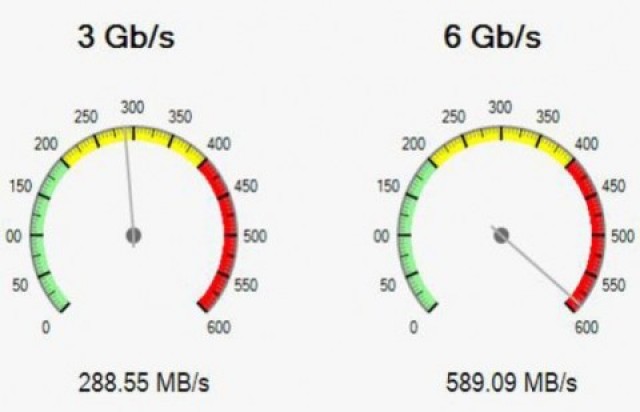
Yesterday, Intel announced a massive hardware recall that surely stopped the hearts of a few investors: the Cougar Point chipset used for their cutting-edge Sandy Bridge CPU had a hardware bug that caused the SATA 3GB/s port to degrade over time, potentially harming hard drives and other devices connected to it.
All things considered, it’s not actually a huge issue. Intel expects that over 3 years of use it would see a failure rate of approximately 5 – 15% depending on usage model. Still, at the end of the day, Intel expects to spend a billion dollars recalling and replacing the chipset. Oof.
The good news, of course, is that a Mac owner, this won’t affect your current system a whit: there aren’t any Macs available with Sandy Bridge just yet. Here’s the bad news, though. That imminent imminent Sandy Bridge MacBook Pro refresh? That might get delayed.
A little more than two years after the controversy started, graphics chip maker NVIDIA has agreed to a settlement of Apple, Dell and HP owners who bought laptops with faulty GPUs.
For Apple owners, the settlement covers anyone who purchased a MacBook Pro from May 2007 to September 2008.
You might remember that this generation of MacBook Pro was prone to graphics failure due to faulty NVIDIA chips.
On Apple’s part, they have been extremely good about servicing laptops for free that were affected by the bad NVIDIA chips, covering those laptops even out of warranty for up to three years and issuing refunds to those who paid for repairs.
Now NVIDIA’s doing the same. If you paid for a repair on an Apple notebook computer related to the NVIDIA GPU, you can submit a claim by filling out this form. For a replacement, send in this form.
Apple’s new 11-inch Macbook Air with a 64Gb SSD drive is said to be very popular and flying off the shelves at Apple Stores everywhere and beyond. It represents the smallest notebook computer that Apple makes and the default base model ships with the smallest system disk drive available in any Apple notebook. Therefore it makes sense for users to seek ways to optimize the way they use disk space on this tiny new notebook and it was the computer that inspired me to write this How-To — which actually applies to any Mac.
Part of the reason for this success is that Hollywood is Apple-obsessed. Another is that Apple works at it. The company proudly boasts that it never pays for product placement. But it’s likely that there is some string pulling, proactive offers of devices to use and other actions that are kept secret by the company.
Although Cupertino never tips its hand ahead of time, past experience indicates you can set your watch (at least by the month) for their product refreshes, so no shock here: it’s now being reported that Apple will launch new MacBook Pros in the first half of 2011, which probably equates to a April 2011 timescale, along with new iMacs, which were last updated back in January.
Apple was on a roll yesterday: not only did their crackerjack team of programmers manage to release a new point update for Safari 4 and 5 resolving many existing issues, but they also pushed down the Software Update pipeline a new Boot Camp and MacBook EFI update.
Consumer Reports infamously loathes the iPhone 4, but if their latest list of computer ratings are anything to go by, that seething distaste doesn’t extend to Apple’s notebooks: not only do they highly recommend most of Cupertino’s current laptops over the competition, but they’re absolutely gaga over the new MacBook Air.
Now here’s a story that wins on many fronts: after a two year courtship, Frank proposed to his girlfriend Kasey on a bridge in New York City’s Central Park. What makes this particular proposal notable – besides its success – is that the Big Moment was assisted and captured by their friends using four synchronized iPhones, and managed by an ‘event director’ using a MacBook Pro.