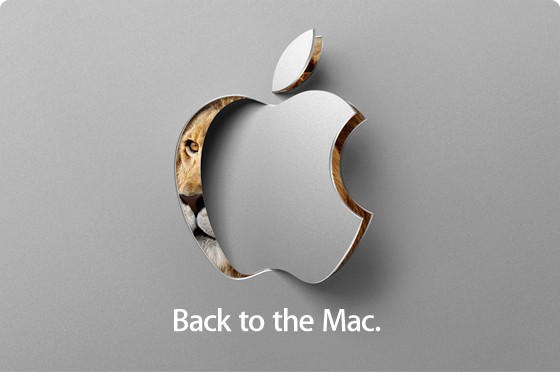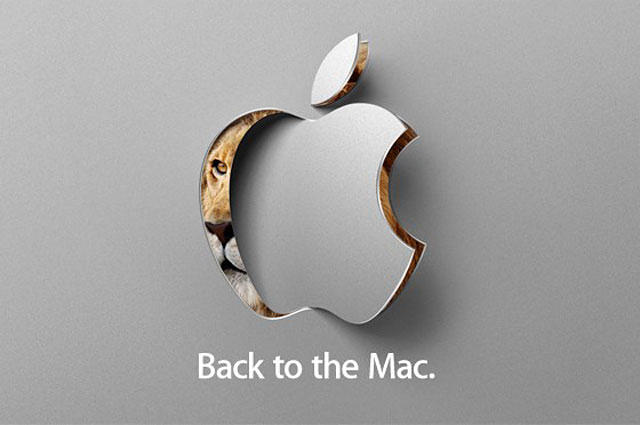
This Wednesday, Apple holds a media event in Cupertino entitled “Back To The Mac.” As soon as they sent out the invitations, the internet started frothing with rumors. What will OS X 10.7 look like? Will there be a new MacBook Air? Will my iPad finally make coffee? The list of apple rumors is tremendous. Vegas odds makers are even taking bets on what Apple will unveil during the announcement.
I think the New York Times bits blog described the frantic Apple rumor mongering best:
When Apple makes an announcement about a coming press event it can sometimes feel like the National Hurricane Center has identified a new hurricane.
There is usually rampant speculation surrounding the importance and impact of the event: Will it be a Category 5 announcement with a revolutionary device, or a less-important Category 1, with basic updates to operating systems or gadgets?
Keeping with this tradition, the blogosphere was in full swing on Friday as technology experts and Apple fans tried to guess what Apple’s chief executive will announce next Wednesday when the company hosts “a sneak peek of the next major version of Mac OS X,” and other new products.
And this isn’t a new phenomenon. This happens Every. Single. Time.
I wanted to know why. How can a computer company create such a frenzied pitch about a routine product announcement? And what can other companies learn from the Apple method? After looking at Apple product launch and product development strategies, I have come up with a few deductions. Here are some of the secrets that make Apple fans incredibly loyal and the press keenly interested in Mac product updates.