Being pals with Jony Ive definitely has its benefits. Just ask J.J. Abrams, the director of the upcoming Star Wars movie.
J.J. Abrams rocks an Apple Watch at Star Wars Celebration


Being pals with Jony Ive definitely has its benefits. Just ask J.J. Abrams, the director of the upcoming Star Wars movie.
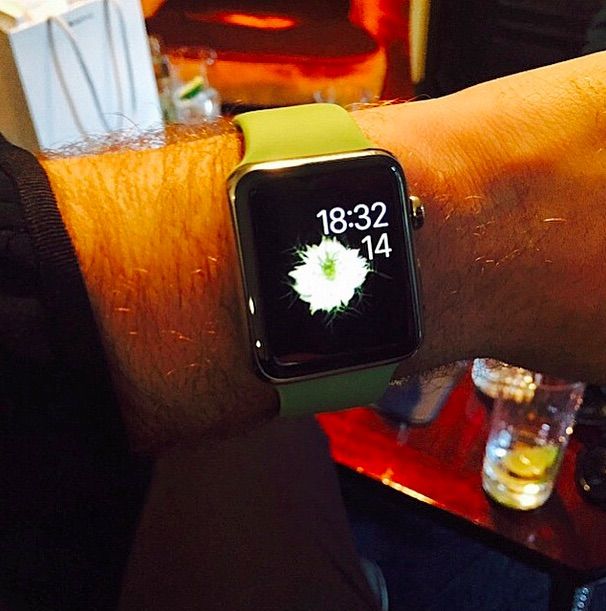
Apple is starting to toss Apple Watches at celebrities like the wearables are Viagra at the Playboy Mansion. Fashion icon Karl Lagerfeld just flashed his custom gold link bracelet on Instagram, and now Sam Smith is showing off his new timepiece — which was hand-delivered by Jony Ive himself.

The Apple Watch was created under crazy, sleep-deprived conditions, with its first working prototype being an iPhone strapped to the wrist with a Velcro strap, and the Digital Crown represented by a custom dongle plugged into the bottom of the phone via the headphone jack.
Those are a couple of the revelations from a new in-depth article, reporting on the creation of Apple’s eagerly anticipated wearable device.

With an innovative architectural style that brought elegant living to the masses, real estate developer Joseph Eichler left an indelible mark on California in the 1960s.
His beautifully simple blueprints also had an undeniable impact on Apple’s co-founders — although Steve Wozniak and Steve Jobs took very different lessons from his work. Remarkably, Eichler’s design philosophy continues to shape Apple’s products, inside and out, to this day.
“I was very lucky to grow up in an Eichler,” Wozniak told Cult of Mac, referring to his family’s four-bedroom home in Sunnyvale, California. “It greatly influenced my liking of simplicity and open style. I like it whenever I see those attributes in any architecture.”
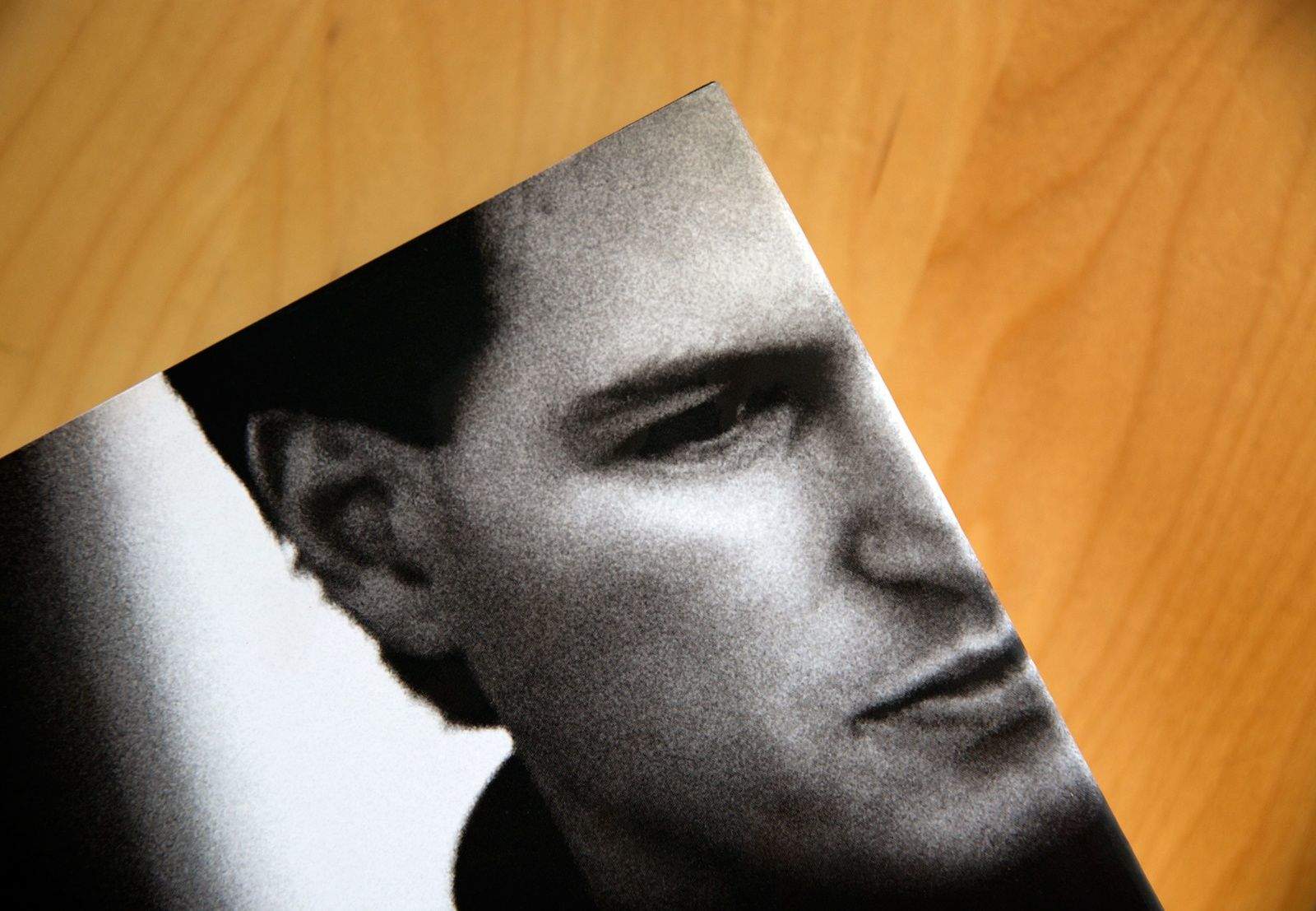
One of Steve Jobs’ favorite recordings was The Beatles working on version after version of “Strawberry Fields Forever.”
The new Jobs biography, Becoming Steve Jobs, is like that recording: It serves up fresh takes on oft-told stories from Apple’s history, this time with more sugarcoating.
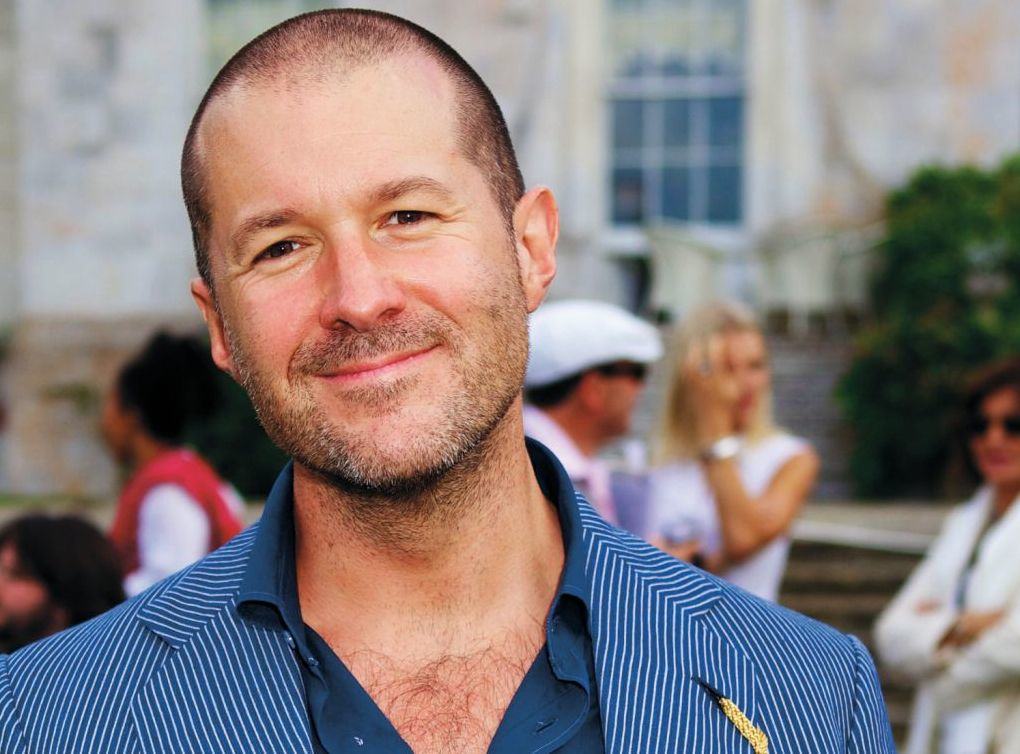
Steve Jobs planned to boot Jony Ive out of Apple the very first time he met him, according to an explosive new revelation from the forthcoming biography Becoming Steve Jobs.
“He came over to the studio, I think, essentially to fire me,” Ive told the book’s authors, Brent Schlender and Rick Tetzeli, in an interview.
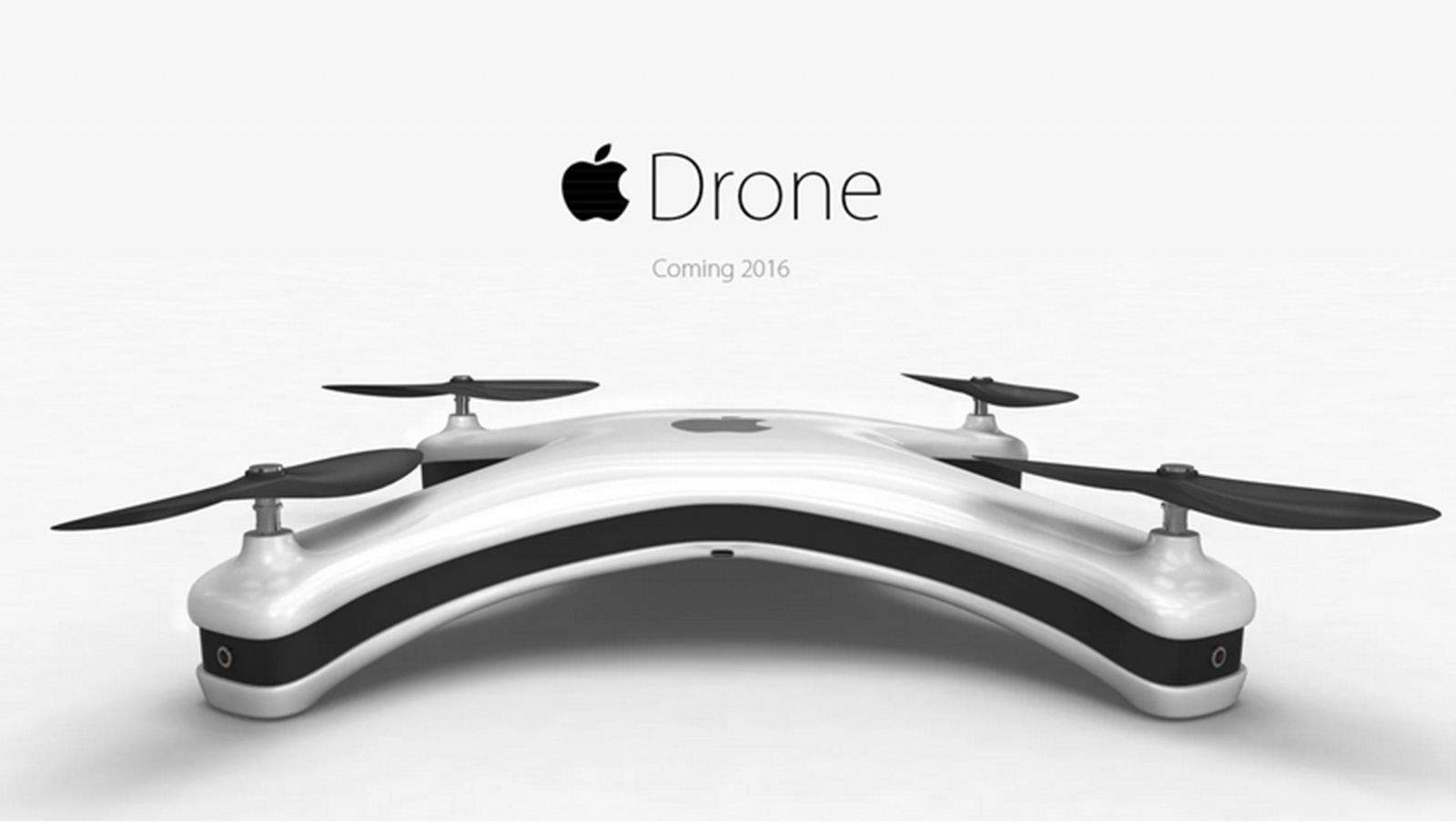
We have Apple products atop our desks, in our pockets and, soon, on our wrists. As if there aren’t enough Apples in our airspace, one man is nudging his favorite company to design a quadrocopter. He’s even taken a stab at designing his dream Apple drone — and was careful to remain faithful to the Jony Ive aesthetic.
Eric Huisman presents his Apple drone concept like a classic Apple ad, with the product photographed on a seamless white background, perfectly lit, with a subtle shadow.
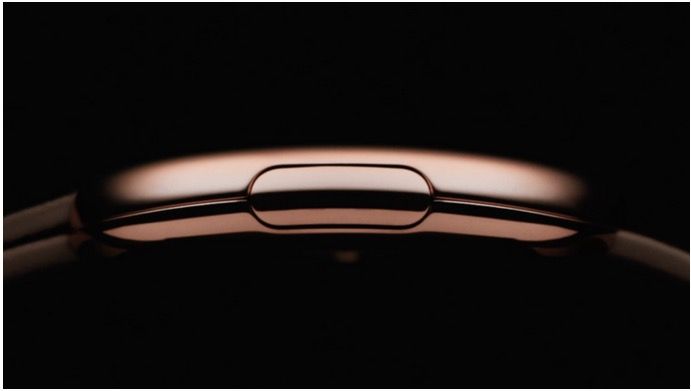
No Apple fan is oblivious to the huge amount of science, technique, expertise and care that Apple puts into every product. Apple doesn’t design its products the way it does because it has to, but because it is compelled on a profoundly spiritual level to do so.
For the Apple Watch, Apple has taken that care to the next level. And if you want to see just how much artistry, skill, craft and passion has gone into creating the latest revolutionary Apple product, there’s no better way to spend the weekend than reading about the behind-the-scenes manufacturing process of the Apple Watch.
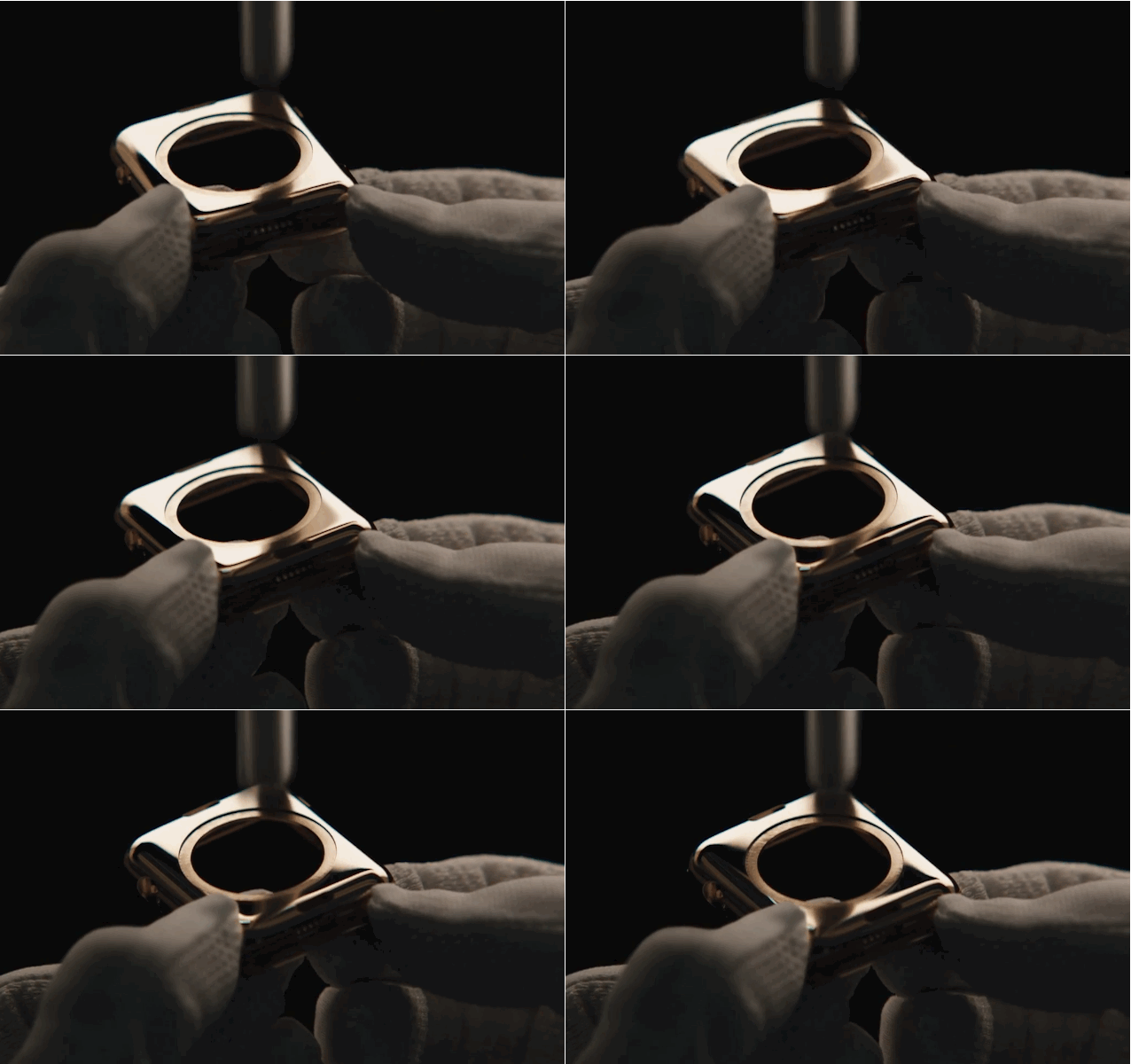
All week, it’s been reported that Apple is using a “new gold” in the gold Apple Watch Edition. According to Bloomberg, Slate, Gizmodo and many others, Apple has patented a new process to create a “metal matrix composite” by mixing gold with ceramic particles.
The composite supposedly allows Apple to save on the amount of gold it uses, while making the substance super-hard and adding other amazing properties.
But according to Atakan Peker, a materials scientist and one of the co-inventors of Liquidmetal, which Apple holds an exclusive license on, it’s extremely unlikely Apple is using any kind of “new gold” for its watches.
He knows this because Jony Ive says so.
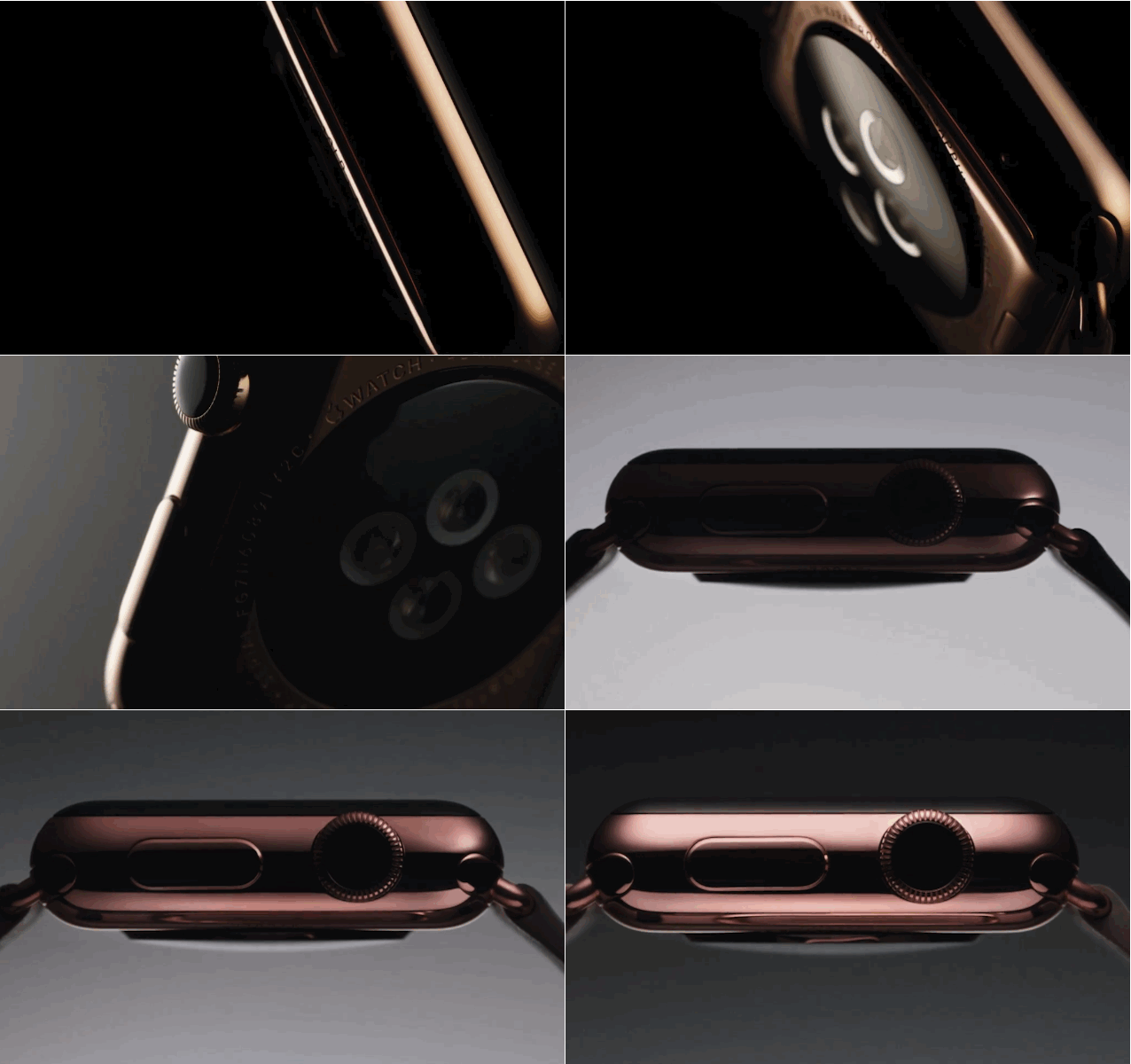
It’s taken all week, but I finally think I have a pretty good idea why Apple is selling a crazy-expensive, super-exclusive gold watch.
Initially, the very idea that Apple would make something for the one percent seemed abhorrent. What makes Apple great is that it sells affordable luxury to the masses.
Apple’s well-designed and well-made products should really only be for the rich, but they are generally affordable to the middle classes. Apple pulls off the miraculous, selling us BMWs at Kia prices.
This is what makes the gold Apple Watch Edition stand out. At first glance, it’s obviously not a product for us. But even though you and I will probably never own one, the $10,000 timepiece is actually kinda democratic, because it’s all about selling $350 watches to the masses.
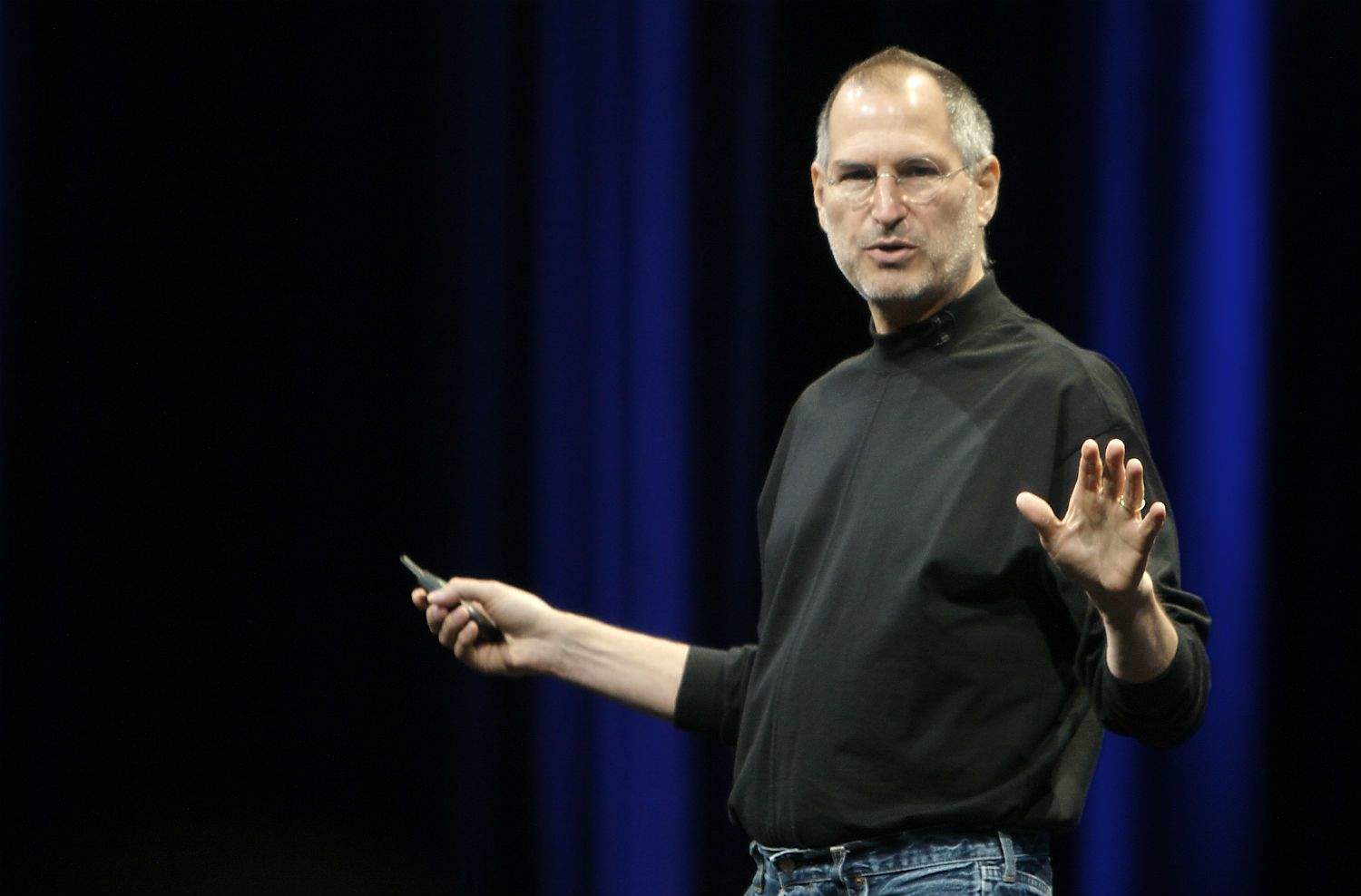
I can’t wait to read Becoming Steve Jobs: The Evolution of a Reckless Upstart into a Visionary Leader. The upcoming biography, by veteran reporters Brent Schlender and Rick Tetzeli, promises to be the definitive telling of Steve Jobs’ life.
The writers scored interviews with major players including Tim Cook, Jony Ive, Eddy Cue, Pixar’s John Lasseter, Disney CEO Bob Iger and Jobs’ widow, Laurene Powell Jobs. The result is a book loaded with interesting anecdotes and insights about the former Apple CEO.
I haven’t yet read the whole thing (it comes out March 24), but while pre-ordering my copy on Amazon, I could initially access a significant portion of the biography through the site’s “Look Inside the Book” feature. (Amazon later blocked out far more of the book’s contents.)
From what I’ve seen, some of the stories are pretty sensational — providing new details into the close relationship between Jobs and Cook, revealing Jobs’ secret plan to buy Yahoo!, and much more.
Want a few of the highlights? Check them out below.

Apple is diving into the luxury market for the first time ever with the exorbitantly expensive gold Apple Watch Edition. The pricey new timepiece has been met with criticism from Apple fans and haters a like, but according to Condé Nast, Apple is now a powerful player in the luxury industry and wants Jony Ive and Marc Newson to tell them all about it.
Jony Ive and Marc Newson will open the first ever Conde Nast Luxury Conference in Florence Italy in April 2015. The design duo will appear with event host, Vogue International editor Suzy Menkes, to discuss “21st century definition of luxury and their collaborative work to date.”

As soon as Tim Cook announced that the Apple Watch Edition starts at $10,000, you could practically hear the scratch of jokes being written. This one, by YouTube’s CollegeHumor channel, is among the best so far. It describes the “groundbreaking” feature of letting wearers reveal with a single flash of the wrist that they have crazy amounts of money to spend.
Faux-Apple ads are well worn by now, to the point where they practically qualify as a comedy subgenre on their own. A few things made me chuckle about this one, however — from Jony Ive’s pronunciation of “aluminium,” to the foolproof method employed by the actor playing Tim Cook to check that he’s still rich.
Check out the video below.
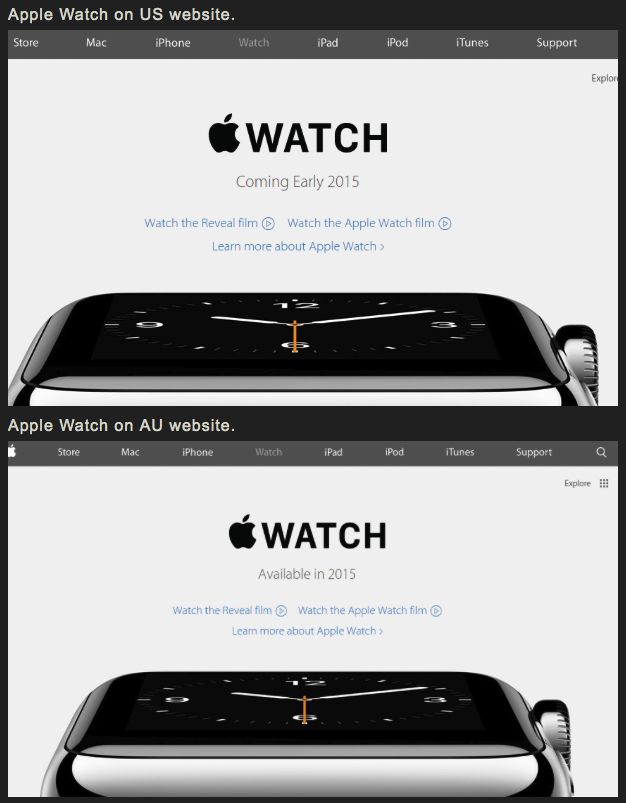
When Steve jobs co-founded Apple, his vision was to democratize technology.
At the time, computers were for governments and rich corporations. Jobs wanted everyone to have their own computer — a crazy idea back in the ’70s. The slogan for the original Macintosh was “the computer for the rest of us.”
For the next 30 years, Jobs worked hard to realize that mission. Although Apple has never made the cheapest computers, in general, the trend has been cheaper and more accessible, from the Mac to the iPhone. For most people, Apple’s products are largely affordable.
This is why the gold Apple Watch Edition — which starts at $10,000 — bugs me. It’s not a watch for the rest of us. It’s a watch for everyone but us. It’s a watch for the one percent.
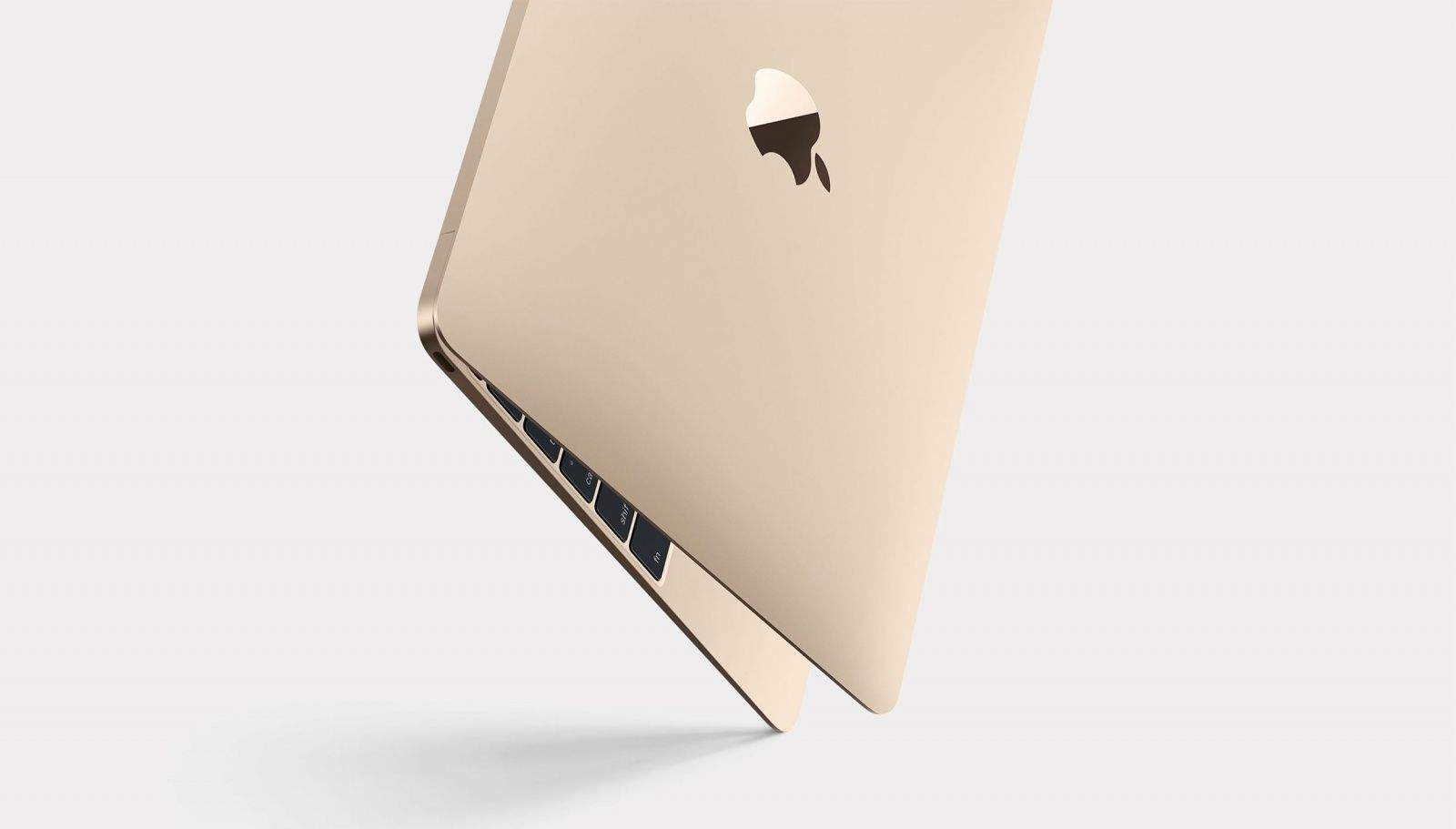
“We set out to completely reinvent the notebook,” Tim Cook told the crowd during today’s Apple event. “And we did it.”
Apple introduced it’s biggest redesign of the MacBook since the original MacBook Air was released in 2007. The new notebook comes weighing in at just 2 pounds and 13.1mm thick, despite boasting a Retina display with a 2,304-by-1,440 resolution.
The thinness of the new MacBook isn’t the only thing that’s impressive. There’s a new Taptic TouchPad, thin keyboard and USB C. Plus, Apple invented new terraced batteries to squeeze juice into every cranny of the all-metal housing, giving you 10 hours of use on a single charge.
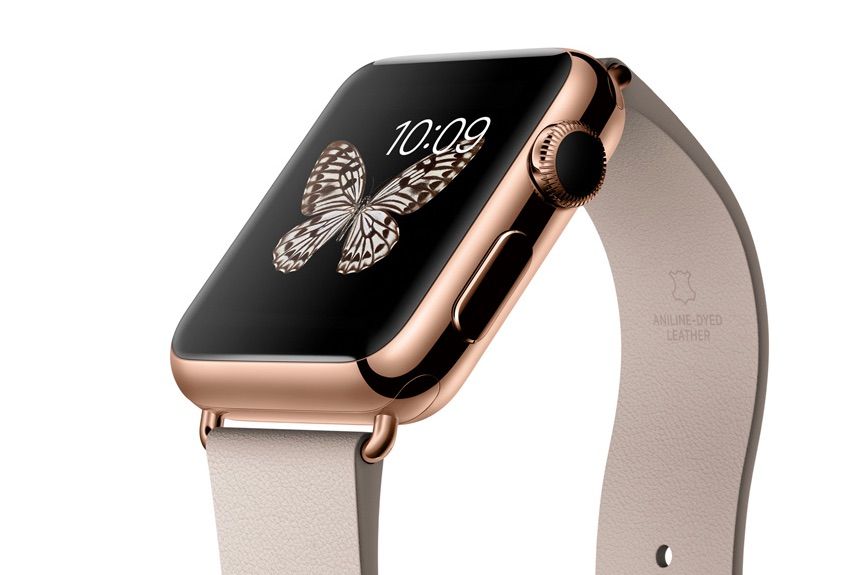
Jony Ive’s new interview with The Financial Times is packed with nerdy details on the Apple Watch and the designer’s life. Slipped in among the juicy design bits, Sir Jonathan also hints that Apple invented an entirely new form of gold just for the timepiece.
“The molecules in Apple gold are closer together, making it twice as hard as standard gold,” Ive says.
Wait. Gold is a metal. Does Apple’s design studio exist in another dimension?
If Jony Ive sometimes missed out on getting his rightful credit while Steve Jobs was steering the ship at Apple, that same accusation can’t be made today. Following on from the recent superb New Yorker profile about Ive and the Apple Watch, Apple’s superstar design guru is the recipient of another profile (complete with interview), this time with the Financial Times.
The story’s not nearly as in-depth as the 10,000-word New Yorker piece, but it still has a few interesting observations about Ive’s approach to technology and the unique design challenges of working on the Apple Watch — including why the Apple Watch was a very different prospect for Ive than working on the iPhone.
Highlights can be found after the jump.

SAN FRANCISCO — Another Apple event, another mysterious building sprouting up seemingly overnight. They pop up to shield Apple’s prep work from prying eyes, but they also fuel the imaginations of anybody who’s interested in Cupertino’s next move.
The latest such structure — this time with solid white walls and a tented, tarp-like roof — isn’t nearly as elaborate as the gigantic building erected before last fall’s Apple Watch event, but the mysteries concealed could be gigantic.
The big reveal comes at the Yerba Buena Center for the Arts next Monday, when we will almost assuredly learn more about the Apple Watch (among other things). Until then, all we can do is wait and wonder: What could be hidden inside Apple’s mystery tent?

Zane Lowe, BBC DJ and future Apple employee, sat down with Kanye West today to talk about a number of subjects, including what the rapper’s amazingly innovative company will look like when it hits his projected $1 trillion valuation.
West didn’t sound too sure about the products he’ll be selling, but he pointed to some advice he got from none other than Apple design legend Jony Ive, saying innovation is basically overrated.
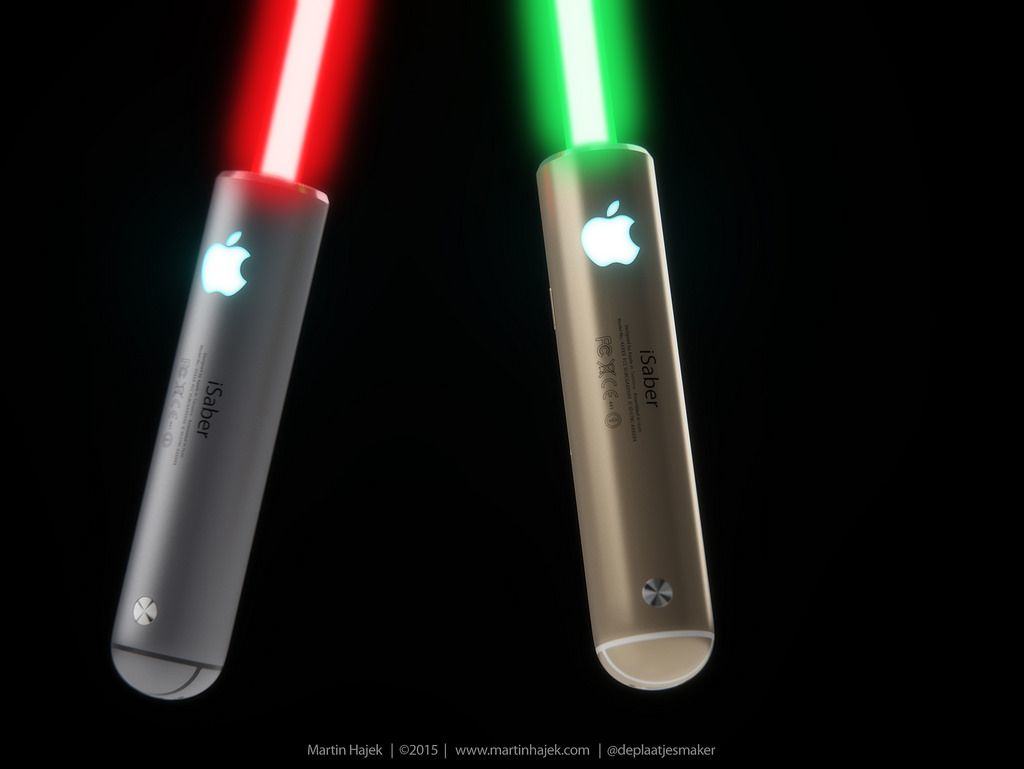
In his breathtaking profile of Jony Ive in the latest issue of The New Yorker, Ian Parker drops a bombshell. You know that crossguard lightsaber in J.J. Abrams’ new Star Wars movie? The gnarly, rough-around-the-edges one seen in the latest trailer? You can give Ive credit for inspiring it.
That got Martin Hajek thinking. The Dutch CGI modeler, who always loves rendering potential Ive designs, wondered what it would look like if Apple produced a lightsaber. Not something rough and spitty, but just as refined as any other Apple product. And so, the iSaber was born.
Jony Ive and his infamous design team aren’t simply creating the Apple products you use and love, their influence is reshaping Apple itself. On this episode, we look back at Jony’s humble start, and examine how Sir Ive and team became the powerful core of the world’s greatest company. Plus, we bet you just can’t wait to get behind the wheel of your very own Apple-made … minivan? We’ll fill you in on the latest Apple car rumors.
Our thanks to Sanebox.com for supporting this episode. Sanebox’s algorithms learn which emails you want to see and puts the rest into a daily digest you can review and delete with one click. See how accurate it is with a free trial.

Full show notes ahead!
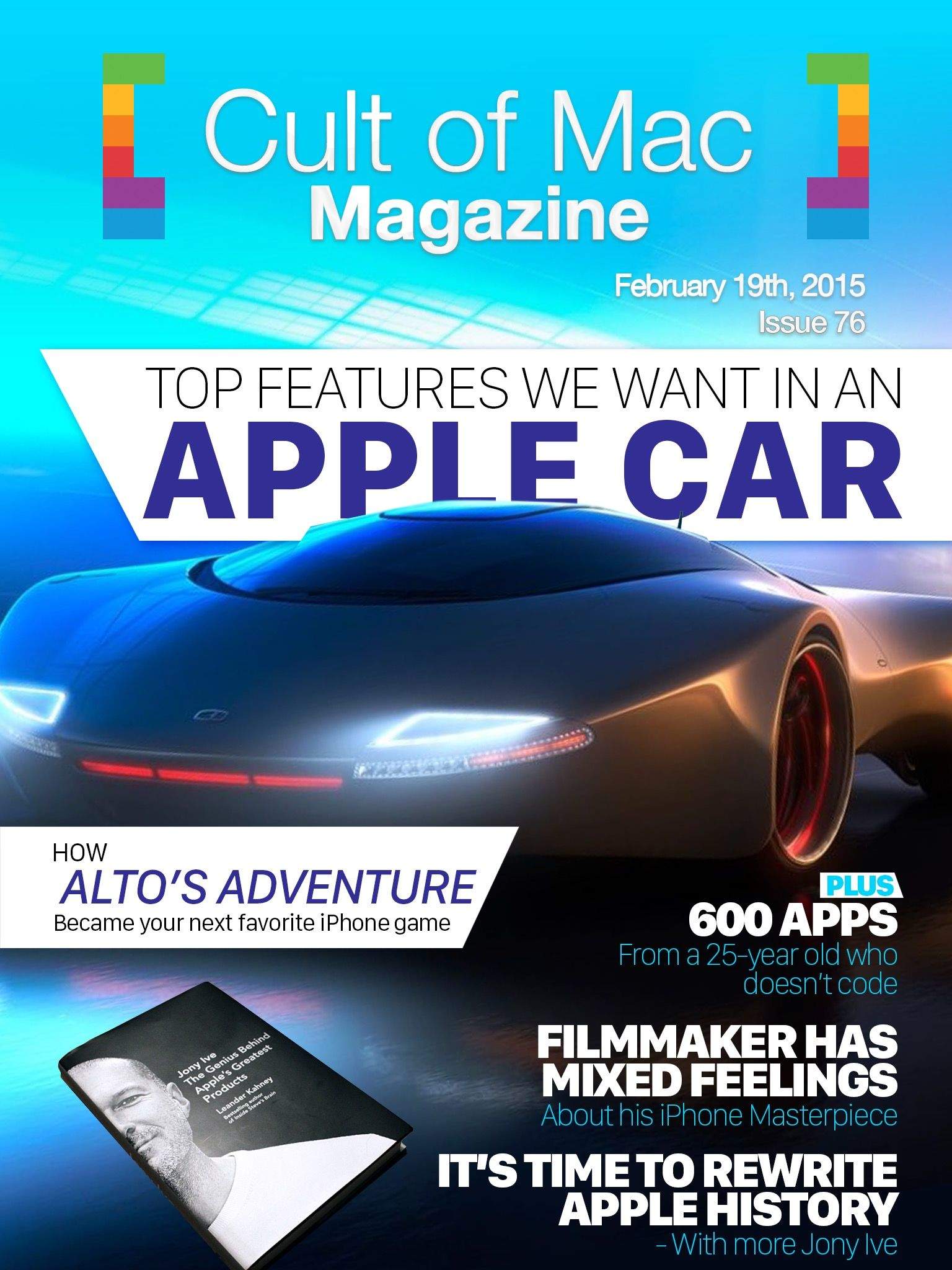
An Apple Car? Yep, you know it! Cupertino is all abuzz with latest evidence that the fruit-flavored computing company is taking a run at the highway with a possible new iCar, and we’ve got Lewis with the features we’d like to see there. Plus, Luke spends some time with the exhaustive New York Times post on Jony Ive, design genius, Alex dives deep into your new favorite iPhone game (Alto’s Adventure), David chats about one auteur’s thoughts on the film completely shot on an iPhone 5s, and Luke gets the inside scoop on one 25-year-old who’s made 600 iOS apps without even knowing how to code.
All this, plus a ton more (see below) in this week’s Cult of Mac Magazine, ready for download at your pleasure.
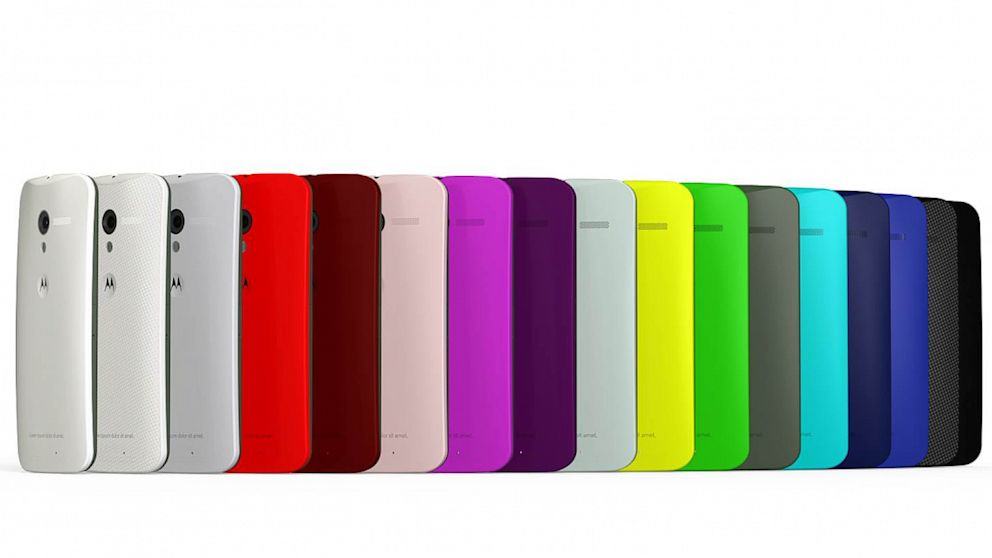
In Ian Parker’s excellent New Yorker profile of Apple’s Jony Ive, the Apple design maestro is mentioned to be disparaging of an unnamed competitor who allows customers to make their devices into “whatever you want.”
Apparently, Motorola thinks the comment was about them, and Motorola CEO Rick Osterloh is now firing back, calling Apple’s pricing “outrageous” and taking issue with Ive’s comments.
People are calling The New Yorker profile of Jony Ive the most important thing written about Apple in quite a while, and I’d have to concur.
Not only is it full of fascinating details, it puts Ive at the center of Apple, where he belongs. As the piece’s author, Ian Parker, writes: “More than ever, Ive is the company.”
This is something that’s been true for a couple decades, but still isn’t apparent to most people — even veteran Apple watchers. Such is the company’s secrecy, and the tendency of the public to equate everything Apple does with Steve Jobs, that the true story has yet to be told. Ive has not gotten the credit he deserves.

When you’ve designed some of the most successful consumer electronics in modern history, where else can you look but up?
One of the many interesting tidbits in The New Yorker’s 17,000-word profile of Jony Ive surrounds his fascination with the Apollo space program and, yes, designing spacesuits. It doesn’t sound like the spacesuit itself was what inspired Apple’s top designer as much as the process that went into it.
Ive mentions he’s been watching the old Discovery channel series Moon Machine about the challenges facing the Apollo program. NASA designers had no idea what goals they even needed to meet for the suit, but built up to the final design with invention after invention until they got it right.
An anecdote from The New Yorker’s time in Ive’s hallowed design studio (emphasis added):