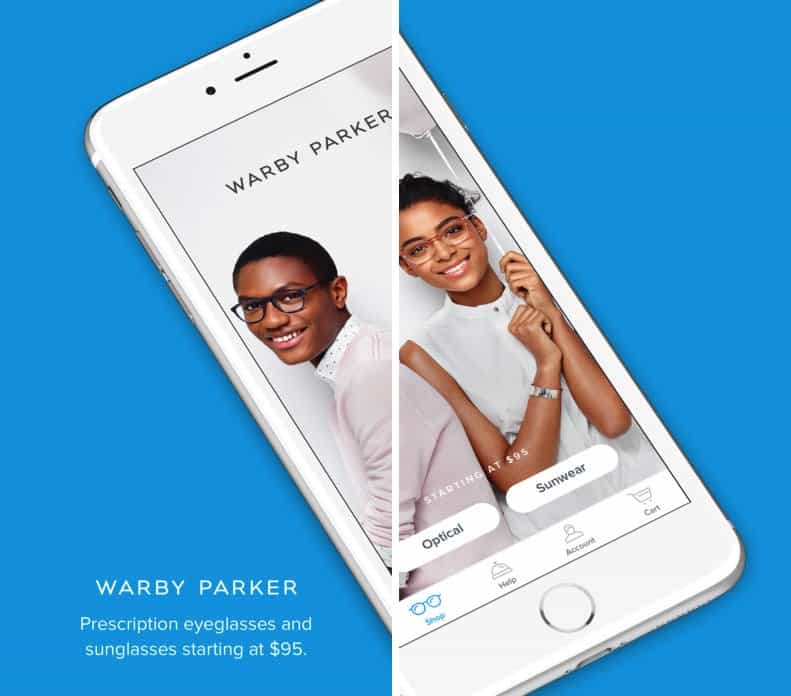
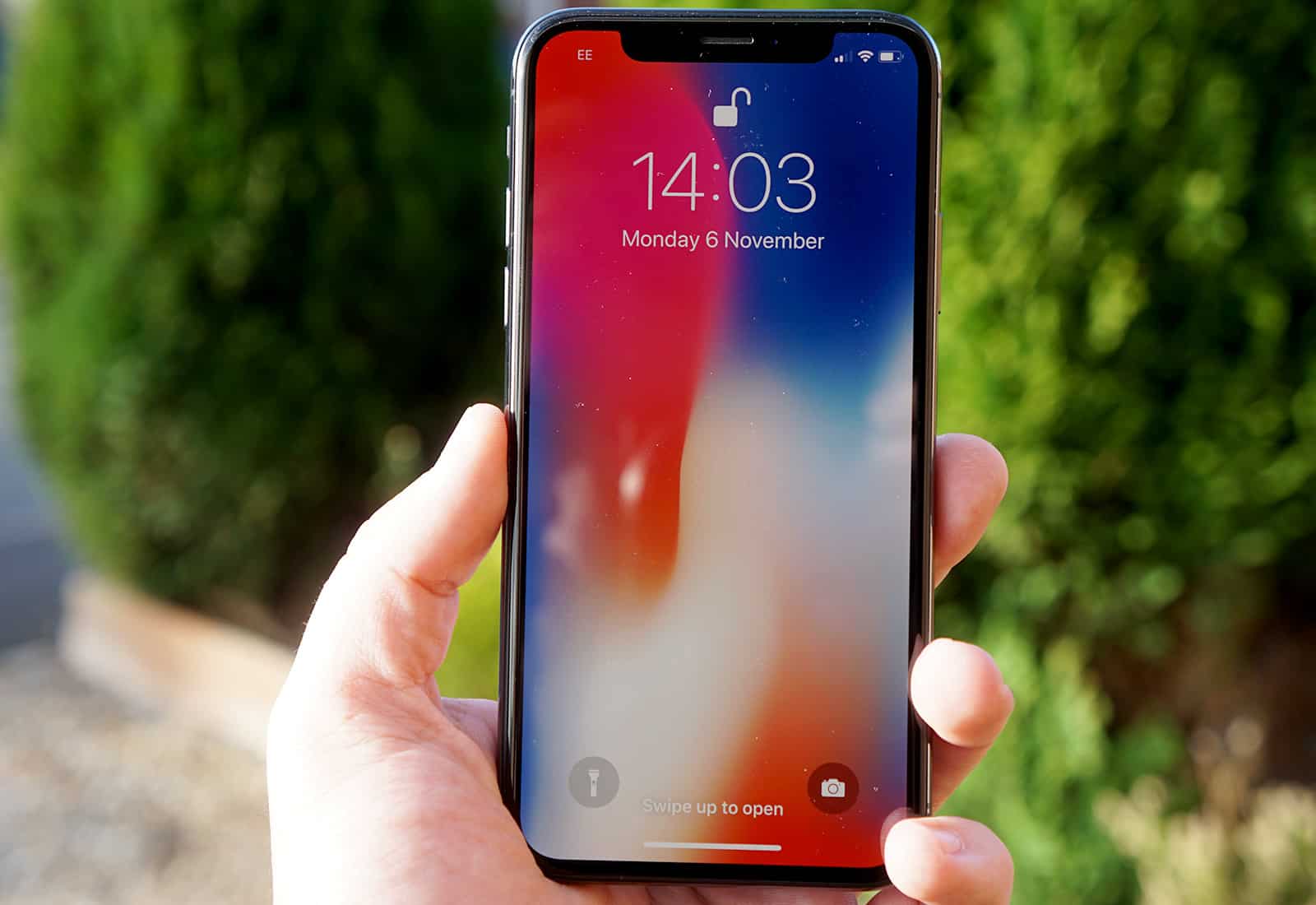
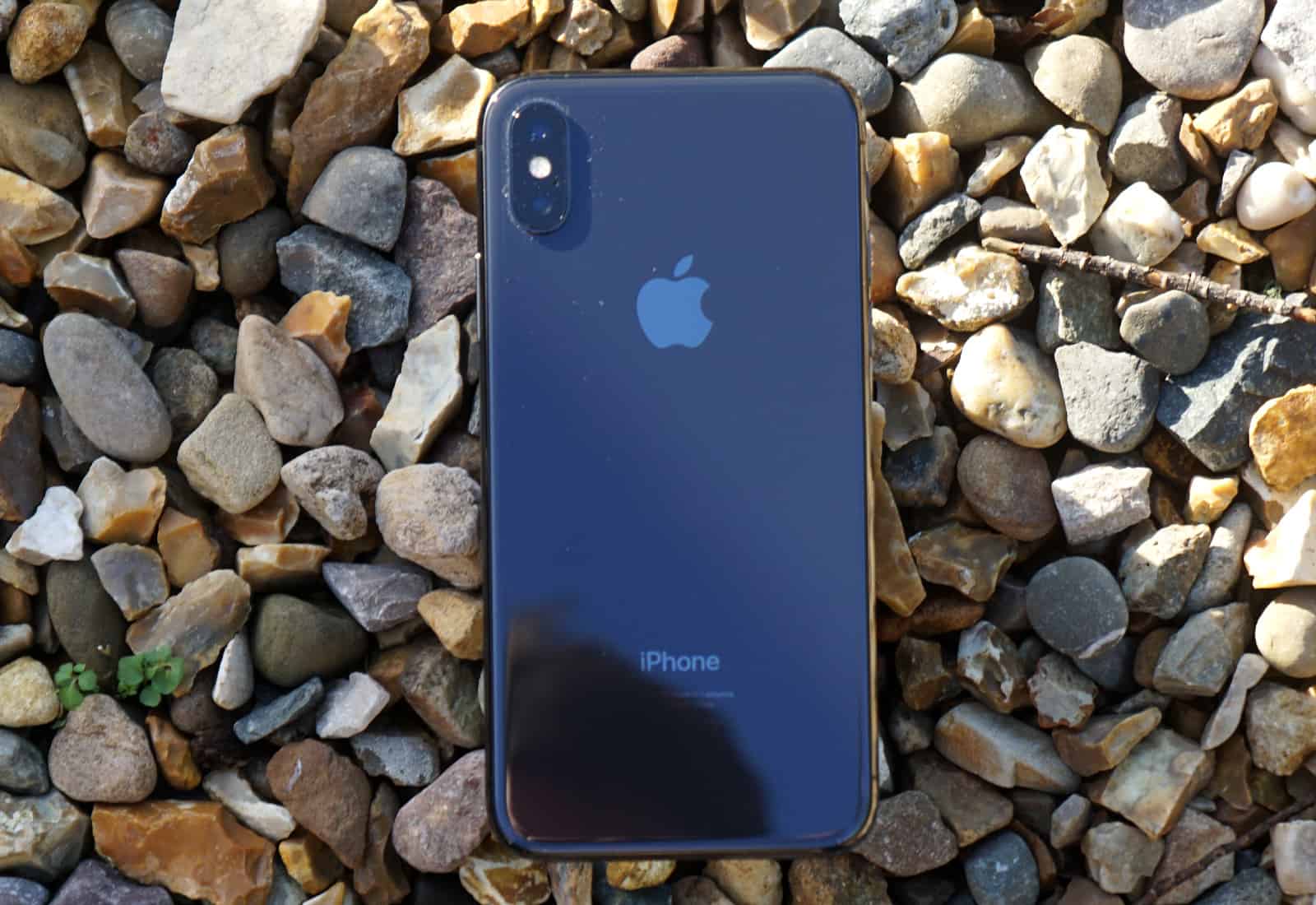
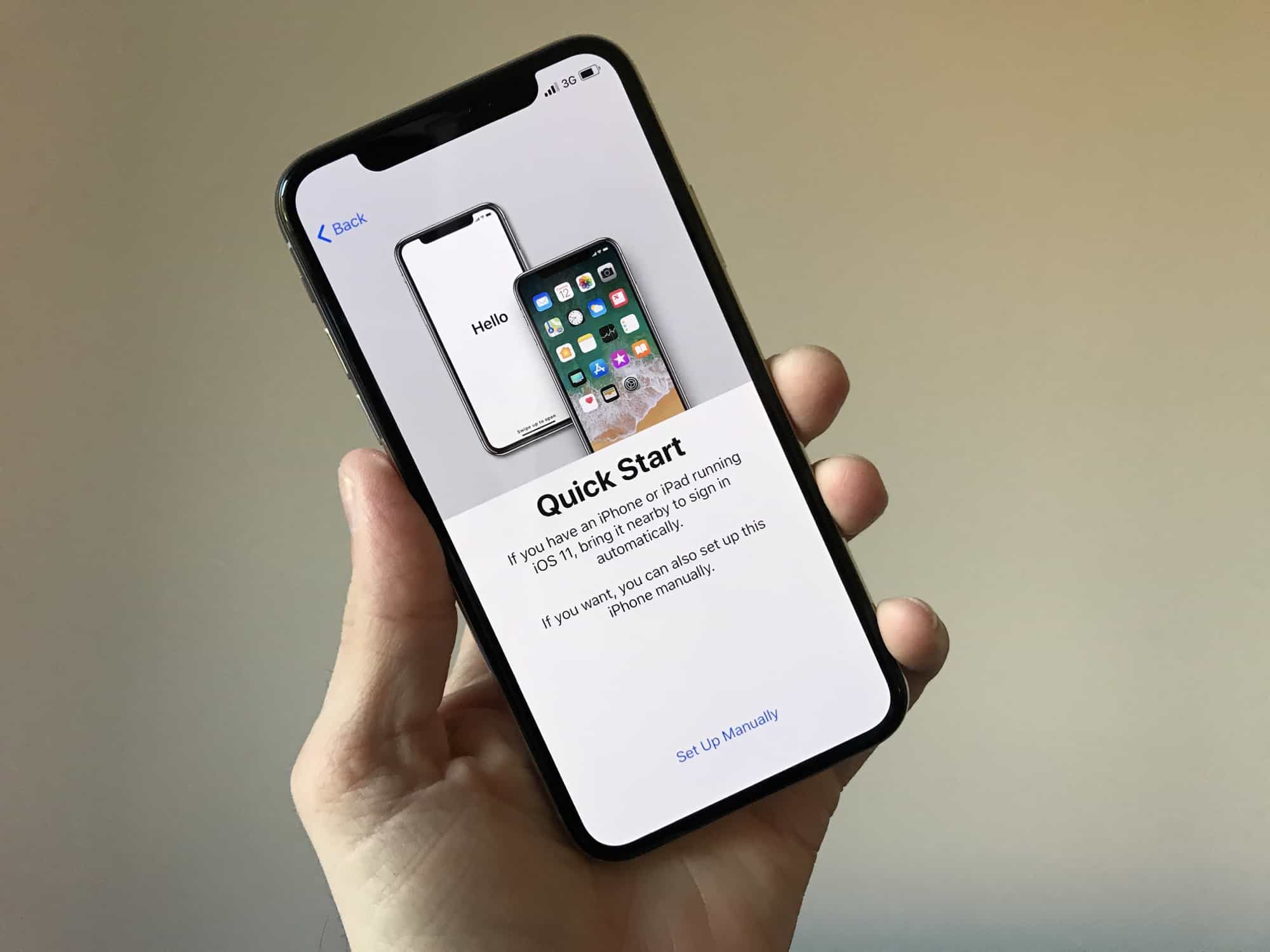
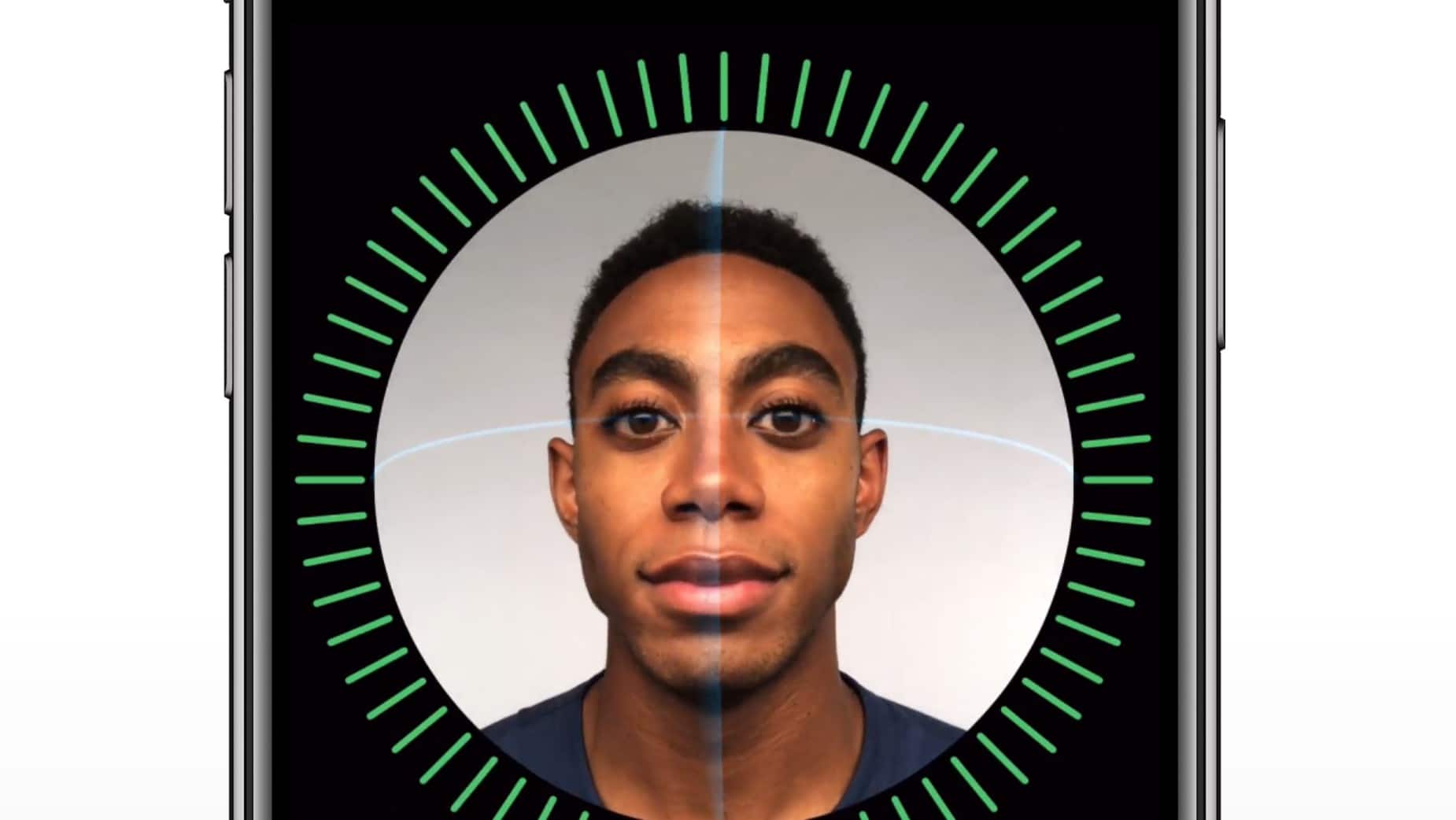
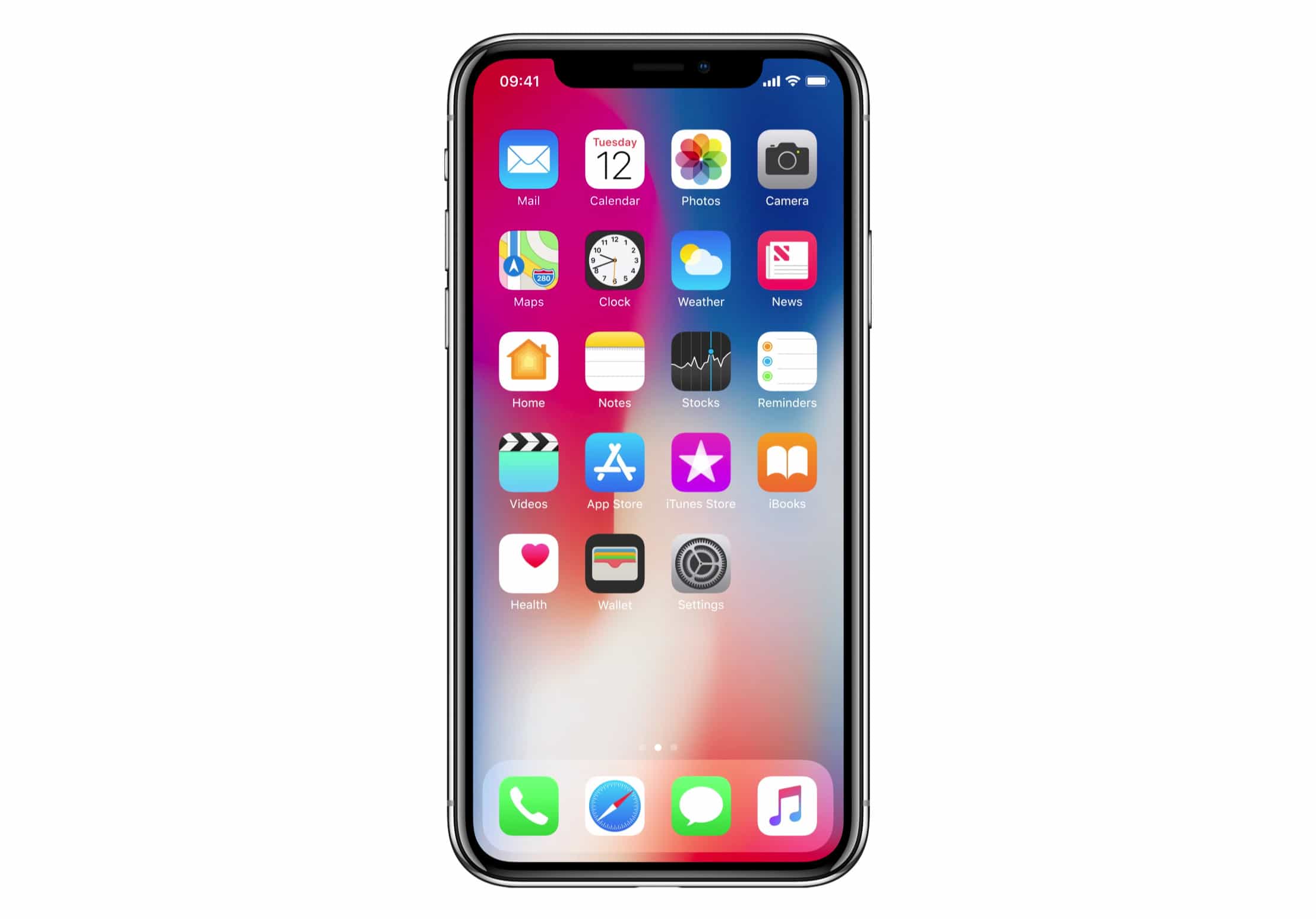
Another use case for the iPhone X's new smart camera. Photo: Warby Parker
Now that the iPhone X is out and into the hands of customers, developers are eager to roll out new app updates, taking advantage of the handset’s new TrueDepth camera system.
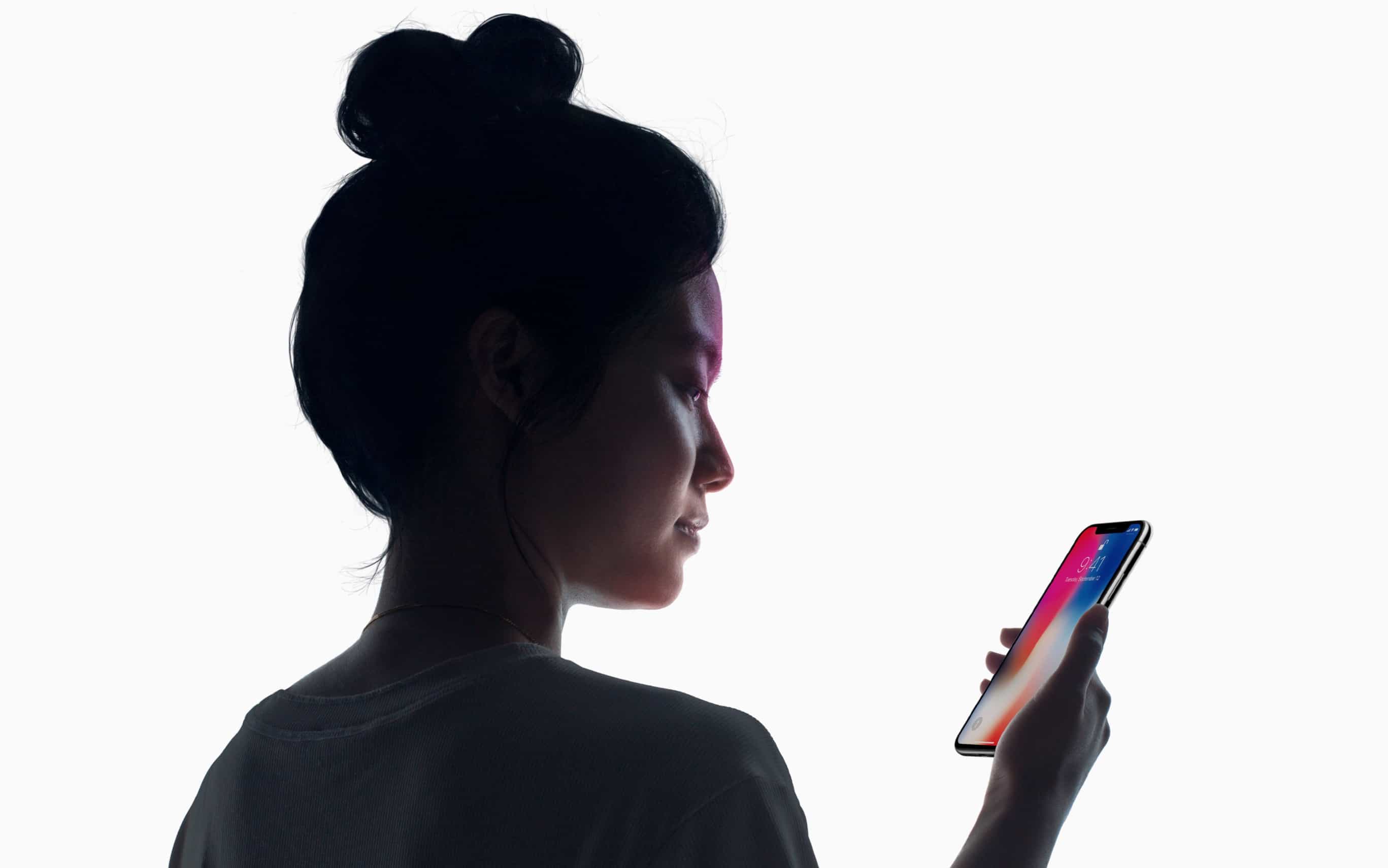
One of the first is glasses manufacturer Warby Parker, which is already employing the Face ID facial mapping data feature to make suggestions about which glasses would suit people’s face shape.
What kind of face is Killian trying to pull here? Photo: Killian Bell/Cult of Mac
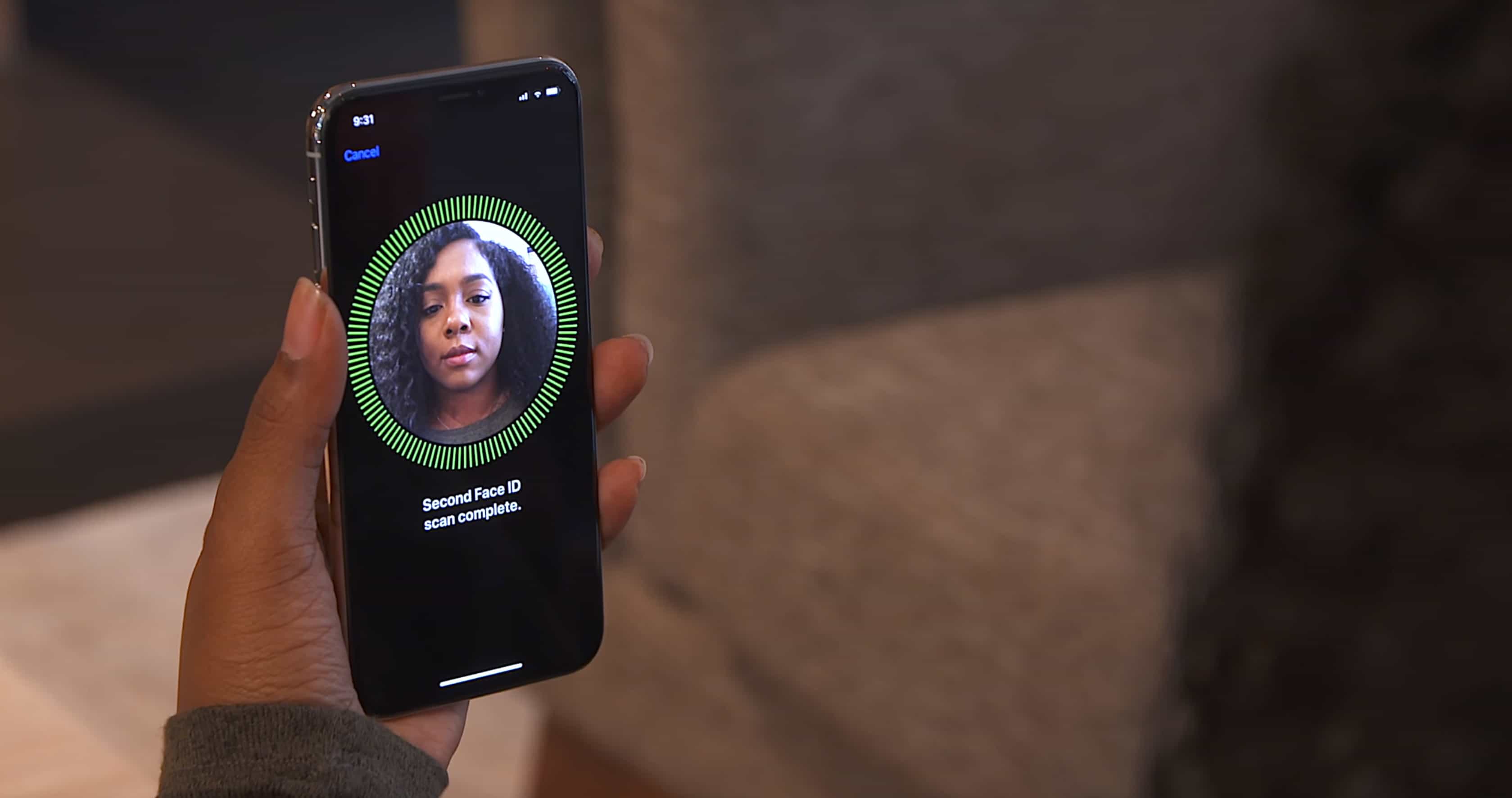
Did you ever wonder how Face ID sees you? After all, it has an incredibly complex set of eyes that project invisible dots onto your face, and then turns the results into a 3D representation of your head. If you want to know what that representation might look like, then check out the new Face Mesh tool in the latest update to MeasureKit, the AR measuring app.
Don't worry about burn-in on your iPhone X. Photo: Ste Smith/Cult of Mac
Smartphones are changing, and every manufacturer possesses its own take on what the future should look like. Apple’s vision is the iPhone X, which arrives 10 years after the original with big changes and an even bigger price tag. In this iPhone X review, we’ll take a look at everything that makes this groundbreaking device Apple’s finest smartphone ever.
For iPhone X, Apple did away with aluminum unibodies, chunky bezels, Touch ID and the beloved Home button. In their place, iPhone X sports polished stainless steel and smooth glass, an edge-to-edge Super Retina HD display, and Face ID.
The result proves stunning. Apple just made the iPhone exciting again. But is iPhone X worth $999?
The iPhone X design is coming to more devices in 2018. Photo: Ste Smith/Cult of Mac
Apple is planning to make big improvements to the next iPhone’s cellular reception, according to a new rumor out of Asia.
Now that the iPhone X is on sale, the Apple rumor mill is starting to turn its attention to next year’s model, and one of the most reliable analysts in the game is already starting to chime in with new clues on the 2018 lineup.
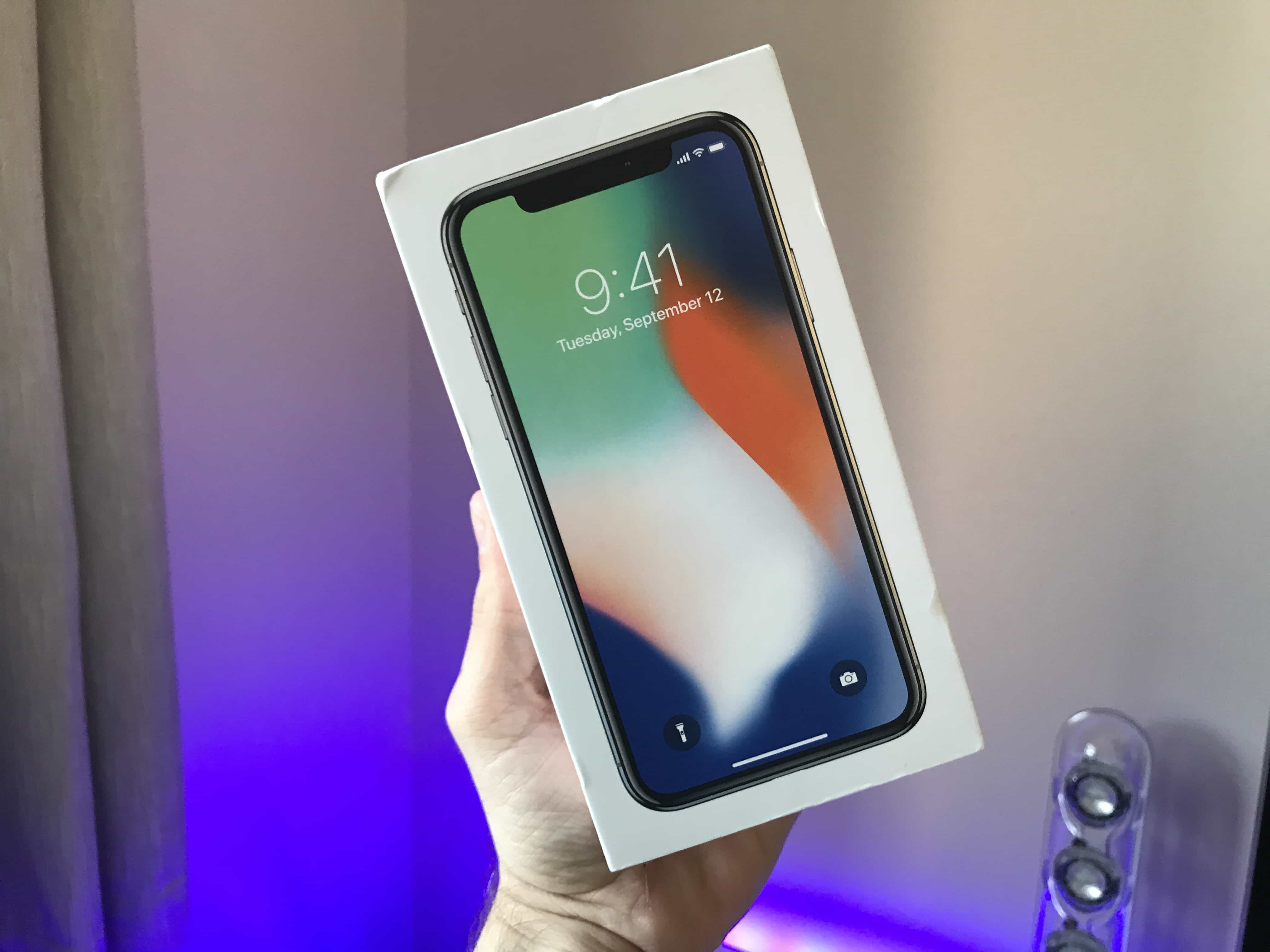
Fresh out of the box. Photo: Killian Bell/Cult of Mac
The iPhone X is Apple’s most exciting iPhone in years. It packs an incredible portrait camera, ditches the home button so it can squeeze and iPhone Plus-sized screen into a regular-sized body, and adds Face ID.
If you want to read all about your new iPhone X, or to see what the fuss is before you purchase one, check out this roundup of all Cult of Mac’s iPhone X coverage.
Your old iPhone could be worth a small fortune. Photo: Killian Bell/Cult of Mac
We finally have our hands on iPhone X and we couldn’t be more excited. I haven’t put mine down since it arrived at my door this morning, and while it’s too early to give you our full review, we are offering our first impressions.
Here’s what we think of the smartphone of the future so far, along with our iPhone X unboxing video.
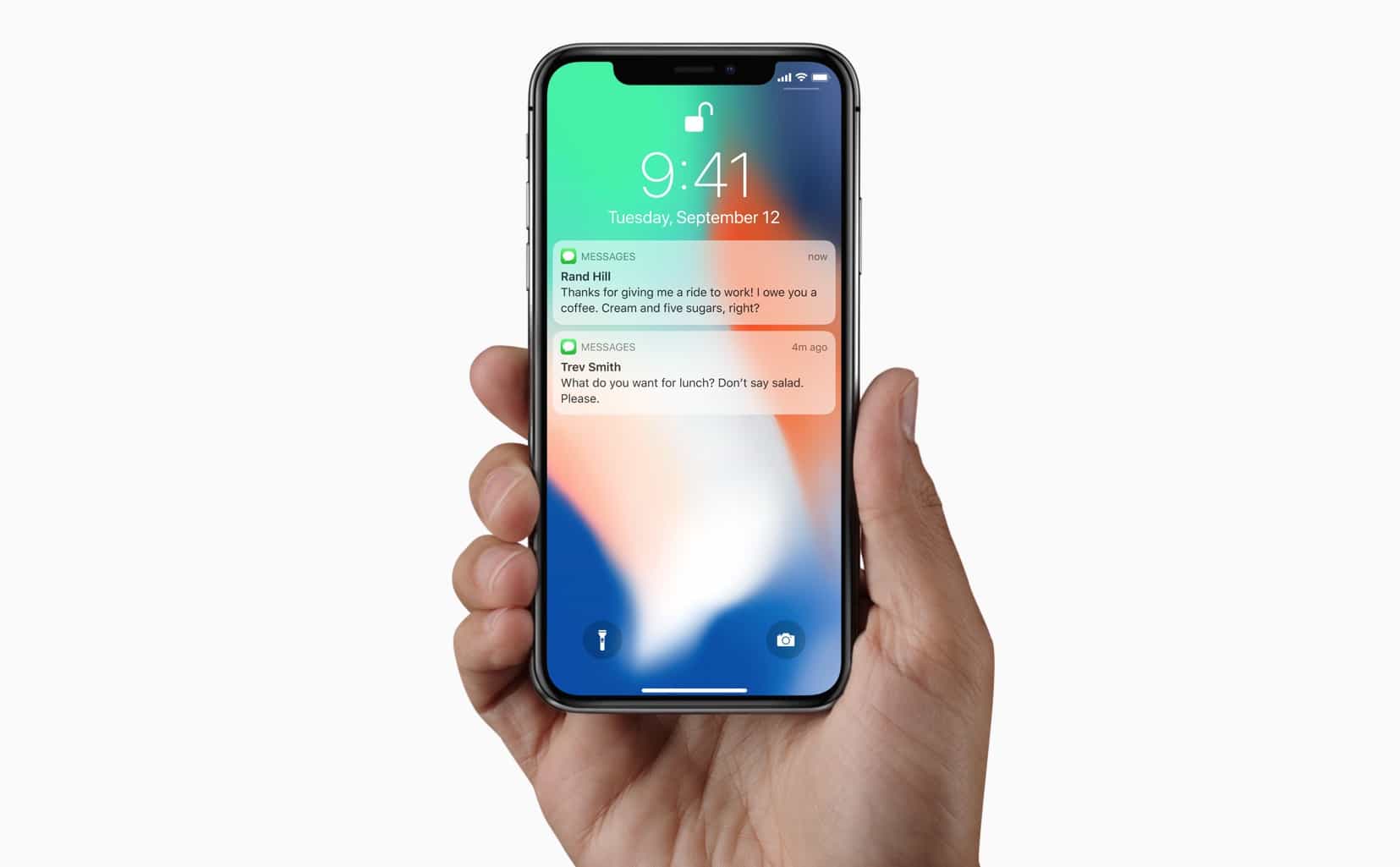
iPhone X hides notification previews until you look at them. Photo: Apple
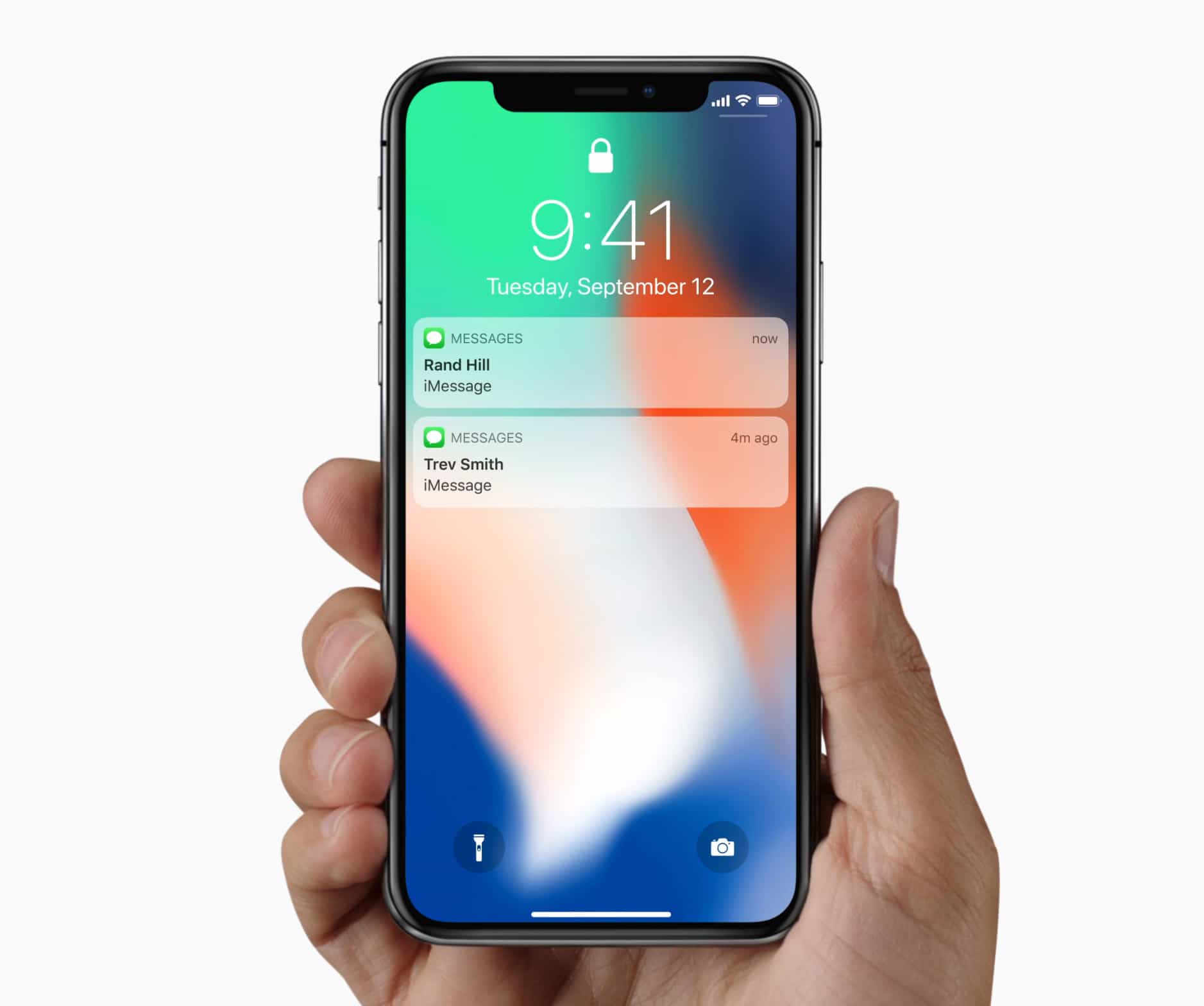
Thanks to Face ID, the iPhone X knows when its owner is looking at it, and can hide the content of your notifications until you do so. Now, if somebody else picks up your iPhone X and takes a peek at your incoming alerts, it will only see a list of the apps that have notifications for you. The content of the alerts remains hidden until you look at the screen, and Face ID expands the boxes to show you your messages.
The twist is that you can already do something very similar with Touch ID, just by changing one setting.
This is the Apple Pay screen on iPhone X. Photo: Apple
Using Apple Pay on the iPhone X is a little different than using it on the iPhone 8 and earlier. That’s because Apple Pay on older iPhones uses both the home button, and Touch ID, neither of which feature on the iPhone X. So how do you make an Apple Pay purchase with your new iPhone? It’s easy. Here’s how.
With the iPhone X making its way into customers’ sweaty hands, users can finally start putting the new handset through its paces. First priority? Coming up with a way to beat Face ID, apparently.
One developer claims to have already done it. But don’t get too concerned about any “Face-gate” just yet!
Sure you can take pictures with it. But the iPhone X shows the future of the camera will have little to do with the photographic image. Photo: Apple
Each generation of iPhone has brought with it a camera more amazing than the last. As users ogled over higher resolution, bigger sensors and new computational features, few saw the device’s evolution as more than just the making of a better camera.
But the iPhone X gives the camera a new job description — it’s not just a photography specialist anymore. How iPhone cameras function in the future will have little to do with the photographic image. And the iPhone X previews the innovations to come.
There's a (sort of) loophole in Apple's privacy stance. Photo: Apple
Apple might have been praised for ensuring that Face ID data stays securely on the iPhone X, but privacy experts are concerned that the same thing isn’t true for the apps which use iPhone face data,
According to a new report, apps which use facial data for their services — such as offering fun masks for selfies or having animjoi-style video game characters who mirror the expression of gamers — are not subject to the same privacy terms and conditions. In fact, so long as they ask customer permission and don’t sell the data, they are free to take it off the phones and store it on their own networks.
Ensure Face ID is as fast as it can be. Photo: UrAvgConsumer
Face ID is the future, and it’s easy to see why. It’s significantly more secure than Touch ID, and it eliminates a number of big limitations. But it’s not quite perfect yet.
Those who are lucky enough to have received a unit early from Apple have discovered that Face ID is slower than its predecessor. There are some things you can do to speed it up, though.
Face ID still requires a button-tap to make an App Store purchase. Photo: Aditya Doshi/Flickr CC
There’s one big conceptual difference between Face ID and its predecessor, Touch ID. With a fingerprint, you have to explicitly touch the home button to confirm an action. When unlocking a password-protected app, or unlocking the iPhone itself, it’s hard to do it unintentionally. But what about buying an app? The old Touch ID way is to tap the buy button, and then use your fingerprint to confirm the purchase. What happens with Face ID? How do you cancel a purchase after tapping buy? Do you look away? Close your eyes?
No. It’s much simpler than that, although much less discoverable than touching a fingerprint scanner.
These are the sensors that power Face ID. Photo: Apple
The 2018 iPhone won’t come with a rear-facing TrueDepth camera, according to one of the most accurate Apple analysts in the business.
KGI Securities analyst Ming Chi-Kuo sent investors a note today that the array of sensors that power Face ID and animoji will stay at the front of iPhones, for now.
Ensure Face ID is as fast as it can be. Photo: UrAvgConsumer
Face ID on the iPhone X is so accurate, not even identical twins can fool it.
Reviewers now have their hands on the device ahead of its launch on Friday, which means we’re finding out new things about its awesome new features. Its Touch ID replacement isn’t perfect, it seems, but it’s darn impressive.
Lock screen notifications on iPhone X. Photo: Apple
iPhone X will help keep sensitive messages under wraps by hiding lock screen notification previews by default. To reveal the previews, all you have to do is unlock the device with Face ID.
Apple apparently has sorted out Face ID sensor component troubles. Photo: Apple
Respected Apple analyst KGI Securities’ Ming-Chi Kuo says that shipments of the 3D sensor components for the iPhone X are now stable, meaning that future shipments of the handset — along with next year’s iPhone refresh — should not be subject to delays.
Kuo says that shipments of the 2018 iPhone models will arrive on time and in stable supply this time next year. He also claims that there won’t be a “major spec upgrade” made to the sensor for next year’s iPhone launch.
Michael Cohen was forced by a court warrant to open his iPhone with Face ID. Photo: Apple
When the iPhone X arrives November 3, it will bring a new age of security with it.
Apple is ditching fingerprints for facial scanning when it comes to unlocking your device, thanks to the iPhone X’s all-new Face ID feature. Not all Apple fans are excited about this. But if Face ID works as well as Apple says it does, it could be the most innovative iPhone addition in years.
iPhone 8 or iPhone X? Photo: Ste Smith/Cult of Mac
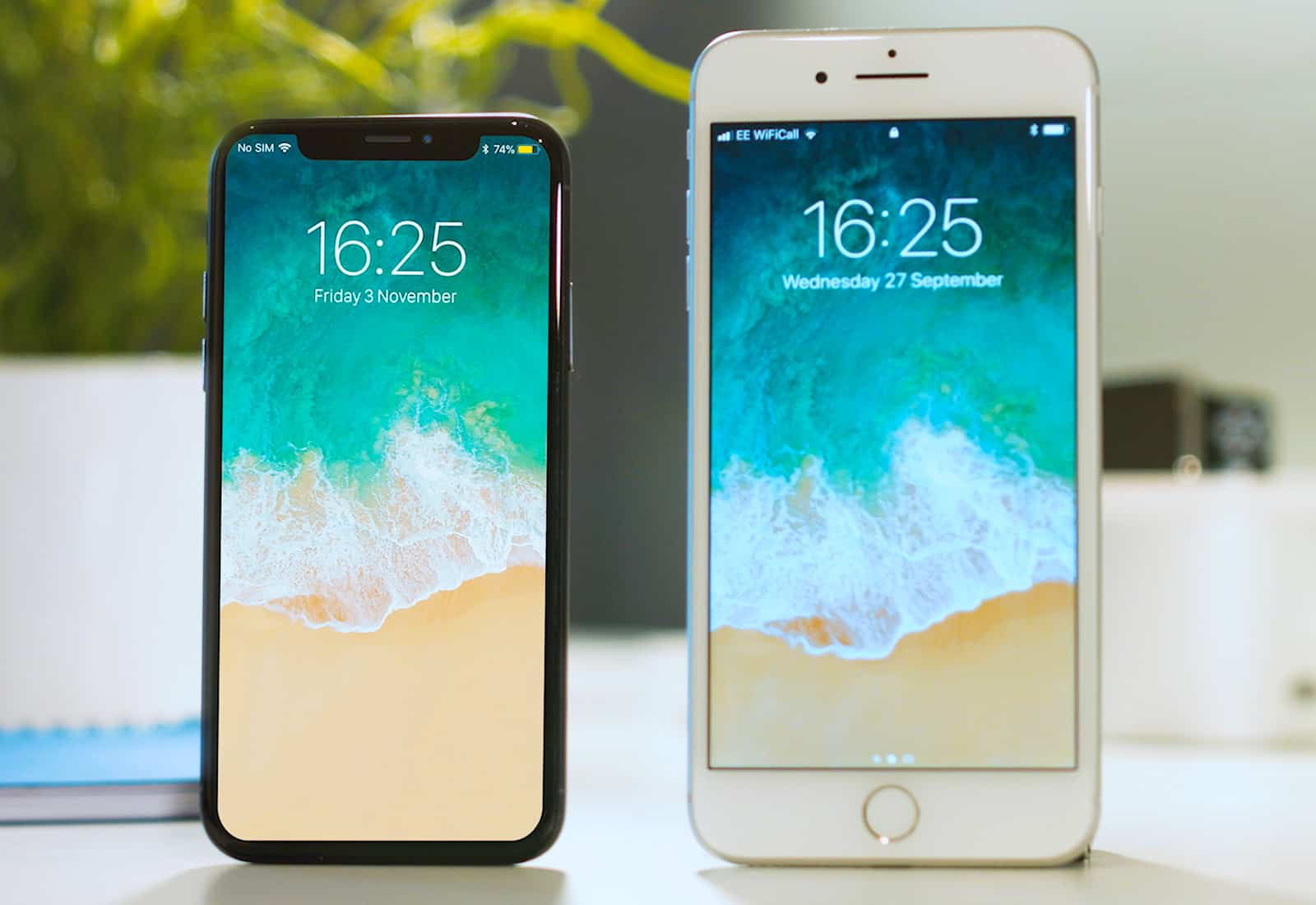
It’s the tech conundrum of the year: iPhone X versus iPhone 8. Still sitting on the fence about which new iPhone to buy? With iPhone X preorders starting in just a few hours, it’s decision time.
Is it really worth the hassle of trying to snag a phone that’s more expensive (and likely harder to land on launch day, due to limited supply)? In today’s video, I’m here to answer the question, “Which is better? iPhone 8 or iPhone X?”
Face ID is could become a staple on Apple products. Photo: Curved Labs
The notch on the iPhone X is one of the most divisive design decisions Apple’s made in years. Not everyone is a fan of the small black patch at the top of the iPhone X display, but it seems inevitable that Apple will bring Face ID to other products.
The folks at Curved created a bunch of concepts imaging what the soon-to-be-iconic iPhone X notch would look like on other Apple products. Some of the mock ups seem like their destined, while it looks down right wrong on the Apple Watch.
Face ID is ready to replace Touch ID. Photo: Apple
Apple batted down a report this morning that claimed the company made compromises with the iPhone X’s new Face ID hardware after the phone was revealed at last month’s keynote.
Bloomberg reported that “Apple didn’t add extra time to get it right,” referring to the dot projector on the Face ID component saying it’s accuracy is weaker now. This allegedly was done because it was holding back iPhone X manufacturing, but an Apple spokesperson says security hasn’t been weakened.
Face ID will still be accurate, but not quite as accurate as it could have been. Photo: Apple
The Face ID sensor on the new iPhone X may be accurate, but according to a new report it could have been even more so if Apple hadn’t been experiencing production problems with the handset.
With the prospect of losing holiday sales, Apple reportedly “quietly told suppliers” that they could reduce the accuracy of the face-recognition technology used in the new handset in order to make it easier to manufacture.
Apple will manufacture just 20 million iPhone X handsets this year, according to sources. That’s half the number it originally planned to produce in 2017, and it’s all due to “technical issues” surrounding Face ID components.
Steve Wozniak is skeptical about Face ID. Photo: Madame Tussauds
Apple co-founder Steve Wozniak says the iPhone X is the first iPhone he doesn’t plan to buy on “day one.”
The reason? Satisfaction with his iPhone 8, despite its lack of major changes, and skepticism about whether one of the big features of the iPhone X will work as promised.
The iPhone X's FaceID feature looks impressive. Photo: Apple
Apple says it has done extensive testing to ensure that Face ID treats everyone equally when the feature launches next month with the iPhone X.
Face ID has attracted a slew of security questions from the public wondering how Apple plans to keep biometric data private. U.S. Sen. Al Franken also asked what Apple is doing to protect against racial, gender or age bias in Face ID.
Apple finally responded to the senator’s question, providing a deeper look into the testing process.