Luke Dormehl is a U.K.-based journalist and author, with a background working in documentary film for Channel 4 and the BBC. He is the author of The Apple Revolution and The Formula: How Algorithms Solve All Our Problems ... and Create More, both published by Penguin/Random House. His tech writing has also appeared in Wired, Fast Company, Techmeme and other publications.
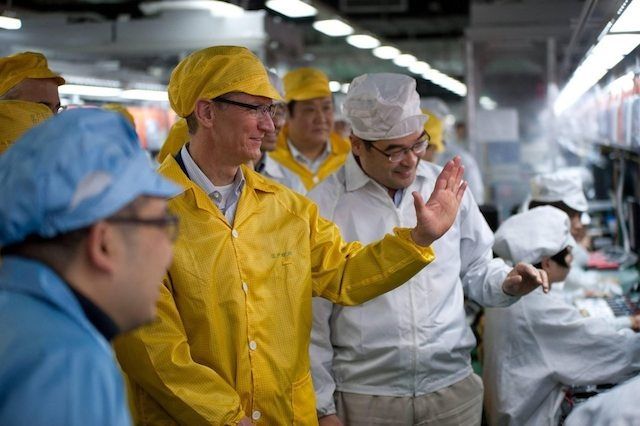
Tim Cook visits one of Apple's factories in China. Photo: Apple
December 11, 2013: A Chinese labor rights group calls on Apple to investigate the deaths of several workers at a Shanghai factory run by iPhone manufacturer Pegatron.
Most controversially, one of the dead workers is just 15 years old. The underage worker reportedly succumbed to pneumonia after working extremely long hours on the iPhone 5c production line.
December 10, 2012: Apple fixes an early Apple Maps error that caused several motorists in Victoria, Australia, to become stranded in the remote Murray-Sunset National Park.
Previously, the egregious Apple Maps glitch showed the town of Mildura nearly 45 miles from its actual location.
In the aftermath, Victoria police describe Apple’s navigation app as “potentially life-threatening.” That’s pretty much the opposite of “it just works.”
Apple Grand Central is one of the company's most stunning retail outlets. Photo: Apple
December 9, 2011: Apple opens a store in New York’s fabled Grand Central Terminal, the company’s fifth Manhattan retail outlet.
Overlooking the terminal’s Main Concourse, the enormous Apple Grand Central makes a stunning addition to the 140-year-old train station, which is one of New York’s busiest transportation hubs.
December 8, 1975: San Francisco Bay Area entrepreneur Paul Terrell opens the Byte Shop, one of the world’s first computer stores — and the first to sell an Apple computer.
Years before Apple would open its own retail outlets, the Byte Shop stocks the first 50 Apple-1 computers built by Steve Jobs and Steve Wozniak.
December 7, 2007: Apple opens its magisterial store on West 14th Street in New York City. The new Apple Store features a three-story glass staircase deemed the most complex ever made.
The store is Apple’s biggest in Manhattan (and second-largest in the United States, after the one on Chicago’s Michigan Avenue). The first three-story Apple retail outlet, it boasts an entire floor dedicated to services. It’s also the first Apple Store to offer free Pro Labs classes to customers.
The sheer size of this Apple Store — with its 46-foot Genius Bar — proves impressive. However, its astonishing spiral staircase steals the show as its most iconic design feature.
A perfect storm of bad news leads to a massive $195 million quarterly loss for Apple. Photo: Apfellike
December 6, 2000: Apple Computer’s stock price falls after the company posts its first quarterly loss since Steve Jobs’ return to Cupertino in 1997.
Shares tumble $3 to just $14 a share as doom-predicting pundits worry that the big Apple comeback might come screeching to a halt. Little did they know …
December 5, 2002: Cupertino says it served its millionth unique customer in the Apple Store online, marking a significant milestone for the company. It is a benchmark worth celebrating for Apple, which launched its online store just five years earlier.
“Reaching our 1 millionth customer is a major milestone, and is proof positive that our online shopping experience is second to none,” Tim Cook, Apple’s executive vice president of worldwide sales and operations at the time, says in a statement. “The Apple Store is a popular way for a growing number of consumers and businesses to buy Apple products, and with extensive build-to-order capabilities, easy 1-Click shopping and free shipping on orders, it’s never been easier to buy a Mac online.”
Should Apple have licensed Mac OS back in the early 1990s? Photo: Thomas Hawk/Flickr CC
December 4, 1992: Apple engineers demonstrate a “proof of concept” of the Mac operating system running on an Intel computer. More than a decade before Macs will switch to Intel processors, getting Mac OS to run on PCs is an astonishing feat.
It’s part of an aborted plan to make Apple’s software available on other manufacturers’ hardware. Apple ultimately chickens out, fearing (probably correctly) that such a move would hurt Macintosh sales.
News Corp's experiment with an iPad "newspaper" came to an ugly end. Image: The Daily
December 3, 2012: News Corp pulls the plug on The Daily, the world’s first iPad-only newspaper, less than two years after launching the publication.
While the writing has been on the wall for some time, the closure is a blow for those who view the iPad as the savior of the traditional publishing industry.
QuickTime brought multimedia to Macs -- and the masses. Photo illustration: Ste Smith/Cult of Mac
December 2, 1991: Apple ships its first public version of the QuickTime player, bringing video to Mac users running System 7.
Containing codecs for graphics, animation and video, QuickTime confirms Apple’s status as a leading multimedia tech company. The software also starts us on the path to playing video on our computers. This fundamental transformation of Macs into media machines eventually leads to iTunes Movies, YouTube and more.
Apple relaunched its ill-fated Apple III, hoping to address some serious problems with the original model. Photo: Alker33/YouTube
December 1, 1981: After the disastrous rollout of the “next-gen” Apple III in 1980, Apple releases a revised edition of the computer that corrects most of its glaring hardware faults.
Unfortunately, the damage has already been done. Apple experiences its first “flop” product with the Apple II’s doomed successor.
November 30, 2003: Apple expands its retail chain outside the United States for the first time, opening Apple Store Ginza in Tokyo’s trendy shopping district.
On opening day, thousands of Apple fans — possibly the biggest queue in Apple history — line up around the block in the rain to gain early access to the store, which offers five full floors of Apple product goodness.
Apple CEO Steve Jobs does not show up for the opening of the 73rd Apple Store. However, shoppers hear a welcoming speech from Eiko Harada, president of Apple Japan.
The Pixar IPO is a key part of Steve Jobs' professional turnaround. Photo: Ben Stanfield/Flickr CC
November 29, 1995: Capitalizing on the success of Toy Story, Pixar floats 6.9 million shares on the stock market. The Pixar IPO makes Apple co-founder Steve Jobs, who owns upward of 80% of the animation studio, a billionaire.
After the windfall, one of the first people Jobs calls is his friend, Oracle co-founder Larry Ellison, who’s already a member of the billionaire’s club.
“Hello, Larry?” Jobs tells his friend on the phone. “I made it.”
QuickTime 5 was being downloaded 1 million times every three days. Photo: Apple
November 28, 2001: People download QuickTime 5 for Mac and PC a million times every three days, Apple says, putting the multimedia software on track to exceed 100 million downloads in its first year of distribution. The announcement comes as websites adopt the MPEG-4 format, and online video begins to take off in a big way.
In particular, Apple’s movie trailer website proves a massive success. Millions of people download previews of upcoming blockbusters like Spider-Man and Star Wars Episode II: Attack of the Clones. Online trailer releases for films like The Lord of the Ringsbecome buzz-worthy events.
In a pre-YouTube world, Apple has everything to gain!
Yep ... we're pretty sure that's not right. Photo: Apple
November 27, 2012: Apple fires the manager responsible for the disastrous Apple Maps launch in iOS 6 after the glitchy software delivers embarrassingly bad data to users around the world.
Richard Williamson, who oversaw Apple’s mapping team, gets the ax from Eddy Cue, who assumes leadership of the project.
Bill Gates offered high praise for the Mac in 1984. Image: Fulvio Obregon
November 26, 1984: Microsoft co-founder Bill Gates praises Apple’s newly arrived Macintosh as the future of personal computing.
“The next generation of interesting software will be done on the Macintosh, not the IBM PC,” Gates says in a BusinessWeek cover story.
This high praise for the Mac would seem almost unthinkable coming out of Gates’ mouth just a few years later. However, the interview arrives at a time when Microsoft is best known as one of the biggest Mac developers.
November 25, 1996: A midlevel manager at NeXT contacts Apple about the possibility of Cupertino licensing NeXT’s OpenStep operating system. The phone call sows the seeds of Mac OS X and Apple’s rejuvenation.
The talk in question takes place between NeXT’s Garrett L. Rice and Ellen Hancock, Apple’s chief technology officer. While just the first formal step in a long process, it ultimately leads to Apple buying NeXT, the creation of Mac OS X, and Steve Jobs returning to the company he co-founded.
Toy Story 2 coincided with the start of Steve Jobs' own career second act. Photo: Pixar
November 24, 1999: Apple co-founder Steve Jobs gets another feather in his cap when Toy Story 2, the sequel to the 1995 Pixar hit, debuts in theaters. It goes on to become the first animated sequel in history to gross more than the original.
While more a piece of Steve Jobs history than Apple history, the release of Toy Story 2 caps a spectacular year for Apple’s interim CEO.
The Apple-1 sold for what was then the largest amount a personal computer had sold for at auction. Photo: Christie's
November 23, 2010: An early Apple-1 computer manufactured in 1976, complete with its original packaging and a letter signed by Apple co-founder Steve Jobs, sells for $210,000.
At the time, it ranks as the most expensive personal computer ever sold at auction. That makes sense, because it’s an incredibly rare find. The working Apple-1 is thought to be one of only approximately 50 still in existence.
What was your first ever iTunes music download? Photo: Apple
November 22, 2005: Two-and-a-half years after opening its virtual doors, the iTunes Music Store enters the list of top 10 U.S. music retailers. While iTunes sales numbers can’t yet match the selling power of established retail giants like Walmart, Best Buy and Circuit City (or fellow tech company Amazon), this milestone nonetheless represents big news for Apple — and digital music distribution as a whole.
This 1985 pact with Microsoft was one of the most damaging deals in Apple history. Photo: Ste Smith/Cult of Mac
November 21, 1985: Following Steve Jobs’ departure, Apple comes close to signing its own death warrant by licensing the Macintosh’s look and feel to Microsoft. The Apple-Microsoft deal — struck by Microsoft co-founder Bill Gates and Apple CEO John Sculley — comes hot on the heels of the Windows operating system’s release.
The pact gives Microsoft a “non-exclusive, worldwide, royalty-free, perpetual, nontransferable license to use [parts of the Mac technology] in present and future software programs, and to license them to and through third parties for use in their software programs.”
The producers of Purple Violets take a gamble on iTunes movie distribution. Photo: Wild Ocean Films
November 20, 2007: In a milestone for iTunes movie distribution, Purple Violets becomes the first feature film to launch exclusively on Apple’s platform.
A romantic comedy directed by Edward Burns, Purple Violets stars Selma Blair, Debra Messing and Patrick Wilson. With limited offers from Hollywood’s traditional players, the filmmakers pin their hopes on iTunes distribution as an alternative way to get their movie in front of viewers.
Apple's spectacular new campus gained city approval on this day in 2013. Photo: Matthew Roberts
November 19, 2013: Apple gets final approval from the Cupertino City Council to proceed with building a massive second campus to house the iPhone-maker’s growing army of workers in California. Regarding the new Apple headquarters, Cupertino Mayor Orrin Mahoney issues a simple message: “Go for it.”
However, the massive structure — with an innovative circular design that will earn it the nickname “the spaceship” — remains years away from opening, despite Apple’s ambitious schedule.
Apple's 20-inch iMac G4 in all its glory. Photo: Wikipedia CC
November 18, 2003: Apple debuts a new iMac G4 sporting a 20-inch screen, the company’s biggest flat-panel all-in-one computer ever.
The introduction makes an already superb Mac even better. Somehow, though, the additional screen real estate makes the new Mac weigh twice as much as the 17-inch model.
Steve Jobs sweet-talked an audio company exec to land the name "Macintosh." Photo: Apple
November 16, 1982: Intent on giving his company’s upcoming personal computer a memorable name, Apple co-founder Steve Jobs pens an impassioned plea to audio company McIntosh Laboratory. In the letter, he asks permission to use the name “Macintosh.”
You can probably guess how the resulting discussions turned out!

 December 11, 2013: A Chinese labor rights group calls on Apple to investigate the deaths of several workers at a Shanghai factory run by iPhone manufacturer Pegatron.

 December 10, 2012: Apple fixes an early Apple Maps error that caused several motorists in Victoria, Australia, to become stranded in the remote Murray-Sunset National Park.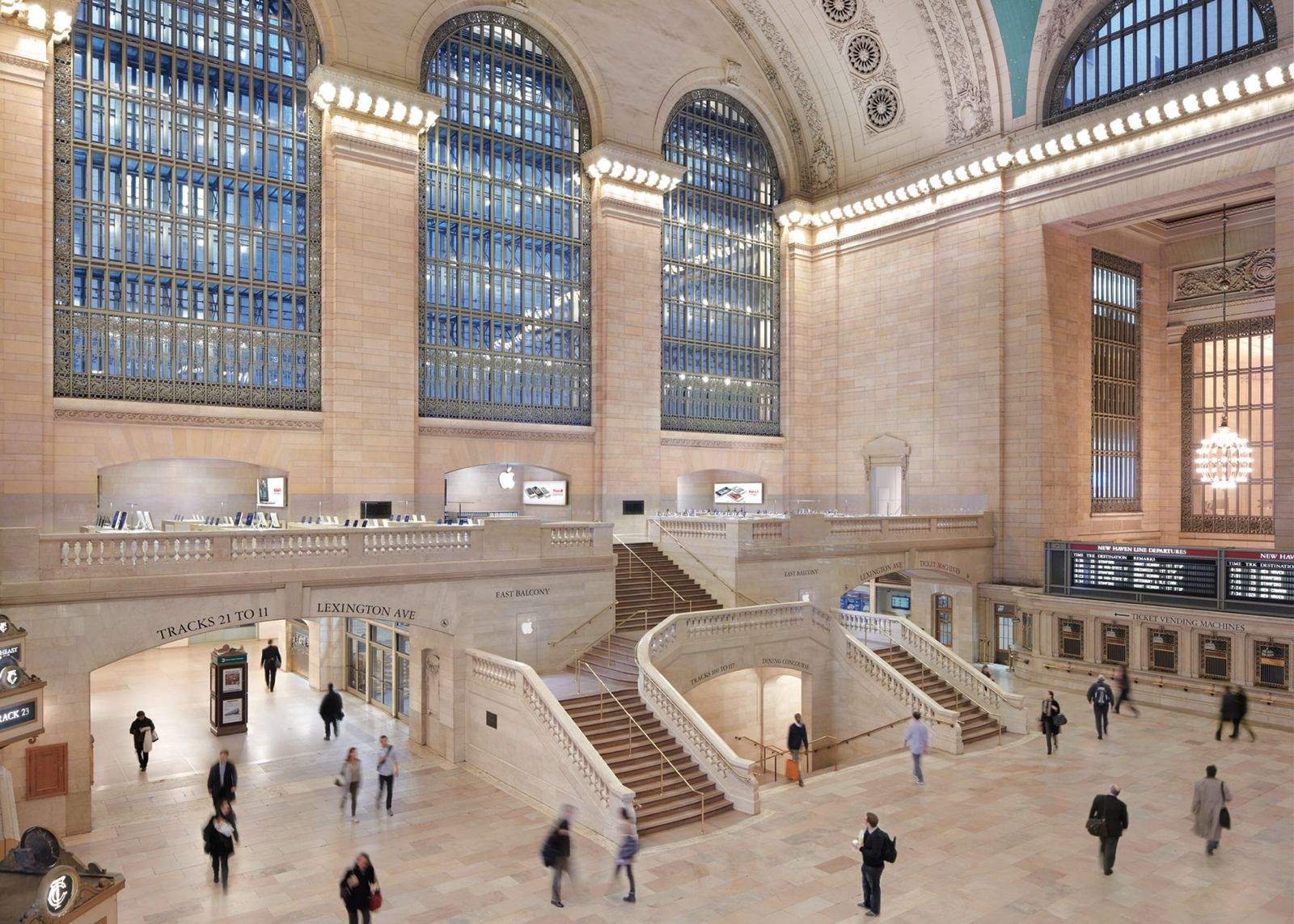
 December 9, 2011: Apple opens a store in New York’s fabled Grand Central Terminal, the company’s fifth Manhattan retail outlet.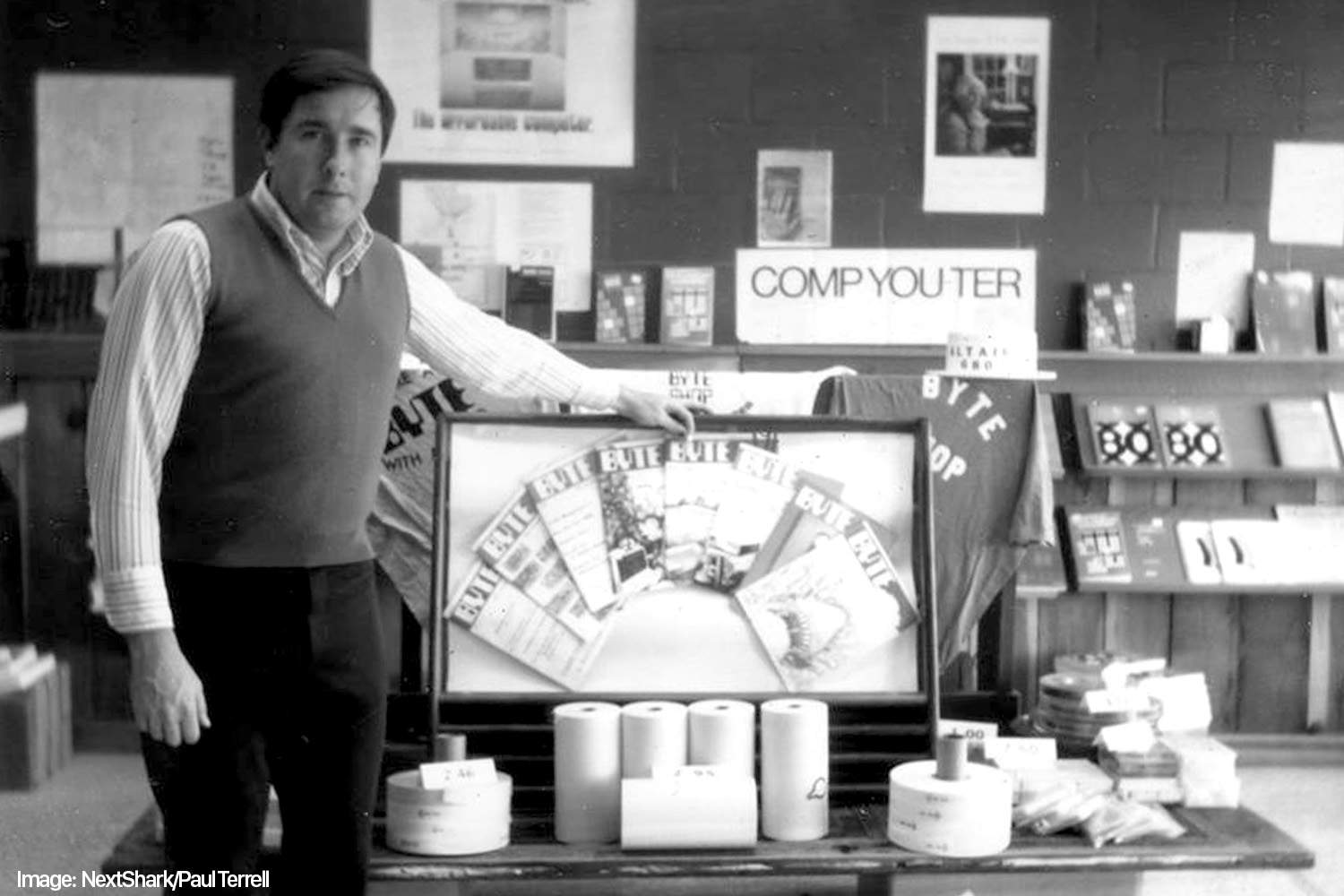
 December 8, 1975: San Francisco Bay Area entrepreneur Paul Terrell opens the Byte Shop, one of the world’s first computer stores — and the first to sell an Apple computer.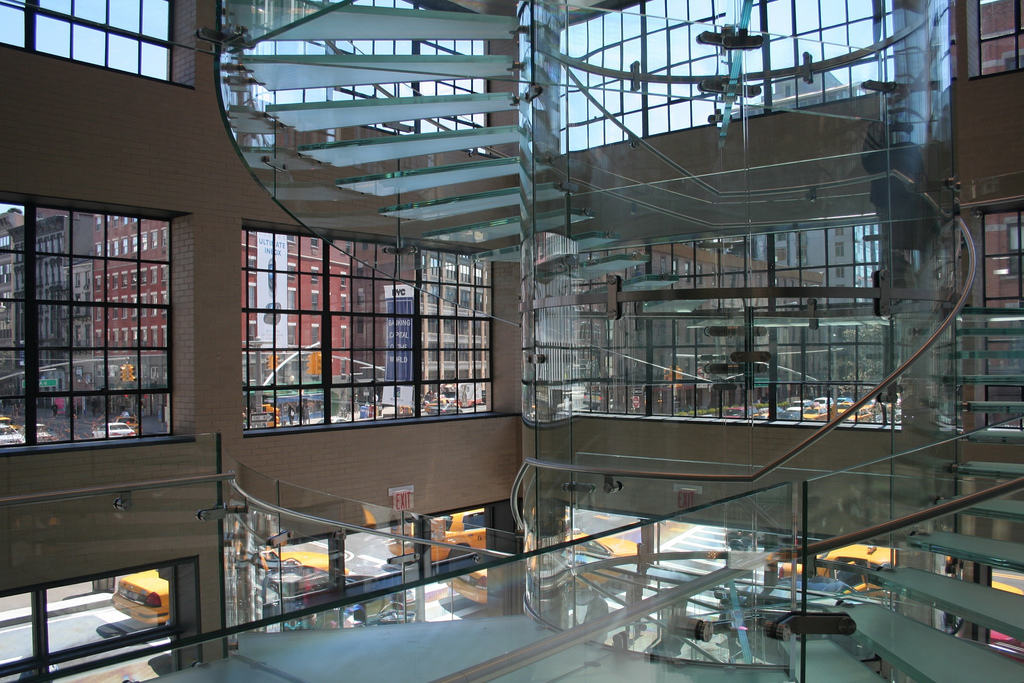
 December 7, 2007: Apple opens its magisterial store on West 14th Street in New York City. The new Apple Store features a three-story glass staircase deemed the most complex ever made.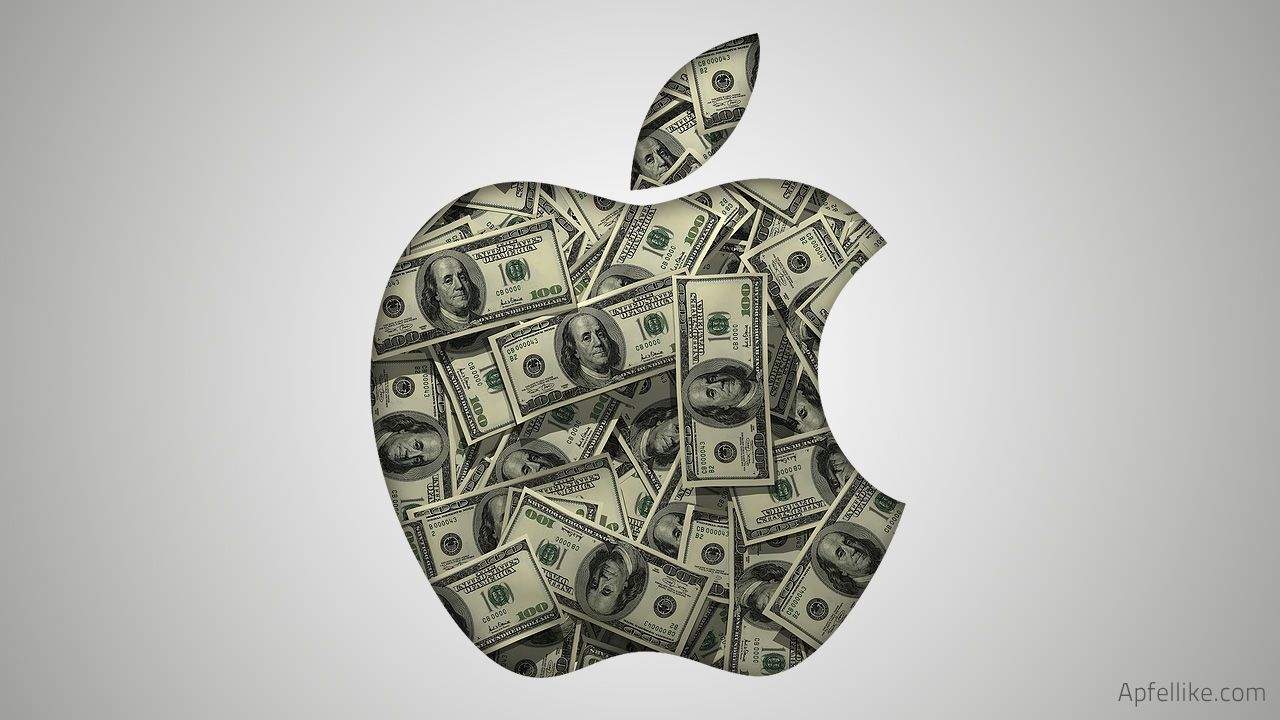
 December 6, 2000: Apple Computer’s stock price falls after the company posts its first quarterly loss since Steve Jobs’ return to Cupertino in 1997.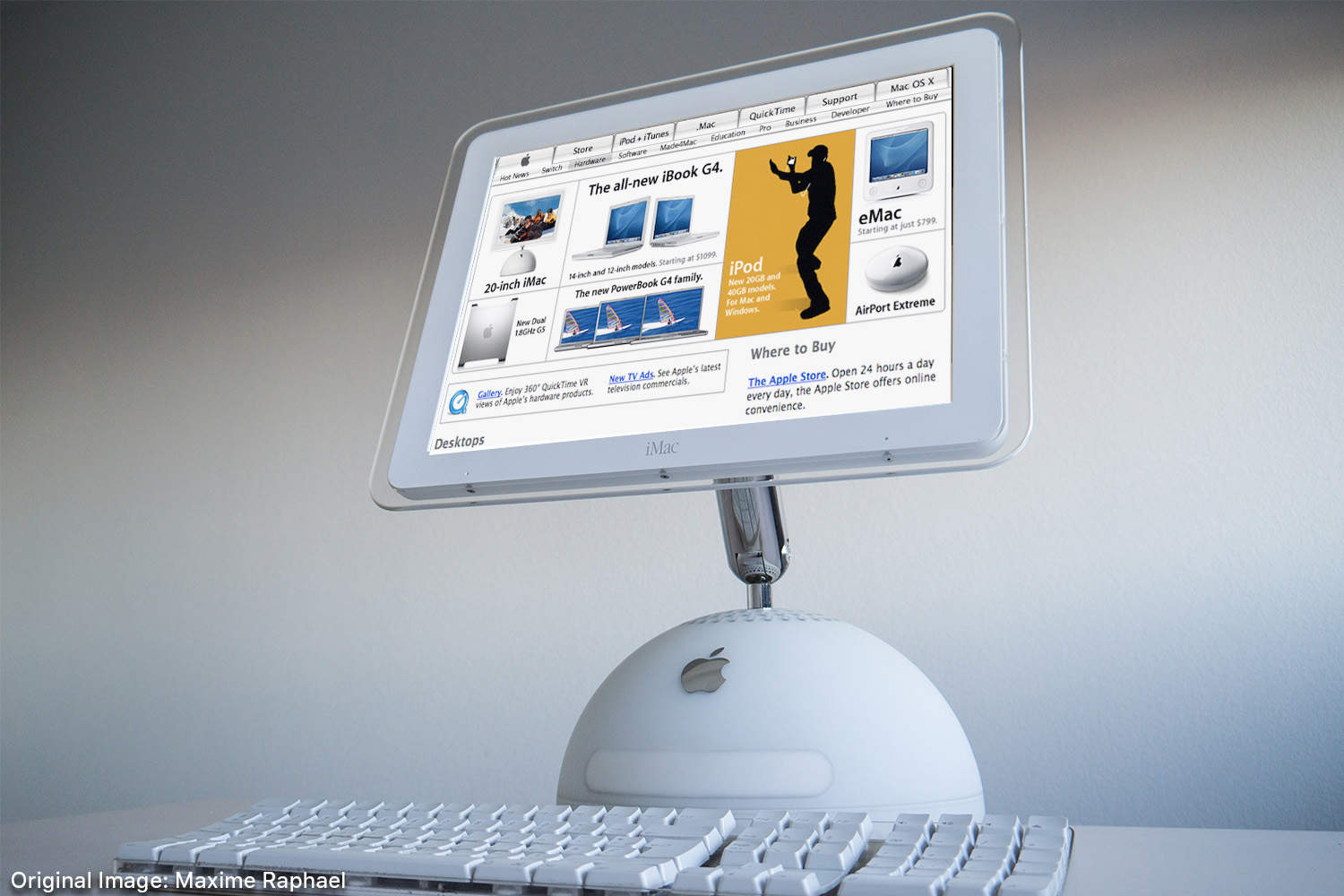
 December 5, 2002: Cupertino says it served its millionth unique customer in the Apple Store online, marking a significant milestone for the company. It is a benchmark worth celebrating for Apple, which launched its online store just five years earlier.
 December 4, 1992: Apple engineers demonstrate a “proof of concept” of the Mac operating system running on an Intel computer. More than a decade before
 December 3, 2012: News Corp pulls the plug on The Daily, the world’s first iPad-only newspaper, less than two years after launching the publication.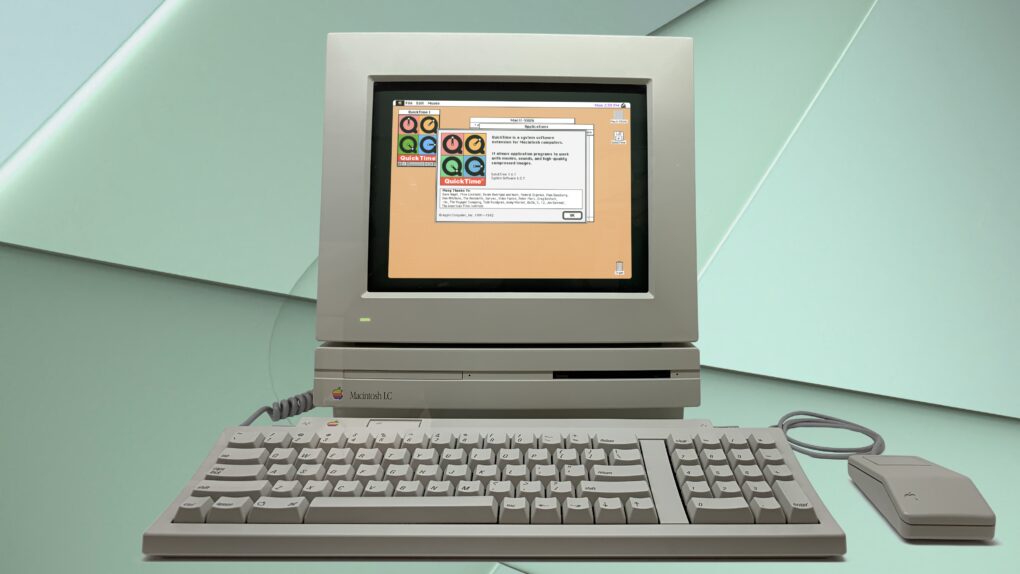
 December 2, 1991: Apple ships its first public version of the QuickTime player, bringing video to Mac users running System 7.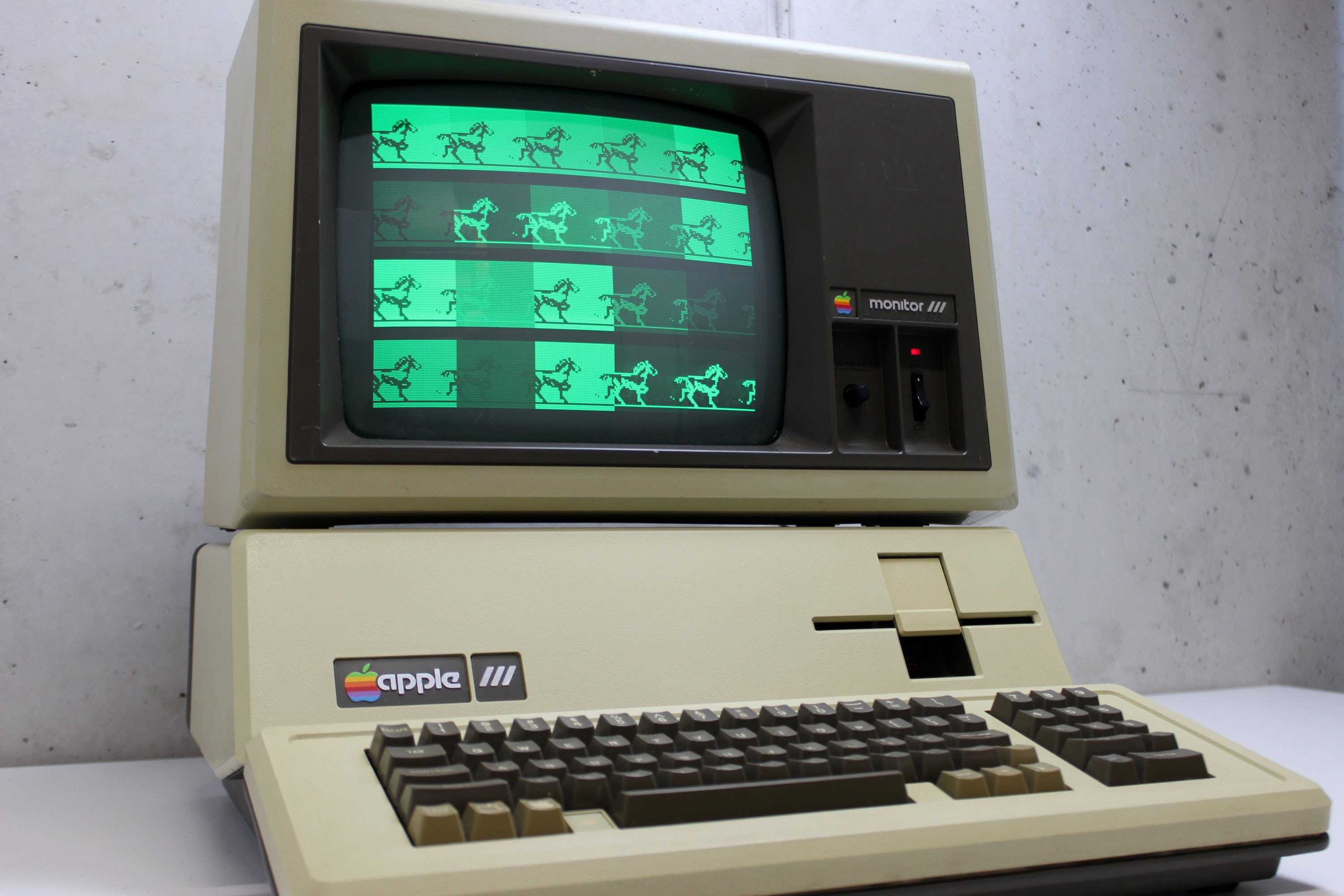
 December 1, 1981: After the disastrous rollout of the “next-gen” Apple III in 1980, Apple releases a revised edition of the computer that corrects most of its glaring hardware faults.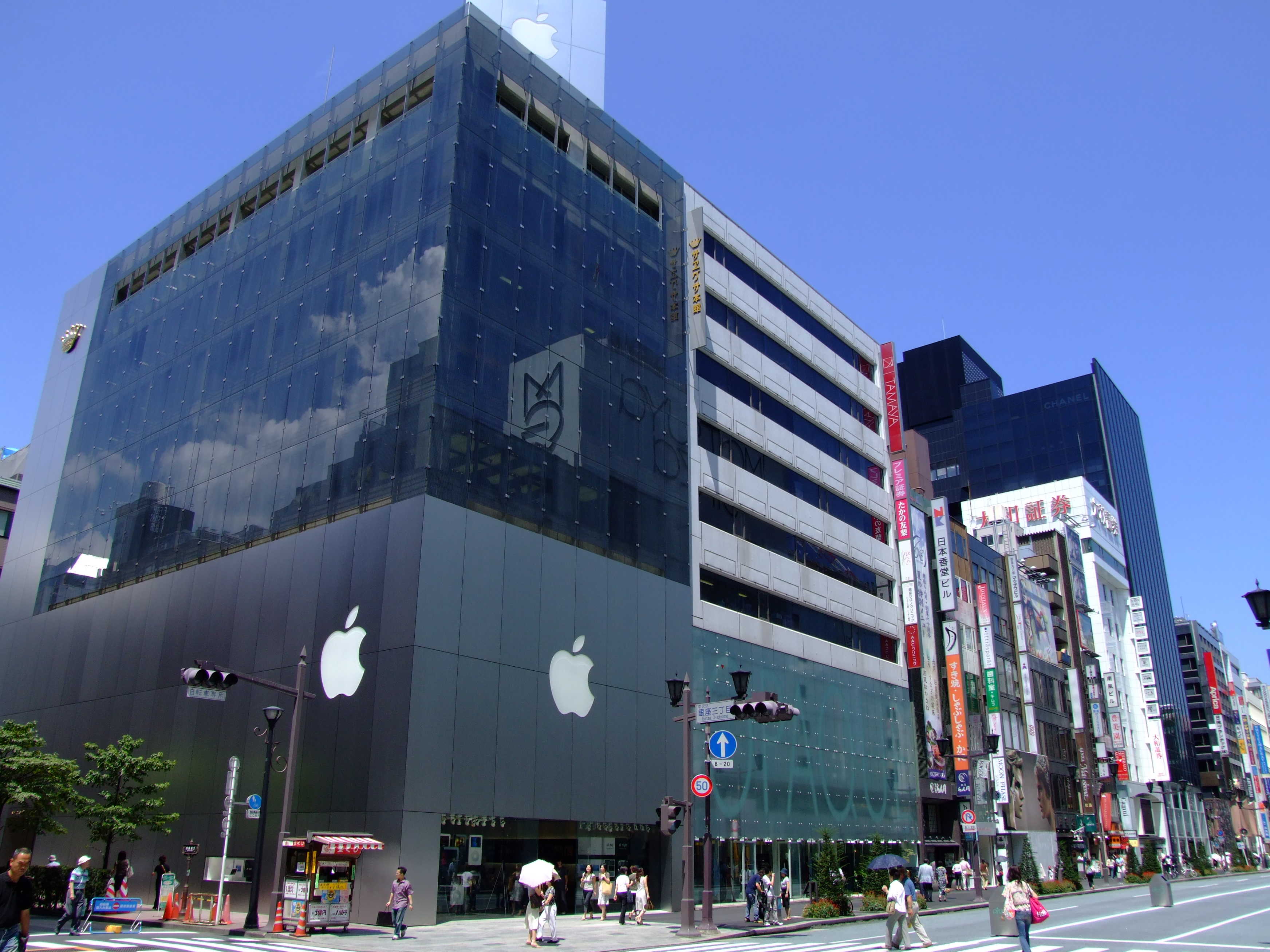
 November 30, 2003: Apple expands its retail chain outside the United States for the first time, opening Apple Store Ginza in Tokyo’s trendy shopping district.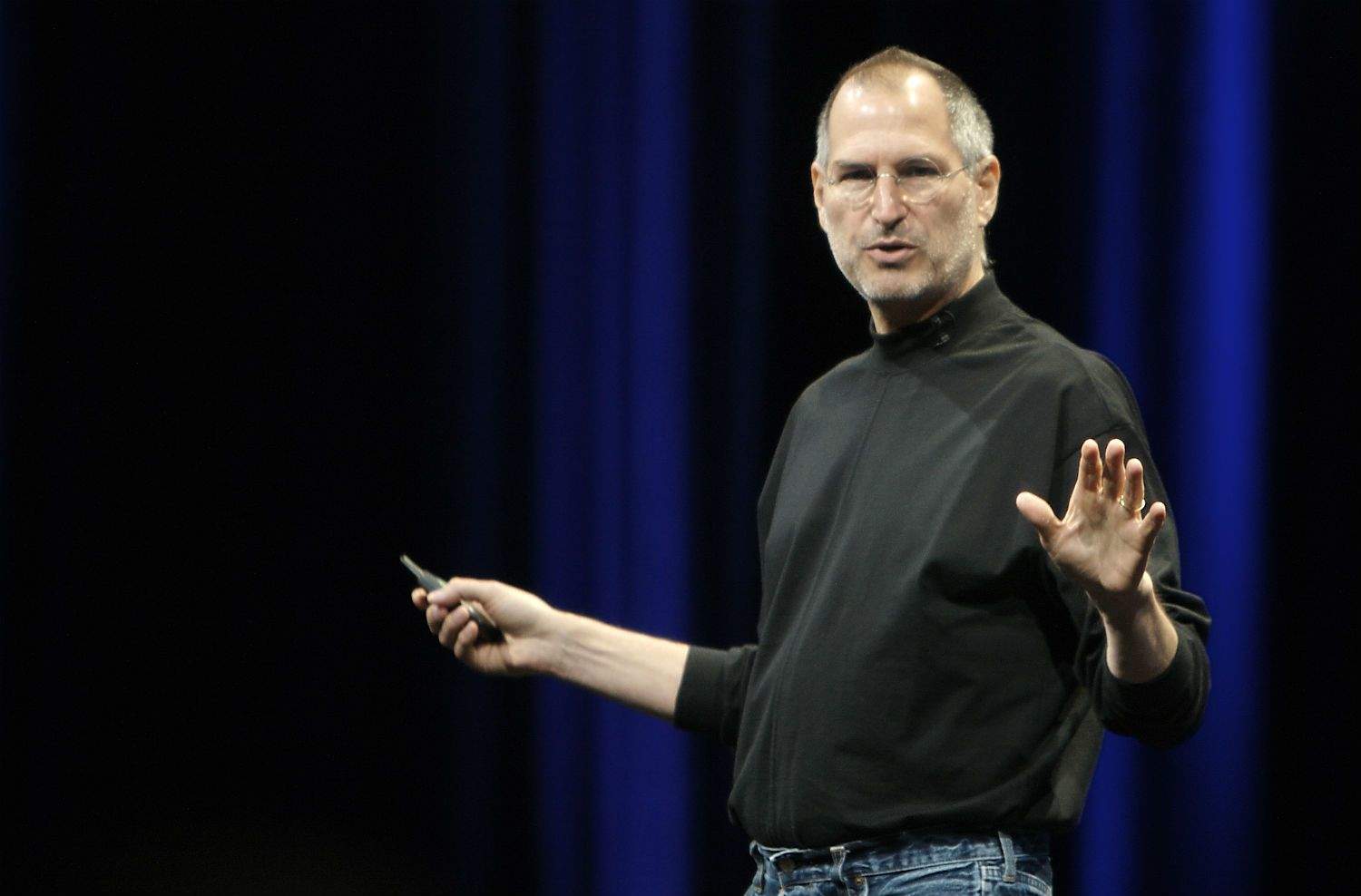
 November 29, 1995: Capitalizing on the success of Toy Story, Pixar floats 6.9 million shares on the stock market. The Pixar IPO makes Apple co-founder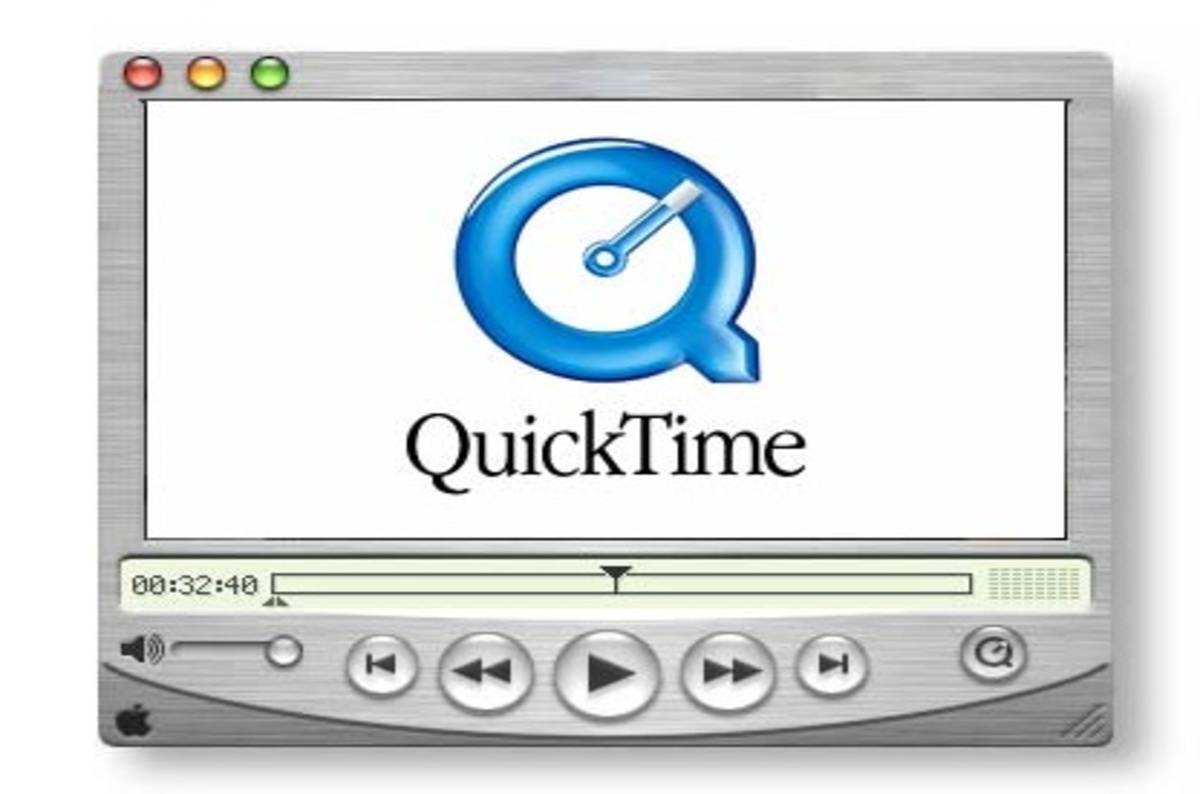
 November 28, 2001: People download QuickTime 5 for Mac and PC a million times every three days, Apple says, putting the multimedia software on track to exceed 100 million downloads in its first year of distribution. The announcement comes as websites adopt the MPEG-4 format, and online video begins to take off in a big way.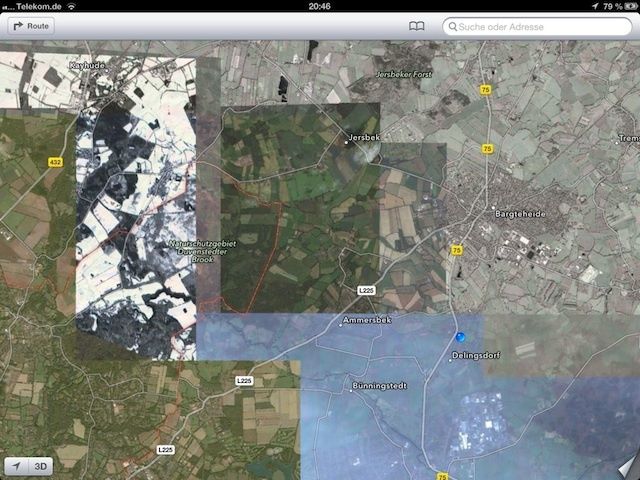
 November 27, 2012: Apple fires the manager responsible for the disastrous Apple Maps launch in iOS 6 after the glitchy software delivers embarrassingly bad data to users around the world.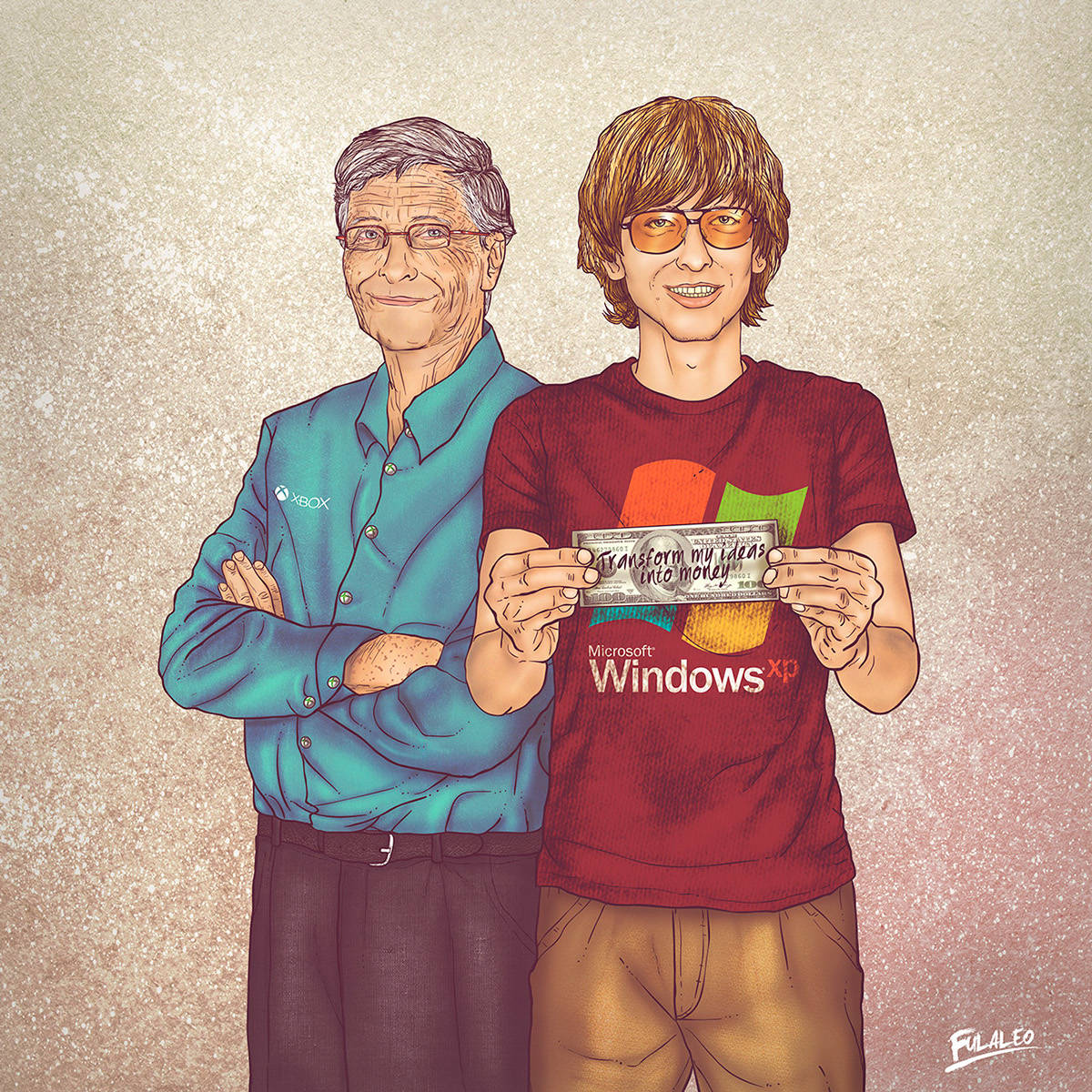
 November 26, 1984: Microsoft co-founder Bill Gates praises Apple’s newly arrived Macintosh as the future of personal computing.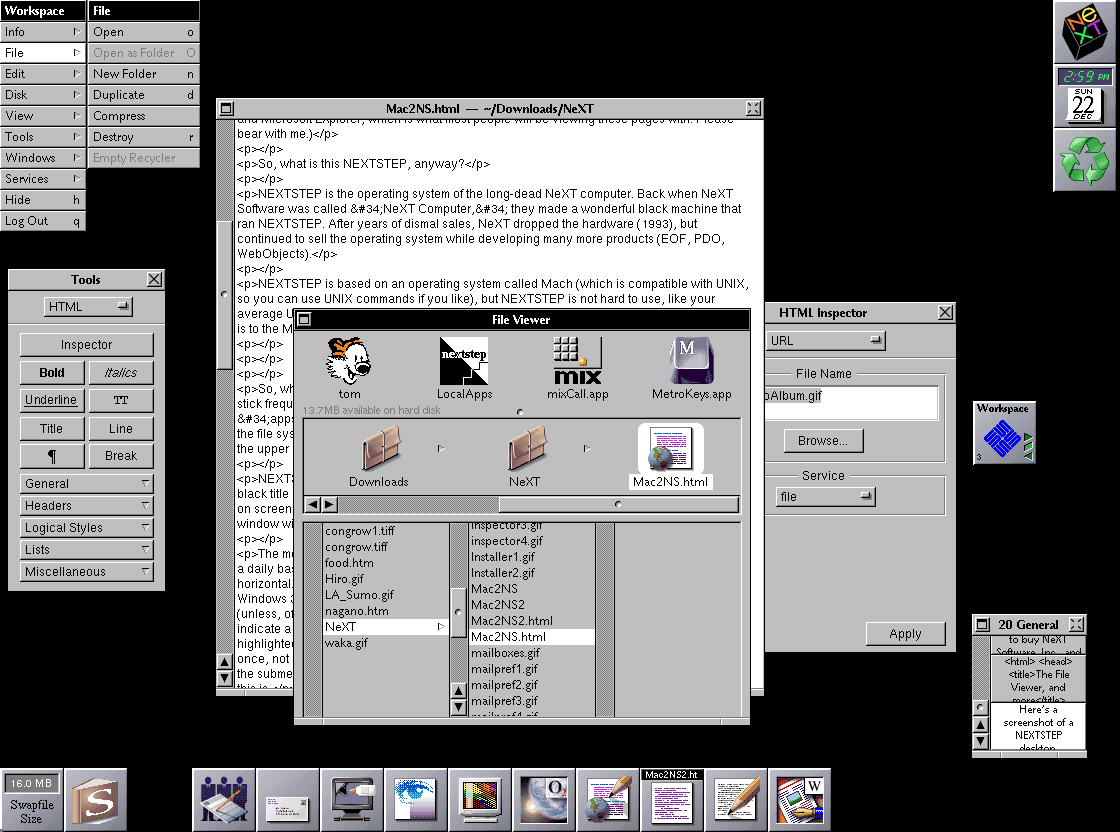
 November 25, 1996: A midlevel manager at NeXT contacts Apple about the possibility of Cupertino licensing NeXT’s OpenStep operating system. The phone call sows the seeds of Mac OS X and Apple’s rejuvenation.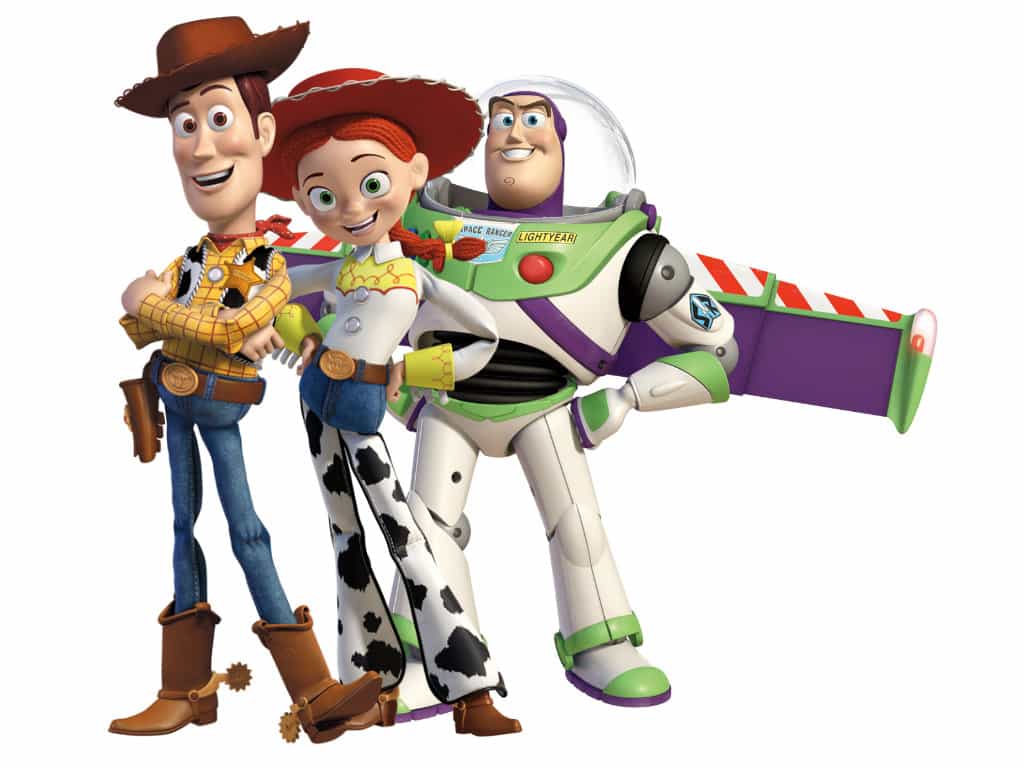
 November 24, 1999: Apple co-founder Steve Jobs gets another feather in his cap when Toy Story 2, the sequel to the 1995 Pixar hit, debuts in theaters. It goes on to become the first animated sequel in history to gross more than the original.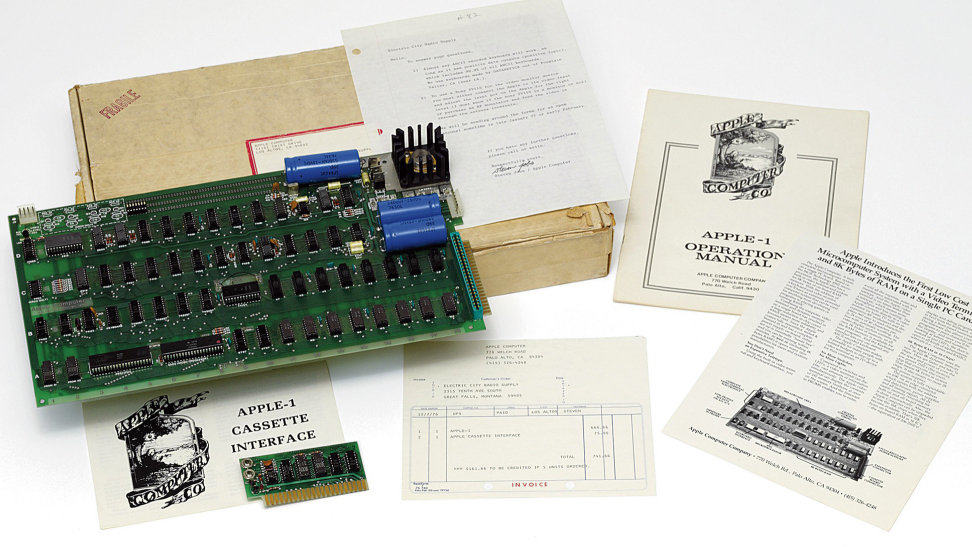
 November 23, 2010: An early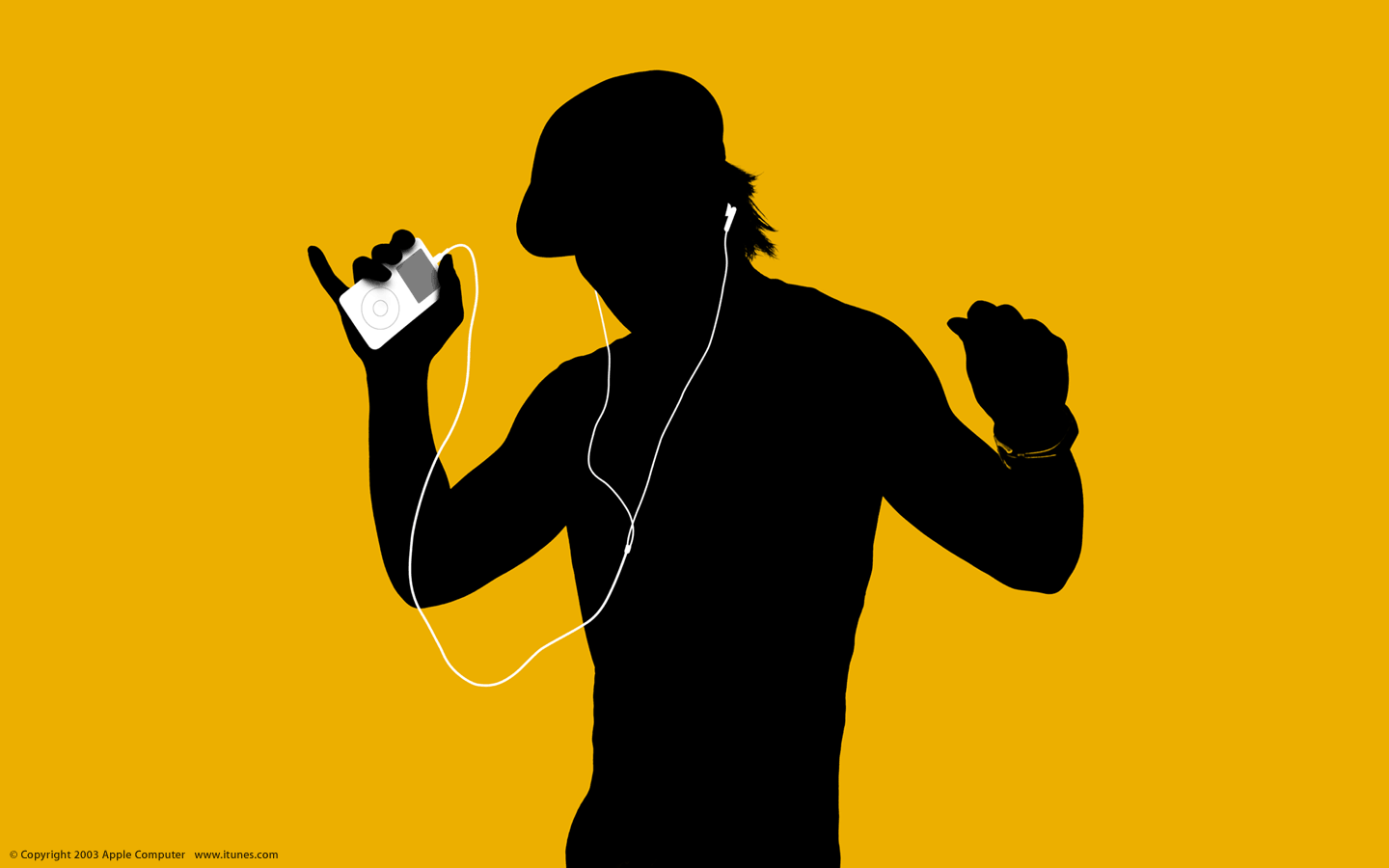
 November 22, 2005: Two-and-a-half years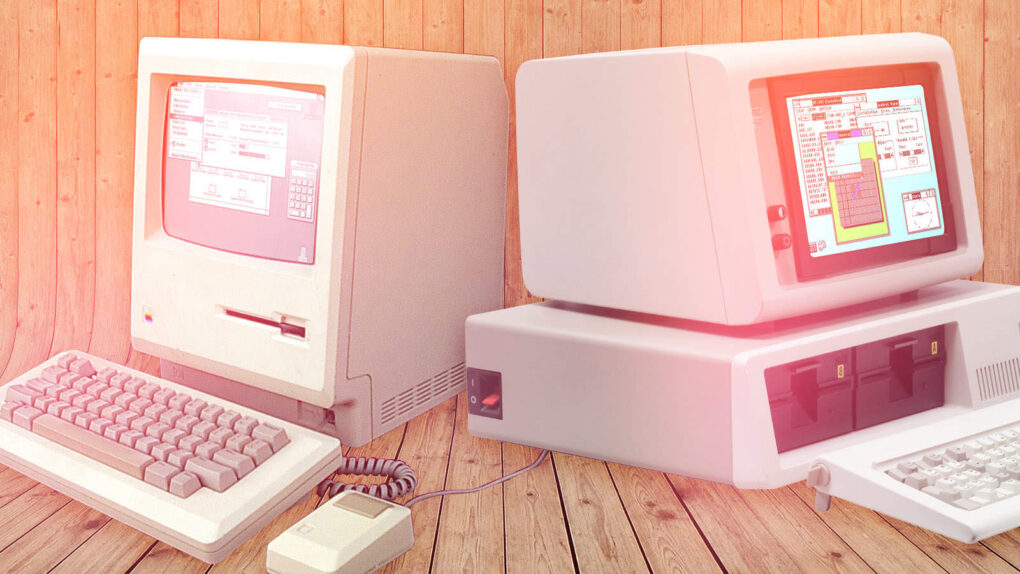
 November 21, 1985: Following
 November 20, 2007: In a milestone for iTunes movie distribution, Purple Violets becomes the first feature film to launch exclusively on Apple’s platform.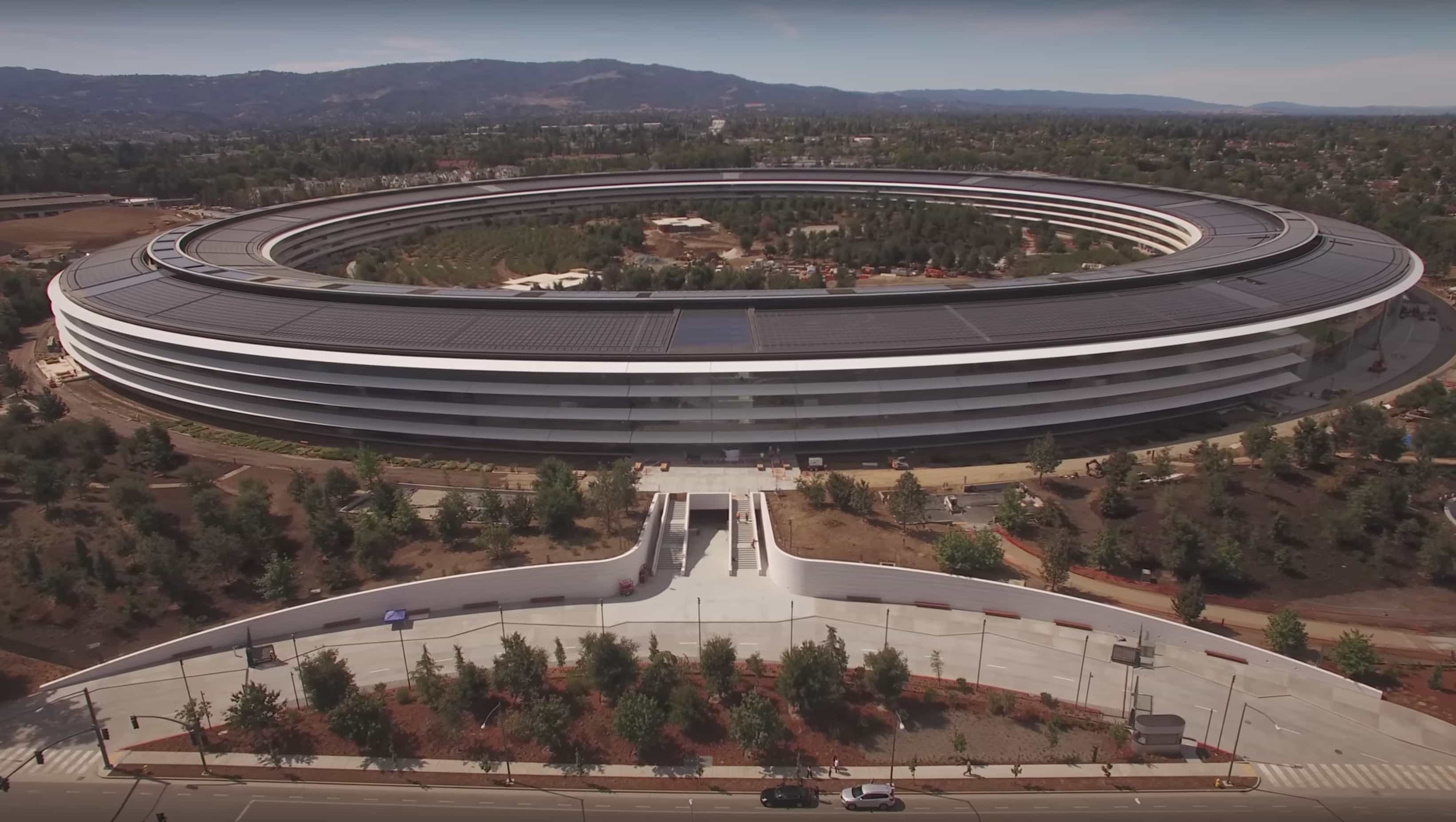
 November 19, 2013: Apple gets final approval from the Cupertino City Council to proceed with building a massive second campus to house the iPhone-maker’s growing army of workers in California. Regarding the new Apple headquarters, Cupertino Mayor Orrin Mahoney issues a simple message: “Go for it.”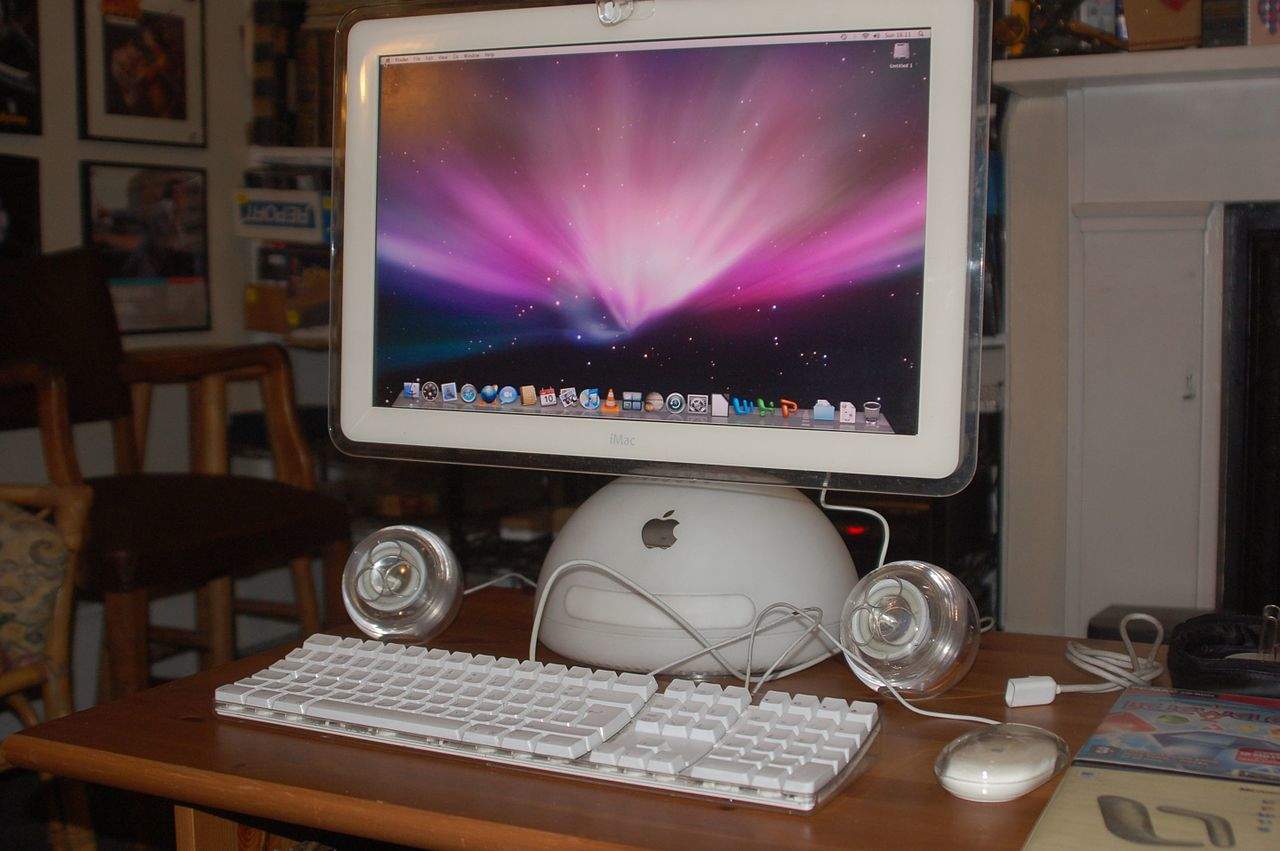
 November 18, 2003: Apple debuts a new iMac G4 sporting a 20-inch screen, the company’s biggest flat-panel all-in-one computer ever.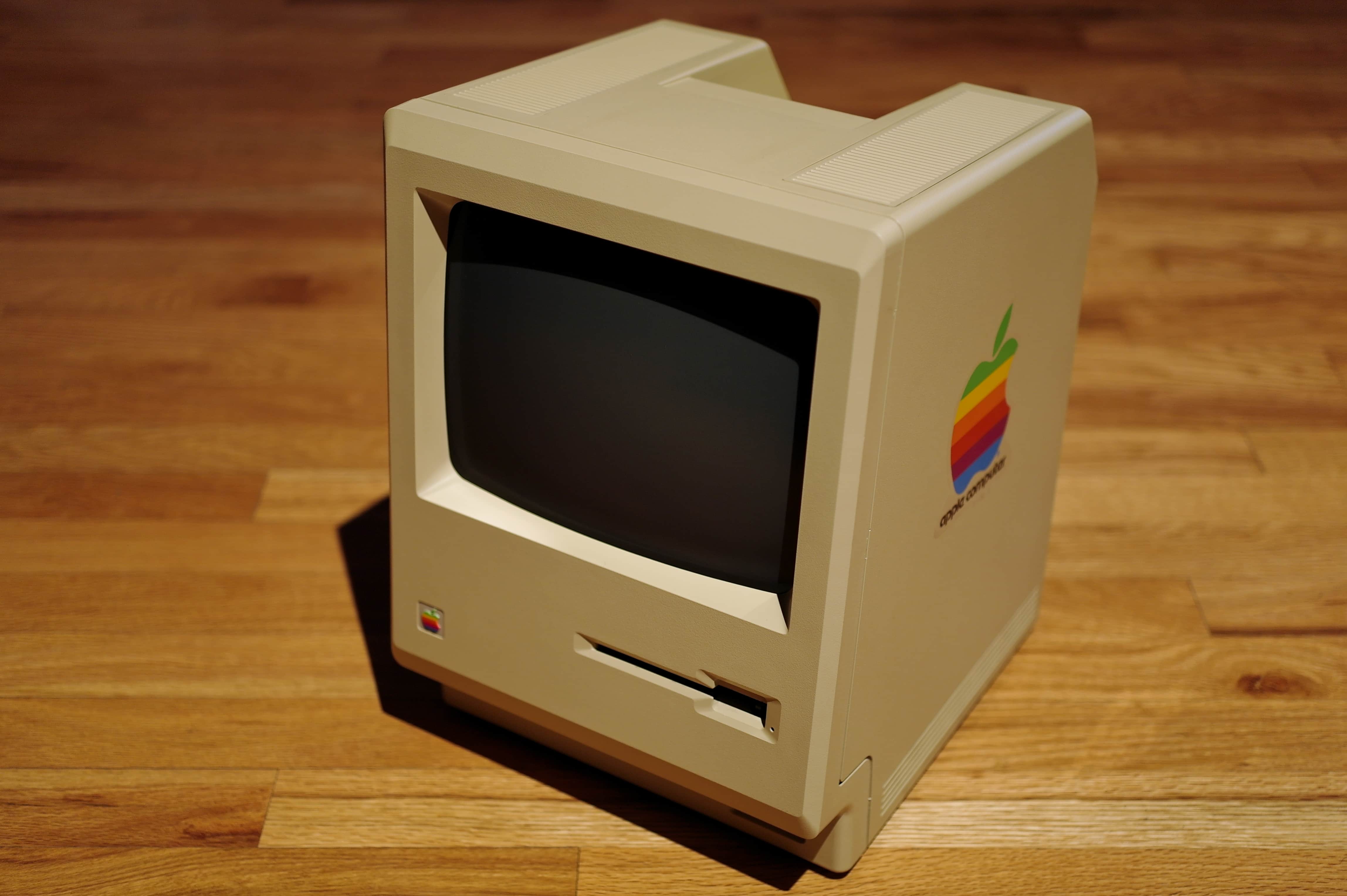
 November 16, 1982: Intent on giving his company’s upcoming personal computer a memorable name, Apple co-founder