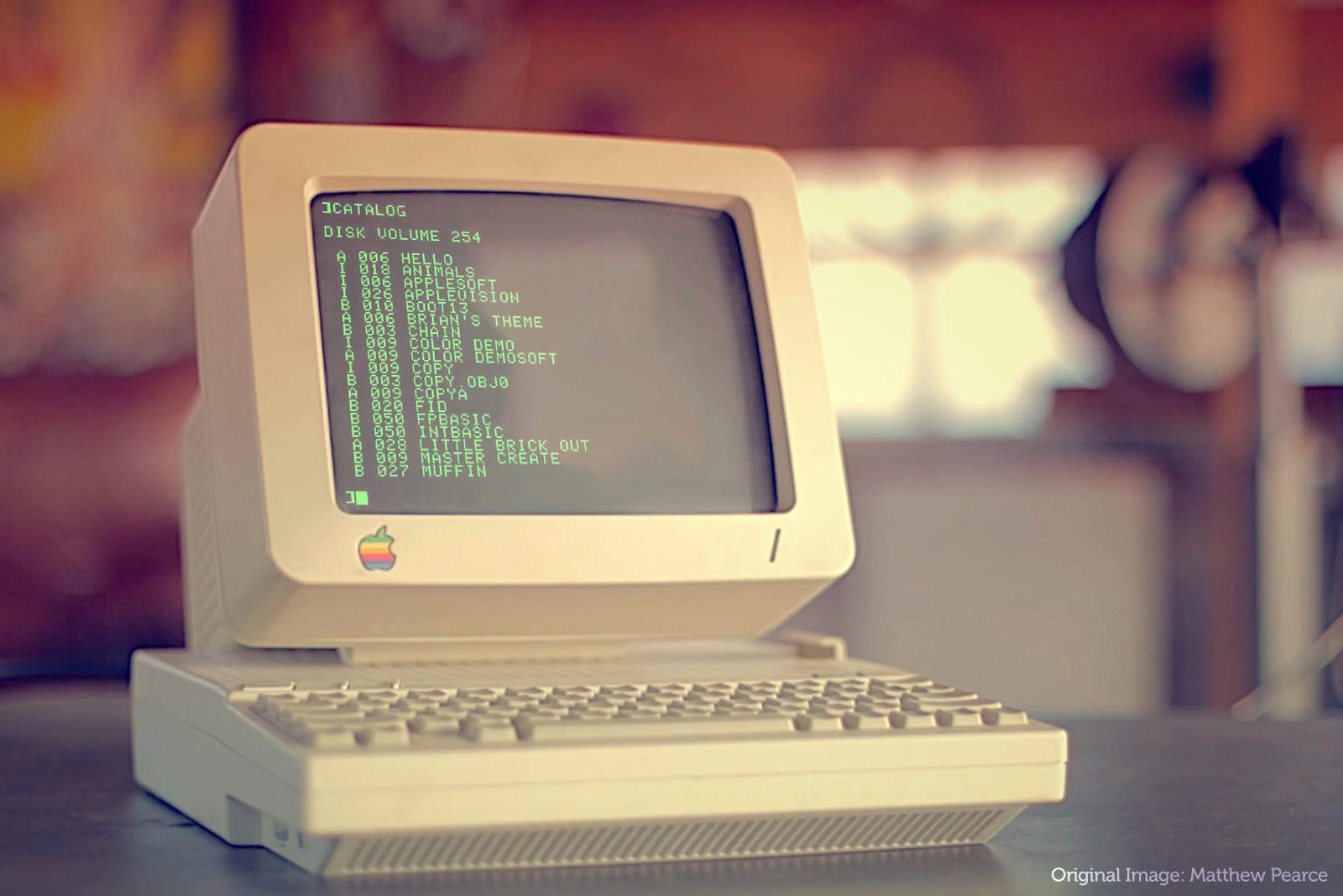
July 20, 1978: Apple DOS makes its debut on the Apple II, giving Apple its first official operating system.
A command line interface with green text prompts on a black background, Apple DOS looks incredibly primitive next to today’s graphical user interfaces. Nonetheless, for Apple users, this was the macOS Sierra of its day.
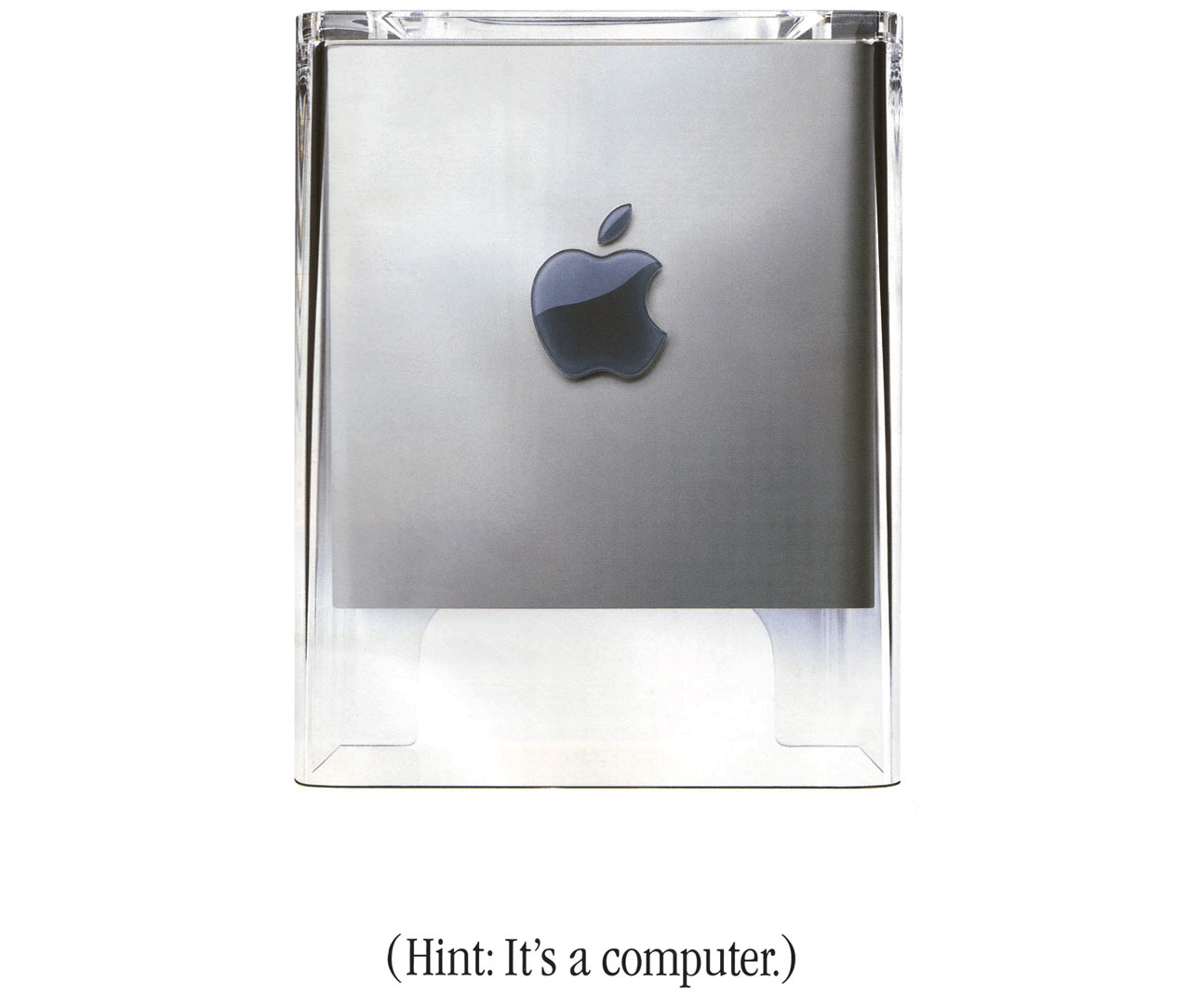
July 19, 2000: Apple launches its futuristic-looking Power Mac G4 Cube. The clear computer is one of the company’s most jaw-droppingly gorgeous machines, but ultimately becomes one of its biggest disappointments.
Technologically, the G4 Cube was a game-changer. Financially, it was one of Steve Jobs‘ most notable failures.
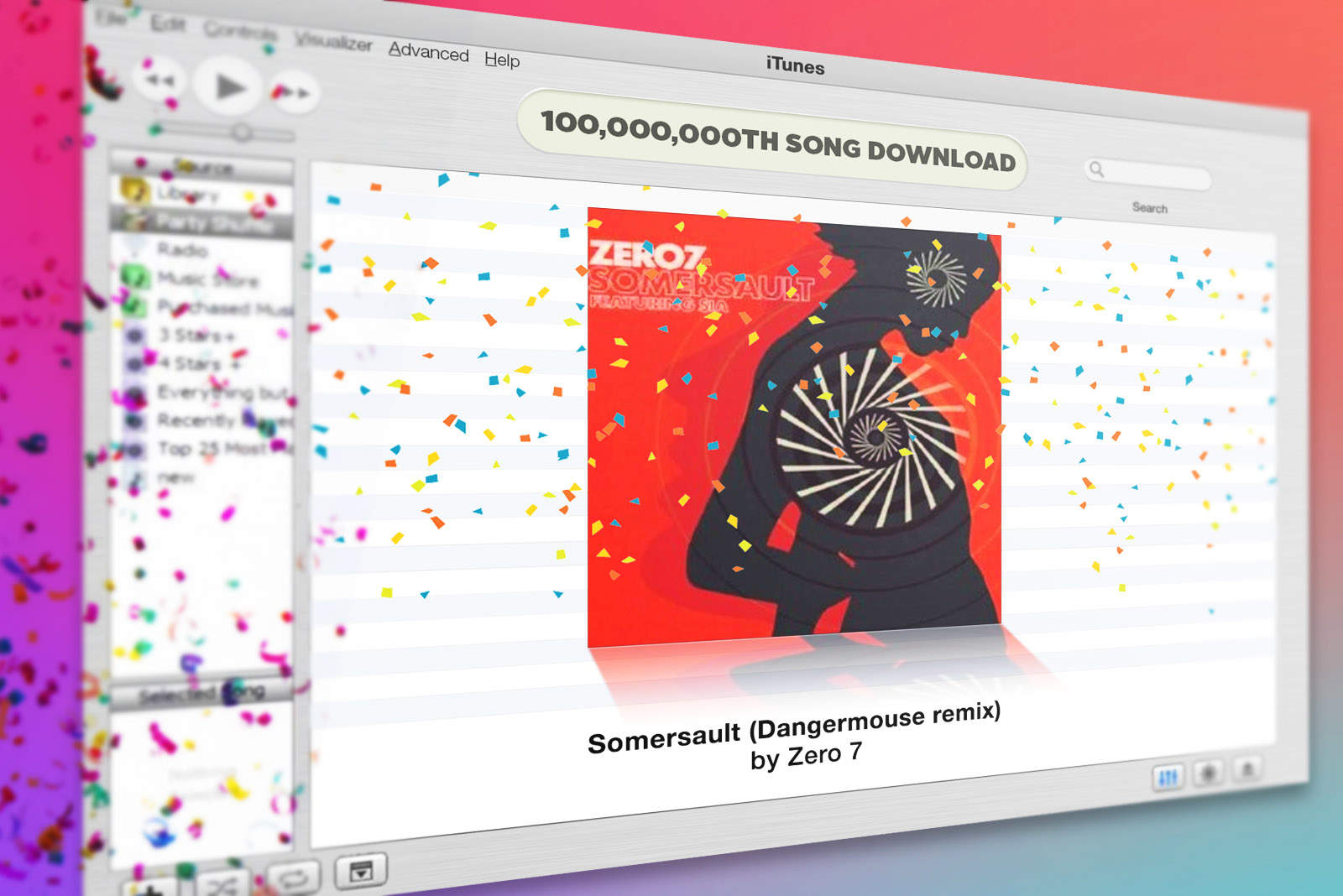
This was a massive milestone for paid music downloads at the time. Photo: Ste Smith/Cult of Mac
July 12, 2004: Apple boasts that the iTunes Music Store has sold its 100,000,000th song, and marks the occasion with a generous gift for the lucky downloader.
The song in question is Zero 7’s “Somersault (Dangermouse remix),” purchased by Kevin Britten from Hays, Kansas. The 20-year-old receives a personal phone call from Apple CEO Steve Jobs congratulating him. Britten also gets a 17-inch PowerBook, a 40GB iPod and a gift certificate for a massive 10,000 (!) iTunes songs.
QuickTime was a breakthrough for Macs. Photo: Ste Smith/Cult of Mac
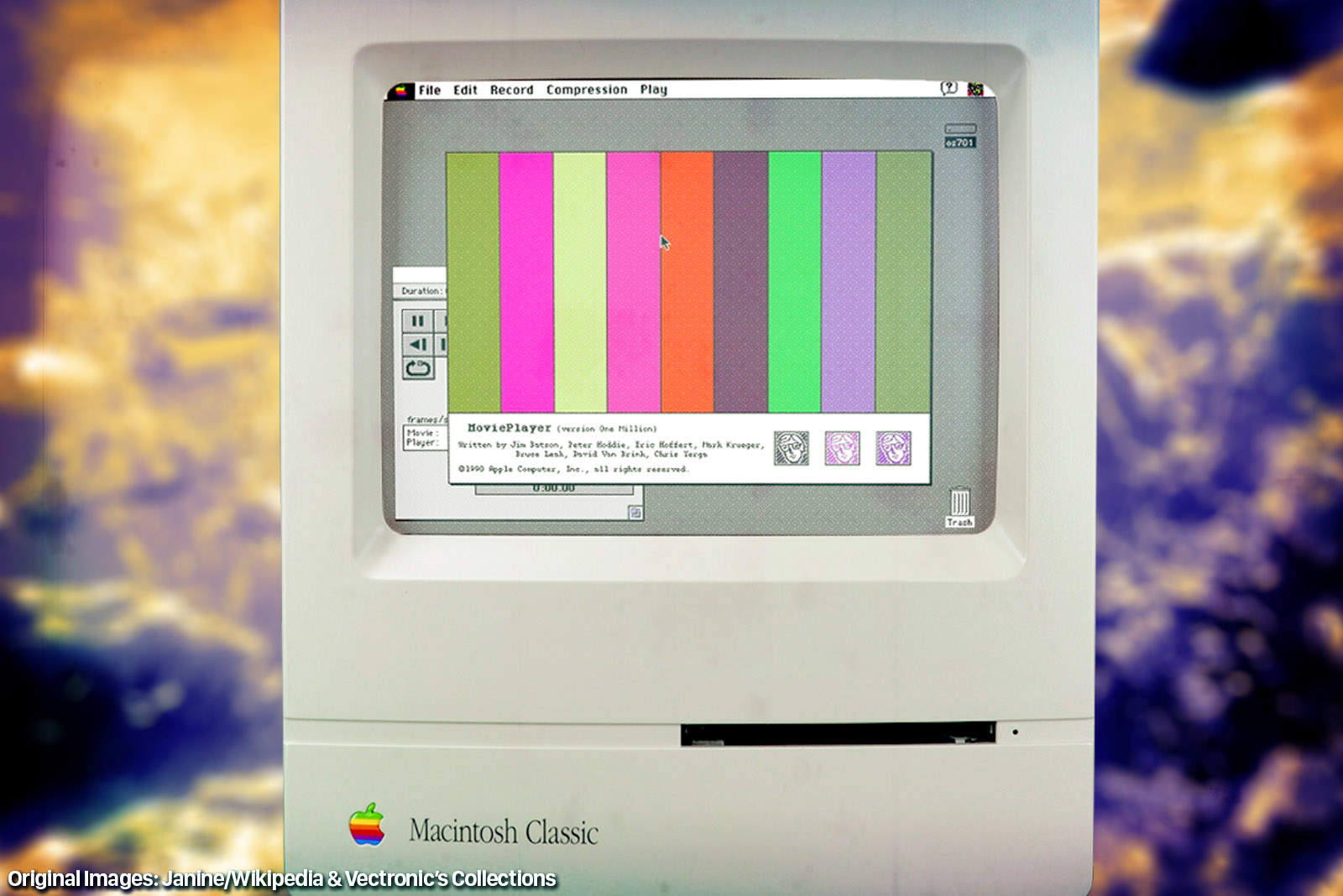
July 8, 1991: The first QuickTime beta arrives, making it possible for people to play movies on their Macs for the first time, with no extra hardware needed.
The innovative software showcased Apple’s commitment to pushing technological boundaries and set the stage for the seamless integration of video into everyday computing.
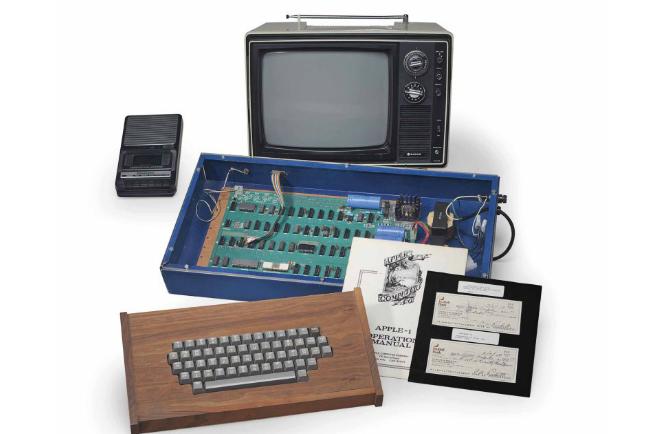
One of today's surviving Apple 1 computers. Photo: Christie's
July 1, 1976: The Apple 1 goes on sale, becoming the first computer ever sold by the Apple Computer Company.
Arriving the same month Jimmy Carter was nominated for U.S. president, Family Feud debuted on TV, and the United States celebrated the 200th anniversary of its Declaration of Independence, the Apple 1 is only produced in small numbers, and sells for the unusual price of $666.66.
Was this really almost a quarter of a century ago? Photo: Ste Smith/Cult of Mac
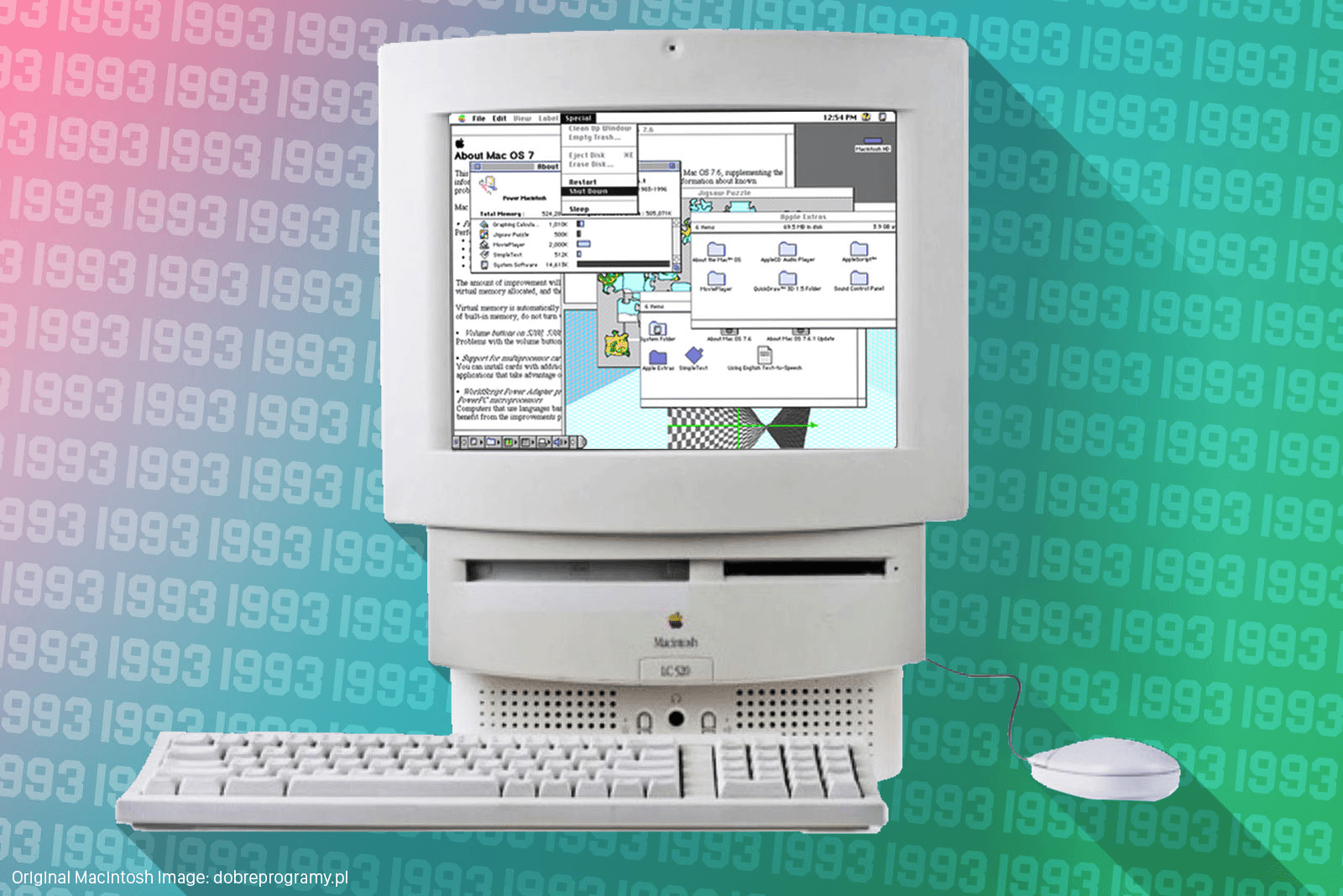
Arriving on this day in 1993, the Macintosh LC 520 was among the first of Apple’s LC 500 series of medium-price Macs.
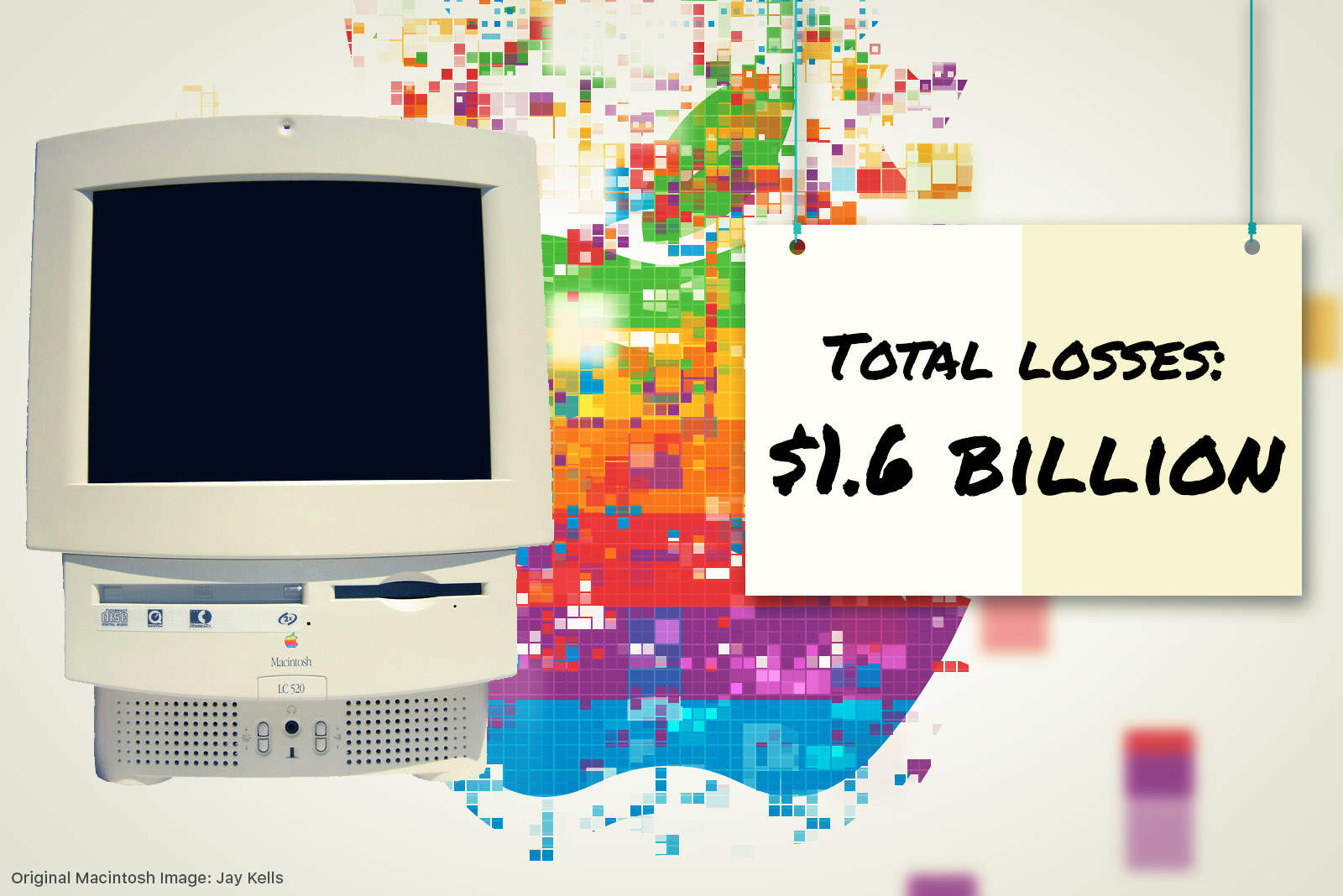
Selling for $2,000, it was particularly popular in educational institutions, a market Apple continues to pursue today. If you went to school in the decade of Nirvana, Bill Clinton and Pulp Fiction, this could well have been the Mac you used!
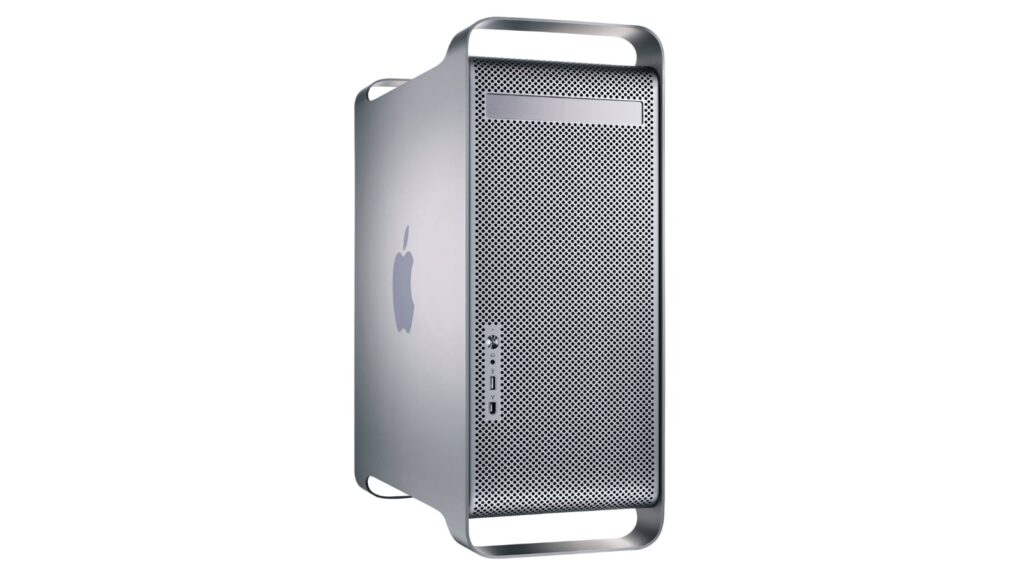
Sometimes affectionately called the “cheese grater,” the original Power Mac G5 first went on sale on June 23, 2003 — offering what was then Apple’s fastest-ever machine and the world’s first 64-bit personal computer.
Check out the video of Steve Jobs introducing the computer 13 years ago today.
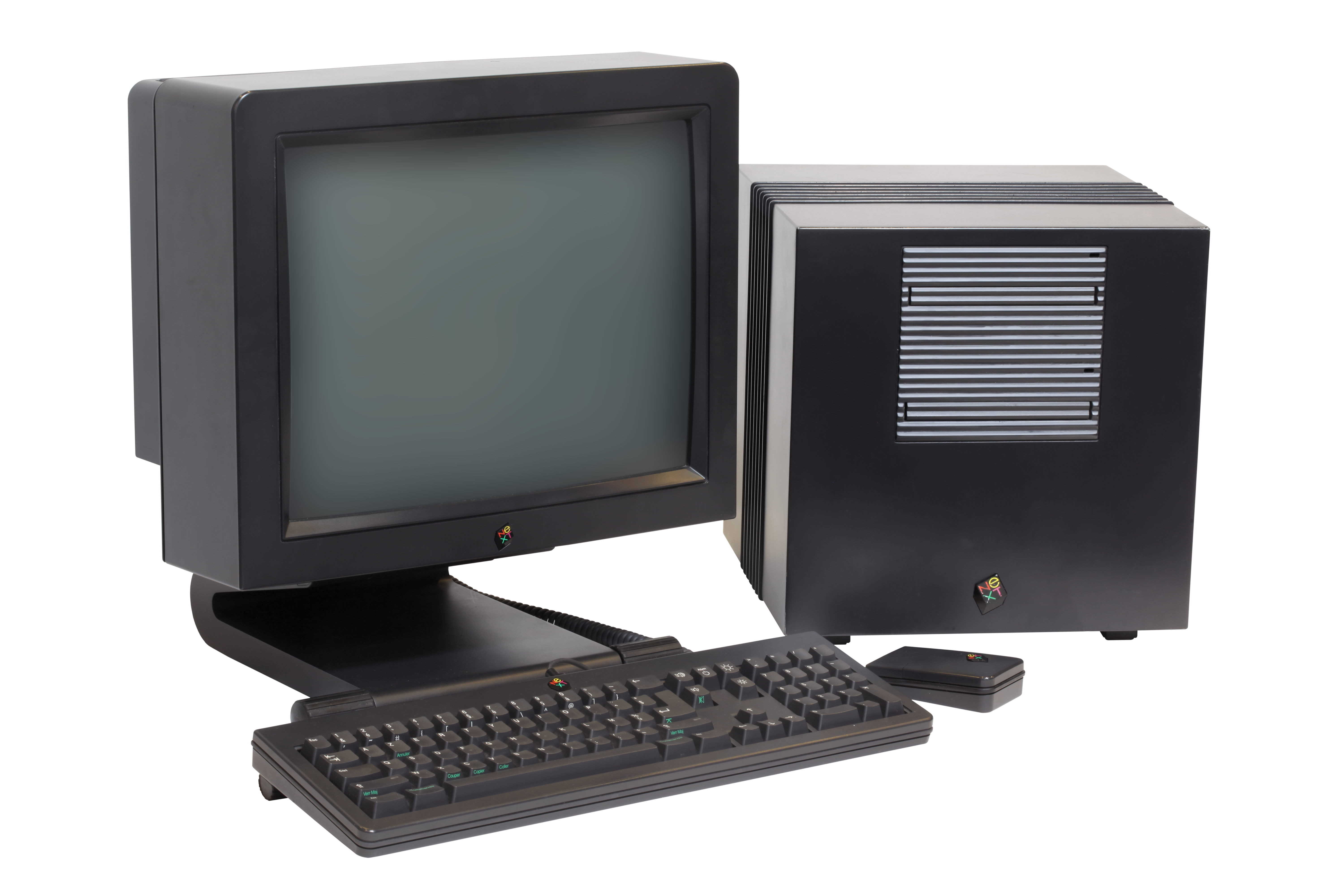
June 13, 1989: Canon Inc. invests $100 million in NeXT Inc., the computer company founded by Steve Jobs after he left Apple.
The massive cash infusion gives Canon a 16.67% stake in NeXT. It also helps the money-losing company find a direction that ultimately leads Jobs back to Cupertino.
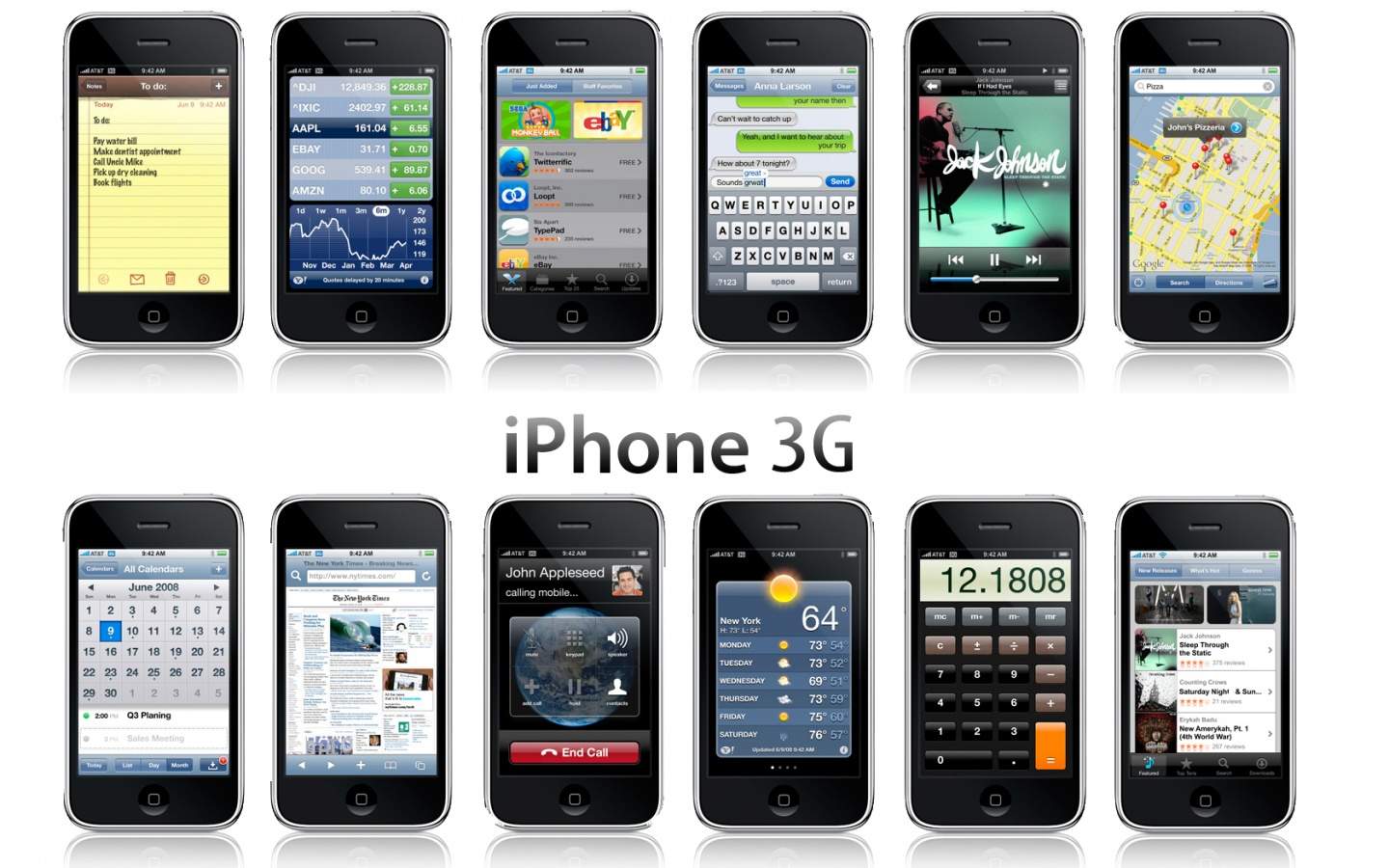
The iPhone 3G was a big hit for Apple. Photo: Apple
In the music industry, they talk about the “difficult second album.” Fortunately that didn’t hold true when it came to Apple releasing its highly successful second-gen iPhone, which it unveiled for the first time on June 9, 2008.
Adding GPS, 3G data and a higher-quality build than its predecessor, the iPhone 3G was arguably just as revolutionary for what it did on the software side. iOS 2 arrived at the same time, and introduced push email, turn-by-turn navigation and, most significantly of all, an App Store — something Steve Jobs had previously been adamant Apple would’t allow.
The All About Apple Museum in Savona, Italy. Photo: All About Apple Museum
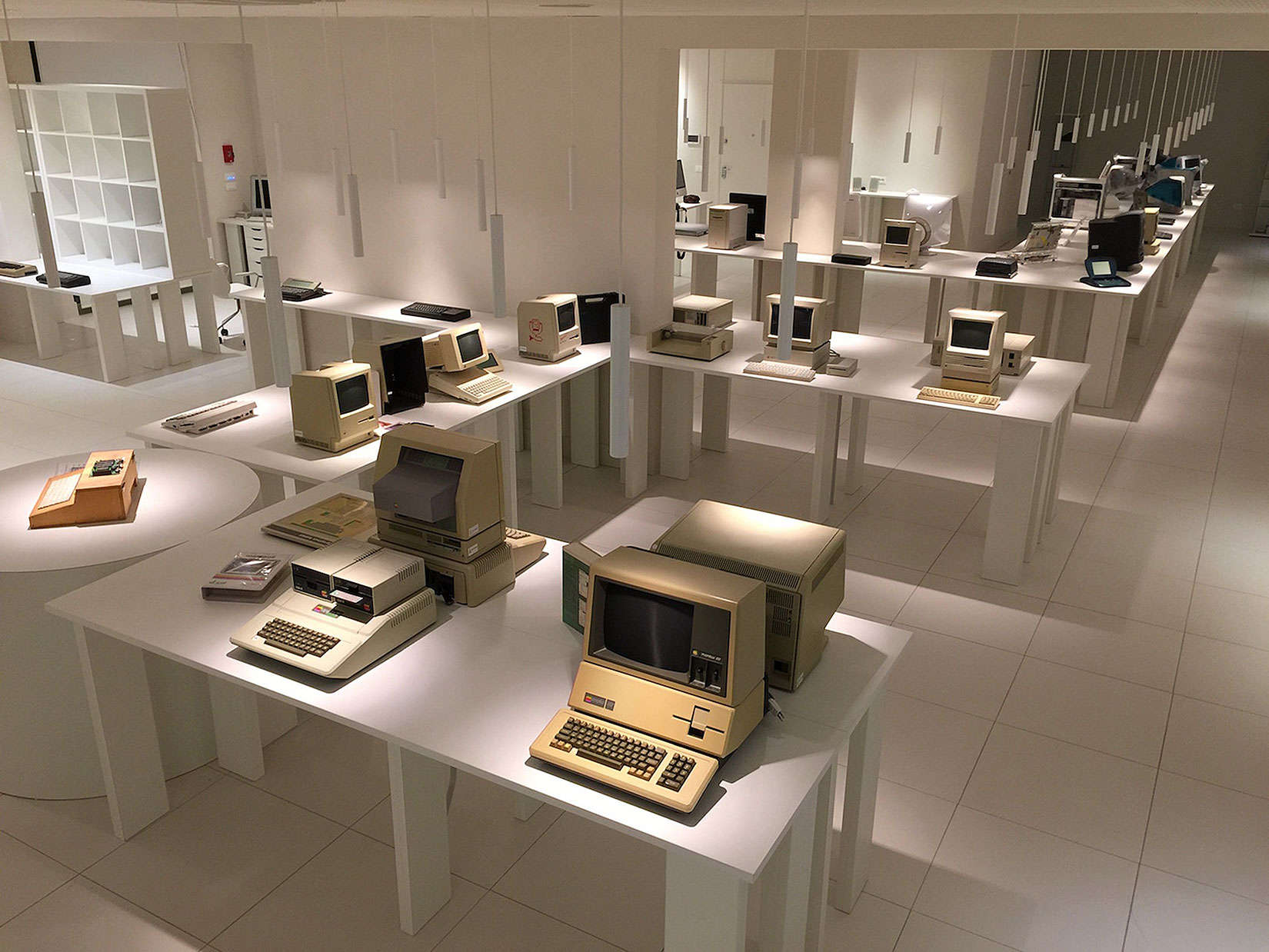
For years, Apple has been under pressure to open an Apple museum. The company’s rich and storied past has its fans clamoring for a central repository of that history.
Word from the company: No. Apple’s leaders say they are more interested in the future than the past.
In fact, the most complete historical collection of all things Apple is nowhere near Cupertino. The serious Apple fan must travel to, of all places, Savona, Italy.
Bill Campbell served on Apple's board longer than anyone. Photo: Niall Kennedy/Flickr
Legendary Silicon Valley tech adviser and former Apple board member Bill Campbell had died.
Campbell was popular for dishing out wise advice to top tech leaders like Steve Jobs, Larry Page and Jeff Bezos, and was popularly known by his nickname, “The Coach.”
It's a "thousand songs in your pocket..." Photo: Apple
This week on The CultCast: We look into the past at some of the most pivotal moments in Apple’s 40-year history. Plus: Why the iPhone 7 Plus may be your only choice for dual cameras; what it’s like downsizing from the iPhone 6s to the SE; and we pitch our favorite new tech and vote on which is best in an all-new Faves N Raves!
Our thanks to Squarespace for supporting this episode of Cult of Mac’s weekly podcast. It’s simple to build a website that looks beautiful on any device that visits at Squarespace.com. Enter offer code CultCast at checkout to get 10 percent off.
Apple turns 40 today and, while a lot has changed since the company’s early days, it seems that questions about government snooping have not.
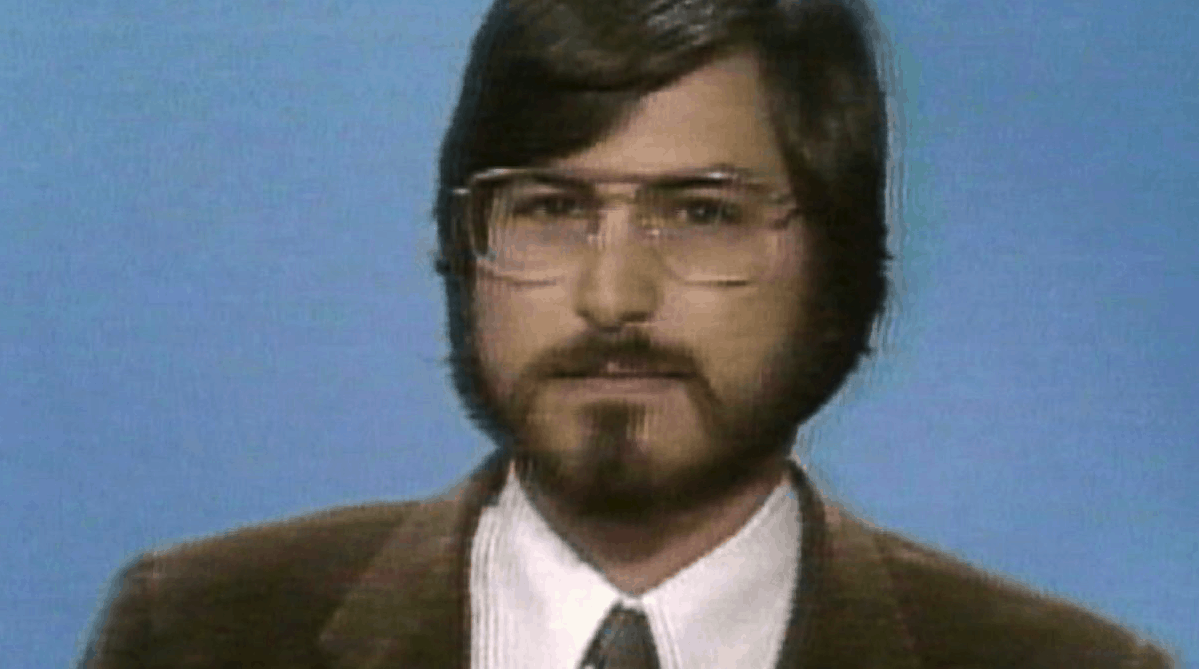
ABC News today released footage from a vintage interview in which a very young Steve Jobs debates computers on a 1981 episode of Nightline.
In addition to trotting out his “bicycle for the mind” metaphor, Jobs also talks about how best to stop the government from snooping on your computer, a topic that seems very timely in the aftermath of Apple’s battle with the FBI.
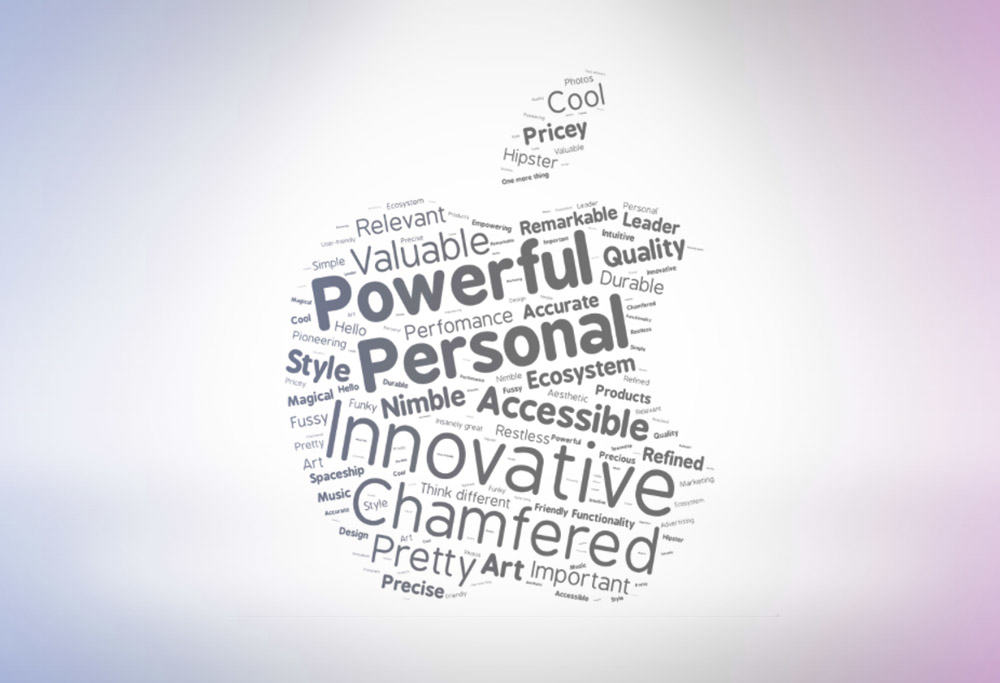
What does Apple mean to you? Illustration: Ste Smith/Cult of Mac
Over the past 40 years, Apple has been many things to many people. Innovative or imitative, premium or overpriced, saintly or evil — everybody’s got their own take on what Cupertino and its revolutionary products mean.
While Apple was founded on April Fools’ Day in 1976, the company and the profound impact that its shiny devices have made on our lives is truly not a joke. Here’s what Cult of Mac staffers said when asked to describe what the company means to them in a single word.
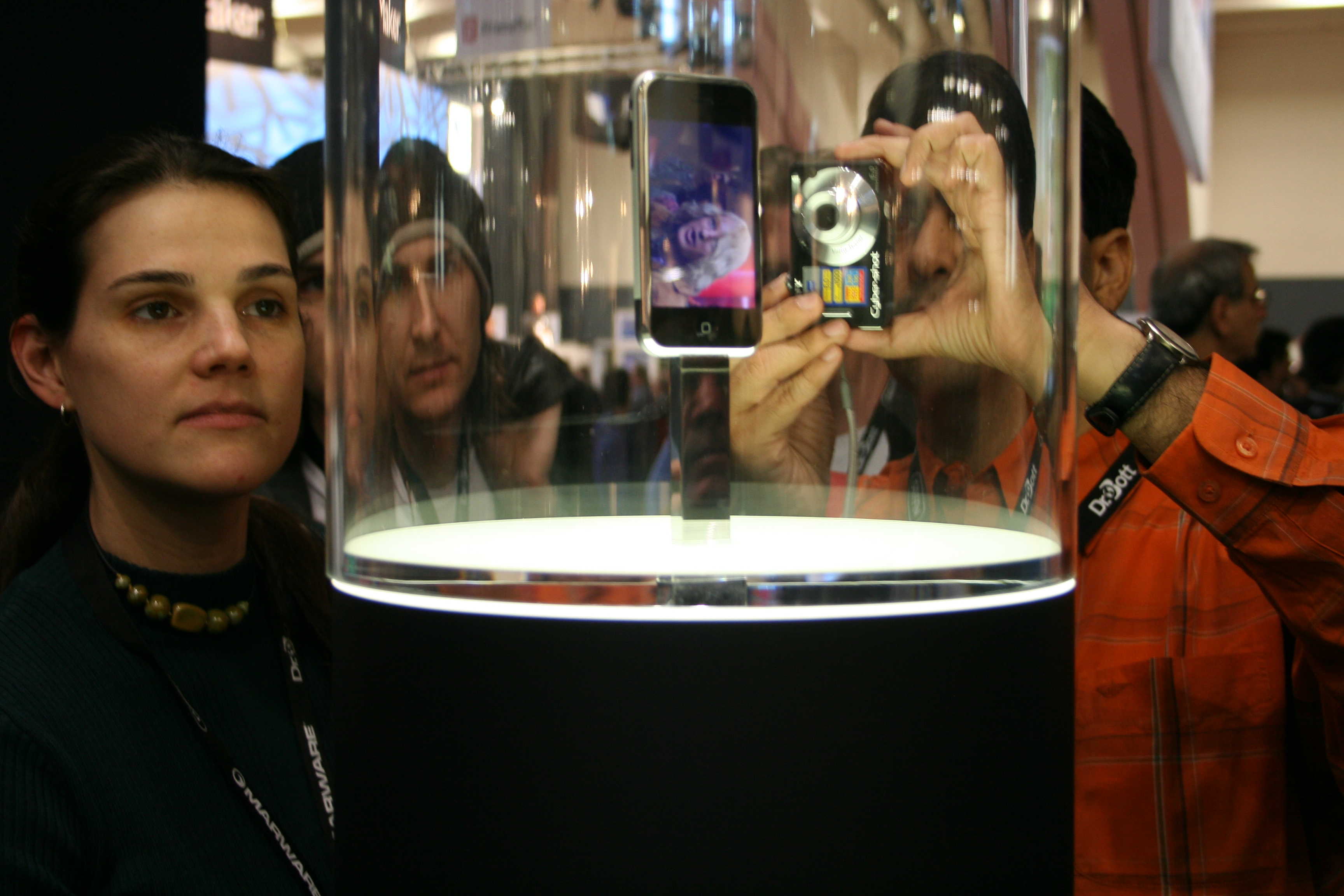
Admiring fans check out the first iPhone in its public debut. Photo: Traci Dauphin/Cult of Mac
Apple turns 40 years old today, and what a journey it’s been: from a promising homebrew startup to an underdog fighting off bankruptcy to an industry-straddling behemoth with $233.7 billion in revenue, all thanks to the vision of theco founder of apple.
It’s impossible to boil down every significant Apple event into one story, but we did our best to pick out the 40 most significant moments in the company’s past.
Check out these key moments in Apple history below.
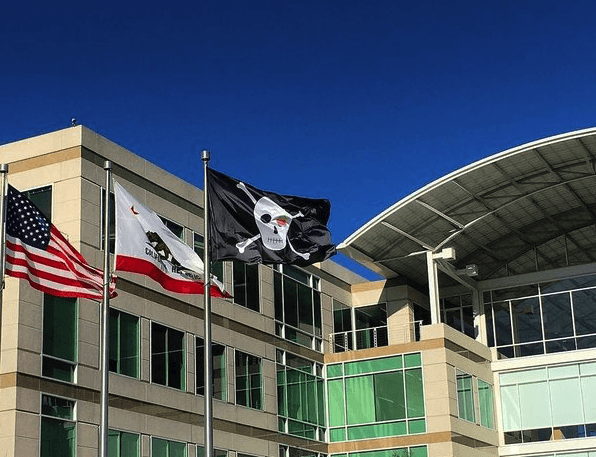
I assume engineers don't get an accompanying bottle of rum. Photo: Tommy W Farley/Twitter
In case you didn’t know, Apple turns 40 today. To celebrate, the company is giving a wink to longtime fans with a cheeky nod to its past.
A pirate flag flying outside Apple’s campus at 1 Infinite Loop is a reference to the “Jolly Roger” pirate flag flown by the original Macintosh team when it was developing Apple’s (arguably) most iconic computer back in the heady days of the early ’80s.
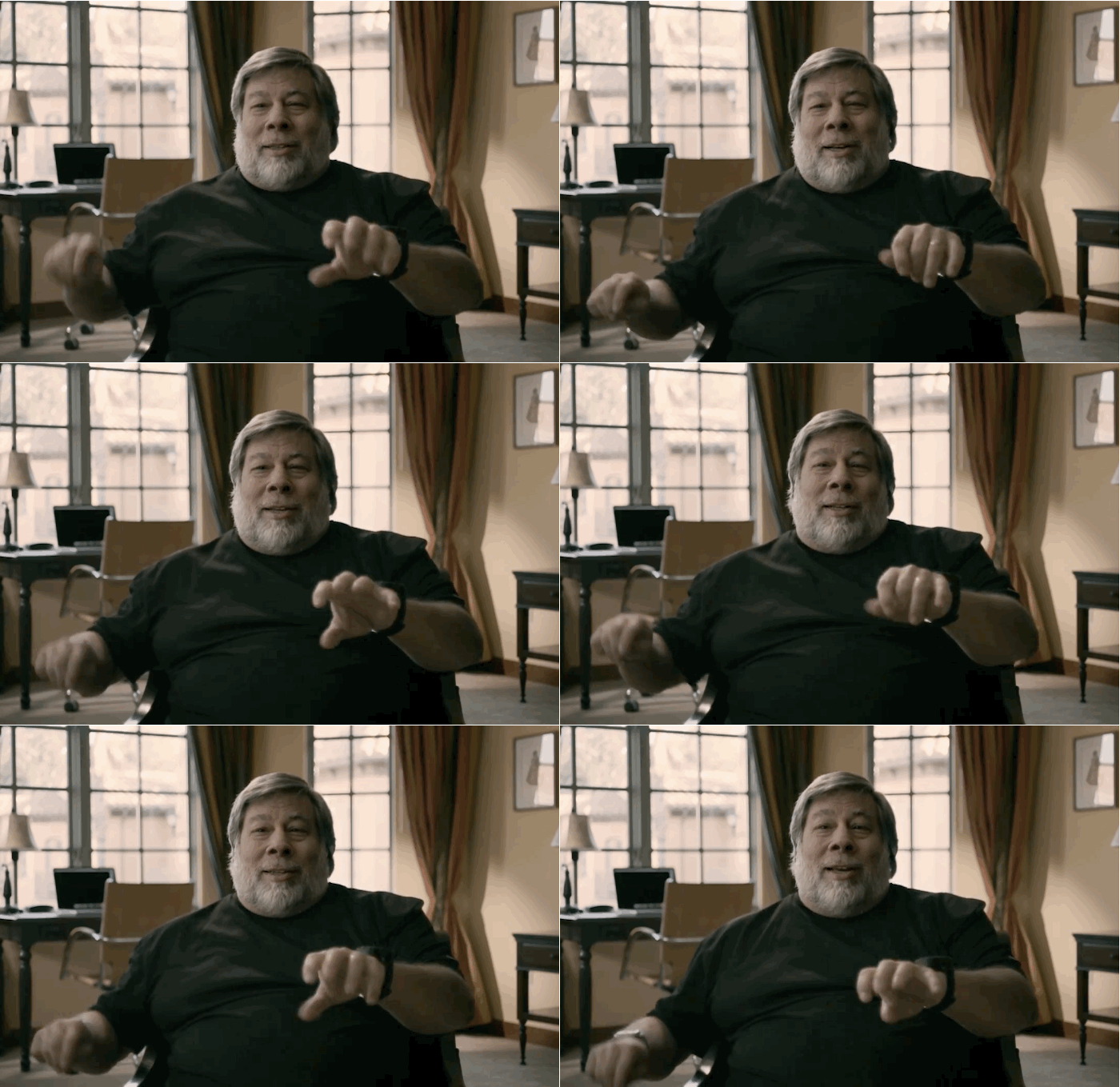
Woz has the magic touch with computers. Photo: Reddit
Before Steve Wozniak co-founded Apple Computers, he was just a super-nerdy kid who loved to operate HAM radios. In a new video interview detailing the most formative moments in his totally geeky life, Woz explains how he went from tinkering with electronics to teaching himself binary by 5th grade, and then made a machine that played tic-tac-toe in 6th grade.
Woz eventually got so good with machines that he could design a mini-computer in two days. Those skills led to his creation of the Apple II computer, which put his and Steve Jobs’ fledgling company on the map.
Watch as Woz recounts his childhood obsession with computers, during the humble beginnings of Silicon Valley, below:
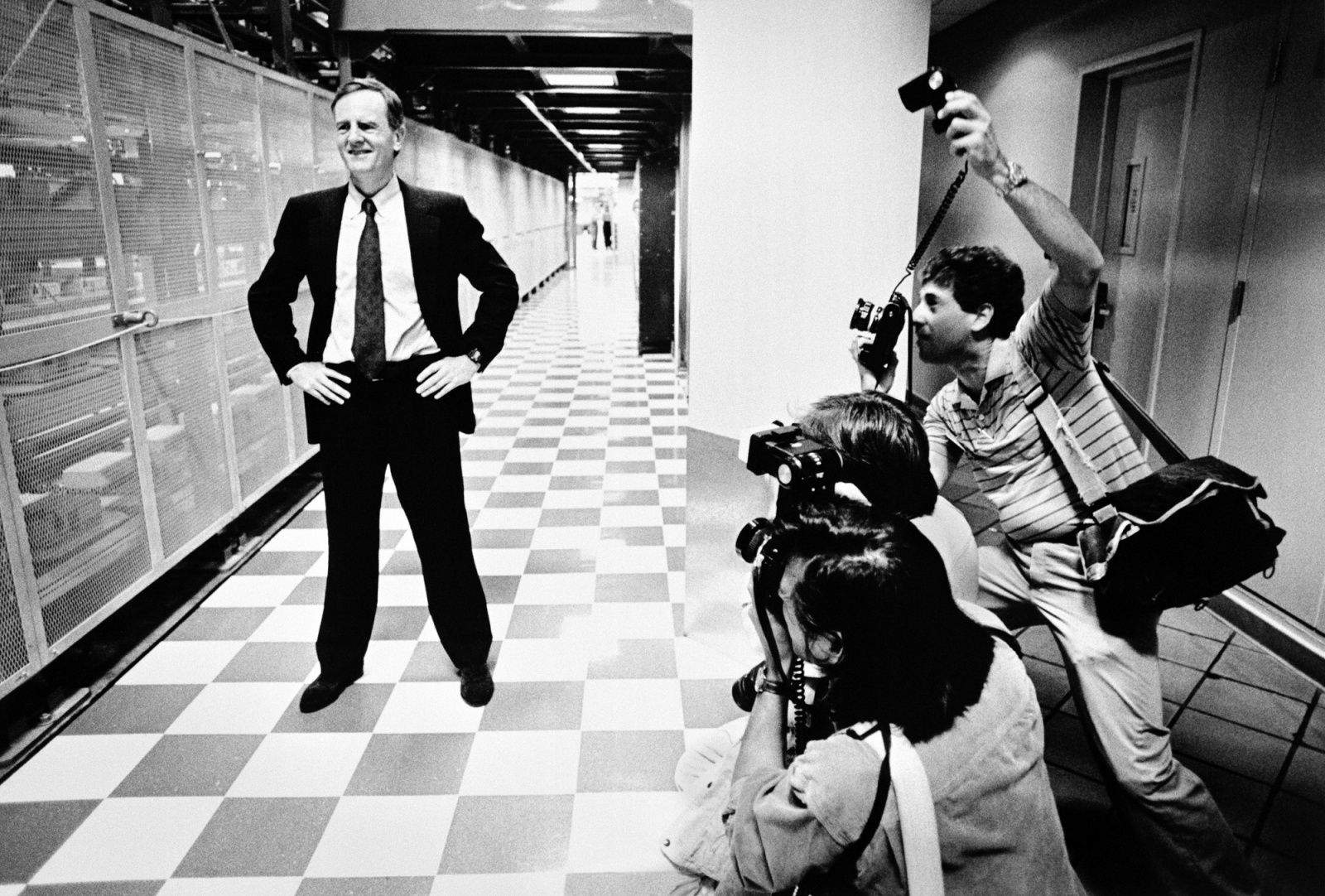
John Sculley, photographed in 1990 when he was Apple CEO. Photo: Doug Menuez
John Sculley may be best known to a generation of Apple fans as the CEO who made the company choose between him and Steve Jobs. But he’s also a successful investor, mentor and entrepreneur — as well as the person who increased Apple’s sales from $800 million to $8 billion during his decade at the top.
In an interview with Cult of Mac, Sculley, who ran Apple from 1983 to 1993, tells why he doesn’t wear an Apple Watch, makes the case that AAPL stock is undervalued, explains how the Steve Jobs movie twisted facts, and talks about his new book Moonshot and the future of entrepreneurism.
Steve Jobs during the NeXT years. Photo: Doug Menuez
Only a handful of products Steve Jobs introduced to the world became flops, but three years after he was kicked out of Apple, the tech visionary unveiled his biggest failure ever: the NeXT computer.
Video footage of Jobs’ first major public appearance since he left Apple in 1985 was lost to the world until researchers for Aaron Sorkin’s movie came across two videotapes of the NeXT’s gala unveiling at San Francisco’s Davies Symphony Hall in 1988.
2015 was a crucial year for Apple, and it looks like it's paying off. Photo: Jim Merithew/Cult of Mac
‘Tis the season to be jolly — or, if you’re a tech writer hoping to score enough clicks to help pay off the post-Christmas credit card, ’tis the season to label this the worst year for Apple since records began.
This is 70 minutes more with Steve than most of us ever had. Photo: Steve Jobs: The Lost Interview
Between Alex Gibney’s The Man in the Machine documentary and the new Steve Jobs biopic, there’s no shortage of viewing material at the moment if you’re interested in Steve Jobs.
But Netflix-subscribing Steve Jobs completists may want to check out one other Jobs artifact: 2012’s Steve Jobs: The Lost Interview. And you’d better hurry up, too — because it disappears in November.
What was it really like to work for Steve Jobs? Photo: Jigsaw Productions
Steve Jobs had a reputation for being a bit of a tyrant in the workplace, but a new video released by Apple on the 4th anniversary of the Apple co-founder’s death gives fans a closer look at Steve’s softer side.
The never-before-seen video was sent to Apple employees yesterday and obtained by ABC. It shows the former CEO talking about everything from his management strategy (based on the Beatles) to why he wears ripped jeans.
The ultimate Apple infographic is back, and better than ever. Photo: Pop Chart Labs
For years, Pop Chart Lab’s Insanely Great History of Apple has been one of our go-to Christmas recommendations for the Mac fan in your life. Now those devious bastards have updated it with all of Apple’s latest and greatest products, right before the holiday.
Apple TV was a hobby for years. Until it wasn't. Photo: Jim Merithew/Cult of Mac
Apple just keeps trying to crack the lucrative nut known as your living room. From a gimmicky Macintosh TV in the 1990s to a “hobby” Apple TV in the mid-2000s, Cupertino keeps trying to come up with ultimate digital hub for our homes.
So far, Apple has failed to deliver a magical device that will tame all our televisions. Here’s a brief history of Apple’s TV efforts — a two-decade push aimed at ensconcing an Apple machine at the center of our domestic universe — ahead of next week’s likely Apple TV refresh.