
 October 29, 2012: Scott Forstall, Apple’s senior vice president of iOS software, is fired from the company after the disastrous Apple Maps launch. After Forstall is ousted, Apple divvies up the roles he previously handled among other high-level execs.
Design chief Jony Ive assumes leadership of the Human Interface team. Craig Federighi becomes head of iOS software. Eddy Cue takes control of Maps and Siri. And Bob Mansfield “unretires” to lead a new technology group.

 October 28, 2012: More than a year after Apple CEO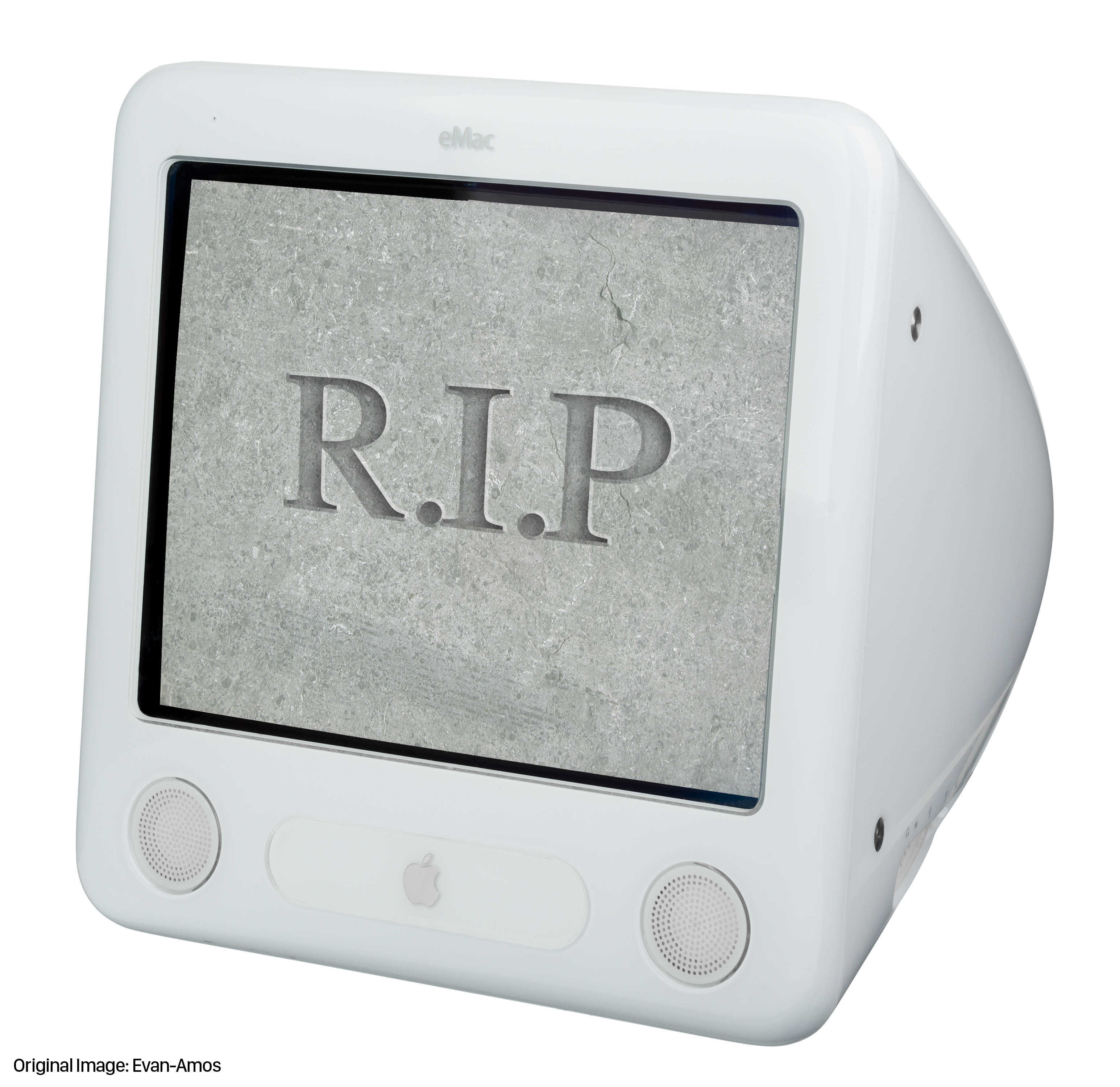
 October 27, 1999: Dell Computer overtakes Apple in the educational market, stealing Cupertino’s crown as the top company selling computers to U.S. schools. Dell’s cheap Windows PCs make sense for schools looking to buy computers without breaking the bank.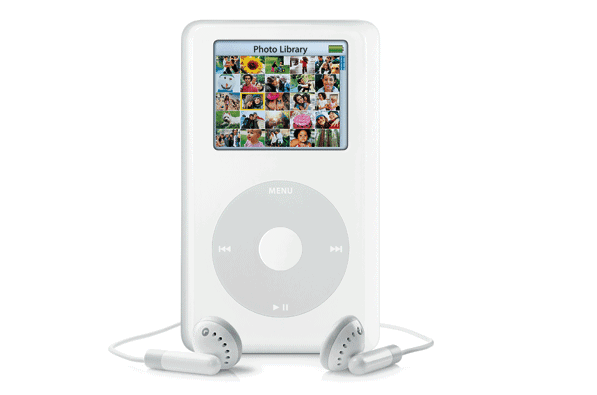
 October 26, 2004: Apple debuts the iPod Photo, a device capable of putting not just 15,000 songs in your pocket, but also 25,000 photographs. The new device “lets you take your entire music and photo library with you wherever you go,” Apple says.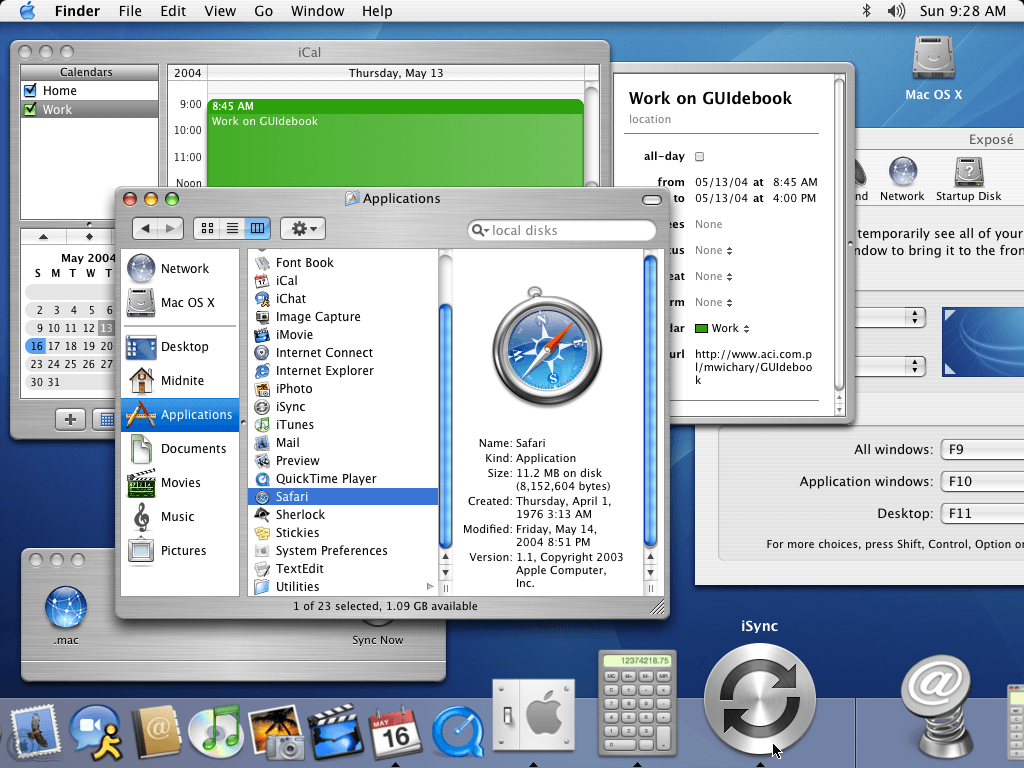
 October 25, 2003: Mac OS X Panther arrives on Macintosh computers, bringing several useful new features and making Safari Apple’s default web browser for the first time.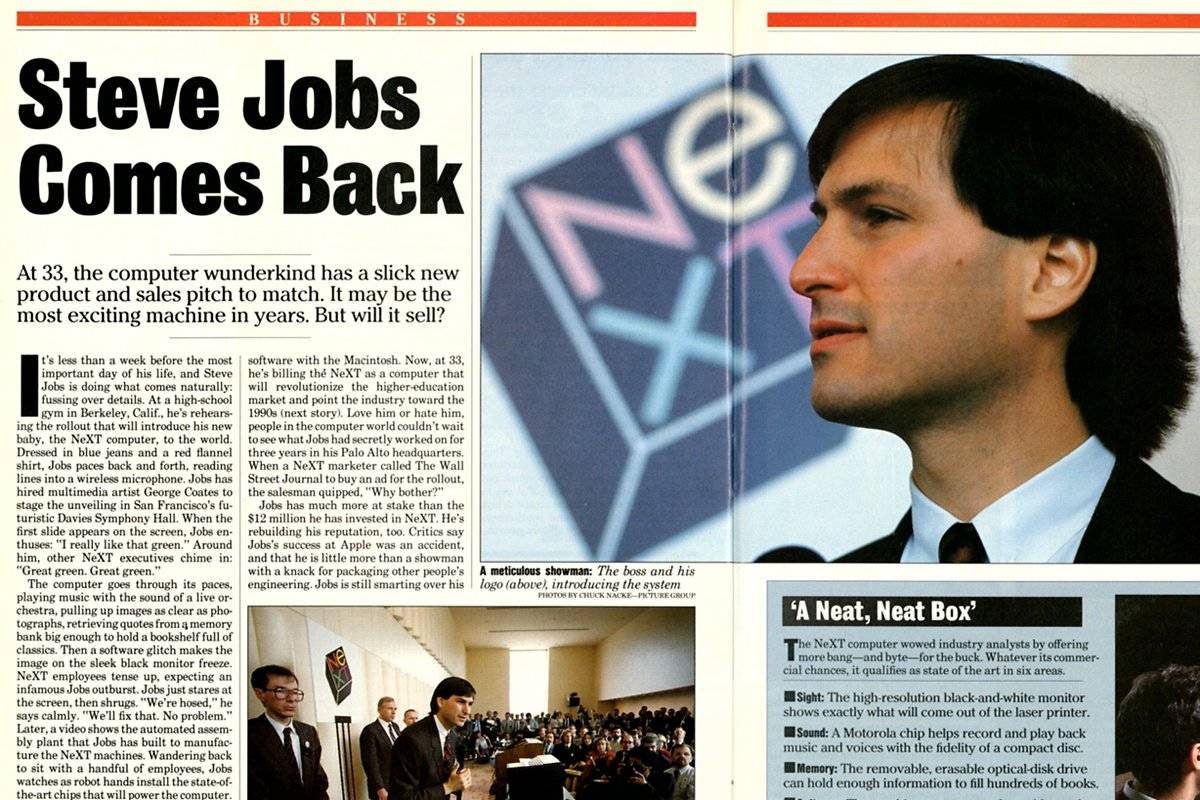
 October 24, 1988: Three years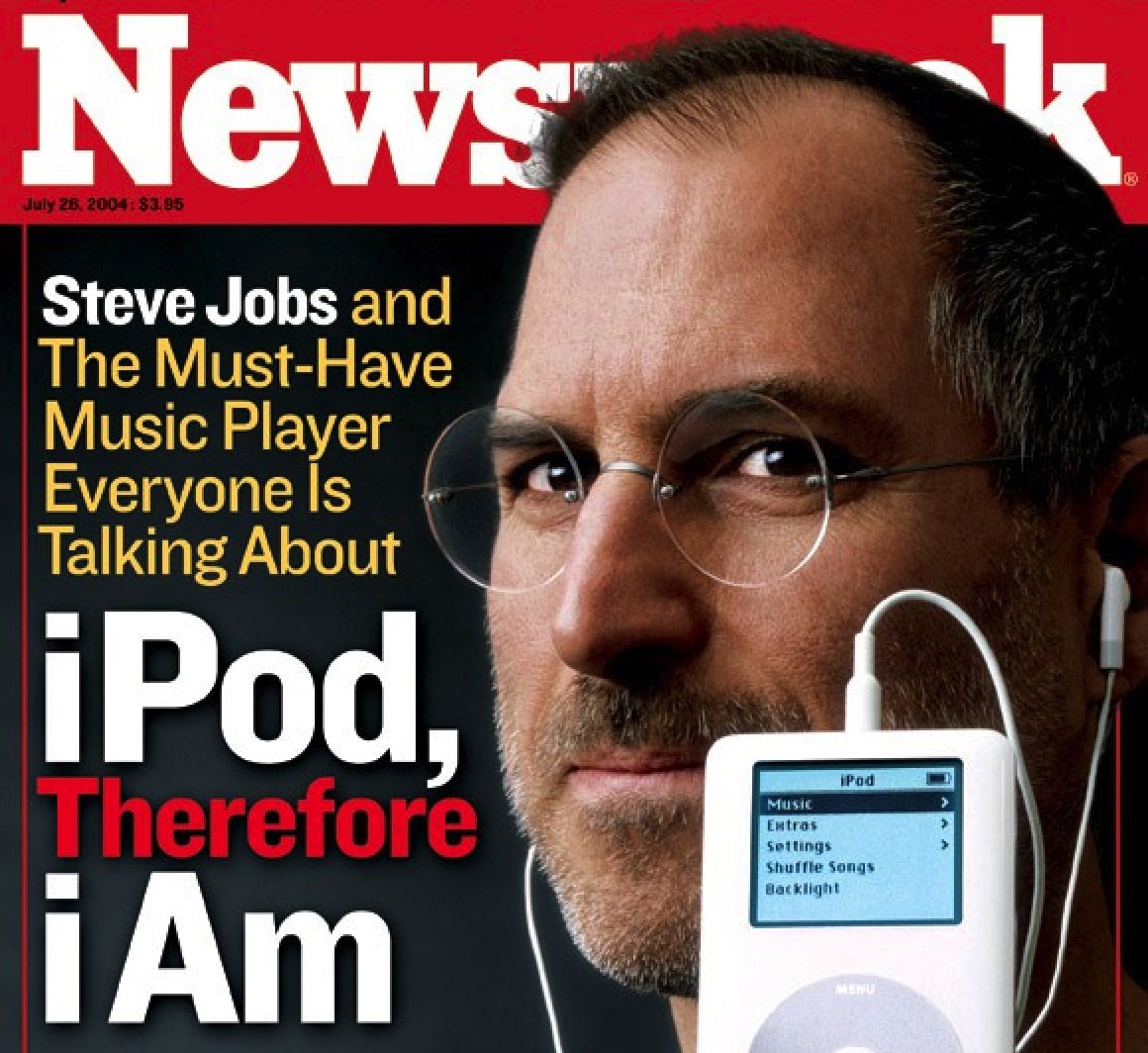
 October 23, 2001: Apple CEO Steve Jobs introduces the first
 October 22, 2008: During a conference call, Apple CEO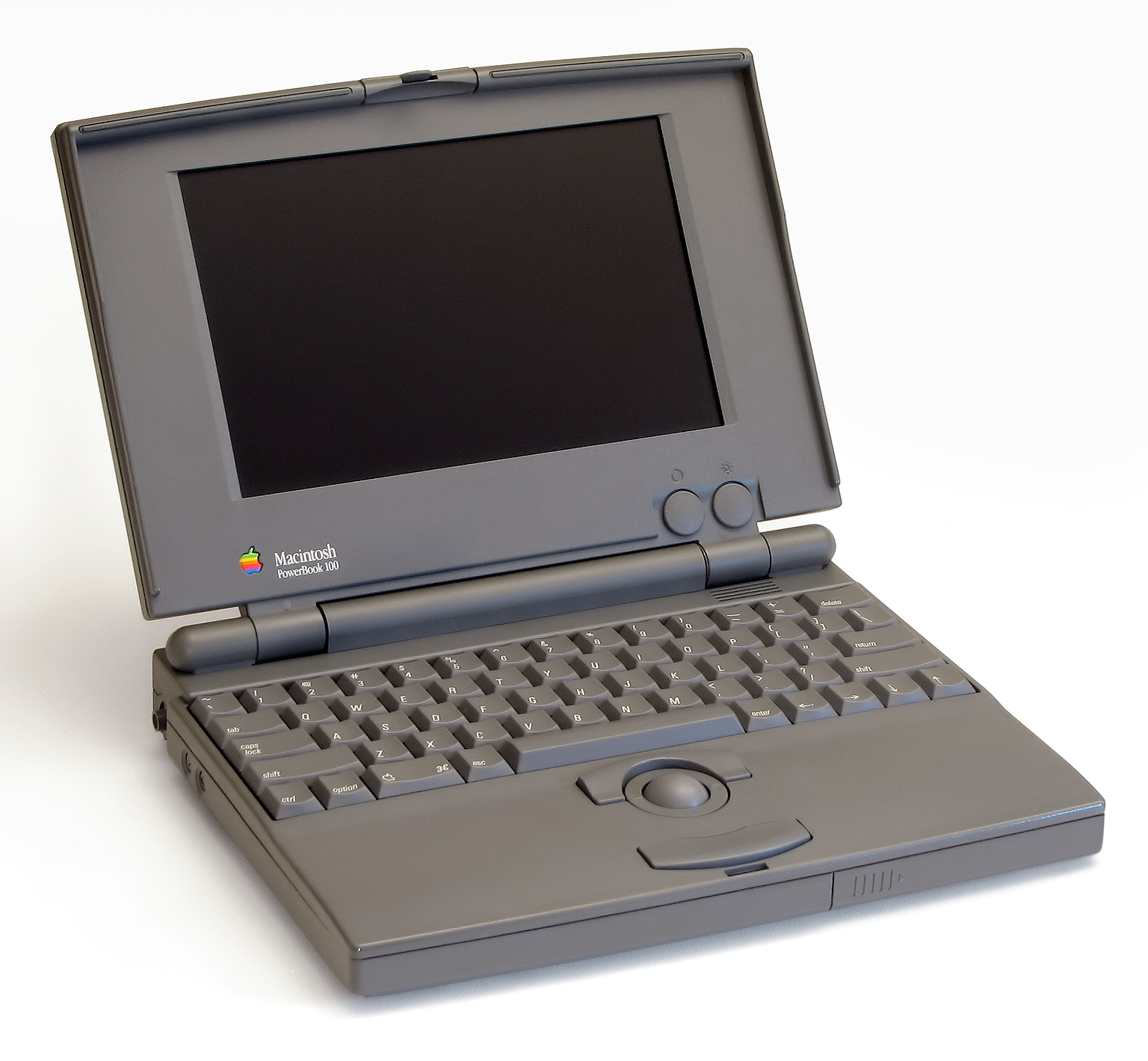
 October 21, 1991: Apple launches its PowerBook 100 series Macs. The lightweight laptops quickly become one of the most important tech gadgets of all time.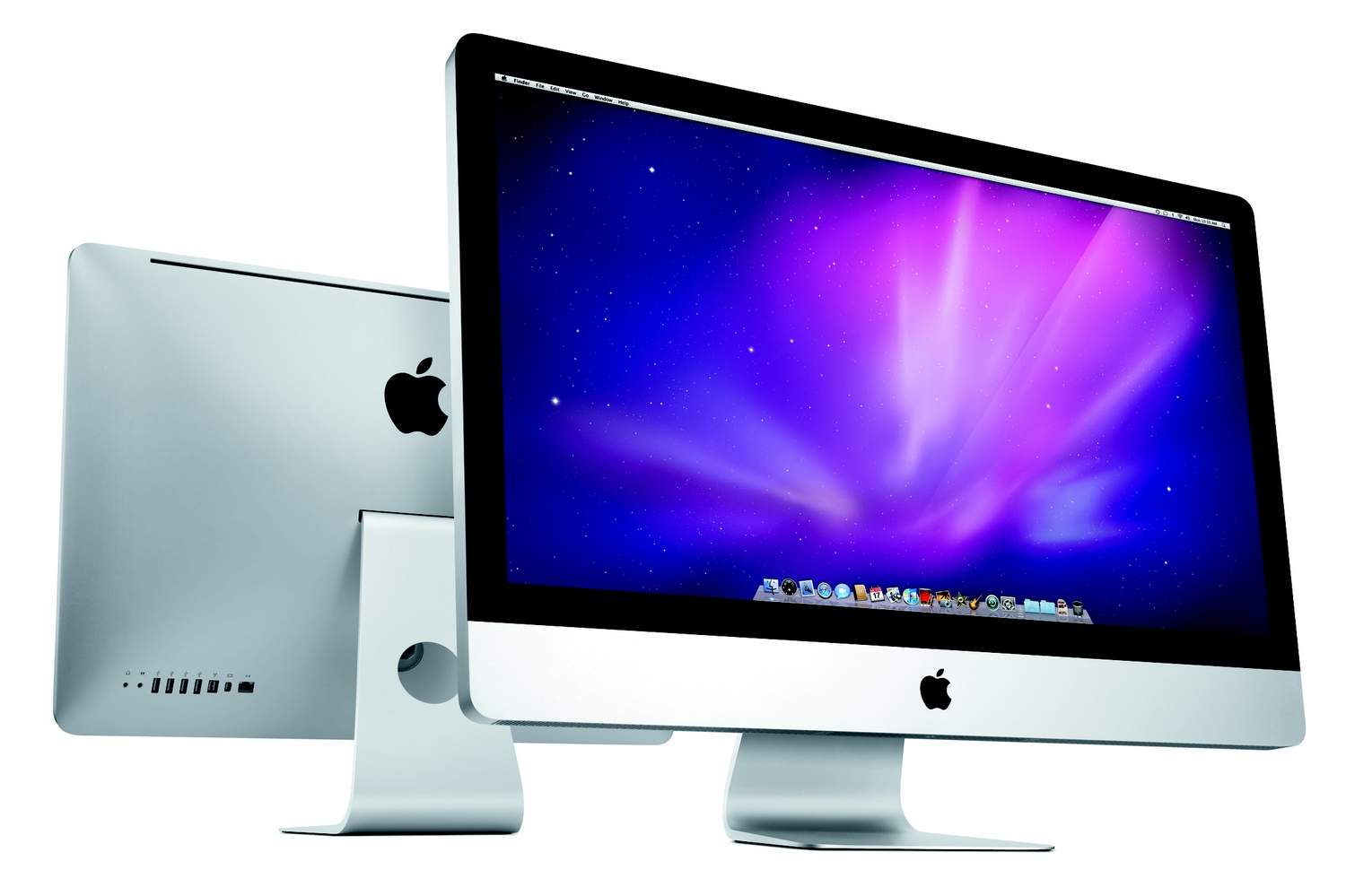
 October 20, 2009: Apple goes big with its iMac redesign, introducing the first 27-inch all-in-one Mac. The sleek, sophisticated aluminum unibody design looks so good that the iMac will remain virtually unchanged for years.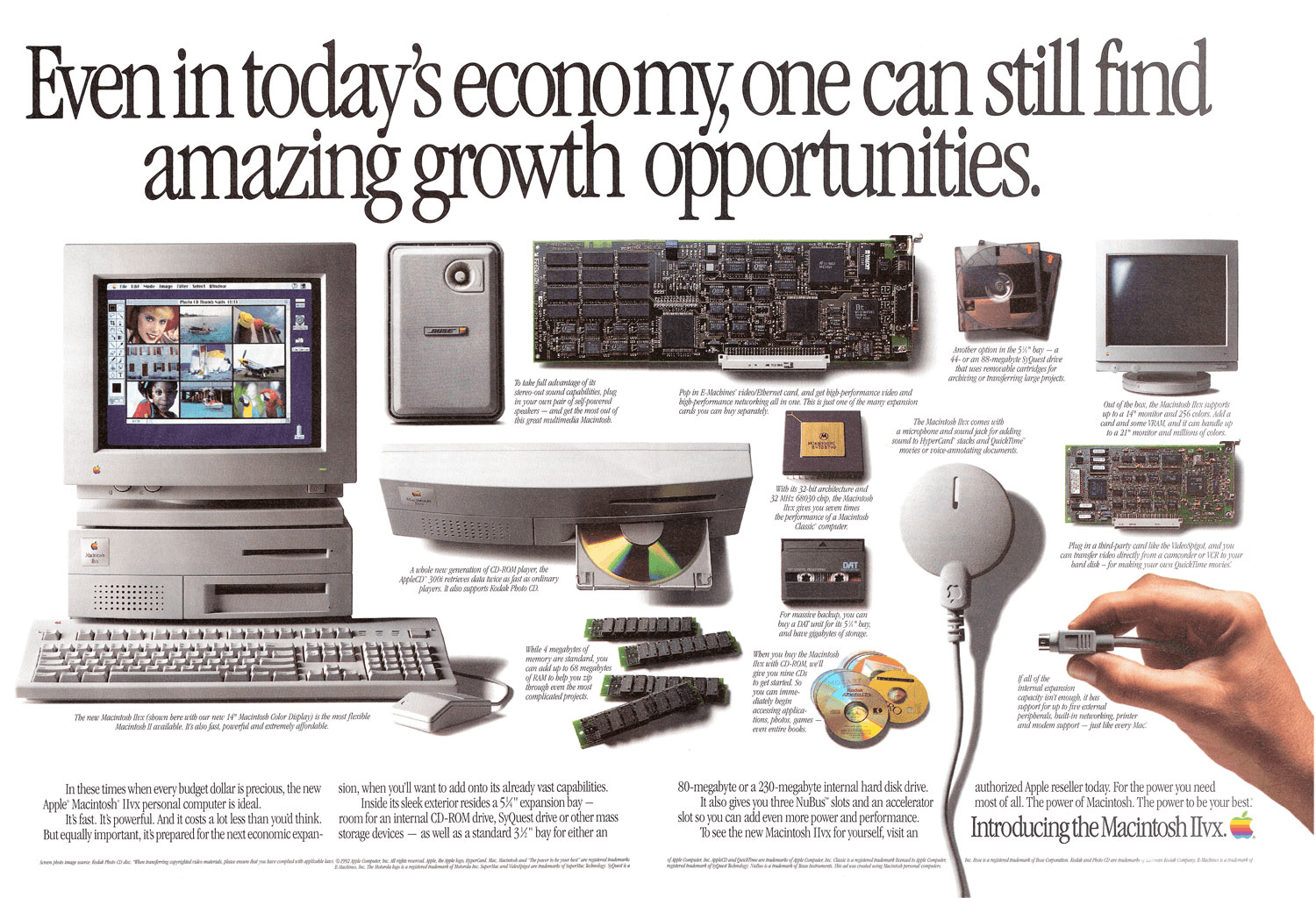
 October 19, 1992: Apple launches the Mac IIvx, the first Macintosh computer to ship with a metal case and, more importantly, an internal CD-ROM drive.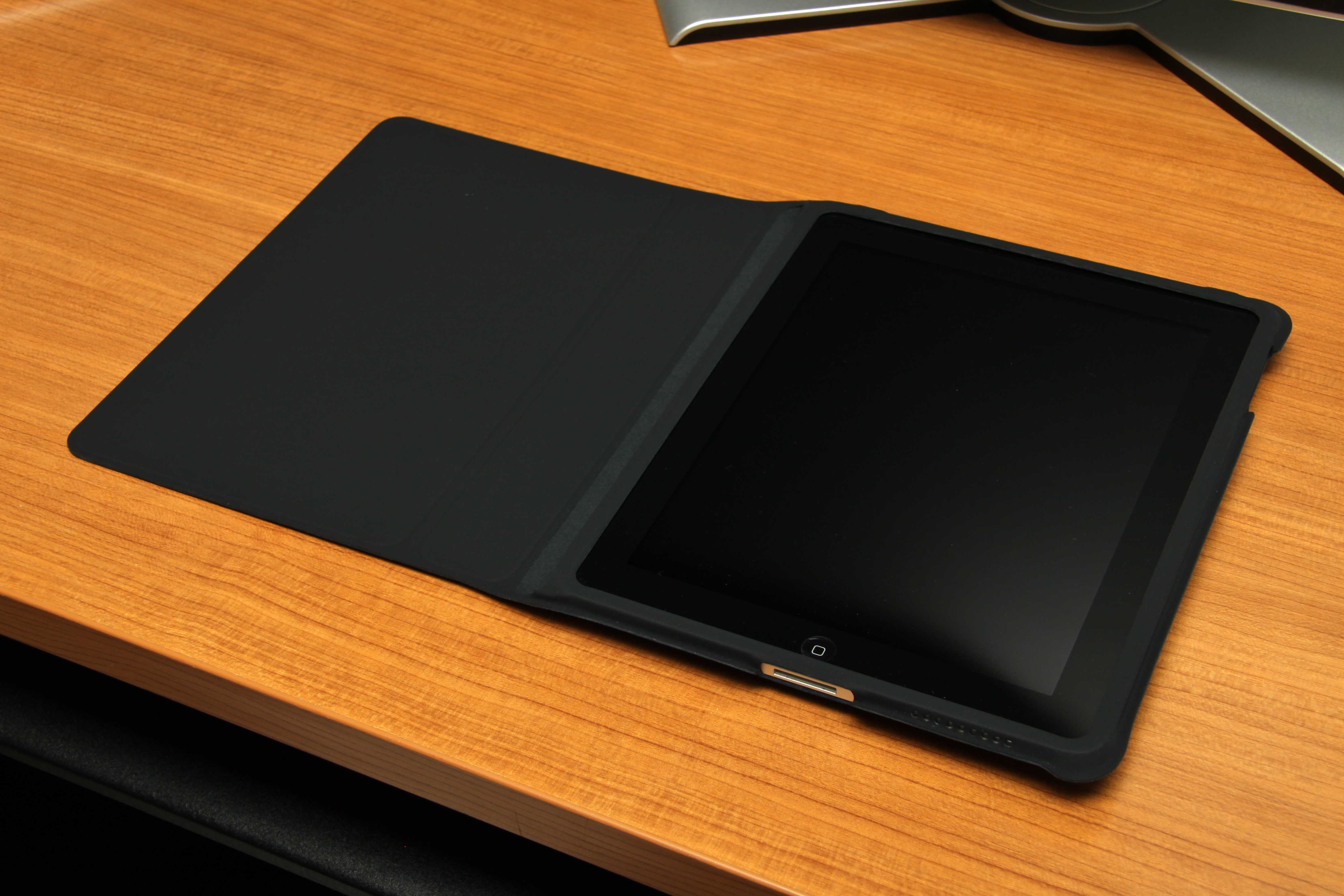
 October 18, 2010: Just six months after the original iPad debuts, Steve Jobs reveals that Apple’s tablet already outsells the mighty Macintosh computer.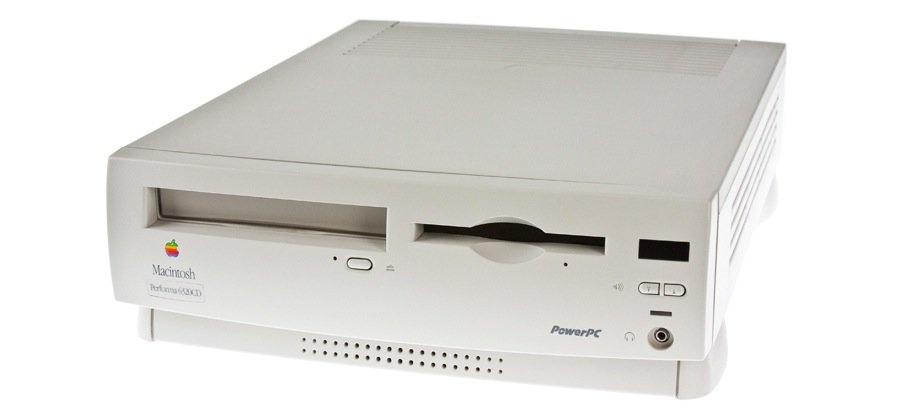
 October 17, 1996: Apple launches its Performa 6360 Mac in North America, sold elsewhere as the Power Macintosh 6300/160.
 October 16, 2003: Six months after opening the
 October 15, 1993: John Sculley, the former CEO responsible for forcing Steve Jobs out of Apple, is forced to leave the company himself. When Sculley resigns as Apple’s chairman, he leaves with a golden parachute.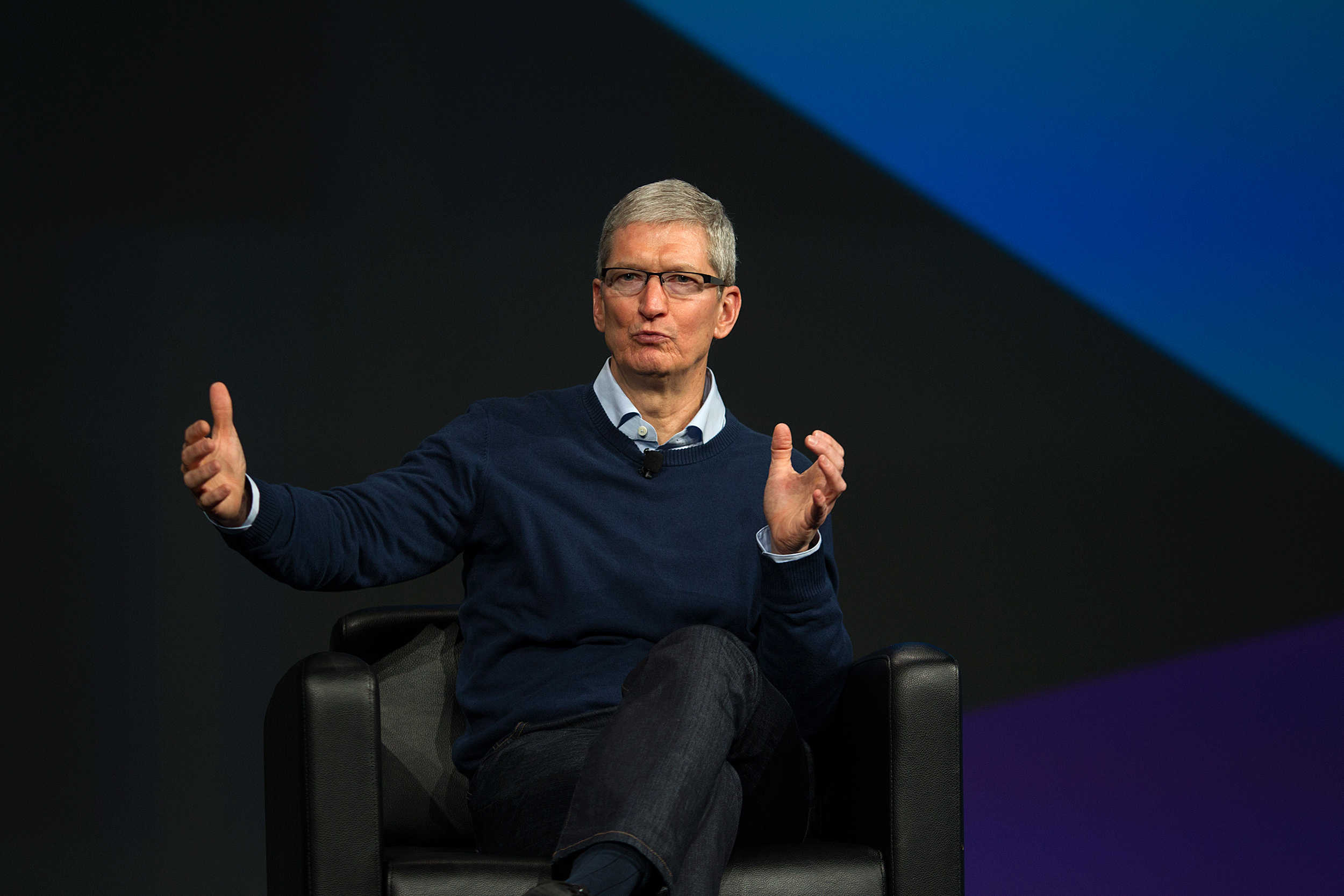
 October 14, 2005: Tim Cook takes the reins as Apple’s chief operating officer. His new role as Apple COO continues his upward climb through the company’s ranks that will make him CEO less than six years later.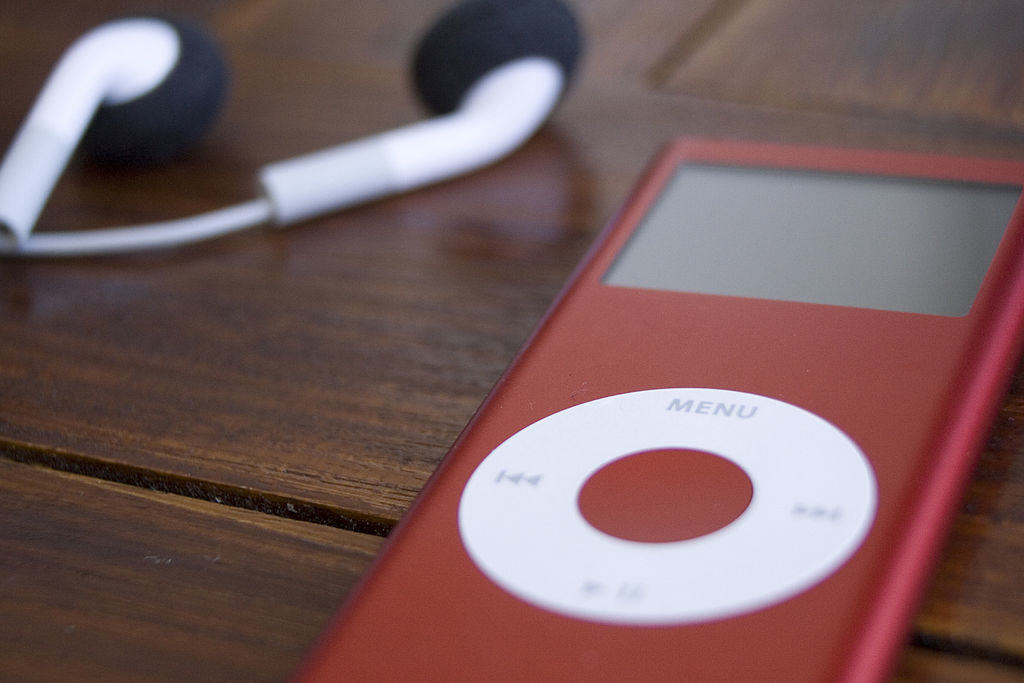
 October 13, 2006: Apple launches a limited-edition iPod nano (Product) Red Special Edition music player in collaboration with U2 lead singer Bono and activist/attorney Bobby Shriver, with 10% of profits going to fight AIDS in Africa.
 October 12, 2011: Apple launches
 October 11, 1995: Steve Jobs files the paperwork to float Pixar Animation Studios on the stock market.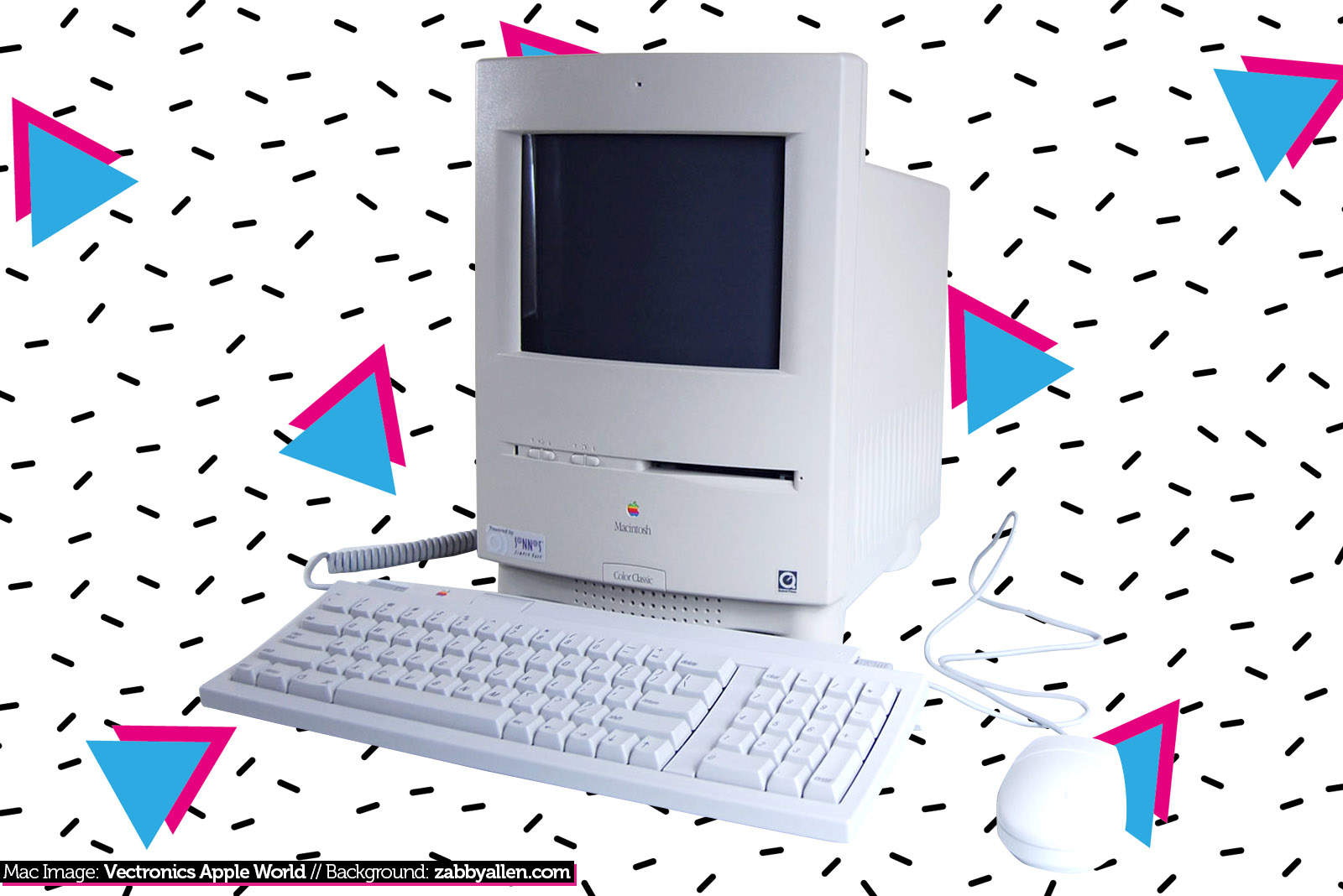
 October 10, 1993: Apple ships its Macintosh Color Classic II, the last of the 9-inch compact Macs.
 October 9, 1991: A court orders Apple to pay $26.5 million to Apple Corps, The Beatles’ record label and holding company, for trademark infringement. The end of this Beatles versus Apple lawsuit marks the second time Cupertino is forced to pay the English rock band.
 October 8, 2014: Apple says it is “surprised” after GT Advanced Technologies, the supplier previously rumored to make ultra-strong sapphire glass displays for the iPhone 6, files for bankruptcy.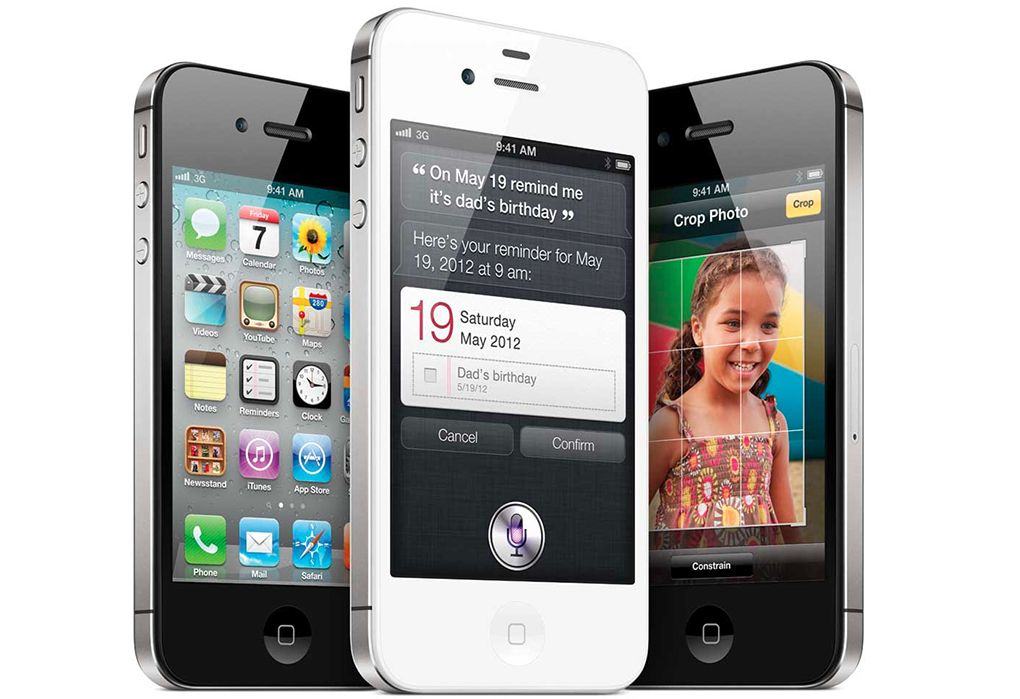
 October 7, 2011: Two days after the
 October 6, 1997: Michael Dell makes an incredibly bleak appraisal of Apple’s fortunes, uttering a quote that will become notorious. Asked what he would do with the struggling company, the founder of Dell Inc. says he would “shut it down and give the money back to the shareholders.”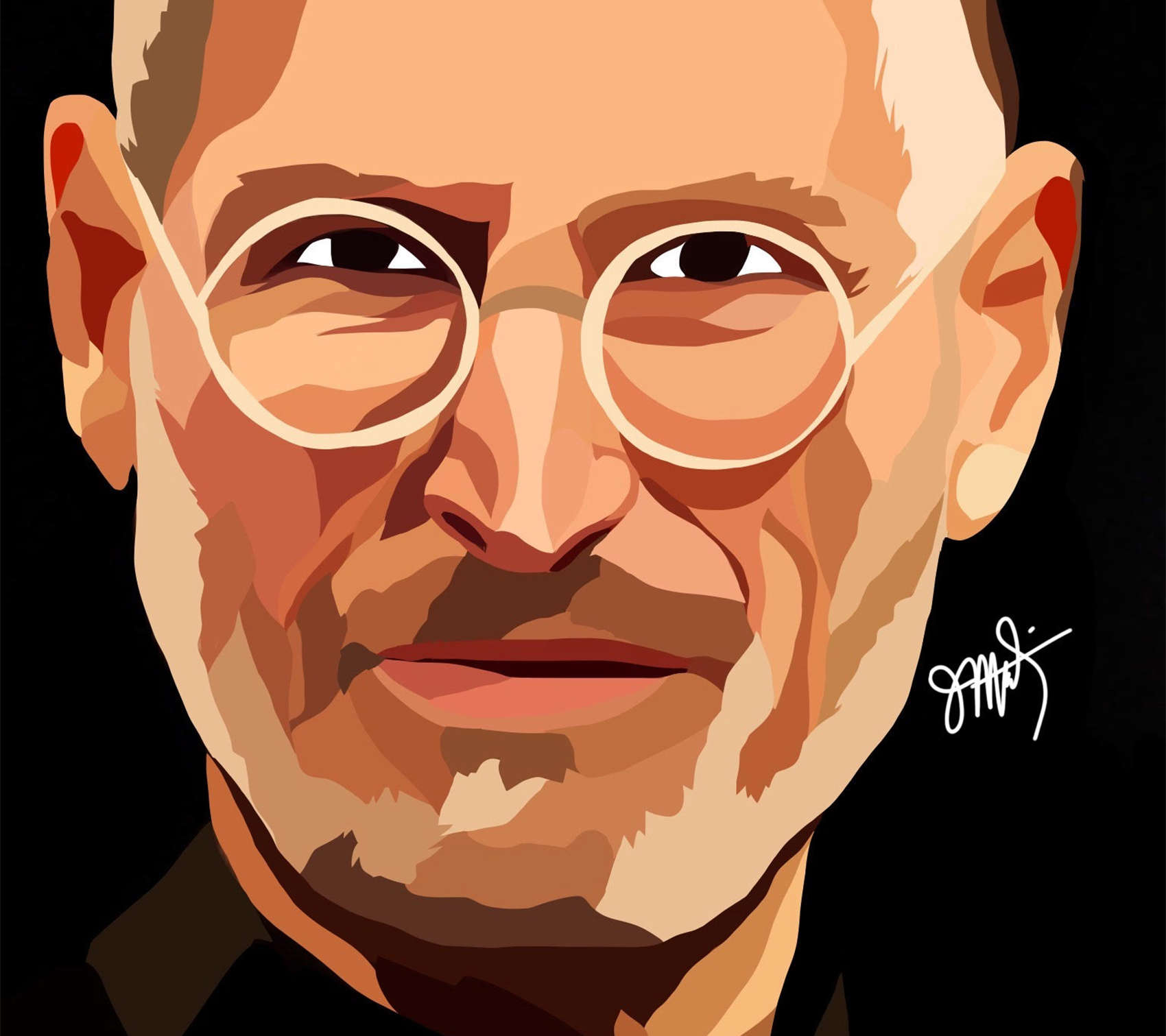
 October 5, 2011: Apple co-founder