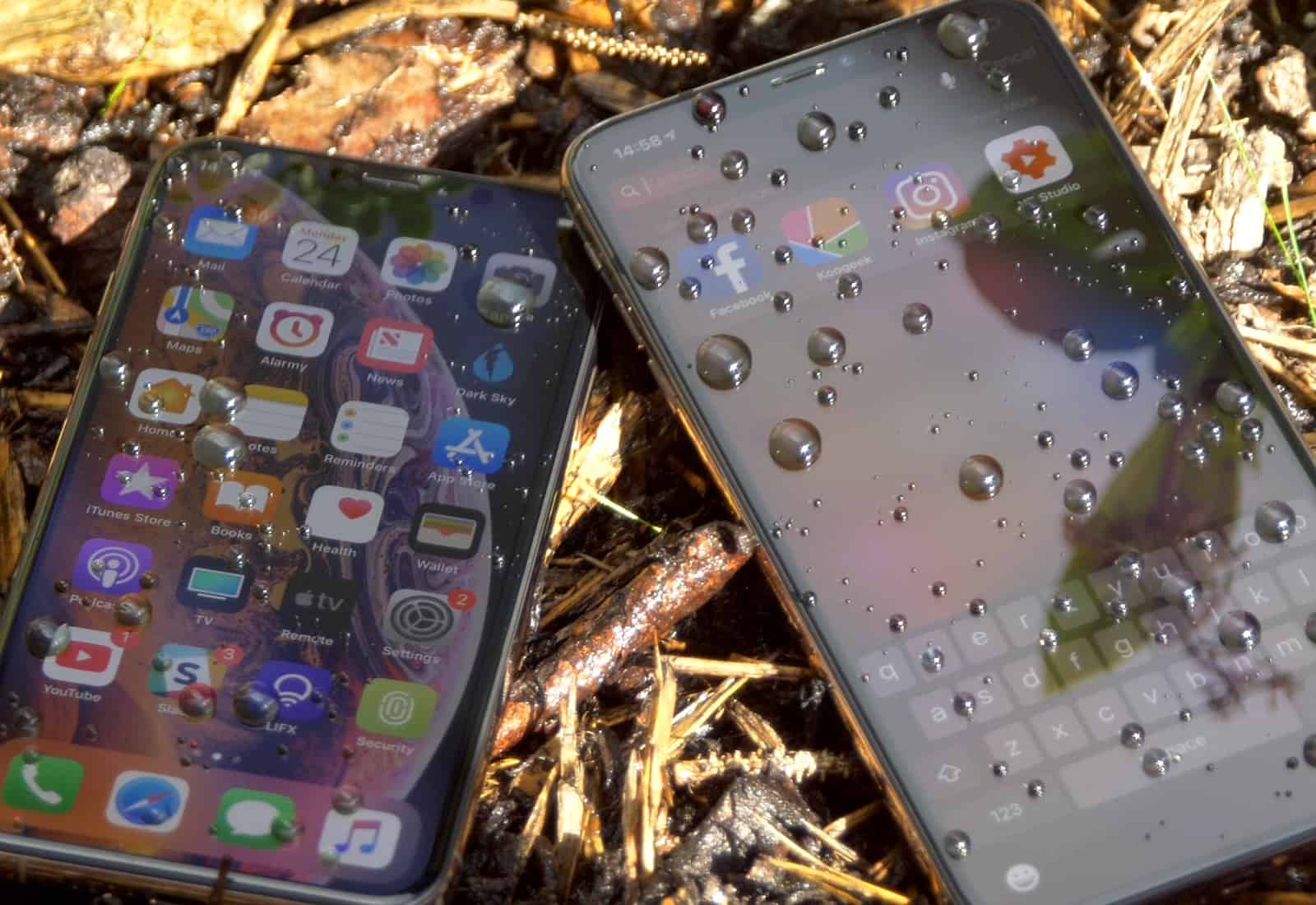
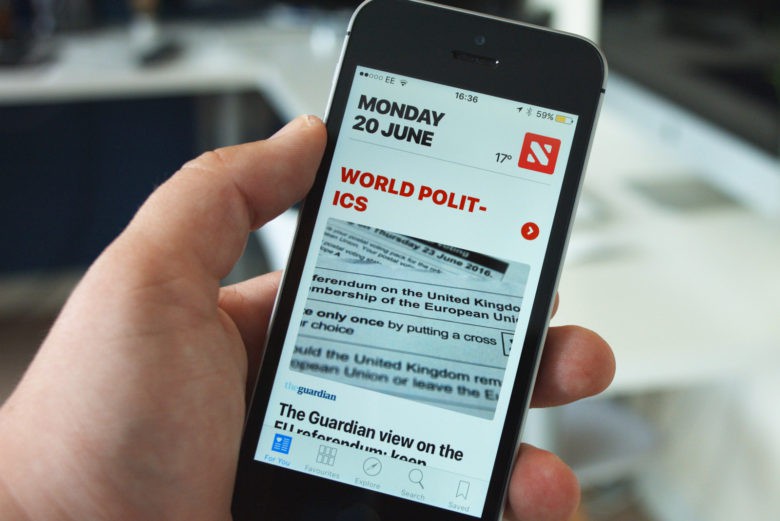
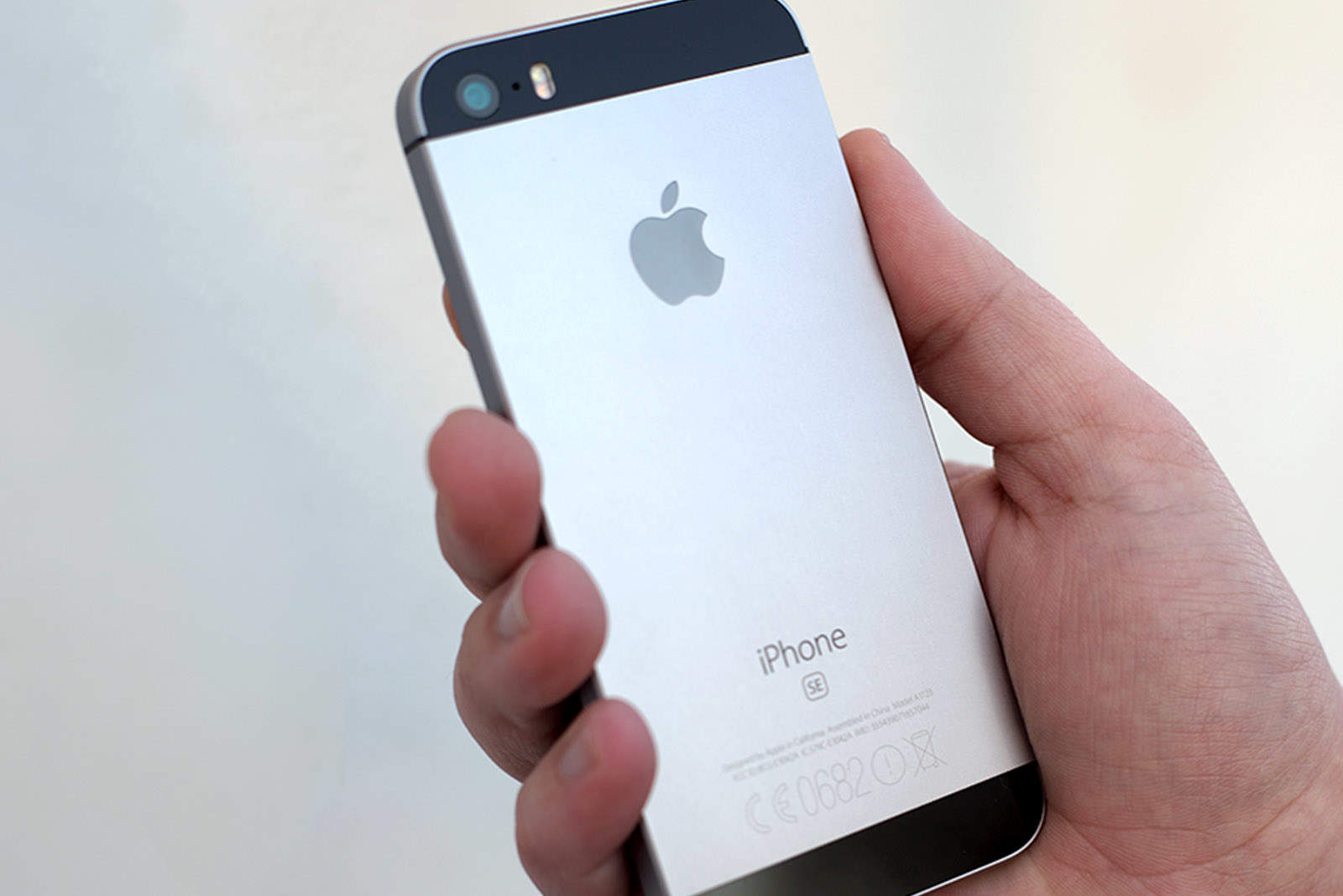
Are you excited at the prospect of a new iPhone SE 2? Photo: Ste Smith/Cult of Mac
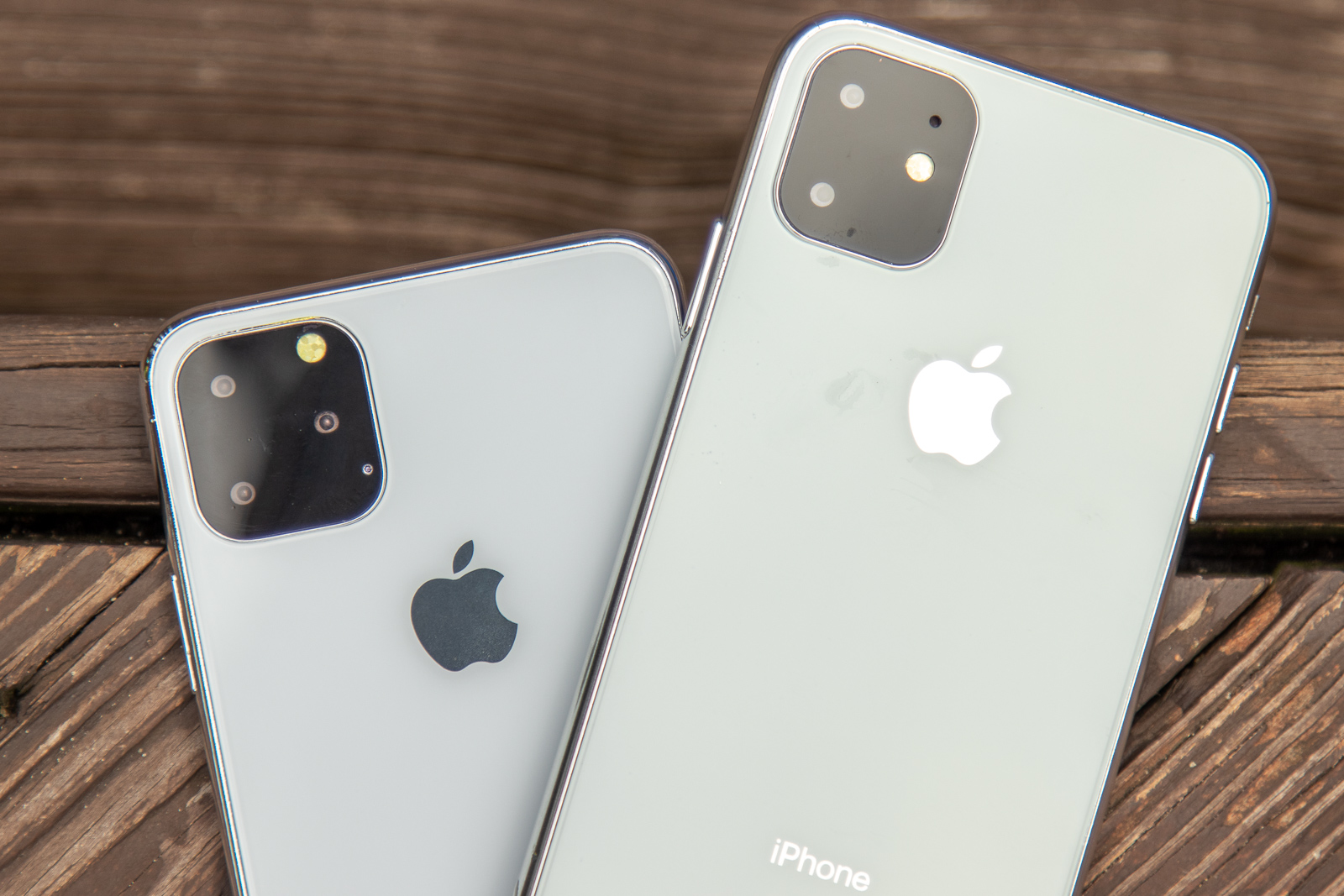
Apple is ramping up production of the new iPhone SE 2, which likely will retail for just $399, according to Fast Company. Shockingly, that’s the same price the original iPhone SE sold for in 2016.
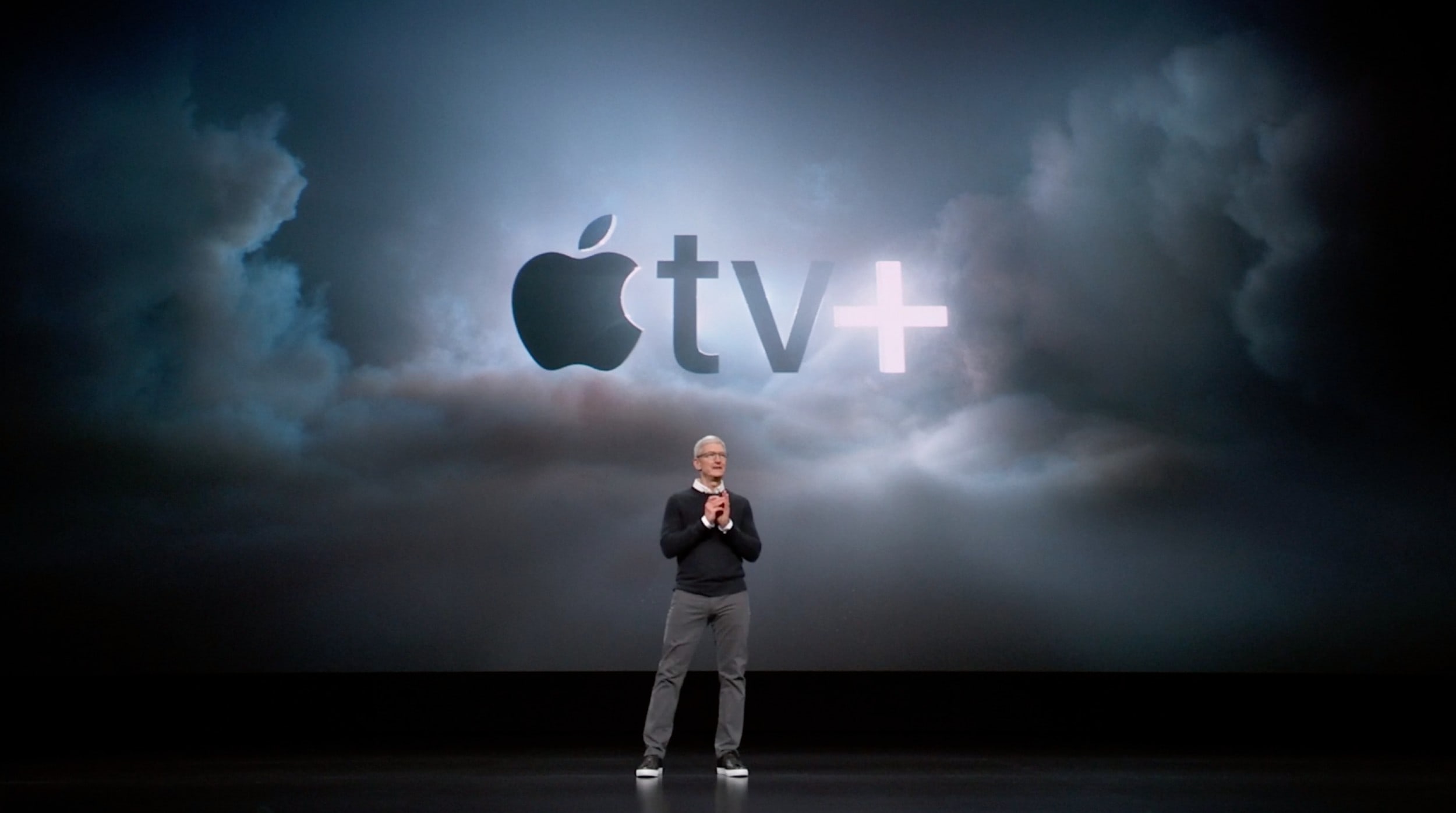
Apple TV+ will have almost 26 million paying subscribers by 2025, a new report claims. That’s just a fraction of the 126 million subs that rival streaming service Disney+ is likely to have at that point in time.
Both services launched within two weeks of each other in November 2019. While Apple hasn’t revealed any TV+ subscription numbers, Disney CEO Bob Iger says Disney+ already has 28.6 million subs. That’s more than Digital TV Research thinks Apple TV+ will have five years from now.
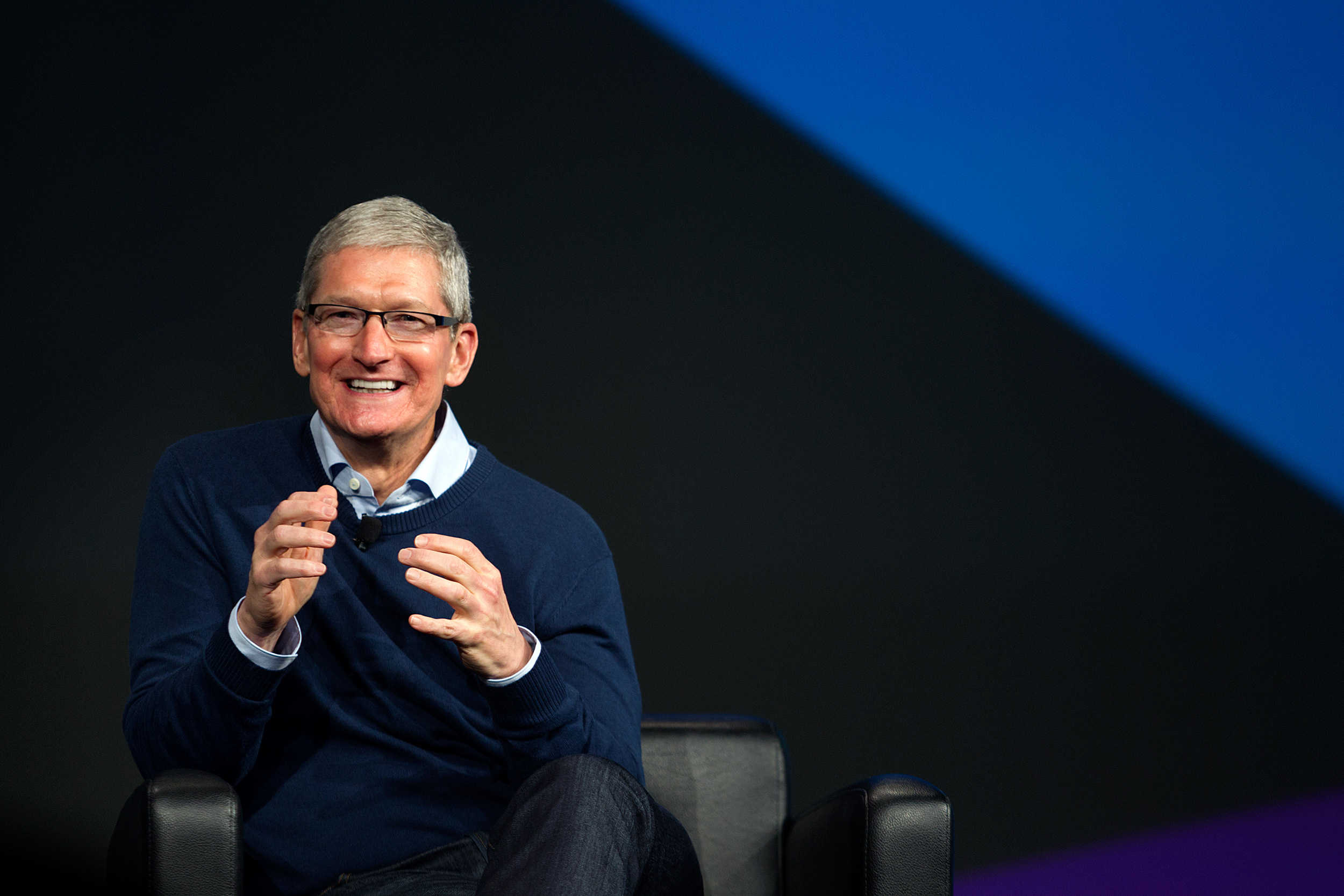
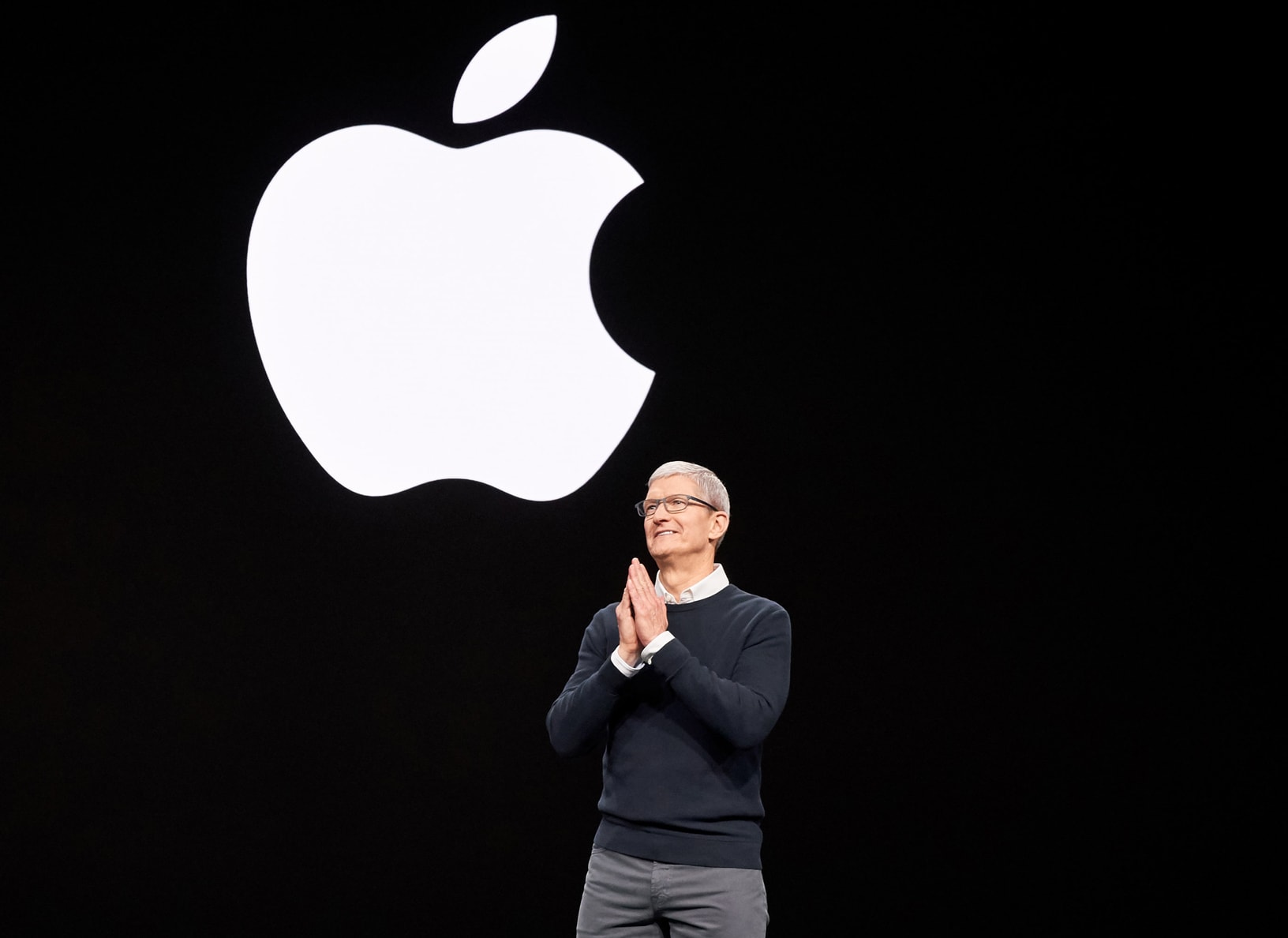
Tim Cook could open up on the success of Apple's various subscription services. Photo: Apple
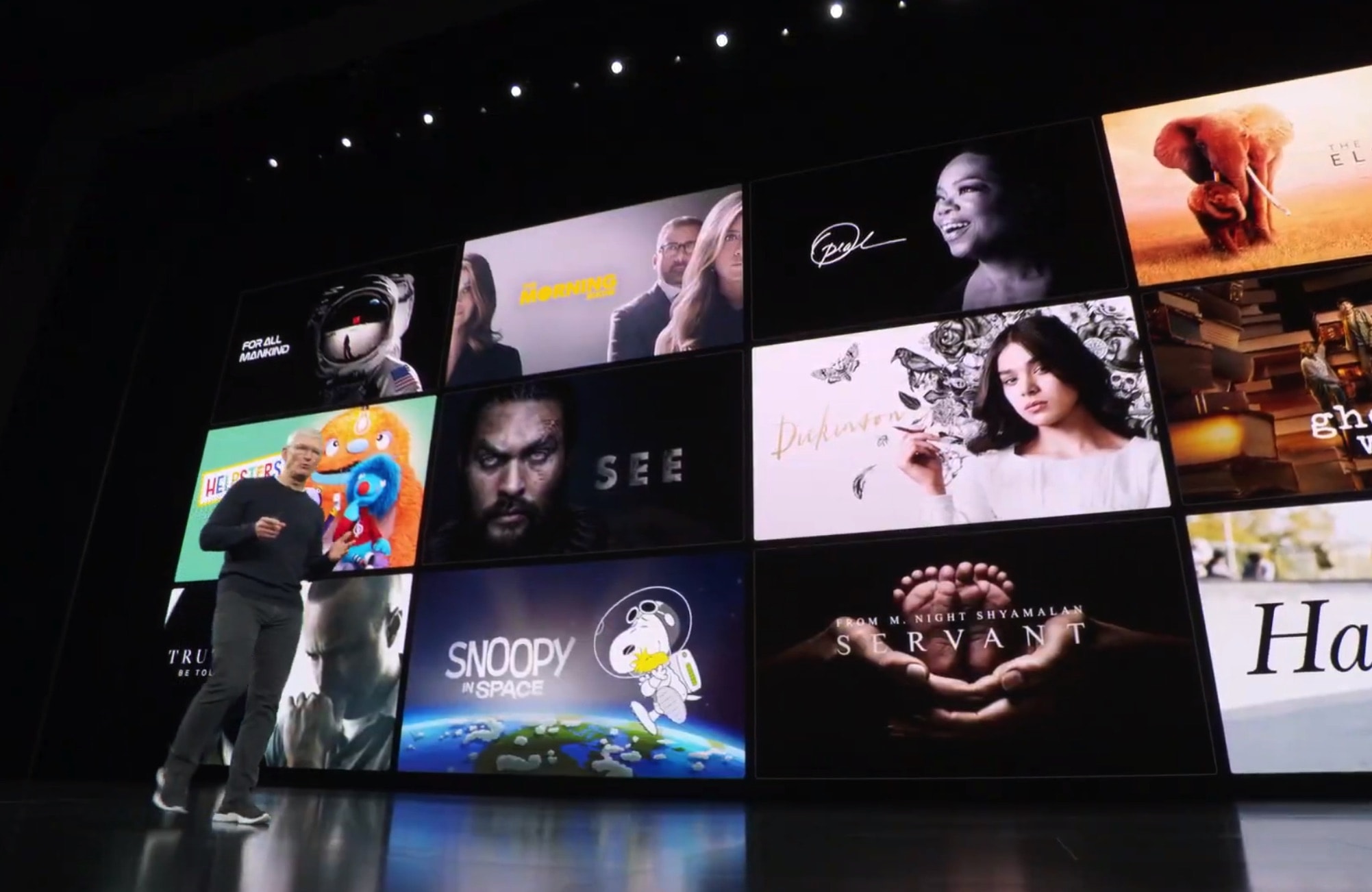
Apple just can’t stop touting its surging revenue from subscription services. But when it comes to Apple TV+ subscriber numbers, Cupertino is keeping suspiciously quiet.
“2019 was a historic year” for Apple’s services business, CEO Tim Cook said Tuesday during the company’s latest record-smashing earnings call. He then went on to drop specific numbers about services like the App Store and Apple Pay. But when it came to new services like Apple TV+, Cook kept things decidedly vague.
Cook loves to reiterate that Apple TV+ serves as a creative place for the world’s best storytellers. And the story he’s masterfully spinning about the streaming video service is a great big mystery.
Apple Music is entering the business world. Photo: Apple
Apple is going after the Muzak market with Apple Music for Business, a new service for legally streaming music in public places.
Apple partnered with PlayNetwork, which specializes in providing music for commercial use, for the endeavor. It has been “quietly piloting” the service with multiple businesses for around six months.
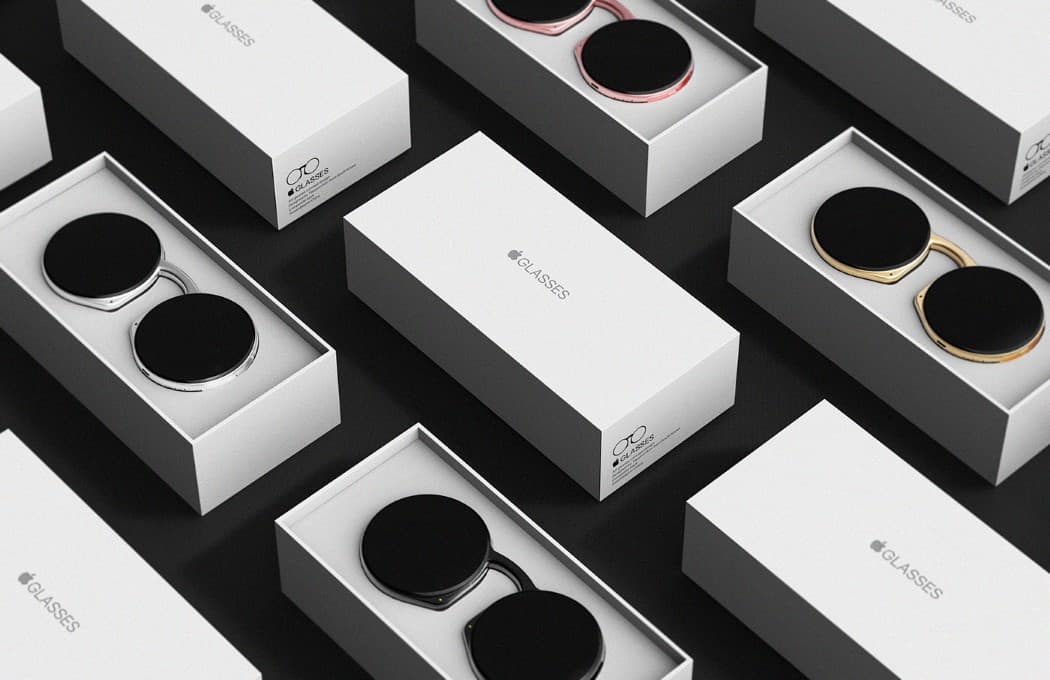
Apple may need a little help polishing its glasses Concept: Taeyeon Kim
Recent rumors suggest that Apple is leaning on another company to help develop its highly anticipated augmented reality headset. At first, I thought that sounded crazy. Apple Glasses look set to be the company’s biggest new product launch since Apple Watch. Surely Cupertino would keep development of something that important in-house?
But when you look back over Apple’s history of joint ventures, it starts to make more sense. Apple tends to partner with third-parties in very specific circumstances — and Cupertino knows exactly what it’s doing.
Apple isn't taking the Netflix approach to releasing shows. Photo: Apple
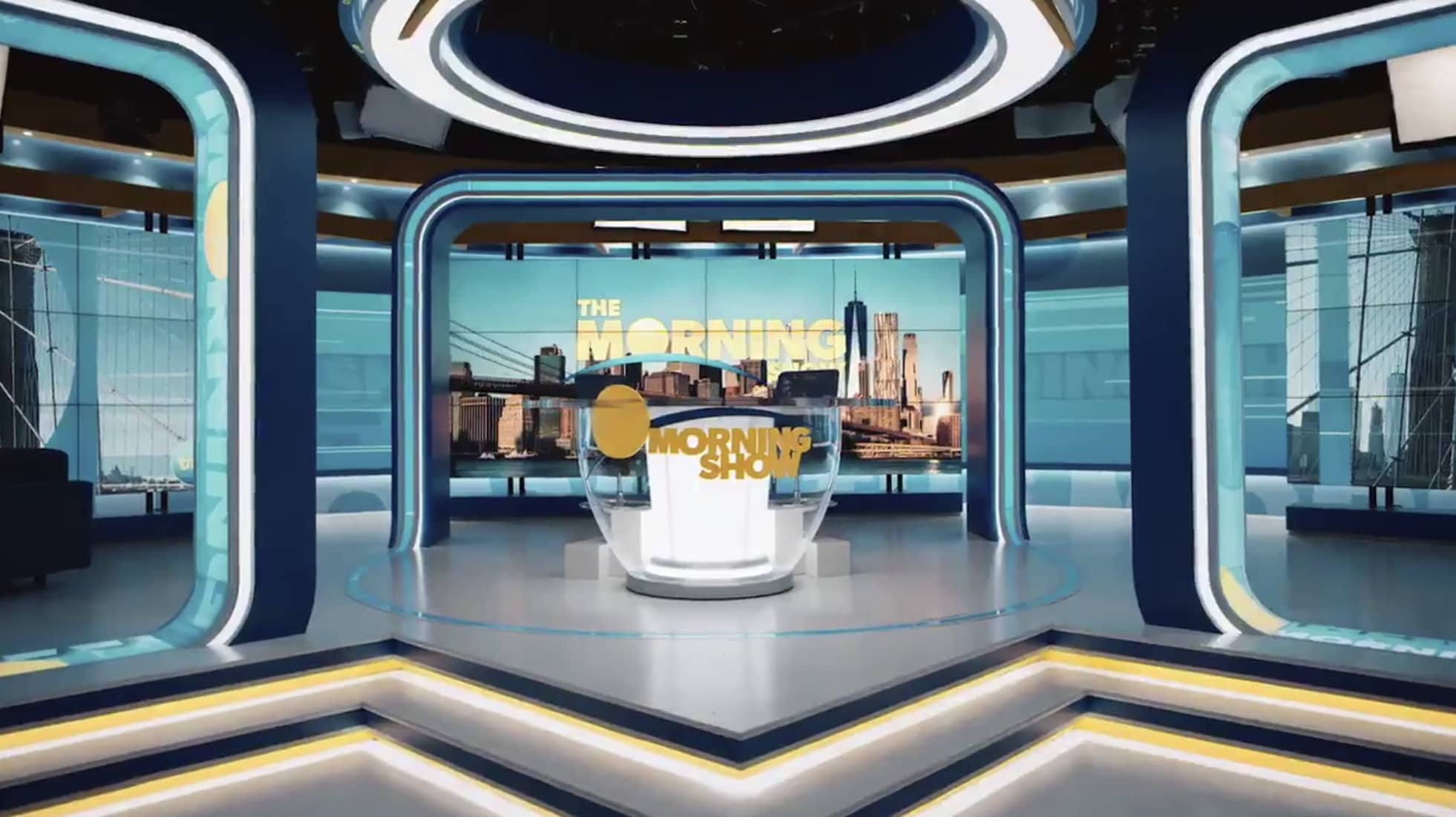
Apple is seemingly taking a mixed approach to the way it will debut new Apple TV+ shows. According to the company, it will release three episodes of The Morning Show, one of its flagship series, when the service launches on November 1. After that, new episodes will debut every Friday.
That’s a change from Netflix’s approach of dumping every episode of a new season at once. It’s also a change from Apple’s plan for Dickinson, which star Hailee Steinfeld recently revealed will debut all 10 episodes straight out of the gate.
Apple fires a $4.99 shot across the bow of rival streaming companies. Photo: Apple
It’s rare that the take-home message from an Apple keynote is, “Wow, that’s far more affordable than I expected.” But that’s exactly the reaction Apple prompted when it revealed the $5-a-month price tag for its new Apple TV+ streaming service.
In one fell swoop, Apple just threw down the gauntlet to its streaming rivals. Your move, Netflix!
Could an Apple cryptocurrency be coming? While it doesn’t sound like it’s on the immediate horizon, Apple Pay VP Jennifer Bailey recently suggested it’s not totally off the table.
It would fit with Apple’s growing embrace of financial services. The company got into mobile payments with Apple Pay in 2014 and released the Apple Card this year. Now, Cupertino appears to be taking a wait-and-see approach on cryptocurrencies.
Tim Cook reportedly wants to make Apple TV+ shows aspirational in tone. Photo: Apple
Cupertino’s costly decision to cancel an Apple TV+ series starring Richard Gere due to the show’s darker tone is the latest bit of evidence that Apple wants only family-friendly fare for its upcoming streaming video service.
A diet of uplifting, positive messages is certainly laudable. But that sort of high-minded approach could pose a major challenge for Apple. Should fans be worried?
Spending big on star power for Apple TV+ is really smart. Photo: Apple
On the surface, Cupertino’s decision to spend massive piles of money on its upcoming Apple TV+ streaming service seems crazy.
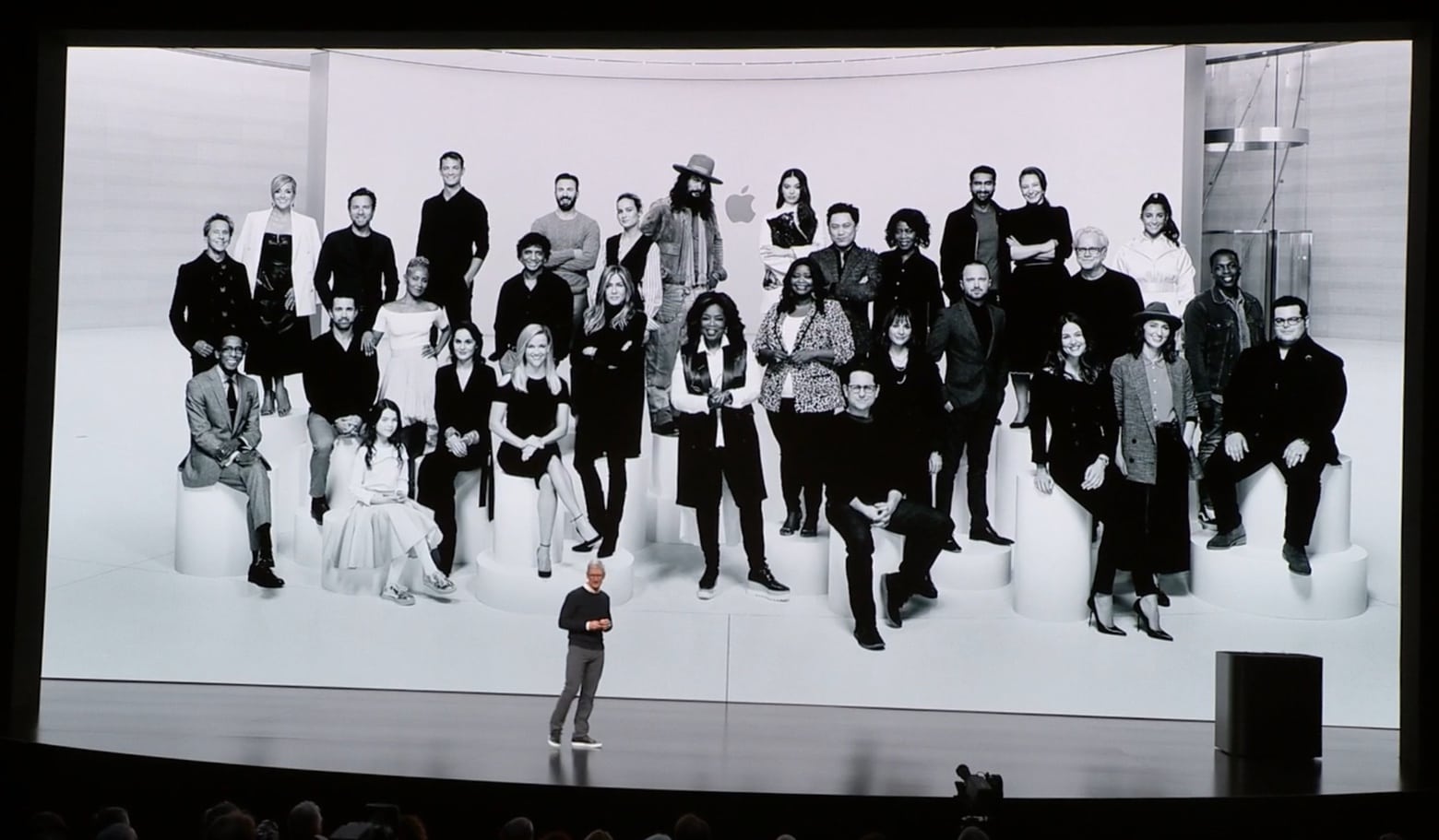
Is this a company with too much money being suckered? Is it a huge display of hubris (as some say of Apple Park)? Or is it, just possibly, a clever strategy that could win Apple the streaming war?
Here’s why I think that third answer is the correct one. Dig a little deeper, and Apple’s spending spree looks nothing short of brilliant.
Apple is accused of abusing its power with suppliers. Photo: Apple
Japan’s Fair Trade Commission is investigating Apple’s tactics for selling iPhones in the country.
The Japanese FTC thinks Apple might have abused its power by pressuring Japanese suppliers into unfavorable deals. Questionable methods allegedly include providing free technology and expertise to Apple affiliates, stopping them from selling to other companies, and making them shoulder costs for unforeseen problems.
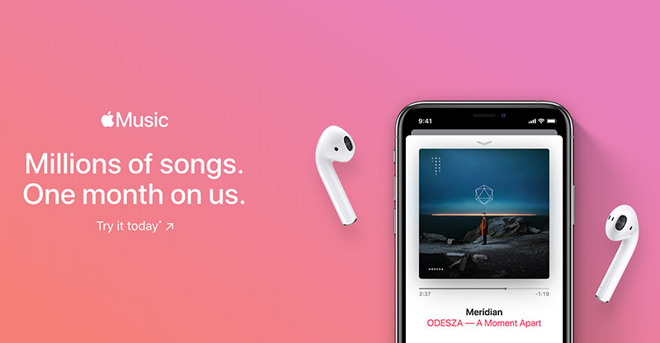
Right from the start, Apple Music offered a three-month trial to new users to try and get them to subscribe. In some cases, this even extended all the way up to a six-month free trial before users would have to pay a dime.
Apple may be shifting away from this strategy, though. A new banner ad on Apple’s website mentions a one-month tryout period for the streaming music service.
There are solid reasons to be optimistic that Apple will actually drop the price of the flagship 2019 iPhone models. Recent moves by the company signal a willingness to lower the cost of its other computers, and information leaking out about the replacement for the iPhone XS series indicates that it will be cheaper to make.
Most importantly, the company needs to respond to the plethora of evidence that it charges more than most people are willing to pay for even high-end handsets.
The iPad got developers excited from day one! Photo: Apple
June 30, 2011: A little more than a year after the iPad goes on sale, the number of iPad-exclusive apps in the App Store passes 100,000.
The milestone caps a brilliant first year for Apple’s long-awaited tablet. And the amazing breadth of iPad-only apps proves the device is much more than just a bigger iPhone.
This genius psychological tactic makes Apple's high prices seem totally reasonable. Photo: meo/Pexels CC
During the WWDC 2019 keynote, most of Apple’s latest creations drew enthusiastic applause, with one notable exception. The price of Apple’s new Pro Display XDR elicited a somewhat cooler response. But considering just how expensive the monitor is, the fact that it got any applause at all was pretty remarkable.
This is not the first time Apple has had to convince us to pony up for an eye-watering sticker price. Cupertino pulls from a well-established playbook for its keynotes, often employing behavioral science techniques to help soften the blow. (To our brains at least, if not to our wallets).
Apple’s business in China is finally turning around, according to execs who say Cupertino’s troubles in the country might be a thing of the past.
“We feel positive about our trajectory,” Apple CEO Tim Cook said during Tuesday’s earnings call, noting that the company’s “year-over-year revenue performance in Greater China improved relative to the December quarter.”
Then Cook laid out four reasons why Apple’s “China problem” is going away.
Apple has been relying more heavily on Services. Photo: Apple
If Apple spun off its Services division as its own company, the business would be worth between $400 billion and $450 billion, according to a new analyst report.
To put that number in perspective, it’s more than twice the value of Netflix — and only $100 billion less than Facebook.
Publishers airing their gripes anonymously suggest that the early days of Apple News+ haven’t exactly been smooth sailing.
Complaints include teething problems with article formatting and design, as well as broader worries that Cupertino favors large publishers over smaller ones.
Designed in California, built in India. Photo: Ste Smith/Cult of Mac
Foxconn is reportedly “within weeks” of starting trial production of the iPhone XS in India, Bloomberg reports.
Manufacturing will take place at a Foxconn factory in the southern city of Chennai. Rival manufacturer Wistron already makes the iPhone 6s, iPhone SE and — now — the iPhone 7 at its own facility in Bangalore.
Some aren't happy with Apple's tactics. Photo: Apple
Apple put a ton of pressure on The New York Times and Washington Post to join Apple News+ before the new service was unveiled at a media event last week.
Details have surfaced of Apple’s negotiations with the two major publishers, revealing Apple media boss Eddy Cue was adamant about getting the two papers on board. Both companies declined Apple’s offer, but the New York Times’ COO hinted that the newspaper of record could possibly join the service in the future.
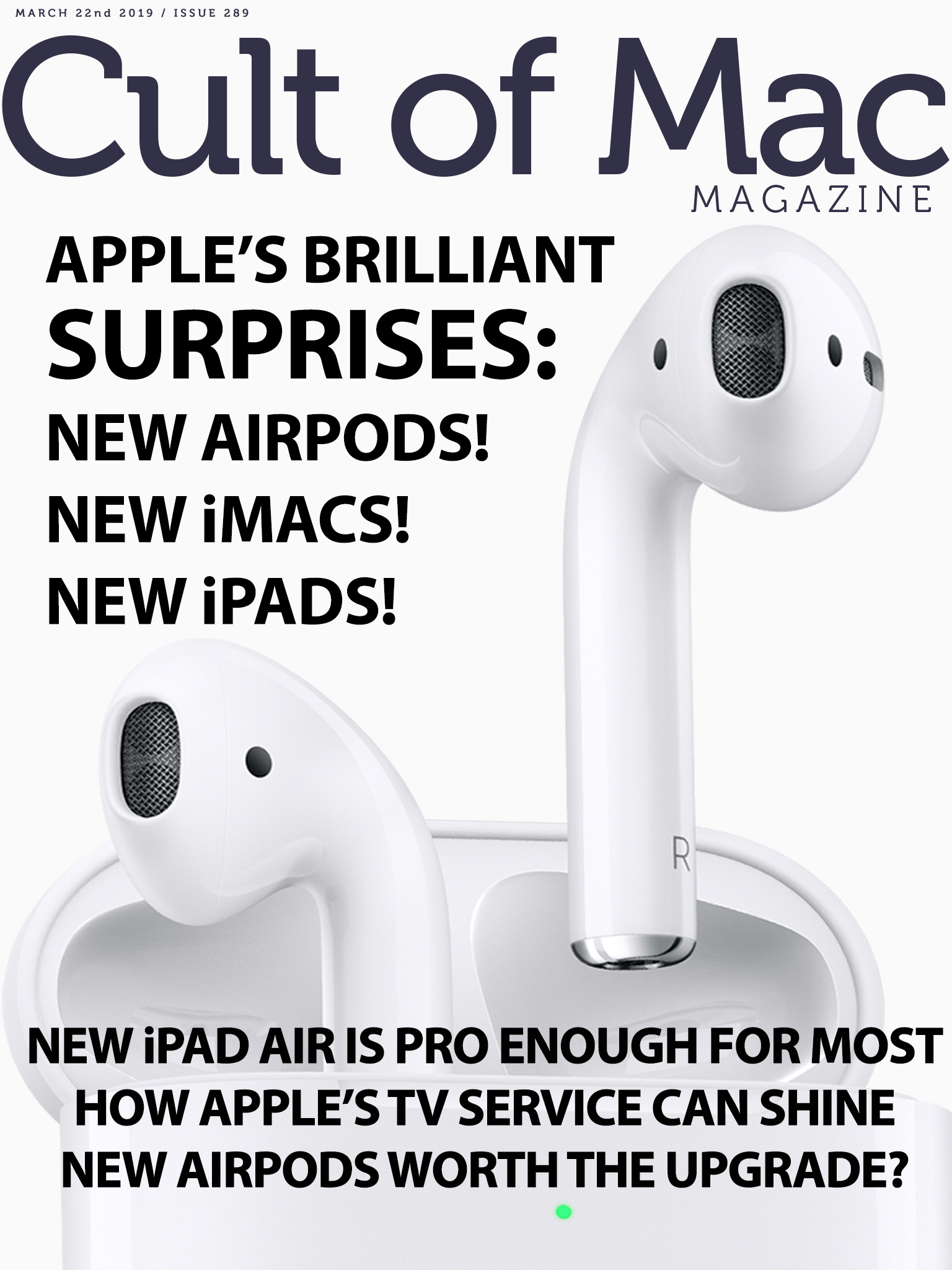
Apple's PR blitz was more than just surprising - it was brilliant! Cover: Leander Kahney/Cult of Mac
So. Many. New. Products. Who would have guessed Apple would roll out multiple hardware upgrades in the week prior to a big media event? Here’s why that was a total genius move!
Read all about the new iPads, iMacs and AirPods in this week’s free issue of Cult of Mac Magazine for iOS. Plus, you’ll find our latest how-tos and products reviews to help make your tech life easier.
Grab the mag now. Or go old-school and get all the posts in the links below.
The Wall Street Journal would be a great launch partner for the service. Photo: Ste Smith/Cult of Mac
The Wall Street Journal has reportedly agreed to participate in Apple’s paid news subscription service. Apple should offer details on the new service during the “It’s show time” media event.
News of the WSJ’s participation comes shortly after reports that The New York Times and Washington Postboth opted out.
Apple's new iPads underline its problem with product naming. Photo: Lucille Pine/Flickr CC
As thrilling as new Apple devices are, this week’s surprise hardware updates really screwed the pooch on one important front: product naming.
The “new” iPad Air and iPad mini join a lineup of tablets with a variety of features and price points that will boggle the minds of even the most ardent Apple fanatics.
How did Apple’s naming strategy go so far off the rails? For the sake of the average customer, Cupertino’s once-brilliant branding needs to kick into gear. Because right now, the toxic hellstew of Apple product names is utterly confusing.
Apple desperately needs an updated iPhone SE. Photo: Sam Mills/Cult of Mac
iPhone sales are down, especially in emerging markets. The reason is simple: Apple’s devices cost too darn much. And the solution is equally simple: Apple must make a new budget model. In short, it needs a successor to the iPhone SE to ensure short-term profits as well as long-term viability.
This device has to have a low, low price. Even if that means a phone so bare-bones that most Americans turn up their noses at it.



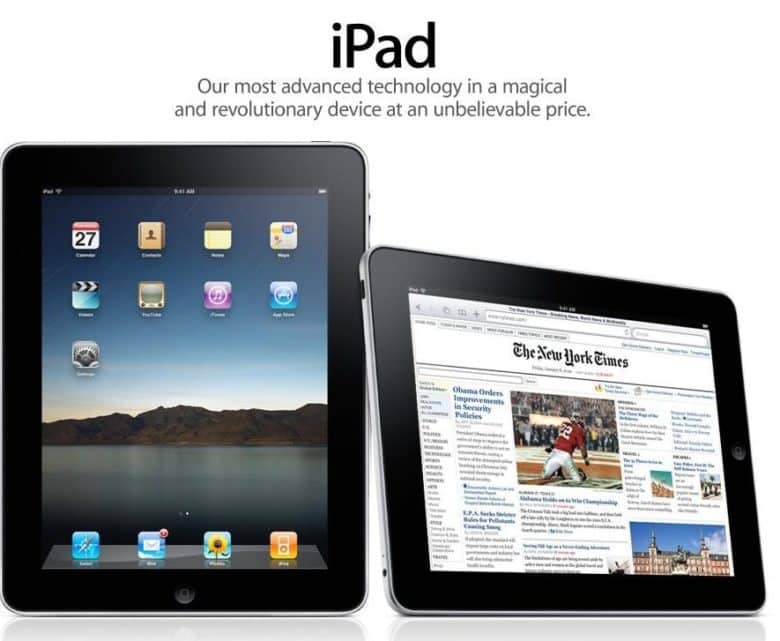
 June 30, 2011: A little more than a year after the iPad goes on sale, the number of iPad-exclusive apps in the App Store passes 100,000.