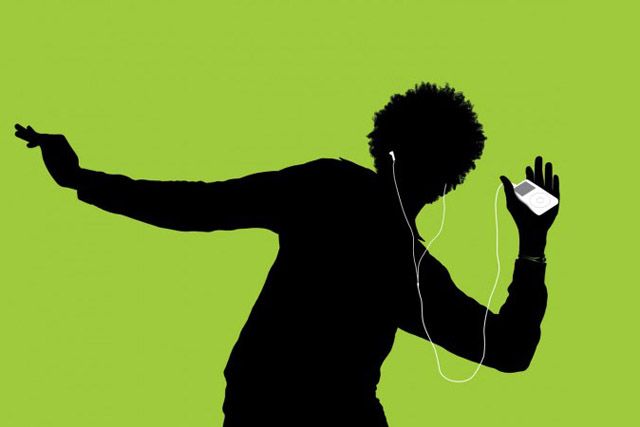
 March 15, 2004: The iTunes Music Store hits a crucial milestone, having sold an astonishing 50 million songs in less than a year. The achievement cements Apple’s place at the center of the rapidly changing music business — at least for the moment.
“Crossing 50 million songs is a major milestone for iTunes and the emerging digital music era,” Apple CEO Steve Jobs says in a statement. “With over 50 million songs already downloaded and an additional 2.5 million songs being downloaded every week, it’s increasingly difficult to imagine others ever catching up with iTunes.”

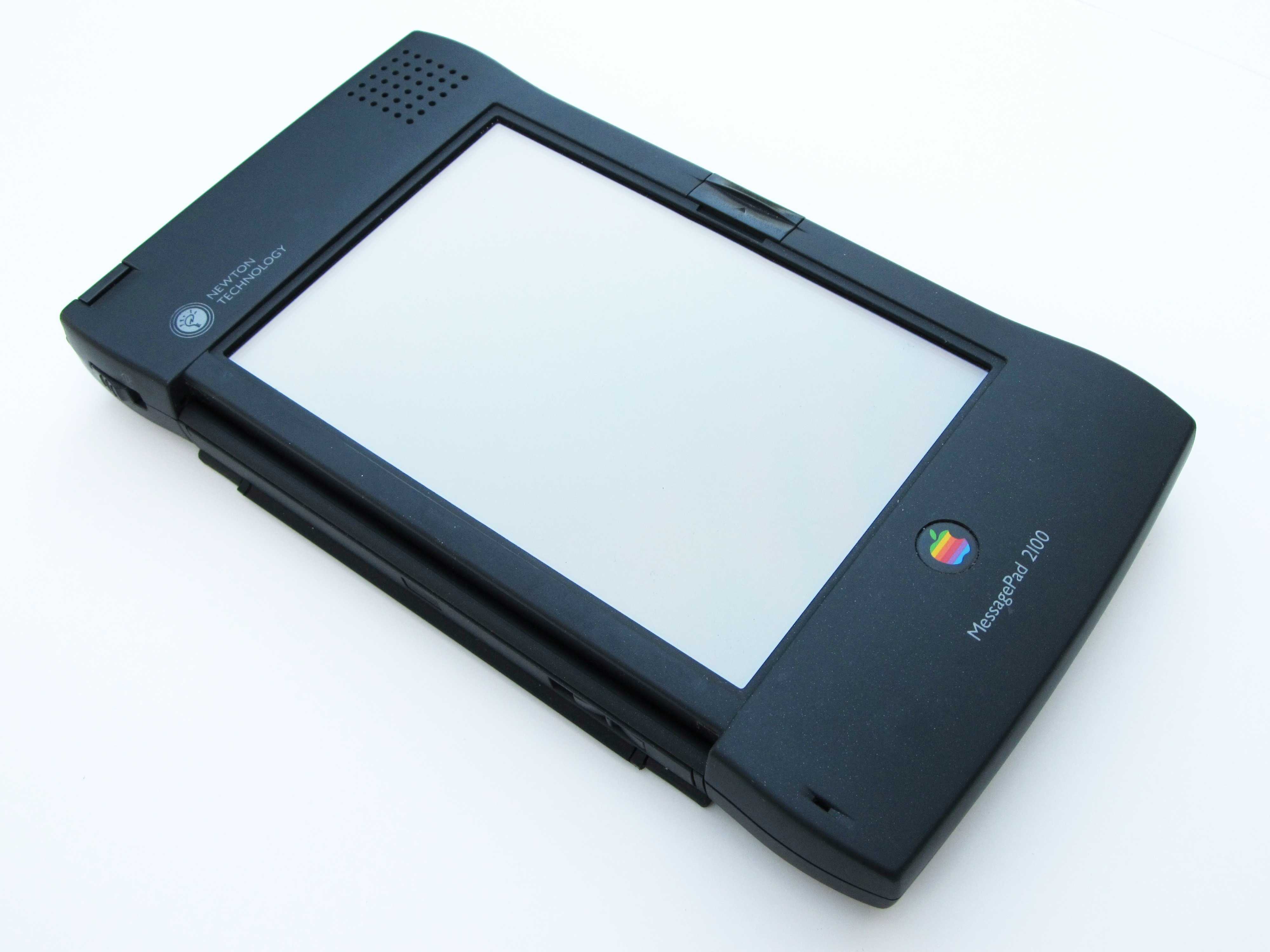
 March 10, 2004: Apple sends out a survey to select Apple customers, claiming that it is considering relaunching the Newton MessagePad.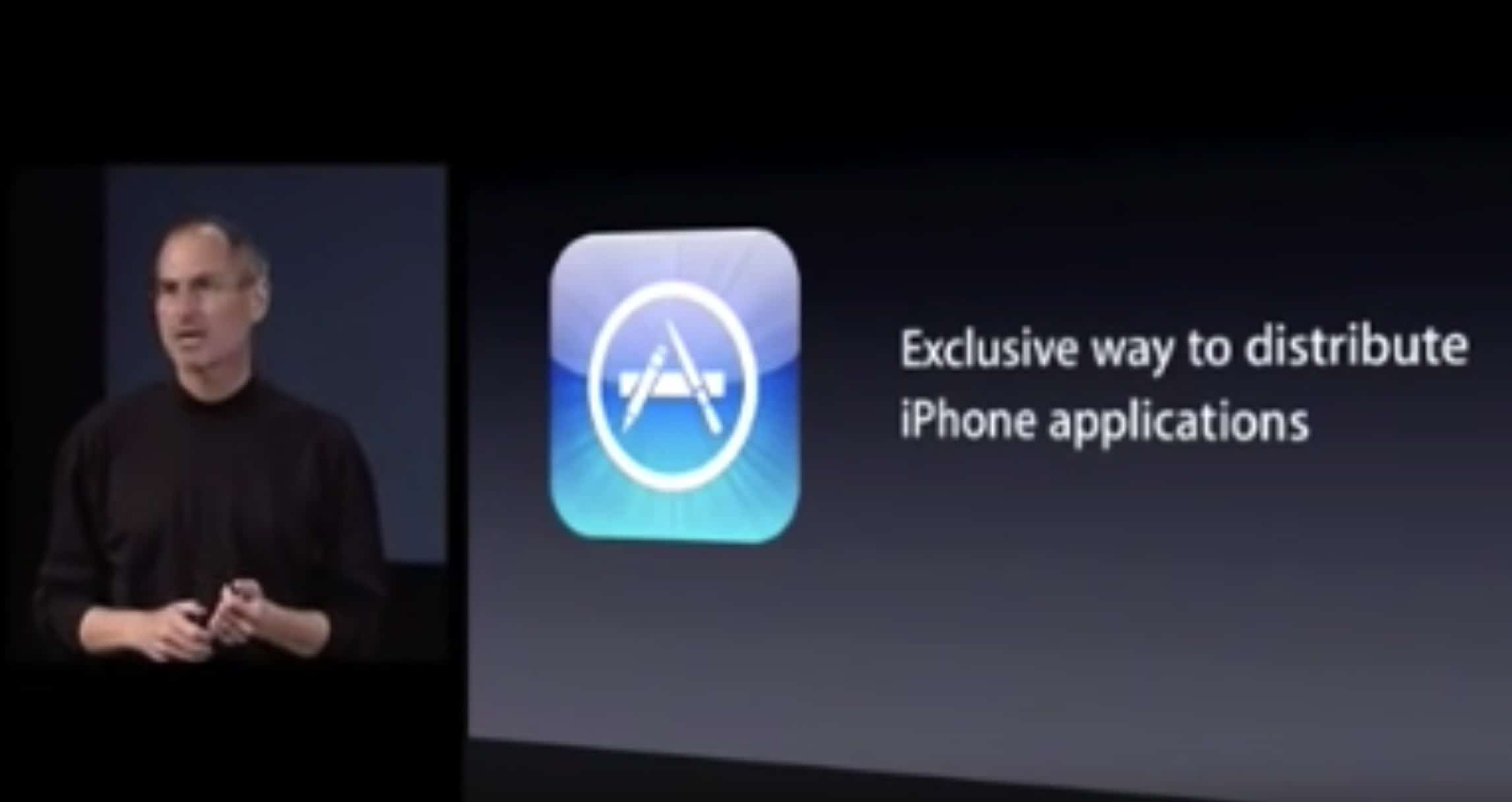
 March 6, 2008: Apple releases the iPhone software development kit, finally allowing coders to start creating native mobile apps for the new smartphone. The iPhone SDK gives developers the tools they need to unlock the new smartphone’s potential.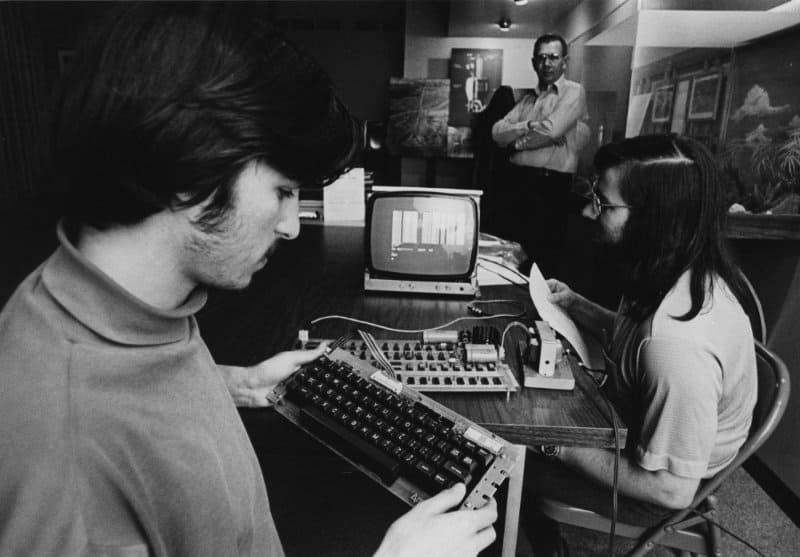
 March 3, 1975: The Homebrew Computer Club, a hobbyist group that will help spark the personal computing revolution, holds its first meeting in Menlo Park, California.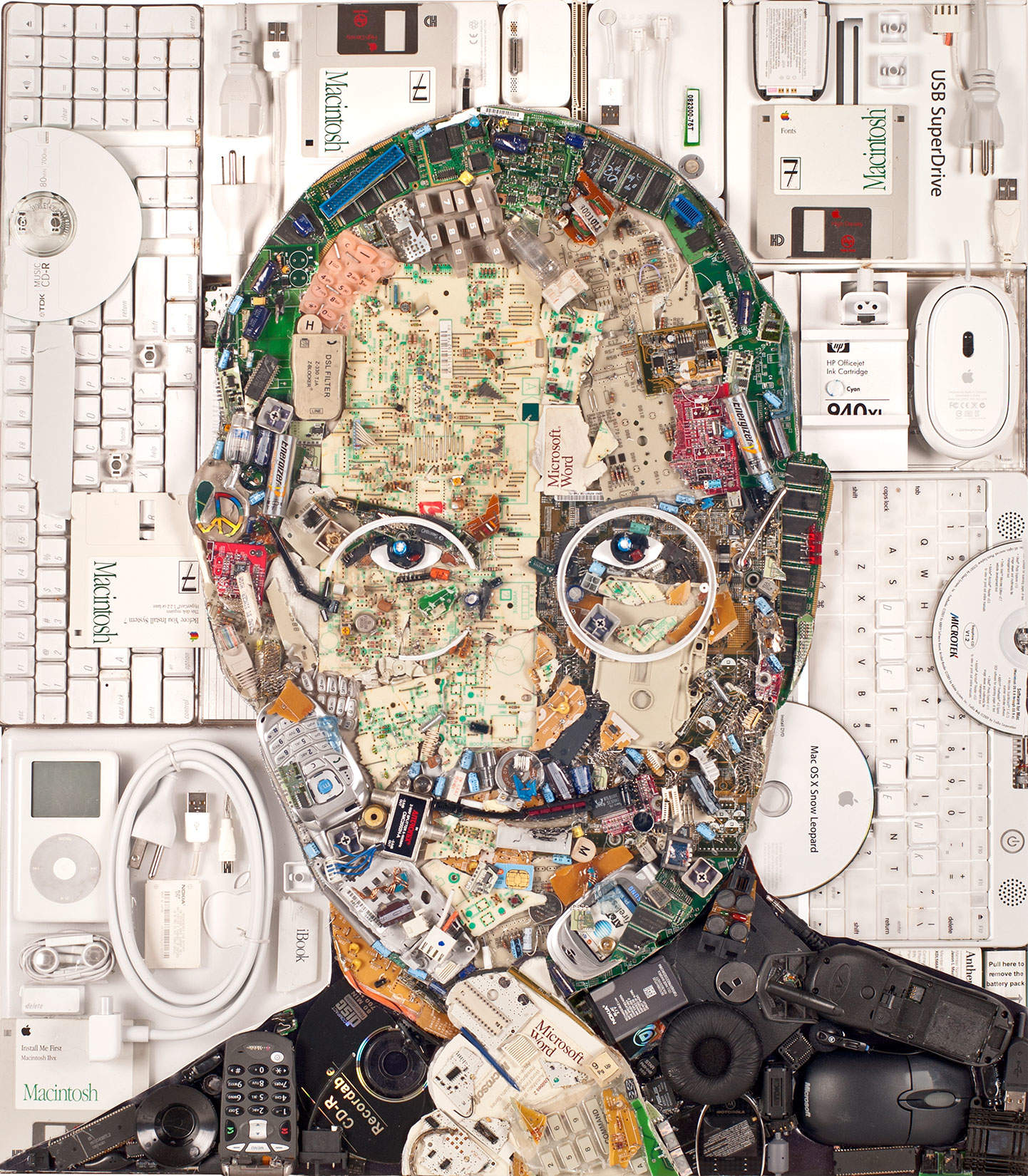
 February 24, 1955: Steve Jobs is born in San Francisco. He will go on to co-found Apple and become one of the most important figures in the history of consumer technology. He’s also probably a big part of why you’re reading this website right now.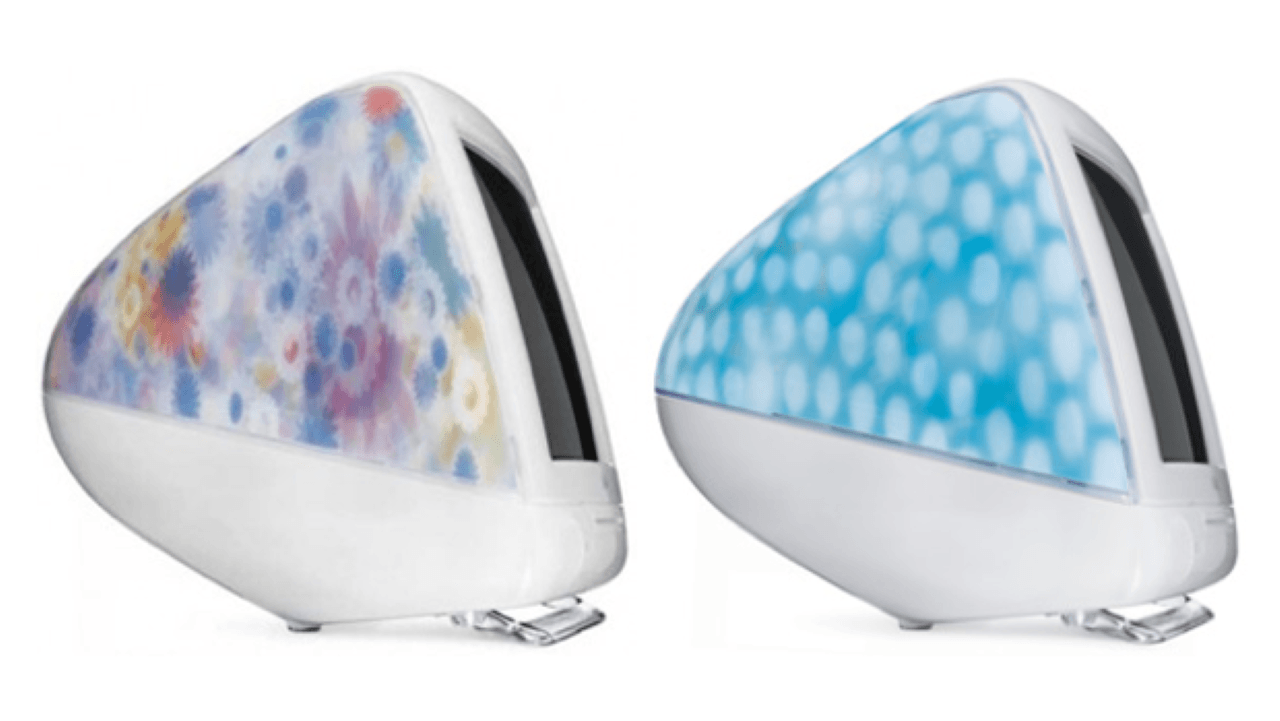
 February 22, 2001: The iMac Special Edition, sporting wild designs that would make a hippie happy, puts a wacky face on the colorful computer that saved Apple’s bacon at the turn of the century. The Flower Power iMac and Blue Dalmatian iMac evoke tie-dye shirts and other unconventional ’60s-era imagery.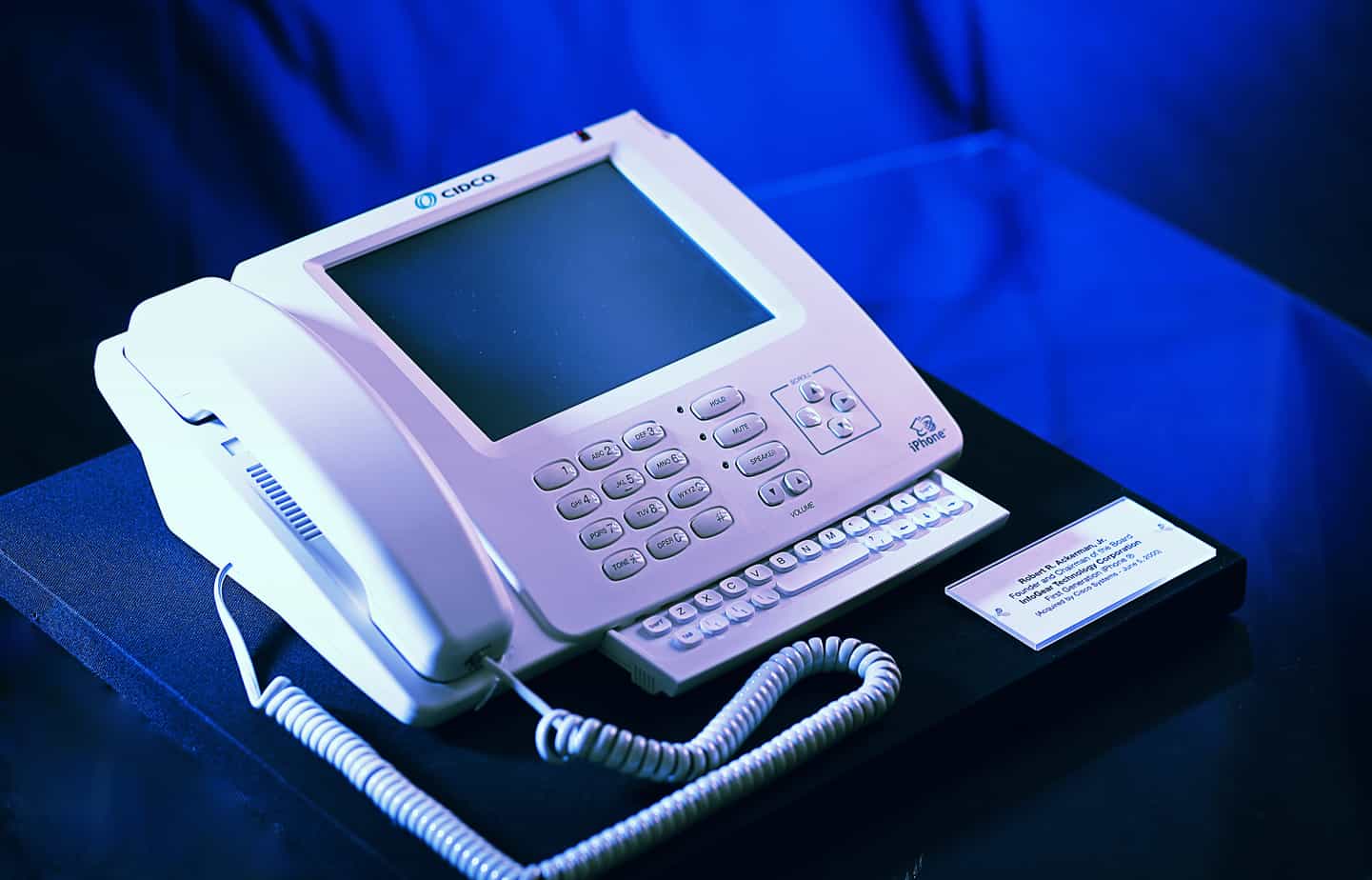
 February 21, 2007: Apple comes to an agreement with Cisco over the iPhone trademark, which Cisco legally owns but Apple wants to use.
 February 18, 2004: Apple CEO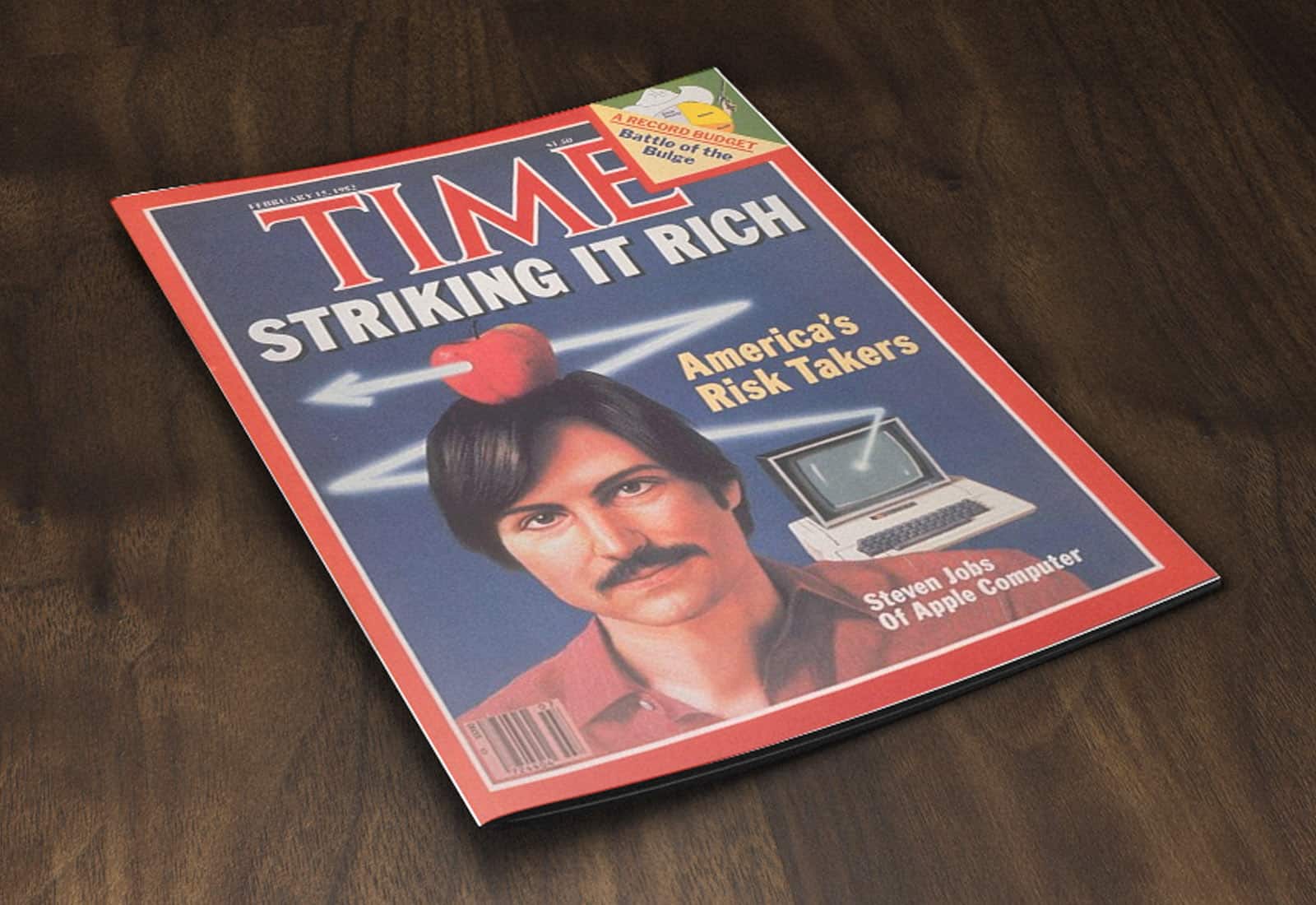
 February 15, 1982: Apple co-founder
 February 12, 2012: Months after his untimely death, Apple co-founder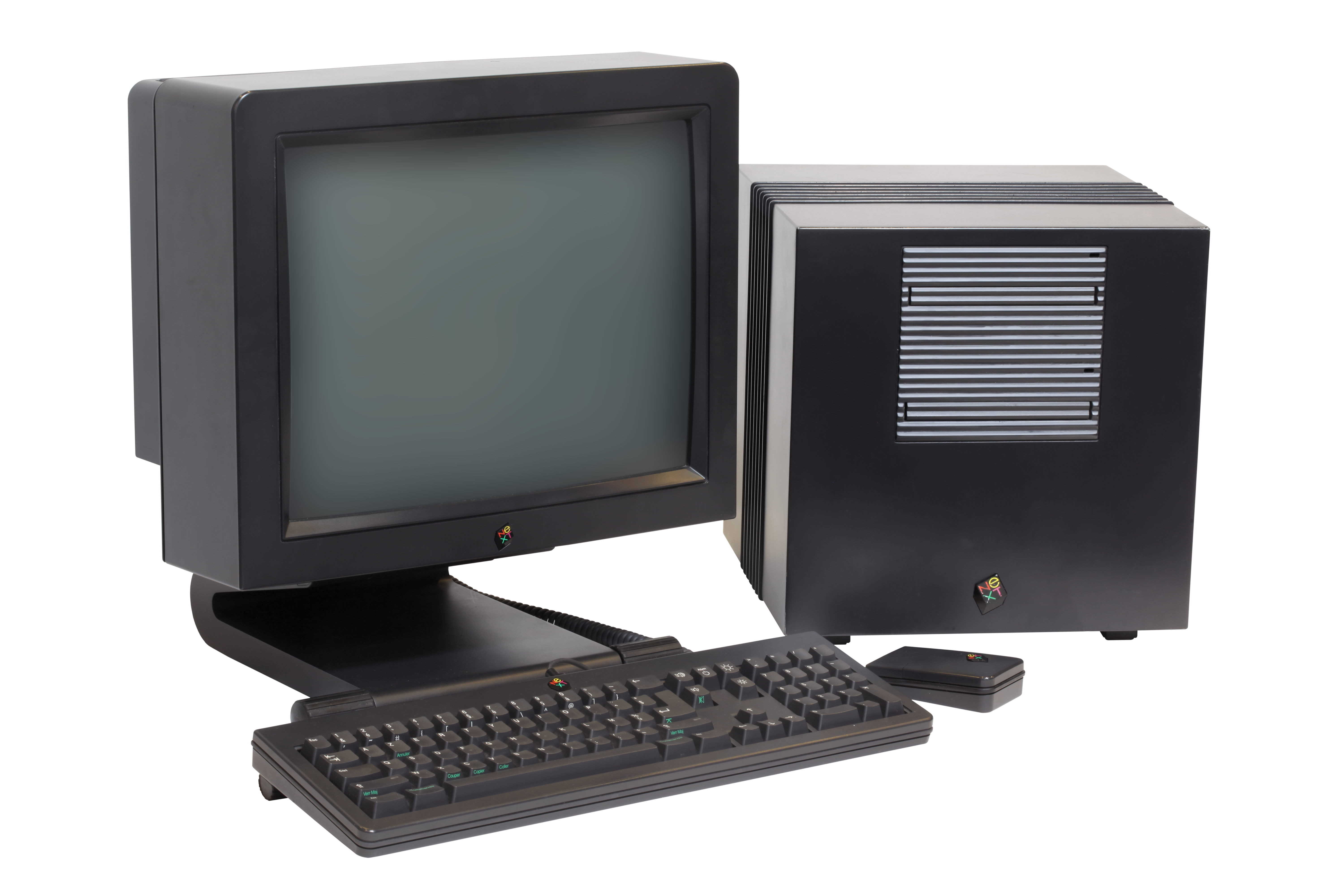
 February 9, 1993: NeXT Inc., the company Steve Jobs founded after being pushed out of Apple, quits making computers. The company changes its name to NeXT Software and focuses its efforts entirely on producing code for other platforms.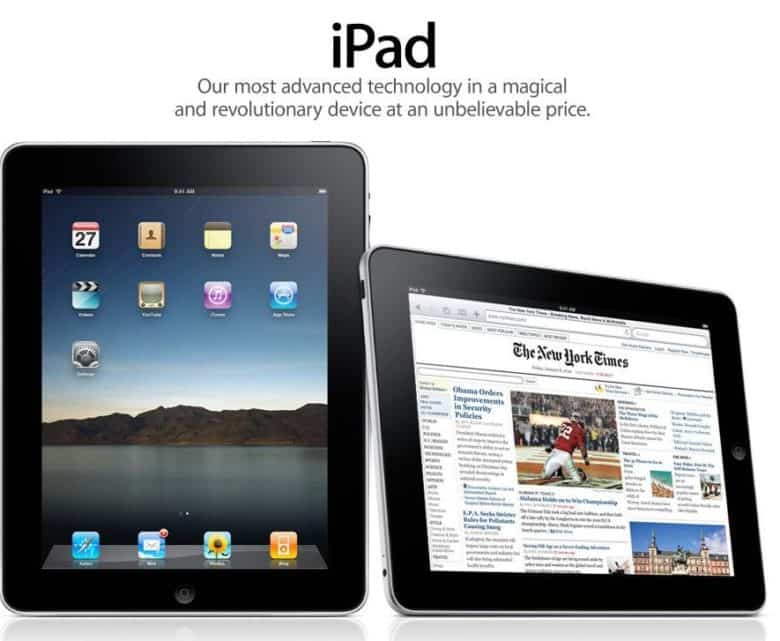
 February 8, 2010: Apple CEO Steve Jobs reportedly flips out over a tweet sent from an iPad by an editor at The Wall Street Journal.
 February 4, 2008: Apple CEO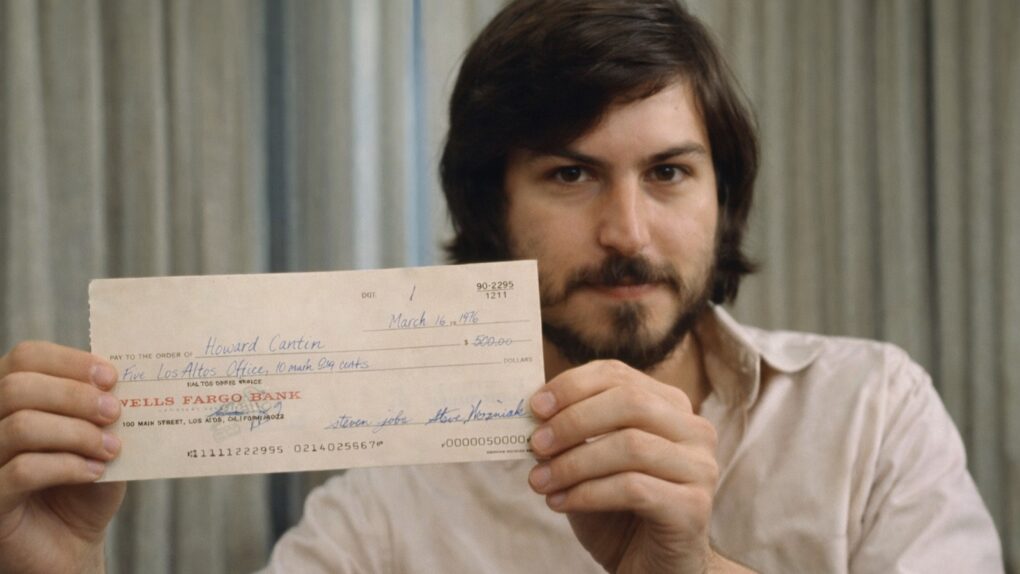
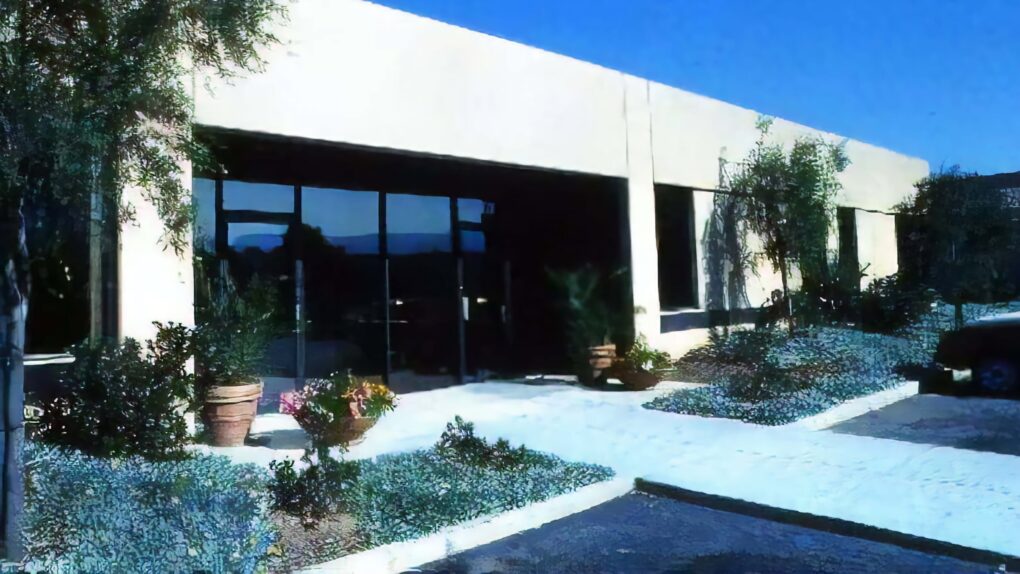
 January 28, 1978: Apple Computer occupies Bandley 1, its first custom-built office, giving the company a bespoke business center to house its growing operations in Cupertino, California.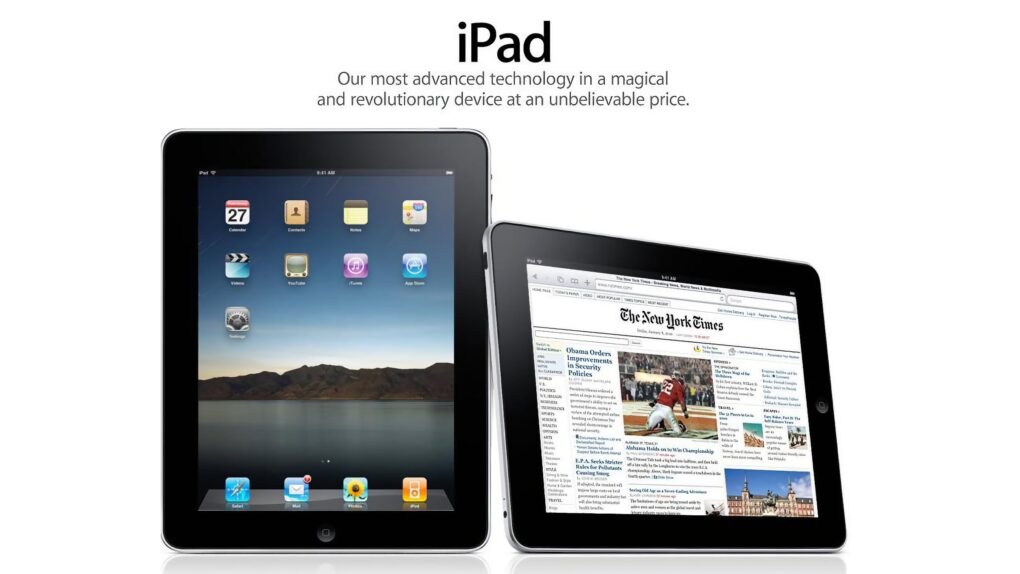
 January 27, 2010: After months of rumors and speculation, Apple CEO Steve Jobs publicly shows off the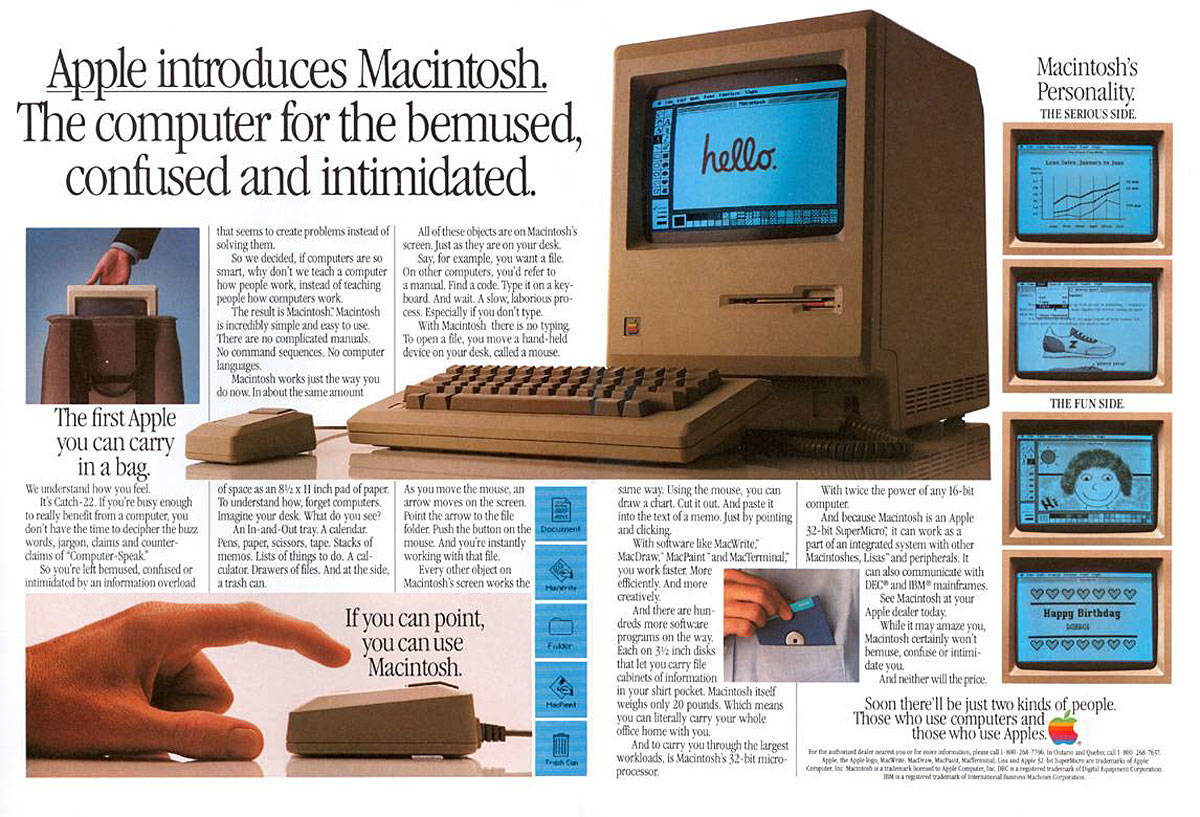
 January 24, 1984: Apple ships its first Mac, the mighty Macintosh 128K.
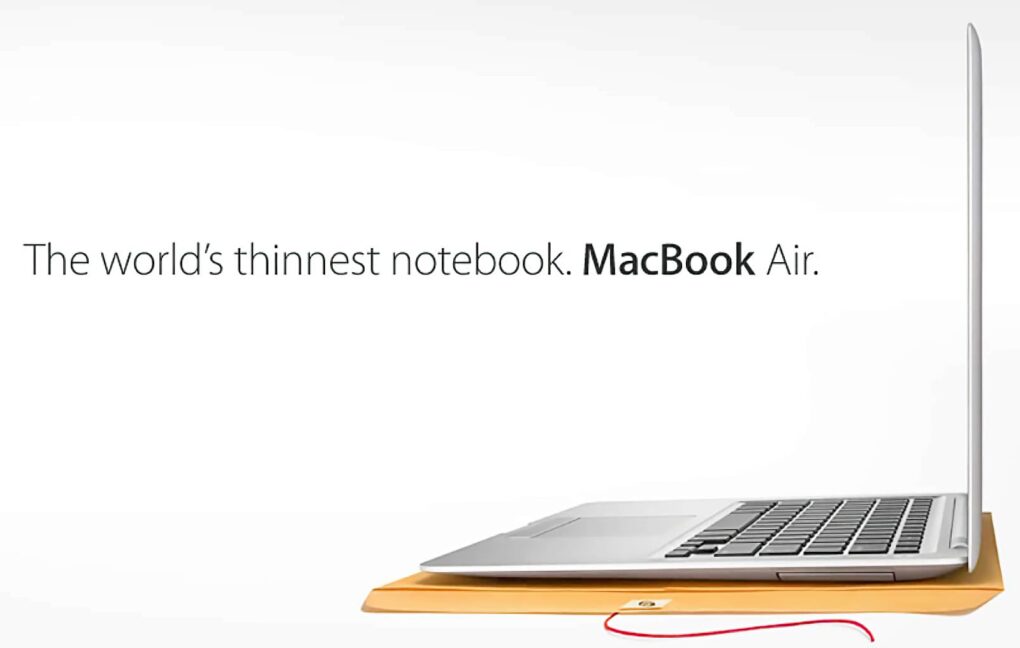
 January 15, 2008: Apple CEO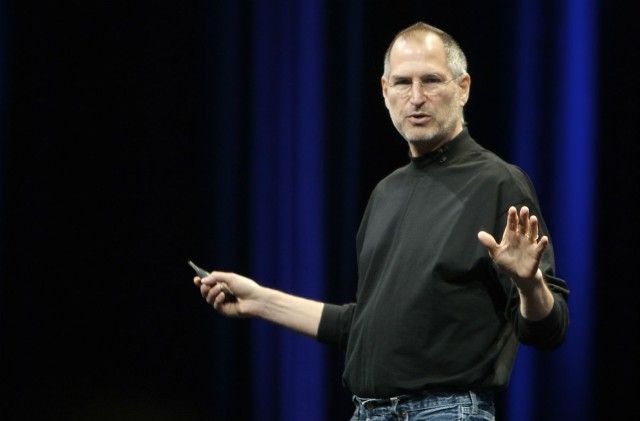
 January 14, 2009: Apple CEO Steve Jobs’ cancer worsens to the point that he takes a medical leave from leading the company.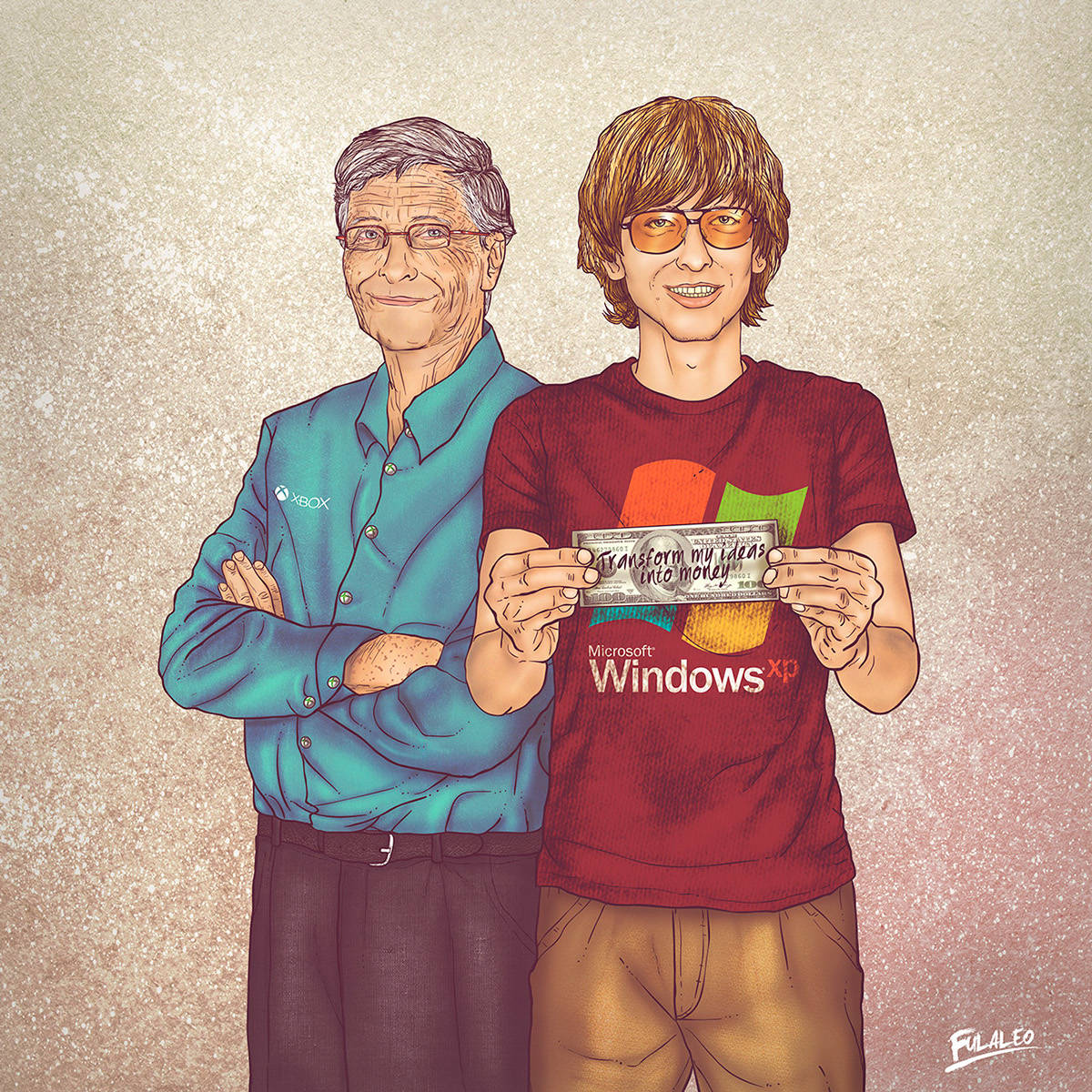
 January 13, 2000: Steve Jobs’ longtime frenemy Bill Gates quits as Microsoft CEO, stepping down just a month after his company’s stock hit its all-time high.
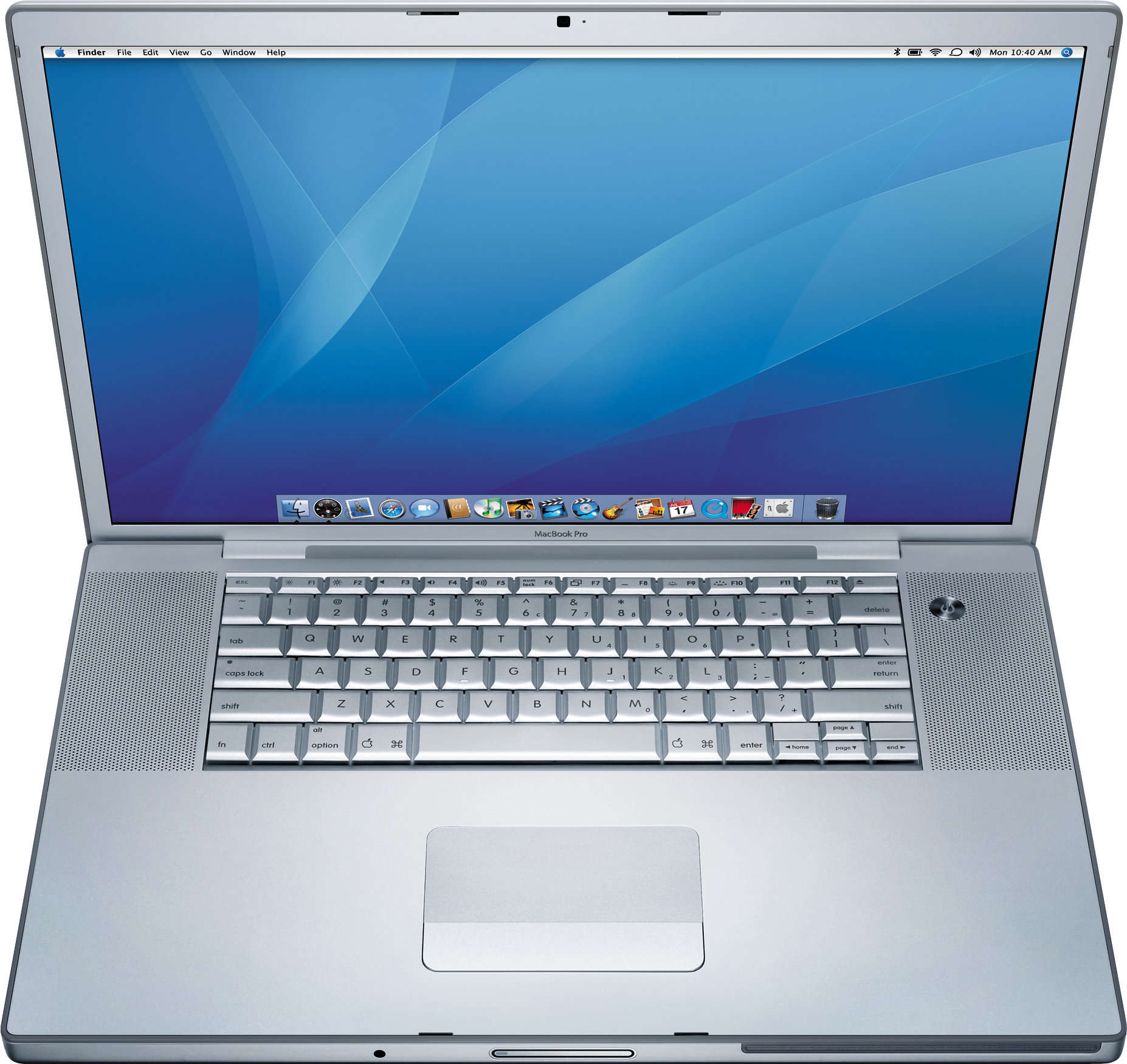
 January 10, 2006: Steve Jobs unveils the original 15-inch MacBook Pro, Apple’s thinnest, fastest and lightest laptop yet.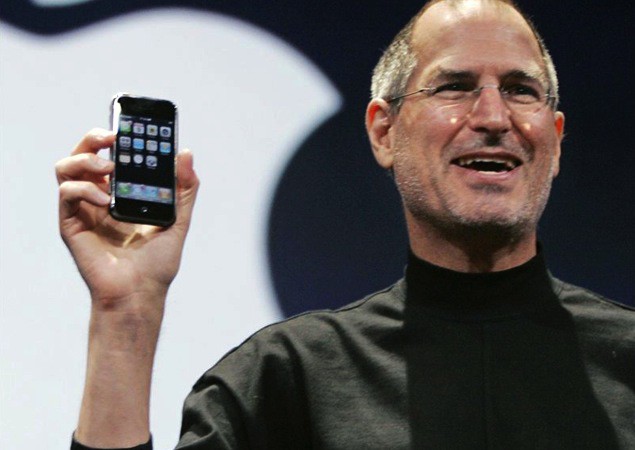
 January 9, 2007: Apple CEO Steve Jobs gives the world its first look at the iPhone onstage during the Macworld conference in San Francisco. The initial reaction to that first iPhone demo is mixed. But Jobs is confident that Apple has created a product that people want — even if they don’t know it yet.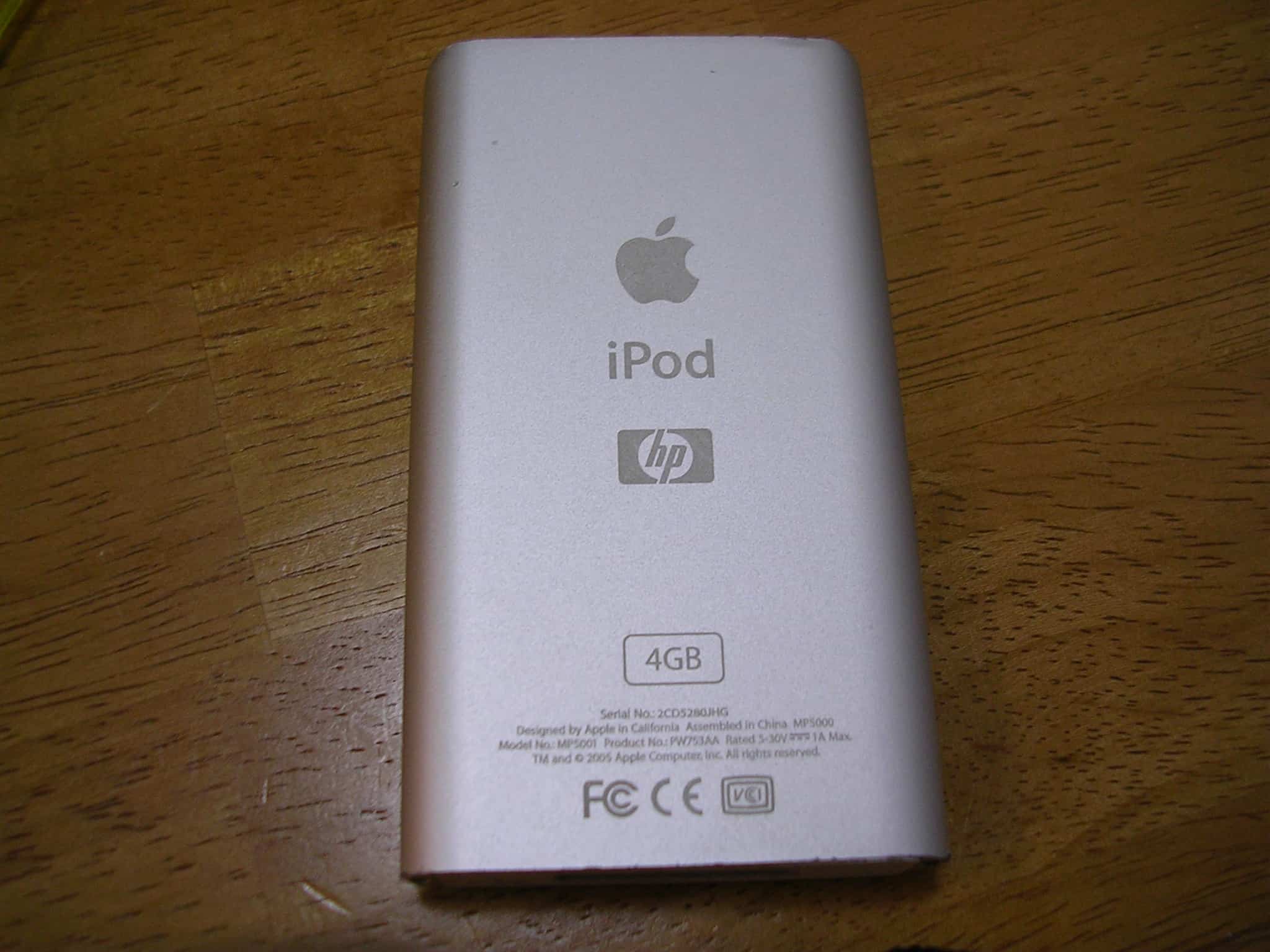
 January 8, 2004: The clumsily named iPod+HP, a Hewlett-Packard-branded iPod, debuts at the Consumer Electronics Show in Las Vegas.