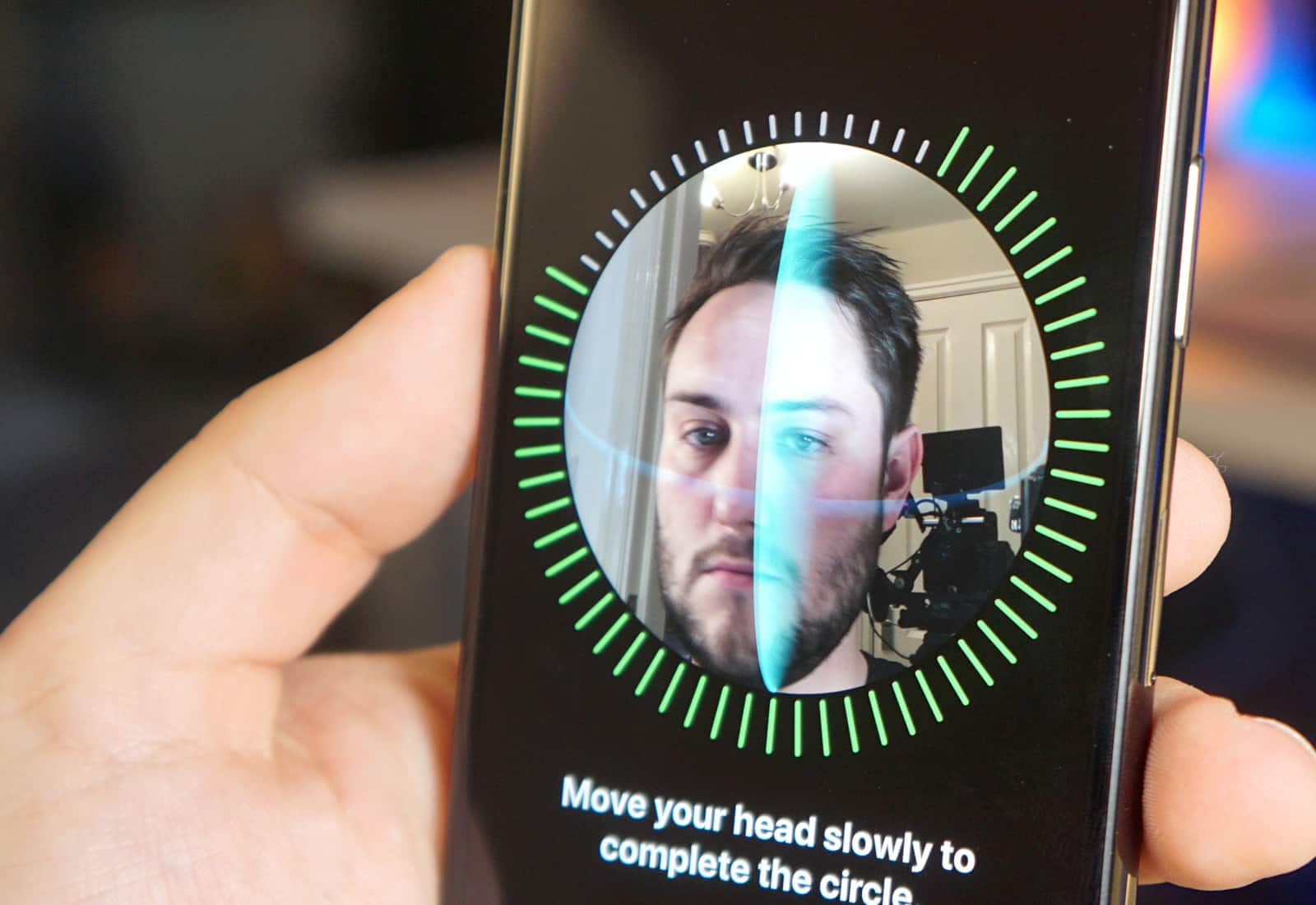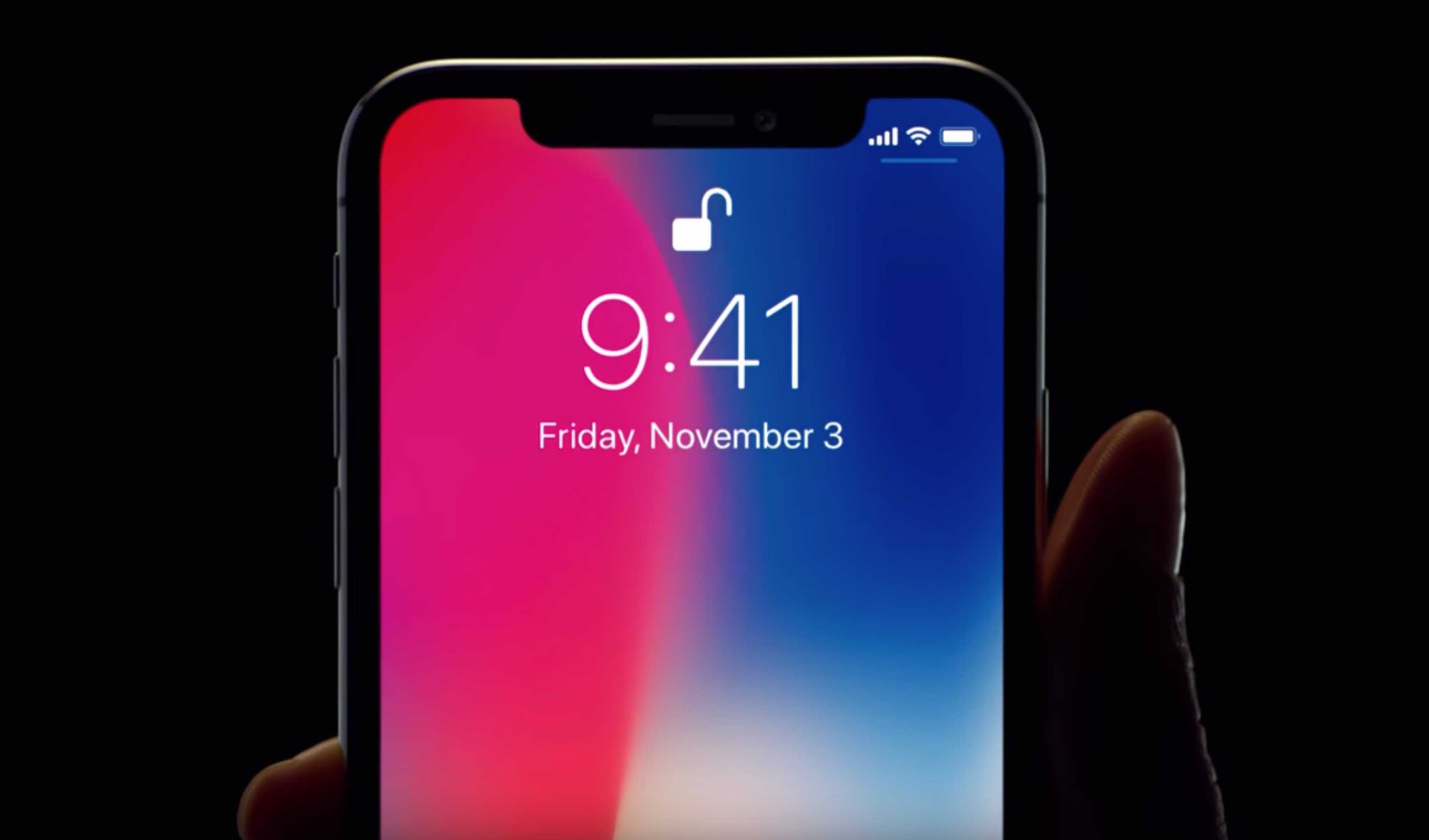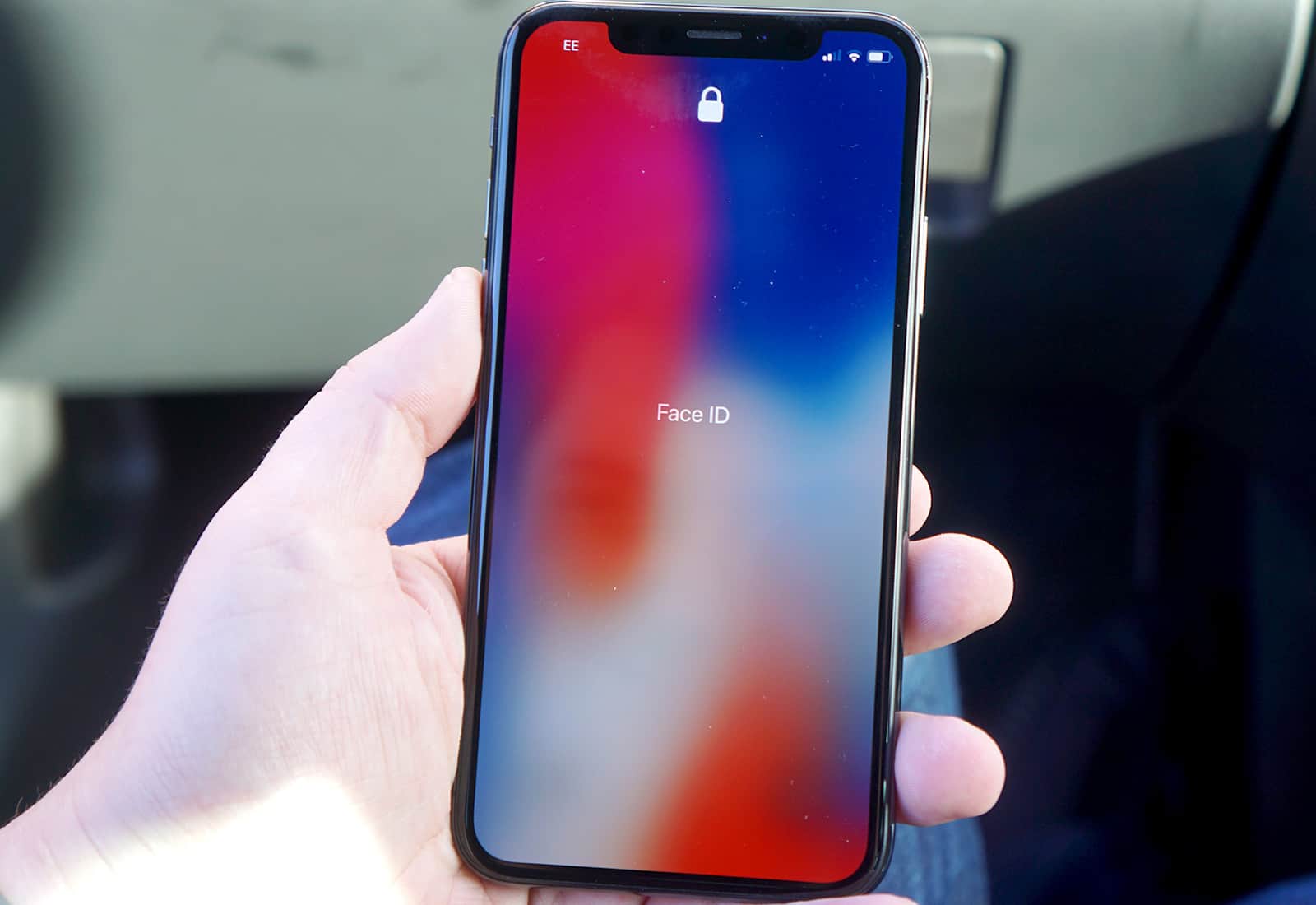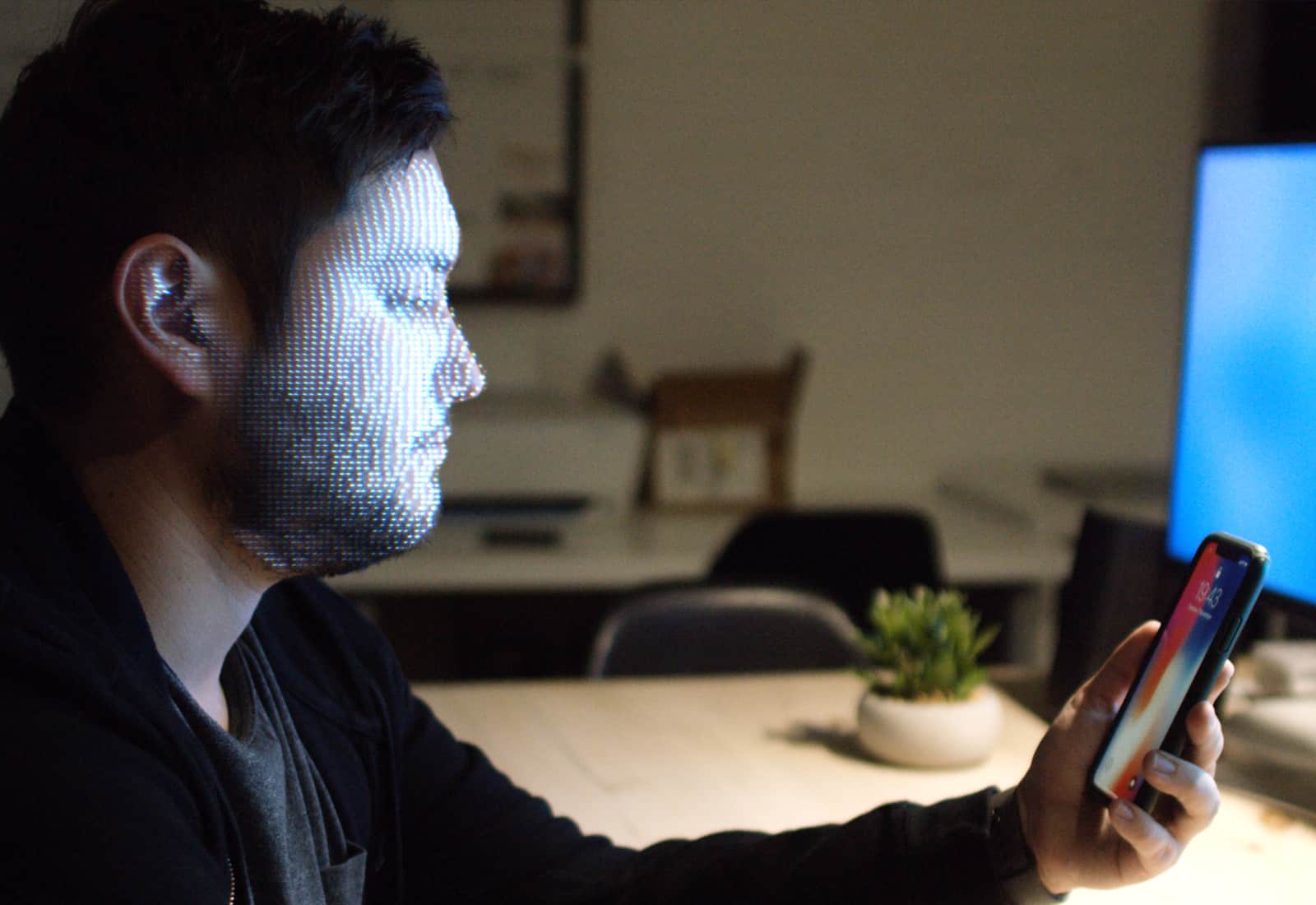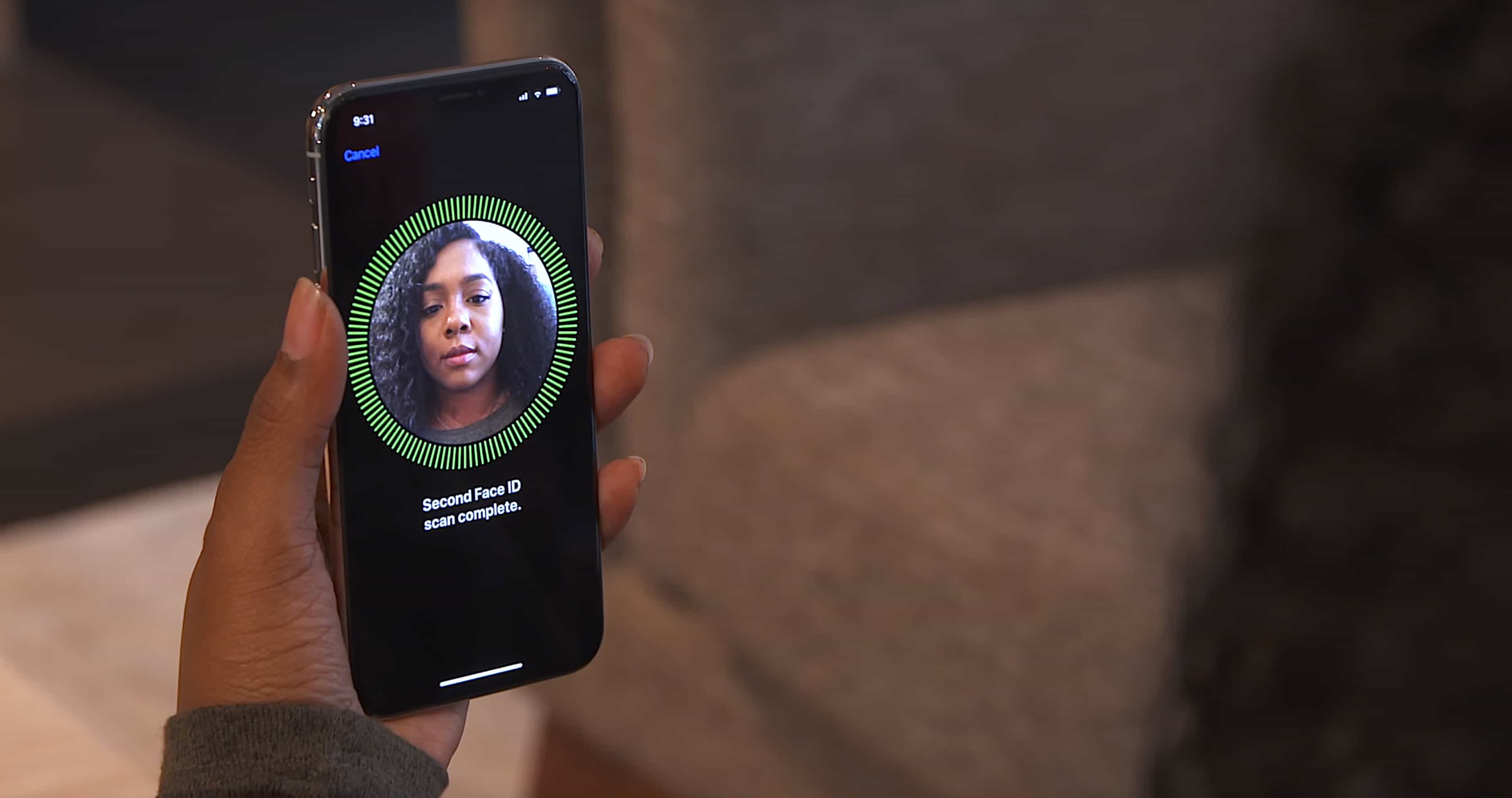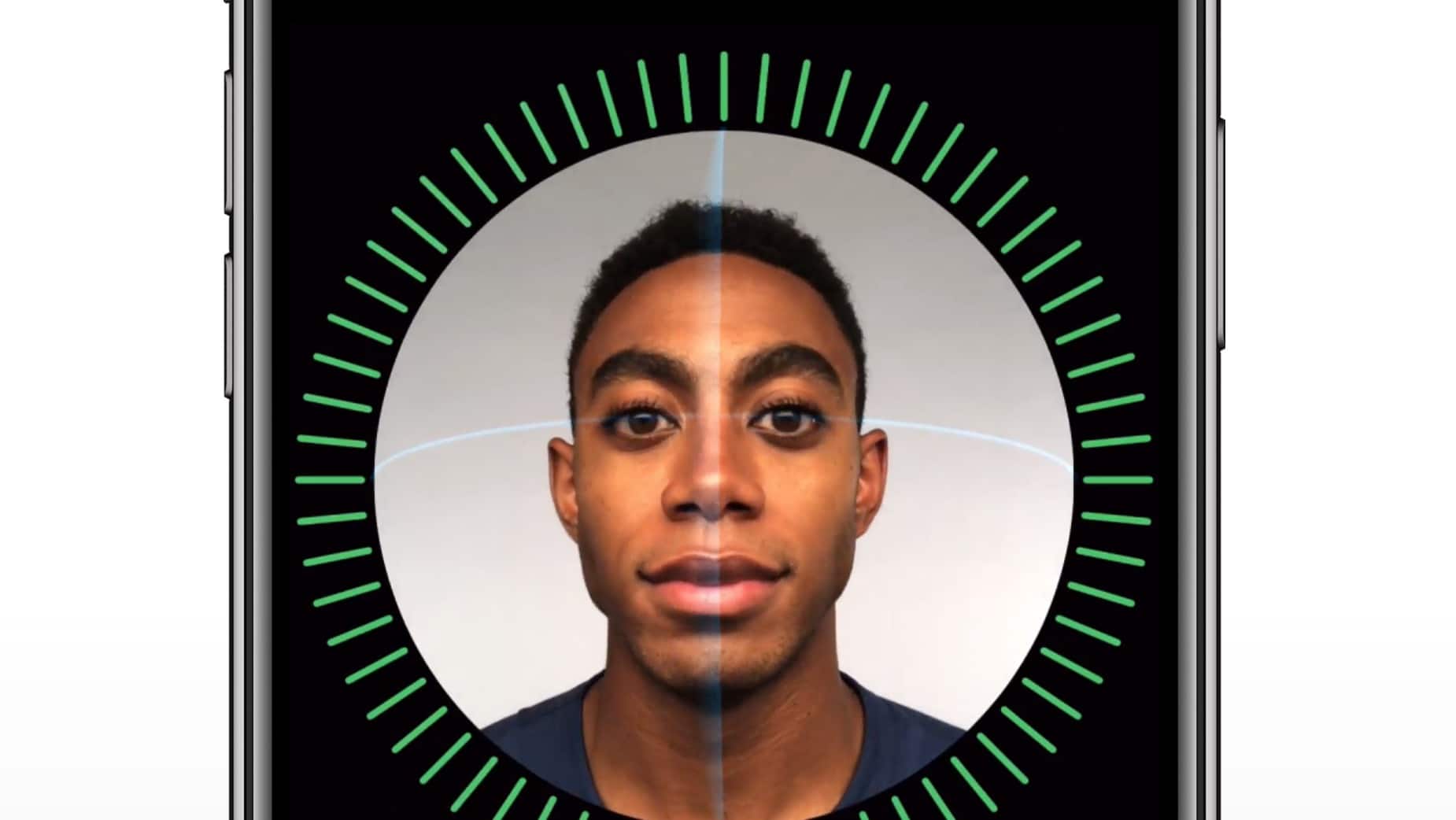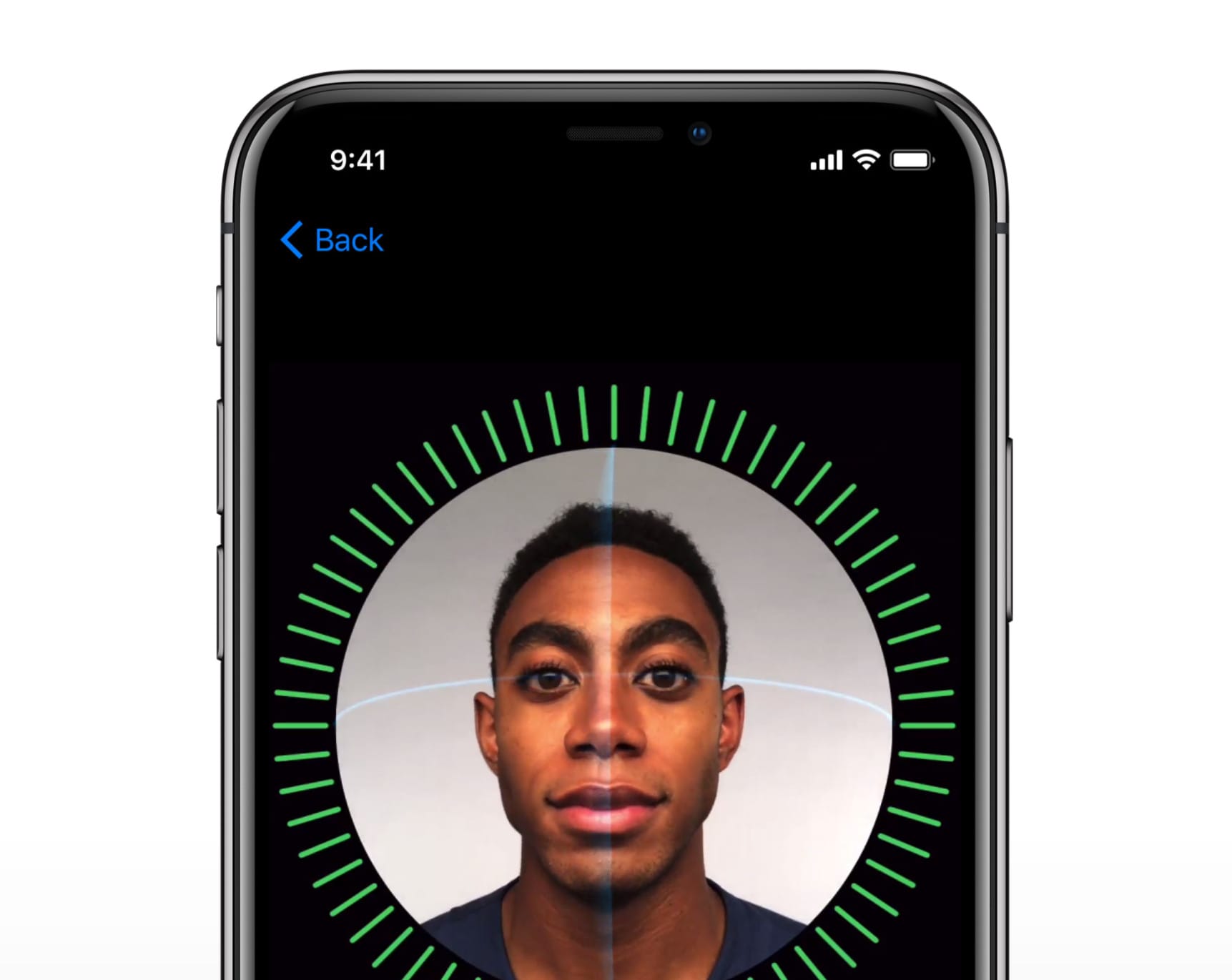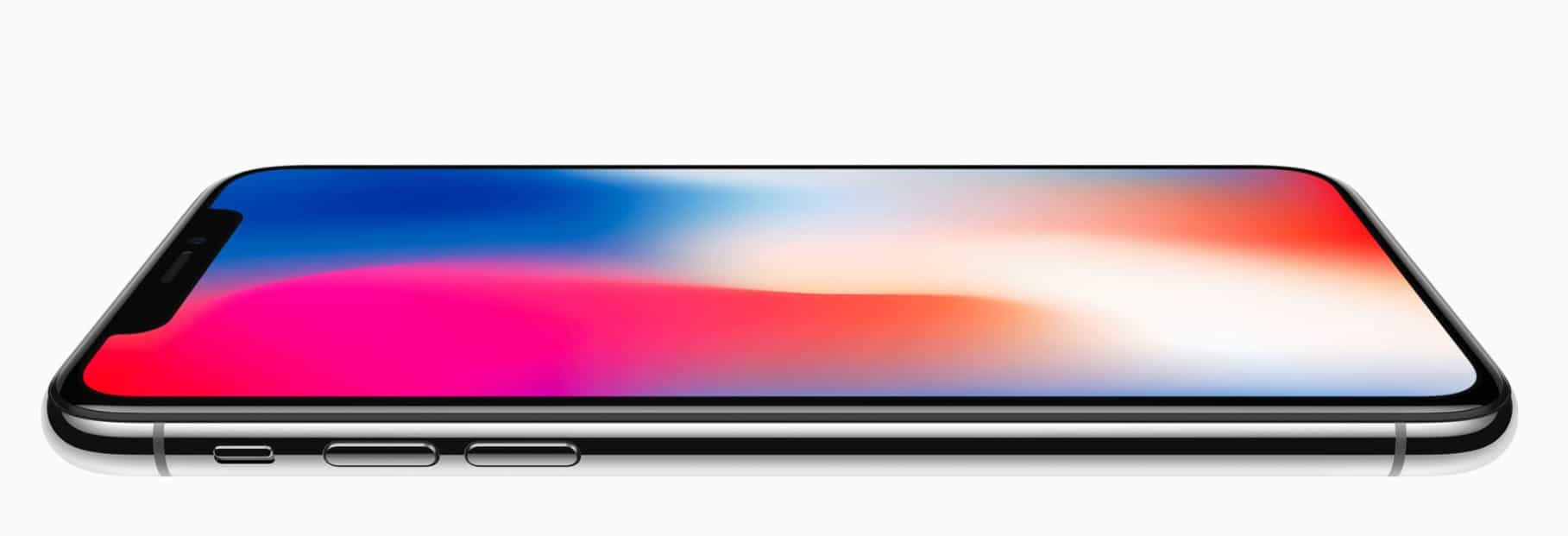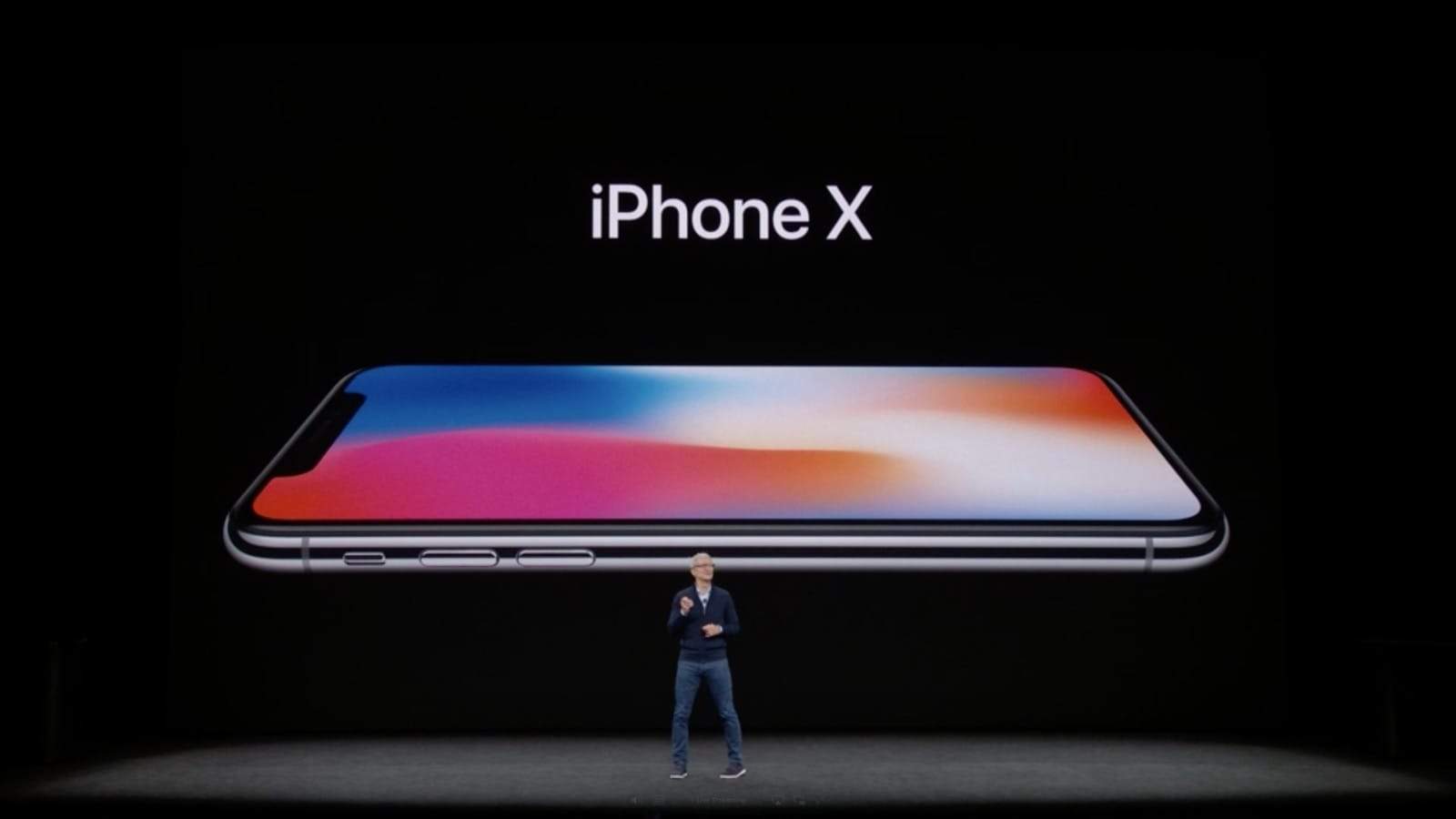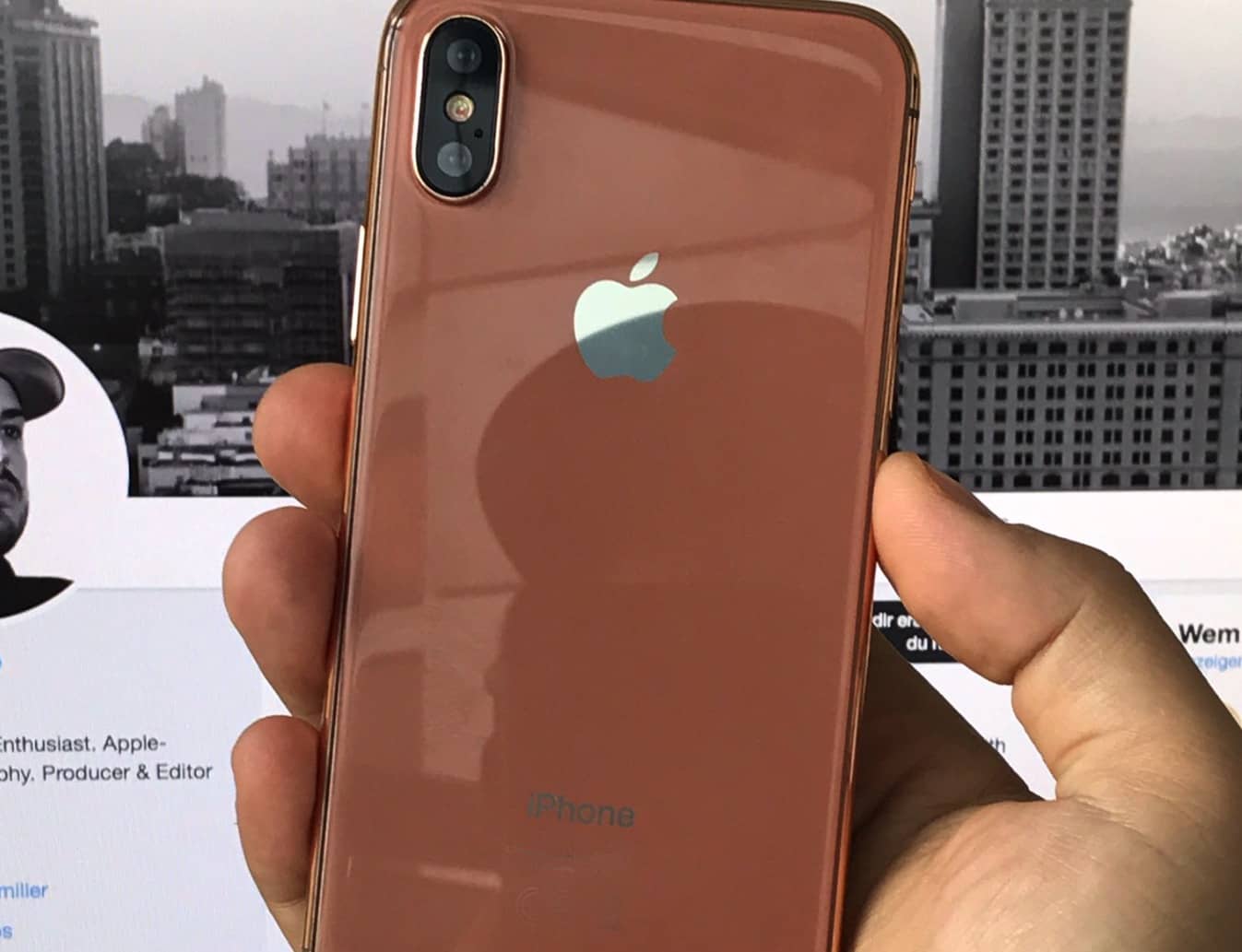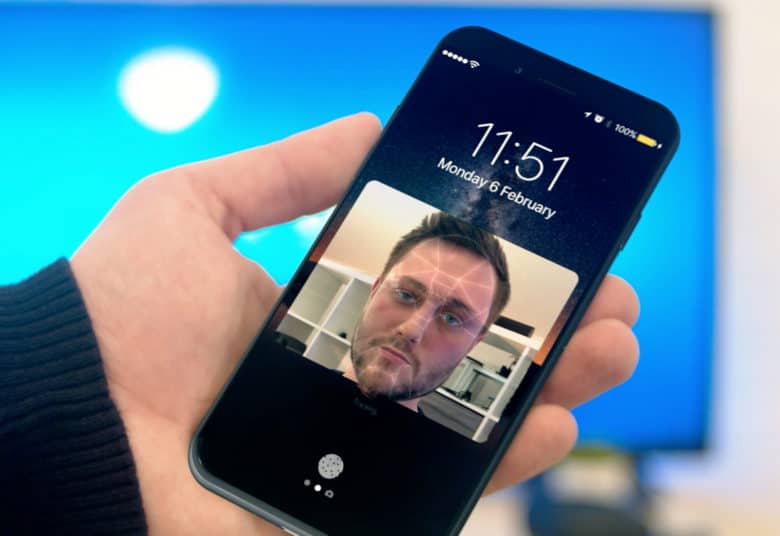
Face ID on iPhone X was designed to be operated by just one user, and that’s not going to change anytime soon.
Apple’s Craig Federighi, senior vice president of software engineering, says there are no plans to add multi-user support.
Face ID on iPhone X was designed to be operated by just one user, and that’s not going to change anytime soon.
Apple’s Craig Federighi, senior vice president of software engineering, says there are no plans to add multi-user support.
Apple’s latest series of videos are out to show fans why they should consider ditching Touch ID for Face ID.
With the new True Depth camera on the iPhone X, Apple’s magical software can unlock your iPhone just by looking at your face. In four new videos published on the company’s YouTube, Apple shows how Face Id can be used to bring your favorite animoji to life and more.
Watch all four right here:
Killing the home button on the iPhone X was a no-brainer, according to Apple’s design boss Jony Ive. But figuring out the best way to replace wasn’t an easy task.
In a recent interview on iPhone X, Jony Ive revealed some of the design decisions his team had to make in order to bring huge innovations to this year’s flagship device.
Hackers may have already proven that Face ID isn’t quite as secure as secure as Apple claims.
Using a simple 3D printed mask, Vietnamese security firm Bkav, has posted a video showing an iPhone X being unlocked after unveiling a composite 3D-printed mask made of plastic, makeup, silicone and paper cutouts for some facial features.
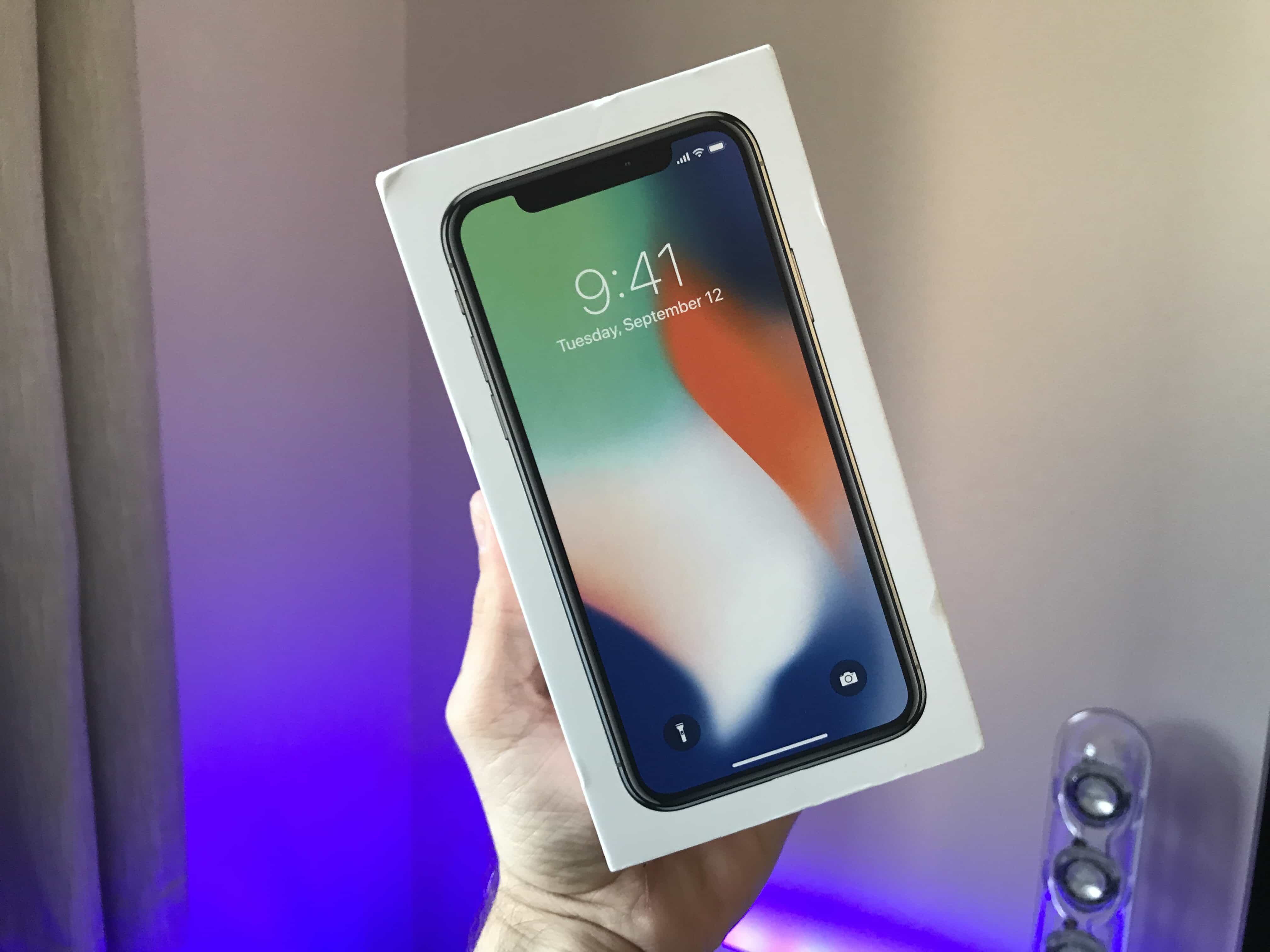
We finally have our hands on iPhone X and we couldn’t be more excited. I haven’t put mine down since it arrived at my door this morning, and while it’s too early to give you our full review, we are offering our first impressions.
Here’s what we think of the smartphone of the future so far, along with our iPhone X unboxing video.
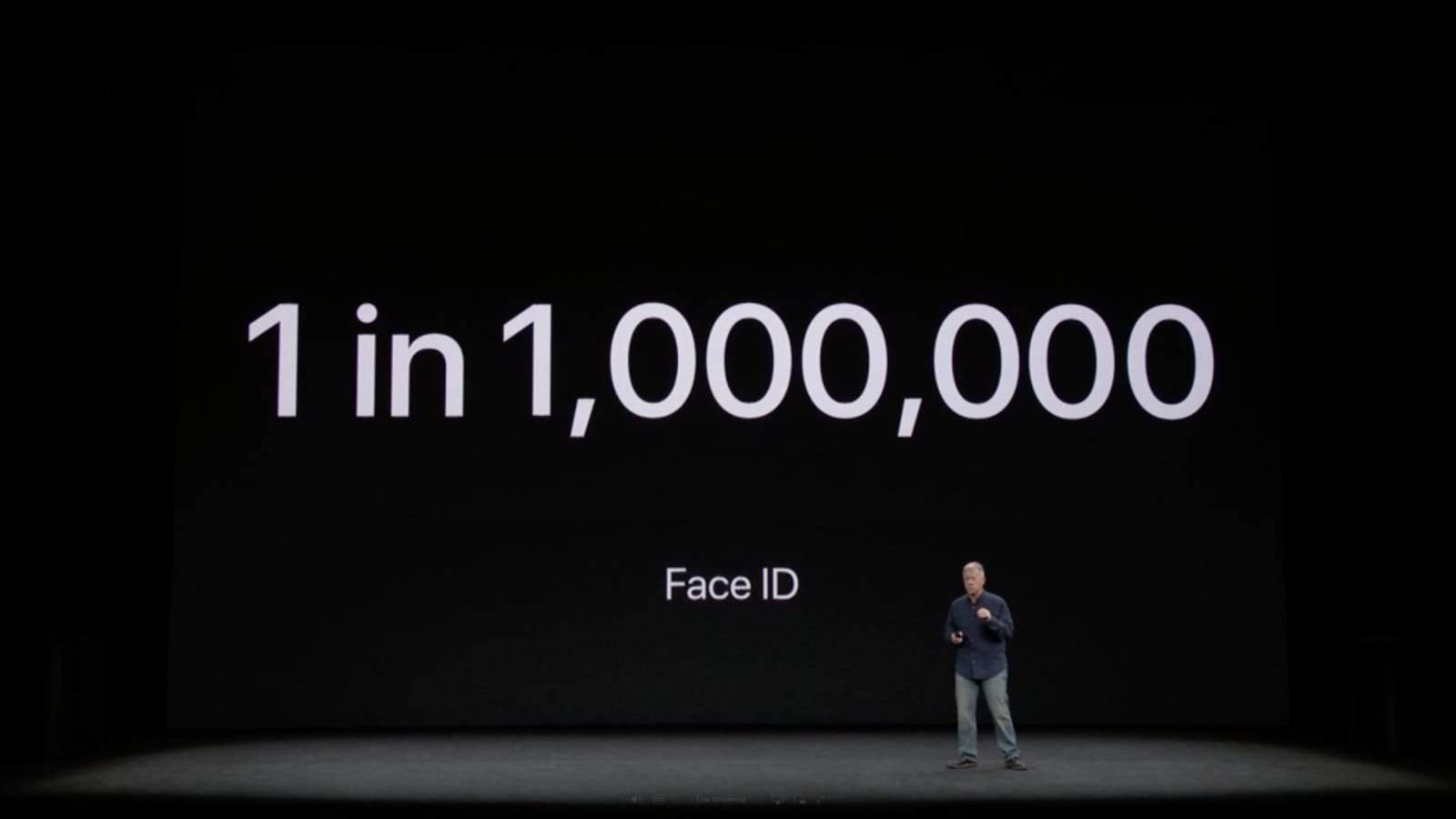
Face ID is the future, and it’s easy to see why. It’s significantly more secure than Touch ID, and it eliminates a number of big limitations. But it’s not quite perfect yet.
Those who are lucky enough to have received a unit early from Apple have discovered that Face ID is slower than its predecessor. There are some things you can do to speed it up, though.
Apple has denied that it ever considered embedding its Touch ID sensor into the display for its iPhone X, before running into problems and adopting Face ID instead.
In an interview with Dan Riccio, Apple’s senior vice president of Hardware Engineering, Riccio “flatly counters the narrative” that Apple ever considered using Touch ID for its tenth anniversary iPhone.
When the iPhone X arrives November 3, it will bring a new age of security with it.
Apple is ditching fingerprints for facial scanning when it comes to unlocking your device, thanks to the iPhone X’s all-new Face ID feature. Not all Apple fans are excited about this. But if Face ID works as well as Apple says it does, it could be the most innovative iPhone addition in years.
Here’s what you need to know about Face ID.
Apple batted down a report this morning that claimed the company made compromises with the iPhone X’s new Face ID hardware after the phone was revealed at last month’s keynote.
Bloomberg reported that “Apple didn’t add extra time to get it right,” referring to the dot projector on the Face ID component saying it’s accuracy is weaker now. This allegedly was done because it was holding back iPhone X manufacturing, but an Apple spokesperson says security hasn’t been weakened.
Apple says it has done extensive testing to ensure that Face ID treats everyone equally when the feature launches next month with the iPhone X.
Face ID has attracted a slew of security questions from the public wondering how Apple plans to keep biometric data private. U.S. Sen. Al Franken also asked what Apple is doing to protect against racial, gender or age bias in Face ID.
Apple finally responded to the senator’s question, providing a deeper look into the testing process.
Apple is so confident that Face ID is the future of biometric security that it plans to include it in every iPhone it launches in 2018. The lineup will do away with the beloved Touch ID scanner entirely, according to one reliable analyst.
Having your notifications displayed on your iPhone’s lock screen is incredibly convenient. But it leaves them exposed to prying eyes. That’s no longer a worry with iPhone X, which won’t reveal your lock screen notifications to anyone but you.
Samsung will beat Apple to delivering a revolutionary new smartphone display, according to one reliable analyst.
The South Korean company’s next Galaxy Note will have a fingerprint-scanning screen, which Apple had to drop from iPhone X because it couldn’t be perfected in time for launch.
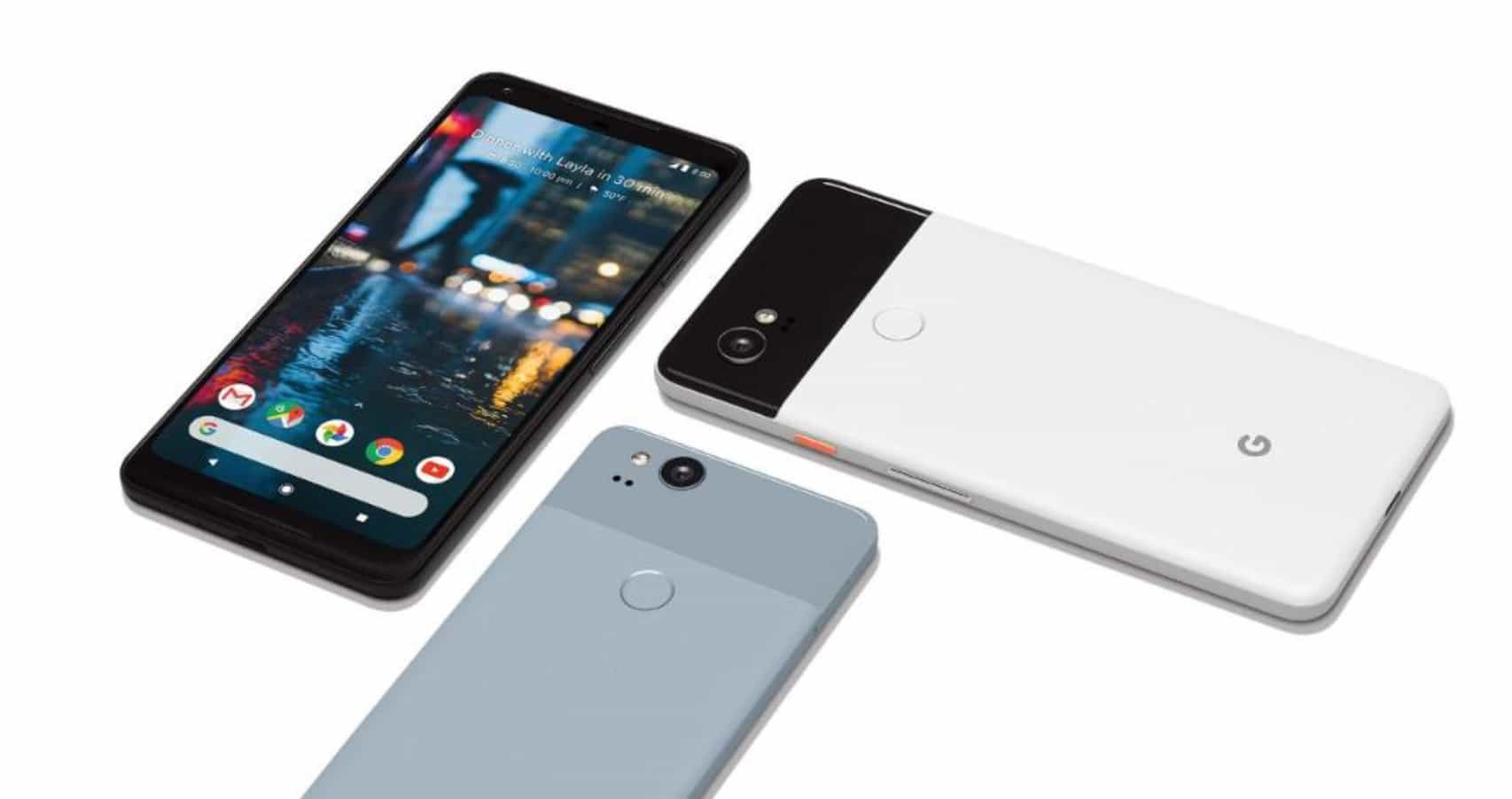
Google’s new Pixel 2 and Pixel 2 XL might be a little disappointing to some Android fans, but they’re still stellar smartphones. Both sport attractive designs that pack the best hardware available, including excellent cameras, and the speedy Snapdragon 835 chipset.
But can they convince iPhone fans to jump ship? Here’s how the new Pixel lineup compares to iPhone 8 and the upcoming iPhone X.
Only you will be able to unlock your iPhone X using Face ID.
When the new biometric security features makes its debut this November, it will support just one user, Apple has confirmed. If anyone else uses your device, they’ll have to enter the passcode.
iPhone X is “the future” of the smartphone, and it’s set to revolutionize the way we use mobile devices all over again with features like Face ID and wireless charging. It’s also incredibly good-looking, and insanely powerful thanks to Apple’s A11 Bionic chip.
But is it worth the wait and the hefty price tag?
Find out in our in-depth comparison, which pits iPhone X against its more familiar, more affordable sibling, iPhone 8.
During its very first event in the Steve Jobs Theater, Apple today unveiled the much-anticipated iPhone X.
The device is a celebration of the iPhone’s tenth anniversary, and it comes with an all-new design and exciting features that hope to breathe new life into the lineup and revitalize falling sales.
iPhone X sports a stunning edge-to-edge Super Retina display, advanced facial recognition, wireless charging, and lots, lots more.
Forget about everything else; this is the smartphone you’ll want next.
The long wait for Apple’s big iPhone 8 upgrade is nearly over.
Apple is set to unveil its new lineup of iPhones during an event at the Steve Jobs Theater in Cupertino on September 12. This year’s model has been hyped more than any in recent memory. Tons of new features are being packed into the 10th edition of the iPhone for what will likely be the most innovative smartphone Apple has released in years.
Here are all the details and new features we know are coming:
iPhone X might be insanely expensive, but that won’t prevent it from becoming the best-selling Apple smartphone to date. What might scupper sales is incredibly short supply.
According to one reliable analyst, iPhone X production, as it currently stands, has no hope of keeping up with early demand.
Apple has made a couple of changes in iOS 11 that make it more difficult for cops to get into your iPhone. We discovered one of those last month, and now another has been uncovered by security software developer ElcomSoft.
It makes it even more difficult for law enforcement to obtain the data on your iPhone, even if they have your fingerprint.
Since Apple revolutionized smartphones ten years ago, it has kept working to give us new technologies that keep changing the way we use mobile devices. One of those has become beloved by all iPhone fans, but you’re going to have to get used to life without it.
No, I’m not talking about the physical Home button, but rather Touch ID. A new report claims there’s no place for it in iPhone 8.
Apple’s upcoming premium iPhone is likely to be its most expensive model ever — and Samsung is partly to blame, according to a reliable Apple analyst.
In his latest research note, KGI Securities analyst Ming Chi-Kuo explains to investors that Samsung currently holds a practical monopoly on the supply of OLED displays. The company is likely charging Apple a huge amount of money to make the switch from LCD modules to OLED. Apple fans probably won’t be happy with the final price tag.
We might have a brand new way to activate Siri on Apple’s next-generation iPhones, according to one iOS developer.
References in Apple’s source code hint at a new gesture using the physical sleep/wake button, which will enable us to access the virtual assistant in situations where using the “Hey Siri” command isn’t ideal.
Apple may have ditched plans to embed Touch ID sensors in iPhone displays in favor of facial recognition, but that doesn’t mean it’s no longer interested in improving its fingerprint sensing capabilities.
In a newly-granted patent, Apple describes a type of acoustic-based fingerprint imaging technology that could replace the current Touch ID Home button with special ultrasonic transducers under the display of its devices.
By Joey Pritikin
Over the last five years, biometrics has evolved from the stuff of crime scene investigation and science fiction movies to a broad set of technologies that make our lives easier, more personal, and more secure. Starting with the Touch ID sensor in the iPhone 5s, Apple led the way in the acceptance and adoption of biometrics.
The latest indications are that Apple is embracing a face-recognition approach that goes beyond a standard 2D, visible-light sensor. When used in a situation where there are only a handful of approved users, like a consumer mobile device, the promise is great.