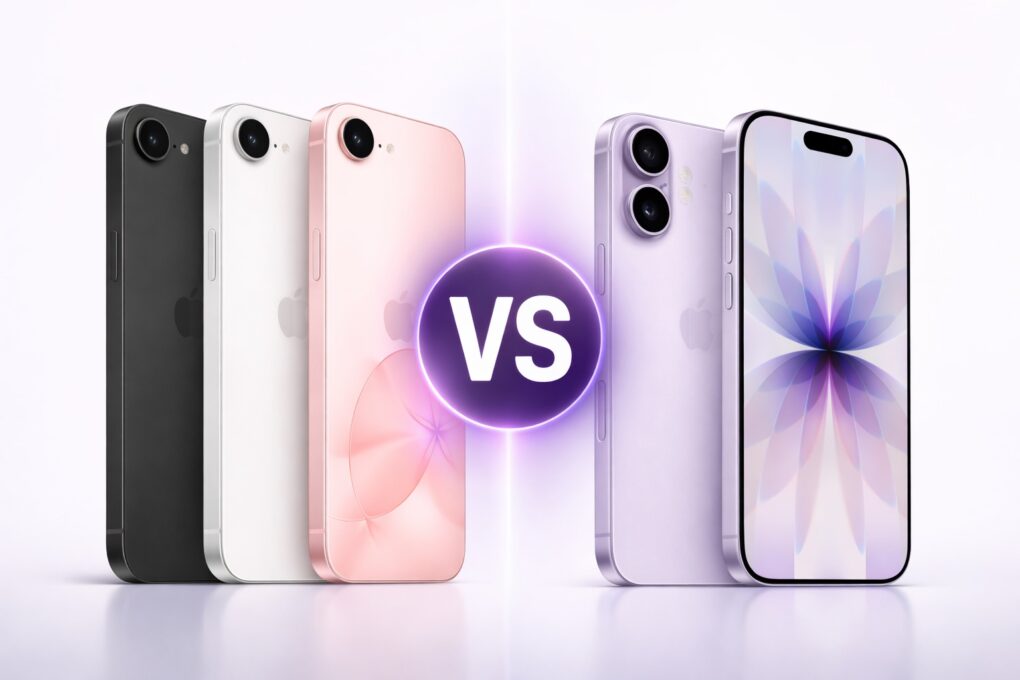
Apple’s iPhone 17 lineup has a new, more affordable addition: the iPhone 17e. It might look different from the rest of the family, but under the hood, it shares many of the same core components.
If you are trying to decide between the iPhone 17 and iPhone 17e, here’s the smarter option.
This post contains affiliate links. Cult of Mac may earn a commission when you use our links to buy items.
iPhone 17 or iPhone 17e: Which one is better?
Between the two, the iPhone 17 clearly packs the superior hardware. But it’s not just about specs. Are the differences between the iPhone 17 and iPhone 17e enough to justify the former’s $200 higher price tag?
One delivers an almost flagship-like experience. The other delivers a similar experience at a lower price with some compromises. Neither is a bad choice — but only one makes more sense for you.
Notch vs. Dynamic Island
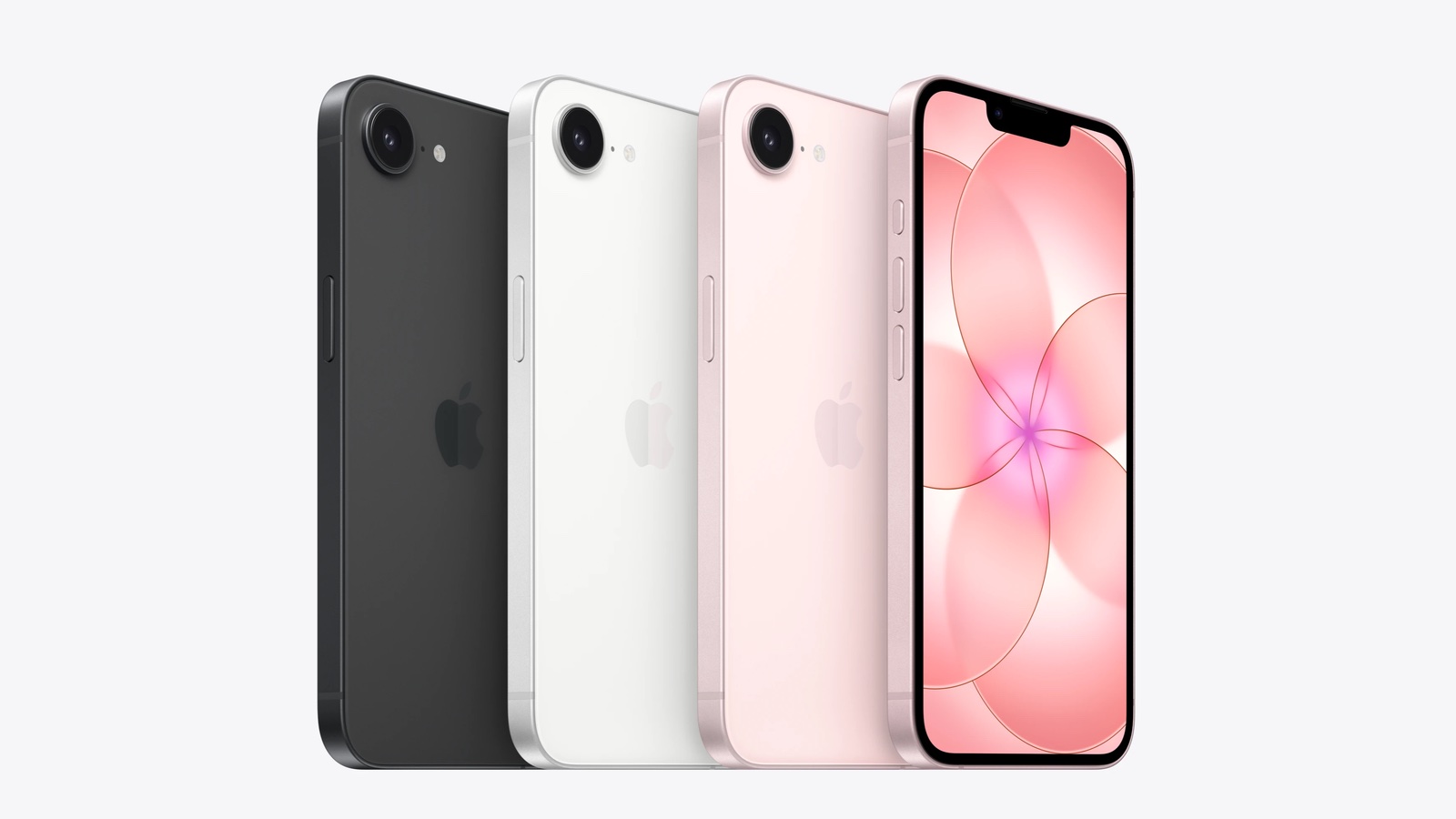
Photo: Apple
- iPhone 17e: Notch design, aluminum frame, Action button, Ceramic Shield 2 front, IP68 water resistance; 146.7mm height, 169 grams
- iPhone 17: Dynamic Island, aluminum frame, Action button, dedicated Camera Control button, Ceramic Shield 2 front, IP68 water resistance; 149.6mm height, 177 grams
The iPhone 17 and iPhone 17e share a similar aluminium construction. They also use a Ceramic Shield 2 cover glass, which is up to three times more scratch-resistant. Plus, they are IP68-certified, making them dust and water-resistant.
However, the design similarities between the two iPhone 17 models end there. The iPhone 17 sports a newer front design, thanks to Dynamic Island. It also features a dedicated Camera Control button for quick access to the camera. It’s not as useful in daily life, so its omission on the iPhone 17e won’t sting much.
The Action button is present on both models. But given its high placement, it’s not really a practical addition.
You can get the iPhone 17e in three understated finishes: pink, white and black. The iPhone 17 comes in five bold colors: lavender, sage, black, white, and mist blue. The more playful color palette gives the iPhone 17 a wider appeal and more expressive look.
Dynamic Island vs. Notch
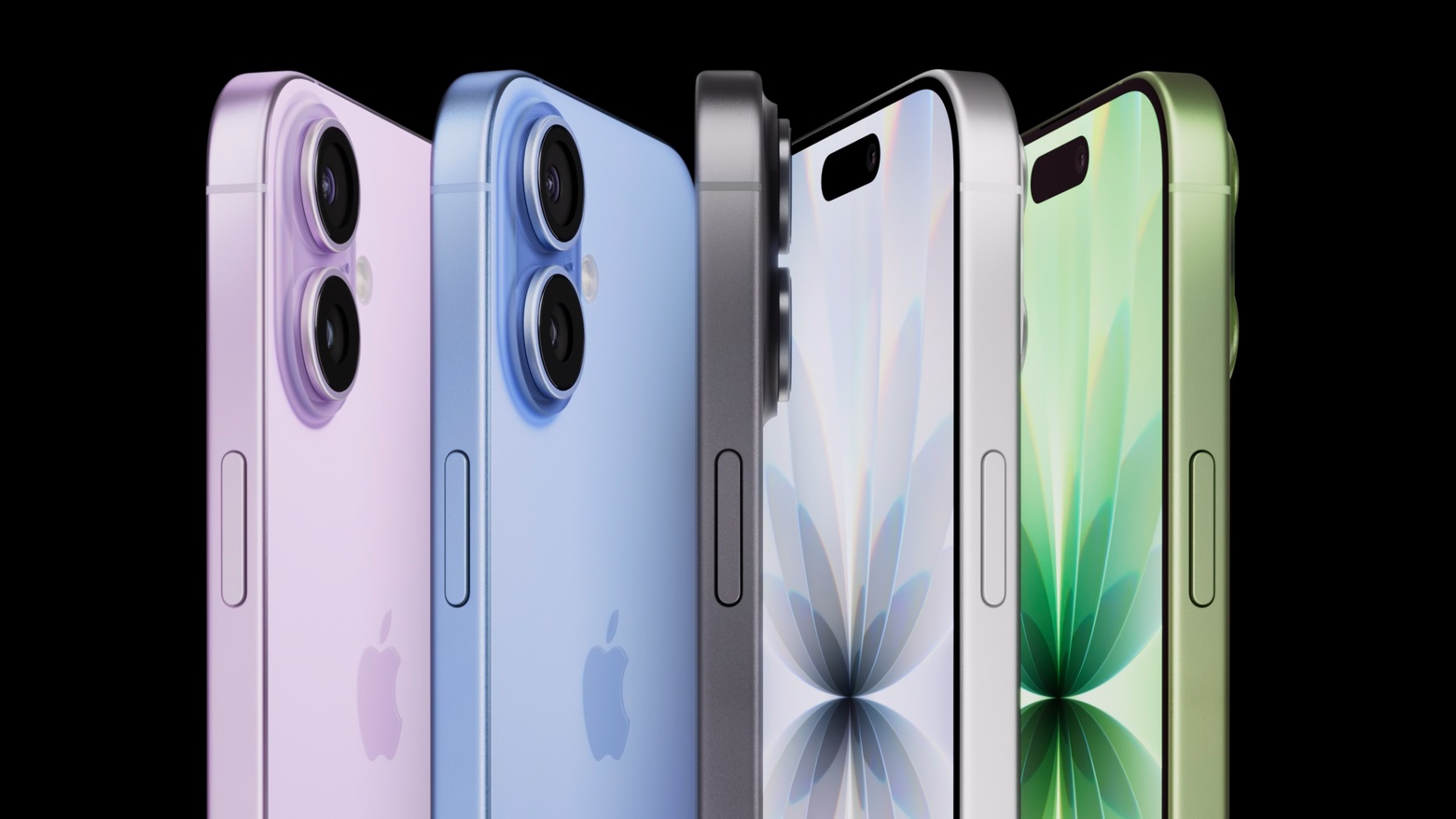
iPhone 17 comes in five color options.
- iPhone 17e: 6.1-inch Super Retina XDR display, 2,532 x 1,170 pixels, 60Hz refresh rate, Haptic Touch, True Tone, Ceramic Shield 2 cover glass, 800 nits typical brightness, 1,200 nits peak brightness
- iPhone 17: 6.3-inch 120Hz ProMotion OLED, 2,622 x 1,206 pixels, Always-On Display, Dynamic Island, Ceramic Shield 2 cover glass, 3,000-nit peak brightness, 1-nit minimum brightness
The iPhone 17e not only looks dated from the front, but it also uses an outdated display. Apple switched to a bigger 120Hz ProMotion OLED panel on the iPhone 17 last year.
However, it has not given the iPhone 17e’s display any such upgrade. It still uses the same 60Hz Super Retina XDR display as its predecessor. And that means the display retains the notch instead of adopting the Dynamic Island.
It’s not just about the refresh rate or the notch. The iPhone 17e panel’s peak brightness is over 60% lower than the iPhone 17. The standard model can also dim down to just 1 nit, making it far more comfortable to use in dark environments.
The iPhone 17’s superior display gets you another perk: an Always-On Display.
Performance and storage

Photo: Apple
- iPhone 17e: A19, 3nm fab, 6-core CPU, 4-core GPU with Neural Accelerators, upgraded 16-core Neural Engine, hardware-accelerated ray tracing; 256GB and 512GB storage
- iPhone 17: A19, 3nm fab, 6-core CPU, 5-core GPU with Neural Accelerators, upgraded 16-core Neural Engine, hardware-accelerated ray tracing; 256GB and 512GB storage
Despite its more affordable price tag, the iPhone 17e uses the same A19 chip as the iPhone 17. Fabricated on TSMC’s latest 3nm node, its 6-core CPU delivers notably better performance.
Apart from all the performance gains, Apple added dedicated Neural Accelerators to each GPU core of the A19 chip. This significantly boosts gaming and AI performance. Like the iPhone 16e from 2025, the iPhone 17e uses a binned A19 chip. So, it has one fewer GPU core — four versus five — than the iPhone 17. For daily use, this won’t have any noticeable impact.
The A19’s upgraded 16-core Neural Engine further boosts AI and machine learning performance, enabling faster on-device processing and smarter features. All this extra horsepower should come in handy when Apple rolls out Gemini-powered features in Apple Intelligence.
Despite the ongoing DRAM and NAND crisis, Apple bumped the iPhone 17e’s base storage to 256GB. That’s twice as much as its predecessor and the same as the iPhone 17. Both phones also ship with 8GB RAM as standard.
Cameras
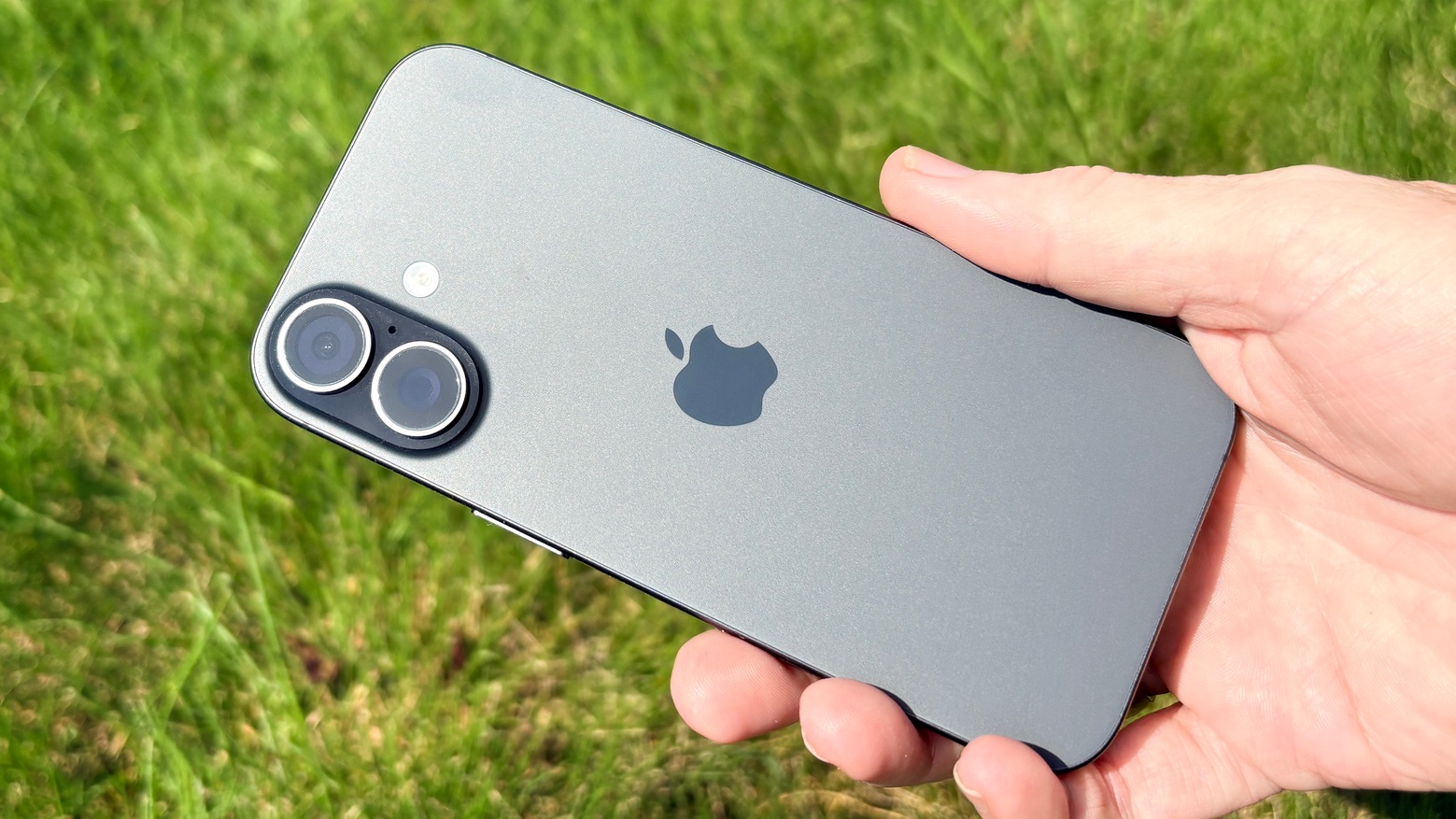
Photo: Ed Hardy/Cult of Mac
- iPhone 17e: Single 48MP Fusion camera; 12MP TrueDepth front camera, OIS, True Tone flash, Photonic Engine, Deep Fusion, Smart HDR 5, Next-gen portraits with Focus and Depth Control, Night mode, Spatial photos; 4K 60fps Dolby Vision video recording
- iPhone 17: Dual 48MP Fusion main and ultrawide rear cameras; 18MP Center Stage front camera, Sensor-shift OIS, True Tone flash, Photonic Engine, Deep Fusion, Smart HDR 5, Next-gen portraits with Focus and Depth Control, Night mode, Macro photography, Spatial photos and video; 4K 60fps Dolby Vision video recording, Cinematic mode, Dual Capture, Action mode
Like its predecessor, the iPhone 17e only features a single 48MP rear camera. Even the front selfie shooter remains the same: a 12MP TrueDepth camera system. While decent, if camera is your priority, the iPhone 17 packs a better system. It not only houses more cameras, but it also packs better sensors.
With dual 48MP rear shooters, the iPhone 17 provides more flexibility than its cheaper sibling. The 0.5x Ultra Wide will enable you to capture really wide shots, especially in tight spaces. It also supports macro photography, allowing you to get close to a subject and capture detailed close-up images.
The front camera is another clear differentiator. The iPhone 17’s upgraded 18MP Center Stage camera uses a new square sensor that dynamically reframes shots during video calls or recordings. That makes it far more adaptable for group selfies and content creation.
By comparison, the 17e sticks with a traditional 12MP TrueDepth camera, which works well but lacks the same intelligent framing capabilities.
Video performance also tilts in favor of the iPhone 17. While both devices support 4K 60fps Dolby Vision recording, the 17 adds Cinematic mode, Action mode, and Dual Capture.
All these features give you more flexibility when recording videos. And if you don’t know or care what they do, the iPhone 17e’s single 48MP camera will serve you just fine.
Both phones share Apple’s core image processing features like Photonic Engine and Smart HDR 5. But the iPhone 17 wins with its added flexibility and additional features.
Cellular and connectivity

Photo: Apple
- iPhone 17e: C1x modem, Wi-Fi 6, Bluetooth 5.3, GPS, GLONASS
- iPhone 17: Qualcomm Snapdragon X80 5G modem, Wi-Fi 7, Bluetooth 6, 2nd-gen UWB chip, Thread, Dual-frequency GPS
The iPhone 17e uses Apple’s in-house C1x modem. It also does duty inside the iPhone Air. Unlike the Snapdragon baseband inside the iPhone 17, the C1x is aimed towards efficiency, which explains why it’s missing mmWave 5G support.
Compared to the iPhone 16e‘s C1 modem, Apple says C1x delivers up to 50% faster speeds.
Still, from a connectivity viewpoint, the iPhone 17 trumps its cheaper sibling. It supports newer and faster Wi-Fi and Bluetooth standards. Plus, a UWB chip ensures it will work better with AirTag and certain iOS features. It can also act as a Thread router for compatible devices in your smart home.
Battery and charging
- iPhone 17e: Up to 26 hours of video playback, Up to 21 hours of streaming video playback; 50% fast charge in 30 minutes, 15W MagSafe wireless charging support
- iPhone 17: Up to 30 hours of video playback, Up to 21 hours of streaming video playback; 50% fast charge in 20 minutes, 15W MagSafe wireless charging support
Despite packing a bigger and brighter OLED panel, Apple claims the iPhone 17 lasts longer than the iPhone 17e. The difference is big enough to be noticeable in daily life. It also charges faster — up to 50% in 20 minutes, as long as you use a 40W power brick.
The iPhone 17e does fairly well, too, charging to 50% in 30 minutes.
Unlike its predecessor, the iPhone 17e supports MagSafe. So, as with the iPhone 17, you can attach magnetic accessories onto its back.
Price
- iPhone 17e: Starts from $599 for 256GB
- iPhone 17: Starts from $799 for 256GB
Despite increasing component costs and major upgrades, Apple kept the iPhone 17’s $799 starting price unchanged. Likewise, the iPhone 17e carries the same $599 MSRP as its predecessor despite using a faster chip and shipping with twice the storage space.
This pricing strategy significantly improves the value proposition of both models. They are offering more value for money while packing superior internals and delivering a better experience.
iPhone 17 vs. iPhone 17e: Which is worth buying?
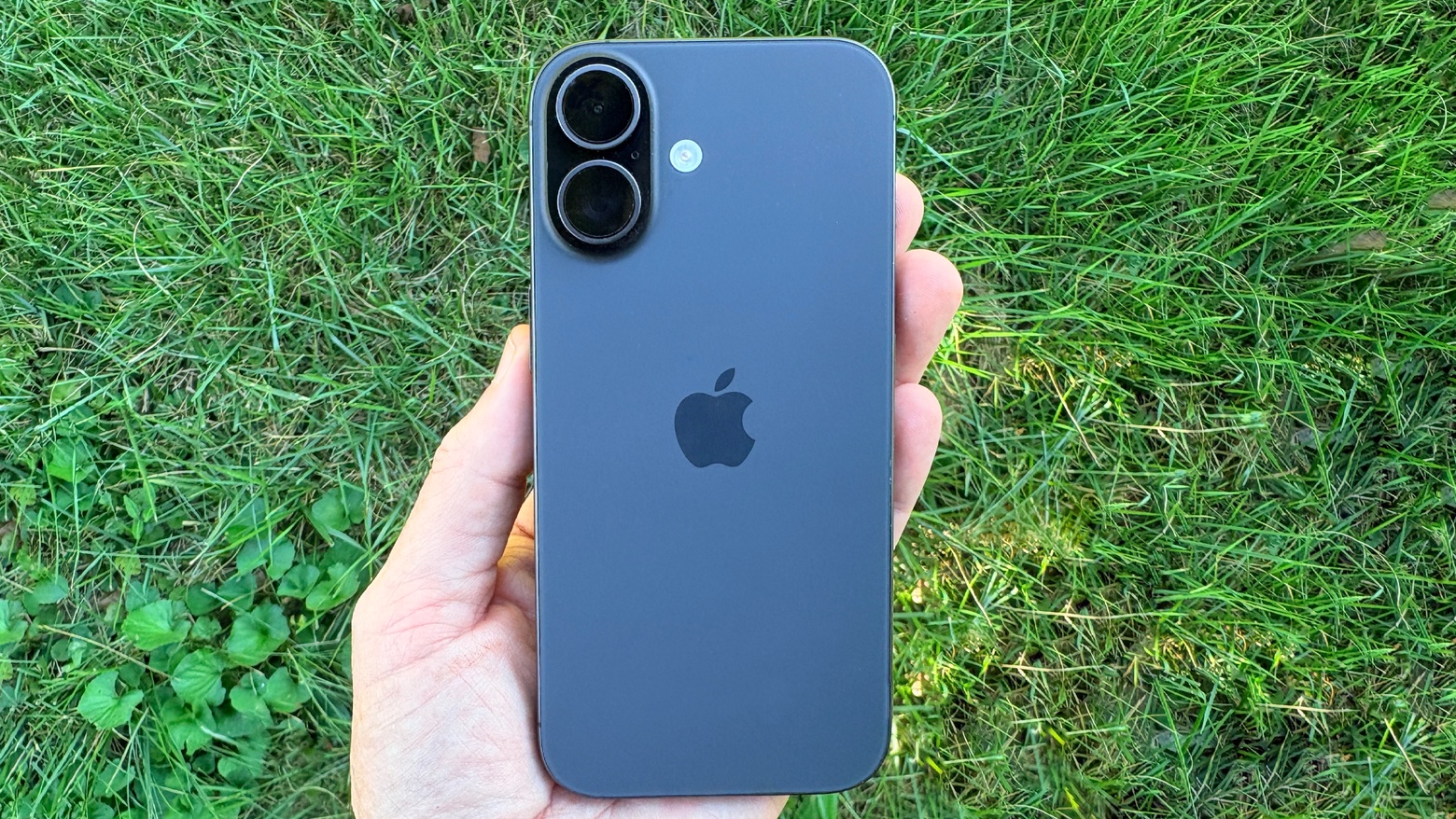
Photo: Ed Hardy/Cult of Mac
There’s no straight answer here. If you can spend $799 on a phone, the iPhone 17 is the better buy because of its better display, longer battery life and a versatile camera system.
However, if you’re looking to save money, the iPhone 17e at $599 remains one of the strongest value buys in its segment. It delivers flagship-level performance in everyday use without cutting corners where it matters most.
Ultimately, if you want the best all-around experience and plan to keep your phone for several years, the iPhone 17 is the smarter long-term investment. But if value is your priority and you can live without the premium display and camera upgrades, the iPhone 17e is still an excellent choice.
One thing seems clear, though: Both iPhones deliver excellent value for money, especially given the current market scenario. And irrespective of which model you pick, it won’t disappoint.
Buy now
iPhone 17 brings some real upgrades over previous years' models, including an always-on, 120Hz ProMotion display, a much-improved Center Stage selfie camera and a minimum of 256GB storage.
- Pro-level features, including always-on, ProMotion screen
- Extra-durable Ceramic Shield 2 cover glass
- Available in lavender, sage, mist blue, white and black
- Brilliant Center Stage selfie cam
- Not Apple's most advanced camera system.
- Same design as iPhone 16.

Rajesh has been writing about consumer technology for over a decade, with a strong focus on iPhones, Macs and Apple’s ecosystem. He enjoys digging into Apple software updates, hardware changes, and discovering new Mac apps that make work faster and more enjoyable.
You can reach out to him at mail[at]rajeshpandey.me.


3 responses to “iPhone 17 vs. iPhone 17e comparison: Here’s the smarter pick”
Not everyone benefits from having a phone with magsafe. Cochlear implantees don’t
There are a couple of errors in this article.
1. “You can get the iPhone 17e in three understated finishes: pink, white, and silver.” Not silver, but black.
2. In the camera section: “iPhone 17e: … Macro photography …”. Macro is not available on the 17e.
Thank you, Paul. We updated the post.