
The new Apple C1 modem that powers the cellular connectivity of the iPhone 16e is the company’s first cellular modem designed in-house.
The C1 offers “fast and reliable connectivity, and it’s the most power-efficient modem ever in an iPhone,” said Kaiann Drance, Apple’s vice president of worldwide iPhone product marketing, in a launch video released Wednesday. Thanks to its efficiency — and an optimized internal design that allows for a bigger battery — the iPhone 16e offers an “unprecedented level of battery life in a 6.1 inch iPhone,” she added.
The Apple C1 integrates 4G, 5G, satellite and GPS radios in one chip. The C1 represents a brand-new direction for Apple silicon, alongside the company’s processors and other wireless chips. Recent Ookla speed tests suggest that the C1 modem holds its own against the Qualcomm chip in the iPhone 16, as detailed in this comparison.
Apple C1 brings even more important components in-house
The modems inside previous iPhones came from Qualcomm, the industry leader in the segment. Apple and Qualcomm have a contentious relationship, with a years-long legal battle over royalty payments.
Apple purchased Intel’s modem business in 2019 to reduce its reliance on Qualcomm. While Apple and Qualcomm signed a three-year deal that stretches into 2027, it seems likely that Cupertino will need to renew it past then.
Apple C1 replaces three components

Screenshot: Apple
The Apple C1 chip includes a 4G and 5G modem. This modem does not support 5G millimeter wave, the highest-speed tier of 5G that has a limited global rollout. It only supports the more common sub-6 GHz band.
That’s not all the C1 handles — it also integrates satellite and GPS connectivity, two other important features. This vertical integration makes the C1 approximately 25% more power-efficient.
Thanks in part to Apple’s C1, the new iPhone 16e — which is roughly the same physical size as the iPhone 16 — exceeds the latter in battery life. Apple says iPhone 16e achieves 26 hours of video playback versus 22 for iPhone 16.
A new foray for Apple silicon
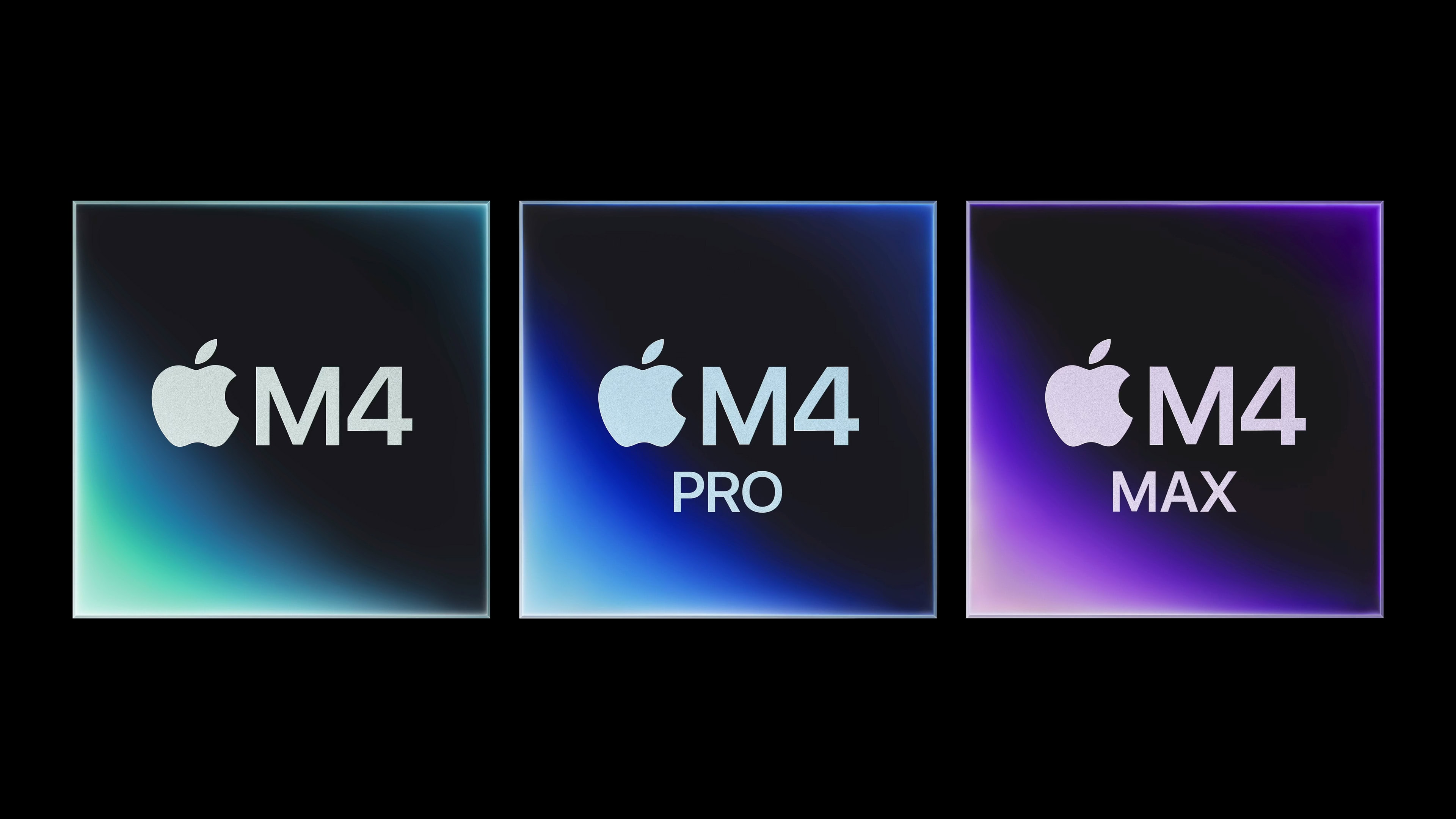
Image: Apple
Apple released its first custom-designed processor in 2010, with the A4 chip in the iPhone 4. The company switched its entire Mac lineup away from Intel chips to its own custom silicon starting in 2020, with the surprisingly fast and efficient M1 chip.
Other members of the Apple silicon lineup include the U1 chip, which offers ultra wideband precision finding in iPhone, Apple Watch and AirTag; the H2 chip that powers AirPods and Beats products; and the S10 system-on-a-package that powers Apple Watch.
As Apple’s first cellular modem, the C1 represents a bold new direction for the company’s silicon team. Rumors suggest future versions of the C-series chips will integrate Wi-Fi and Bluetooth, as well as the higher-frequency 5G mmWave band. The company also could bring the C1 chip to the Mac for built-in cellular connectivity.

D. Griffin Jones was a writer, podcaster and video producer for Cult of Mac. Griffin has been a passionate computer enthusiast since 2002, when he got his first PC — but since getting a Mac in 2008, he hasn’t turned back. His skills in graphic and web design, along with video and podcast editing, are self-taught over 20+ years. Griffin has a bachelor’s degree in computer science and has written several (unpublished) apps for Mac and iOS. His collection of old computers is made up of 40+ desktops, laptops, PDAs and devices, dating back to the early ’80s.
Griffin writes for his personal blog, Extra Ordinary, and is currently looking for work.

