The Macintosh LC II was more powerful and cheaper than its predecessor. Photo: Jonathan Zufi
March 23, 1992: The “headless” Macintosh LC II arrives, wooing value-oriented customers with a beguiling mix of updated internals and budget pricing.
Designed to take up minimal space underneath a monitor (sold separately), the Mac LC II is destined to become a hit. In retrospect, the entry-level machine is roughly analogous to today’s Mac mini.
The Twentieth Anniversary Mac offered a glimpse of the future. Photo: Apple
March 20, 1997: Apple launches its Twentieth Anniversary Macintosh, a futuristic, special-edition Mac that’s ahead of its time in every way. Not part of any established Mac line, it brings a look (and a price!) unlike anything else available — and Apple delivers them to buyers in a limo!
And yet the Twentieth Anniversary Macintosh promptly bombs. Today, it’s a collector’s piece.
The Macintosh 7100 was not Carl Sagan's favorite computer. Photo: Matt Gibson/Flickr CC
March 14, 1994: Apple introduces the Power Macintosh 7100, a midrange Mac that will become memorable for two reasons.
The first is that it is among the first Macs to use new PowerPC processors. The second is that it results in Apple getting taken to court by astronomer Carl Sagan — not once but twice.
The Macintosh Portrait Display was an early Apple experiment. Photo: Computer.popcorn
March 7, 1989: Apple introduces the Macintosh Portrait Display, a 15-inch vertical grayscale monitor designed to show full pages on a single screen. Intended for word processing and desktop publishing, the $1,099 monitor (plus $599 for an additional video card to run it) works with any Macintosh.
Something of a rarity today, the Macintosh Portrait Display is an early example of the supersized displays Apple would release years later.
The Mac II was an enormously impressive machine for its day. Photo: Apple
March 2, 1987: Three years after releasing the original Macintosh 128K, Apple launches a proper sequel, the almighty Macintosh II.
Although four Mac models already have been released, the definitive, full-number name of the Macintosh II makes clear that this is a major upgrade for the product line. With a massive hardware boost, optional color display (!) and a new open architecture, it does not disappoint!
Running Apple II programs on your Mac was pretty darn awesome. Photo: Microwavemont/YouTube
March 1, 1991: Apple introduces the Apple IIe Card, a $199 peripheral that lets users turn Macs into fully functioning Apple IIe computers.
The ability to emulate the popular Apple IIe on a Mac brings Apple’s two operating systems side by side for the first time. While not quite the equivalent of Apple letting you run iOS on a Mac today, it’s not a world away.
With a powerful Intel chip inside, the 2006 Mac mini made big waves. Photo: RecycledGoods
February 28, 2006: Apple introduces an upgraded Mac mini, an affordable computer powered by an Intel processor.
A “headless” Mac for entry-level users, it’s the third Apple computer to switch to Intel chips. Oh, and it makes one heckuva media player when plugged into a television set.
These were two of the wackier Macs ever. Photo: Apple
February 22, 2001: The iMac Special Edition, sporting wild designs that would make a hippie happy, puts a wacky face on the colorful computer that saved Apple’s bacon at the turn of the century. The Flower Power iMac and Blue Dalmatian iMac evoke tie-dye shirts and other unconventional ’60s-era imagery.
A far cry from the super-serious, aluminum-heavy industrial design that will come to define Apple in subsequent years, these colorfully patterned iMacs stand out as some of the most irreverent computers Cupertino ever dreamed up. (C’mon, when was a real Dalmatian blue?)
Under the crazy-looking exteriors, a pretty darn great iMac G3 hums along.
The PowerBook 3400 certainly lived up to its name. Photo: Apple
February 17, 1997: Apple launches the PowerBook 3400, a laptop the company calls the fastest portable computer in the world.
After a rough few years for the PowerBook, this model throws down the gauntlet to rivals. It packs a PowerPC 603e processor capable of running at speeds up to 240MHz. While speedier Apple laptops will quickly overtake the PowerBook 3400, at the time, it can keep up with some impressive desktop Macs.
The "Pismo" PowerBook was a brilliant early Steve Jobs-era laptop. Photo: CG Hughes/Flickr CC
February 16, 2000: Apple introduces the “Pismo” PowerBook, the finest of its G3 laptops. In the view of many, it’s one of the best Apple laptops ever.
The Pismo PowerBook is the first model without either SCSI or an Apple Desktop Bus connector. Instead, it utilizes a USB port and Apple’s Emmy Award-winning FireWire. Optional AirPort wireless support, tremendous battery life, and a gorgeous, curvy design make this laptop even better.
The Macintosh? It'll never catch on! Image: Cult of Mac/Ste Smith
February 13, 1984: The first Mac’s launch generates enormous excitement from the tech press, as epitomized by an InfoWorld cover story about the Macintosh 128K.
The wave of coverage comes a few weeks after the January 24 release of the Macintosh. But when the press blitz finally arrives, it becomes clear the Mac is a hit.
The Macintosh Color Classic was the Mac the world had been waiting for. Photo: Chung Chu/Flickr CC
February 10, 1993: Apple launches the Macintosh Color Classic, the company’s first compact Mac with a color screen.
As the first all-in-one Mac with an integrated color display, and the last U.S. Mac to offer the original model’s compact form factor, this model represents a landmark in the evolution of the Macintosh. A Color Classic unit also happens to become the 10 millionth Macintosh that Apple ships.
Mac clones did not pan out for Power Computing. Photo: Antnik
January 31, 1998: Mac clone-maker Power Computing goes out of business, having auctioned off its office supplies and computers.
Apple bought out Power Computing, once the fastest-growing PC company of the decade, the previous year. As a result, Power Computing shareholders receive Apple stock as a replacement. As it turns out, that may not have been a terrible deal.
Apple lays out the strengths of the revolutionary Macintosh 128K. Photo: Apple
January 24, 1984: Apple ships its first Mac, the mighty Macintosh 128K.
Bringing a mouse and graphical user interface to the masses, and heralded by an acclaimed Super Bowl commercial that’s still talked about today, the first-gen Mac will quickly become one of the most important personal computers ever released.
The Macintosh Office delivered on the dream of Macs that could talk to one another. Photo: Apple
January 23, 1985: Apple introduces The Macintosh Office, a combination of hardware and software that represents the company’s first real attempt at cracking the business market dominated by IBM.
Macintosh Office allows Macs to talk to one another. And Apple introduces amazing new devices like the LaserWriter printer that work with the business-oriented platform. Sadly, things won’t work out quite as Apple hopes.
The "Lemmings" ad became a massive disaster for Apple. Photo illustration: Ste Smith/Cult of Mac
January 20, 1985: Attempting to build on the triumph of the previous year’s “1984” Macintosh commercial, Apple deploys another dystopian Super Bowl commercial. The new Apple ad, titled “Lemmings,” promotes the company’s upcoming business platform, called The Macintosh Office.
The dark, 30-second spot depicts blindfolded executives marching to their doom. The widely reviled ad will go down in history as one of Apple’s biggest stinkers.
Before it won the Super Bowl, Apple's iconic Mac ad invaded theaters. Photo: Chiat/Day/Apple
January 17, 1984: A week before its famous airing during Super Bowl XVIII, Apple’s iconic “1984” commercial debuts as a trailer in movie theaters. To hype its revolutionary new Macintosh computer, Apple buys several months of promotion from theatrical ad distributor ScreenVision.
Cupertino’s sci-fi-tinged “1984” spot — which depicts a sledgehammer-wielding freedom fighter taking on a Big Brother figure supposed to represent IBM — gets such a favorable audience reaction that some theater owners continue to roll the ad after Apple’s contract ends.
The Mac Plus boasts an expandable 1MB of RAM and a double-sided 800KB floppy drive. And it’s the first Macintosh to include a SCSI port, which serves as the main way of attaching a Mac to other devices (at least until Apple abandons the tech on the original iMac G3 upon Jobs’ return).
The original MacBook Pro brought innovative features (and stirred up a bit of controversy). Photo: Apple
January 10, 2006: Steve Jobs unveils the original 15-inch MacBook Pro, Apple’s thinnest, fastest and lightest laptop yet.
Building on the previous PowerBook G4 laptop, the new laptop adds dual-core Intel processors for the first time. The MacBook Pro immediately makes waves in the tech community. And did we mention its awesome MagSafe connector?
Apple's 20-inch iMac G4 in all its glory. Photo: Wikipedia CC
November 18, 2003: Apple debuts a new iMac G4 sporting a 20-inch screen, the company’s biggest flat-panel all-in-one computer ever.
The introduction makes an already superb Mac even better. Somehow, though, the additional screen real estate makes the new Mac weigh twice as much as the 17-inch model.
Steve Jobs sweet-talked an audio company exec to land the name "Macintosh." Photo: Apple
November 16, 1982: Intent on giving his company’s upcoming personal computer a memorable name, Apple co-founder Steve Jobs pens an impassioned plea to audio company McIntosh Laboratory. In the letter, he asks permission to use the name “Macintosh.”
You can probably guess how the resulting discussions turned out!
Apple's innovative "Test Drive a Macintosh" ad campaign urged potential customers to take a Mac for a spin. Photo: Apple
November 8, 1984: After initial Mac sales prove disappointing, Apple CEO John Sculley dreams up the “Test Drive a Macintosh” marketing campaign to encourage people to give the revolutionary new computer a chance.
The promotional strategy advises people to drop into their local retailer and “borrow” a Macintosh for 24 hours. The idea is that, by the time potential customers need to return the Mac, they will have built up a bond with it — and realized they can’t live without one of Apple’s computers.
While 200,000 would-be customers take advantage of the offer, Apple dealers absolutely hate it.
The Mac App Store opens its doors to developers. Photo: Apple
November 3, 2010: Apple prepares to launch the Mac App Store, publicly accepting app submissions from registered developers — and kicking off a gold rush among coders.
After witnessing the enormous sums of money raked in by early entrants in the iOS App Store, the easy-to-use digital storefront that revolutionized software distribution on the iPhone, developers flood Apple with new Mac apps.
At the turn of the century, some observers accused Steve Jobs of failing one of Apple's most popular markets. Photo: Ste Smith/Cult of Mac
October 27, 1999: Dell Computer overtakes Apple in the educational market, stealing Cupertino’s crown as the top company selling computers to U.S. schools. Dell’s cheap Windows PCs make sense for schools looking to buy computers without breaking the bank.
Apple CEO Steve Jobs, still in the process of rebuilding Apple after its near-collapse in the 1990s, faces heavy criticism for ignoring one of the company’s strongest markets.
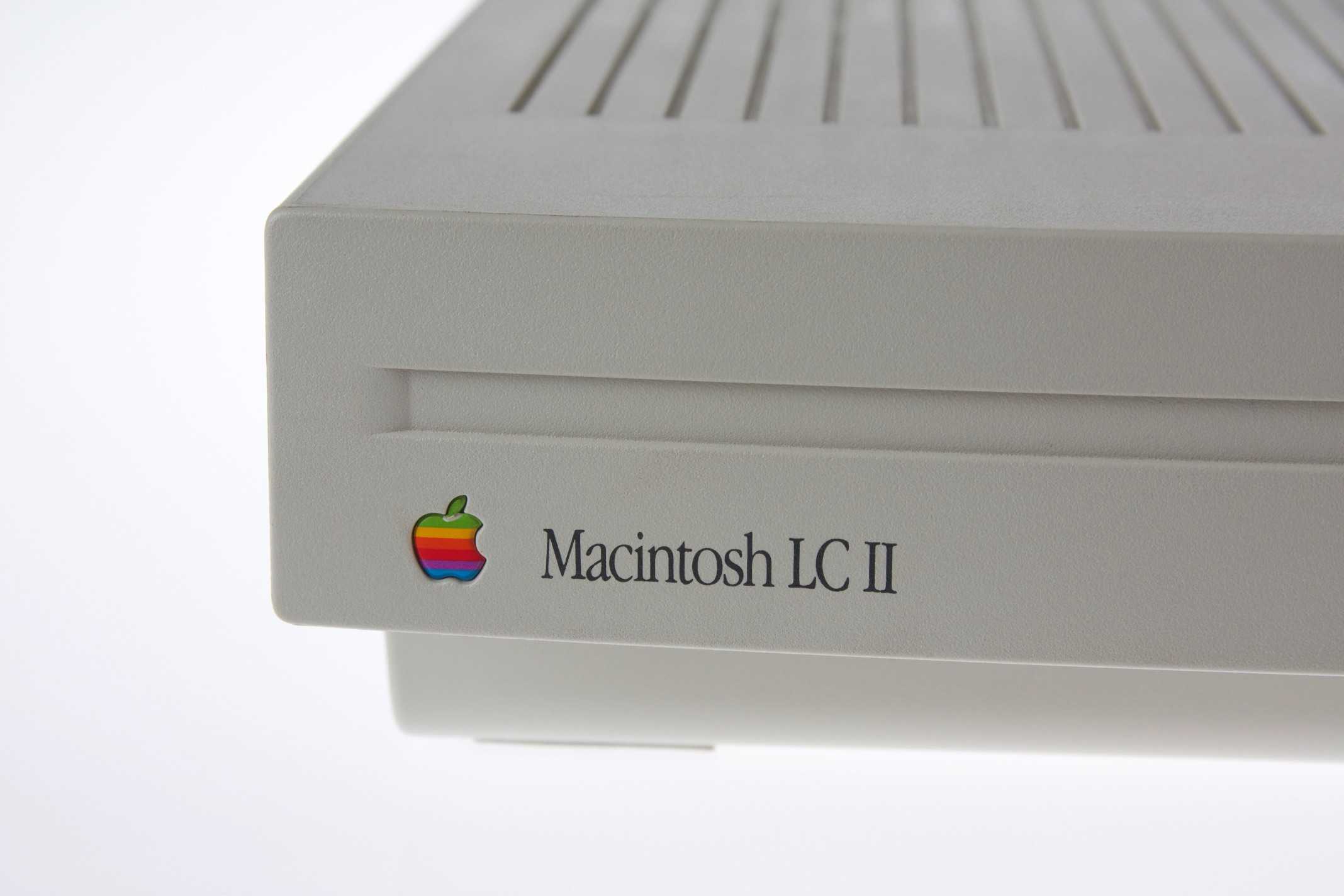
 March 23, 1992: The “headless” Macintosh LC II arrives, wooing value-oriented customers with a beguiling mix of updated internals and budget pricing.
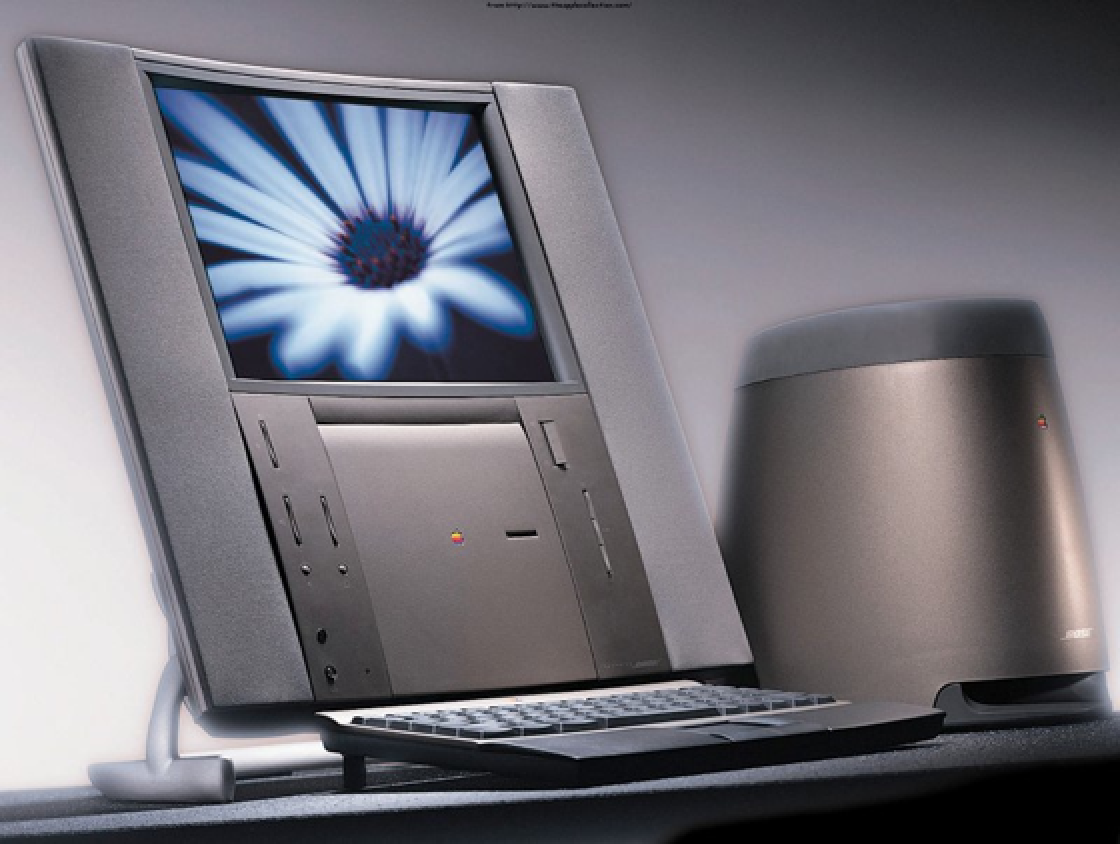
 March 20, 1997: Apple launches its Twentieth Anniversary Macintosh, a futuristic, special-edition Mac that’s ahead of its time in every way. Not part of any established Mac line, it brings a look (and a price!) unlike anything else available — and Apple delivers them to buyers in a limo!
 March 14, 1994: Apple introduces the Power Macintosh 7100, a midrange Mac that will become memorable for two reasons.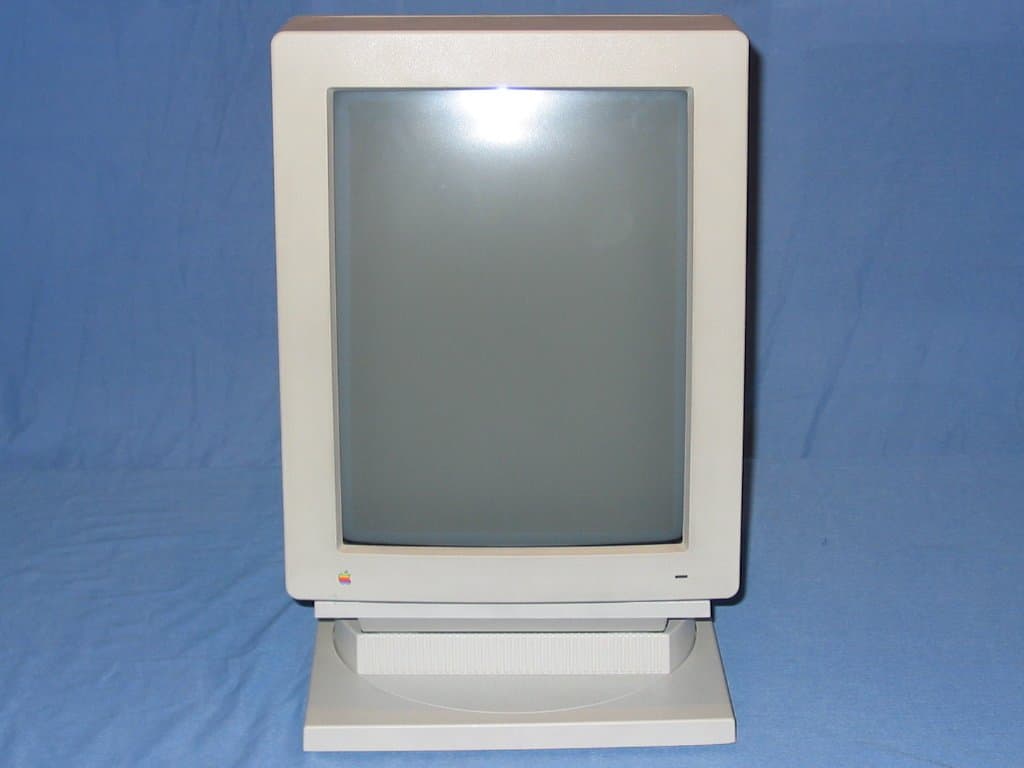
 March 7, 1989: Apple introduces the Macintosh Portrait Display, a 15-inch vertical grayscale monitor designed to show full pages on a single screen. Intended for word processing and desktop publishing, the $1,099 monitor (plus $599 for an additional video card to run it) works with any Macintosh.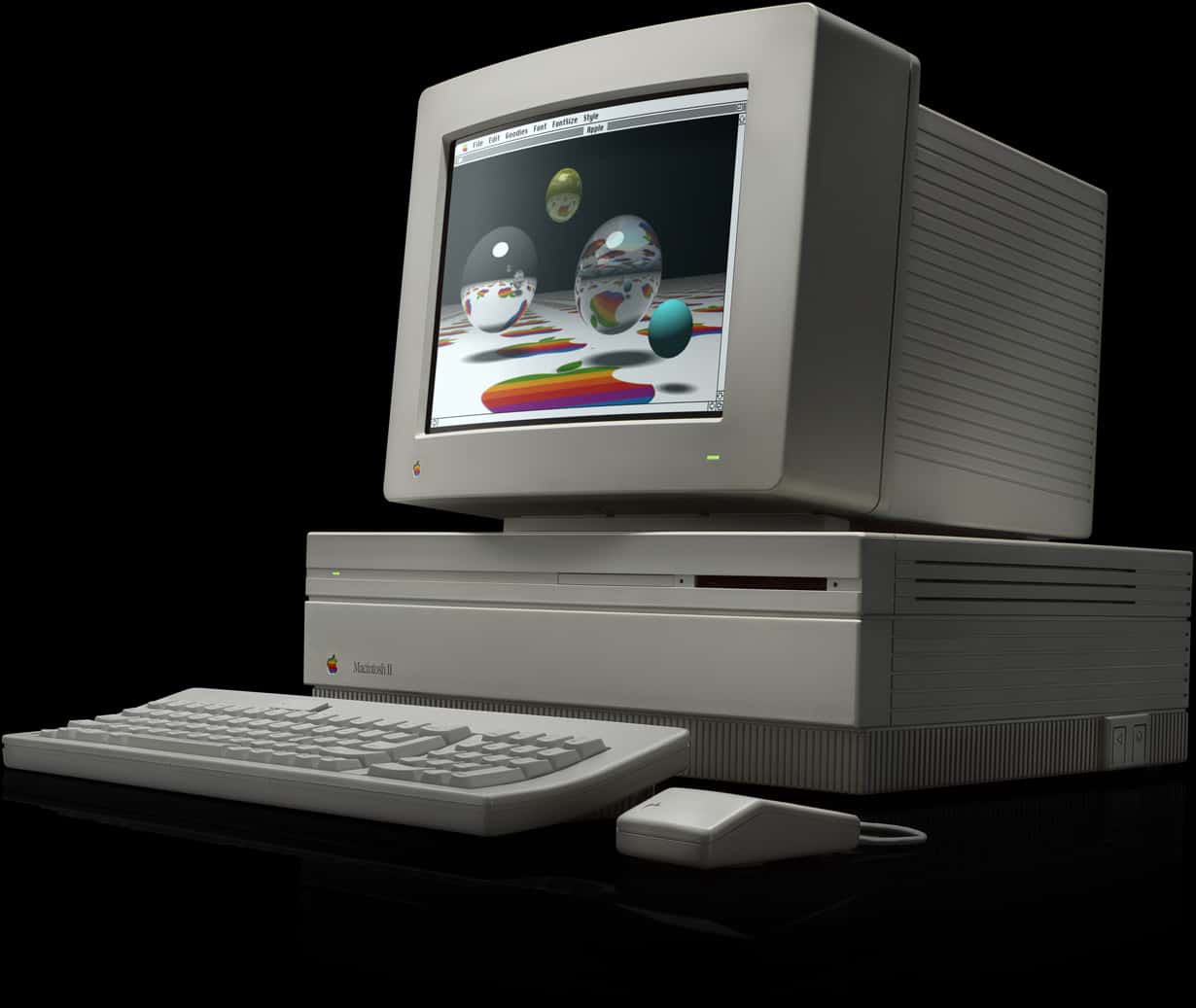
 March 2, 1987: Three years after releasing the original Macintosh 128K, Apple launches a proper sequel, the almighty Macintosh II.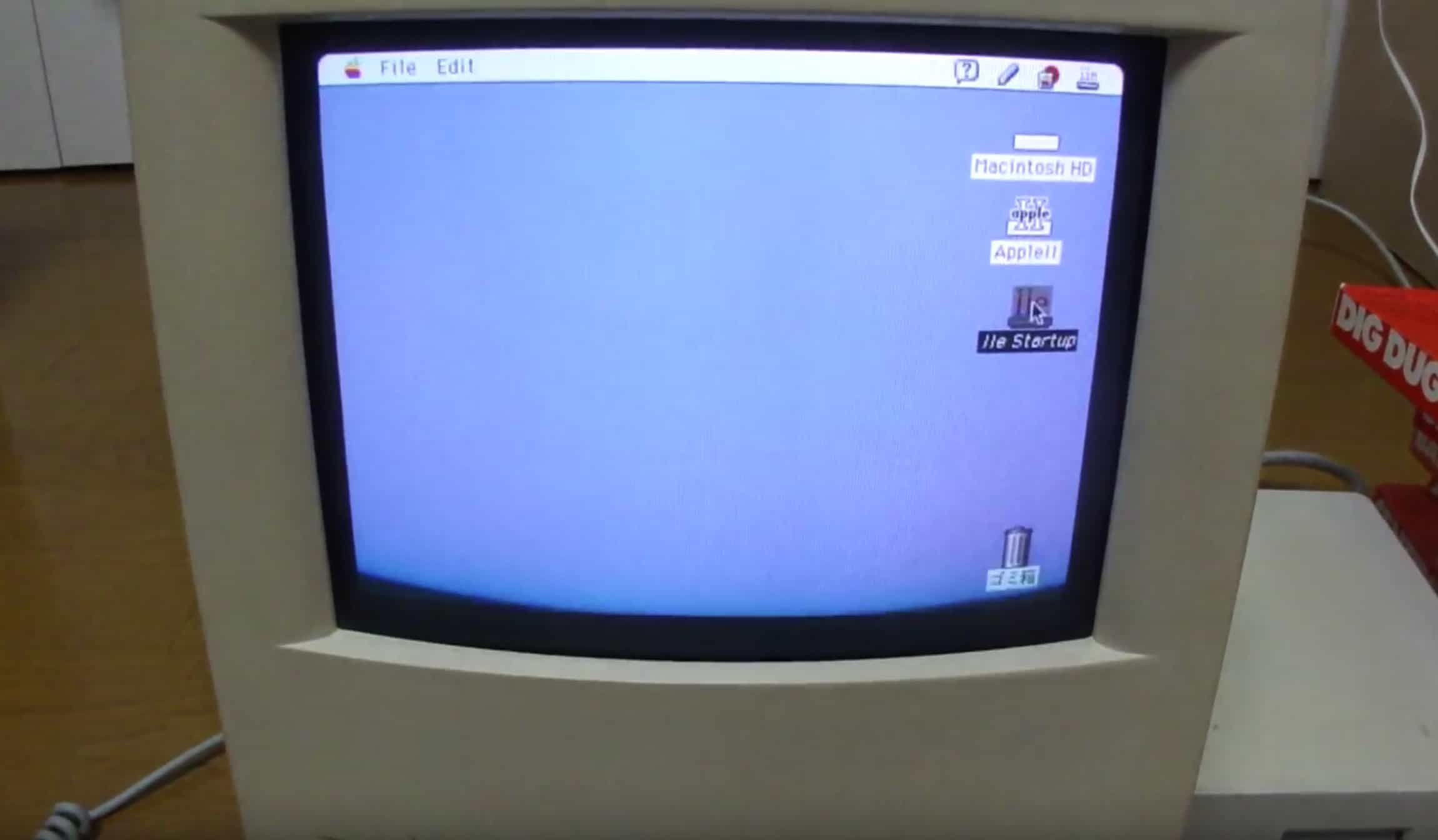
 March 1, 1991: Apple introduces the Apple IIe Card, a $199 peripheral that lets users turn Macs into fully functioning Apple IIe computers.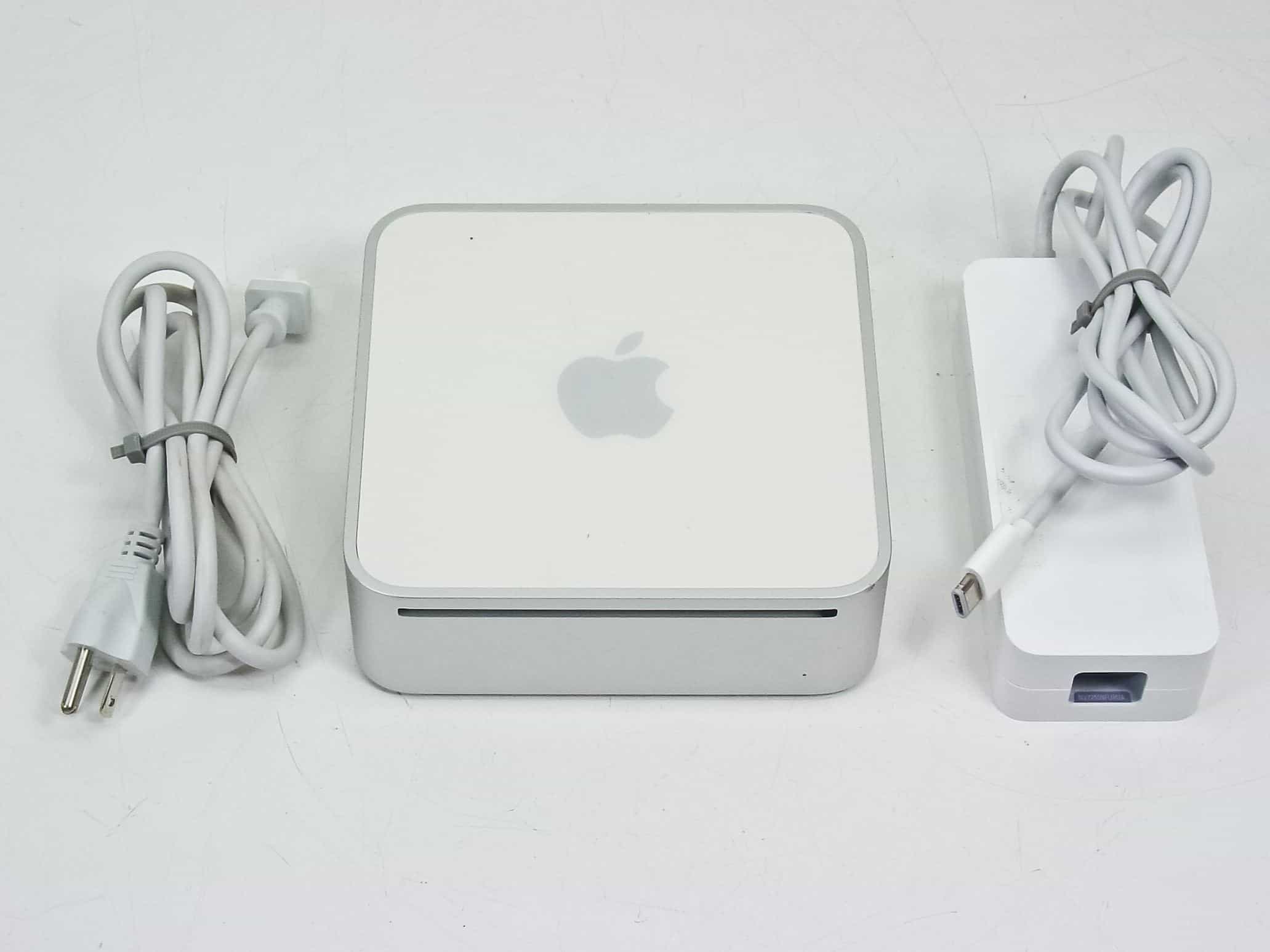
 February 28, 2006: Apple introduces an upgraded Mac mini, an affordable computer powered by an Intel processor.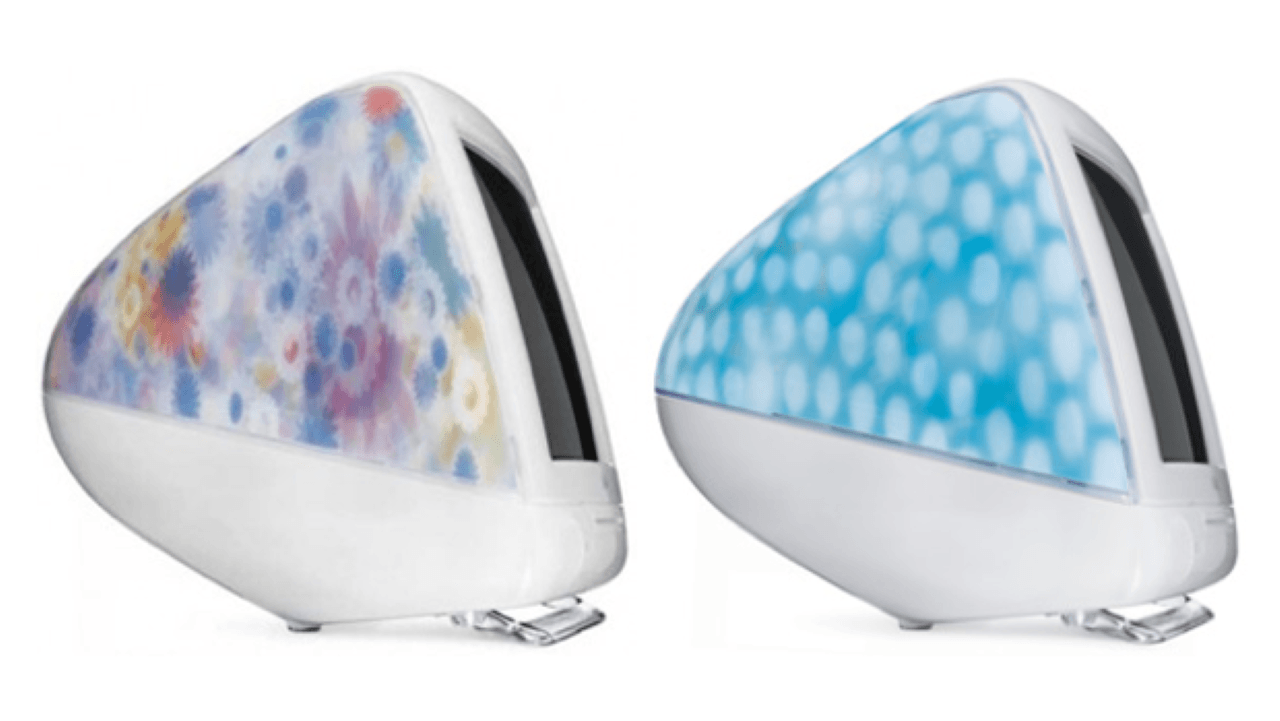
 February 22, 2001: The iMac Special Edition, sporting wild designs that would make a hippie happy, puts a wacky face on the colorful computer that saved Apple’s bacon at the turn of the century. The Flower Power iMac and Blue Dalmatian iMac evoke tie-dye shirts and other unconventional ’60s-era imagery.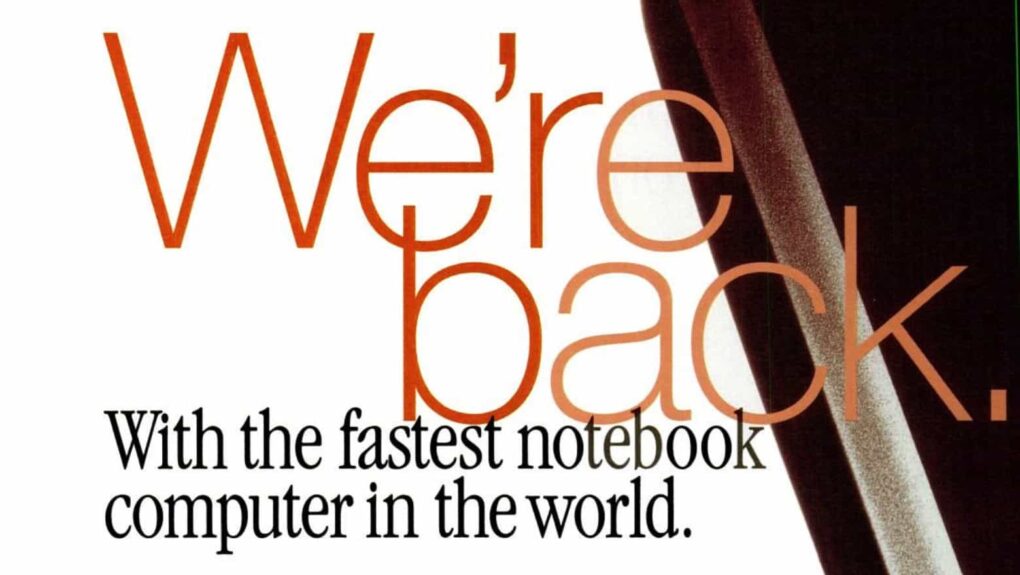
 February 17, 1997: Apple launches the PowerBook 3400, a laptop the company calls the fastest portable computer in the world.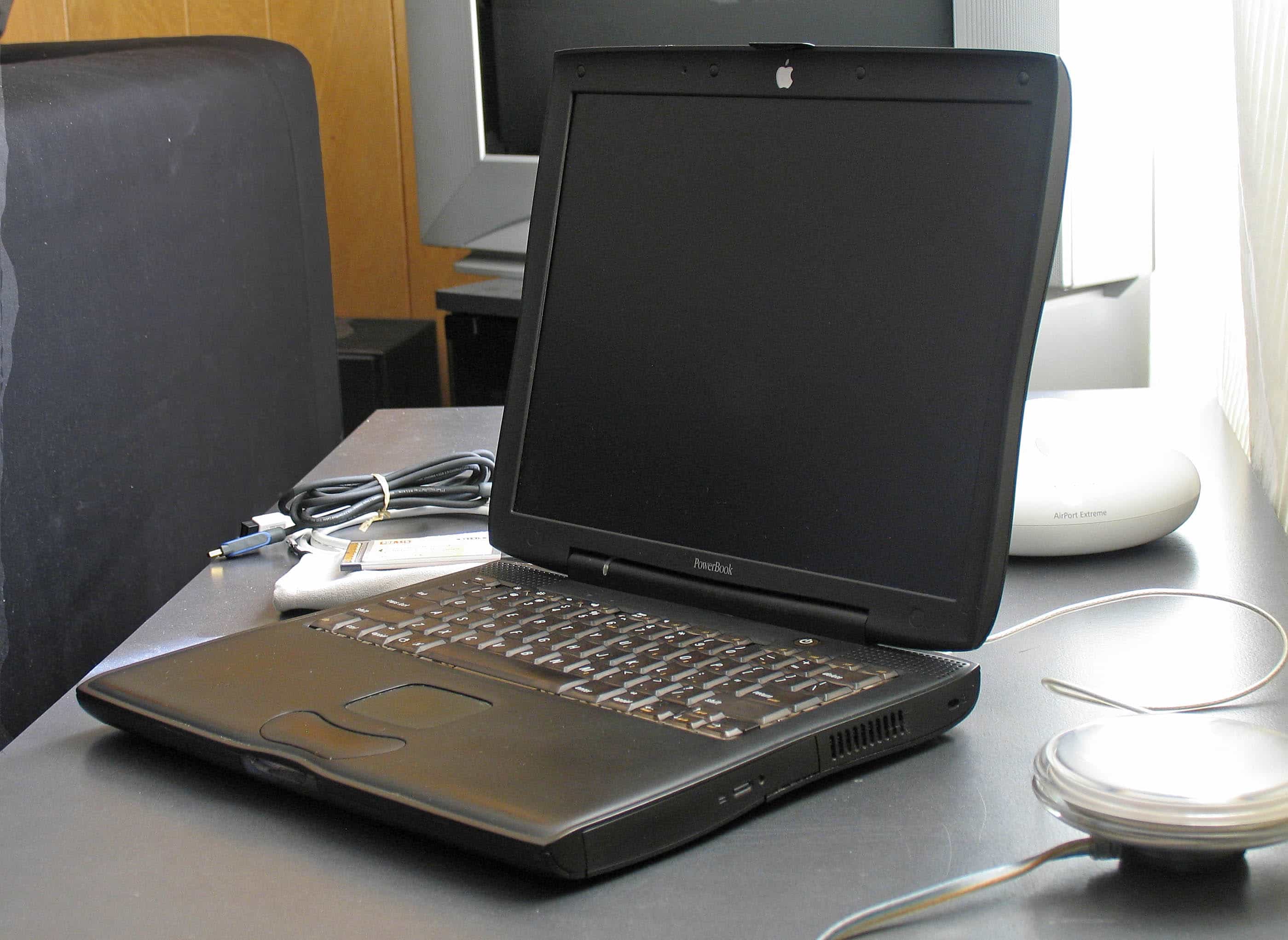
 February 16, 2000: Apple introduces the “Pismo” PowerBook, the finest of its G3 laptops. In the view of many, it’s one of the best Apple laptops ever.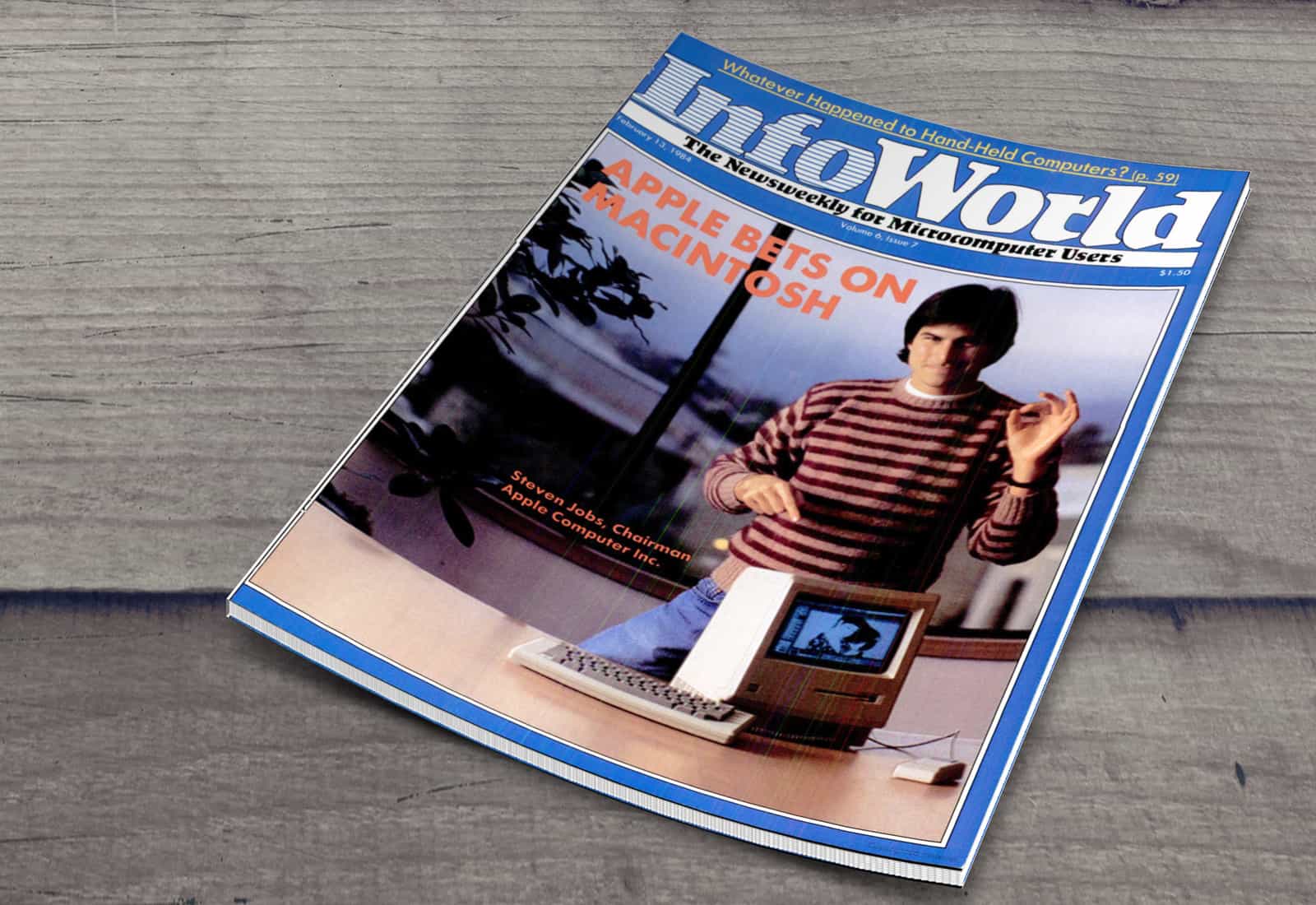
 February 13, 1984: The first Mac’s launch generates enormous excitement from the tech press, as epitomized by an InfoWorld cover story about the Macintosh 128K.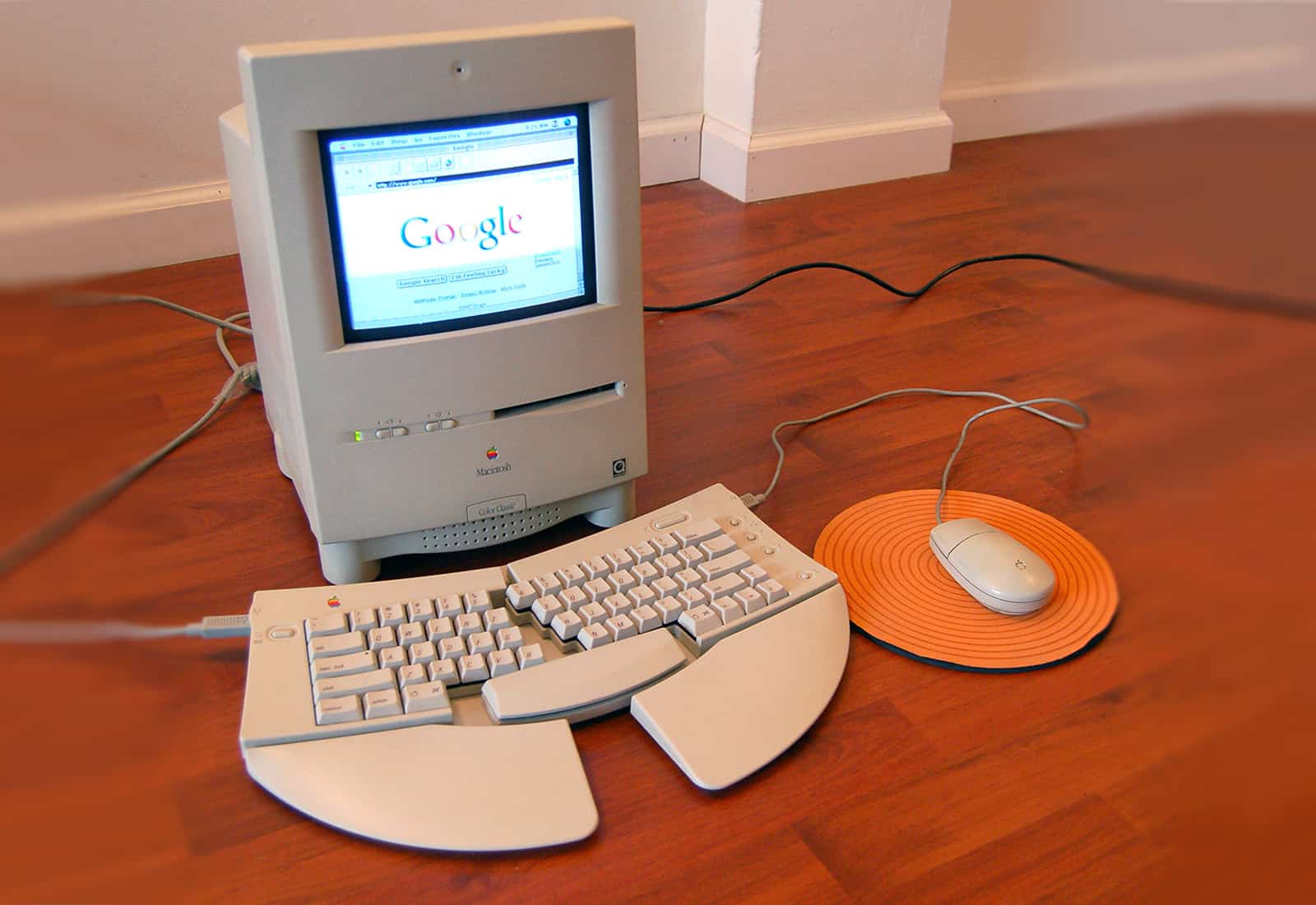
 February 10, 1993: Apple launches the Macintosh Color Classic, the company’s first compact Mac with a color screen.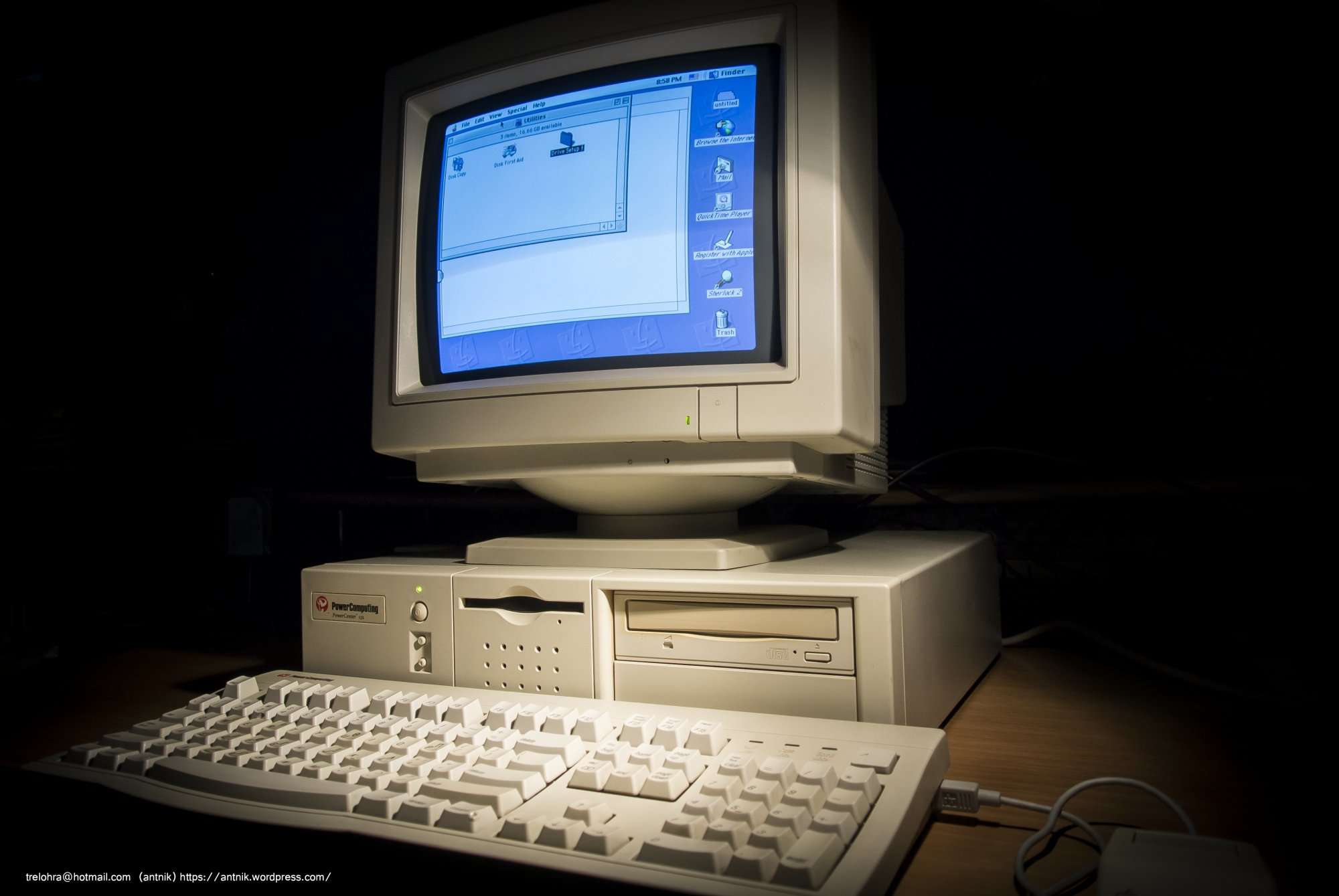
 January 31, 1998: Mac clone-maker Power Computing goes out of business, having auctioned off its office supplies and computers.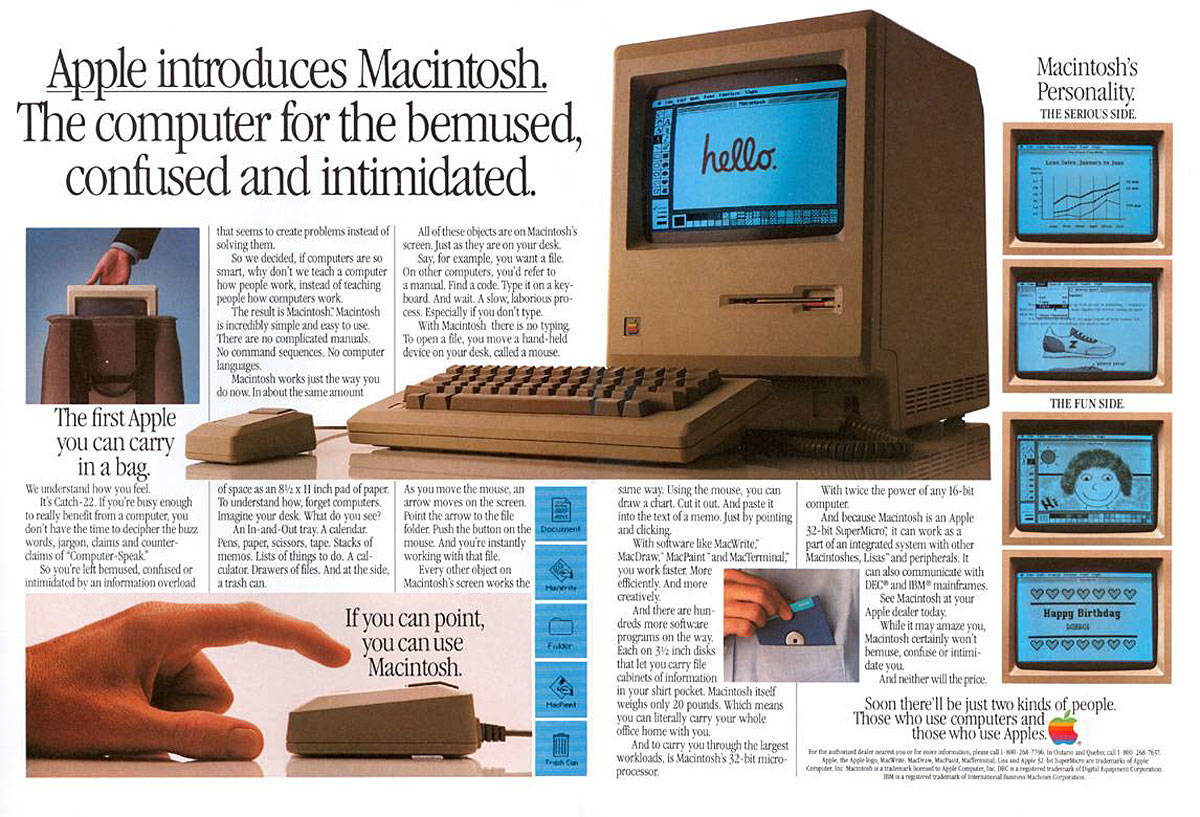
 January 24, 1984: Apple ships its first Mac, the mighty Macintosh 128K.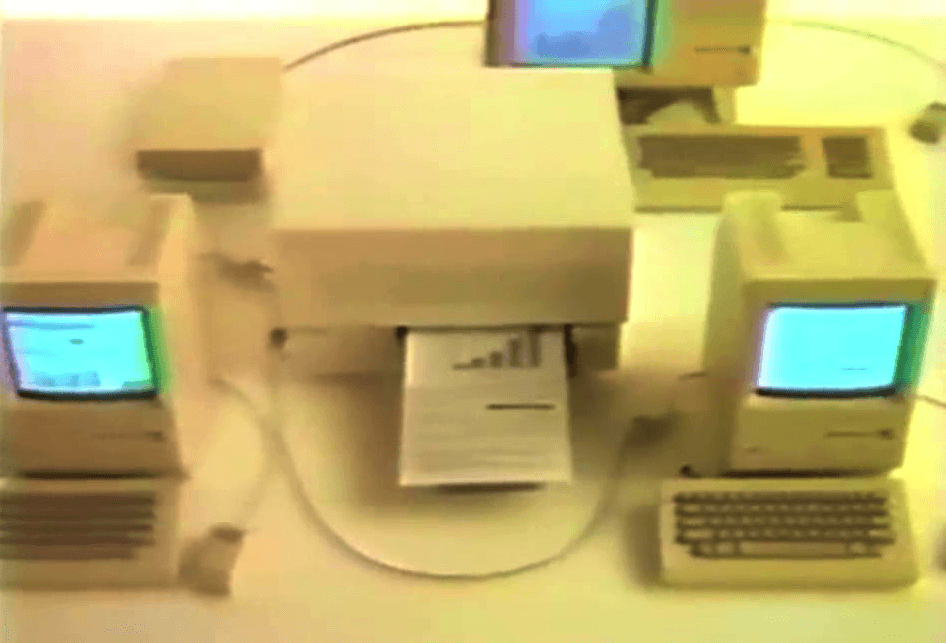
 January 23, 1985: Apple introduces The Macintosh Office, a combination of hardware and software that represents the company’s first real attempt at cracking the business market dominated by IBM.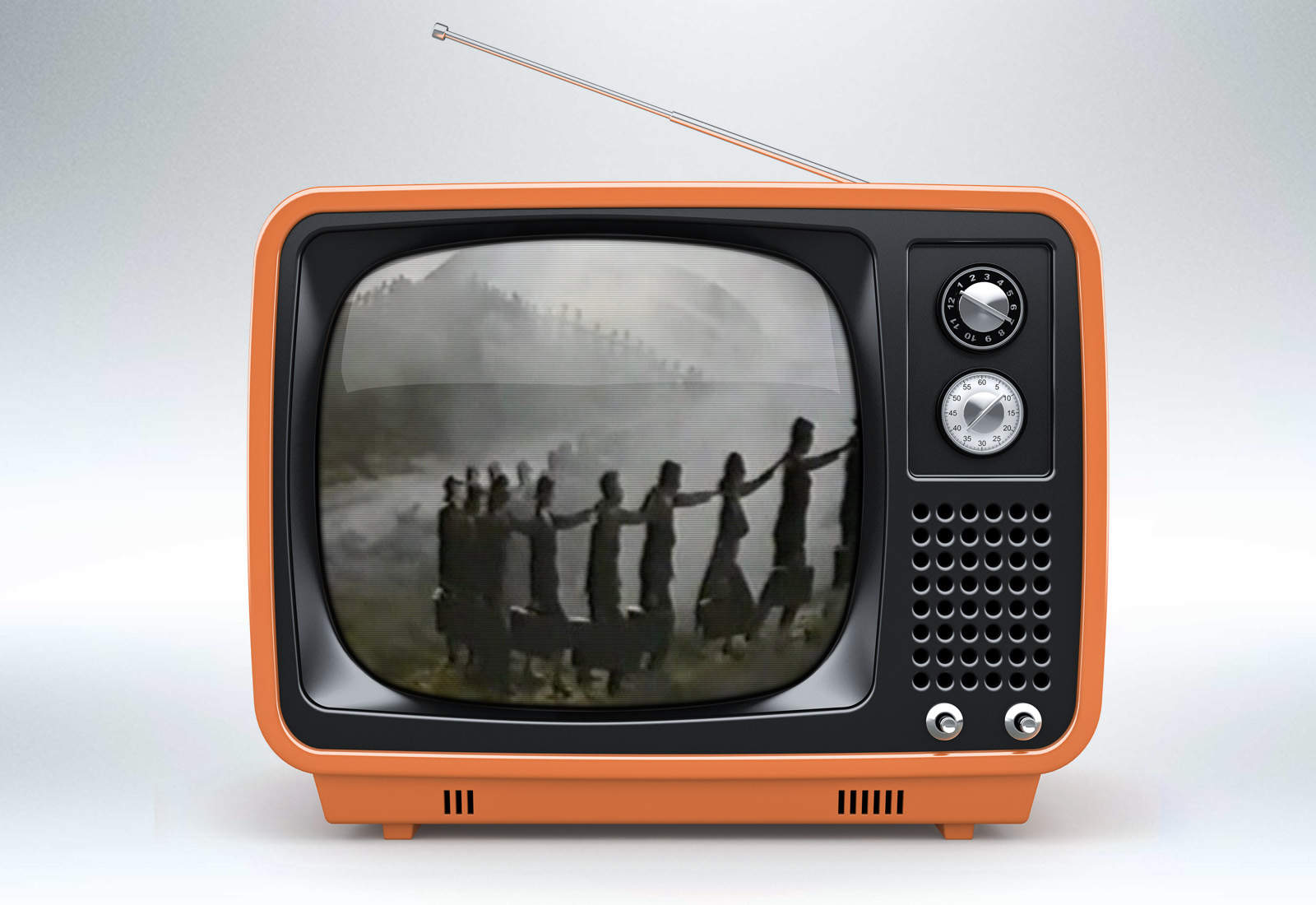
 January 20, 1985: Attempting to build on the triumph of the previous year’s “1984” Macintosh commercial, Apple deploys another dystopian Super Bowl commercial. The new Apple ad, titled “Lemmings,” promotes the company’s upcoming business platform, called The Macintosh Office.
 January 19, 1989: Apple introduces the Macintosh SE/30, arguably the greatest of the classic compact Macs with black-and-white screens.
 January 17, 1984: A week before its famous airing during Super Bowl XVIII, Apple’s iconic “1984” commercial debuts as a trailer in movie theaters. To hype its revolutionary new Macintosh computer, Apple buys several months of promotion from theatrical ad distributor ScreenVision.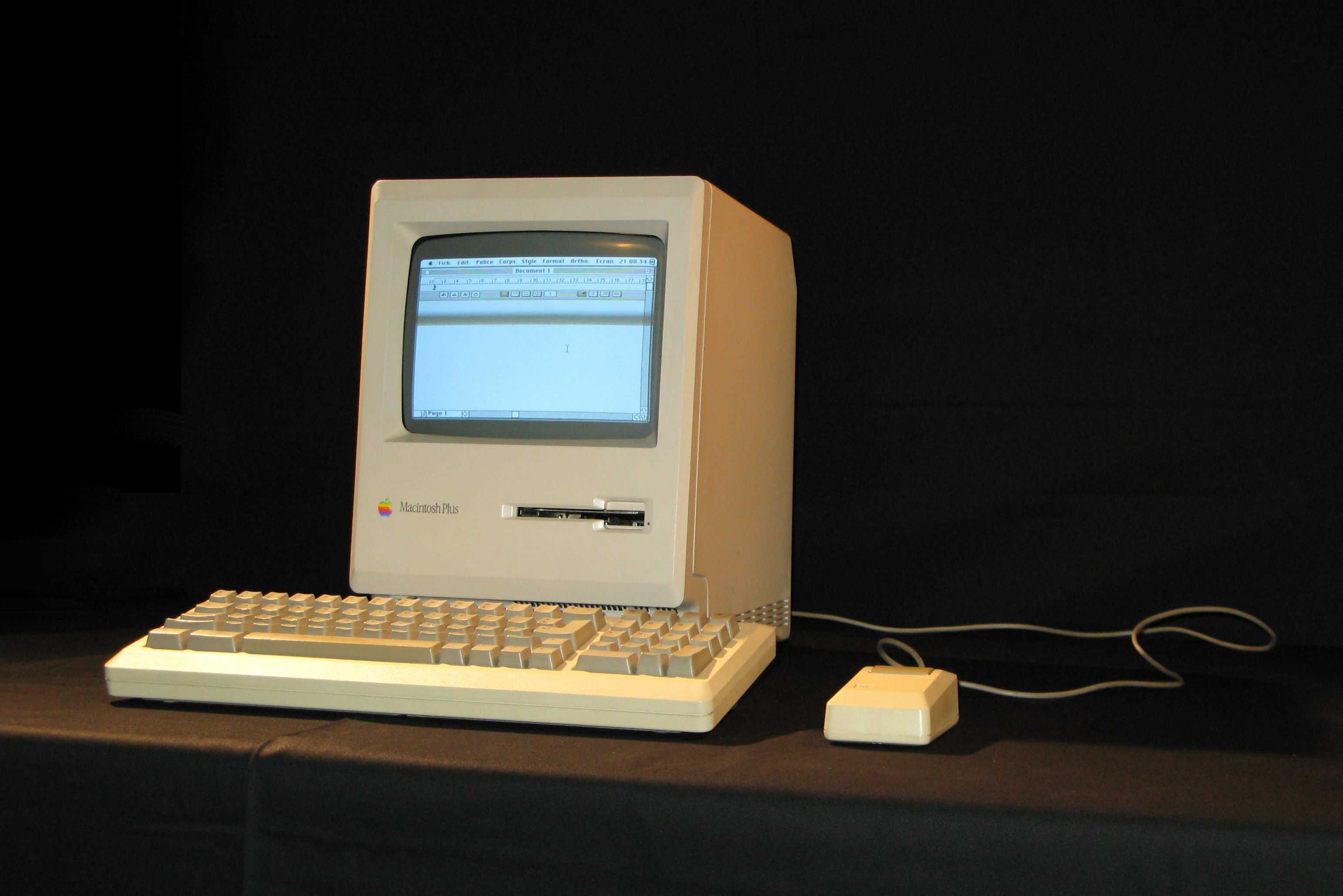
 January 16, 1986: Apple introduces the Macintosh Plus, its third Mac model and the first to be released after Steve Jobs was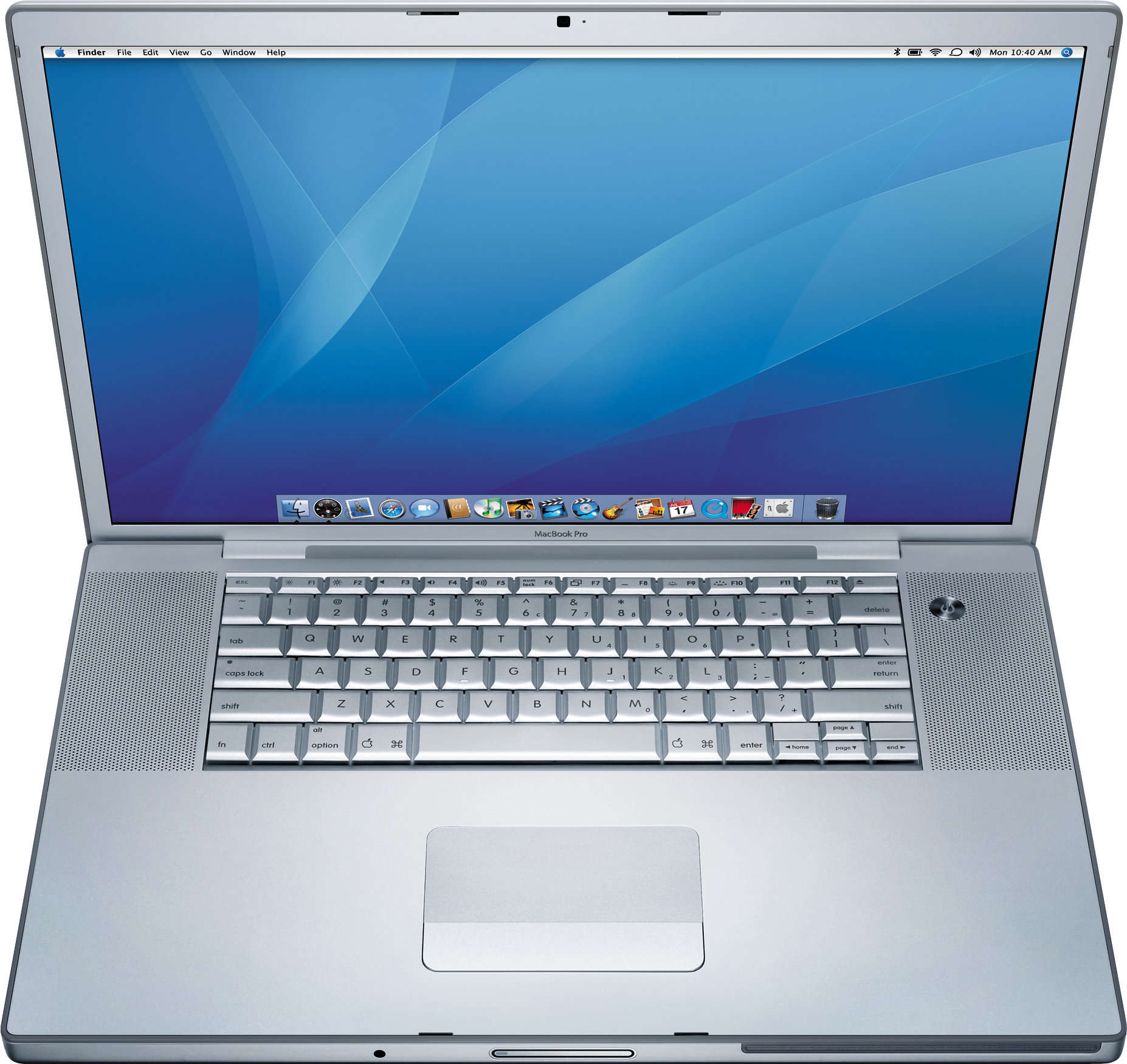
 January 10, 2006: Steve Jobs unveils the original 15-inch MacBook Pro, Apple’s thinnest, fastest and lightest laptop yet.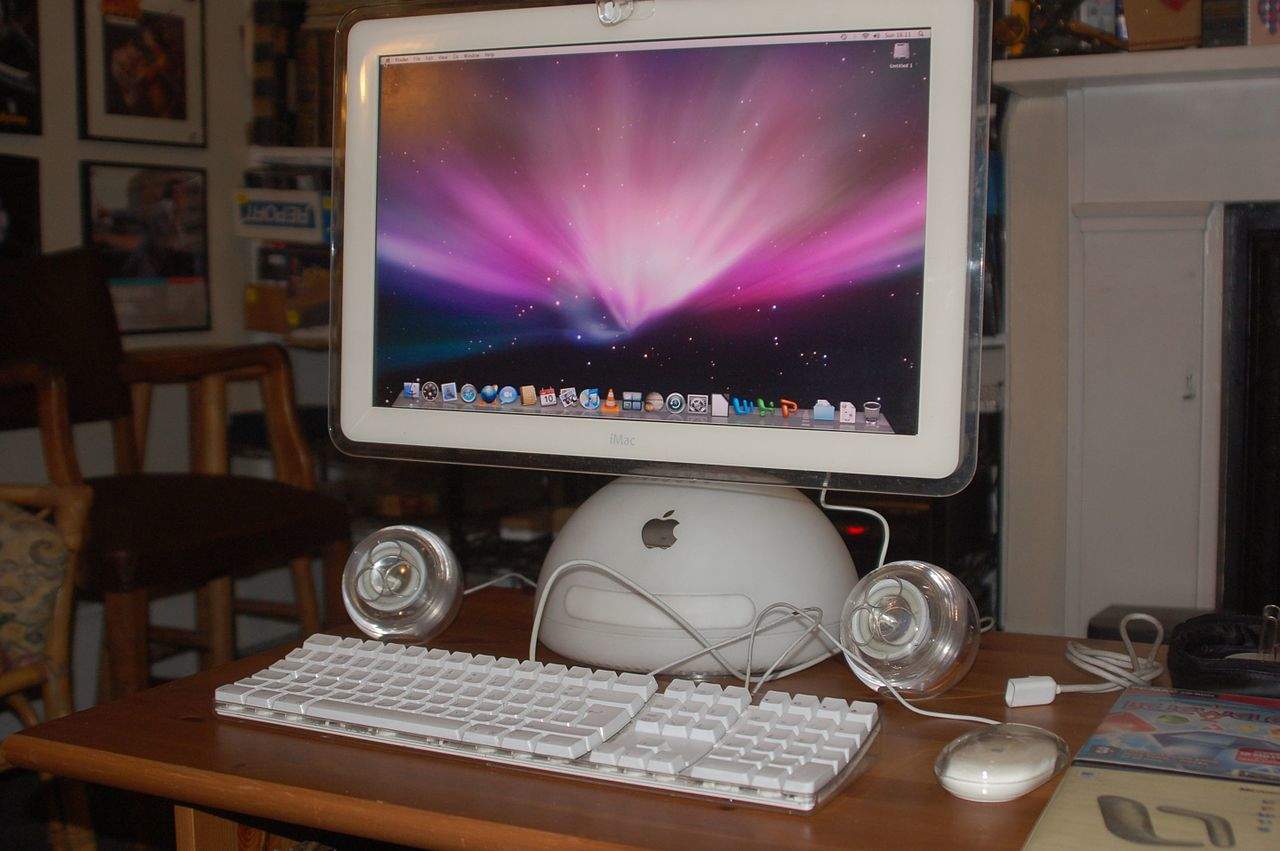
 November 18, 2003: Apple debuts a new iMac G4 sporting a 20-inch screen, the company’s biggest flat-panel all-in-one computer ever.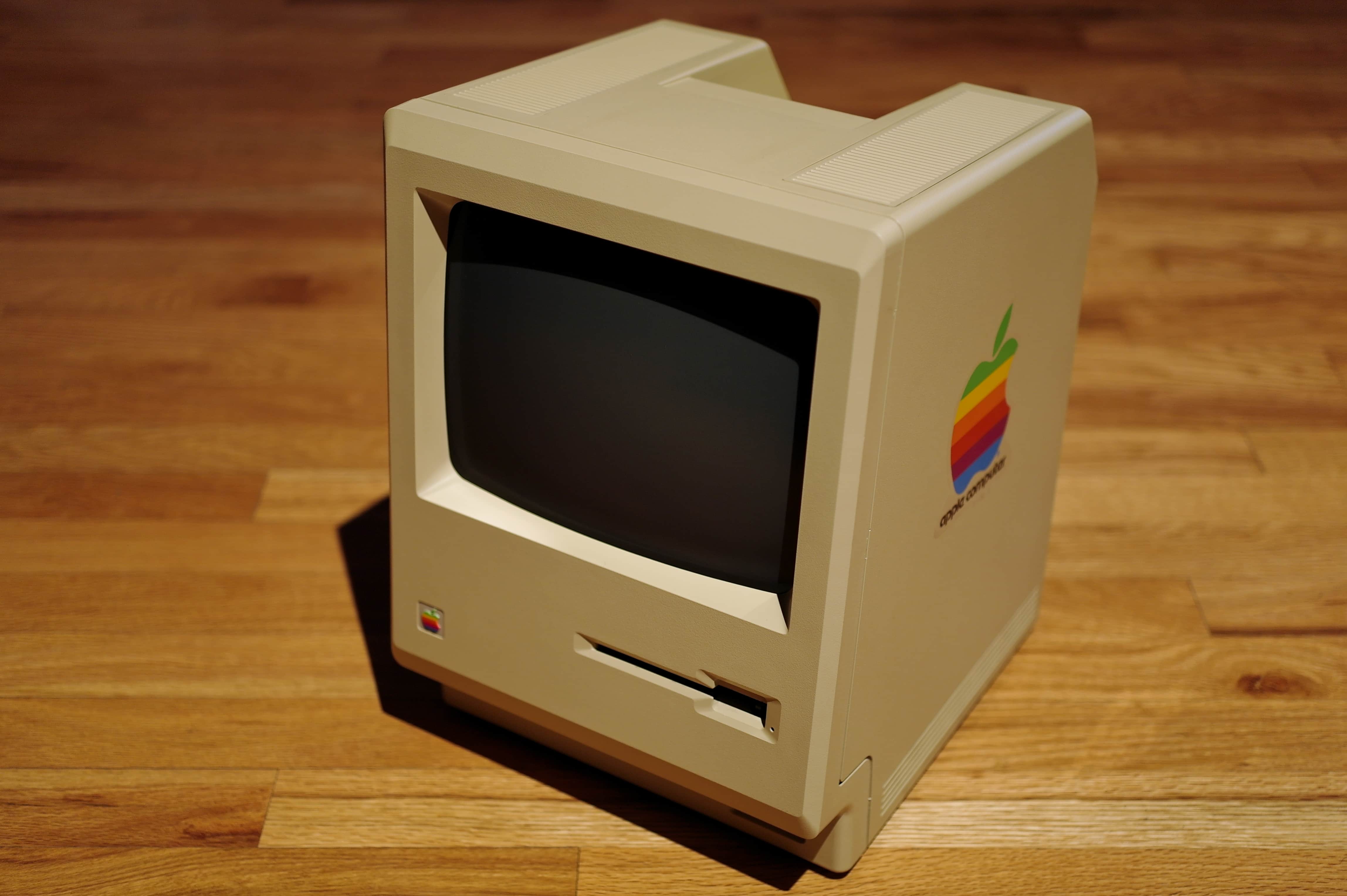
 November 16, 1982: Intent on giving his company’s upcoming personal computer a memorable name, Apple co-founder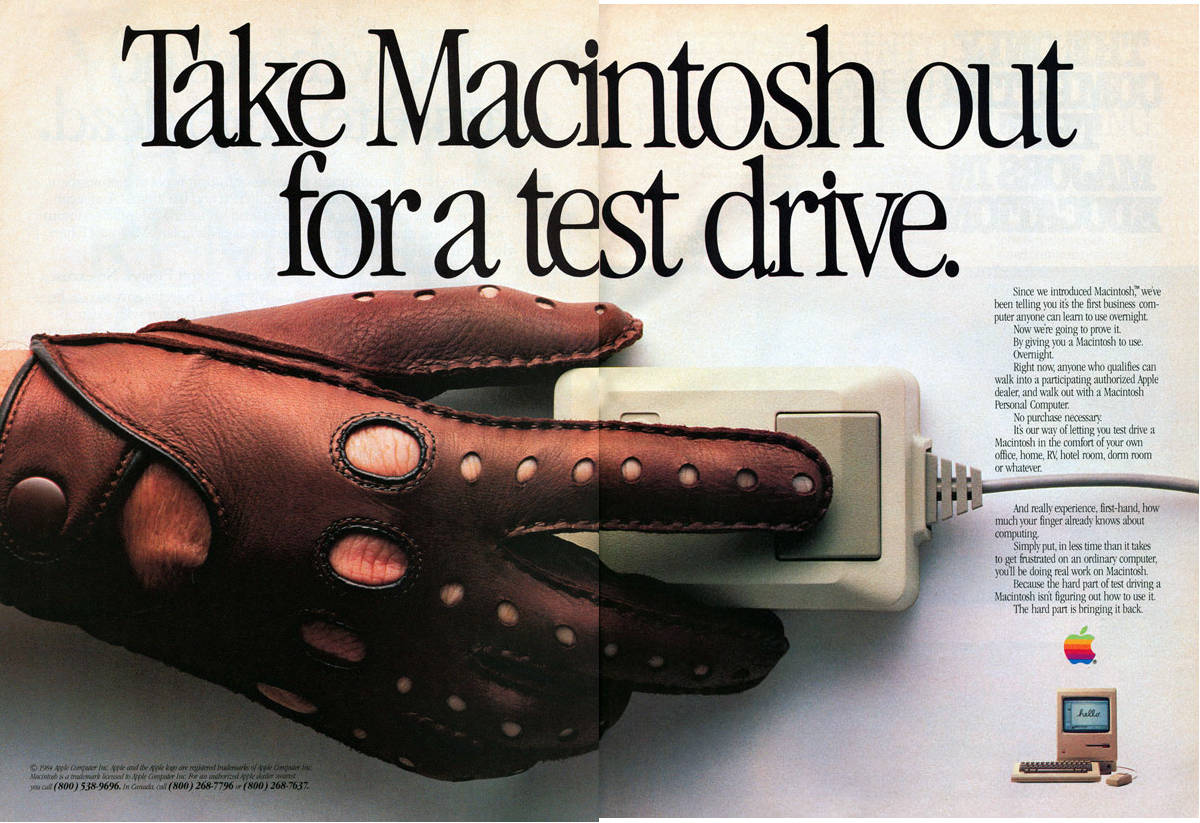
 November 8, 1984: After initial Mac sales prove disappointing, Apple CEO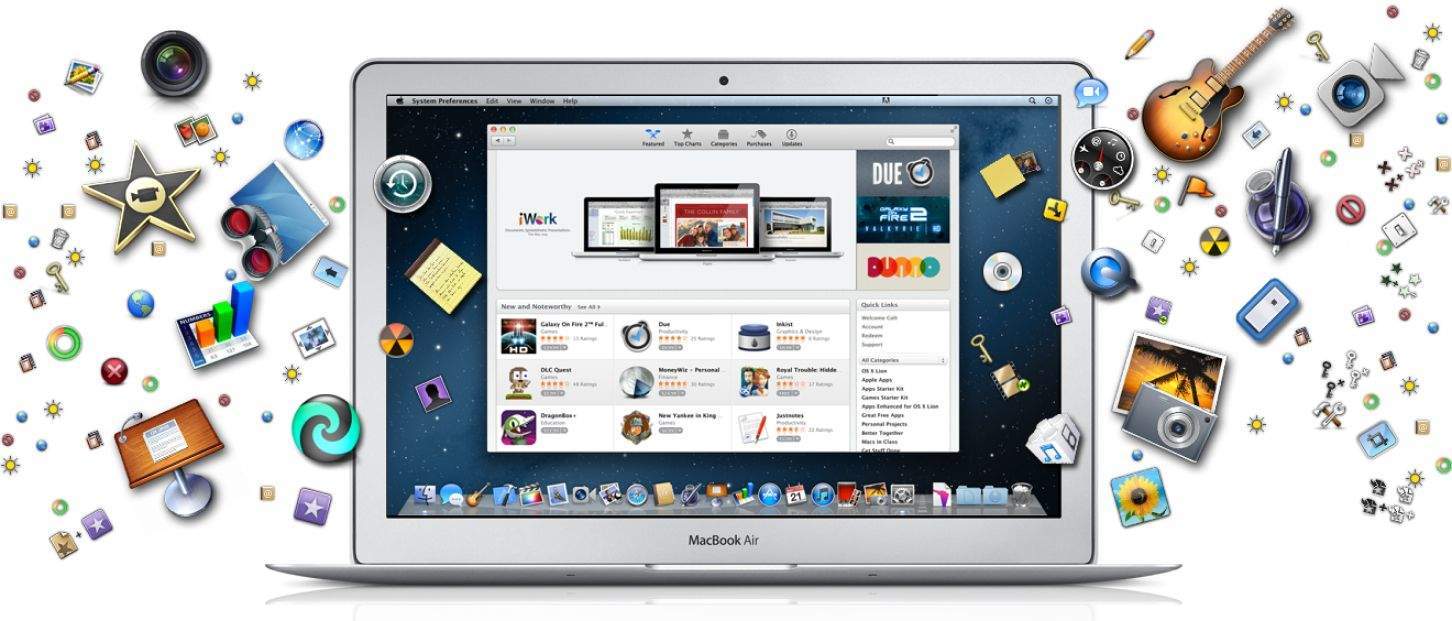
 November 3, 2010: Apple prepares to launch the Mac App Store, publicly accepting app submissions from registered developers — and kicking off a gold rush among coders.
 October 27, 1999: Dell Computer overtakes Apple in the educational market, stealing Cupertino’s crown as the top company selling computers to U.S. schools. Dell’s cheap Windows PCs make sense for schools looking to buy computers without breaking the bank.