 August 4, 2008: In an internal memo, Apple CEO Steve Jobs owns up to mistakes in launching MobileMe, spinning the company’s bungled cloud service rollout as a learning opportunity.
“It was a mistake to launch MobileMe at the same time as iPhone 3G, iPhone 2.0 software and the App Store,” Jobs writes in an email to Apple employees. “We all had more than enough to do, and MobileMe could have been delayed without consequence.”


 August 3, 2009: Google CEO Eric Schmidt resigns from Apple’s board of directors amidst increasing competition between the two companies.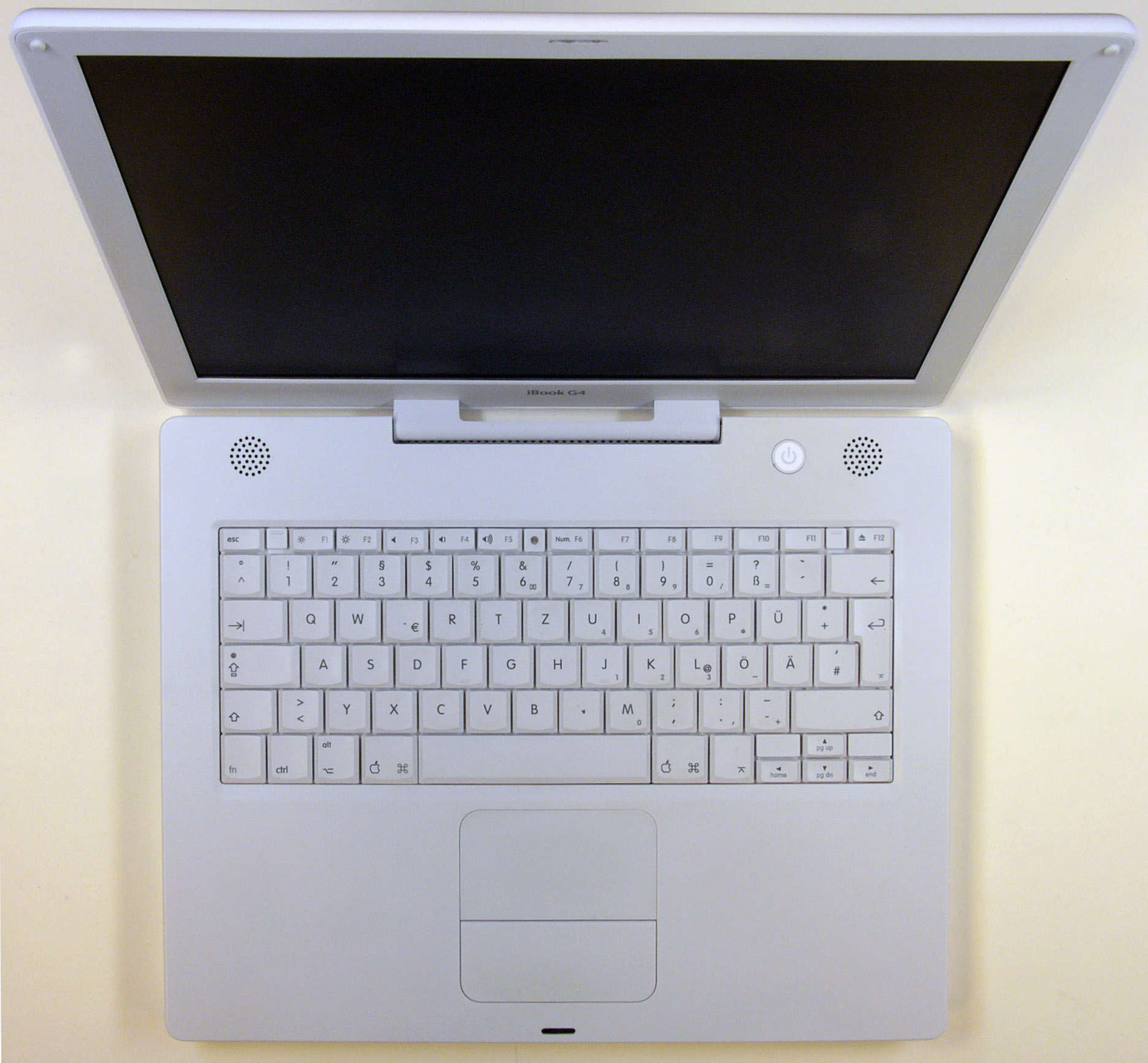
 July 26, 2005: Apple debuts the opaque white iBook G4, the last of its laptops to launch under the iBook name.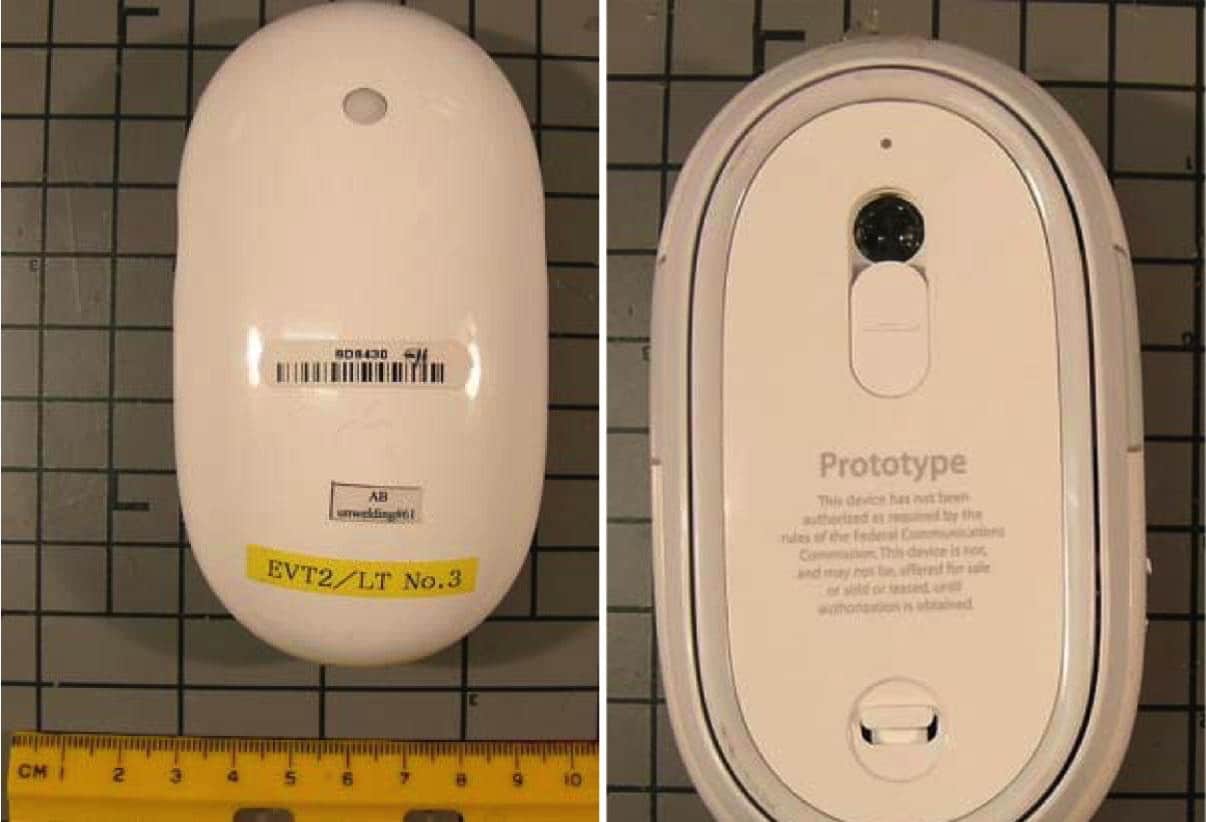
 July 24, 2006: The world gets its first glimpse of Apple’s new wireless Mighty Mouse, a multibutton Bluetooth device with super-accurate laser tracking.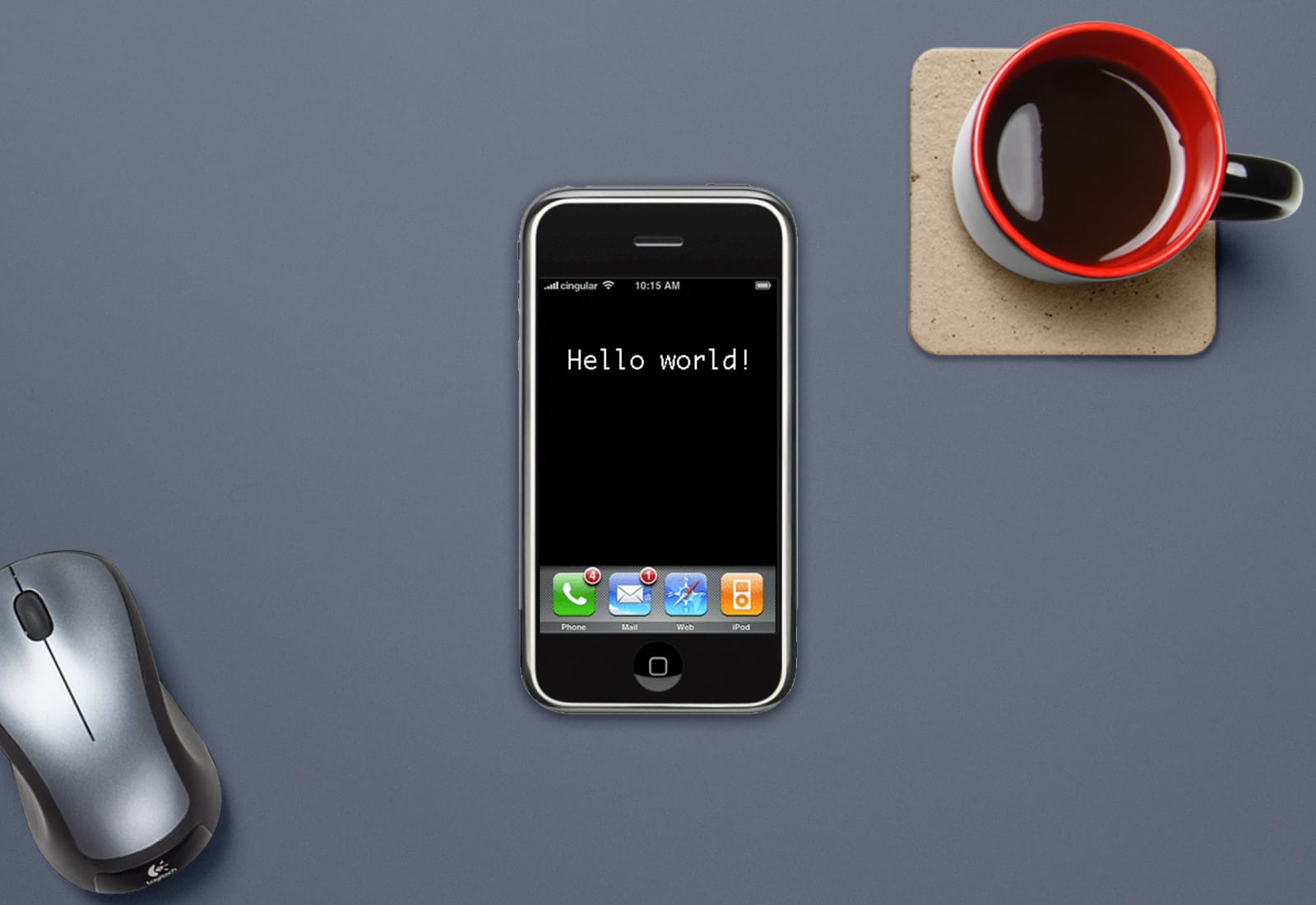
 July 20, 2007: Just a month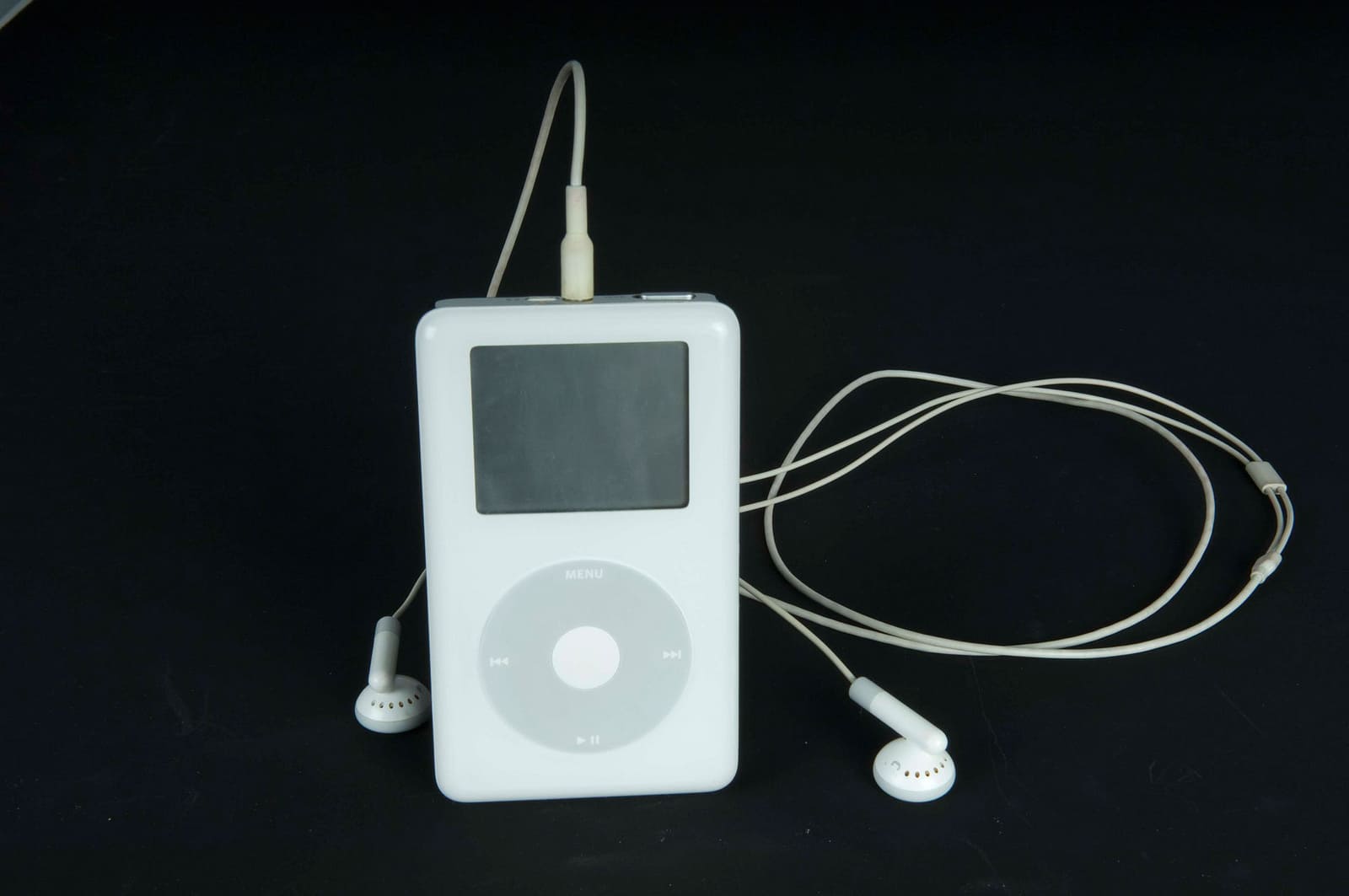
 July 19, 2004: The fourth-generation iPod brings neat innovations to the popular audio device, including the Click Wheel interface recently introduced on the iPod mini.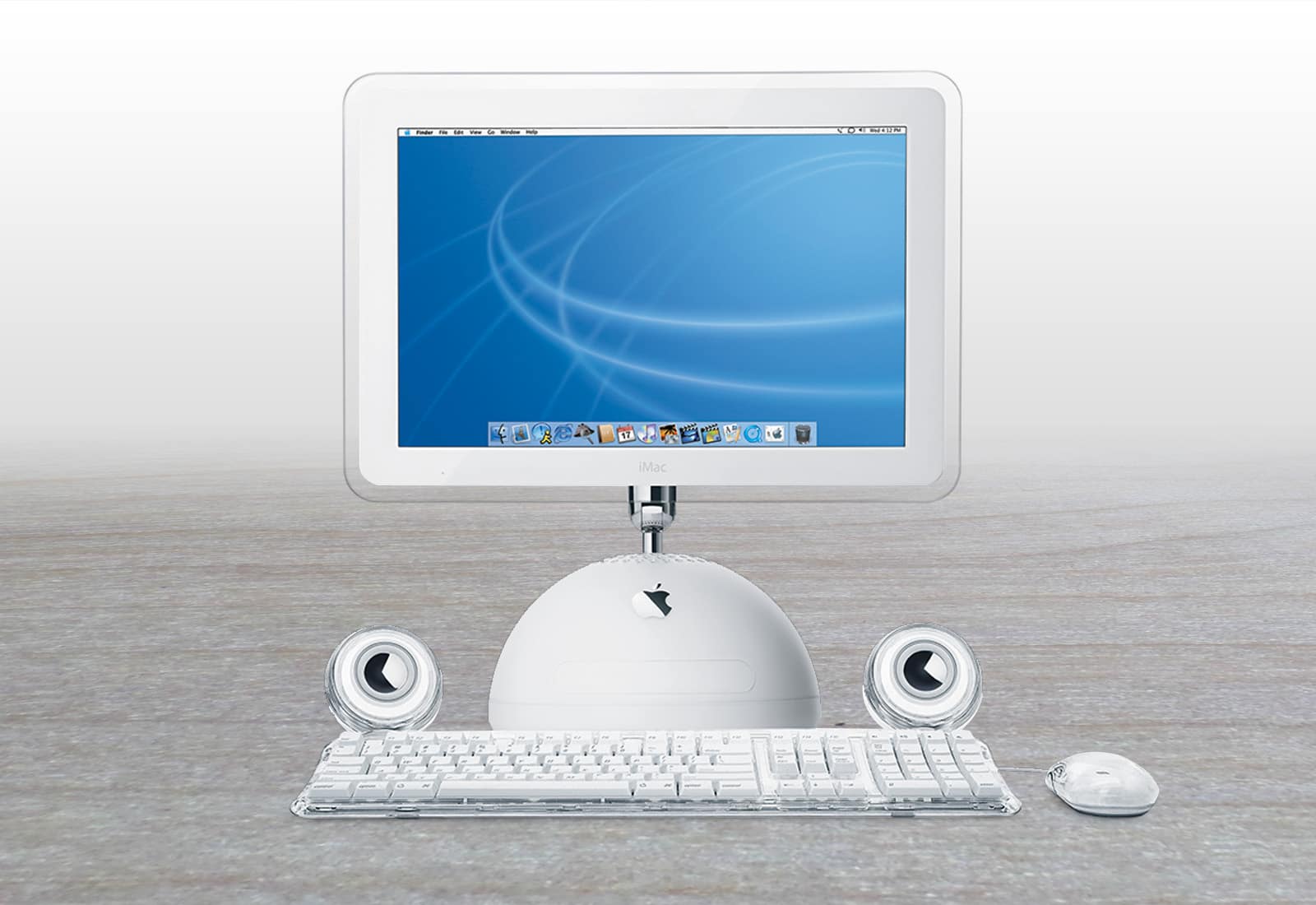
 July 17, 2002: Apple ships a new super-sized iMac G4 with a 17-inch widescreen LCD display that becomes the envy of most computer users at the time.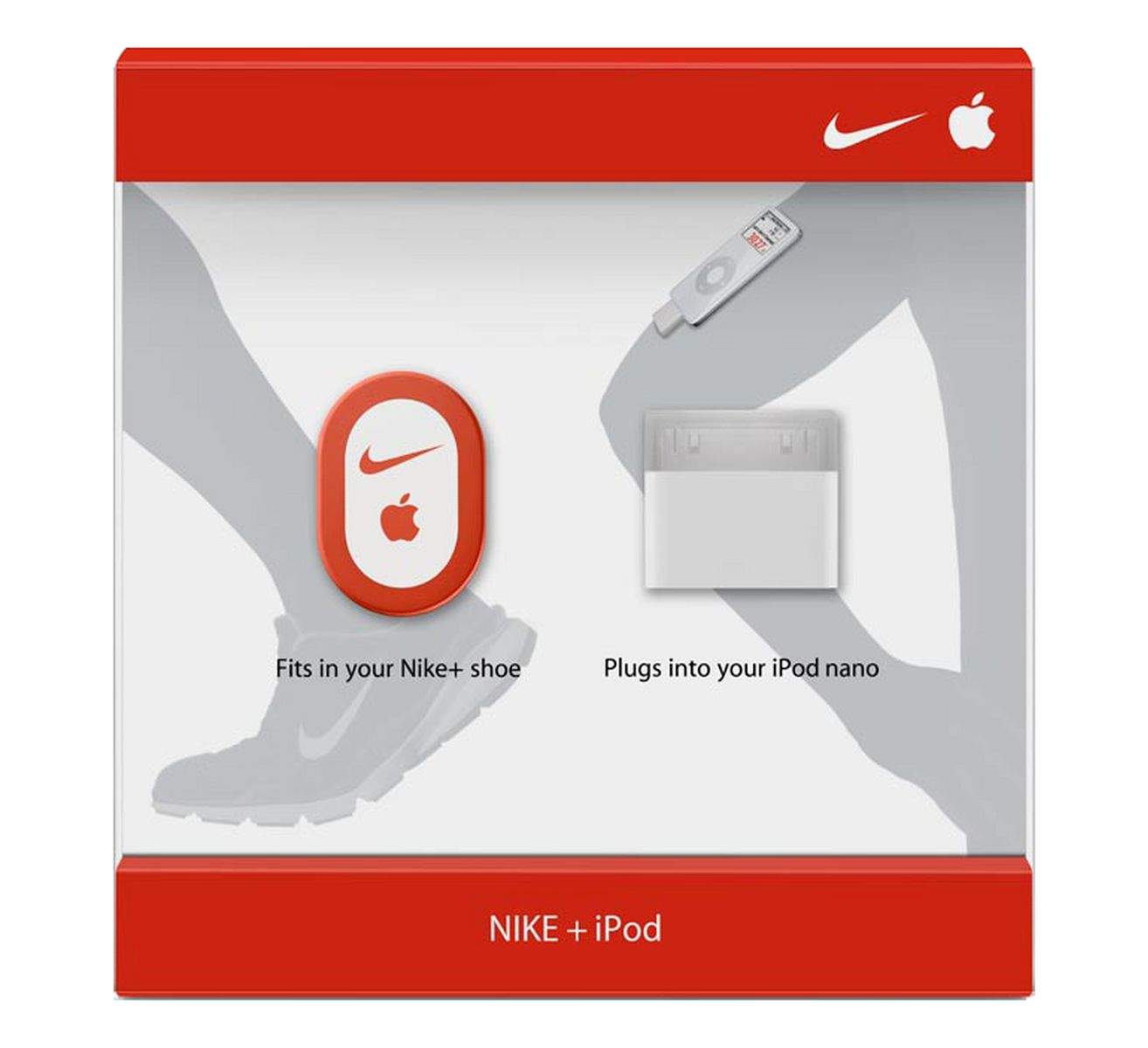
 July 13, 2006: Apple releases its first activity tracker, the Nike+iPod Sport Kit, which combines Cupertino’s popular music player with a smart pedometer.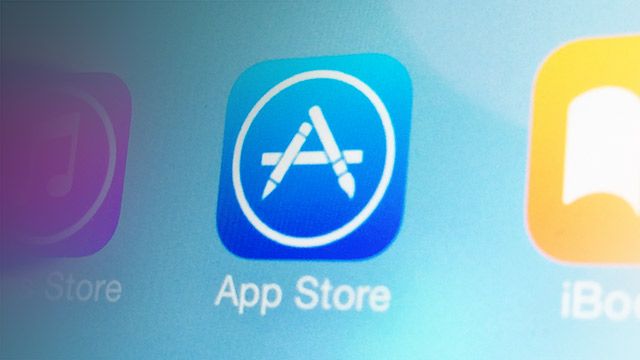
 July 10, 2008: Apple launches the App Store, an online hub that lets iPhone owners browse and download apps made by third-party developers. Transforming the iPhone from a locked-down platform to a generative one, the App Store means that every iPhone user can have his or her own “killer app” depending on the software they want — from social networking to composing music to playing games.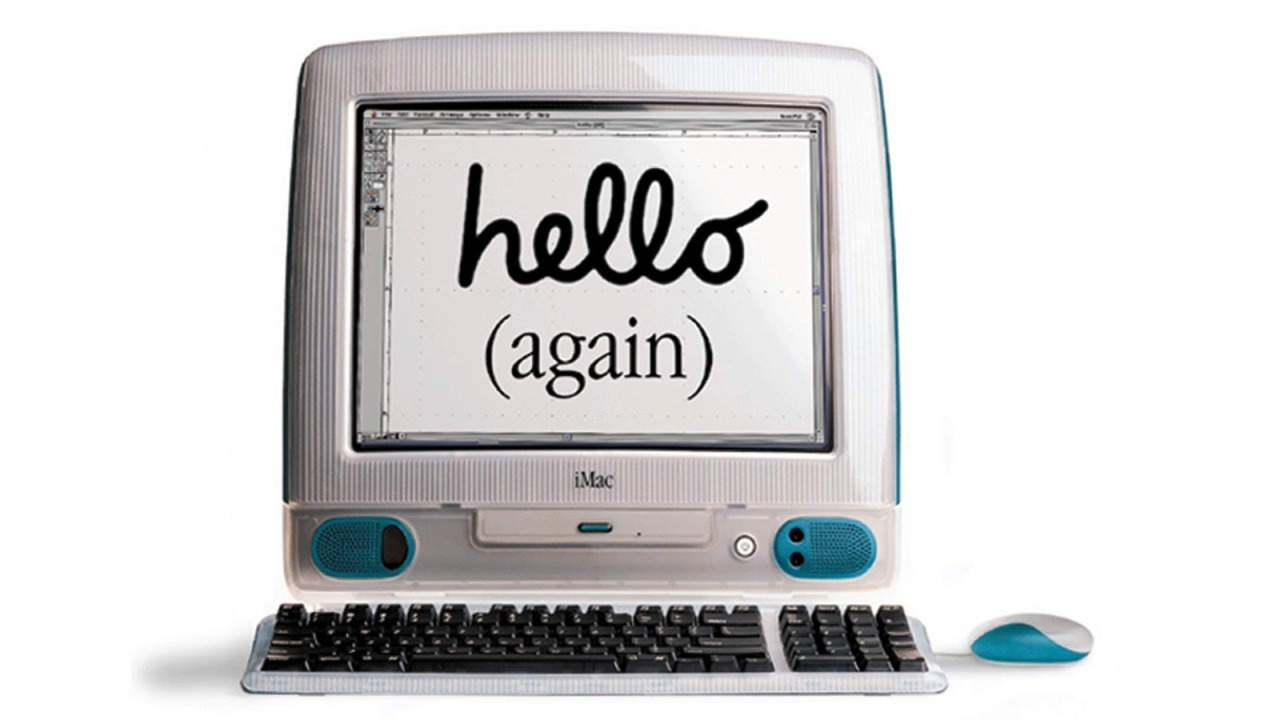
 July 9, 2001: Apple earns the title of No. 1 computer manufacturer in the education market, with twice as many machines in schools as runner-up Dell Computer.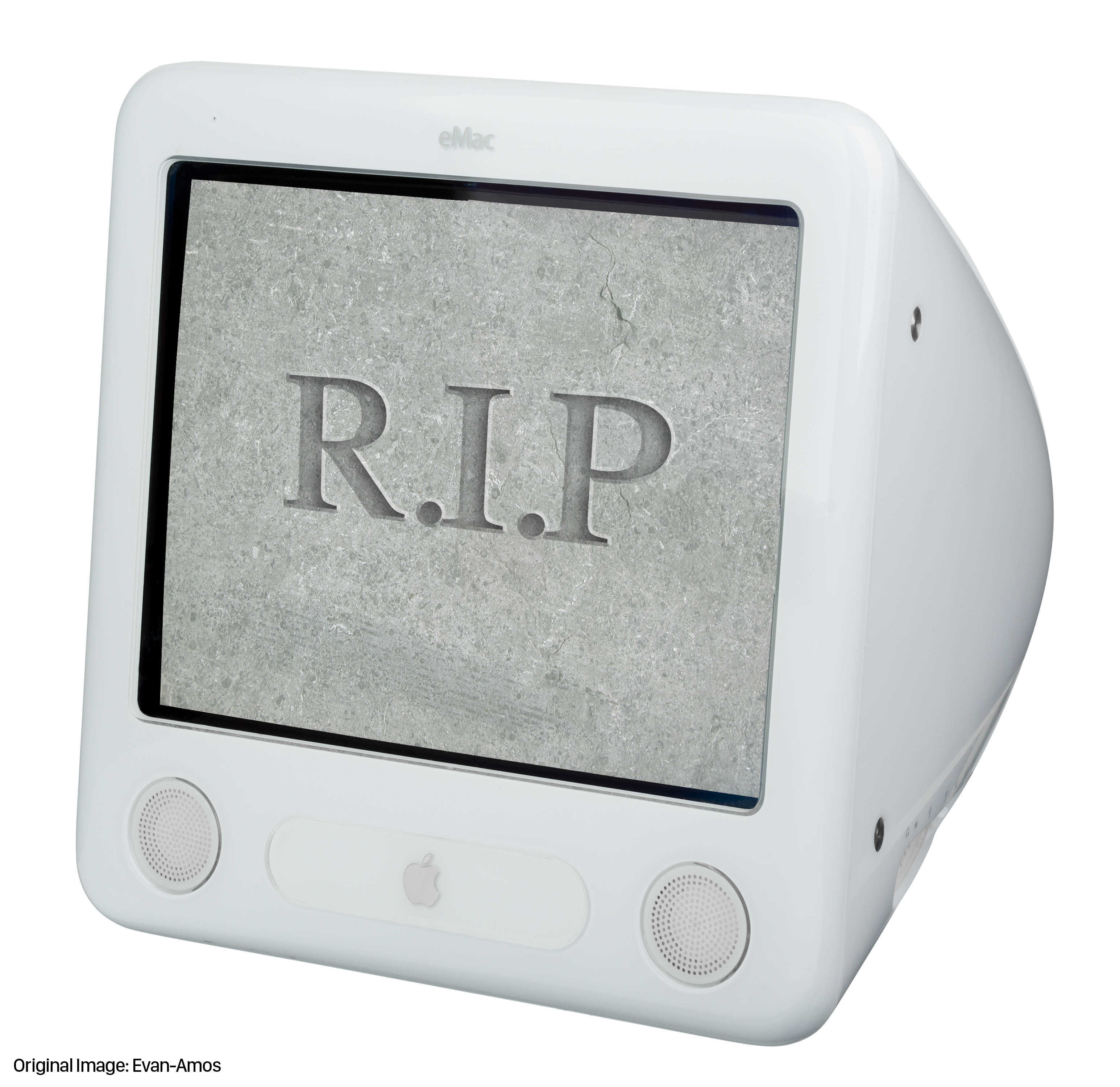
 July 5, 2006: Apple discontinues its low-end eMac product line. After more than a quarter-century of using CRT monitors in its computers, the move represents the end of the cathode ray tube era for Macs.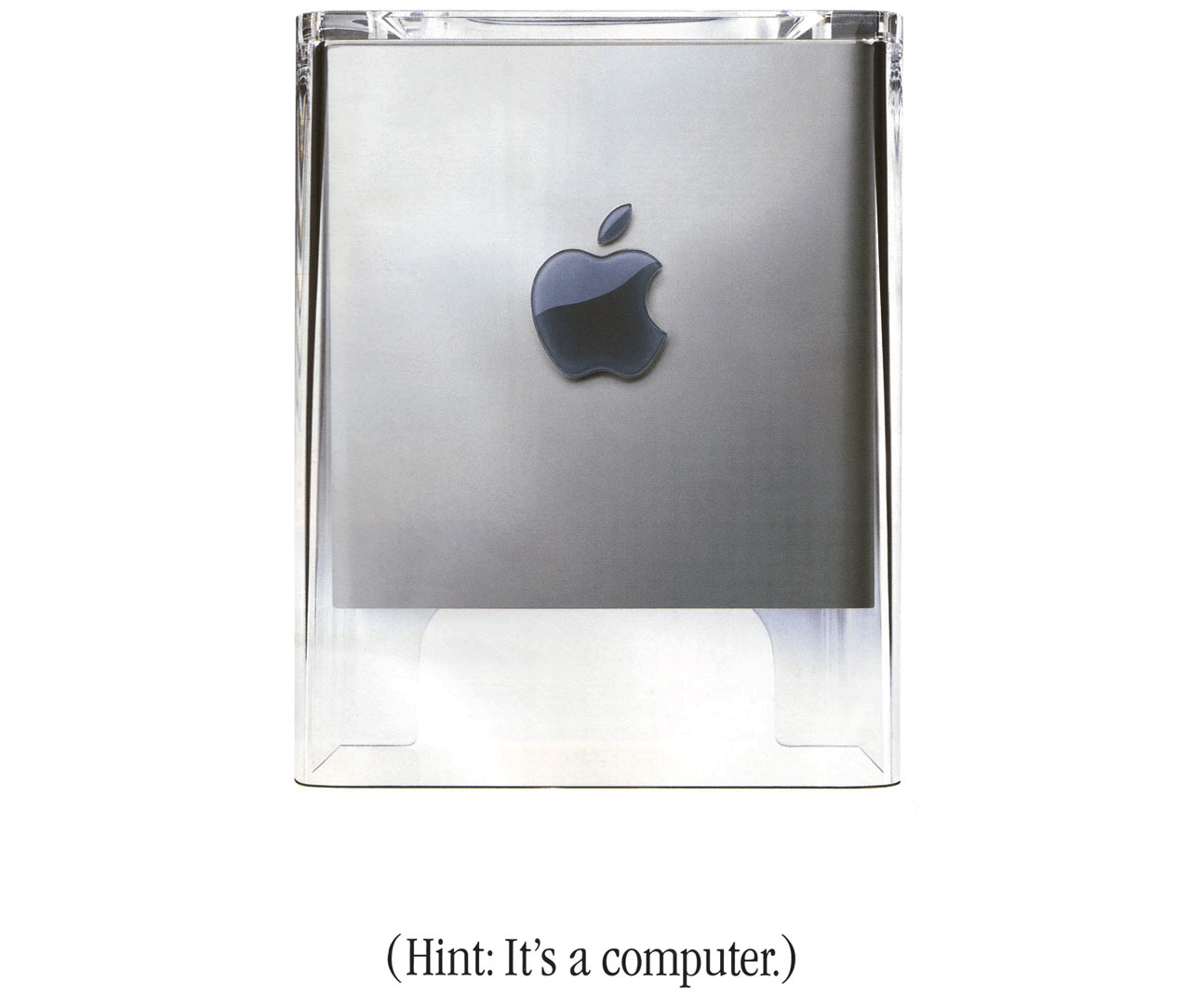
 July 3, 2001: Apple suspends production of its Power Mac G4 Cube, one of the most notable busts in Apple history — and the first major flop following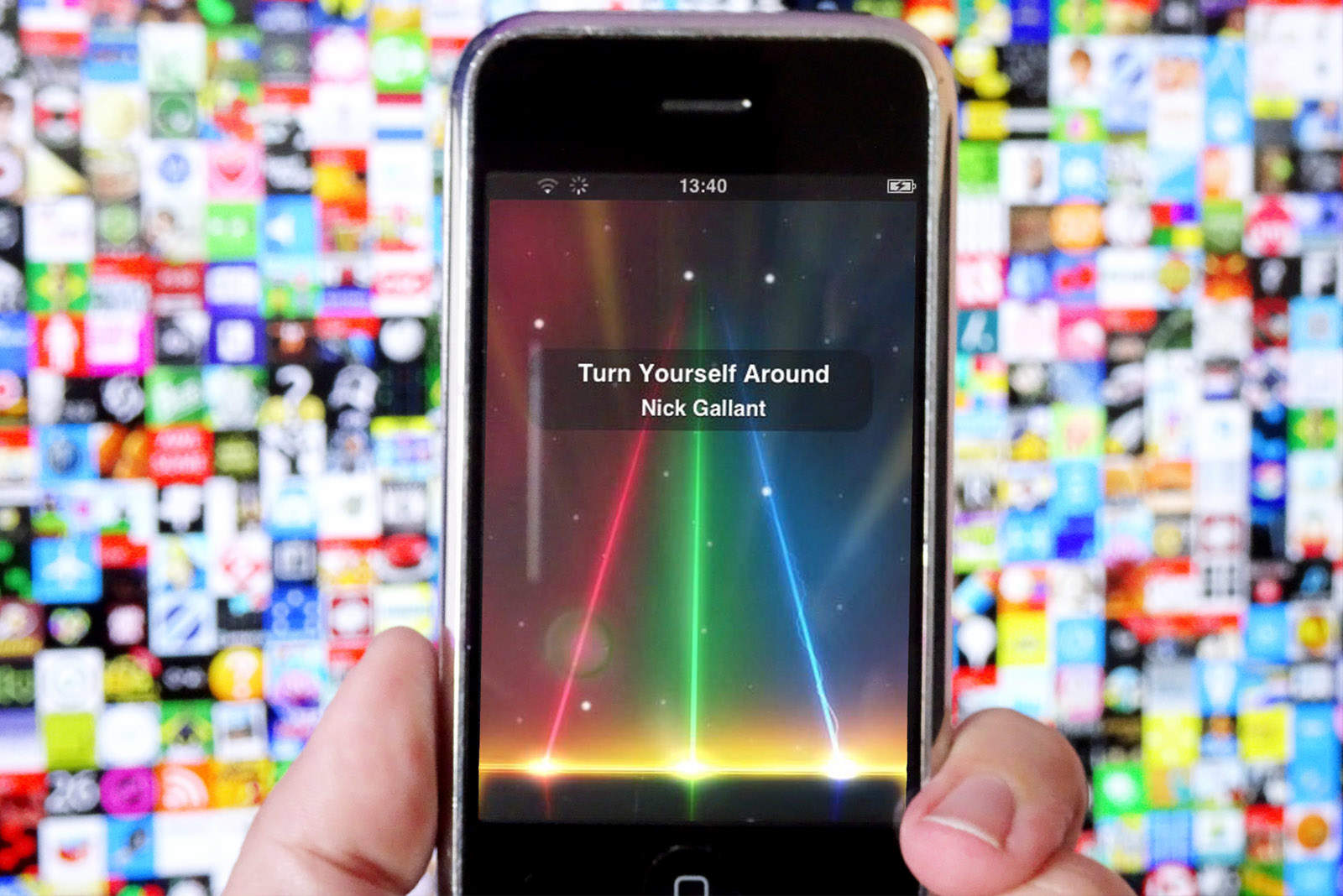
 June 26, 2008: A year after the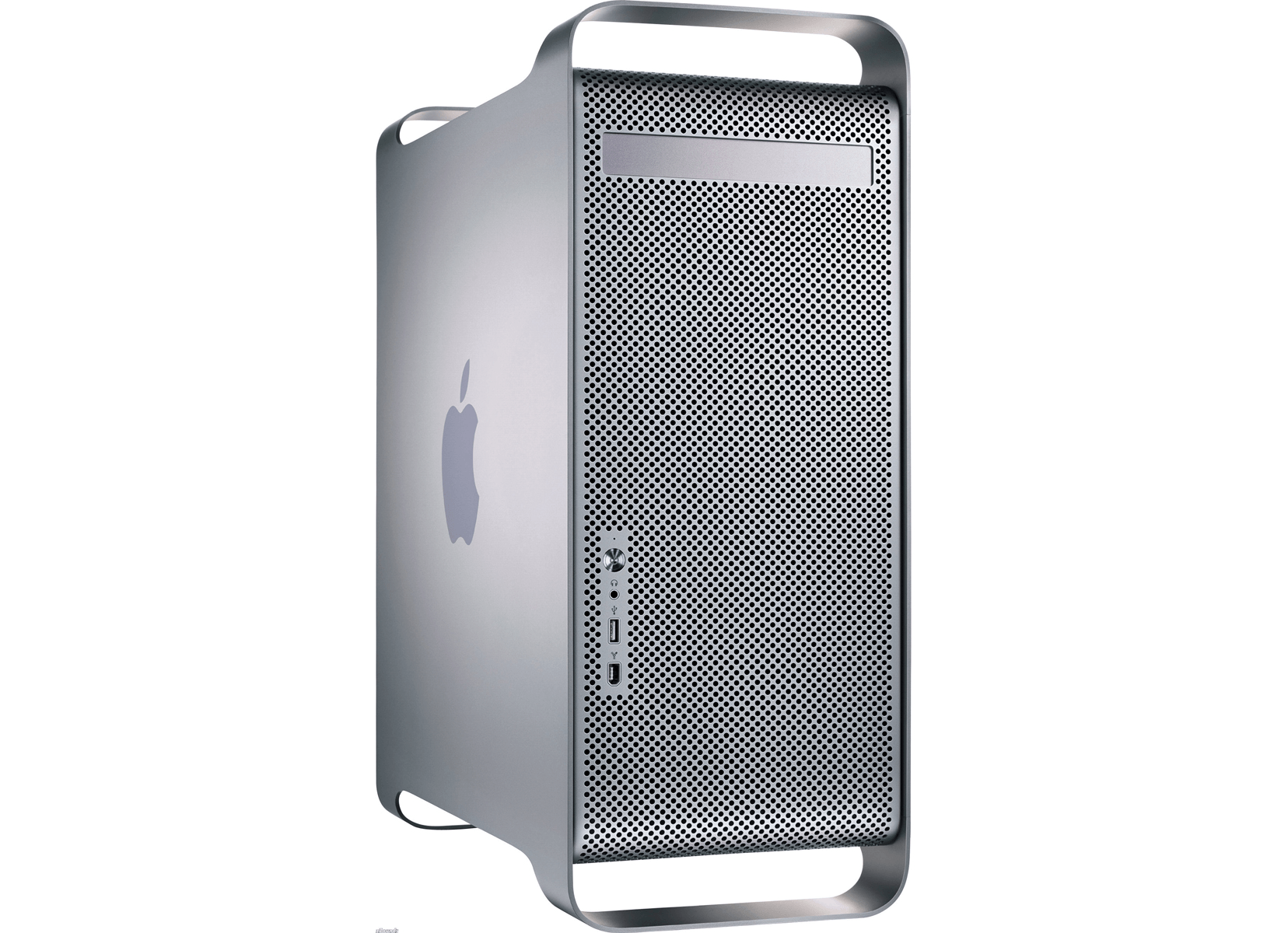
 June 23, 2003: Apple launches its gorgeous Power Mac G5, a powerhouse desktop computer with a perforated aluminum chassis that earns it the affectionate nickname “the cheese grater.”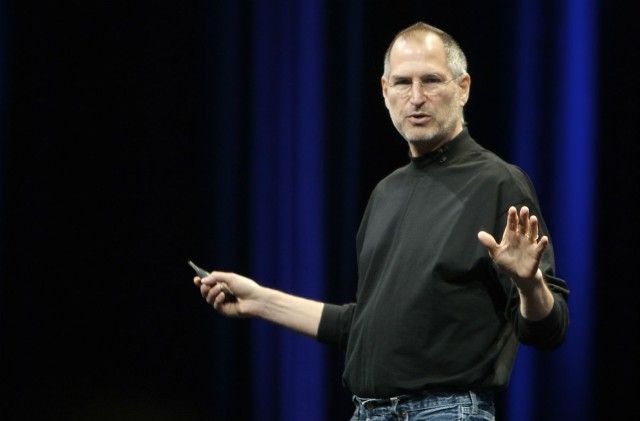
 June 22, 2009: Steve Jobs returns to work at Apple, a couple months after undergoing a liver transplant as part of his treatment for pancreatic cancer.
 June 14, 2007: Paul McCartney sings his new song “Dance Tonight” in an iPod + iTunes ad, the latest in a series of Apple spots starring music industry legends.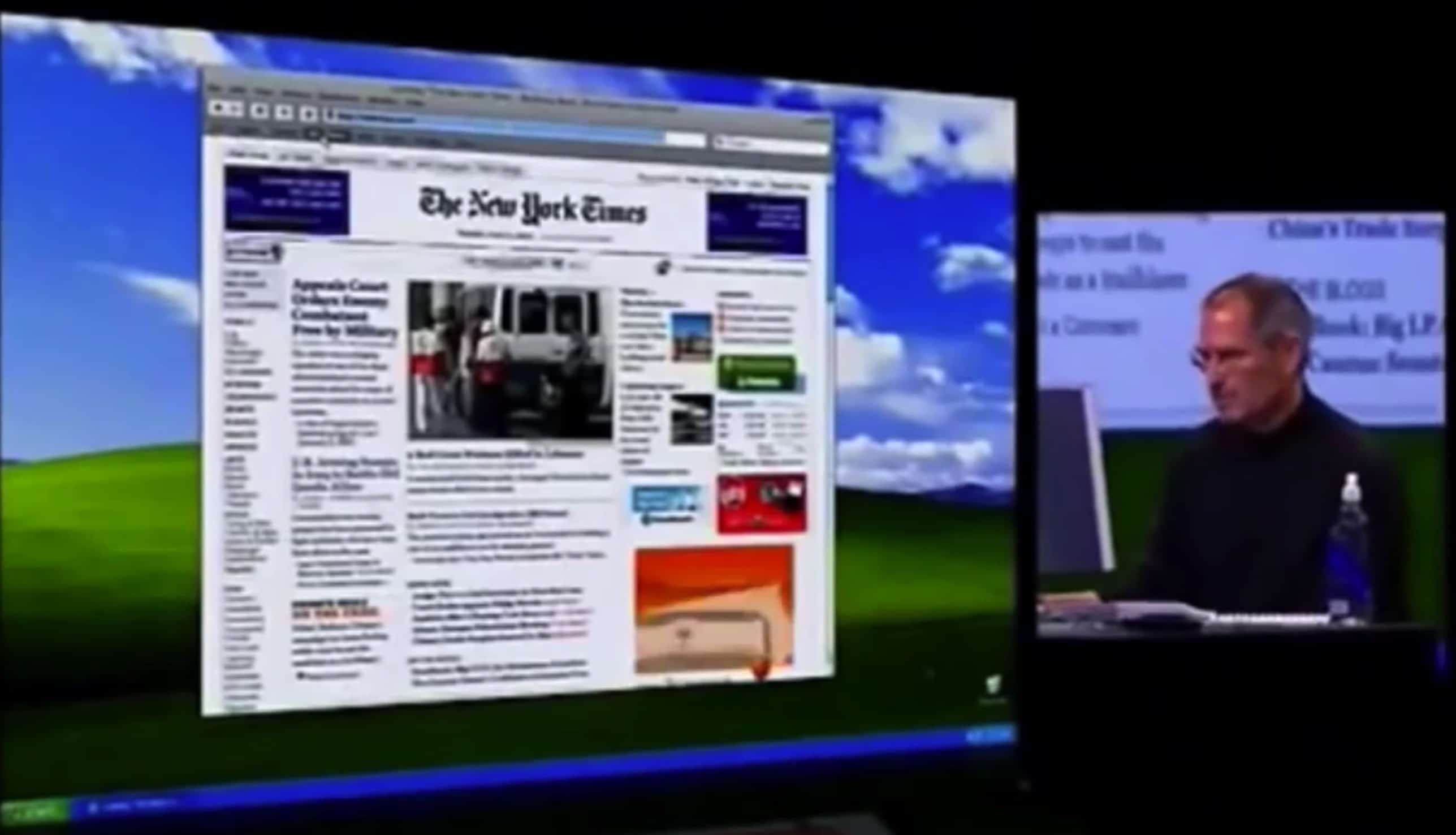
 June 11, 2007: At Apple’s Worldwide Developers Conference, CEO Steve Jobs unveils Safari 3 for Windows, bringing the company’s web browser to PCs for the first time.
 June 9, 2002: Apple launches its “Switch” advertising campaign, featuring real people talking about their reasons for switching from PCs to Macs. Apple’s biggest marketing effort since
 June 6, 2005: Steve Jobs reveals that Apple will switch the Mac from PowerPC processors to Intel.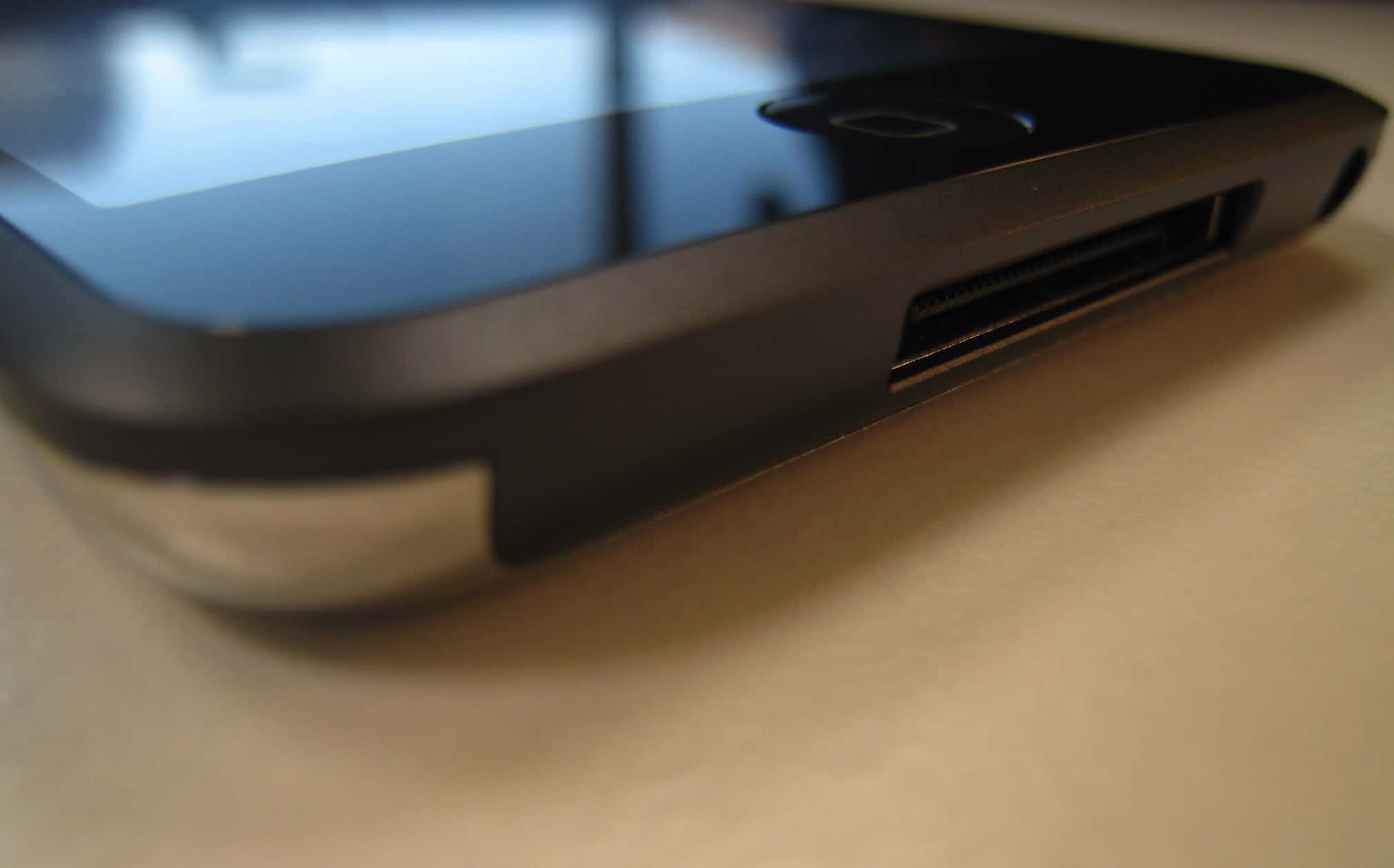
 May 30, 2013: Apple marks the sale of the 100 millionth
 May 21, 2010: Apple quietly ends its award-winning “Get a Mac” ad campaign. Debuting in 2006, the ads starred actor
 May 19, 2001: Apple revolutionizes the world of computer shopping by opening its first two Apple Stores. Located in Tysons Corner, Virginia, and Glendale, California, the new outlets represent the culmination of a long-term dream for Apple.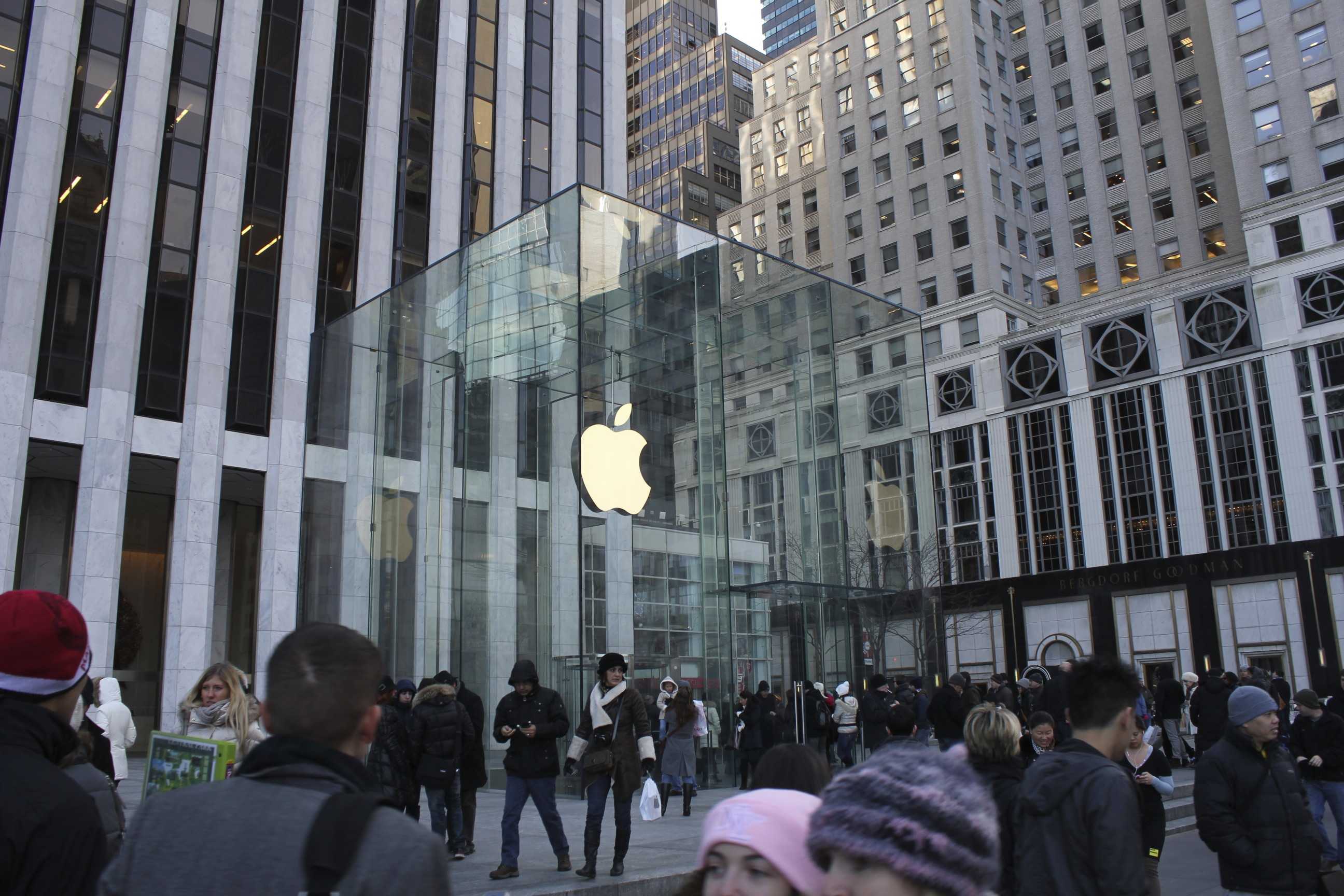
 May 18, 2006: The world — and, more specifically, the Apple-watching press — gets its first glimpse of the swanky new Fifth Avenue Apple Store in New York City.
 May 15, 2001: Apple CEO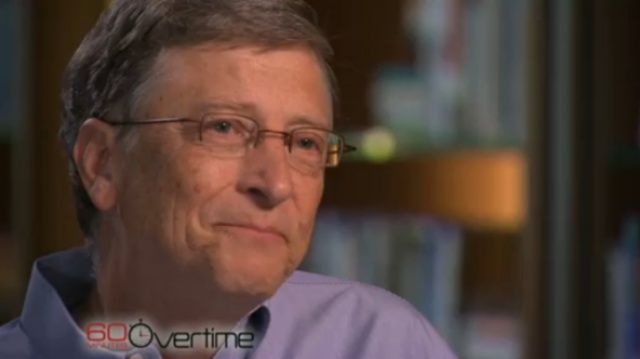
 May 12, 2005: Longtime Apple frenemy Bill Gates tells a German newspaper that Apple may have hit it big with the