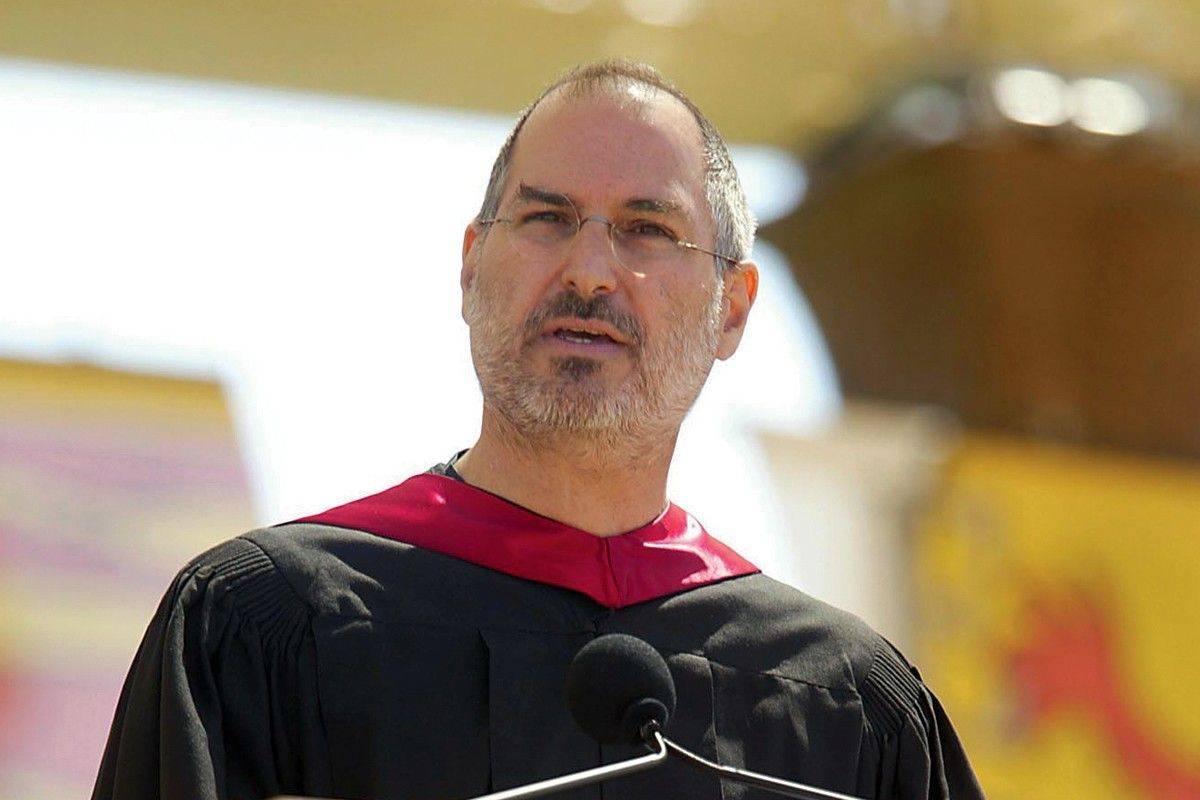
 November 5, 2009: Fortune magazine names Steve Jobs “CEO of the decade.” The accolade comes just four months after Jobs returned to Apple after undergoing a liver transplant.
The business publication credits Jobs with transforming multiple industries, as well as continuing Apple’s meteoric rise. These achievements seem particularly noteworthy considering the tough economic conditions of the 2008 financial crash.

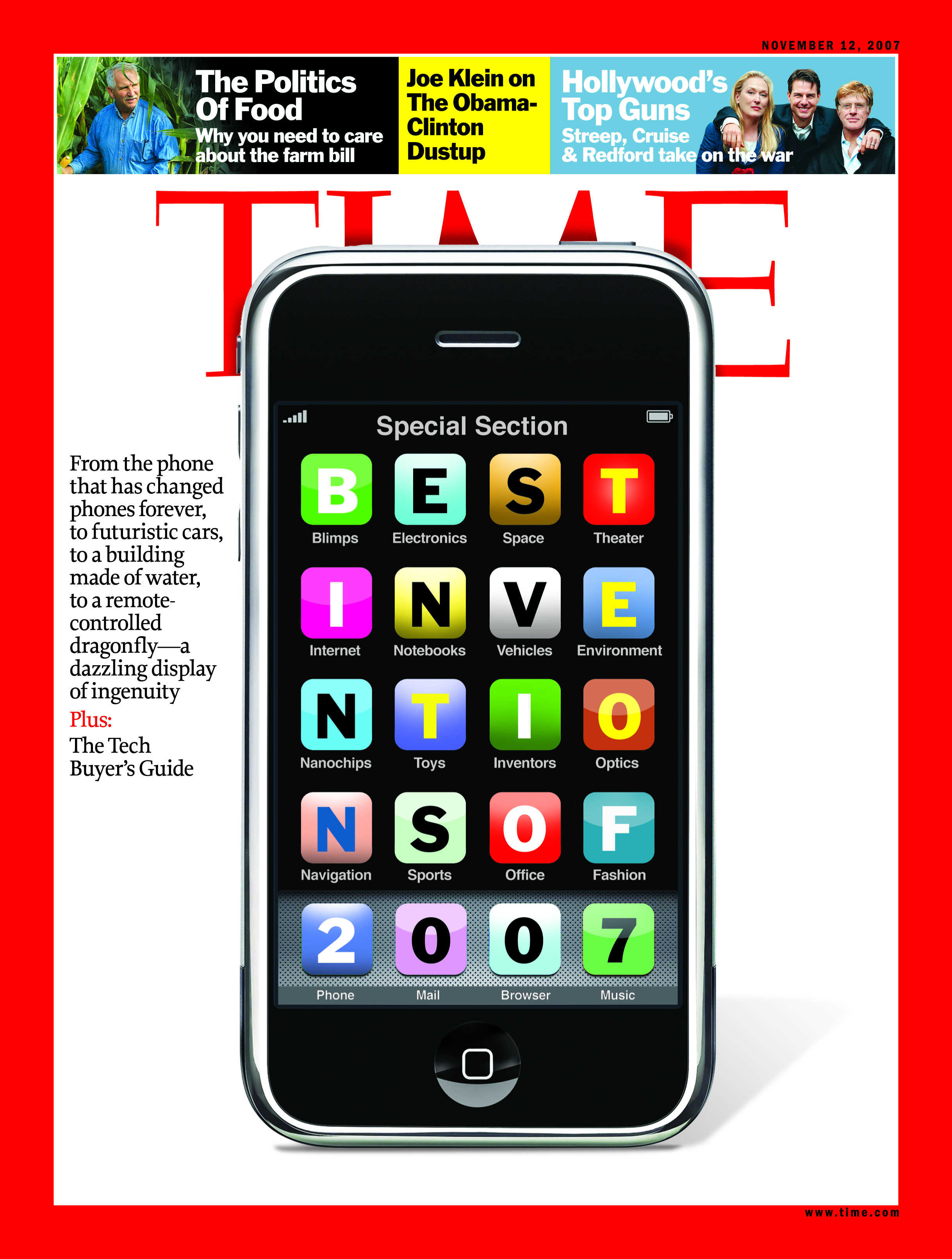
 November 1, 2007: Six months after Steve Jobs showed it off, the original iPhone becomes Time magazine’s “best invention of the year.”
 October 31, 2005: Less than three weeks after launching video downloads with iTunes 6, Apple reveals that it has already sold more than 1 million music videos.
 October 30, 2009: Two years after launching in the United States, the
 October 26, 2004: Apple debuts the iPod Photo, a device capable of putting not just 15,000 songs in your pocket, but also 25,000 photographs. The new device “lets you take your entire music and photo library with you wherever you go,” Apple says.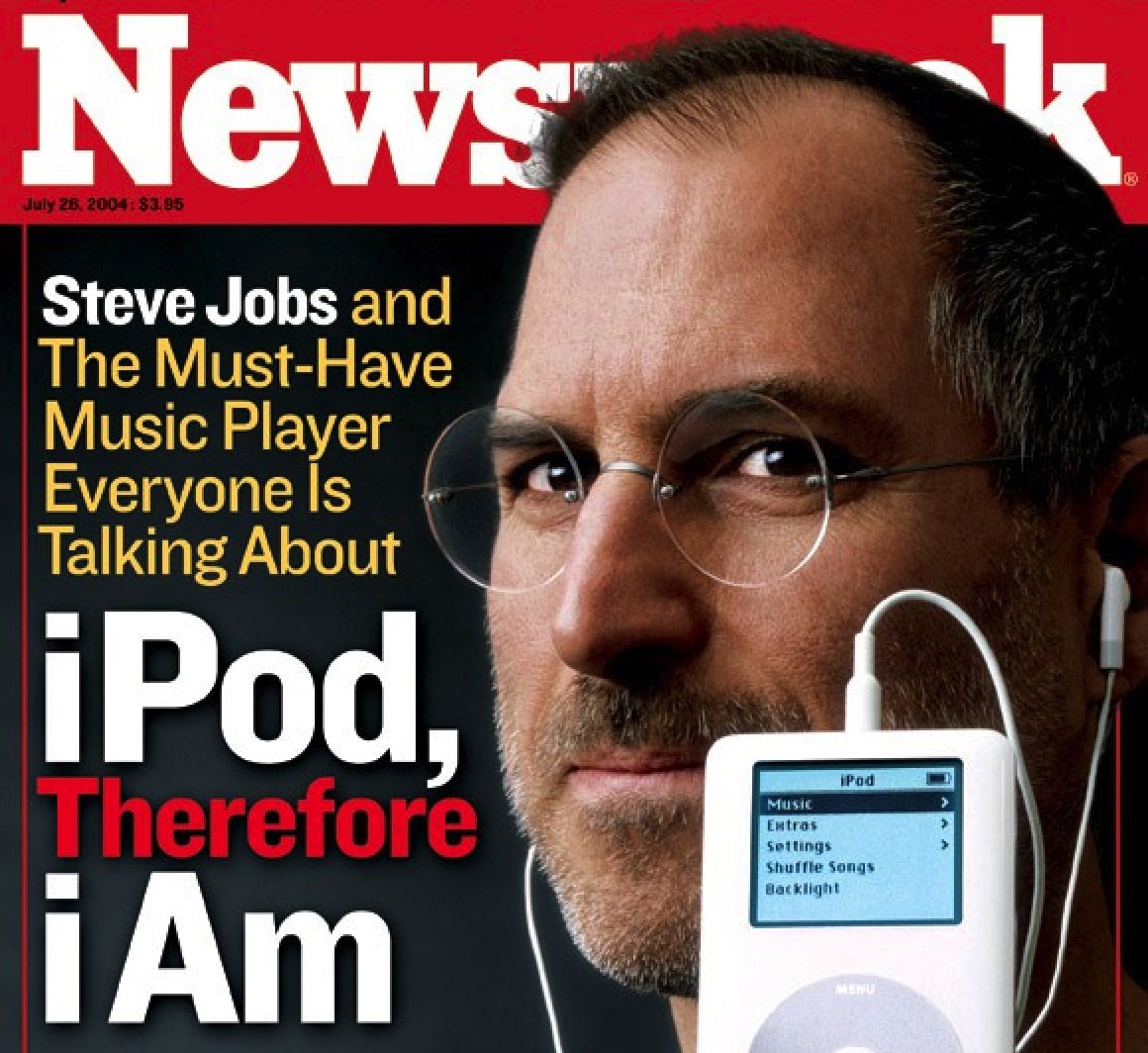
 October 23, 2001: Apple CEO Steve Jobs introduces the first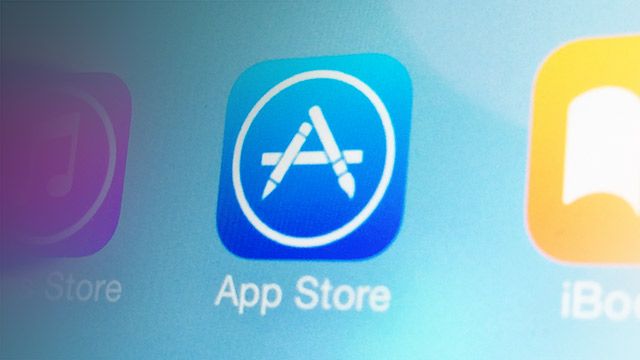
 October 22, 2008: During a conference call, Apple CEO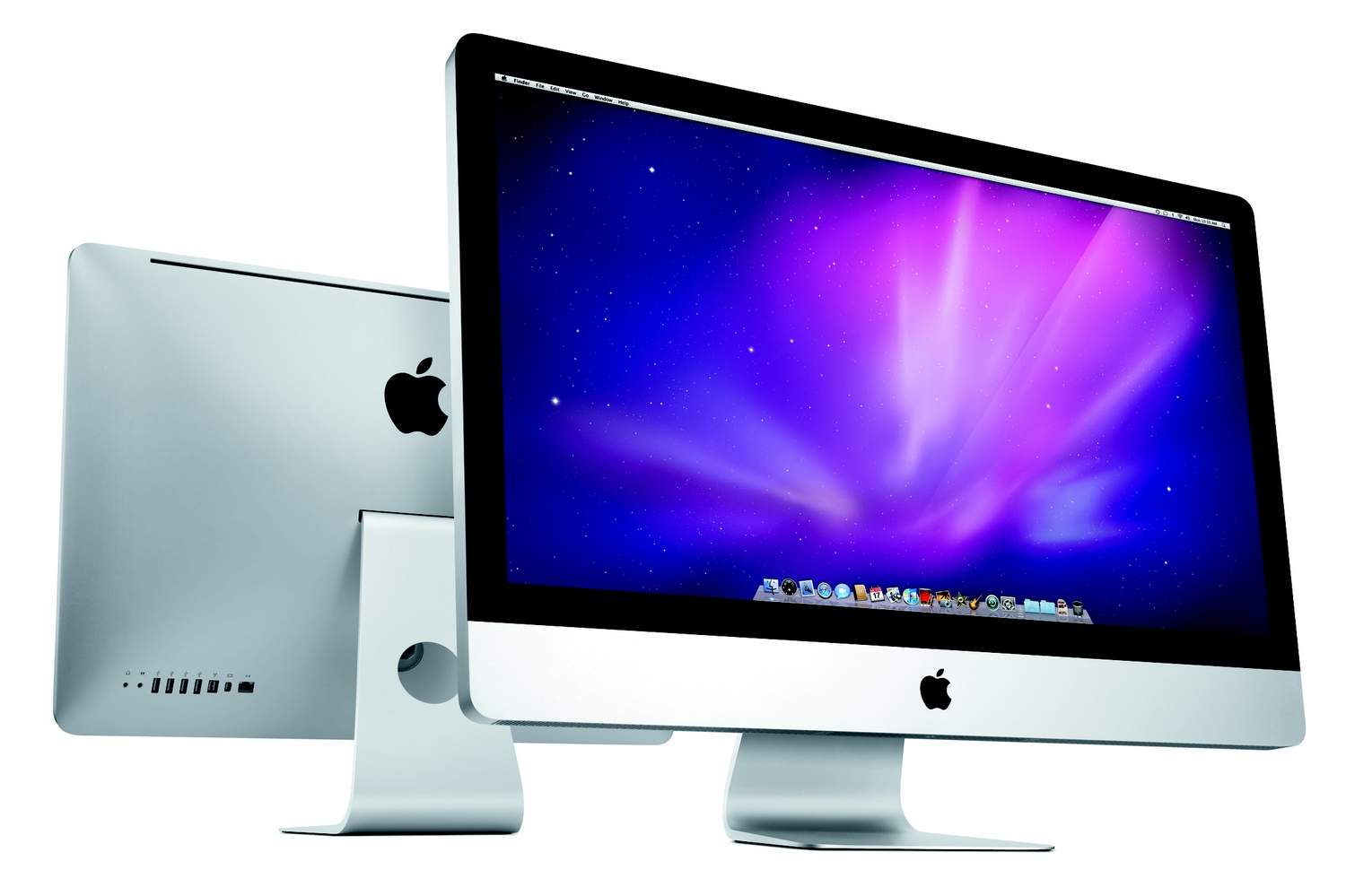
 October 20, 2009: Apple goes big with its iMac redesign, introducing the first 27-inch all-in-one Mac. The sleek, sophisticated aluminum unibody design looks so good that the iMac will remain virtually unchanged for years.
 October 16, 2003: Six months after opening the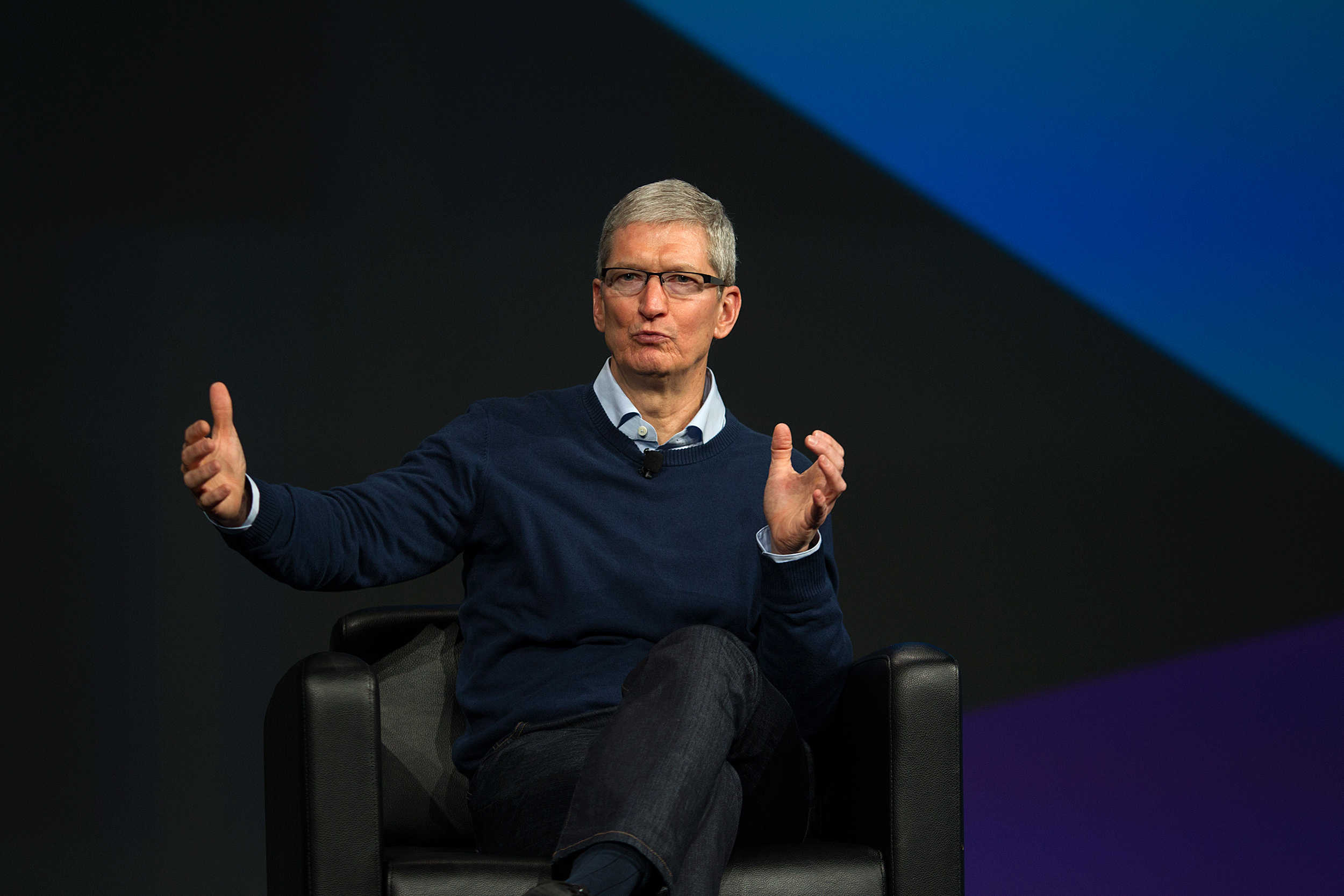
 October 14, 2005: Tim Cook takes the reins as Apple’s chief operating officer. His new role as Apple COO continues his upward climb through the company’s ranks that will make him CEO less than six years later.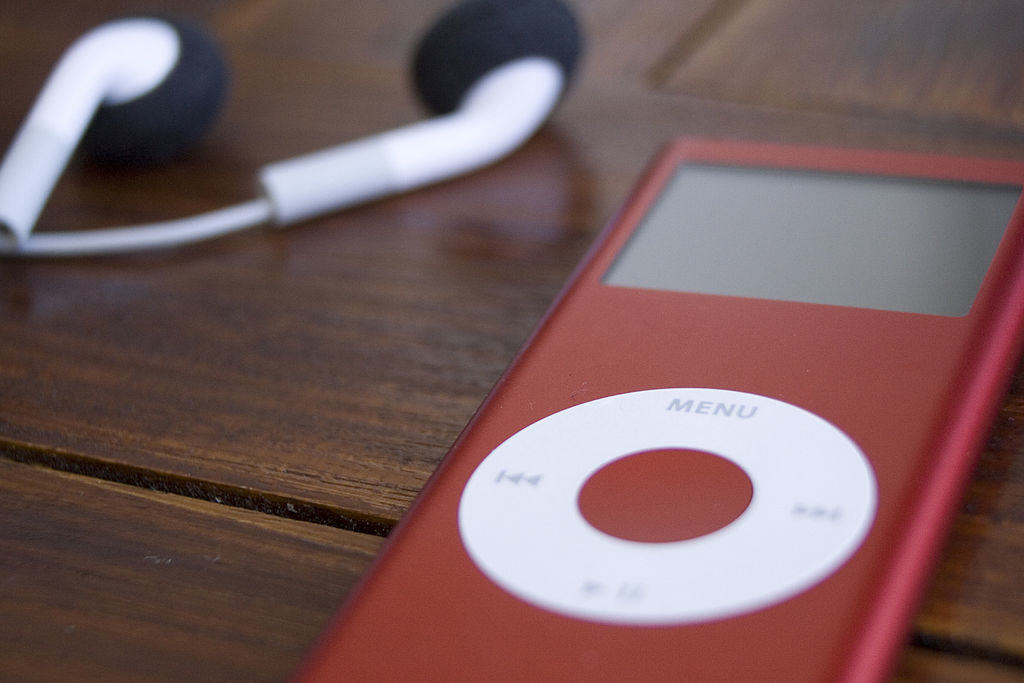
 October 13, 2006: Apple launches a limited-edition iPod nano (Product) Red Special Edition music player in collaboration with U2 lead singer Bono and activist/attorney Bobby Shriver, with 10% of profits going to fight AIDS in Africa.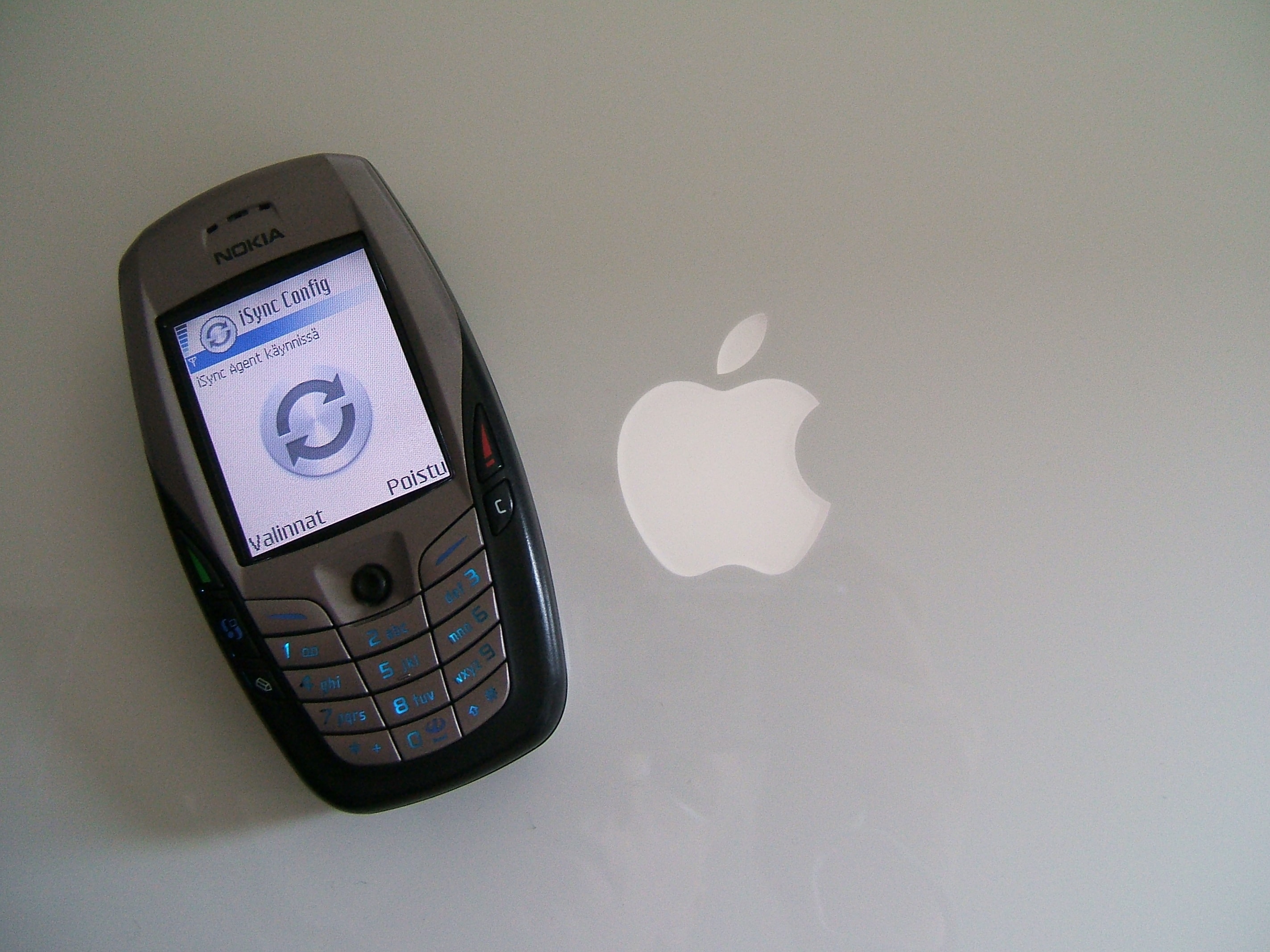
 September 30, 2002: Apple introduces iSync, a tool that lets Mac users synchronize their address books and calendars with their cellphones, iPods and Palm OS-compatible handheld organizers via Bluetooth.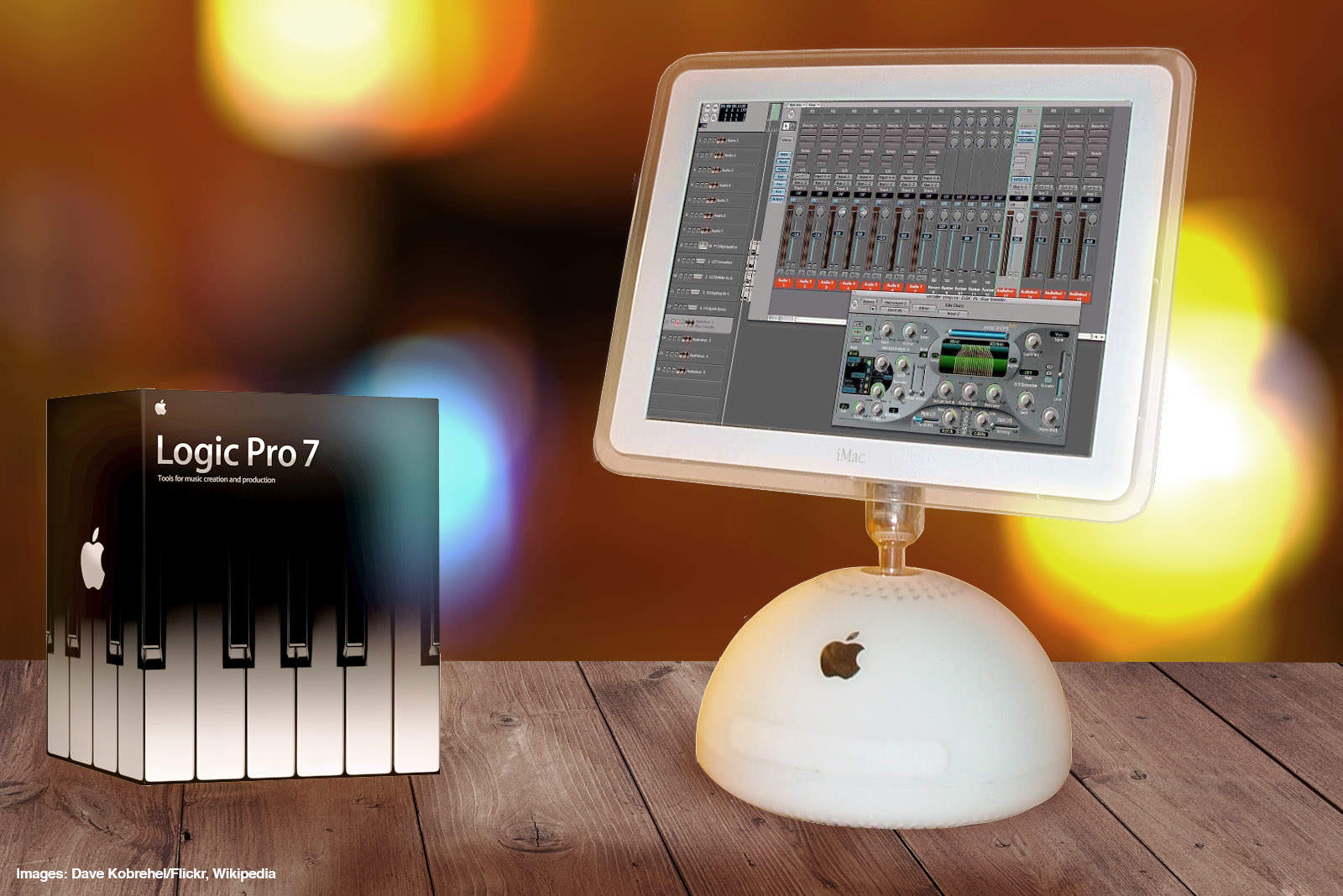
 September 29, 2004: Apple launches Logic Pro 7, its professional music creation and audio production software. The update brings new tools and a streamlined interface in line with other Apple software.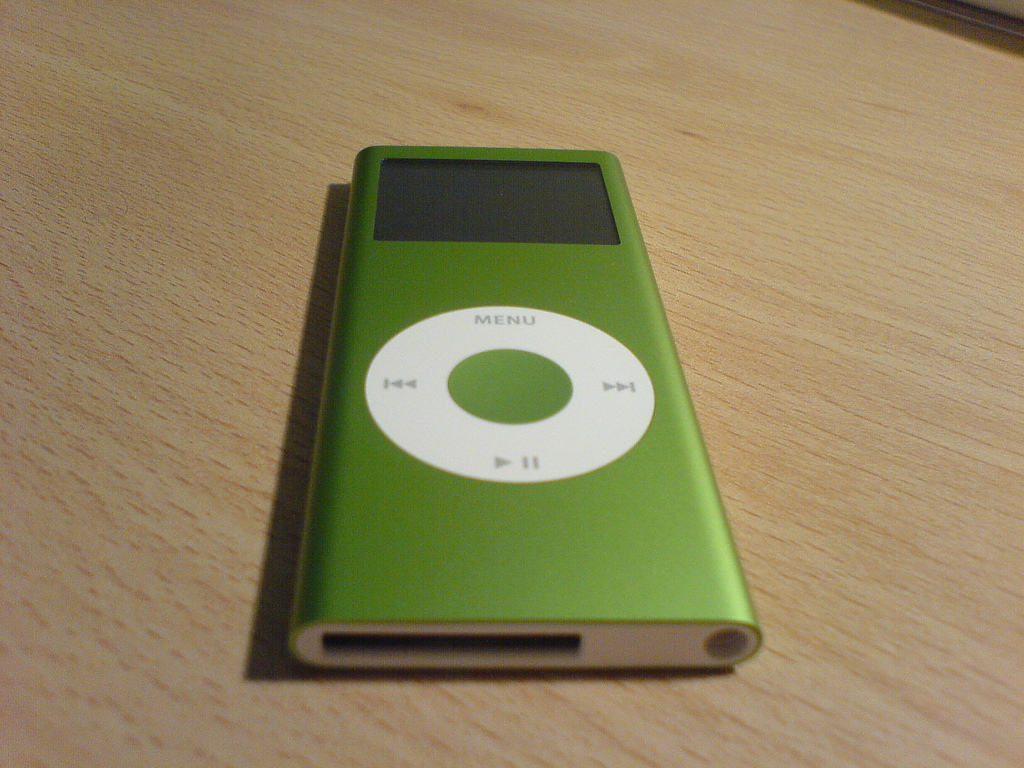
 September 25, 2006: Apple ships its second-generation iPod nano, offering a fancy redesign of the pocket-size original.
 September 11, 2009: Microsoft CEO Steve Ballmer snatches an iPhone from an employee during a meeting and pretends to destroy it.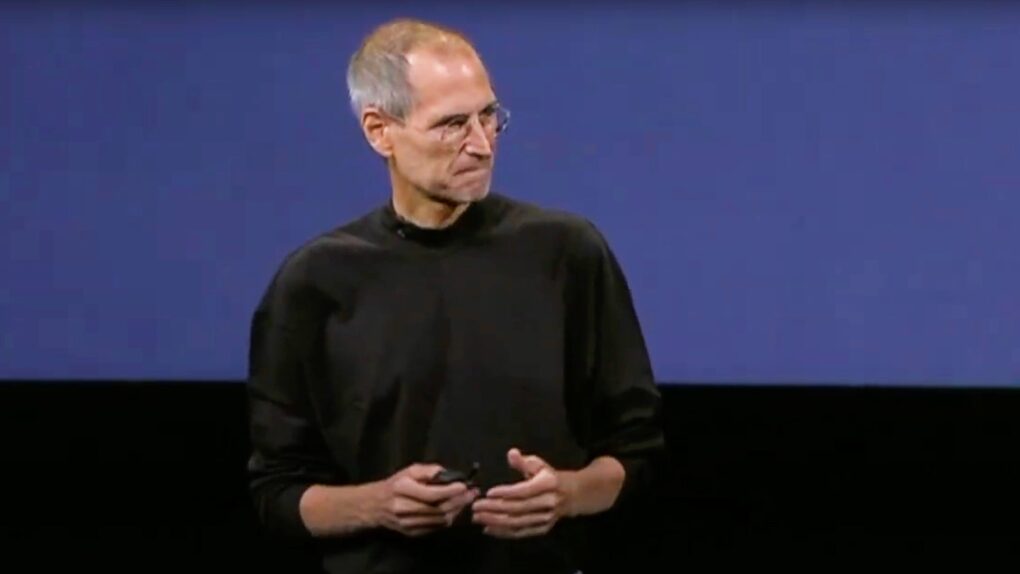
 September 9, 2009: Apple CEO
 September 8, 2003: Apple reveals that the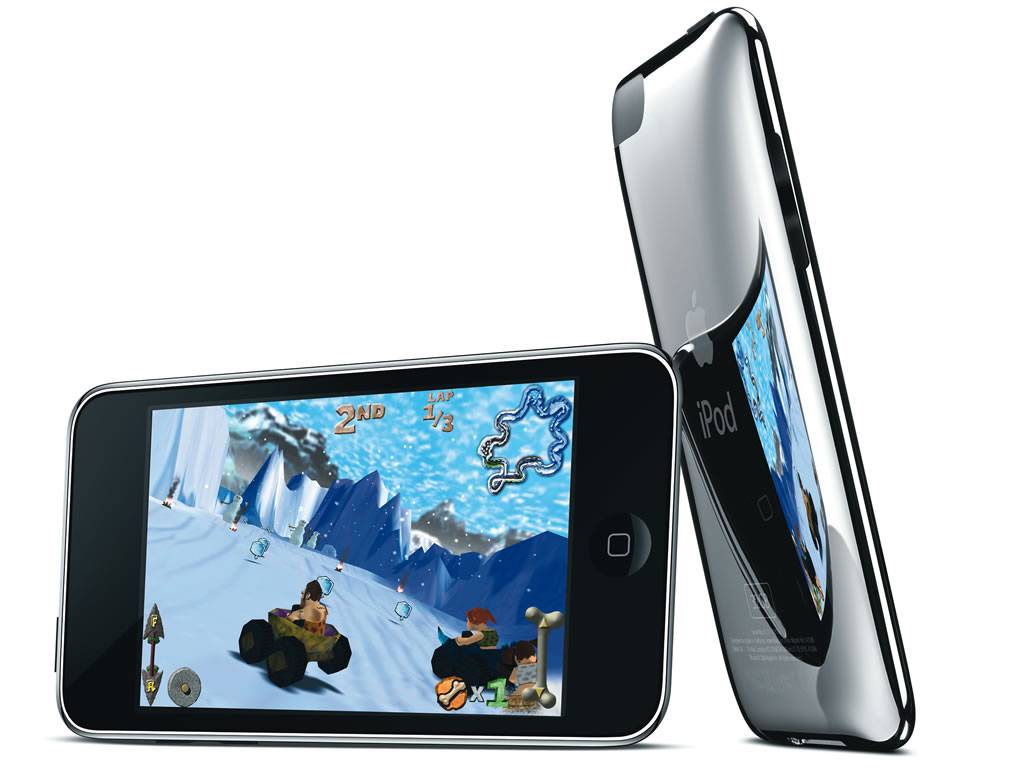
 September 5, 2007: Apple introduces its first new iPods after the release of the iPhone. The lineup includes the third-gen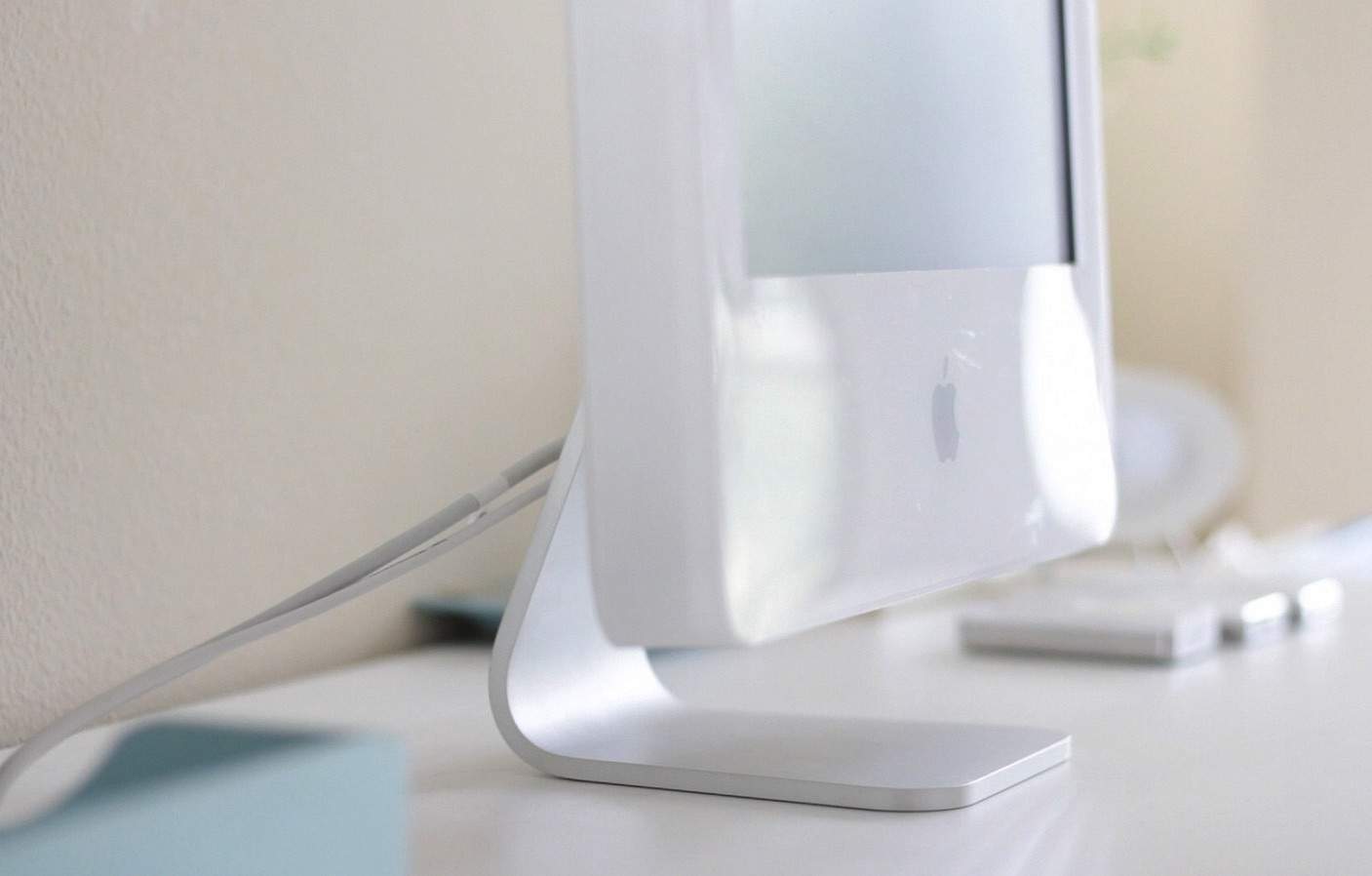
 August 31, 2004: Apple launches the iMac G5, a distinctive, white plastic computer that looks a little like the world’s biggest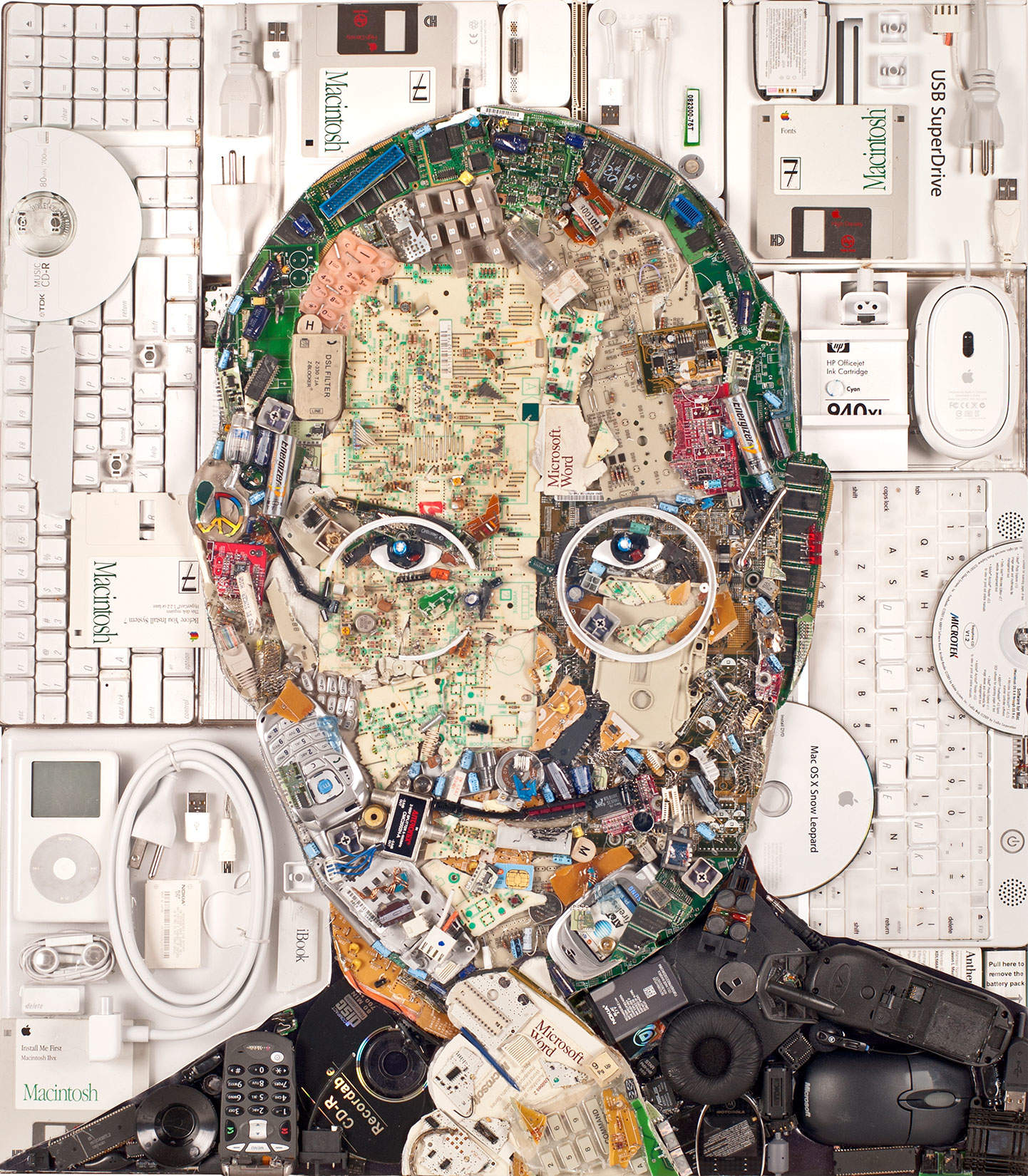
 August 29, 2001: During a meeting, Apple’s board of directors awards CEO
 August 22, 2001: Apple takes home a technical Emmy Award for developing FireWire, the high-speed serial port that allows users to transfer data quickly between a Macintosh and another device, such as a digital camera.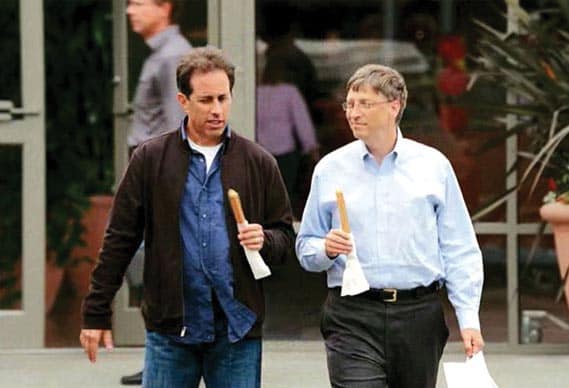
 August 21, 2008: Microsoft recruits comedian Jerry Seinfeld for a series of ads. It’s a naked attempt to shake the company’s reputation as a stodgy oldster (as opposed to Apple’s trendsetting hipster image).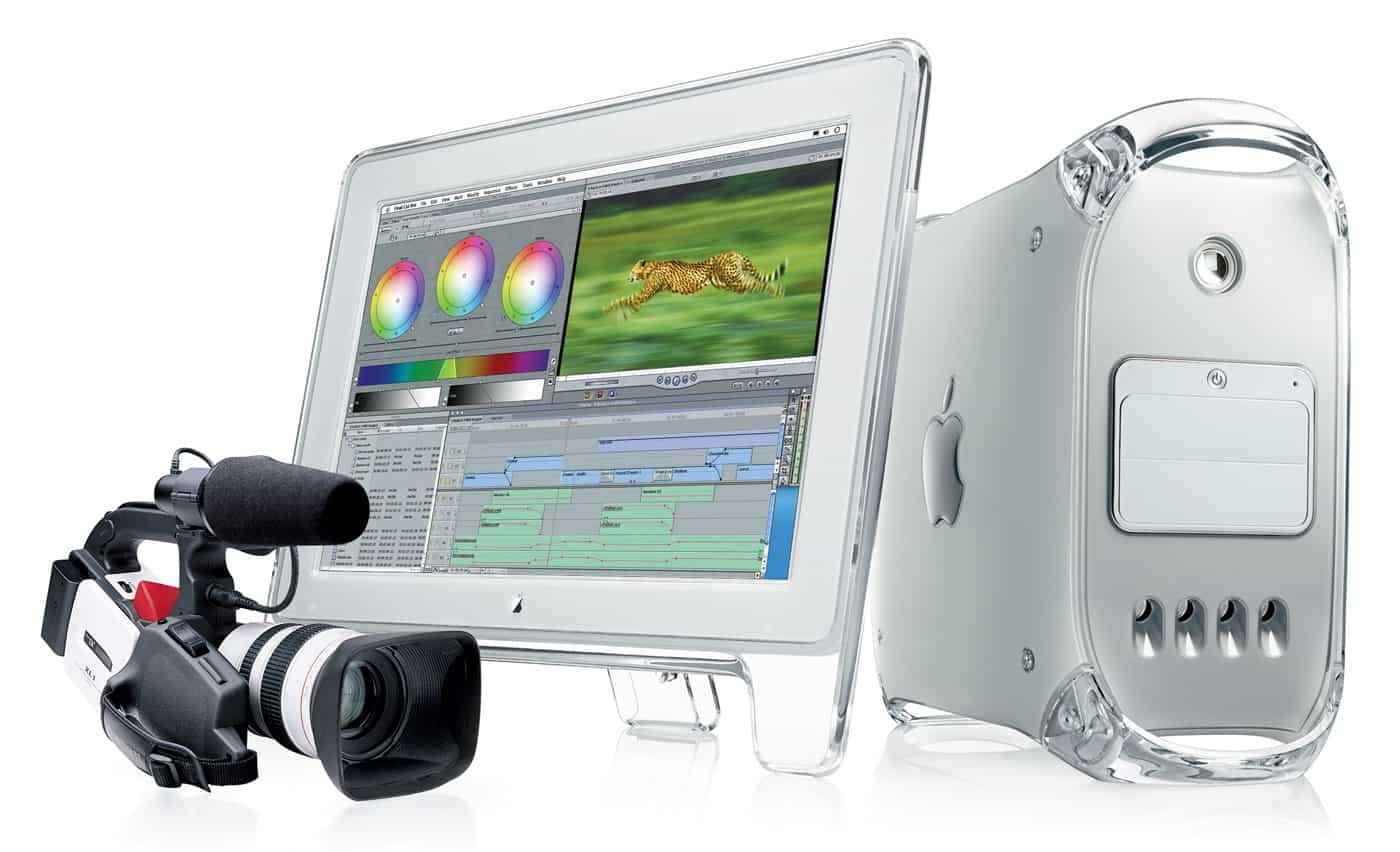
 August 13, 2002: Apple unveils the final face-lift for its Power Mac G4, the Mirrored Drive Doors model.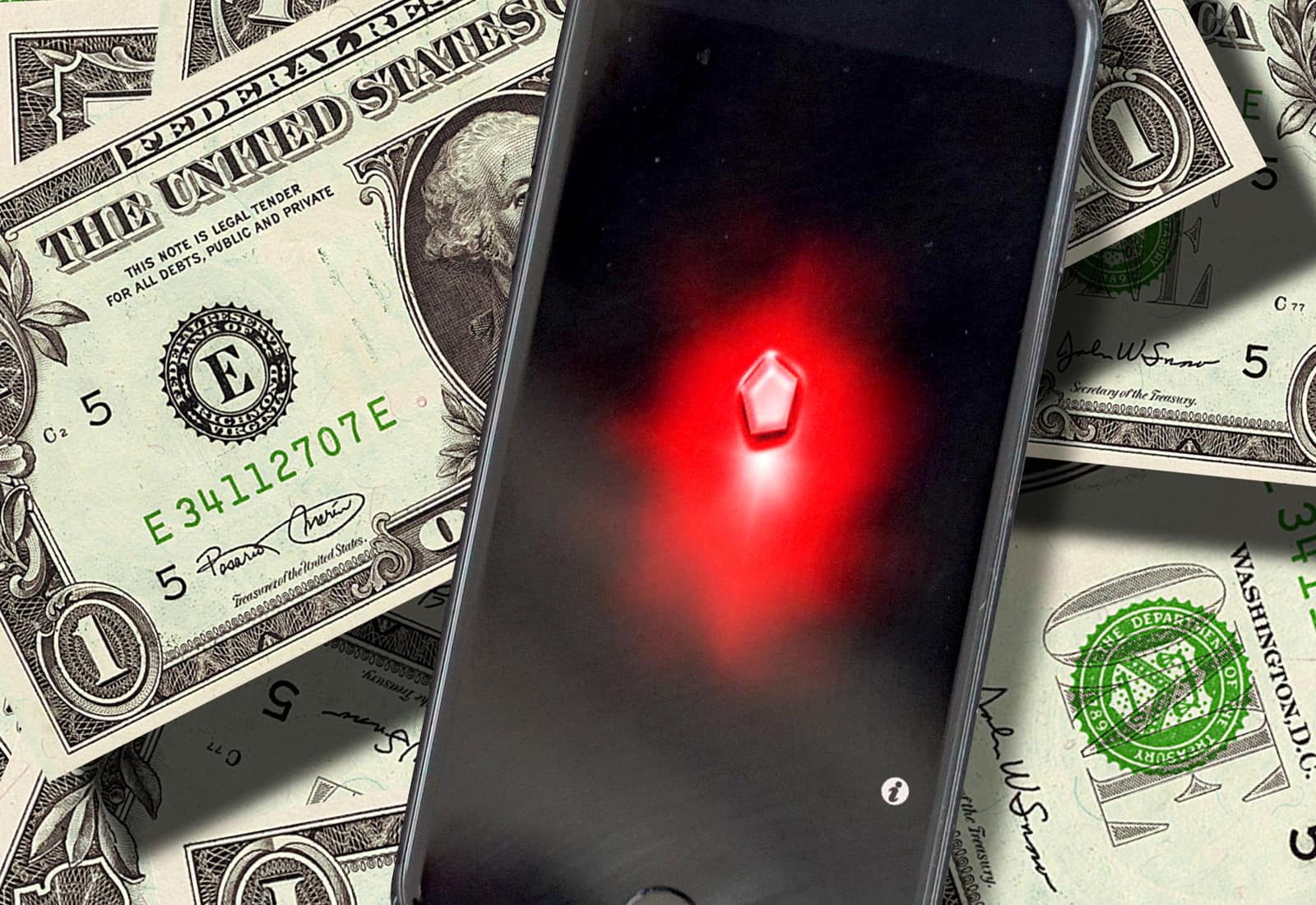
 August 10, 2008: The developer of I Am Rich, a pointless iPhone app that sold for a whopping $999.99, defends his notorious creation as “art.”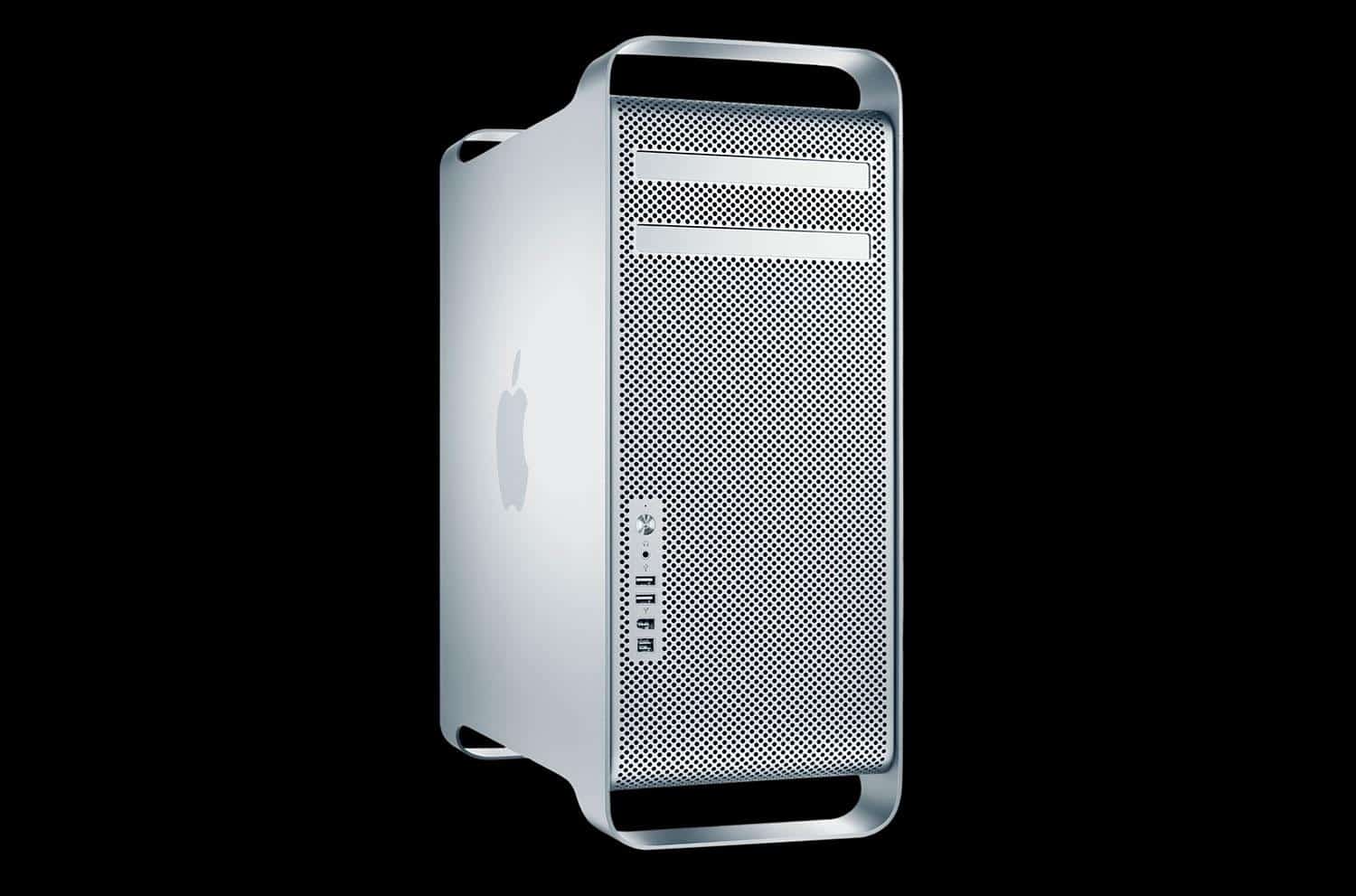
 August 7, 2006: Apple unleashes the first Mac Pro, a high-end desktop computer that completes the company’s transition from PowerPC to Intel processors.