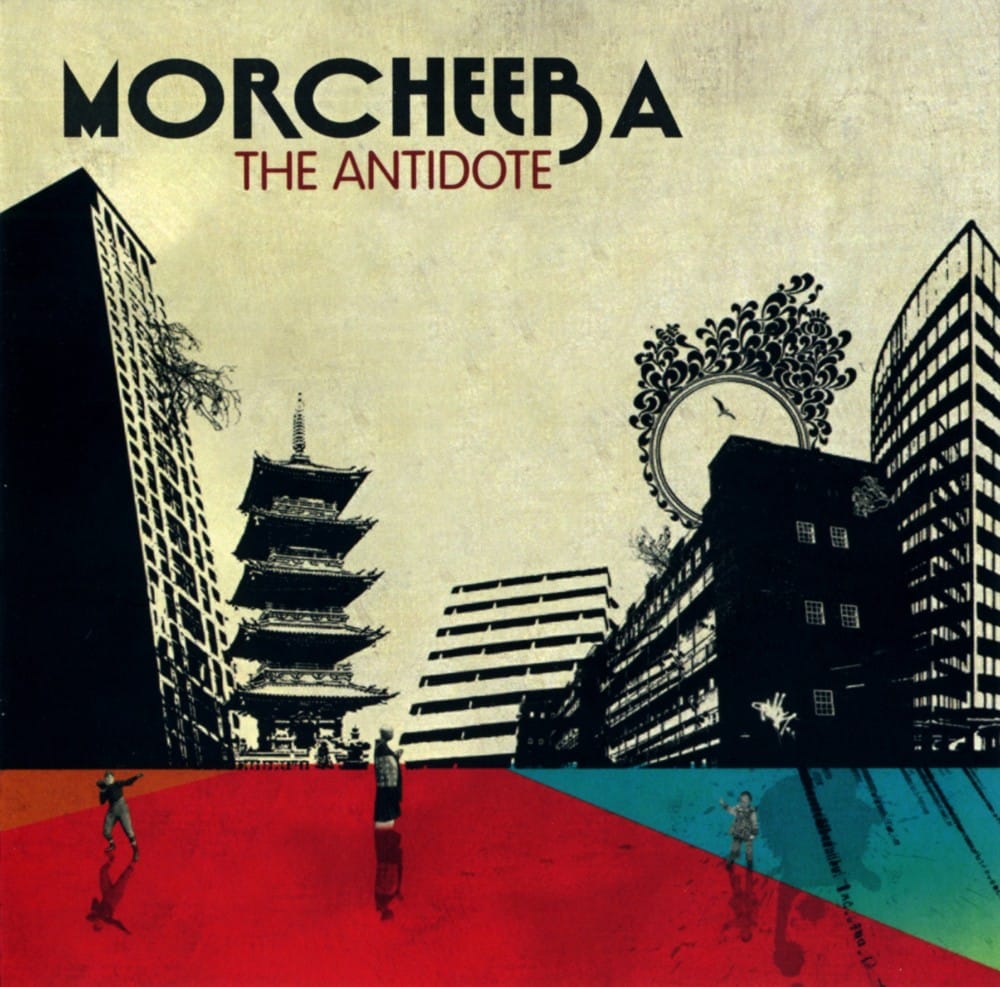
Morcheeba's "The Antidote" was one of the first music videos available on iTunes. Photo: Morcheeba
May 9, 2005: Apple quietly begins selling music videos in the iTunes Music Store.
The feature arrives with iTunes 4.8, initially offering bonus content for people purchasing albums through the store. It will take several months for Apple to start selling individual music videos, along with Pixar short films and a selection of TV shows, for $1.99 a pop.
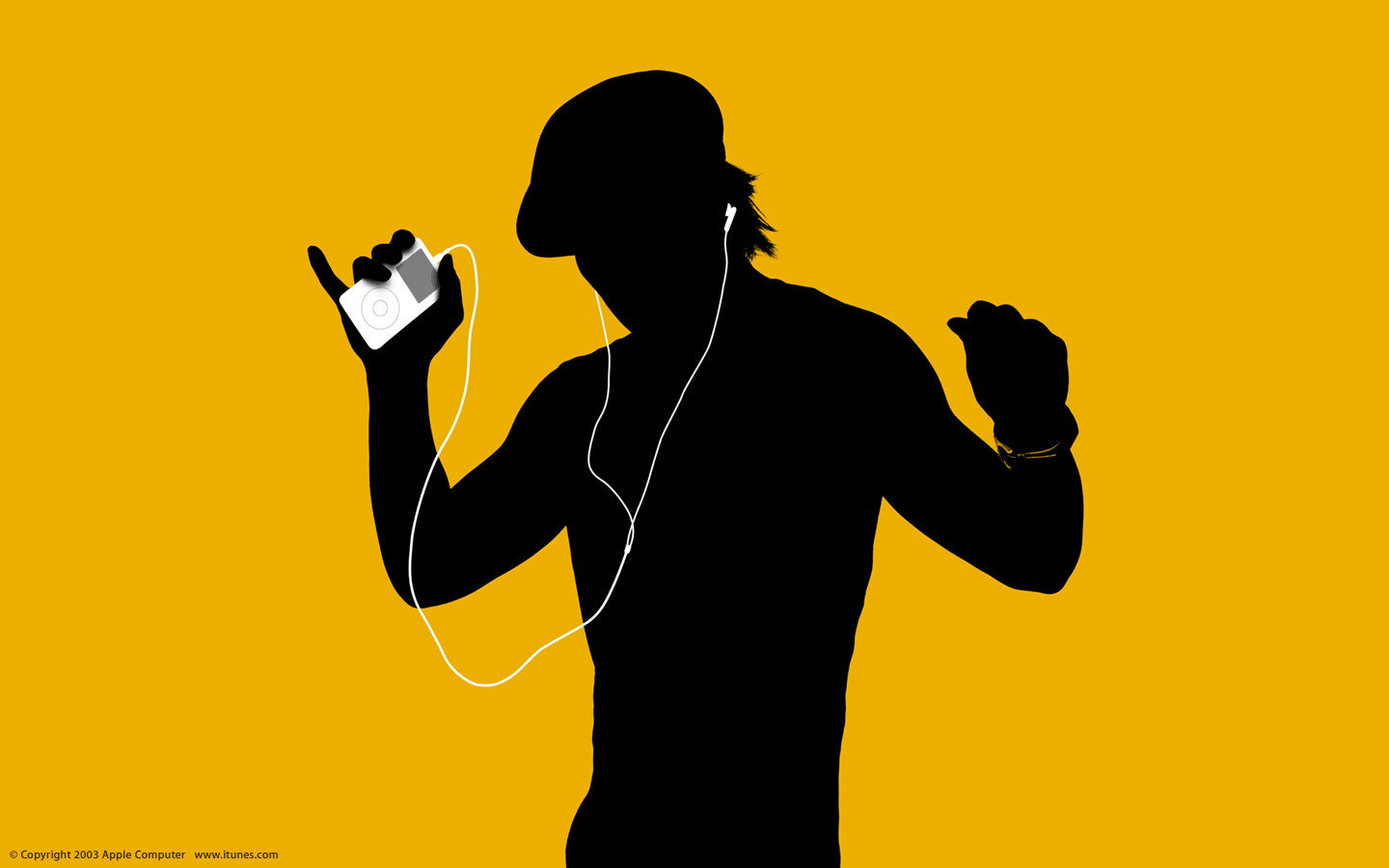
May 5, 2003: Just a week after launching the iTunes Music Store, Apple reaches an incredible milestone with more than 1 million songs sold.
Particularly notable is the fact that more than half the songs purchased are albums. This quickly dispels fears that selling tracks individually will kill the record industry’s dominant format. In addition, more than half of the 200,000 songs initially available on iTunes get downloaded at least once.
“In less than one week we’ve broken every record and become the largest online music company in the world,” says Apple CEO Steve Jobs in a press release. “Apple has created the first complete solution for the digital music age — you can purchase your favorite music online at the iTunes Music Store, mix your favorite tracks into playlists with iTunes, and take your entire music collection with you everywhere with the super-slim new iPods.”
It’s a roaring success for Apple’s newest venture!
iTunes getting day-and-date releases for new movies was a big deal. Photo: Apple
May 1, 2008: The iTunes Store takes a gigantic step toward cinematic relevancy, selling new movies on the day of their DVD releases for the very first time.
“We’re thrilled to bring iTunes Store customers new films for purchase day-and-date with the DVD release,” says Eddy Cue, Apple’s vice president of iTunes, in a press release. “We think movie fans will love being able to buy their favorites from major and independent studios.”
Movies out that week include Cloverfield, Juno, Alvin and the Chipmunks and American Gangster.
The iPad was the fastest-selling new product line in Apple history. Photo: iPad
April 30, 2010: Almost a month after the first-gen iPad went on sale, the first Wi-Fi + 3G iPads arrive in the hands of U.S. customers.
The devices ship in boxes identical to the Wi-Fi-only models, but with an additional sticker noting their cellular connectivity capability. The tablets come preloaded with micro-SIM cards branded AT&T, the only wireless carrier that initially supports the iPad.
The iTunes Music Store revolutionized the music industry. Photo: Apple
April 28, 2003: Apple opens the iTunes Music Store, revolutionizing the music industry and digital distribution of content.
At a time when getting music online mostly means illegal downloads from pirate services like Napster, iTunes quickly proves that customers will pay for songs — provided the service is good enough.
After a battle with Apple over Mac clones, this T-shirt is all Psystar will be selling. Image: Psystar
April 27, 2008: Psystar’s first Mac clones ship to customers. The company’s new Open Computer means that, for the first time since the mid-1990s, there’s no need to assemble a “hackintosh” to run OS X on a non-Apple computer.
Unlike previous clone Macs, however, Psystar’s low-priced computers don’t come with Cupertino’s blessing. Naturally, a fight ensues.
What was the first app you ever downloaded? Photo: Apple
April 23, 2009: Less than a year after opening its virtual doors, the App Store reaches 1 billion downloads.
Peer-to-peer file sharing app Bump becomes the 1 billionth app to be downloaded. As a result of his purchase, 13-year-old Connor Mulcahey of Weston, Connecticut, wins a “1 Billion App Countdown” promotion.
He takes home an assortment of Apple products valued at more than $13,000, including a $10,000 iTunes gift card, a 32GB iPod touch, an Apple Time Capsule wireless router and a 17-inch MacBook Pro.
Microsoft ads take issue with Apple's premium prices. Photo: Microsoft
April 16, 2009: Apple hits back at Microsoft following an advertisement that criticizes Cupertino for failing to sell decent laptops for less than $1,000.
“A PC is no bargain when it doesn’t do what you want,” Mac PR director Bill Evans tells Bloomberg. “The one thing that both Apple and Microsoft can agree on is that everyone thinks the Mac is cool. With its great designs and advanced software, nothing matches it at any price.”
According to a 2005 rumor, Apple planned to launch a 15-inch tablet. Photo: Ste Smith/Cult of Mac
April 13, 2005: The tech world gets excited when a sketchy rumor suggests Apple is building a tablet computer.
The Chinese-language report claims Quanta will build a 15-inch touchscreen tablet PC with detachable keyboard. Apple will supposedly ship the device in the first quarter of 2006. Things don’t turn out quite like that, but the rumor offers the first hint about Apple’s secret iPad project.
The iPod was Apple's most successful product yet. Photo: Jim Merithew/Cult of Mac
April 9, 2007: Apple sells its 100 millionth iPod. Coming just five-and-a-half years after the portable music player went on sale, the landmark event confirms the iPod as Apple’s most popular product of all time.
Until the iPhone arrives a couple months later, that is!
The Beatles' clash with Apple ran for almost 30 years. Photo: Apple Corps
March 30, 2006: A court case begins that once again pits Apple Computer against Apple Corps, aka The Beatles’ record label and holding company.
The lawsuit caps a long-running legal battle between the two wealthy companies. It’s the final fight in an epic legal battle over music, technology and money.
March 15, 2004: The iTunes Music Store hits a musical milestone, having sold an astonishing 50 million songs in less than a year. The achievement cements Apple’s place at the center of the rapidly changing music business — at least for the moment.
“Crossing 50 million songs is a major milestone for iTunes and the emerging digital music era,” Apple CEO Steve Jobs says in a statement. “With over 50 million songs already downloaded and an additional 2.5 million songs being downloaded every week, it’s increasingly difficult to imagine others ever catching up with iTunes.”
In retrospect, Apple's Newton MessagePad survey seems like stealth iPhone research. Photo: Moparx
March 10, 2004: Apple sends out a survey to select Apple customers, claiming that it is considering relaunching the Newton MessagePad.
“We need to determine why the Apple Newton was not a commercial success and whether there is an interest in re-launching a new version of the Newton,” Apple’s survey says. “Your comments will help understand why the Newton failed and if there is interest in re-launching a new, improved Newton.”
In hindsight, it seems pretty clear that this apparent “interest” in launching another personal data assistant was a way of doing some undercover market research for the still-in-development iPhone.
The iPhone SDK plants the seeds for the App Store's stunning success. Photo: Apple
March 6, 2008: Apple releases the iPhone software development kit, finally allowing coders to start creating native mobile apps for the new smartphone. The iPhone SDK gives developers the tools they need to unlock the new smartphone’s potential.
When the App Store eventually opens a few months later, a new industry springs up overnight. Third-party devs rush to take advantage of Apple’s lucrative app distribution network.
With a powerful Intel chip inside, the 2006 Mac mini made big waves. Photo: RecycledGoods
February 28, 2006: Apple introduces an upgraded Mac mini, an affordable computer powered by an Intel processor.
A “headless” Mac for entry-level users, it’s the third Apple computer to switch to Intel chips. Oh, and it makes one heckuva media player when plugged into a television set.
In the early 2000s, the iTunes Music Store went from strength to strength. Photo: Apple
February 26, 2008: Less than five years after launching, the iTunes Music Store becomes the No. 2 music retailer in the United States, second only to Walmart.
In that relatively short period, iTunes sells more than 4 billion songs to more than 50 million customers. The rapid rise to prominence stands as a massive achievement for Apple — and for the revolutionary digital distribution model Cupertino helped pioneer. If you’re looking for ways to use iTunes on MacBook, check out this milestone in Apple’s history.
The first iPhone was definitely a bit ... different from current models. Photo: Bob Ackerman/Wikipedia CC
February 21, 2007: Apple comes to an agreement with Cisco over the iPhone trademark, which Cisco legally owns but Apple wants to use.
Under the agreement, both companies get to use the iPhone trademark on products throughout the world. The two businesses also dismiss outstanding lawsuits against one another, and agree to “explore opportunities for interoperability in the areas of security, and consumer and enterprise communications.”
It’s a classic bit of Apple CEO Steve Jobs steamrolling the opposition.
The iPod mini quickly became a big hit for Apple. Photo: Apple
February 20, 2004: Music goes small as the iPod mini launch brings the reimagined digital audio player to Apple stores.
Released with 4GB of storage and in five colors, the diminutive device features a new “click wheel” that integrates control buttons into a solid-state, touch-sensitive scroll wheel. It also showcases Cupertino’s growing fascination with aluminum, which will become a hallmark of Apple design.
Despite its small size, the new music player’s market potential looms large. In fact, the iPod mini soon becomes Apple’s fastest-selling music player yet.
This was a significant moment in Apple's turnaround. Photo: Ste Smith/Cult of Mac
February 18, 2004: Apple CEO Steve Jobs sends an internal memo to employees revealing that the company is, for the first time in years, totally debt-free.
“Today is a historic day of sorts for our company,” he writes. This marks a big turnaround from the bad old days of the 1990s, when Apple carried more than $1 billion in debt — and faced the danger of bankruptcy.
It's a Christmas miracle for Apple! (Or just good marketing.) Photo: Ste Smith/Cult of Mac
December 15, 2003: Almost eight months after launching the iTunes Music Store, Apple celebrates its 25 millionth download.
The song in question? Appropriately enough for this time of year, a Frank Sinatra cover* of the Christmas classic “Let It Snow! Let It Snow! Let It Snow!”
Walt Mossberg was one of Steve Jobs' favorite journalists. Photo: Joi Ito/Flickr CC
June 12, 2007: With iPhone frenzy hitting a fever pitch in the buildup to the device’s launch, journalist Walt Mossberg sends the Apple world into a tizzy by whipping out a prerelease unit during a speech. The Wall Street Journal columnist is one of a handful of tech writers given early access to Apple’s revolutionary smartphone so he can put it through its paces for a review.
Speaking at The Chronicle of Higher Education’s Presidents Forum, Mossberg says he isn’t sure whether he’ll give the iPhone a thumbs up. Worried doubters immediately fear Apple is about to drop a dud.
The iPhone won plaudits. Its price reduction? Not so much. Photo: Traci Dauphin/Cult of Mac
September 5, 2007: Just months after the first iPhone went on sale, Apple ditches its bottom-tier 4GB model and cuts the price of the 8GB version by $200.
A rare misstep (considering Apple’s usual mastery of the press), this tone-deaf PR move backfires immediately. Early adopters rage about shelling out premium prices for their first-generation iPhones. Fortunately, Apple makes good.
The smartphone that changed smartphones! Photo: Traci Dauphin/Cult of Mac
June 29, 2007: The first-generation iPhone goes on sale, generating massive queues of Apple fans lining up outside Apple Stores around the United States.
With its intuitive touchscreen display, it’s a massive leap forward for smartphones. The device goes on to change the course of not only Apple’s business, but that of the entire mobile industry!
 May 9, 2005: Apple quietly begins selling music videos in the iTunes Music Store.
 May 5, 2003: Just a week after launching the iTunes Music Store, Apple reaches an incredible milestone with more than 1 million songs sold.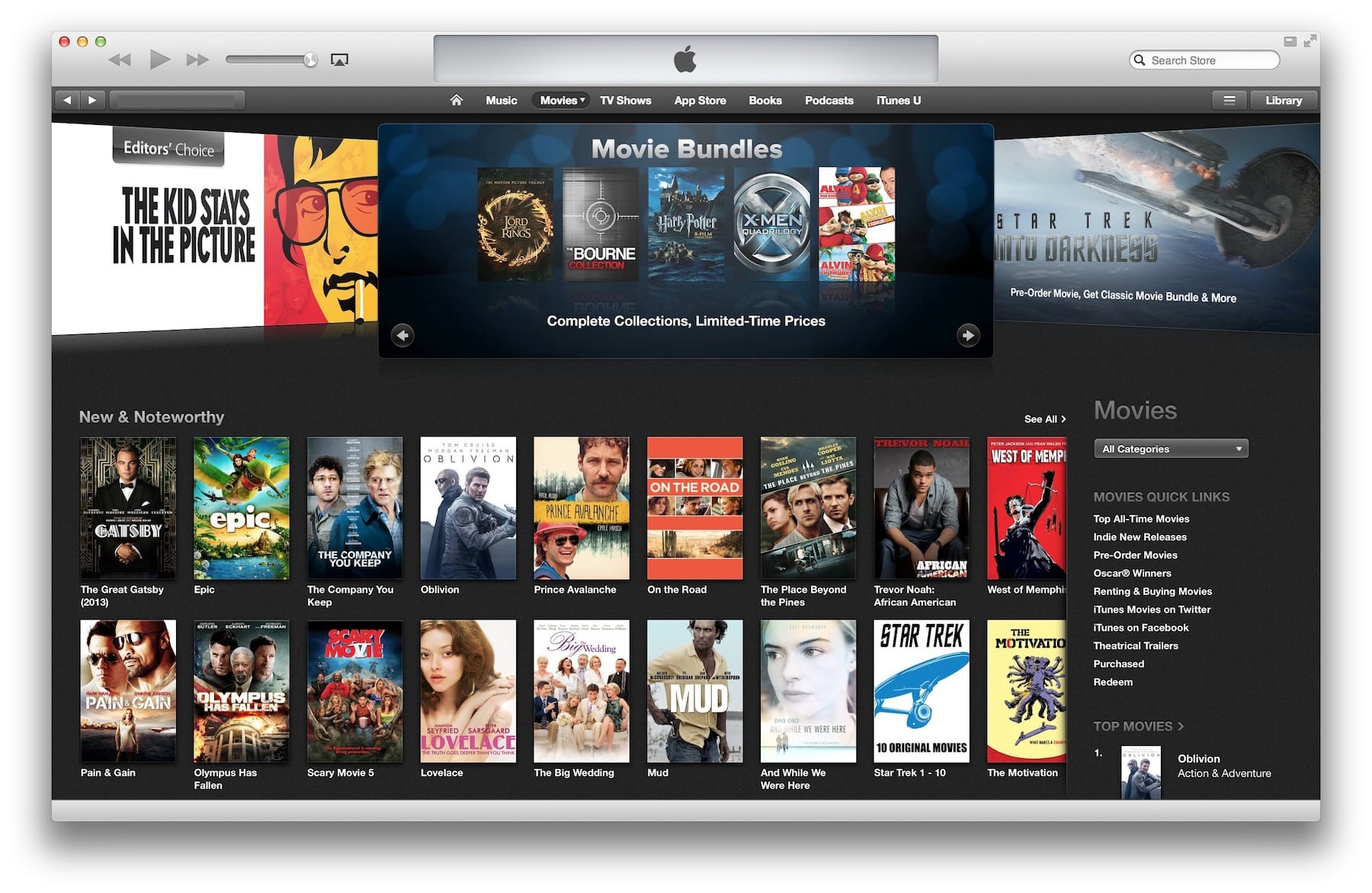
 May 1, 2008: The iTunes Store takes a gigantic step toward cinematic relevancy, selling new movies on the day of their DVD releases for the very first time.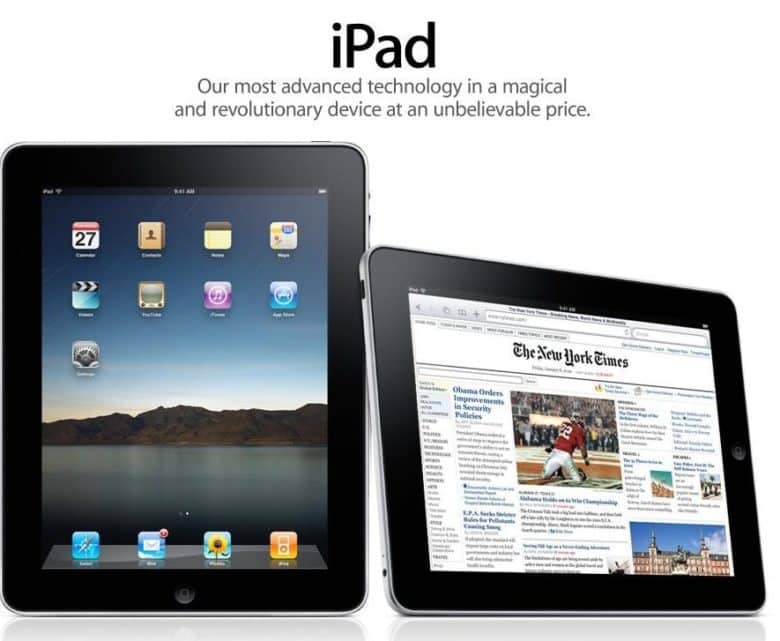
 April 30, 2010: Almost a month after the first-gen iPad went on sale, the first Wi-Fi + 3G iPads arrive in the hands of U.S. customers.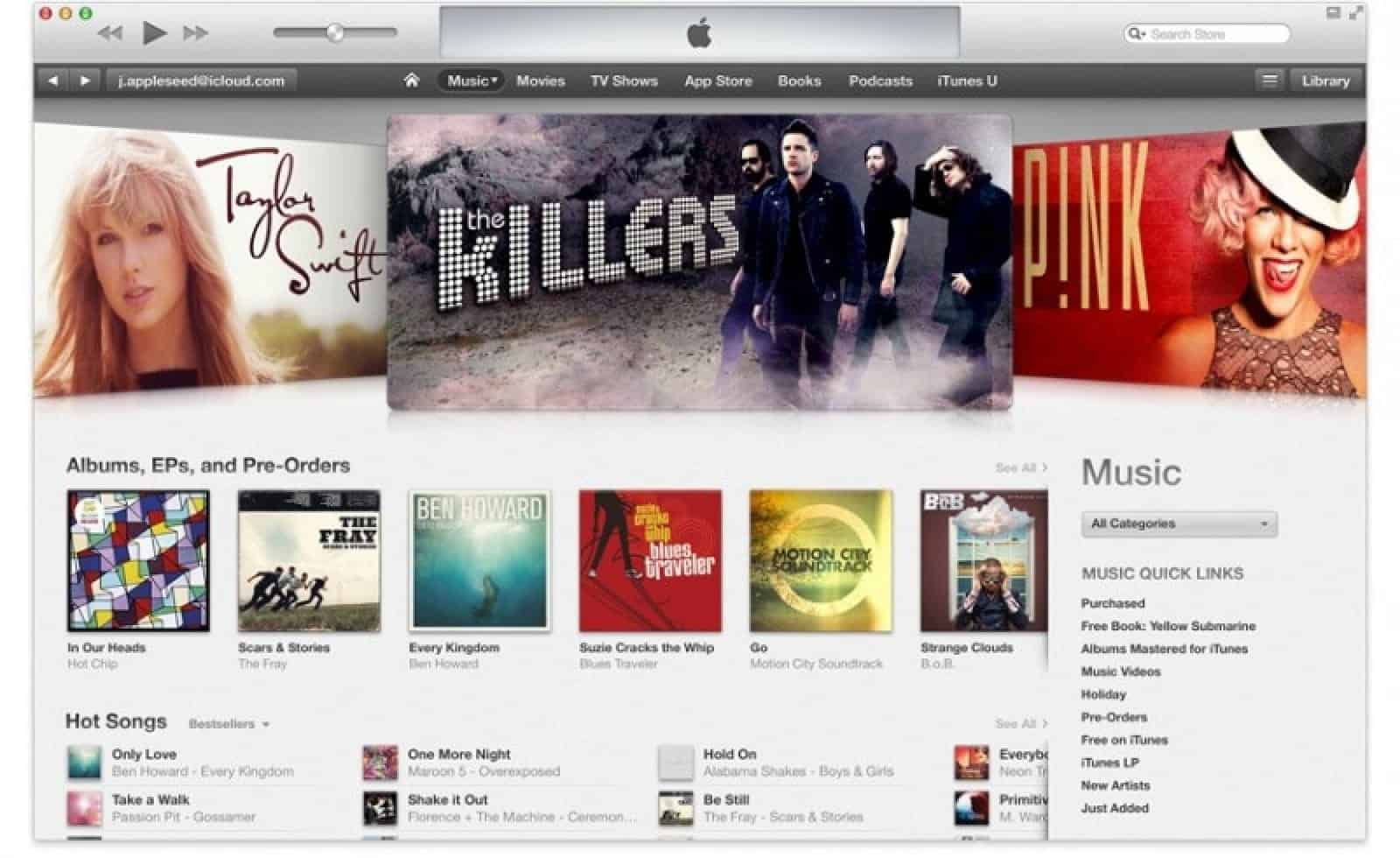
 April 28, 2003: Apple opens the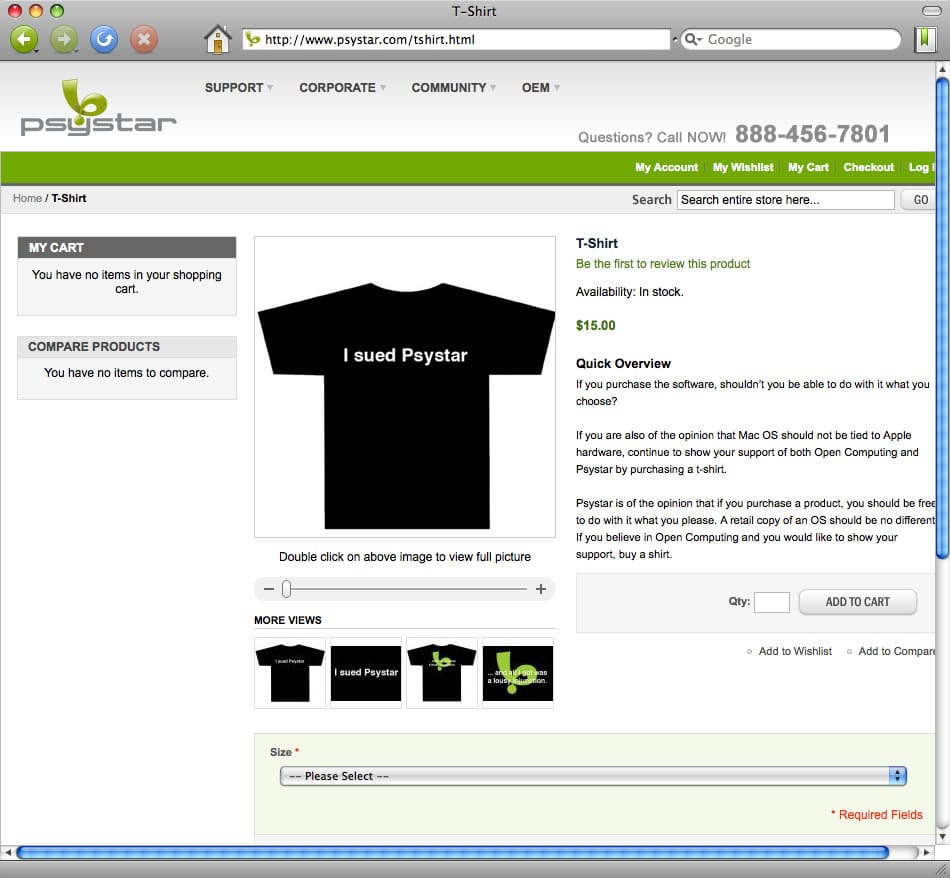
 April 27, 2008: Psystar’s first Mac clones ship to customers. The company’s new Open Computer means that, for the first time since the mid-1990s, there’s no need to assemble a “hackintosh” to run OS X on a non-Apple computer.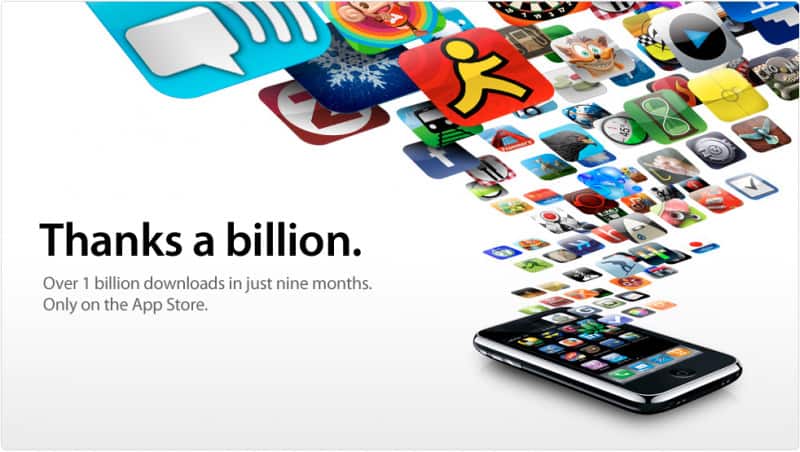
 April 23, 2009: Less than a year after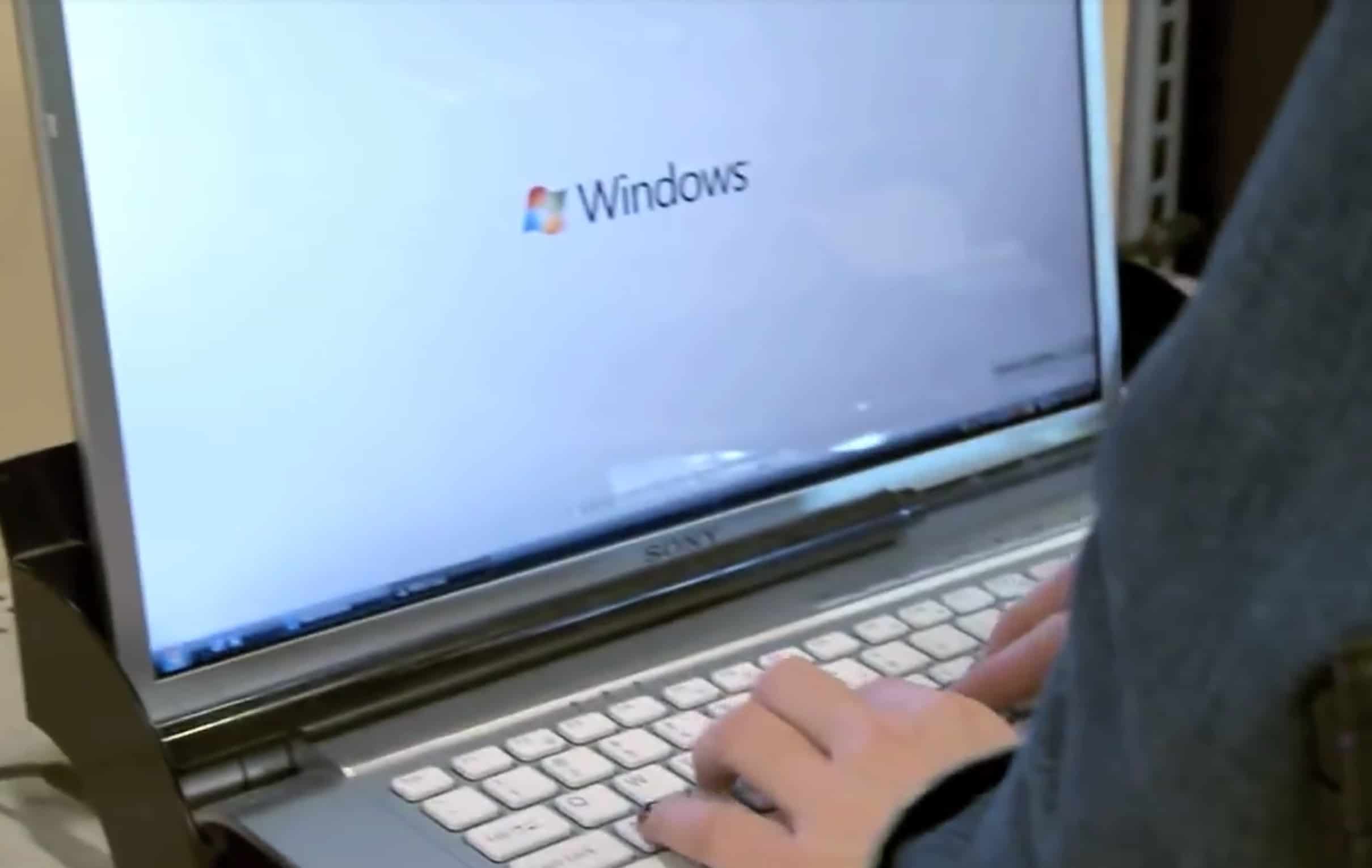
 April 16, 2009: Apple hits back at Microsoft following an advertisement that criticizes Cupertino for failing to sell decent laptops for less than $1,000.
 April 13, 2005: The tech world gets excited when a sketchy rumor suggests Apple is building a tablet computer.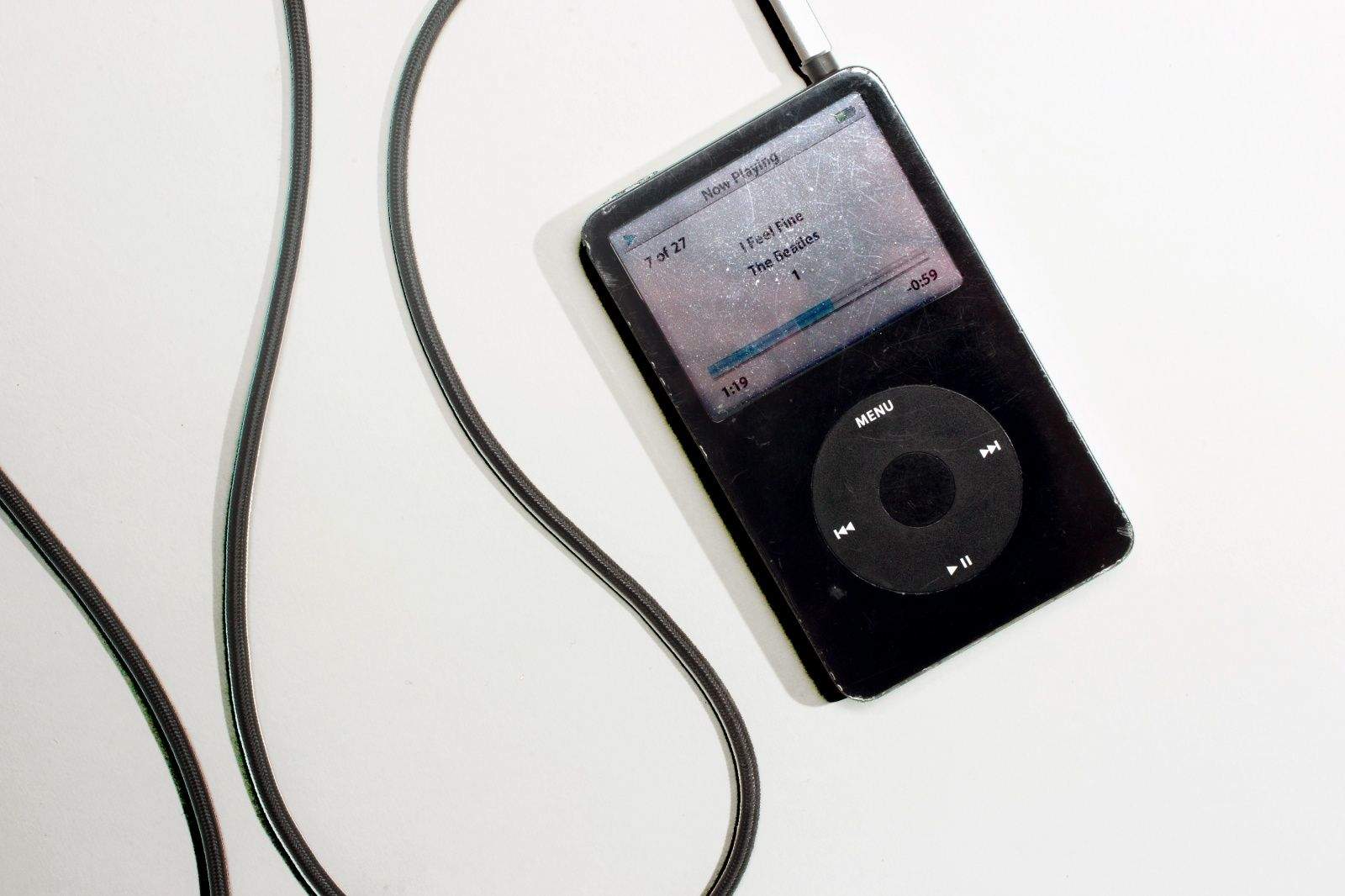
 April 9, 2007: Apple sells its 100 millionth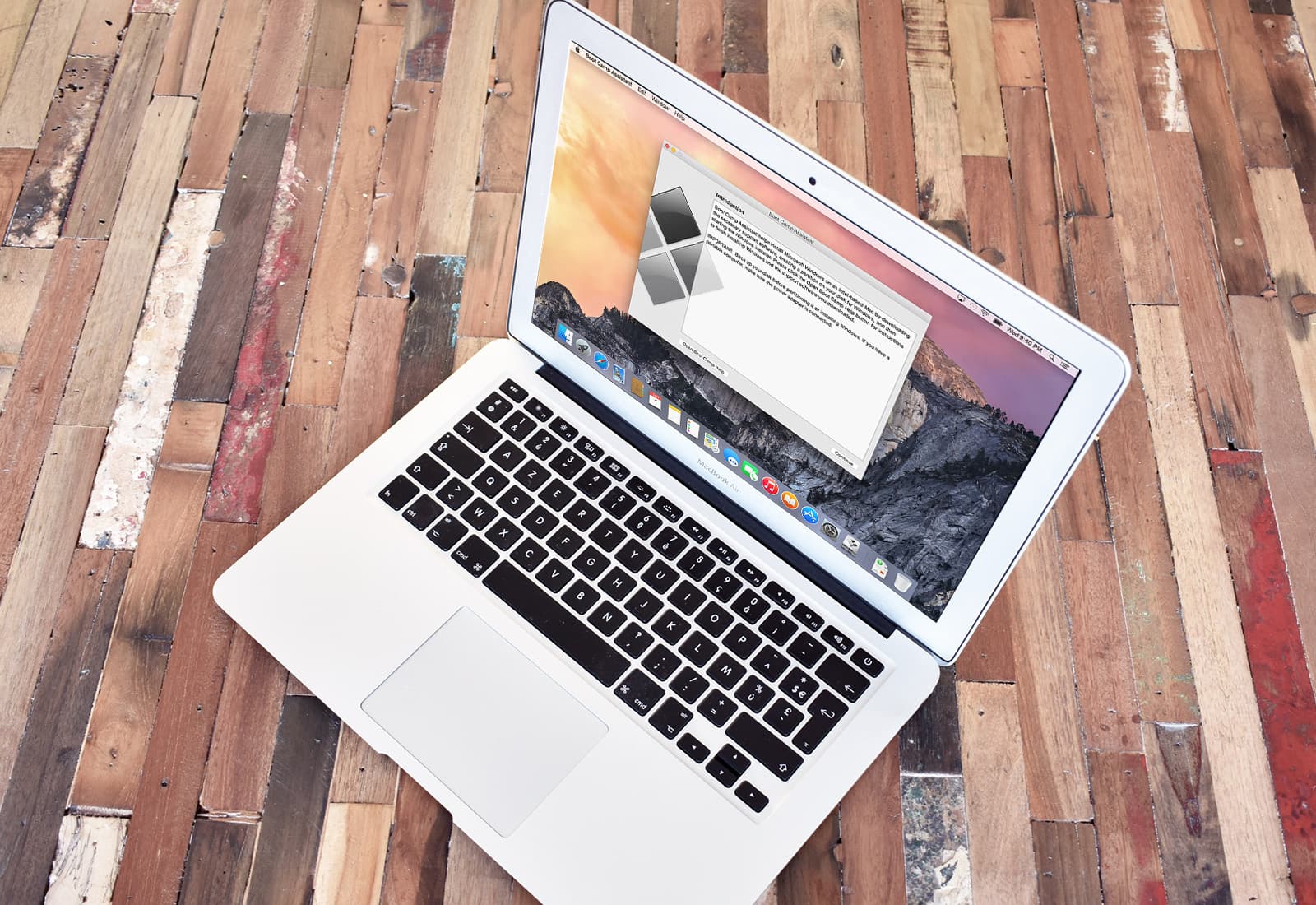
 April 5, 2006: Apple introduces the public beta of Boot Camp, software that allows users with an Intel-based Mac to run Windows XP on their machines.
 March 30, 2006: A court case begins that once again pits Apple Computer against Apple Corps, aka The Beatles’ record label and holding company.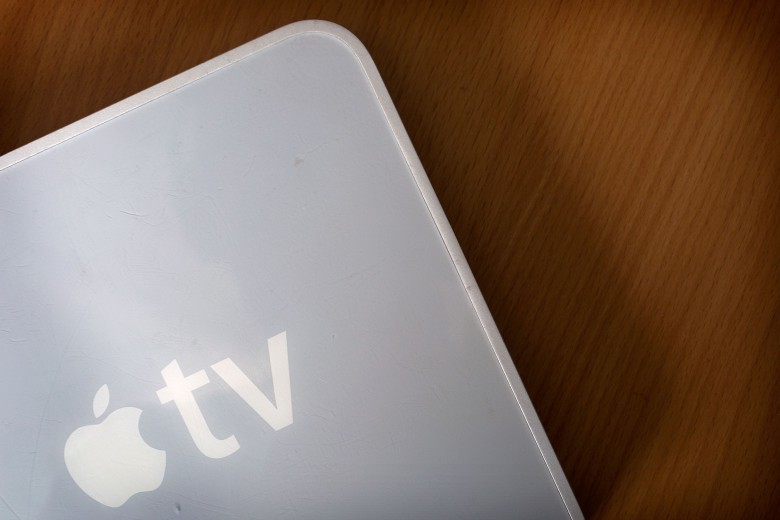
 March 21, 2007: Apple launches the Apple TV, a gleaming-white set-top box with a remote control, for bringing iTunes media to the living room.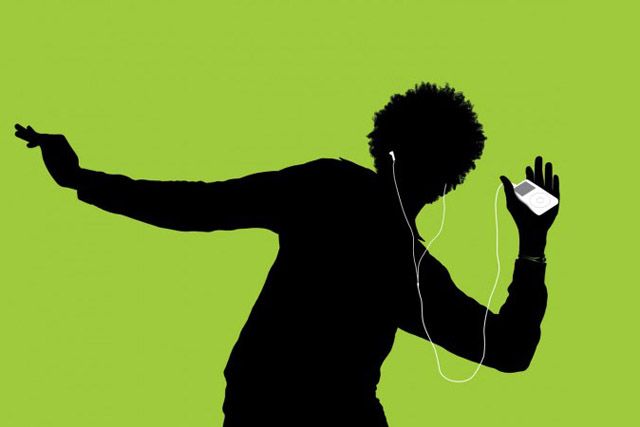
 March 15, 2004: The iTunes Music Store hits a musical milestone, having sold an astonishing 50 million songs in less than a year. The achievement cements Apple’s place at the center of the rapidly changing music business — at least for the moment.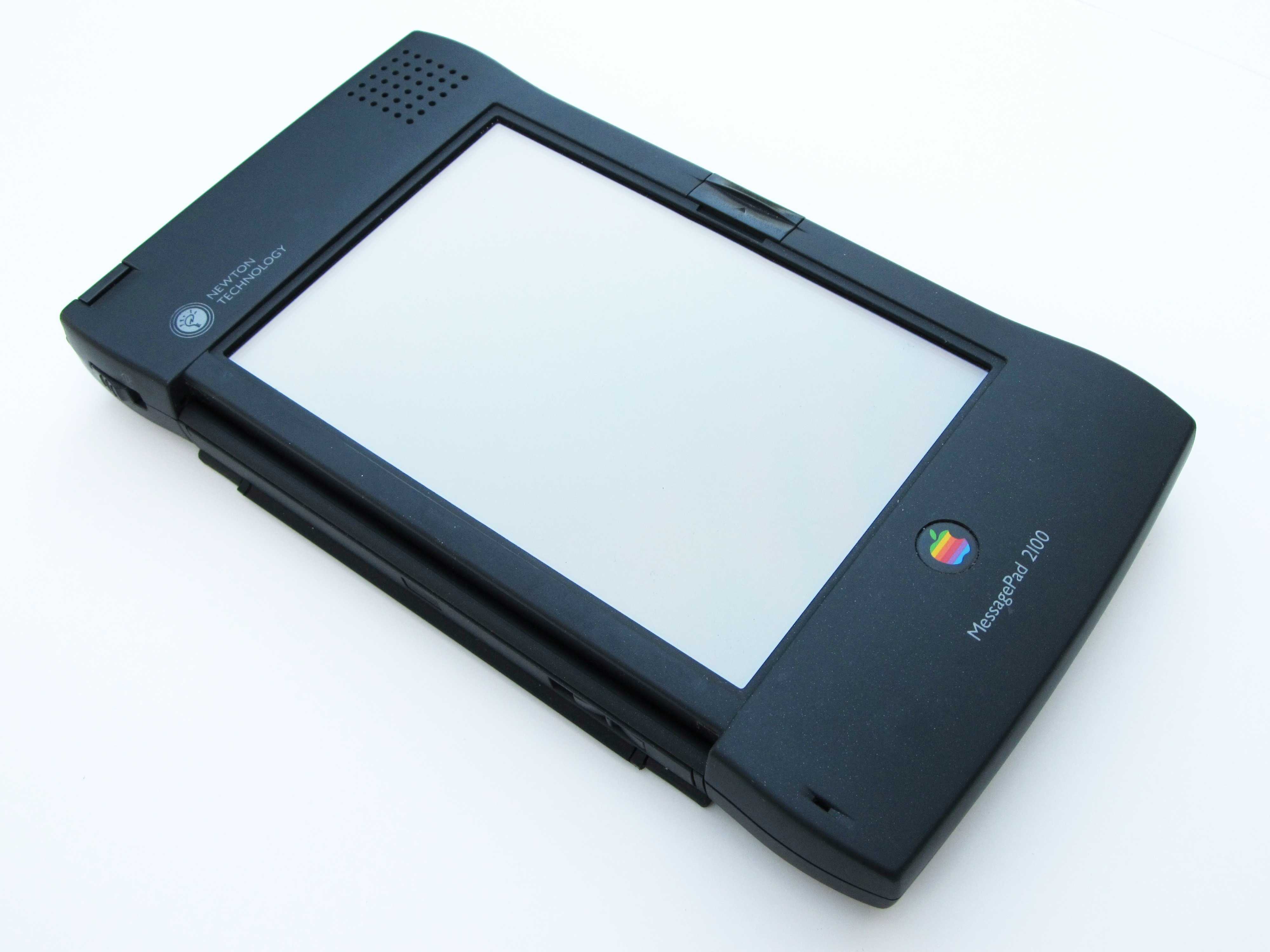
 March 10, 2004: Apple sends out a survey to select Apple customers, claiming that it is considering relaunching the Newton MessagePad.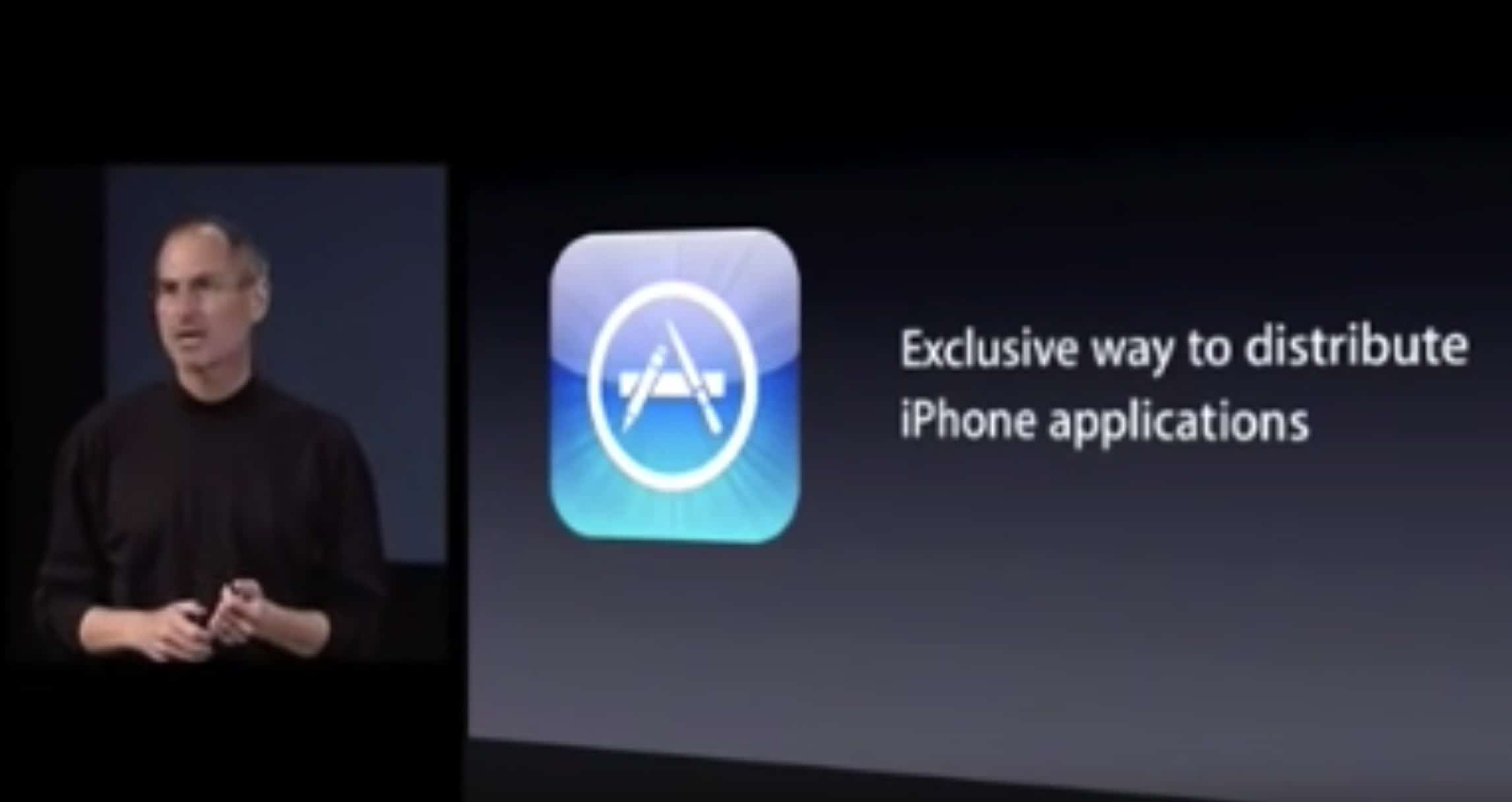
 March 6, 2008: Apple releases the iPhone software development kit, finally allowing coders to start creating native mobile apps for the new smartphone. The iPhone SDK gives developers the tools they need to unlock the new smartphone’s potential.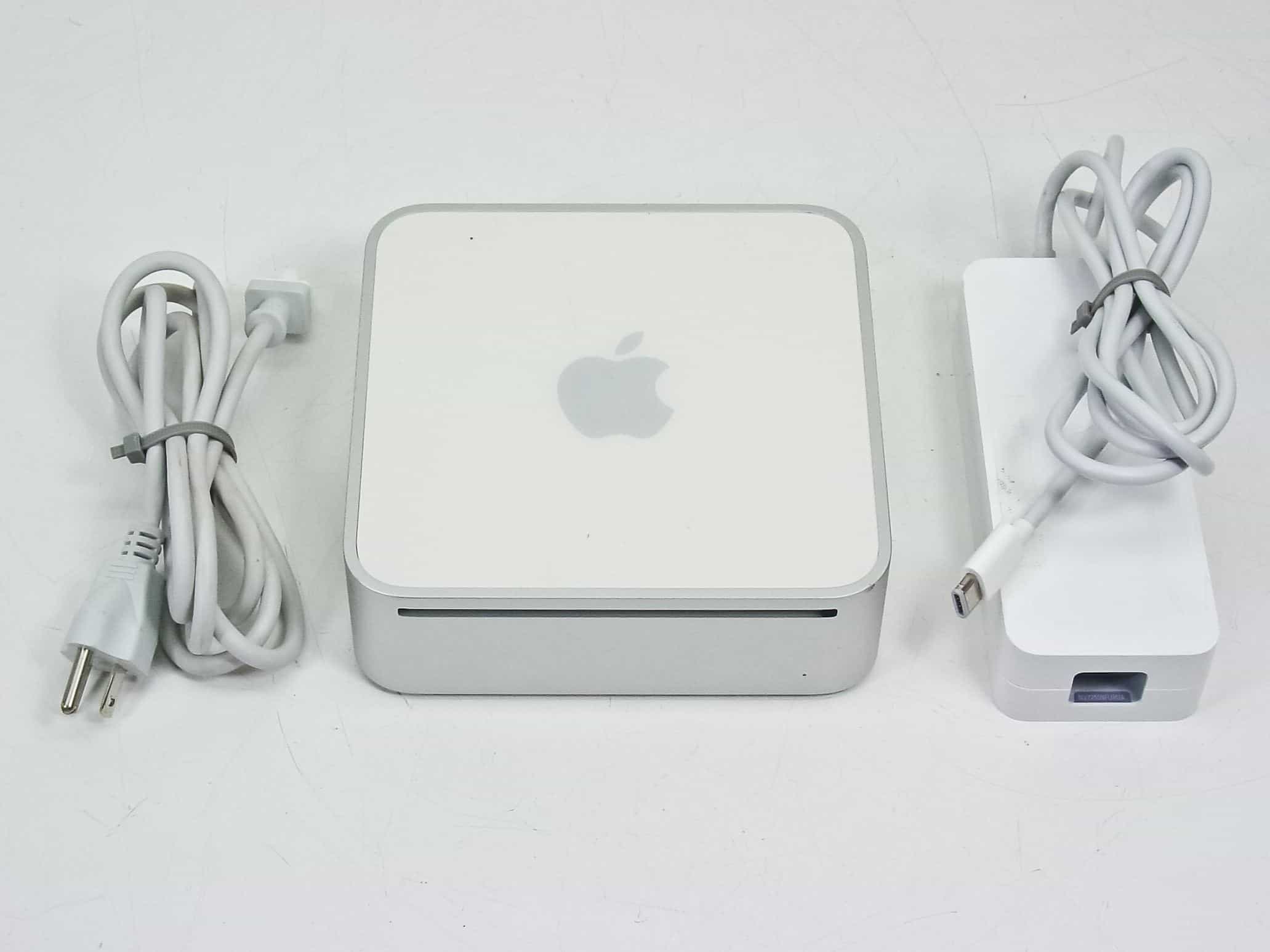
 February 28, 2006: Apple introduces an upgraded Mac mini, an affordable computer powered by an Intel processor.
 February 26, 2008: Less than five years after launching, the iTunes Music Store becomes the No. 2 music retailer in the United States, second only to Walmart.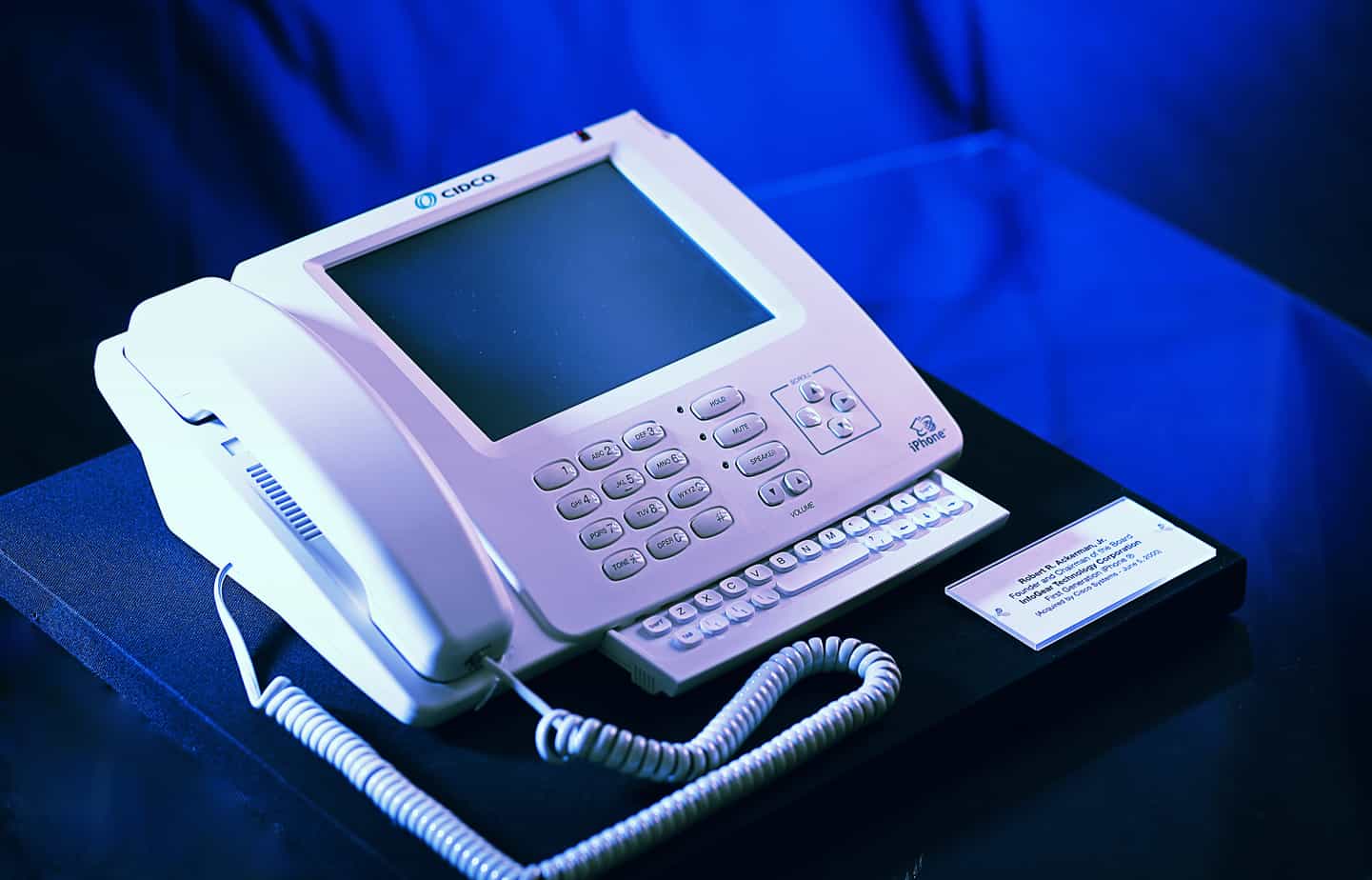
 February 21, 2007: Apple comes to an agreement with Cisco over the iPhone trademark, which Cisco legally owns but Apple wants to use.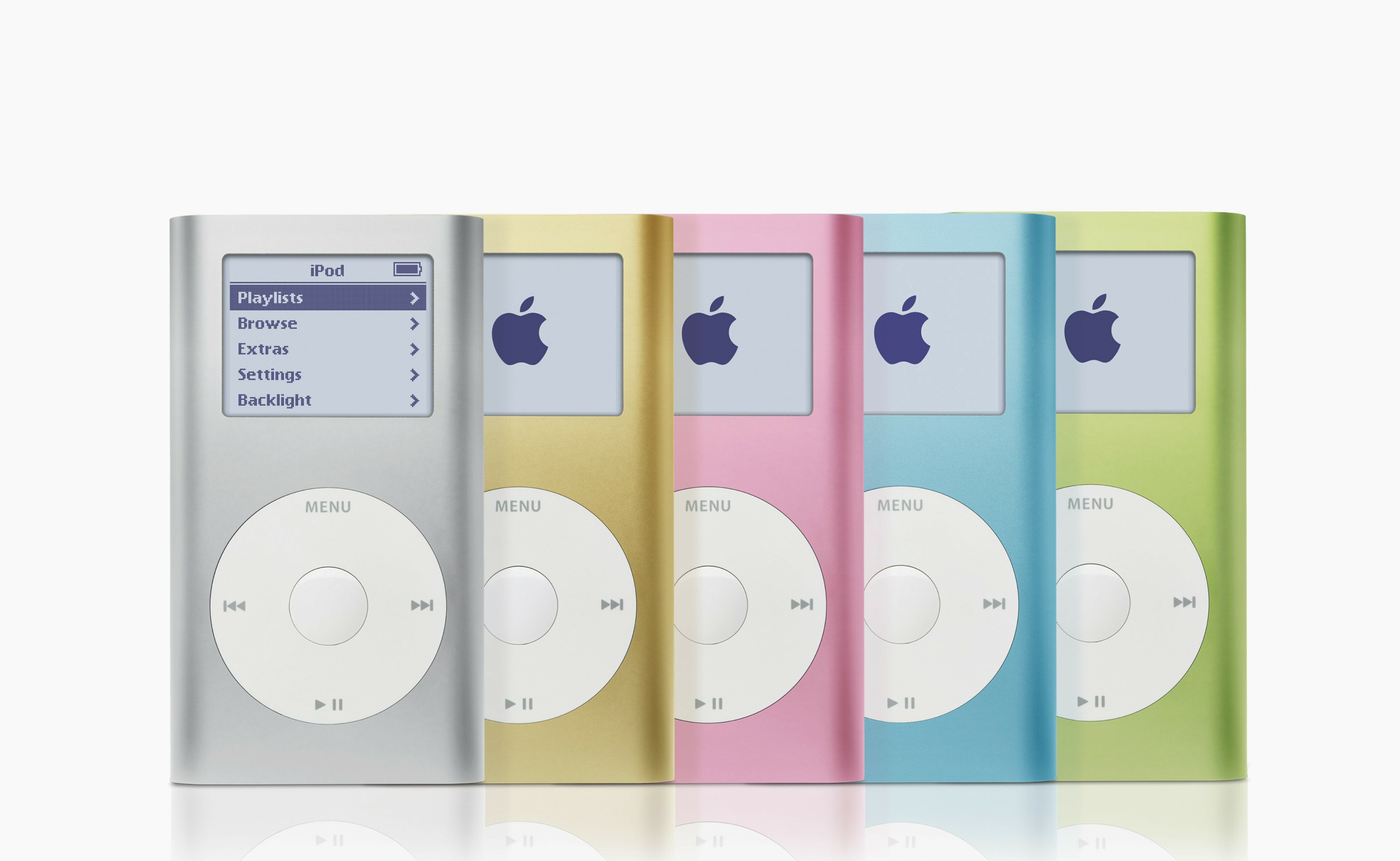
 February 20, 2004: Music goes small as the iPod mini launch brings the reimagined digital audio player to Apple stores.
 February 18, 2004: Apple CEO Steve Jobs sends an internal memo to employees revealing that the company is, for the first time in years, totally debt-free.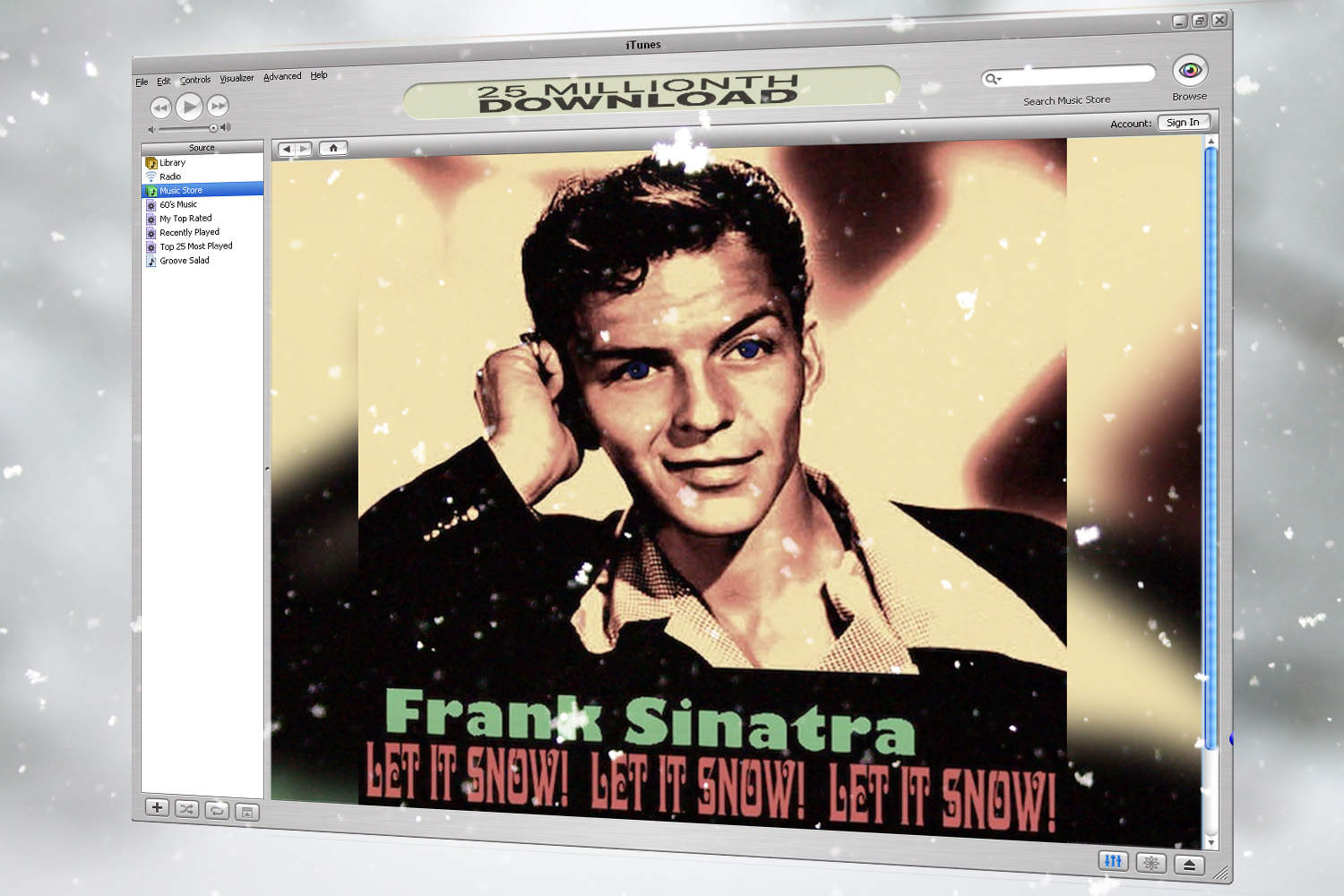
 December 15, 2003: Almost eight months after launching the iTunes Music Store, Apple celebrates its 25 millionth download.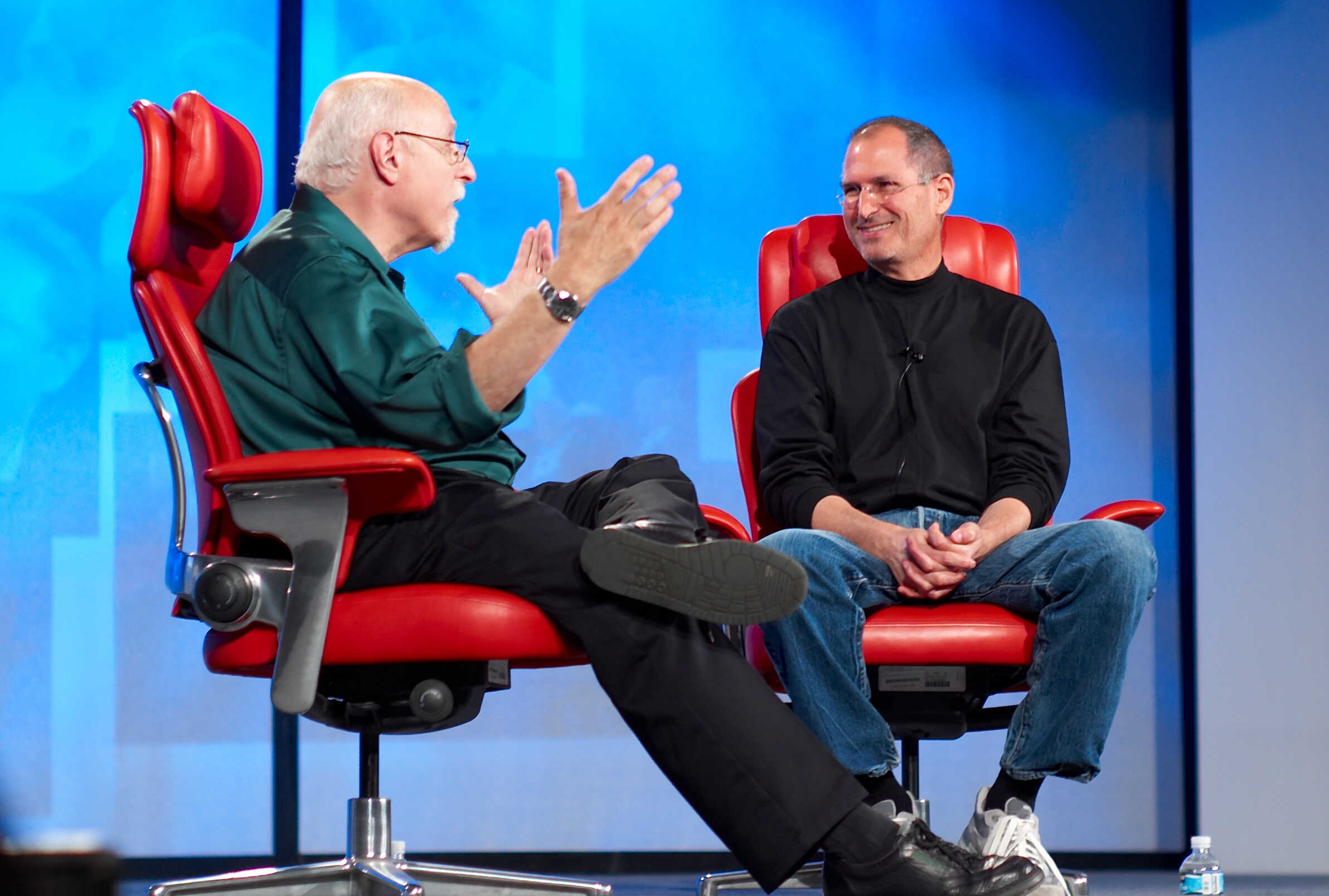
 June 12, 2007: With iPhone frenzy hitting a fever pitch in the buildup to the device’s launch, journalist Walt Mossberg sends the Apple world into a tizzy by whipping out a prerelease unit during a speech. The Wall Street Journal columnist is one of a handful of tech writers given early access to Apple’s revolutionary smartphone so he can put it through its paces for a review.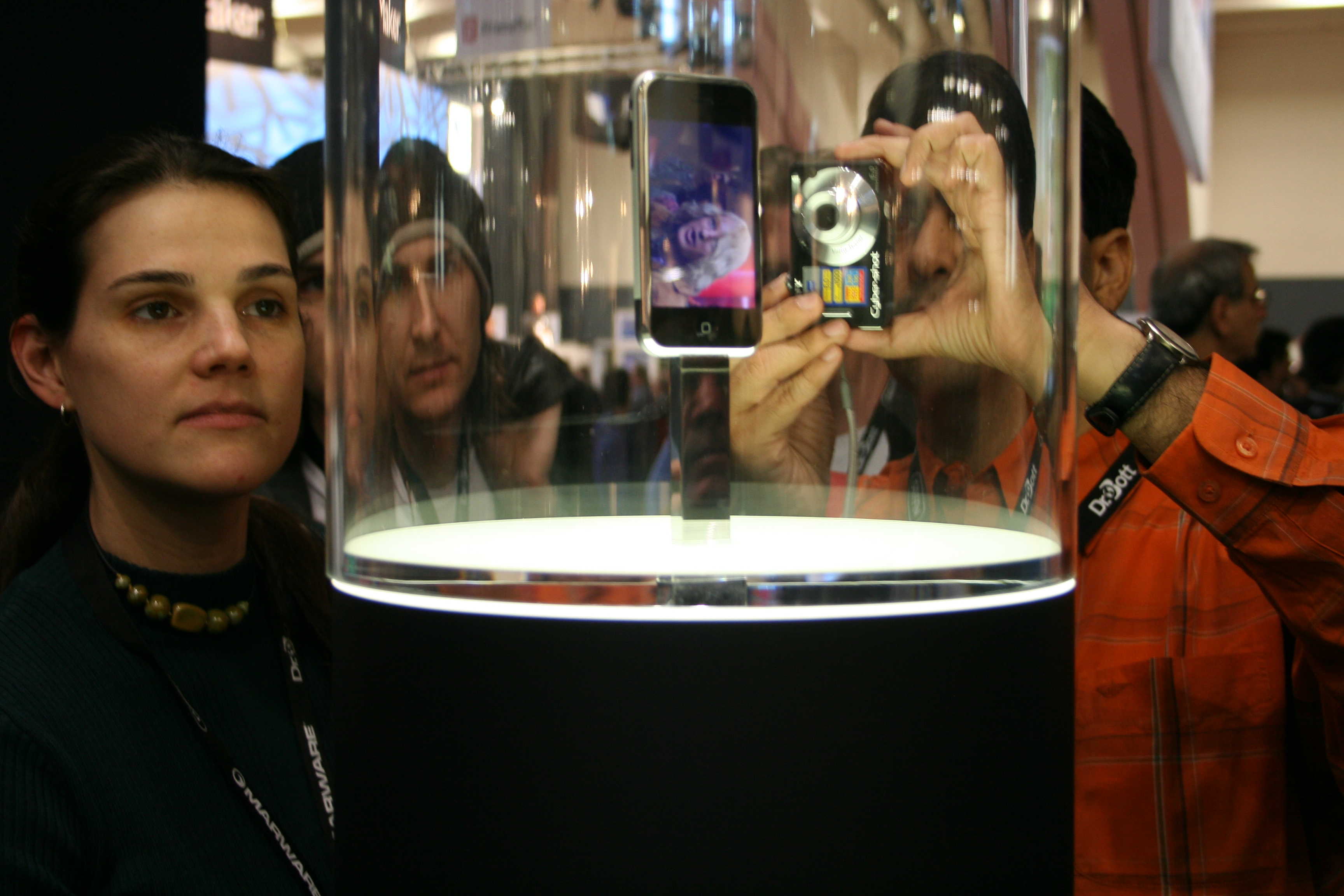
 September 5, 2007: Just months after the
  June 29, 2007: The first-generation iPhone goes on sale, generating massive queues of Apple fans lining up outside Apple Stores around the United States.