Apple’s appointment of John Ternus as its next CEO signals a potential shift in leadership style at the company, with insiders pointing to his decisive approach to decision-making.
In contrast, outgoing CEO Tim Cook is more of a consensus builder.
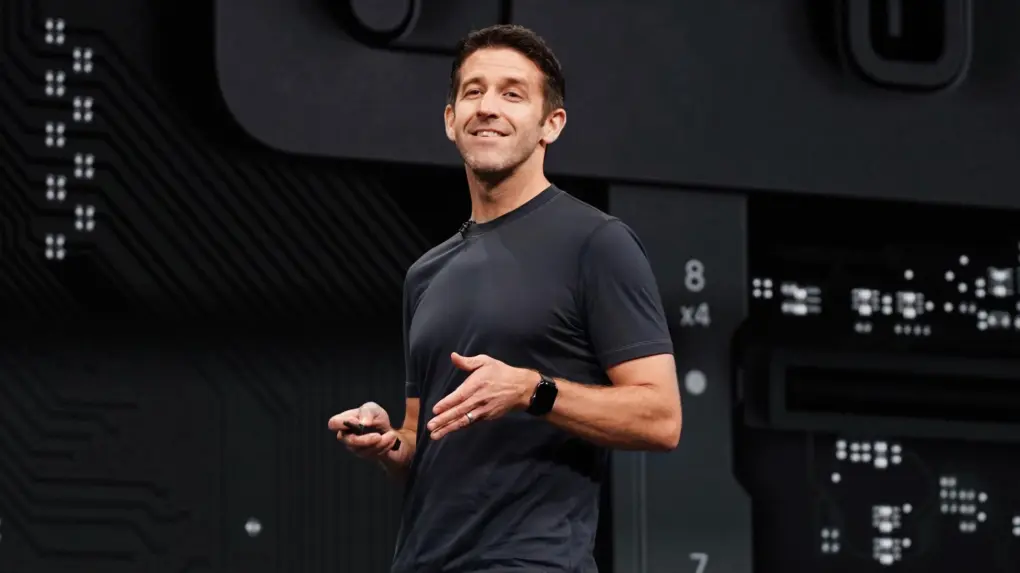
Apple’s appointment of John Ternus as its next CEO signals a potential shift in leadership style at the company, with insiders pointing to his decisive approach to decision-making.
In contrast, outgoing CEO Tim Cook is more of a consensus builder.

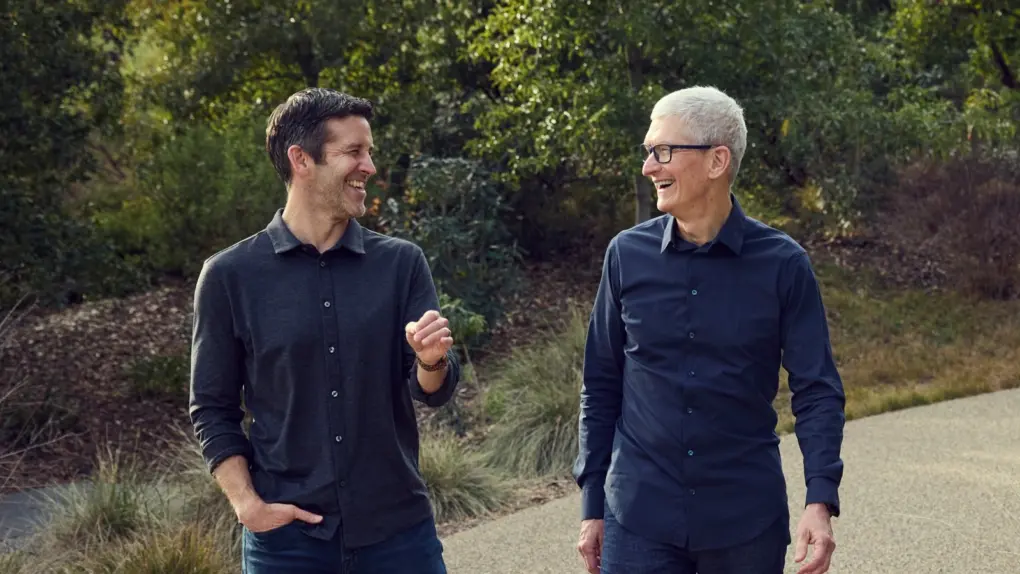
Apple announced a sweeping leadership transition on Monday, naming longtime executive John Ternus as its next chief executive officer in September. Current CEO Tim Cook will move into a new role as executive chairman of Apple’s board of directors at that time.
“It has been the greatest privilege of my life to be the CEO of Apple and to have been trusted to lead such an extraordinary company,” said Cook in a statement. “I love Apple with all of my being, and I am so grateful to have had the opportunity to work with a team of such ingenious, innovative, creative, and deeply caring people who have been unwavering in their dedication to enriching the lives of our customers and creating the best products and services in the world.”

 April 19, 1994: Gaston Bastiaens, the executive in charge of Apple’s revolutionary new Newton MessagePad product line, parts ways with the company.
“We can’t say whether he fell or was pushed,” says an Apple spokesman. Reports suggest that the departing Bastiaens, general manager of Apple’s personal interactive electronics division, is leaving due to his failure to make the Newton a financial success.
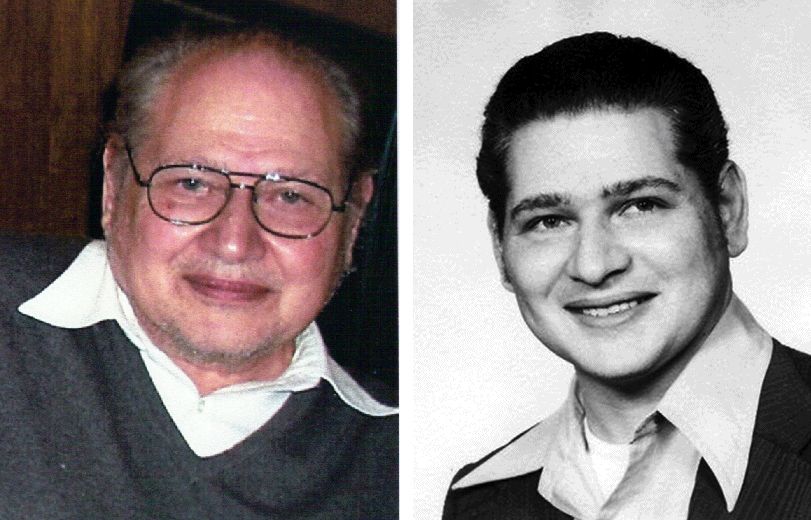
 April 12, 1976: Apple’s third co-founder, a former Atari colleague of Steve Wozniak’s named Ron Wayne, cashes in his Apple shares for just $800.
Wayne, who owns a 10% stake in the company, throws in the towel after worrying that he doesn’t have the time or energy to properly invest in Apple. He later receives an extra $1,500 check to seal the deal. When he cashes it, he loses out on an investment that could have been worth billions.
“I was 40 and these kids were in their 20s,” Wayne told Cult of Mac decades later, referring to Apple co-founders Wozniak and Steve Jobs. “They were whirlwinds — it was like having a tiger by the tail. If I had stayed with Apple, I probably would have wound up the richest man in the cemetery.”
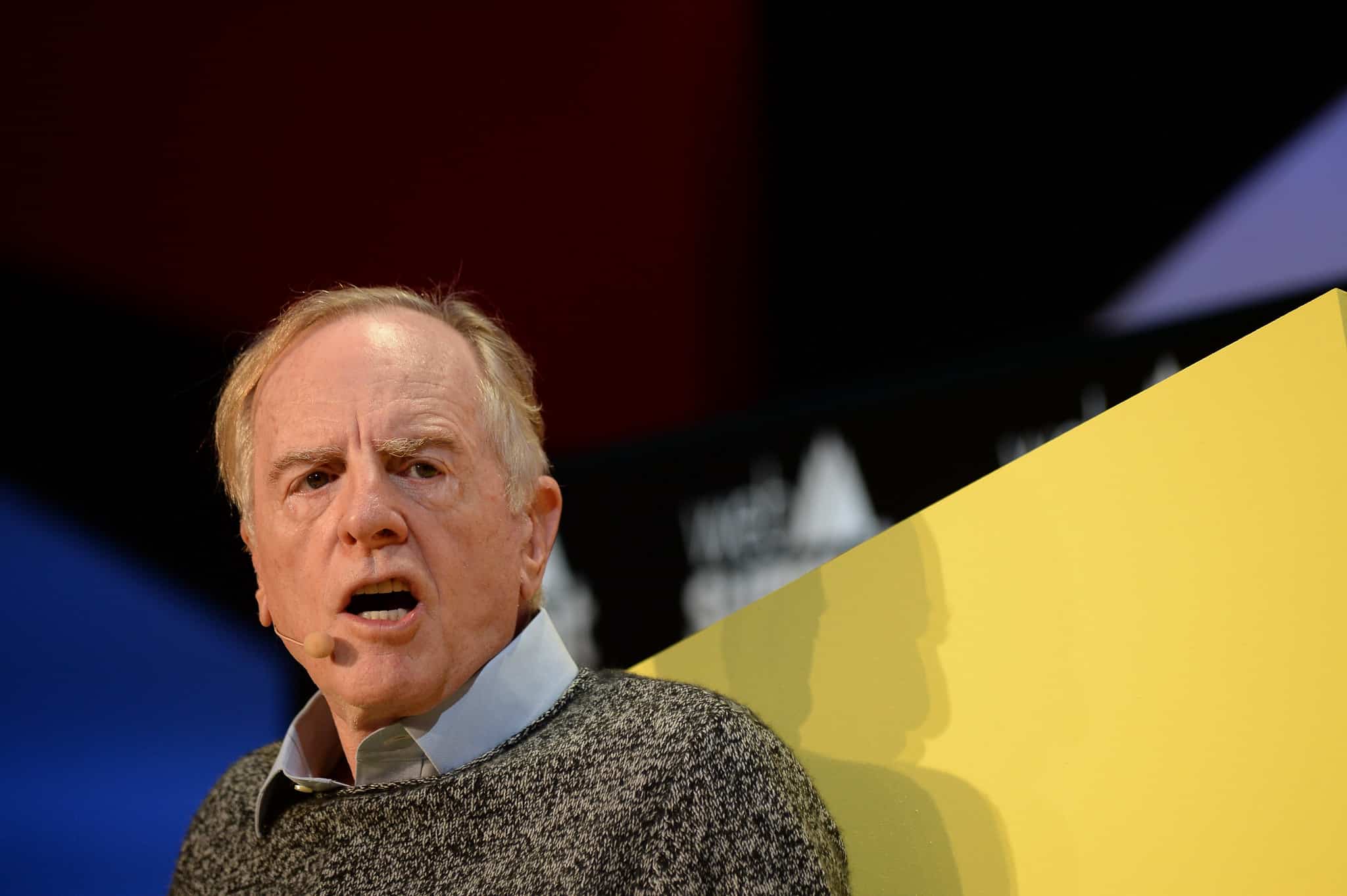
 April 8, 1983: John Sculley, former president of PepsiCo, takes charge as Apple’s third CEO.
Despite a total lack of experience selling tech products, Sculley was lured to Apple by Steve Jobs himself. The Apple co-founder famously pitched the Pepsi exec with the line, “Do you want to spend the rest of your life selling sugared water or do you want a chance to change the world?”
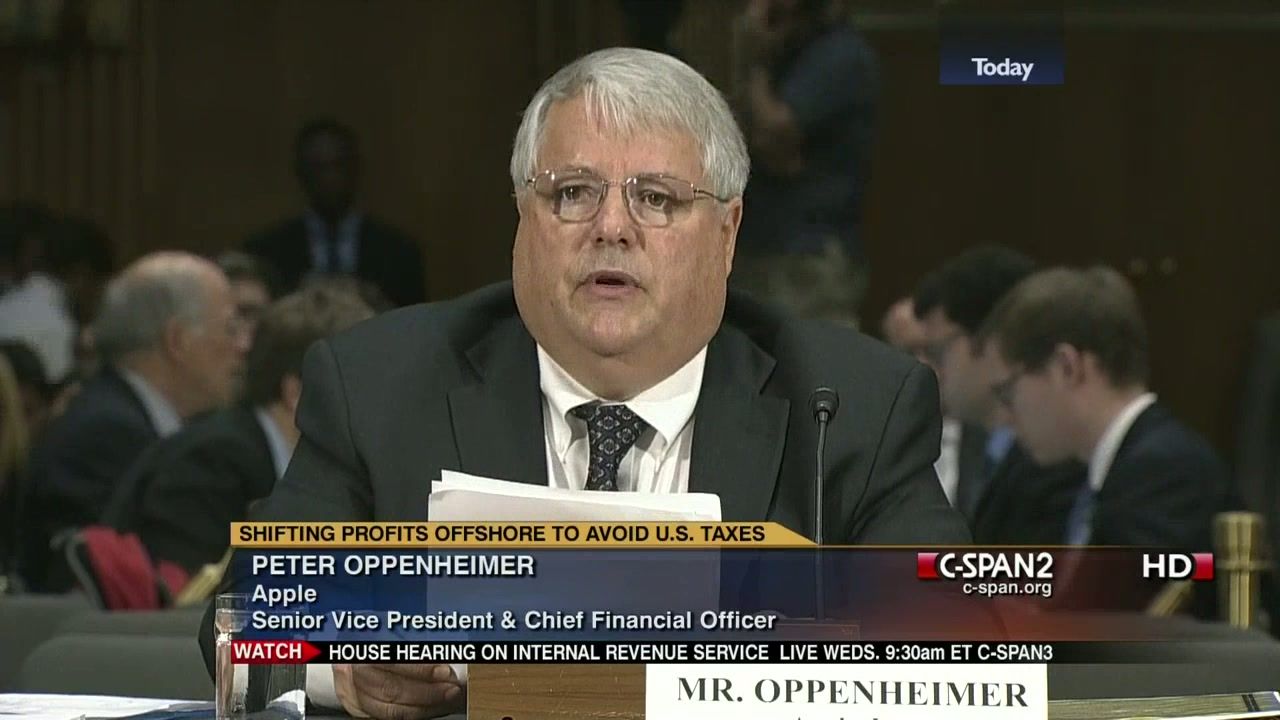
 March 4, 2014: Peter Oppenheimer, the Apple chief financial officer who presided over a decade of skyrocketing growth, steps down from the company.
After becoming Apple CFO in 2004, Oppenheimer saw the company’s valuation soar from $8.8 billion to $471 billion. Luca Maestri replaces Oppenheimer in this crucial position.
 February 25, 1981: Original Apple CEO Michael Scott oversees a mass firing of employees, then holds a massive party. The Apple layoffs follow a hiring boom that led to what Scott called a “bozo explosion” at the company. They also stand as an early sign that the fun startup culture of Apple’s early days are gone forever.
“I used to say that when being CEO at Apple wasn’t fun anymore, I’d quit,” he tells a crowd of Apple staffers. “But now I’ve changed my mind — when being CEO isn’t fun anymore, I’ll just fire people until it is fun again.”
For many people at Apple, the day is the worst in the company’s history.
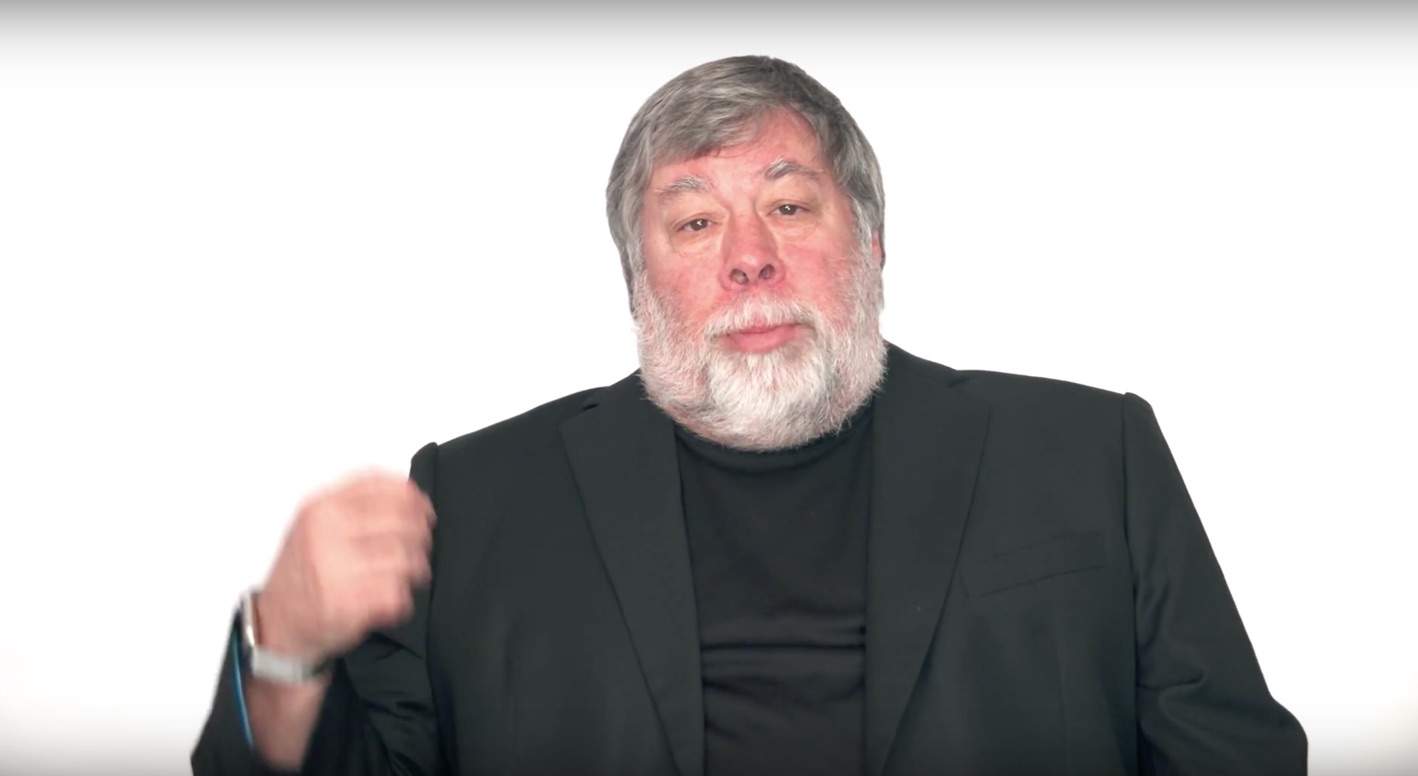
 February 7, 1981: Apple co-founder Steve Wozniak is involved in a serious plane crash in California, resulting in his first lengthy leave of absence from the company.
At the time, Wozniak is flying a turbocharged, single-engine, six-seat Beechcraft Bonanza A36TC. In the plane with Woz is his fiancé, Candi Clark, her brother and her brother’s girlfriend. Fortunately, nobody dies in the crash, although Woz suffers minor head injuries.
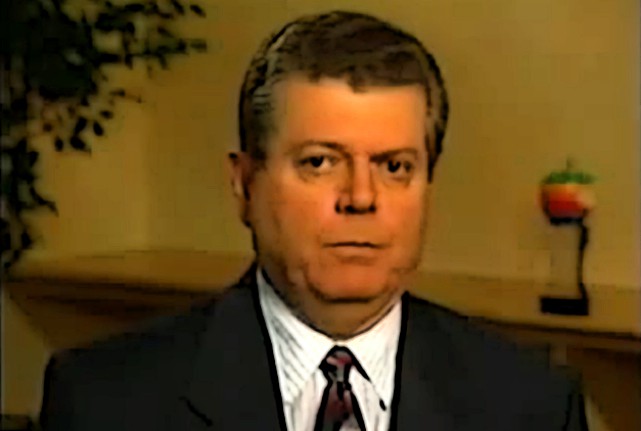
 February 2, 1996: Apple reveals that turnaround artist Gil Amelio will take over from Michael “The Diesel” Spindler as CEO of the struggling company.
With disappointing Mac sales, the disastrous “clone Mac” strategy and a failed Sun Microsystems merger to his name, Spindler is asked to resign by the Apple board. Then, Cupertino enlists supposed corporate miracle worker Amelio for the job.
Unfortunately, he turns out to be no more successful than Spindler in the role.
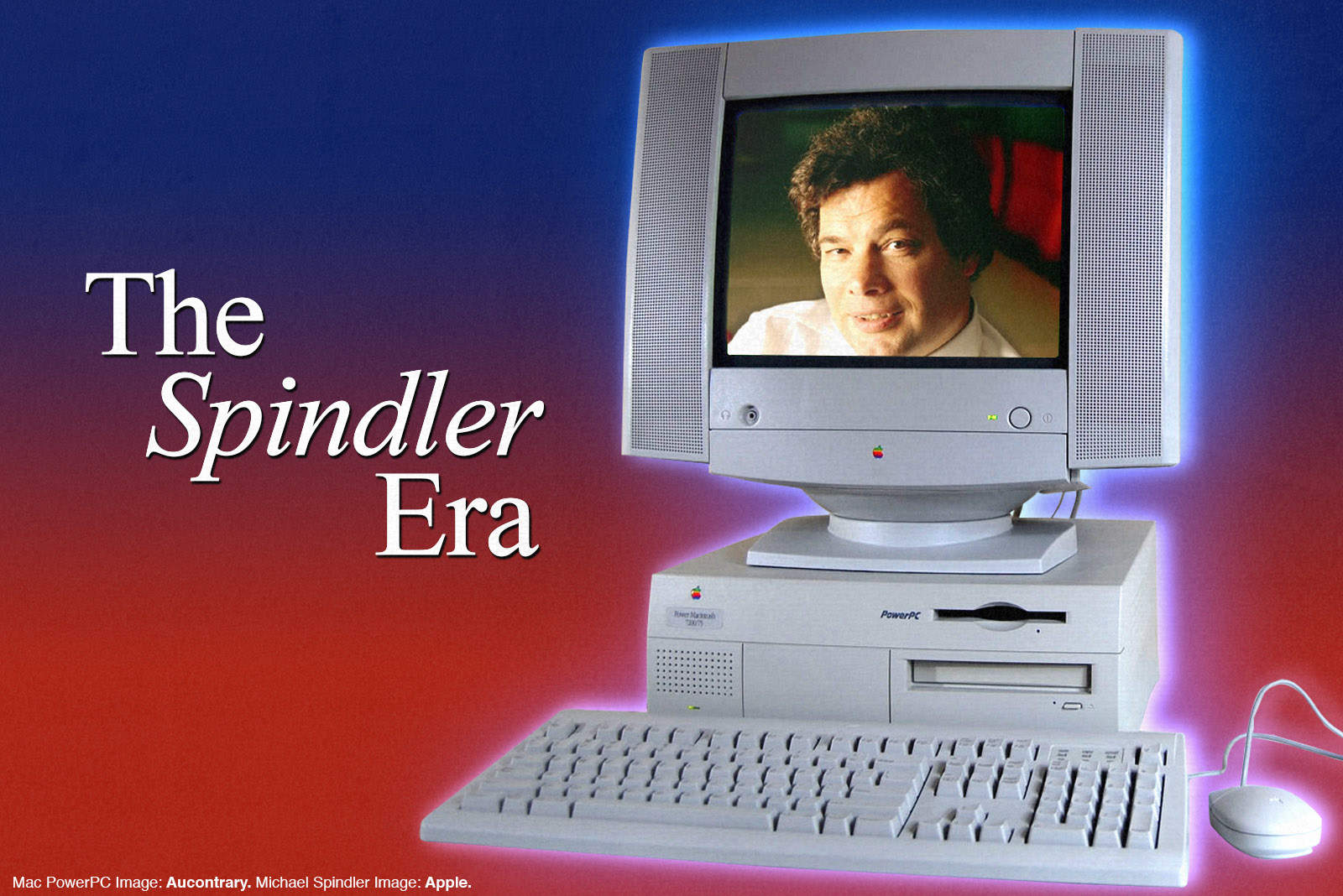
 January 29, 1990: Apple CEO John Sculley appoints Michael Spindler as the company’s new chief operating officer.
Nicknamed “The Diesel” on account of his work ethic, Spindler’s new job continues his upward trajectory at Apple. Three years later, he will become CEO.
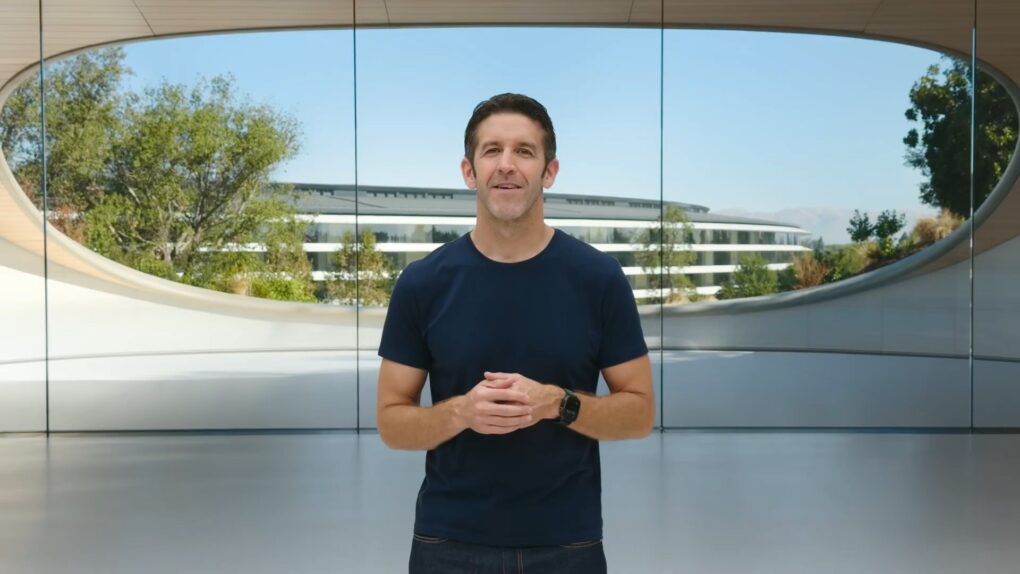
John Ternus, Apple’s head of hardware engineering, reportedly just added an even more critical role at the company, being put in charge of design for the first time.
The intent of the change might be to give Ternus the experience needed to someday become Apple CEO.
This week on Cult of Mac’s podcast: With the sudden departure of Apple’s UI design chief Alan Dye — and the prompt naming of a Steve Jobs-era veteran to take his place — are we looking at a software renaissance for iPhones and Macs?
We certainly hope so!
Also on The CultCast:
Listen to this week’s episode of The CultCast in the Podcasts app or your favorite podcast app. (Be sure to subscribe and leave us a review if you like it!) Or watch the video version, embedded below.
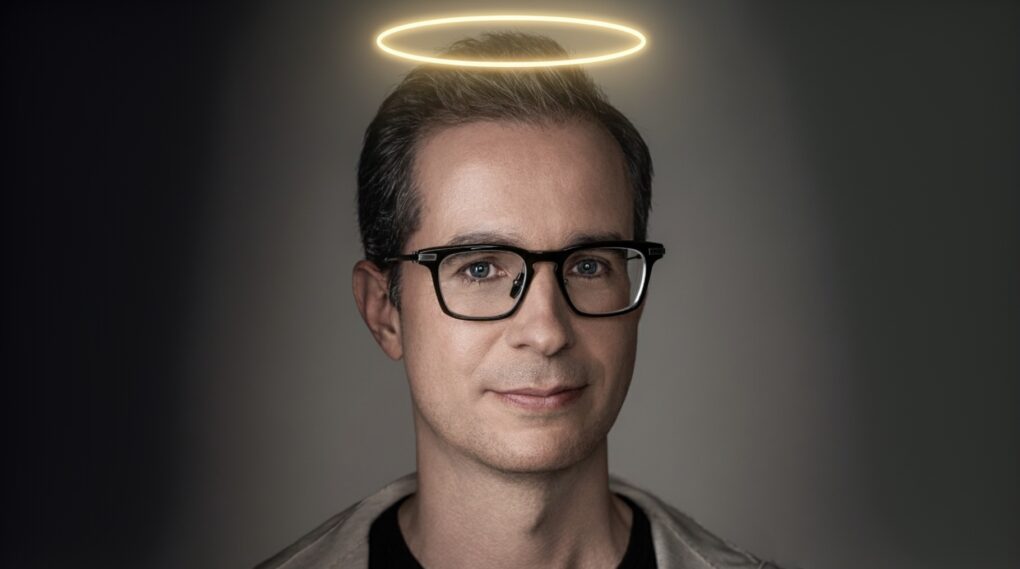
The best people to ask about Steve Lemay, the new head of user interface design at Apple, are the people who’ve worked with him.
Spoiler alert: They seem absolutely thrilled. The word “excited” keeps coming up in their comments on the change in leadership.
Here’s what the people in a position to really know Lemay have to say about him.

John Giannandrea, the man responsible for making Apple Intelligence what it is today, is out. It’s an expected change, as senior management reportedly didn’t think Giannandrea could provide the leadership needed to develop critical AI products.
Amar Subramanya, who Apple poached from Microsoft, will replace Giannandrea. Prior to his short stint at Microsoft, Subramanya spent many years at Google — most recently as head of engineering for the Gemini AI chatbot.
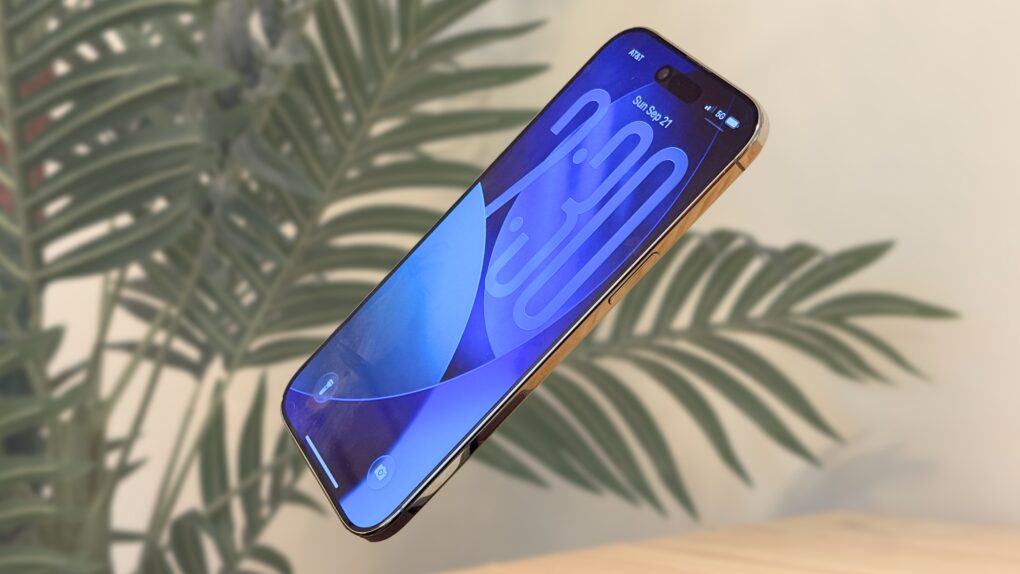
Abidur Chowdhury, the industrial designer who helped shape the iPhone Air, reportedly left Apple for an unnamed AI startup.
“His exit made waves internally, given his rising profile within the design team,” according to a Bloomberg report.
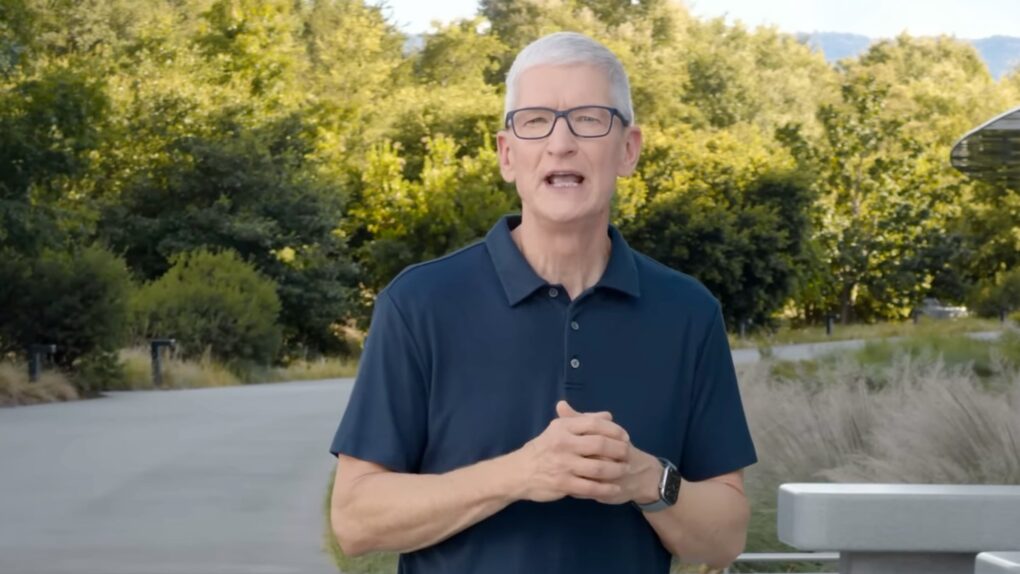
Apple’s board of directors is reportedly amping up the search for a new CEO to replace Tim Cook, possibly as early as January 2026. The board recently “intensified preparations for Cook to hand over the reins,” according to a Saturday report from the Financial Times, which says the announcement of a new Apple CEO could come alongside the company’s post-holiday earnings report.
The story cited “several people familiar with discussions inside the tech group.”
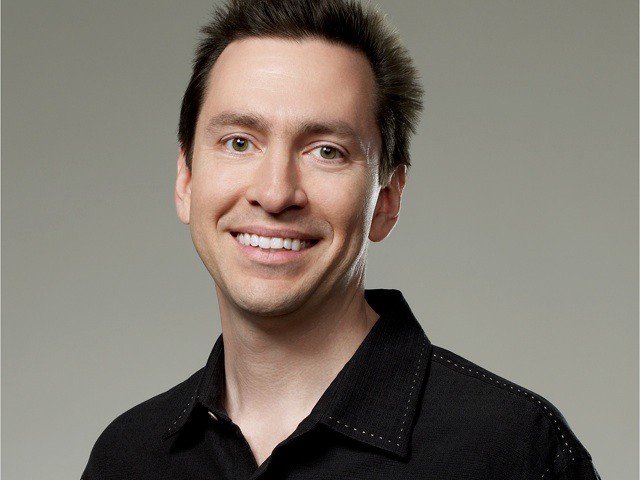
 October 29, 2012: Scott Forstall, Apple’s senior vice president of iOS software, is fired from the company after the disastrous Apple Maps launch. After Forstall is ousted, Apple divvies up the roles he previously handled among other high-level execs.
Design chief Jony Ive assumes leadership of the Human Interface team. Craig Federighi becomes head of iOS software. Eddy Cue takes control of Maps and Siri. And Bob Mansfield “unretires” to lead a new technology group.
 October 15, 1993: John Sculley, the former CEO responsible for forcing Steve Jobs out of Apple, is forced to leave the company himself. When Sculley resigns as Apple’s chairman, he leaves with a golden parachute.
His parting gifts include $1 million in severance pay, a one-year consulting fee of $750,000, a commitment from Apple to buy his $4 million mansion and $2 million Learjet, and $2.4 million in stock options. Total take: around $10 million.
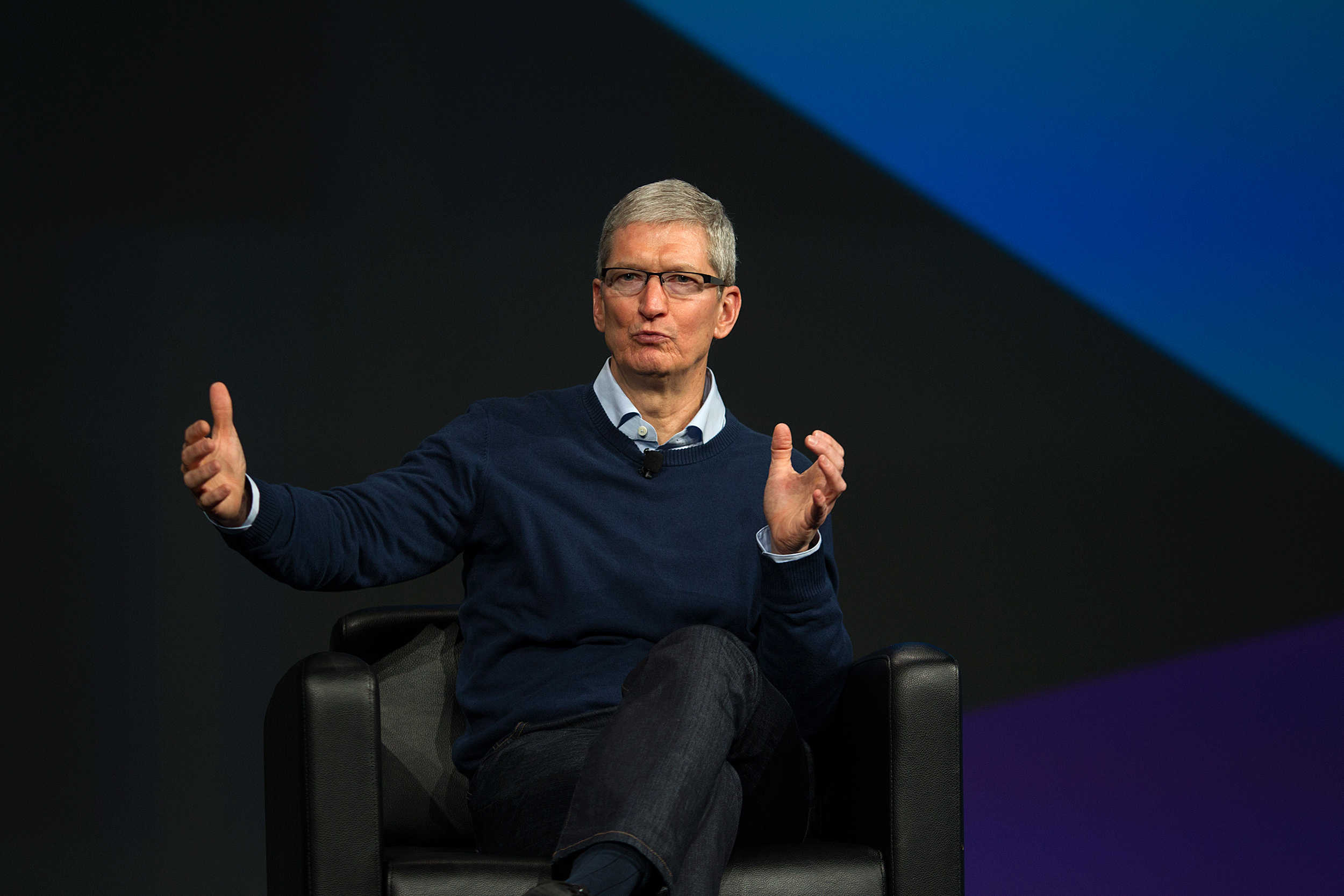
 October 14, 2005: Tim Cook takes the reins as Apple’s chief operating officer. His new role as Apple COO continues his upward climb through the company’s ranks that will make him CEO less than six years later.
“Tim and I have worked together for over seven years now, and I am looking forward to working even more closely with him to help Apple reach some exciting goals during the coming years,” Steve Jobs says in a statement.
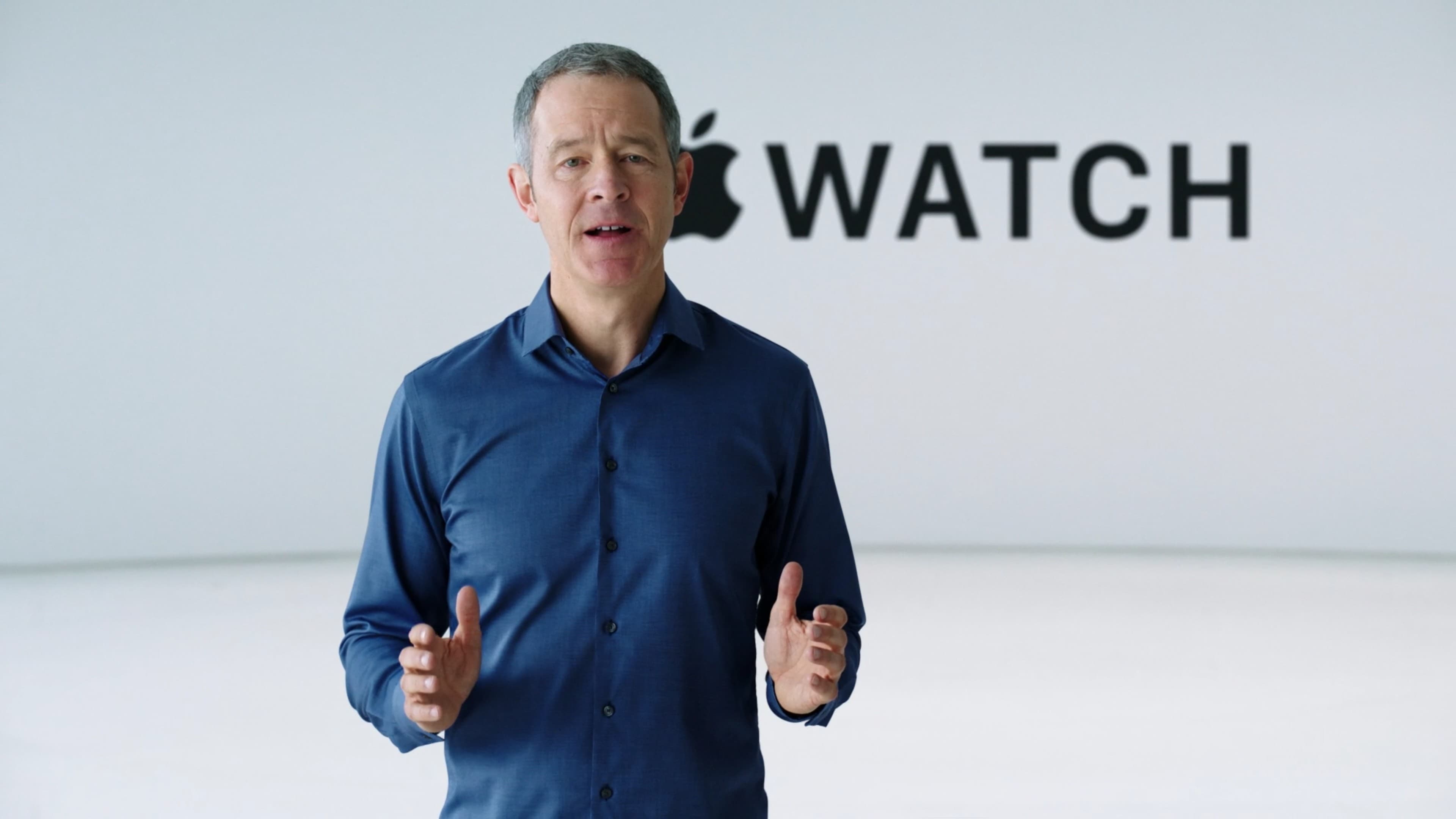
Apple is preparing for a major internal reorganization ahead of COO Jeff Williams’ retirement later this year. As part of the rejig, Eddy Cue, Apple’s senior vice president of services, will oversee the health and fitness team.
Meanwhile, leadership of the watchOS division will move to Craig Federighi, Apple’s head of software engineering.
 October 3, 1994: Apple CEO Michael Spindler reassures the world that Apple “is not a lame-duck company.”
Why would anyone suspect that it is? The answer lies in collapsing Mac sales, massive layoffs and Apple’s $188 million quarterly loss. At 15 months into his stint as CEO, Spindler wants to reassure everyone that the worst is over.
Sadly, things will decline further before they start to turn around.
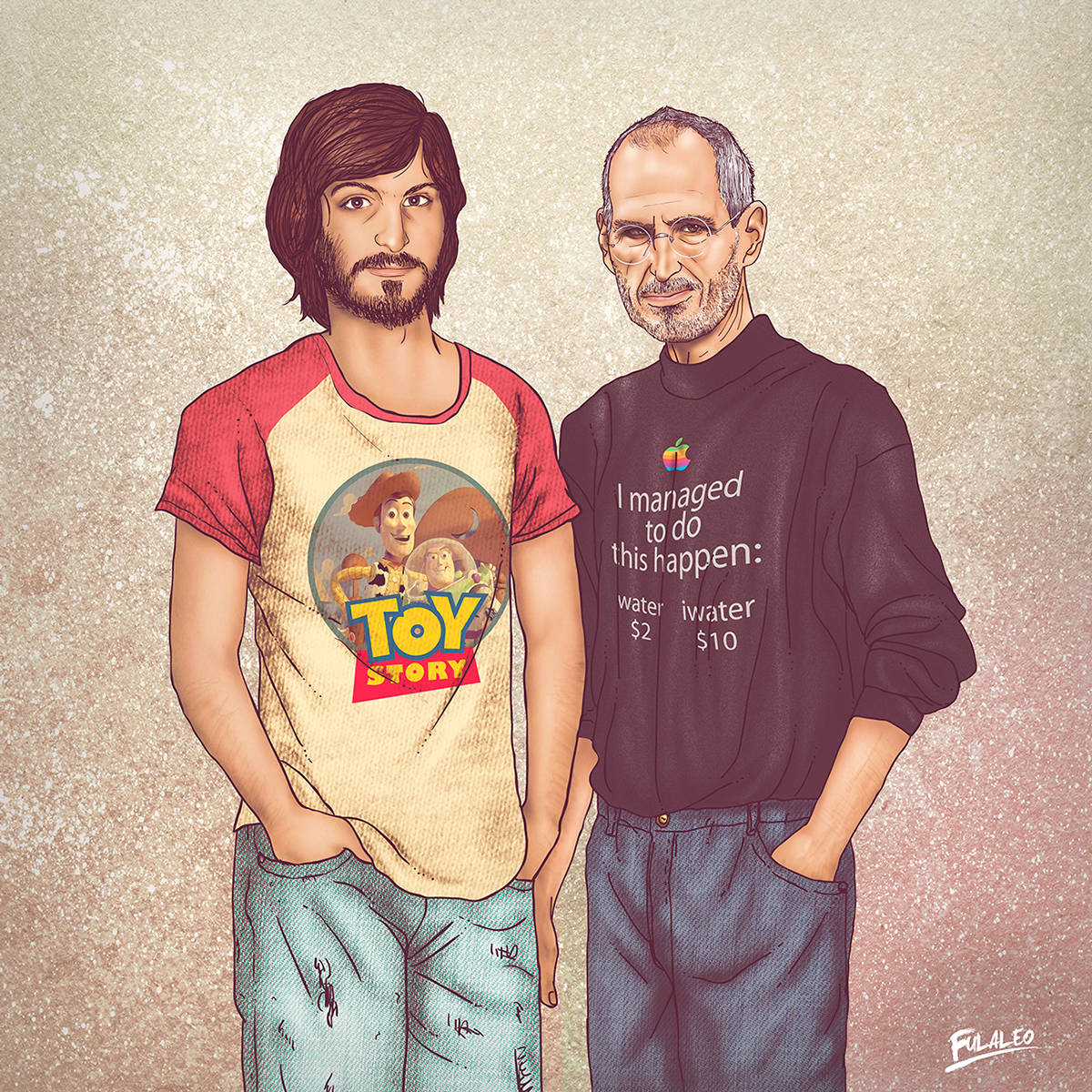
 September 16, 1985 and 1997: Twice on this day, Apple co-founder Steve Jobs makes significant moves with regard to his career at the company. In 1985, he leaves Apple after a failed boardroom coup. Then, a little more than a decade later, he officially returns to Apple as its new interim CEO.
In terms of the emotions associated with those historic occasions, it’s hard to think of two more polarizing days in Jobs’ life.
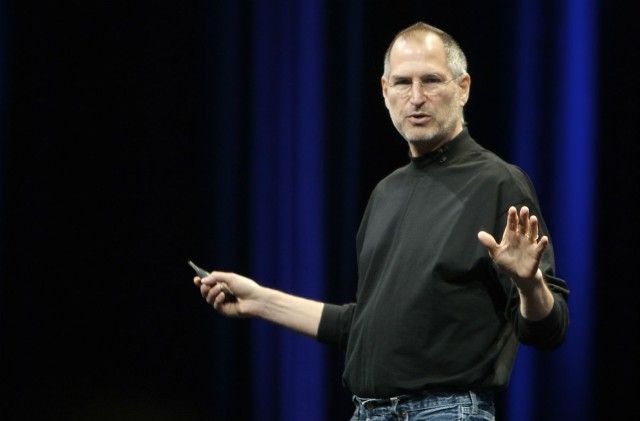
 August 24, 2011: With his health worsening, a cancer-stricken Steve Jobs resigns from his role leading Apple. Tim Cook assumes the role of Apple’s seventh CEO.
“I have always said if there ever came a day when I could no longer meet my duties and expectations as Apple’s CEO, I would be the first to let you know,” Jobs writes in his retirement letter to the Apple board. “Unfortunately that day has come.”
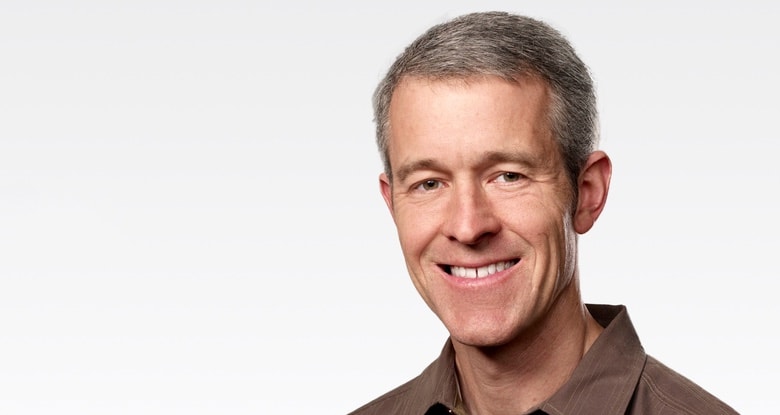
Jeff Williams, Apple’s chief operating officer in charge of the company’s global operations since 2010, will retire later this year. Even before then, though, his position will be filled by Sabih Khan, who currently serves as senior vice president of operations.
Apple described the move as “a long-planned succession” in a press release on Tuesday. The move certainly ends years of speculation that Williams would someday take Tim Cook’s place as Apple CEO.
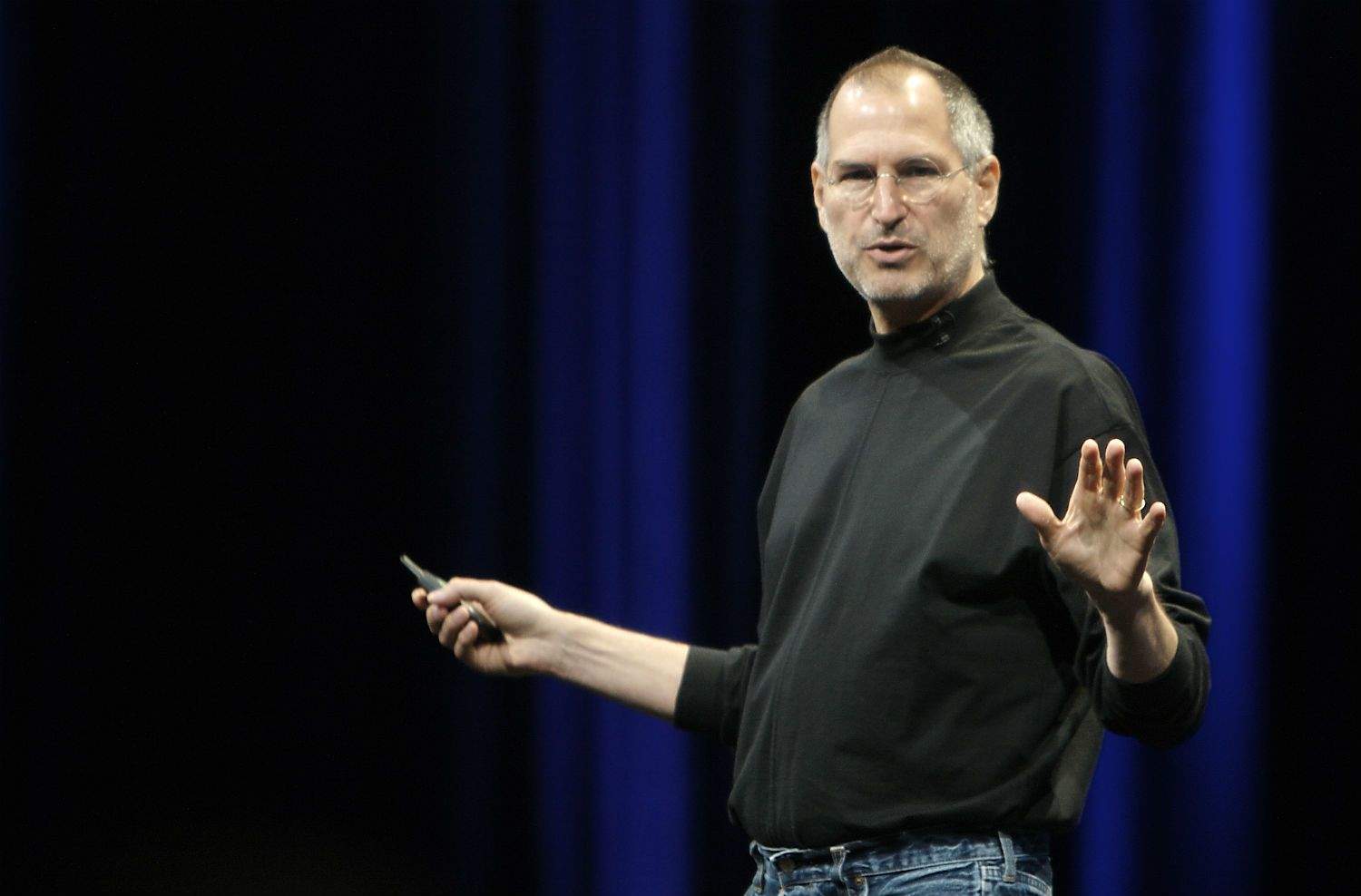
 July 8, 1997: Steve Jobs begins his path to becoming chief executive officer of Apple, after former CEO Gil Amelio departs the company following a massive quarterly loss. Also leaving Apple is Ellen Hancock, executive vice president of technology.
To run Apple’s day-to-day operations, CFO Fred Anderson takes over until a new CEO can be found. Jobs, meanwhile, moves from strategic adviser to take “a more expanded role with Apple’s board and executive management team,” according to CNN Money.
Cupertino’s turnaround has started!