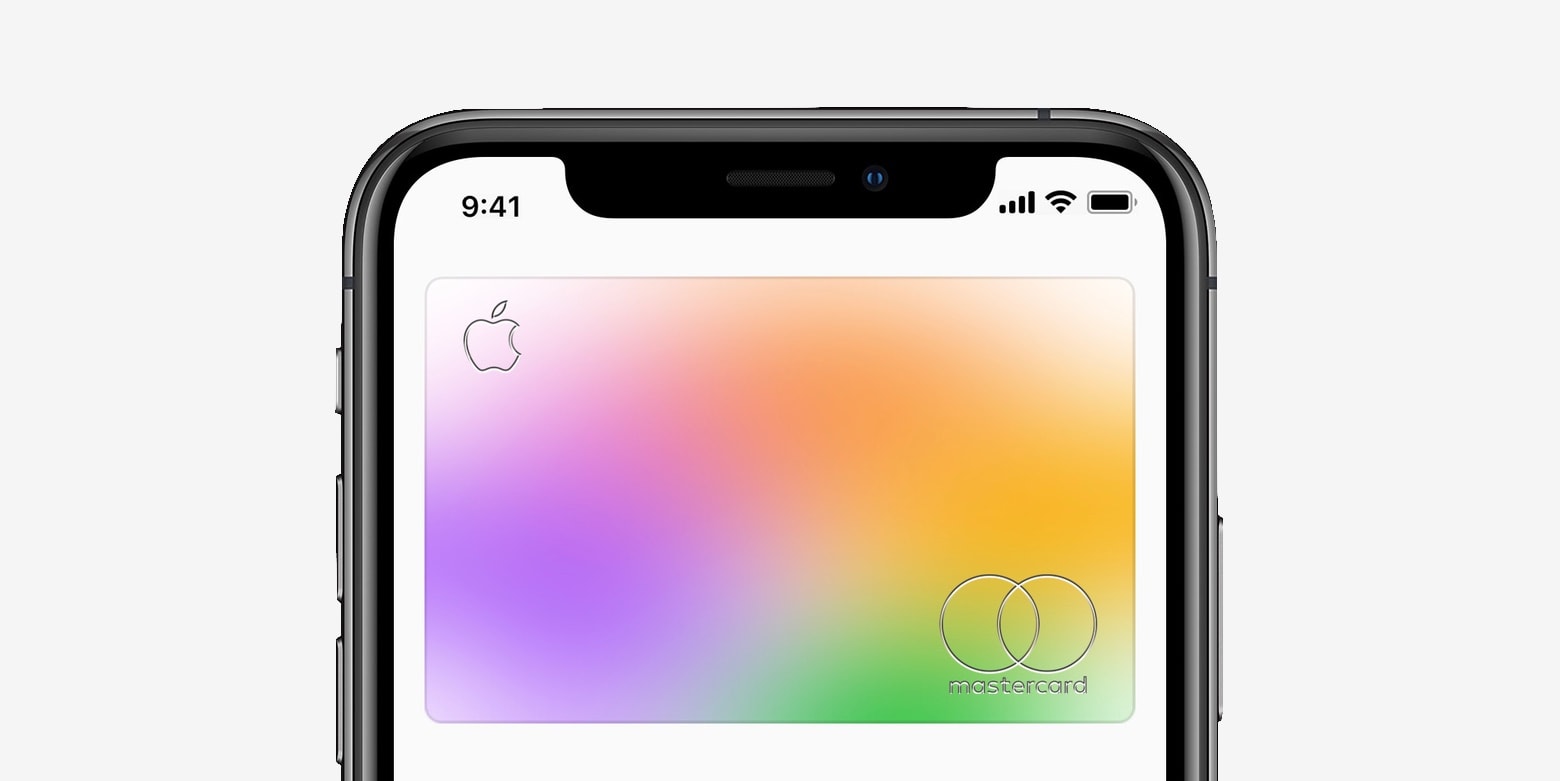
A less-than-stellar credit score may not stop you from bagging a shiny new Apple Card.
“Subprime” applicants are being accepted for credit, issued by Goldman Sachs, because Apple wants as many of its iPhone users as possible to be approved.
The latest? As a blink-and-you’ll-miss-it “cameo” in an Australian ad aimed at reducing car accidents as a result of texting behind the wheel. The ad depicts Jobs, alongside the likes of John Lennon and Shakespeare, in a discussion set in the afterlife. Seriously.
Students around the world are doing more than ever outside the classroom. Photo: Apple
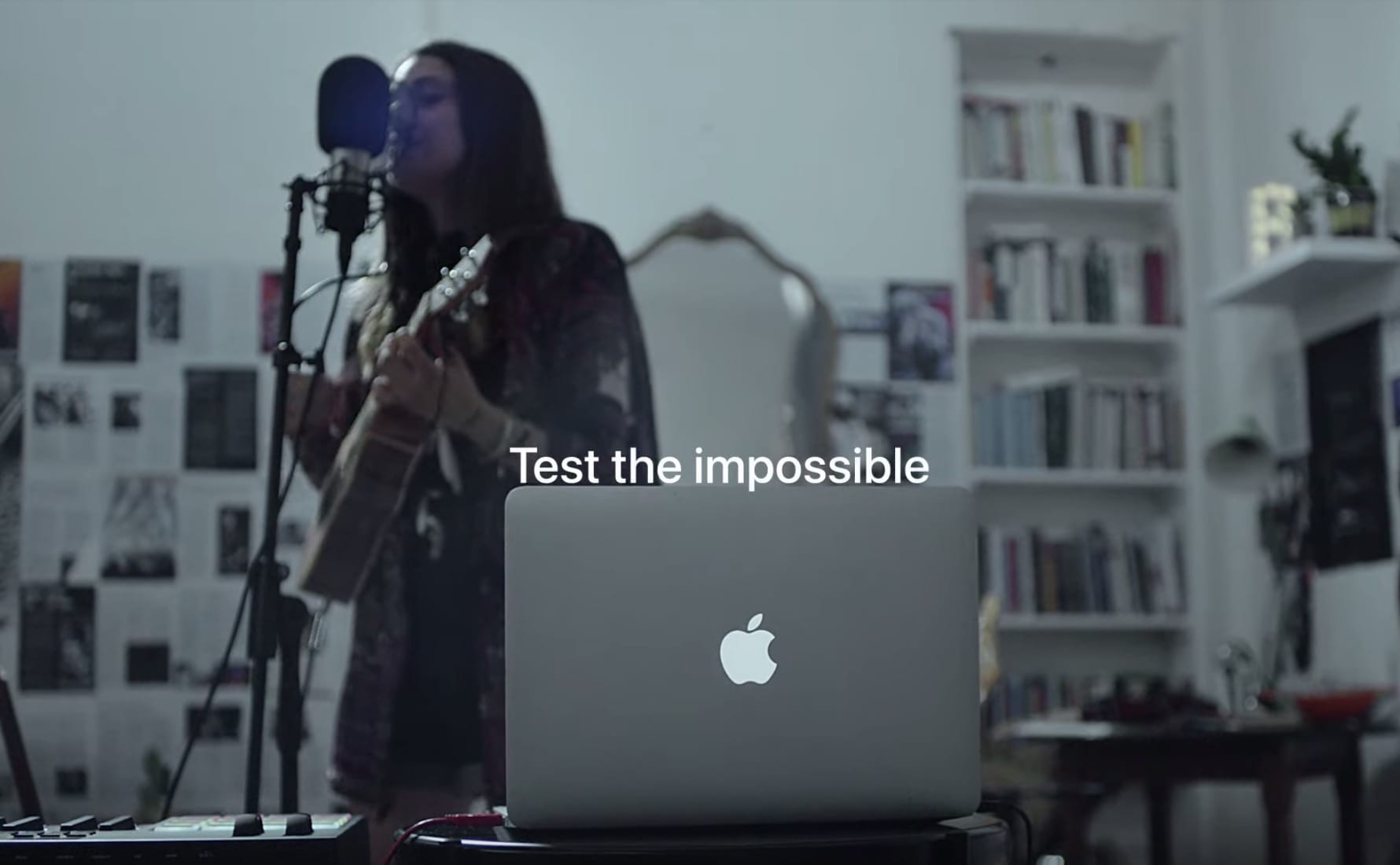
Apple is hoping to inject some inspiration into the lives of college students around the country with a new ad celebrating the return to school this month.
The fantastic new Behind the Mac ad celebrates the creation of art by telling students that they have no idea what they’re doing. And this is great.
Did Jobs intimidate the Spotify founder by breathing down the phone to him? Photo: Kazuhiro Shiozawa/Flickr CC
Despite his sometimes prickly reputation, Steve Jobs was well known for mentoring select young tech entrepreneurs. When it comes to Spotify, however, he may have taken a different tact.
According to a new book, Spotify Untold, Jobs freaked out Spotify co-founder and CEO Daniel Ek by calling him up and breathing deeply down the phone. (Then again, it may have all been Ek’s imagination!)
Breaking news: Steve Jobs was kind of a perfectionist when it came to design.
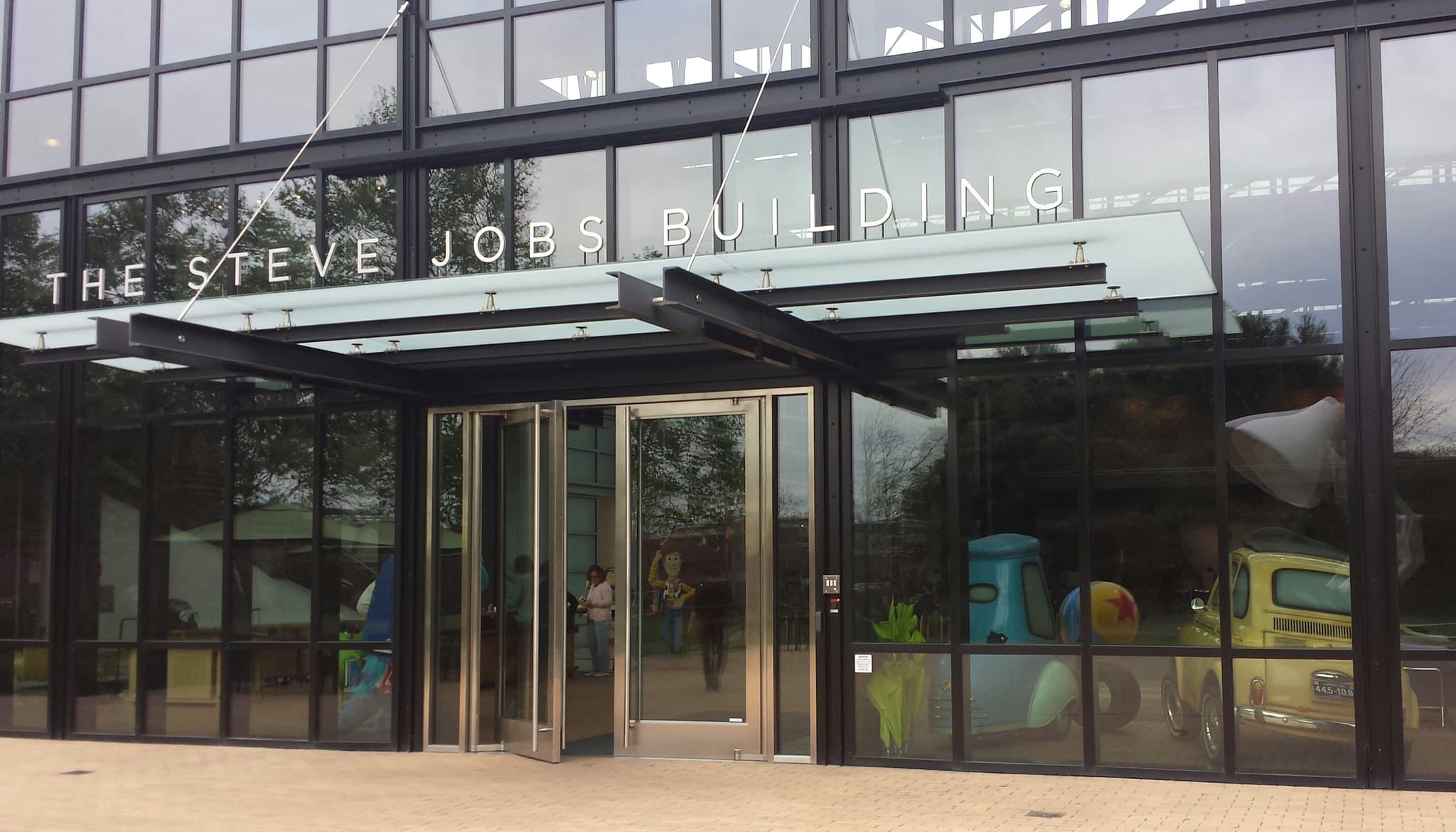
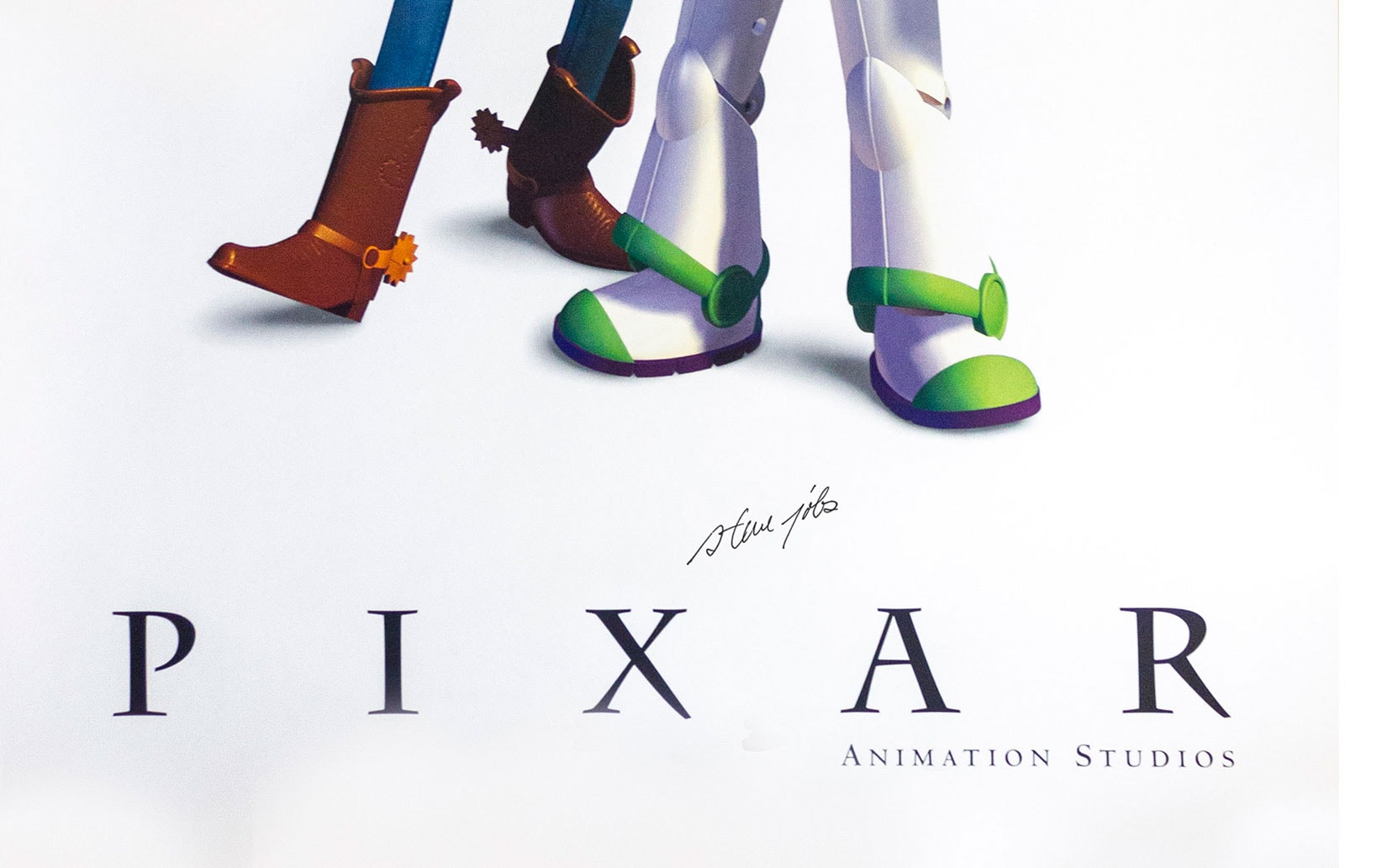
OK, so that’s not exactly the world’s best-kept secret. But a new story about the creation of Pixar’s headquarters highlights Jobs’ obsessive attention to detail. For anyone who remembers hearing about the creation of Apple Park, it will sound eerily familiar…
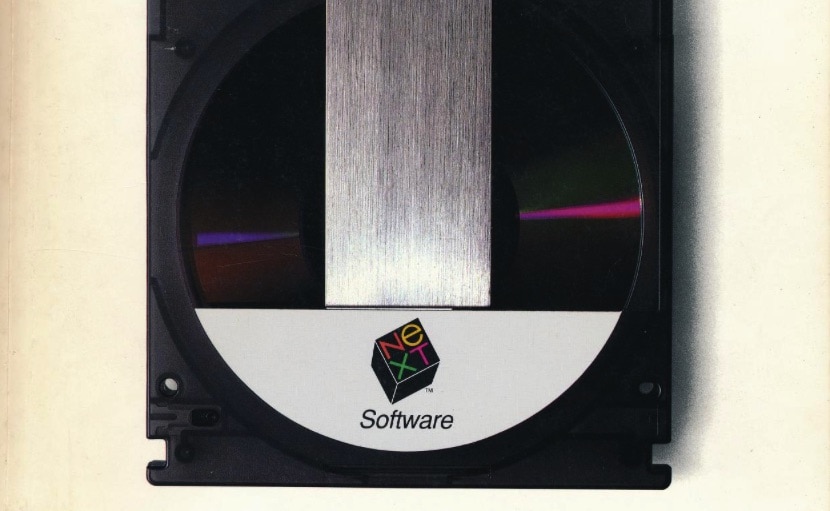
Can this really have been 30 years ago? Photo: NeXT
Looking for a dose of Monday nostalgia? If so, then you might enjoy checking out the 1989 fall catalog for NeXT, the company started by Steve Jobs during his years outside Apple.
Loving scanned by amateur computer historian Kevin Savetz, it’s a fun look at computing 30 years ago.
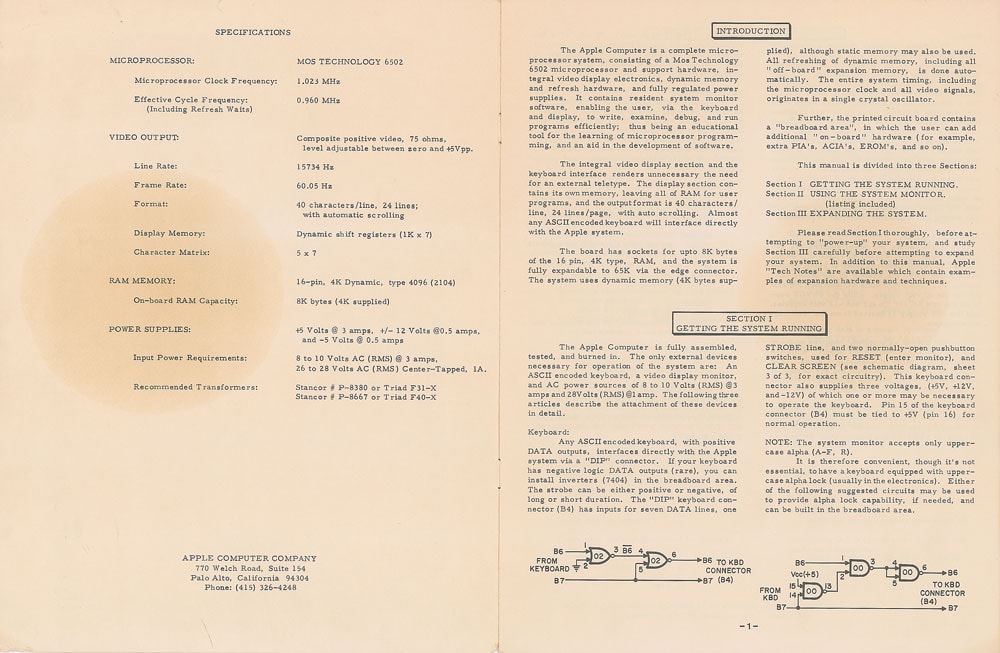
This original Apple-1 user manual is slightly stained but it’s still worth quite a bit. Photo: RR Auction
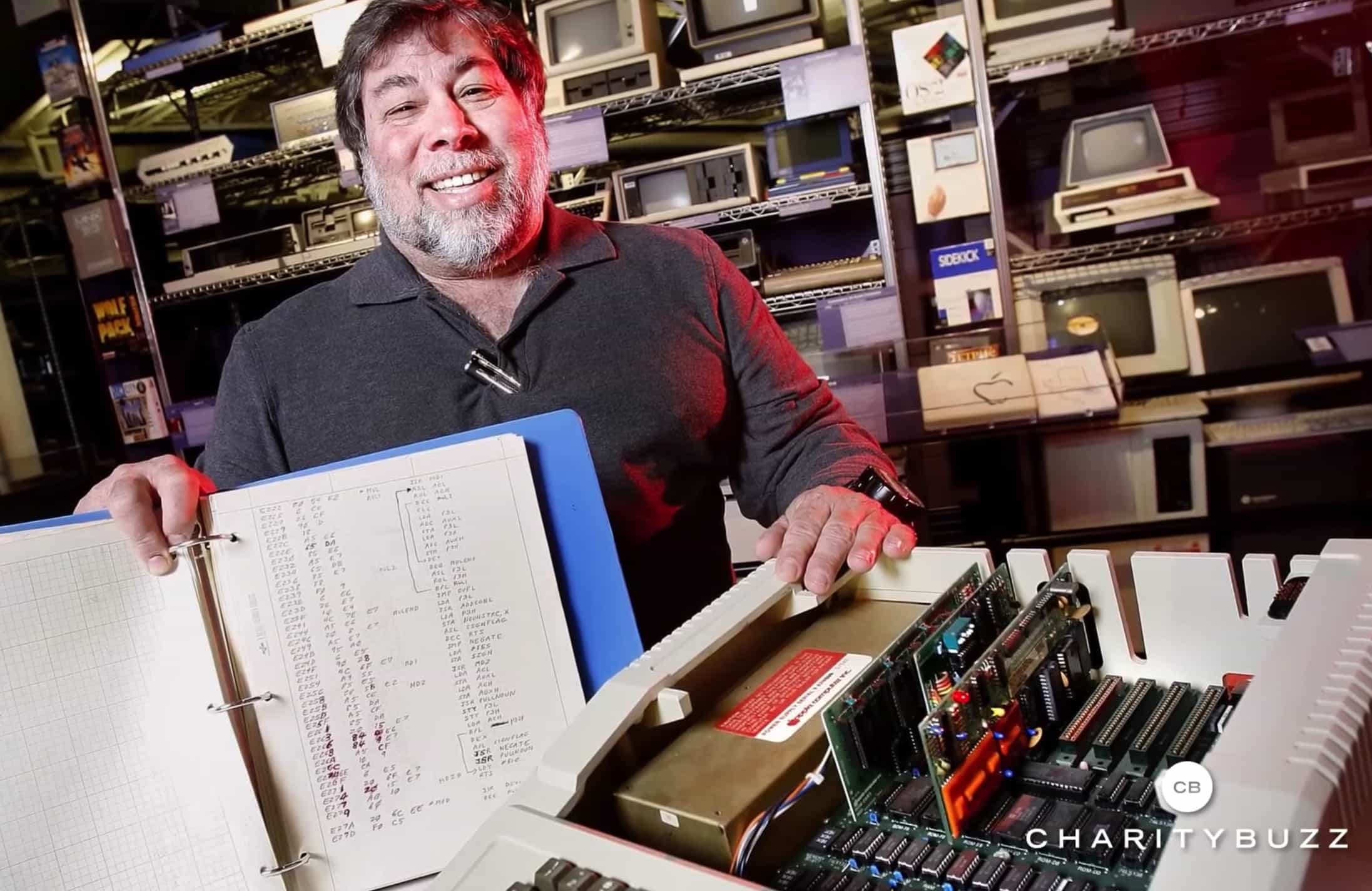
Bidding was apparently hot and heavy for a computer manual for the Apple-1, this company’s very first computer. In a multi-day online auction for this rare bit of tech history, the top bid was under $10,000 only a few days ago but in the end the document sold for $12,956.
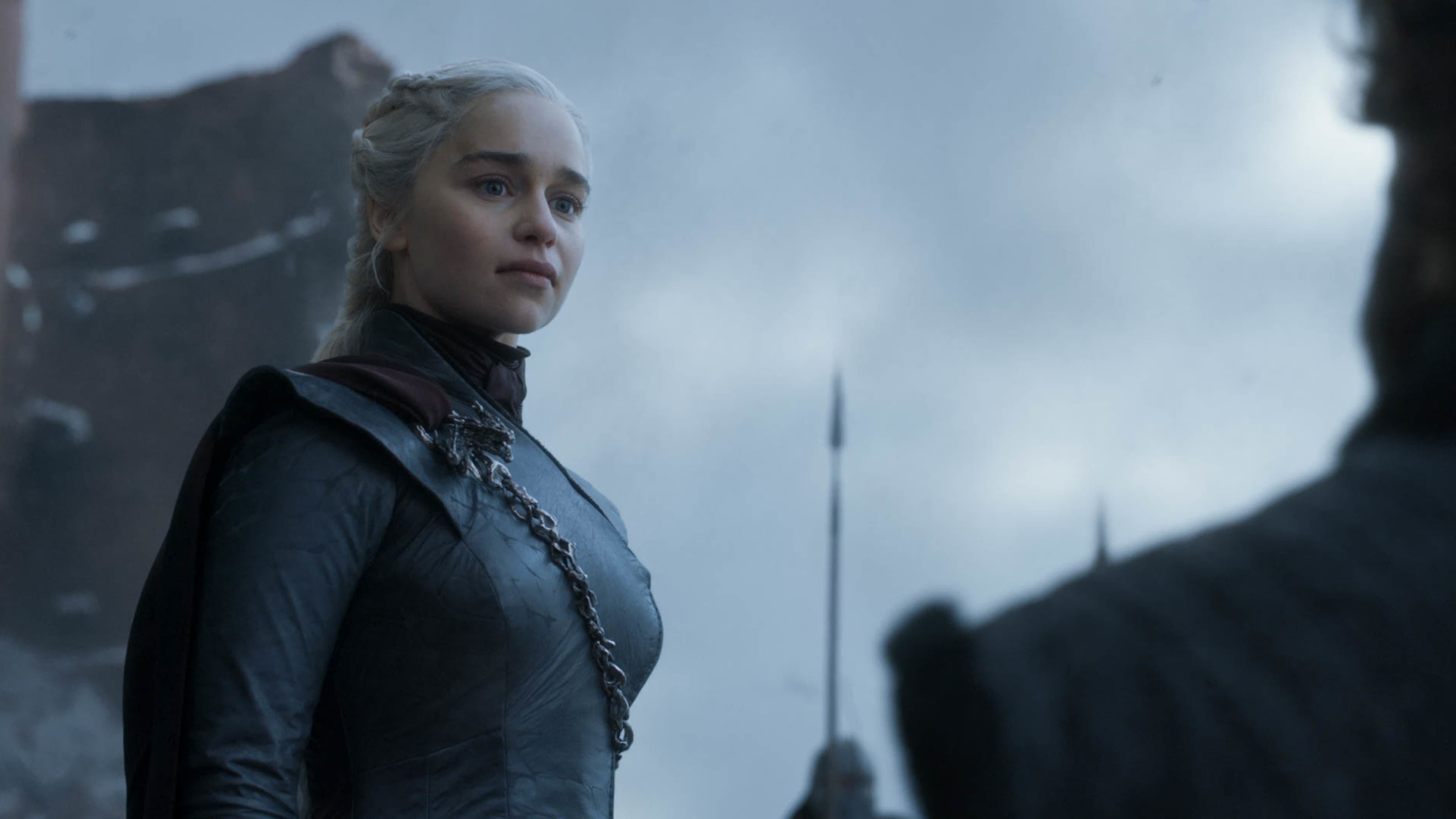
Why Jony Ive is like Daenerys Targaryen and Apple is not doomed. Photo: HBO
It’s been more than a week since the shocking news that Jony Ive is leaving Apple, and everyone is still trying to make sense of what it means for the company’s future.
According to some, it’s an internal coup: Tim Cook’s operations team finally wrested control from Ive’s industrial design crew, and the company‘s glory days of innovation are over. Others claim Ive’s days have been numbered ever since his dream of a solid gold Apple Watch flopped.
How can there be so many conflicting accounts of one man’s departure? Surprisingly, it may be for the same reason that the final season of Game of Thrones sucked. It all boils down to how we tell stories.
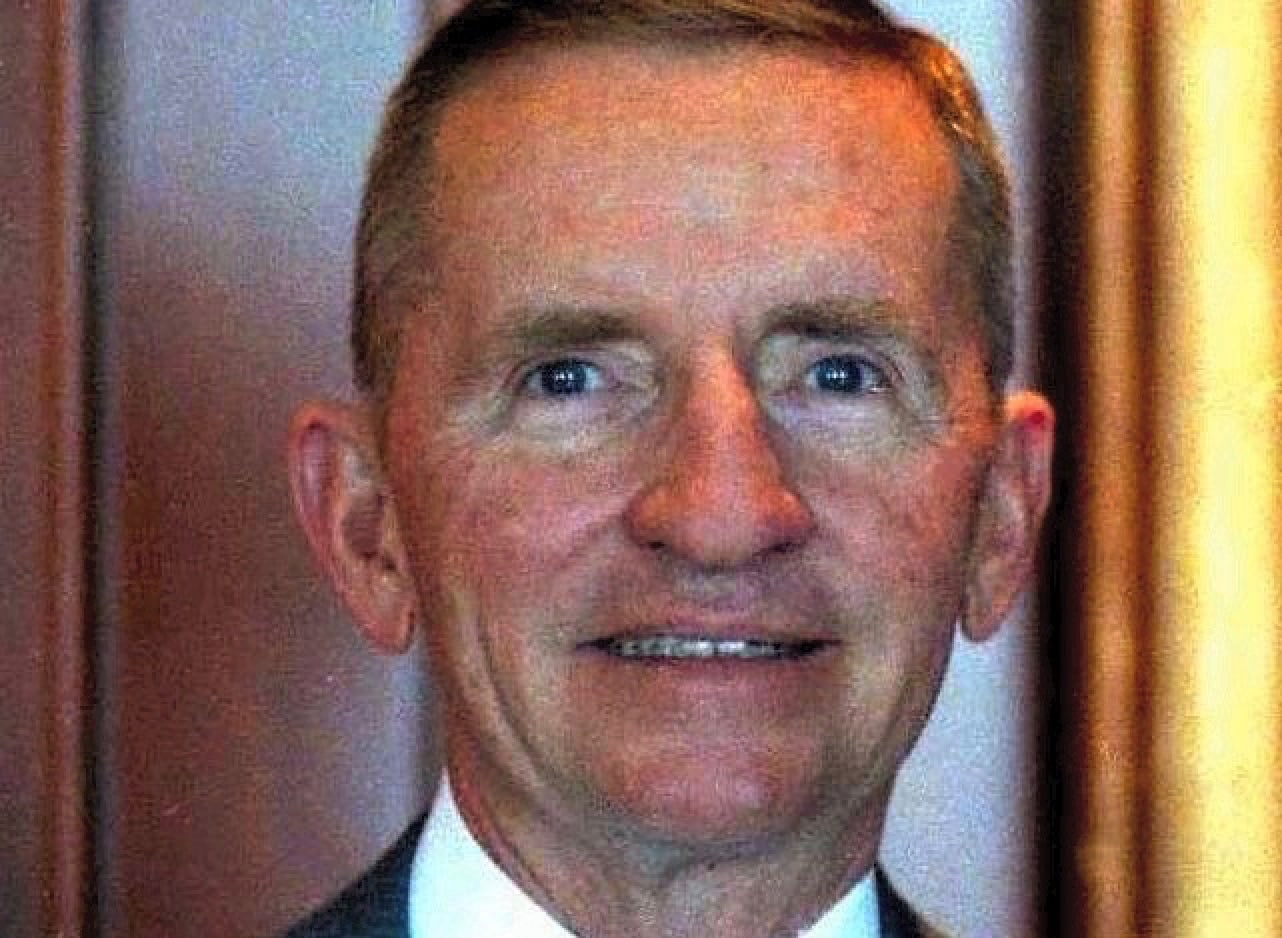
American business magnate and politician Ross Perot died yesterday at the age of 89.
However, while the world probably remembers Perot best for his 1992 and 1996 presidential campaigns, Perot also played a crucial role in Apple history. Here’s how.
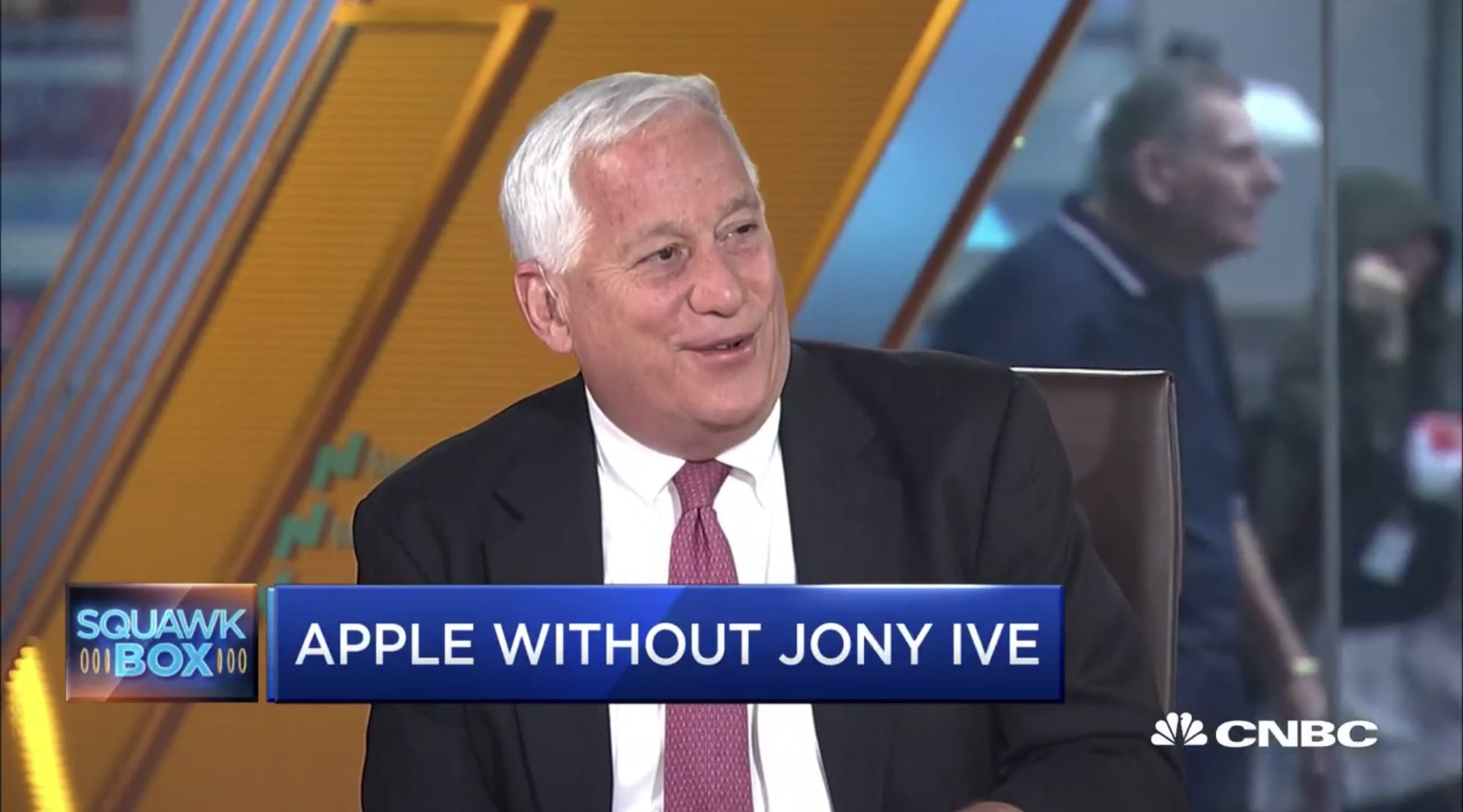
Without Jobs and Ive, Apple can’t design, Isaacson says. Photo: CNBC
Walter Isaacson says Apple has lost “these two spiritual soulmates who just lived and breathed the beauty of products.”
The Steve Jobs biographer believes the company still know how to execute, but that it has missed out on a number of opportunities for exciting new products — including an Apple TV set.
Steve Jobs (possibly) writing an incantation. Photo: RR Auction
There are plenty of words used to describe Steve Jobs, but “wizard” isn’t one of the ones we hear too often.
That’s exactly what Jobs was, however, according to Microsoft co-founder and long-time Jobs frenemy Bill Gates. Speaking on CNN, Gates said that Jobs accomplished his Apple-correcting wizardry by “casting spells.” But Gates, as a “minor wizard,” was immune to Jobs’ hocus pocus.
This week on The CultCast: A new report details why Jony Ive is departing Apple, and it paints a troubling picture. Plus, Leander tells us about the “fiddle factor,” the unique quality that made Ive our time’s greatest designer.
Our thanks to Squarespace for supporting this episode. Easily create a beautiful website all by yourself, at Squarespace.com/cultcast. Use offer code CultCast at checkout to get 10% off your first purchase of a website or domain..
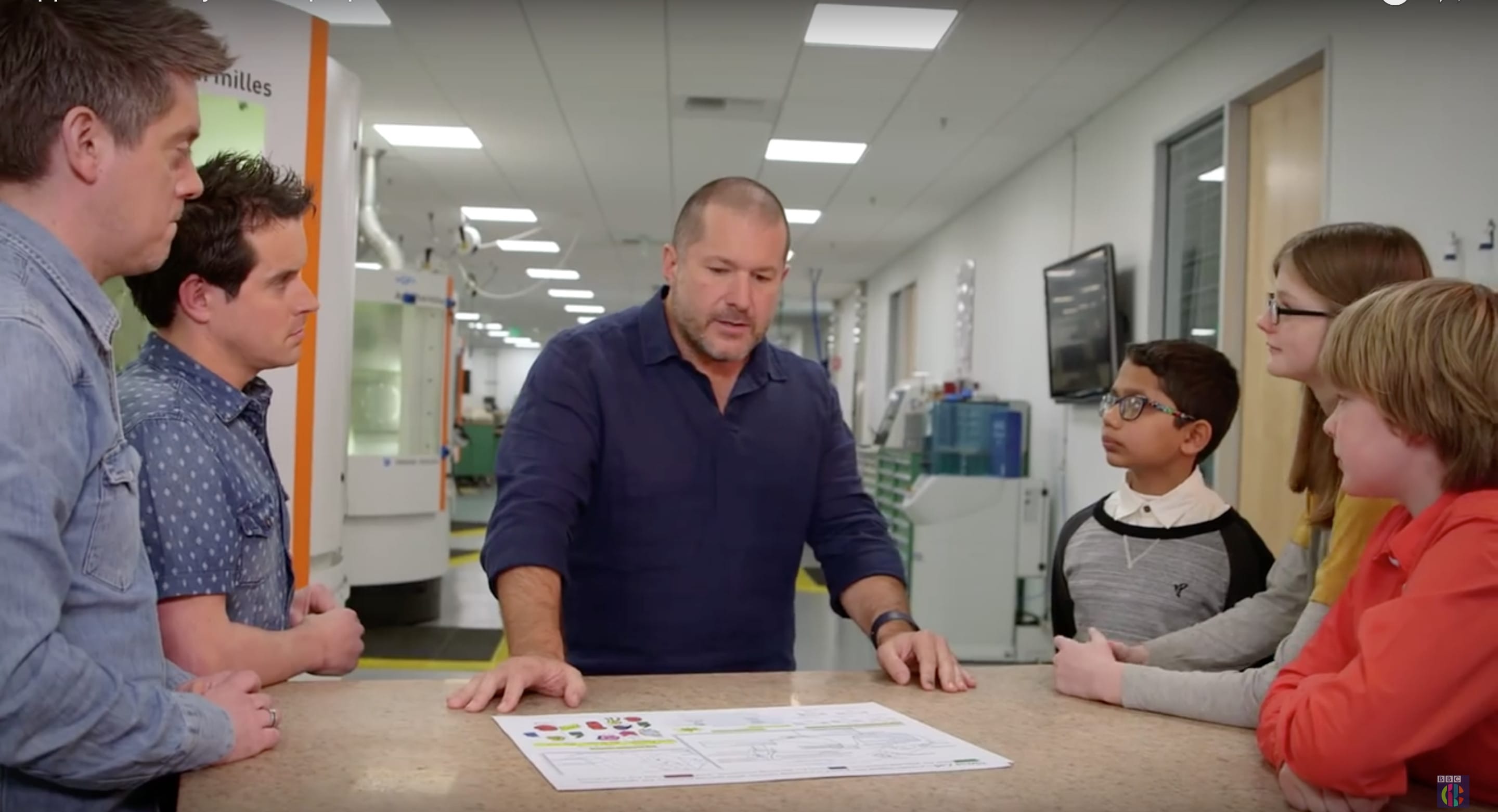
Ive only visits Apple's campus a couple of times a week. Photo: BBC
News of Jony Ive’s departure from Apple may have come as a shock to some, but to many others, it has been a long time coming. A new report claims Ive has been slowly reducing his responsibilities since the launch of Apple Watch.
Sources close to Apple have revealed that Ive has been visiting the company’s new headquarters as little as twice a week. “This has been a long time in the making,” one said.
LoveFrom, the name of Jony Ive's new design studio, is inspired by a Steve Jobs ideal. Photo: Allie Osmar Siarto/Flickr CC
News that Jony Ive is leaving Apple to start his own design company is rocking the tech world this afternoon. Apple has already signed up to be the first client for Ive’s design firm called LoveFrom.
In a new interview discussing his departure from Apple, Ive explained how Apple co-founder Steve Jobs helped inspire the name for his new company.
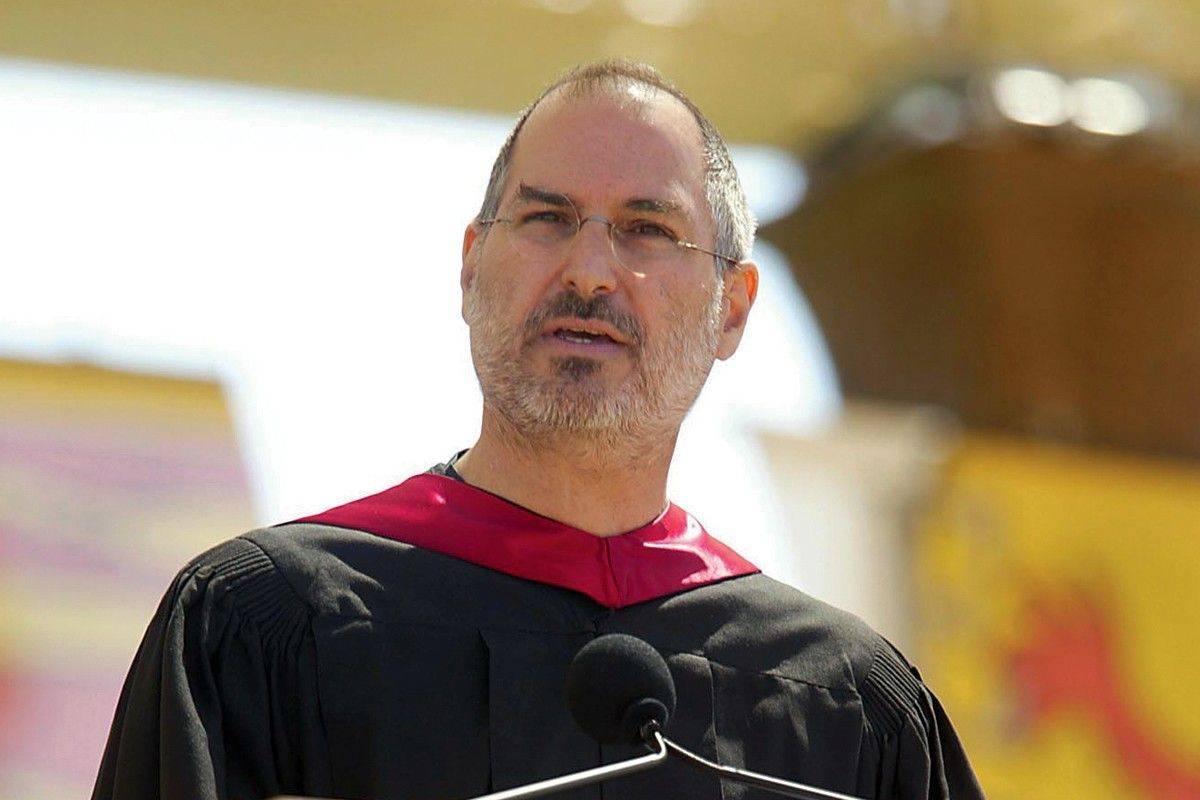
Steve Jobs delivered his own iconic commencement address in 2005. Photo: Stanford University
During his stint as Apple CEO, Tim Cook has repeatedly credited his predecessor, Steve Jobs. But he’s also worked to make Apple into a company that doesn’t slavishly follow the path laid out by Jobs. This is most clearly seen by Cook’s doubling down on privacy, and push to embrace social causes such as LGBT rights.
That mixture was on display Sunday, when Cook delivered a commencement speech at Stanford University. In doing so, he paid homage to the legendary June 2005 Stanford address delivered by Steve, while putting his own stamp on things.
This genius psychological tactic makes Apple's high prices seem totally reasonable. Photo: meo/Pexels CC
During the WWDC 2019 keynote, most of Apple’s latest creations drew enthusiastic applause, with one notable exception. The price of Apple’s new Pro Display XDR elicited a somewhat cooler response. But considering just how expensive the monitor is, the fact that it got any applause at all was pretty remarkable.
This is not the first time Apple has had to convince us to pony up for an eye-watering sticker price. Cupertino pulls from a well-established playbook for its keynotes, often employing behavioral science techniques to help soften the blow. (To our brains at least, if not to our wallets).
Lisa had a challenging relationship with her famous father, Steve. Photo: Grove Press
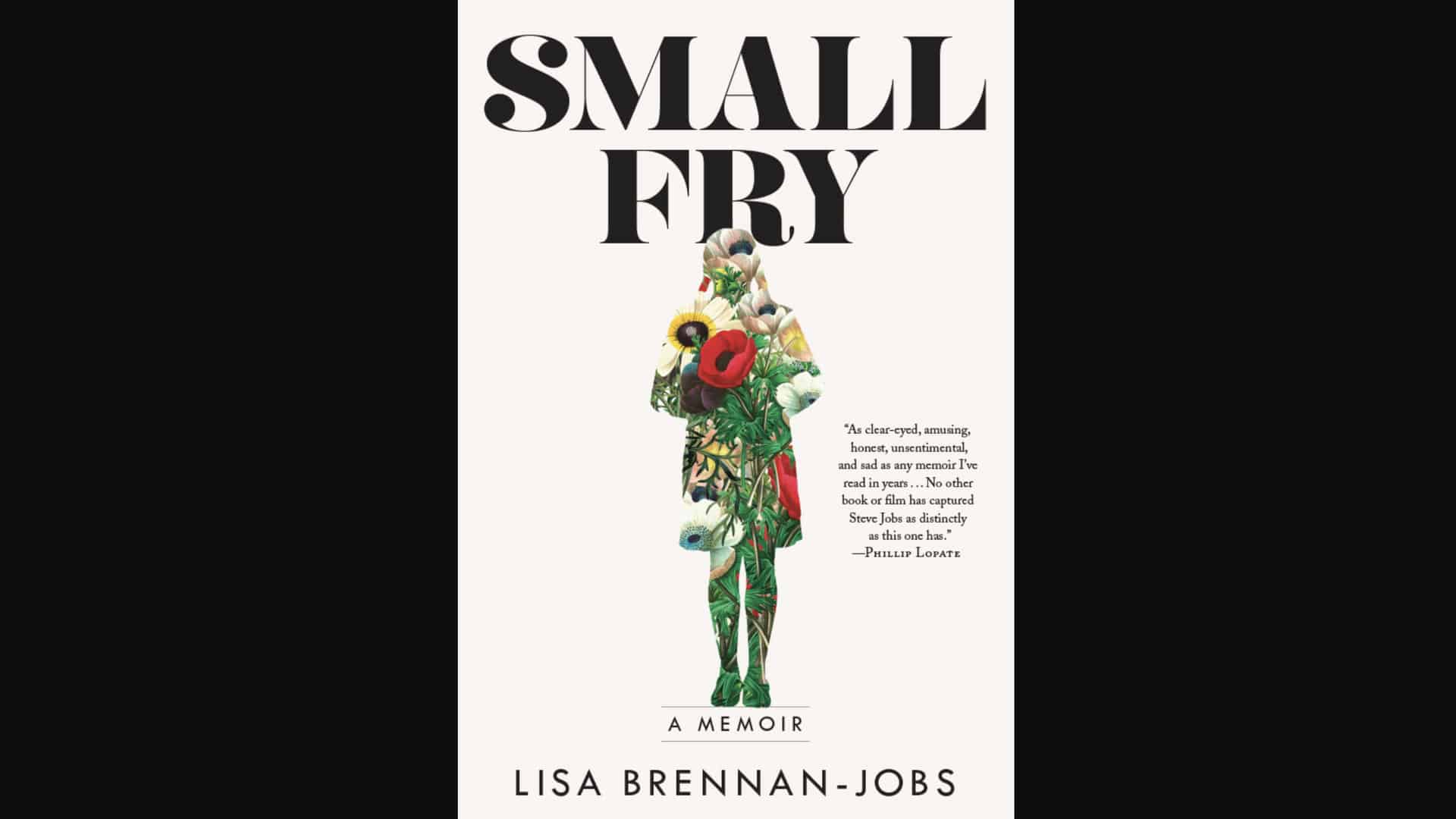
Small Fry, the memoir written by Steve Jobs’ oldest daughter Lisa Brennan-Jobs, is out in paperback this week. It launched in hardcover in September 2018.
The book describes the difficult relationship Lisa had with her father, who famously denied his daughter’s paternity. The pair eventually forged a relationship, although it was often a challenging one.
Apple's "Get a Mac" campaign got laughs at Microsoft's expense from 2006 to 2009. Photo: Apple
Justin Long, the “Mac” to John Hodgman’s “PC” in the now-famous ads from Apple, said the funnier commercials were kept off the air by company founder Steve Jobs.
It’s not because Jobs lacked a sense of humor as Long revealed over the weekend to host Lola Ogunnaike on PeopleTV’s Couch Surfing.
The rainbow stage inside Apple Park is expected to be the center of a huge event this weekend. Photo: Duncan Sinfield
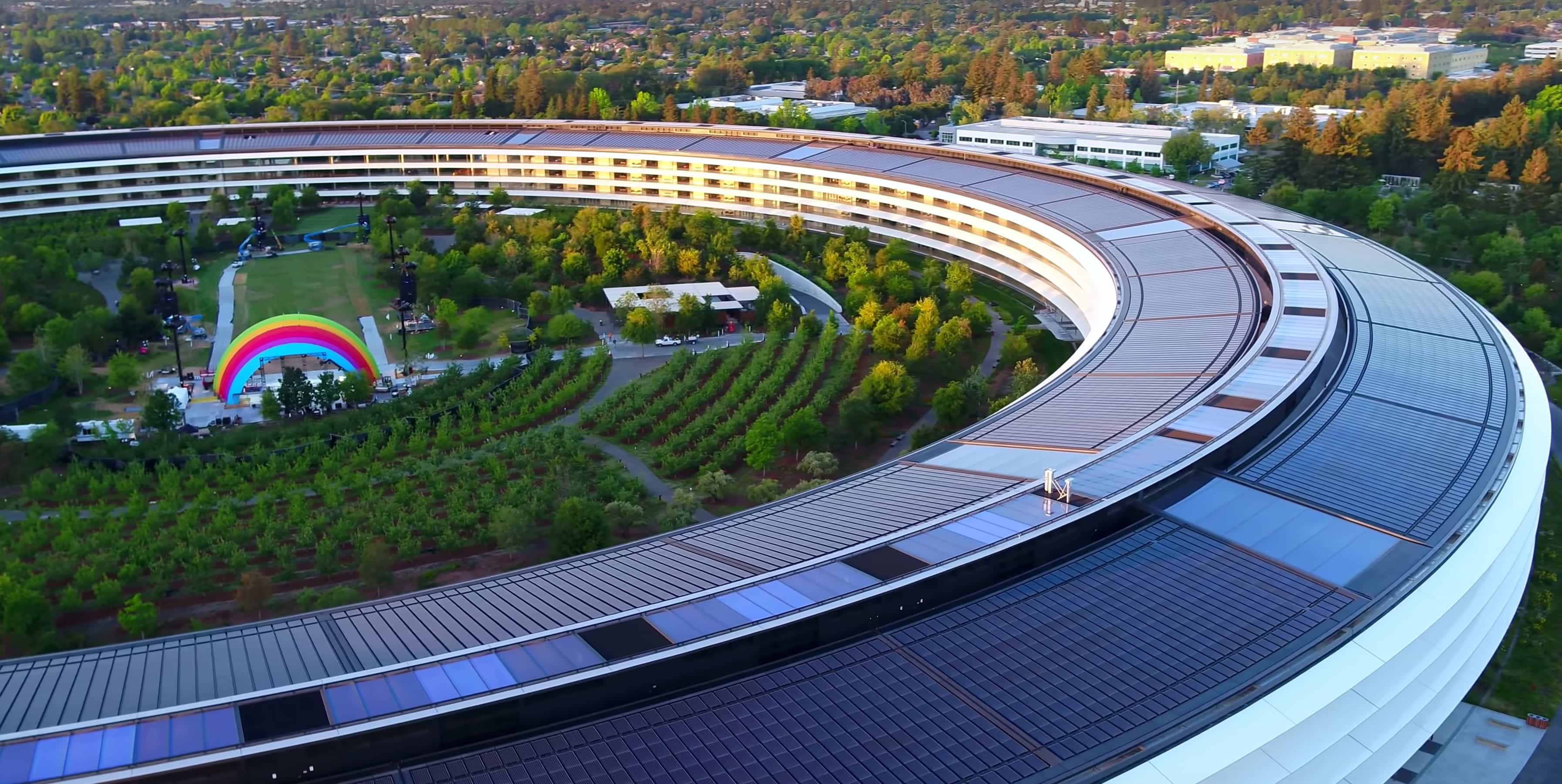
The rainbow-colored stage that appeared recently at Apple HQ is about to get its first big-name act; Lady Gaga is reportedly going to perform at the opening event for Apple Park, the company’s ring-shaped campus in Cupertino.
Updated: She did! And Tim Cook tweeted about it early this morning.
The Jobs family home in Palo Alto. The vacant lot is located just a few minutes' walk away. Photo: Leander Kahney/Cult of Mac
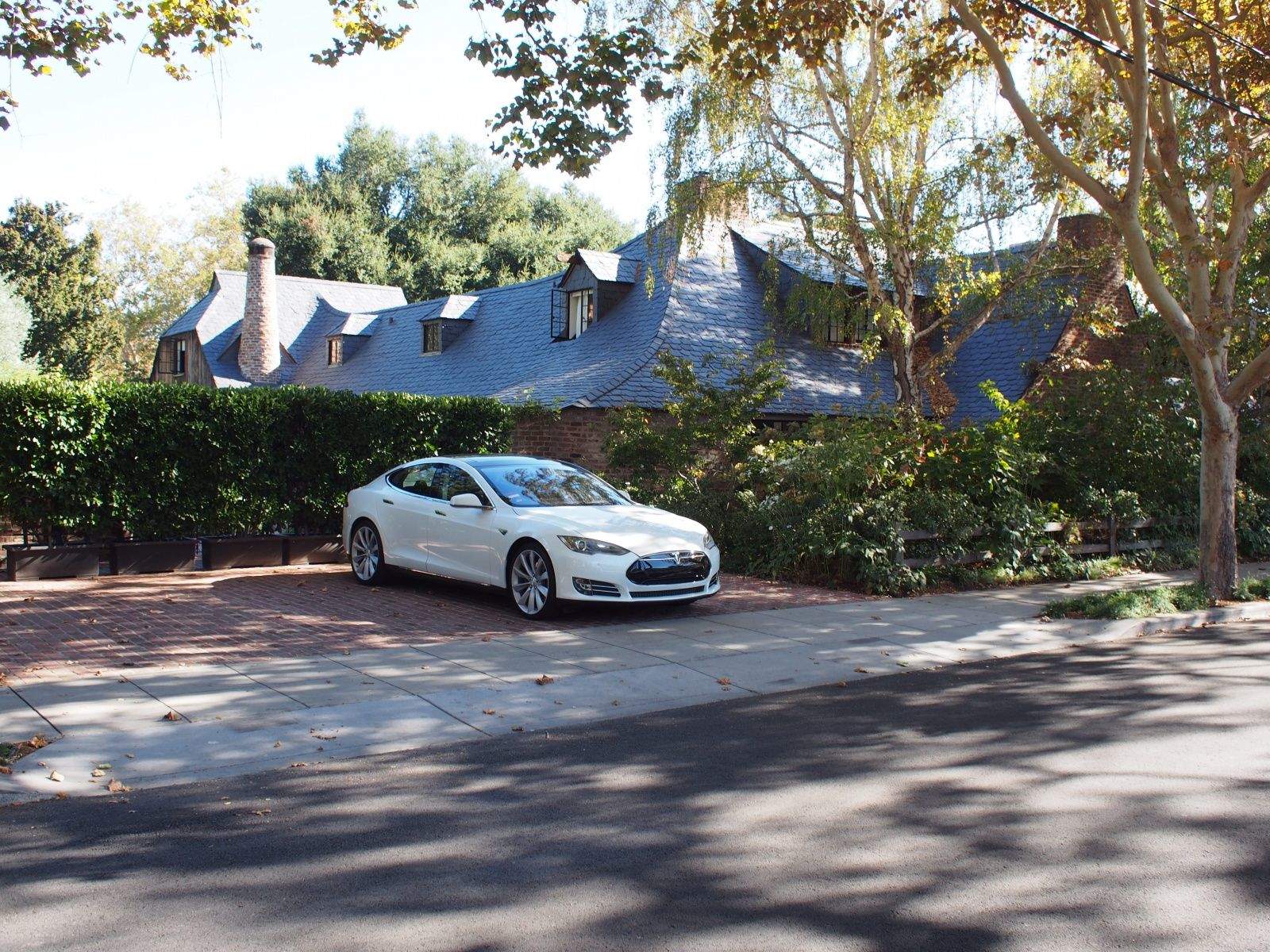
Compared to many other high tech CEOs, Steve Jobs wasn’t ostentatious with his home. He didn’t live in a giant mansion with drivers, butlers and security. Instead, the Jobs family shared a relatively modest 1930s Tudor-style home in Old Palo Alto.
But looks can be a bit deceiving. A rare quarter-acre lot just came up for sale in Jobs’ neighborhood — and if you fancy building your home within minutes of where Apple’s late CEO lived, it’s going to cost you a whole lot. A whopping $9 million to be exact!
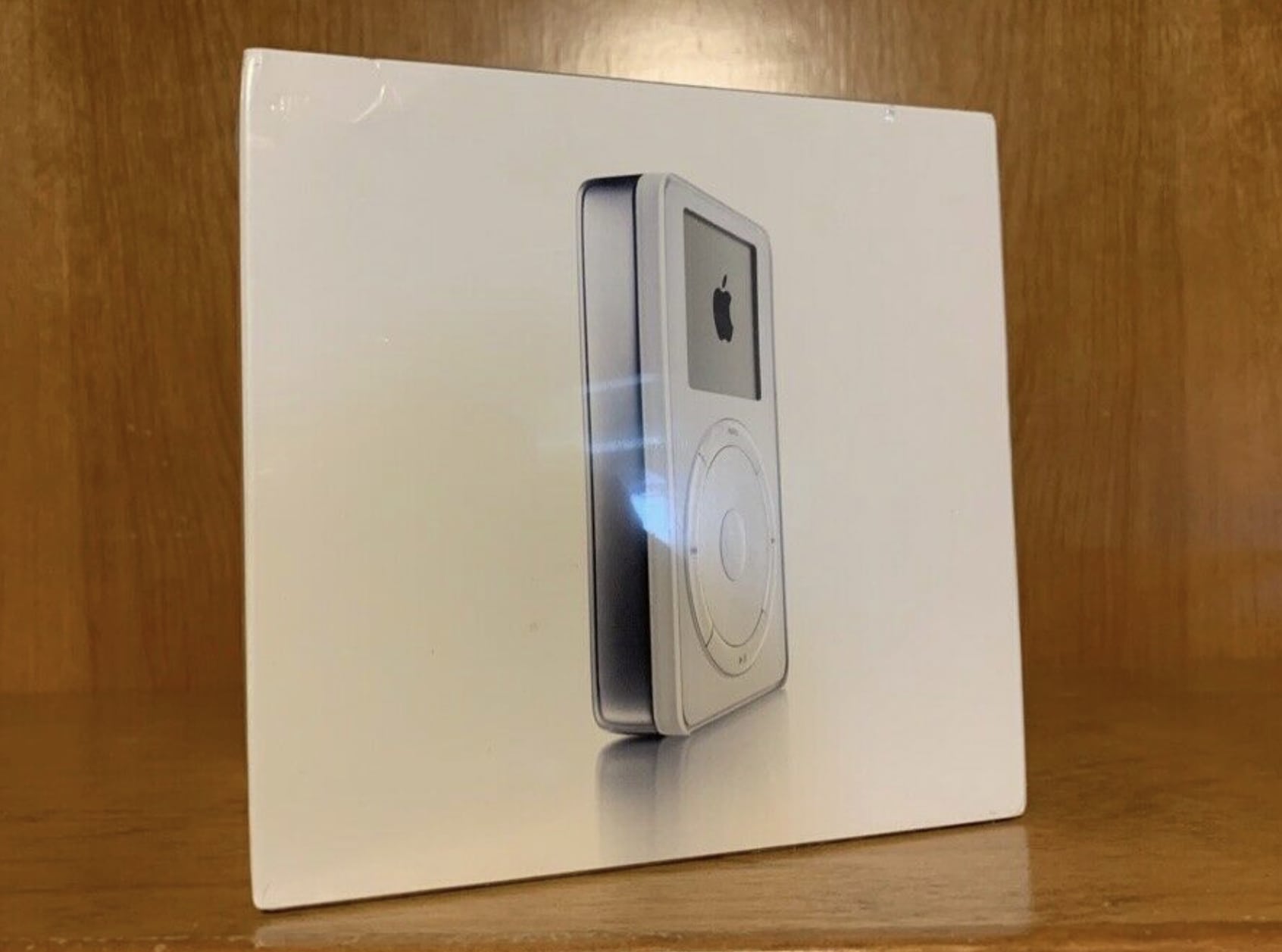
Apple devices famously hold their value well, and if they’ve never been used, they can fetch a lot more than they originally cost. But would you pay $19,995 for a classic iPod?
That’s exactly how much one eBay seller is asking for a first-generation unit that comes in its “unopened original box.”
Steve Jobs, The Prophet. Photo: Sebastian Errazuriz
Few modern-day figures inspire art like Apple co-founder Steve Jobs. His face has been painted on canvas, tattooed on forearms, vilified on the silver screen and deified in sculpture.
Now, Jobs is the first figure in an exhibit in New York next month featuring busts and full-body statues of Silicon Valley titans by Chilean artist Sebastian Errazuriz.
Musical would have told the story of Steve Jobs and Bill Gates' rivalry. Photo: Joi Ito/Flickr CC
An abandoned 2016 musical about the rivalry between Steve Jobs and frenemy Bill Gates has resulted in the producer being sued for $6 million.
The musical’s producer allegedly told investors he had funding from Microsoft for the project. In fact, the musical was $1 million in debt at the time. It was ultimately canceled just two weeks before it was due to open.
In 1990, Steve Jobs built another highly-automated factory, where robots did almost all of the assembly of NeXT computers. Photo: Terrence McCarthy, used with permission.
This post was going to be part of my new book, Tim Cook: The Genius Who Took Apple to the Next Level, but was cut for length or continuity. Over the next week or so, we will be publishing several more sections that were cut, focusing mostly on Apple’s manufacturing operations.
This is Part 2 of a two-part section on Apple’s misadventures in manufacturing. Part I is here.
Steve Jobs carried his dream of end-to-end control over manufacturing to NeXT, the company that Jobs founded after being booted out of Apple in 1985. It was here that he learned a tough lesson about manufacturing: that sometimes it’s more trouble than it is worth. Or, perhaps more kindly, that great manufacturing capabilities mean nothing if you don’t have a product people want to buy.
Steve Jobs built a highly automated Macintosh plant grandly called the "factory of the future." Photo: Apple Maps
This post was going to be part of my new book, Tim Cook: The Genius Who Took Apple to the Next Level, but was cut for length. Over the next week or so, we will be publishing several more sections that were cut, focusing mostly on Apple’s manufacturing operations.
Steve Jobs always had a deep fascination with automated factories. He was first exposed to them during a trip to Japan in 1983. At the time, Apple had just created a new floppy disk drive called Twiggy. During a visit to Apple’s factory in San Jose, however, Jobs became irate when he discovered the high failure rate of Twiggy drives Apple was producing. More than half of them were rejected. Jobs threatened to fire everyone who worked at the factory