The Beats Studio3 and Beats Solo3 wireless headphone lineups both got updated with new color options today.
Apple is putting out a new Skyline collection of color options for the Studio3 headphones. The collection’s four color options are crystal blue, desert sand, midnight black and shadow gray. Meanwhile, the Solo3’s have a new Mickey Mouse themed option to celebrate the famous cartoon character’s 90th anniversary.
There’s Mother’s Day, Father’s Day, Independence Day, Labor Day, and … Steve Jobs Day? Yep, it’s true: If you live in California, then today — October 16 — is officially Steve Jobs Day.
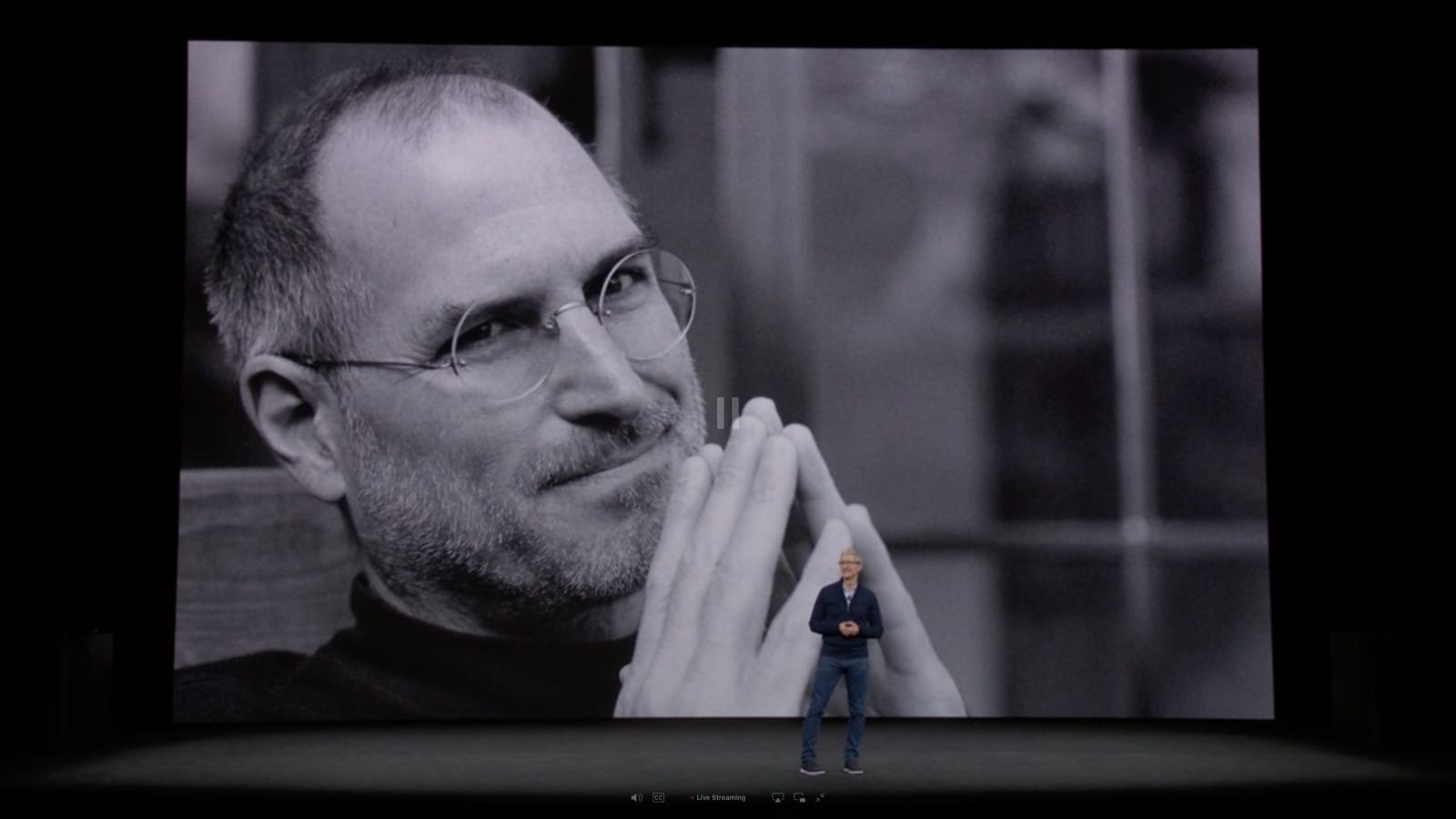
Tim Cook paid tribute to Steve Jobs on the anniversary of his death. Screenshot: Apple
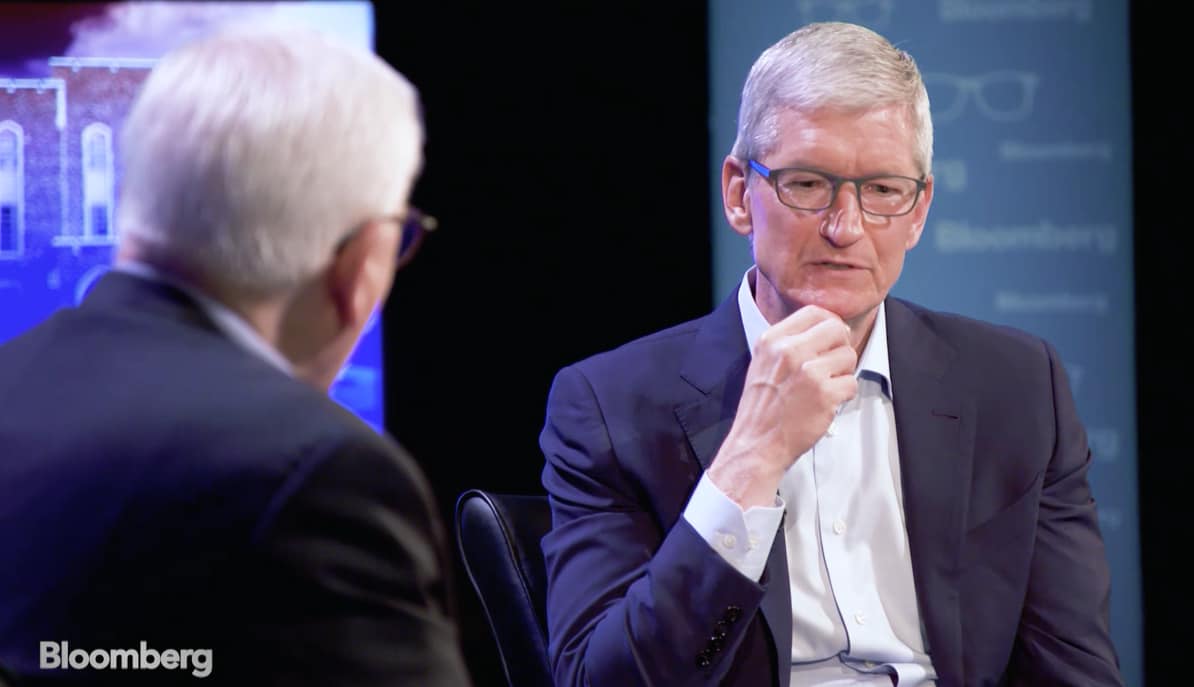
Today marks seven years since Steve Jobs passed away at the age of 56. Paying homage to his former boss, Apple CEO Tim Cook posted a message on Twitter in which he made clear how much Steve meant to him personally — and to Apple as a whole.
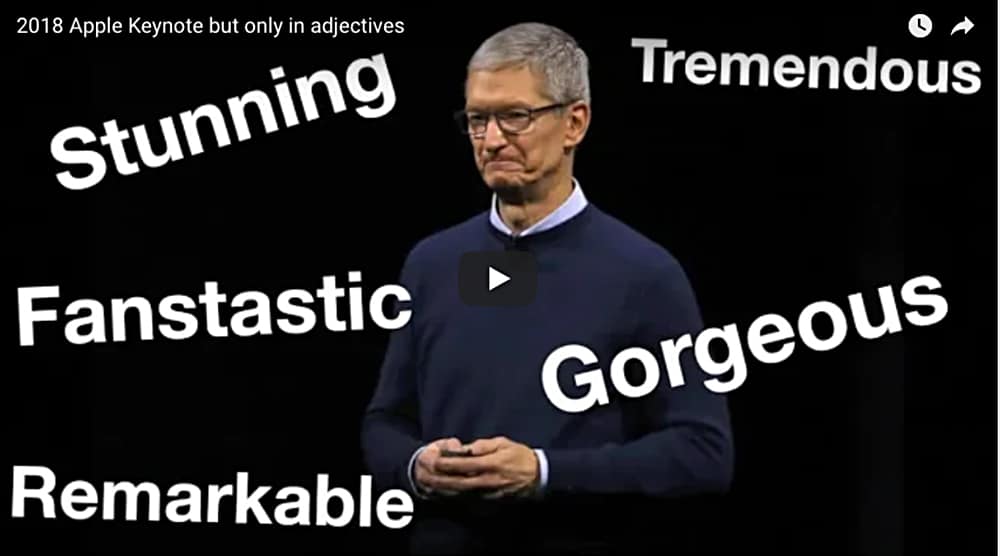
The iPhones may change but the words describing remain the same. Screenshot: James Brown/YouTube
When you compare the iPhone 4 to the iPhone XS, virtually everything has changed. All except the script Apple uses when introducing its new handsets to the public.
This is the tongue-in-cheek observation of James Brown, a YouTuber and Reddit user who posted a video comparing the use of adjectives from Steve Jobs in 2010 with Apple executives talking about the iPhones XS and XS Max at last week’s new product showcase.
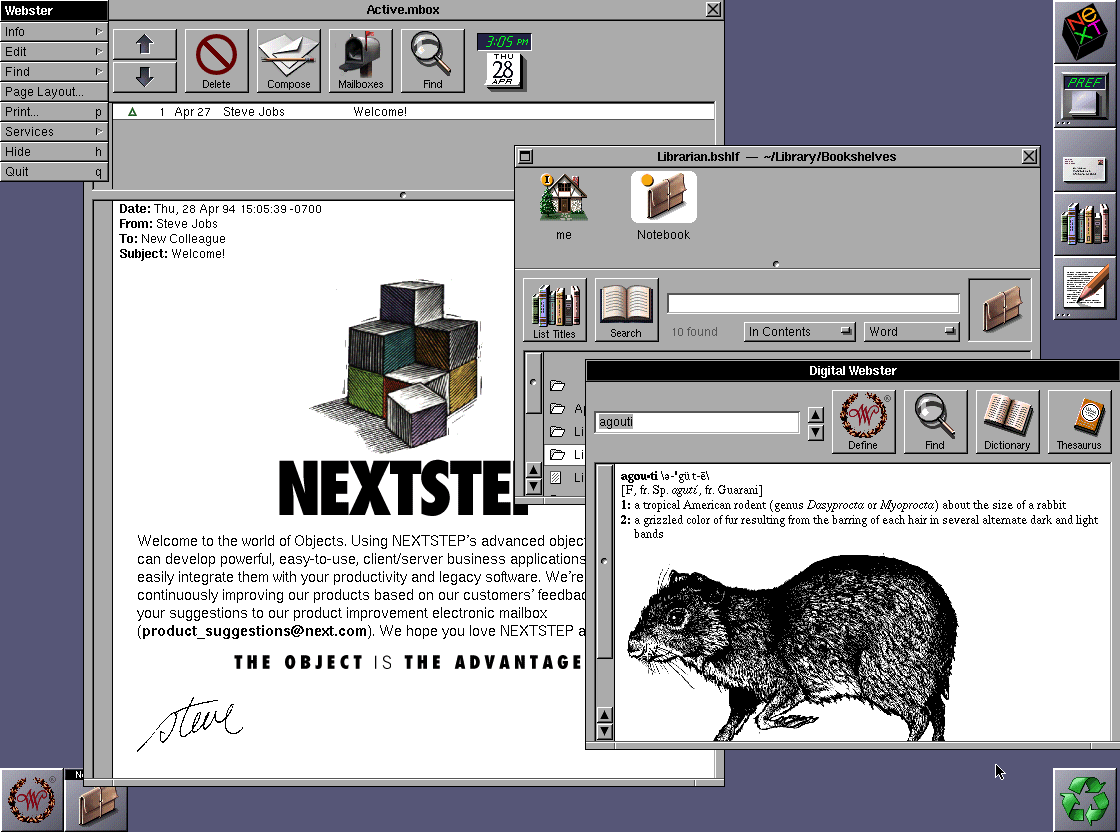
NeXTStep was an operating system ahead of its time. Image: NeXT
September 18, 1989: Steve Jobs’ company NeXT Inc. ships version 1.0 of NeXTStep, its object-oriented, multitasking operating system.
Incredibly advanced for its time, NeXTStep is described by The New York Times as “Macintosh on steroids.” In an ironic twist, the operating system Jobs plans to use to compete with Cupertino turns out to be one of the things that saves Apple a decade later.
"Do you want to eat pasta all your life, or join me and change the world?" Photo: Lou Stejskal/Flickr CC
It’s not exactly breaking news that Steve Jobs was a great salesman. But a hilarious anecdote from Adam Fisher’s recent oral history of Silicon Valley, Valley of Genius, gives a great example of Jobs’ next-level skills.
Want to know how Jobs persuaded a product marketing expert from Microsoft to join his company NeXT? It turns out it involved little more than a bit of patented Steve Jobs charm — and a helping hand from a local Italian restaurant menu.
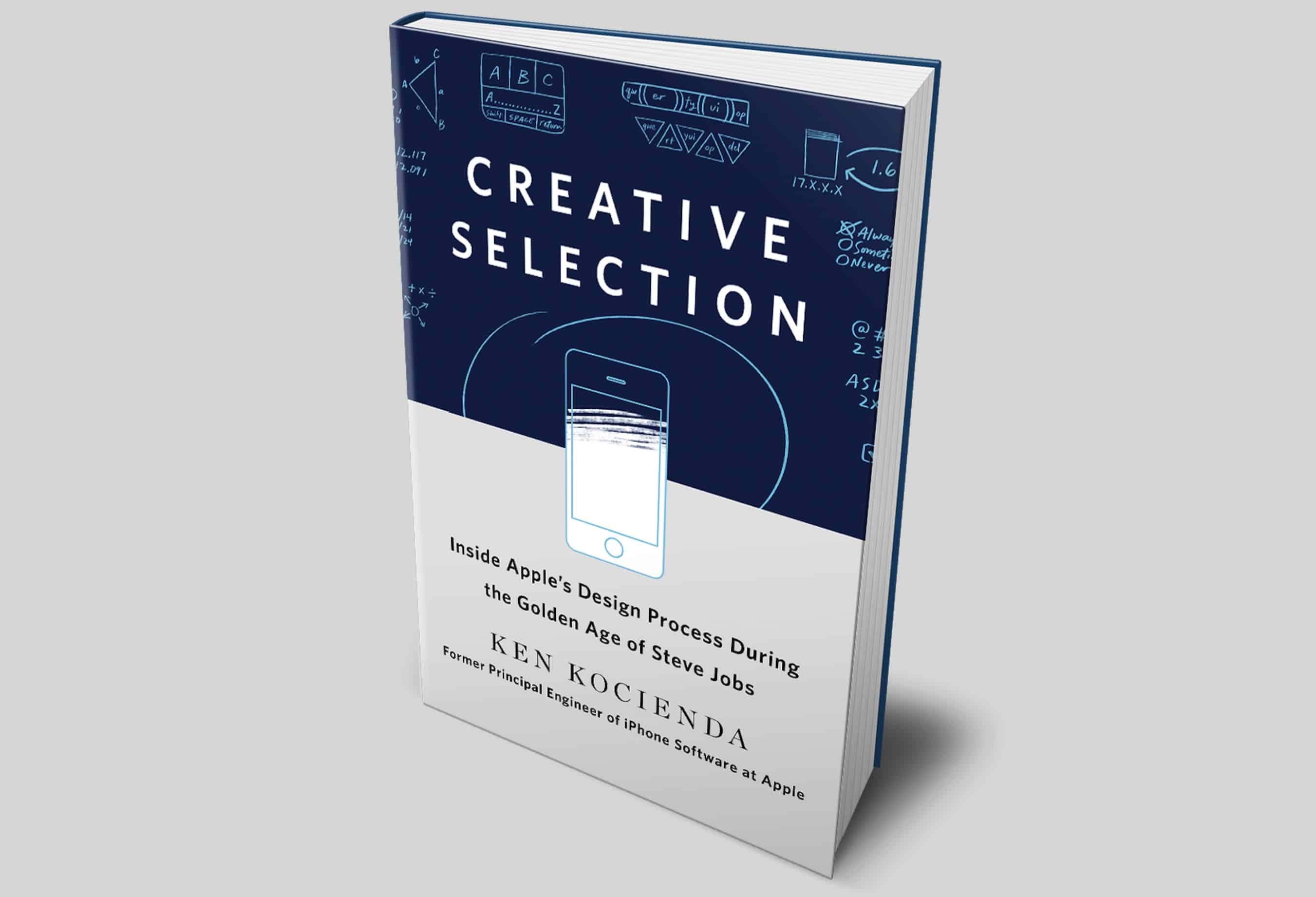
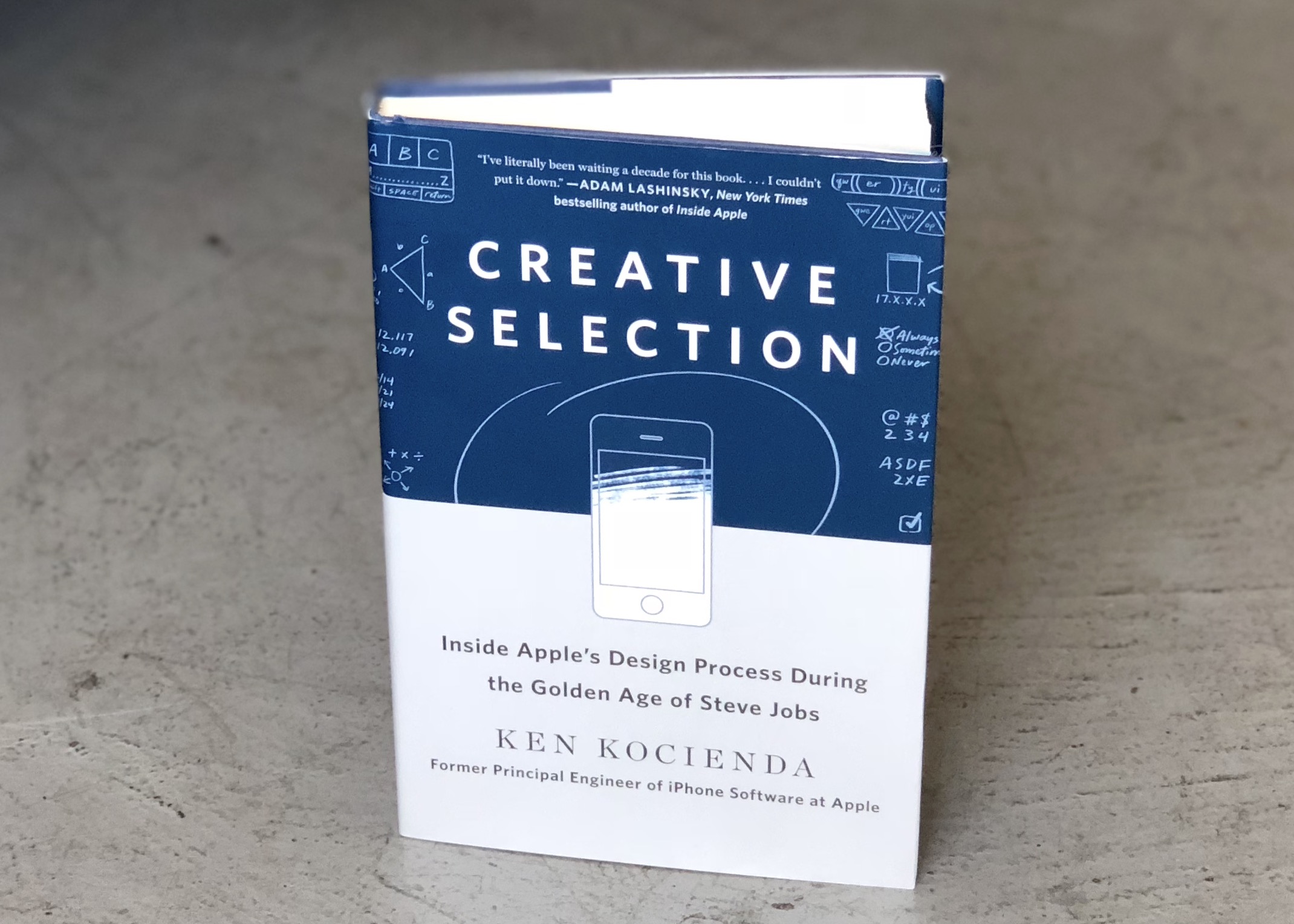
Ken Kocienda's book, Creative Selection: Inside Apple's Design Process During the Golden Age of Stave Jobs. Photo: St. Martin's Press
Why couldn’t you type the F-word on the iPhone? Why did Steve Jobs make weird eye movements during demos? What kind of manager was Scott Forstall?
These and other questions are answered in a new book by Ken Kocienda, a former iPhone programmer who spent 15 years at Apple helping to develop the first iPhone, iPad and Safari web browser.
Back in 1996, Steve Jobs’ sister, Mona Simpson, wrote a novel about a Silicon Valley tycoon who has a difficult and distant relationship with his oldest daughter. He even denies her paternity altogether, and then hands out meager amounts of child support to look after her and her mom.
At the time, Jobs denied that the protagonist in A Regular Guy was closely based on him. Others thought differently, however. More than 20 years later, Lisa Brennan-Jobs’ new memoir describes just how accurate Simpson’s novel was. And what she thought of it.
Think Steve Jobs was tough as a boss? Here's what he was like as a father. Photo: Luke Dormehl/Cult of Mac
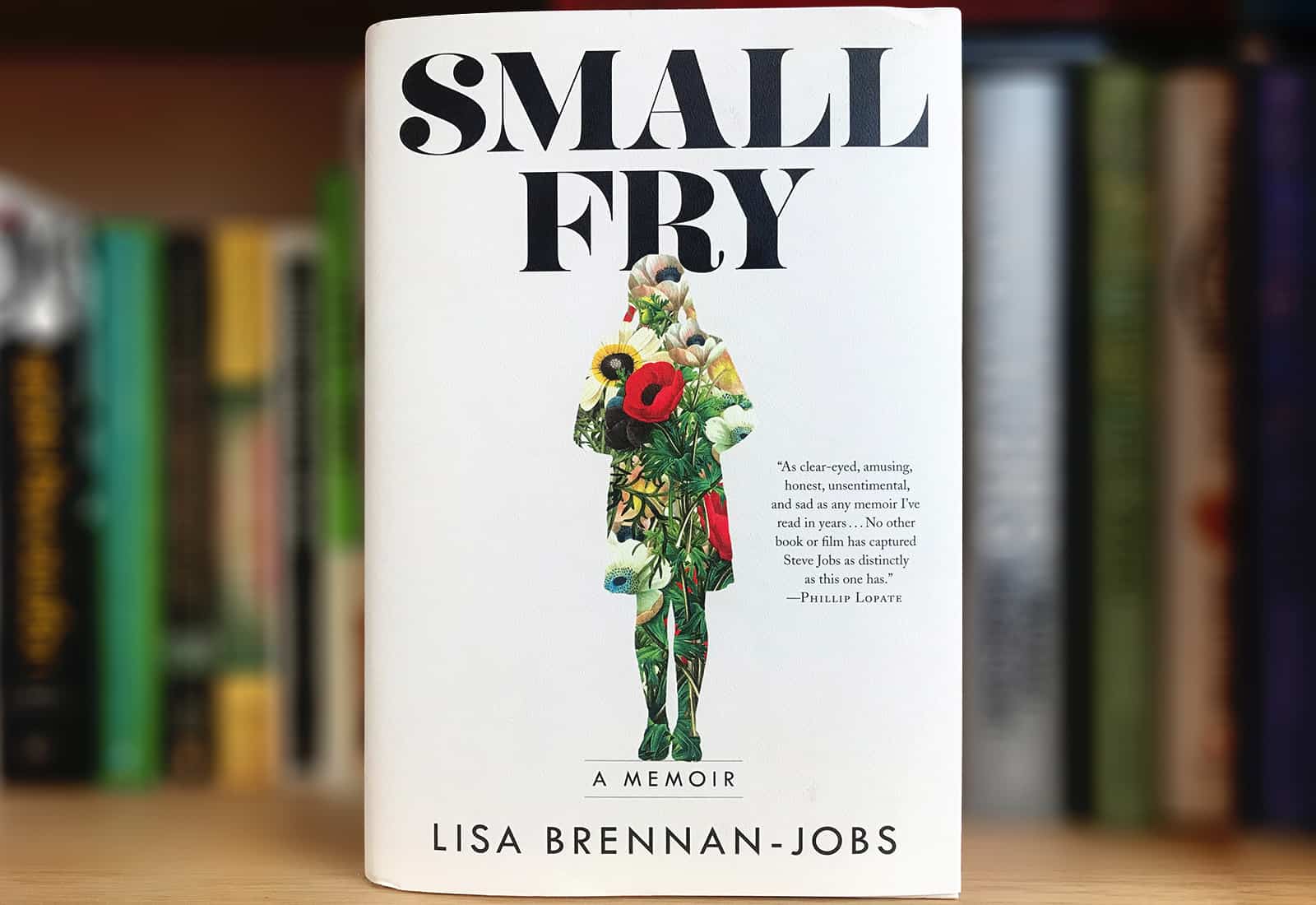
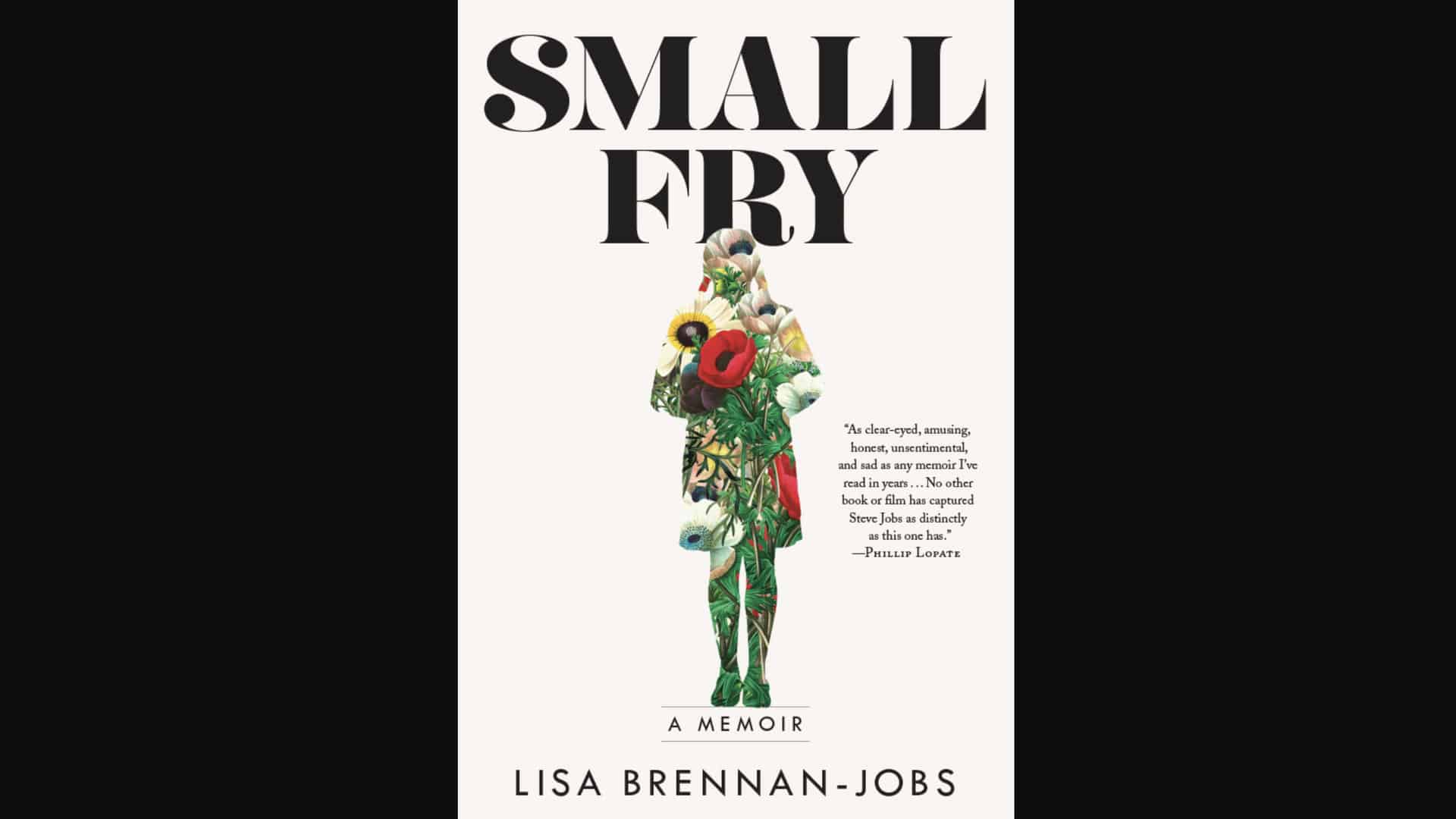
Small Fry is the memoir of Lisa Brennan-Jobs, the daughter Steve Jobs didn’t want. Frequently sad and occasionally disturbing, it’s not the airbrushed portrait of Steve that Apple would like to see in print.
But it also relays some charming moments, showing us a side of the Apple co-founder that we’ve never seen before. It’s a glimpse of Steve Jobs at his most personal.
Former Apple programmer Ken Kocienda has written a great insiders account of how the company makes its products. Photo: Leander Kahney/Cult of Mac
“It’s this long process of demos and decisions and feedback that creates this long, iterative progression … that leads you from not-very-promising ideas to products you can ship.”
Curious what it was like to work at Apple during its Golden Age of design? What exactly did the creative process look like? On this episode of the Apple Chat podcast, I sit down with Ken Kocienda, a programmer who spent 15 years at Apple during the Steve Jobs era. He worked on the first versions of the Safari web browser, iPhone, iPad and Apple Watch. His new book, Creative Selection: Inside Apple’s Design Process During the Golden Age of Steve Jobs, chronicles his experiences working at the company and offers an inside look at the creative process that made the team successful.
On the podcast, Kocienda discusses his role in the development of the iOS keyboard, explaining how text entry evolved and offering insight into the autocorrect algorithm. He walks us through the Darwinian process of creative selection, describing how the demo pyramid functioned to provide feedback and move an idea from prototype to product. Listen in for his experience presenting a demo to Jobs himself and learn how the original spirit of the Macintosh lives on at Apple today!
Ken Kocienda's new book offers an insider's account of how Apple makes great software. Photo: Leander Kahney/Cult of Mac
When Steve Jobs died in 2011, pundits wondered how the company would continue to make great products without him.
The question is partly answered by programmer Ken Kocienda’s new book, Creative Selection, which describes his 15 years working at Apple helping to develop the original iPhone, iPad and Safari web browser.
Kocienda’s book is a remarkable insider’s story that shows how Apple creates the software that it’s rightly famous for.
And yes, Lisa was the naming inspiration for Apple's Lisa computer. Photo: Grove Press
Small Fry, the memoir written by Steve Jobs’ oldest daughter Lisa Brennan-Jobs, is out today. The book details Lisa’s challenging relationship with her famous father, who early on denied his daughter’s paternity, before eventually forging a (still difficult at times) relationship with her.
Bringing John Sculley (pictured) to Apple was a career highlight. Photo: Web Summit/Flickr CC
You probably don’t know the name Gerry Roche, but he was heavily involved in one of the most significant events in Apple history.
Roche, who died over the weekend at the age of 87, was the executive recruiter who brought John Sculley from PepsiCo to Apple in the early 1980s. Sculley wound up overseeing a massive boom in Apple’s business, the launch of the Macintosh, and — perhaps most memorably — the departure of Steve Jobs.
Lisa Brennan-Jobs, the firstborn daughter of Steve Jobs, has added her name to the list of people who weren’t fans of Jobs’ hand-picked biographer Walter Isaacson.
Isaacson wrote the mega-selling biography of Jobs published in 2011. However, since then numerous Apple insiders and people who knew Steve have criticized the book. Jobs’ daughter Lisa is the latest of these — saying that she didn’t trust the biographer, although she admits she never read his book.
You can get hired at Apple even without a fancy piece of paper telling people you got a lot of book learning. Photo: Duncan Sinfield
The traditional life plan includes four years of college then a good job. But not everyone takes this path, and sometimes the lack of a college degree keeps some people from getting a job they are otherwise qualified for. But not at Apple.
Following a non-traditional career path is no problem getting hired at Apple. And that goes for positions beyond working at its retail stores.
This bundle of lessons will sharpen your public speaking skills so you can convey your ideas more effectively. Photo: Cult of Mac Deals
Think for a second about Steve Jobs. What do you see? Most likely, it’s an image of the bespectacled, black turtlenecked tech titan talking on a stage. That’s because one of his greatest gifts was public speaking.
Apple's the most valuable company on earth, but it almost wasn't.
This week on The CultCast: The journey to a trillion! How did Apple become the most valuable company on earth? We discuss, and remember the company’s troubled history. Plus: Is the i9 MacBook Pro a total ripoff? One YouTube reviewer says yes, and his tests are convincing. We’ll fill you in. And stay tuned for the sad decline of MoviePass. Is the troubled movie service still worth it?
Our thanks to Squarespace for supporting this episode. It’s simple to accept Apple Pay and sell your wares with your very own Squarespace website. Enter offer code CultCast at checkout to get 10% off your first hosting plan or domain.
Lisa Brennan Jobs, the oldest daughter of Steve Jobs, is coming out with her first book next month. Part of the story grapples with their complicated relationship. (He denied being her father at first.)
In an excerpt from her book, Small Fry, posted today, Lisa Brennan Jobs gives glimpses into some of her dad’s last months. She also talks about how it affected her psyche when he named the Lisa computer after her but didn’t admit it to her until she was 27.
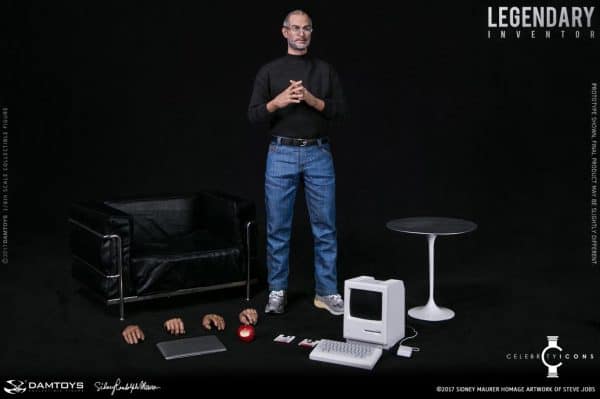
This plastic model of Steve Jobs has a better vision of the future of smartphones than many rival CEOs. Photo: DAM Toys
Ten years ago, Apple co-founder andthen-CEO Steve Jobs understood that smartphones were going to be a big deal. And he realized software would be an important part of that.
With 20/20 hindsight, it’s easy to dismiss that vision. But Jobs was talking in August 2008, a year after the release of the first iPhone, and only a month after the iOS App Store debuted. Most people had flip phones, and PCs dominated the computing landscape.
Now available wherever fine music is sold or streamed. Photo: Pentatone
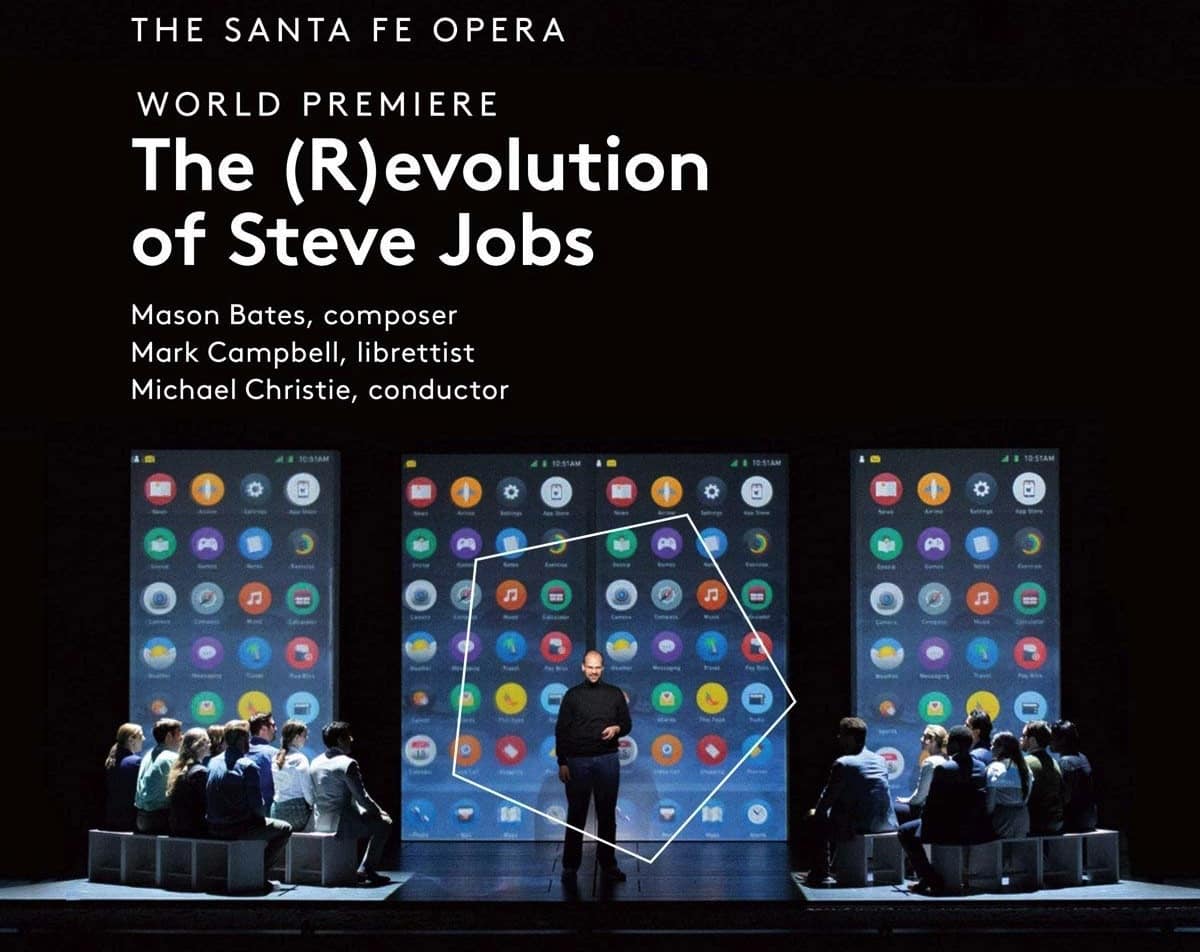
If you’ve ever wanted to listen to an opera based on the life of Steve Jobs, now’s your chance!
Called The (R)evolution of Steve Jobs, the 95-minute production comprises 19 different scenes from Jobs’ life, taking him from childhood through the founding of Apple with Steve Wozniak to his departure and eventual return to the company he helped create. Here’s how you can listen.
Steve Jobs on the cover of Time magazine in 1982. Photo: Time magazine
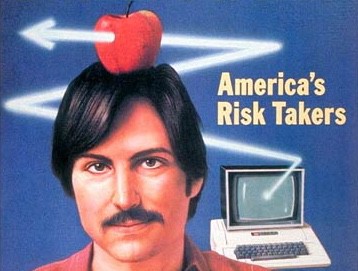
Apple co-founder Steve Jobs was a visionary. That’s a phrase that gets tossed around a lot, but in Jobs’ case we have solid evidence.
Speaking at a conference in the early 1980s, a decade before the Internet became a household name, he described something we do everyday: buy software online.
BBC's archive is a glimpse into the personal computer revolution as it took off. Photo: BBC
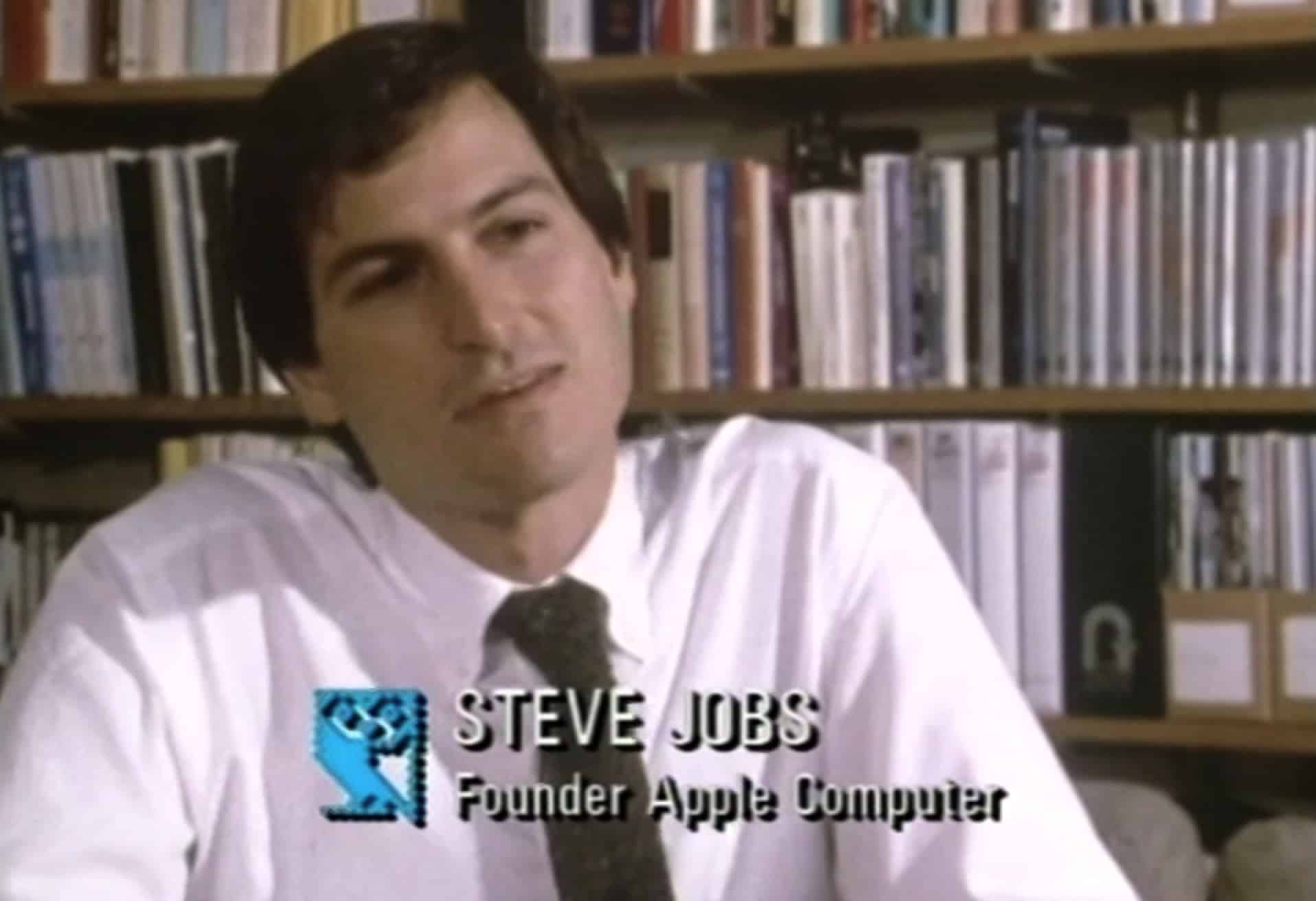
Are you a computer history nerd? Want to hear 32-year-old Steve Jobs ruminating after the future of computing, or Apple co-founder Steve Wozniak talk phone phreaking and the birth of the Apple II?
If so, you’ll almost certainly be happy to hear about an amazing new archive of classic computer industry footage which just emerged online. Created in the 1980s by the U.K.’s BBC public broadcasting company, the footage comes from something called The Computer Literacy Project, aimed at inspiring a generation of people to code.
A Steve Jobs Apple business card and three sheets of letterhead is for sale on eBay. Photo: MG Service/eBay
It’s hard to imagine Steve Jobs ever needing to pass out business cards. But even for titans of industry, business cards were standard issue and if you happened to have one from Jobs, its worth a few bucks.
A seller on eBay is hoping to get $9,000 for a couple of Jobs business cards and a few sheets of his Apple letterhead stationary.
This handy app offers a bunch of useful tools for keeping your meeting organized and on track. Photo: Cult of Mac deals
If you work with other people, you know the grinding feeling of being in a meeting that’s going nowhere. Getting together with your team should be productive, not painful. And with a little help, it can be. In the case of Steve Jobs, he had three ways to running productive meetings: keep meetings small, each participant should be responsible for one specific agenda, and don’t make meetings too formal.


 September 18, 1989: Steve Jobs’ company NeXT Inc. ships version 1.0 of NeXTStep, its object-oriented, multitasking operating system.