Mobile menu toggle

security - page 13

Jumpstart a new career in IT management and security with 4 essential exam trainings [Deals]

By

original_2033_UltimateIT_SecurityBundle_MF-Primary

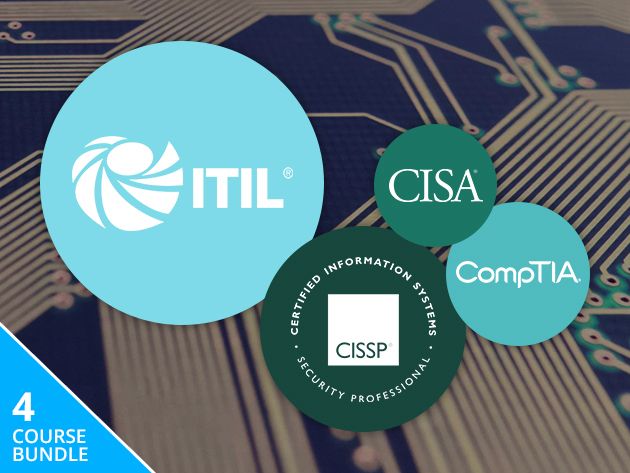
Thinking about a new career in IT management and security, but not sure where to start? We’ve made it easy. This bundle from iCollege packages together four essential certification courses that train you exactly on what you need to know. Get it for $59 at Cult of Mac Deals today—at 94% off, a deal this good doesn’t come around often.

How to hide your location from Facebook stalkers

By

Facebook is killing your battery.
Facebook may be telling people where you are.
Photo: Jim Merithew/Cult of Mac

Anyone you exchange messages with via Facebook Messenger could know where you’ve been at any point. Chatted with your boss? He could use a newly discovered hack to figure out your sick days weren’t spent at home.

Facebook intern Aran Khanna found he could figure out where his friends were going daily with a bit of code, based solely on whether he had Facebook Messenger conversations with them. It even worked with people he wasn’t Facebook friends with if he had been in the same Facebook Messenger chat group.

He calls this code Marauders Map, and anyone can use it. Luckily, it’s fairly simple to hide your location from potential stalkers.

Yes, Google can wiretap your Hangouts for the government

By

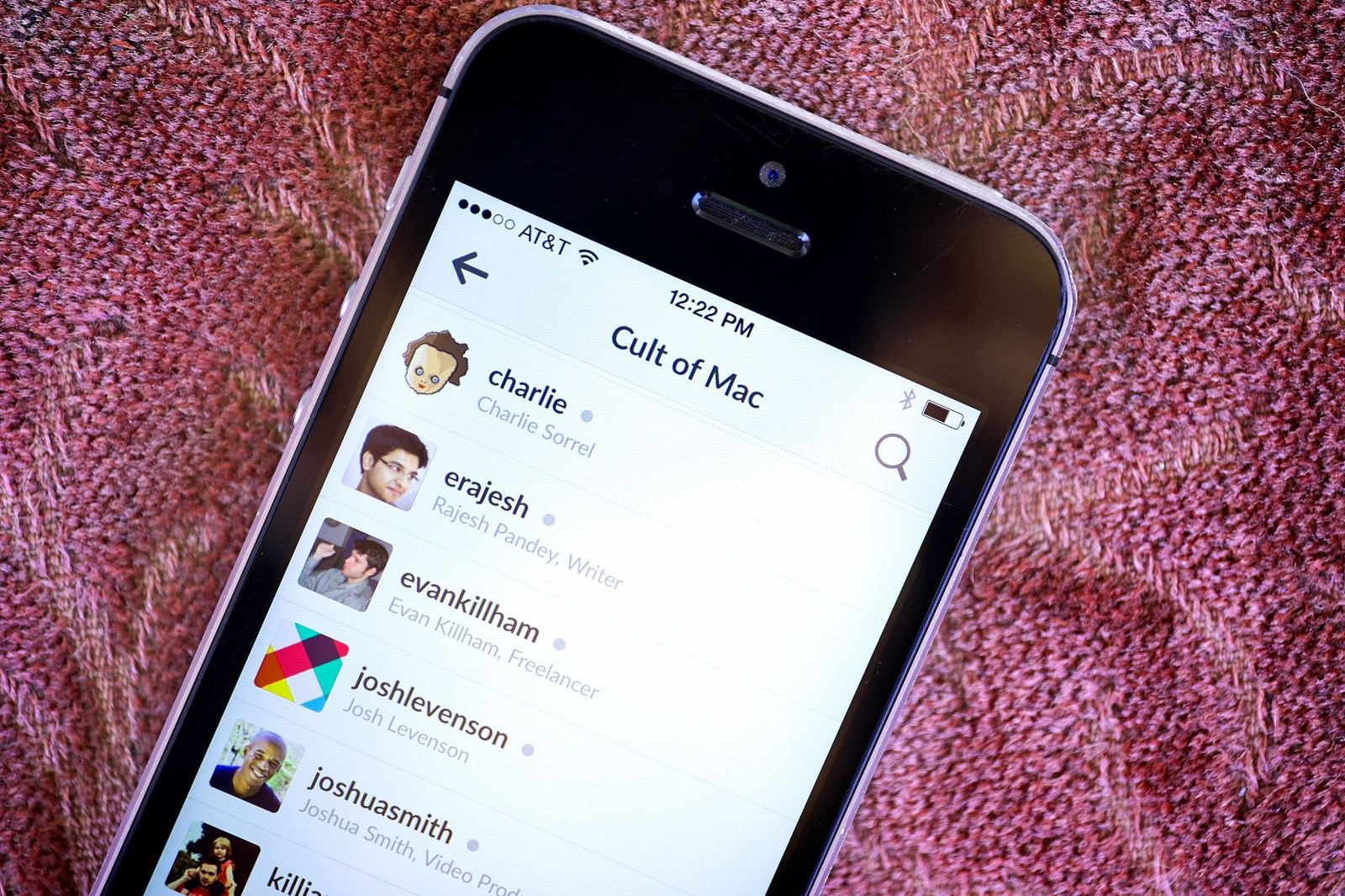
This text isn't the only message that's insecure. Photo: Evan Killham/Cult of Mac

If you’re looking to plan a heist, you’d probably best stay clear of Hangouts: Google has inadvertently confirmed that its chat platform is susceptible to police and government monitoring.

While the tech giant usually keeps quiet about Hangouts’ security features, the revelation (of sorts) came out of an “Ask Me Anything” session Friday on Reddit that included members of Google’s public policy department and legal team. Its proposed topic was “the current status of U.S. government surveillance law reform and how Google thinks about these issues,” but the questions were less about laws or reform and more about Google’s practices.

How to clear credit card info from a stolen Apple Watch

By

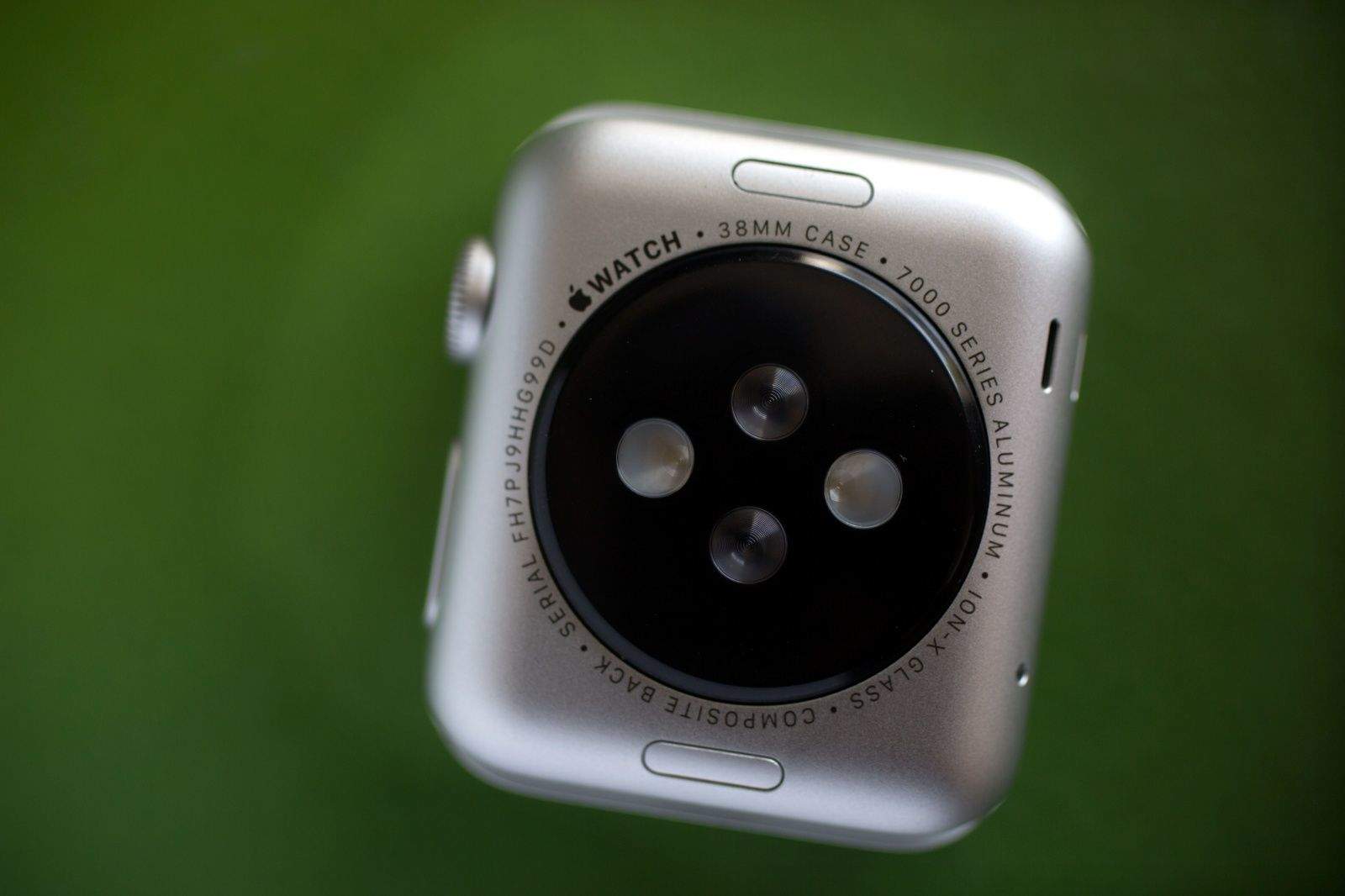
Apple Watch back
Let's hope you never have to worry about theft. Photo: Jim Merithew/Cult of Mac
Photo: Jim Merithew/Cult of Mac

So, you just got that shiny new Apple Watch. It’s amazing, right?

So amazing that someone may try to steal it from you. Sure, that sucks, but it could happen.

Here’s how to clear the credit card info from the stolen device if you no longer have physical possession of your Apple Watch.

Serious OS X vulnerability isn’t fixed after all

By

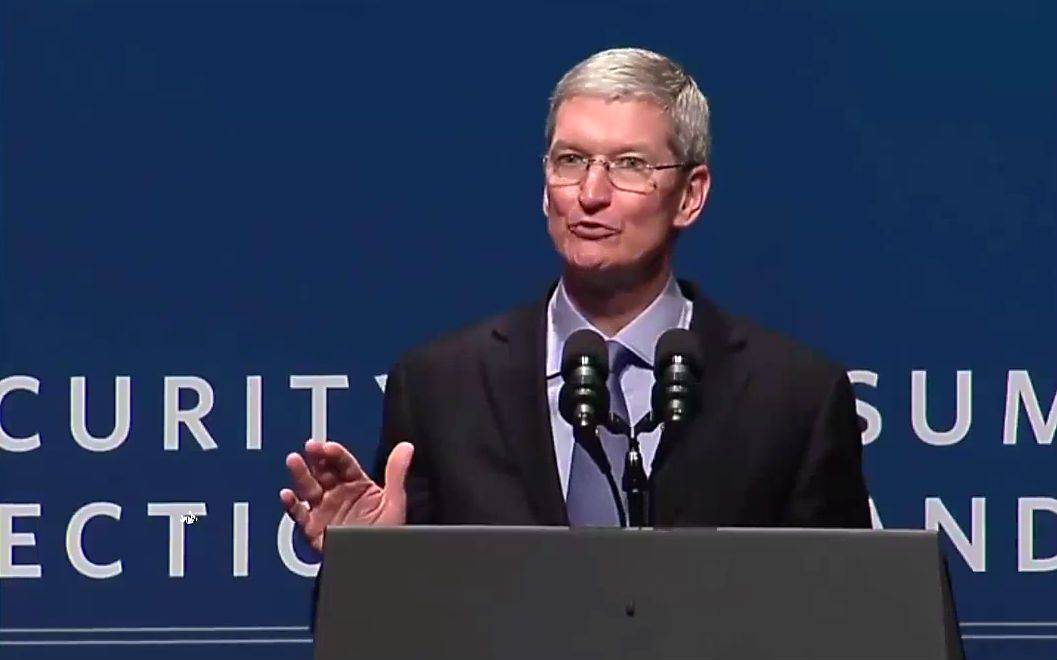
Tim Cook addresses the White House Summit on Cybersecurity and Consumer Protection. Photo: White House

A significant security flaw affecting OS X Yosemite hasn’t been fixed as previously thought, according to a former NSA staffer.

The flaw, known as Rootpipe, is said to have existed since 2011, and could allow an attacker to gain full control of another user’s Mac without requiring authentication.

Slack has been hacked

By

Cult of Mac runs on Slack. Photo: Jim Merithew/Cult of Mac

Slack, the cool new communications app that many of the world’s top companies have flocked to, just revealed that it’s been hacked.

Attackers were able to access a Slack database, the company said Friday morning. There’s no indication the hackers were able to decrypt passwords stored on the server, but Slack is immediately ramping up security efforts in response.

This brute-force device can crack any iPhone’s PIN code

By

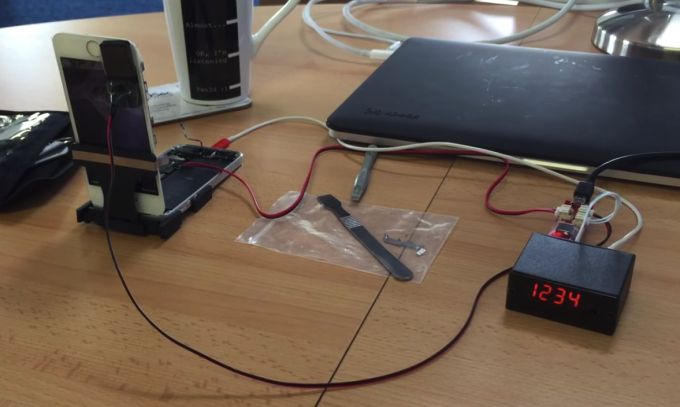
Photo: MDSec
It's not exactly the Enigma Machine, but it'll do the trick! Photo: Mobile App Hacker's Handbook

Touch ID might be a more convenient and secure security implementation than PIN codes, but for now at least PINs are sticking around — which makes your iPhone vulnerable to anyone who gets their hands on it.

Of course, your iPhone only gives you a certain number of failed guesses, which means that unless the hacker somehow quickly guesses the correct code out of the 10,000 possible combinations, your iPhone’s contents remain safe.

A new video which has surfaced online, however, shows off a brute-force machine capable of trying every possible four-digit numerical combination in turn, while also resetting your iPhone to try again when it runs out of attempts. You can check it out below.

Yahoo aims to kill passwords with on-demand codes

By

Yahoo is stepping up its security game. Photo: Yahoo

Passwords are easy to forget. They’re even easier to steal. Now Yahoo has unveiled a new scheme to make permanent passwords as outdated as Morse code.

Yahoo is rolling out its “on-demand” email passwords that utilize phone notifications so you’ll never have to memorize a password again. It works kind of like two-factor authentication, except you don’t ever have to type in your primary password.

CIA spends years trying to break Apple’s security

By

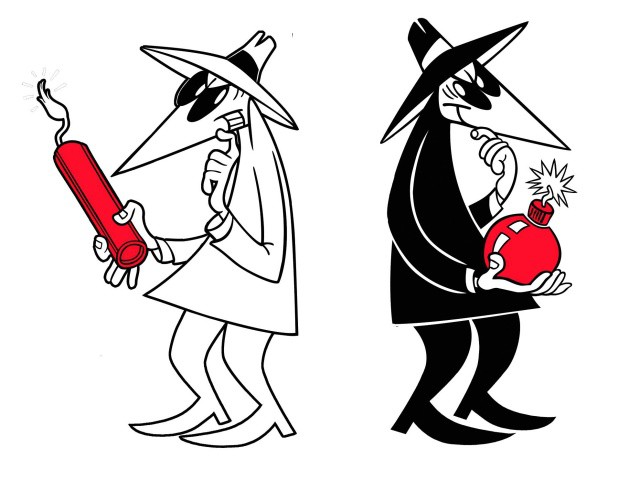
The CIA is gunning for Apple's security. Photo: Spy vs. Spy

The CIA has been been involved in a multi-year effort to crack iOS security, according to new information provided to The Intercept by whistleblower Edward Snowden. The attempts have been the focal point of multiple yearly CIA conferences called “The Jamboree.”

Among the possible solutions proposed include a means of “whacking” Xcode, the software used to create apps for iOS and Macs. Researchers claimed they had discovered a means by which Xcode could be manipulated to allow devices to be infected, so as to allow for the extraction of private data — thereby creating a “remote backdoor” that would disable core security features and allow undetected access to Apple devices.

Your iPhone has been hacked by the NSA

By

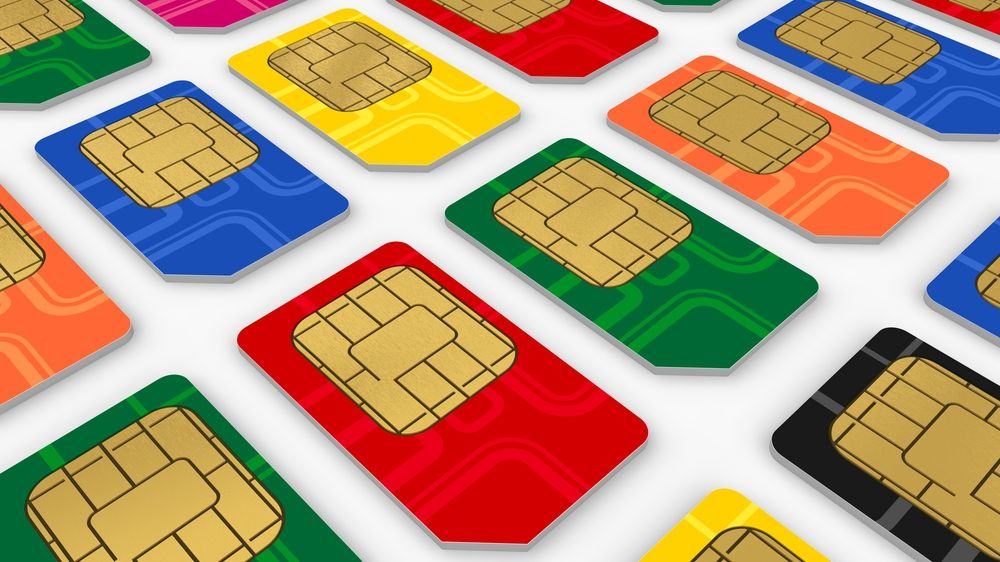
The NSA has just hacked 2 billion SIM cards around the globe, but Gemalto says it isn't that bad.  Photo: Wikicommons
The NSA has just hacked 2 billion SIM cards around the globe. Photo: Wikicommons

That iPhone in your hands? It’s been compromised by the National Security Agency through its SIM card, and government spies can access your phone through a backdoor installed on it without even needing a court order.

Sound scary? It is, and it’s the latest bombshell to be dropped by American whistleblower Edward Snowden.

iMessage and FaceTime just got a lot harder to hack

By

iMessage
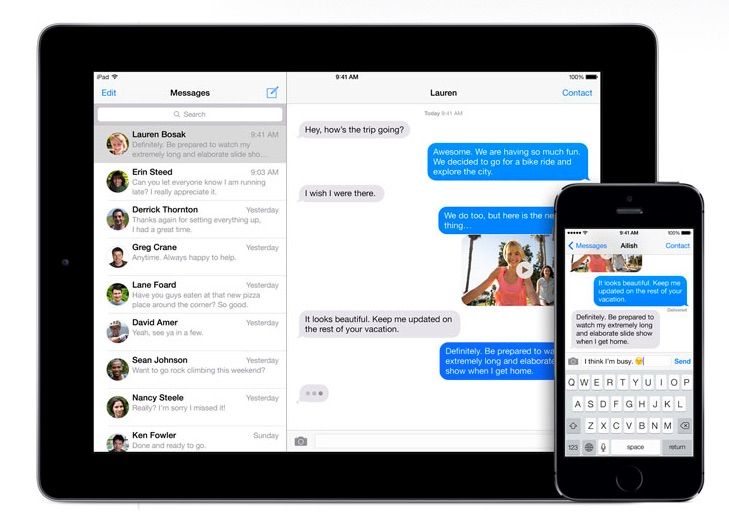
Your iMessages are now safer from the hackers. Photo: Apple
Photo: Apple

Apple is making iMessage and FaceTime harder to hack by turning on two-step verification for both services in an effort to tighten security for iOS and Mac users.

The extra security goes into effect today and gives users an extra layer of protection against hackers or anyone else trying to log in to your iMessage account to either impersonate you or steal data.

If U.K. prime minister has his way, Apple will stop encrypting iMessage and FaceTime

By

Photo: Cult of Mac
Photo: Cult of Mac

One of the great things about iMessage and FaceTime is that it encrypts your messages automatically, making it very, very difficult for hackers to spy on the messages you send.

But guess what? If U.K. Prime Minister David Cameron gets his way, iMessage and FaceTime encryption might soon be a thing of the past.

Yosemite’s Spotlight glitch could reveal your details to online spammers

By

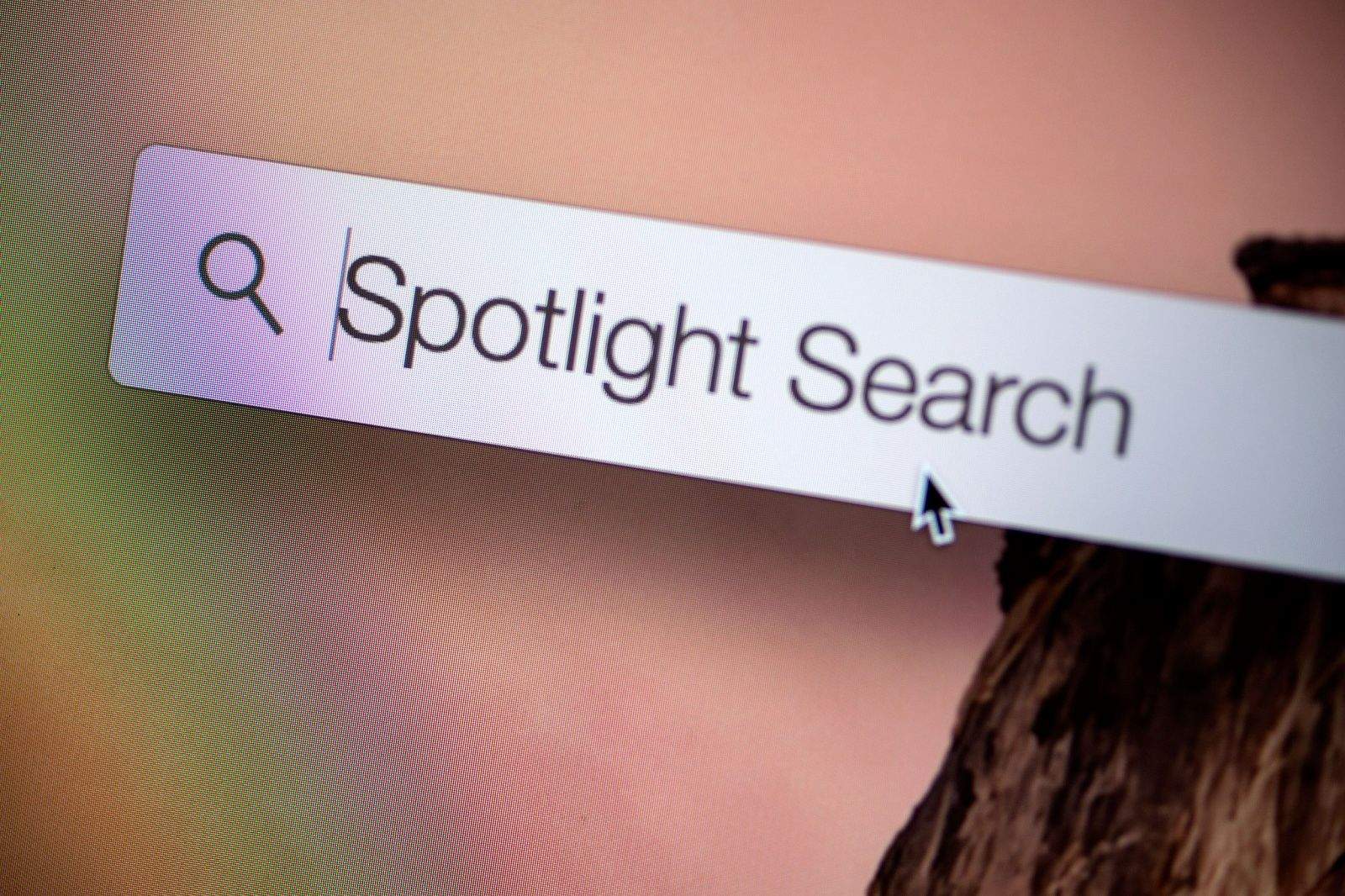
Spotlight Search could be so much better than it already is. Photo: Jim Merithew/Cult of Mac
Spotlight Search could also shine a light on your personal details. Photo: Jim Merithew/Cult of Mac

Apple is normally pretty hot on security, but a new glitch discovered in OS X Yosemite’s search threatens to expose the private details of Apple Mail users — including IP addresses, and more —  to online spammers and phishers.

The privacy risk occurs when people use Spotlight Search, which also indexes emails received with the Apple Mail email client. When performing searches on a Mac, Spotlight shows previews of emails and automatically loads external images in the HTML email.

So why is this dangerous?

Your biggest online security mistakes (and how to avoid them)

By

Don't let online hackers get into your home...directory. Photo: Scott Schiller/CC
Don't let online hackers get into your home ... directory. Photo: Scott Schiller/Flickr CC Flickr

We all make compromises daily when it comes to online security. Everybody wants to be safe and secure when making purchases online, but practically none of us do everything necessary to keep our data secure.

“People, myself included, are basically lazy,” web developer Joe Tortuga told Cult of Mac, “and ease of use is inversely related to security. If it’s too difficult, then people just won’t do it.”

With all the recent hacks into private as well as corporate data — like the credit card grab from Home Depot and the hack into Sony’s files, there’s no better time to learn some of the things we all can do to protect ourselves. We spoke to some online security experts to get their advice.

Stash all your secret files in KYMS’ encrypted calculator app

By

KYMS

Photo:

This post is brought to you by IdeaSolutions, creator of KYMS.

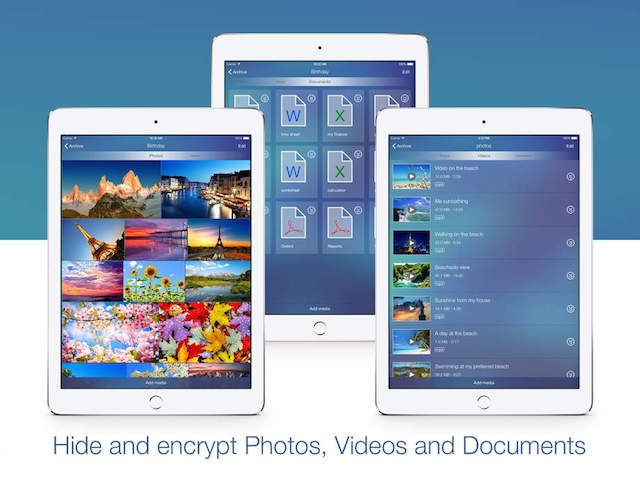
What better way to keep your media safe than to encrypt your files and hide them behind an iOS app that appears to be nothing more than a stylish calculator? KYMS (Keep Your Media Safe) encrypts all your multimedia files, photos, documents, passwords and much more, then stashes them inside a military-grade vault that’s hiding in plain sight.

Here’s how to see all the devices logged into your Google account

By

post-304537-image-ae68f0050e675e47a9a687a926f6d195-jpg

Google has launched a new online tool that allows users to see all the devices that have logged into their account in the last 28 days. If you have suspicions that someone may be logging into your Google account without your permission, you can log in and quickly identify any unauthorized access from computers and mobile devices.

Rapper shows why you shouldn’t post your password in a music video

By

A strong password means nothing if you're shouting it out. Photo: College Humor

We’re all concerned about our privacy lately. Using a different strong password for all our banking and website activities is the best way to keep malicious hackers from getting all up into our grill.

Rapper MC Safesearch, though, needs to remember not to post his passwords in the music video he’s doing about privacy and security.

Check out how this socially-conscious musician gets totally hacked during his own music video.

Apple explains how to keep yourself safe from phishing hacks on the web

By

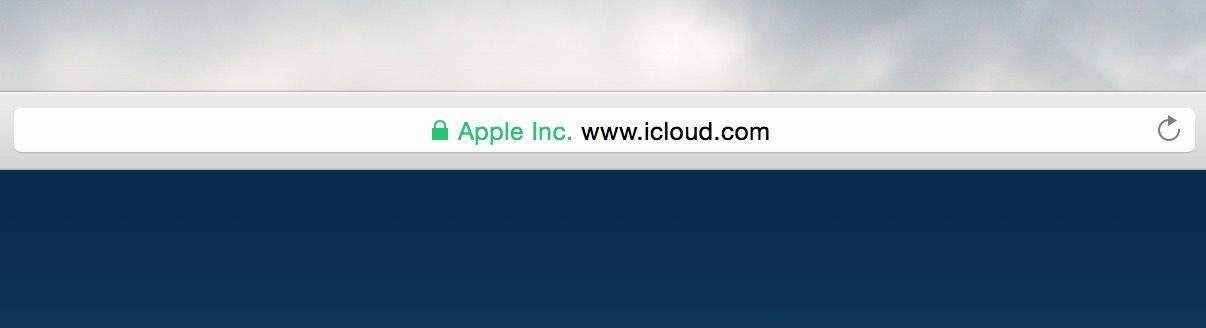
The trusty green lock you should be paying attention to while surfing.
The trusty green lock you should be paying attention to while surfing. Screenshot: Alex Heath/ Cult of Mac

Recent reports of iCloud phishing attempts in China illustrate just how important it is always verify that you’re logging into legitimate websites before you enter your precious passwords.

To help, Apple today outlined how users can protect themselves from phishing attacks, in which bad guys pose as legitimate entities in an attempt to gain sensitive data on the web. Apple’s simple PSA page shows how web surfers can verify the authenticity of any website.

Apple’s biggest security threat is you

By

Hacker who tried to extort Apple for $100k is spared prison
iCloud faces some tough security issues. Photo: Jim Merithew/Cult of Mac
Photo: Jim Merithew/Cult of Mac

iCloud passwords and security passwords can be guessed using social networking and various phishing techniques, and complex passwords and two-step verification are not as intuitive as they should be.

In a delightfully complete article over at TidBITS, author Rich Mogul lays out the facts behind the current spate of Apple security problems – most of which boil down to this: People are the weakest link in the chain.

As anyone who’s worked with technology in the past decade can tell you, the thorniest technical challenges aren’t typically those that deal directly with hardware and software. No, in most cases, the toughest things to troubleshoot and fix lie along the human spectrum. System administrators have long known this, coming up with acronyms like PEBCAK and ID-10T errors.

The same goes for security, which in Apple’s case affects an ever-increasing number of people who not be savvy to the ways of information security.

FBI director ‘very concerned’ about iOS 8 privacy features

By

The FBI director is none too happy about iOS 8's new security measures.
Photo:

Almost everyone is happy about iOS 8’s recent privacy upgrade, which means that Apple can’t unlock your phone as part of an investigation. Almost everyone, that is, except for the FBI.

Speaking with reporters Thursday, FBI director James Comey described himself as “very concerned” by steps tech companies like Apple are taking to strengthen privacy on mobile devices.

“I am a huge believer in the rule of law, but I am also a believer that no one in this country is beyond the law,” Comey said. “What concerns me about this is companies marketing something expressly to allow people to place themselves above the law.”

Apple was aware of iCloud security flaw 6 months before The Fappening

By

Celebgate hack
Picture: Killian Bell
Illustration: Killian Bell/Cult of Mac

Apple was aware of the iCloud vulnerability which resulted in dozens of nude celebrity images being leaked earlier this month.

According to emails between Apple and noted security expert Ibrahim Balic, Cupertino was given information of a similar security flaw as early as March of this year. In an email from that month, Balic informed an Apple official that he had successfully bypassed the feature designed to stop a so-called “brute-force” attack taking place.

Be careful of using any app’s browser except Safari until Apple fixes this iOS security hole

By

Be careful logging into sites like Twitter and Facebook using in-app browsers.

If you regularly use an iPhone or iPad app that uses a built-in browser, you could be vulnerable to a major vulnerability in iOS that allows unscrupulous app developers to spy on your typing.

Apple strengthens iCloud.com security with two-factor authentication

By

court order iCloud access
Plan ahead so that family can access your iPhone photos if you die.
Photo: Jim Merithew/Cult of Mac

Today Apple quietly expanded its use of two-factor authentication to protect iCloud users. Now those who have enabled the added security measure will be asked to verify their identity with a secondary device when logging into iCloud.com.

PayPal slams Apple Pay in full-page New York Times ad

By

PayPal-Credit-Mobile
PayPal has a lot to lose if Apple Pay takes off.

PayPal is feeling threatened. After Apple announced its new mobile payment platform Apple Pay last week, PayPal took out a full-page ad in The New York Times, blasting Apple’s security record in the wake of the celebrity nude scandal.

Attorney general wants to quiz Tim Cook about Apple Watch privacy

By

Photo: Apple.
Connecticut attorney general George Jepsen wants to know just closely Apple Watch will, err, watch you.

Tim Cook may have been on the receiving end of welcoming notes from other watchmakers now the Apple Watch has been announced, but not every note has been so friendly.

On Monday, the office of Connecticut attorney general George Jepsen revealed that he had sent an open letter to Tim Cook noting concerns about the privacy implications of Apple Watch, particularly related to the handling of health data.