Apple software chief Craig Federighi just answered a question that’s puzzled people for years: Why doesn’t the iPad come with a calculator app?
In a video posted Friday, he also explained why the iPad lacks a weather app.
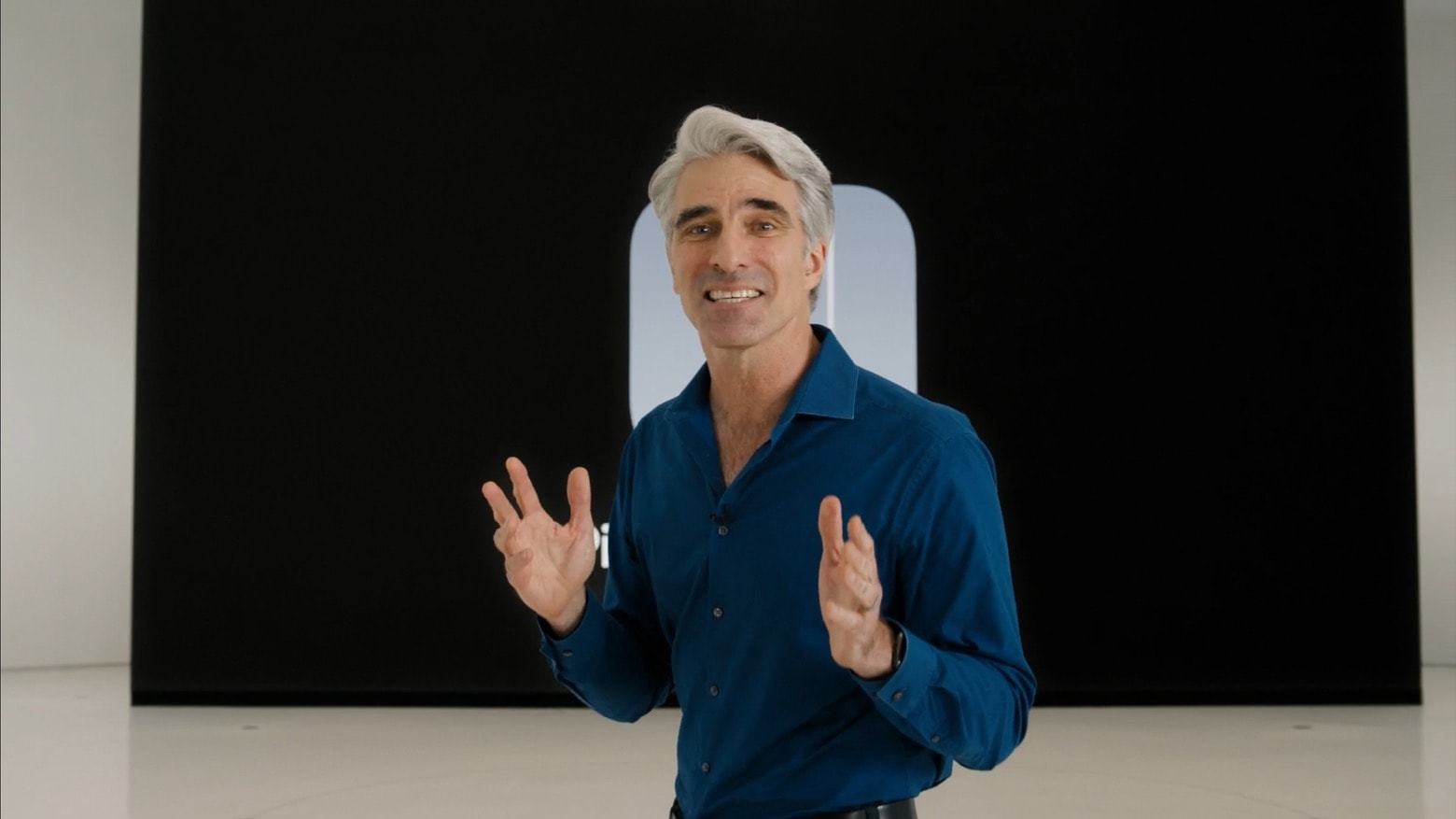
Apple software chief Craig Federighi just answered a question that’s puzzled people for years: Why doesn’t the iPad come with a calculator app?
In a video posted Friday, he also explained why the iPad lacks a weather app.

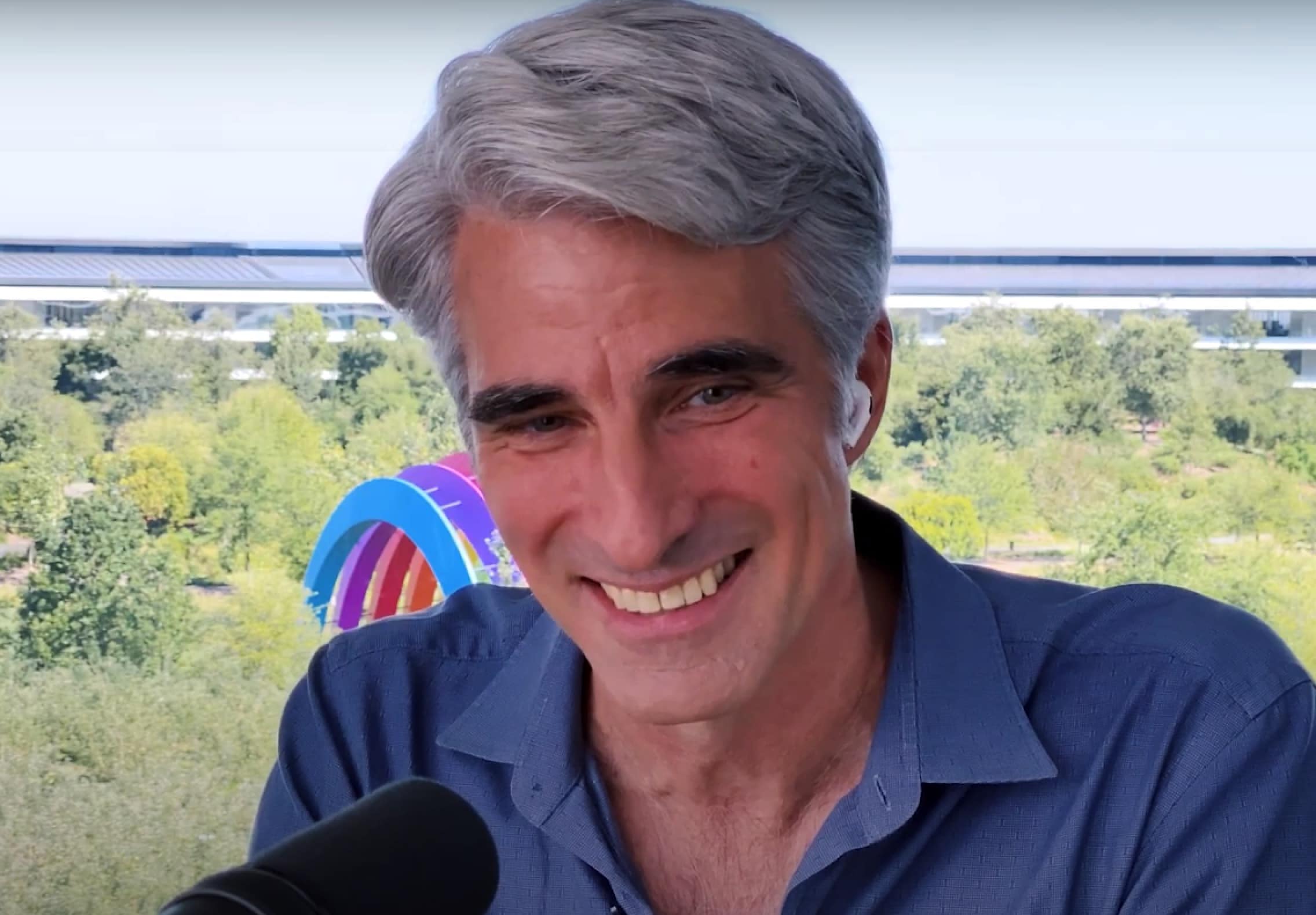
 Apple SVP of software engineering Craig Federighi and VP of product marketing Greg Joswiak discuss all the news coming out of Monday’s WWDC keynote in an interview with Daring Fireball‘s John Gruber.
Topics include the transition to Apple Silicon, the virtual WWDC, iOS and iPad OS 14, macOS Big Sur, tvOS 14 and watchOS 7. They even touch on issues like the current App Store controversy, which may trigger a Department of Justice investigation into Apple.
Check it out below.
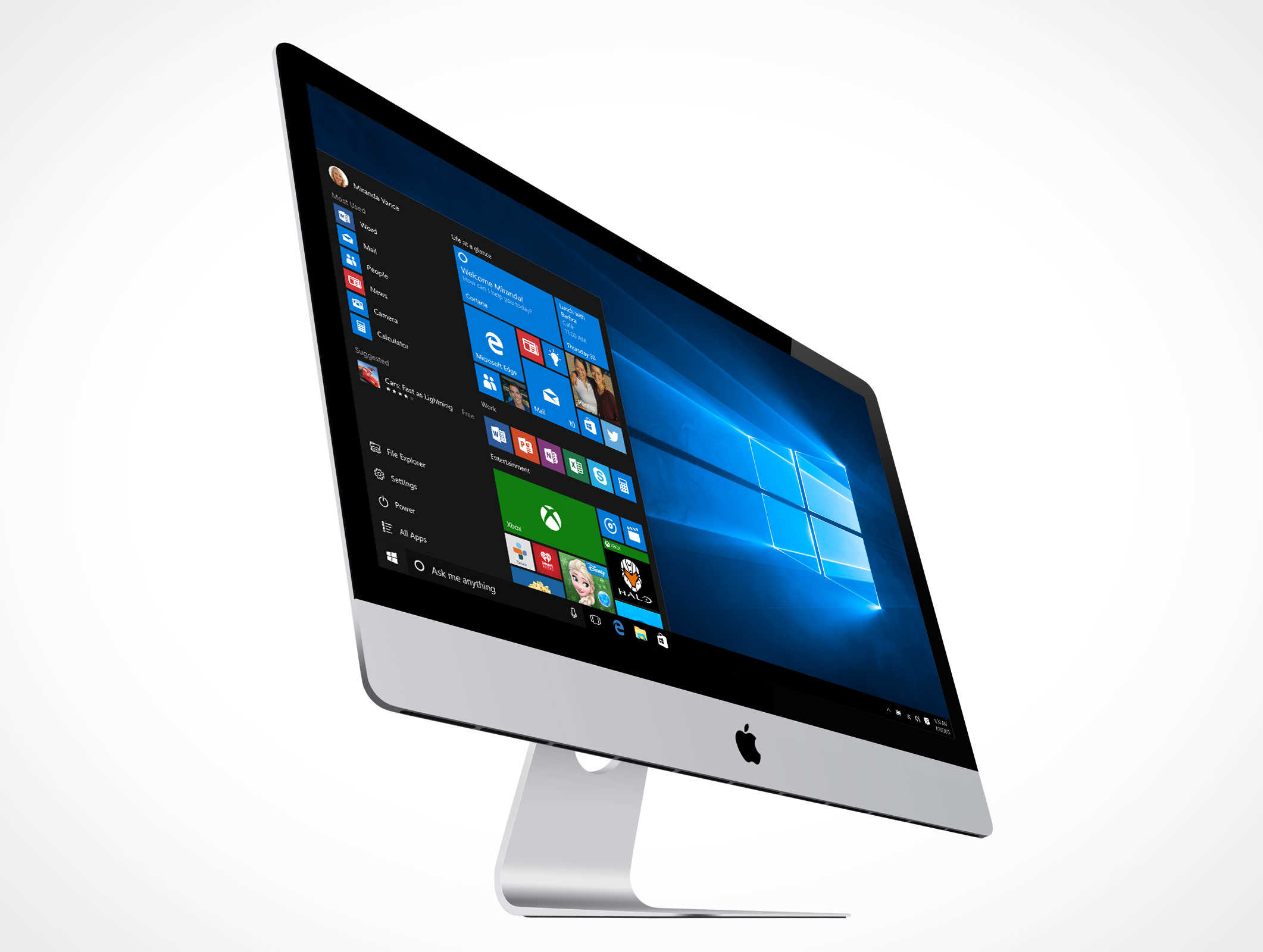
Apple has confirmed that Boot Camp, the tool that allows Mac users to boot into Windows, will not be available on upcoming machines powered by custom ARM chips. Users will need to rely on virtualization software instead.

The “abnormally bad” quality of Intel’s Skylake architecture may have been what pushed Apple to make the jump to its own ARM-based Apple Silicon processors, claims a former Intel principal engineer in a report published by PC Gamer.
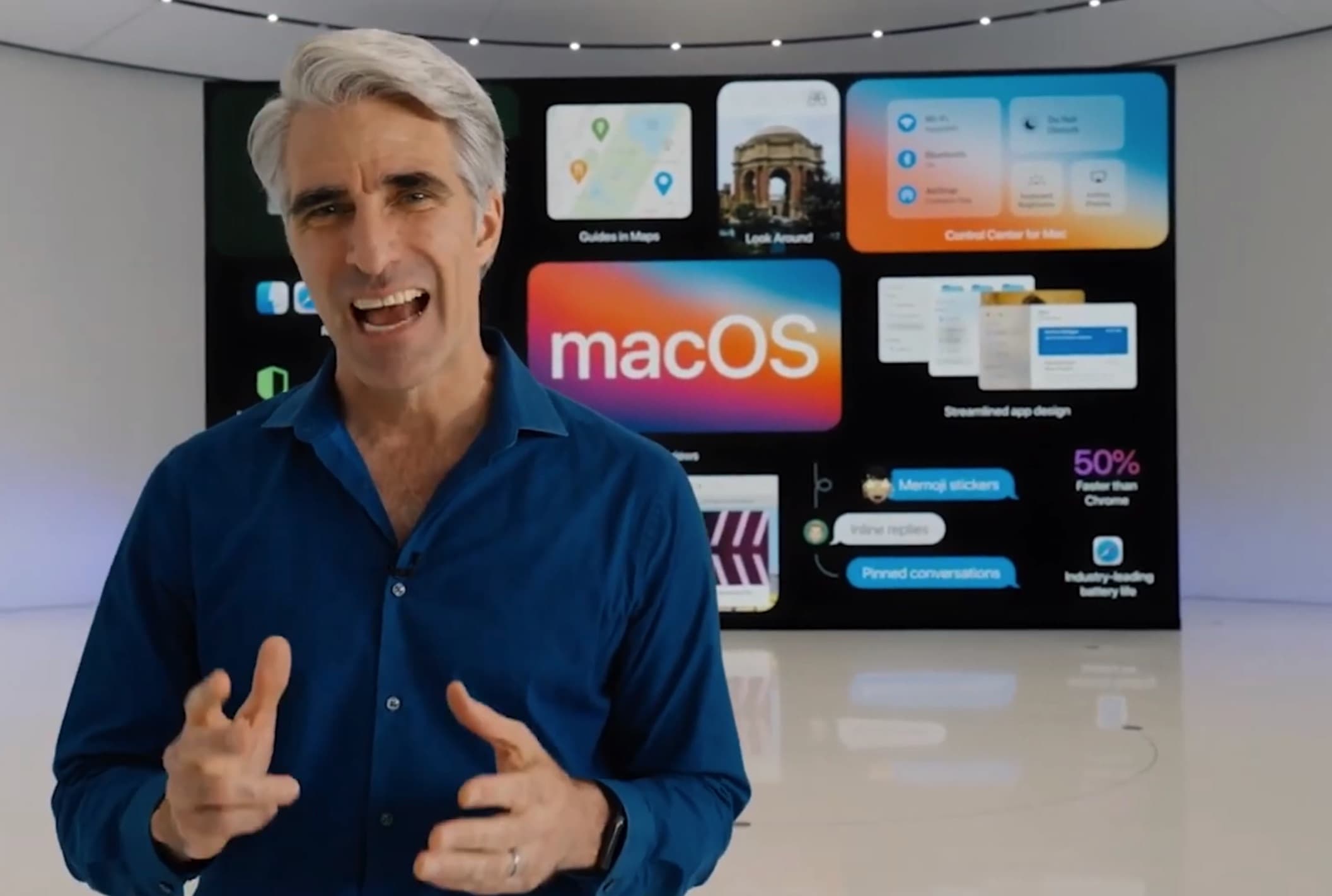
One of the low-key highlights following any Apple keynote is seeing how Jonathan Mann, the musical YouTuber who once made Steve Jobs dance, will turn it into a song. This year, Mann’s winning creation is called “I Just Go Into Jiggle Mode,” using a line uttered by Apple software chief Craig Federighi during Monday’s virtual WWDC keynote.
Along with audio clips from the event, Mann also sings tweets written by various online commentators. The results are weird, hilarious — and more than a little catchy. Check out the WWDC 2020 song below.
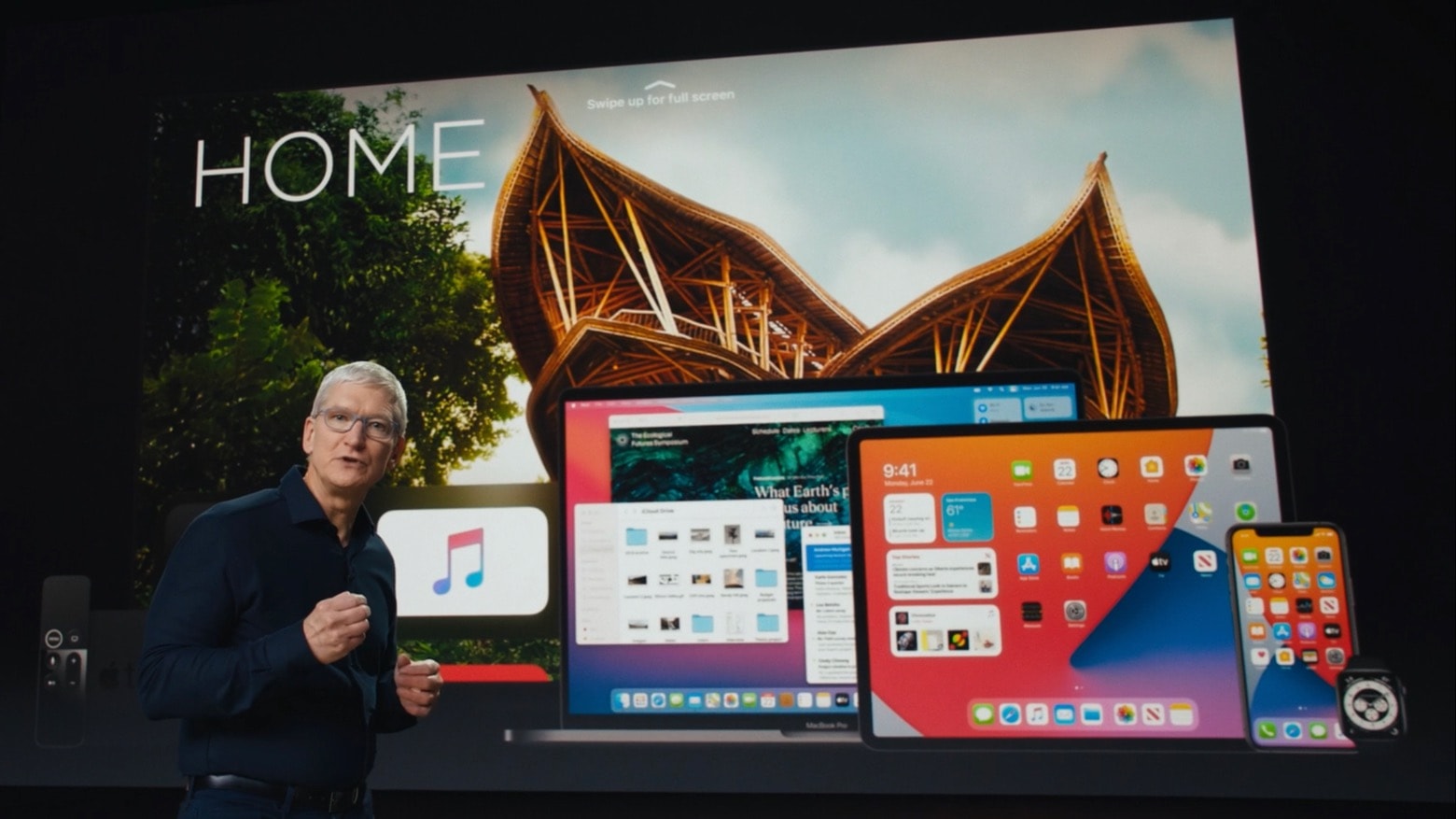
Apple rose to the challenge of holding a keynote for its annual Worldwide Developers Conference in an empty auditorium Monday. A range of executives took the wraps off operating system upgrades for Mac, iPhone, iPad … the whole swath of Cupertino’s devices.
The presentation went surprisingly well, considering that the COVID-19 pandemic prevented the presence of the usual odd mix of highly enthusiastic Apple employees and professionally skeptical journalists.
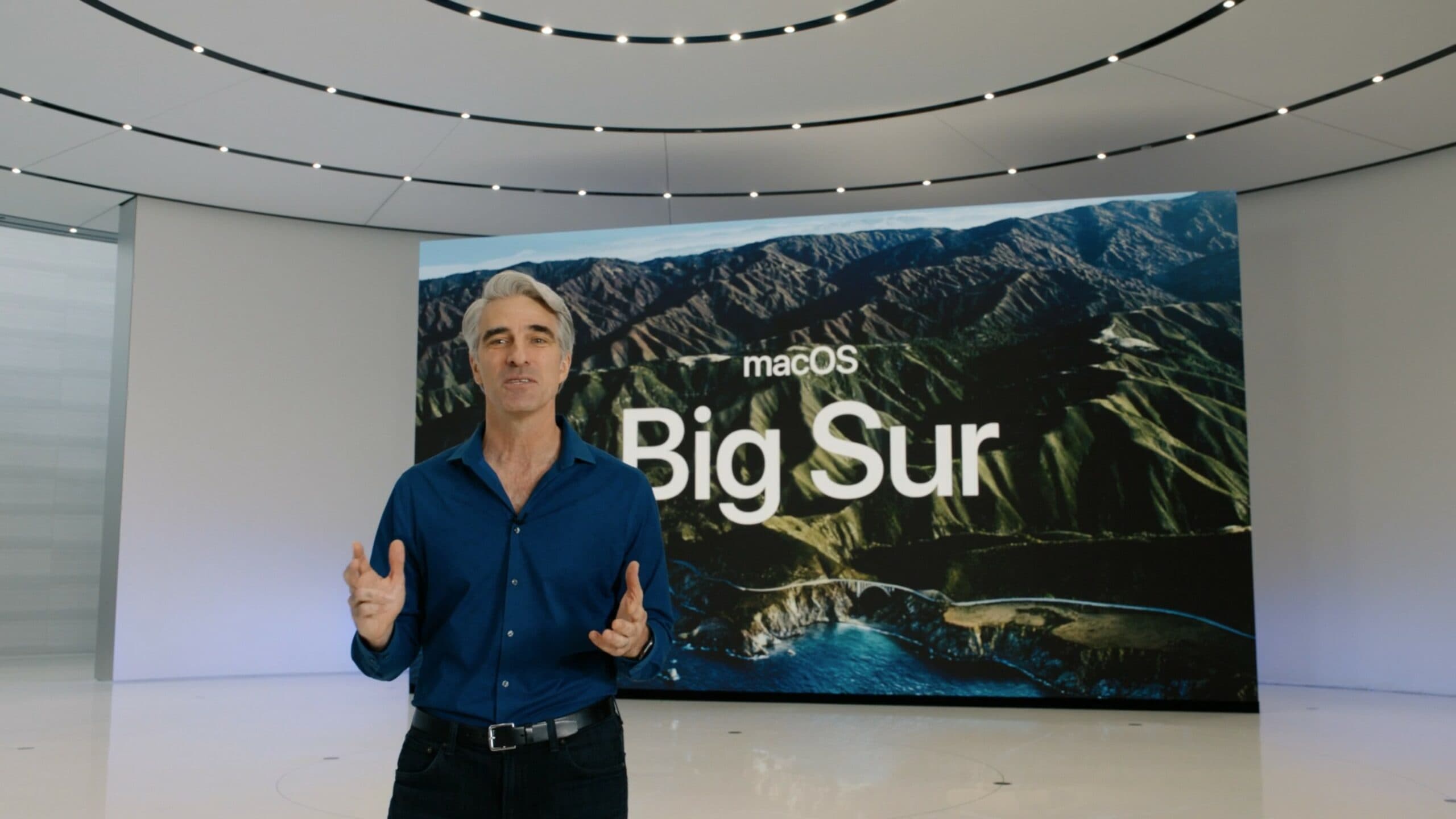
The next Mac operating system, called macOS Big Sur, will bring the biggest design overhaul in nearly two decades, Apple said Monday. In addition to the massive visual upgrades, MacOS Big Sur will usher in huge changes to the Messages, Maps and the Safari web browser.
Apple unveiled the massive changes coming to macOS on Monday during the company’s keynote kicking off this year’s online-only Worldwide Developers Conference.
“This year, we’re taking the macOS experience you love even further,” said Craig Federighi, Apple’s senior VP of software engineering, as he launched into a deep dive into changes coming soon to Mac.
In a dramatic shift, Apple is giving up Intel chips. Instead, future Macs will run Apple silicon — processors engineered by Apple based on ARM designs.
While Apple revealed a general timeline for the transition at its developers conference on Monday, and unveiled software developers will need to get their applications ready, the first ARM Macs are still months away.
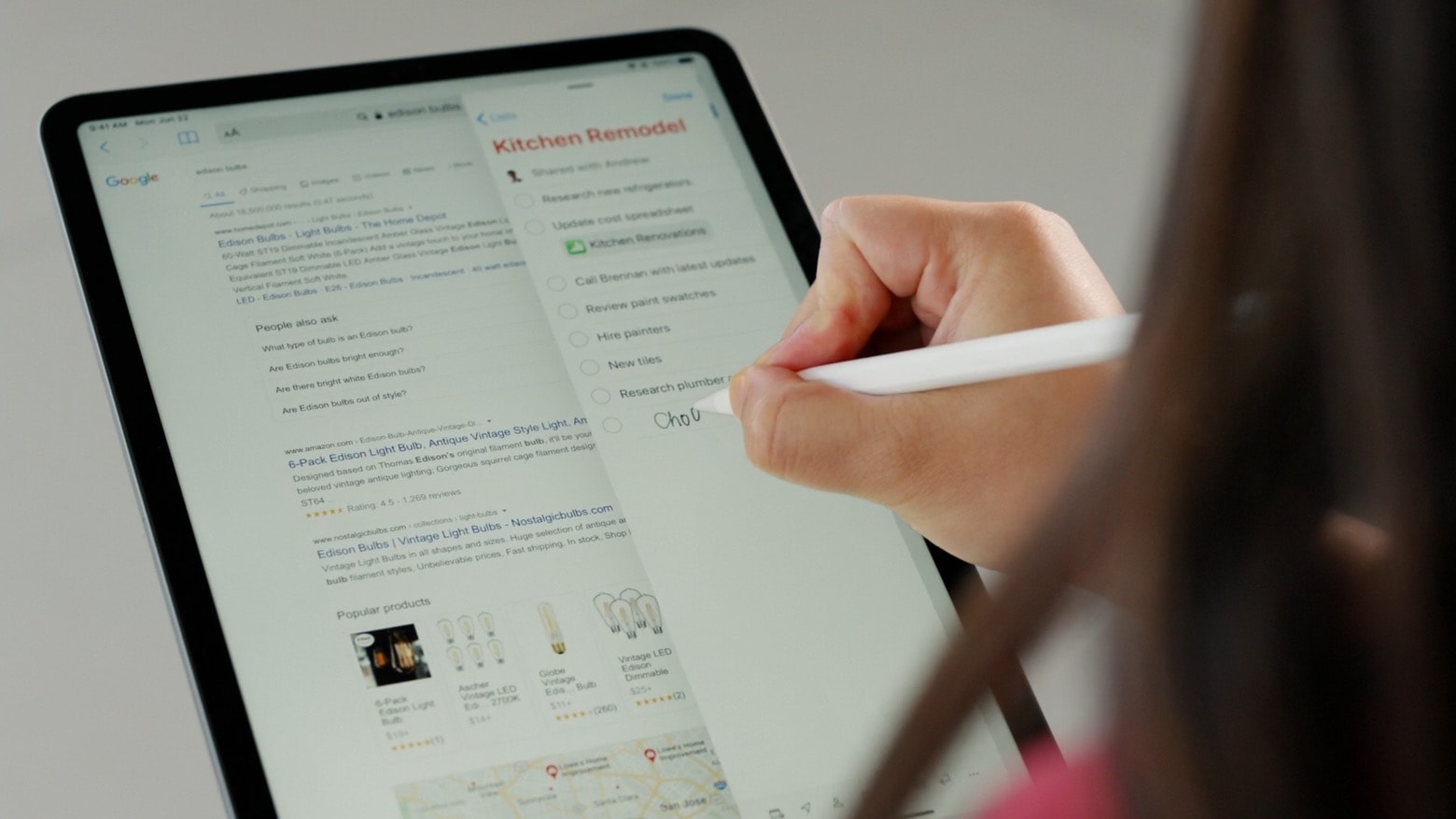
iPad owners can use an Apple Pencil to write words into any text box thanks to iPadOS 14, which Apple announced Monday at its developers conference.
And there are other enhancements coming as well, like home screen widgets, improvements to search, and some user interface tweaks.
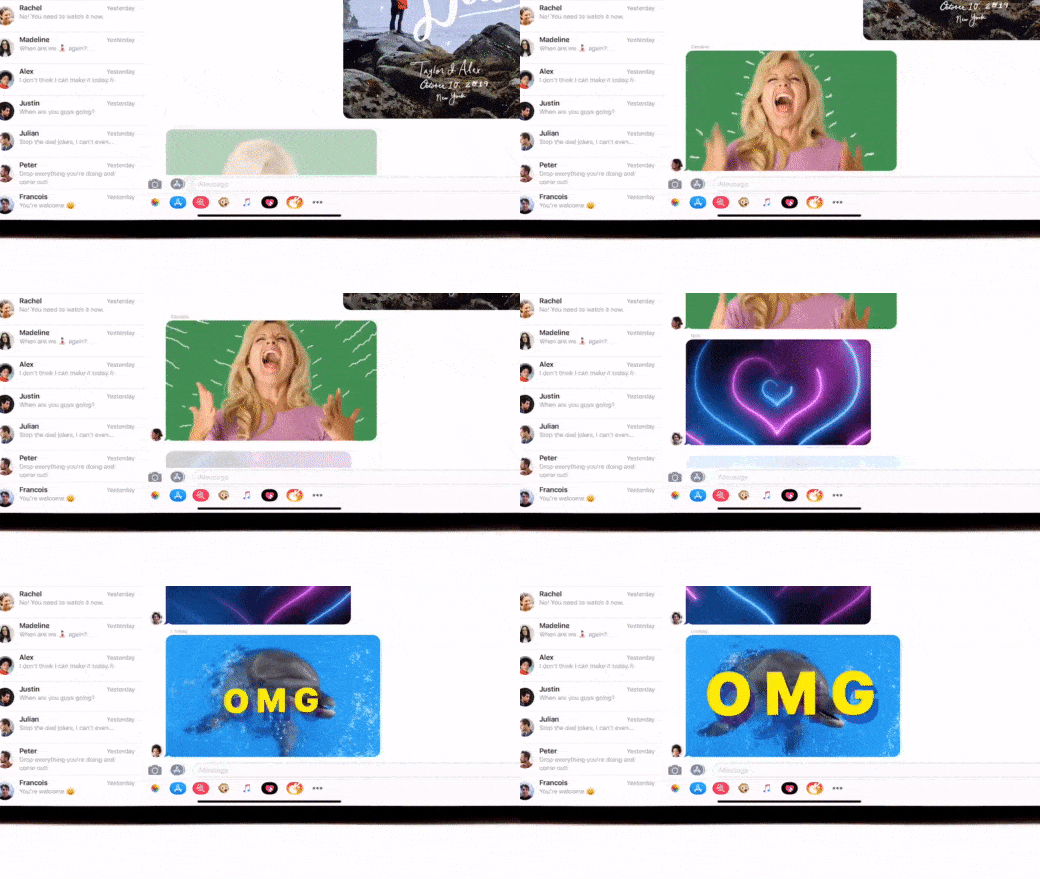
Apple looks to be gearing up to port iPad’s built-in Messages app over to Mac. The move could immediately fix Messages’ biggest problems on Mac, including its glaring lack of features.
The desktop version of the app still does not support iMessage apps, Apple Pay, message effects and other key features. Evidence of the move has been uncovered in leaked iOS 14 code, indicating it could be executed this fall when Apple drops its next major macOS update.