Safari can now show 1080p video on YouTube. Photo: Charlie Sorrel/Cult of Mac
Up until recently, the only way to get 1080p YouTube videos on the iPad was to use the YouTube app. Now, and possibly for a limited time (knowing YouTube’s fickle support of features), you can view full 1080p video in Mobile Safari on your iPad.
It looks amazing on the 2018 13-inch iPad Pro screen, and it’s one tap away on every YouTube page.
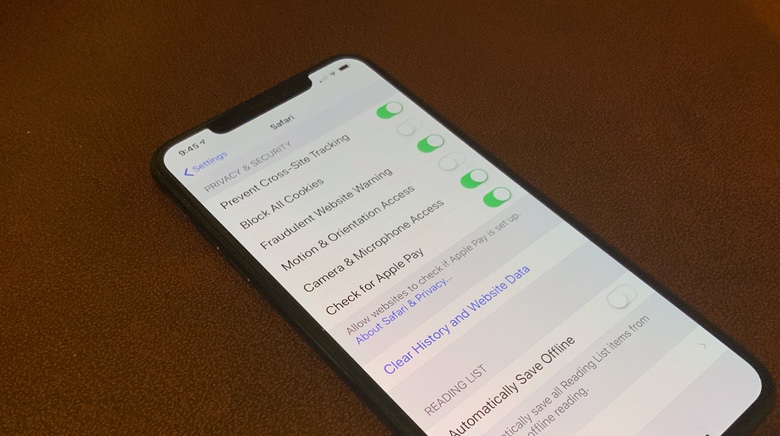
Do Not Track is gone, replaced with Prevent Cross-Site Tracking. Photo: Ed Hardy/Cult of Mac
Safari’s “Do Not Track” setting was supposed to protect us from advertisers following us from website to website but it never worked like it was supposed to and Apple has given up on it.
Instead, the web browser has what Apple calls Intelligent Tracking Prevention.
You might not be stuck with Safari for much longer. Photo: Ste Smith/Cult of Mac
Apple plans to limit Safari’s access to the accelerometer and gyroscope inside your iOS device in an upcoming software update.
iOS 12.2 will prevent websites from having access to motion data by default, rendering certain content unusable — even on Apple’s own website. Users will be able to change this inside Safari’s settings, however.
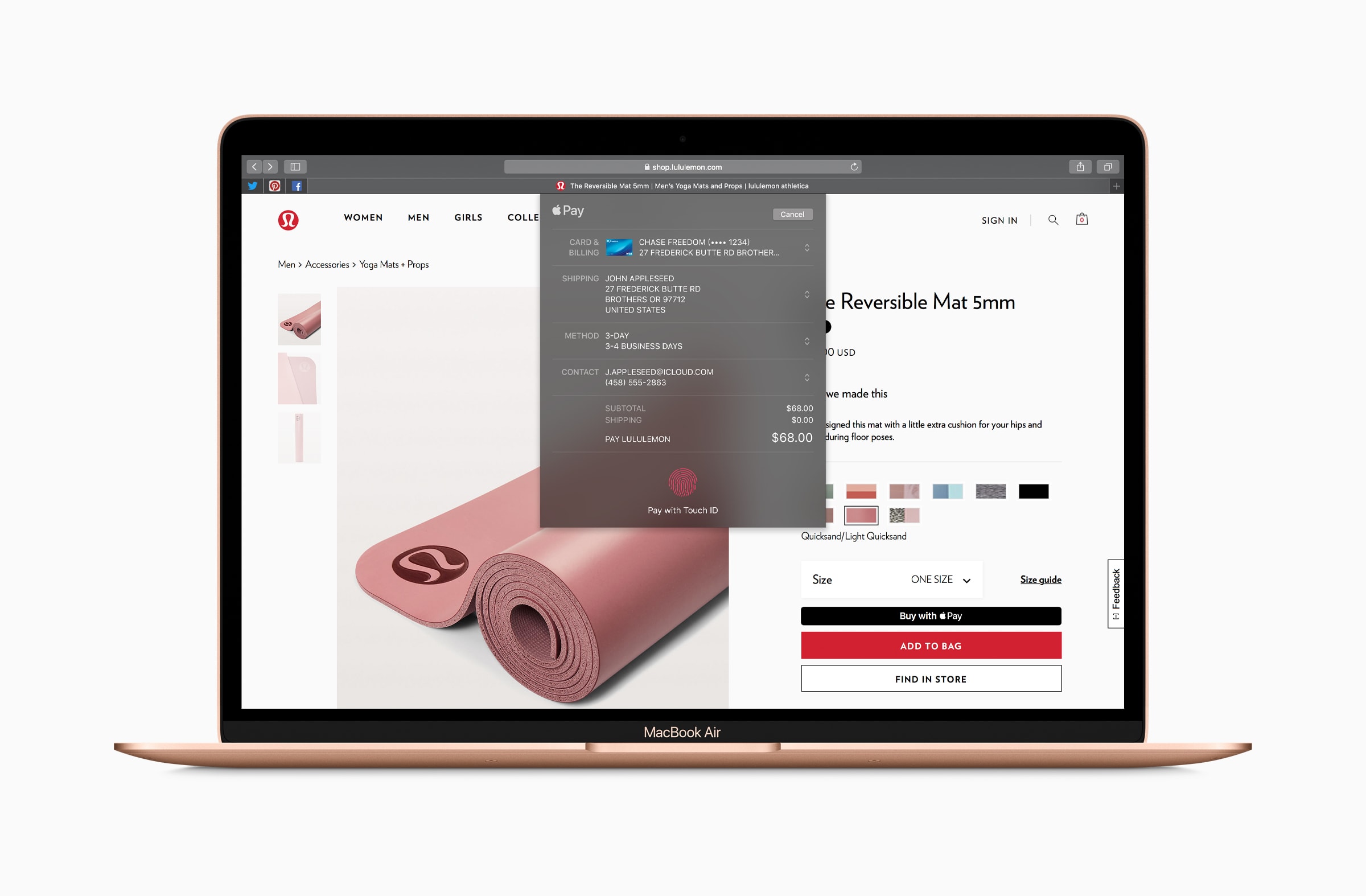
Apple Watch could be a Touch ID alternative on Mac. Photo: Apple
Safari AutoFill in macOS Mojave is about to get even more convenient, thanks to Touch ID support.
The first macOS 10.14.4 beta reveals you’ll be able to log into websites simply by scanning your fingerprint. This feature has long been available on iOS, but it will be a first for Mac.
Stop! The! Madness! Photo: Charlie Sorrel/Cult of Mac
Whenever you click a link in a Google search, it replaces the URL of the site with a tracking URL. If you hover over a link with your mouse before you click it, Safari will show you the full URL of that link. It’s a great way to check where you’re about to get sent. Google plays along with this, showing you the proper URL for the link in question.
Only when you actually click on it, it swaps out that link, replacing it with its own tracking link.
Fortunately, there’s a way to block this sneaky, underhanded and totally unsurprising behavior.
Do you see what we did here? Photo: Charlie Sorrel/Cult of Mac
The iPhone and iPad are usually great at making web pages easy to read, even when they have lots of small text. Double-tap on a column of text, and it automatically zooms to fill the screen. Double-tap it again and you’re back where you began.
But sometimes a page behaves badly. You see it often on Internet forums, or the mobile-friendly (!) version of Reddit, for example. The text is tiny, and runs from edge to edge. There’s no way to zoom in. Even if you turn your device on its side to make the screen wider, the text just reflows — the same tiny letters, but in even longer lines.
This weekend I got sick of this, and set out to find a way to increase the font size in Mobile Safari with a bookmarklet. It didn’t take long.
This gentleman staring into a light represents the illumination of search. Photo: Charlie Sorrel/Cult of Mac
Safari for iOS has a great feature: Quick Website Search. This lets you search the contents of a single website, using that site’s own built-in search. The clever part is that you don’t have to visit the site and tap into its search bar. Once Safari learns how to search that site, you can search it right from Safari’s own search bar.
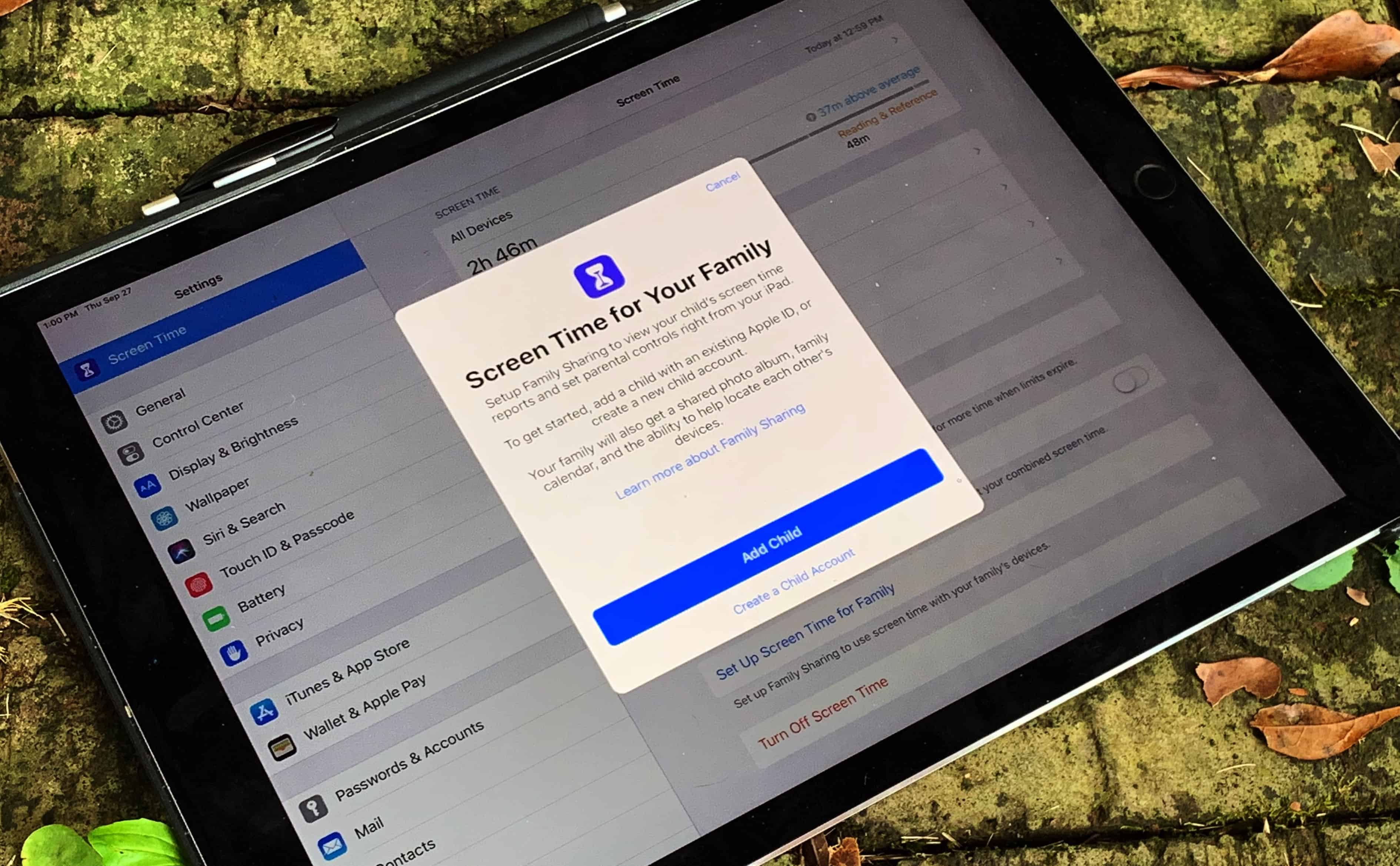
Screen Time is a great concept. But it's got its weaknesses. Photo: Ed Hardy/Cult of Mac
iOS 12’s Screen Time feature is a great way of making sure that people, particularly children, don’t spend too long using their iOS devices. That’s an important goal, whether you’re worried about the potential mental health impact of overusing technology or just want to stop your kids wasting their time on social media.
It turns out that there’s a workaround on Safari, however — as discovered by the eldest son of computer security expert and iOS hacker David Schuetz.
Apple’s ‘More in the Making’ keynote is less than 24 hours away where the company is expected to unveil a slew of new iPads and Macs.
Unlike last month’s iPhone keynote at Apple Park, this week’s event will be hosted at the Brooklyn Academy of Music and it’s starting early at 10 a.m. ET. If you didn’t get an invite to the event, don’t worry, the entire thing will be live-streamed.
Here’s how to tune in on whatever device you’re using.
You almost certainly know the shortcuts for snapping quick screenshots on your Mac. It’s ⇧⌘3 to capture the entire screen, and ⇧⌘4 to get a crosshairs cursor to select a section of the screen.
Now, there’s a new screenshot shortcut in town: ⇧⌘5. And boy is this fella fancy. If this were a western movie, ⇧⌘5 would be the young upstart blowing into town with a couple of Uzis and a pair of Kevlar chaps1. Let’s check out Mojave screenshots.
Do you see it yet? Screenshot: Killian Bell/Cult of Mac
YouTube’s handy picture-in-picture mode has started making its way to desktop. The new “miniplayer” function lets you watch while you browse on Mac and PC. Here’s how to activate it.
The amount Google pays Apple to remain the default search engine in Safari might be higher than you expect. Photo: Ed Hardy/Cult of Mac
Google is the default iPhone search engine in the Safari web browser, but not because Apple thinks it’s the best option. No, Google will pay $9 billion this year for the privilege, according to an analyst’s estimate.
One of the controversial suggested sites. Screenshot: BuzzFeed/Safari
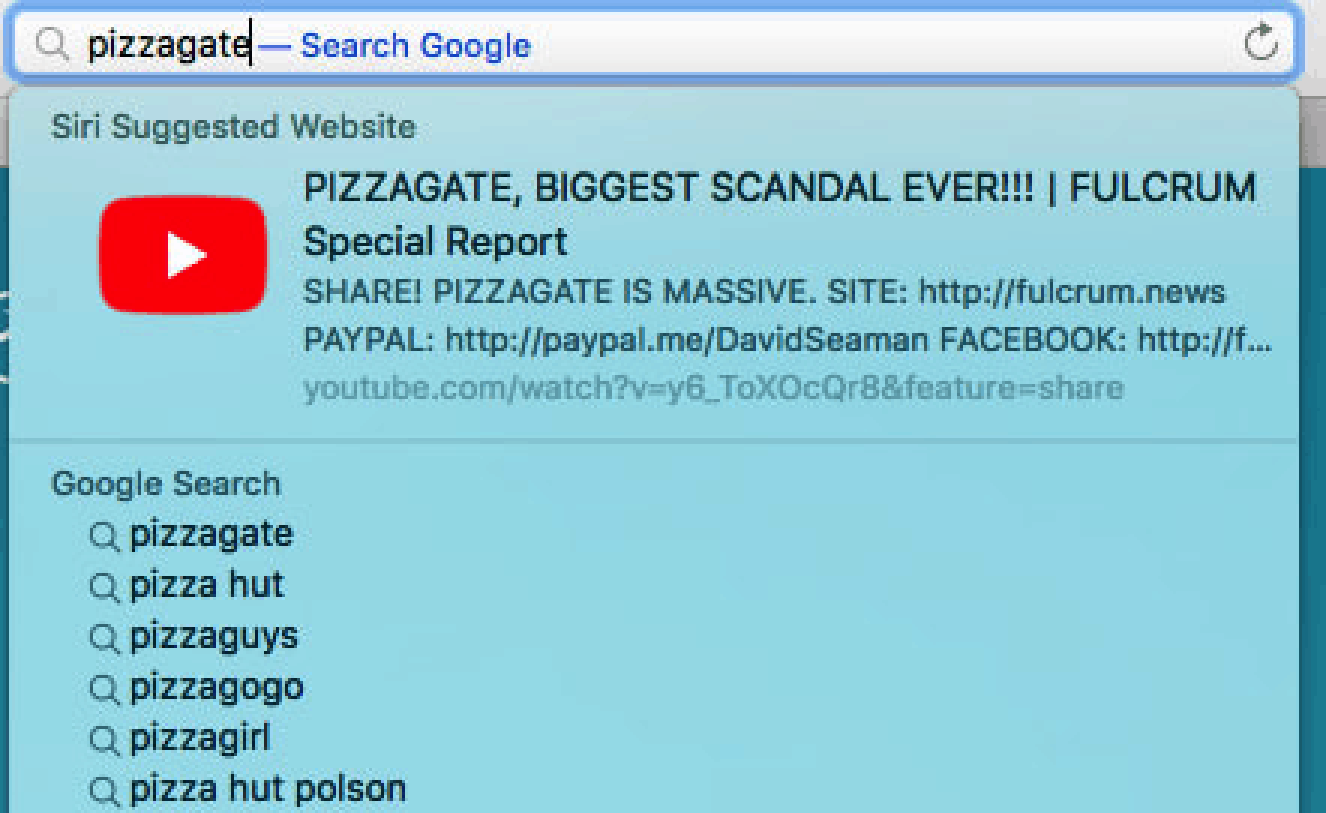
Apple removed several questionable websites serving up fake news and conspiracy theories via Safari’s “Siri Suggested” search results.
The recommended websites pointed users to posts about the “Pizzagate” hoax, Holocaust denier articles, and debunked race-based “science” stories. After BuzzFeed News alerted Apple to these bogus results, Cupertino promptly removed the recommendations.
A desert, not unlike the Mojave, where you could go on safari. Photo: Charlie Sorrel/Cult of Mac
In iOS 12 and macOS Mojave, Safari gets solid improvements that will win you back from Chrome — especially if you value your privacy. But while safeguarding your security on the web fuels many of Safari’s great new features, there’s much more goodness to anticipate on iPhone, iPad and Mac.
Let’s take a look at the Mac and iOS versions of the Apple web browser.
You can upgrade to Safari 12 right now, even if you're not running macOS Mojave. Photo: Apple
Turns out you don’t have to upgrade to macOS Mojave to enjoy the benefits of Safari 12. Apple just released it for two earlier versions: High Sierra and Sierra.
This browser update works hard to protect your privacy, and offers plenty of other improvements too.
After months of beta testing, Apple finally released iOS 12 to the public, making it available as an over-the-air update. The new iPhone and iPad operating system comes with tons of new features and performance improvements that will make even older devices faster than ever. Best of all, if you have a device that can run iOS 11, iOS 12 will work on it — no problem.
With the football season heating up, it’s time to make sure you have a way to catch all the biggest matchups. Luckily, watching NFL games no longer requires you to pay for an overpriced cable subscription. And Apple users have a plethora of options to stream pro football without cable this season.
No matter which Apple device you use, you’ll find a wide range of apps to let you watch NFL football. Here’s a rundown of some of the best options for streaming NFL games this season.
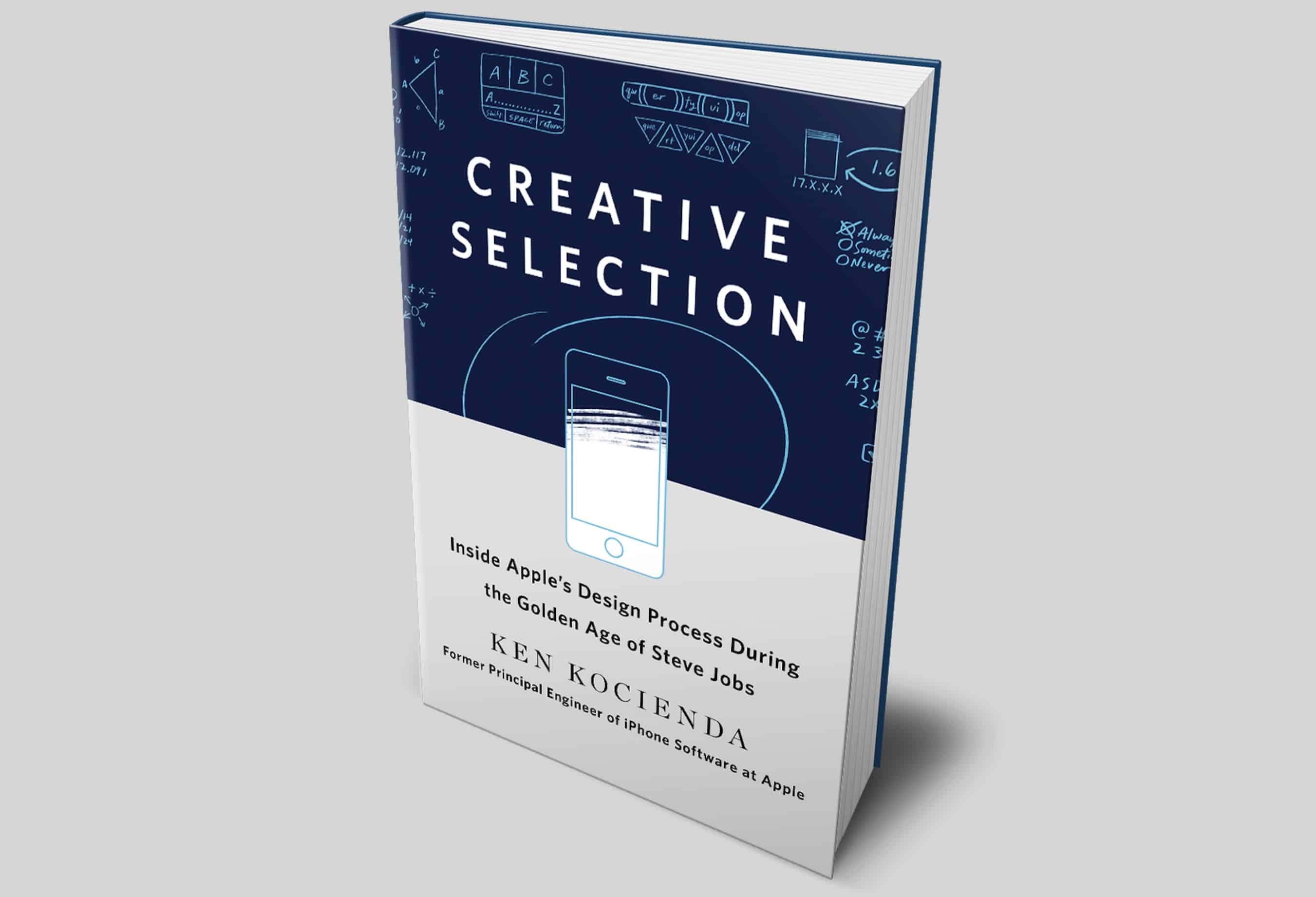
Ken Kocienda's book, Creative Selection: Inside Apple's Design Process During the Golden Age of Stave Jobs. Photo: St. Martin's Press
Why couldn’t you type the F-word on the iPhone? Why did Steve Jobs make weird eye movements during demos? What kind of manager was Scott Forstall?
These and other questions are answered in a new book by Ken Kocienda, a former iPhone programmer who spent 15 years at Apple helping to develop the first iPhone, iPad and Safari web browser.
Apple can’t protect you from everything. Photo: Apple
You might consider Safari to be the safest web browser for macOS, but one security researcher has proven it’s not completely bulletproof.
Patrick Wardle has demonstrated how hackers can remotely infect a Mac with malicious software using a Safari vulnerability. Apple’s built-in protections can do nothing to stop it.
There are probably good reasons to block a website on your own iPhone or iPad, but really, why not just avoid typing its URL? It’s far more likely that you’ll want to block a website on somebody else’s device, probably a child’s. Or perhaps you don’t want your kids to accidentally hit all your bookmarks to porn and gambling sites when they use your iPhone.
Whatever your reasons, here’s how to block any website on your iPhone or iPad.
Android has, or is soon to get, an incognito mode for the YouTube app, which will stop watched videos from showing up in your YouTube history. Google will still know exactly what you watch, of course. It’s just a way of keeping embarrassing movies out of your watched videos list.
iOS may or may not be getting the same feature, but that doesn’t matter. By using iOS’ (and the Mac’s) built-in tools, you can already watch YouTube videos without them showing up in your YouTube history. It even stops YouTube from tracking your history via cookies.
It’s easy to give YouTube a kick up the backside. Photo: Apple/Cult of Mac
Have you ever wondered why YouTube is so much slower than all the other websites you visit in Safari? Did you know that you could make it up to five times faster with very little effort?
YouTube’s new design doesn’t play nicely with browsers that aren’t Google Chrome, but with some simple tweaks, you can switch back to its previous design and enjoy much faster speeds.
A metaphorical view of my badly-organized PDFs Photo: Charlie Sorrel/Cult of Mac
With the demise of Instapaper — in Europe at least — you may be looking for a good way to save web pages for offline reading. The obvious built-in tool for this is Safari’s Reading list, but it’s very limited. Instead, consider turning the web page into a PDF. This lets you read the page anywhere, as well as mark it up with highlights, and search its entire content using Spotlight.
The thing is, there are three different way to save a webpage as a PDF, all of them built-in to iOS. Let’s take a look at how to use them, what the differences are, and which one is best for you.
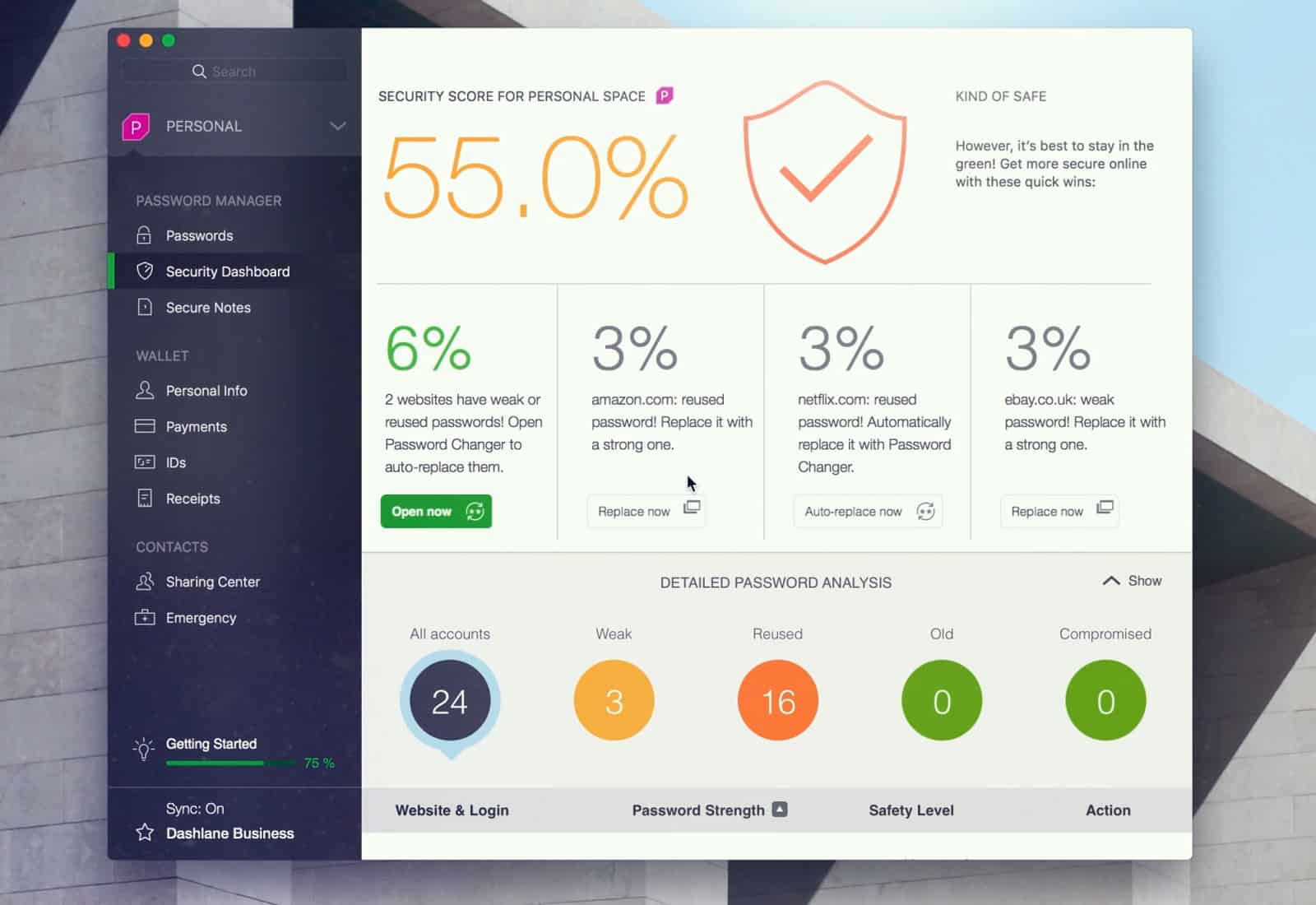
Importing your passwords into Dashlane couldn't be easier. Check out our video to see how. Photo: Ste Smith/Cult of Mac
This post is brought to you by Dashlane.
If you’re not using a password manager, you really should be. While it might seem daunting to stop relying on iCloud Keychain or a web browser like Safari, it’s really easy to step up your online security with a password manager like Dashlane, the official password manager of Cult of Mac.
In fact, it’s incredibly simple to import all your passwords into Dashlane. It’s the first step toward taking true control of your passwords — and in today’s video, I’m going to show you how.
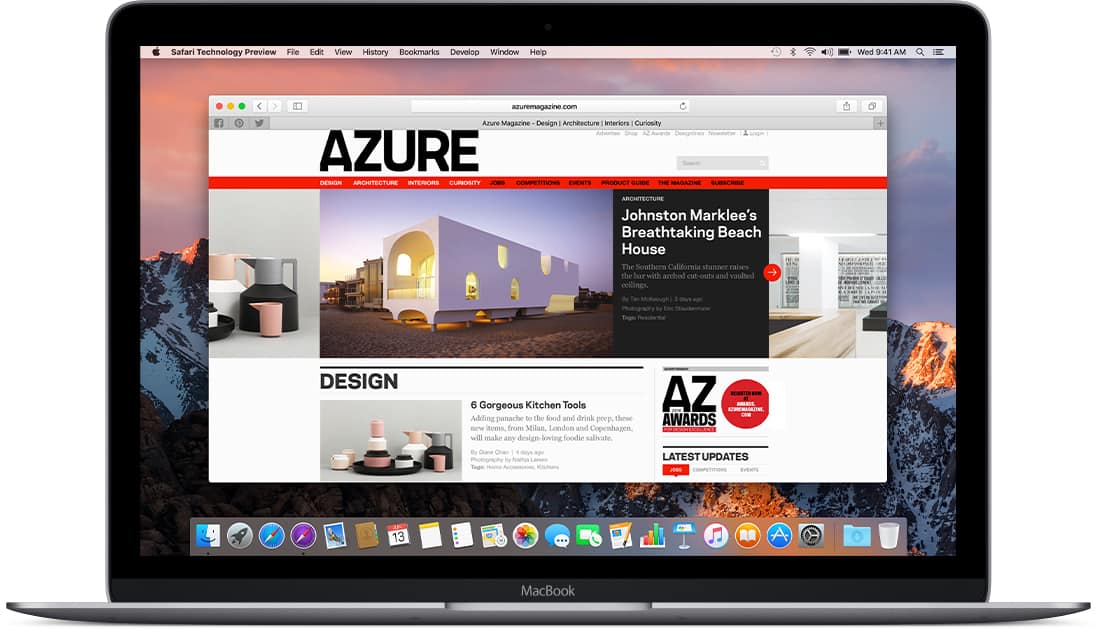
This week we go cosmic, staring into the universal abyss of time, while simultaneously probing the depths of our iDevices using a new terminal app. All while enjoying a sneak peek of tab favicons in the Safari Technology Preview. It’s all pretty exciting!