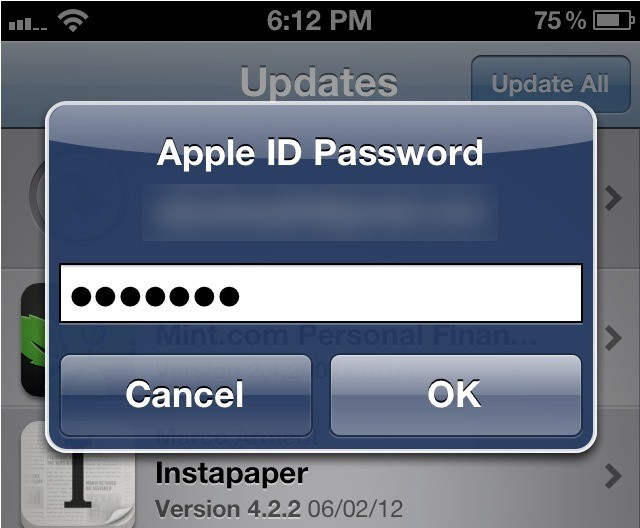
In iOS 6, you'll only see this when downloading a paid app.
Shortly after iOS 6 beta 1 made its debut in early June, Cult of Mac reported that users are no longer required to enter their iTunes password when downloading updates or previous purchases from the App Store. In iOS 6 beta 3, Apple has expanded this feature to cover free apps, too.
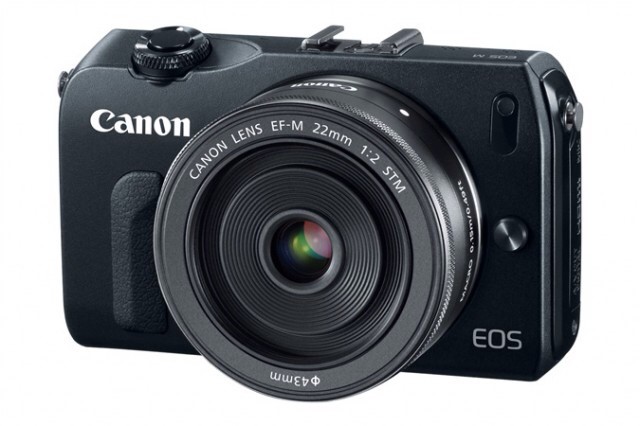
Finally! Canon has at last announced its answer to Micro Four Thirds and other mirrorless formats. And unlike Nikon, which was content to dash off a crappy toy in the shape of the “1,” the EOS M is pretty much exactly what we hoped for: an EOS SLR packed into a tiny body.
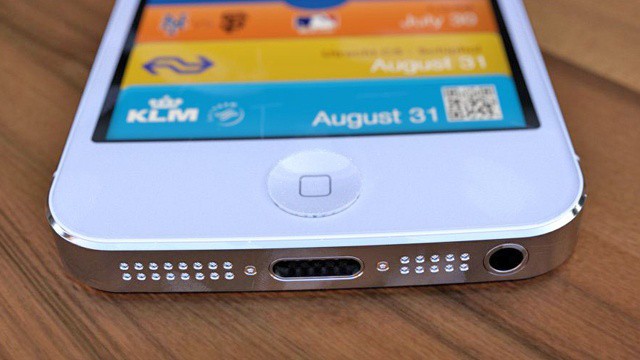
Your new iPhone's headphone jack will be located on the bottom of the device — just like the iPod touch.
Sources familiar with Apple’s plans have revealed to Reuters that the company’s “iPhone 5” will launch with a smaller, 19-pin dock connector that will make room for a headphone jack on the bottom of the device. The move will mean that existing iPhone accessories — which use Apple’s existing 30-pin connector — won’t be compatible with the new handset.
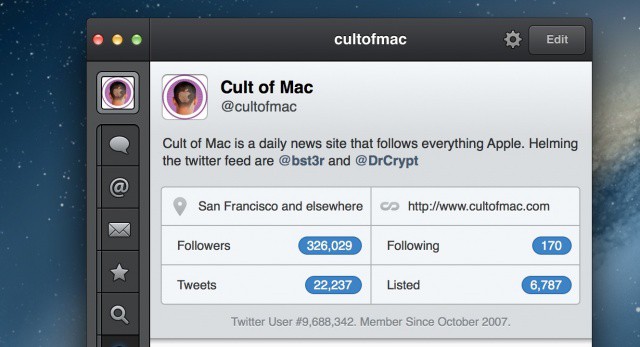
When Tapbots finally released its highly-anticpated Tweetbot Twitter client on the Mac, the software was labeled as a free Alpha. This means that the developers are continuing to add major new features and bug fixes leading up to the official 1.0 release in the Mac App Store. In fact, users are warned before downloading that there could be major bugs, and all Alpha testers are encouraged to submit bug reports to Tapbots.
Over the weekend, the first update was released for the Tweetbot for Mac Alpha, and the update packs several new features and improvements.
Kicking off this week’s must-have apps list is a new to-do app called Checkmark, which is being labeled the reminders app Apple should have made. There’s also a great new video sharing service called Vyclone, a unique clock app, and more.
Art. It’s something we all aspire to from the earliest of age and a pursuit of all humankind, including ancient cave and modern city dwellers, folks from the suburbs and people from the Renaissance. Head into any art museum and you’ll see paintings along the walls made with a variety of styles, techniques, and philosophical points of view.
Would you like to “brush up” on your painting skills? Practice drawing with colored pencils, pen and ink, water colors? How about acrylics, oils, or pastels. You can on your iPad with Art Set, a $0.99 app from developer LOFOPI.
It must surely be a sign of the impending apocalypse that Microsoft’s operating systems have “more taste” than Apple’s.
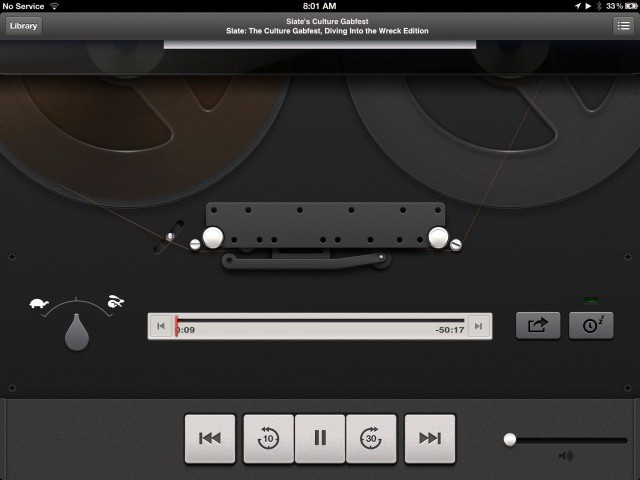
I’m referring, of course, to Apple’s inexplicable use of skeuomorphic design in iOS and OS X apps, and contrasting that with Microsoft’s stark avoidance of such cheesy gimmickry in the Windows 8 and Windows Phone user interfaces.
A skeuomorphic design in software is one that “decorates” the interface with fake reality — say, analog knobs or torn paper.
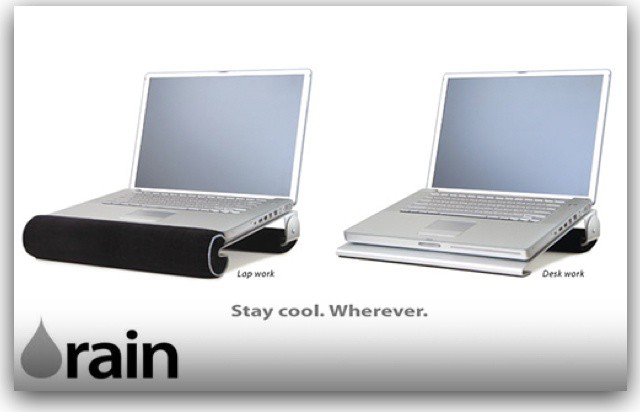
Contrary to the name, putting a laptop on your lap, isn’t actually a great idea. Laptops can get rather warm, not to mention it’s impossible for air to get below your laptop to help keep it cool (do you think Apple made these glorious devices out of aluminum just for kicks and giggles?). Likewise laptops just on a desk or table not only don’t let the machines cool as well as they could, but they aren’t terribly comfortable to work at for long periods of time.
It’s pretty hard to find a device that works great on your lap and on a desk (believe me, I’ve looked and there aren’t many), which is where the iLap comes in.
But only the nice kids. The naughty ones will get a T-Mobile Springboard.
One month before Apple shipped its first touch tablet, I predicted that the iPad would become the “Children’s Toy of the Year.”
That column was somewhat controversial, because people were viewing the iPad as a high-end luxury item for technology fans, not a toy for children.
It turns out that the iPad was a combination of the two: It became the “toy” of choice for the children of technology fans who buy high-end luxury items.
iPads for children became a surprisingly huge phenomenon, which toy companies and others jumping on board with apps galore. Still, the majority of American children don’t have iPads, or even have access to iPads. The upcoming mini iPad will change that.
Here’s why small touch tablets will finish what the iPad started, and become as much a part of kids culture as Barbie and Lego.
Kicking off this week’s must-have games roundup is Dark Knight Rises, the official game of this year’s biggest blockbuster. You’ll also find the sequal to Fieldrunners, arguably the best tower defense game on iOS; a great cycling simulator; and a humorous title featuring Usian Bolt, the world’s fastest man.
A mere ten days before the scheduled patent infringement trial between Samsung and Apple, US District Judge Lucky Koh rejected two more proposals from Samsung, maker of Android enabled smartphones. Judge Koh entered a supplemental claim construction order in which two disputed terms are now defined. Unfortunately for Samsung, who initially requested the order, the definition decision favors Apple, using the Cupertino-based tech company’s definition in the dispute.
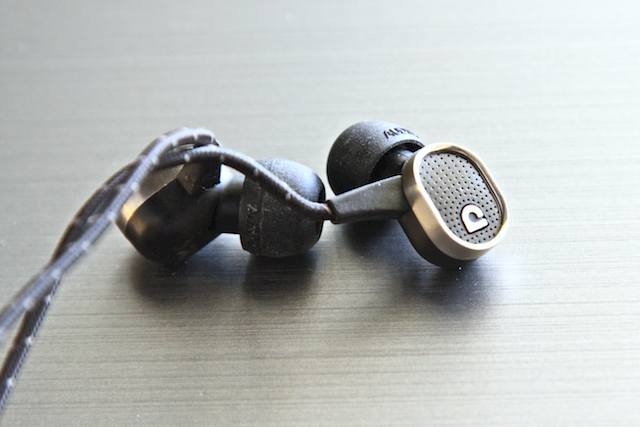
We bumped into neophyte Australian headphones-maker Audiofly in January, during a press-only event at this year’s Consumer Electronics Show, and gave two models in the four-model lineup a whirl. Their mid-level AF45 set sounded great for $50; but the next one I tried — the top-of-the-line AF78 ($200) — left me slack-jawed with disbelief; its sound knocked my socks off, even amid the cacophony of noisy journalists.
What makes the AF78 unusual is its speaker arrangement.
Many mid-to-high-end canalphones are powered by tiny armature speakers, while moving coil drivers are found pretty much everywhere except the very high end. Armatures are generally better at producing clean highs and mids, but can lack deep bass; moving coils, on the other hand, are generally not as good at reproducing the clarity of an armature. But the AF78 is part of an elite group of models — like the Scosche IEM856m I reviewed last year — that employ both a moving coil speaker and a balanced armature in each ear, in an attempt to give the listener the best of both worlds. And it works spectacularly.
If you were (or still are) the proud owner of a Sega Dreamcast, then you may remember the classic title Jet Set Radio (Jet Grind Radio in North America). Jet Set Radio was hailed as a revolutionary game due to it being one of the first to make prolific use of a rendering technique called cel-shading (allowing for a “cartoon-like” appearance of 3D rendered objects). While these rendering techniques aren’t so revolutionizing today, Jet Set Radio remains a rollerblading, music loving classic, featuring wholesale amounts of spray paint.
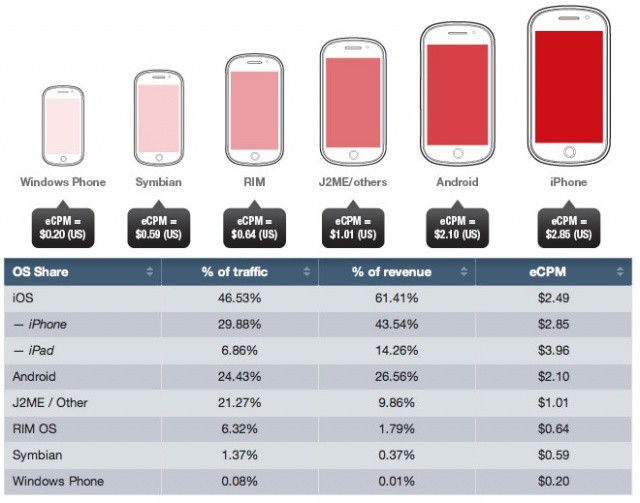
The iPhone is the top performer in the mobile ad monetization performance space, according to a new report from Opera Software. It is followed by Android devices, of course, and then a large gap in which the rest of the mobile devices are being left behind.
“The iPhone leads the smartphone OS pack with an average eCPM of $2.85,” writes the company in their first State of Mobile Advertising report. “Though it is closely followed by Android devices (at $2.10). The rest of the mobile phone field is significantly behind.”
Now that Apple is fixing the in-app purchasing exploit that Russian hacker Alexei Borodin brought to light this week, it seems as if he’s at it again. This time, however, it’s an in-app purchasing hack that works in the Mac App Store.
The method here is similar as the one Borodin used in iOS, with the user installing some fake security certificates and then pointing the Mac’s DNS servers at a false server run by Borodin. The remote server then pretends to be the actual Mac Store and verifies the purchase, bypassing the real system for in-app purchases set up by Apple and use by developers of Mac apps. Borodin claims that this system has allowed approximately 8.4 million free purchases so far.
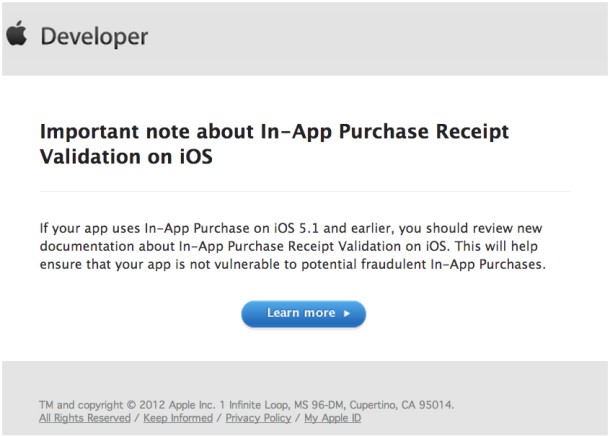
It was recently discovered that a Russian hacker had been hijacking Apple’s iOS in-app purchasing system to score paid upgrades for free. The trick was accomplished by bypassing Apple’s authentication servers and routing an in-app purchase through a proxy that sent back a faulty purchase receipt.
While Apple has already attempted to combat this activity, today the company outlined a solution for developers to keep their in-app purchases safe from such an exploit. Apple has also confirmed that the issue will be fixed when iOS 6 ships to the public this fall.
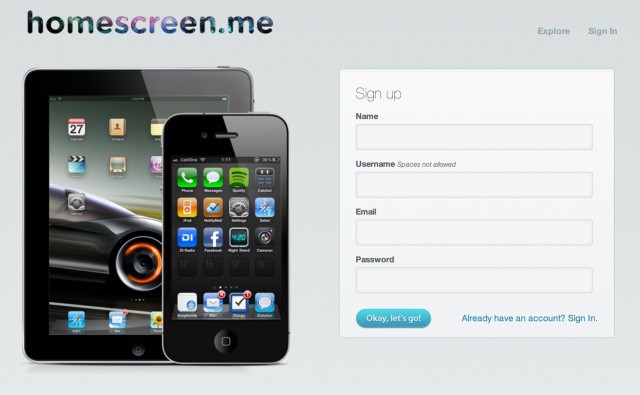
I’m gonna be honest. I totally forgot that Homescreen.me existed. That’s because the website has been in private beta for two years, and I stopped using it after I initially uploaded my iPhone’s Home screen in 2010. So, I after finding out that Homescreen.me has opened its doors up for everyone today, I logged back into my account. Seeing the main apps I used on my iPhone 3GS at the time brought back a flood of memories. There’s something very personal about a Home screen. It represents the apps that are most special to you. But those apps change over time.
After logging back in, I uploaded my current iPhone and iPad Home screens. It was interesting to see how my layout changed two years later and what new apps had been given first page priority. I then shared my current setup on Twitter for my friends to check out.
That’s what Homescreen.me is about: sharing and discovering great Home screens with fellow geeks who love their iOS devices.
Is Instagram's web experience about to get a major facelift?
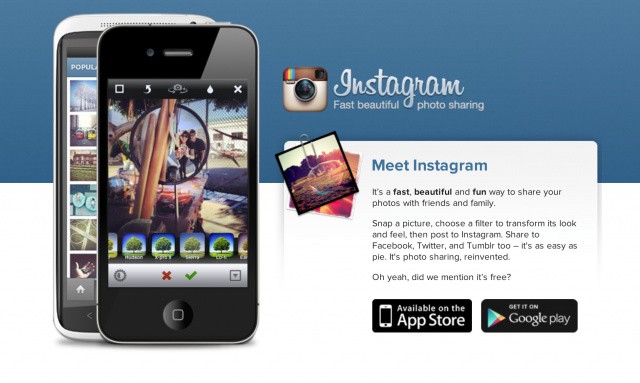
A new discovery suggests that Instagram is working on improving its experience on the web. The popular photography network added the ability to comment on and like photos from the browser several weeks ago, and a “View Profile” option was spotted in the wild today by web designer Cole Reinke. While the new menu option returned a 404 error, the finding reveals that Instagram is indeed developing a more full-featured web app for its users.
There’s a plethora of third-party web apps like Webstagram, but as the largest mobile-only social network in existence, an official Instagram web app would be huge.
Tongue firmly in cheek, my buddy Rob Beschizza over at Boing Boing explains the best way for fans of Sparrow to prepare their Macs for all future enhancements and developments that may result from today’s announcement of a Google acquisition.
You might want to wait on actually following these instructions until Sparrow Google Plus integration comes down the pipeline.
iPads will soon replace the current entertainment options aboard Qantas B767 aircraft.
Earlier this week, we reported on the move by Australian airline Qantas to swap out the 1,300 BlackBerries used by its staff (and the related infrastructure) in favor of iPhones. It looks like Qantas is doubling down on Apple and iOS. The airline also announced this week that it will begin offering streaming entertainment on iPads across all the planes in its fleet of Boeing 767 aircraft.
Qantas is launching the new service, which it has dubbed QStreaming, following a successful trial of the service earlier this year.
We’ve had it with wireless providers charging us more money for less data and fewer features, and on our brand new CultCast, we’ll tell you why the prospect of carriers charging for FaceTime over 3G makes us mad as hell!
And then, Faves and Raves! The fun and poorly-named segment where we pitch our favorite apps and gear then vote on which is best.
Don’t miss a very fun new episode of The CultCast. Subscribe now on iTunes, or get all techie like the Dark Knight and stream new episodes right on your iPhone or iPad with Apple’s new Podcasts App.
If Apple releases Mountain Lion on the same schedule they released Lion last year, they will unleash the latest version of OS X to the world the day after their quarterly earnings call. That means that next Wednesday, July 25th, everyone should be able to drop $20 on the Mac App Store for a copy of OS X Mountain Lion.
There’s one exception though: if you bought a Mac after June 11th, 2012, you’ll be automatically eligible to receive a free OS X Mountain Lion upgrade. That means if you’re the proud owner of a new Retina MacBook Pro, MacBook Air or 2012 MacBook Pro, or any older Mac purchased recently, you’ll get a free upgrade.
All you have to do is go to this page within 30 days of when Mountain Lion drops and tell Apple you’re eligible for an upgrade. Generous, no?
Here’s another one of those tips that should be blisteringly obvious, but isn’t.
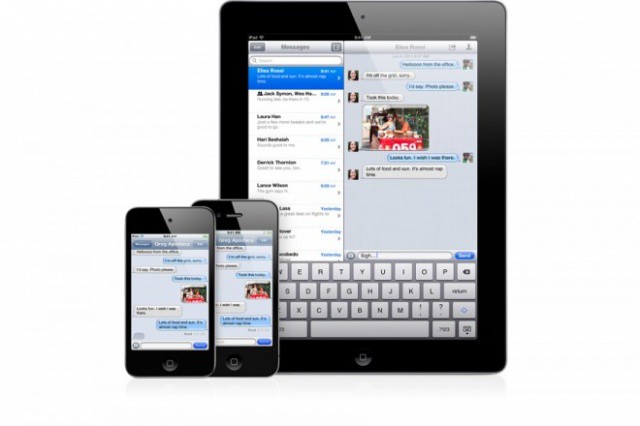
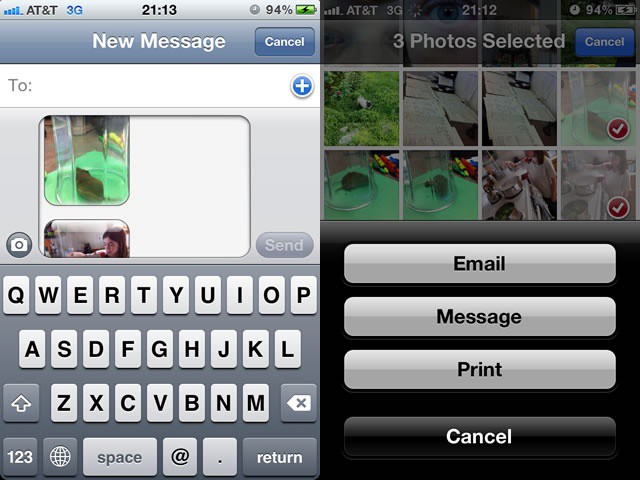
If you try to send a photo via iMessage (or text message), you’re limited to one photo at a time. Go ahead and give it a shot. I’ll wait.
See? From the Messages app on your iPhone, you only have the option to take a photo or choose an existing one. What if you want to send more than one photo at a time, though?
Samsung claims Apple wasn't willing to settle out of court.
A U.K. judge recently ruled that Apple has to pay for advertisements on its website and in British newspapers saying that Samsung’s Galaxy Tab doesn’t actually copy the design of the iPad. The order was given after the same judge ruled that Samsung didn’t infringe on Apple’s designs, noting that the Galaxy Tab wasn’t “cool enough” to be confused with the iPad. Ouch.
Apple advertise for one of its main competitors? Never! The Cupertino-based company has motioned to appeal the U.K. court’s ruling.
Do BYOD programs save money or cost more? It depends on your company and who you hire to help implement them.
Do bring your own device (BYOD) programs that allow or encourage users to bring their personal iPhones, iPads, and other devices into the workplace reduce costs or do they drive costs up because of the need for mobile management, training, and technical support?
That fundamental question has been the source of a lot of debate, numerous studies, and a lot of sleepless nights for CIOs and IT managers.
The truth is that this is a question that’s difficult, if not impossible, to answer definitively. There are many variables involved in developing and implementing a BYOD policy or program.