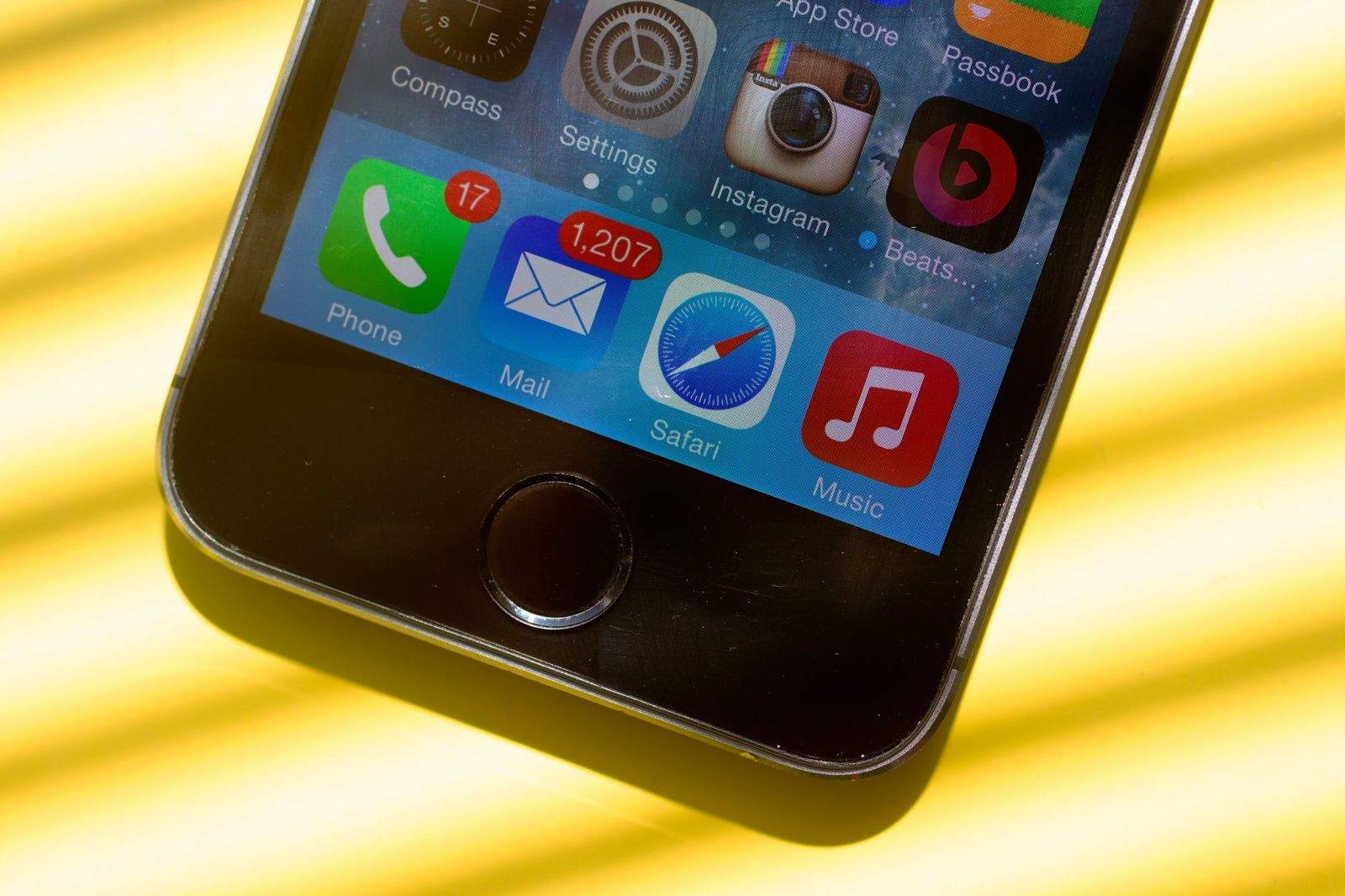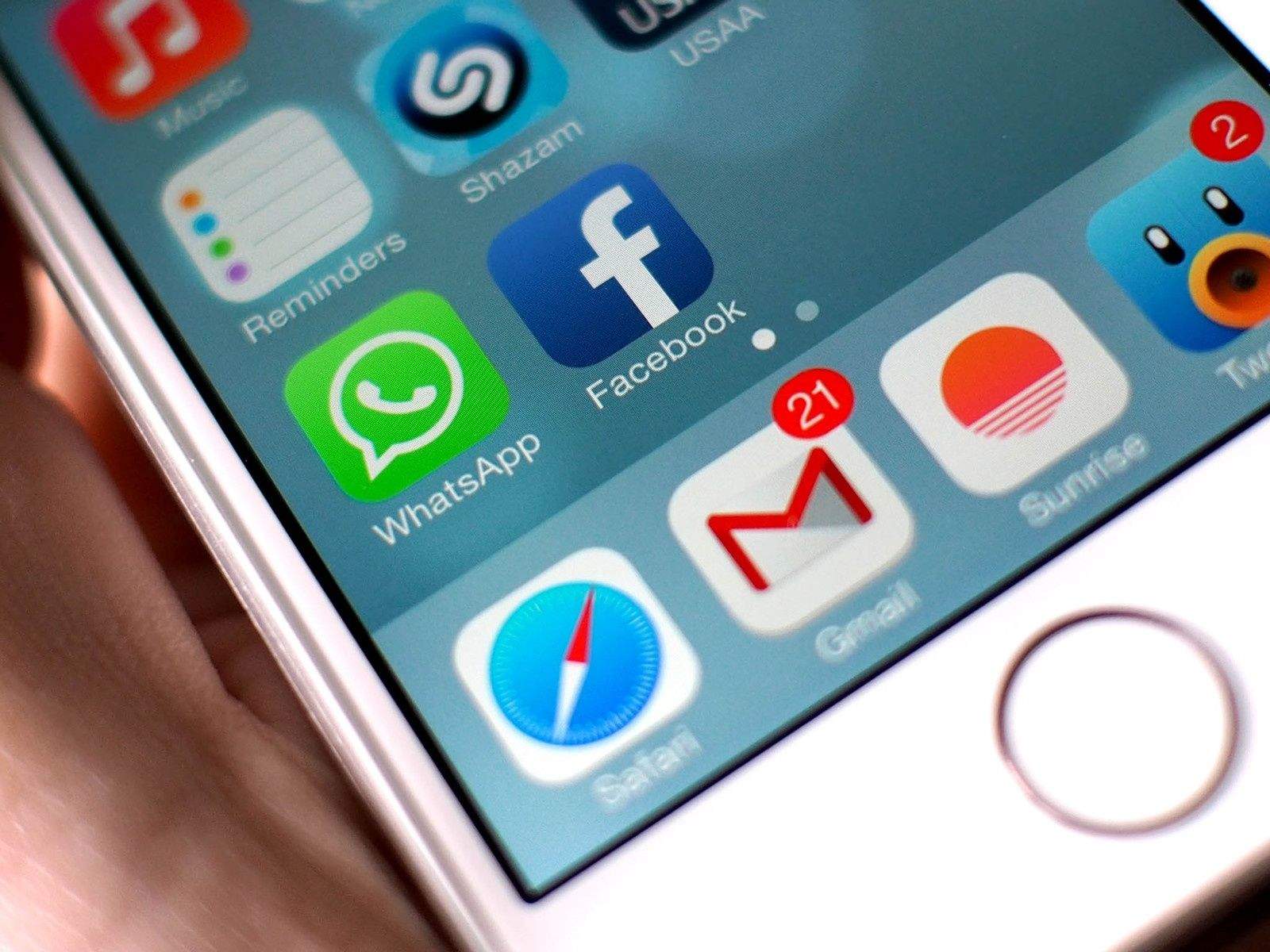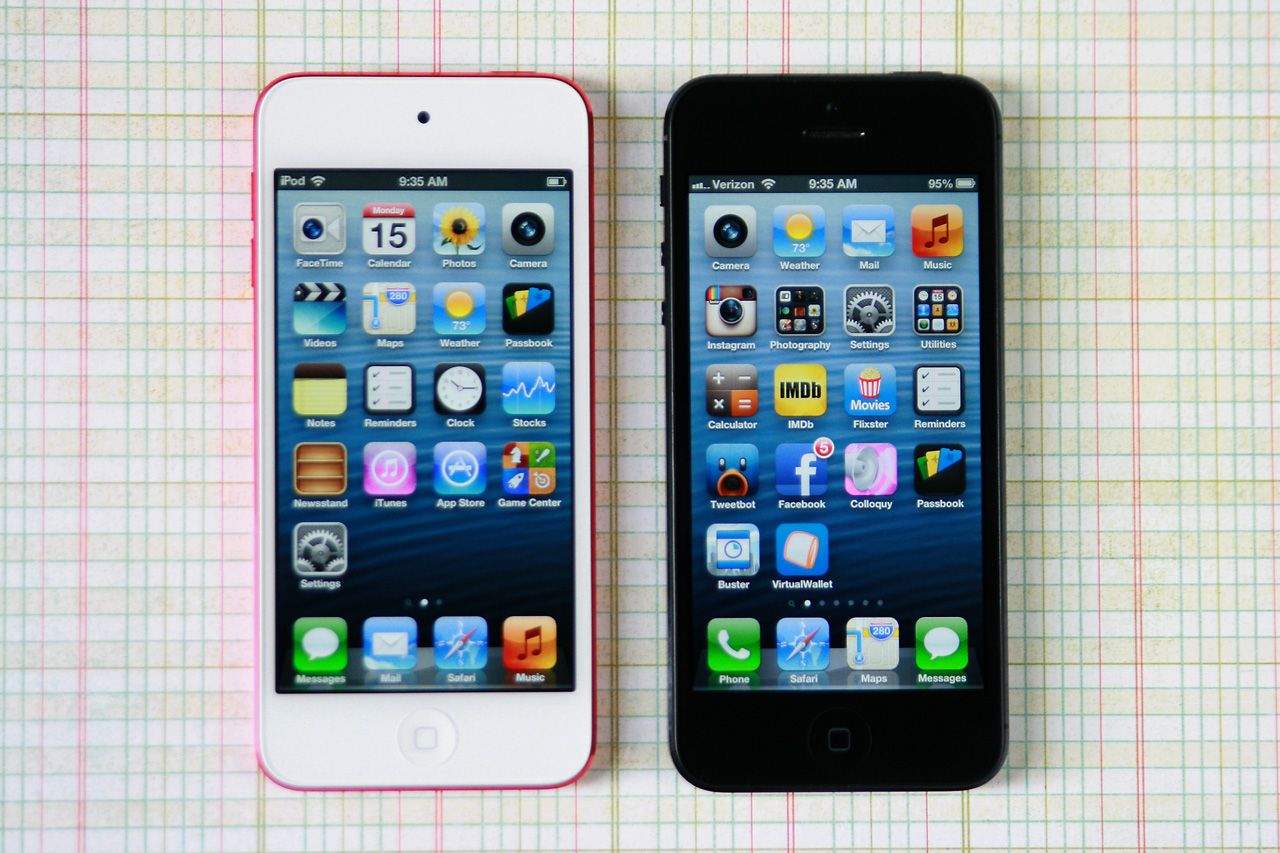
A recent report suggested that Apple was restarting manufacture of the iPhone 4 to target India, Indonesia and Brazil as developing markets. In fact, sources say that Apple never stopped making the phone.
A news story for BGR India claims that — while the volumes might not have been so high as that of the iPhone 5s, iPhone 5c, or even the iPhone 4s — Apple continued manufacturing the iPhone 4 ever since its introduction, since the phone serves as a key component of Apple’s sales strategy in countries outside of the U.S. and Western Europe.
Popular MMO (that’s Massively Multiplayer Online) game, Line of Defense, has arrived on iOS via a new combat strategy game called Line of Defense Tactics.
Giving gamers the opportunity to take control of a team of four Galactic Command Marines (GALCOMs) as they embark on a range of missions across space stations, starships, and planetary battlefields, Line of Defense Tactics lets you train your squad, upgrade their stats, weapons, inventory and abilities en route to becoming the ultimate fighting force.
The money side of Apple is nothing out of the ordinary for anyone who follows investor news and views. The idea, however, that Apple products — specifically the iPhone — may be considered a form of hard currency in themselves is something a little bit different.
That’s the premise of a recent post by Bloomberg News reporter Vernon Silver, however, who claims that in recent months he’s been using unlocked iPhones to pay his bills.
Reporter is a crazy iPhone app that tracks… well, everything. It pops up an alert at random intervals throughout the day and conducts a mini survey, then puts all this data together to be mined at your leisure.
Today sees the App Store launch of retro-styled hack n’ slash iOS actioner, Only One.
Borrowing its one-man-fights-off-millions-of-enemies-on-top-of-a-giant-tower premise from the Jet Li-starring cult movie The One, the game is the fighting equivalent of a never-ending platformer — only with waves of enemies (70 in all, plus 7 bosses) taking the place of constant leaps and obstacles.
Beep is a weird little device that could be either just the thing you’re looking for, or the stupidest accessory ever. It’s a Wi-Fi volume knob that hooks up to your speakers, and streams music either direct from Pandora, or from your iDevice via its own companion app. No AirPlay, no Rdio or Spotify. I told you it was weird.
Tim Cook has acknowledged that Apple has bought back $14 billion of its own shares over the past two weeks — reacting to an 8 percent decline in shares following the recent financial quarter results.
In an interview with the Wall Street Journal, Cook admitted that he was “surprised” by Wall Street’s reaction to Apple’s last quarter, in which the company broke records by selling 77 million iOS devices over the holiday season.
Apple’s recent share repurchase is the largest of its kind for a company of Apple’s size over a similar timespan. During the past 12 months, Apple has bought back $40 billion of its own shares — part of a plan to repurchase a total of $60 billion. In the past two weeks Cook says that Apple bought $12 billion of its shares through an “accelerated” repurchase program, and a further $2 billion on the open market. Apple plans to disclose updates to its buyback program either next month or in April.
With Phraseology 2.0, developer Greg Pierce has made a definitive case for URL schemes, the trick that he invented with his Drafts app to let iOS apps talk to and send data to each other. While Phraseology 2 can work as a text editor, it is in fact a “word processor” for iOS. And I don’t mean that in the crappy, MS Word bloatware sense, either. I mean that it’s a machine to process text, from any other app.
If you got a kid to draw a picture of a camera, that picture would look just like the new Nikon P340, a device that can be accurately described as “boxy, with knobs.” And it’s gorgeous, kind of like then Lenovo Thinkpad of cameras, and despite its diminutive form it has everything an enthusiast would need – except a viewfinder.
Under its previous owner, Instapaper was a good-but-limited iOS app with a barely functional website component. Under its new ownership at Betaworks, the app has slowly become part of a great ecosystem, with the latest addition being a Safari extension.
Rather than slogging through a lake of reviews to find something you’re just going to put down after 10 minutes, Cult of Mac has once again waded through the iTunes store to compile a list of the best new albums, books and movies to come out this week.
Enjoy!
Best Albums
Broken Bells – After the Disco
For their second album as dynamic duo Broken Bells, Danger Mouse and James Mercer of Shins fame combine their arching melodies and sweet vintage synths with groovy bass-lines for a sound that’s a fusion of futuristic disco and rock. The final product, After the Disco, is a kaleidoscope of pop mixed with imagination, in what is surely the duo’s best album to date.
CEO’s second LP drifts somewhere between dreams and nightmares. It’s energetic and bouncy. It’s great to work to. In fact, I wrote this whole article while grooving to Wonderland’s other-worldly sounds. That alone deserves a nod in this week’s picks.
Bombay Bicycle Club has decided to reinvent itself with each of the albums its released, and while some of the previous efforts were charming, nothing has felt satisfactory. Rather than releasing their fourth album a year after A Different Kind of Fix, it seems like the group benefited from their time off with most the songs being written during Jack Steadman’s travels to Turkey, India, and Netherlands. Beat and loops get more of an emphasis on So Long, See You Tomorrow making it the groups most vibrant disc yet.
All Joy And No Fun – The Paradox of Modern Parenthood
by Jennifer Senior
I don’t have any kids, and a recent trip to Disneyland kind put me off on the idea of having them for a while, but when I do this will be my reading list. Rather than taking a look on the effects of parenting on children, All Joy and No Fun examines the effects of children on their parents and how changes over the last 50 years have dramatically altered the roles of mothers and fathers, making them more complex than ever.
One of the most promising collection of short stories lands this week from the young Molly Antopol, a National Book Foundation 5 Under 35 honoree. Antopol’s stories combine for a stunning exploration of characters shaped by history and the nature of disillusionment as failed dreams crack.
Extreme Medicine – How Exploration Transformed Medicine in the Twentieth Century
by Kevin Fong
All the blank unexplored places on our maps have been filled in over the last 200 years, but as man has pushed the boundaries of his physical limits, we’ve also been pushing the medical boundaries as well. In his book Extreme Medicine, Dr. Kevin Fong explores how medicine has been shape by mankind’s thirst for exploration. Like how the challenges of Arctic exploration created opportunities for breakthroughs in open heart surgery; battlefield doctors pioneering techniques for skin grafts, heart surgery, and trauma care; underwater and outer space exploration have revolutionized our understanding of breathing, gravity, and much more.
I wasn’t a huge fan of the first Thor film, but Chris Hemsworth managed to win me over in Thor: The Dark World. There’s less cheesy love drama on Earth this time around, for starters. This time there are higher stakes – all of the Nine Realms are up for grabs. And Loki and Thor team up to take down an enemy even Odin couldn’t destory.
The Wire offered one of the most stunning portraits of life in Baltimore (or any city), but did you know that there is a gang of dirt bike riders who perform death-defying stunts on the street while evading the police? It sounds out of place in the urban landscape of Charm City, but the documentary 12 O’Clock Boys follows Pug, a precocious youngster who will stop at nothing to join the gang.
Grand Piano hasn’t even hit theaters stateside yet, but iTunes offers the thriller featuring Elijah Wood as a brilliant concert pianist suffering from stage fright. During a concert the pianist learns a sniper in the audience will shoot him if he plays a wrong note, in one of the most unique action movies this year. Want the complete opposite of an Elijah Wood and John Cusack pairing? Try Escape Plan.
Have the spectacular goings-on at Sochi got you inspired to get off the couch and pick up your snowboard? Just remember to take your iPhone with you: there are a ton of game-changing apps to get more out of your runs.
Back in the day, slo-mo video analysis and gait analytics were only for the pros, now weekenders can have it, too, along with speed and other stats that can definitely up your game. Cult of Mac polled some app makers for advice on how to get more out of this winter sports season.
Clear Sky’s 10K app.
Extreme Sports? Step It Up Before You Go
“One of the frustrating things about extreme sports is that you just can’t do them all the time. As a snowboarder living in Israel, all I get is one week of snowboarding a year, at best,” Benny Shaviv, CEO Clear Sky Apps, maker of fitness apps ranging from 10K forever to Pushups Extreme. Before the winter season, Shaviv runs two t0 three times a week and does strength training. A month before the longed-for vacation he steps it up and says the “impact on my snowboarding has been tremendous.”
Find Focus Before You Hit The Slopes
“Although meditation can have a spiritual or philosophical aspect to it, I focus on the neurological changes in the attentional system,” says Portenga, a sports and performance psychologist and founder of iPerformancePsychology. “I use meditation to help train the attentional system without getting into the philosophical aspects. Breathing is similar. This is a crucial skill to manage energy and recovery. It’s surprising how many people don’t breathe efficiently or have breathing patterns that waste energy and can lead to anxious feelings. To handle pressure, a performer must have mastery over their attention and energy.”
That said, Yoda-like mental mastery still can’t make you graceful or expert if you’re a world-class klutz.
“At the most basic level, sport is 100% physical,” Portenga, who has worked with athletes in both the summer and winter Olympics, notes. “If you can’t ski, you can’t ski and no amount of ‘mental toughness’ will cover for that. It’s why you’re not going to see any PhDs in sport psychology at the Olympics. That being said, the brain controls the body, so it’s responsible for how efficiently we develop and how much of what we’ve developed we get out during a performance. You have to develop the physical skills first.”
Video app Ubersense
Try A Virtual Coach
Ubersense, a free app for video and analysis in sports training, has been working with the USA Bobsled and Skeleton teams before they hit Sochi. Choke is a dirty word in sports, and it tends to happen when experts morph back into newbies when they suddenly become conscious of every move they make. And what about newbies who are already hyper-aware of how exactly how dumb they look? It all depends on when you decide to shoot, apparently.
“We’ve heard from some people that they do not look to record or analyze footage during a game or round of golf as gets them thinking too much and they prefer to record and analyze during practice instead,” says Alex Pedicini, Ubersense community manager. “While some people may be a little embarrassed about the way they look on film, we’ve found that people who are serious about improving their performance and technique want the visual feedback.”
The app can record and analyze over 30 sports, compare your efforts to the pros and devise coaching plans. (The fearless can even share their videos — over various social media channels).
Pedicini says there is a ton to learn from watching and analyzing yourself on video, if you can get past the cringe factor.
“Slow-motion and video analysis in general was expensive and only available to elite level coaches and athletes. Now, with the rise of mobile devices and the increasingly high quality of the cameras it’s possible to do pretty much all the analysis you need from your phone or tablet,” he says.
If You Don’t Want To End Up On The Couch, Watch Your Weekend
Apps are great for motivation and charting progress, but there are some pitfalls to working with them. “People who don’t run regularly commonly try to go too hard too soon,” says Shaviv of Clear Sky Apps. “This means that someone who has not run for years might go out there and try to do a 20-minute straight run (and will feel pretty bad doing it). Then, in an effort to accelerate and get in shape fast – they might take a shot at running almost every day… which will only make it worse.”
The lesson? Weekend warriors will end up on the sidelines.
“Your body needs natural progression and time to heal. Using a pre-set program that slowly progresses is the way to go. We advise everyone to start slow, and make sure to mind the rest days. They are just as important as the running days – its during that time that your muscles build up and improve,” Shaviv notes.
Listen To Your Body, Not the Tech
Let’s say you’ve been faithful to wearing a heart rate monitor and an app, to track your progress all fall. Fitness by the numbers can be problematic, though.
“The biggest pitfall of training with tech is relying on it too much,” says Kate Billerbeck of NuMetrex, which makes futuristic heart rate monitor clothes and gear. “People tend to look at the stats in isolation – they think something like ‘oh, well I’ve had really steady results the past couple of days, so I can push myself to the limit today.’ ”
The opposite happens when weekend athletes let the numbers get them down. Billerbeck says that it’s easy to get discouraged if you’re not seeing the progress you expected.
“It’s important to remember why you started self-monitoring in the first place – to get to know your body better. Sometimes it can be beneficial to take a step back and get some perspective – take a day off if you’re feeling tired or think about how much better you feel about yourself when you get a good workout in – regardless of whether or not your progress shows up on the screen.”
Digifit apps.
Simplify, Simplify, Simplify
One final word to the quantified fitness aficionados: keep an eye on your goals and your gadgets if you want to go long.
“(People forget) they need to reassess their fitness level and workout plan as their fitness level improves to maximize workout efforts.” says Dean Hovey, CEO of fitness app purveyor Digifit. Hovey advises users to reassess their fitness level and cardiovascular strength every few months. “This will help avoid plateaus, promote safer workouts and ultimately help the user reach their goal faster.”
Other speed bumps on the road to maximum fitness include too much data from too many disparate sources, Hovey says.
“With so many fitness, health, weight management and calorie counting tech tools these days, many people become overwhelmed and may have personal data for different goals stored in multiple accounts or on multiple devices,” he says.
“To fix this problem, link accounts to gather data in one place or find a wearable tech tool that gathers data across multiple areas.”
One final note of caution: if you’ve gone digital with your training, don’t drain your willpower because of the batteries.
“Get in the habit of charging your devices on the way to the gym in your car, keep extra chargers in your gym bag and take a long a portable device for those unexpected low battery alerts,” Hovey notes.
Foul-mouthed YouTube Senor Pacman teaches you how to beat the $50,000 a day App Store sensation, Flappy Bird. Or, at the very least, he teaches you how Flappy Bird will ultimately beat you.
Google wants to use facial recognition to let viewers customize videos as they watch them.
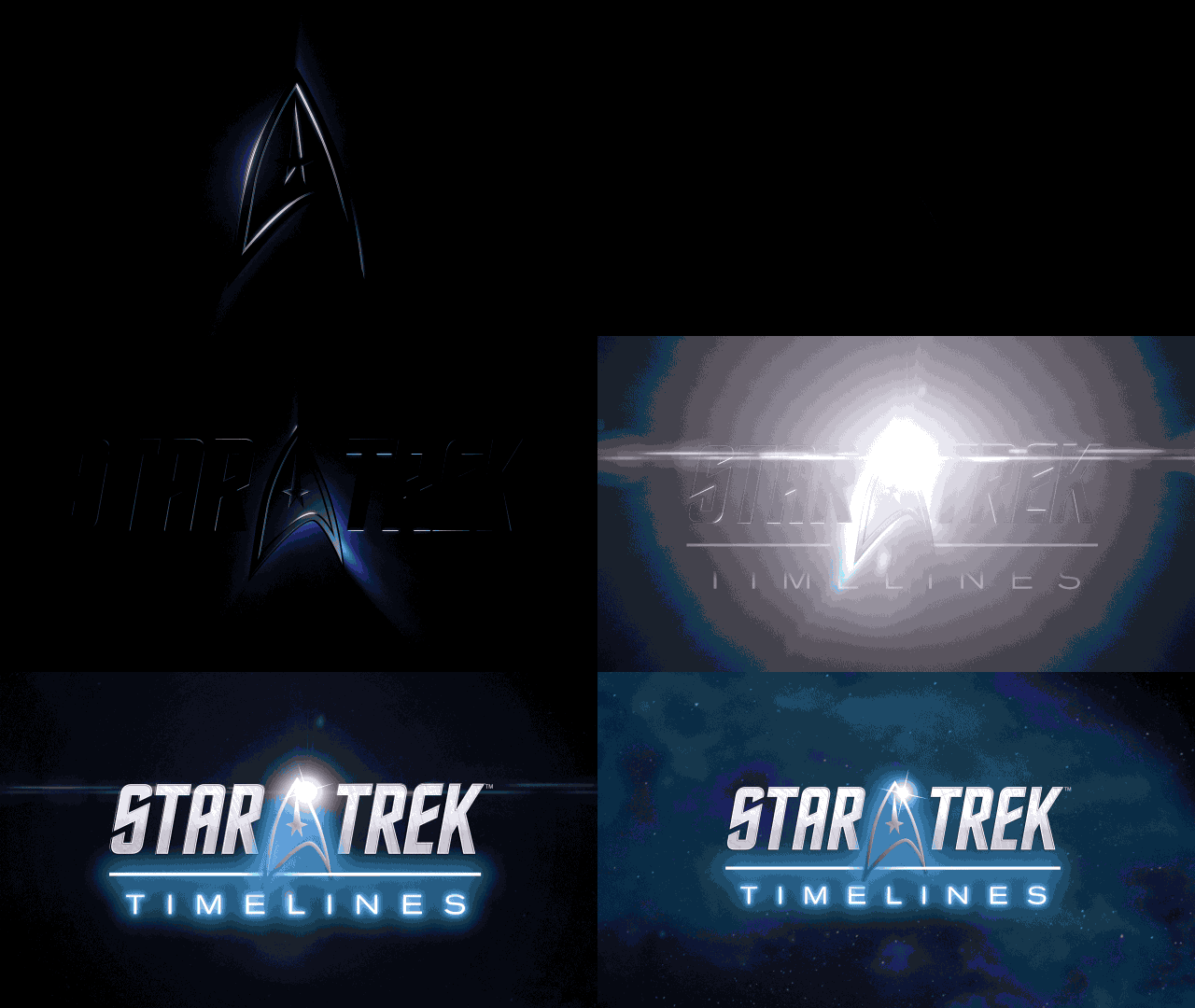
Love Star Trek but cringe every time William Shatner opens his mouth? Google’s new method for customizing video could allow you to mute Captain Kirk’s melodramatic monologues, skip scenes in which the character appears, or even change the channel every time Shatner’s face graces the screen.
These novel ways of slicing and dicing video on the fly are outlined in a patent application entitled “Customized Video,” published Thursday by the U.S. Patent and Trademark Office and assigned to Google. The system would use facial recognition to identify actors, cartoon character, etc. — and give viewers a way to find (or avoid) other videos featuring the same people.
While I’m a huge fan of the new Control Center on iOS, I can see where it might not be the best thing to have enabled on the lock screen. We’ve all left our iPhone or iPad out in places where folks might be able to get a hold of it, and you might not want those folks messing about with your settings.
Once you take Control Center out of your Lock Screen, you’ll have to enter your password (or use Touch ID) to authenticate to your phone before you can use Control Center, which is a pain, but so will anyone else, making your device just that much more secure.
This is Cult of Mac’s exclusive column written by an actual Apple Store Genius who answers all your questions about working at an Apple Store. Our genius must remain anonymous, but other than “Who are you, anyway?” ask anything you want about what goes on behind that slick store facade.
This week our Genius talks about the oldest and youngest employees at the Apple Store. Then he dishes on Windows 8 as well as whether Apple will ever come out with an iPhone with a bigger screen.
Got a question you want the inside scoop on? Send us your questions and the answers will be published first in Cult of Mac’s Magazine on Newsstand. Send your questions to newsATcultofmac.com with “genius” in the subject line.
Q: What’s the youngest Apple Store employee you’ve seen? The oldest?
The ages of Apple Store employees varies a lot. Before I worked at Apple, I would be shocked to see older people working at this high-tech company, but now I think it’s great because we have a wide variety of ages, gender, race and backgrounds to give customers a lot of options to connect with a Specialist.
The youngest Apple Store employees are 18, as for the oldest, I have a female co-worker in her late 60s – I’ve never dared ask her exact age. She retired as an airline stewardess and now works at the Apple Store part time, mostly in the iPod and iPad sections, but she’s phenomenal. If you can put up with pushy airline passengers, the Apple Store is a cake walk.
Q: Are you required to use Macs? What do you think of Windows 8?
At the Apple Store we’re required to use Macs because the tools we use to diagnose and fix problems with Macs, iPods, iPhones, etc. only works on OS X, so using a Windows machine isn’t an option. As far as personal life though, Apple has no say. A few friends at the Apple Store game on PCs but most of them use Boot Camp on Mac.
Windows 8 is interesting. It was a gutsy move to introduce a UI that’s so radically different, but it sounds like its not paying off for Microsoft. I haven’t played with it a ton myself, but when I have, the tile interface has turned me off. I actually like Windows 7. It feels solid and in some ways I like it better than OS X 10.9, but Windows 8 feels like a mistake. I hate that Microsoft is trying to get us away from the keyboard and mouse for a touchscreen desktop. It doesn’t work as well as on a tablet you hold with your hands.
Q: Will Apple ever make an iPhone a bigger screen?
Probably ;)
Apple has already showed that it’s willing to make a bigger iPhone screen with the iPhone 5. I don’t have any inside knowledge, but rumors say they’re moving to a bigger screen this year.
Fragmentation is always a concern, but Apple has changed the resolution on the iPhone every two years since the iPhone 4 and developers have adjusted just fine. Maybe it’ll happen again this year. I wouldn’t mind if they do.
Despite Apple’s incredible success with the iPhone, company co-founder Steve Wozniak believes it should make a new Android-powered smartphone and “play in two arenas at the same time.” Woz believes such a device could compete very well in the Android market against rival manufacturers like Samsung and Motorola.
Numerus is one of those weird apps that shouldn’t be as interesting as it is. But once you spend a little time clicking around it, you will feel the random knowledge dropping into your head.
Did you know that in 1950, the Canadian postal system processed 1,362,310,155 items? I don’t know why you would, but you do now. Also, the human body has 248 organs, there were 129 episodes of the CBS sitcom Becker, and China contains 56 officially recognized ethnic groups. I can’t stop.
Alright, maybe one more.
Is that a Bill and Ted reference in there? This app is amazing.
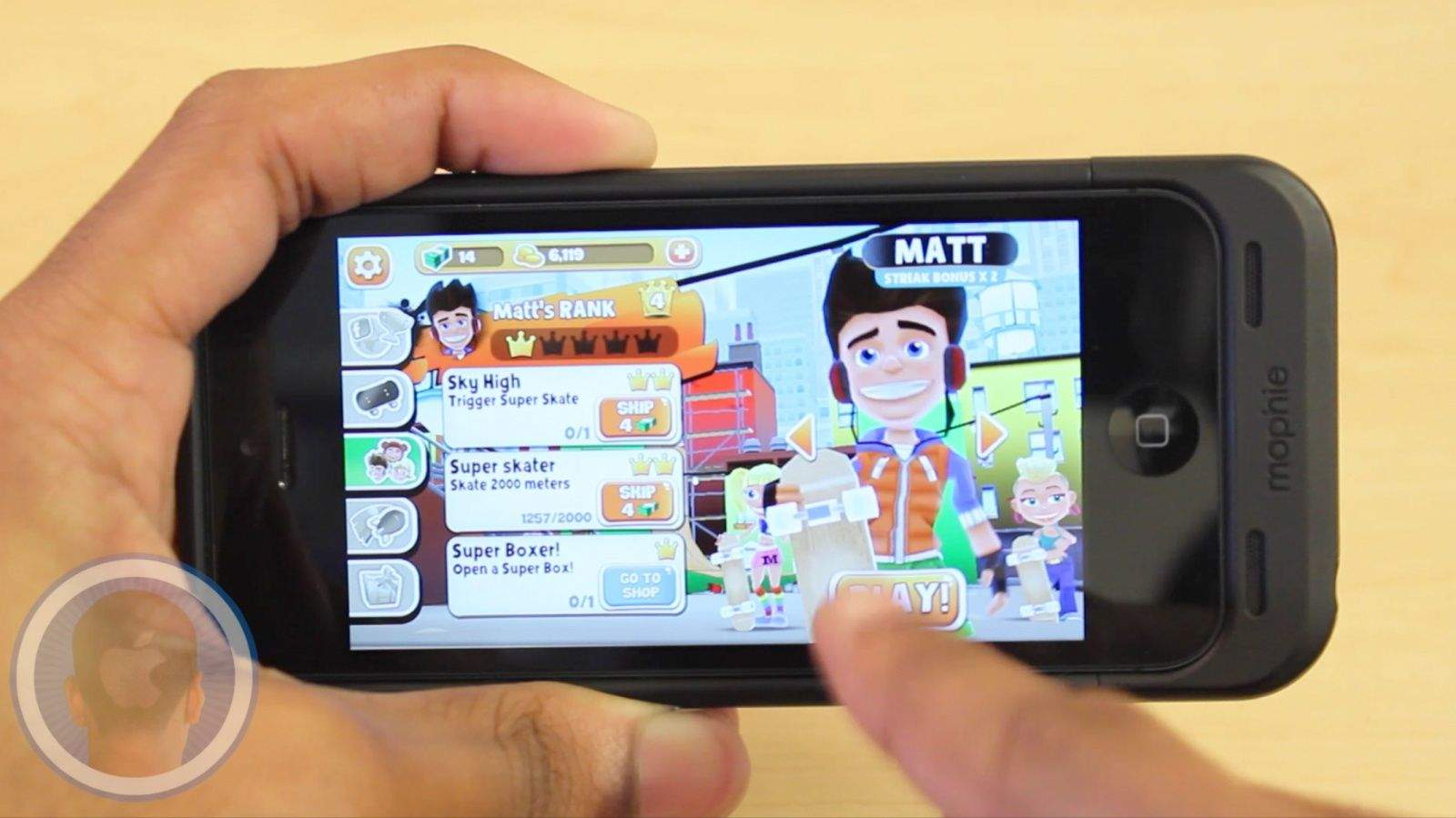
Here’s the thing about touch controls: You’re controlling the game with the same thing you’re using to see what you’re doing. This creates a problem when your dumb, clumsy fingers start blocking your view and lead to cheap and preventable deaths.
Lego Star Wars: Microfighters by Traveller’s Tales Category: iOS Games Works With: iPhone, iPad Price: $0.99
Some games prevent this by putting the control areas off to the side or in an otherwise unused place on the screen, leaving the view clear. Lego Star Wars: Microfighters, the latest in the synergetic juggernaut of a series, is not one of those titles.
It’s surprising that developers and publishers as experienced as Warner Bros. and Traveller’s Tales would allow such a clumsy and stupid thing to happen, but here it is.
Preview is a fantastic image viewer with some basic image and PDF annotation tools.
If you’re viewing a high resolution image and want to magnify a small portion of the image, without zooming the whole thing in, you’ll want to use the magnification tool, also known as a loupe.
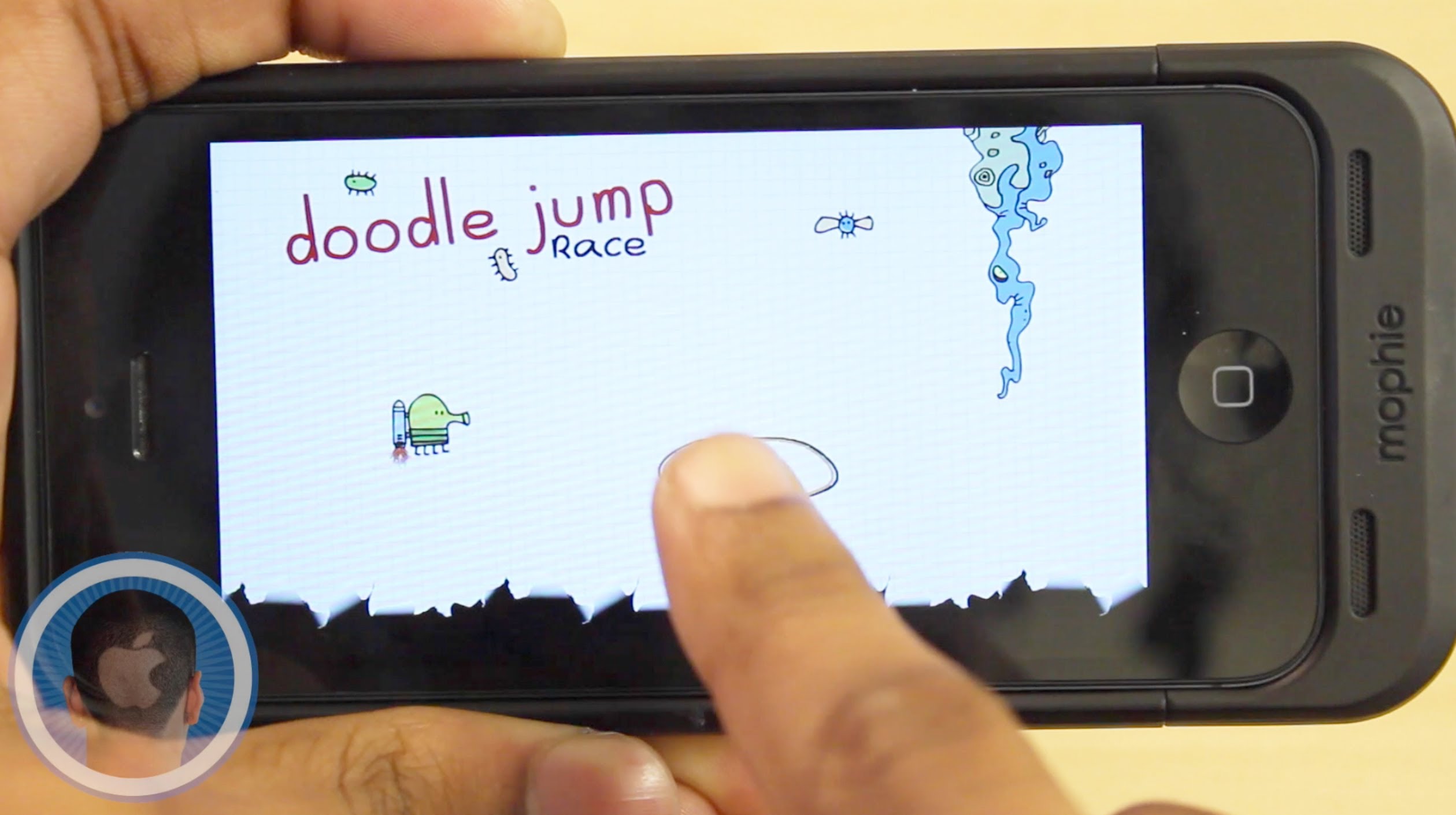
Your unbridled addition to Flappy Bird, the latest craze in smartphone gaming that has recently rocketed to the top of the App Store and Google Play charts, is earning its creator an incredible $50,000 per day in advertising revenue.
The title has been downloaded over 50 million times since its debut, and it has amassed almost 350,000 ratings across both platforms.
We’ve all likely done it: you’re sending a text message — only to find out after hitting the “send” button that your carefully crafted comments have fallen victim to some embarrassing autocorrect abomination.
Clearly someone at Apple has had the same experience, since a new Apple patent suggests that future iPhones may include an option for correcting messages after the user has instructed the device to send, but before the transmittal of the message has taken place.