Apple Watch will ship in April, according to Tim Cook. Photo: Leander Kahney/Cult of Mac
During today’s historic Apple earnings call, Tim Cook dropped a subtle bomb on Apple fans by revealing that the Apple Watch is slated to launch in April.
“I’m using it every day and I love it and I can’t live without it,” Cook said.
While he didn’t give a specific release date for the wearable, it’s the first time Apple’s narrowed down the launch beyond “early 2015.” Cook said Apple considers “early” to be sometime within the first four months of the year, so the Apple Watch is right on target.
Apple shattered records again this quarter. Photo: Pierre Marcel/Flickr CC Photo: Pierre Marcel/Flickr CC
The numbers are finally in for Apple’s Q1 2015 financial quarter, and just as predicted, Apple blew away its own projections with a record-breaking $74.6 billion in revenue, leading to $18 billion in net profits. Both profit and revenue topped Apple’s previous records set in Q1 2014.
Apple’s record-breaking quarter was aided in large part by unprecedented demand for the iPhone 6 and 6 Plus. Total iPhone sales hit an astounding 74.5 million, while only 65 million was expected. The iPad experienced decent holiday sales, with 21.4 million sold, and Mac sales didn’t disappoint either. With 5.5 million sold, it’s no wonder Tim Cook called the quarter “simply phenomenal.”
Despite the better-than-expected performance, AAPL shares were down 3.51 percent to $109.53 per share by close of market today. Take a look at the impressive numbers in Apple’s announcement below:
That’s the first thought I had when I saw the new Spotlight in OS X Yosemite. I feared Apple had basically made my favorite little app launcher obsolete (we nerds call it “sherlocked”).
I was wrong.
It’s six months later, and Alfred is doing just fine, thanks largely to a vibrant community built around its power features, or workflows. Spotlight may be able to quickly launch an app from anywhere, but Alfred can tell the weather, eject attached hard drives, and control your Nest thermostat.
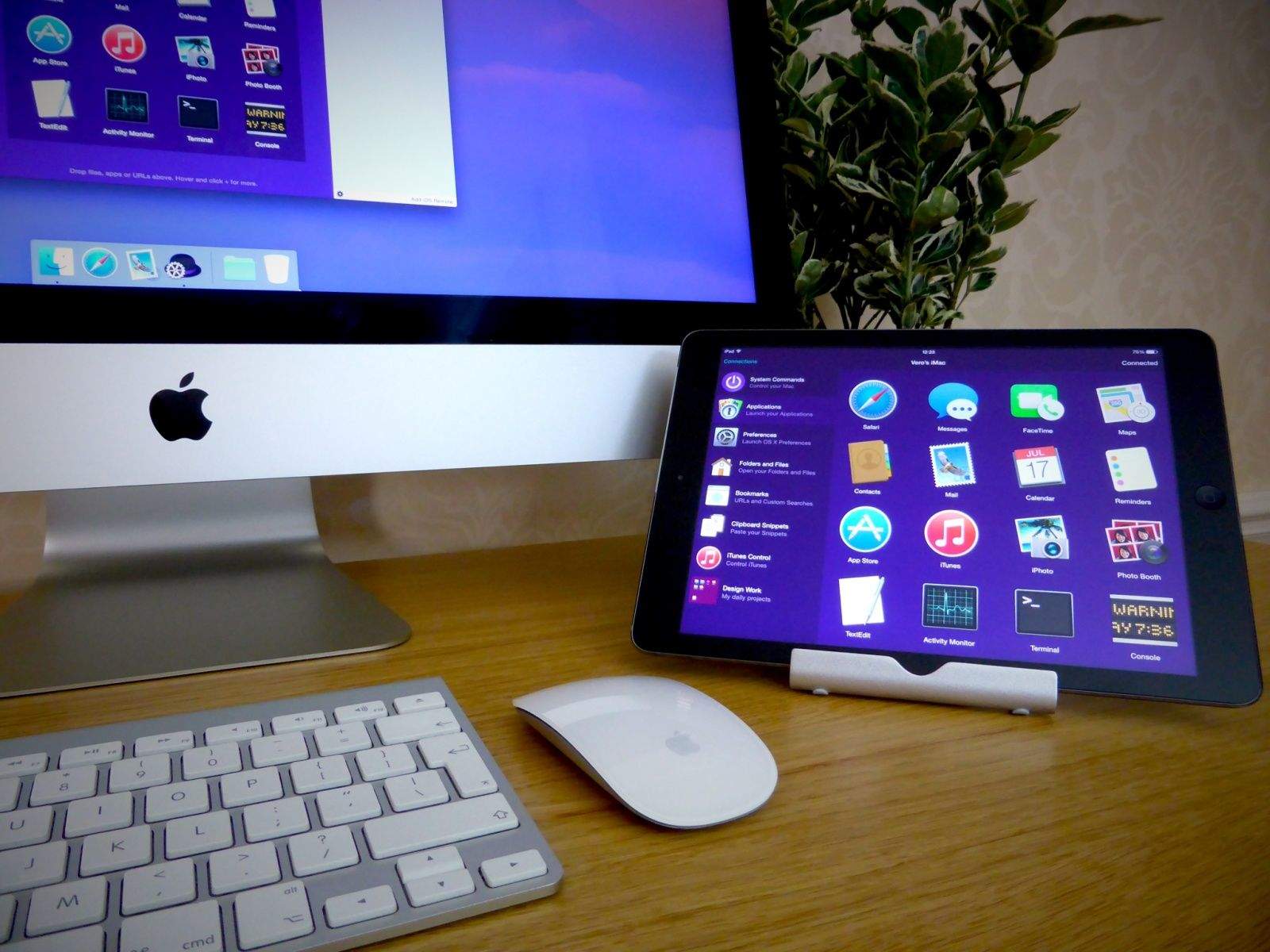
And now, after five years on the Mac, Alfred is making the leap to iOS with a new companion app called Alfred Remote. Released today, it’s not going to be useful for most people, but serious Alfred users will love it. If anything, it’s evidence that you can still build a great app and community around core features offered by Apple.
The iPad is one of Apple's greatest inventions, but at launch, people couldn't stop complaining. Photo: Jim Merithew/Cult of Mac
Five years ago today, Steve Jobs introduced the iPad. A giant screen with one button, the iPad represented possibly the purest distillation of Jobs’ tech dreams. Yet at the time it was met with derision. “I got about 800 messages in the last 24 hours,” Jobs told his biographer, Walter Isaacson. “Most of them are complaining…. It knocks you back a bit.”
Half a decade and multiple iterations on, the iPad is an established part of Apple’s ecosystem. While it’s had its ups and downs, nobody’s flooding Apple’s inbox with iPad-related hate mail anymore.
So what were people complaining about? We hopped in our time machine to take a look at the original criticisms — and what, if anything, Apple’s done about them in the years since.
Five years ago today, on January 27 2010, Steve Jobs unveiled the iPad at the Yerba Buena Center for the Arts in San Francisco — giving the world its first glimpse of the so-called “Jesus tablet.”
Although not Apple’s first venture into the tablet market (that would be 1993’s Newton MessagePad 100), the iPad was the first tablet Apple had released while Jobs was running the show. And, boy, was it great!
When looking at the iPad, at first the temptation was to think of it as a giant iPhone. That’s not the case, however. In reality, Apple began work on its tablet before its now-iconic smartphone. For Jobs, the idea went back to 2002 and a conversation he had with a boastful Microsoft engineer, who bragged about a stylus-based tablet computer. A patent application from Apple followed in March 2004, with Jobs and Jony Ive as two of the inventors named.
Things have come a long way since then, but it’s worth re-watching Jobs’ original iPad introduction — just for a reminder of how much Apple’s revolutionary device has meant in the half-decade since.
There’s nothing more frustrating than a beautiful iPhone that has zero GB of storage left. Especially when you see that a lot of room is actually taken up by a mysterious “other” section that just seems to grow bigger over time.
In today’s handy video, I’m going to show you a few quick methods to clear your phone of unnecessary files, giving you more room for favorite albums, pictures and apps.
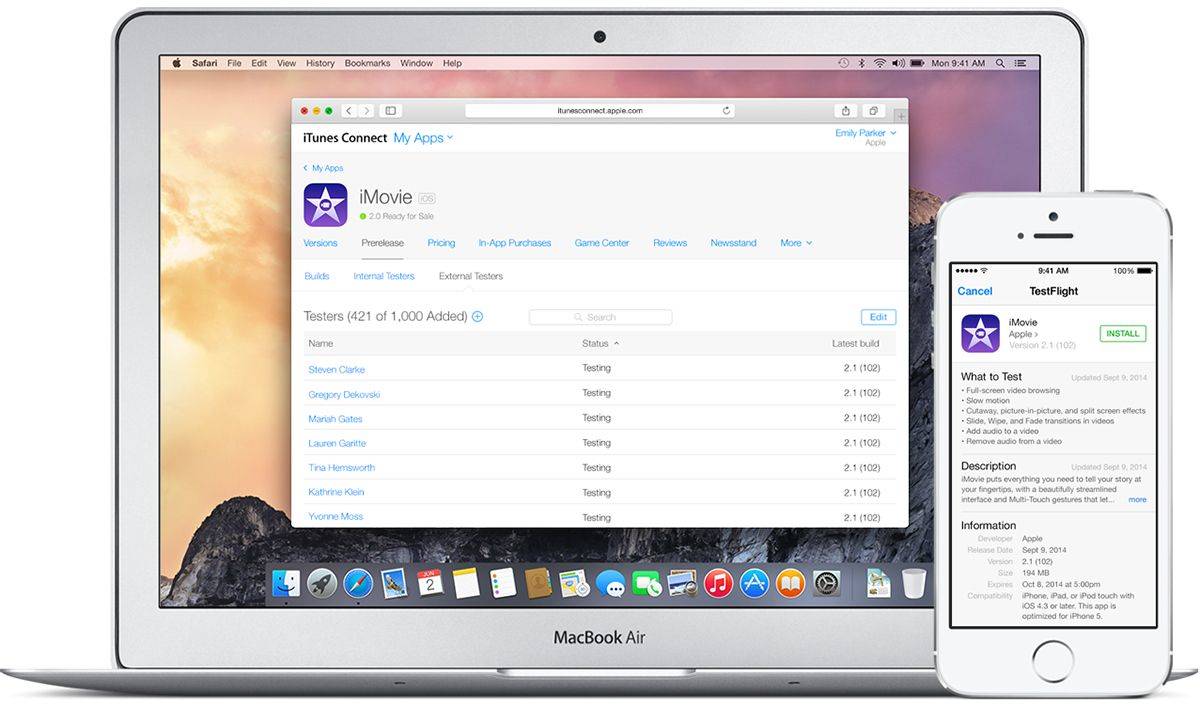
Apple acquired TestFlight maker Burtsly last year and quickly added it to iOS in an effort to improve the iOS beta testing experience for both developers and testers. Now Apple plans to close the independent site TestFlightapp.com to Android users and everyone else, forcing iPhone and iPad owners to only test apps through the official TestFlight iOS app.
A phaser prop from the original Star Trek series will be auctioned off next month. Photo: Propworx
A rare phaser pistol from the original Star Trek television series is “set to stun” when it goes on the auction block next month in Los Angeles.
It is made of fiberglass and one of only two known phasers to have survived the 1960s television series, which starred William Shatner and Leonard Nimoy as the leaders of the starship Enterprise.
The phaser could fetch more than $60,000, according to the website Luxurylaunches.com when it hits the block Feb. 21 during a Star Trek auction by Propworx.
Tweetbot for Mac has been pulled from the Mac App Store. Photo: Tapbots
In 2013, Twitter introduced a new policy that was designed to prevent third-party Twitter clients from gaining too much popularity. The design to the Twitter API basically capped the number of API “tokens” a third-party developer have. Each token is tied to a user, so the effect is that if a third-party Twitter client gets too popular, Twitter will stop allowing new users of that app into the service.
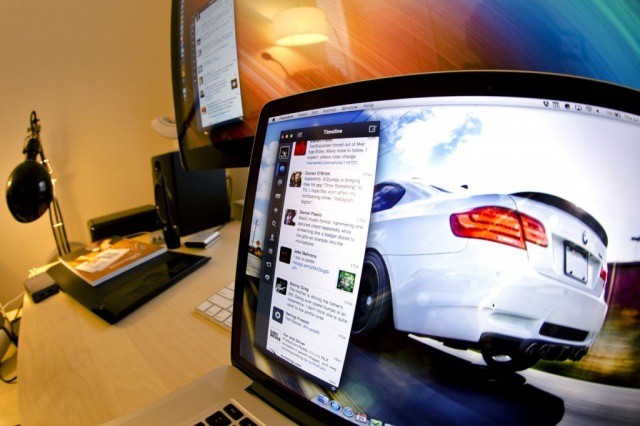
Over the weekend, it appears that Tapbot’s third-party Twitter app, Tweetbot for Mac, finally ran up against its token limit… and as of right now, has been pulled from the Mac App Store.
Outdoor Retailer's version of the Kodak Photo Spot is a eye-popping orange sleeping bag thingy for two. Photo: Jim Merithew/Cult of Mac
SALT LAKE CITY — Mother Nature’s got a million ways to make your life miserable. Luckily, the outdoor industry is filled with innovators, entrepreneurs and inspired inventors working incessantly to make your adventures more epic and less stressful.
The sheer number of companies hawking advanced snowshoes, crampons and things made of Merino wool proved a little mind-numbing last week at Outdoor Retailer 2015, the industry’s largest convention.
Everything from stitch-free puffy jackets to shoes made with Michelin tire technology were on display in the giant convention center, but we waded past the immense numbers of mannequins and bowls filled with enticing fresh fruit (rather than convention-standard Red Vines) to bring you a few of the more interesting gadgets, clothing items and even a new camera strap for your micro 4:3 camera.
Given that Tim Cook thinks China will soon overtake the U.S. as Apple’s biggest market, it’s no surprise that Apple is taking its expansion into China seriously.
The mural was created as a collaboration between international photographer and former engineer Navid Baraty (best known for these spectacular vertigo-inducing cityscapes) and artist Yangyang Pan.
As free as the wind blows, as free as the grass grows. Photo: Apple
Ever since Apple made the tactical error of giving everyone a free U2 album (#firstworldproblems), the company has been a tad on the, well, miserly side — with no Mac, iPad or iPhone discounts on Black Friday, and even the company’s customary 12 Days of Christmas giveaway canceled. Bah, humbug!
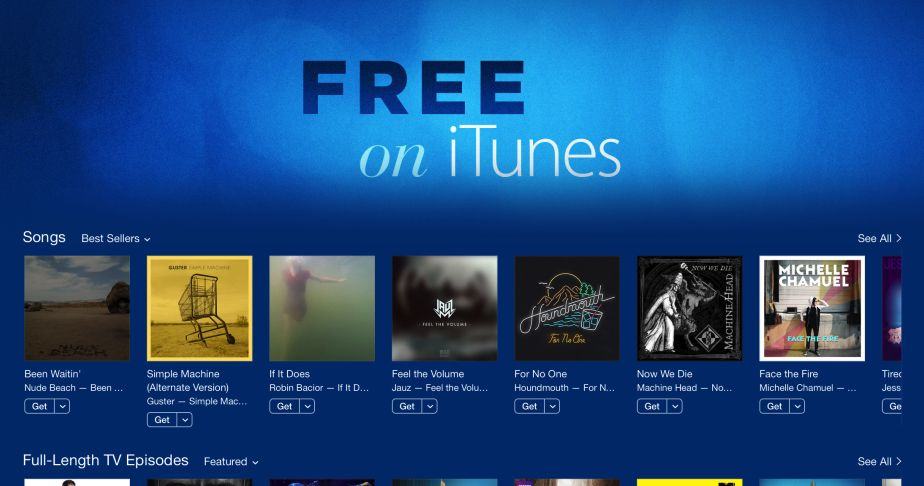
Clearly someone in Cupertino (head of retail Angela Ahrendts?) has woken up in a newly charitable mood, however, because Apple has just updated its iTunes Store app for both iOS and desktop with a new “Free on iTunes” curated section, which helps customers find content they can download without having to rack up any extra post-Christmas credit card bills.
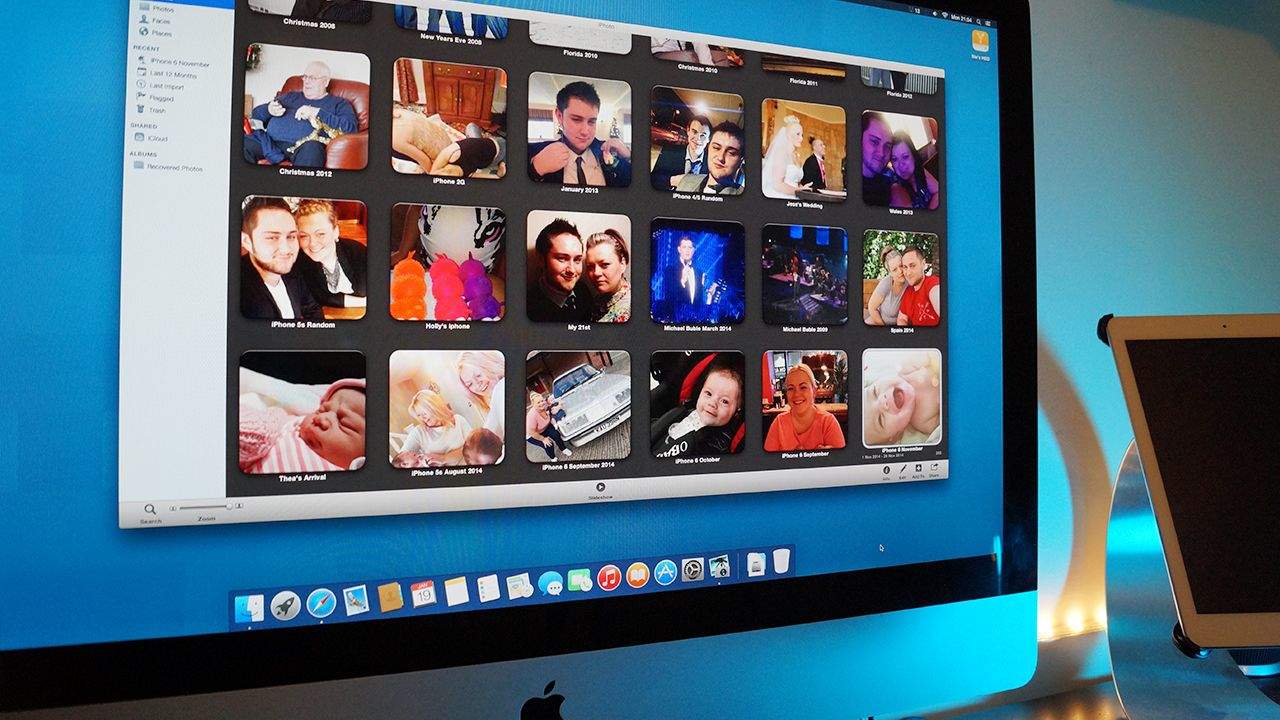
Don't overlook this great bit of free software for your photos. Photo: Stephen Smith/Cult of Mac
iPhoto is a free download for everyone these days, making it a basic bit of kit for anyone dealing with the deluge of photographic data we seem to collect. Still, it’s often overlooked by the best of us because of its limitations.
That’s unfortunate, because the simple program offers some pretty useful features that can quickly let you get on with enjoying your photos rather than tweaking them.
Here are five simple tips for using Apple’s built-in photo “shoebox,” letting you make your photos better and more organized even more quickly.
As we use our iOS devices for more and more tasks in daily life, a big question facing Apple is exactly how to squeeze more functionality out of limited screen real estate. The iPhone 6 Plus and the rumored 12-inch iPad Pro offer the simplest answer to this conundrum: make the devices bigger.
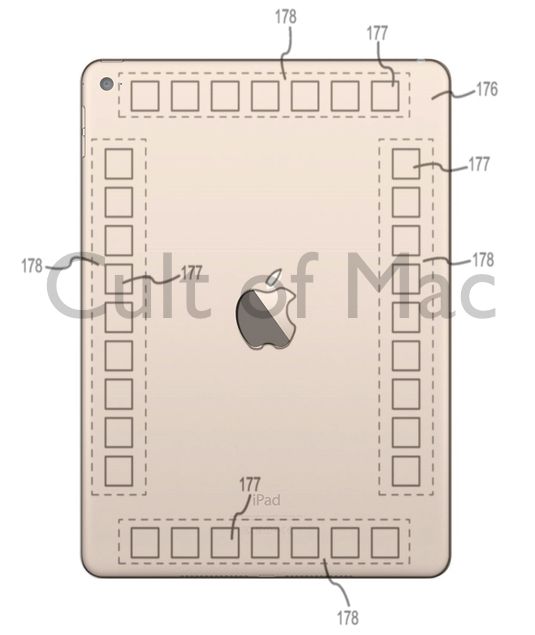
But a new patent application published today offers another potential way around the problem, without compromising the gorgeous one-button simplicity of Apple’s mobile devices.
Filed in August 2014, the “Configurable Input Device” patent application describes how Apple may consider incorporating sensor regions for user input on the back of iPads, thereby opening up a whole new way of using your favorite apps.
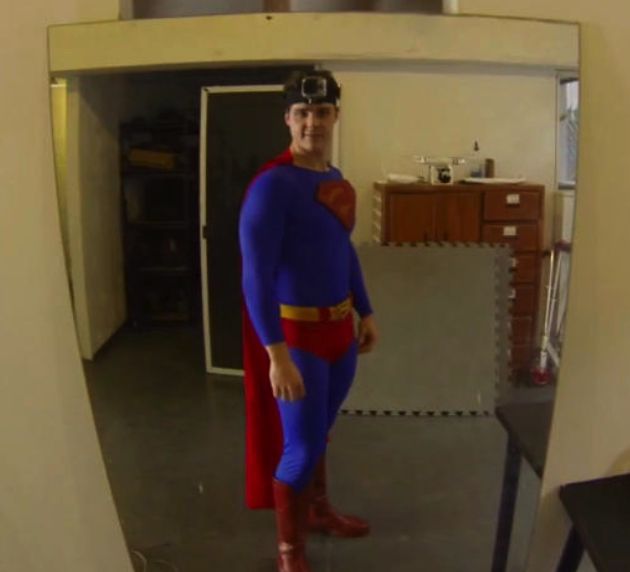
Ever wanted to see the world through Superman's eyes? Photo: Corridor Digital
Okay, so we live in something of a great time for epic movie storytelling — where a combination of the home video market, multiplex theaters, and multi-part franchises mean that filmmakers are no longer pressured to squeeze giant stories into single 90-minute movies.
But while that’s all well and great in some ways, there are definitely occasions upon which we wish movies were a bit more manageable in length: the kind of thing you can comfortably watch over, say, a lunch break.
With that in mind, here are five superb short films you’ll be doing yourself a disservice if you don’t watch. They may be short on running-time, but you’ll be surprised at just how many insane stunts, great plot setups and, err, creepy Russian robots they can manage to whip out during 5 or 10 minutes.
It's on many devices, but we still don't know what kind of devices. Photo: Microsoft
Microsoft just unveiled the future of Windows 10 today in Redmond. Along with some crazy holographic goggles that take on Google Glass and Oculus, company executives revealed the ambitious plan to make the next generation of Windows the first truly universal platform for desktop PCs, laptops, smartphones and more.
The 2.5 hour keynote was packed with new features coming to Windows 10 devices and the Xbox, but eagle-eyed Apple fanboys have already noticed a few ways Microsoft was influenced by some of Apple’s best features.
Here are 5 plays Microsoft stole from Apple’s playbook:
With HoloLens, Microsoft enters the age of holographic computing. Photo: Microsoft Photo: Microsoft
Forget about spreadsheets and Word docs — Microsoft thinks the world is ready for holograms.
“We’re dreaming about holograms,” said Microsoft’s Alex Kipman as he introduced Windows Holographic and HoloLens, the company’s new wearable holographic computer. He showed off the device, which is strapped to the head and includes see-through lenses and an array of built-in sensors designed to bring high-def holograms into the real world.
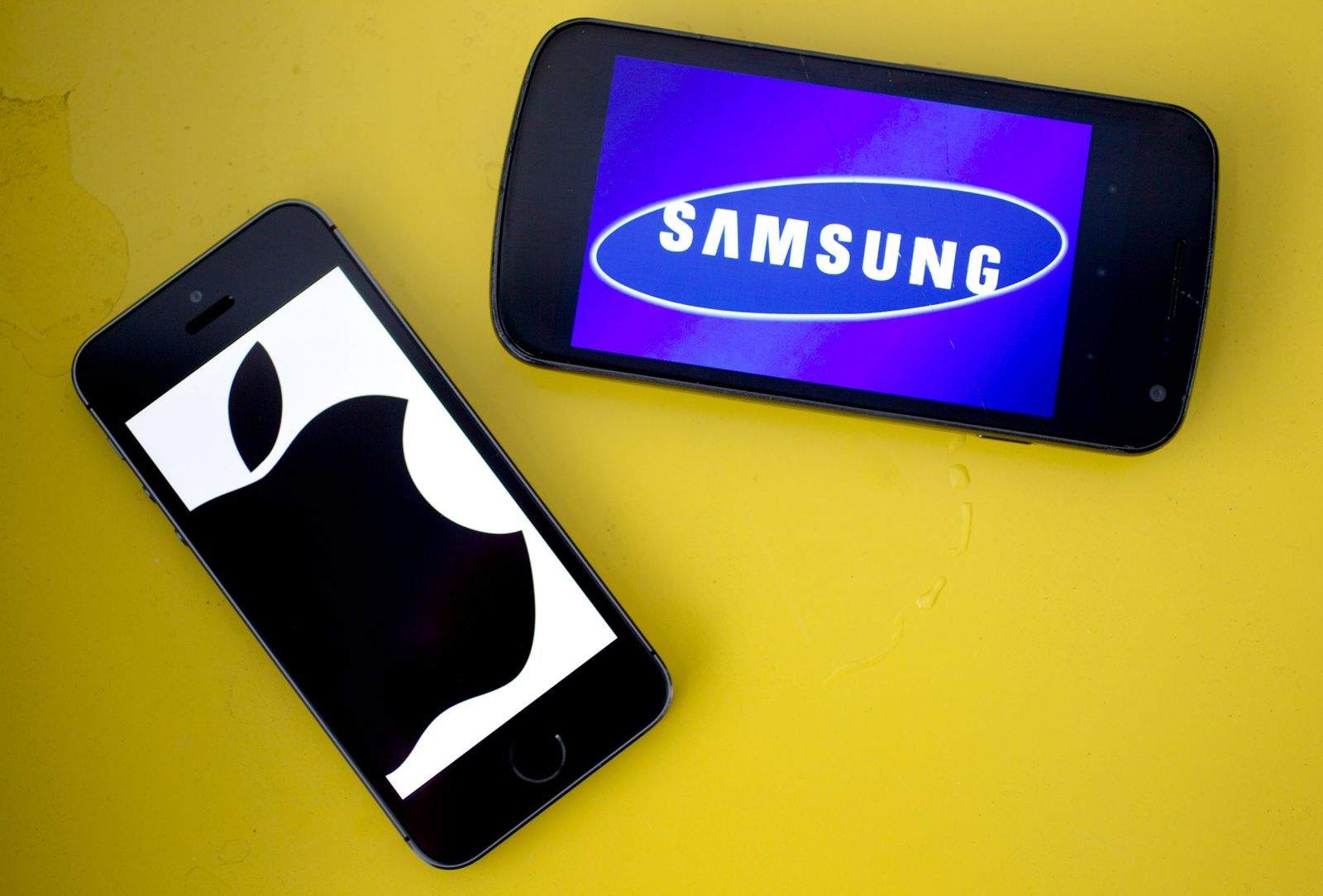
Samsung vs. Apple is looking more and more like a horrible mismatch. Photo: Jim Merithew/Cult of Mac Photo: Jim Merithew/Cult of Mac
Thanks to Apple’s continued success in Japan, and Tim Cook’s big push to expand into China, everyone forgets about one of the most revealing markets the iPhone 6 has scored big in: South Korea. Why is South Korea so revealing? Because it’s none other than the stomping ground of longtime Apple rival, Samsung.
According to a report published Wednesday by Counterpoint Research, Apple is now firmly challenging Samsung in its home ground — with market share in the country rising to 33 percent, from less than 15 percent, based on the success of the iPhone 6 and 6 Plus. Samsung’s market share meanwhile plummeted from 60 percent to 46 percent.
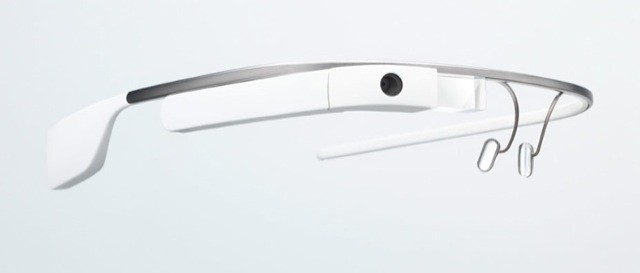
Could Apple have done any better? We think so. Photo: Google Photo: Google
Now that Google has pulled Glass off the market, for the time being at least, we’re left with a handful of questions that can’t be easily answered — even by a face-mounted computer.
Questions like, “What went wrong?” And, “What didn’t go wrong?” And, perhaps most enlightening of all, “How would Apple have gotten Glass right?”
While Phil Schiller, Apple’s senior VP of worldwide marketing, was not a fan of Glass, we’re certain Cupertino could have found success with a head-mounted wearable. Here’s how.
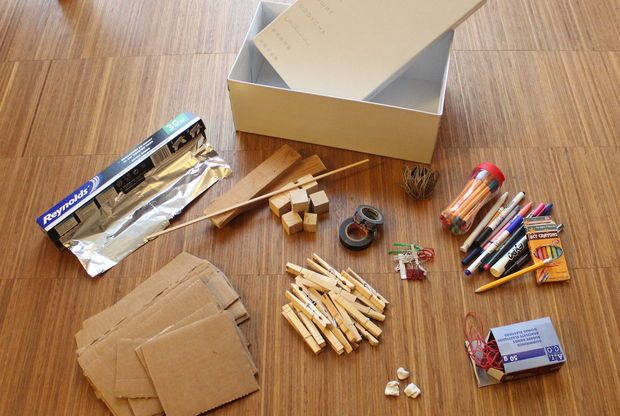
This is everything you need to build your own iPad inventor's kit. Photo: Adam Kumpf
Steve Jobs famously didn’t let his kids use an iPad, because he wanted them to avoid getting sucked into a netherworld of endless screens, without real-world engagement. It’s a feeling even the most tech-loving of parents likely knows — and it’s the inspiration behind a new project from MIT graduate Adam Kumpf.
I wrote about Kumpf’s clothespin iPad piano a few months back, and I’m fascinated by his concept for what he calls an iPad inventor’s kit. Essentially it’s a shoebox of easy-to-find household objects that, when paired with the right app, can help kids invent futuristic iPad gadgets — while also teaching them about the fundamental concepts of mechanical systems, physics, basic electronics, interface design and engineering.
Best of all, you can put it together yourself free of charge, thanks to Instructables.
iOS 8 adoption is nearing 70 percent -- but it's slowing down. Photo: Jim Merithew/Cult of Mac Photo: Photo: Jim Merithew/Cult of Mac
Apple is already testing iOS 9, but in the meantime iOS 8 adoption continues to grow — although it’s starting to slow down.
According to Apple’s latest stats, 69 percent of active iOS devices are now using the latest version of the company’s mobile OS; up just 1 percent from January 5, when Apple last shared iOS 8 adoption stats. By comparison, 28 percent of users are still working on iOS 7, with a minuscule 3 percent using assorted earlier iterations.
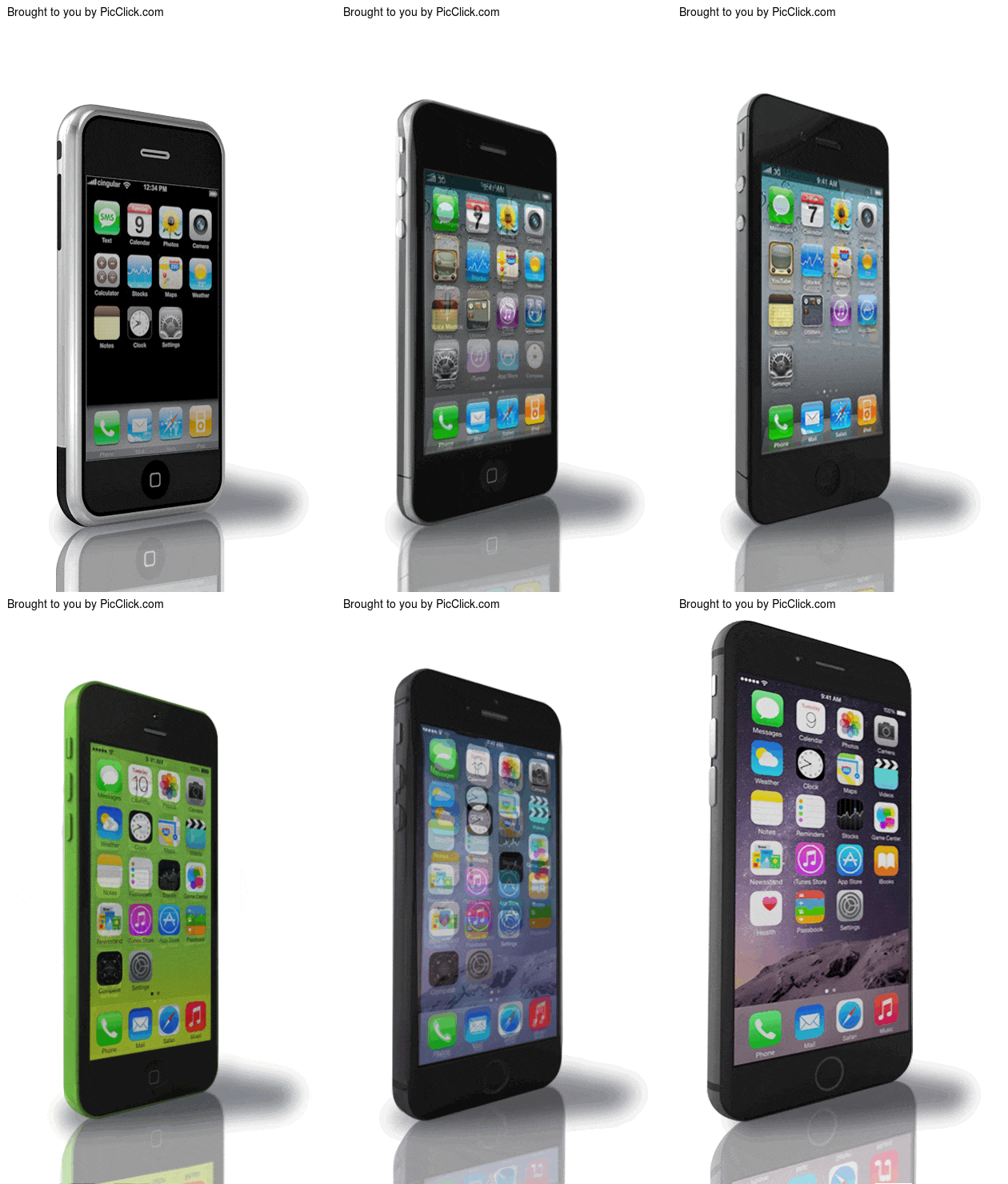
The iPhone recently celebrated its eighth birthday, and what better way to mark the occasion than with a mesmerizing animated GIF — showing the evolution of Apple’s mobile handset from the revolutionary but (now) small and slightly bulky device Steve Jobs unveiled in 2007, to the landmark iPhone 6 which racked up more than 10 million sales in its first weekend alone?
If you’re a long-time iPhone fan, or a relatively new user, it’s an astounding glimpse at just how far we’ve come in just a handful of iPhone iterations. To paraphrase The Simpsons, it’s hypnotic… almost like watching a lava lamp.
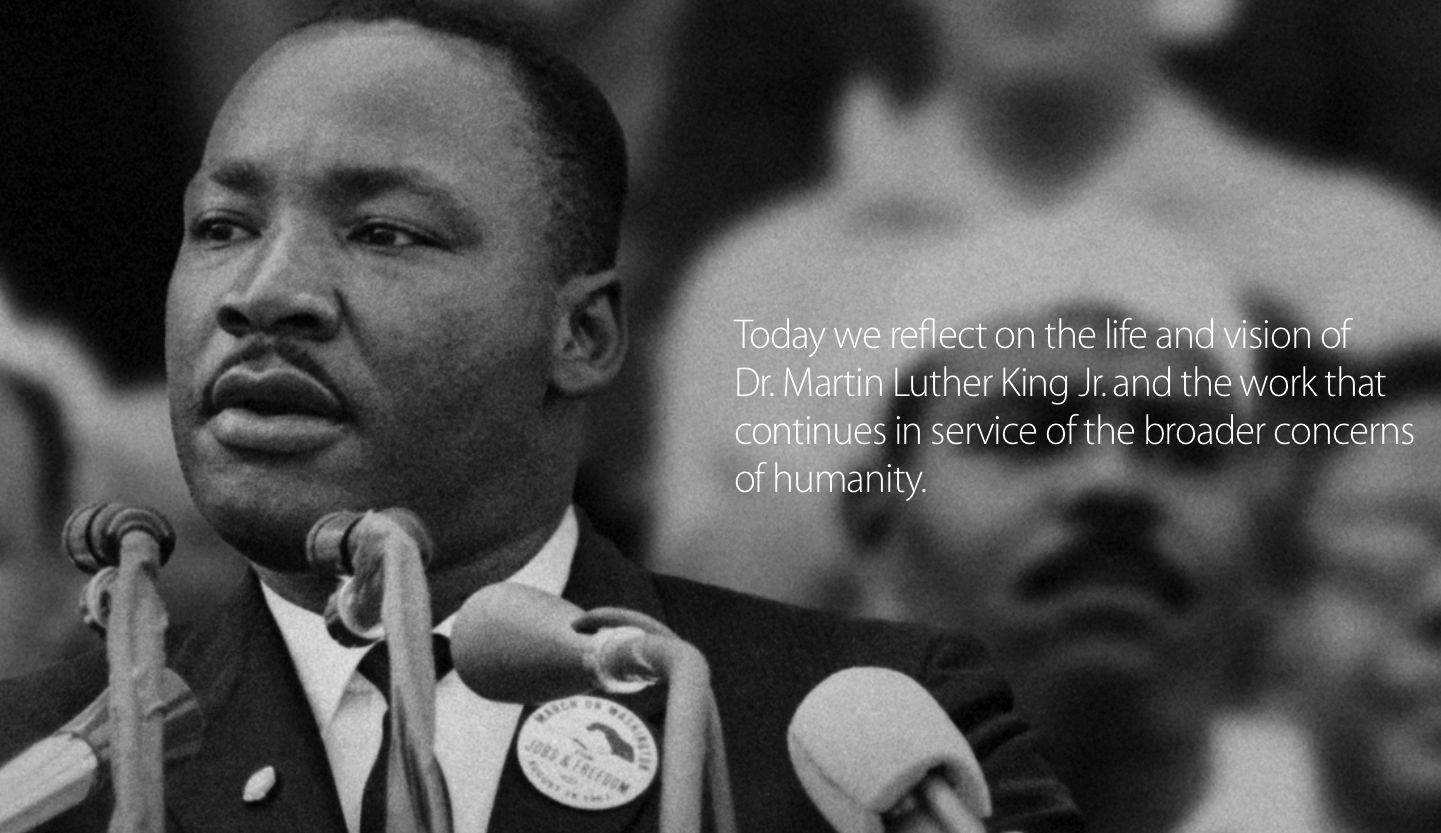
Apple pays homage to one of history's greatest civil rights activists. Photo: Apple
Today is Martin Luther King Jr. Day, and to mark the occasion Apple has changed the image on its homepage to one commemorating the beloved civil rights activist and pastor.
The black-and-white image is accompanied by a line reading, “Today we reflect on the life and vision of Dr. Martin Luther King Jr. and the work that continues in service of the broader concerns of humanity.”
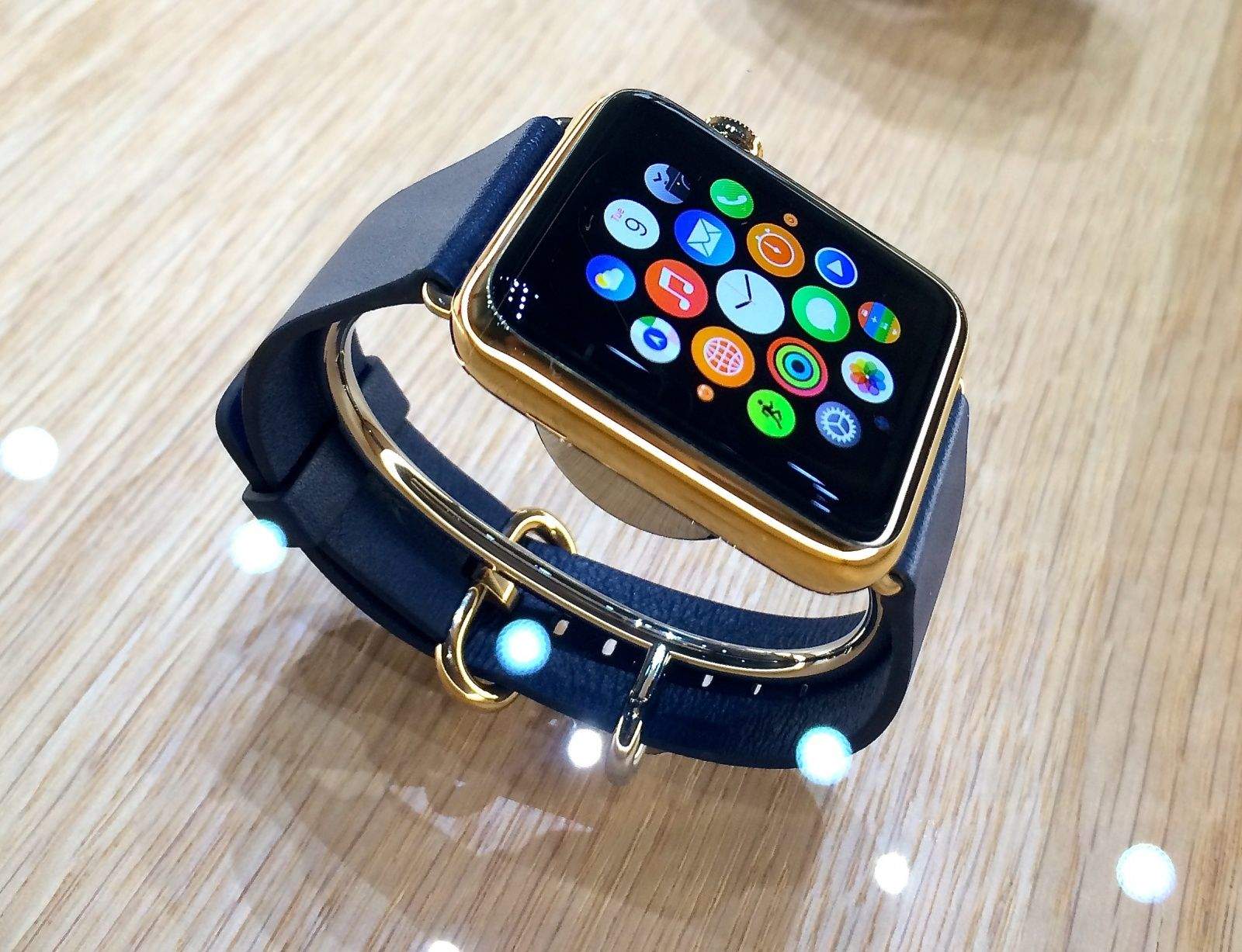
The closer we get to Apple Watch, the more advanced it looks in comparison to its competition. Photo: Leander Kahney/Cult of Mac
Ever since Tim Cook unveiled the Apple Watch last September, it’s been one disappointment after another as far as I’m concerned. Apple’s first wearable won’t come in the minimalist form factor of the fitness bracelets I love. Worse yet, the launch version of the fashion-forward device will lack GPS, suffer from underwhelming battery life and fail to offer truly native third-party apps.
For the first time, I realized I would not be buying an Apple product when it first hit the market. “It’s not worth lining up for,” I told my dad when he asked what I thought after the Apple Watch’s big reveal.
But a funny thing happened on the way to Apple Watch’s launch day, which is coming sometime this spring. And I’m not talking about the previously unthinkable — an Apple fan calling the Microsoft Band the best smartwatch on the planet. No, I’m talking about wading through an ungodly sea of really bad smartwatches at International CES earlier this month and seeing indisputable proof of just how innovative and disruptive Apple Watch actually will be.
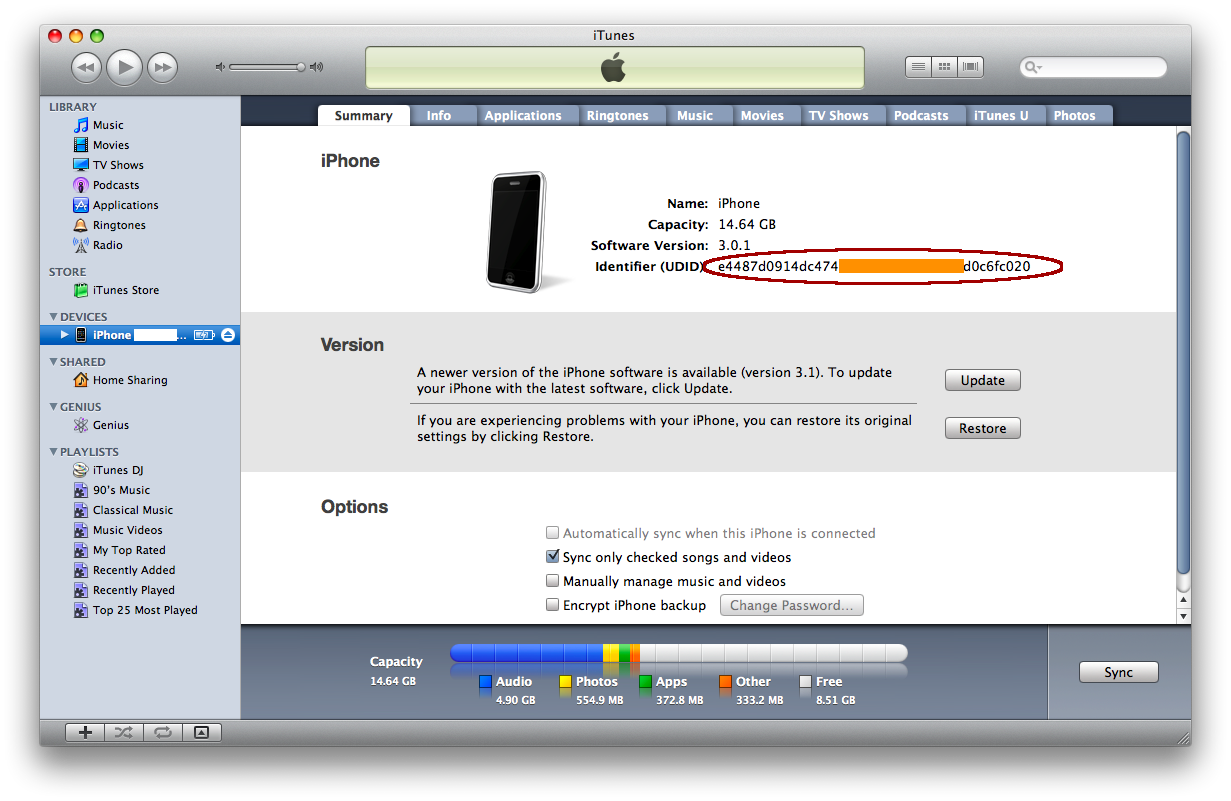
UDID identifiers could be used to link iPhones to their users. Photo: Cult of Mac
Apple has long been outspoken about the measures it goes to to keep your iPhone secure, but new documents leaked by whistleblower Edward Snowden demonstrate how the British spy agency GCHQ was able to carry out “realtime tracking of target iPhones” — by compromising users’ computers.
Rather than directly targeting the iPhones, GCHQ agents focused their attack on the computers with which the iPhones were synchronised, enabling them to access much of the data stored on the handset. The method took advantage of flaws in Apple’s UDID (unique device identifier) system, which issued a unique code for every iPhone, linking it with its owner.
The iPhone tracking report was handed over by Snowden to a group of nine journalists — including Laura Poitras, the filmmaker behind the acclaimed documentary Citizenfour.