Emoji are now racially diverse. But the controversy's not over just yet. Photo: Buster Hein/Cult of Mac
When you’re a company the size of Apple, sometimes you’re damned if you do and damned if you don’t.
Having recently paved the way for racially diverse emoji by adding them to both Mac and iOS, Apple is now being attacked for the shade of yellow used for its Asian faces, which some critics claim is borderline racist.
Lost that iPhone again, huh? Photo: Jim Merithew/Cult of Mac
Picture this: You’ve lost your iPhone somewhere, but it’s run out of juice and it’s not ringing or vibrating when you call it.
You might think you’re out of luck, but there’s one function you can enable (or disable if you’re into privacy) that will keep track of your iPhone’s last location, even when the battery’s dead.
Had he lived in the U.K., Jobs would have been eligible for a free bus pass today.
Had he lived, today would have marked the 60th birthday of Steve Jobs, who was born February 24, 1955.
While most of the tributes to Jobs will no doubt highlight later events in his life — the unveiling of the Mac, the iPod, the iPhone or the iPad — I instead wanted to mark the occasion with one of the lesser-known Jobs videos: his first television interview, recorded around the time the Apple II was making waves.
If you never thought you’d see the day when Jobs would geek out over seeing himself on a television screen, check out the video after the jump.
300 new emoji are coming to your iPhone soon. Photo: Cult of Mac
Apple paved the way for racially diverse emoji to come to the Mac two week ago, and now with the release of iOS 8.3 beta 2, Apple has added access to 300 new emoji for iPad and iPhone users.
With iOS 8.3 beta 2 Apple now allows users to choose between five different skin tones for 60 different emoji. Switching between the different skin tones is just as easy as adding an accent mark to letters: simply press and hold an emoji to reveal the the entire palette of color options.
Tired of the new bleeps already? Photo: Jim Merithew/Cult of Mac Photo: Jim Merithew/Cult of Mac
You may have noticed recently that the Facebook app makes sounds. Like a post? Chirp. Refresh the news feed? Swoosh. It’s like your iPhone got suddenly chatty and wants you to know that you’re tapping on the screen with every blip and bloop.
Surely you’d like to turn these things off. You could just mute your whole iPhone with the sound toggle button, but if you want to have other audio come through, like video, music, or (gasp) phone calls, you can dip into your Facebook app settings and soon experience the bliss of a blip-free Facebook browsing experience.
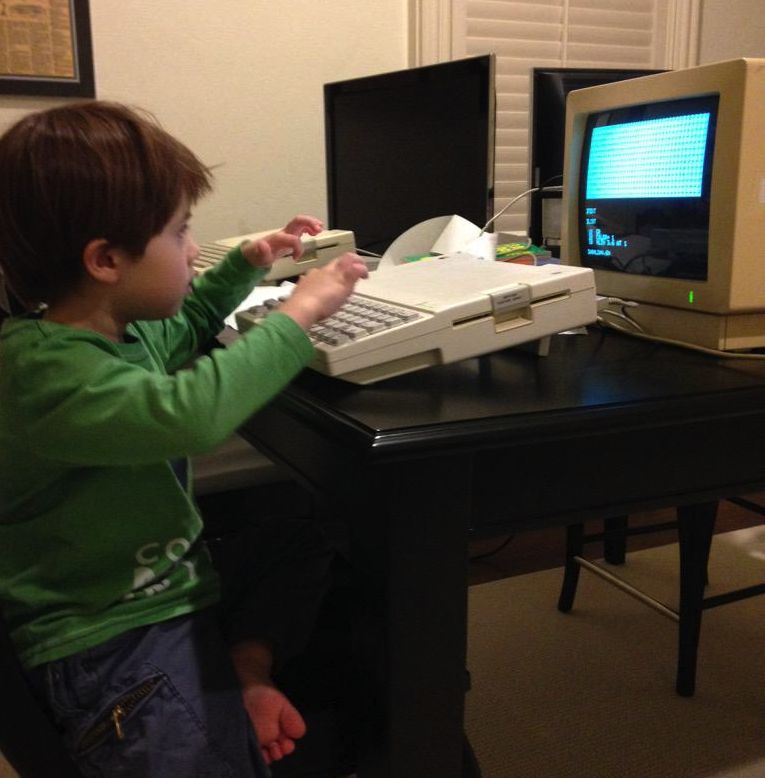
When you’re one of the closest things the programming world has to a rock star, you might assume that — when the time comes to pass your godly coding powers onto the next generation — you’d hand your offspring a brand new iPad and a crash course in the likes of Swift: the insanely popular state-of-the-art iOS language unveiled at last year’s WWDC.
Try telling that to John Carmack! The legendary coder behind the smash hit games Wolfenstein 3D, Doom, and Quake (today working at Oculus VR) recently shared a picture of his young son’s home computer lessons. Carmack’s choice for suitable hardware and software? BASIC on the 1984-era Apple IIc.
One possible challenge with a vehicle packed full of connected components is what happens when you're out of range of the Internet. That problem could be partially solved by technology described in a 2003 patent (the oldest on this list, although it was only published in 2012). The patent describes a mesh network capable of keeping a car running in such a scenario.
Apple has since explored mesh networks beginning with iOS 7, becoming one of the first mainstream consumer tech companies to do so.
Apple's “big-ass” data center in North Carolina. Photo: Engadget
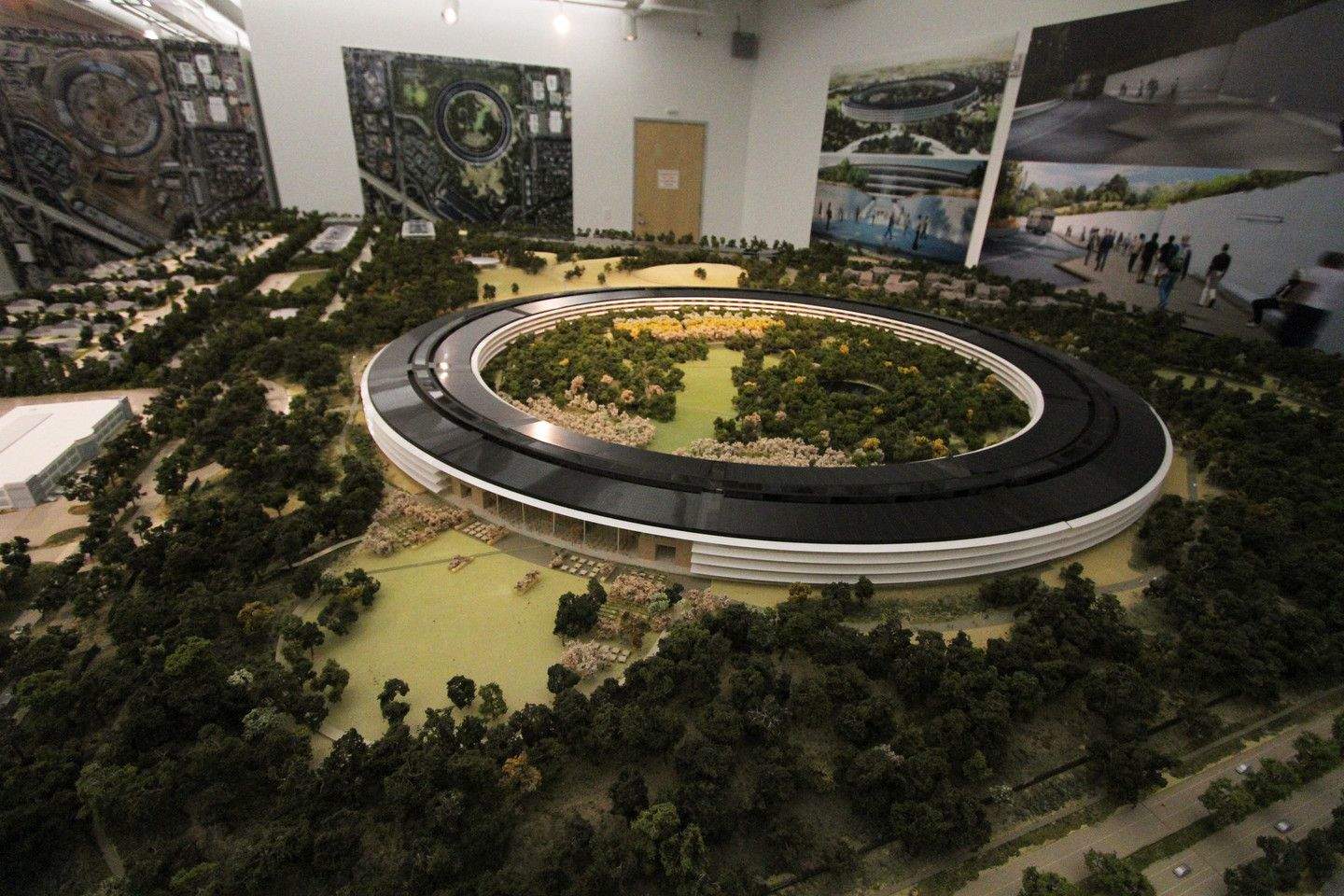
Apple plans to open two new data centers in Europe, its biggest European project to date. Located in Ireland and Denmark, the twin data centers will power the company’s online services including the iTunes Store, App Store, iMessage, Maps and Siri for local customers.
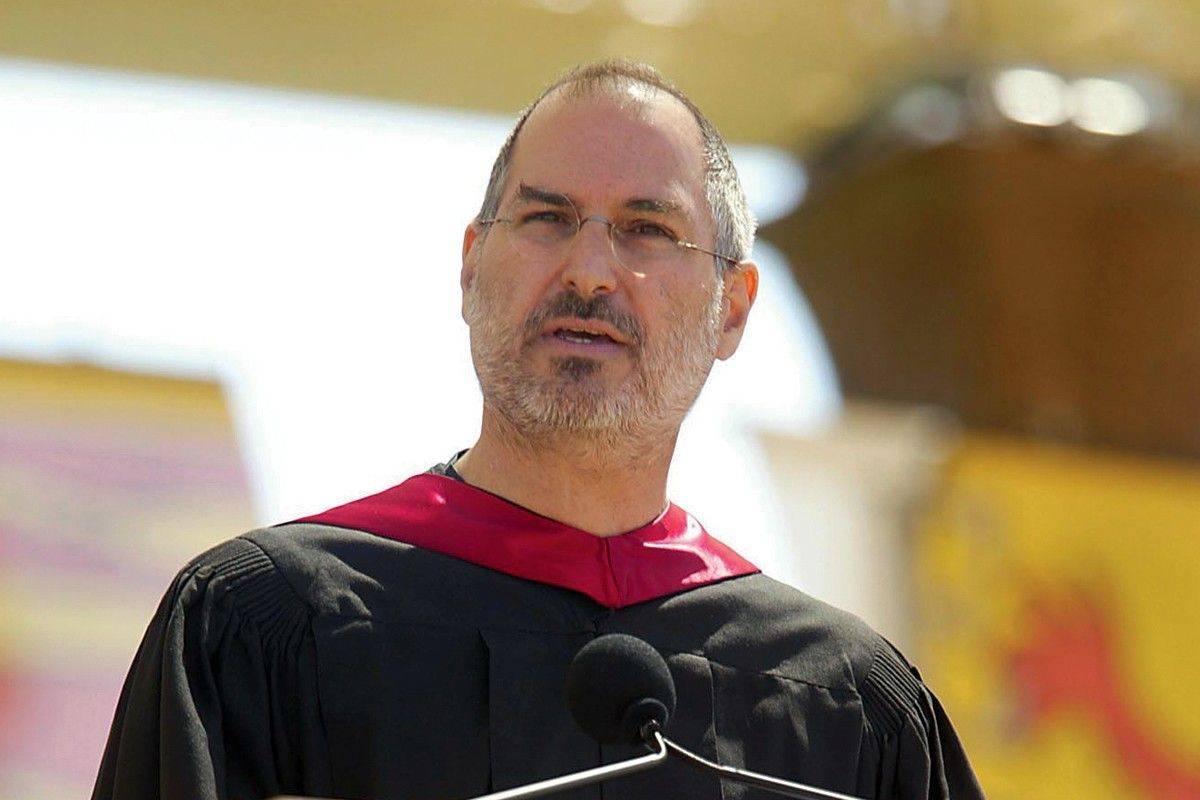
Steve Jobs gives his commencement speech at Stanford in 2005. Photo: Stanford University Photo: Stanford University
Right from the start, Apple has had one foot firmly in the education market. Today the conversation tends to be about getting iPads into schools around the world, but as far back as the 1980s Apple was cultivating relationships in the higher-education market — where it picked up some of its most loyal evangelists.
A newly published interview Steve Jobs gave to the Chronicle of Higher Education back in 1998 offers some pretty intriguing tidbits about Jobs’ approach to learning and his plans for Apple going into the new millennium.
If you’re interested in Jobs interviews (and what Apple fan isn’t?), this was recorded at an interesting time — shortly after Jobs returned to Apple, before it had released the iMac, aka the product that helped start turning the company around. It’s definitely worth a listen.
One of Ryan Cash’s favorite games growing up was GoldenEye on the N64. “One thing I remember so clearly is that the game was hard,” he recalled. “You couldn’t just beat the game on its toughest setting if you weren’t amazing.”
Luckily for Cash, his friend Bruno was a master at GoldenEye, and he would come over to unlock cheats. “He was the guy,” Cash remembered.
Most of us probably had a Bruno growing up. Back when you couldn’t pay $1.99 with Touch ID to unlock more gems or coins. Back when games were just as fun as mobile games are now, but also challenging and dependent on skill.
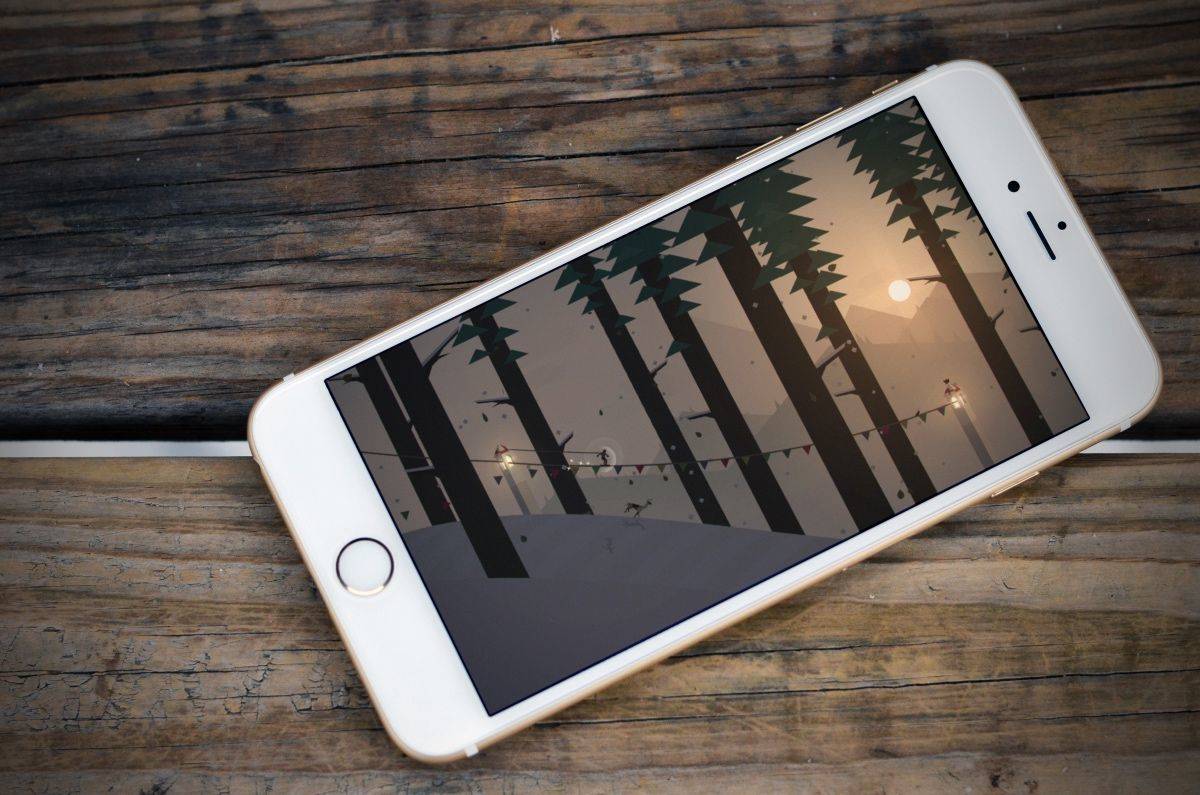
With Alto’s Adventure, out today in the App Store for $1.99, Cash and the rest of his team drew from the games they love to make something unique. They’ve created a game that’s not only really fun to play, but beautiful to behold. And unlike GoldenEye, there are no cheat codes to help you get ahead.
Tangerine was filmed with the iPhone 5s, but its cinematic feel comes from an app, a lens adapter and several hours of post-production work. Photo: Sean Baker
There was the buzz going into Sundance and the applause of satisfied audiences at the end of the movie’s screening. But there was also a collective gasp as the last line of the credits rolled past.
Shot on the iPhone 5s.
Sean Baker’s Tangerine, the story of two transgender sex workers in Hollywood, was a break-out hit at the renowned film festival in January. The Hollywood Reporter said the film stands out as “crisp and vigorously cinematic.”
Oft-praised for the rich fringe characters in his independent films, Baker did not set out to change the filmmaking landscape by shooting with a cellphone. Like most indie filmmakers, he had no money.
Come April, there's going to be a new gold rush. Photo: Greg Koenig
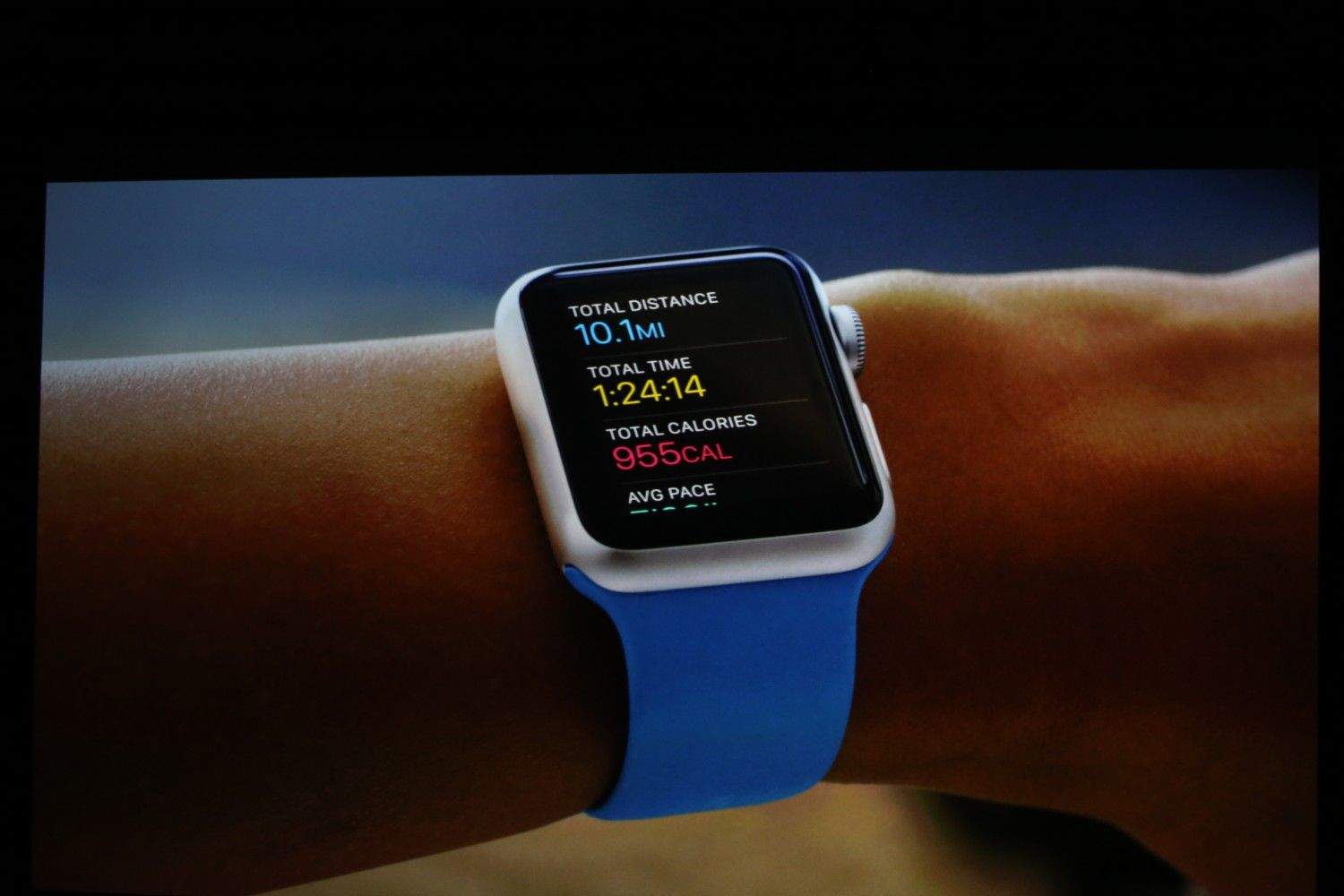
Apple hasn’t yet announced prices for its 18-karat-gold Apple Watch Edition timepieces, but if you think the top-of-the-range wearable is going to cost anything under $5,000, you’ve got another thing coming.
Greg Koenig, co-founder of Luma Labs, recently performed a calculation to find out an approximate figure for the gold content of the forthcoming 42mm gold Apple Watch. While Koenig notes that his guess is a “very rough estimate,” it still makes for interesting eye-watering (iWatering?) reading.
His guess? 29.16 grams — which translates to $853.82 at today’s gold prices. And that’s without even taking the electronics into account.
Your Apple Car is running out of battery charge. Please plug it into a Lightning charger as soon as possible. Photo: Apple Photo: Apple
Given that Apple can’t make an iPhone with a battery life of more than (best case scenario) a couple of days, how would it ever manage with a far more power-intensive technology like, say, an electric car?
It seems that this is exactly the question being asked in Cupertino — and the attempt to answer it has landed Apple with a new lawsuit, filed earlier this month in Massachusetts federal court.
As per the complaint, back in June last year, Apple reportedly began an “aggressive campaign” to poach top engineers from the electric car battery maker A123 Systems. The engineers were responsible for performing critical development and testing activities on cutting-edge electric vehicle batteries.
Samsung has bought its own Apple Pay competitor with LoopPay, a U.S. startup that makes cases and accessories for wirelessly transmitting card data with a magnetic signal.
First rumored back in December, Samsung will allegedly integrate LoopPay’s technology into its upcoming phones in an effort to ride the growing mobile payments trend created by Apple Pay.
There's money to be made in them there App Stores. Photo: Jim Merithew/Cult of Mac
John Hayward-Mayhew is one of the most prolific iOS developers ever to peddle a blackjack game. Over the past four years, the 25-year-old entrepreneur flooded the App Store with an astonishing 600 separate apps — everything from endless runners such as Dangerous Caveman Bum Runner to dentistry games like Emergency Dentist Race — raking in close to $1 million in the process.
The most miraculous part of all? He can’t even code.
But by taking advantage of one of the App Store’s great weaknesses, and borrowing a game plan from one of Hollywood’s most unusual impresarios, he’s built a one-man gaming empire.
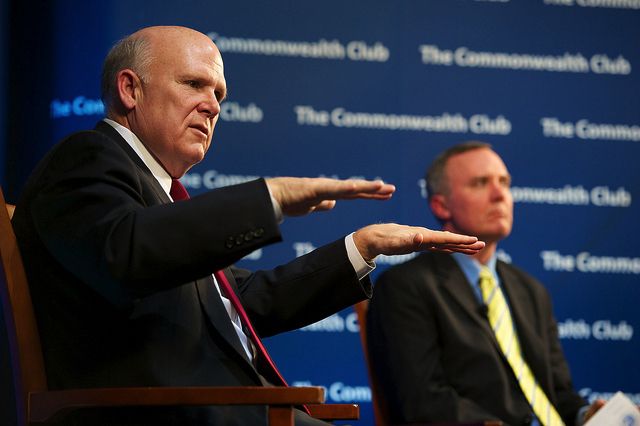
The former boss of GM may not be lining up to buy an Apple Car. Photo: Commonwealth Club/Flickr CC
While most people are excited about the possibility that Apple might build a car to take on Tesla, former CEO of General Motors, Dan Akerson, has some warning words for Tim Cook: namely that Apple should steer clear of getting into the automotive industry.
“If I were an Apple shareholder, I wouldn’t be very happy,” Akerson told Bloomberg. “I would be highly suspect of the long-term prospect of getting into a low-margin, heavy-manufacturing.”
Well, if anyone would know, it’s the ex-head of beleaguered GM.
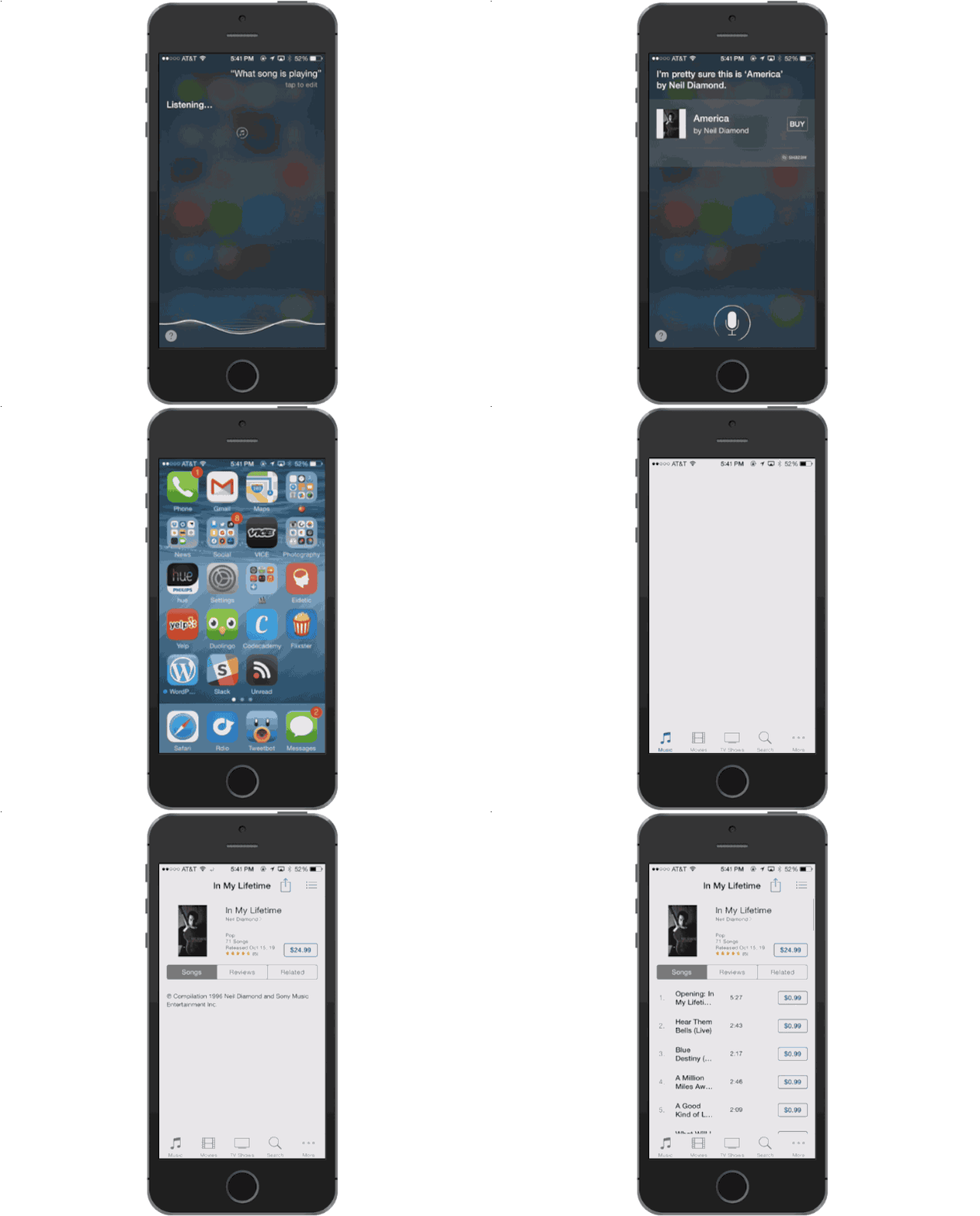
Want to see all the songs you've found via Siri or iTunes Radio? Photo: Buster Hein/Cult of Mac
iOS 8 includes Shazam — a magical technology that gives your iPhone the power to listen to a song and tell you what it is. In the car, at a movie theater, or even at a crowded bar, you can just ask Siri, “What song is playing?” or hold your home button for a few seconds, and your iPhone will use Shazam tech to tell you exactly what song is in your environment. You can also (surprise) buy the song you just recognized via a little button in the results screen.
But what if you want to buy it later? Or remember what song was playing at the bar last night when that cute girl gave you her number? You can easily do just that with a quick trip to iTunes on your iPhone.
Touch ID is ready for an upgrade. Photo: Apple Photo: Apple
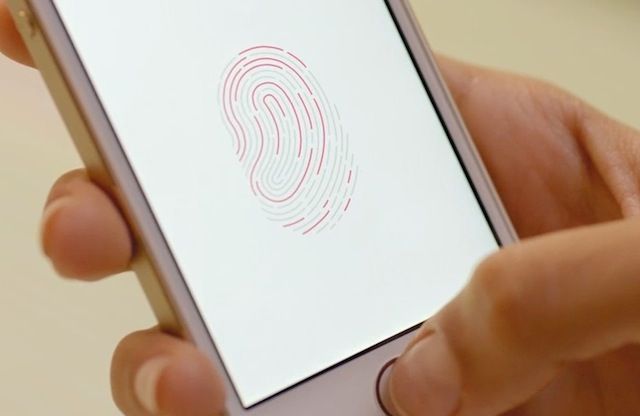
Touch ID has completely changed security on the iPhone, and now Apple’s fingerprint-scanning technology could soon be coming to the Mac.
Apple is planning to bring Touch ID to the upcoming 12-inch MacBook Air, according to sources at Taiwanese Apple blog Apple.Club.tw. In the past, the site successfully leaked the iPad Air 2 logic board, the Touch ID sensor and the iPhone 6 Lightning port, so it has a track record for accuracy. The site claims Apple has big plans for Touch ID in 2015 and wants to put it in everything from MacBook Pros to Magic Mice.
It's time for Jony Ive to get the credit he deserves. Photo: Portfolio/Penguin Photo: Portfolio
People are calling The New Yorker profile of Jony Ive the most important thing written about Apple in quite a while, and I’d have to concur.
Not only is it full of fascinating details, it puts Ive at the center of Apple, where he belongs. As the piece’s author, Ian Parker, writes: “More than ever, Ive is the company.”
This is something that’s been true for a couple decades, but still isn’t apparent to most people — even veteran Apple watchers. Such is the company’s secrecy, and the tendency of the public to equate everything Apple does with Steve Jobs, that the true story has yet to be told. Ive has not gotten the credit he deserves.
This is the device they'll remember Jony Ive for. Photo: Leander Kahney/Cult of Mac
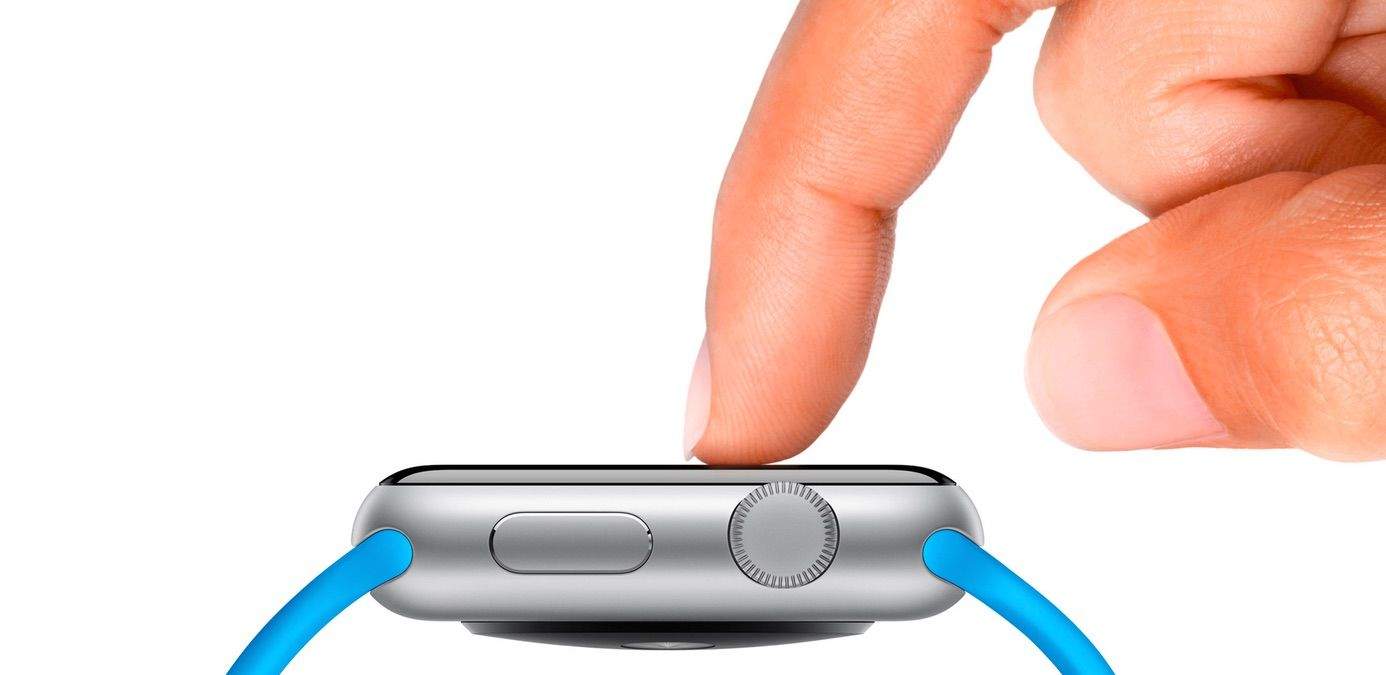
If there’s one thing today’s New Yorker profile of Jony Ive hammers home, it’s how important the Apple Watch is to Apple’s design guru. The 16,000-word story reveals how Ive pushed the Apple Watch as a project, shortly after Steve Jobs’ death, when Apple was under pressure to come up with its next insanely great idea.
Apple could be sitting on a goldmine with its own Apple-branded car. Photo: Jim Merithew/Cult of Mac
As rumors of an Apple car start to gain speed, Piper Jaffray analyst Gene Munster has run the figures to find out what kind of business proposition automobiles could be for a company that tends to steer clear of small or low-margin markets.
His verdict? If Apple cars were even a “moderate success,” Tim Cook and pals could be looking at an extra $50 billion per year in revenues. To put that figure in context, it would be an increase of 23 percent on top of the already impressive cash-generating machine that was Apple in 2015.
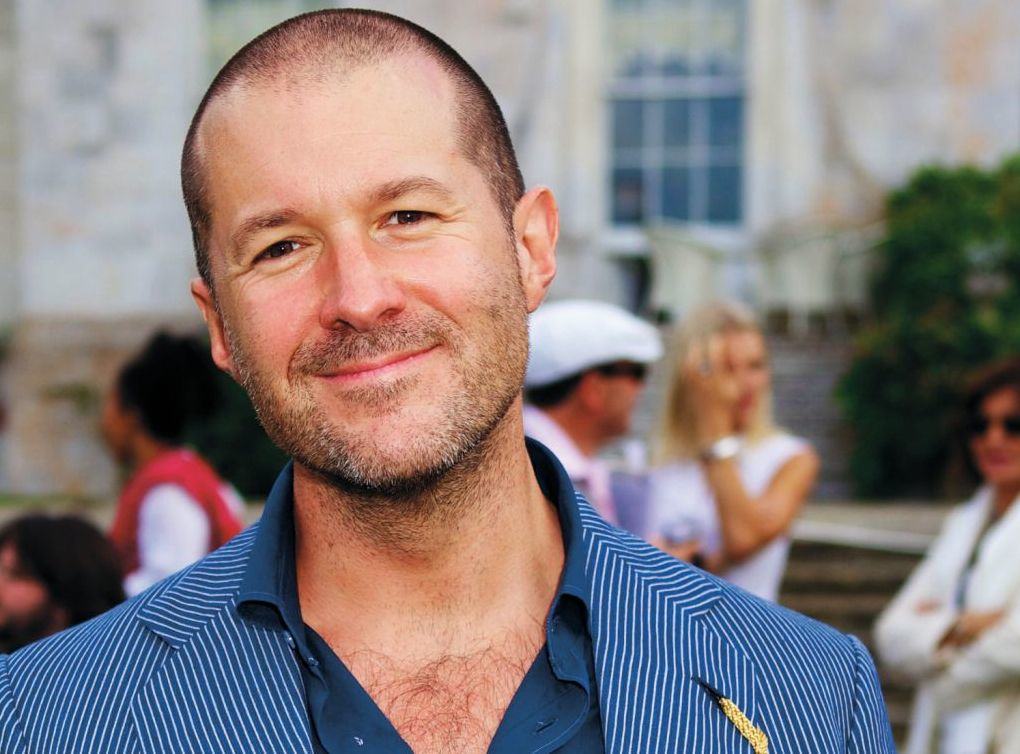
The world's most famous designer, Jony Ive. Photo: Apple Photo: Apple
In what may be the longest magazine feature yet dedicated to Apple’s industrial design guru, the New Yorker has just published a sprawling 16,000 word profile of Jony Ive — taking readers from his early meetings with Steve Jobs up to the present day.
It’s jam-packed with fascinating tidbits about Ive, his secretive design studio, and Apple’s past and future. While I’d thoroughly recommend reading the whole article, here are the details that really leaped out:
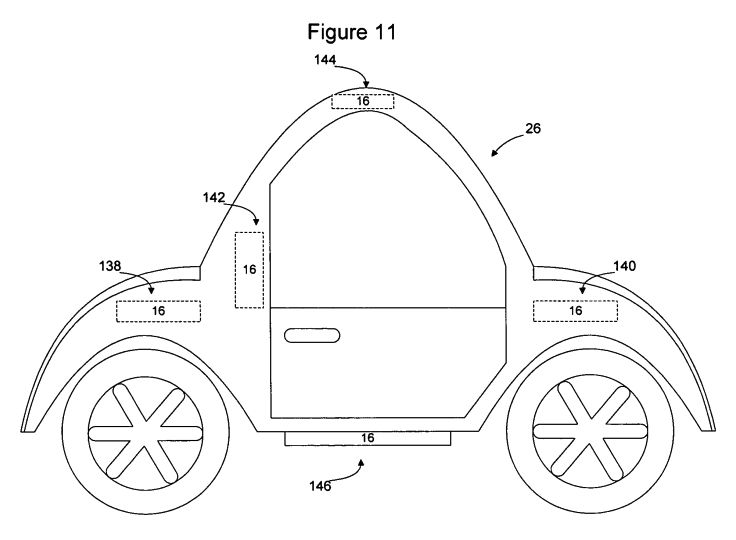
What would an Apple car look like? Concept art: Josh Baré/DeviantArt CC Photo:
If Apple really is working on a car, what would it look like? And what would we want it to look like and do?
The growing chorus of rumors about Apple’s possible automotive ambitions — and the hard facts about the car designers it’s already recruited — don’t prove Cupertino is working on a car. But if Apple is staffing up to transform the transportation industry, what features might it deliver in its human-transport device?
Here’s what we’d like to see in the very first iCar.
Johann Jungwirth used to head up Mercedes' R&D lab in Silicon Valley. He now works for Apple on Mac systems engineering. Yeah right. Photo: Mercedes Benz
Johann Jungwirth is a new Apple employee with one of the world’s most unbelievable job titles.
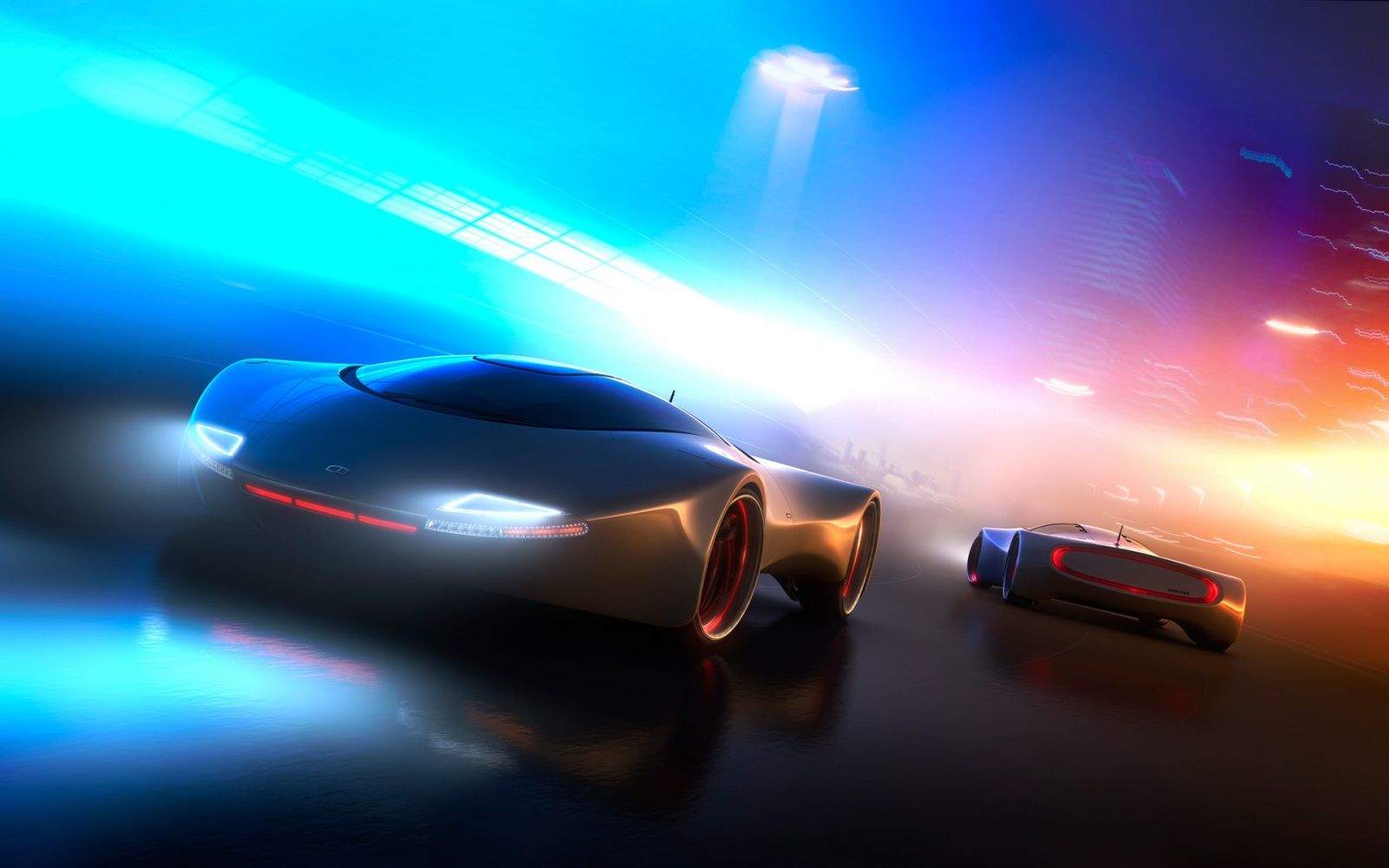
Until the middle of last year, Jungwirth headed up the big Mercedes-Benz R&D facility in Silicon Valley that, among other things, is responsible for the futuristic self-driving car you see below. (The astonishing Mercedes F 015 is very real, BTW).
Jungwirth was hired by Apple last September and given the title of “Director of Mac Systems Engineering,” according to his LinkedIn page. The title appears to be total hogwash. Jungwirth spent his entire 20-year career working on connected cars, not computers.
Apple is famous for obfuscating about its new hires to throw off competitors and journalists, and the company is reportedly working on a top-secret electric car. If Apple is interested in the stuff Jungwirth has worked on, it’s going to be a wild ride.
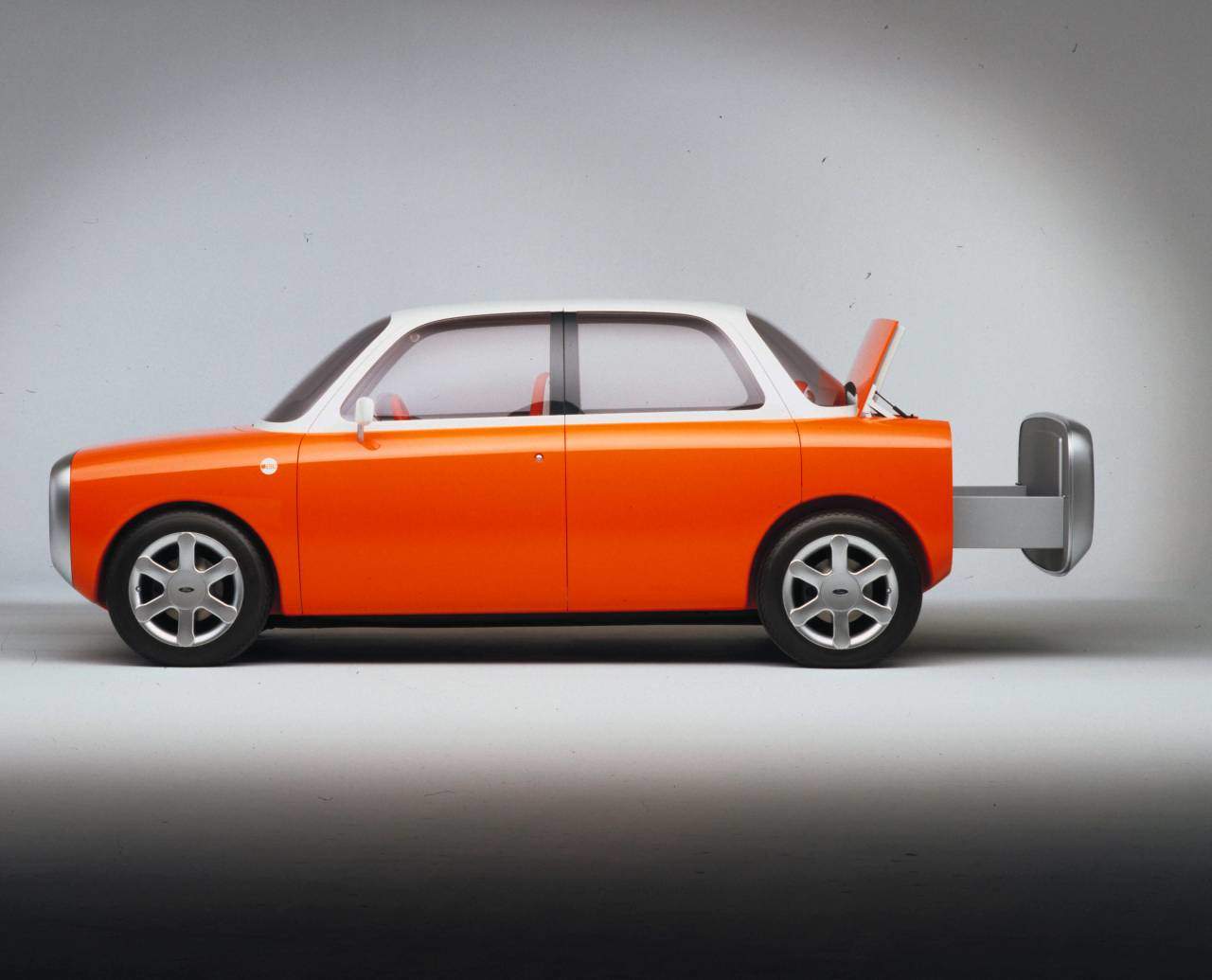
Is Apple designing a car? Maybe that's the real reason it picked up designer Mark Newsom, who created this concept car for Ford in 1999. Credit: Mark Newsom/Ford
Apple has set up a top-secret automobile R&D lab and is recruiting experts to possibly build a car, the Financial Times reports.
The lab is in a secret location away from Apple’s HQ. Apple recently hired the head of Mercedes-Benz’s Silicon Valley R&D unit, and has staffed the new lab with “experienced managers from its iPhone unit,” the Times says.
“Three months ago I would have said it was CarPlay,” said one of FT‘s sources. “Today I think it’s a car.”