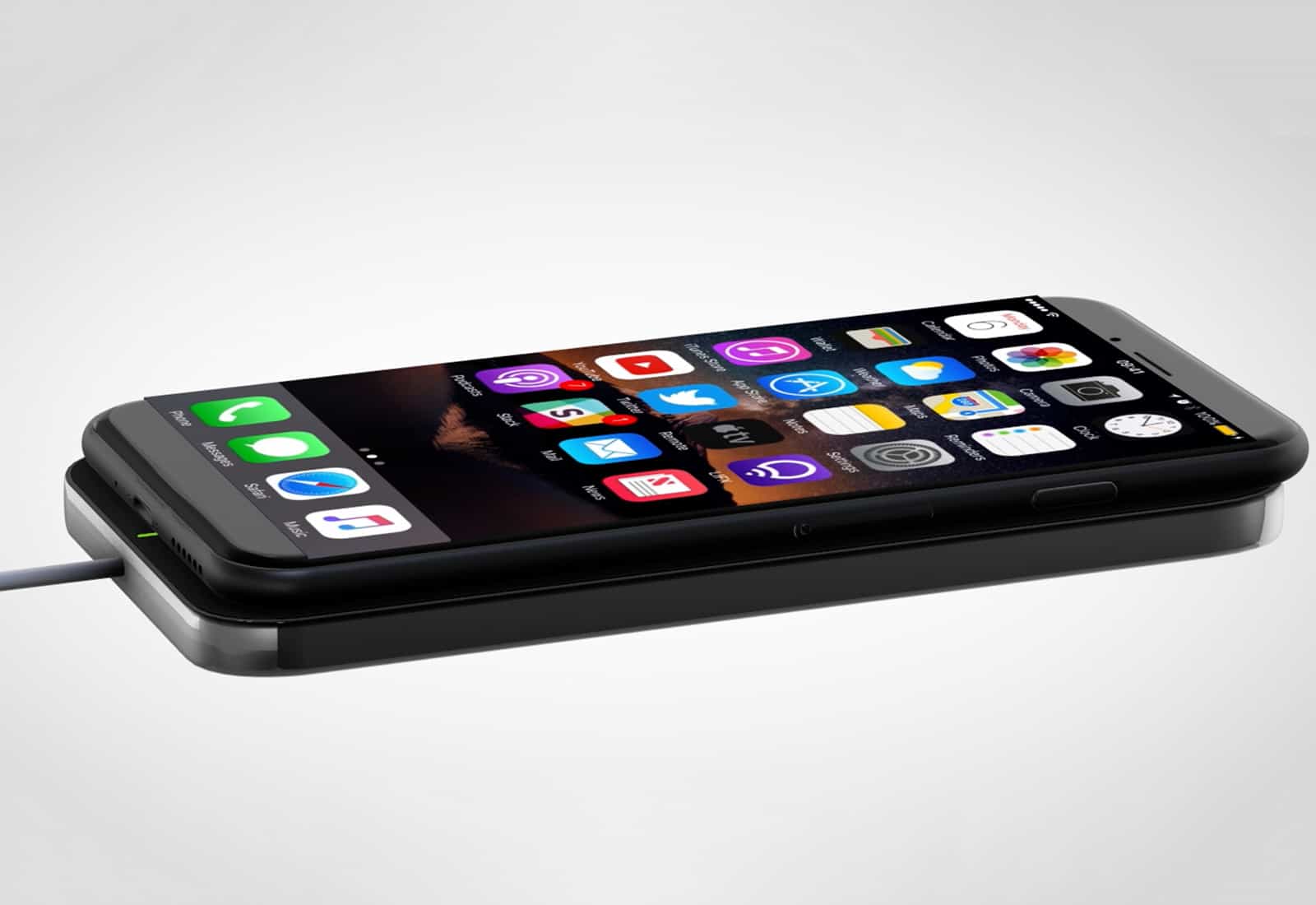
3-D sensors could let face-recognition replace Touch ID on the iPhone 8. Photo: Carlos R/Pexels CC
The iPhone 8 might ditch Touch ID for 3-D facial scanning that could prove faster, easier and more secure than the fingerprint reader currently used for logins and payments.
The new security system, if perfected in time for the upcoming iPhone 8, also could help Apple get around a possible bottleneck in the production process.
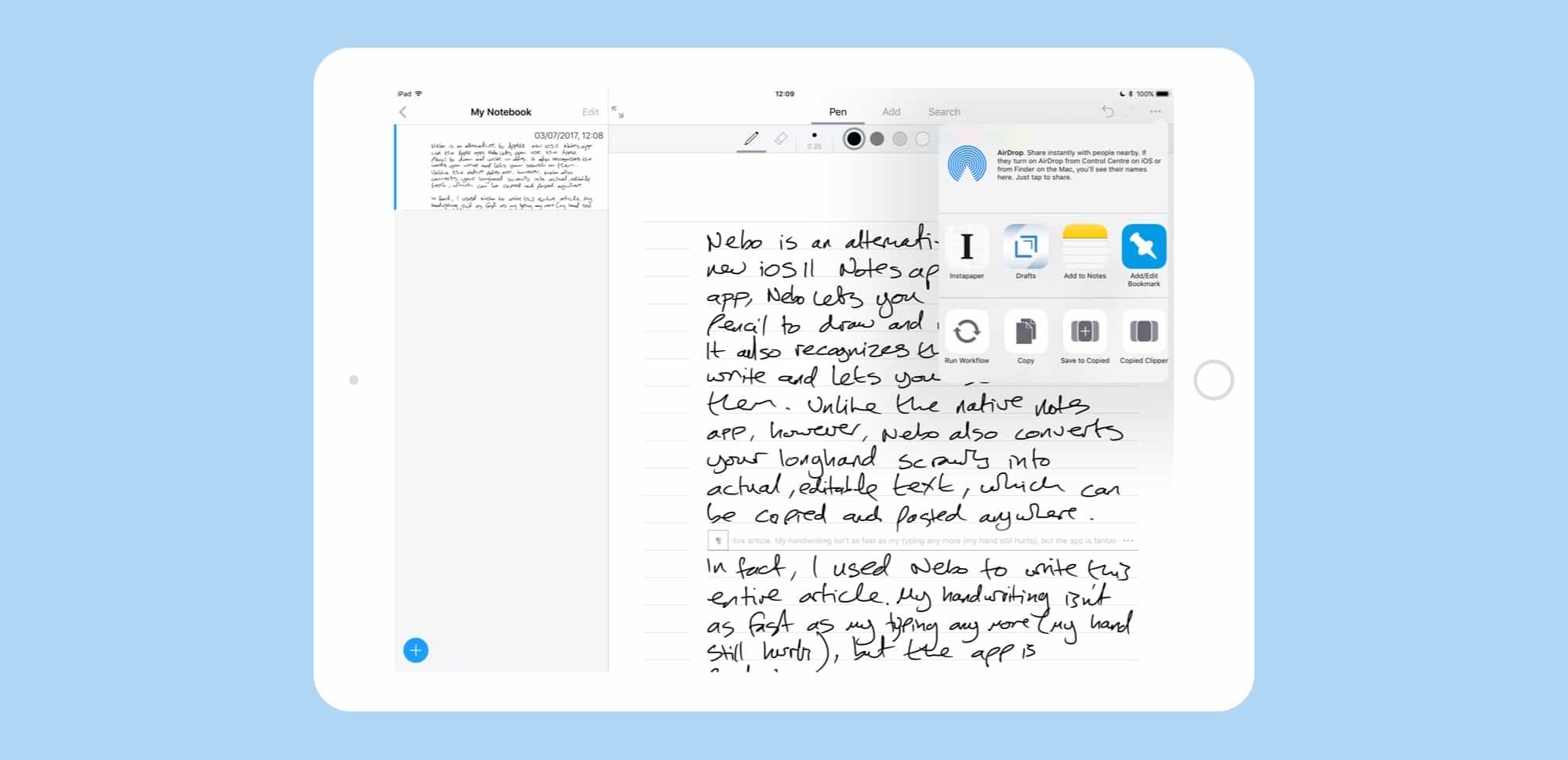
Nebo is the best Notes app and not in beta. And maybe even then. Photo: Cult of Mac
Nebo is an alternative to Apple’s upcoming iOS 11 Notes app. Like the Apple app, Nebo lets you use the Apple Pencil to draw and write in notes. It also recognizes the words you write and lets you search on those terms. Unlike the native Notes app, however, Nebo also converts your longhand scrawls into actual, editable text, which can be copied and pasted anywhere.
In fact, I used Nebo to write this entire article. My handwriting isn’t as fast as my typing any more (my hand still hurts), but the app is fantastic.
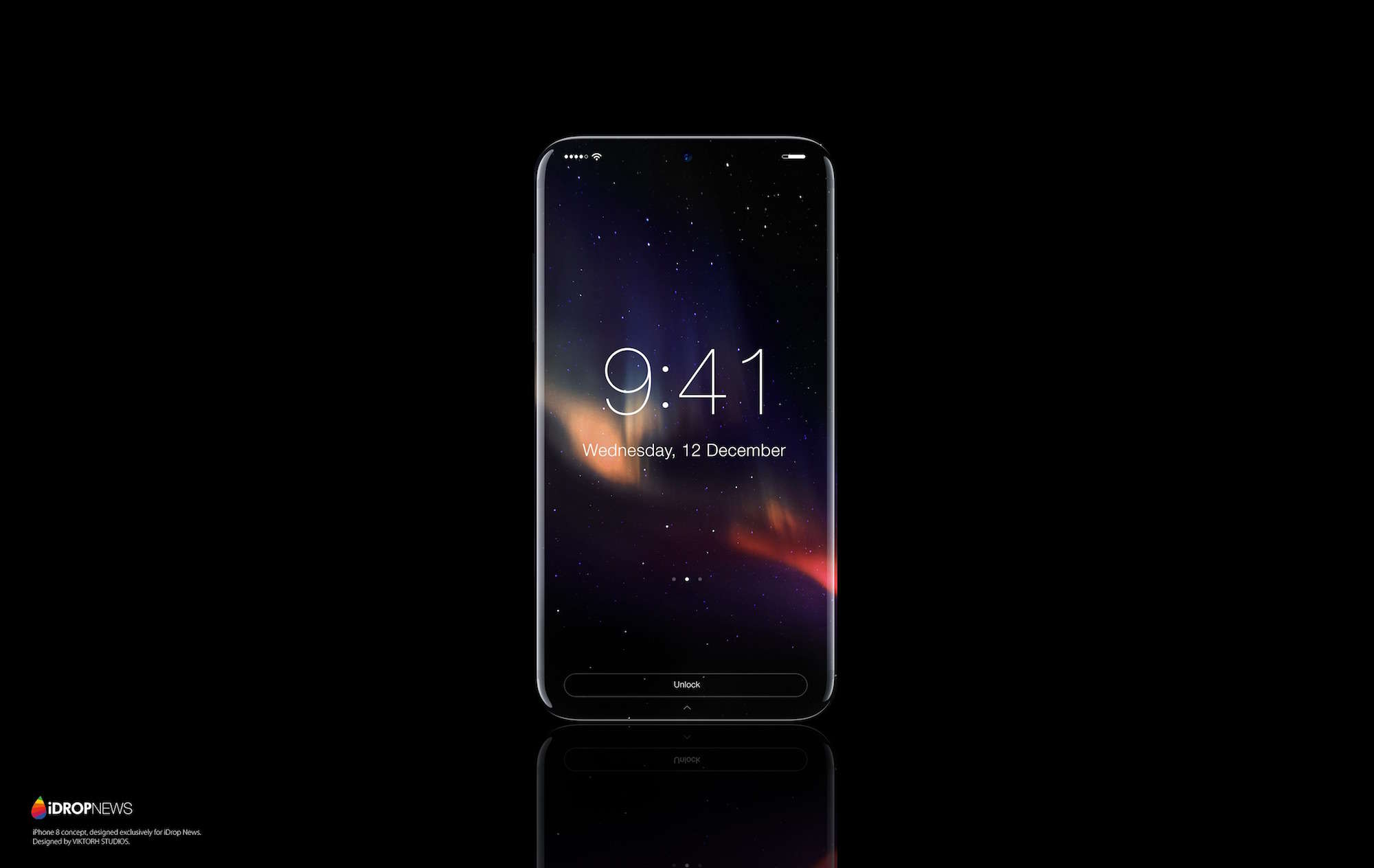
Apple is already driving an OLED boom. Photo: iDropNews
iPhone 8 will drive mass adoption of OLED displays as rival smartphone makers fight to compete with Apple, new research shows.
Rumors have already accelerated the development of new displays for other brands, and it’s thought that 50 percent of all handsets will feature an OLED display by 2020.
Dina Alfasi finds intrigue and beauty in her fellow commuters. Photo: Dina Alfasi
Dina Alfasi sat across from a slim man on a bus who looked to her as though he was levitating and traveling someplace magical. With her iPhone, she made a picture.
What she captured was magic — and the picture made its own journey this week by getting published all over the world as one of the year’s best photos shot with an iPhone.
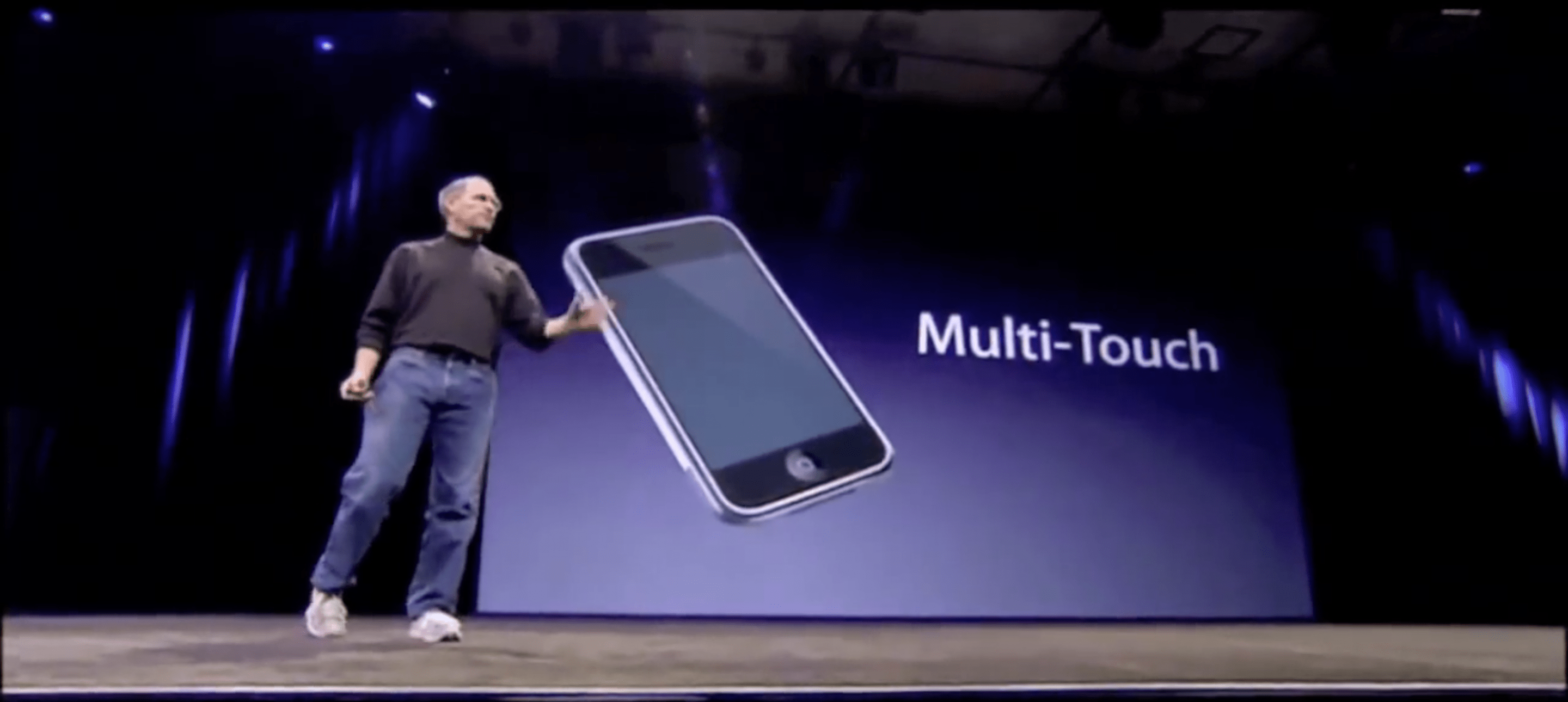
Though Steve played it cool, the iPhone's launch was plagued with huge problems.
This week on The CultCast: You’d never know it from Steve Jobs’ effortless keynote introduction, but the original iPhone was plagued with huge design and production issues that almost made Apple call it quits — right up until the day it was released! To commemorate the iPhone’s 10th anniversary, we’ll recount some of the incredible stories behind iPhone’s beleaguered early days, and celebrate how Apple pulled off one of the greatest device launches in history.
Our thanks to Shutterstock for supporting this episode. Kickstart your next interactive project with video clips or music tracks from their collection, and save 20 percent for a limited time at shutterstock.com/cultcast.
Fire up your Apple gear and get ready to stream the Tour de France. Photo: Tookapic/Pexels CC
By Chris Brantner
The Tour de France is the premier cycling race in the world. Anyone can enjoy watching the event as the cyclists put themselves through one of the most grueling physical tests in all of sports. If you want to watch during the three-week race, you can easily stream the Tour de France on Apple devices, with or without cable.
The Tour de France starts Saturday, July 1, and finishes on the Champs-Élysées in Paris on Sunday, July 23. Throughout the race, NBCSN will air live coverage on a daily basis. Thankfully, there are some great ways for you to stream the race on any of your Apple devices.
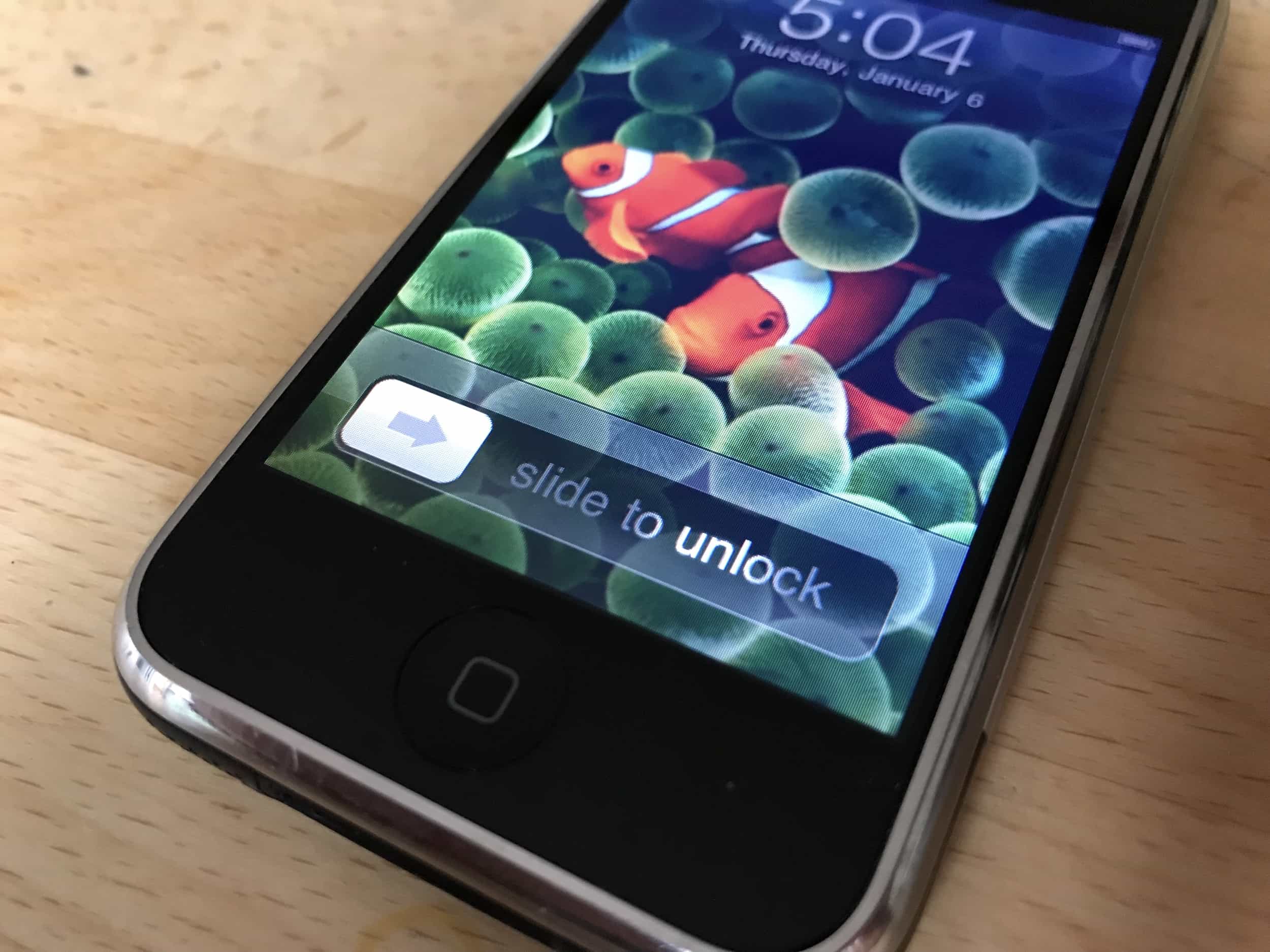
Slide-to-unlock is one of the iconic gestures of the iPhone. It looks simple, but it was tricky to get right. Photo: Leander Kahney/Cult of Mac
This an excerpt from Unsung Apple Hero, an e-book about UI designer Bas Ording’s career at Apple. Ording is responsible for a big chunk of today’s computing interfaces, but is little-known because of Apple’s super-strict privacy policies. Hit the link at the bottom of this post to get a free copy of the e-book.
One of the key design decisions that Apple’s Human Interface Team made early on while developing the iPhone was to go all in on big, simple gestures. They wanted to make a single, simple swipe accomplish as much as possible.
It’s a bit ironic. After investing so much in multitouch technology, which relies on multiple touch inputs, one of Apple’s key edicts was to make as many gestures as possible work with a single finger.
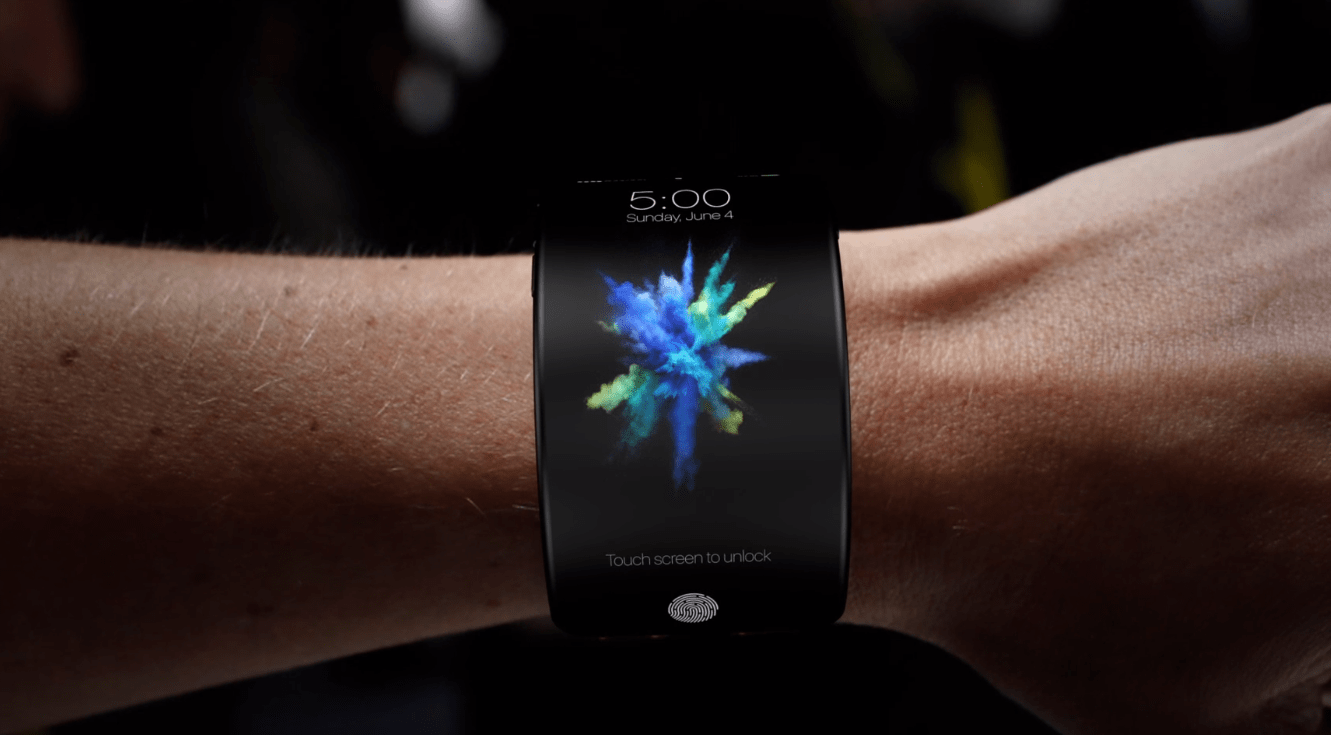
Will a future iPhone replace your Apple Watch? Photo: ConceptsiPhone
The iPhone’s success has been nothing short of spectacular. With more than 1 billion units sold as of June 2016, rival consumer electronics companies can only dream of building a product that popular.
It’s not easy to foresee how the iPhone will evolve in the future. Some things are obvious — like faster processors, more advanced cameras, and even better displays — but we must look beyond these to get a sense of Apple’s biggest ambitions. Here’s some of the many ways the iPhone might get better, stronger and faster in the next 10 years.
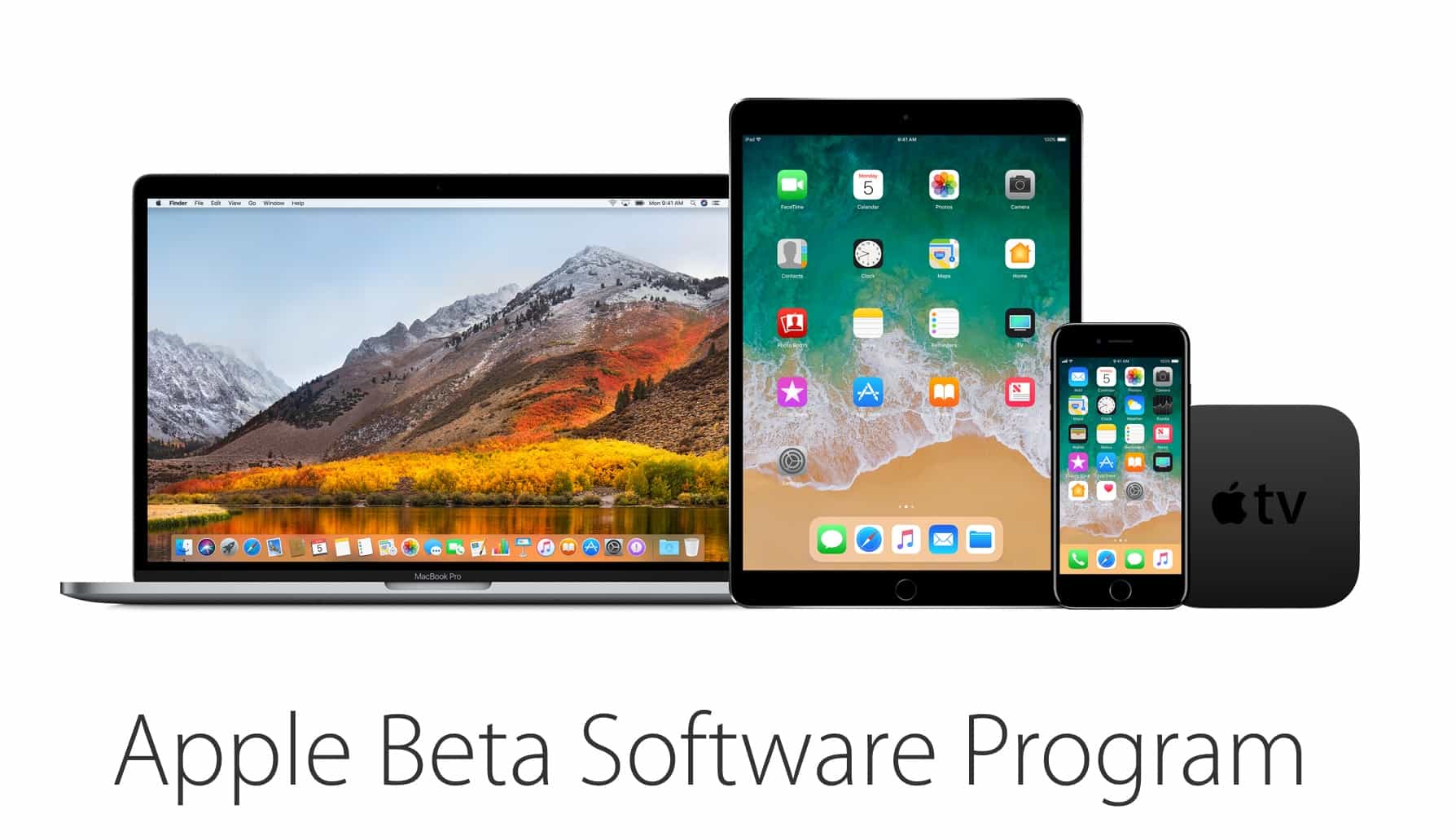
Get in on the new betas while they're hot. Photo: Apple
Public testers can finally get their first taste of Apple’s new operating system for Mac starting today with the release of the first public beta of macOS High Sierra.
Apple’s new operating system was unveiled earlier this month at WWDC 2017 where the company showed off macOS High Sierra’s new features and improved design. Developers have been testing the new software since June 5th, but now anyone can get macOS High Sierra which is being billed as Apple’s best desktop operating system ever.
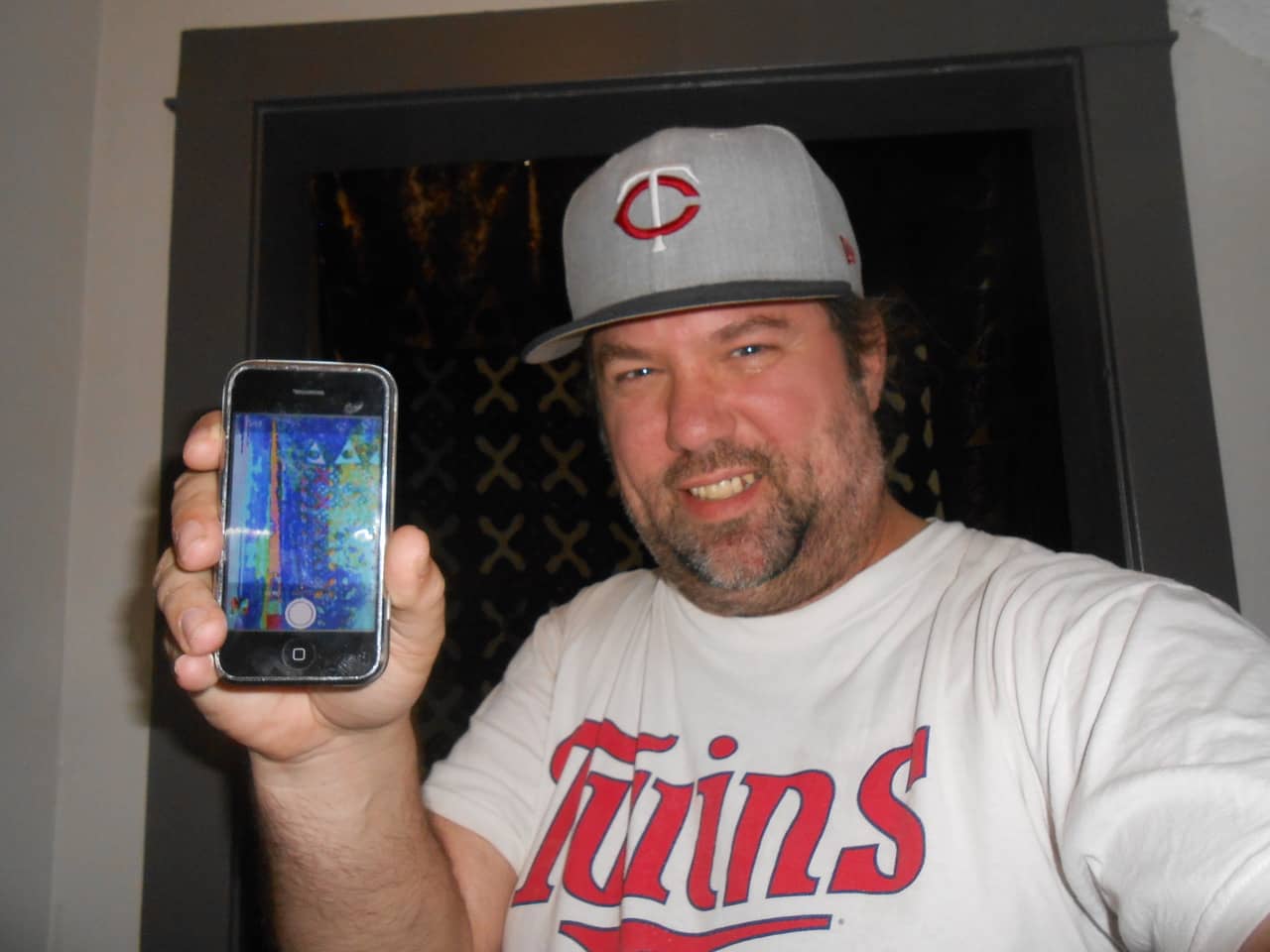
Photographer Joe Cunningham still thinks his original iPhone is the best. Photo: Joe Cunningham
The iPhone has changed enormously in the 10 years since it launched, but some people still think the first iPhone was the best.
Take, for instance, Minnesota photographer Joe Cunningham, who owns not one but two of Apple’s breakthrough smartphones. He doesn’t view them as investments, either. Even though the original iPhone goes for big bucks on eBay these days, Cunningham continues to use both handsets on a daily basis.
Instrumental founder and CEO Anna Katrina Shedletsky, who is using her experience as an Apple product design engineer to bring AI to manufacturing. Photo: Leander Kahney/Cult of Mac
Almost all electronic products are still assembled by hand, even hundreds of millions of iPhones.
At the forefront of this is an ex-Apple product design engineer, Anna-Katrina Shedletsky, who is using her expertise to help other manufacturers build their products.
On this episode of the Apple Chat podcast, we talk to Shedletsky about her new AI startup, Instrumental; Apple’s giant manufacturing operation; the role of product design; and much more.
If you’re curious how Apple makes its products, listen to the podcast or check out the full transcript below.
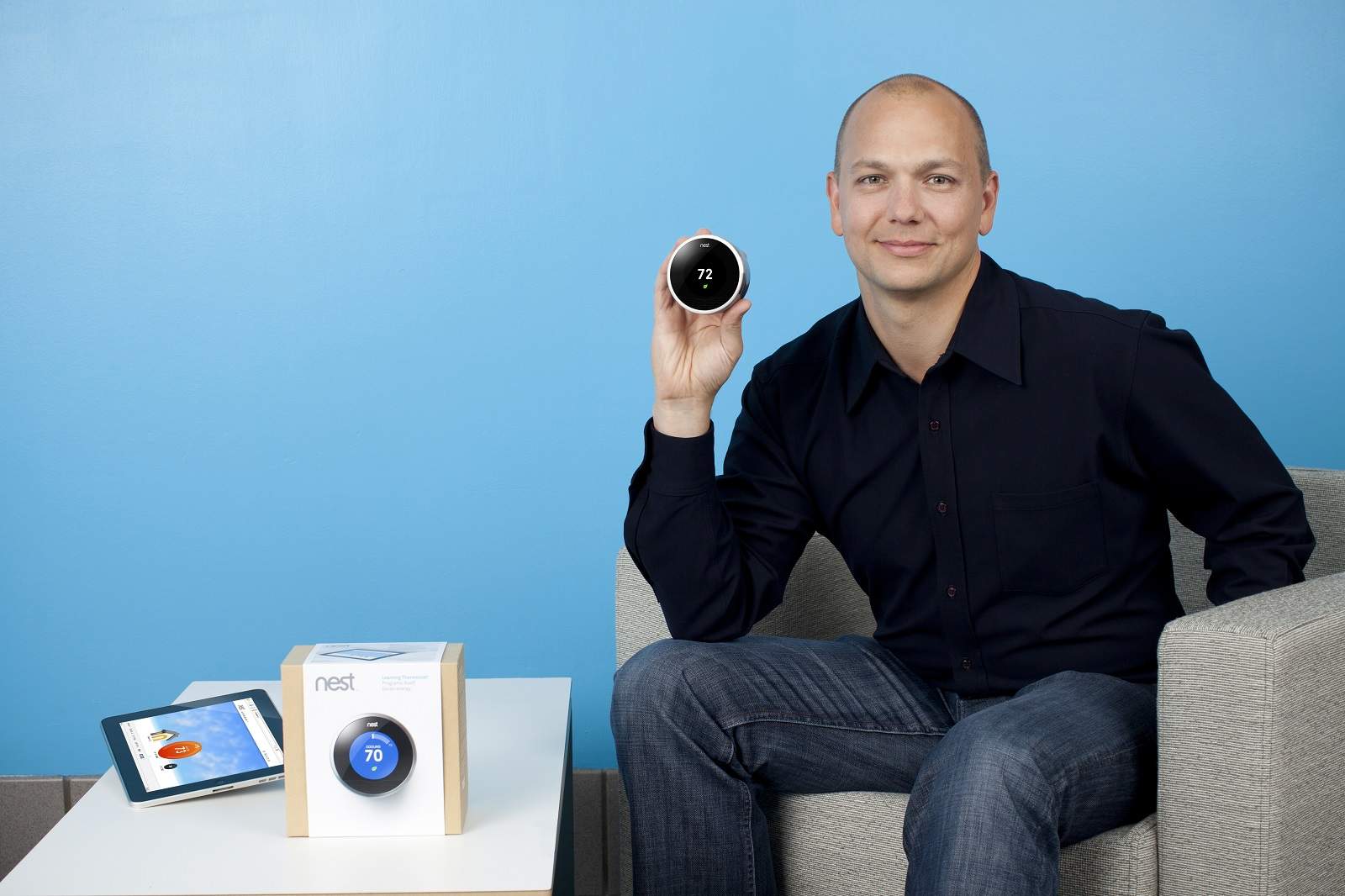
What does Tony Fadell, "godfather" of the iPod, think of the iPhone? Photo: Nest
Over the past decade, the iPhone has changed pretty much everything, from communication and gaming to the way in which we consume news and pay for our groceries. But how has the device impacted the lives of tech titans?
Find out from Eben Upton, creator of Raspberry Pi; Jimmy Wales, co-founder of Wikipedia; Tony Fadell, founder of Nest and “godfather” of the iPod, and more.
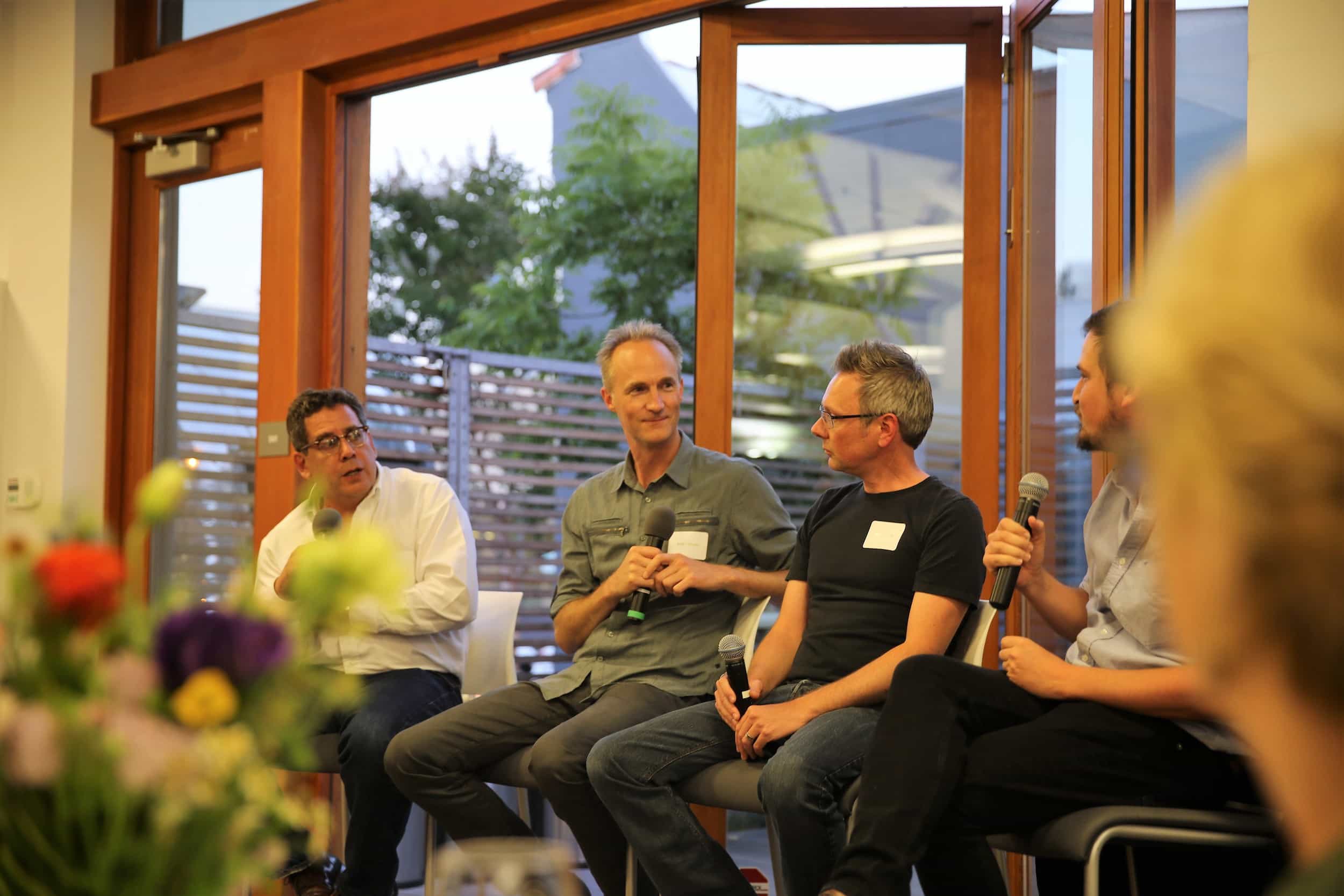
Members of the original iPhone development team, Greg Christie, Bas Ording and Brian Huppi talking to journalist Brian Merchant. Photo: Lyle Kahney/Cult of Mac
PALO ALTO, California — The first iPhone “prototype” was strung together using bits of wood, duct tape and some old Polaroid lenses.
Key members of the Apple team reminisced about those early DIY efforts Wednesday night during a discussion led by Brian Merchant, author of The One Device, a new book about the birth of the iPhone.
“This thing was really kludged together,” said Brian Huppi, a former Apple engineer who helped build the first system. “It was built out of wood, duct tape and old lenses from the ’60s.”
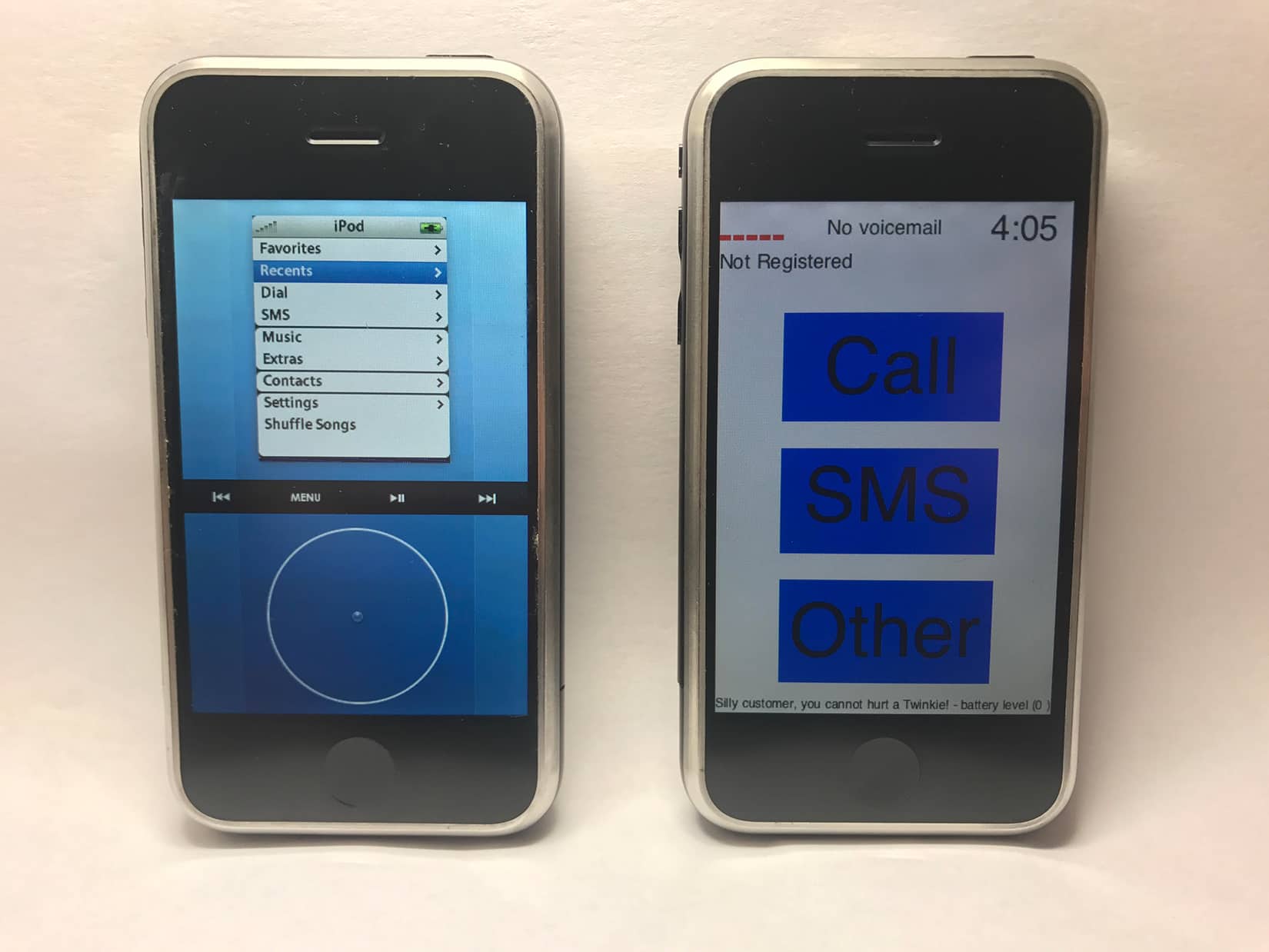
These prototypes show some of the early steps Apple took in developing the revolutionary iPhone. Photo: Hap Plain
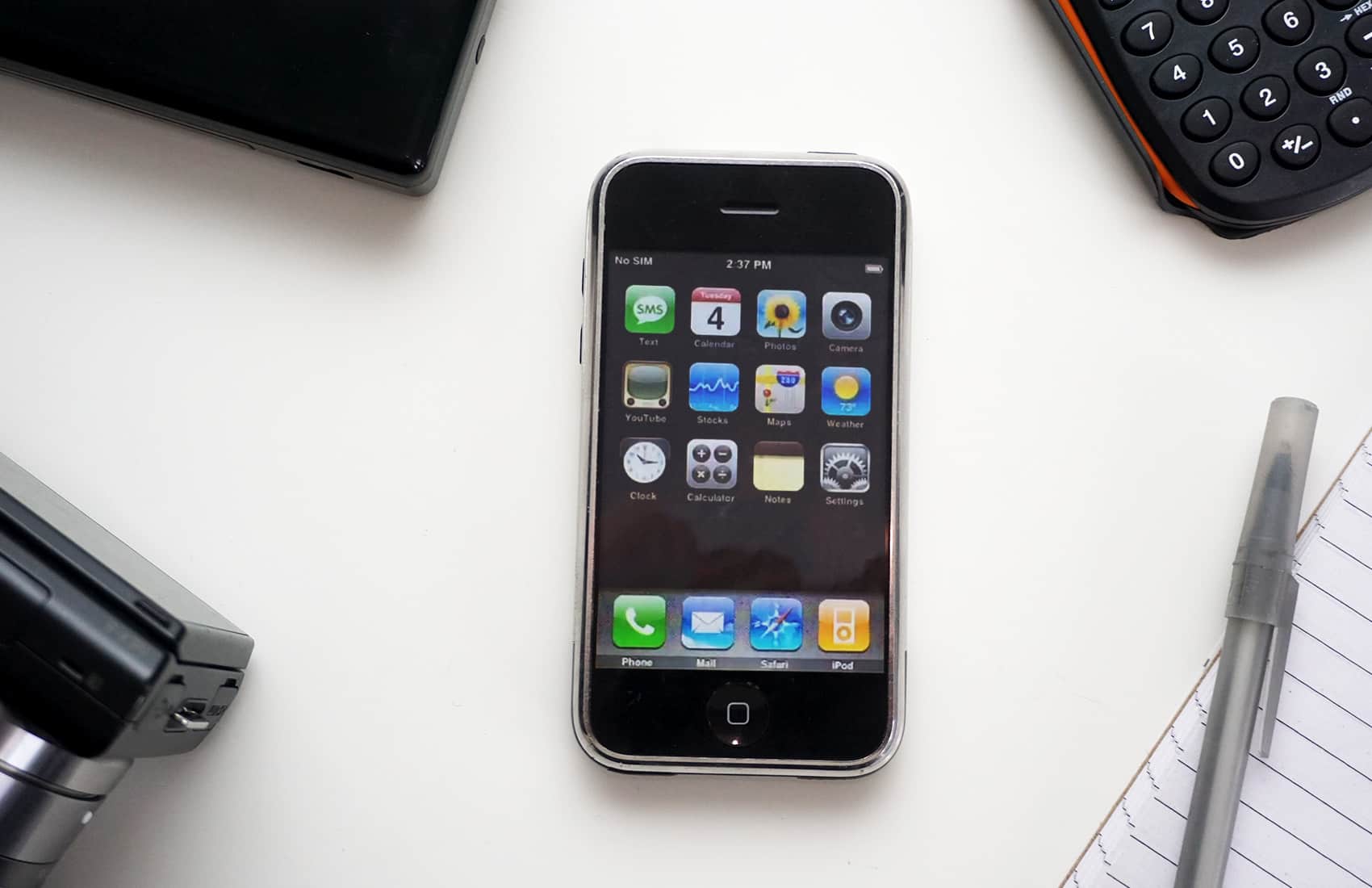
Apple collector Hap Plain can observe the iPhone’s 10th anniversary today by powering up two extremely rare iPhone prototypes — and you can see them in action, too.
The prototypes, which likely passed through the hands of Apple execs including Steve Jobs, Tony Fadell and Scott Forstall, offer a unique glimpse at iPhone development. You can see Plain fire them up in the video below, the latest entry in Cult of Mac’s collaboration with Wired UK to recap a decade of the iPhone.
One of the greatest product unveilings in history. Photo: Apple
Whether you write about it on a daily basis or just use it to stay in touch with your friends, family and the world around you, the iPhone is such a big part of our lives today that it’s difficult to remember what it was like before it existed.
With today marking 10 years since the original iPhone going on sale, it’s worth venturing back in time to check out Steve Jobs’ original unveiling of the iPhone at the 2007 Macworld.
This is the moment everything changed — and our Moto Q, Palm Treo and Nokia E62 handsets suddenly looked very, very dated:
Former Apple designer Bas Ording created the rubber band effect, which convinced Steve Jobs to build the iPhone. Photo: Jim Merithew/Cult of Mac
One day in early 2005, interface designer Bas Ording was sitting in a secret, windowless lab at Apple HQ when the phone rang. It was Steve Jobs.
The first thing Jobs says is that the conversation is super-secret, and must not be repeated to anyone. Ording promises not to.
“He’s like, ‘Yeah, Bas, we’re going to do a phone,'” Ording told Cult of Mac, recalling that momentous call from long ago. “‘It’s not going to have any buttons and things on it, it’s just a screen. Can you build a demo that you can scroll through a list of names, so you could choose someone to call?’ That was the assignment I got, like pretty much directly from Steve.”
This bag, which held an original iPhone on launch day in 2007, is now a super-rare Apple collectible. Photo: Mark Johnson
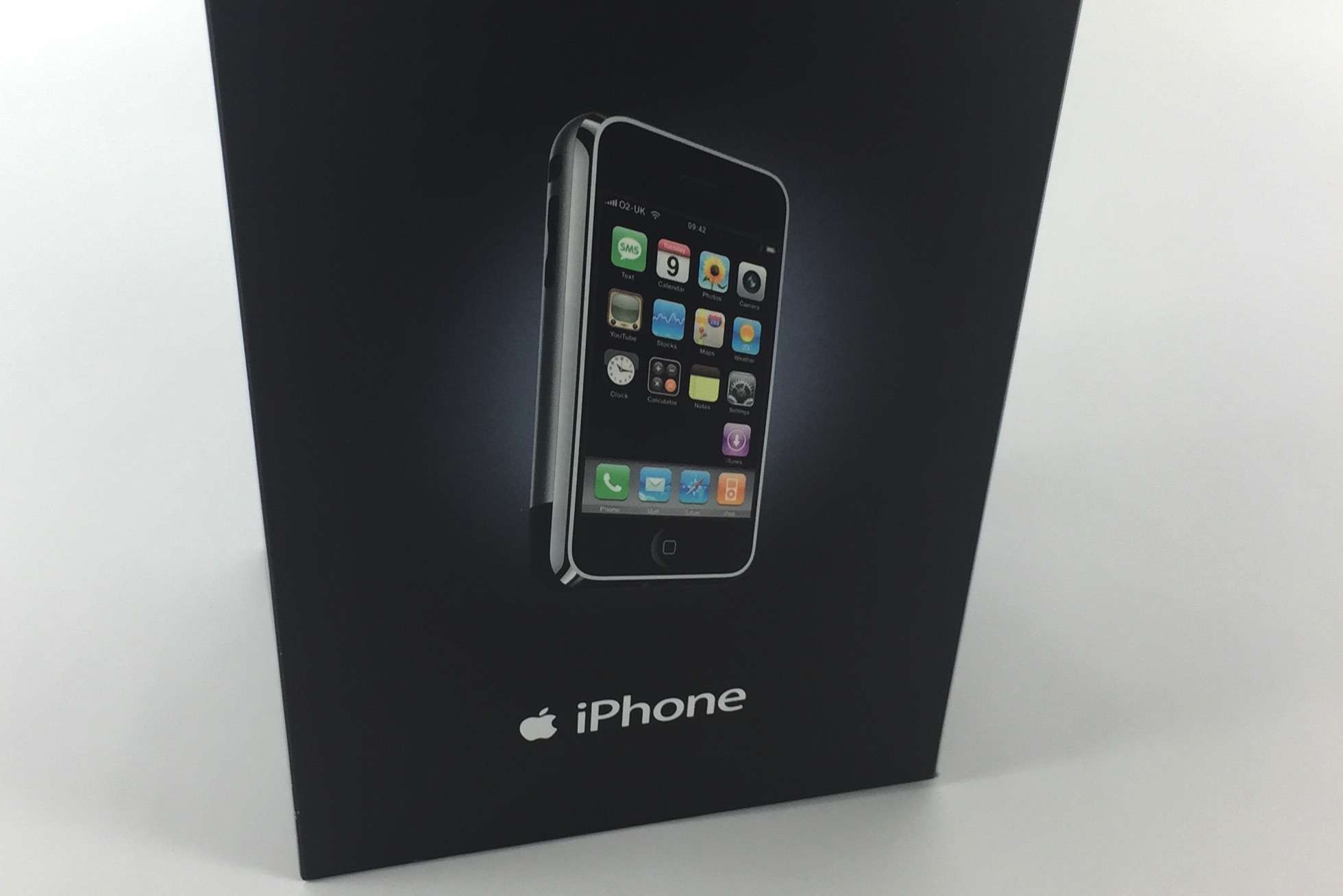
It’s cool to own an original, first-gen iPhone. But if you really want to show that you were among the Apple faithful — a true believer who queued up for Cupertino’s inaugural handset back on June 29, 2007 — you’re going to want an extra accessory: the custom paper bag it came in.
More than just an oddball Apple collectible, it’s an early example of the extraordinary care Cupertino puts into packaging its magical devices.
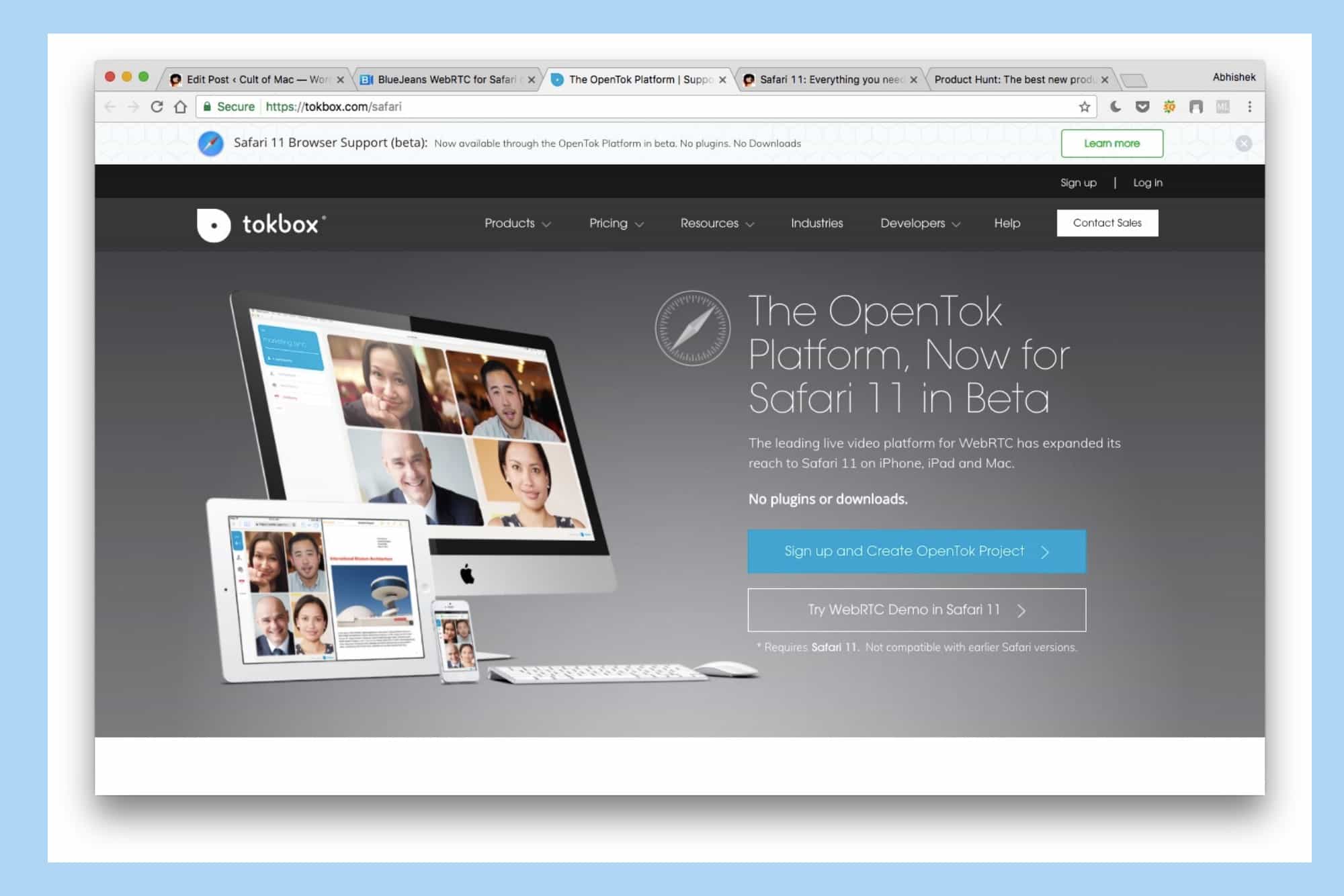
Apple has partnered with TokBox to enable video streams via WebRTC. Photo: Cult of Mac
Safari 11 brings some big upgrades to enhance your browsing experience on macOS High Sierra and iOS 11. With the latest iteration of its web browser, Apple aims to shoot down aggressive web practices that hamper user experience, while also adding tons of under-the-hood features. The new Safari also promises to bring increased stability, speed and power efficiency.
Here’s everything you need to know about Safari 11.
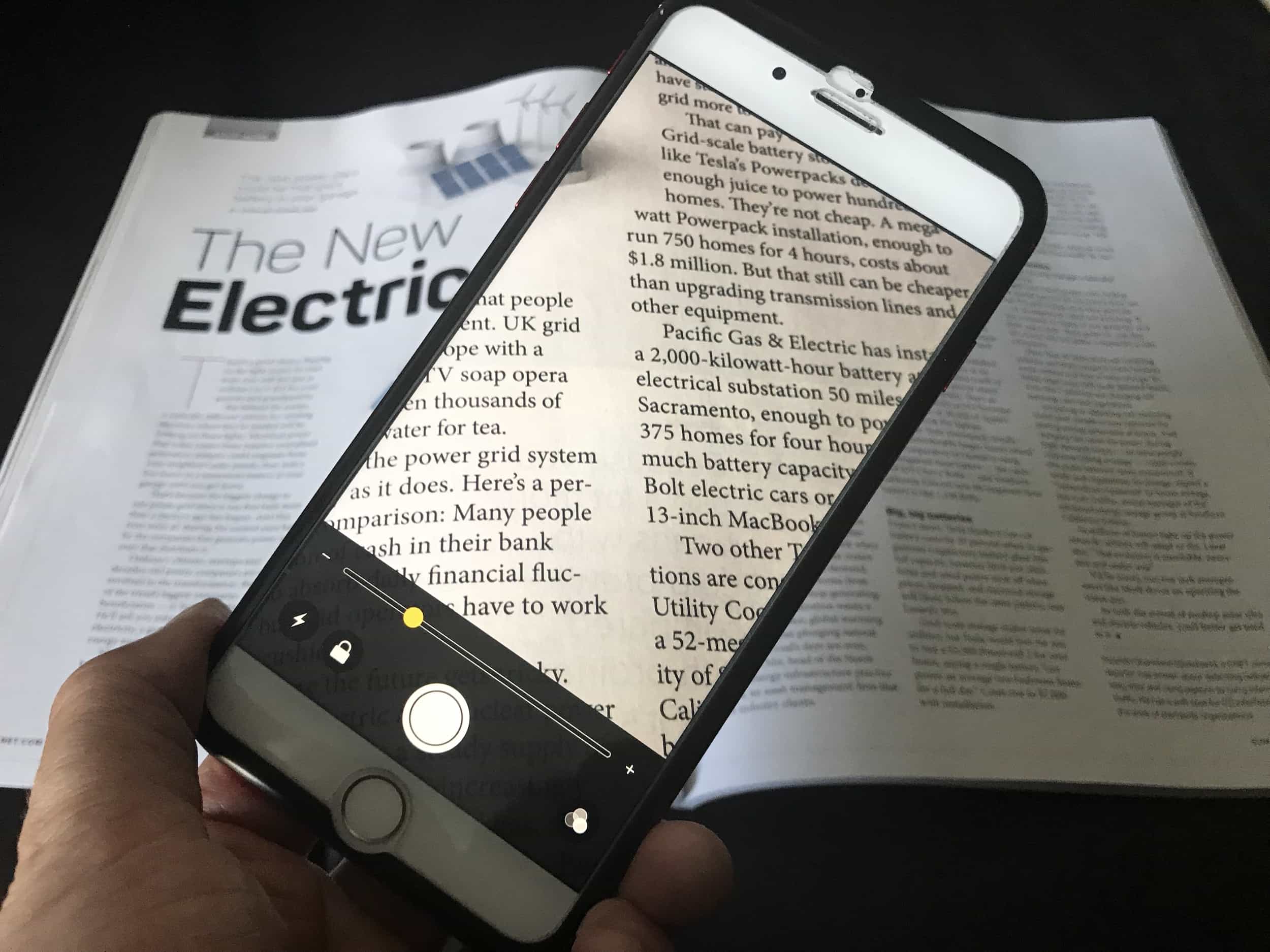
You probably had no idea your iPhone has a built-in magnifying glass. Photo: Leander Kahney/Cult of Mac
Damon Rose is 46, and has been blind since he was a teenager. In 2012, the iPhone changed his life.
Rose, a senior broadcast journalist at the BBC, uses GPS to get around unfamiliar areas, with an earbud stuck in one ear, and uses a third-party app that tells him what shops he’s walking past. It’s “amazingly helpful,” he told Cult of Mac. “I can look at menus on restaurant websites while I’m sitting there with my first drink of the evening,” instead of having the waiter read out the menu.
The iPhone might not have been the first phone with accessibility features, but it was certainly the first popular pocket computer to be easily useable by the blind and the hearing-impaired.
A lot has change since 2007, when iPhone OS arrived on the original iPhone. Photo: Ste Smith/Cult of Mac
The operating system that powers the iPhone has undergone radical changes since Apple launched the device 10 years ago.
As part of Cult of Mac’s collaboration with Wired UK to mark the 10th anniversary of the iPhone, we took a look at the evolution of iOS, from a simple touchscreen operating system lacking key features into a true computing behemoth with more tools than any one user could possibly need.
iOS 11 for iPad might be Apple's biggest new product this year. Photo: Apple
Updated 27 June, 2017: This post now includes details about the iOS 11 public beta.
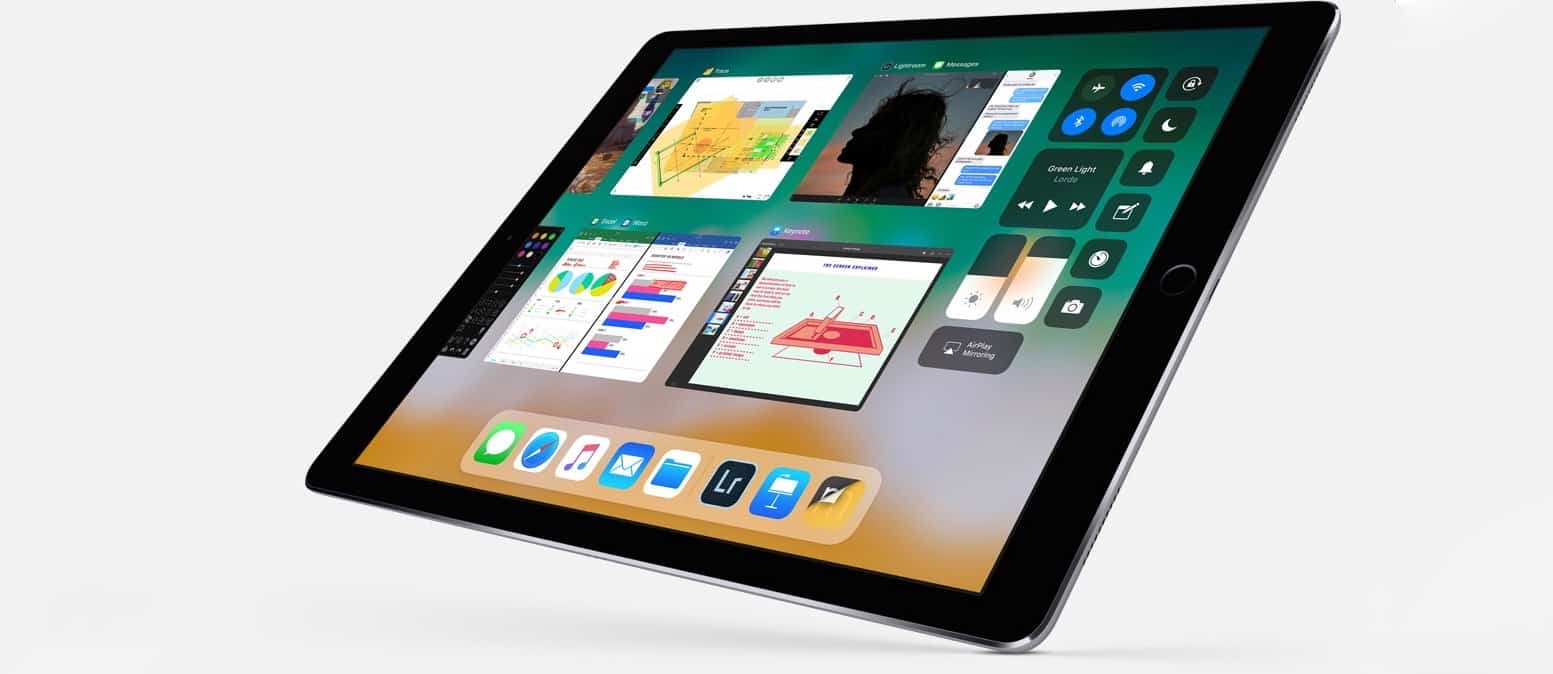
Apple’s Worldwide Developers Conference keynote this June was so packed that even two-and-a-half hours didn’t seem like enough time. And yet the biggest announcement wasn’t new hardware, or a new app. It was an update.
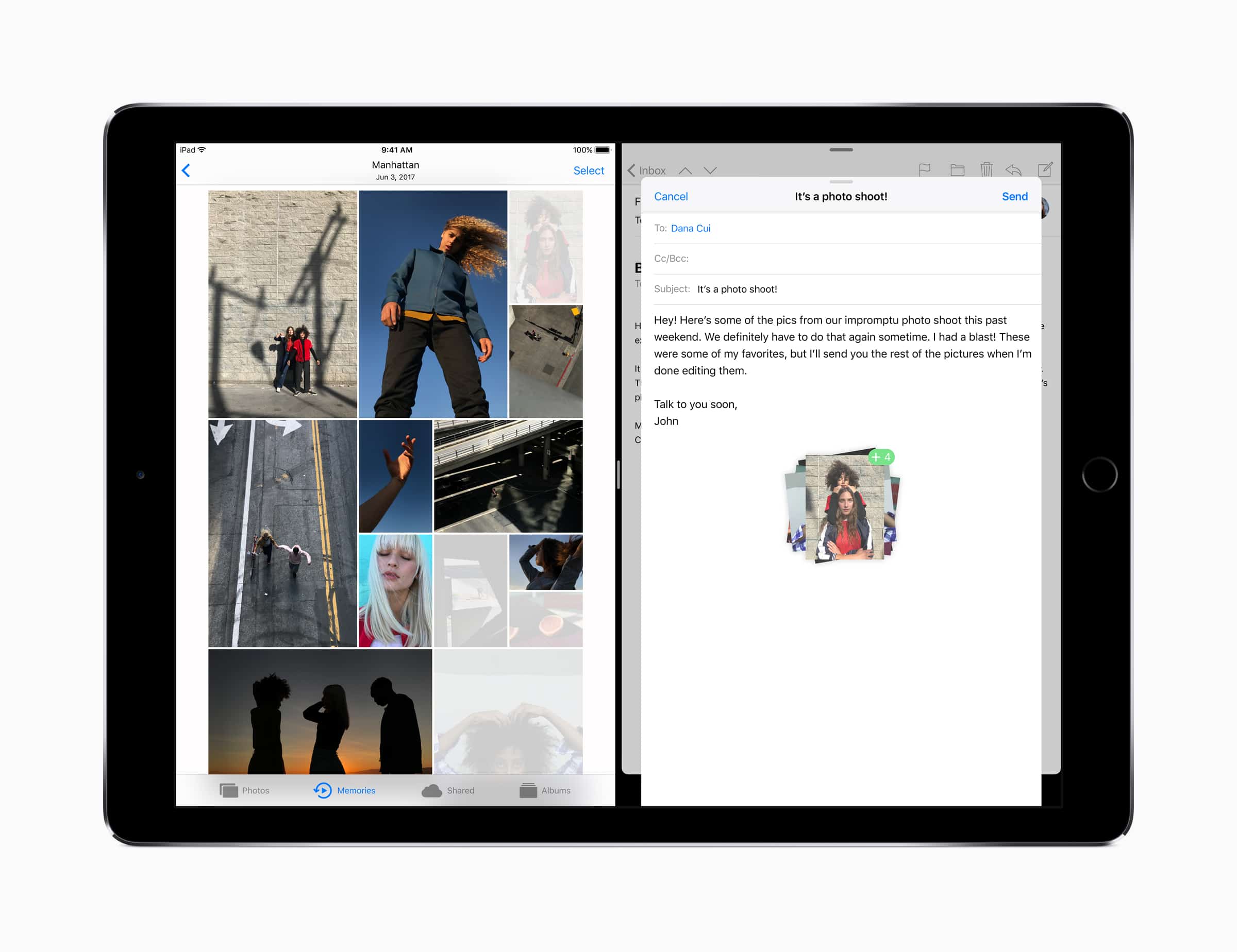
Specifically, the iOS 11 update for the iPad, which turns Apple’s tablet from little more than a big iPhone into a full-featured touchscreen PC. In one go, Apple showed that it is still full-steam behind the iPad, and that a desktop-class touchscreen computer doesn’t have to actually run a desktop OS, like Microsoft’s Surface.
A lot has change since 2007, when iPhone OS arrived on the original iPhone. Photo: Ste Smith/Cult of Mac
As the iPhone turns 10 years old this week, the Apple’s long streak of dominance makes it seem like iPhone will rule the tech world for the forseeable future. Nothing last forever though, so what could the iPhone look like in 2027 when technology is more seamlessly embedded in our lives?
Cult of Mac is collaborating with Wired U.K. all this week for an in-depth look at the iPhone’s lasting impact and possible future. Tech experts that Wired talked to are pretty optimistic that the iPhone will still exist in some form 10 years from now. But interacting with it will be completely different.
Now you can test out drag-and-drop, and all the other goodies in iOS 11. Photo: Apple
Just three weeks after presenting iOS 11, and making the first iOS 11 betas available to developers, Apple has released a public beta of the next iPad and iPhone operating system. That means that anyone, including you, can sign up, download and run iOS 11 public beta on your iPhone or iPad. Doing so is super easy. Here’s how: